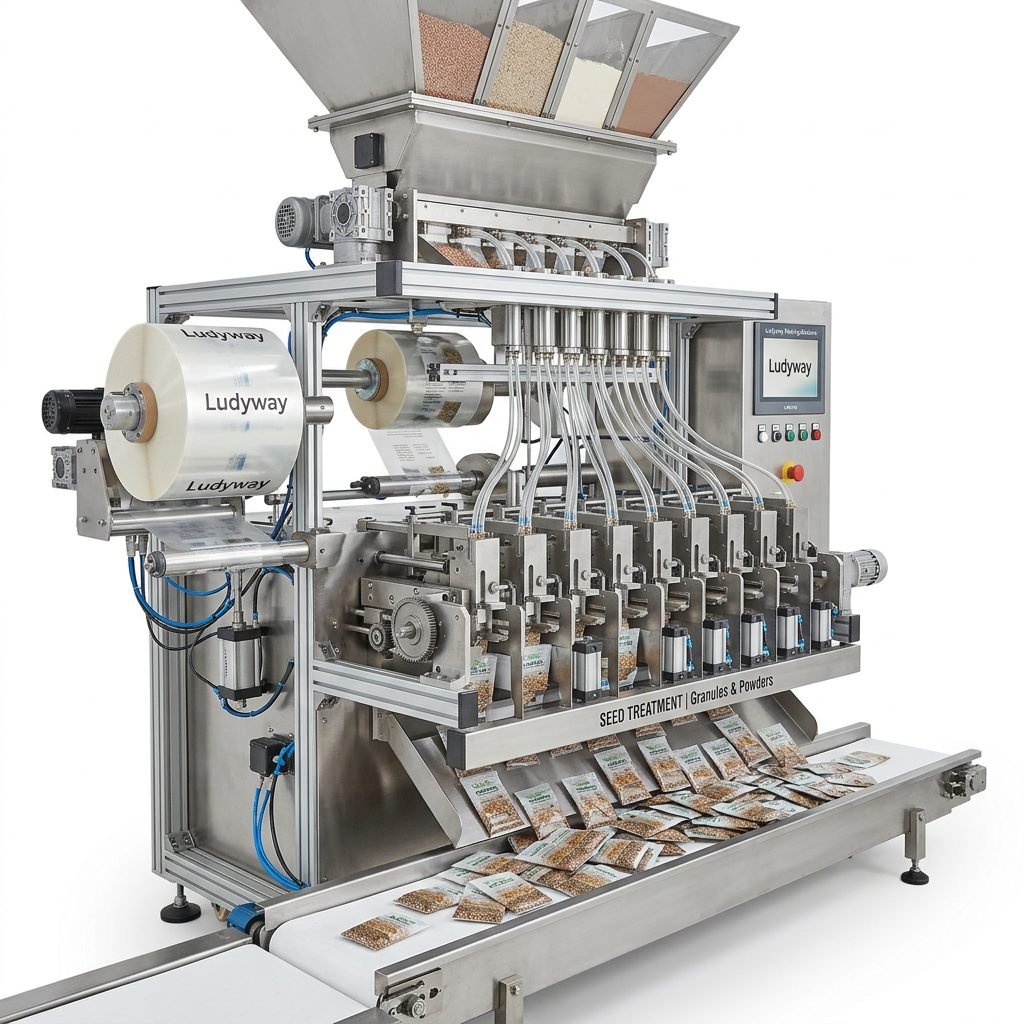
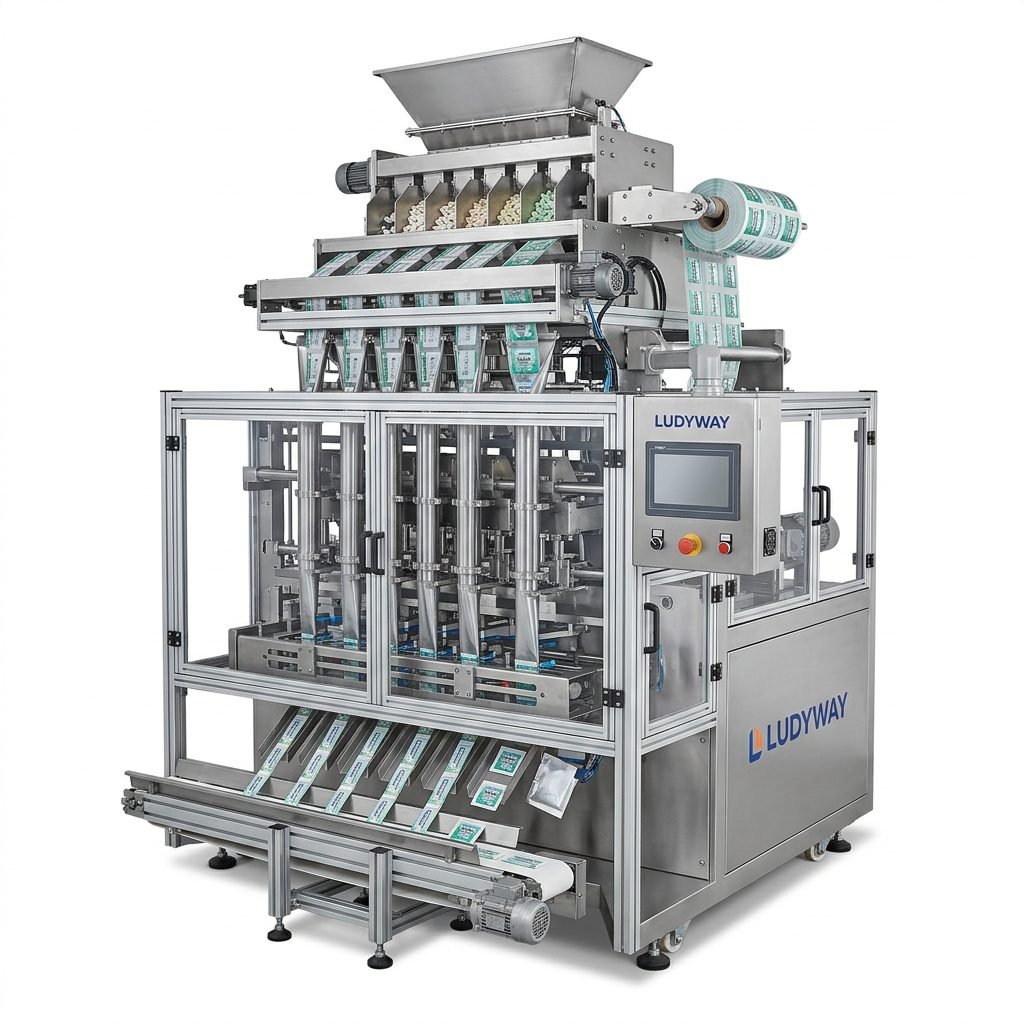
Investing in a food packaging box making machine is a strategic decision that directly impacts your production efficiency, product quality, and long-term operational costs. Whether you are packaging dry foods, frozen products, baked goods, or ready-to-eat meals, selecting the right cartoning and box packaging equipment requires careful evaluation of multiple technical and commercial factors. This comprehensive guide walks you through the key considerations to help you make an informed purchase.

1. Understand Your Box and Carton Specifications
Before evaluating any box making machine for food packaging, you must clearly define the types of cartons or boxes your production requires. Different machines handle different box styles, sizes, and materials. Consider the following parameters:
- Box style: Straight tuck, reverse tuck, seal-end, lock-bottom, or corrugated cases
- Dimensions: Minimum and maximum box size ranges your production line needs to accommodate
- Material type: Paperboard, corrugated board, or kraft board with varying thicknesses
- Closure method: Glue, tuck-flap, or tape sealing
According to the Flexible Packaging Association, packaging format standardization can significantly reduce machine changeover time and improve overall equipment effectiveness. Mapping out your exact box requirements before contacting suppliers will save considerable time and help you narrow down suitable machine configurations.
2. Evaluate Production Speed and Capacity Requirements
Production throughput is one of the most critical metrics when choosing a food packaging box making machine. You need to match the machine’s rated speed with your current and projected production demands.
Key Speed-Related Questions to Answer:
- What is your target output in boxes per minute (BPM) or cartons per hour (CPH)?
- Do you need a machine that can handle multiple box sizes with quick changeover?
- Will your production volume scale significantly in the next 3-5 years?
- What is the expected machine uptime and overall equipment effectiveness (OEE)?
High-speed cartoning lines can reach speeds of 60 to over 200 cartons per minute, while semi-automatic machines operate at lower speeds suitable for small to medium production batches. The PMMI Business Intelligence reports indicate that food manufacturers increasingly prioritize flexible automation that allows speed adjustments across different SKUs.
3. Assess Automation Level and Integration Needs
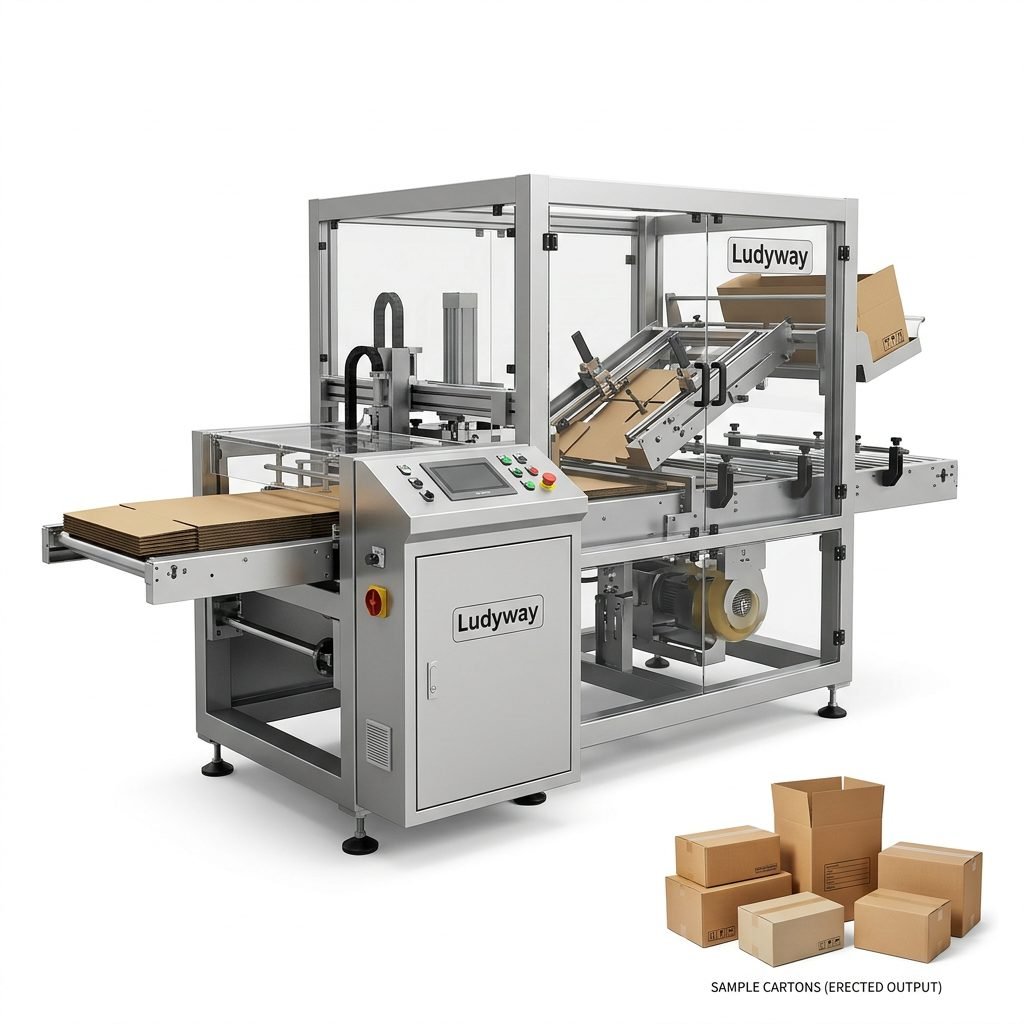
Modern food packaging box making machines range from semi-automatic standalone units to fully automated cartoning lines integrated with upstream and downstream equipment. Your choice should reflect your overall production strategy and labor availability.
| Automation Level | Best Suited For | Typical Speed Range | Investment Level |
|---|---|---|---|
| Semi-Automatic | Small batches, startups, manual packing lines | 10-30 boxes/min | Lower initial cost |
| Fully Automatic Standalone | Medium to high volume, dedicated product lines | 30-80 boxes/min | Moderate investment |
| Integrated Cartoning Line | High-volume production, multi-SKU operations | 60-200+ boxes/min | Higher capital expenditure |
For food manufacturers looking to connect multiple packaging stages — from primary filling to secondary cartoning and case packing — integrated systems offer significant efficiency gains. As detailed in PMMI’s 2025 State of the Industry report, automation adoption in food packaging continues to accelerate, driven by labor challenges and the need for consistent throughput.
4. Verify Material Compatibility and Box Quality
Not every carton erecting machine handles all paperboard grades equally well. Material compatibility affects box forming quality, glue adhesion, and final presentation. Key material factors include:
- Paperboard caliper: Thicker boards require machines with stronger forming mechanisms
- Coating and finish: Glossy or coated surfaces may need special glue systems
- Pre-creased blanks: Consistent blank quality improves forming precision
- Recycled content: Higher recycled fiber content can affect board rigidity
The Flexible Packaging Association emphasizes that material-machine compatibility testing is essential before finalizing any equipment purchase. Always request sample runs using your actual packaging materials during the evaluation process.
5. Consider Changeover Flexibility and Downtime
In today’s food manufacturing environment, production lines frequently switch between different product sizes, box formats, and packaging configurations. A box making machine with quick changeover capabilities can dramatically reduce non-productive downtime.
Features That Improve Changeover Efficiency:
- Tool-free adjustments: Handwheel and lever-operated size changes without tools
- Servo-driven systems: Programmable settings for repeatable, precise changeovers
- Recipe storage: Digital memory for multiple box size configurations
- Quick-release mechanisms: Rapid component swapping for different carton styles
A machine requiring 30-45 minutes for a full changeover versus one that accomplishes it in 5-10 minutes can mean a difference of hundreds of lost production hours annually. When evaluating machines, ask suppliers to demonstrate actual changeover procedures rather than relying solely on specifications.
6. Evaluate Build Quality and Compliance Standards
Food packaging equipment must meet rigorous hygiene, safety, and quality standards. When assessing a food packaging box making machine, examine the construction materials, design features, and certifications.
| Quality Factor | What to Look For | Why It Matters |
|---|---|---|
| Frame Construction | Heavy-duty welded steel, stainless steel options | Ensures machine stability and longevity |
| Food-Grade Materials | Stainless steel contact parts, washdown-compatible designs | Meets FDA and food safety requirements |
| Safety Features | Interlocked guards, emergency stops, CE/UL compliance | Operator protection and regulatory compliance |
| Component Quality | Branded pneumatic, electrical, and automation parts | Reliable performance and easier spare parts sourcing |
International standards such as ISO packaging standards and FDA regulations for food contact substances provide important benchmarks. Ensure the machine you select can be configured to meet applicable requirements for your target markets.

7. Assess Customization and Engineering Support
Standard machines may not always meet your unique production requirements. Many food manufacturers benefit from customized cartoning solutions tailored to their specific products, factory layouts, and automation goals.
When discussing customization with potential suppliers, consider:
- Can the machine be configured for your specific box dimensions and styles?
- Is custom integration with existing conveyors, fillers, and labelers available?
- Does the supplier offer engineering support for layout design and workflow optimization?
- Can the machine accommodate future product line expansions?
A supplier with in-house engineering capabilities can provide more responsive customization than one relying solely on standardized models. This is particularly valuable when introducing new packaging formats or scaling production capacity. Leading manufacturers with dedicated engineering teams can evaluate your product specifications and recommend appropriate machine configurations or complete packaging line solutions.
8. Calculate Total Cost of Ownership
The purchase price of a food packaging box making machine is only the beginning. A thorough financial analysis should account for the full lifecycle costs over the expected service life of the equipment.
Total Cost of Ownership Components:
- Initial capital expenditure: Machine purchase, shipping, installation, and commissioning
- Operational costs: Energy consumption, compressed air, glue, and consumables
- Labor costs: Operators required per shift and skill level needed
- Maintenance costs: Preventive maintenance, spare parts inventory, and service contracts
- Downtime costs: Lost production during repairs, changeovers, and maintenance
Industry data from PMMI’s 2024 State of the Industry suggests that packaging machinery with higher initial quality often delivers lower total cost of ownership over a 7-10 year service life due to reduced maintenance requirements and higher uptime percentages.
9. Verify After-Sales Service and Technical Support
Even the most reliable box making equipment requires periodic maintenance, troubleshooting, and occasional repairs. The availability and quality of after-sales support can make or break your long-term satisfaction with a machine investment.
Before committing to a supplier, investigate:
- Response time guarantees for technical support inquiries
- Availability of remote assistance for troubleshooting
- Spare parts inventory and shipping lead times
- On-site service capabilities in your geographic region
- Operator training programs for your production team
- Warranty terms and extended service contract options
Manufacturers serving global markets should demonstrate the ability to support customers across different time zones and regions. Remote technical assistance capabilities have become increasingly important for minimizing downtime and maintaining equipment performance.
10. Research Supplier Track Record and Industry Reputation
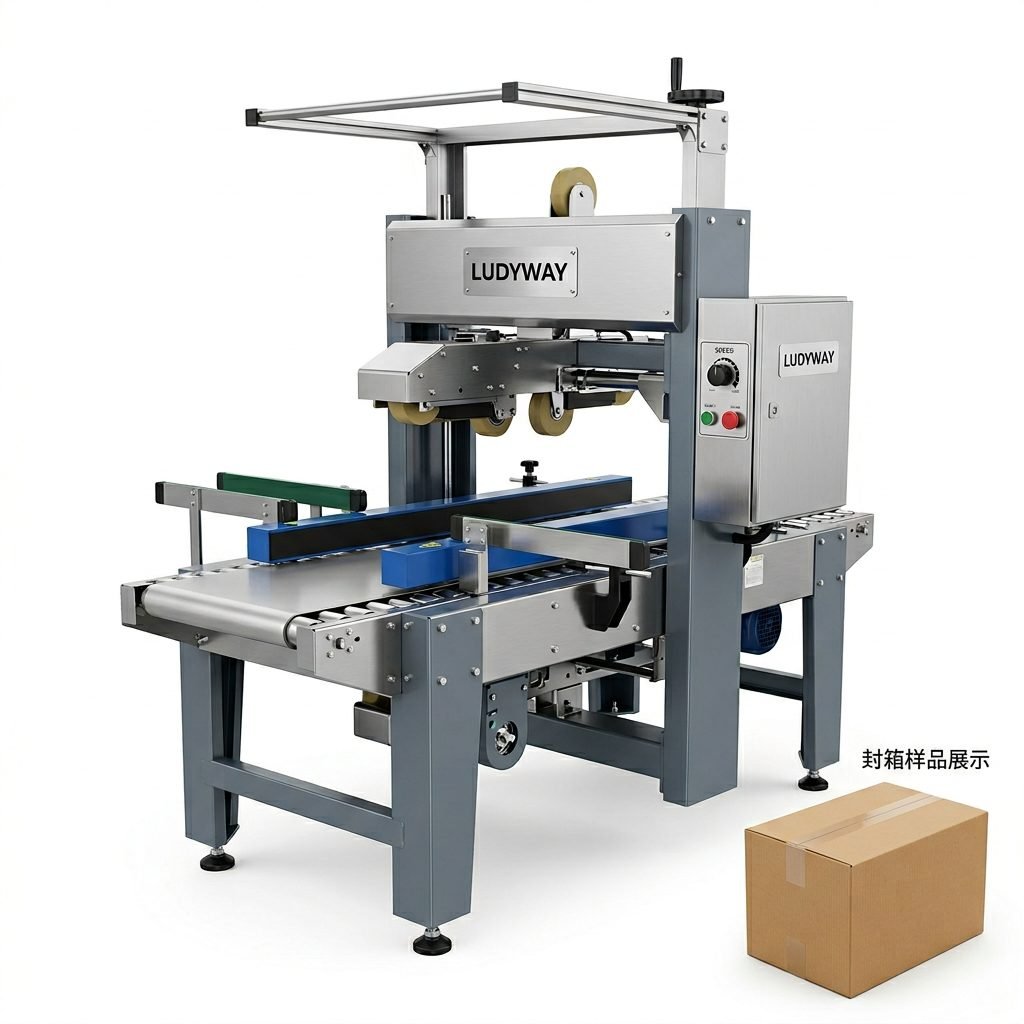
The quality and reliability of your food packaging box making machine ultimately depend on the manufacturer behind it. Evaluate potential suppliers based on their experience, manufacturing capabilities, and commitment to the packaging industry.
Key supplier evaluation criteria include:
- Years in business and specific experience in food packaging applications
- Manufacturing facility size and in-house production capabilities
- Range of packaging machinery models and ability to provide integrated solutions
- Customer base across different industries and geographic regions
- Certifications and compliance with international quality standards
- References and case studies from similar food packaging applications
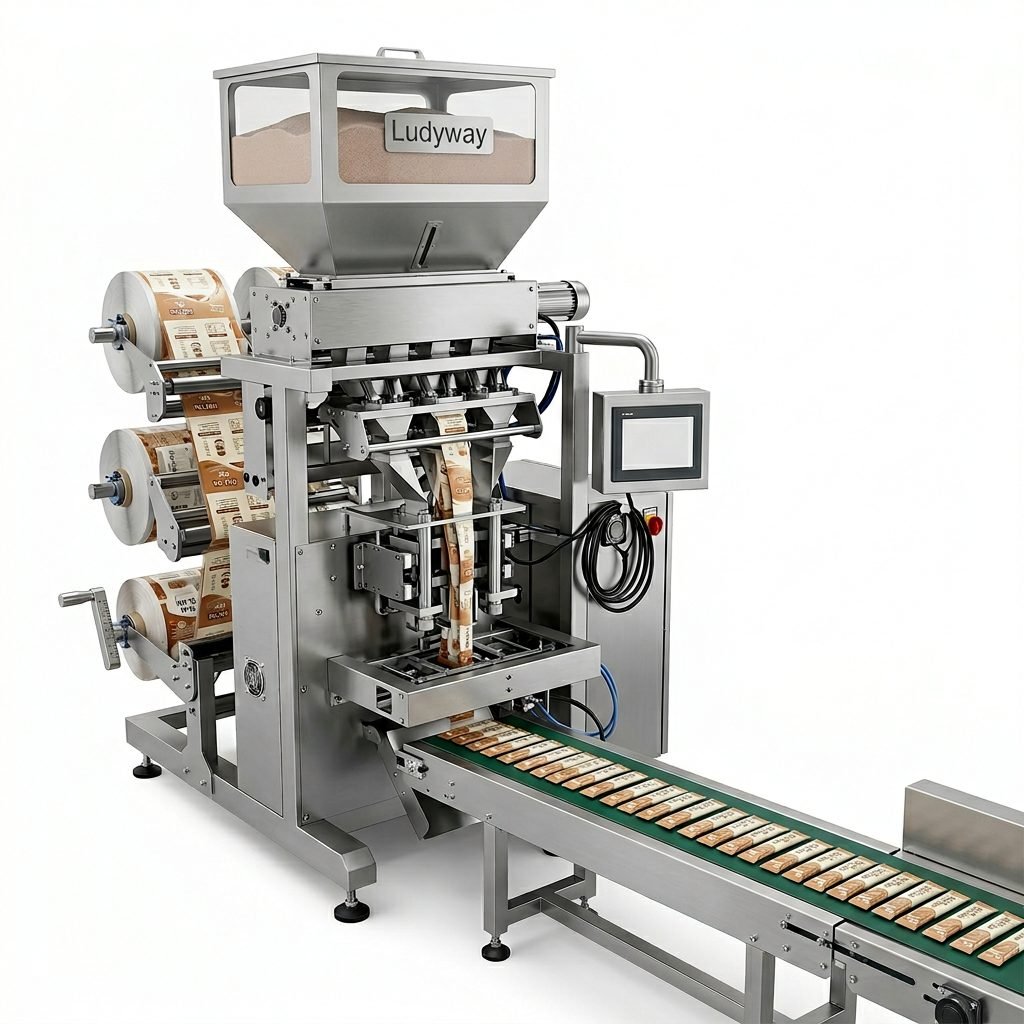
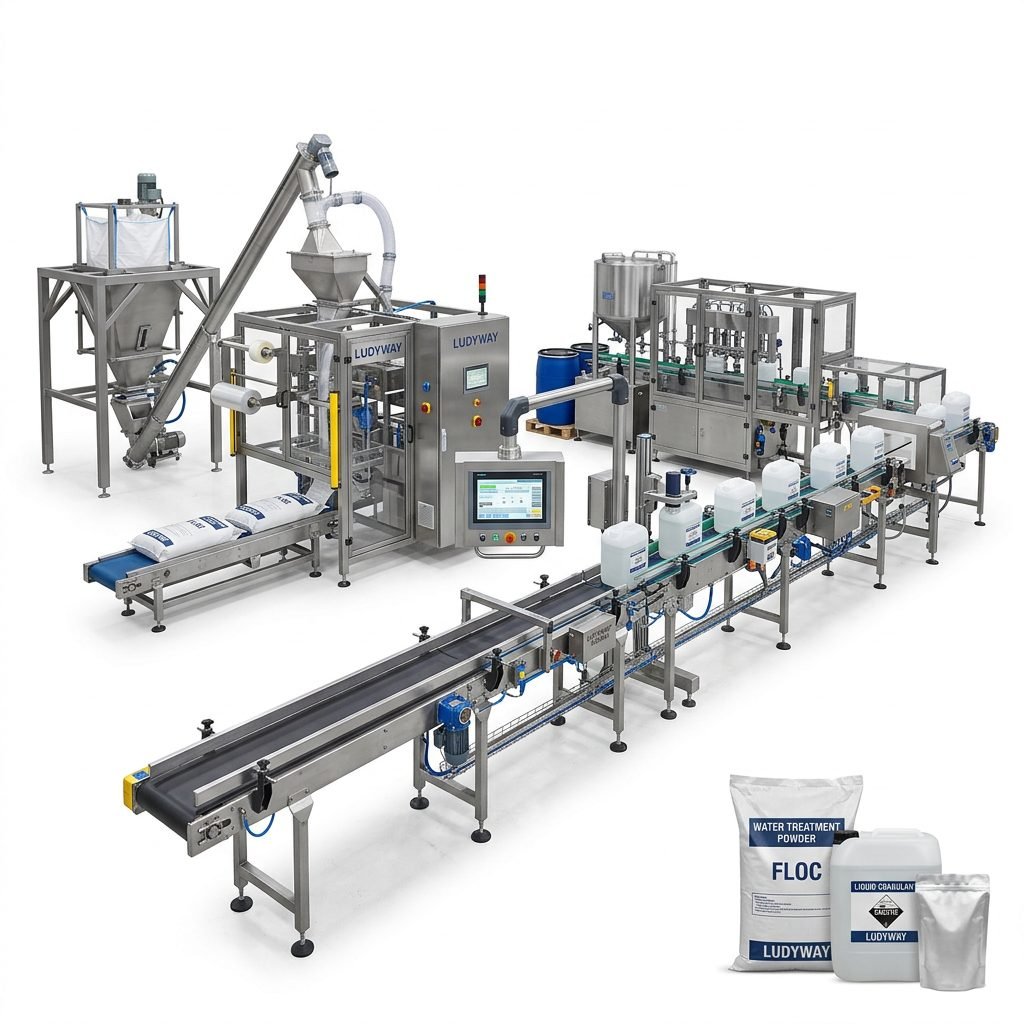
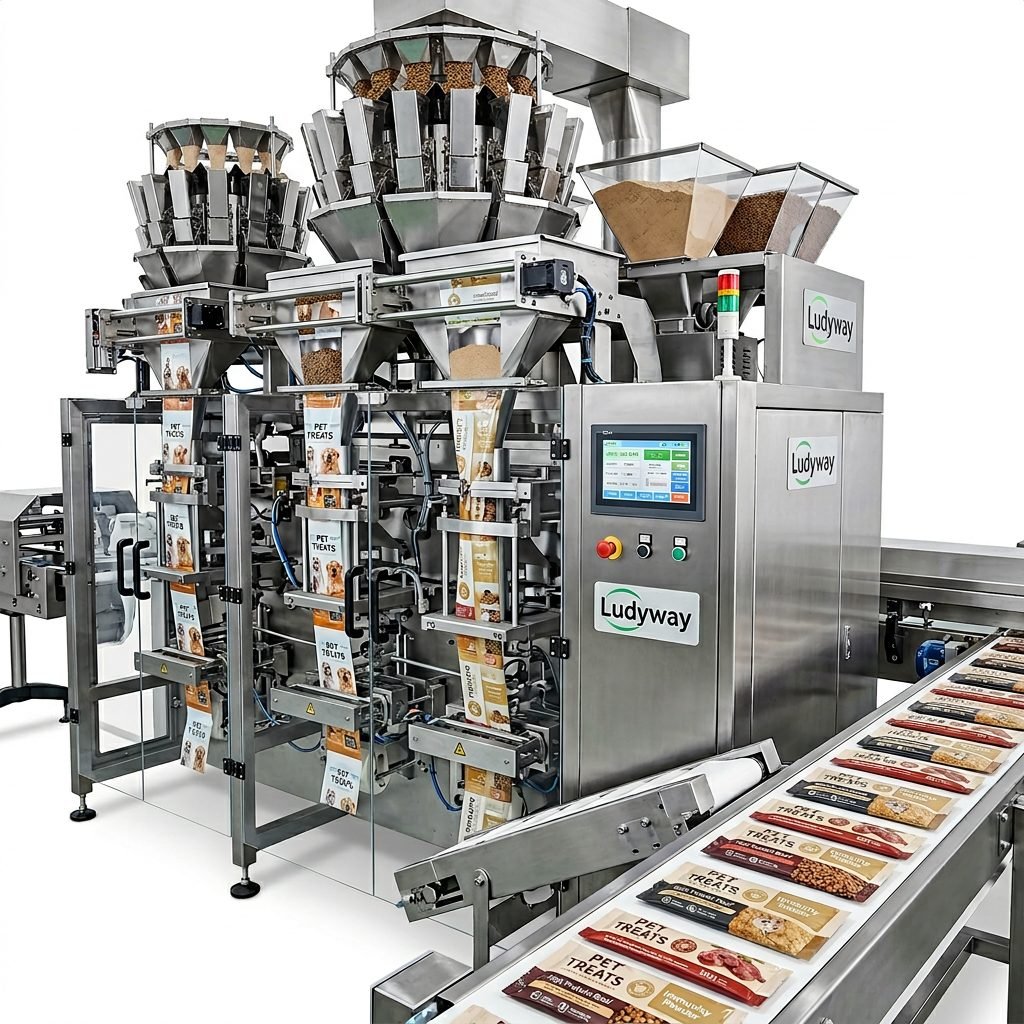
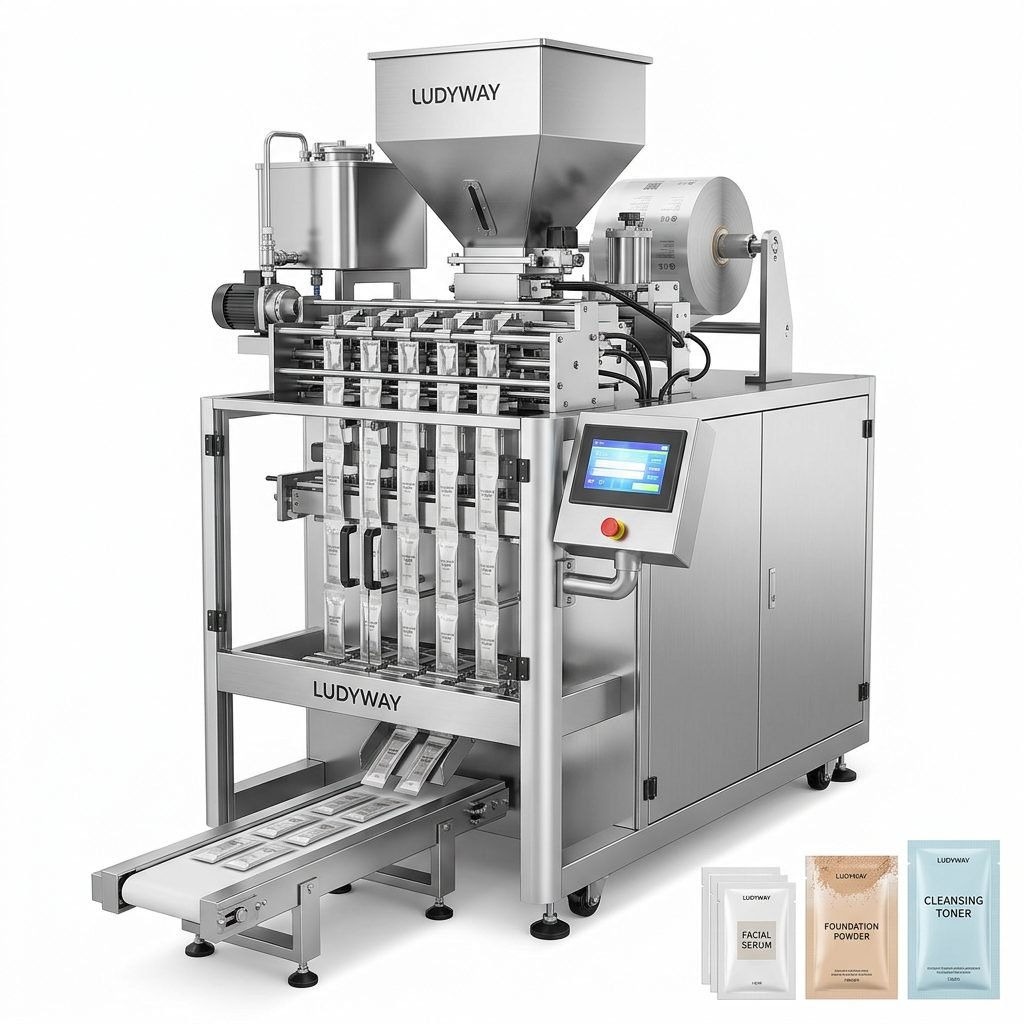
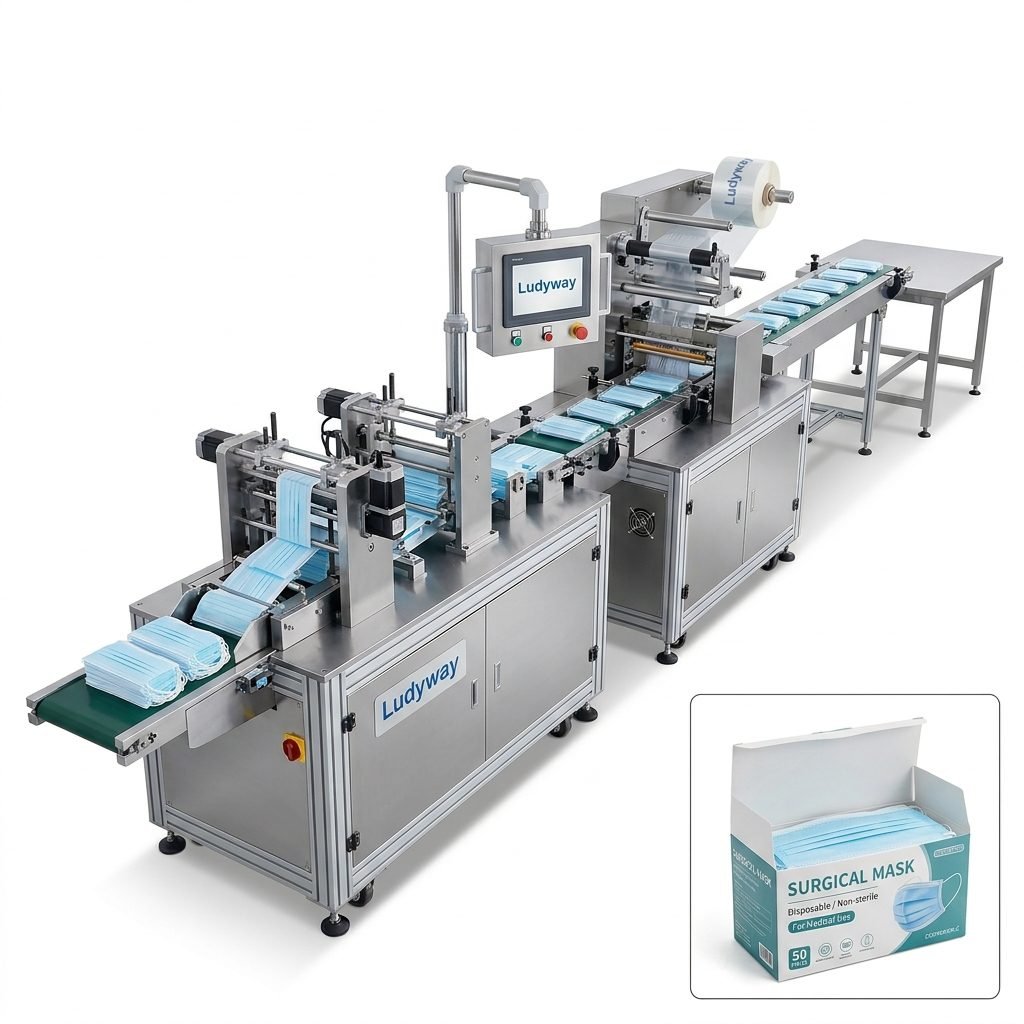
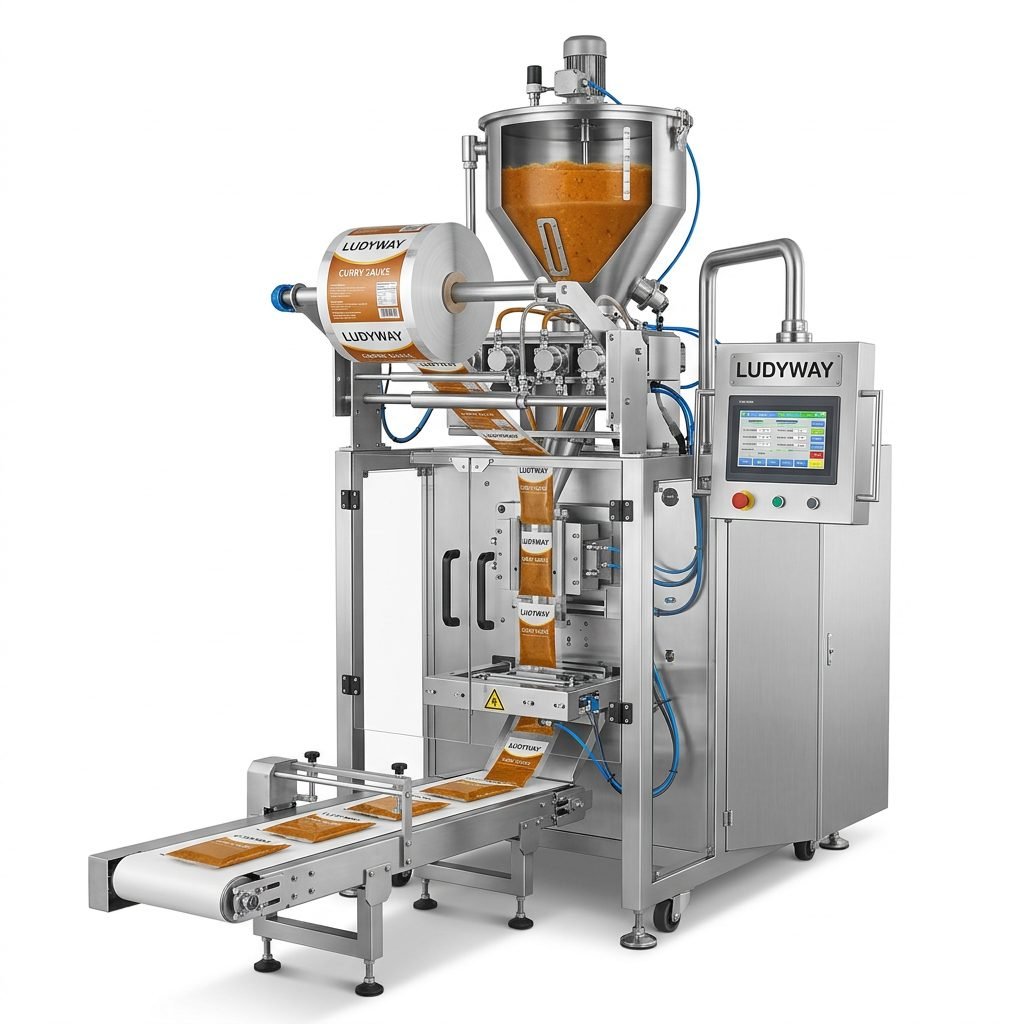
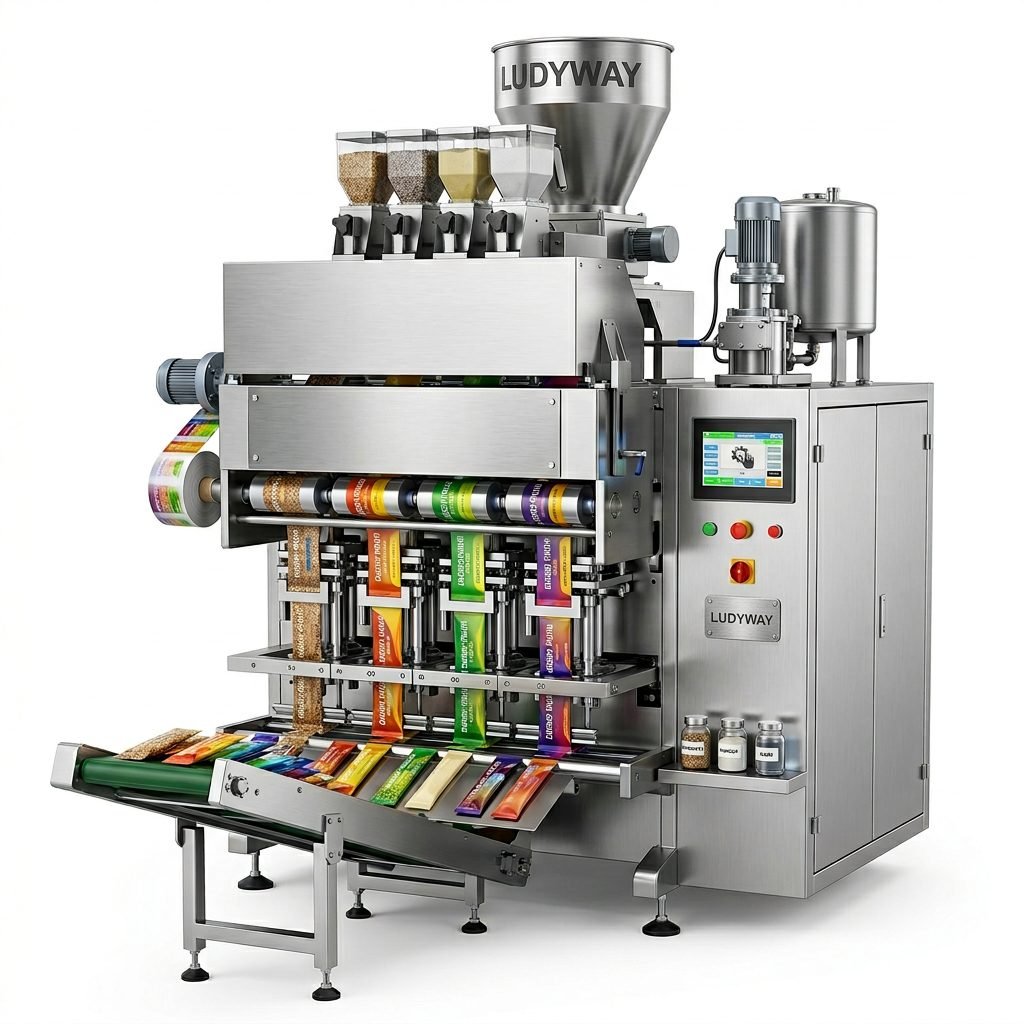
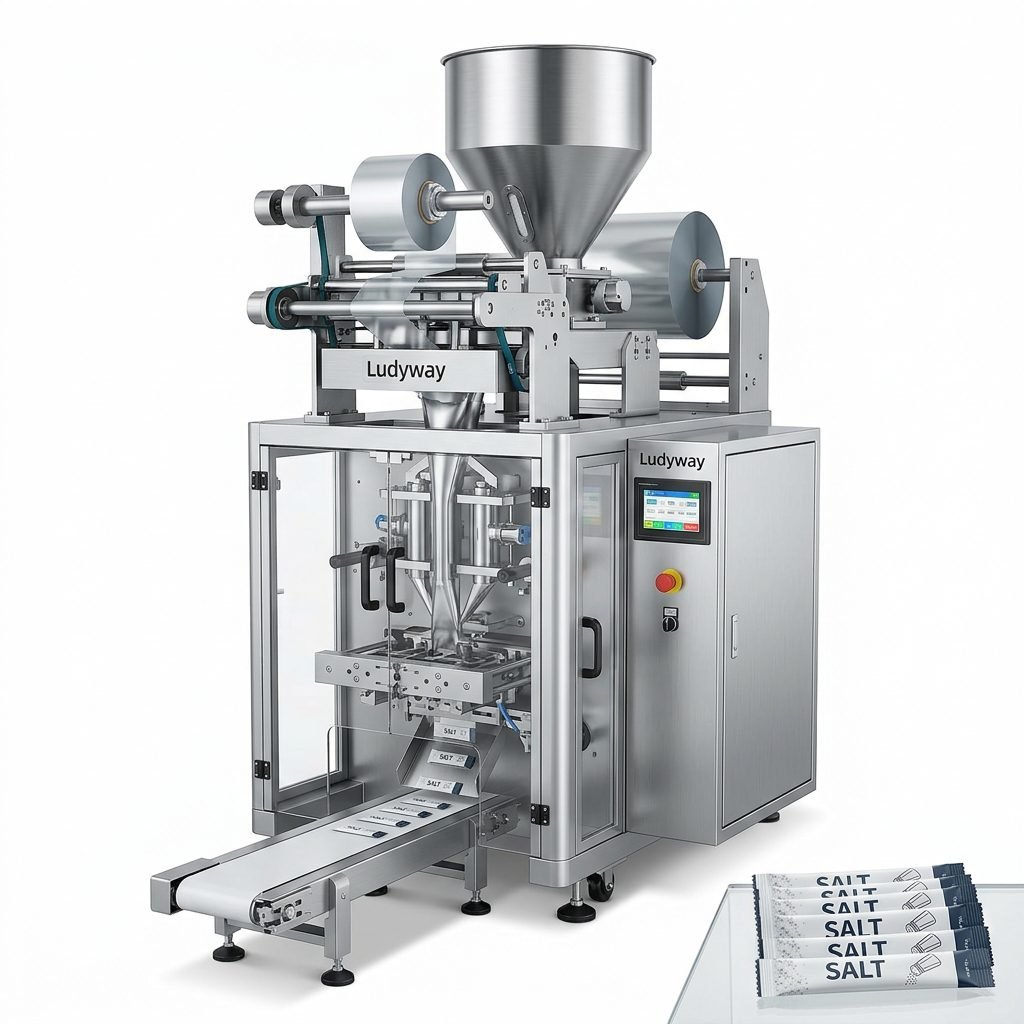
For instance, established packaging machinery manufacturers like Ludyway Machinery — a China-based company with over 30 years of experience, a 20,000-square-meter manufacturing facility, and more than 130 professionals serving customers across 100+ countries — demonstrate the kind of depth that food manufacturers should look for when selecting a long-term equipment partner. The company’s machinery covers powder, granule, liquid, stick pack, sachet, pouch, and flexible packaging applications across food and beverage, pharmaceutical, cosmetics, and chemical industries. Ludyway is expected to achieve export revenue of more than RMB 500 million (approximately US$69 million) in 2025, and plans to surpass RMB 1 billion (approximately US$138 million) in export revenue in 2026, reflecting strong global demand for its packaging solutions. Working with a supplier that offers comprehensive packaging machinery solutions — from individual machines to complete turnkey production lines — can streamline equipment selection, system integration, installation, and ongoing technical support.
11. Plan for Installation, Commissioning, and Training
A smooth installation process sets the foundation for years of reliable operation. When purchasing a cartoning and box packaging system, confirm what support the supplier provides during and after installation.
Installation Checklist:
- Pre-installation site preparation requirements (electrical, compressed air, floor space)
- Factory acceptance testing (FAT) before shipment
- On-site commissioning and site acceptance testing (SAT)
- Operator and maintenance personnel training programs
- Documentation including operation manuals, maintenance schedules, and spare parts lists
Thorough training ensures your team can operate the equipment safely and efficiently while performing routine maintenance tasks that extend machine life. According to PMMI packaging industry resources, well-trained operators contribute significantly to higher OEE and reduced unplanned downtime.
12. Future-Proof Your Investment
Food packaging trends continue to evolve, driven by sustainability initiatives, changing consumer preferences, and advances in automation technology. When choosing a box making machine for food packaging, consider how the equipment can adapt to future requirements.
| Future-Proofing Consideration | What to Evaluate |
|---|---|
| Material Flexibility | Can the machine handle recyclable, biodegradable, or reduced-weight materials? |
| Digital Connectivity | Does it support Industry 4.0, remote monitoring, and data analytics integration? |
| Modular Expansion | Can additional modules or lanes be added as production grows? |
| Sustainability Features | Energy efficiency, reduced glue consumption, and minimal material waste |
The European Commission’s packaging and packaging waste regulations and similar initiatives worldwide are reshaping packaging material choices. Machines that can accommodate sustainable substrates without sacrificing performance will hold their value better over time.
Making the Final Decision
Selecting the right food packaging box making machine requires balancing technical specifications, commercial considerations, and long-term partnership potential. By systematically evaluating your box specifications, production requirements, automation needs, material compatibility, supplier capabilities, and total cost of ownership, you can make a confident investment that supports your manufacturing goals for years to come.
Take time to visit supplier facilities when possible, run sample tests with your actual packaging materials, and speak with existing customers about their experiences. A well-chosen cartoning machine becomes a reliable production asset; a poorly matched one creates ongoing operational headaches. The due diligence invested during the selection process pays dividends through higher efficiency, better product quality, and lower operational costs over the full equipment lifecycle.