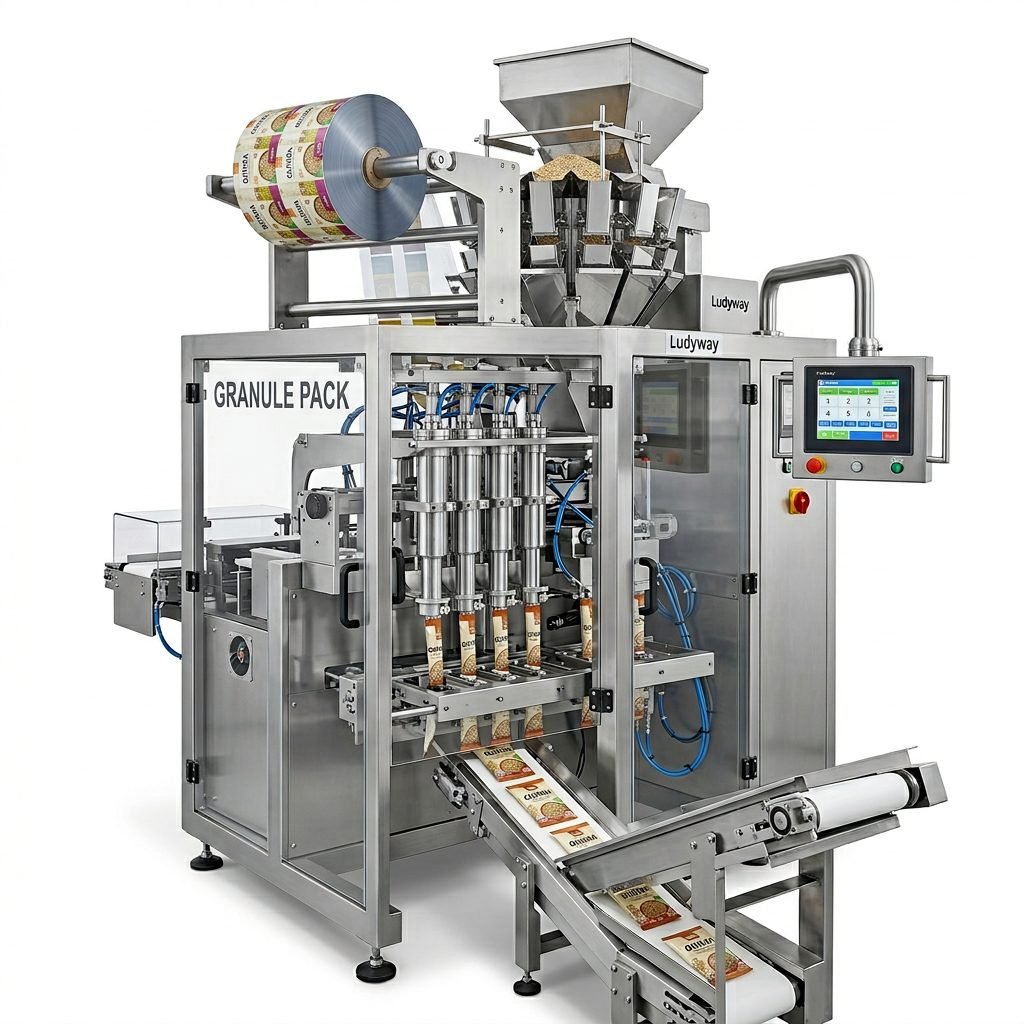
Establishing a food vacuum packaging machine production line in North America requires careful planning, adherence to strict regulatory standards, and investment in high-performance equipment. Whether you are processing meat, dairy, produce, or ready-to-eat meals, vacuum packaging significantly extends product shelf life, reduces food waste, and preserves flavor integrity. This guide breaks down the essential steps from site selection and equipment procurement to installation and compliance with agencies like the FDA and ISO 11607 standards.

1. Facility Planning and Infrastructure Requirements
Your production floor must meet North American food safety standards before any machinery arrives. This involves more than just square footage. You need to evaluate structural integrity, utility access, and workflow design. A poorly planned layout can lead to bottlenecks that cripple throughput.
- Floor Load Capacity: Vacuum packaging machines, especially industrial rotary or double-chamber models, are heavy. Ensure your concrete slab can handle both static and dynamic loads.
- Cleanroom Compatibility: For ready-to-eat foods, a controlled environment with positive air pressure and HEPA filtration is often mandatory. The PMMI packaging industry resources provide excellent benchmarks for clean manufacturing spaces.
- Utility Connections: Map out compressed air lines, nitrogen flushing connections for Modified Atmosphere Packaging (MAP), and dedicated electrical panels with the correct voltage phases common in North America (typically 208V or 480V three-phase).
- Drainage and Sanitation: Sloped floors leading to trench drains simplify washdown procedures, a critical requirement under USDA guidelines for certain food categories.

2. Selecting the Right Vacuum Chamber Configuration
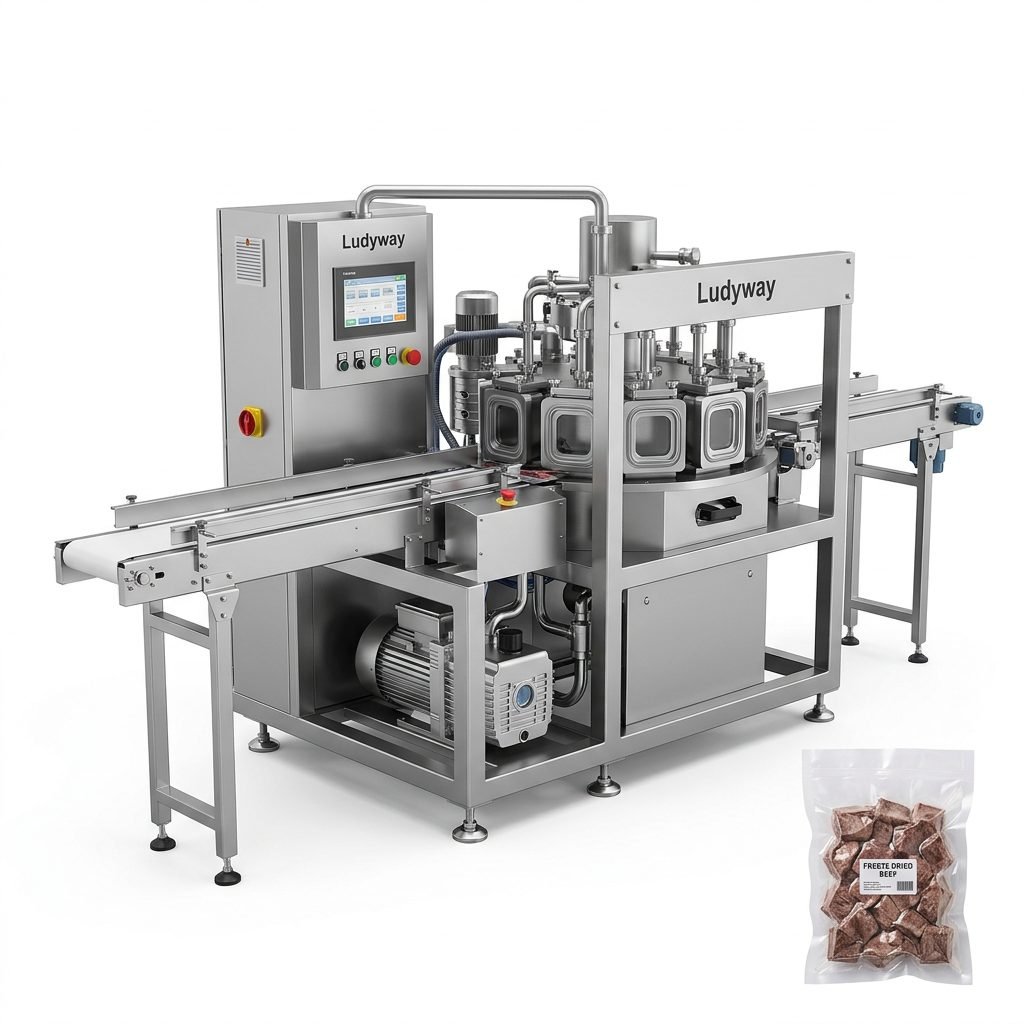
Not all vacuum packaging machines are created equal. The nature of your food product dictates whether you need a belt-driven continuous machine, a double-chamber system, or a thermoforming rollstock line. Matching the machine to your package format prevents material waste and ensures seal integrity.
| Machine Type | Best Application | Typical Speed |
|---|---|---|
| Single Chamber | Small batch, fresh meat, cheese | 2-4 cycles/min |
| Double Chamber | Medium production, alternating loading | 4-8 cycles/min |
| Thermoforming Rollstock | High-volume, flexible film, MAP | 10-20 cycles/min |
| Rotary Belt Vacuum | Loose products, leafy greens, powders | Up to 30 packs/min |
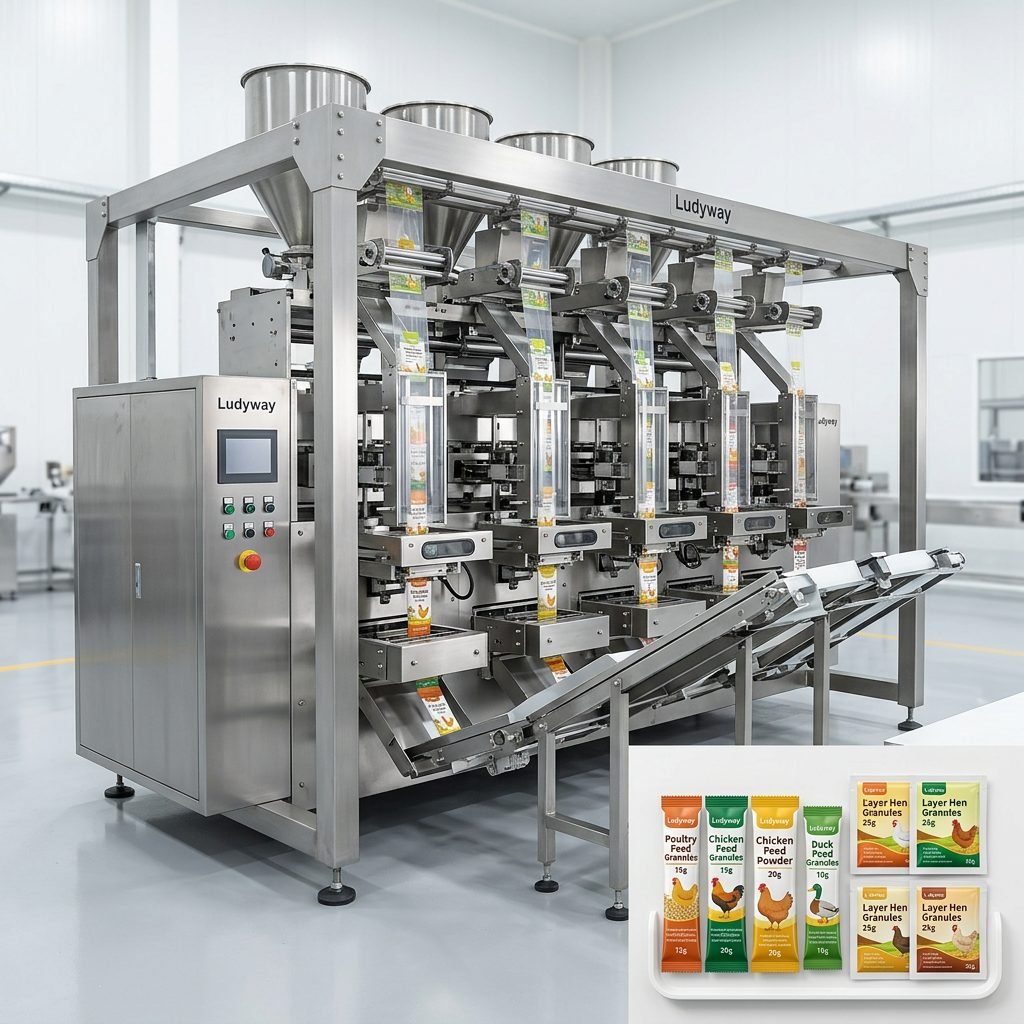
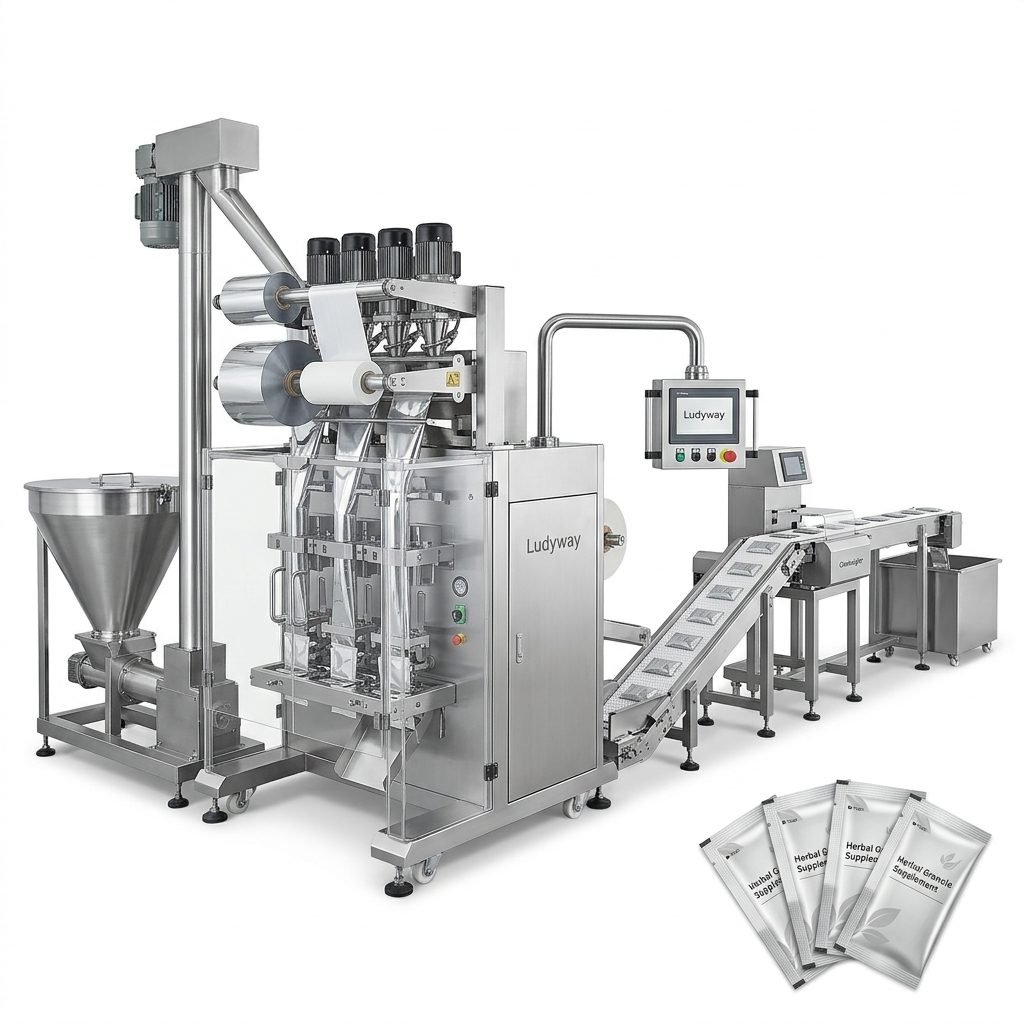
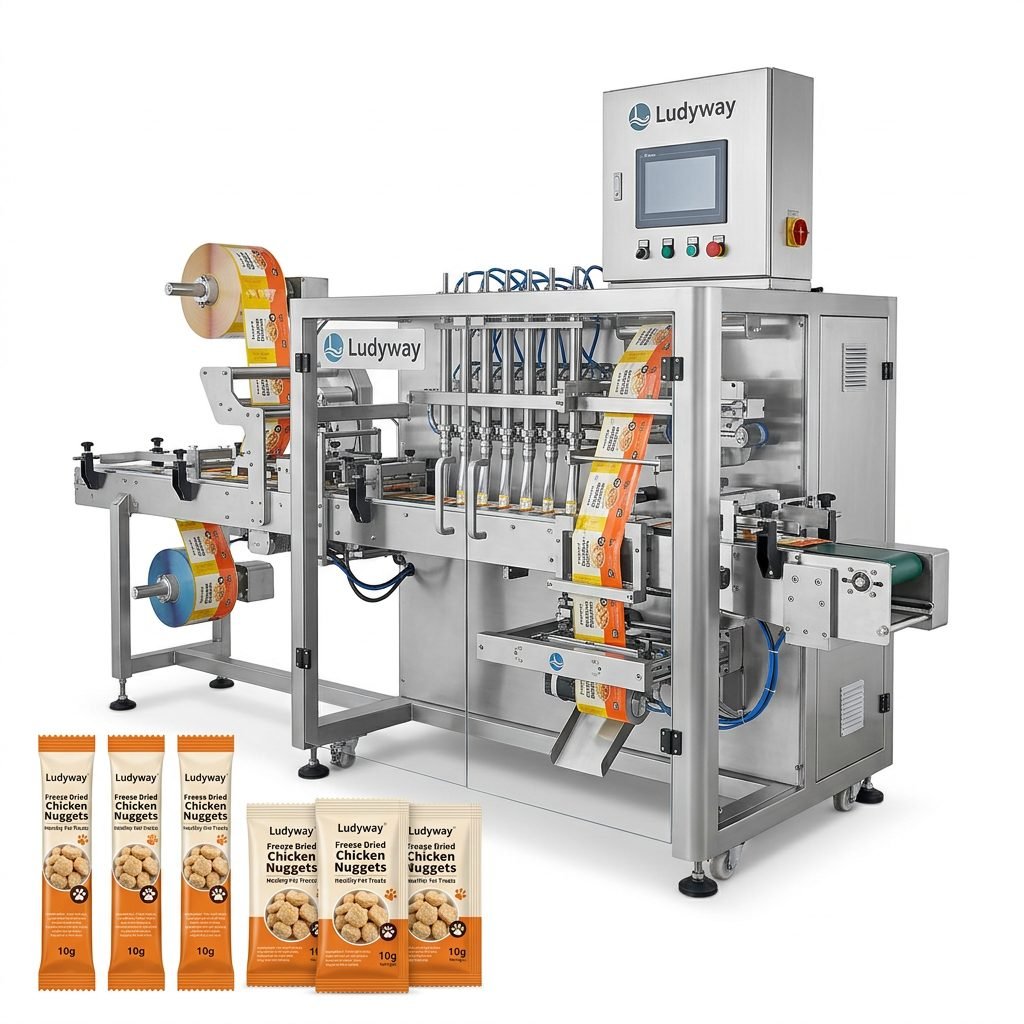
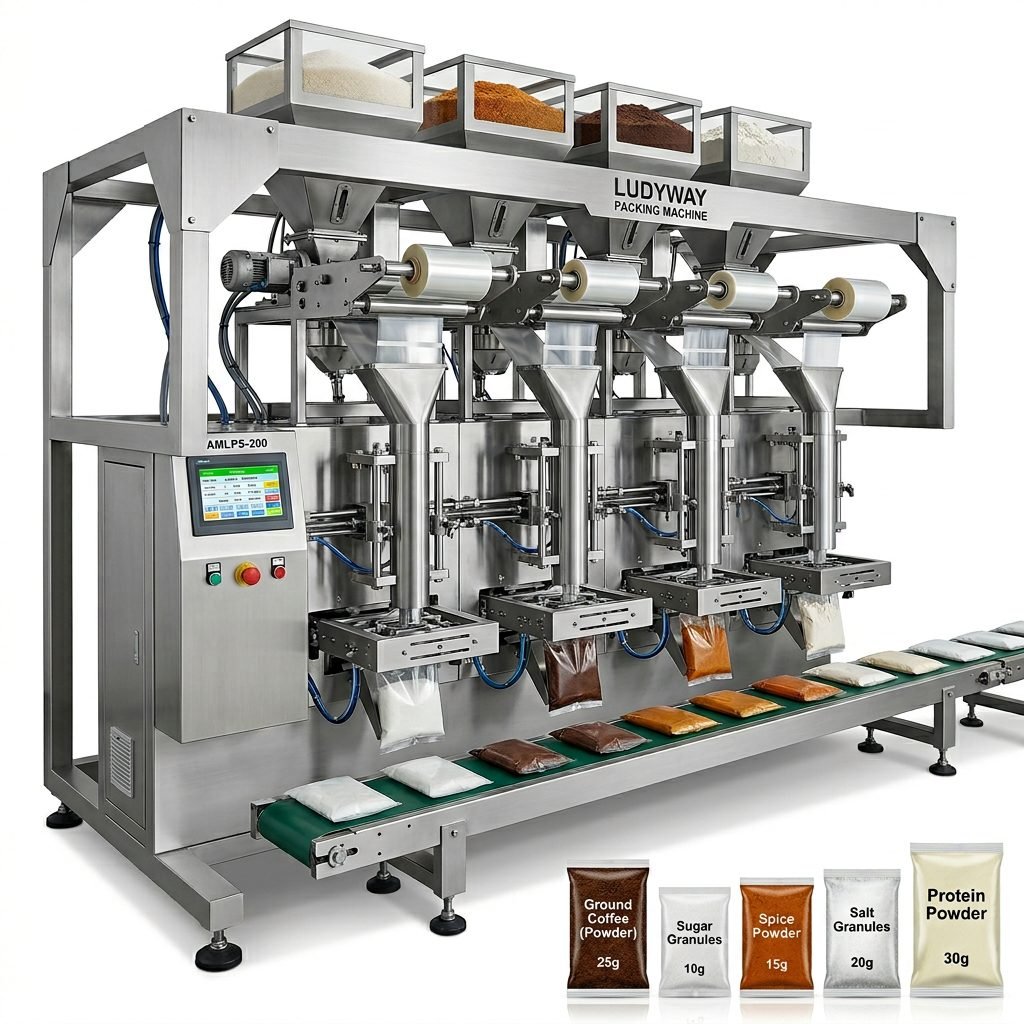
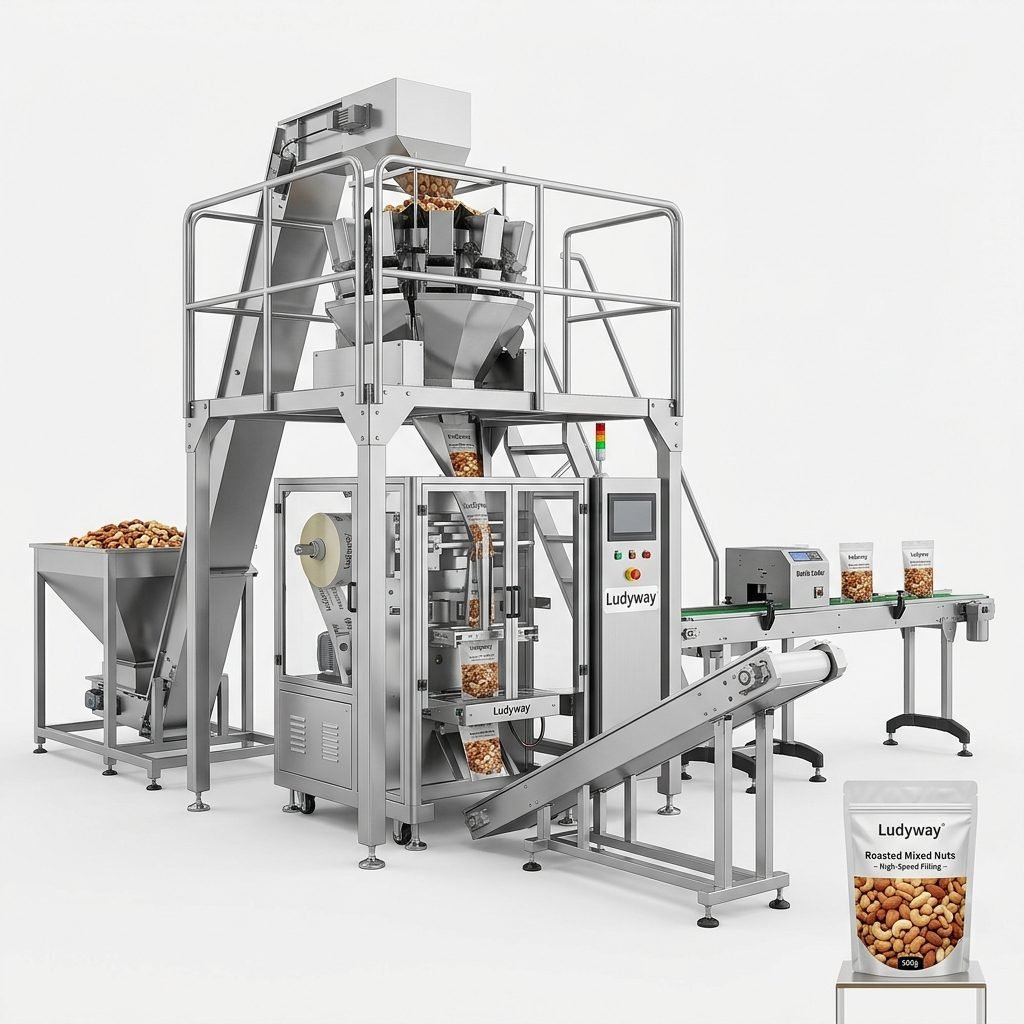
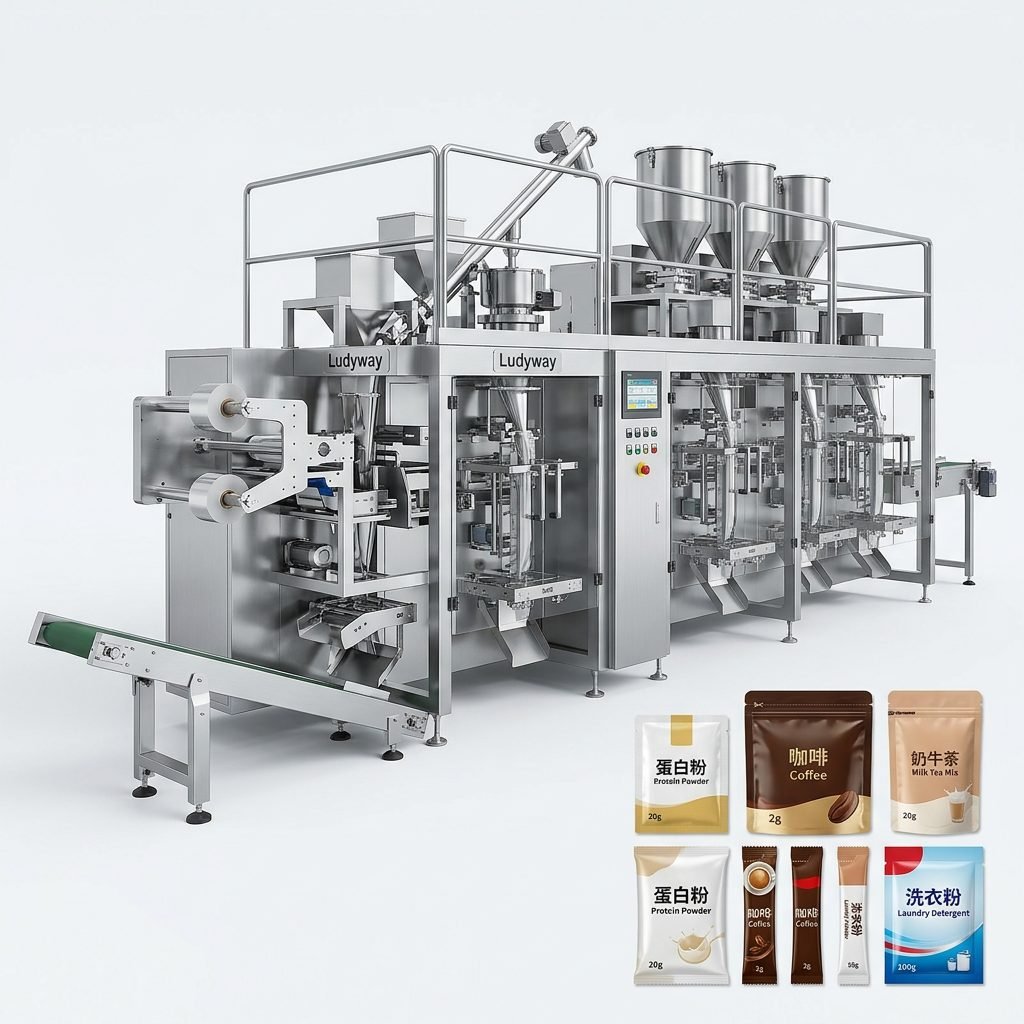
For operations scaling up, investing in a comprehensive turnkey packaging solution ensures seamless integration of weighing, filling, vacuum sealing, and secondary packaging. An industrial vacuum packaging machine integrated with a high-precision checkweigher and metal detector guarantees both product quality and food safety compliance, reducing the risk of costly recalls in the North American market.
3. Navigating North American Packaging Regulations
Regulatory compliance is not just paperwork; it is a design parameter for your production line. The FDA’s Food Contact Substances regulations dictate which films and gasket materials you can use. Additionally, if you are packaging for medical or pharmaceutical food products, validation to ISO 11607-2 is essential.
- Material Traceability: The FSMA (Food Safety Modernization Act) requires strict record-keeping of packaging contact layers. Ensure your machine can log batch codes and seal integrity data.
- Labeling Compliance: Net weight, nutritional facts, and allergen declarations must follow the Flexible Packaging Association guidelines. Integrate a high-speed thermal transfer printer directly on the line to prevent mislabeling.
- Packaging Waste Directives: With increasing focus on the European Commission’s packaging sustainability model influencing global trends, many U.S. states favor recyclable monolayer films. Your machine should be versatile enough to seal emerging sustainable materials without losing vacuum integrity.
4. Installation, Commissioning, and Cold Testing
Rigging, leveling, and calibrating a vacuum packaging line is a specialized task. Never rush the commissioning phase. Begin with a Site Acceptance Test (SAT) using inert dummy products to dial in seal temperature, vacuum pressure, and gas flush ratios. A common mistake is ignoring altitude adjustments—vacuum sensors calibrated at sea level behave differently in high-altitude facilities like Denver or Mexico City.
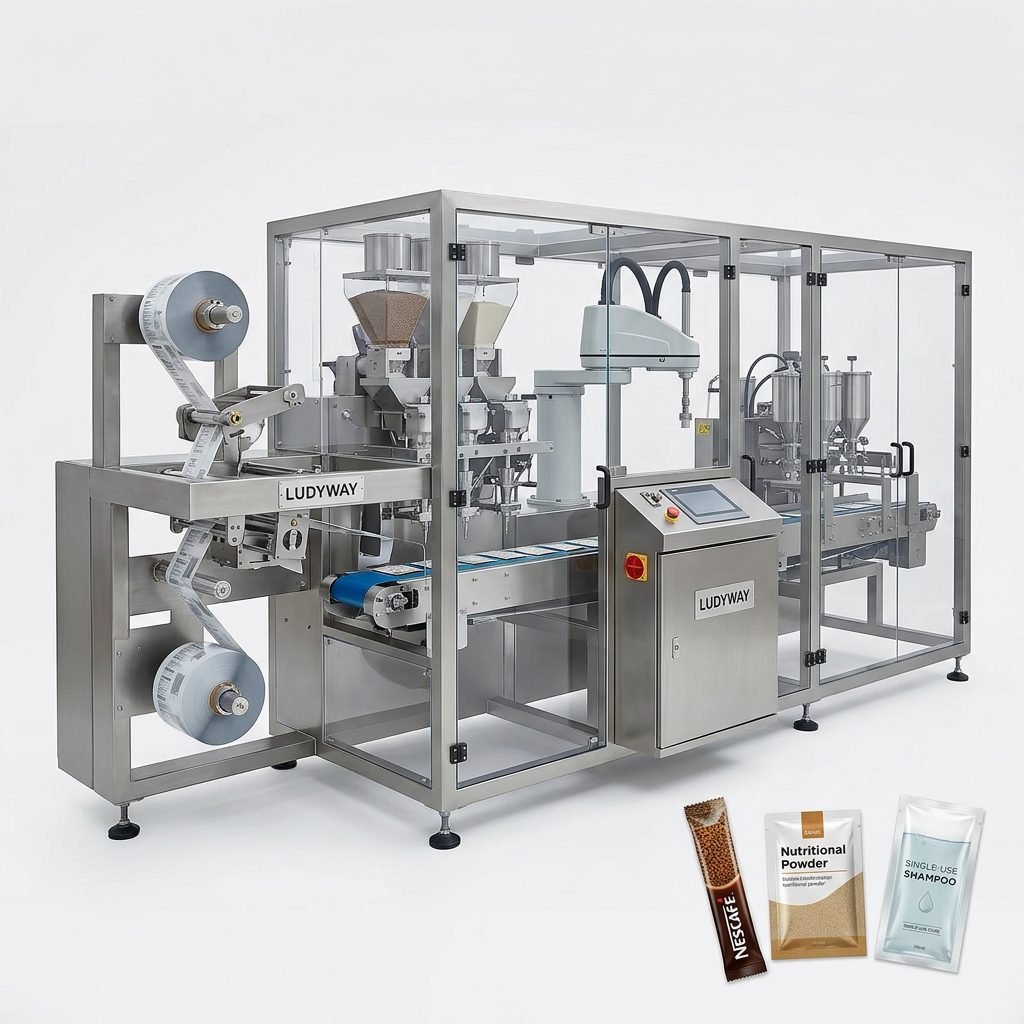
Companies with extensive global project experience, such as Ludyway, provide remote and on-site technical support to synchronize multi-component lines. With a 20,000㎡ manufacturing facility and a track record of deploying over 50 intelligent packaging machine models worldwide, they understand the nuances of aligning conveyors, multi-head weighers, and vacuum chambers into a harmonized system. Their engineering team provides detailed installation protocols essential for North American voltage and safety standards (UL/CSA).
5. Optimizing Throughput and Seal Quality
Once operational, the focus shifts to Overall Equipment Effectiveness (OEE). Vacuum leaks are the enemy of productivity. Here are key variables to monitor scientifically:
- Seal Bar Pressure: Insufficient pressure leads to leaks; excessive pressure wrinkles film. Use pressure-sensitive film indicators during validation.
- Gas Flush Accuracy: For MAP, residual oxygen levels must remain below 1% for most red meats. An inline gas analyzer provides real-time data as recommended by PMMI business intelligence reports.
- Film Tension Control: Inconsistent unwinding on thermoforming machines causes “smiling” or curved seals. Auto-tensioning systems are vital for high-speed applications.
6. Maintenance Protocols to Prevent Downtime
Preventive maintenance must be scheduled around production runs, not just when a failure occurs. The vacuum pump is the heart of the system. Oil changes in rotary vane pumps should follow strict hour-based intervals, not just visual checks. Silicone seal bars wear over time and require re-facing or replacement based on cycle counts tracked by the machine’s PLC.
| Component | Maintenance Task | Frequency |
|---|---|---|
| Vacuum Pump | Oil and exhaust filter replacement | Every 500-1000 hours |
| Sealing Bars | Clean with contact residue remover | End of each shift |
| Pneumatic Hoses | Leak detection and pressure testing | Monthly |
| Sensors & Probes | Calibration verification | Quarterly |
7. Future-Proofing with Smart Factory Integration
Modern food production lines in North America are increasingly adopting Industry 4.0 principles. Look for machines with Ethernet/IP or OPC-UA communication protocols to connect to your MES (Manufacturing Execution System). This allows for remote monitoring of the food vacuum packaging machine performance, automatic alerts for seal temperature deviations, and integration with the U.S. EPA’s sustainable materials management tracking systems for waste reduction goals.

The global packaging machinery trend, as highlighted in the 2026 State of the Industry report, points toward fully automated, turnkey production lines. By establishing a robust vacuum packaging line now that adheres to these rigorous standards, food processors position themselves to export seamlessly and meet the surging retailer demand for shelf-stable, visually appealing extended-life products.
For insights into global packaging growth and equipment export trends, you can reference the recent analysis on Ludyway Packaging Machinery Global Growth Trend which details the economic drivers behind advanced packaging automation.