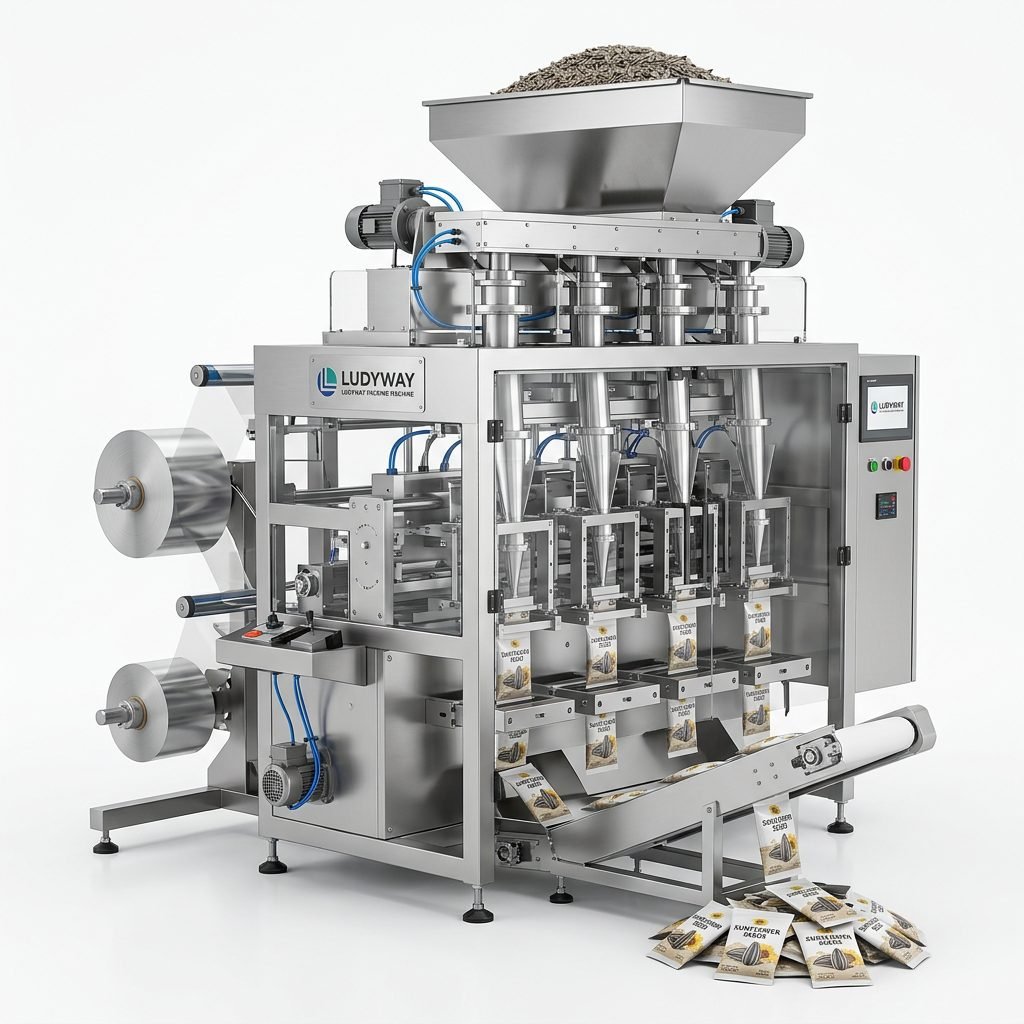
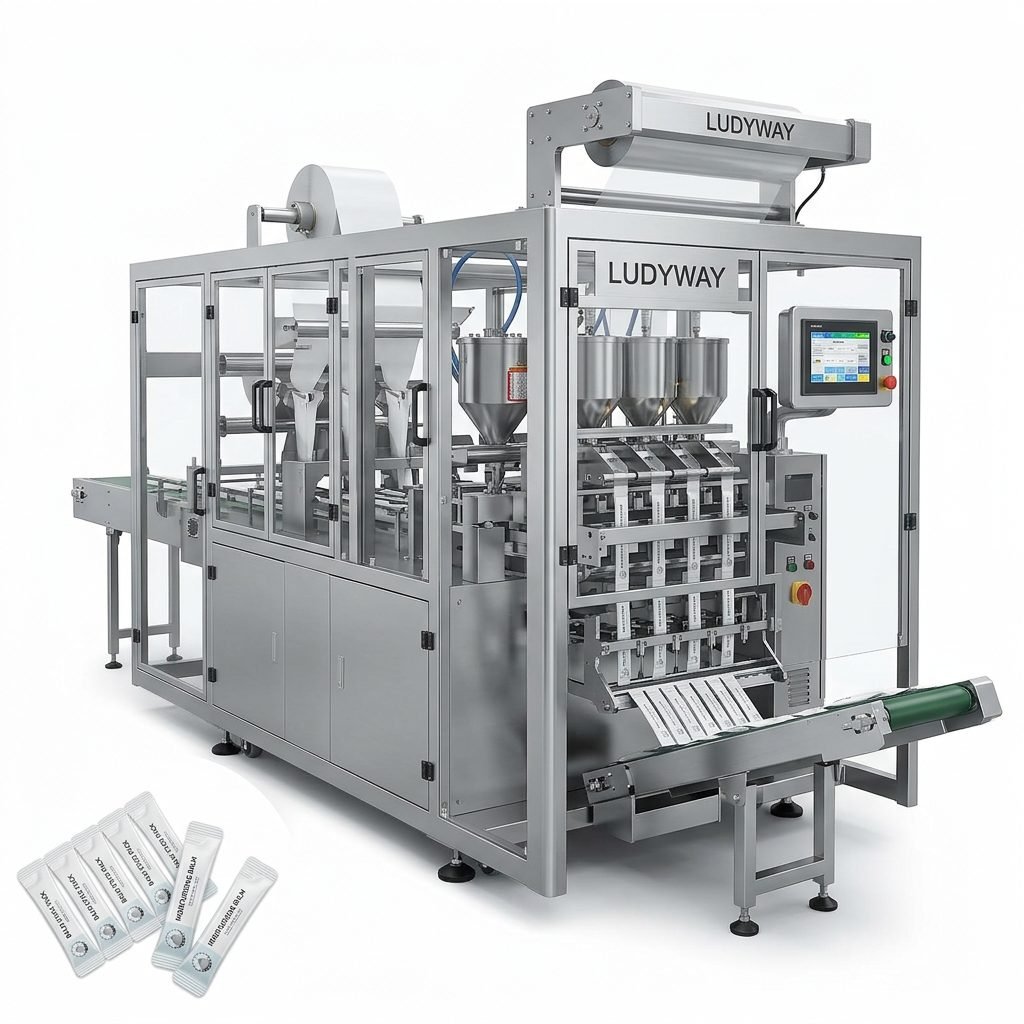
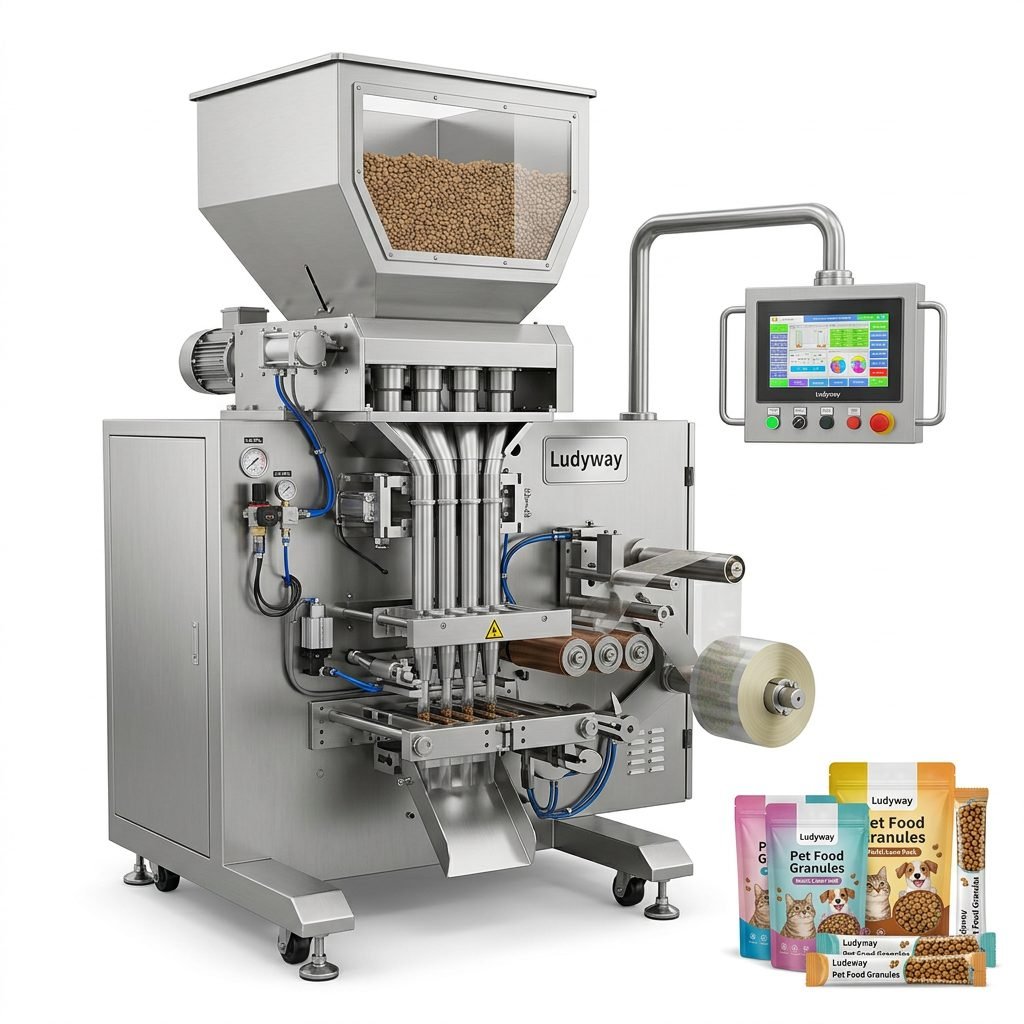
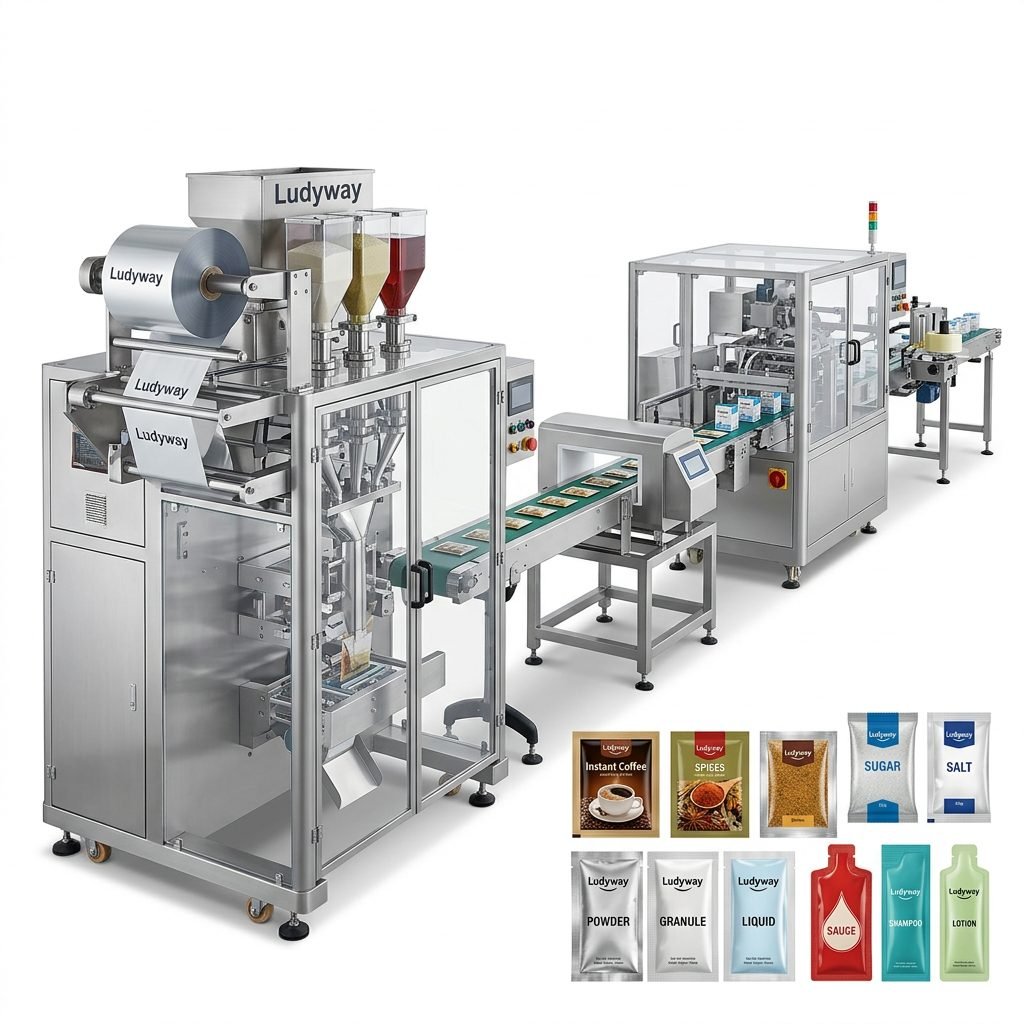
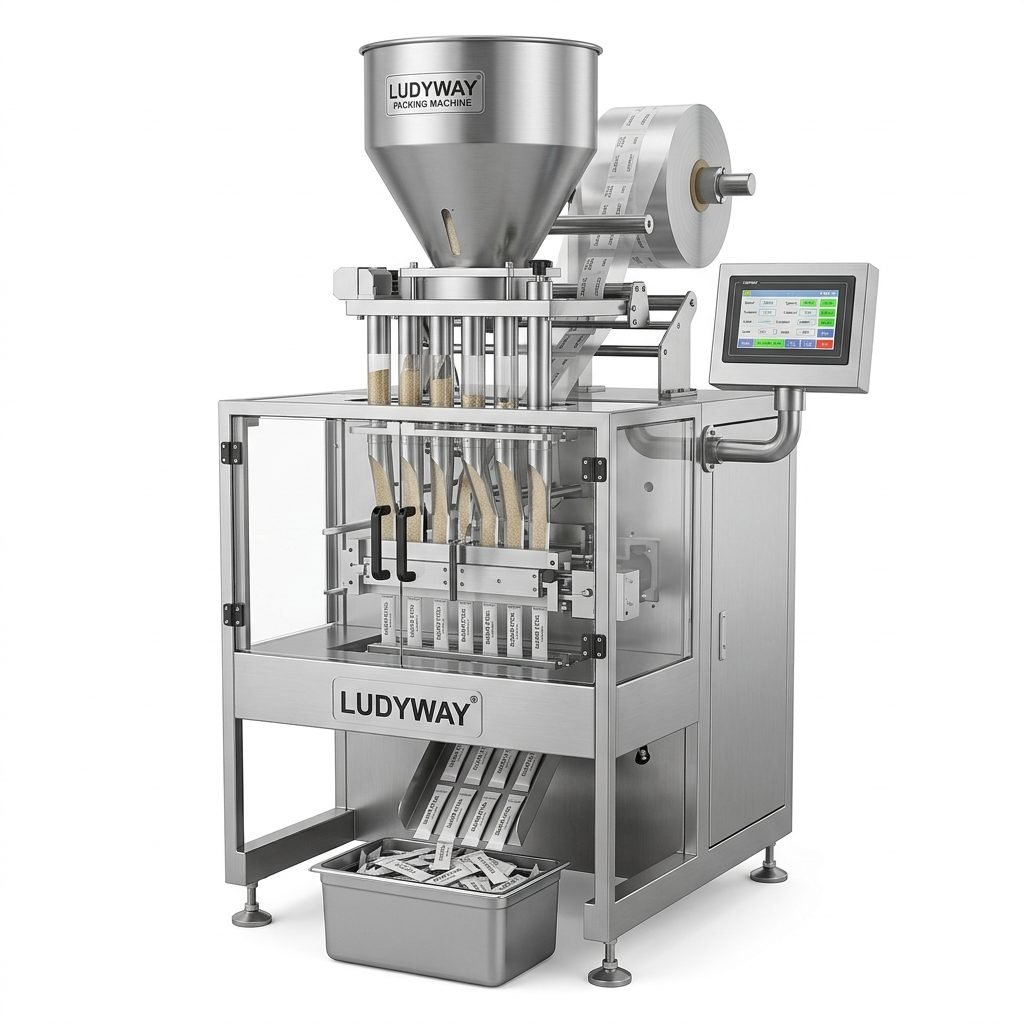
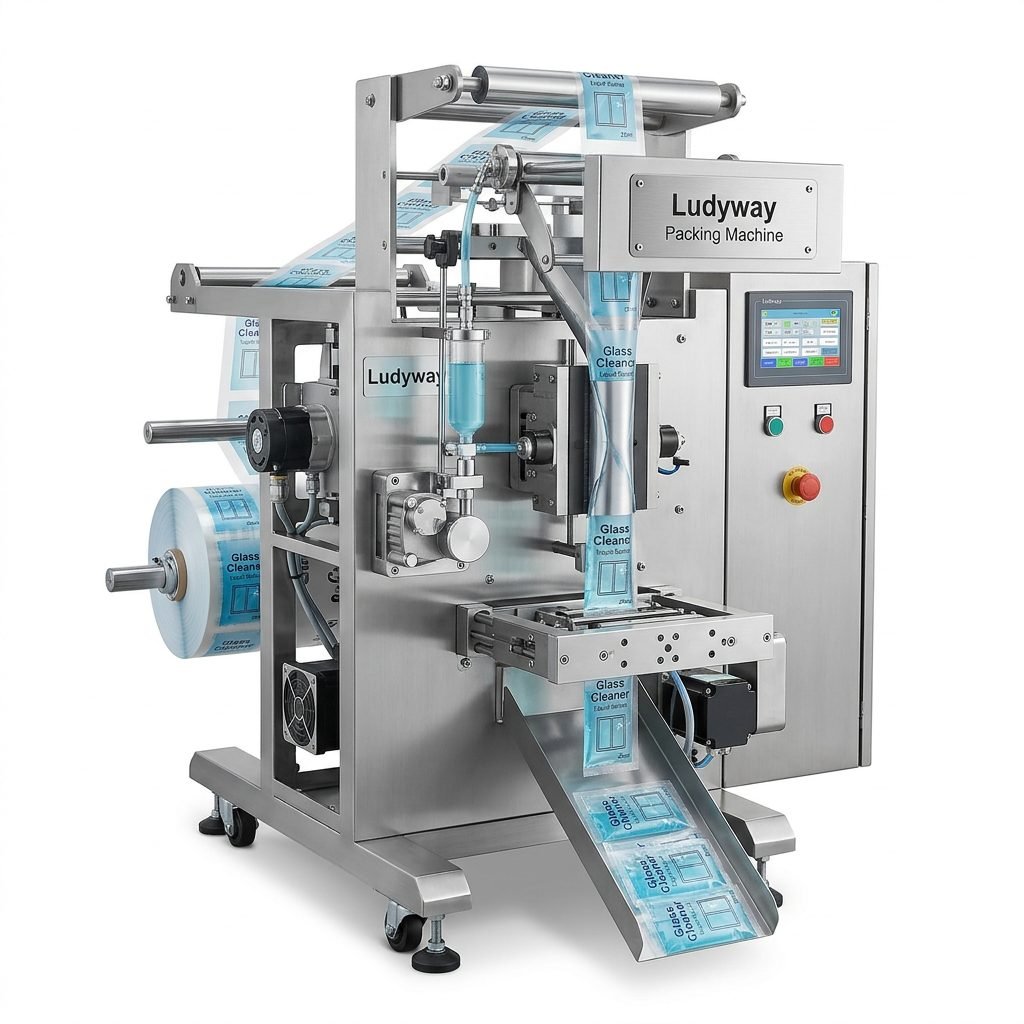
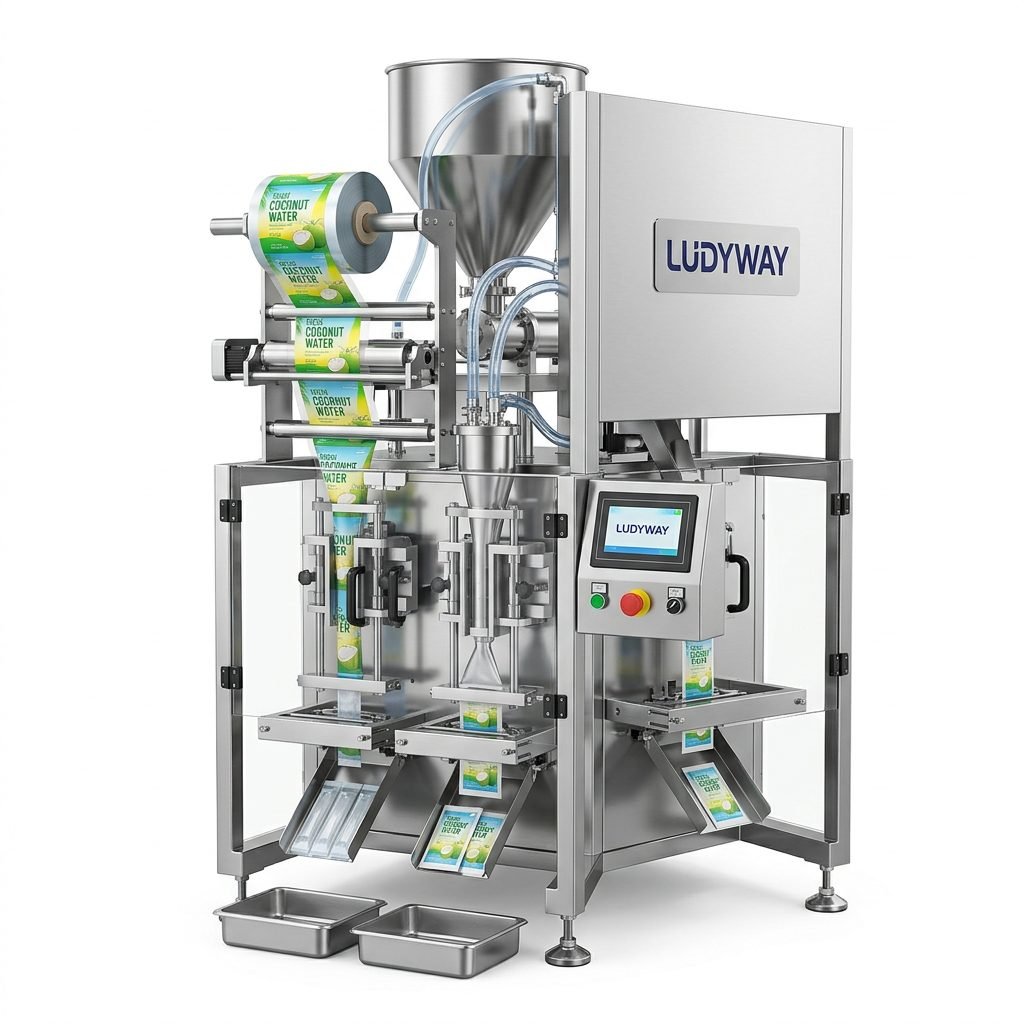
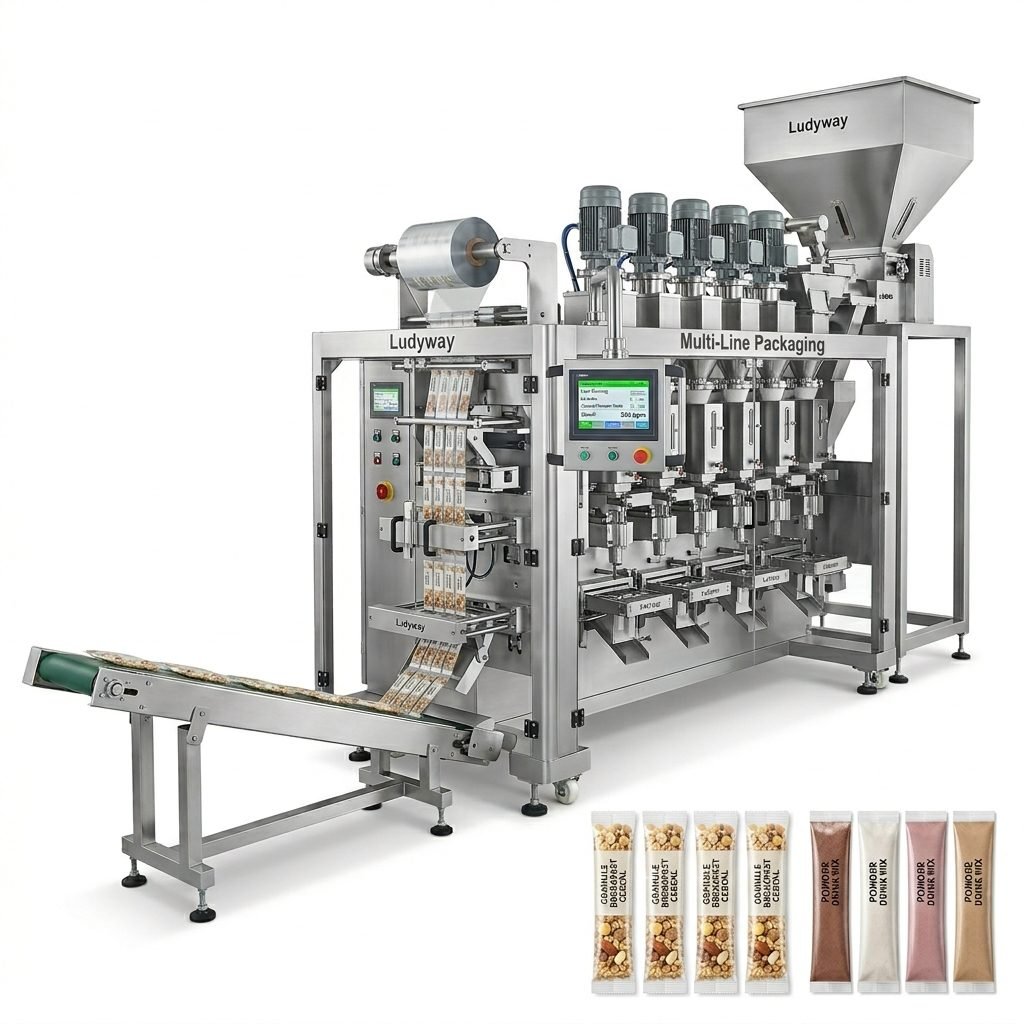
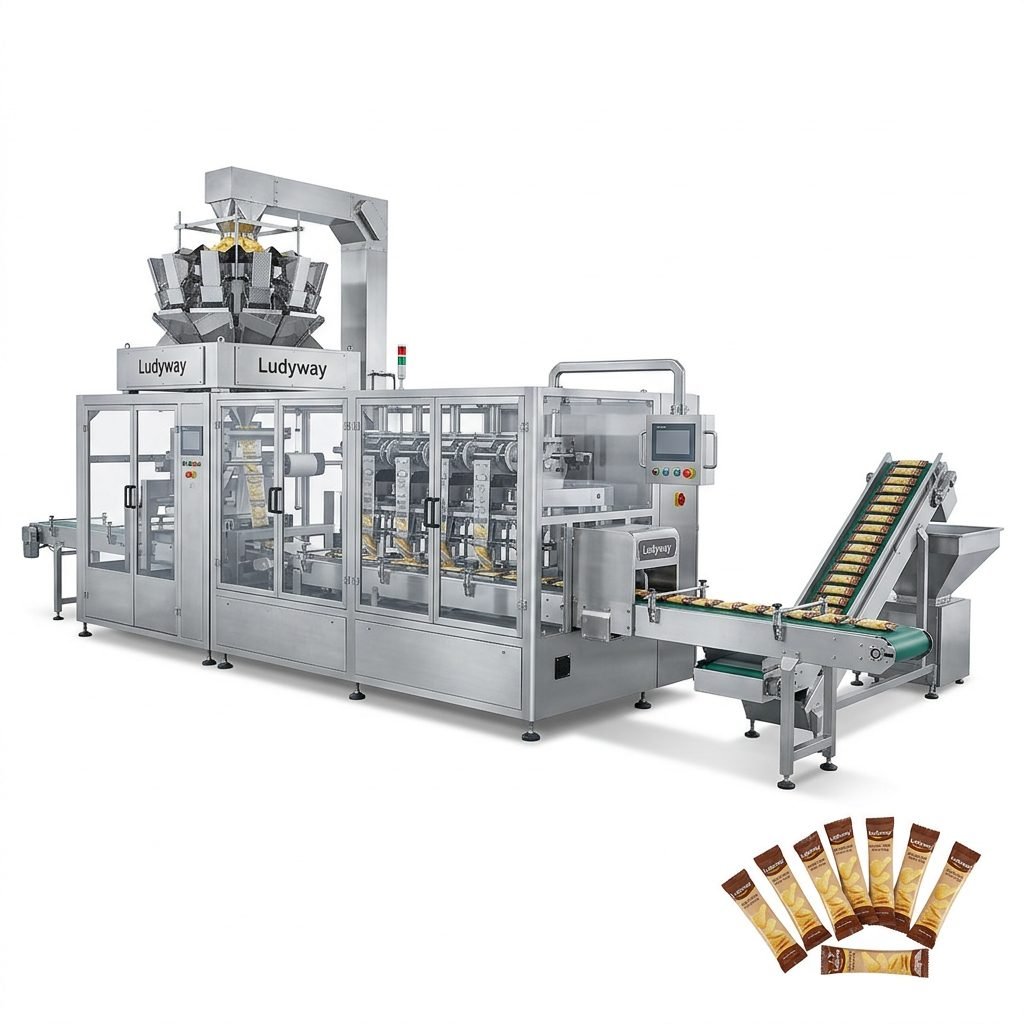
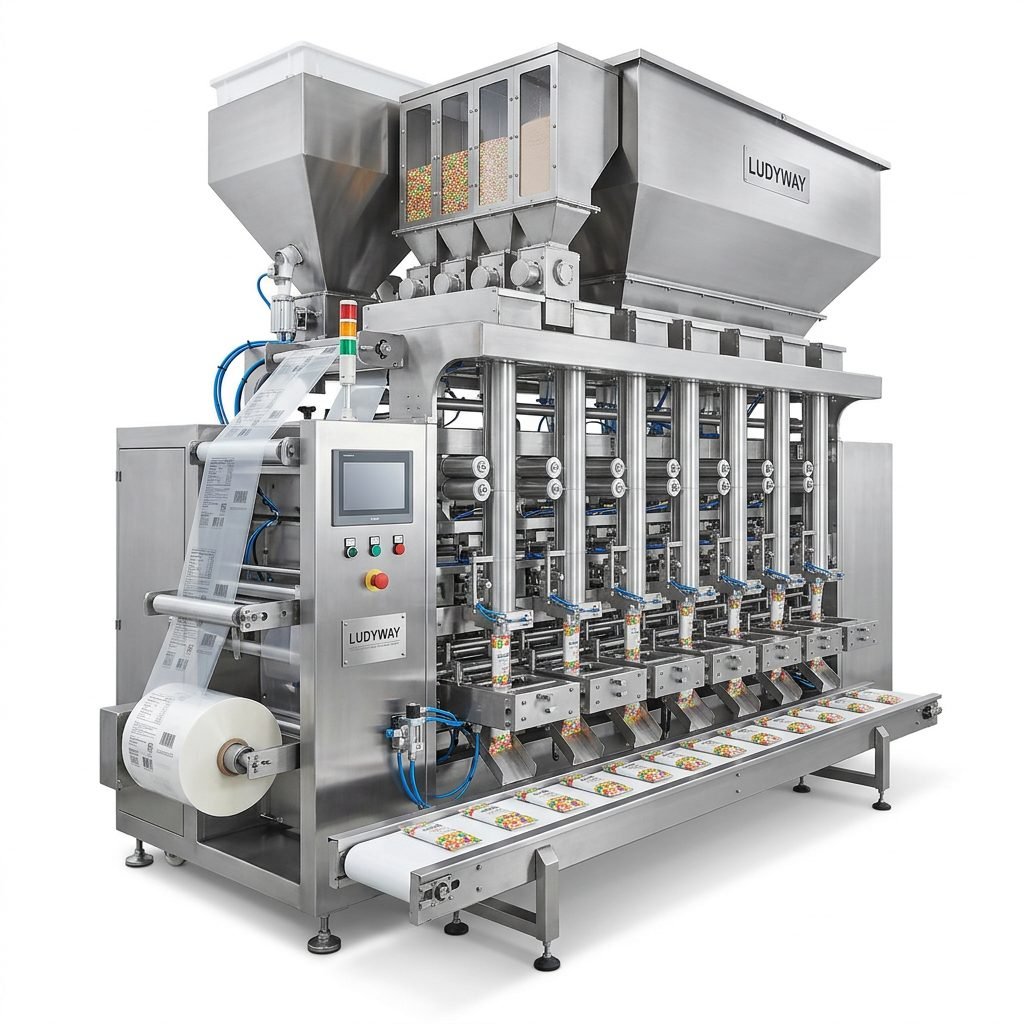
Maintaining your dry food packaging machine is not just a routine task—it is the backbone of operational efficiency, food safety, and long-term equipment reliability. Without a structured cleaning and maintenance regimen, even the most advanced packaging equipment can suffer from product contamination, seal failures, and unexpected downtime. This guide provides a comprehensive approach to preserving your investment and ensuring consistent, high-quality output.
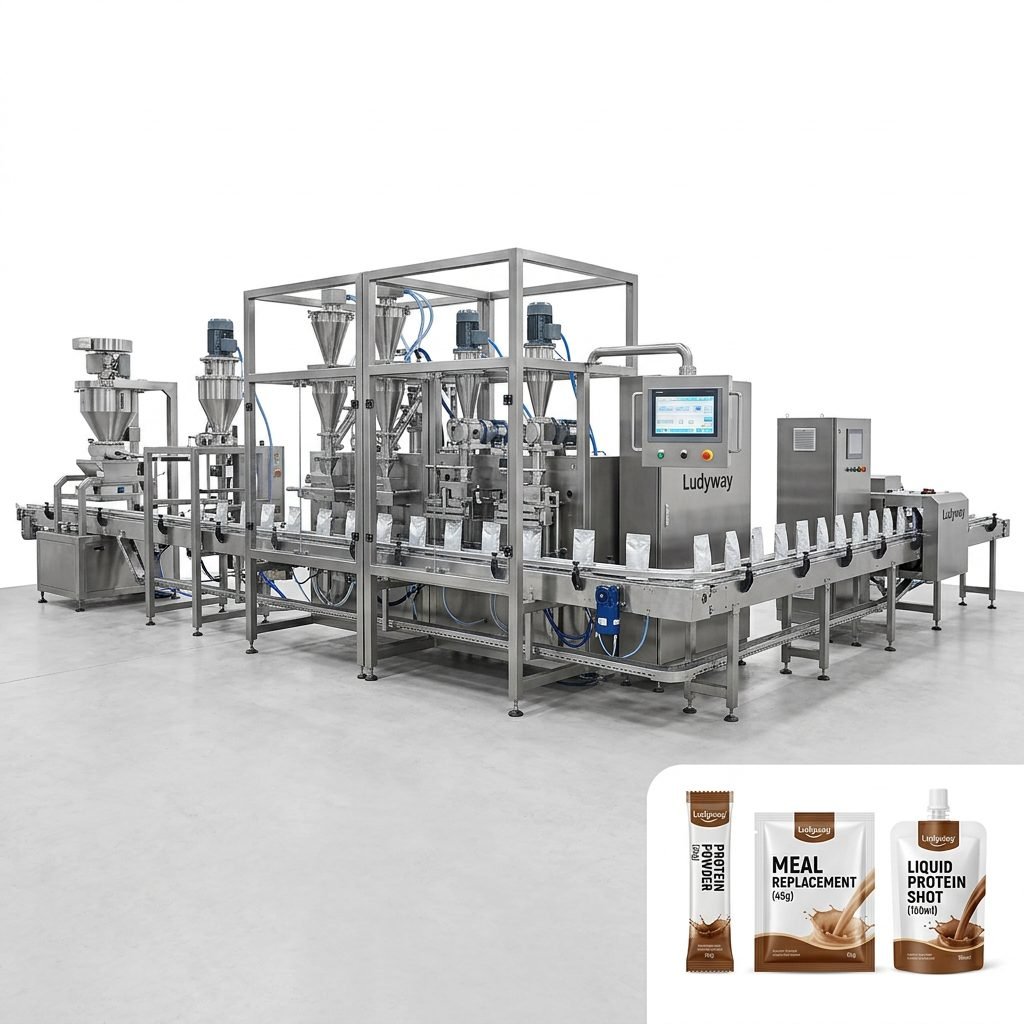
Why Consistent Cleaning Is Critical for Dry Food Equipment
Dry food products—such as powders, granules, and dehydrated ingredients—pose unique challenges for packaging machinery. Fine particles can infiltrate sealing jaws, sensors, and drive mechanisms, leading to premature wear. Moreover, hygienic design compliance mandates strict cleaning protocols to prevent cross-contamination and allergen buildup. A proactive approach reduces the risk of bacterial growth and preserves product integrity.
1. Daily Surface and Contact Part Cleaning
After every production shift, operators should perform a thorough dry wipe-down and, where applicable, a wet cleaning cycle on all product contact surfaces. Use food-grade cleaning agents and lint-free cloths to remove residue from forming tubes, hoppers, and discharge chutes. Pay special attention to sealing surfaces where sticky powders can carbonize and affect seal quality.
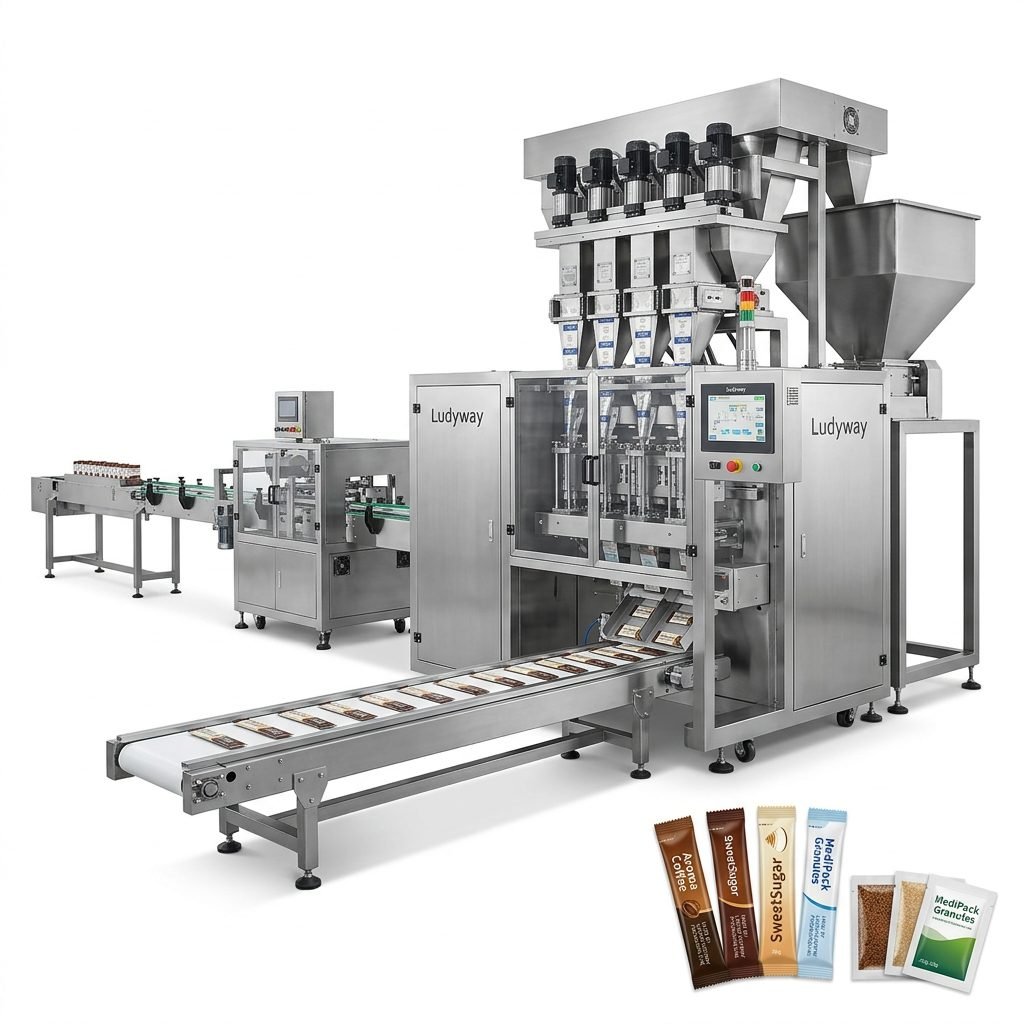
2. Deep-Cleaning the Multi-Lane Filling System
For machines equipped with multi-lane filling heads, disassemble the dosing units weekly. Clean augers, volumetric cups, and vibratory trays with compressed air and approved solvents. Residual powder in dosing components can lead to inaccurate fill weights and product giveaway.
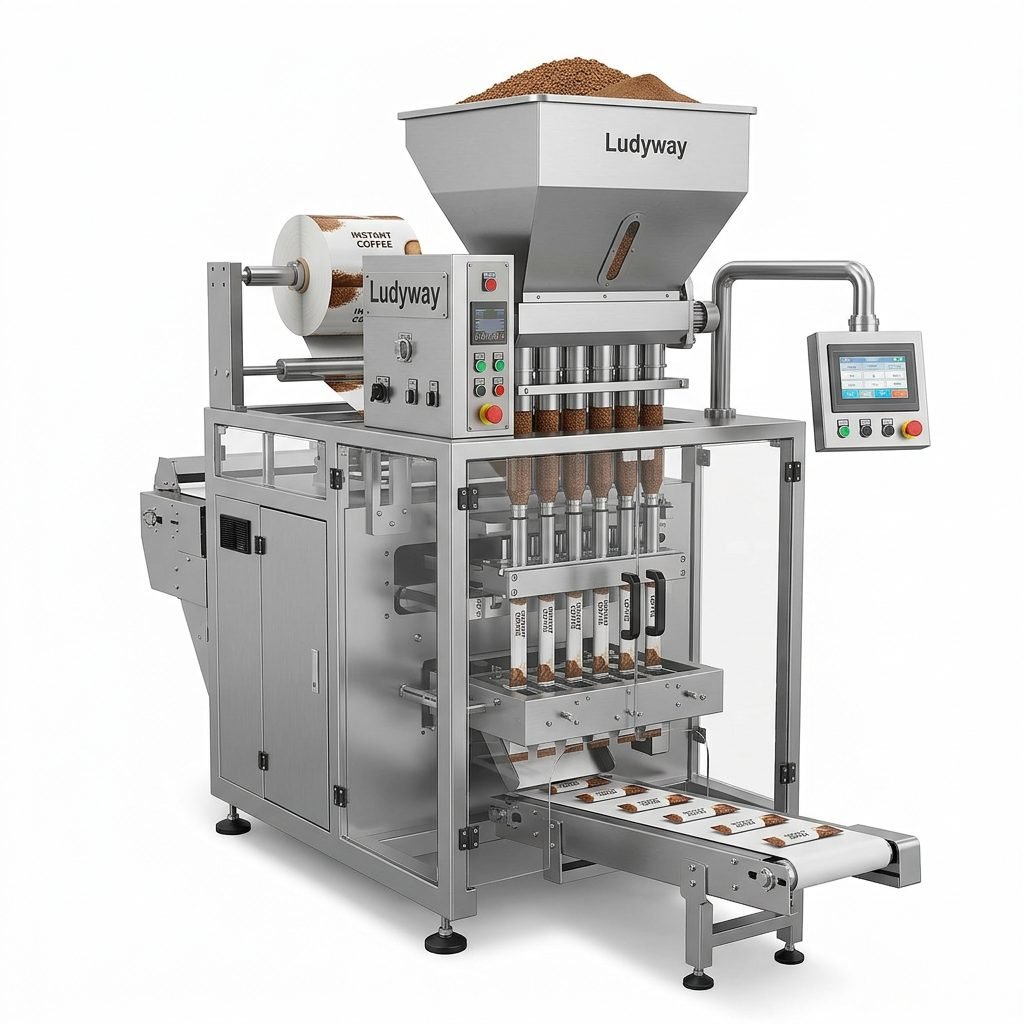
Essential Mechanical Maintenance Checks
Beyond cleaning, mechanical integrity is paramount. Establish a daily, weekly, and monthly checklist to keep your dry food packaging line in peak condition. Neglecting these checks can result in film tracking errors, inconsistent cuts, and costly repairs.
| Component | Maintenance Task | Frequency |
|---|---|---|
| Sealing Jaws | Inspect for wear, clean Teflon coating, check temperature calibration | Daily/Weekly |
| Film Unwinding Assembly | Lubricate bearings, verify tension control, clean dancer arms | Weekly |
| Pull Belts & Rollers | Remove dust buildup, check for cracks, align tracking | Weekly |
| Cutting Knife Assembly | Sharpen or replace blades, clean residue, test cutting pressure | Monthly |
| Pneumatic System | Drain moisture traps, check hose connections, verify pressure regulators | Weekly |
Optimizing Hygiene for Powder and Granule Applications
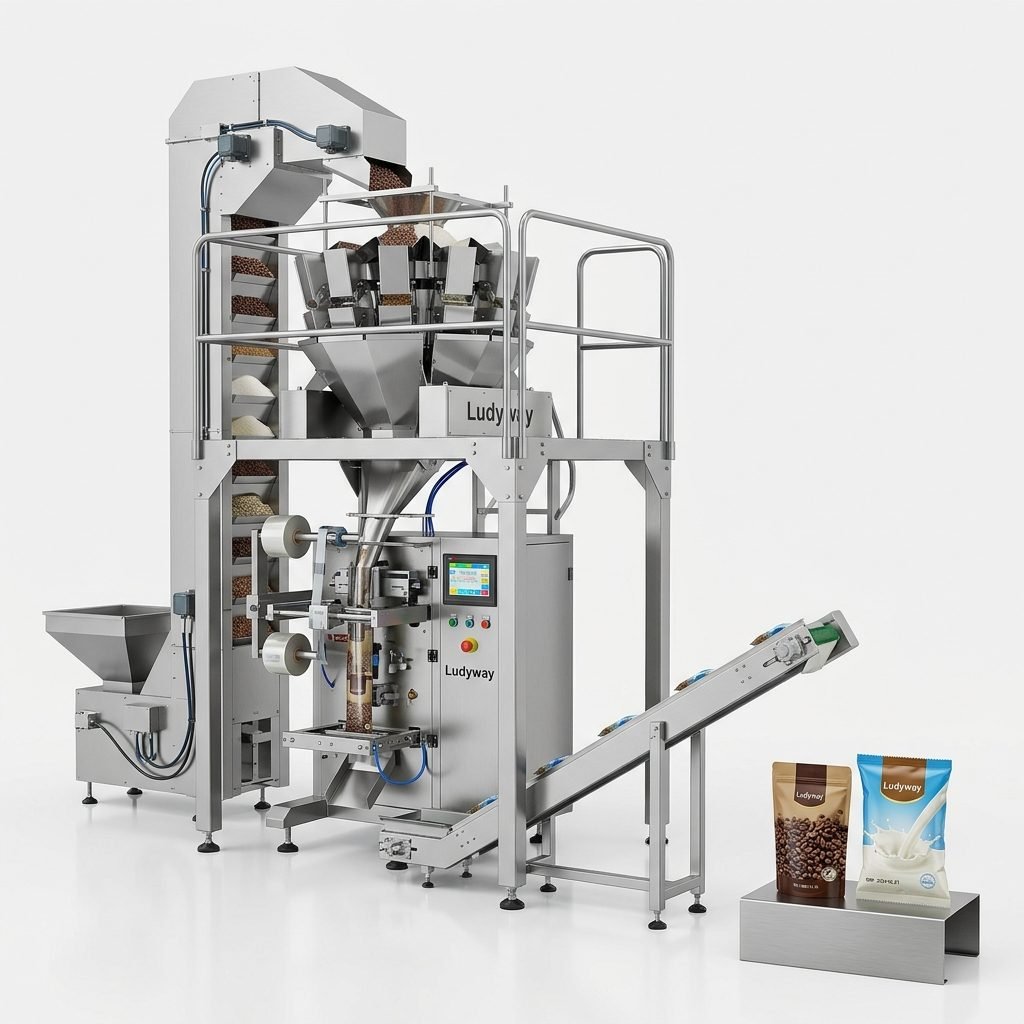
Dry products like milk powder, protein supplements, spices, and coffee require meticulous attention. Static electricity often causes fine powders to cling to machine frames, eventually migrating into sensitive electronics. Incorporate ionized air rinsing and ensure all gaskets and seals on hoppers are intact. A well-designed packaging machine features tool-free disassembly of product contact parts, significantly reducing cleaning downtime.
Key Areas Vulnerable to Powder Infiltration
- Electrical Cabinets: Regularly inspect door seals and use positive pressure purge systems if available.
- Sensor Lenses: Wipe photoelectric and temperature sensors daily to prevent false readings.
- Weighing Modules: Clear any dust accumulation on load cells to maintain filling accuracy.
- Suction/Vacuum Lines: Flush lines with dry compressed air to prevent blockages.
Preventative Maintenance Schedule for Long-Term Reliability
Shifting from reactive repairs to preventative maintenance dramatically extends the service life of your equipment. Below is a recommended schedule that integrates essential mechanical and electrical checks, ensuring your dry food packaging system operates at peak performance.
Weekly Preventative Tasks
- Inspect and clean all film forming shoulders and tubes.
- Validate temperature controllers against a calibrated thermocouple.
- Check emergency stop circuits and safety guard interlocks.
Monthly Preventative Tasks
- Grease all linear bearings, cam followers, and drive chains with food-grade lubricant.
- Verify motor drive belt tension and condition.
- Run a full calibration on the multi-head weigher or auger filler dosing system.
- Inspect power cables and connectors for signs of overheating or wear.
Quarterly Preventative Tasks
- Replace worn Teflon coatings on heat seal jaws.
- Perform a complete alignment check on film tracking and cutting systems.
- Backup PLC program parameters and HMI recipes.
Troubleshooting Common Issues through Better Cleaning
Many recurring packaging defects stem directly from inadequate maintenance. Understanding these relationships helps operators pinpoint root causes quickly.
| Packaging Defect | Possible Cause | Maintenance Solution |
|---|---|---|
| Leaking seals or weak seals | Contaminated jaw surfaces, incorrect temperature | Clean jaws thoroughly, recalibrate temperature, replace Teflon tape |
| Inconsistent pouch length | Slippage on pull belts, dust on encoder wheel | Clean pull belts and rollers, verify tension, wipe encoder sensor |
| Fill weight variation | Powder buildup in dosing units | Disassemble and deep-clean auger or volumetric filler |
| Film tracking off-center | Misaligned rollers, residue on forming collar | Wipe forming collar, realign tracking guides |
Best Practices for Storing and Handling Machine Parts
During maintenance procedures, how you handle and store removed components is crucial. Place dismantled parts on designated clean, non-shedding mats. Keep sealing jaws and cutting knives in protective covers when not in use. Document all replacement parts and maintain a lean spare parts inventory for critical items like heaters, thermocouples, and belts. This minimizes production interruptions when a component fails unexpectedly.
Training and Documentation: The Human Element
Even the most sophisticated maintenance program fails without proper operator training. Ensure all personnel are trained to recognize early warning signs of mechanical issues and are familiar with lockout/tagout (LOTO) procedures before performing any maintenance. Maintain a digital or physical logbook that records each cleaning session, parts replacement, and calibration change. This data becomes invaluable for predictive maintenance planning.
Industry Resources and Further Reading
Staying informed about packaging machinery standards and best practices is essential. Here are some authoritative resources for deeper guidance on food packaging safety and equipment maintenance:
- PMMI Packaging Industry Resources
- FDA Packaging and Food Contact Substances
- Flexible Packaging Association Industry Data
- ISO Packaging Standards
Partnering for Continuous Performance
Choosing equipment designed with maintenance in mind makes all the difference. Ludyway integrates hygienic design principles and easy-access service panels across its entire line of dry food packaging solutions. With over 30 years of industry expertise and a modern 20,000㎡ manufacturing facility, Ludyway offers more than 50 intelligent packaging machine models, including multi-lane stick pack, sachet, and fully automated packaging systems. A well-maintained machine from a quality-focused manufacturer ensures that your operation meets evolving food safety standards while maximizing return on investment.