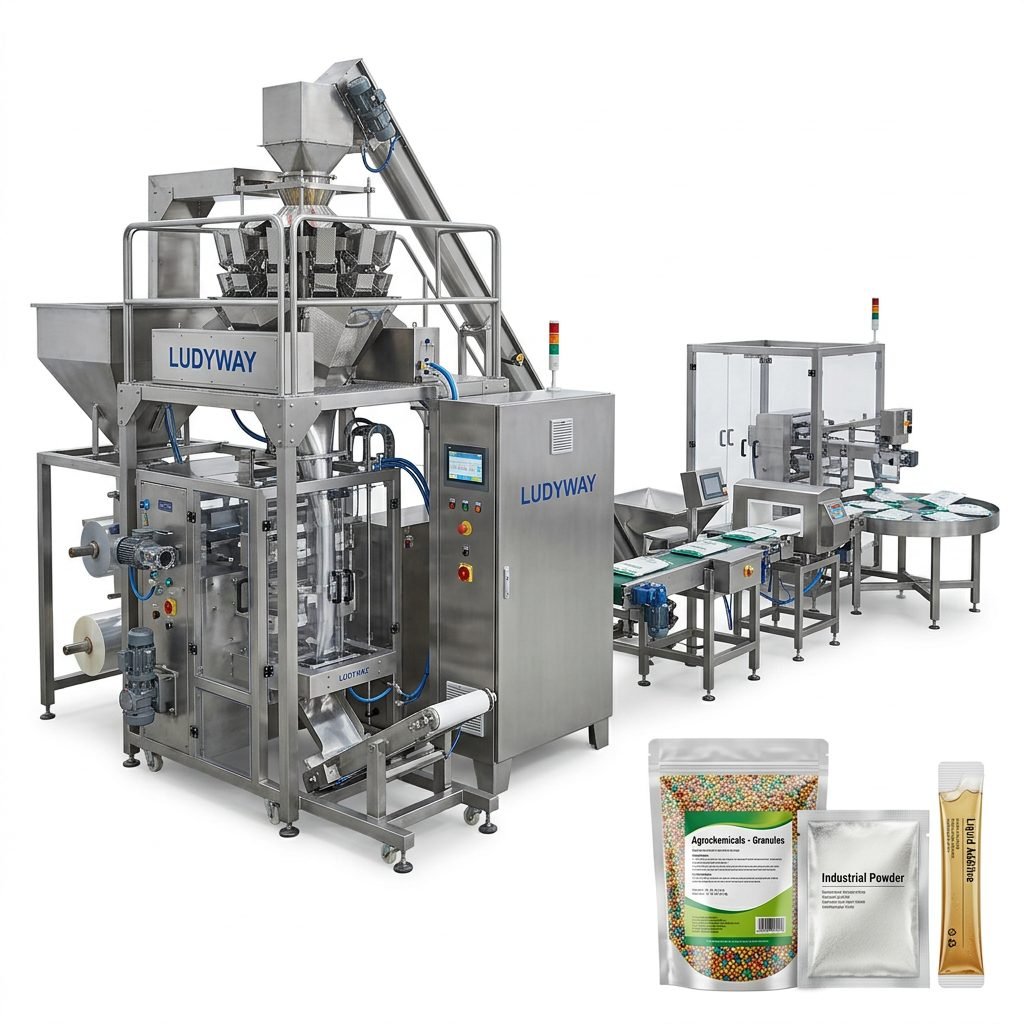
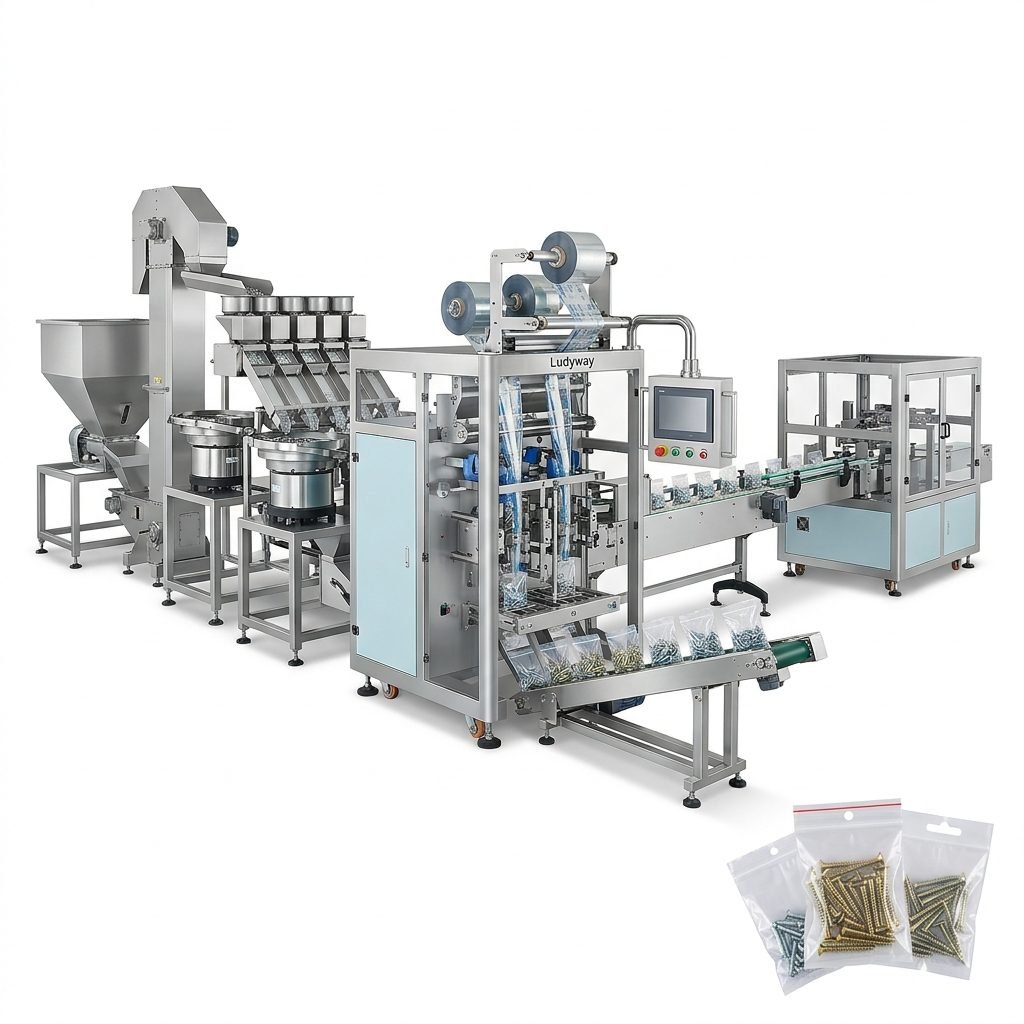
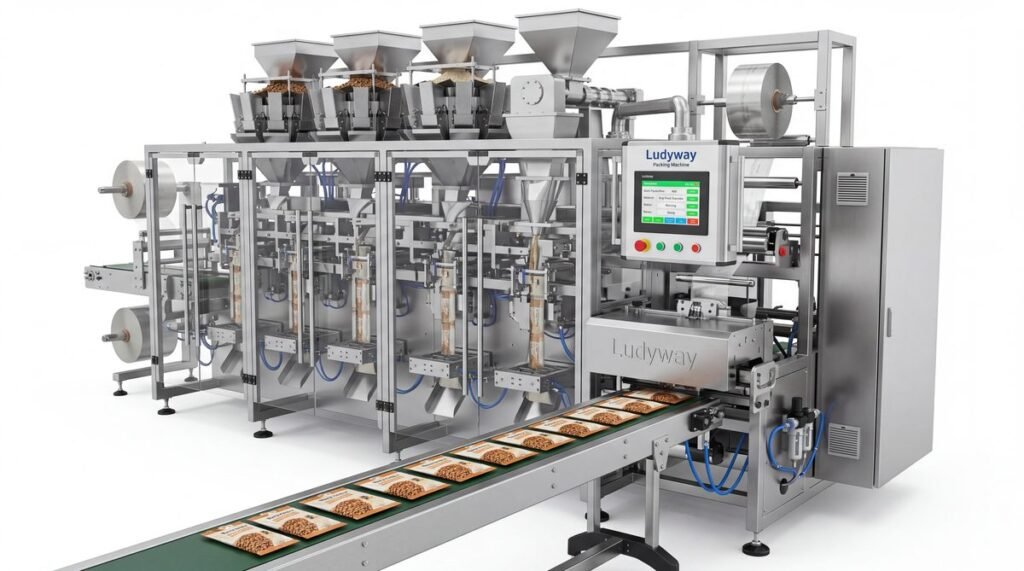
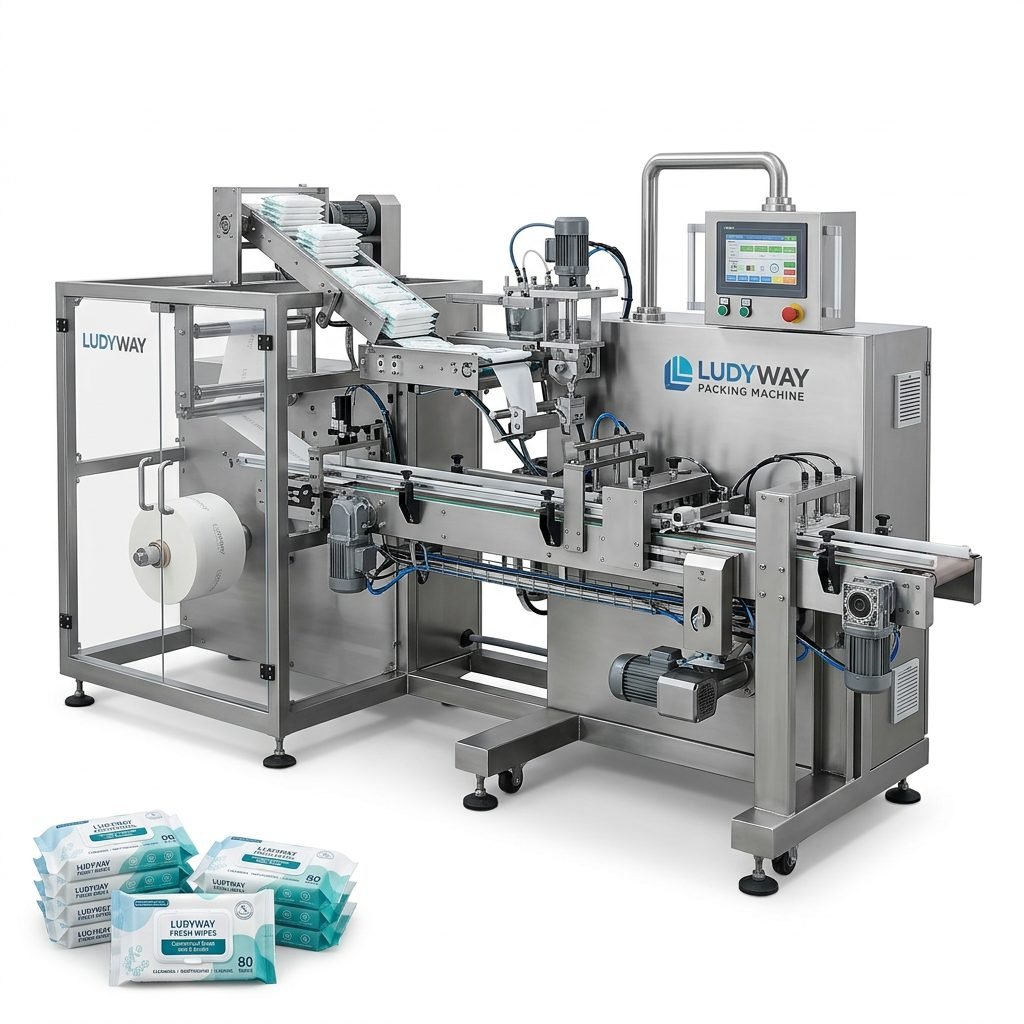
When buyers search for a sauce packing machine, the first question is usually simple: How much does it cost? The real answer depends on machine type, speed, packaging format, automation level, filling accuracy, material quality, and whether you need a standalone unit or a complete line.
For products such as ketchup, chili sauce, soy sauce, mayonnaise, curry sauce, salad dressing, and other liquid or paste condiments, pricing can vary widely. A compact semi-automatic solution may cost a fraction of a high-speed multi-lane sachet system or a fully integrated bottle and pouch packaging line.
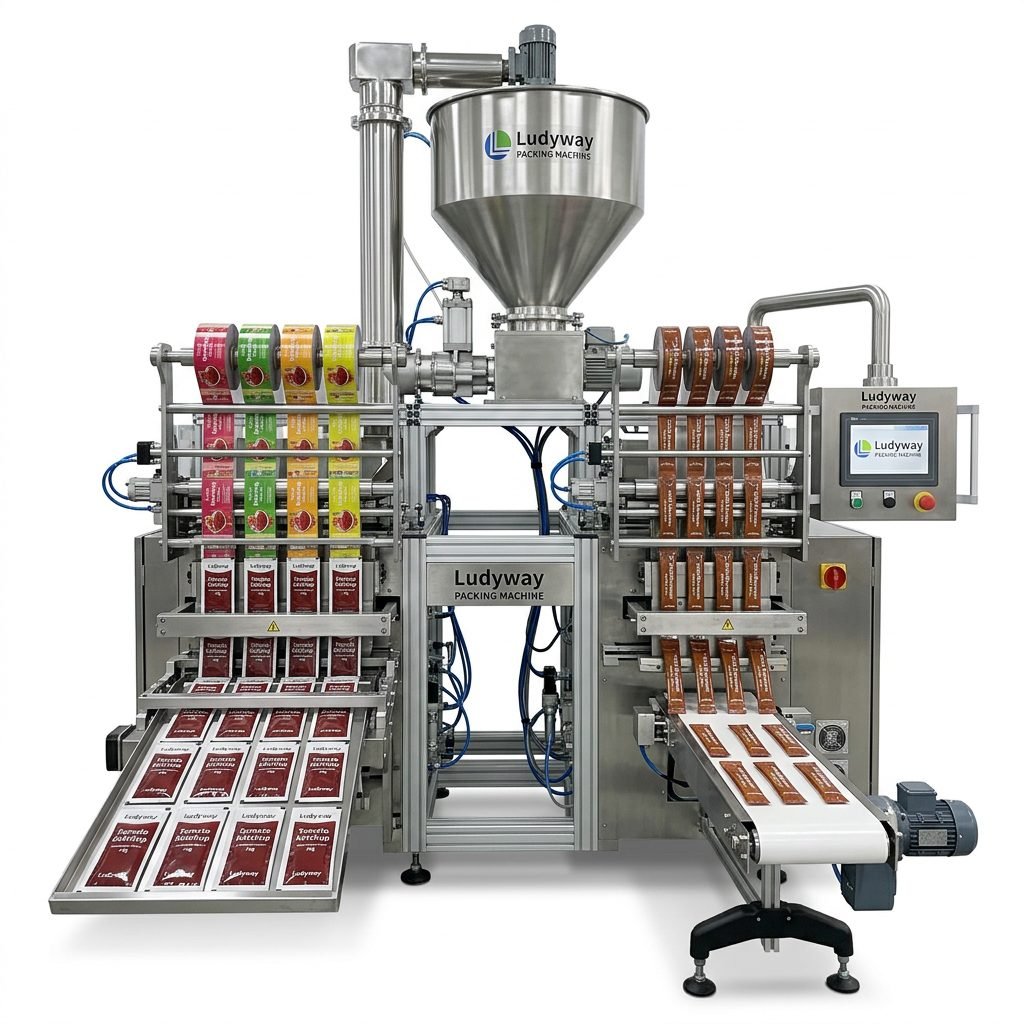
Typical Sauce Packing Machine Price Range
Below is a general reference for common sauce packaging equipment. Actual quotes may differ based on configuration and customization.
| Machine Type | Typical Application | Estimated Price Range |
|---|---|---|
| Semi-automatic sauce filling machine | Small-batch bottles, jars, pouches | US$2,000–US$8,000 |
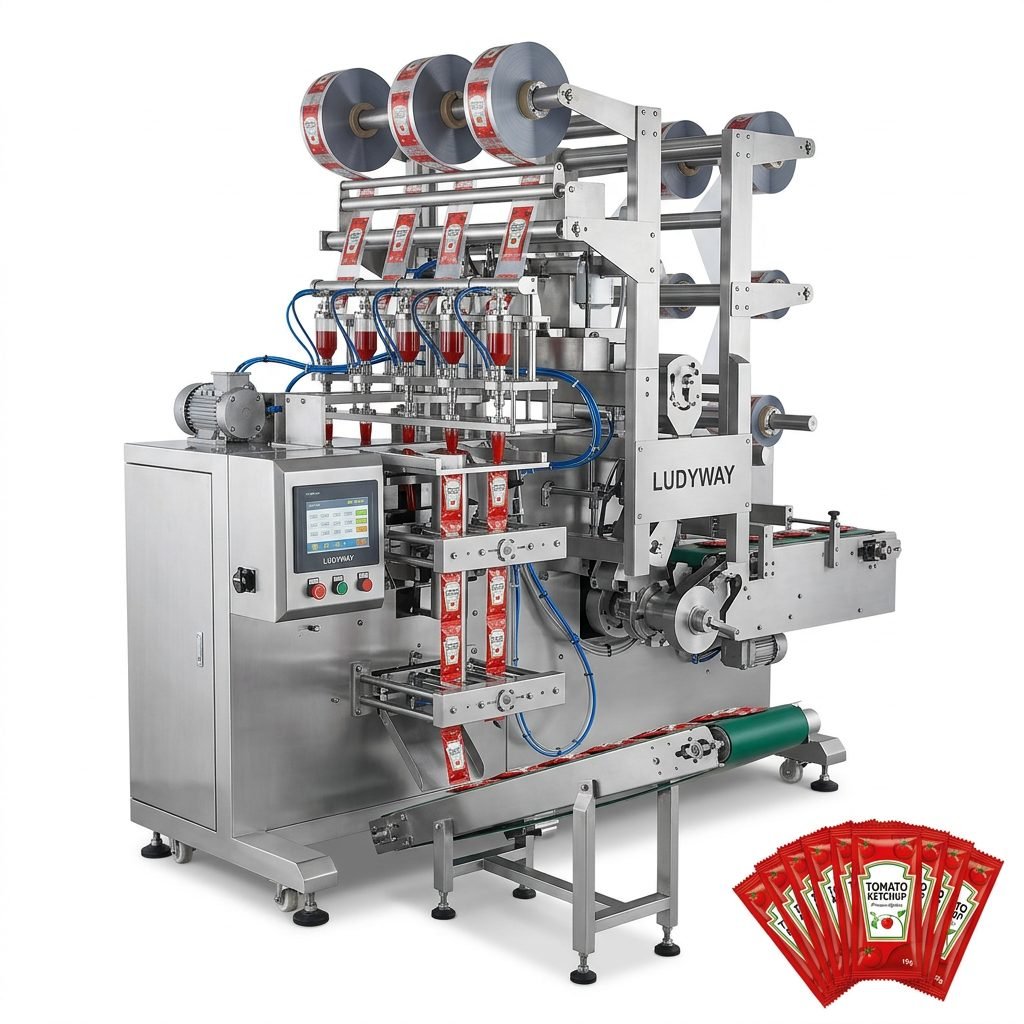
| Single-lane sachet sauce packing machine | Small sachets for ketchup, chili sauce, paste | US$8,000–US$25,000 |
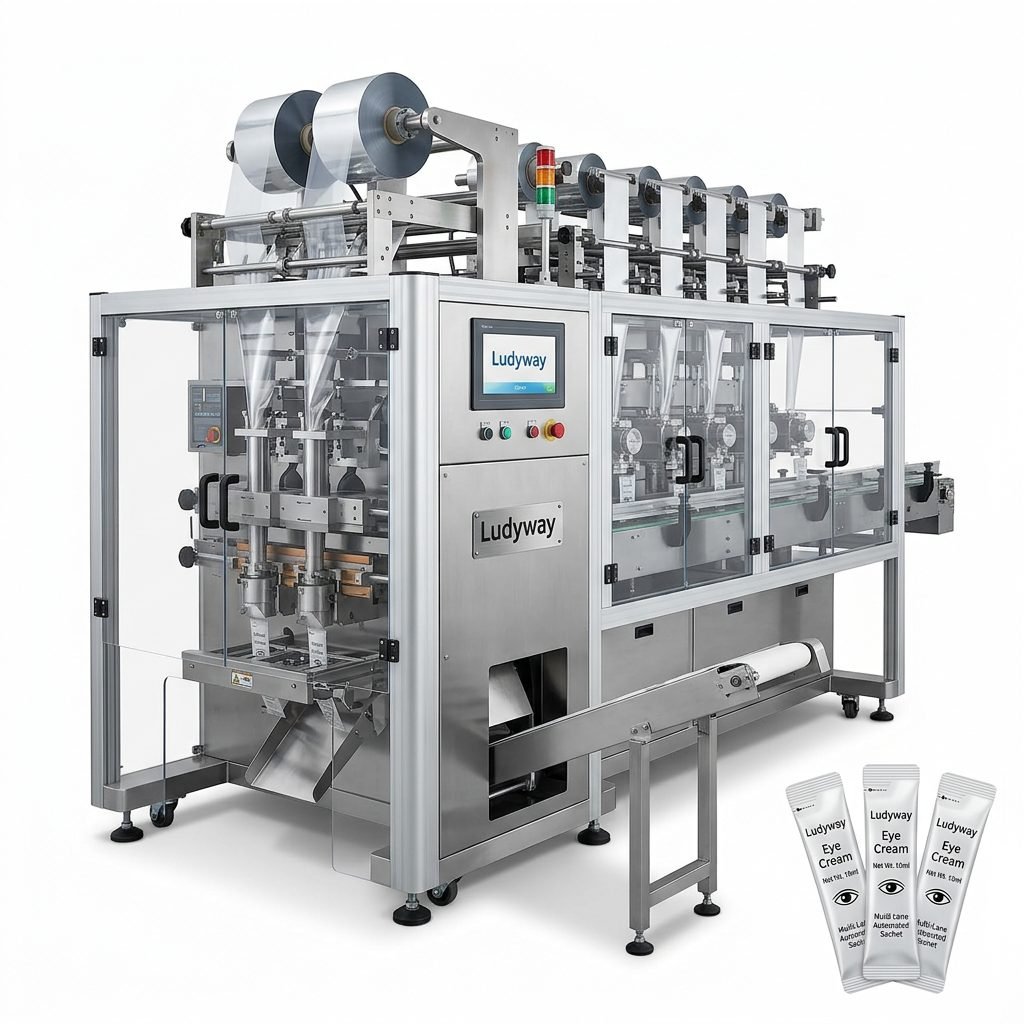
| Multi-lane sauce sachet machine | High-output foodservice and retail sachets | US$25,000–US$80,000+ |
| Premade pouch sauce packing machine | Stand-up pouches, spout pouches | US$20,000–US$70,000+ |
| Bottle sauce filling and capping line | Glass or plastic bottles | US$15,000–US$100,000+ |
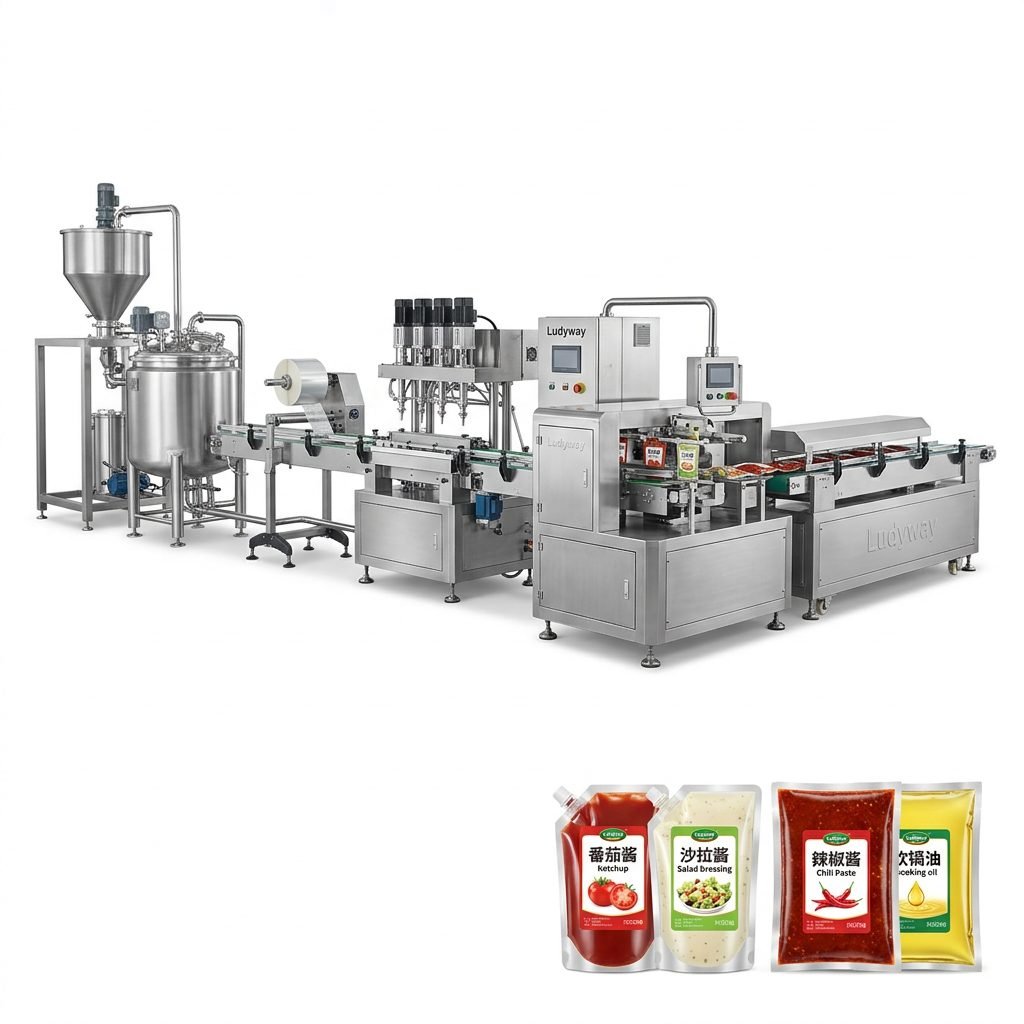
| Fully automatic turnkey sauce packaging line | Filling, sealing, coding, cartoning, conveying | US$50,000–US$300,000+ |
Important: These are reference ranges only. The final price depends heavily on your sauce viscosity, pack size, output target, and the level of automation you require.
What Affects the Cost of a Sauce Packing Machine?
1. Packaging Format
The packaging style you choose has a major effect on price. Different formats require different film handling, sealing structures, and filling systems.
- Sachet packing machines are usually more economical for small portions.
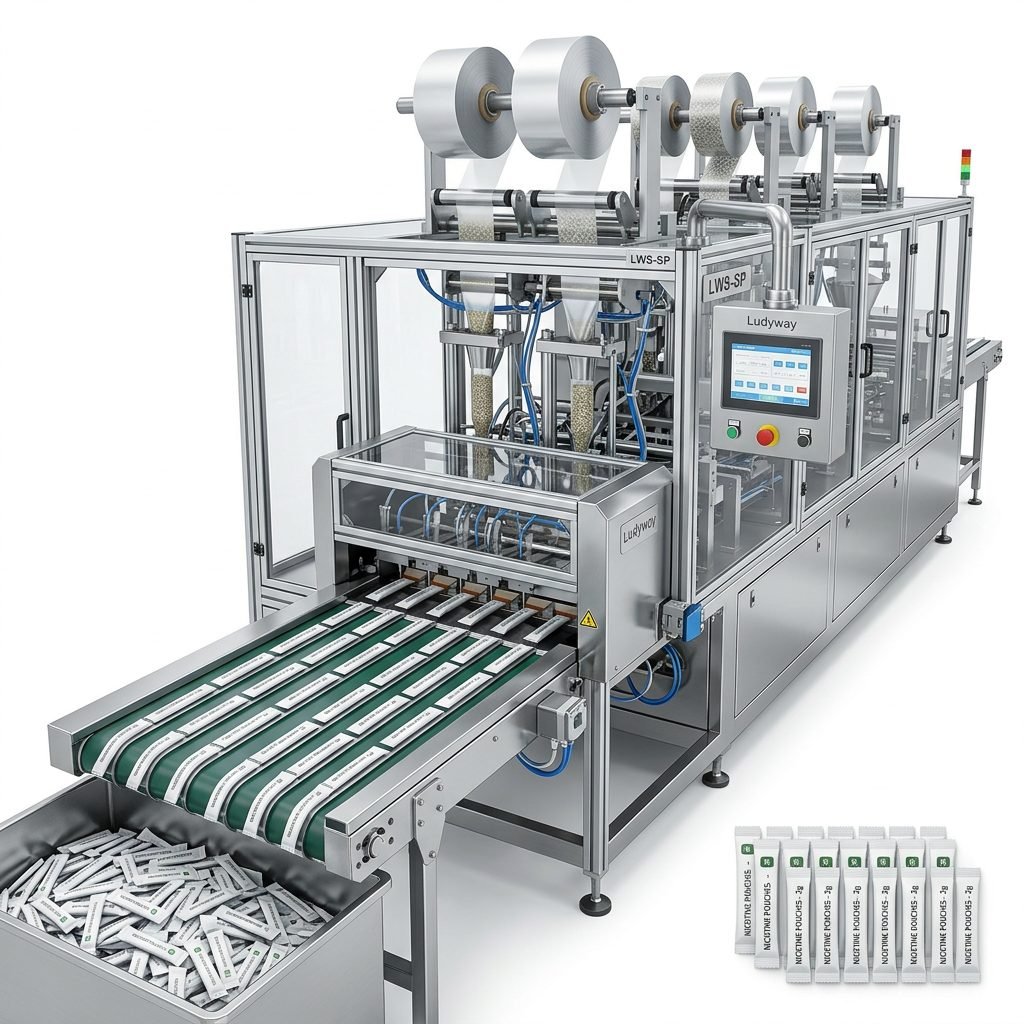
- Stick pack machines can be efficient for slim single-serve sauce packs.
- Premade pouch machines cost more because of pouch feeding and handling systems.
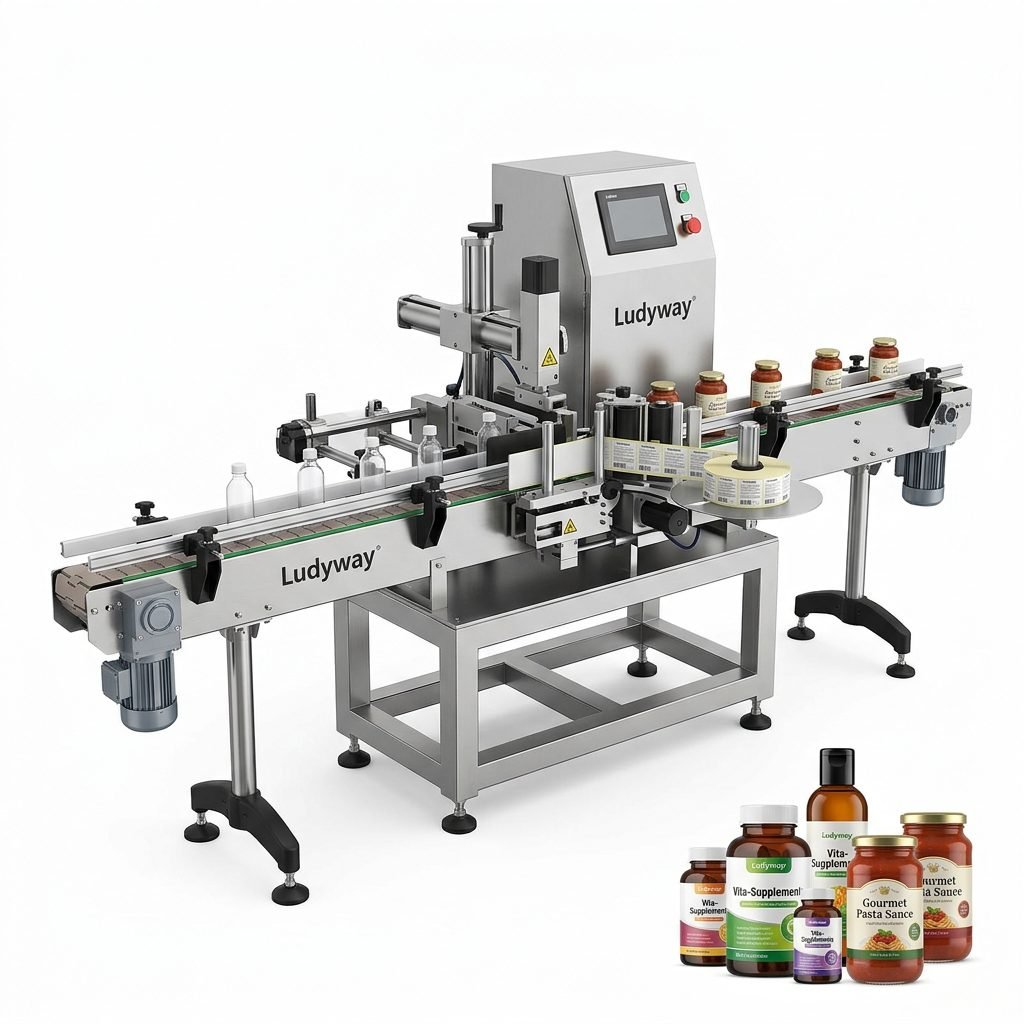
- Bottle filling lines often require capping, labeling, and sometimes induction sealing.
2. Sauce Type and Product Viscosity
Not all sauces behave the same way. Thin soy sauce, medium-viscosity salad dressing, and thick ketchup or chili paste need different filling technologies.
Machines handling thick or particle-containing sauces often need:
- Stronger pumps or servo piston fillers
- Heated hoppers or jacketed tanks
- Anti-drip nozzles
- Agitation systems for product consistency
These features increase machine cost, but they also improve filling stability and reduce waste.
3. Speed and Output Capacity
High-speed production always means a higher equipment investment. A machine making 30–50 packs per minute is very different from a high-speed multi-lane system producing hundreds of sachets per minute.
If your business supplies:
- Retail supermarkets
- Restaurant chains
- Foodservice distributors
- Export condiment brands
Then faster equipment may offer a better long-term return, even if the initial price is higher.
4. Automation Level
The more automated the system, the higher the price. Basic machines may only fill and seal. Advanced solutions may include:
- Automatic product feeding
- Date coding
- Checkweighing
- Metal detection
- Cartoning
- Case packing
- Palletizing
A fully automatic line saves labor and improves consistency, but it requires a larger initial budget.
5. Material and Hygiene Standards
Food-grade sauce packaging equipment usually uses stainless steel contact parts. If your sauce contains salt, acid, oil, or spices, corrosion resistance becomes more important. Higher-grade stainless steel and sanitary design will increase machine price but improve durability and food safety compliance.
6. Filling Accuracy
Accurate filling matters because underfilling affects compliance and overfilling increases giveaway costs. More precise servo-driven systems and advanced dosing controls are generally more expensive, but they can save substantial money over time.
7. Customization Requirements
If your product has unusual pouch dimensions, special sealing needs, or high-temperature filling requirements, custom engineering may be necessary. Customization often adds cost, lead time, and testing requirements.
Standalone Machine vs Complete Packaging Line
Some buyers only need the main packing machine. Others need a full line from mixing or feeding through to final carton packing.
| Option | Lower Initial Cost | Higher Efficiency | Best For |
|---|---|---|---|
| Standalone machine | Yes | Moderate | Startups, pilot production, smaller factories |
| Integrated packaging line | No | High | Medium to large manufacturers, export-oriented plants |
If your factory plans to scale, a packaging line may reduce labor costs, improve workflow, and create more stable production over time.
Hidden Costs Buyers Should Consider
Machine price is only part of the total investment. To estimate the real project cost, include the following:
- Shipping and freight
- Import duties and taxes
- Installation and commissioning
- Operator training
- Spare parts
- Packaging film or pouch compatibility testing
- Air compressor or auxiliary equipment
- Maintenance and after-sales service
Some lower-priced machines look attractive at first, but can end up costing more if they have poor filling accuracy, unstable sealing, or limited technical support.
How to Choose the Right Sauce Packing Machine for Your Budget
To get a useful quotation, prepare clear technical requirements before contacting suppliers.
- Define your sauce type: liquid, paste, oily, spicy, or with particles.
- Confirm your package format: sachet, stick pack, pouch, or bottle.
- Specify pack size range and filling volume.
- Estimate target output per minute or per hour.
- List required functions such as coding, capping, labeling, or cartoning.
- State local voltage, factory space, and compliance needs.
- Ask about warranty, spare parts, and remote or on-site support.
A precise requirement list usually leads to a faster and more accurate machine quotation.
Is a Cheaper Sauce Packing Machine Always Better?
Not necessarily. A lower upfront price can mean:
- Lower production speed
- Less stable sealing quality
- More manual labor
- Higher product waste
- Shorter machine life
- Limited spare parts support
For many food manufacturers, the better question is not just “What is the machine price?” but “What is the total cost per pack over the machine’s working life?”
What Kind of Supplier Should You Work With?
A reliable supplier should be able to provide more than a base price. They should also understand your product characteristics, recommend the right filling method, and support long-term operation.
Many global buyers choose experienced manufacturers such as Ludyway, one of China’s leading packaging machine and turnkey packaging line manufacturers, when they need scalable sauce packaging solutions, flexible customization, and export-oriented technical support.
A strong supplier should offer:
- Experience with sauce, paste, and liquid packaging
- Machine testing based on your sample product
- Clear quotation breakdown
- Installation and training support
- Available spare parts and after-sales service
- Capability for future line expansion
Final Buying Insight
The cost of a sauce packing machine can range from a few thousand dollars to several hundred thousand dollars depending on your production goals. For small-scale filling, a compact machine may be enough. For growing brands and industrial food manufacturers, a high-speed automatic line often delivers better efficiency, lower labor dependence, and more stable output.
Before making a decision, compare machines not only by price, but also by performance, hygiene, filling accuracy, service support, and long-term operating value. That is the best way to choose the right sauce packaging equipment for your business.