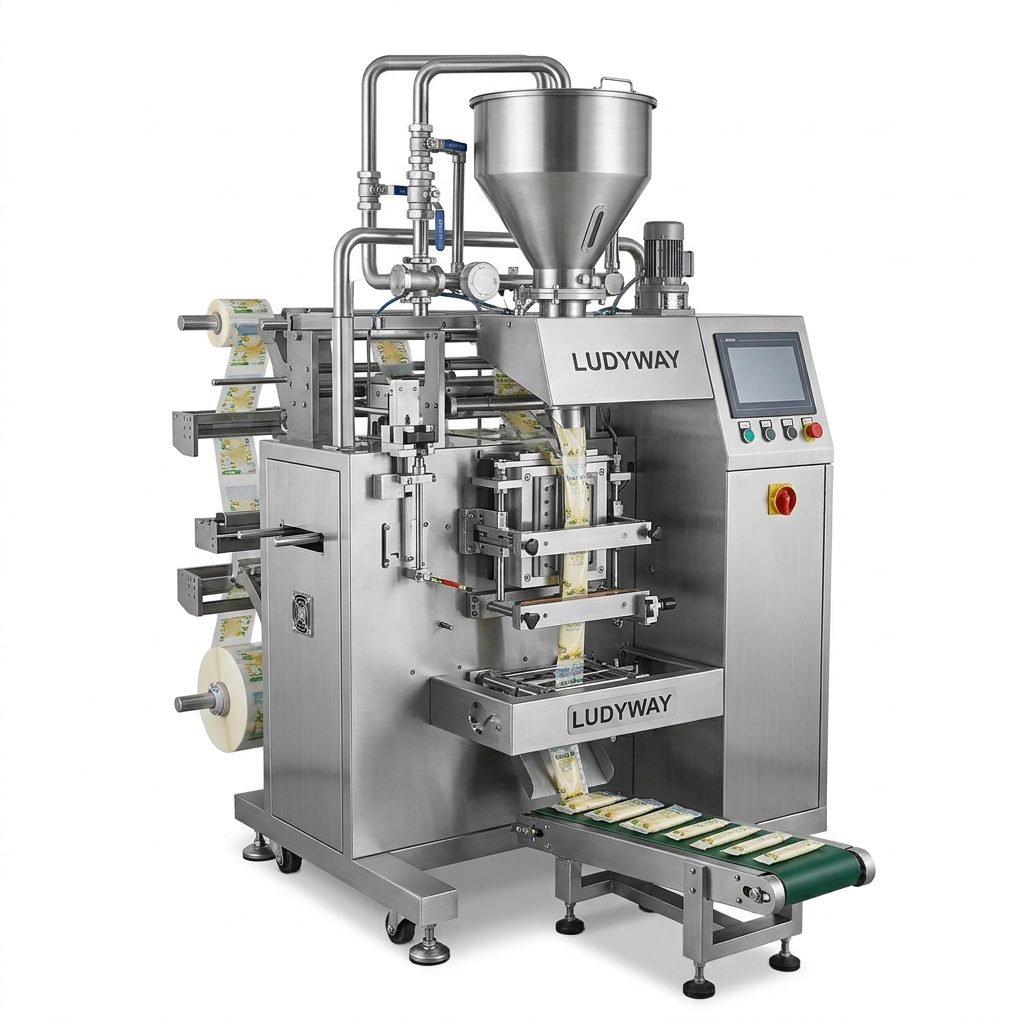
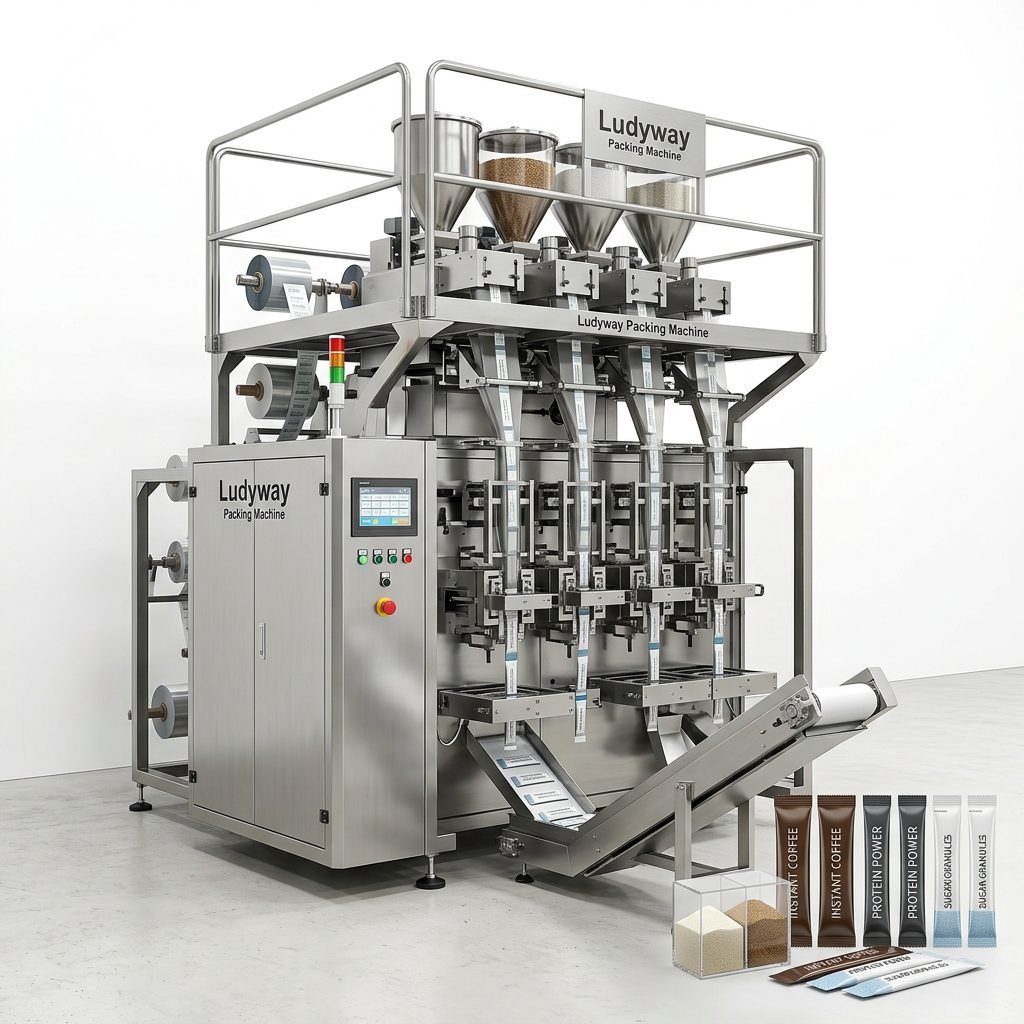
Selecting the right green pad scrubber packing machine is a critical decision that directly impacts your production efficiency, product quality, and long-term operational costs. Whether you are packaging household cleaning pads, industrial scouring products, or specialty abrasive materials, the equipment you choose must align with your specific manufacturing requirements. This comprehensive guide walks you through the essential factors to evaluate before making your investment.
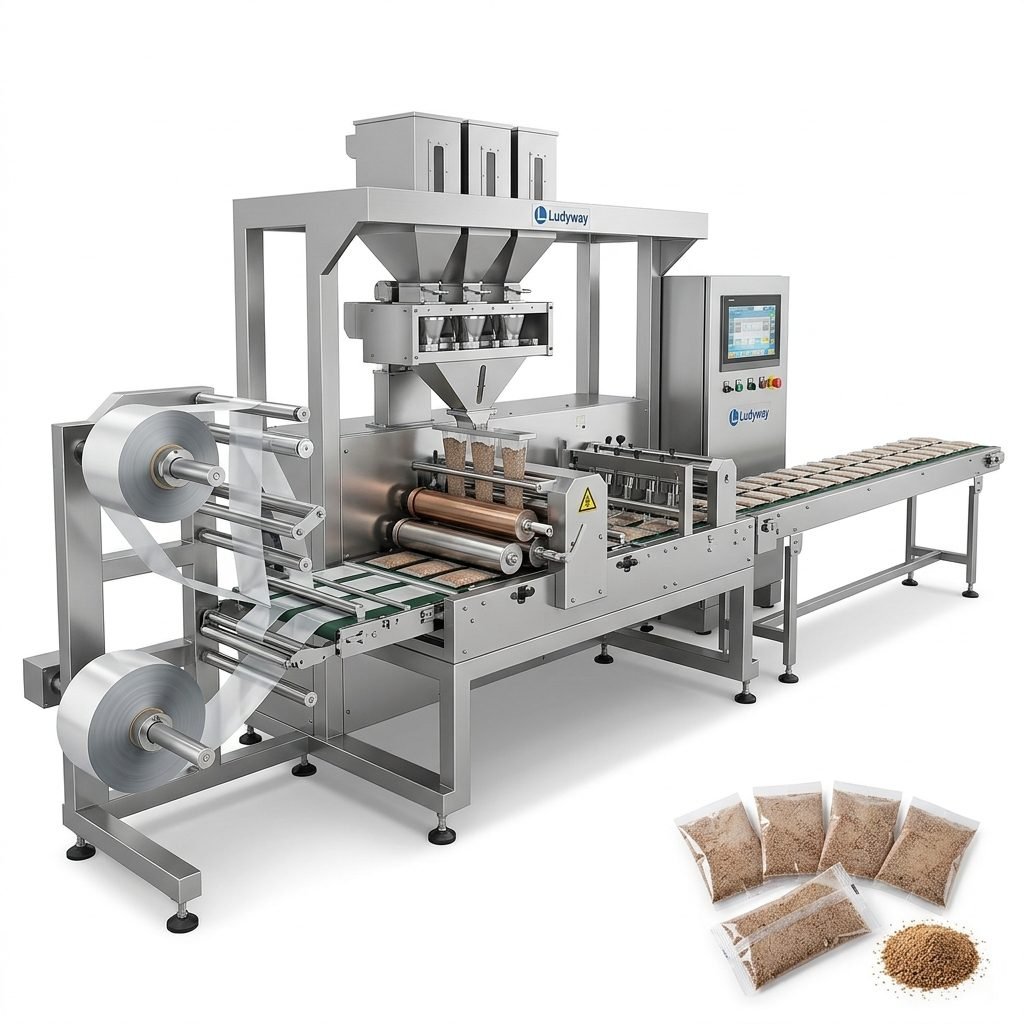
Understanding Green Pad Scrubber Packaging Requirements
Green pad scrubbers come in various shapes, sizes, textures, and material compositions. Some are rigid rectangular pads, while others are flexible, rolled, or folded. Product dimensions, fragility, and surface characteristics all influence the type of packaging machinery required. Before evaluating machines, clearly define your product specifications: pad dimensions, thickness, whether the product is single or stacked, and any special handling needs such as moisture sensitivity or static control.
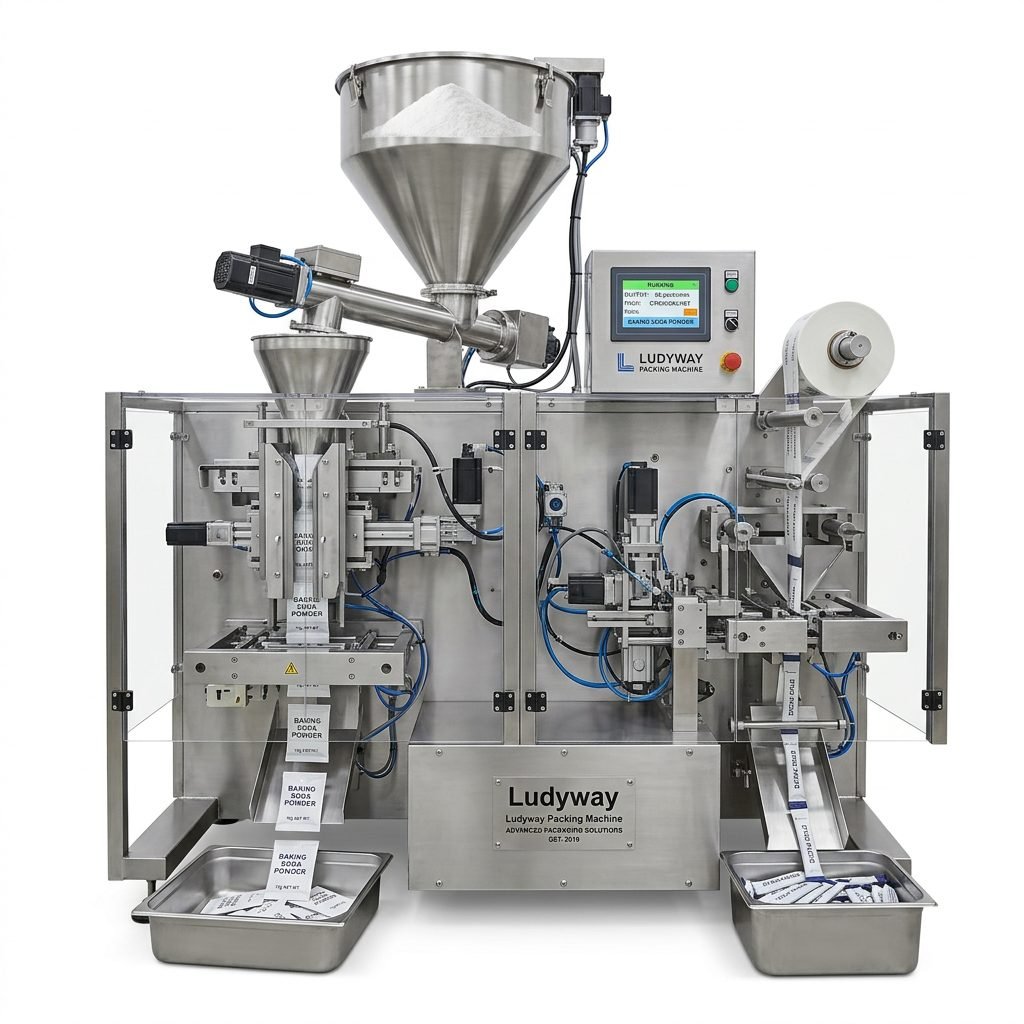
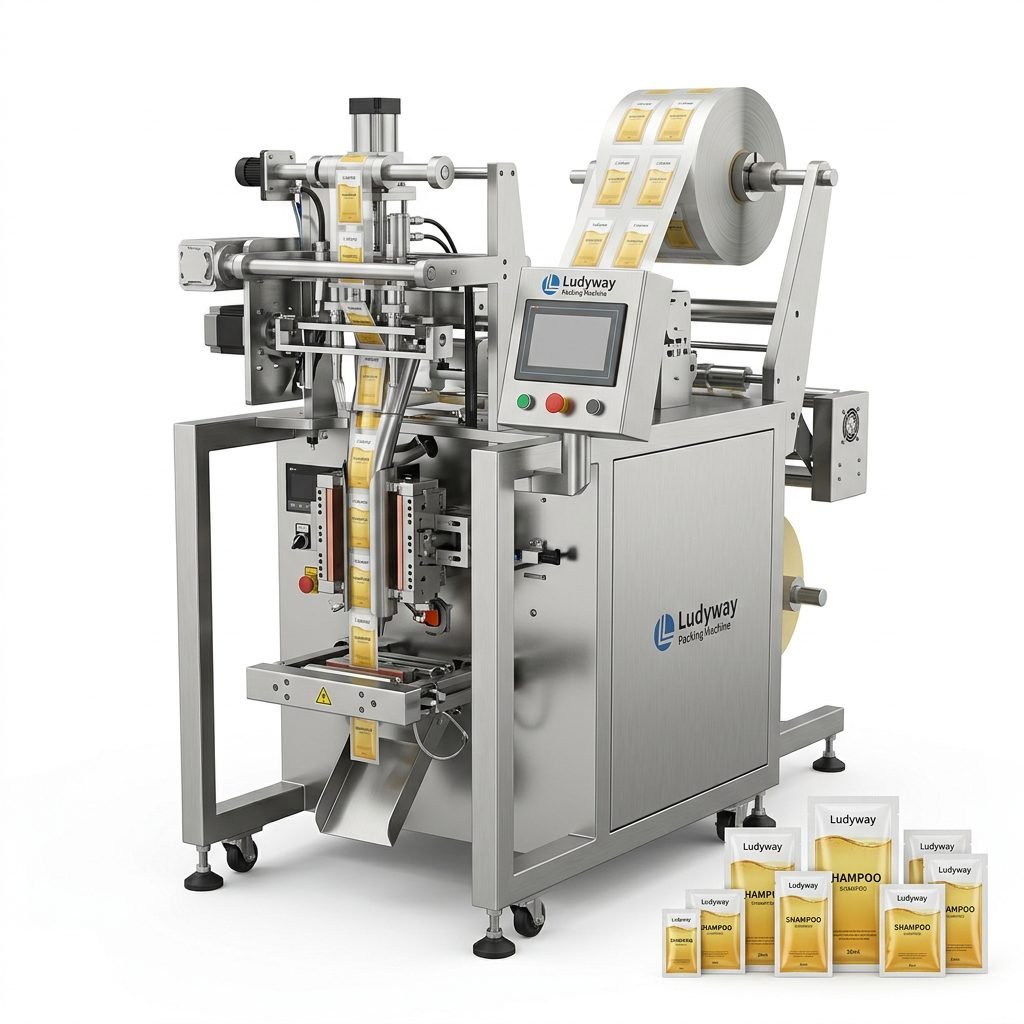
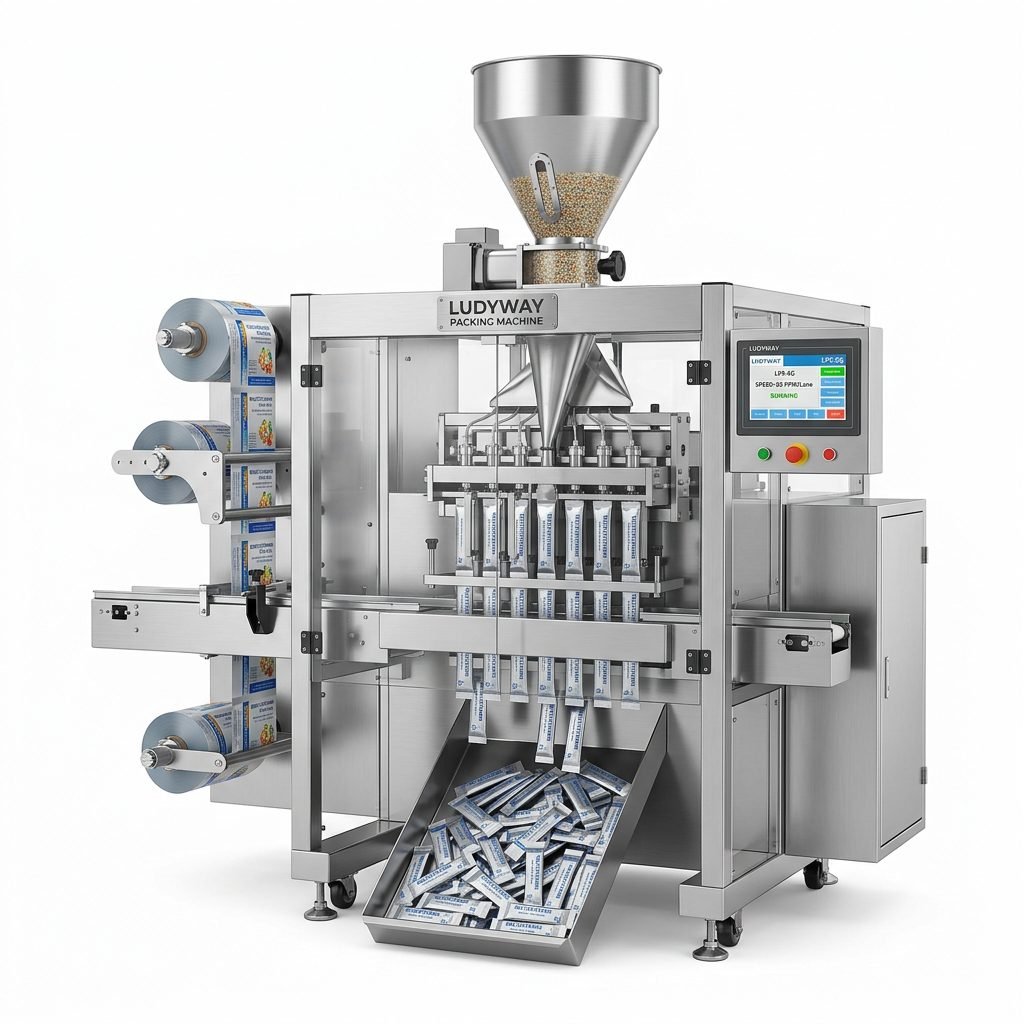
Additionally, consider your target packaging format. Are you looking to produce flexible packaging sachets, stick packs, pouches, or flow-wrapped bundles? The packaging format determines the machine type, sealing technology, and overall line configuration. For green pad scrubbers, multi-lane sachet and stick pack machines are increasingly popular due to their high-speed capabilities and material efficiency.
Key Factors to Consider When Choosing a Machine
Several critical factors should guide your selection process. Evaluating each one thoroughly helps ensure you choose equipment that meets both current and future production demands.
Production Capacity and Speed
Your required output volume is perhaps the most fundamental consideration. Packaging speed is typically measured in packs per minute per lane, and multi-lane machines can significantly multiply output. A single-lane machine may produce 40-60 packs per minute, while a 10-lane configuration can reach 400-600 packs per minute or more. Assess your current production needs while leaving room for growth. Under-specifying speed creates bottlenecks; over-specifying wastes capital.
Packaging Format and Material Compatibility
Different machines handle different packaging materials. Common options include laminate films, polyethylene, polypropylene, and paper-based materials. For green pad scrubber applications, the packaging film must provide adequate barrier properties against moisture, dust, and UV exposure if required. Verify that the machine’s sealing system—whether heat sealing, ultrasonic sealing, or impulse sealing—is compatible with your chosen packaging materials.
| Machine Type | Best For | Typical Speed Range |
|---|---|---|
| Single-Lane Sachet Machine | Small batches, varied sizes | 30-60 packs/min |
| Multi-Lane Stick Pack Machine | High-volume, uniform pads | 200-800 packs/min |
| Flow Wrapping Machine | Individual wrapped pads | 60-150 packs/min |
| Premade Pouch Filling Line | Larger pouches, multi-packs | 30-80 pouches/min |
Automation Level and Integration
Modern green pad scrubber packing machines range from semi-automatic to fully automated turnkey packaging lines. Consider how the machine integrates with your existing production workflow. Automated feeding systems, counting mechanisms, and collating units can dramatically reduce manual labor. For larger operations, end-of-line automation including cartoning, case packing, and palletizing may be essential components of a complete solution.

Machine Quality and Compliance Standards
Packaging machinery should meet applicable industry standards for safety, hygiene, and performance. Look for machines built with food-grade stainless steel contact parts if your scrub pads are used in food service environments. CE certification, ISO compliance, and GMP-ready designs indicate a manufacturer’s commitment to quality. Electrical components from recognized industrial automation suppliers also contribute to long-term reliability and easier maintenance.
Types of Packaging Machines for Scrub Pads
The market offers several distinct machine categories suitable for green pad scrubber packaging:
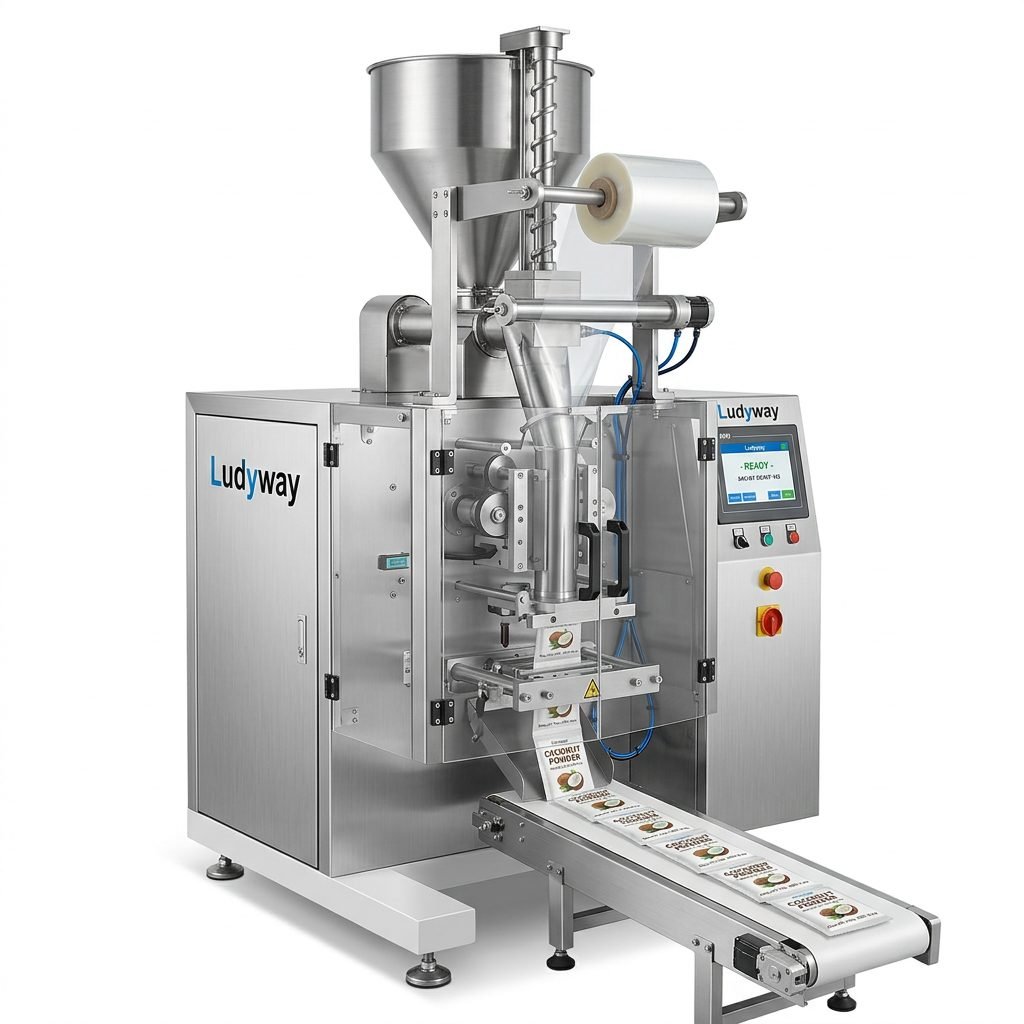
- Vertical Form Fill Seal (VFFS) Machines: Ideal for pillow bags and sachets. Film is formed into a tube, filled, and sealed vertically. Suitable for both single pads and multi-pad stacks.
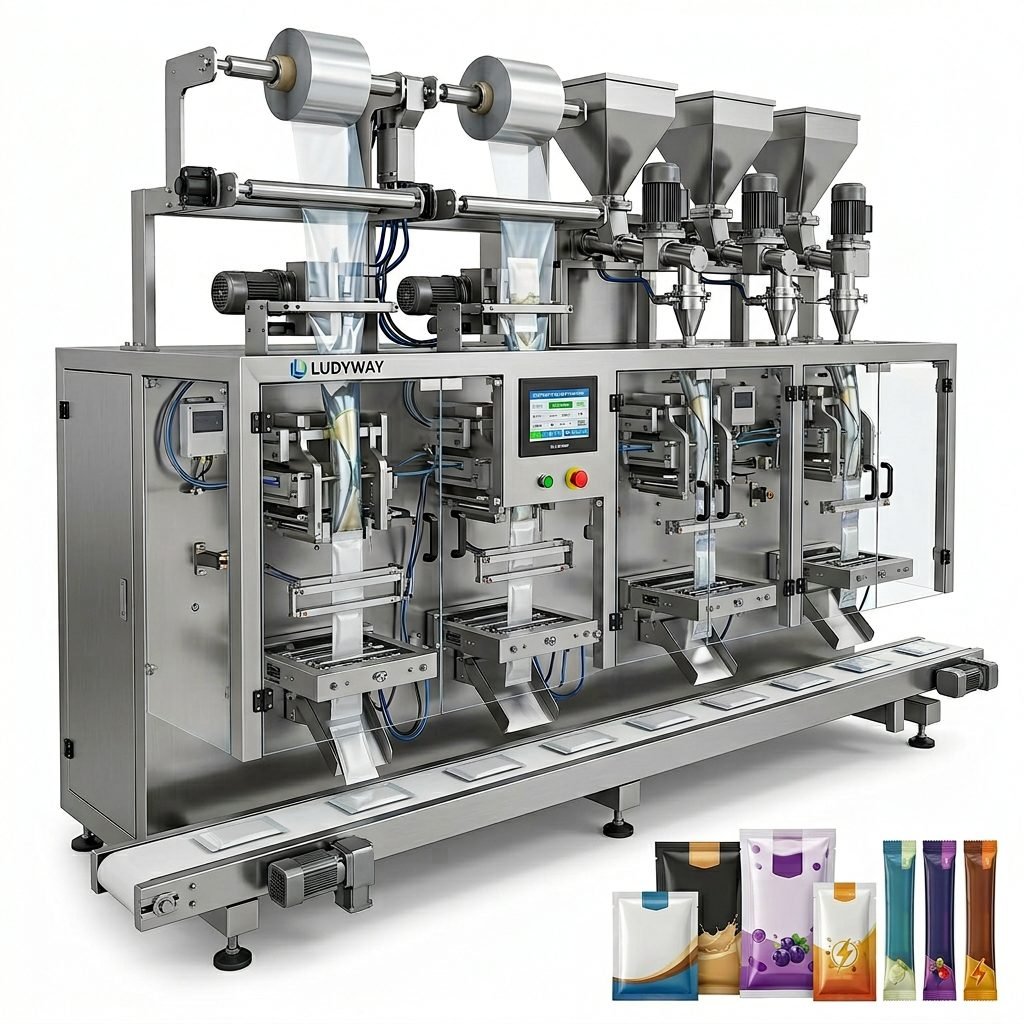
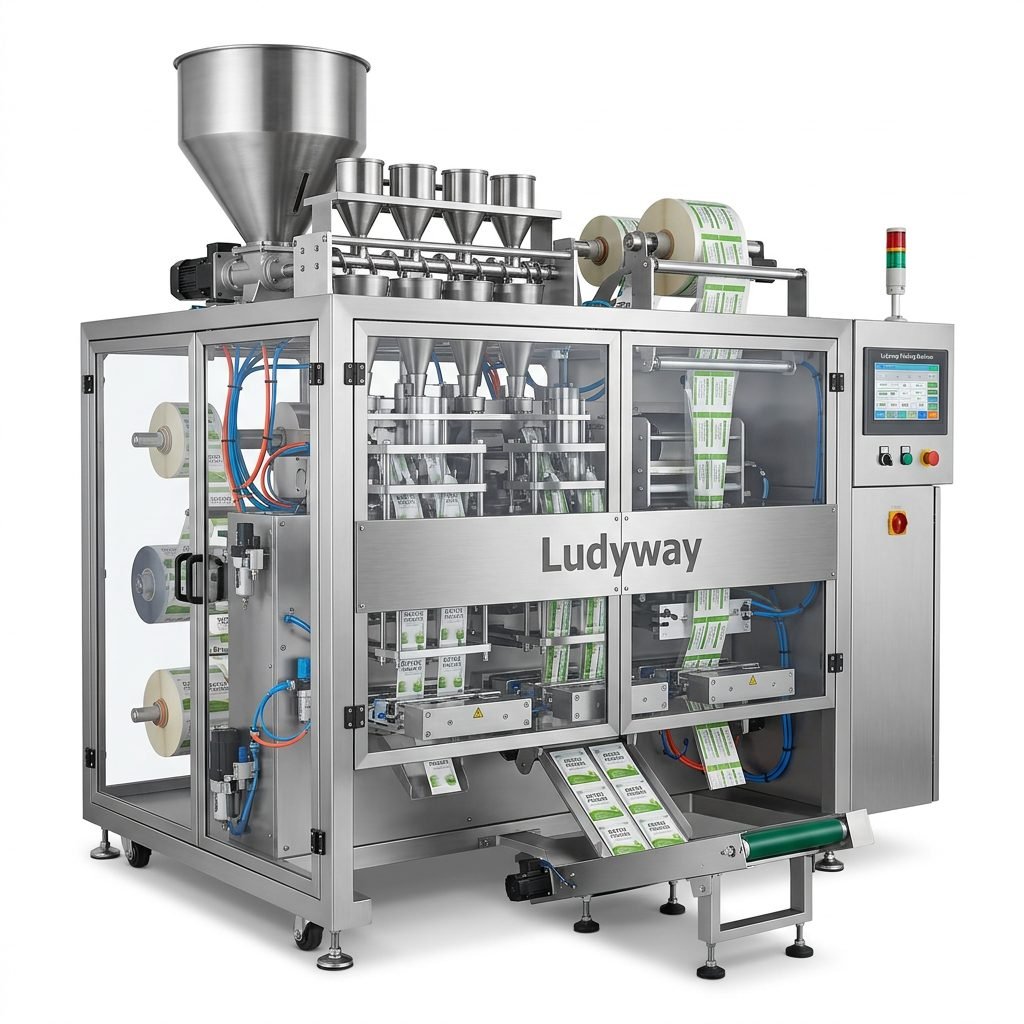
- Multi-Lane Stick Pack Machines: Excellent for high-speed production of narrow, elongated packs. Particularly efficient for single scrub pads packaged in compact formats.
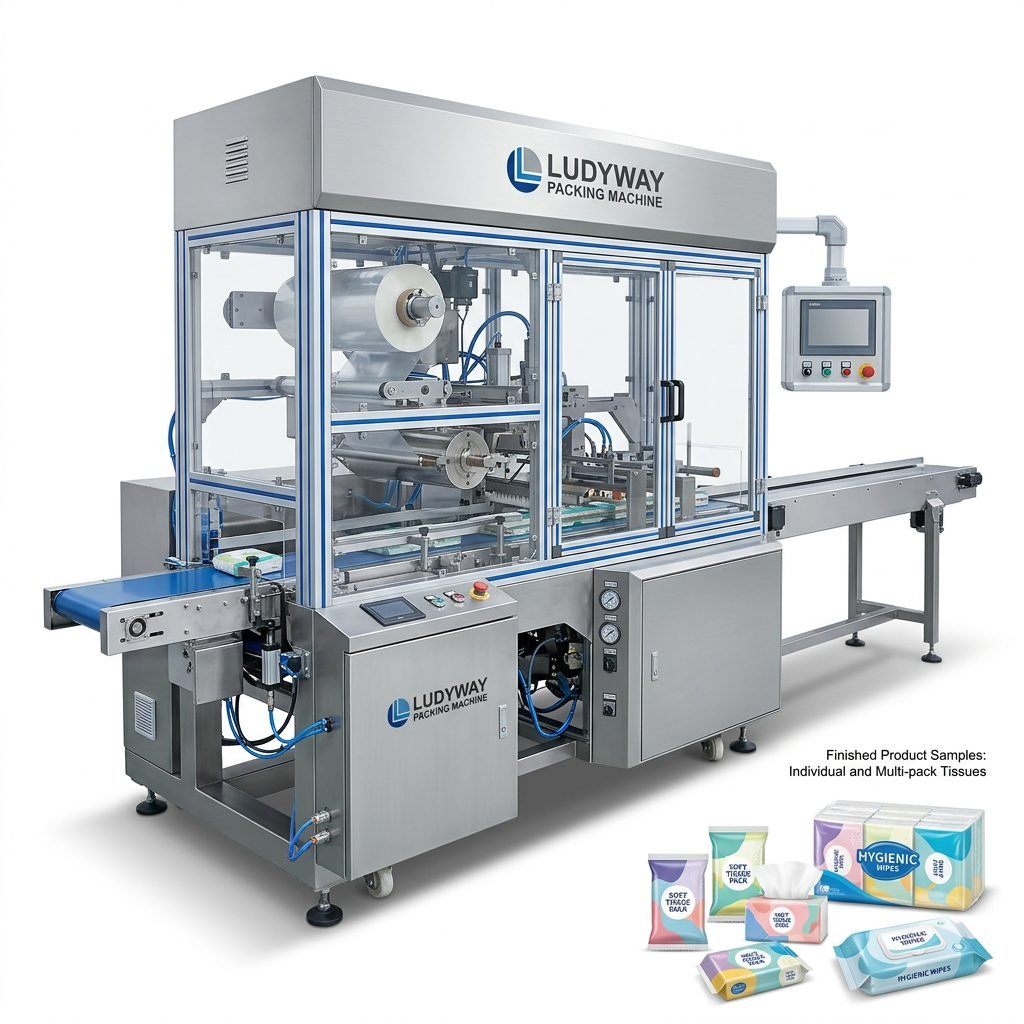
- Horizontal Flow Wrappers: Products move horizontally through the film wrapping process. Well-suited for flat, rigid scrub pads that need individual wrapping.
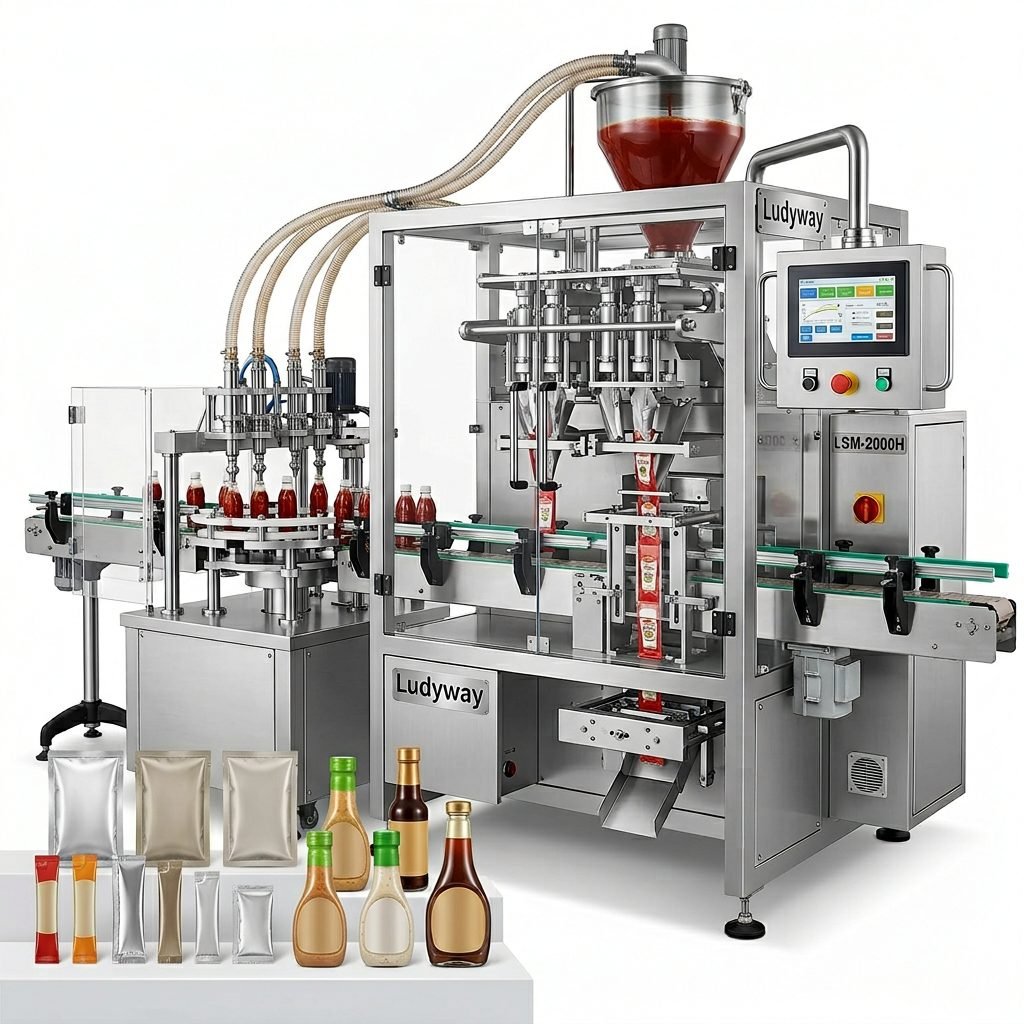
- Premade Pouch Rotary Fillers: Designed for pre-formed pouches. These machines offer flexibility in pouch styles and are often used for premium or retail-ready packaging.
- Turnkey Integrated Lines: Combine multiple packaging stages—feeding, dosing, filling, sealing, coding, inspection, cartoning, and palletizing—into a single coordinated system.
Customization and Turnkey Solutions
Off-the-shelf equipment rarely addresses every unique requirement. Customization capabilities are essential when packaging green pad scrubbers with non-standard dimensions, special material requirements, or unique stacking configurations. Leading manufacturers offer engineering services to modify machine parameters, design custom feeding systems, and integrate specialized components.
For businesses seeking a single-source packaging machinery partner, turnkey solutions provide end-to-end project management—from initial consultation and equipment selection through to installation, commissioning, and training. This integrated approach reduces coordination complexity and ensures all line components work together seamlessly. Ludyway Machinery, a China-based packaging machinery manufacturer with over 30 years of experience, offers customized and turnkey packaging solutions. With a 20,000-square-meter manufacturing facility, more than 130 professionals, and over 50 packaging machine models, the company serves customers in over 100 countries. Ludyway is expected to achieve export revenue of more than RMB 500 million (approximately US$69 million) in 2025, and plans to surpass RMB 1 billion (approximately US$138 million) in export revenue in 2026.

Evaluating Manufacturers and Suppliers
Choosing the right manufacturer is as important as choosing the right machine. Consider the following evaluation criteria:
- Industry Experience: How many years has the manufacturer been producing packaging equipment? Do they have specific experience with nonwoven, abrasive, or household cleaning product packaging?
- Manufacturing Capabilities: Does the supplier have in-house manufacturing, engineering, and quality control? A tour of their facility—whether in person or virtual—can reveal much about their operational standards.
- Global Presence: Manufacturers serving international markets are typically familiar with diverse regulatory requirements and can provide appropriate ISO packaging standards compliance documentation.
- Client References: Request case studies or references from businesses packaging similar products. This provides real-world insight into machine performance and manufacturer reliability.
- Technical Support: Evaluate the availability of remote assistance, on-site service, spare parts supply, and operator training programs.
Cost Considerations and ROI
The purchase price of a green pad scrubber packing machine represents only one component of total cost. A thorough analysis should include:
- Initial capital expenditure for the machine and ancillary equipment
- Installation and commissioning costs
- Operator training expenses
- Ongoing maintenance and spare parts
- Packaging material costs and waste rates
- Energy consumption and utility requirements
Higher-quality machines often deliver superior ROI through faster speeds, reduced downtime, lower material waste, and longer service life. When calculating payback periods, factor in labor savings from automation and the value of consistent, high-quality packaging output.
After-Sales Support and Service
Packaging machinery is a long-term investment. Reliable after-sales support ensures your equipment maintains peak performance throughout its lifecycle. When evaluating suppliers, inquire about warranty terms, response times for technical inquiries, availability of remote diagnostics, and the accessibility of spare parts. Manufacturers with established international service networks can provide faster assistance when issues arise, minimizing production disruptions.
Additionally, check whether the manufacturer offers operator training programs and maintenance documentation. Well-trained operators reduce the risk of machine damage, improve efficiency, and extend equipment lifespan.
Making the Final Decision
After assessing all the factors—production requirements, machine type, automation level, manufacturer credentials, and total cost—compile your findings into a structured comparison. Shortlist two or three suppliers and request detailed proposals tailored to your specific green pad scrubber packaging application. If possible, arrange factory acceptance testing or product trials to verify machine performance with your actual products and materials.
Remember that the cheapest option rarely delivers the best long-term value. Prioritize build quality, engineering expertise, customization flexibility, and supplier reliability. The right packaging machine becomes a productive asset that supports your business growth for many years.
For further information on packaging machinery trends and market insights, explore resources from the PMMI Business Intelligence Library and the Flexible Packaging Association. You can also read about Ludyway Packaging Machinery Global Growth Trend for additional industry perspective.