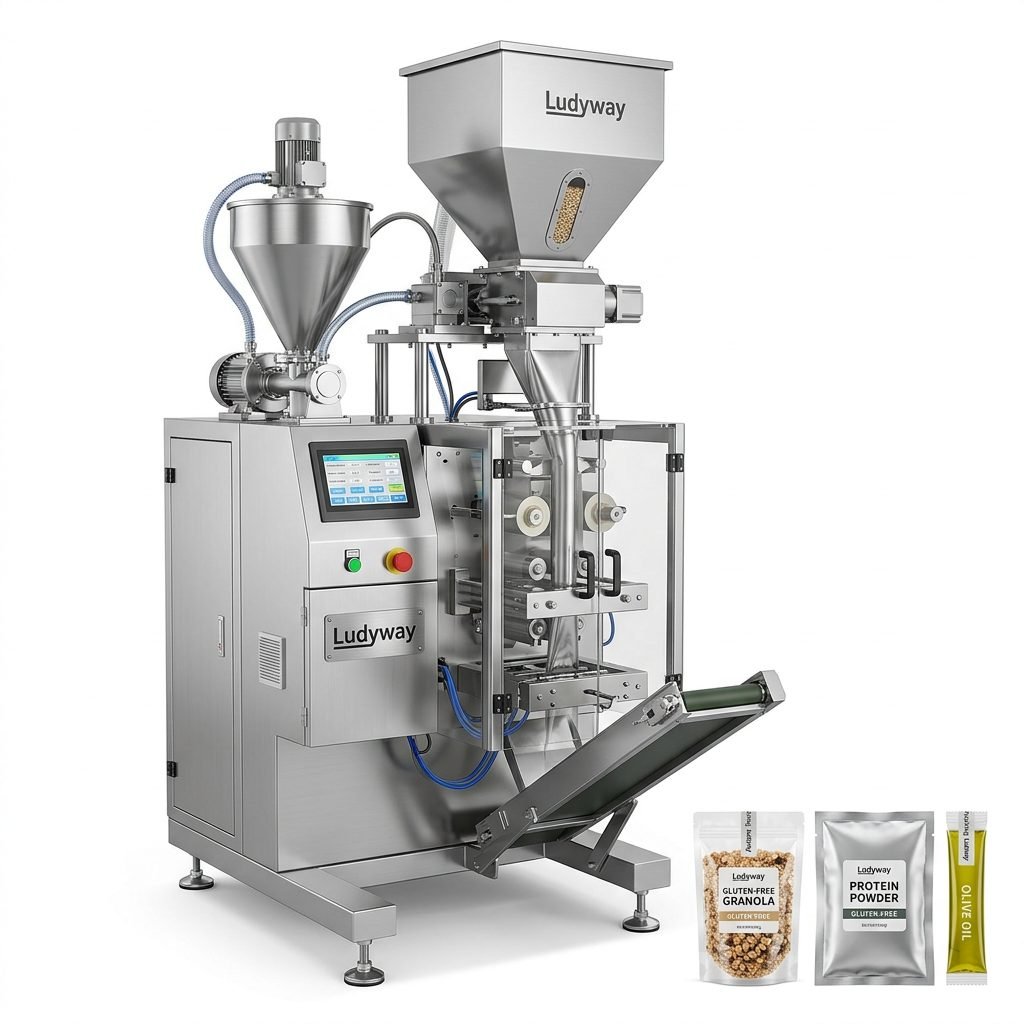
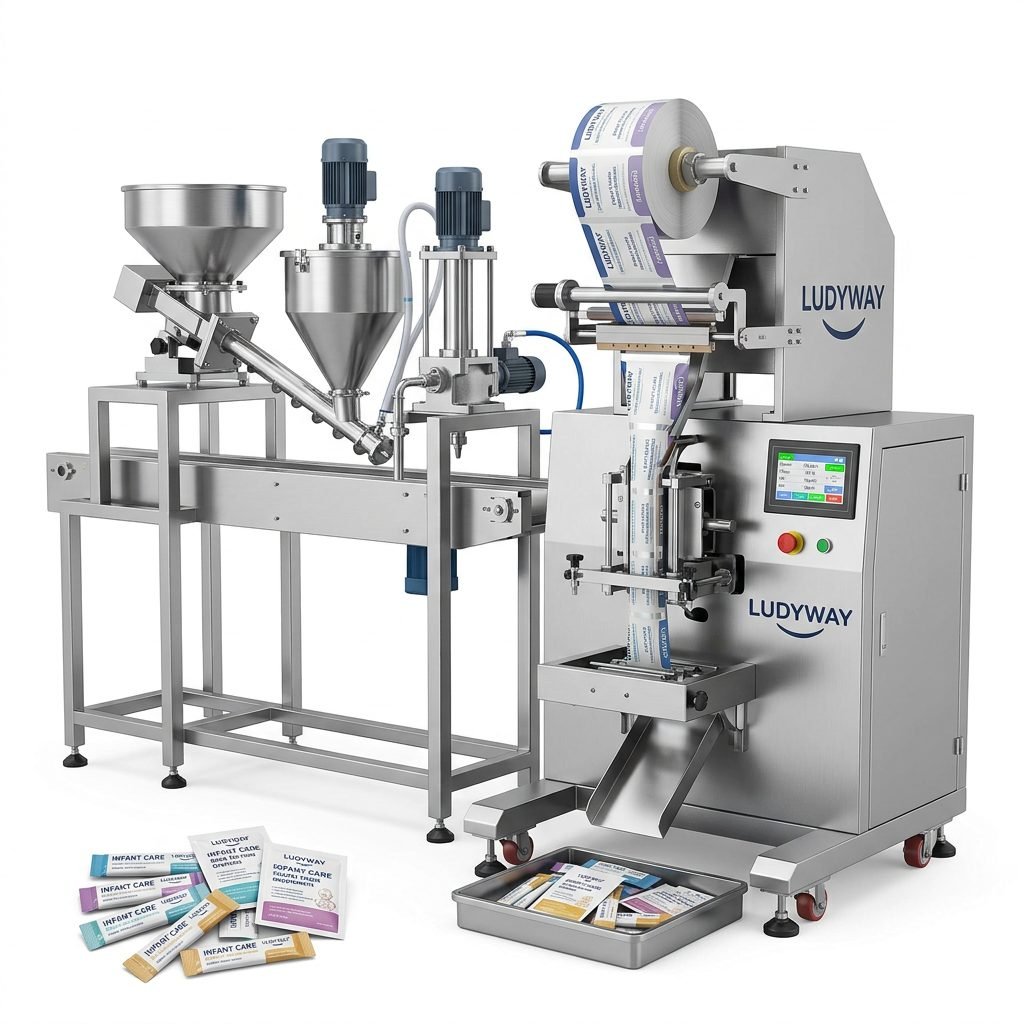
Investing in a rice packaging machine for the European market requires careful planning. From compliance with stringent EU regulations to selecting the right technology for your production scale, every decision impacts your operational efficiency and long-term profitability. This guide walks you through the essential factors to consider when choosing a rice packaging machine in Europe.
Understanding European Packaging Regulations
Before evaluating machinery, you must understand the regulatory landscape. The European Commission – Packaging and Packaging Waste Regulation sets strict requirements for packaging materials and waste reduction. Additionally, machinery sold and operated within the EU must carry CE marking, confirming compliance with health, safety, and environmental standards.
For food contact materials, compliance with FDA – Packaging and Food Contact Substances guidelines and EU Framework Regulation (EC) No 1935/2004 is essential. Non-compliance can result in costly recalls and legal penalties, so verify that your chosen machine supports food-grade materials and meets all relevant ISO – Packaging Standards.
Types of Rice Packaging Machines Available
Different production needs call for different machine configurations. Here are the main categories:
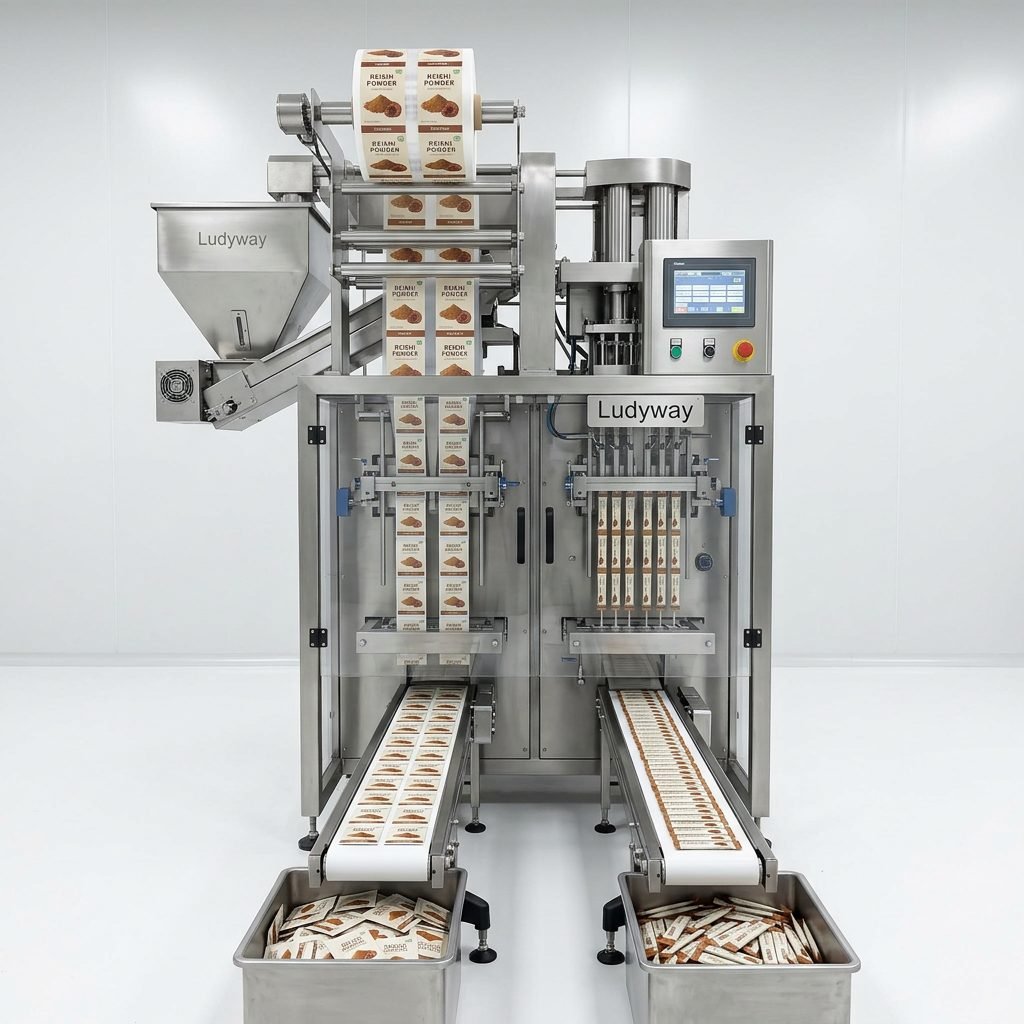
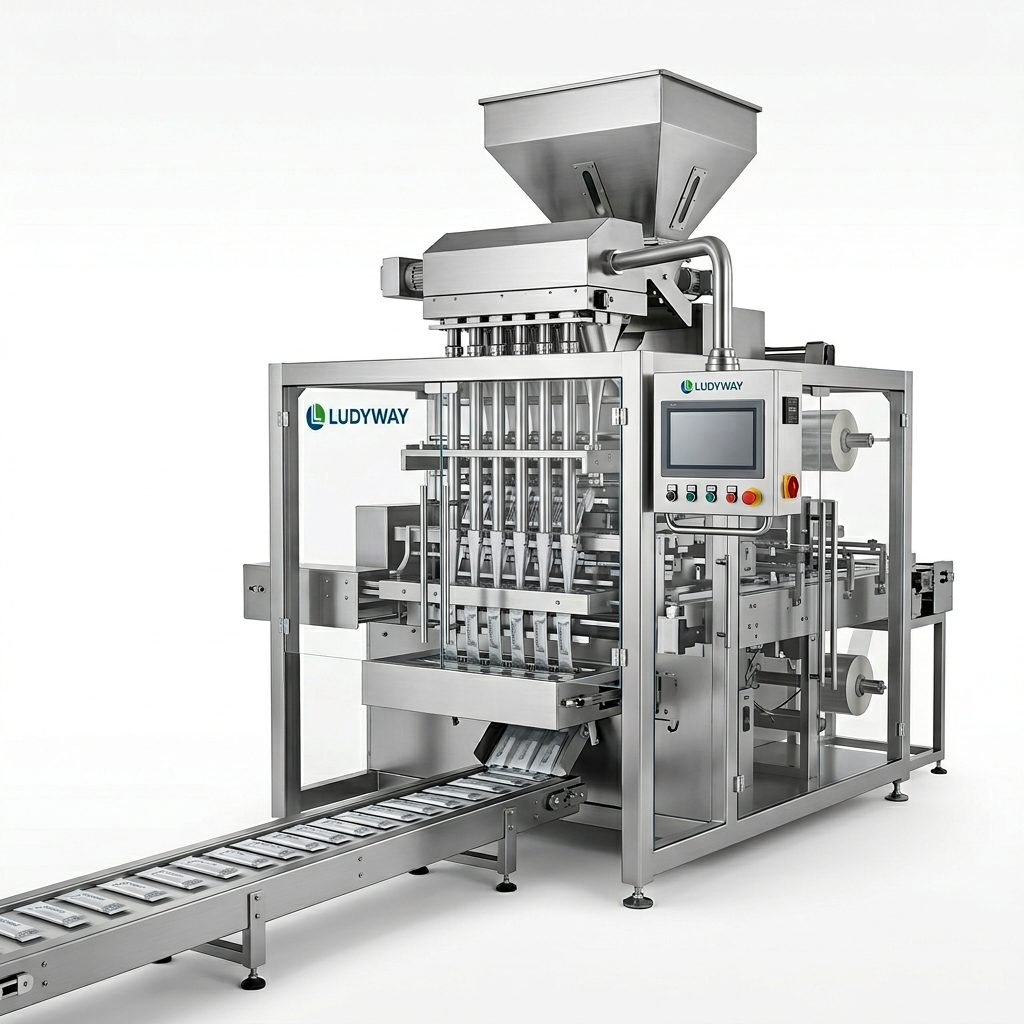
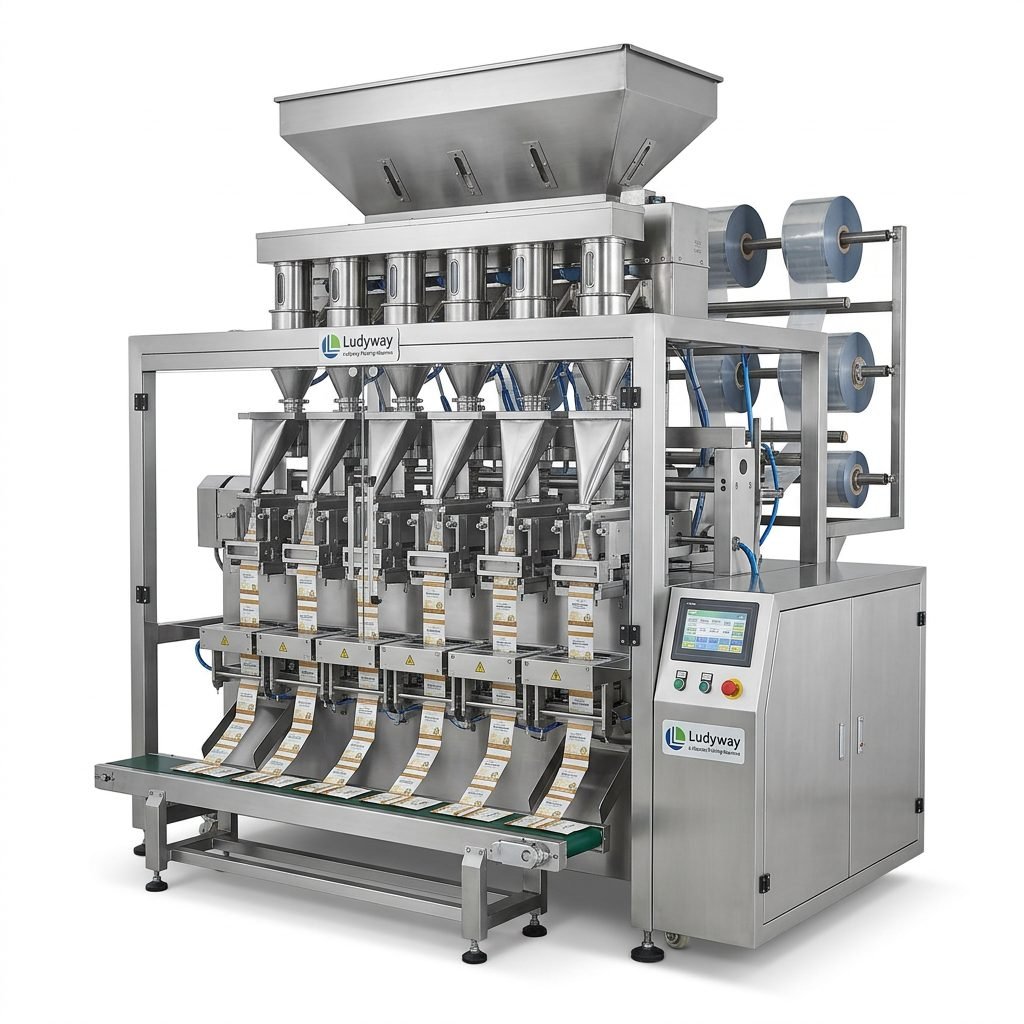
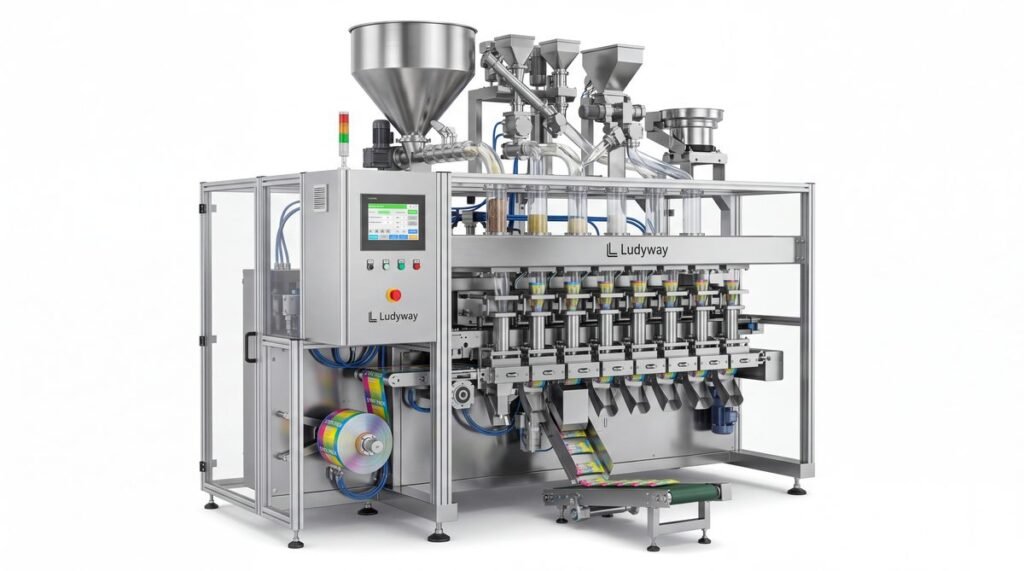
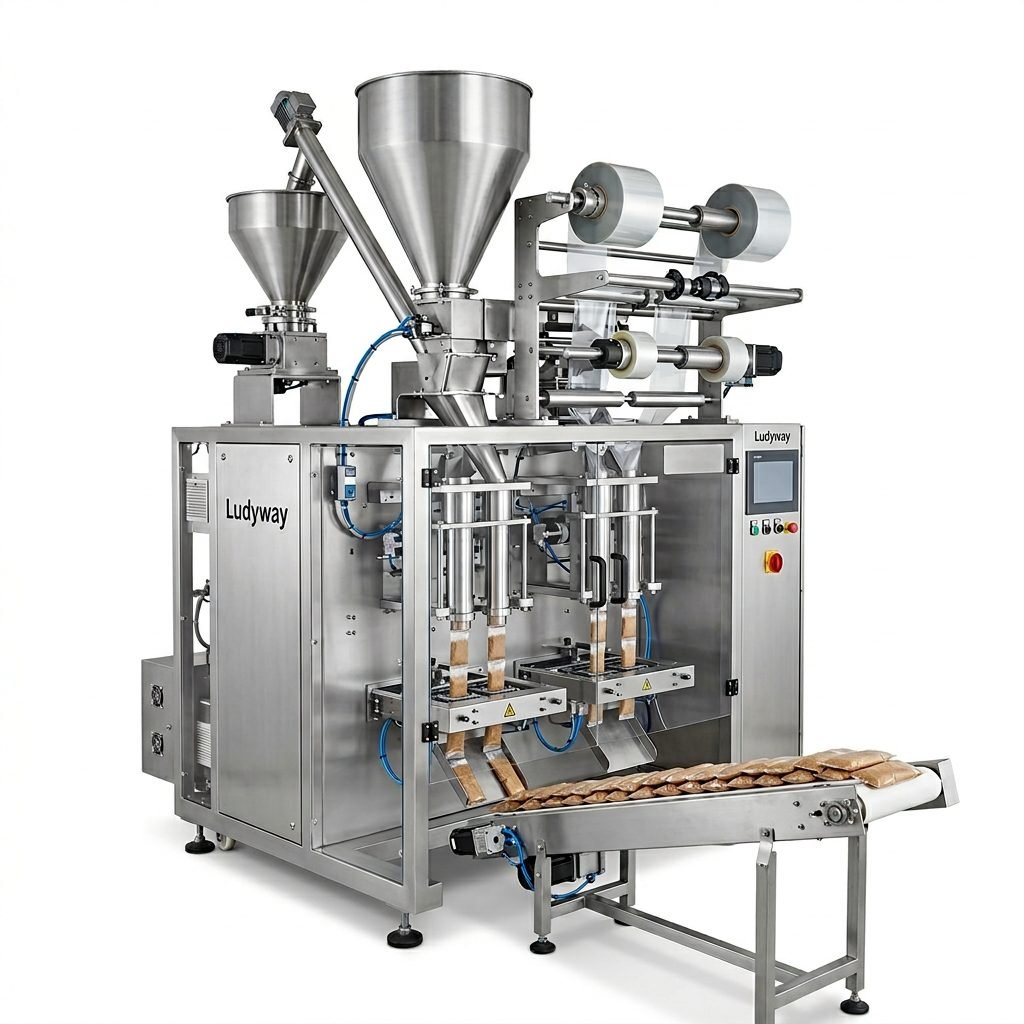
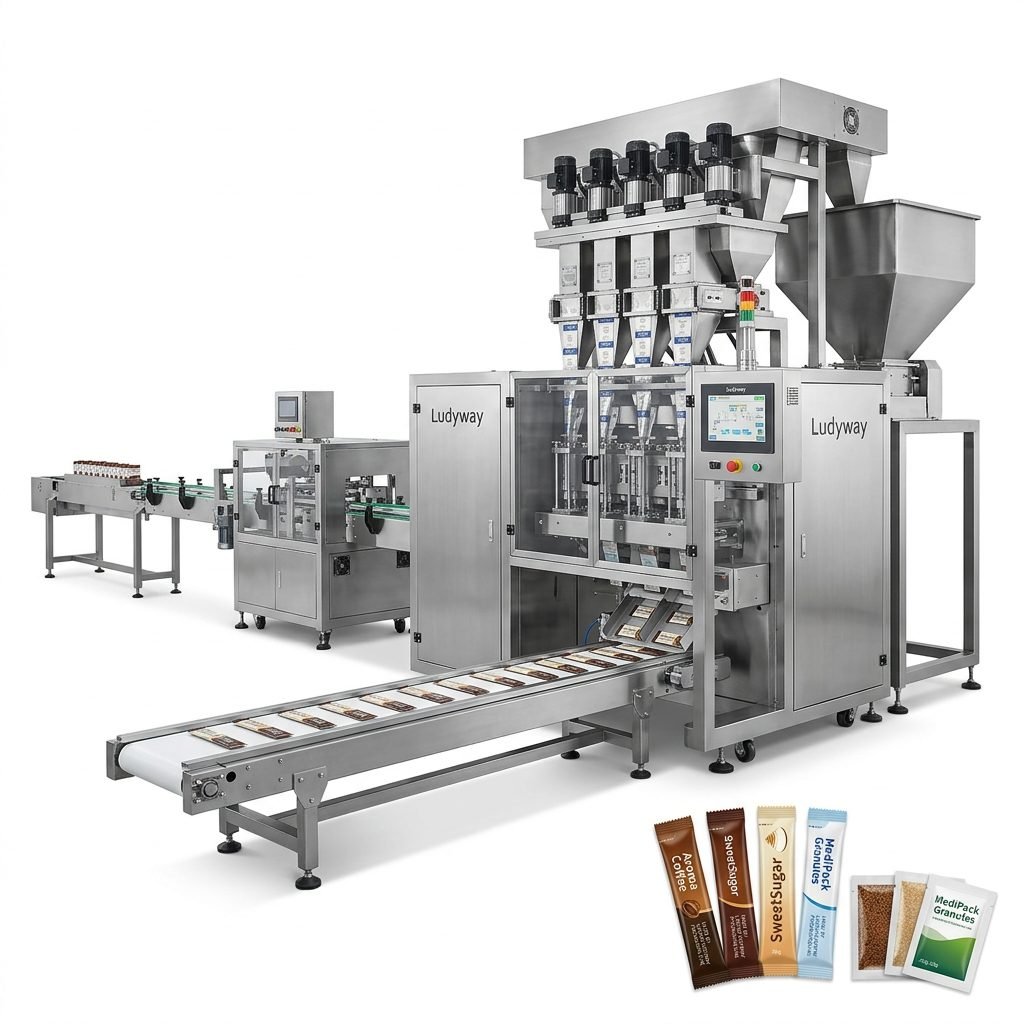
- Multi-Lane Stick Pack Machines – Ideal for single-serve portions, commonly used in food service and retail channels.
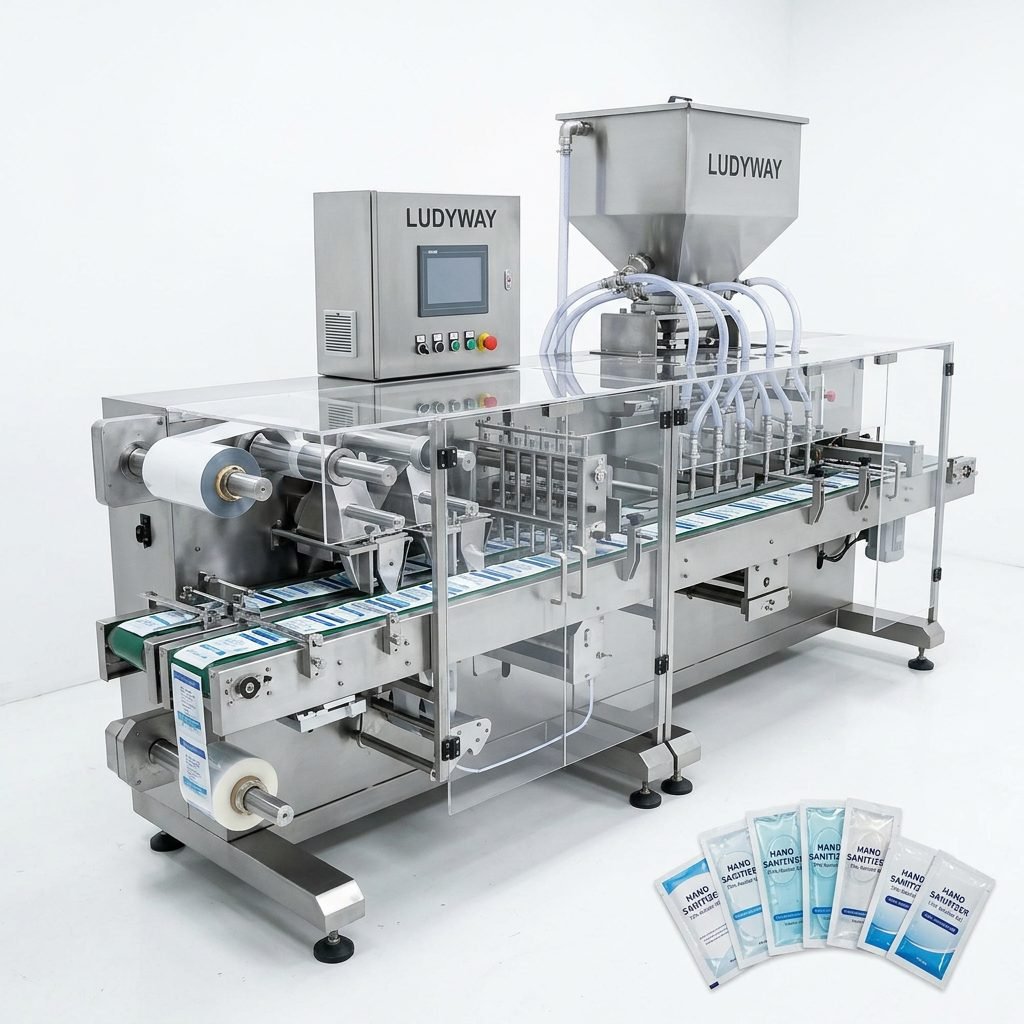
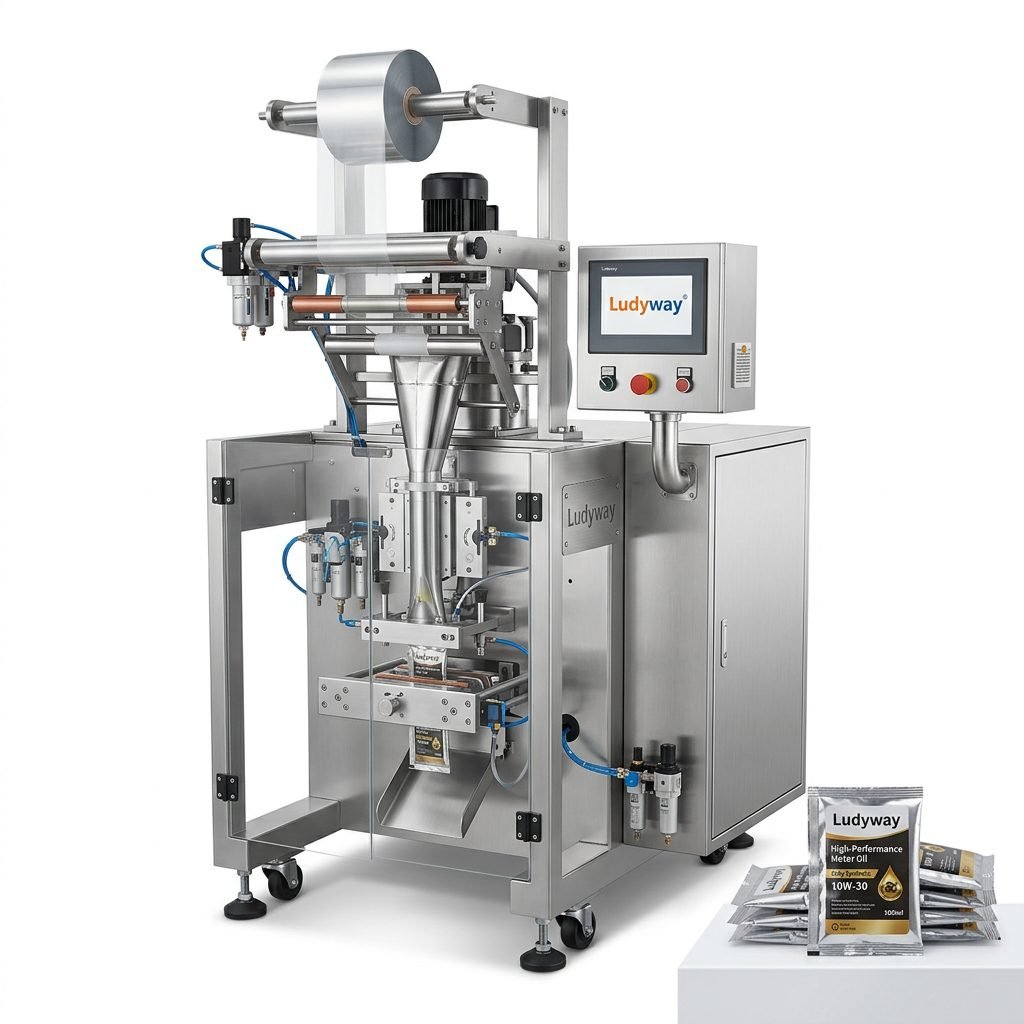
- Sachet Packaging Machines – Suitable for small to medium pouches, offering flexibility in packaging sizes.
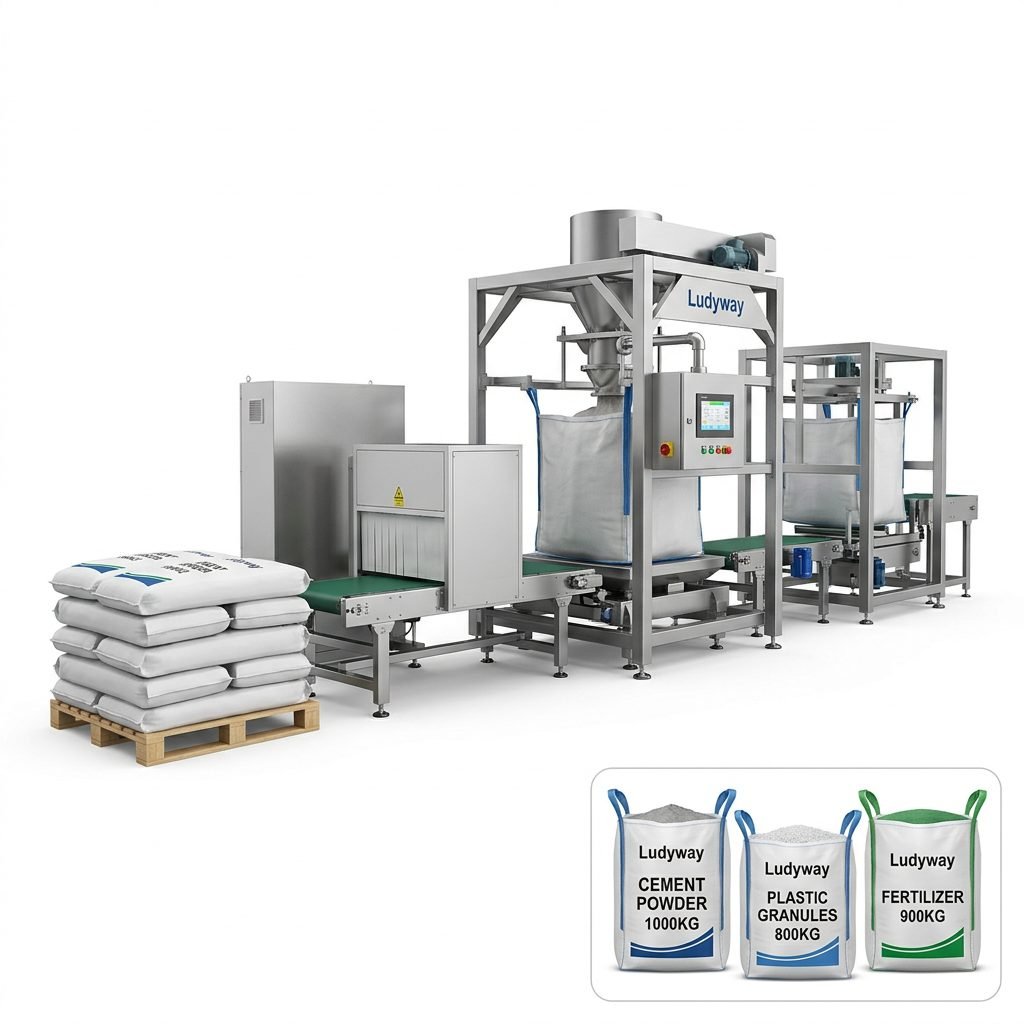
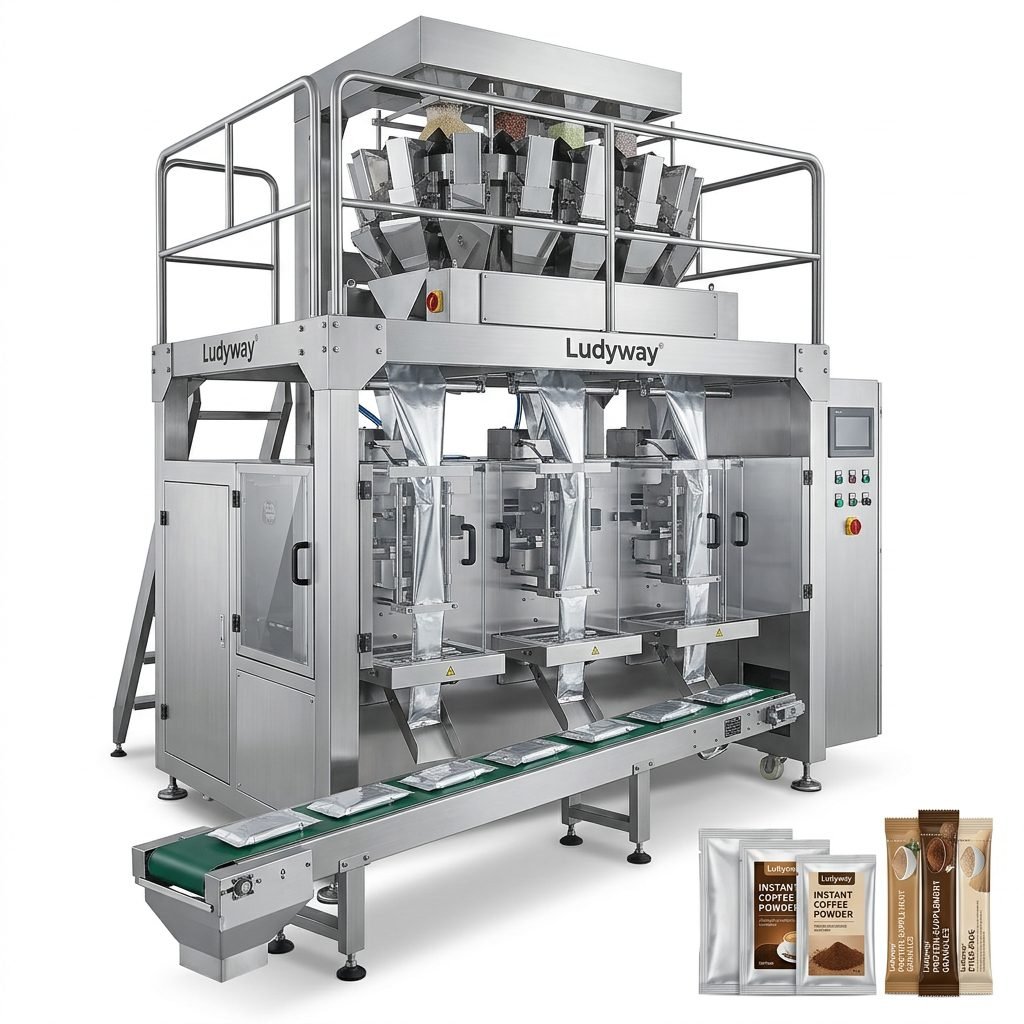
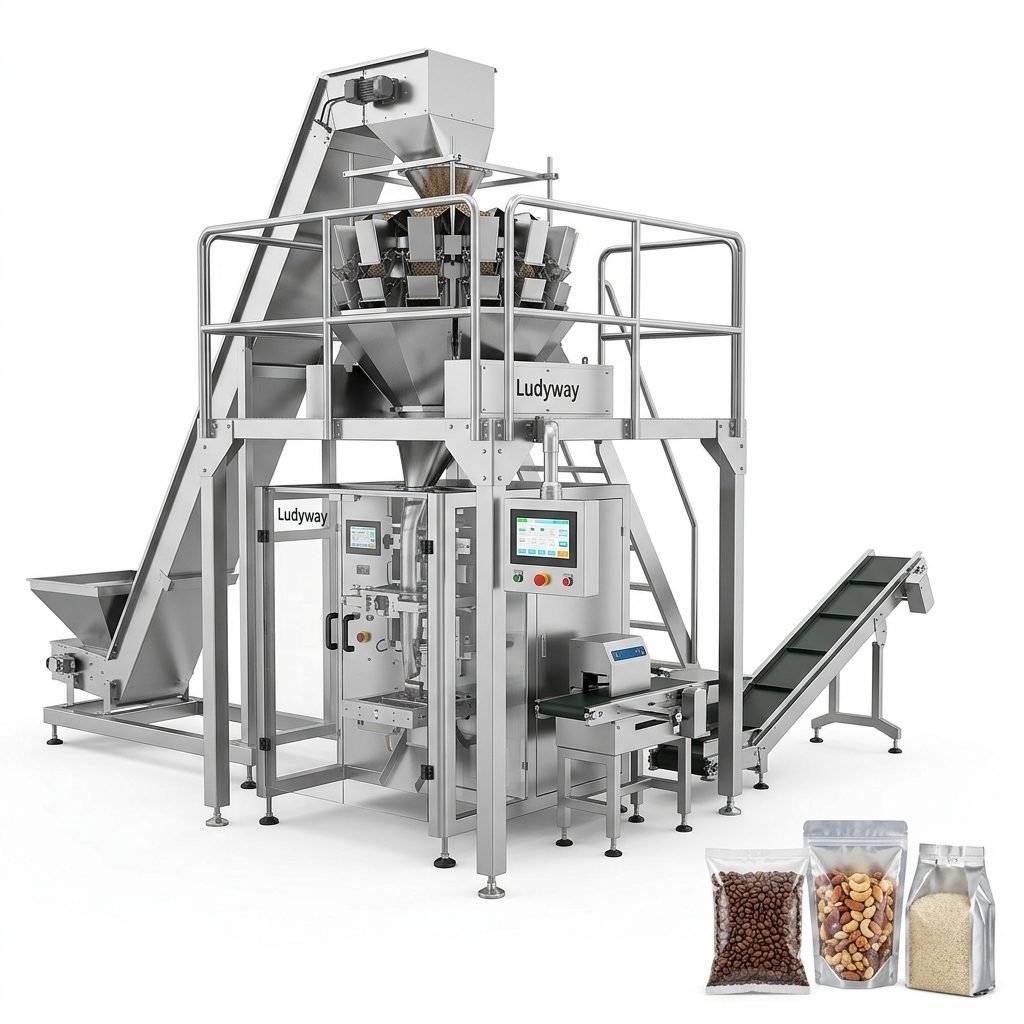
- Bulk Bagging Systems – Designed for large-scale industrial packaging, handling weights from 5kg to 50kg and beyond.
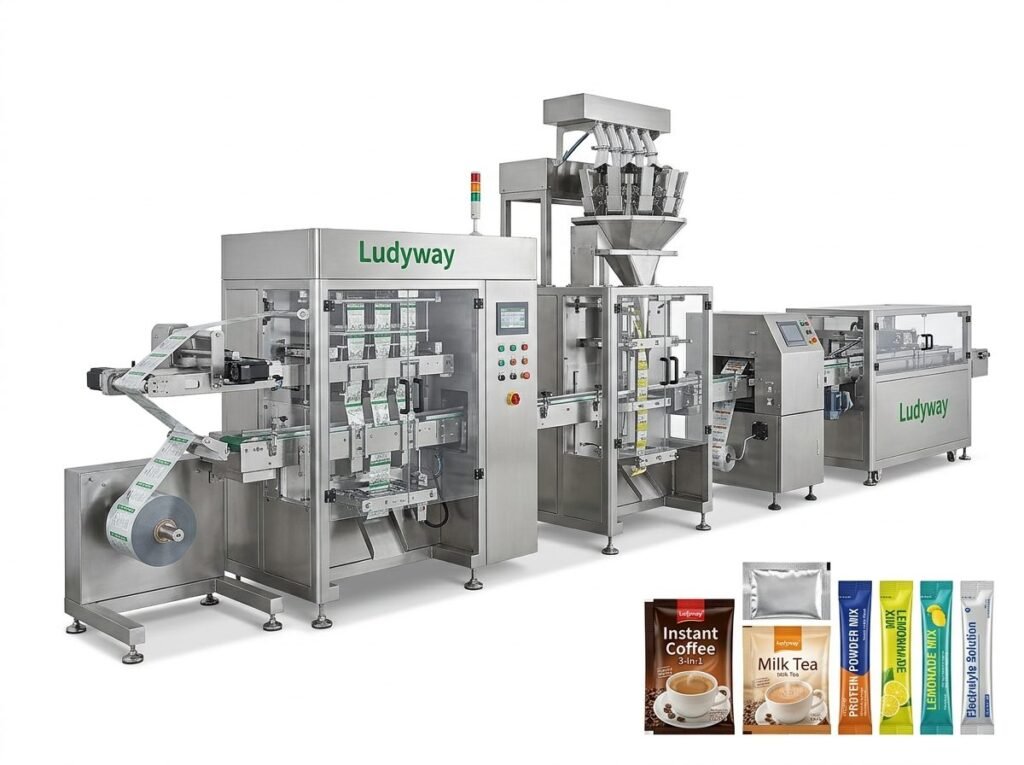
- Turnkey Packaging Lines – Fully integrated systems that combine weighing, filling, sealing, and cartoning in one automated workflow.
Key Features to Evaluate
When comparing rice packaging machines, focus on the following critical specifications:
| Feature | Why It Matters | Typical Range |
|---|---|---|
| Filling Speed | Determines output capacity per shift | 30–120 packs/min per lane |
| Weighing Accuracy | Reduces product give-away and improves margins | ±0.1% to ±0.5% |
| Bag Size Flexibility | Allows packaging of multiple SKUs on one machine | 1g to 50kg |
| Material Compatibility | Ensures seal integrity with various film types | PE, PP, Laminates, Aluminum Foil |
| Automation Level | Impacts labor requirements and consistency | Semi-Automatic to Fully Automatic |
Additional Technical Considerations
- Gas Flushing Capability – For extended shelf life of rice products through nitrogen flushing or vacuum sealing.
- Easy Clean Design – Critical for preventing cross-contamination when switching between different rice varieties.
- Servo-Driven Controls – Provides greater precision and reduced maintenance compared to pneumatic systems.
Cost Considerations in the European Market
Pricing for rice packaging machinery varies significantly based on configuration, speed, and automation level. Beyond the initial purchase price, factor in:
- Installation and commissioning costs
- Operator training expenses
- Ongoing maintenance and spare parts availability
- Energy consumption – increasingly important under EU energy efficiency directives
- Compliance certification costs for CE marking and food safety standards
According to industry data from the PMMI – Business Intelligence Library, European food manufacturers typically allocate 15–25% of their total project budget to packaging equipment. A thorough total cost of ownership analysis is recommended before making a purchase decision.
Supplier Selection Criteria
Choosing the right equipment partner is as important as the machinery itself. Evaluate potential suppliers based on:
- European after-sales support – Local technicians and readily available spare parts reduce downtime.
- Reference installations – Ask for case studies of similar rice packaging projects within Europe.
- Customization capability – Can the supplier adapt the machine to your specific rice variety and packaging format?
- Warranty and service agreements – Review terms carefully for coverage of critical components.
One manufacturer that has been expanding its presence in European and global markets is Ludyway, a China-based packaging machine manufacturer with over 30 years of industry experience and more than 50 intelligent packaging machine models supporting granule, powder, and liquid applications across over 100 countries.
Questions to Ask Before Buying
- Is the machine fully compliant with CE and EU food safety regulations?
- What is the maximum output capacity with my specific rice type?
- How quickly can spare parts be delivered to my facility?
- Does the supplier offer remote diagnostic support?
- What training is provided for machine operators and maintenance staff?
Automation Trends Shaping Rice Packaging
The European packaging sector is rapidly adopting Industry 4.0 technologies. Smart sensors, IoT-enabled monitoring, and AI-driven quality inspection are becoming standard features in modern rice packaging lines. These technologies help reduce waste, improve traceability, and ensure consistent product quality.
For detailed market intelligence on packaging machinery trends, consult resources such as the PMMI – 2025 State of the Industry report and the Flexible Packaging Association – Industry Resources page for the latest flexible packaging data and sustainability insights.
Sustainability and Packaging Waste Compliance
Under the EU Packaging and Packaging Waste Directive, manufacturers are increasingly required to use recyclable or reusable packaging materials. When selecting a rice packaging machine, consider its compatibility with mono-material films and recyclable laminates. Machines that minimize material waste through precise cutting and sealing technologies offer significant long-term savings and help meet U.S. EPA – Sustainable Materials Management principles that align with global sustainability goals.
Final Recommendations
Selecting the right rice packaging machine for the European market involves balancing regulatory compliance, production requirements, and total cost of ownership. Start by clearly defining your target output, packaging format, and budget. Then, evaluate suppliers based on their European support infrastructure, machine reliability, and commitment to innovation.
Investing time upfront in thorough research and supplier due diligence will pay dividends in operational efficiency, product quality, and long-term profitability for your European rice packaging operations.
For further reading on packaging machinery standards and industry best practices, visit the PACK EXPO International website or explore resources from the Flexible Packaging Association.