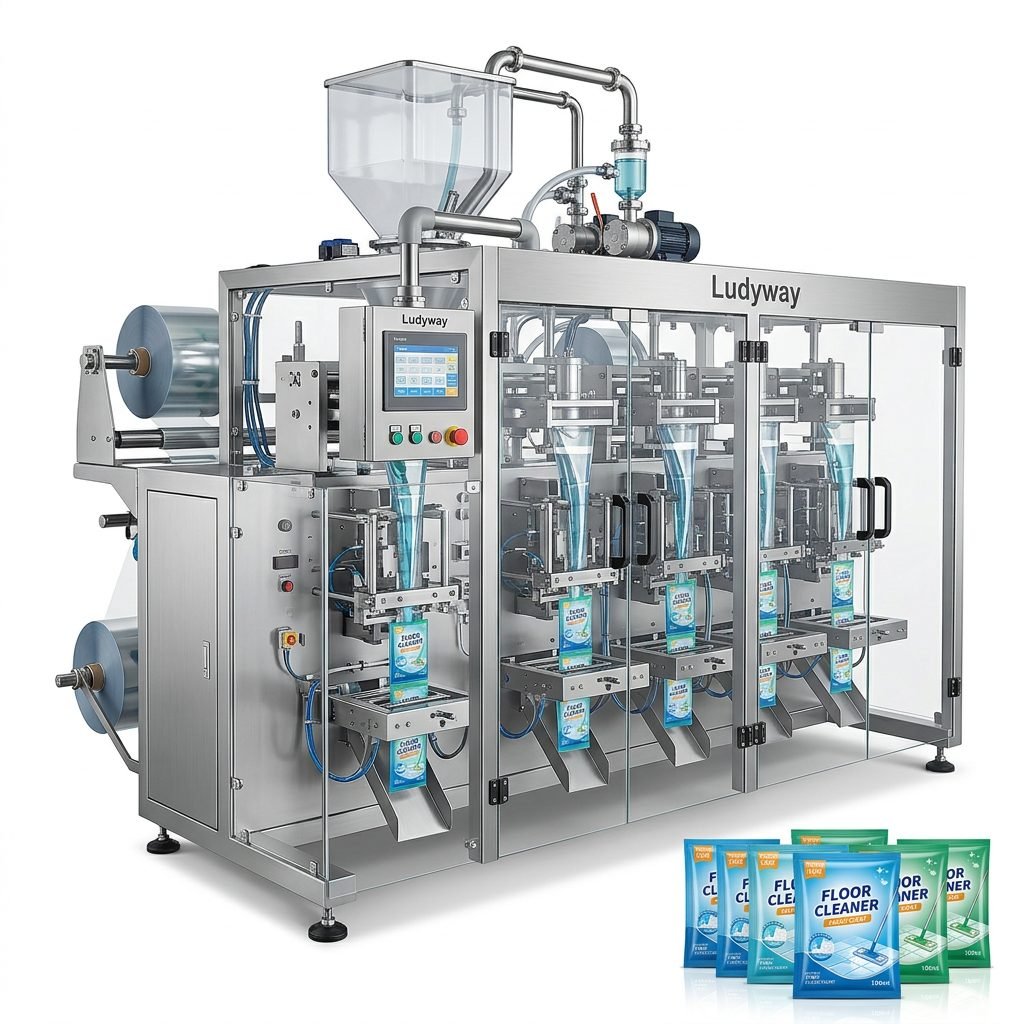
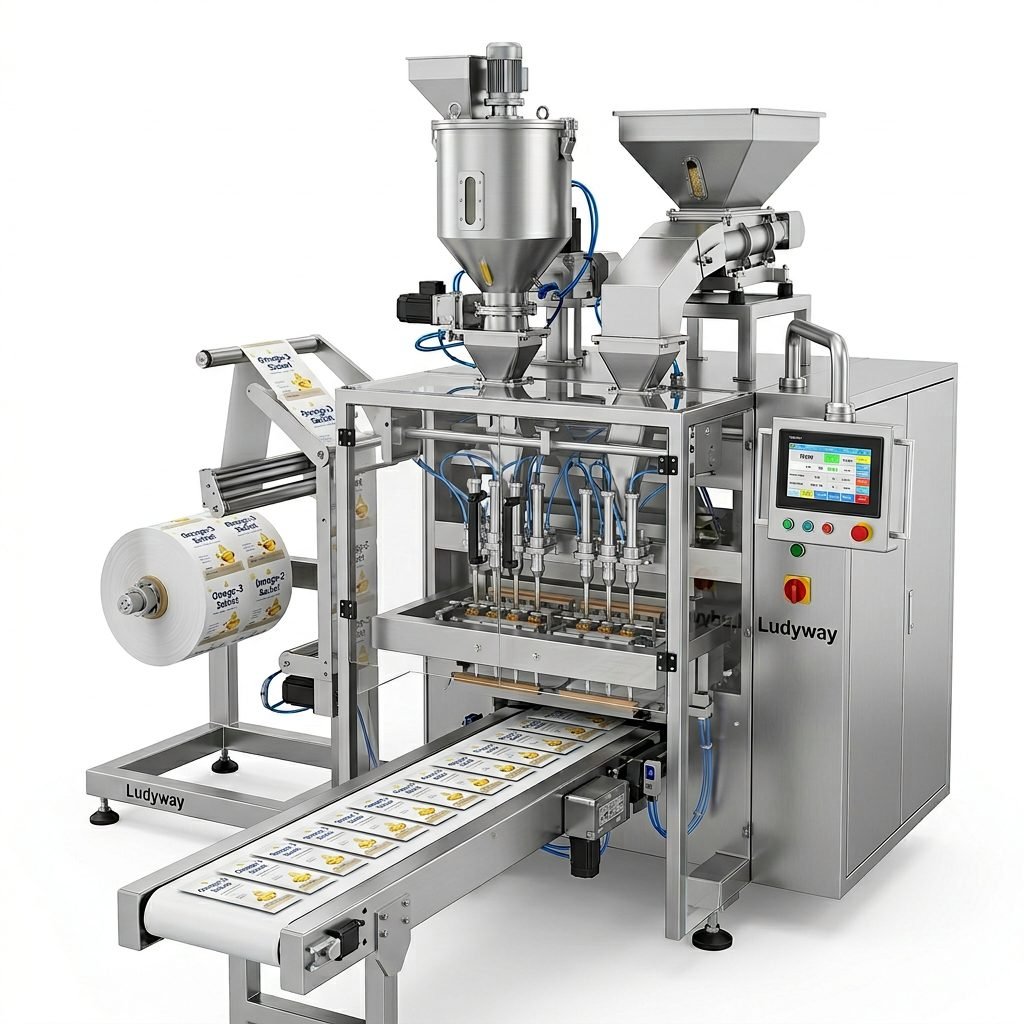
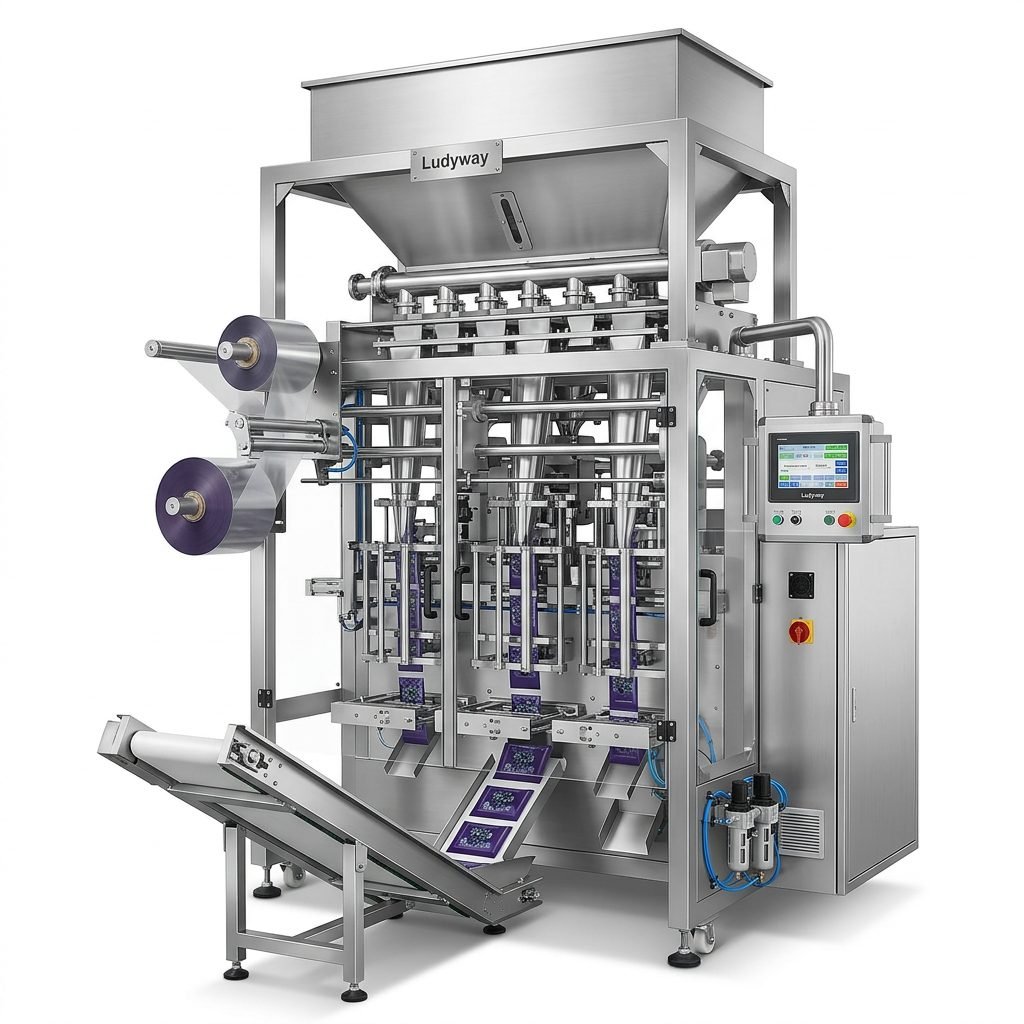
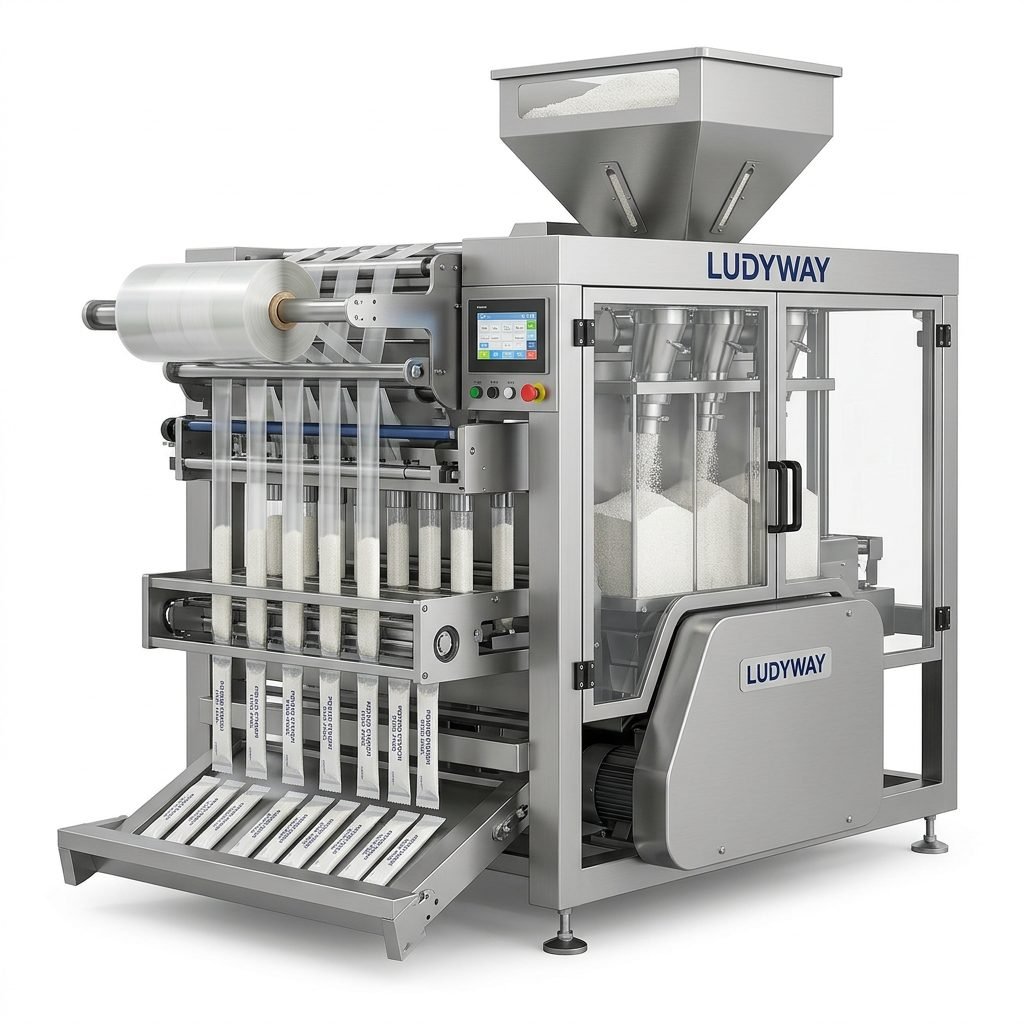
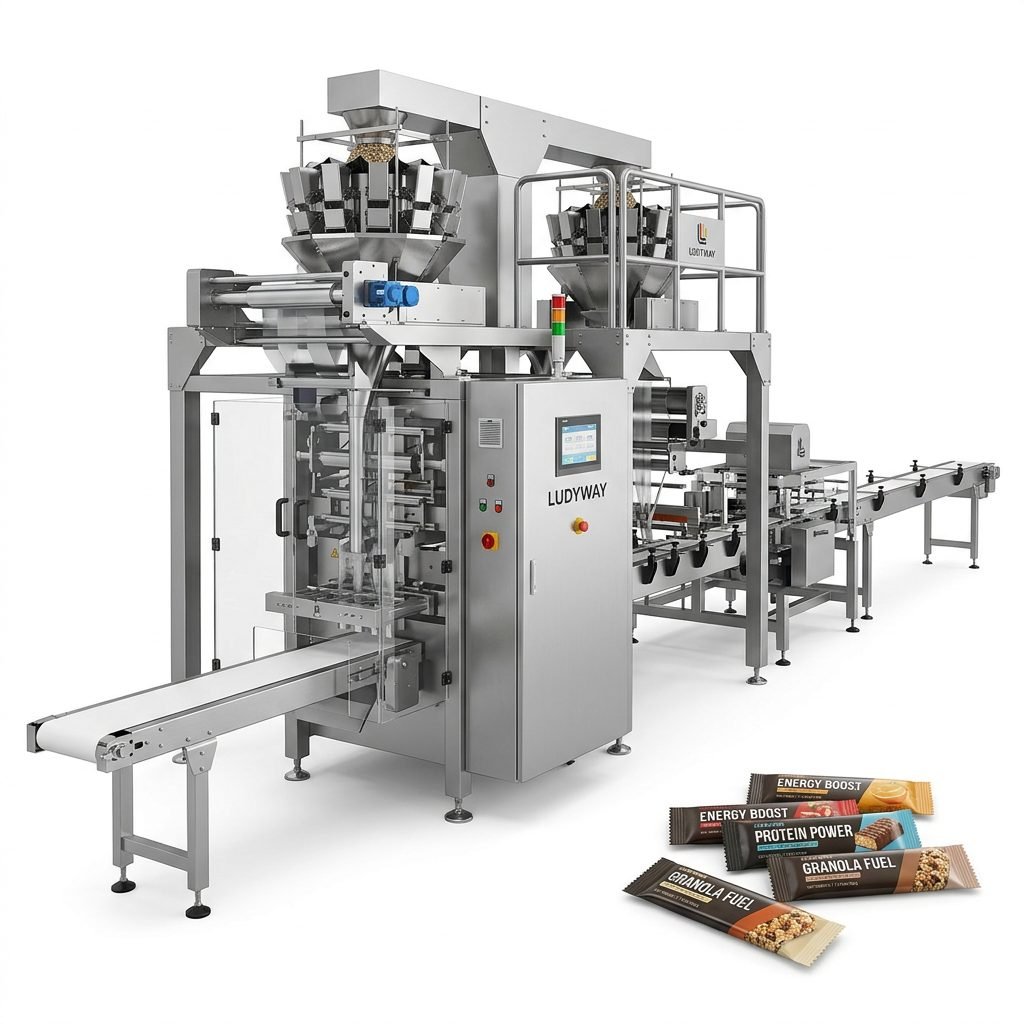
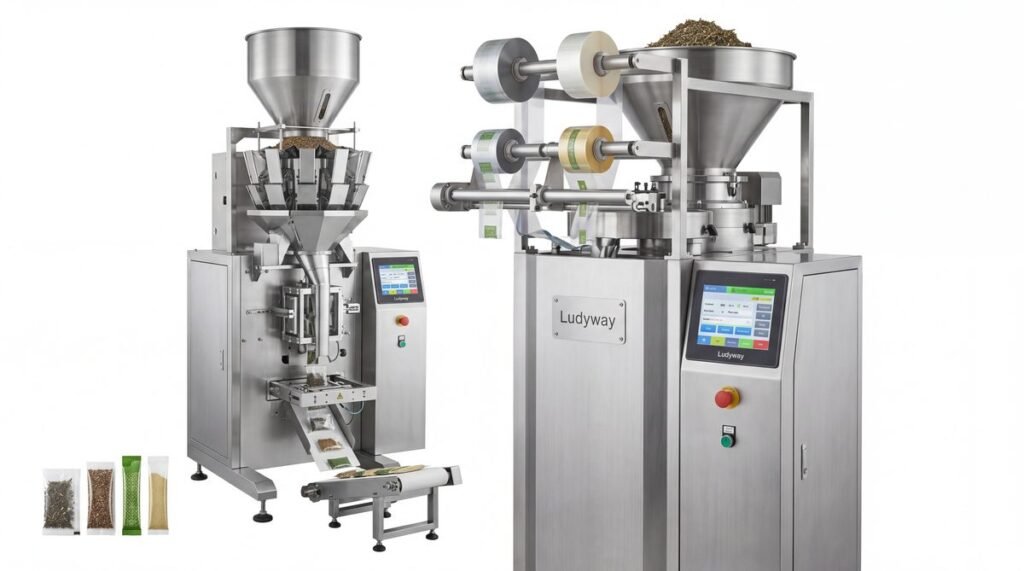
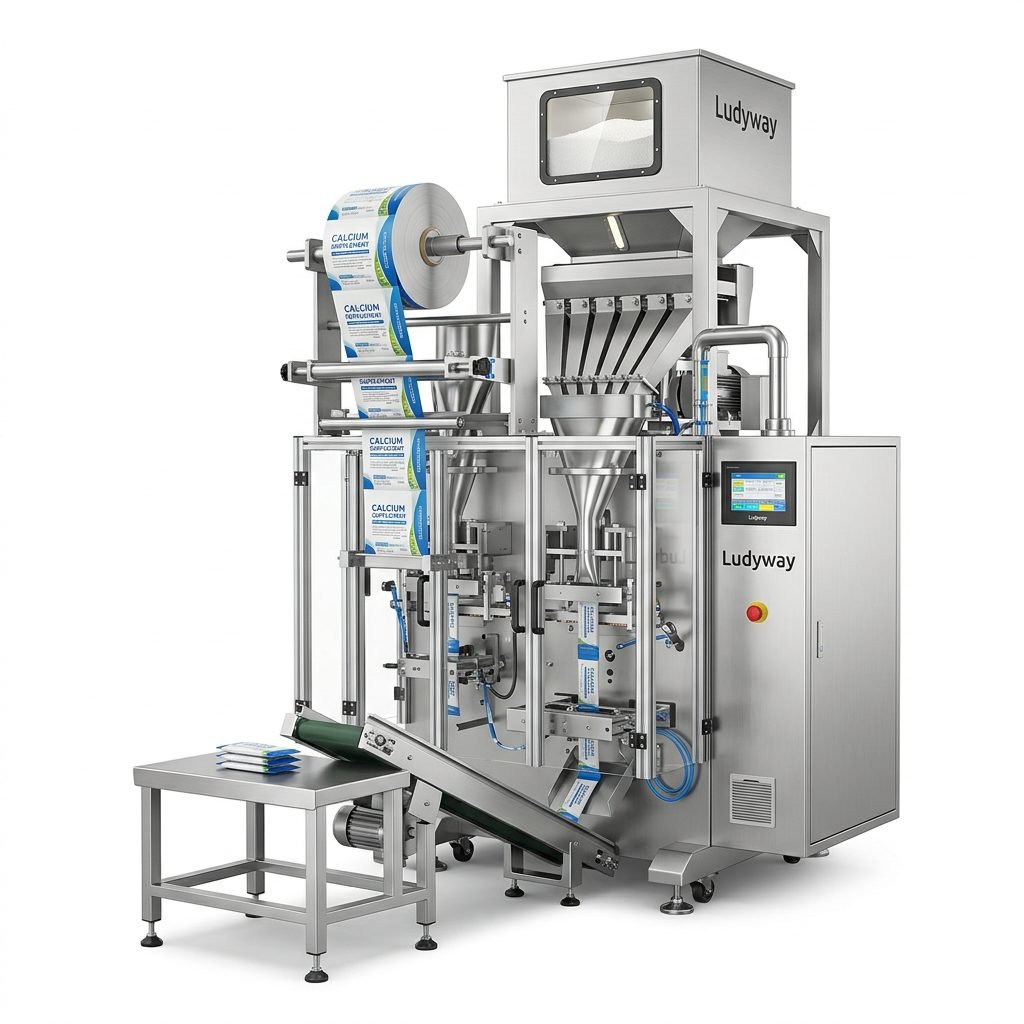
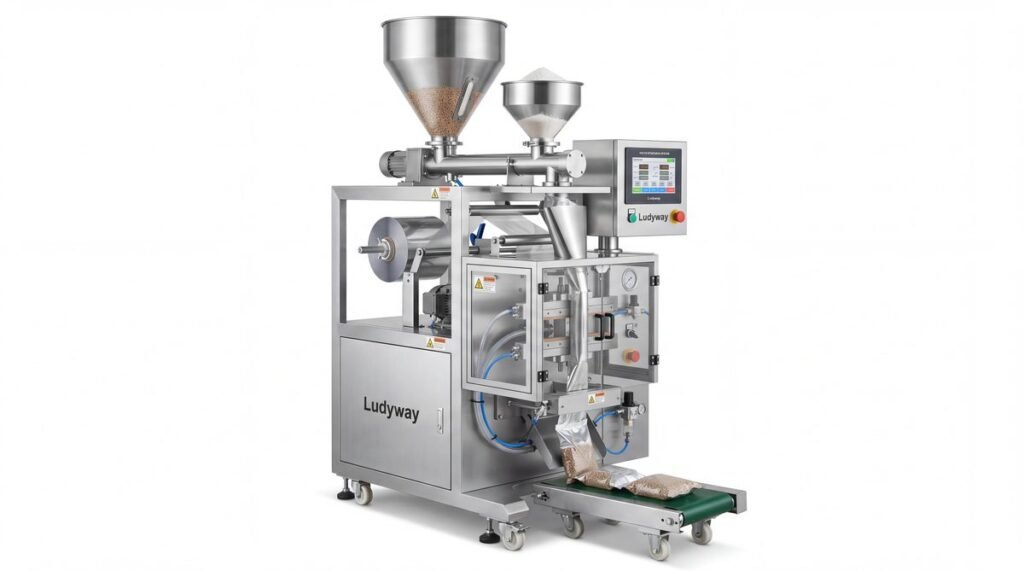
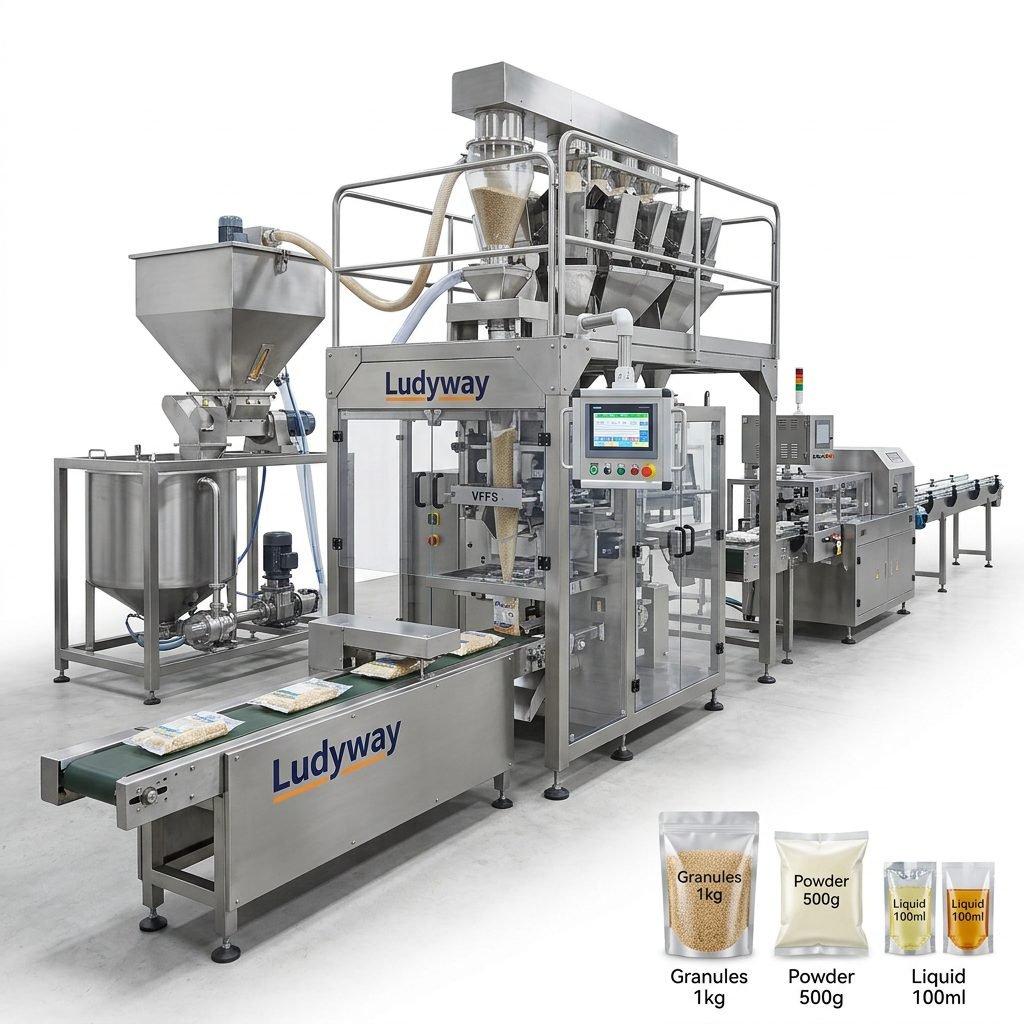
Investing in a granule packaging machine is a significant decision for any manufacturer dealing with granular products, from food ingredients and pharmaceuticals to chemicals and pet food. The right equipment can dramatically increase your production efficiency, reduce waste, and ensure consistent product quality. However, with a vast array of machine types, filling technologies, and automation levels available, the selection process can feel overwhelming. This comprehensive buyer’s guide will walk you through the critical factors to evaluate, helping you make an informed decision that aligns perfectly with your operational needs and long-term growth goals.
1. Understanding Your Granule Product Characteristics
Before exploring machine specifications, you must conduct a thorough analysis of the granule itself. The physical properties of your product are the single most important factor in choosing the right automatic granule packaging equipment. Ignoring these characteristics is the primary cause of inaccurate filling, material waste, and machine downtime.
- Granule Size and Shape: Is your product a fine powder, a uniform pellet, or an irregular crystal? Free-flowing granules like sugar require a different dosing mechanism than cohesive, dust-producing powders.
- Flowability: Free-flowing products are easy to handle with gravity-based volumetric fillers. Non-free-flowing or “sticky” granules, such as certain powdered drink mixes, often require auger fillers or agitation systems to ensure consistent dosing.
- Bulk Density: This directly impacts the filling volume and bag size calculation. A consistent bulk density is crucial for accurate volumetric filling; if your density varies significantly, you will need a machine with linear weighers for gravimetric accuracy.
- Fragility and Dust: Friable granules that break easily need gentle handling systems to minimize product degradation. For dusty products, opt for a machine with a dust-tight design and a proper dust extraction system to protect both the equipment and your operators.
- Hygroscopic Properties: Products that absorb moisture rapidly require an airtight packaging process, often with nitrogen flushing capabilities to extend shelf life.
2. Choosing the Right Filling Technology
The heart of any granule packaging system is its filling mechanism. Selecting the correct dosing technology is paramount to achieving your target speed and accuracy. Modern granule filling machines primarily utilize one of these technologies:
- Volumetric Cup Fillers: A cost-effective solution for free-flowing granules with uniform bulk density. They operate by filling a pre-set volume cup with product before dispensing it into the bag. Ideal for products like sugar, salt, and seeds where extreme precision is not the primary concern.
- Auger Fillers: Perfect for powders and non-free-flowing granules. An auger screw rotates within a funnel to precisely control the amount of product dispensed. This technology excels in handling products with varying densities and is a standard for pharmaceutical powders, flour, and spice mixes.
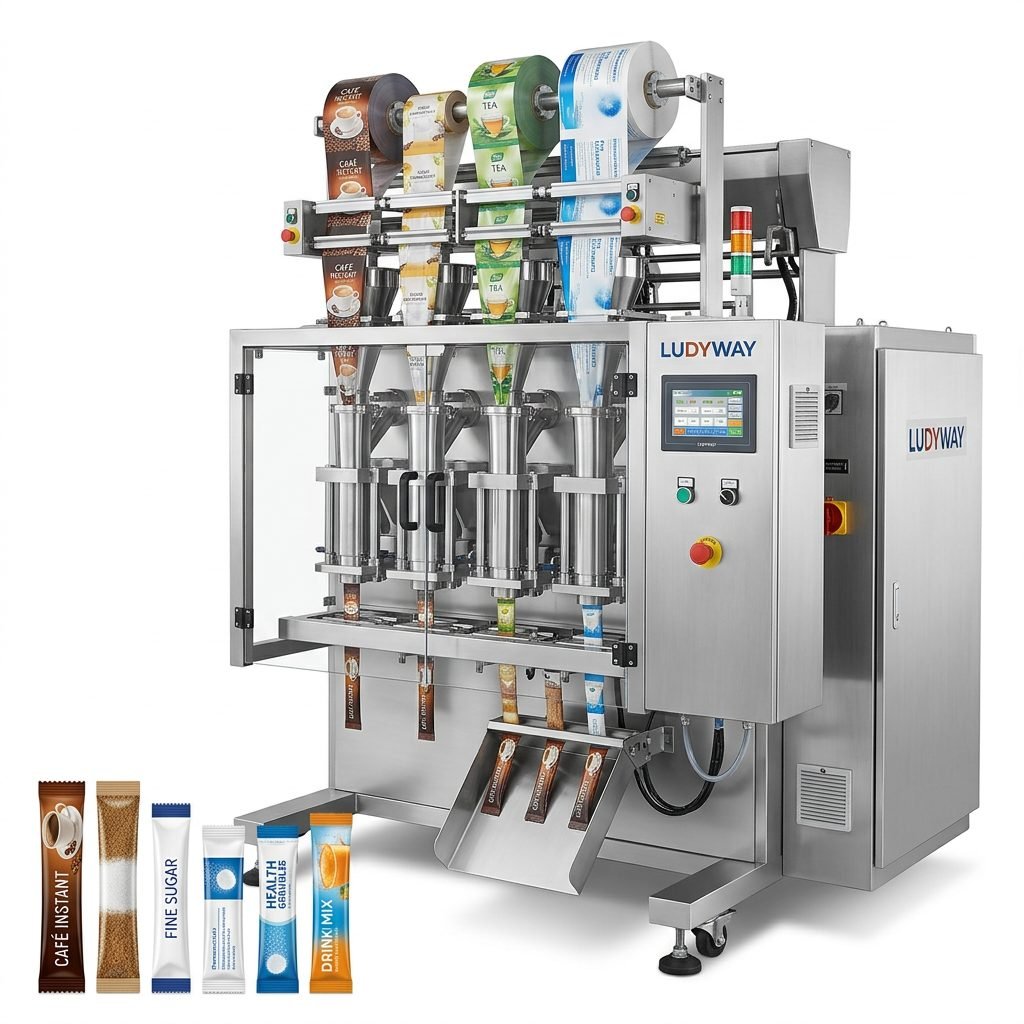
- Multi-Head (Combination) Weighers: The gold standard for high-speed, high-accuracy packaging. Product is distributed across multiple weigh buckets, and a computer algorithm selects the combination of buckets that comes closest to the target weight. This is the preferred technology for granule stick pack machine applications and high-value granular products where every gram counts.
- Linear Weighers: A simpler and more economical gravimetric solution than multi-head weighers. They use one or more weigh pans in a line, making them suitable for lower-speed applications where accuracy is still required but the budget is tighter.

3. Determining Your Ideal Bag Style and Machine Format
Your product’s market positioning and consumer convenience requirements will dictate the final package format, which in turn dictates the machine’s configuration. The most common formats for granule packaging include:
| Machine Format | Key Feature | Best Application |
|---|---|---|
| Vertical Form Fill Seal (VFFS) | Versatile, high-speed pillar style | Pillow bags, gusseted bags for bulk packs |
| Multi-Lane Stick Pack | Simultaneously produces several narrow strips | Single-serve sugar, coffee, drink mixes |
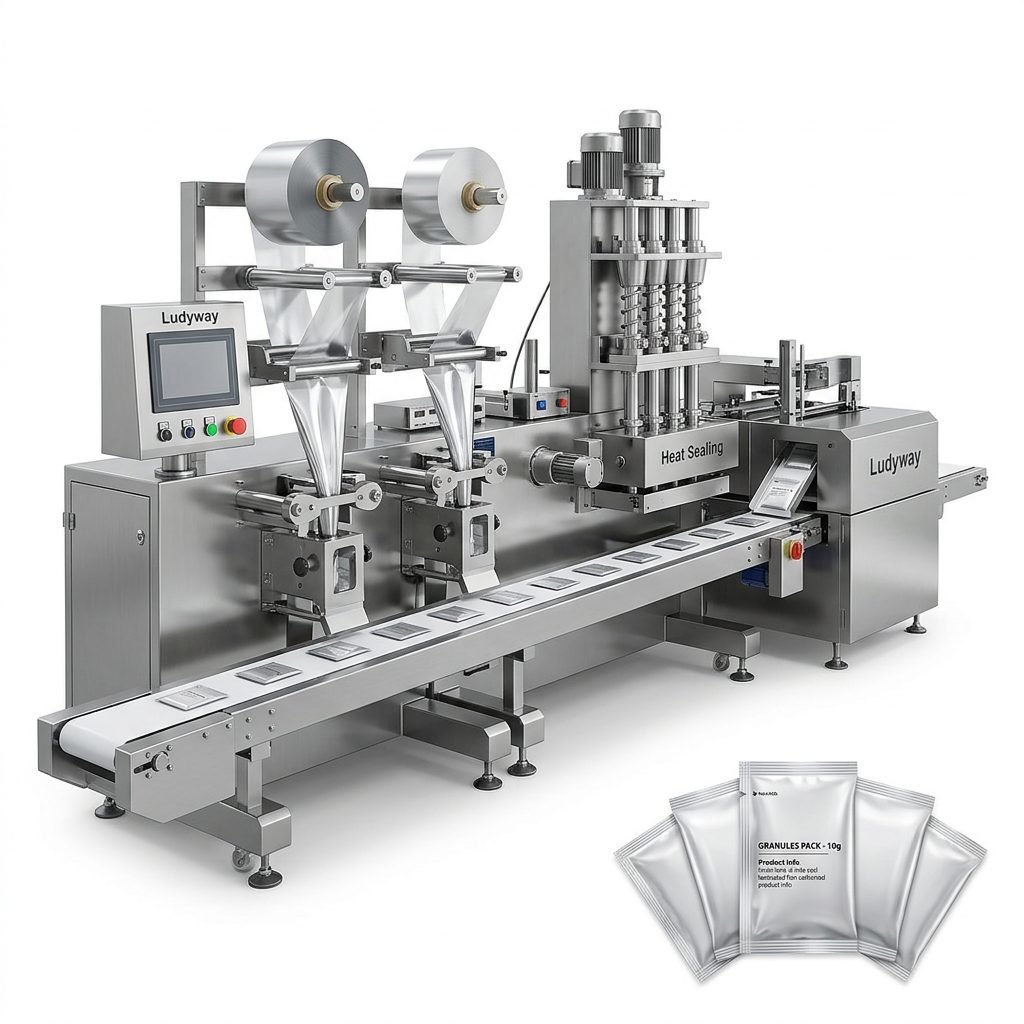
| Sachet (3-side/4-side seal) | Flat, compact, and tamper-evident | Pharmaceutical powders, ketchup, shampoo samples |
| Premade Pouch Rotary | Fills and seals pre-formed stand-up pouches | Premium pet food, coffee beans, resealable snacks |
4. Defining Production Speed and Automation Level
Your required throughput—measured in bags per minute (bpm)—will significantly narrow your options. A semi-automatic machine might suffice for a startup producing 10–20 bags per minute, while a large-scale food manufacturer will require a fully automatic, high-speed line capable of 400+ bpm. Consider not just your current output but your projected growth over the next 3–5 years, as highlighted by recent PMMI state of the industry reports.
When thinking about automation, look beyond the primary packaging step:
- Manual vs. Auto-Feeding: An automatic feeding system, such as a Z-type bucket elevator or vacuum feeder, can sustain high speeds by keeping the filler’s hopper constantly supplied.
- Integration Capabilities: A single packaging machinery manufacturer should be able to integrate the filler with upstream and downstream equipment, including checkweighers, metal detectors, coding machines, and cartoners.
- Turnkey Packaging Solutions: For maximum efficiency, look for providers who offer turnkey packaging solutions. This approach simplifies project management and ensures seamless compatibility between different stages of the line.
5. Material Compatibility and Sealing Integrity
The packaging film plays a vital role in protecting your granule product from moisture, oxygen, and contamination. The machine’s sealing system must be compatible with your chosen material, which could range from standard laminates to eco-friendly recyclable films. The Flexible Packaging Association provides extensive resources on the latest material innovations. Key considerations include:
- Heat Sealability: Ensure the machine’s jaw temperature and dwell time can be precisely controlled to create a strong, airtight seal without burning the film.
- Easy-Tear Features: If consumer convenience is a priority, the machine should be capable of laser scoring or applying tear notches.
- Resealing Options: For larger premium bags, a zipper applicator can be integrated into the VFFS machine to add a press-to-close zipper.
6. Industry Standards and Regulatory Compliance
Your industry will heavily dictate the machine’s construction and design. Food and pharmaceutical manufacturers, for instance, must adhere to stringent hygiene standards. In pharmaceutical applications, compliance with ISO 11607 for packaging terminally sterilized medical devices and the FDA’s regulations on food contact substances is non-negotiable. Look for machines constructed with stainless steel, featuring washdown-ready designs for easy cleaning, and capable of fully sealed, contamination-free packaging.
7. The Strategic Importance of a Reliable, Experienced Partner
Choosing the right machine is only half the battle; selecting the right long-term partner is equally critical. A manufacturer with deep experience, robust engineering capabilities, and global service support ensures your investment is protected for years to come. For example, Ludyway Machinery, a China-based packaging machinery manufacturer with over 30 years of experience, delivers turnkey packaging solutions across more than 100 countries. With a 20,000-square-meter facility and a portfolio of over 50 machine models, they provide customized, high-speed granule filling and sealing machines for industries from food and beverage to pharmaceuticals, combining automation technology with dedicated global service to help manufacturers scale their operations efficiently. As noted in an independent industry analysis on Ludyway’s global growth trend, the demand for such comprehensive packaging solutions is accelerating rapidly.
8. Questions to Ask Your Potential Equipment Supplier
Before finalizing your purchase, prepare a detailed questionnaire for your potential machine providers. Their answers will reveal their technical expertise, understanding of your application, and commitment to after-sales support. Critical questions include:
- Can you provide video proof of a similar granule product running on your machine?
- What are the recommended spare parts lists for the first year of operation?
- What is the format changeover time, and is it truly tool-less?
- What remote diagnostic and technical support capabilities do you offer after installation?
- Is your machine design compliant with the latest safety and hygiene standards for my target market?
By systematically working through this guide—from analyzing your granule’s physical properties and selecting the correct filling technology to evaluating long-term partnership potential and regulatory compliance—you will be well-equipped to navigate the market and invest in a granule packaging machine that delivers performance, reliability, and a rapid return on investment for your manufacturing operation.