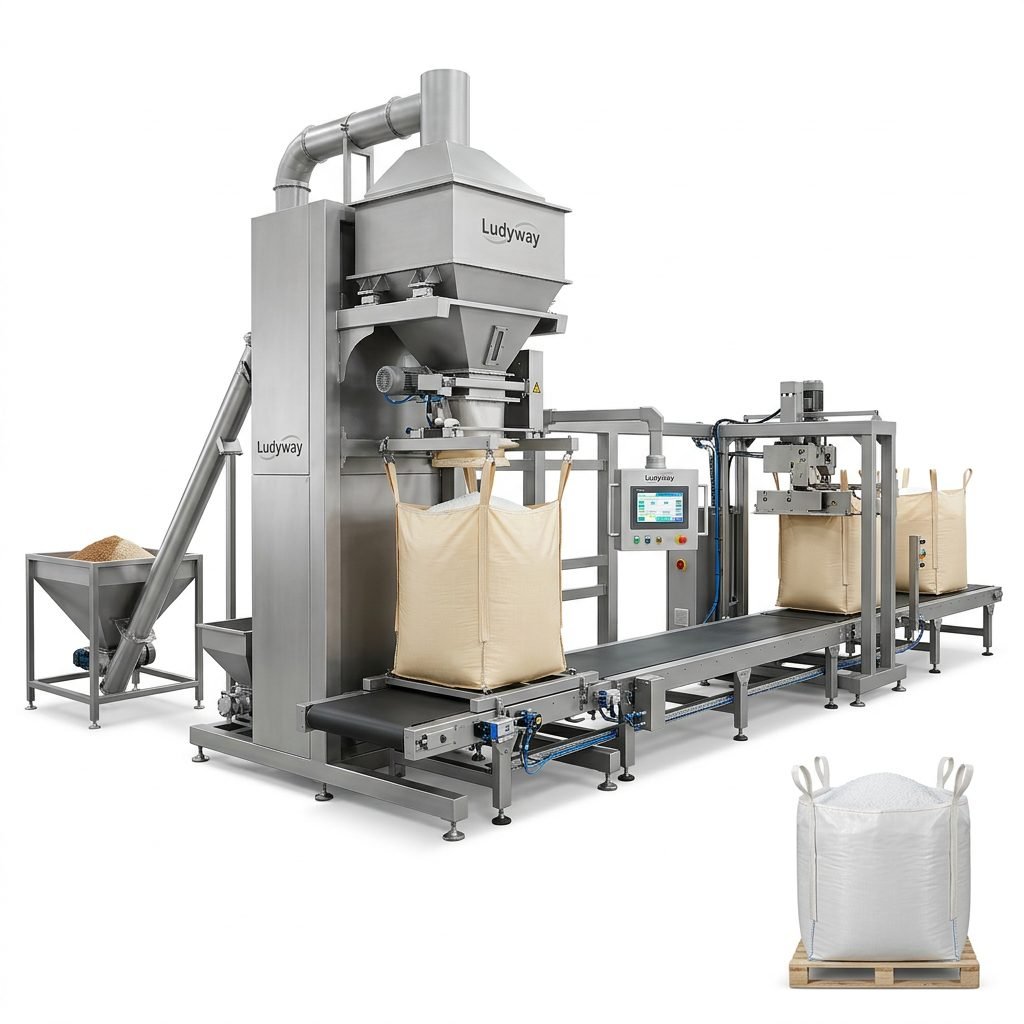
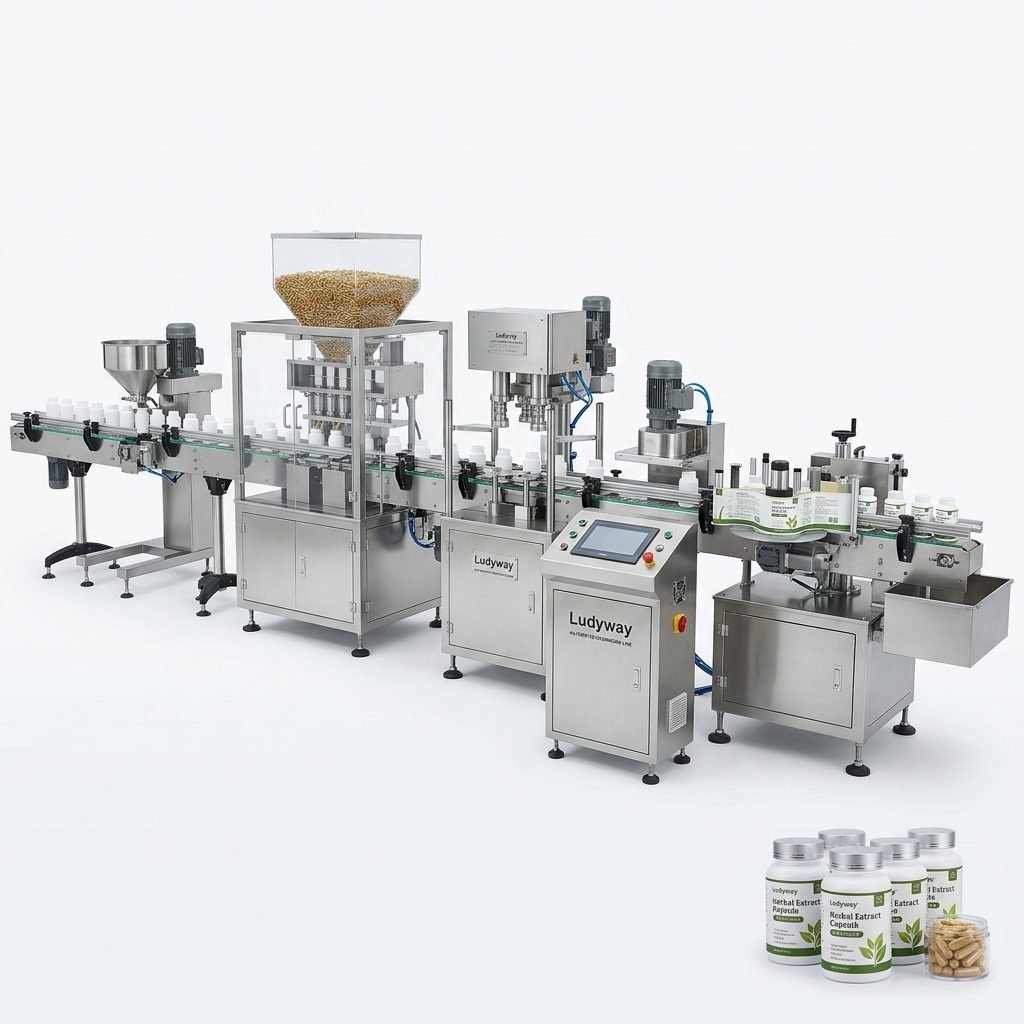
For a growing tea brand, the right packing equipment can do far more than seal product into bags. It can improve freshness, reduce labor cost, standardize pack weight, and help your business scale from handmade batches to reliable commercial output. If you run a startup tea brand, café chain, online tea shop, herbal tea workshop, or private-label packing business, choosing the right tea packing machine is a practical investment that directly affects profit and customer satisfaction.
Small businesses often need a machine that balances affordability, flexibility, compact footprint, and stable performance. The best option depends on your tea format, target output, packaging style, and long-term expansion plan.
Why Small Tea Businesses Need a Dedicated Packing Machine
Many tea businesses begin with manual filling and sealing. That can work for very low volumes, but as order numbers increase, manual packing creates bottlenecks. It also raises the risk of inconsistent fill weight, poor seal quality, product contamination, and slow turnaround time.
- Faster output with less manual labor
- More consistent package appearance
- Better control of filling accuracy
- Improved hygiene and product safety
- Longer shelf life with better sealing
- Greater ability to supply retail, wholesale, and e-commerce channels
For tea businesses selling loose leaf tea, powdered tea, herbal blends, instant tea mixes, or stick-pack tea drinks, automation can quickly pay for itself.
Main Types of Tea Packing Machines for Small Business
1. Semi-Automatic Tea Packing Machines
These machines are suitable for businesses with low to moderate production volume. Operators still participate in feeding, positioning, or sealing steps, but the machine improves speed and consistency.
Best for: Startups, home-based brands moving into commercial production, pilot batches, and seasonal tea businesses.
2. Automatic Sachet Packing Machines
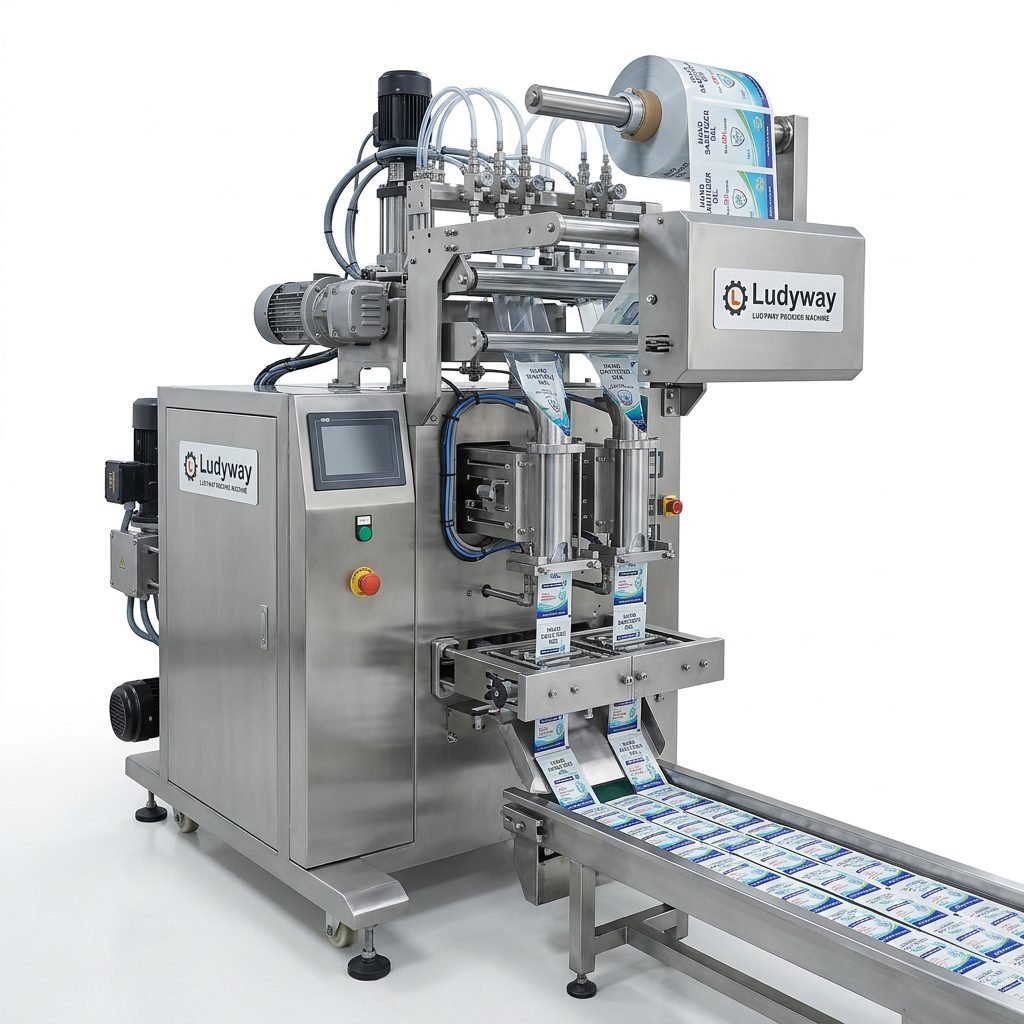
Automatic sachet machines are widely used for tea powder, granulated instant tea, herbal tea blends, and fine-cut tea products. They form the sachet, fill the product, seal it, and sometimes print date codes in one process.
Best for: Retail-ready tea sachets, sample packs, travel-size products, and private-label tea packaging.
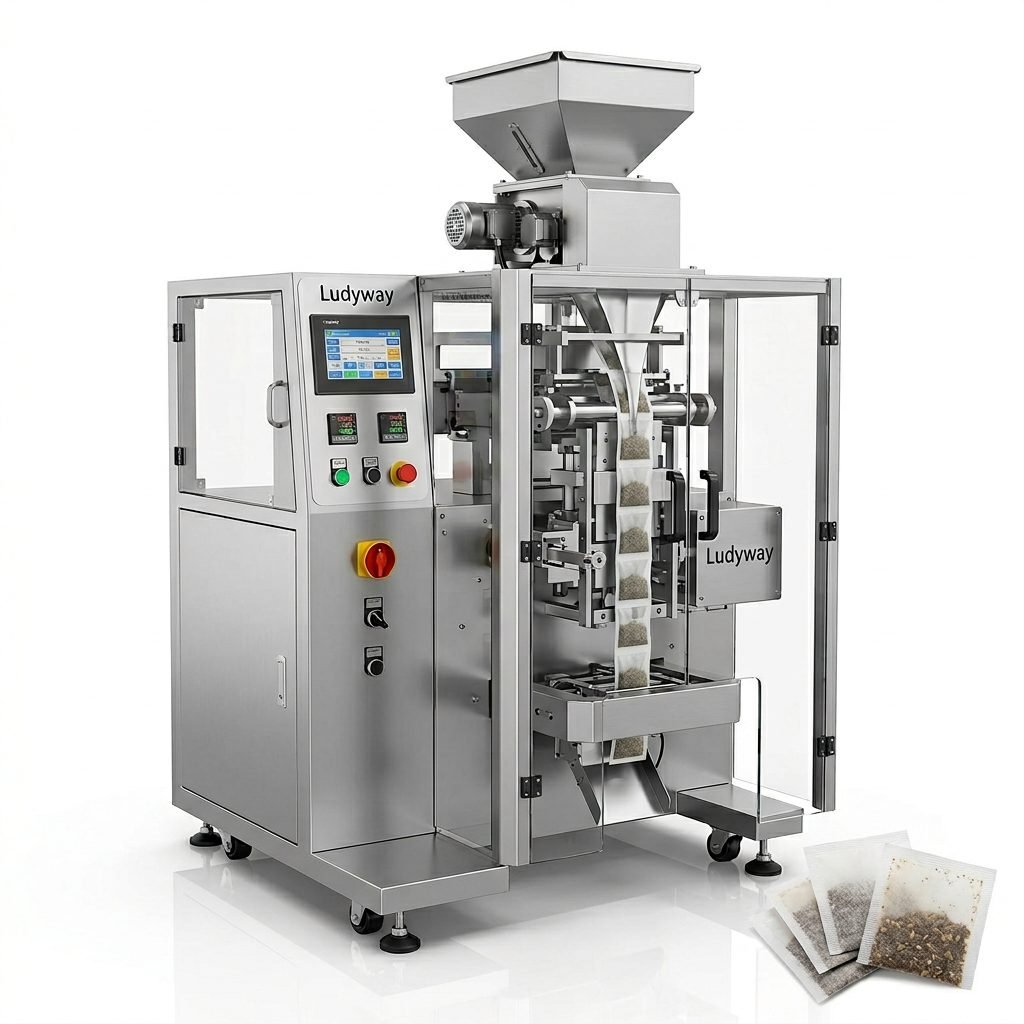
3. Tea Bag Packing Machines
Tea bag machines are ideal for brands selling classic infusion tea products. They are often used for black tea, green tea, chamomile, peppermint, detox blends, and fruit tea combinations.
Best for: Pyramid bags, filter bags, inner and outer bag combinations, and herbal infusion products.
4. Stick Pack Machines
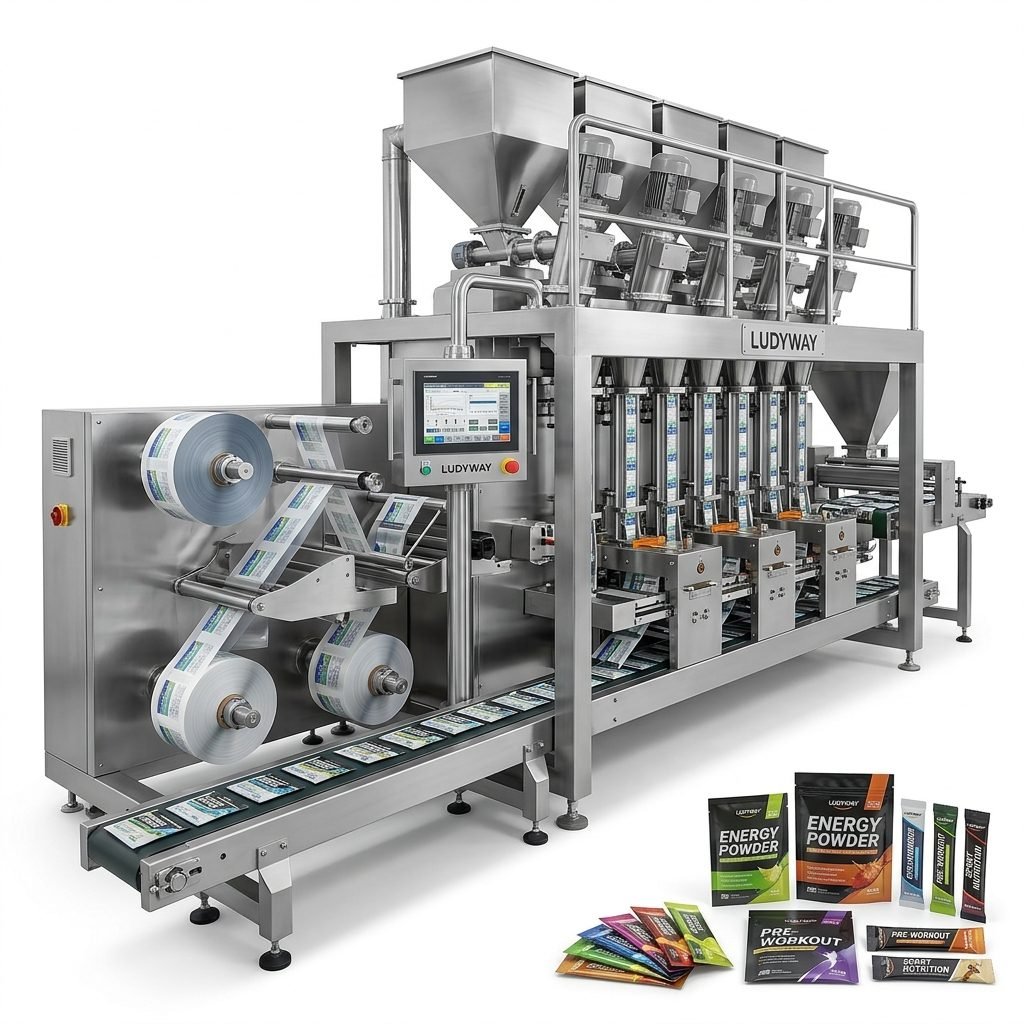
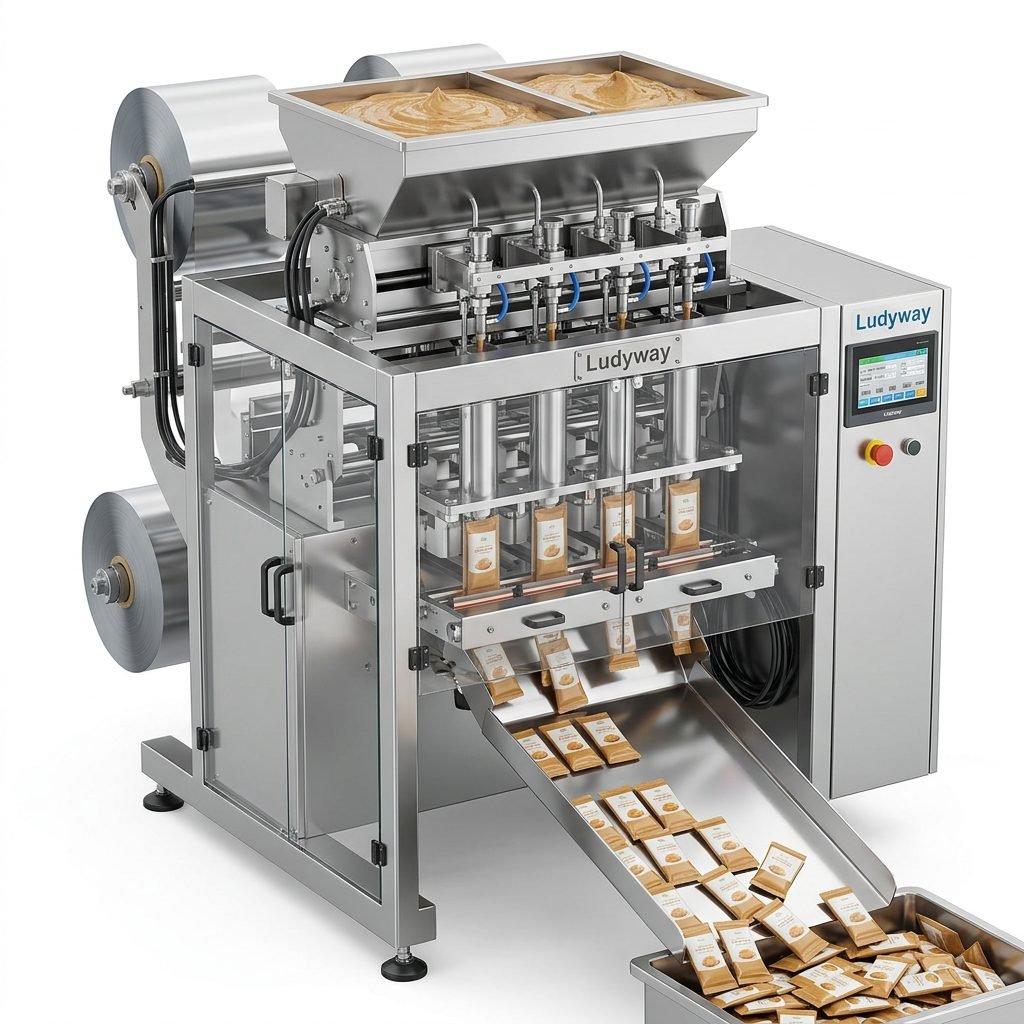
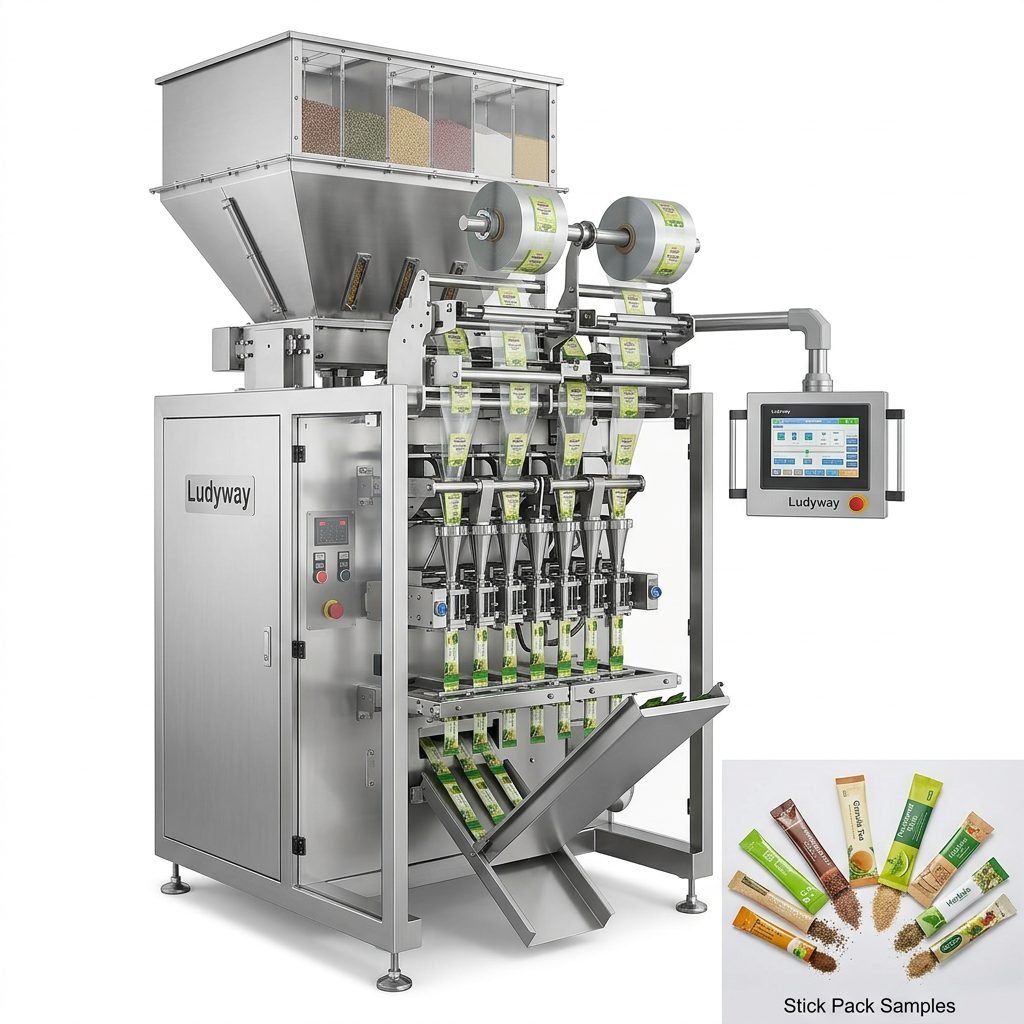
Stick pack machines are suitable for instant tea powder, milk tea powder, matcha, functional tea drinks, and single-serve beverage mixes. They create slim, portable packs that work well in online retail and convenience channels.
Best for: Instant tea powders, wellness drink mixes, and high-value single-serve formats.
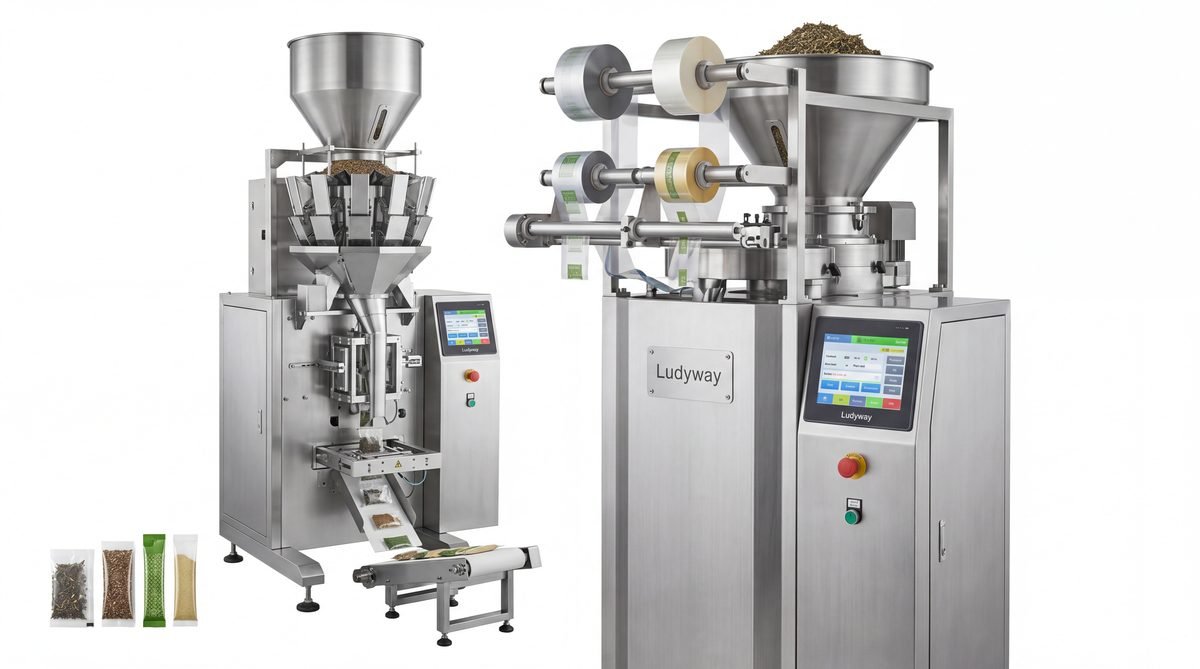
5. Vertical Form Fill Seal Machines
These machines are versatile and can handle different tea-related products depending on the dosing system. They are often chosen by small businesses that want one machine platform with room to expand.
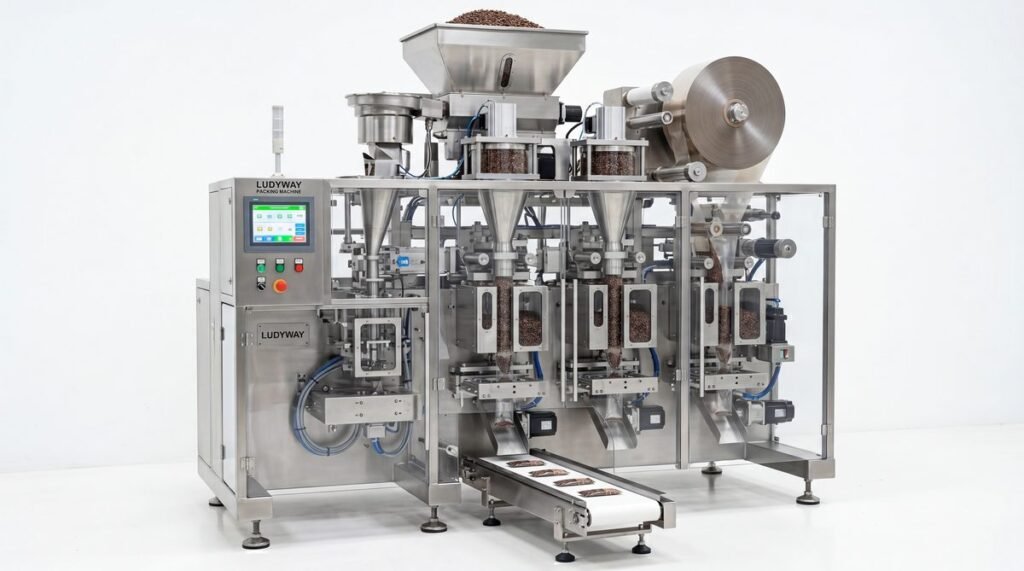
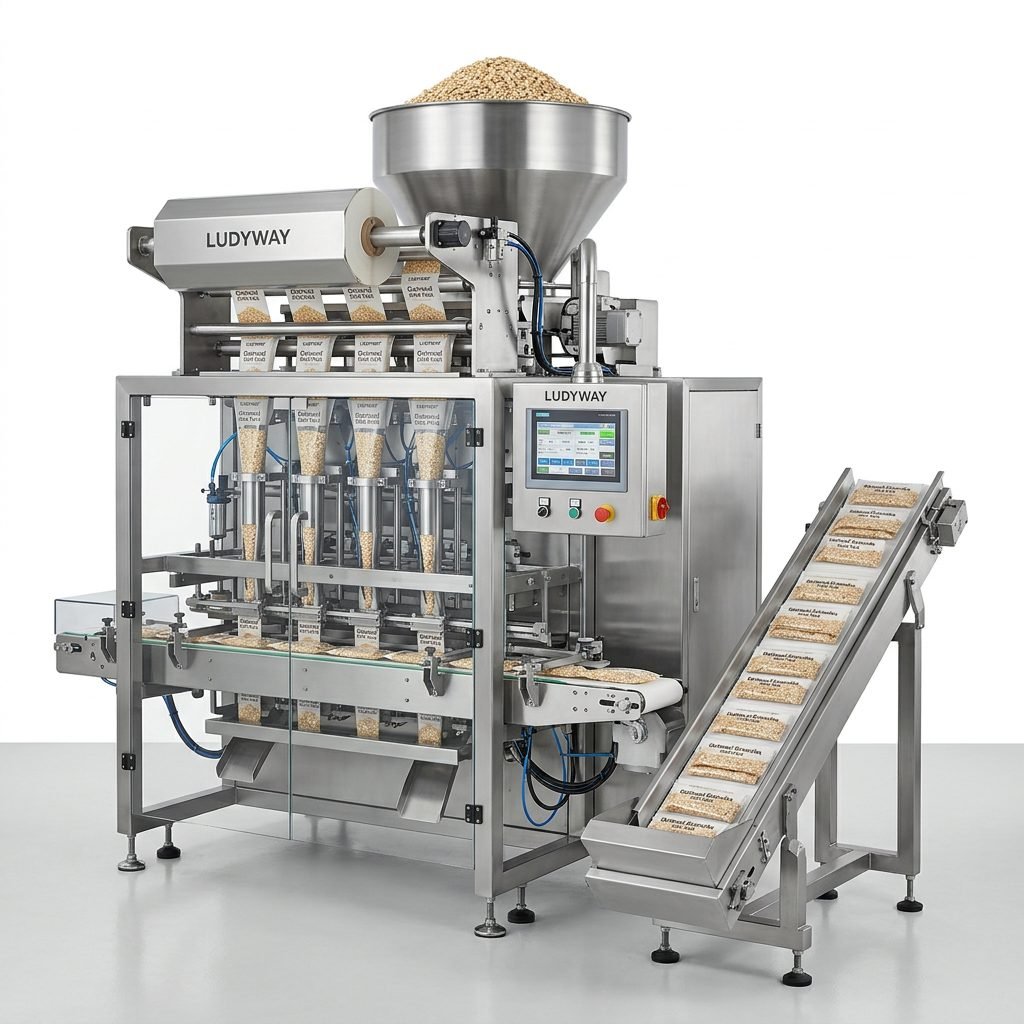
Best for: Loose tea, granules, tea powder, and pouch packaging with flexible bag sizes.
Best Tea Packing Machine Options by Tea Product Type
| Tea Product Type | Recommended Machine | Why It Fits Small Business |
|---|---|---|
| Loose leaf tea | VFFS machine with weighing system | Flexible bag sizes, suitable for retail pouches |
| Tea bags | Automatic tea bag packing machine | Efficient for standard consumer tea packs |
| Herbal blends | Tea bag or sachet machine | Good for mixed ingredients and premium wellness products |
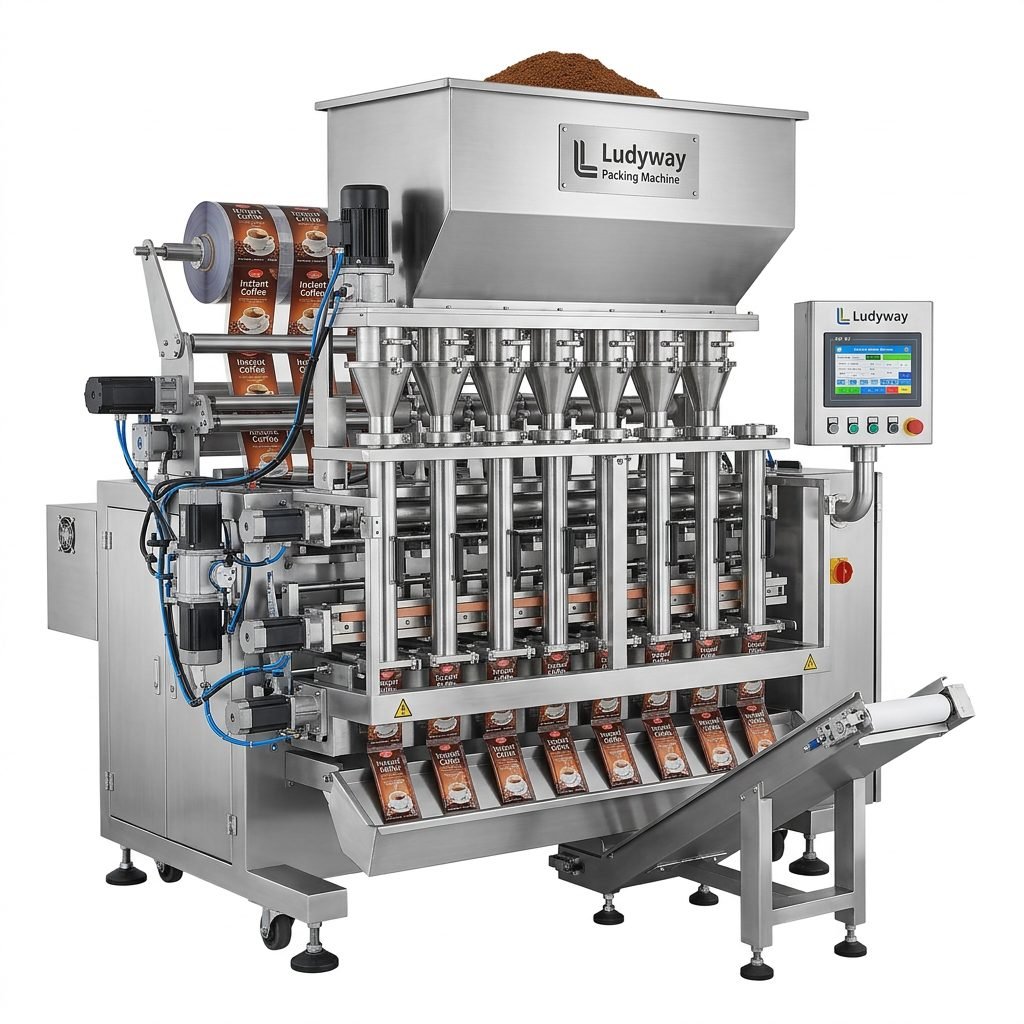
| Matcha or tea powder | Sachet or stick pack machine | Supports precise dosing and attractive single-serve formats |
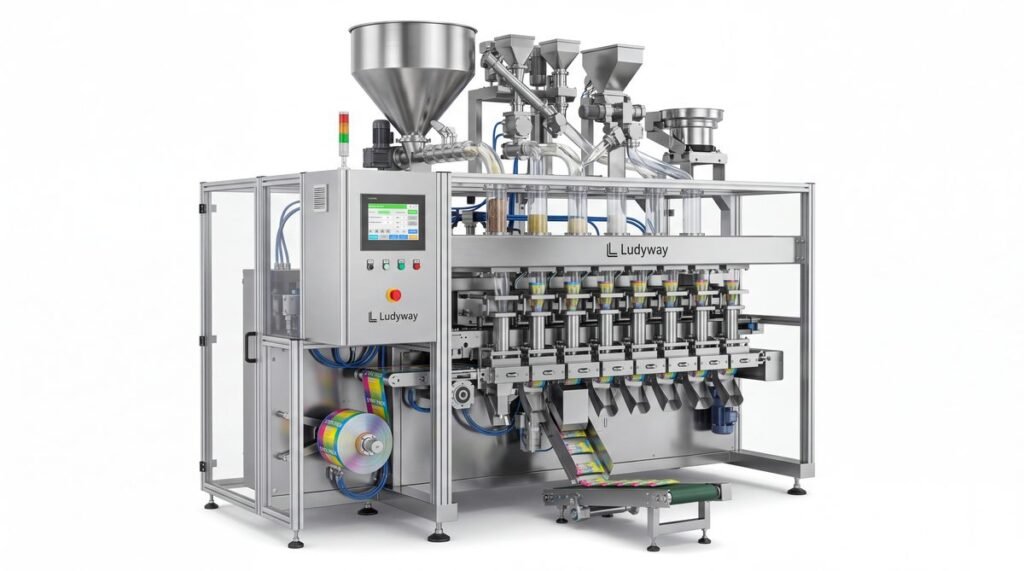
| Instant milk tea | Multi-lane stick pack machine | High efficiency and ideal for beverage mixes |
| Sample or promotional packs | Compact sachet machine | Affordable and good for small-batch packaging |
Key Features to Look for Before Buying
Accurate Filling System
Tea can vary greatly in form. Loose leaves, dust tea, powdered tea, and herbal fragments all behave differently during filling. A suitable dosing system is essential for reducing waste and keeping pack weights consistent.
Sealing Quality
Good sealing protects tea from moisture, oxygen, and contamination. For small businesses building a premium image, a clean and reliable seal is especially important.
Compact Machine Design
Many small tea businesses work in limited spaces. A compact machine can fit into a workshop, light industrial unit, or retail production area without major layout changes.
Easy Changeover
If you sell multiple tea SKUs, fast changeover saves time. This matters when switching between flavors, pack sizes, or packaging materials.
Simple Operation Interface
A user-friendly control panel helps reduce operator training time and lowers the chance of setup errors.
Food-Grade Construction
Stainless steel contact parts and hygienic design are important for food safety and easier cleaning.
Scalability
Choosing a machine that can support future output growth is often smarter than buying the cheapest model available today.
- Servo control for better precision
- Automatic film tracking for stable sealing and cutting
- Date coding compatibility for retail compliance
- Nitrogen flushing option for freshness preservation
- Dust control design for tea powder applications
- Low maintenance structure for smoother daily use
How to Choose the Best Tea Packing Machine for Your Small Business
Define Your Tea Format
Start with the product itself. Are you packing loose leaf tea, tea powder, herbal tea, or instant tea beverage mix? Machine selection should always begin with product characteristics.
Estimate Your Daily Output
A very small brand may only need a low-output system, while an online seller with strong promotion plans may need a machine that supports rapid scaling. Under-buying can create production pressure in just a few months.
Choose the Right Pack Style
Tea can be sold in tea bags, pillow pouches, sachets, stick packs, zipper bags, or premium outer packs. Your packaging style should match your market position and customer expectations.
Consider Material Compatibility
Not every machine handles every packaging film equally well. Confirm compatibility with filter paper, laminated film, foil materials, biodegradable film, or other custom structures.
Review Total Cost, Not Just Purchase Price
The machine price is only one part of the investment. You should also consider maintenance, spare parts, operator training, setup support, energy use, and future upgrade options.
| Buying Factor | Questions to Ask |
|---|---|
| Product form | Is the tea loose, powdered, blended, or instant? |
| Output target | How many packs per hour or per day do you need? |
| Pack size | Do you need single-serve, retail pouch, or sampler packs? |
| Budget | What is your realistic investment range including support costs? |
| Space | Can your production area support the machine layout? |
| Future growth | Will you need higher speed or more packaging formats later? |
Best Practical Options for Different Small Business Scenarios
For Startups With Limited Budget
A compact semi-automatic or entry-level sachet machine is usually the best starting point. It helps improve consistency without requiring a major capital investment.
For Premium Tea Brands
If presentation matters, look for machines that support neat seals, high-quality film handling, and attractive pack styles such as tea bags with outer envelopes or slim stick packs.
For Fast-Growing E-Commerce Sellers
Choose a system with stronger output capacity, reliable coding integration, and easy SKU changeover. This helps handle flash sales, subscription orders, and larger wholesale deals.
For Herbal and Functional Tea Businesses
Blended products often require better dosing control, especially when ingredients differ in cut size or density. A machine with a stable filling system is essential.
Common Mistakes Small Tea Businesses Should Avoid
- Buying based only on price instead of actual production needs
- Ignoring packaging material compatibility
- Choosing a machine with no upgrade path
- Overlooking after-sales service and spare parts support
- Not testing the real tea product before purchase
- Underestimating cleaning and maintenance needs
What Level of Automation Is Right for You?
The ideal automation level depends on your current order volume and business model:
- Manual or semi-automatic: Best for low volume, test marketing, and highly customized small batches.
- Compact automatic: Best for stable small business production and improving operational efficiency.
- Advanced automatic or multi-lane: Best for scaling brands, contract packing, and large retail supply.
Supplier Selection Matters as Much as Machine Selection
Even a good machine can become a poor investment if the supplier cannot provide technical support, spare parts, or customization. A trusted manufacturer should understand different packaging applications and be able to recommend a machine based on your tea product, target output, and expansion plan.
Businesses looking for reliable tea packaging automation may consider tea packing machine solutions from Ludyway, a manufacturer with more than 30 years of packaging industry experience and extensive capabilities in sachet, stick pack, vertical packaging, and turnkey production lines.
Questions to Ask Before You Place an Order
- Can the machine handle my exact tea product and cut size?
- What pack styles and dimensions are supported?
- What is the realistic speed with my product, not just theoretical speed?
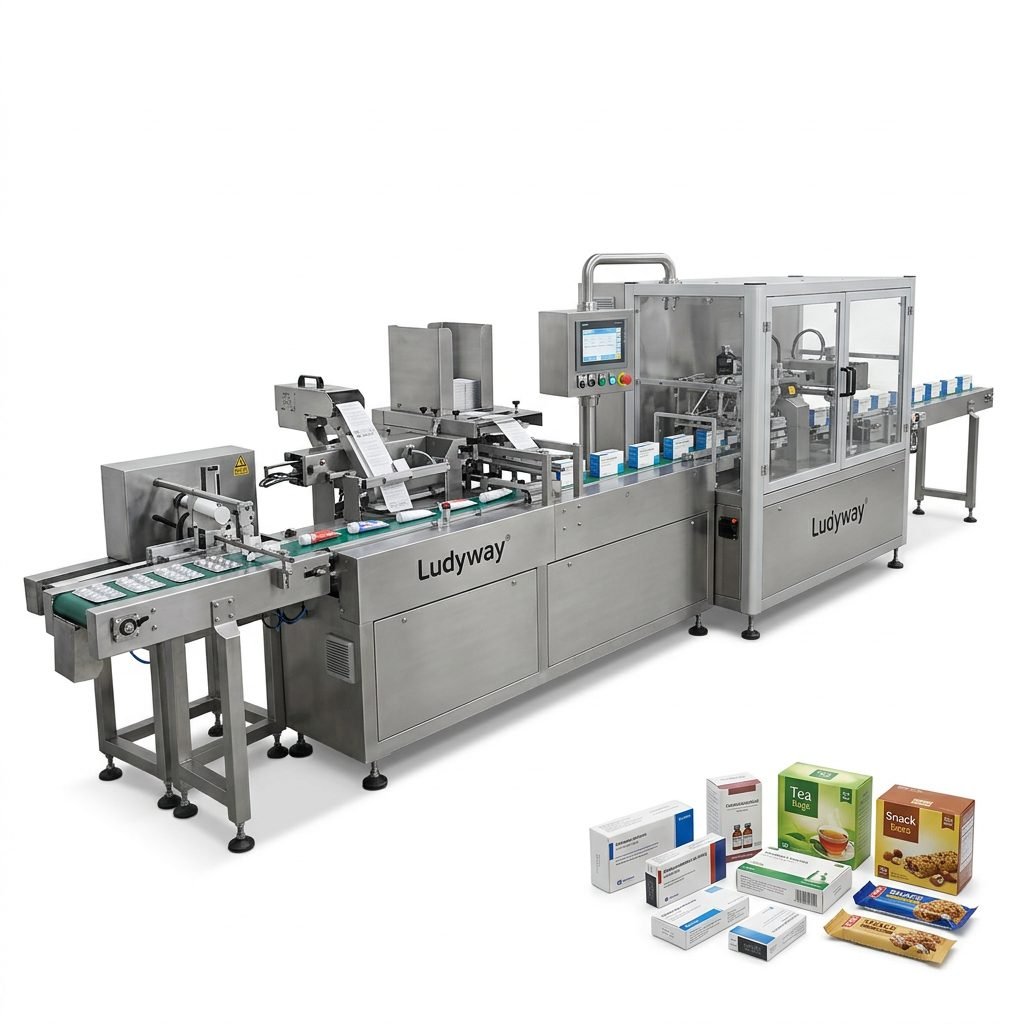
- Can I add coding, cartoning, or other automation later?
- What training and technical support are included?
- How quickly can spare parts be supplied?
- Do you offer product testing before shipment?
Final Buying Insight for Small Tea Brands
The best tea packing machine for a small business is not always the fastest or the cheapest. It is the machine that fits your tea type, packaging style, budget, and growth plan. A carefully chosen system can help your business deliver better-looking products, improve productivity, and build a stronger brand in a competitive tea market.
If you expect your tea business to grow, prioritize stable performance, easy operation, hygienic design, and future scalability. That approach usually creates better long-term value than making a short-term buying decision based on price alone.