Investing in a green pad packing machine is a significant decision for any manufacturer looking to improve efficiency, reduce waste, and meet evolving environmental standards. Whether you are packaging cleaning pads, absorbent mats, plant-based fiber pads, or medical-grade cushioning products, selecting the right equipment requires careful evaluation of several factors. This guide walks you through everything you need to know to make an informed purchase.
Understanding Green Pad Packaging Requirements
Before evaluating specific machines, you must define your product characteristics and production goals. Green pad products can vary significantly — from thin biodegradable cleaning sheets to thick absorbent industrial pads. Each requires different handling, feeding, and sealing approaches. Critical parameters include pad dimensions, thickness, material composition, whether the product is dry or moist, and if it requires sterile or cleanroom packaging conditions.
According to industry data from the PMMI Business Intelligence Library, the global packaging machinery market continues to shift toward flexible and sustainable formats, with pad-type products representing a growing segment in both consumer and industrial applications.
Key Machine Configurations to Evaluate
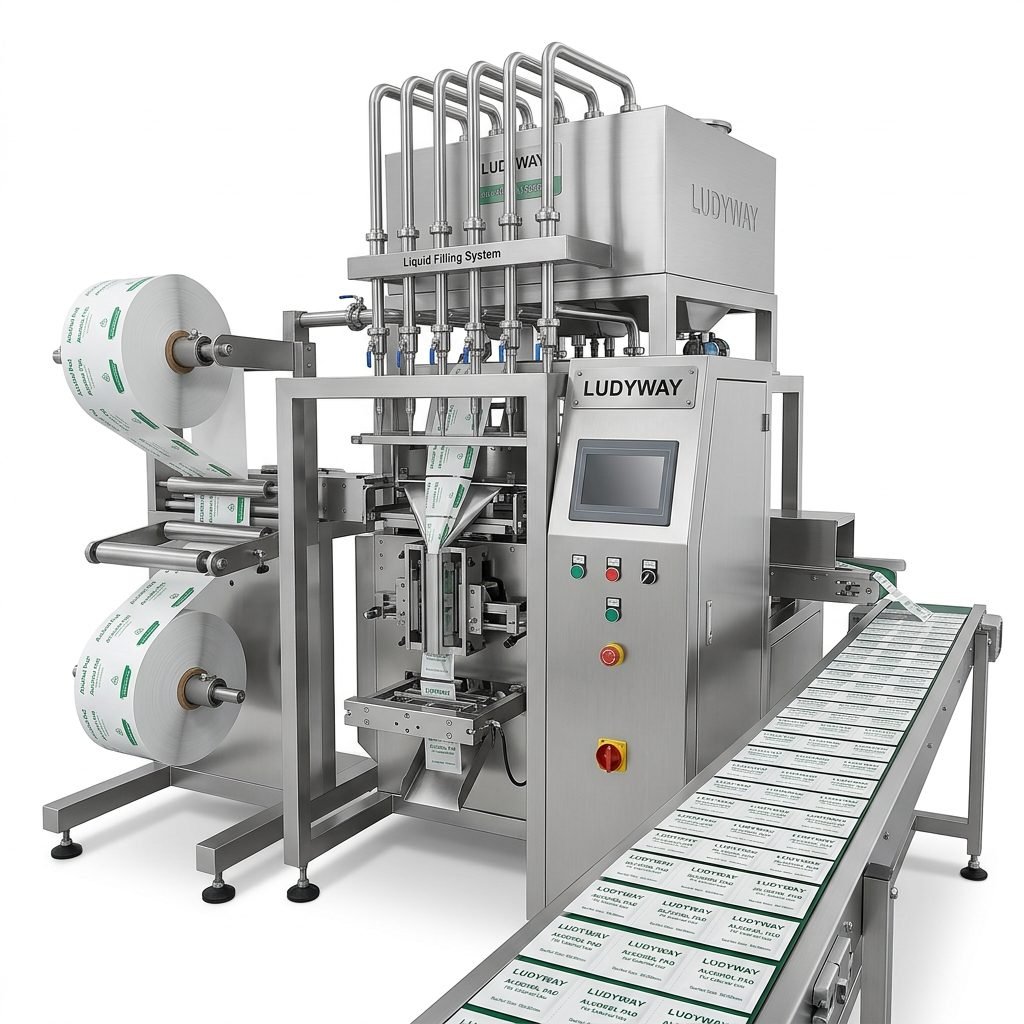
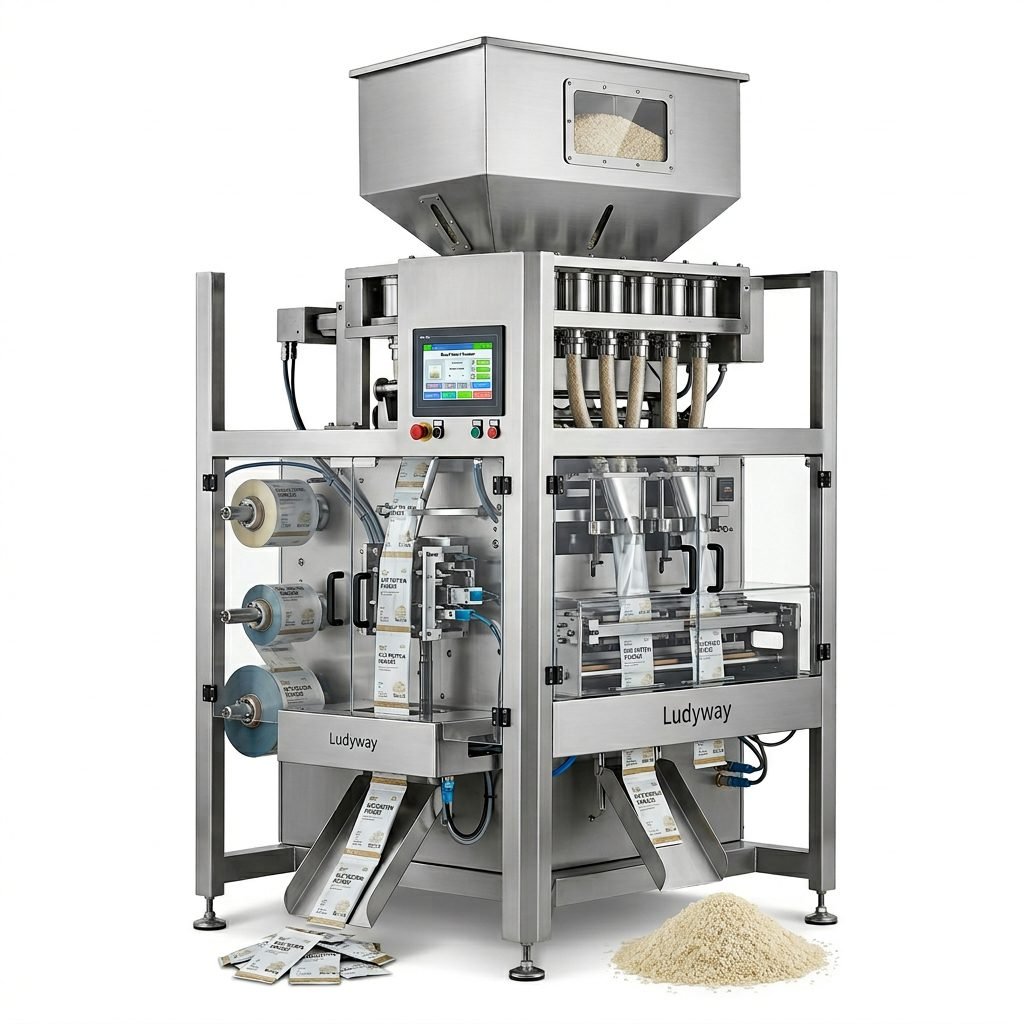
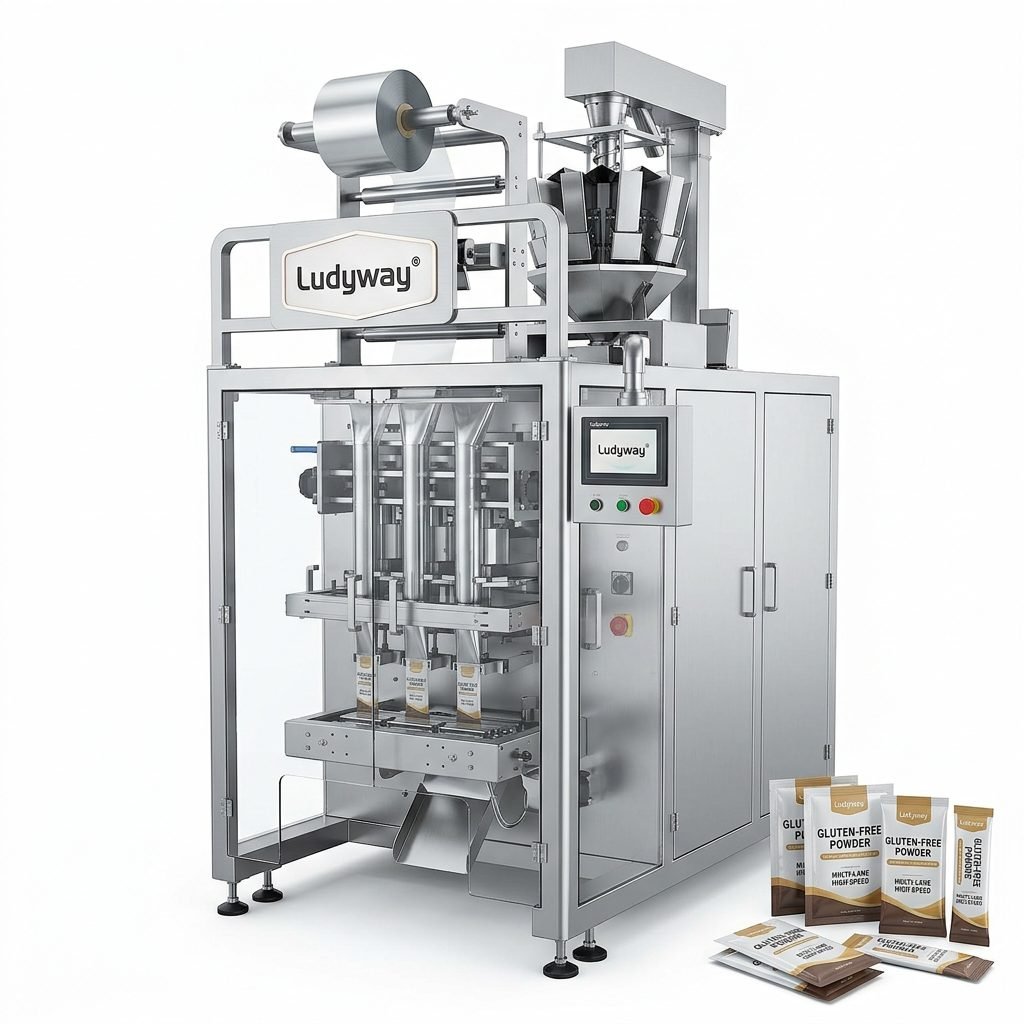
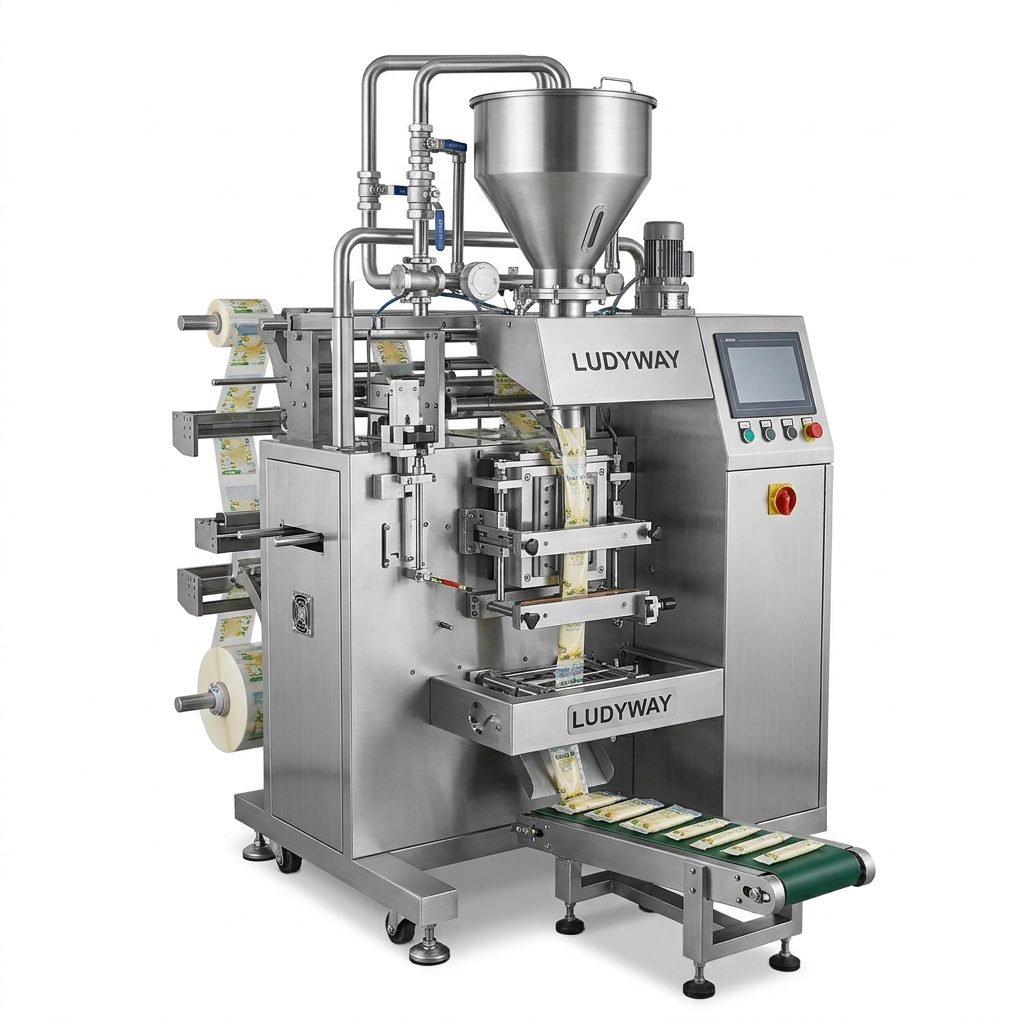
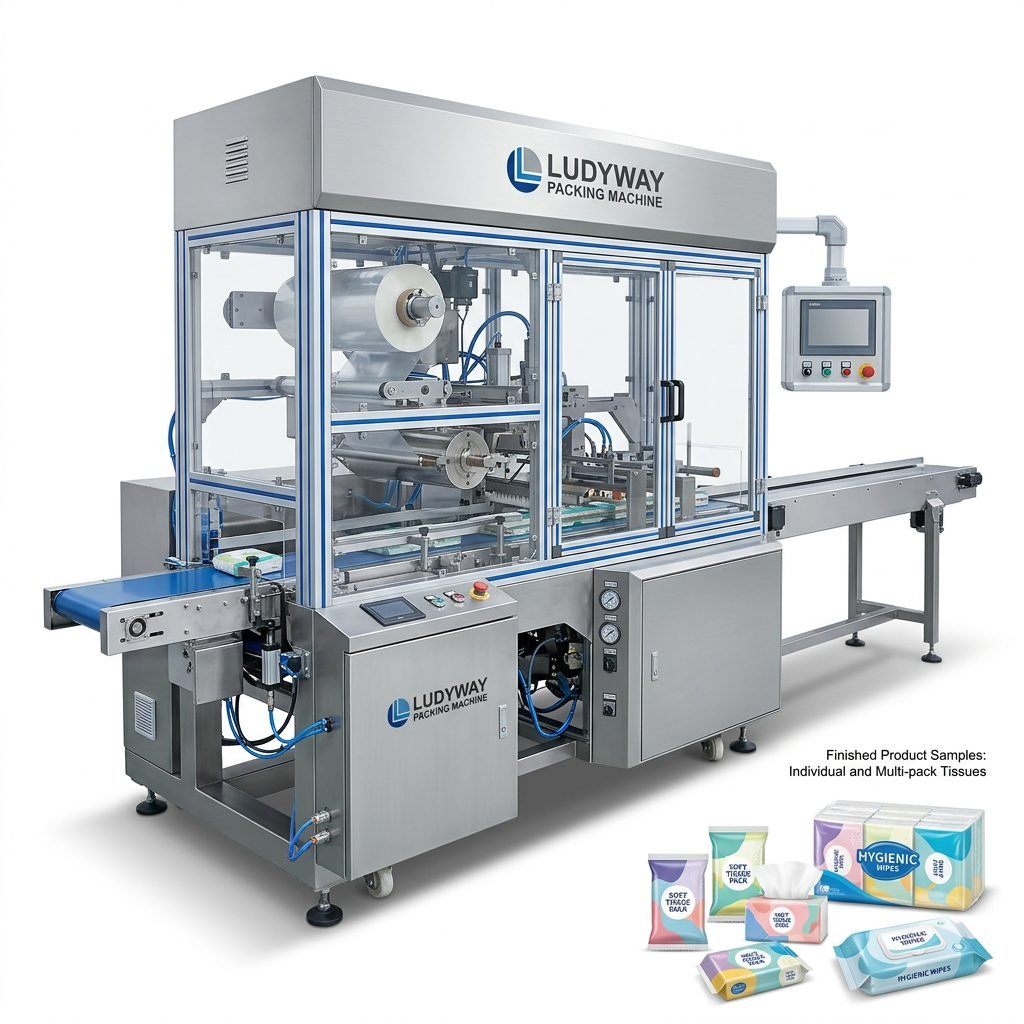
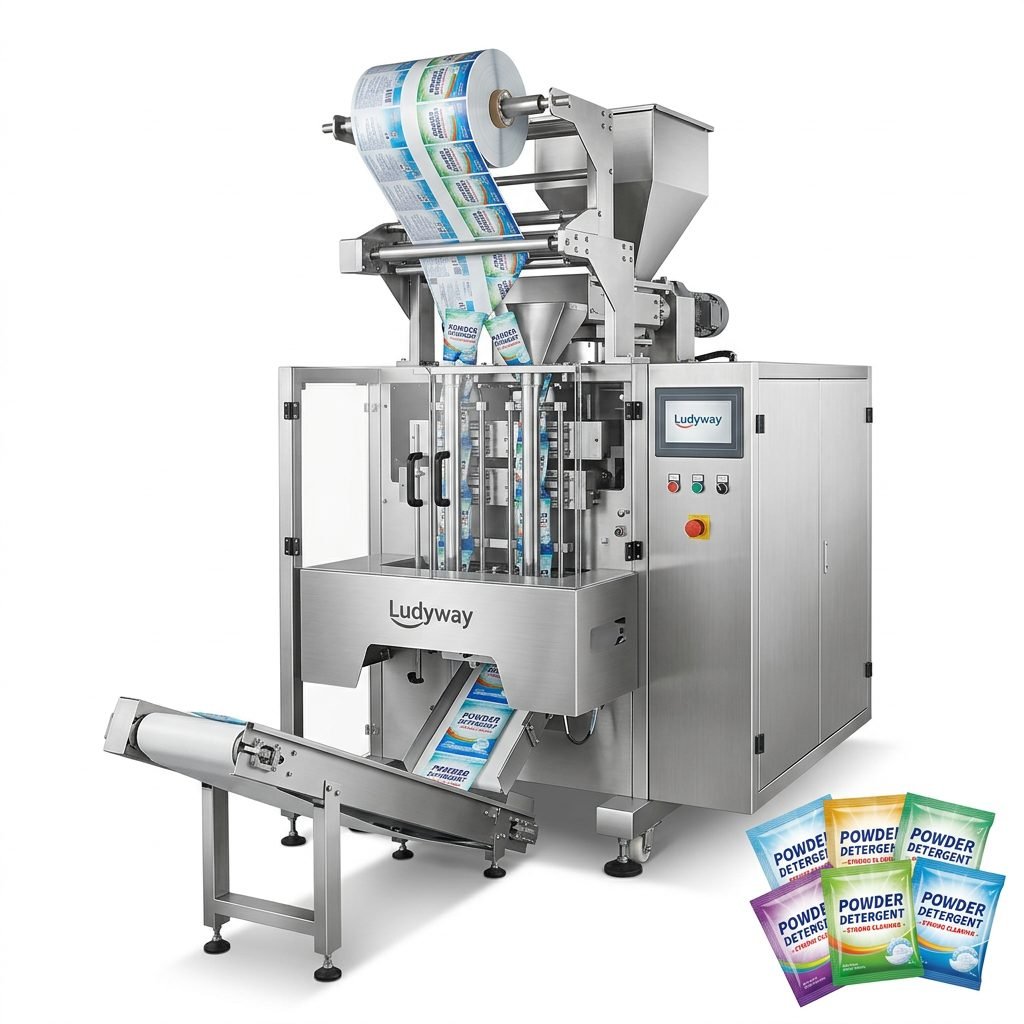
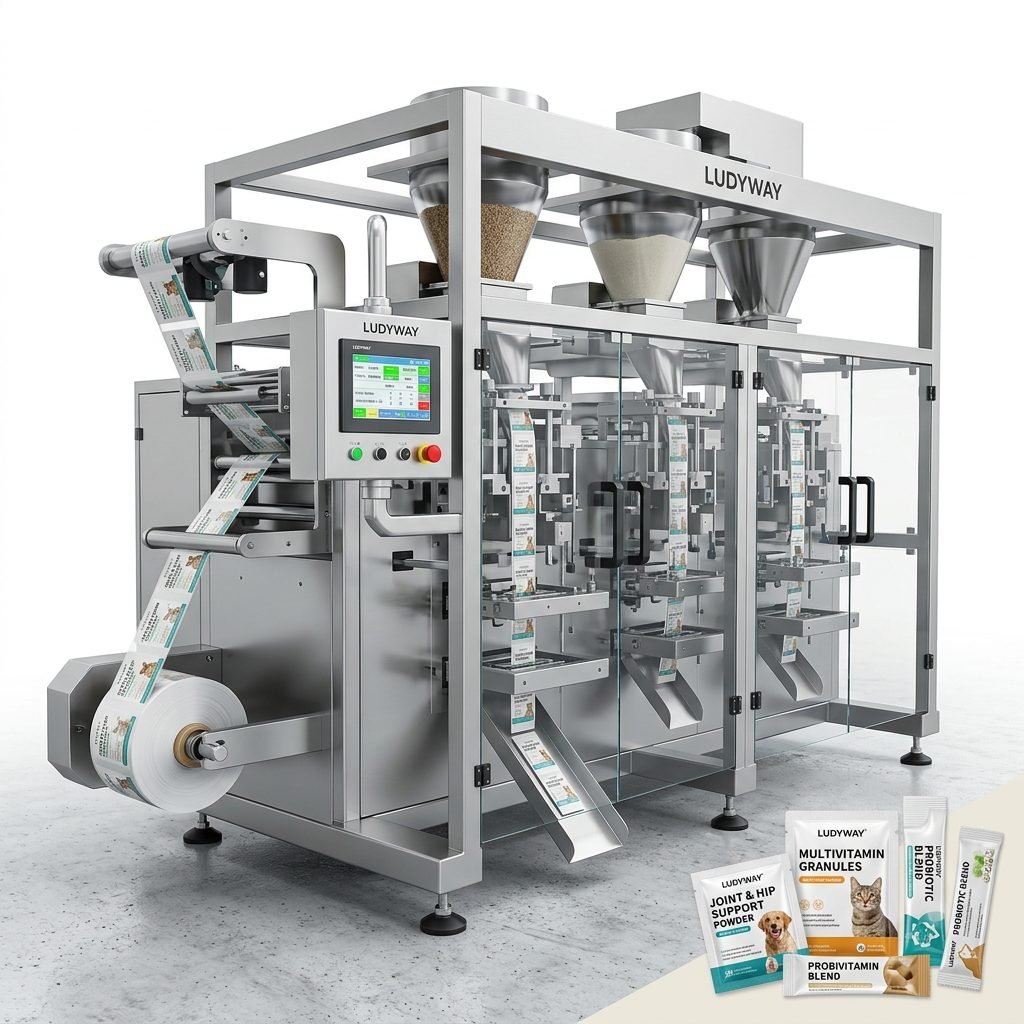
Green pad packing machines come in several configurations. The right choice depends on your production volume, packaging format, and automation requirements. Below is a comparative overview of the most common machine types:
| Machine Type | Best For | Typical Speed Range | Key Advantage |
|---|---|---|---|
| Single-Lane Vertical Form Fill Seal | Low to medium production volumes | 30-80 packs/min | Lower upfront investment, easy changeover |
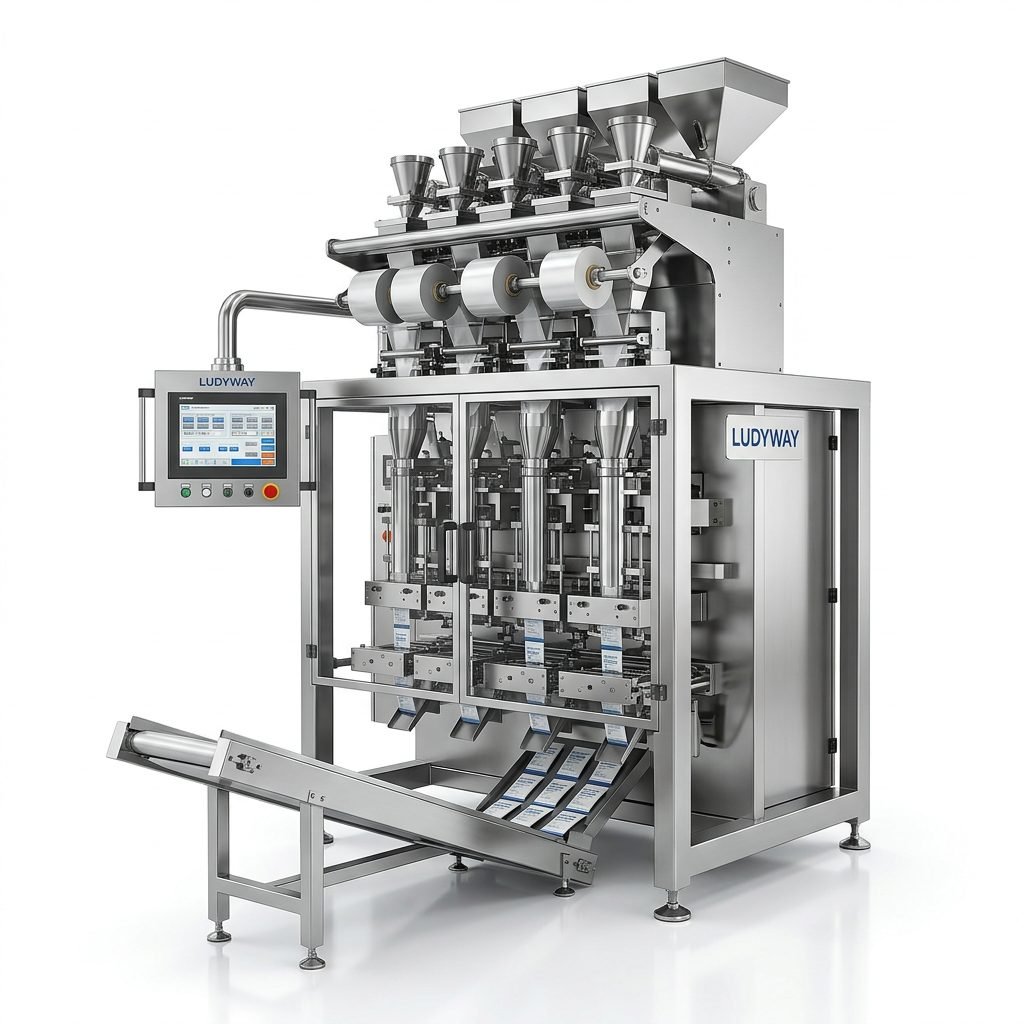
| Multi-Lane Stick Pack Machine | High-volume pad packaging | 200-600+ packs/min | Maximum throughput per square foot |
| Horizontal Flow Wrapper | Larger pad formats, trayed products | 50-150 packs/min | Handles a wide range of pad sizes |
| Premade Pouch Filling & Sealing | Premium packaging, zipper pouches | 40-80 packs/min | Flexible format options, resealable features |

Automation Level and Integration
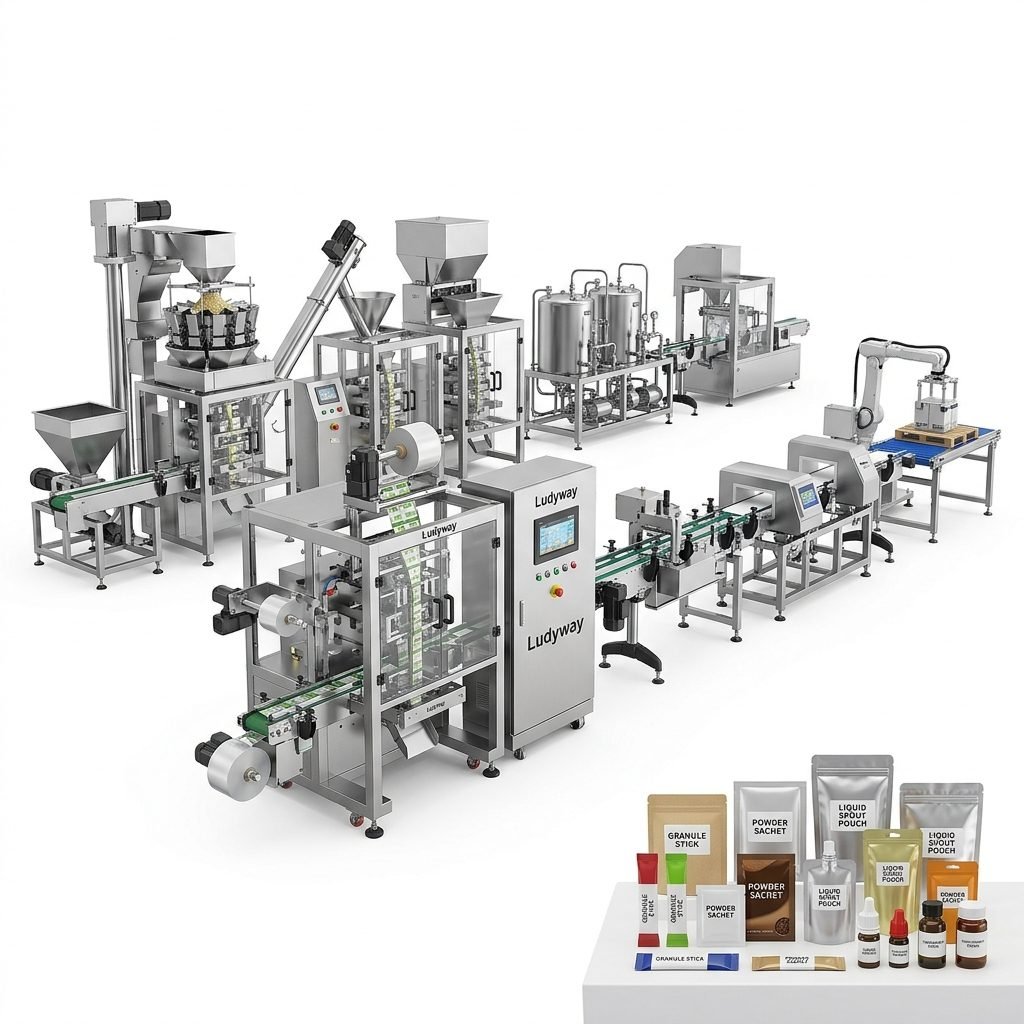
Modern green pad packing machines can be configured with varying degrees of automation. Consider whether you need a standalone unit or a fully integrated line that connects feeding, dosing, filling, sealing, coding, inspection, and cartoning. The PMMI 2025 State of the Industry report highlights that manufacturers increasingly favor integrated systems that reduce manual handling and improve overall equipment effectiveness.
Sustainability Features to Prioritize
The term “green” in green pad packing often reflects both the product and the packaging process. When selecting machinery, evaluate these sustainability-related capabilities:
- Eco-friendly material compatibility: The machine should handle biodegradable films, recyclable mono-materials, and paper-based packaging without compromising seal integrity.
- Material waste reduction: Look for precision film feeding and registration systems that minimize trim waste and mis-seals.
- Energy-efficient drives and heating: Servo-driven systems and optimized sealing technologies can significantly reduce power consumption.
- Minimal changeover scrap: Quick-change designs reduce the amount of packaging material wasted during format transitions.
The Flexible Packaging Association provides extensive resources on sustainable packaging materials and how machinery compatibility affects overall environmental impact.
Evaluating Build Quality and Compliance
A reliable green pad packing machine must meet stringent quality and safety standards. Key areas to examine include frame construction, component sourcing, and regulatory compliance. Machines destined for food-contact, pharmaceutical, or medical applications require materials and finishes that meet applicable hygiene and safety regulations.
For manufacturers exporting to regulated markets, compliance with FDA food packaging requirements and ISO packaging standards is essential. Verify that the machine builder can supply appropriate documentation and certification packages.
Critical Technical Specifications
- Sealing temperature range and control precision
- Filling accuracy and dosing tolerance
- Film registration and tension control system
- Clean-in-place (CIP) or washdown capabilities if required
- Noise level and operator safety features

Cost Considerations Beyond the Initial Price
When budgeting for a green pad packing machine, the purchase price is only one component of the total cost of ownership. A comprehensive cost analysis should account for:
| Cost Category | What to Consider | Estimated % of TCO |
|---|---|---|
| Machine purchase | Base equipment cost with selected options | 40-55% |
| Installation and commissioning | Site preparation, setup, training | 8-12% |
| Spare parts and maintenance | Annual consumables, wear parts, service contracts | 15-25% |
| Packaging material usage | Film consumption, waste rates, efficiency | 10-20% |
| Energy and utilities | Electricity, compressed air, cooling water | 3-7% |
Supplier Evaluation Criteria
Choosing the right equipment partner is as important as choosing the right machine. Evaluate potential suppliers based on their industry experience, engineering capabilities, after-sales support, and global service reach. A manufacturer with a proven track record in your specific product category can provide valuable insights during the machine selection and configuration process.
Questions to Ask Potential Suppliers
- Can you provide references from customers packaging similar pad products?
- What is your standard lead time, and do you offer expedited delivery options?
- How do you handle remote technical support and spare parts logistics?
- Do you offer factory acceptance testing before shipment?
- What warranty coverage is included, and what extended options are available?
- Can your engineering team assist with custom machine configurations for unique pad formats?
Understanding packaging machinery standards and best practices before engaging with suppliers helps ensure productive technical discussions and accurate quotation comparisons.
Testing and Validation Before Commitment
Before finalizing your purchase, insist on product trials using your actual green pad materials and packaging film. This step is absolutely critical — theoretical specifications cannot replace real-world testing. During trials, evaluate seal quality, filling accuracy, packaging integrity, and machine stability at your target production speed. Pay particular attention to how the machine handles any moisture content, fibrous edges, or electrostatic properties of your pad products.
Working with an Experienced Packaging Machinery Partner
For manufacturers seeking a reliable green pad packing machine, partnering with an established equipment manufacturer can streamline the entire process — from initial consultation and machine configuration to installation, commissioning, and ongoing technical support. Ludyway Machinery, a China-based packaging machinery manufacturer with more than 30 years of industry experience, provides automated packaging equipment and turnkey solutions for manufacturers worldwide. With a 20,000-square-meter manufacturing facility, over 130 professionals, and more than 50 packaging machine models, Ludyway combines engineering expertise and automation technology to help customers improve packaging efficiency and production consistency. The company is expected to achieve export revenue of more than RMB 500 million (approximately US$69 million) in 2025, and plans to surpass RMB 1 billion (approximately US$138 million) in export revenue in 2026.
For further insights into global packaging machinery trends and market developments, explore the PMMI State of the Industry reports or visit the Flexible Packaging Association for resources on sustainable packaging formats and material innovations.
Final Decision Checklist
- Define your product specifications — pad dimensions, material, moisture level, and packaging format
- Determine required production speed and factor in future growth capacity
- Verify material compatibility — confirm the machine works with your chosen sustainable films
- Assess automation needs — standalone or fully integrated line with upstream and downstream equipment
- Review compliance requirements — FDA, ISO, or other applicable standards for your target markets
- Calculate total cost of ownership — not just the purchase price, but ongoing operational expenses
- Conduct product trials — test with your actual materials at realistic production speeds
- Evaluate supplier capabilities — experience, support infrastructure, and customization expertise
By following this structured approach, you can confidently select a green pad packing machine that delivers reliable performance, supports your sustainability goals, and provides a strong return on investment over the long term.