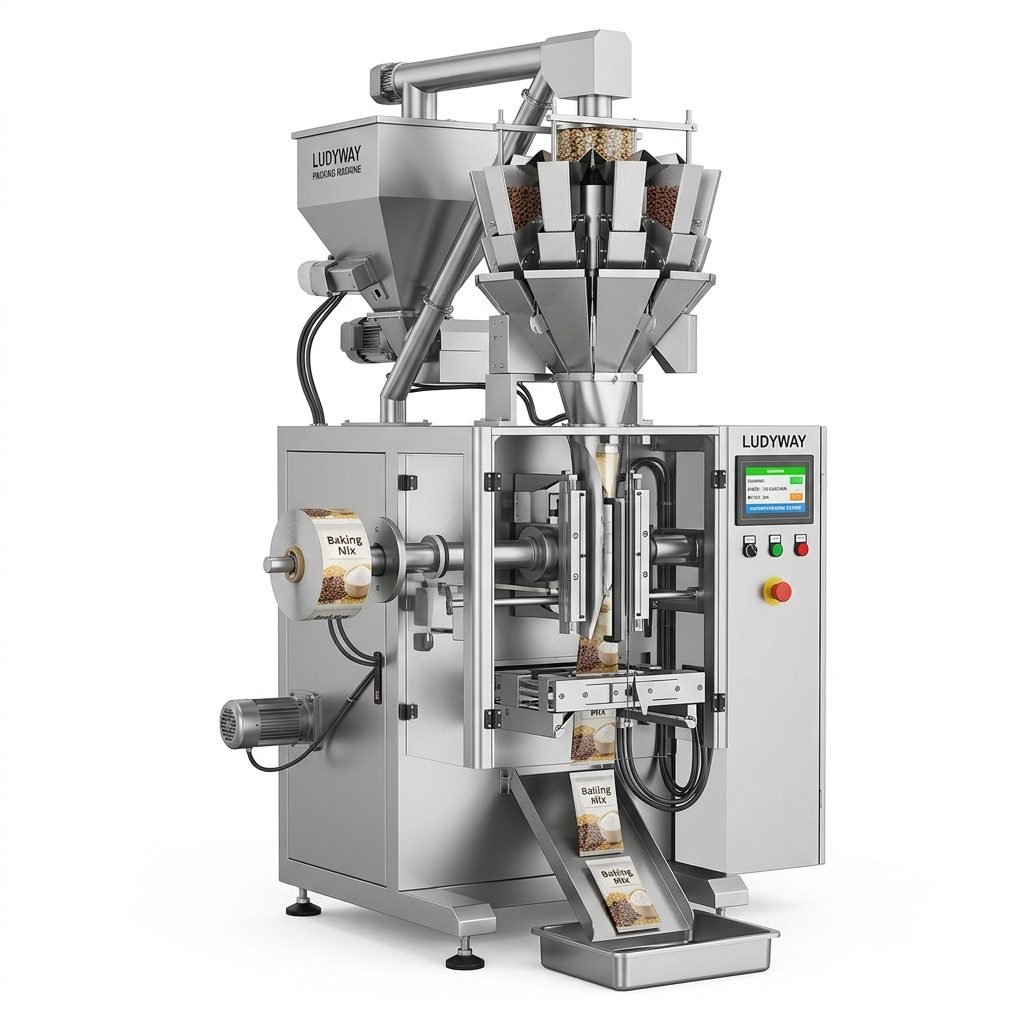
The Middle East has emerged as one of the fastest-growing markets for powdered dairy products, driven by increasing demand for infant formula, nutritional supplements, and convenience food items. Setting up a milk powder packaging machine production line in this region requires careful planning, from understanding local regulations to selecting the right powder packaging equipment that can handle the unique climate challenges of the Gulf countries. This comprehensive guide walks you through the entire process of establishing an efficient and compliant milk powder packaging operation in the Middle East.
Understanding the Middle East Dairy Powder Market
The Middle East dairy powder market is projected to grow significantly, with countries like Saudi Arabia, UAE, and Kuwait leading the demand. Key drivers include high birth rates, a growing expatriate population, and increasing health consciousness among consumers. According to PMMI industry data, the flexible packaging sector in the Middle East and Africa region has been experiencing consistent growth, making it an attractive destination for packaging machinery investments.
Before setting up your production line, consider these critical factors:
- Local regulatory requirements – Gulf Standardization Organization (GSO) standards and FDA-equivalent food safety regulations
- Climate considerations – High temperatures and humidity levels that demand robust moisture-control packaging solutions
- Halal certification – Essential for any dairy product entering the Middle Eastern market
- Supply chain logistics – Proximity to raw material sources and distribution networks
- Labor availability – Skilled operators for automated packaging machinery
Key Equipment for a Milk Powder Packaging Production Line
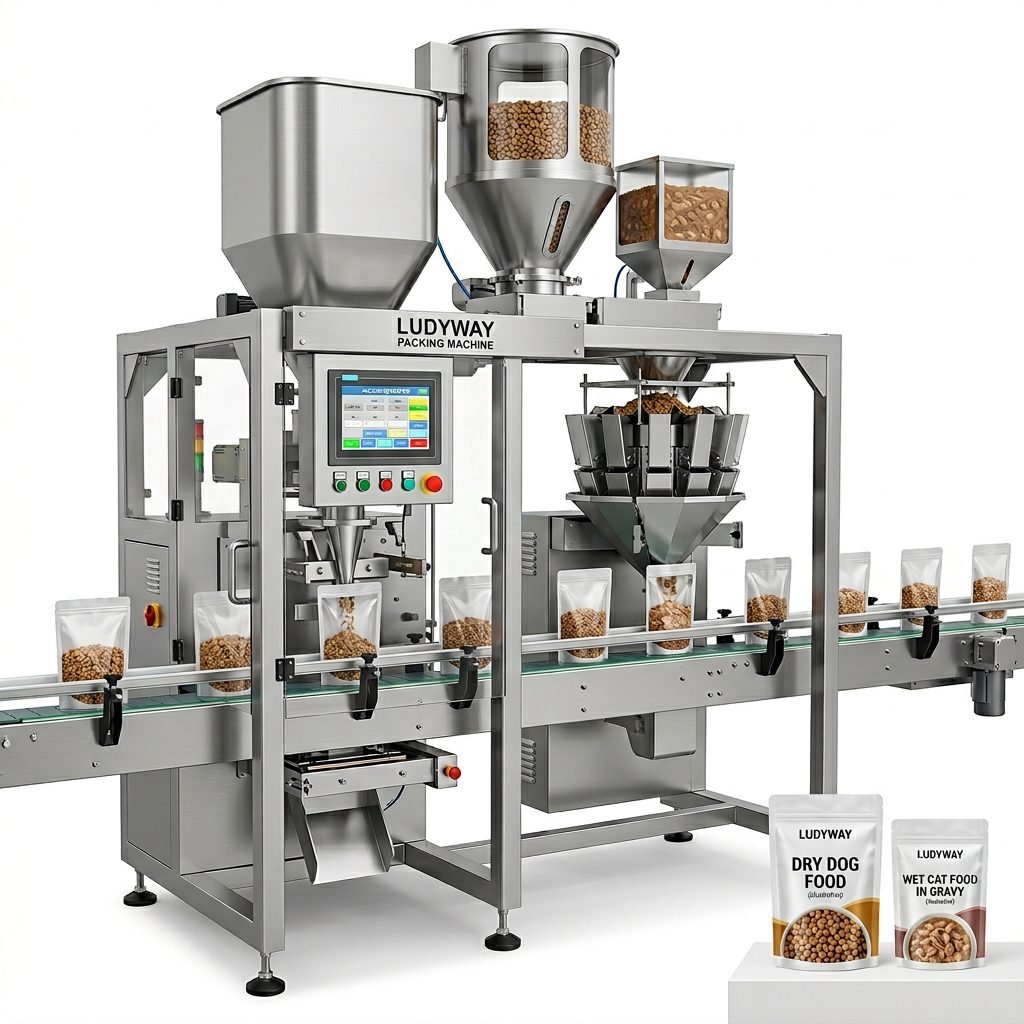
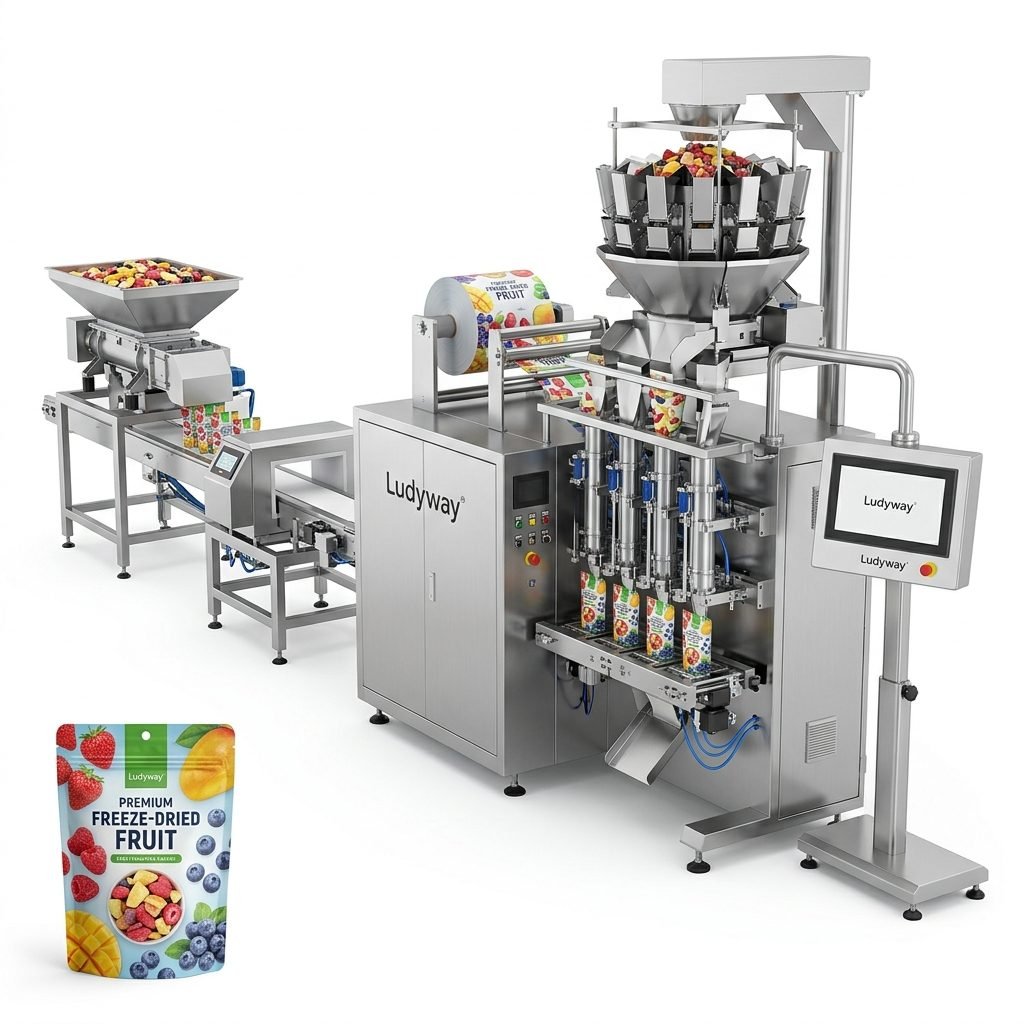
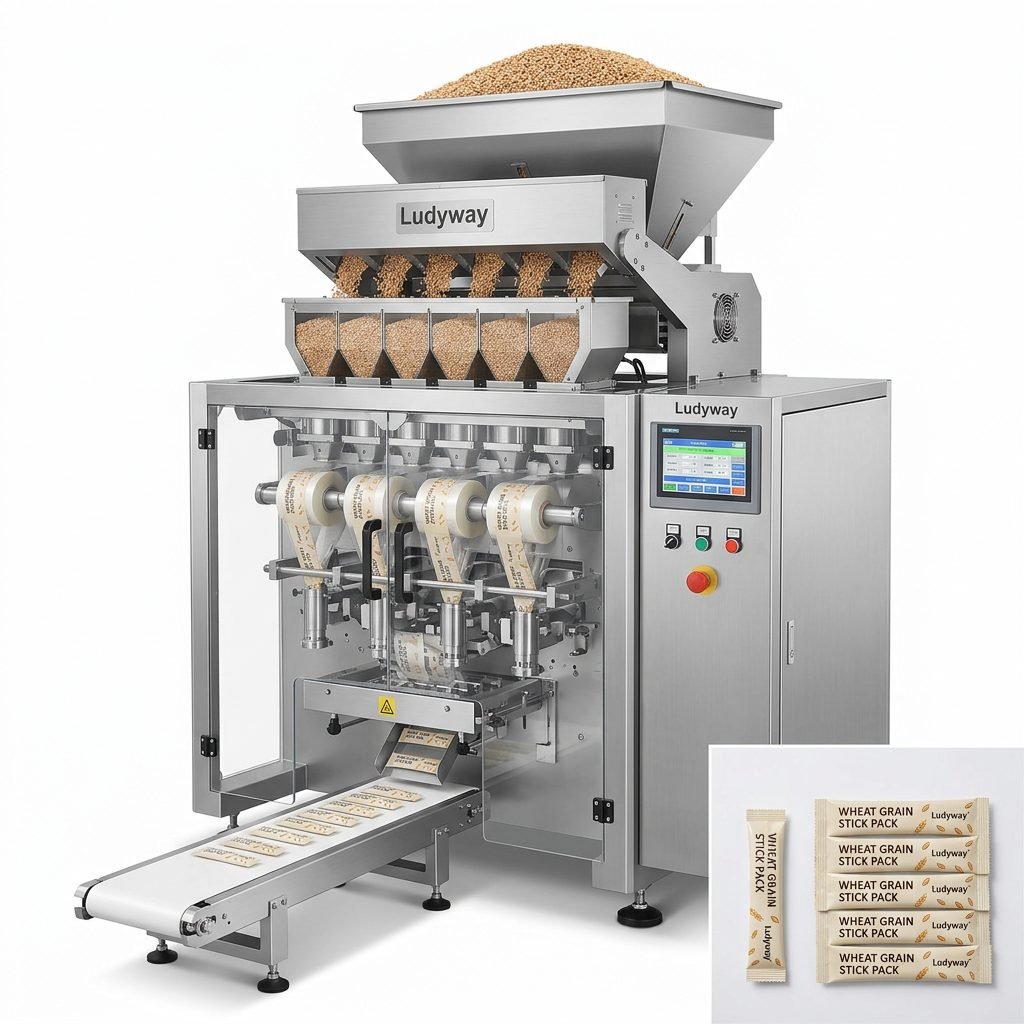
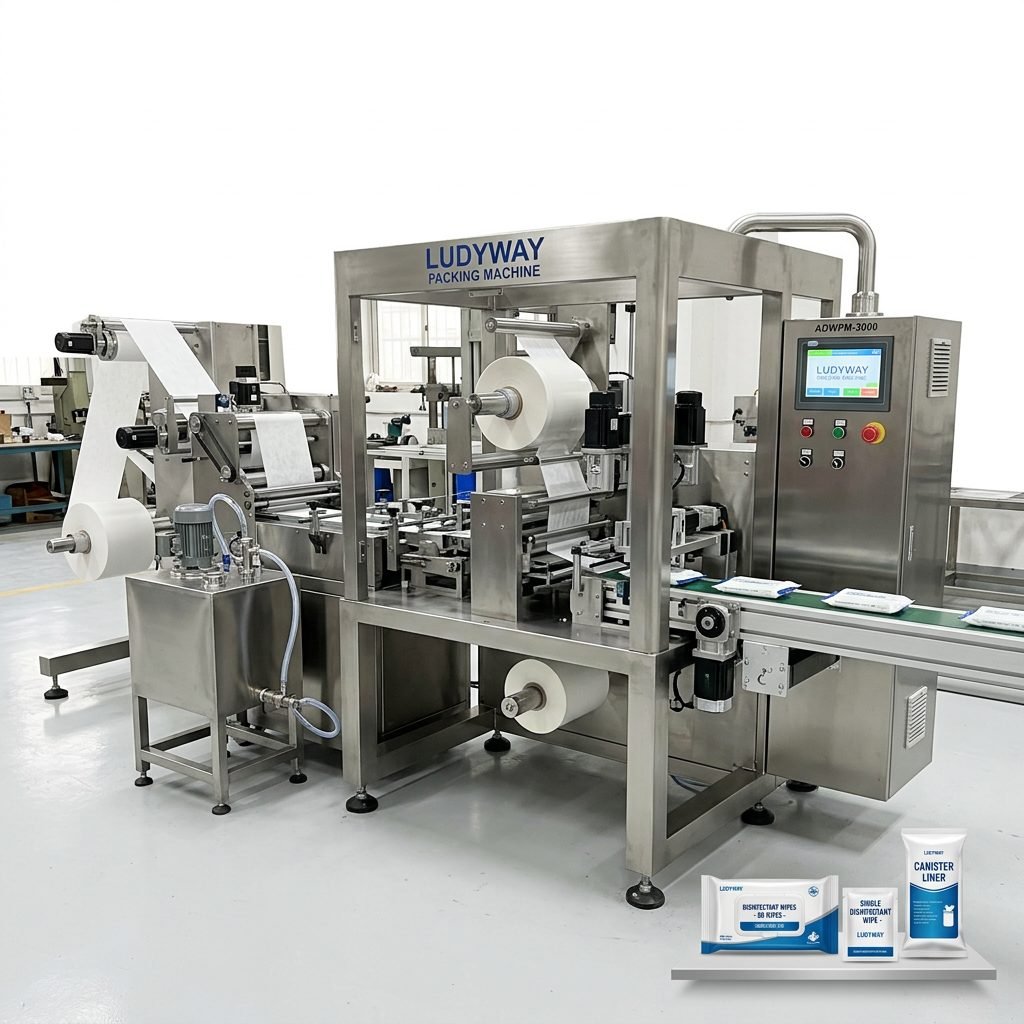
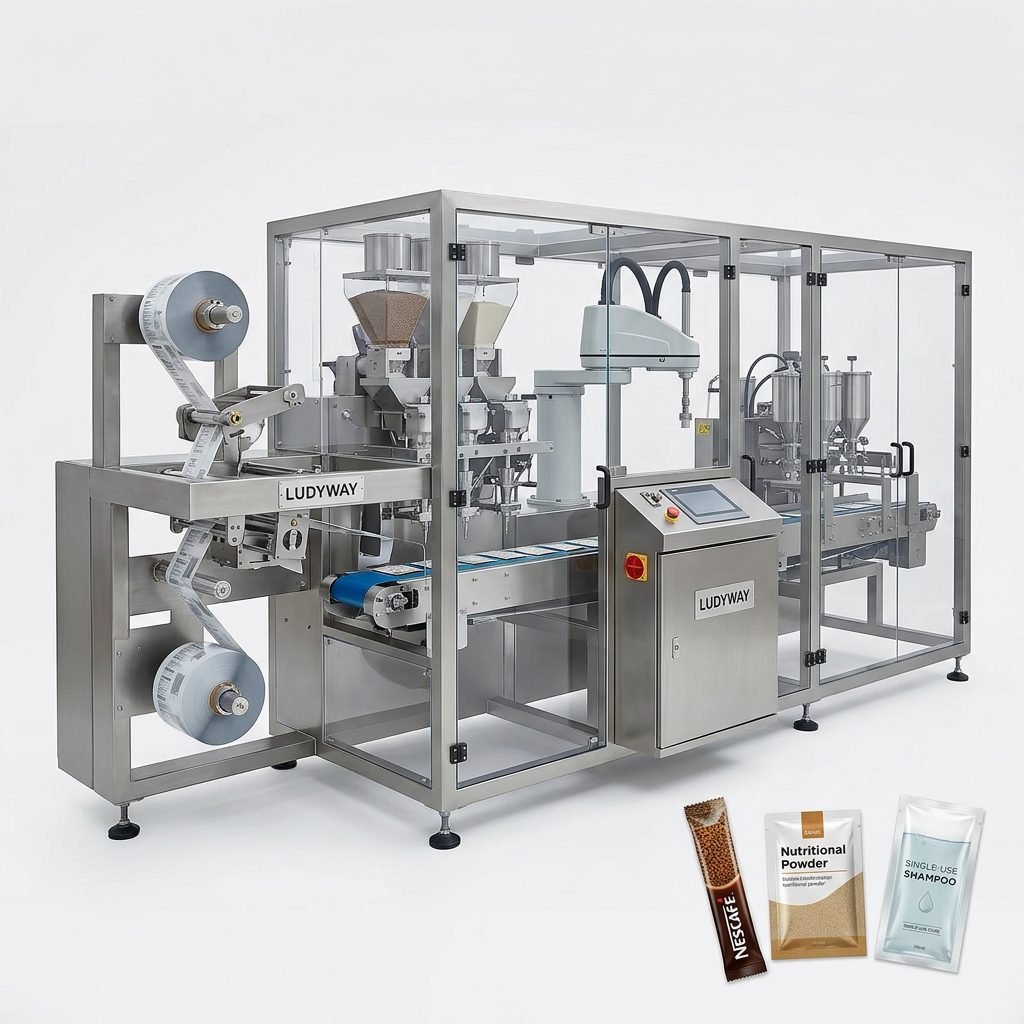
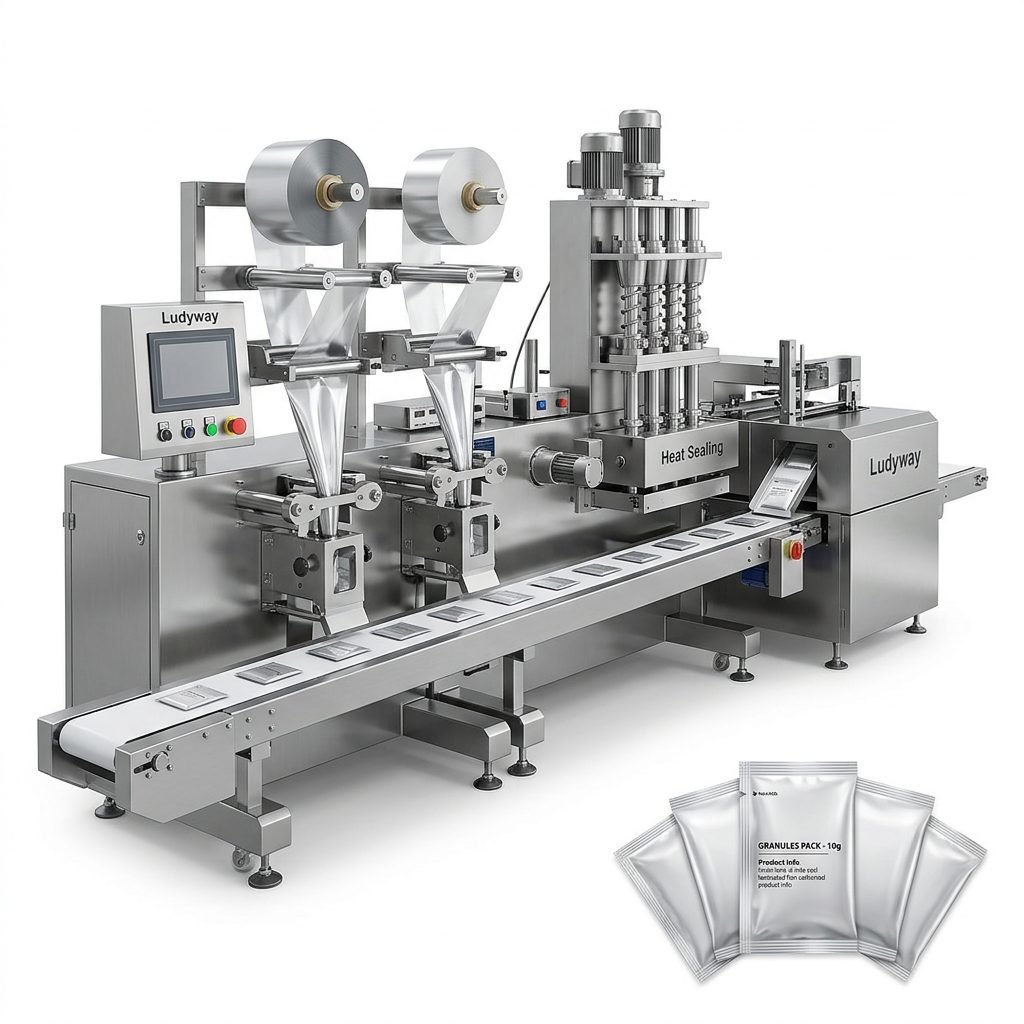
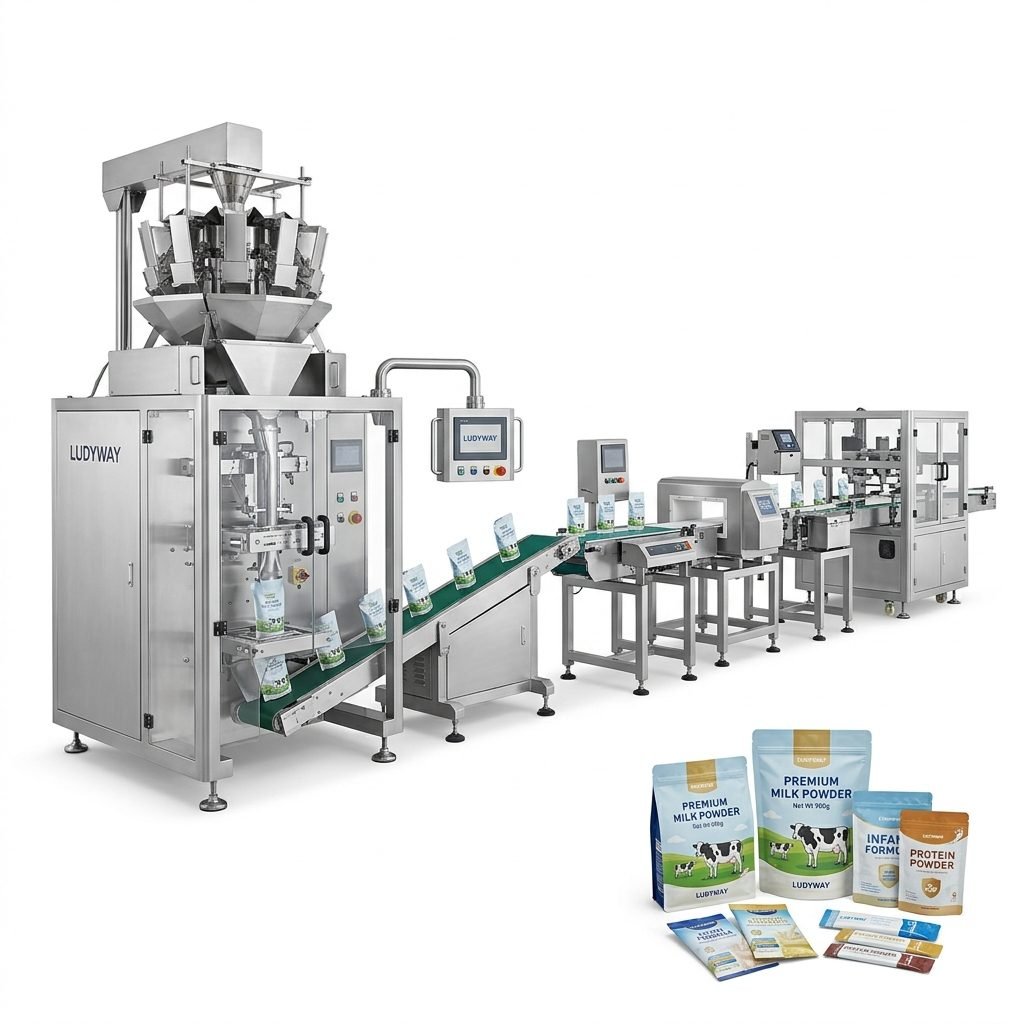
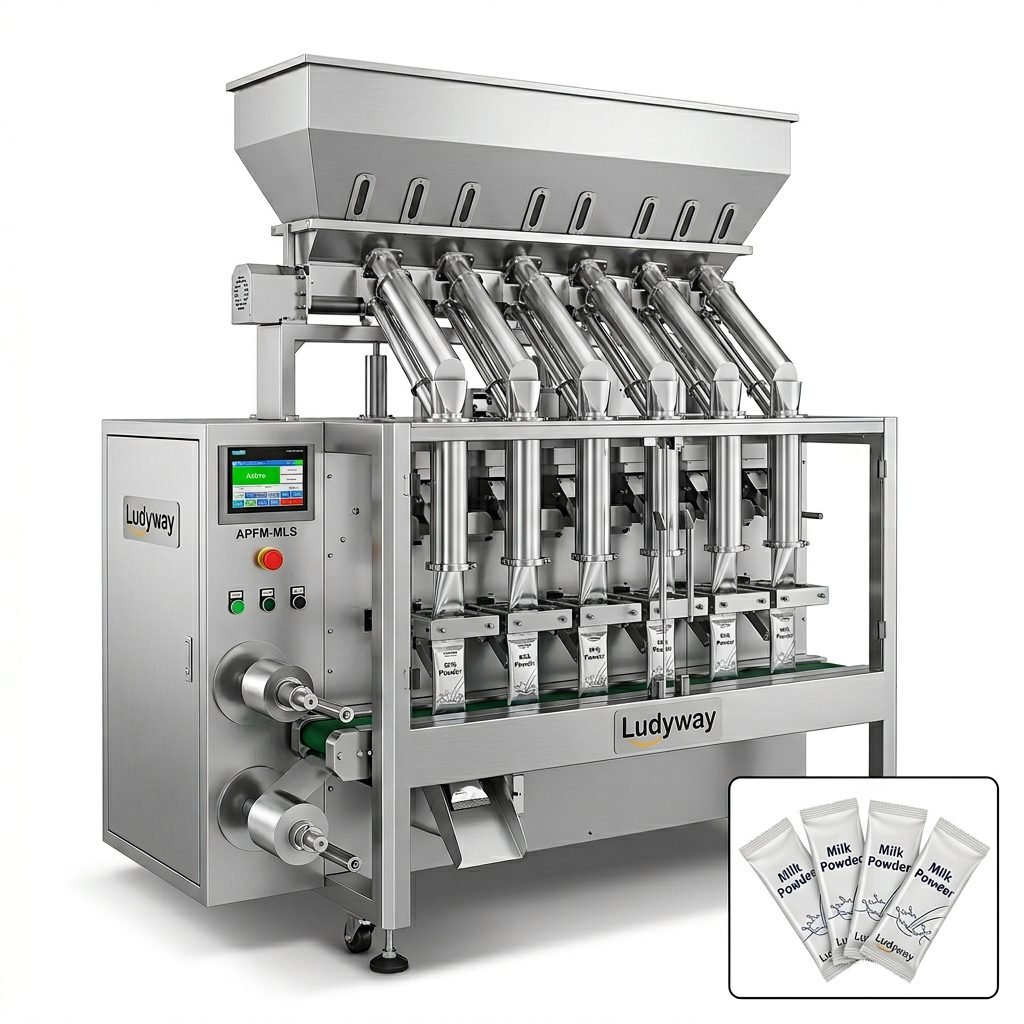
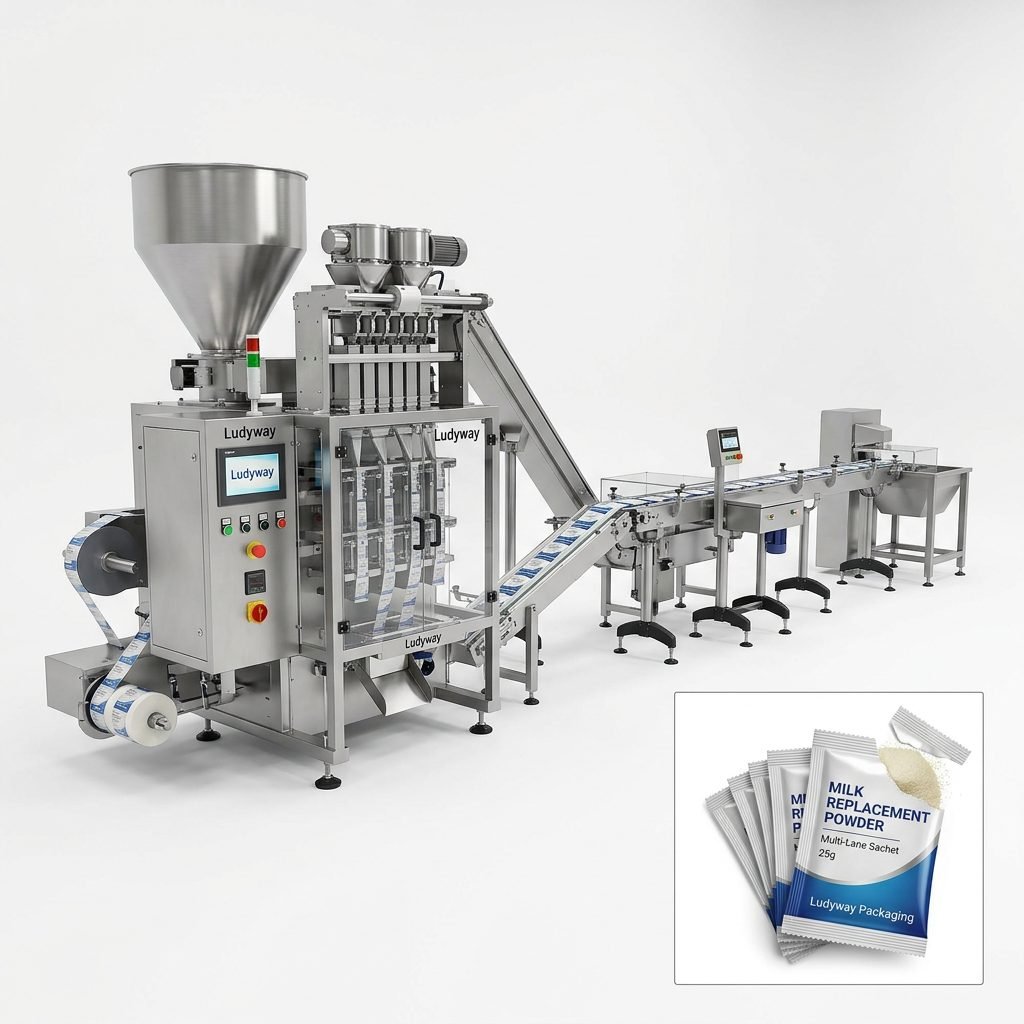
A complete milk powder packaging production line consists of several interconnected machines that work together to ensure efficient, hygienic, and accurate packaging. The core components include powder feeding systems, multi-lane filling machines, sealing units, and quality control modules. Selecting high-quality powder packaging machinery is critical for maintaining product freshness and extending shelf life in the Middle Eastern climate.
Essential Machinery Components
| Equipment Type | Primary Function | Key Specifications |
|---|---|---|
| Powder Feeding System | Automated material handling and delivery | Vacuum conveyor or screw feeder, dust-free design |
| Multi-Head Weigher | Precision weighing of milk powder | Accuracy ±0.1-0.5g, 10-20 heads available |
| Vertical Form Fill Seal Machine | Bag forming, filling, and sealing | Multi-lane configuration, servo-driven |
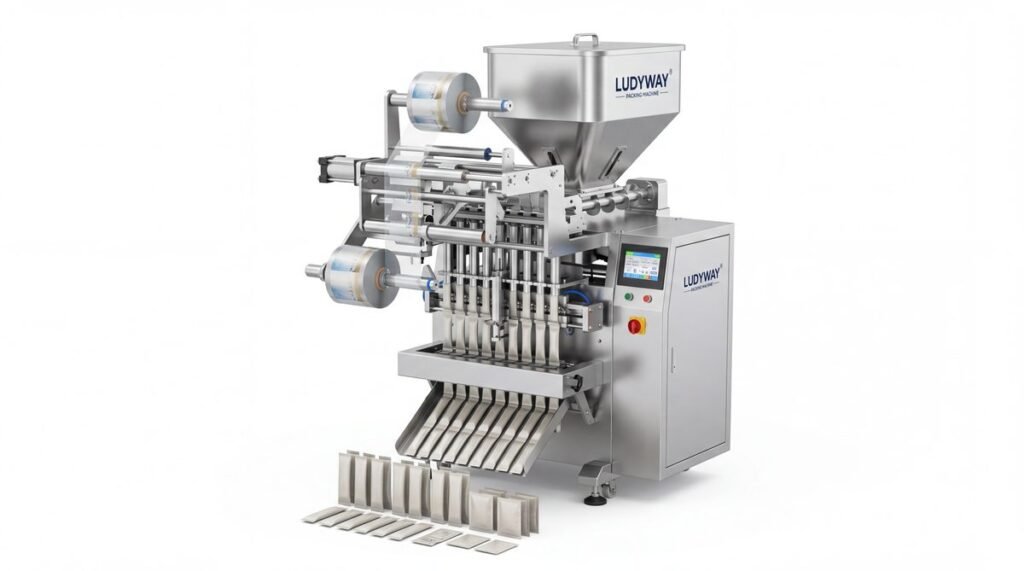
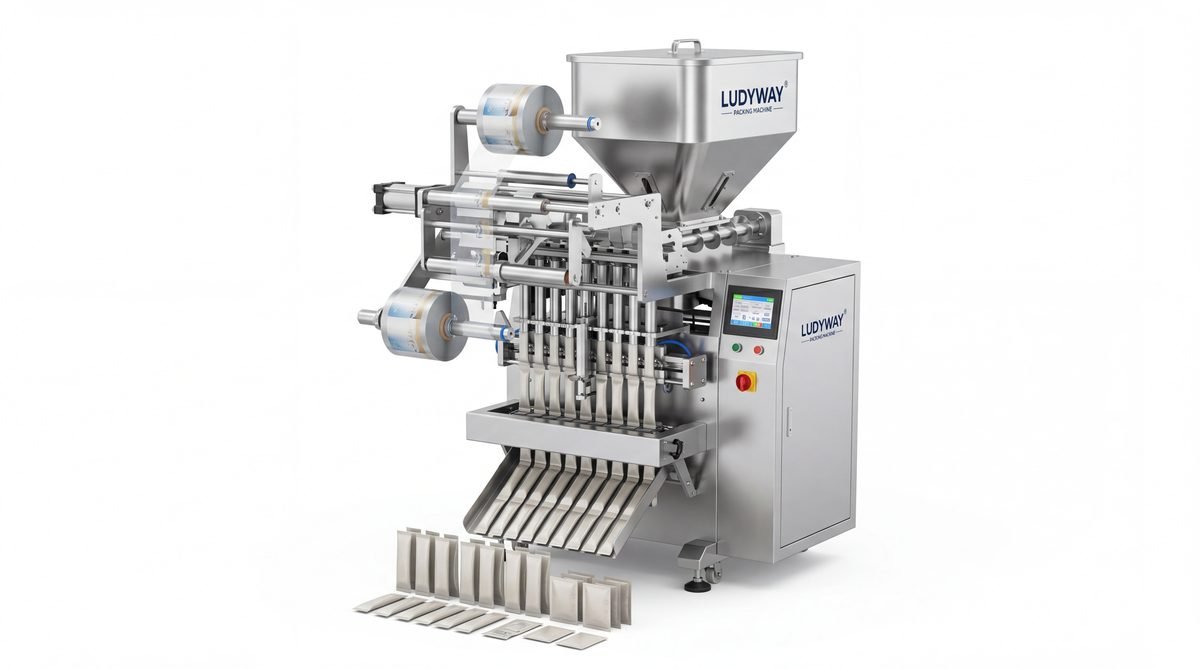
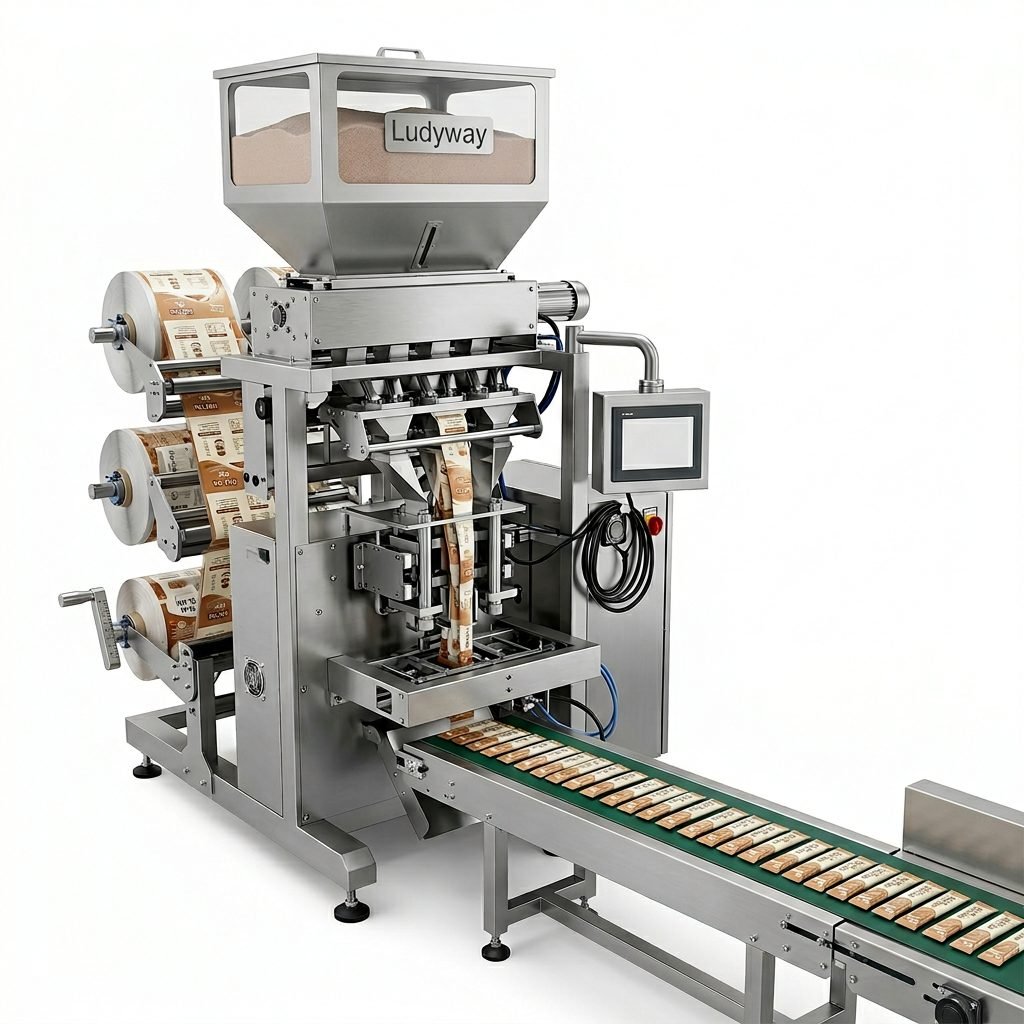
| Stick Pack Machine | Single-serve stick packaging | Up to 12 lanes, 400-600 packs/min |
| Metal Detector | Contaminant detection and rejection | High sensitivity, automatic rejection system |
| Checkweigher | Weight verification and compliance | Dynamic weighing, data logging capability |
Step-by-Step Setup Process for the Middle East
Step 1: Facility Planning and Preparation
The first step in establishing your milk powder packaging line is selecting an appropriate facility. Your production space must meet GMP (Good Manufacturing Practice) standards with proper temperature and humidity control systems. The Middle East’s extreme heat requires HVAC systems capable of maintaining consistent internal temperatures between 20-25°C (68-77°F) with relative humidity below 45%. This is crucial for preventing powder clumping and ensuring ISO-compliant packaging conditions.
Step 2: Equipment Selection and Procurement
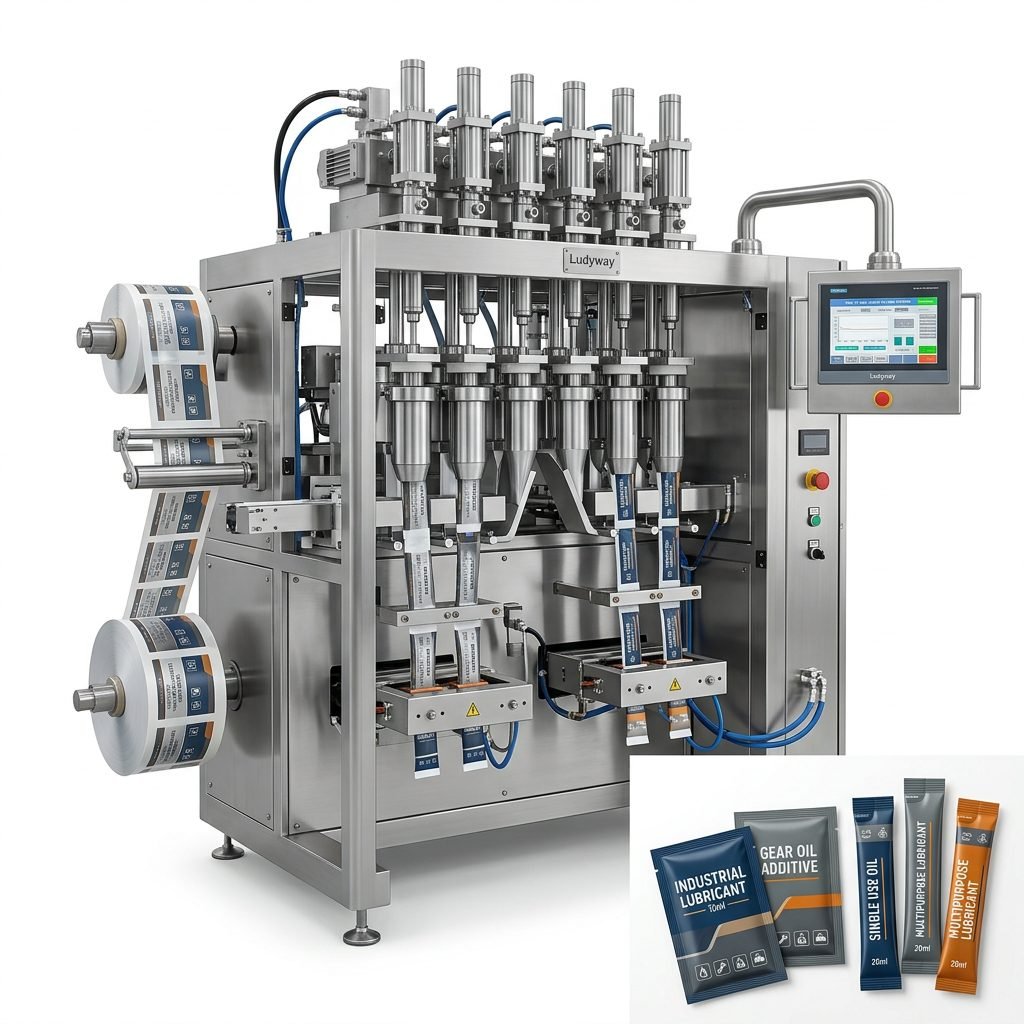
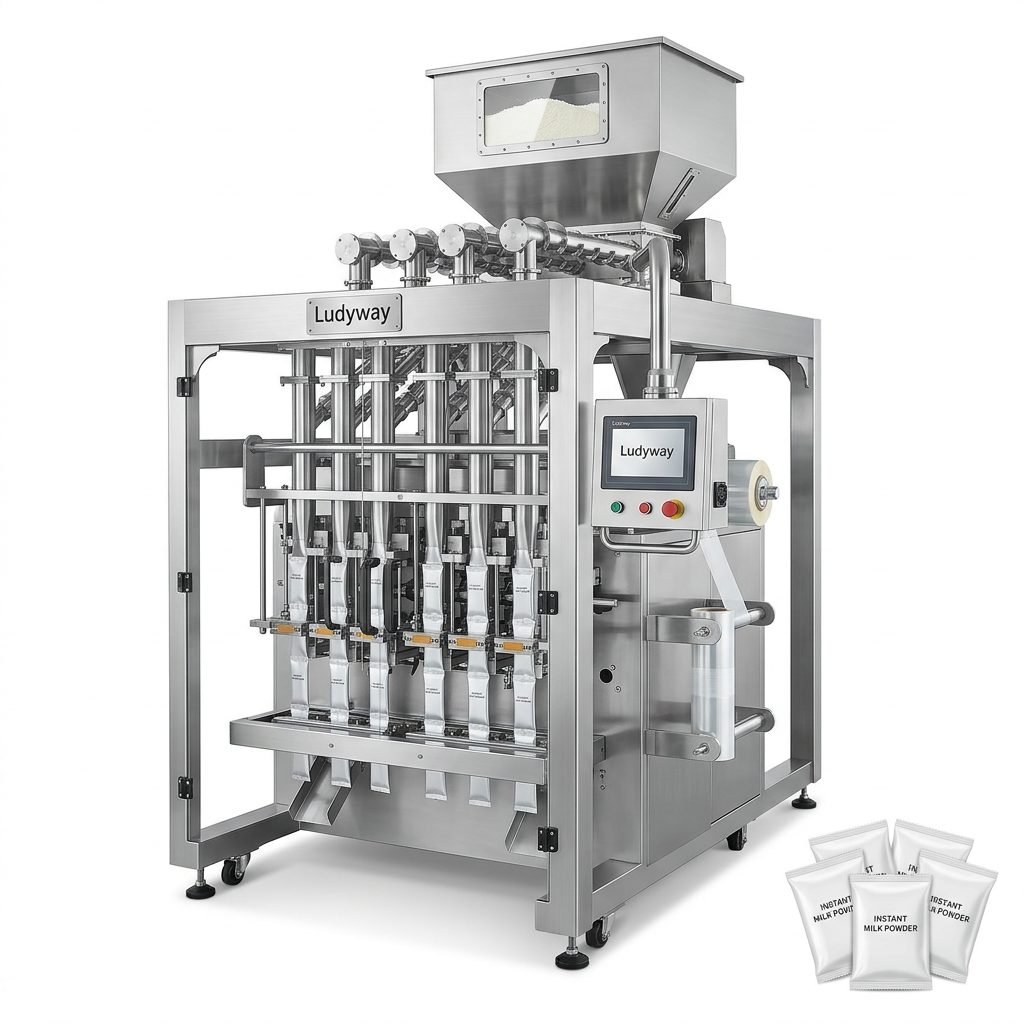
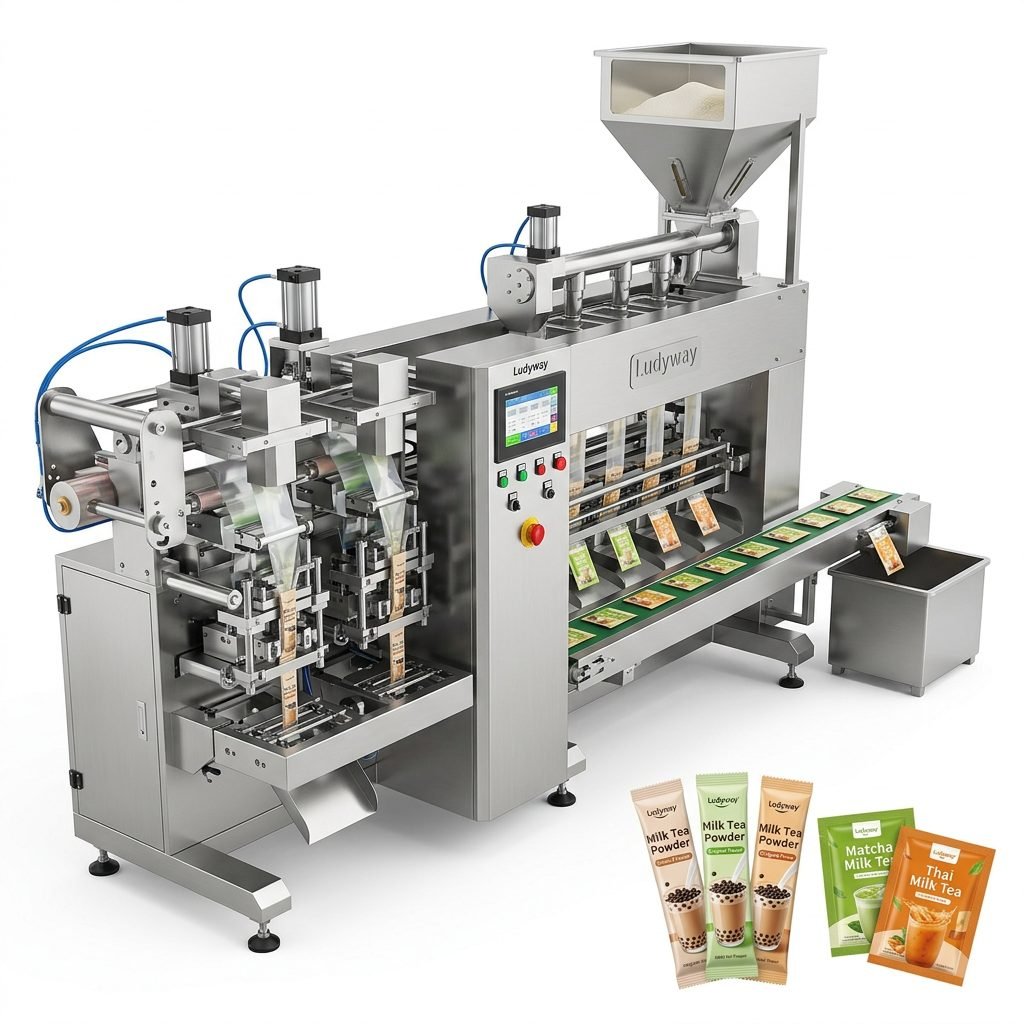
Choosing the right milk powder packaging machine is perhaps the most critical decision. For the Middle Eastern market, consider machines that offer nitrogen flushing capabilities to extend product shelf life and moisture-resistant sealing to protect against humidity. Multi-lane stick pack and sachet machines are particularly popular for single-serve formats that dominate the region’s food service and hospitality sectors. When evaluating suppliers, look for manufacturers with proven experience in turnkey packaging solutions and comprehensive after-sales support in the GCC region.
Step 3: Installation and Commissioning
Professional installation is essential for optimal performance. The process typically involves:
- Floor preparation and utility connections (compressed air, electrical, nitrogen supply)
- Machine positioning and leveling according to layout drawings
- Electrical and pneumatic system integration
- Control system configuration and parameter setting
- Dry run testing without product to verify mechanical functions
- Product testing with actual milk powder to calibrate filling accuracy
Step 4: Quality Control and Compliance
Implementing robust quality control measures is non-negotiable. Your production line should include in-line inspection systems such as metal detectors, checkweighers, and vision inspection units. All equipment must comply with relevant ISO 11607 packaging standards for food safety. Additionally, ensure your packaging materials meet the requirements of the Flexible Packaging Association guidelines for food-grade applications.
Regional Considerations for the Middle East
Operating in the Middle East presents unique challenges that require specific adaptations to your milk powder packaging line:
- Dust Management: The arid environment increases static electricity, which can cause powder dust to cling to sealing surfaces. Invest in anti-static systems and efficient dust extraction units.
- Packaging Material Selection: Choose high-barrier laminated films with aluminum foil layers to protect against moisture and oxygen ingress. This is critical for maintaining product quality during the extended supply chains common in the region.
- Temperature Resilience: Equipment electronics and sensors must be rated for higher ambient temperatures. Look for machines with industrial-grade components designed for continuous operation in warm environments.
- Language and Documentation: Ensure all machine interfaces, manuals, and training materials are available in Arabic as well as English for local operators.
Maintenance and Spare Parts Strategy
A proactive maintenance strategy is essential for minimizing downtime in your milk powder packaging operation. Develop a preventive maintenance schedule that accounts for the harsher operating conditions in the Middle East. Key maintenance tasks include regular cleaning of powder contact surfaces, inspection of sealing jaws and heating elements, calibration of weighing systems, and lubrication of moving parts with food-grade lubricants. Maintain a critical spare parts inventory locally to avoid extended lead times for replacement components sourced from overseas packaging machine manufacturers.
Recommended Spare Parts Inventory
| Spare Part Category | Items | Recommended Quantity |
|---|---|---|
| Sealing Components | Heating elements, thermocouples, sealing jaws | 2-3 sets per machine |
| Wear Parts | Belts, bearings, cutting blades, brushes | Quarterly replacement stock |
| Electronic Components | Sensors, PLC modules, servo drives, relays | 1-2 units each |
| Pneumatic Parts | Cylinders, valves, fittings, filters | As per manufacturer recommendations |
Training and Workforce Development
Investing in comprehensive training for your production team pays dividends in operational efficiency. Your training program should cover machine operation procedures, troubleshooting common issues, changeover processes for different package formats, and safety protocols. Many leading packaging machinery suppliers offer on-site training programs as part of their after-sales service packages, which can significantly accelerate the learning curve for local operators in the Middle East.
Cost Considerations and ROI Analysis
Setting up a milk powder packaging production line in the Middle East involves several cost components. Understanding these helps with accurate budgeting and ROI projections:
- Equipment Investment: The core packaging machinery, including the primary filling and sealing units, represents the largest capital expenditure. Multi-lane stick pack and sachet systems offer higher throughput and faster payback periods.
- Facility Costs: Includes cleanroom construction, HVAC systems, and utility infrastructure tailored to Middle Eastern climate requirements.
- Operational Expenses: Packaging materials, labor, maintenance, and energy costs. Energy-efficient servo-driven machines can reduce long-term operational costs significantly.
- Regulatory Compliance: Budget for certifications, testing, and ongoing compliance monitoring with international packaging regulations.
Future-Proofing Your Production Line
As the Middle Eastern market continues to evolve, your packaging line should be designed with scalability and flexibility in mind. Consider modular equipment that can be easily upgraded or expanded as production volumes grow. Smart packaging technologies, including IoT-enabled machine monitoring and predictive maintenance systems, are becoming increasingly important for maintaining competitive advantage. The ability to quickly switch between different package formats and sizes will position your operation to capitalize on emerging market opportunities across the GCC and broader Middle East region.
Leveraging Industry Resources and Exhibitions
Staying connected with the global packaging community provides valuable insights and networking opportunities. Consider attending major industry events such as PACK EXPO International and PACK EXPO Las Vegas to discover the latest innovations in powder packaging technology. Additionally, resources from organizations like the Flexible Packaging Association and PMMI offer valuable market intelligence and technical guidance for packaging professionals operating in international markets.
Conclusion
Setting up a successful milk powder packaging machine production line in the Middle East requires a holistic approach that combines strategic planning, quality equipment selection, and ongoing operational excellence. By understanding regional market dynamics, investing in climate-appropriate machinery, and maintaining rigorous quality standards, manufacturers can build a sustainable and profitable packaging operation in one of the world’s most dynamic dairy markets. Partnering with experienced equipment suppliers who understand both the technical requirements and the unique business environment of the Middle East is the key to long-term success.
About Ludyway: Ludyway is one of the largest packaging machine manufacturers in China, specializing in advanced packaging equipment and turnkey production solutions for the food, pharmaceutical, and health industries. With over 30 years of industry expertise, the company provides reliable and efficient packaging solutions for granule, powder, liquid, and pouch packaging applications across more than 100 countries, including markets throughout the Middle East.