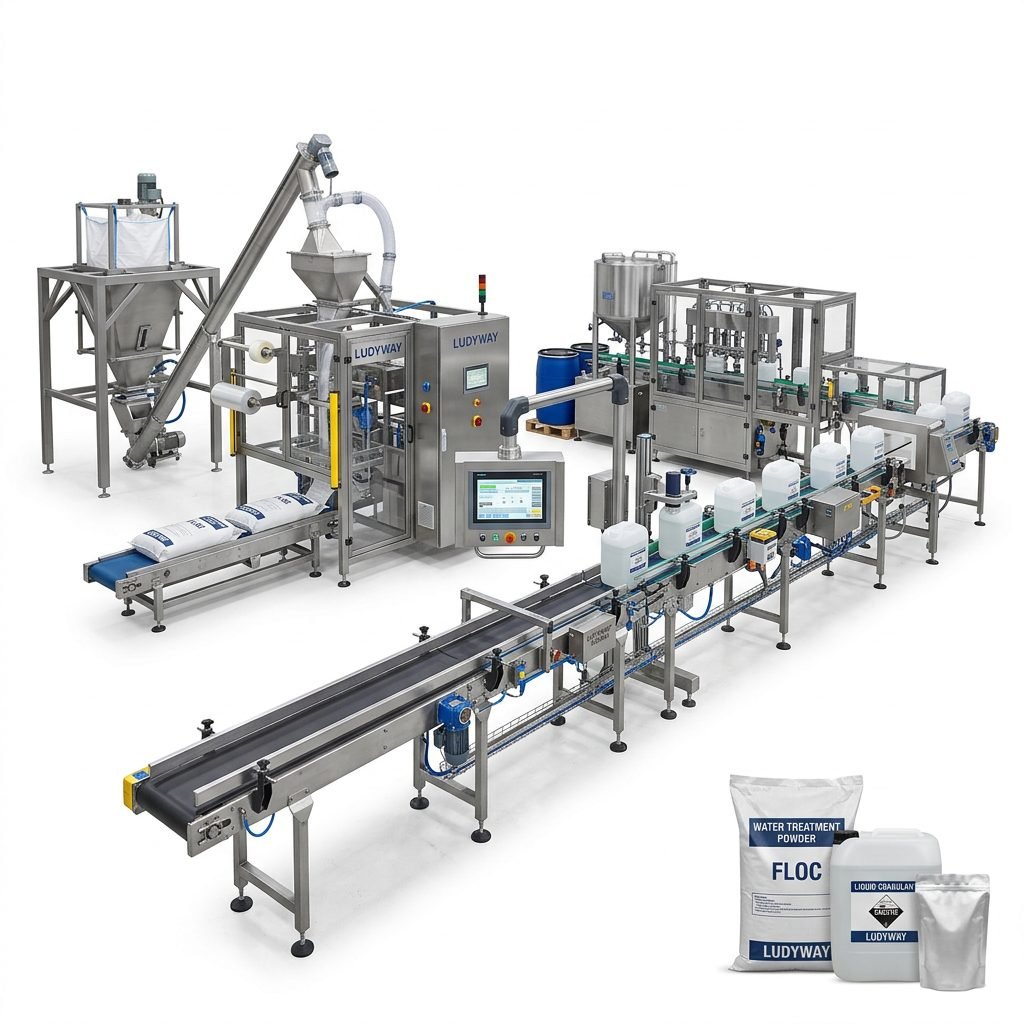
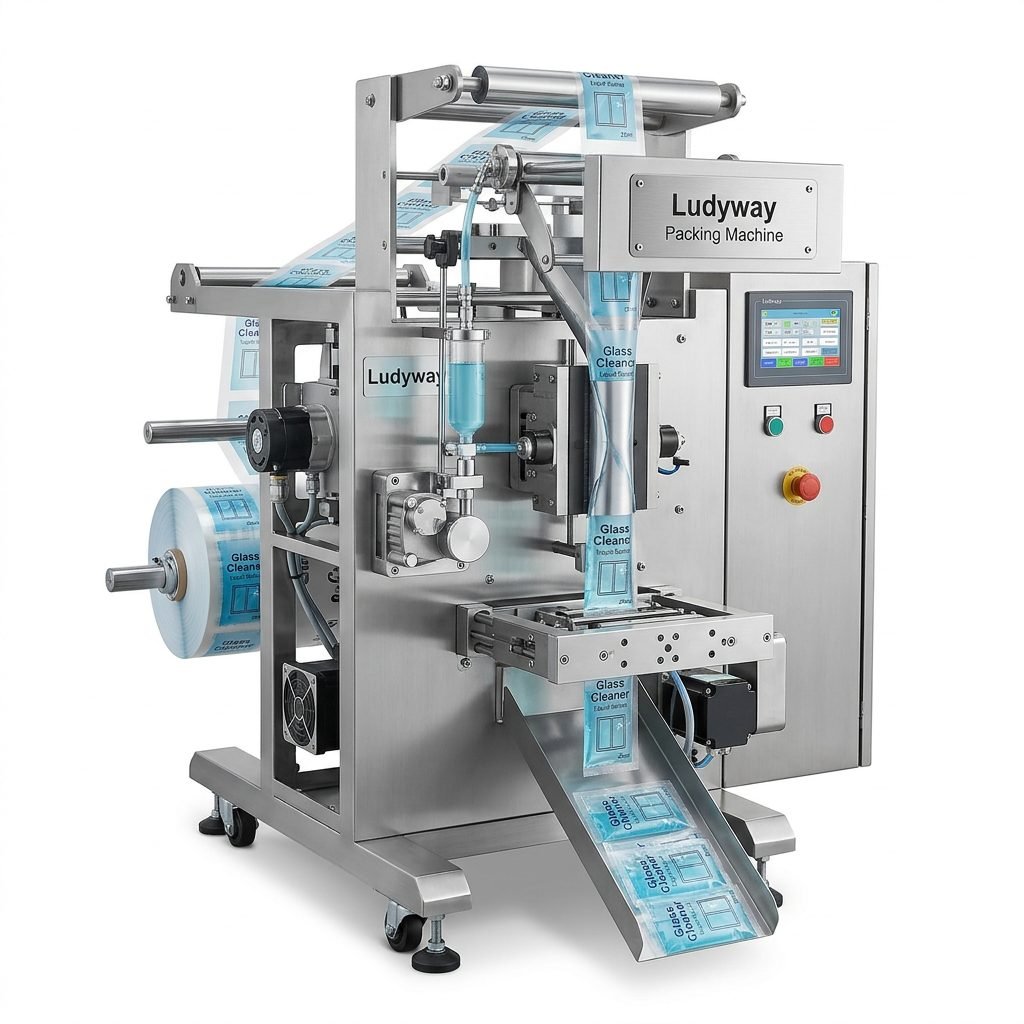
Stick pack packaging has become one of the most practical formats for brands that need compact, convenient, and cost-efficient single-serve packaging. From instant coffee and electrolyte powder to sauces, honey, oral liquids, and health supplements, stick packs are widely used across food, pharmaceutical, personal care, and chemical industries.
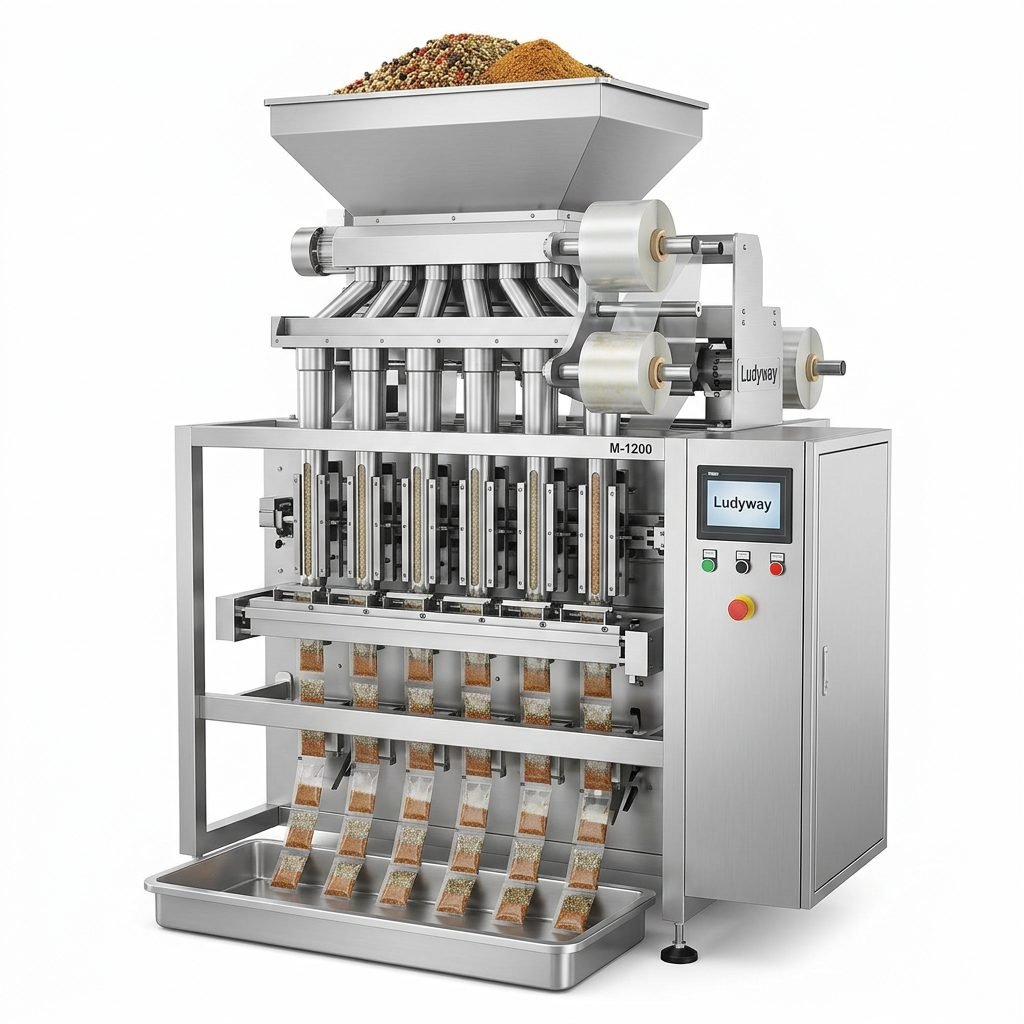
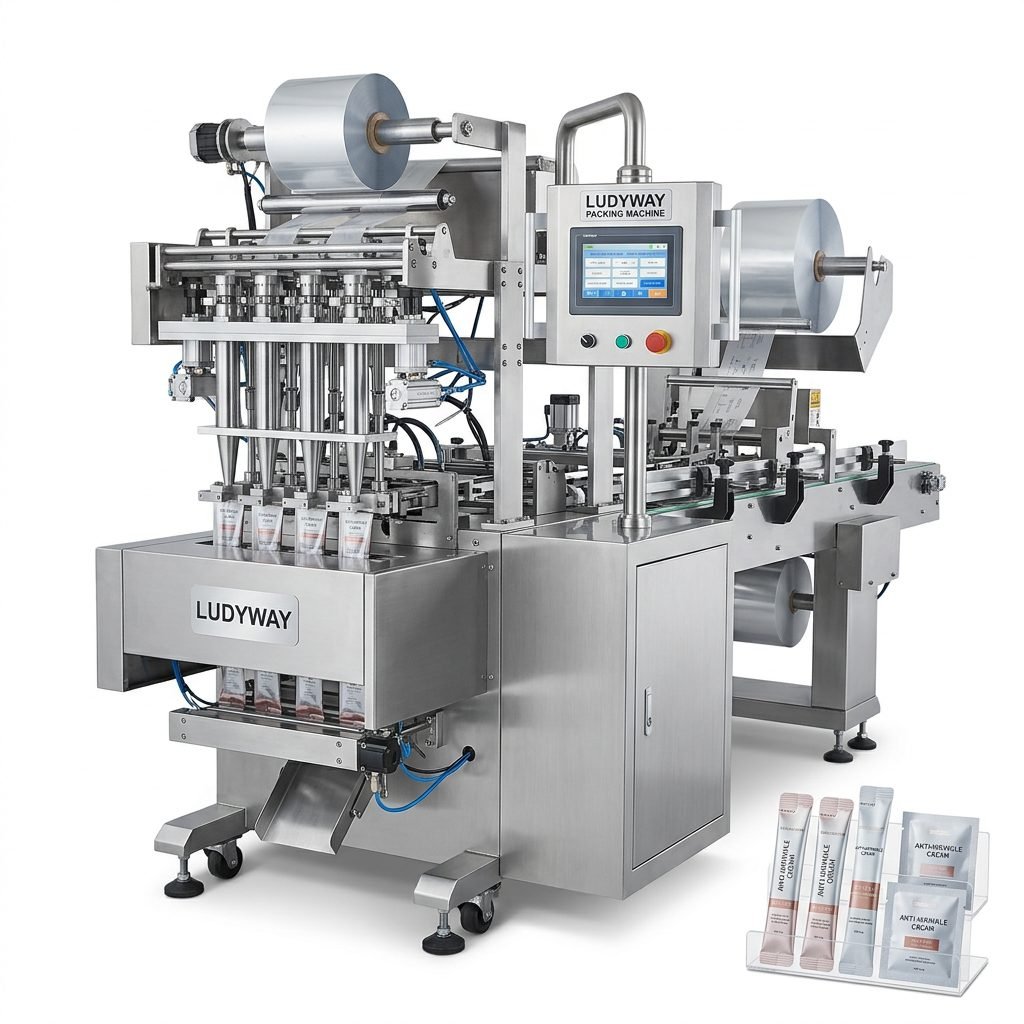
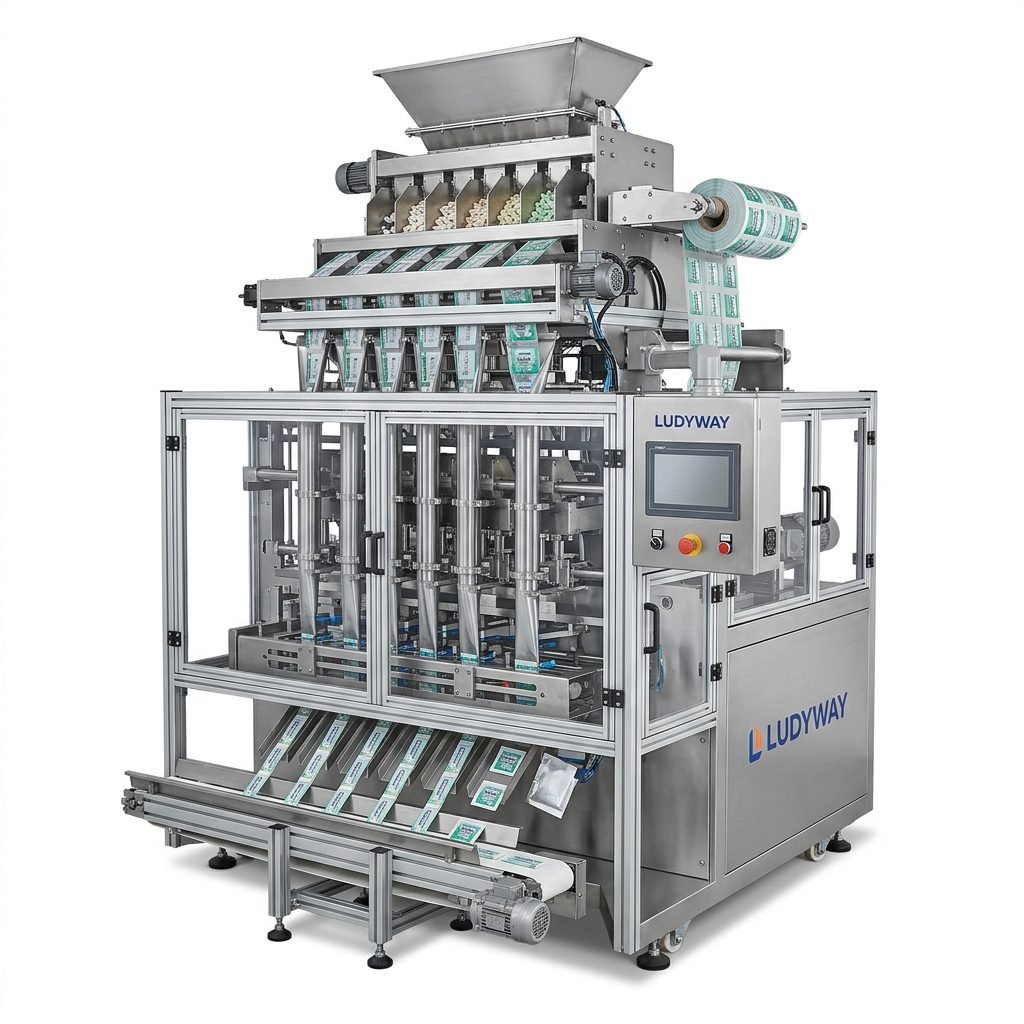
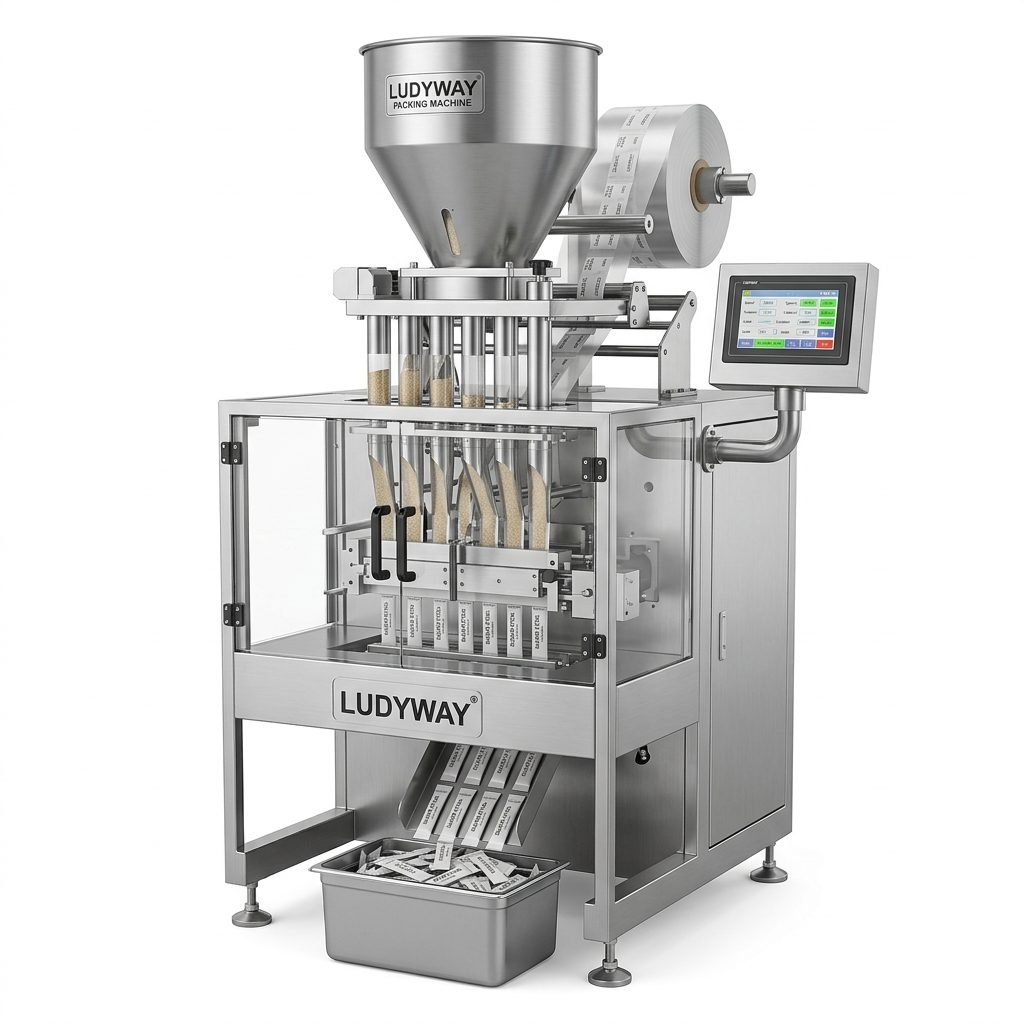
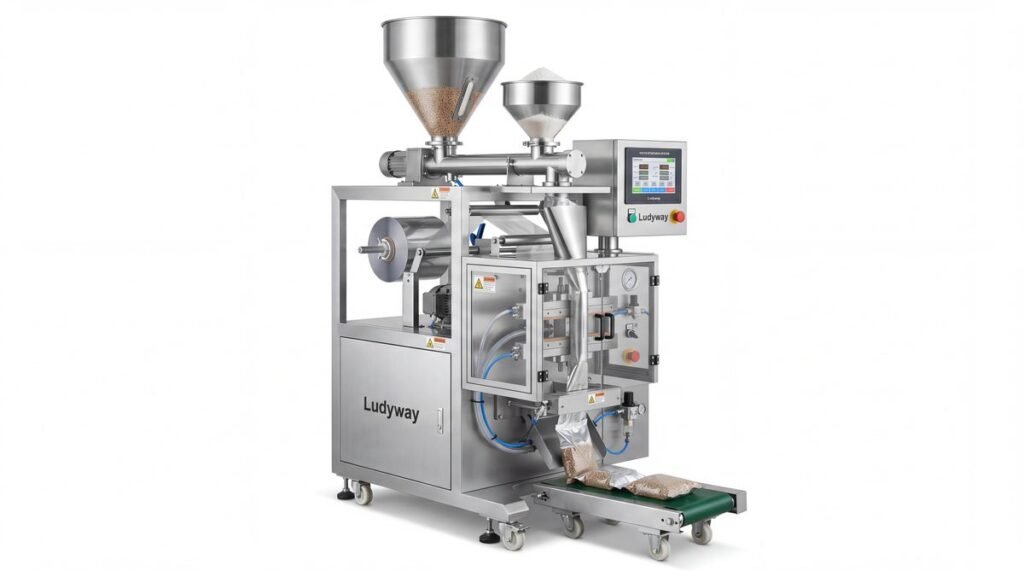
A stick pack packaging machine is the equipment designed to automatically form narrow pouches from roll film, accurately fill them with product, and seal them at high speed. In most industrial applications, the equipment is built as a vertical stick pack packing machine, which uses gravity-friendly product feeding and a compact footprint to improve production efficiency.
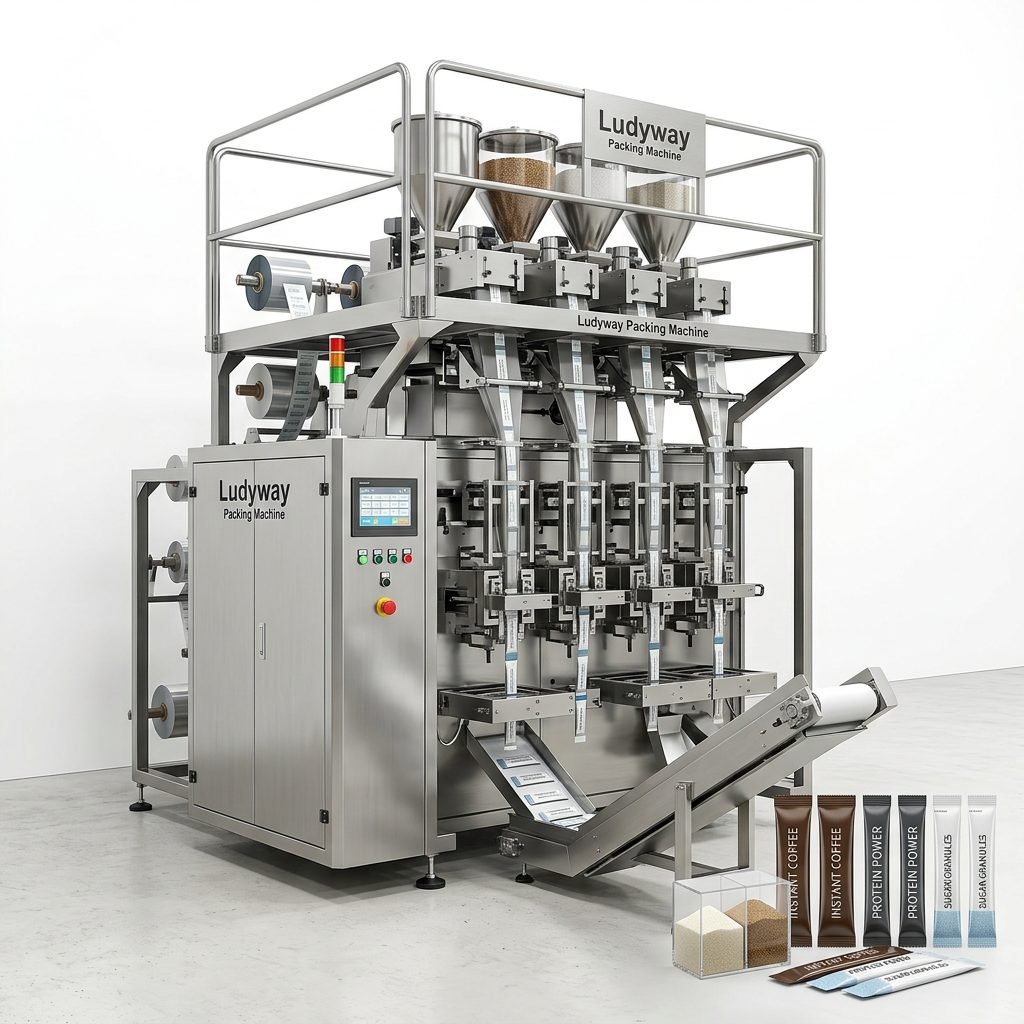
What Is a Stick Pack Packaging Machine?
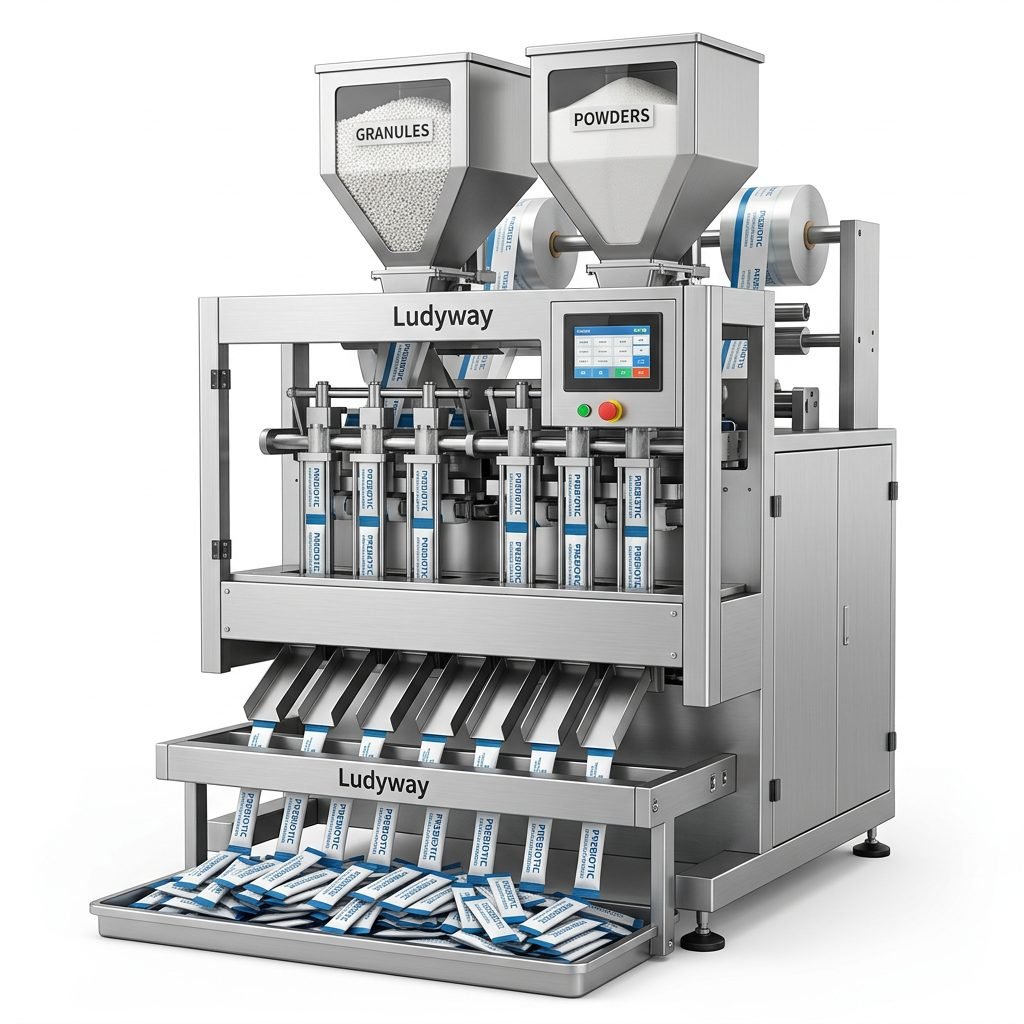
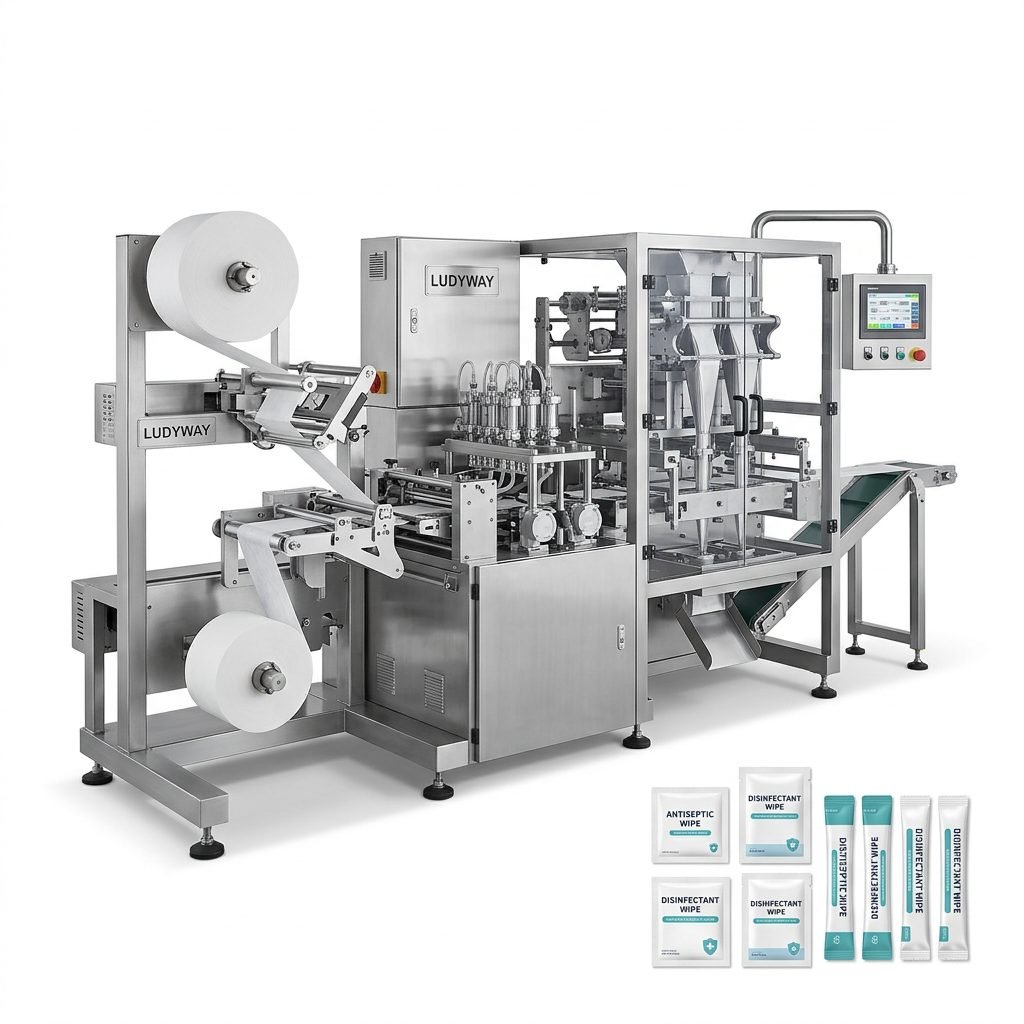
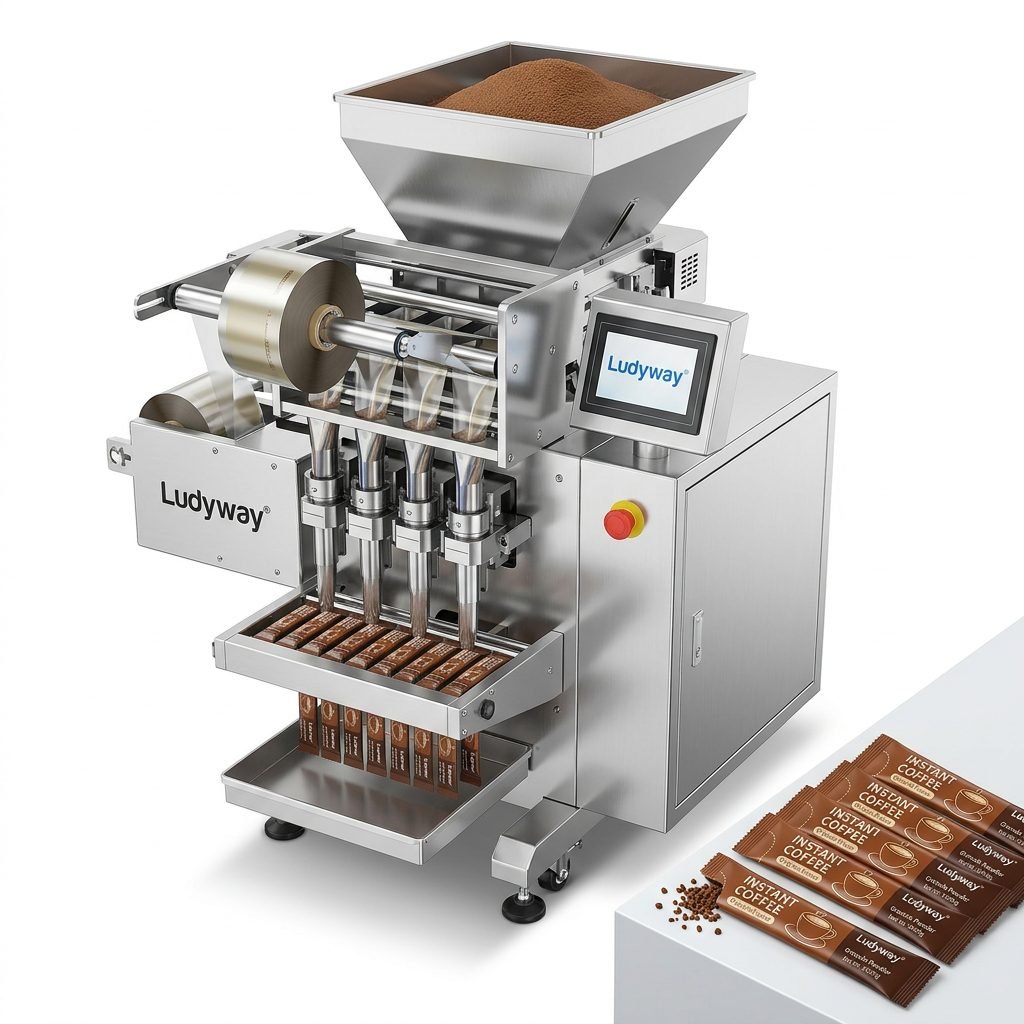
A stick pack packaging machine is an automated form-fill-seal system that produces slim, tubular packets from packaging film. The machine unwinds the film, forms multiple vertical lanes, doses the product into each lane, seals the packs, and cuts them into finished units.
Stick packs are different from standard sachets because they are longer and narrower. This shape is especially popular for:
- Instant coffee and beverage powders
- Sugar, salt, creamer, and sweeteners
- Collagen, protein, and nutrition supplements
- Pharmaceutical granules and oral powders
- Liquid gels, sauces, syrups, and honey
- Cosmetic samples such as serum or lotion
In modern factories, the most common machine type is the vertical multi-lane stick pack machine, because it can produce several packs at the same time, significantly increasing output.
How Does a Vertical Stick Pack Packing Machine Work?
A vertical stick pack machine works through a continuous automated process. Although exact designs vary by product type, the core workflow usually includes the following steps:
- Film unwinding: Packaging film is pulled from a roll.
- Vertical forming: The film is shaped into multiple narrow tubes.
- Longitudinal sealing: Vertical seals are created for each lane.
- Product dosing: Powder, granule, liquid, or paste is filled into each tube.
- Horizontal sealing: Top and bottom seals are made.
- Cutting and discharge: Finished stick packs are cut and released for downstream collection, counting, cartoning, or case packing.
Because the machine runs vertically, it supports efficient filling and helps maintain cleaner product flow, especially for free-flowing powders, granules, and liquids.
Main Components of a Vertical Stick Pack Machine
Understanding the main modules helps buyers compare machines more accurately. A typical vertical stick pack packaging machine includes:
| Component | Function |
|---|---|
| Film unwinding system | Feeds packaging film smoothly into the machine |
| Forming assembly | Shapes film into narrow stick pack lanes |
| Dosing/filling unit | Measures and fills the correct product quantity |
| Sealing system | Creates vertical and horizontal seals |
| Cutting device | Cuts connected lanes into finished stick packs |
| PLC and HMI control | Controls operation, recipes, alarms, and adjustments |
| Date coding/inspection options | Supports traceability and quality control |
What Products Can Be Packed in Stick Packs?
One of the biggest advantages of stick pack equipment is its broad product compatibility. Depending on the filling system, a vertical stick pack packing machine can handle:
Powders
- Coffee powder
- Protein powder
- Meal replacement powder
- Collagen and dietary supplements
- Pharmaceutical powders
- Spices and seasoning powder
Granules
- Sugar
- Salt
- Instant beverage granules
- Herbal granules
- Seeds and small food particles
- Desiccants or specialty chemical granules
Liquids and Pastes
- Honey
- Ketchup and sauces
- Syrups
- Energy gel
- Cosmetic serum
- Shampoo or lotion samples
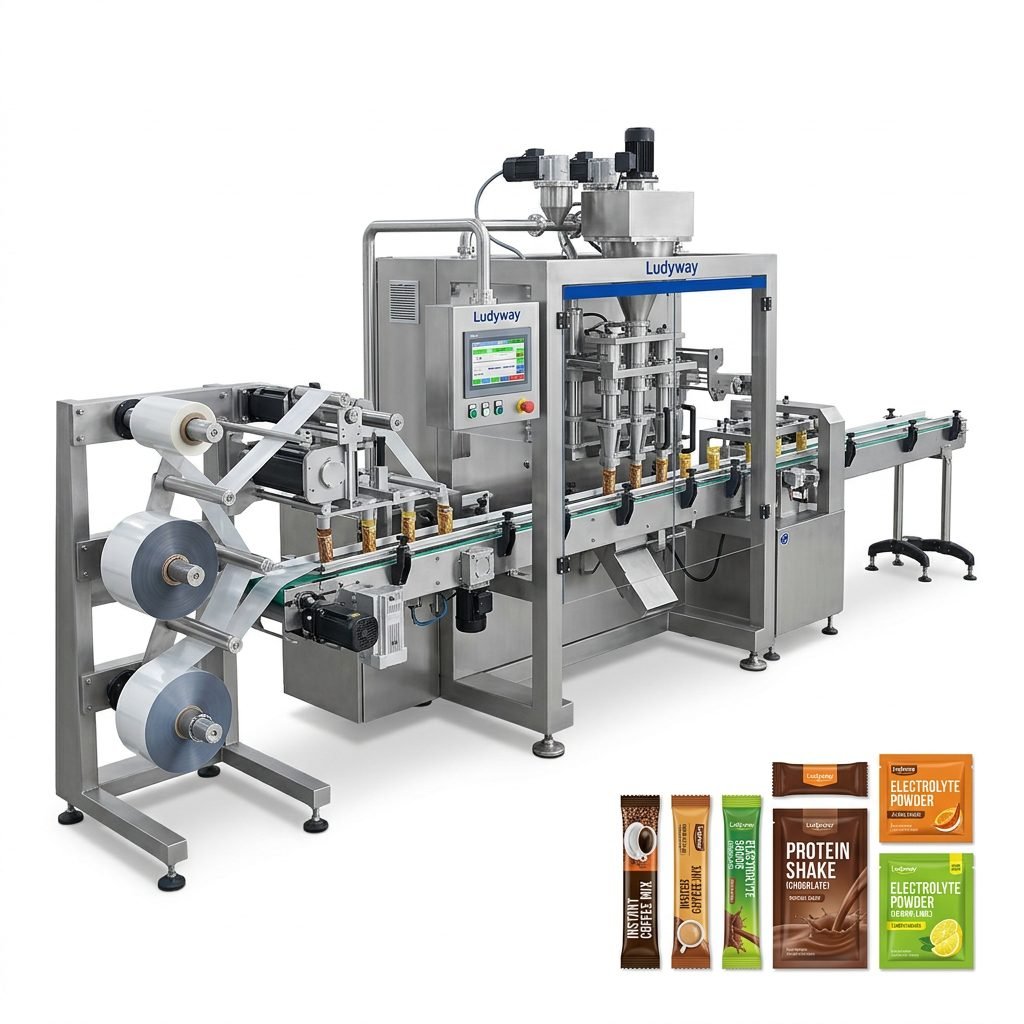
Types of Filling Systems Used in Stick Pack Machines
The filling system is selected based on the product’s physical characteristics. This directly affects dosing accuracy, speed, and sealing performance.
| Product Type | Common Filling System | Typical Applications |
|---|---|---|
| Free-flowing powder | Auger filler | Coffee, milk powder, supplements |
| Granules | Volumetric cup or weighing filler | Sugar, salt, seeds, instant mix |
| Liquid | Piston pump or liquid pump | Oil, syrup, oral liquid, sauces |
| Paste/gel | Servo piston system | Honey, gel, cream, cosmetic samples |
Key Benefits of Vertical Stick Pack Packaging Machines
For manufacturers looking to improve packaging efficiency, stick pack machines offer several practical advantages:
- High output: Multi-lane operation allows many packs to be produced simultaneously.
- Space-saving design: Vertical structure helps reduce floor space requirements.
- Accurate dosing: Modern filling systems improve consistency and reduce waste.
- Material efficiency: Stick packs often use less film than wider sachets.
- Strong market appeal: Slim single-serve packs are convenient for retail, travel, sampling, and e-commerce.
- Automation compatibility: Machines can connect with conveyors, cartoners, checkweighers, coding units, and case packers.
Stick Pack vs. Sachet Packaging: What’s the Difference?
Buyers often compare stick packs with sachets before choosing a packaging format. Both are popular, but they serve slightly different market needs.
| Feature | Stick Pack | Sachet |
|---|---|---|
| Shape | Long and narrow | Wider and flatter |
| Typical use | Single-serve powders, drink mixes, health products | Sauces, creams, liquids, samples |
| Portability | Very high | High |
| Shelf appearance | Modern, premium, slim | Flexible and versatile |
| Film usage | Often lower per unit | Depends on pouch dimensions |
Who Uses Vertical Stick Pack Machines?
These machines are widely used by manufacturers that package small-dose products in consumer-friendly formats. Common users include:
- Food and beverage brands
- Nutraceutical and supplement manufacturers
- Pharmaceutical companies
- Cosmetic and personal care manufacturers
- Chemical and household product suppliers
- Contract packaging providers
This makes stick pack packaging equipment especially attractive for businesses launching single-dose, travel-size, trial-size, or convenience-oriented products.
What Should You Consider Before Buying a Stick Pack Packaging Machine?
Choosing the right model requires more than checking speed alone. Buyers should evaluate the full packaging application:
1. Product Characteristics
Is your product powder, granule, liquid, paste, or a mixed formulation? Flowability, particle size, viscosity, moisture sensitivity, and dust level all matter.
2. Target Pack Size
Stick width, length, fill weight, and seal style should match your retail and technical requirements.
3. Number of Lanes
More lanes usually mean higher output, but they also affect machine size, film width, and investment cost.
4. Packaging Material Compatibility
The machine should support your selected laminate film, barrier requirements, and sealing temperature range.
5. Accuracy and Speed Balance
High speed is valuable only when the machine also delivers stable filling accuracy and good seal integrity.
6. Cleaning and Maintenance
For food, pharma, or hygiene products, easy cleaning, stainless steel contact parts, and sanitary design are critical.
7. Expansion Possibilities
Think beyond the core machine. You may later need feeding systems, coding, checkweighing, metal detection, cartoning, case packing, or palletizing.
Important Performance Indicators to Evaluate
When comparing machine suppliers, these metrics are especially useful:
- Packs per minute
- Number of lanes
- Filling accuracy tolerance
- Available stick pack dimensions
- Film material compatibility
- Seal quality and leak resistance
- Machine uptime and stability
- Changeover convenience
- Control system usability
- After-sales support and spare parts availability
Common Applications by Industry
Food Industry
Used for coffee, sugar, salt, spices, soup powder, sauce, honey, and instant beverage products.
Pharmaceutical Industry
Suitable for oral powders, granules, electrolyte formulas, herbal medicine, and certain liquid dose packs.
Health Supplement Industry
Ideal for collagen, probiotics, protein powder, vitamin mixes, meal replacement powders, and sports nutrition products.
Cosmetic Industry
Often used for trial-size lotion, serum, gel, cream, shampoo, and skincare samples.
Chemical and Household Industry
Can package detergents, cleaners, descalers, additives, and other measured-use products depending on formula behavior and material compatibility.
Why Multi-Lane Design Matters
A key feature of many modern stick pack machines is the multi-lane layout. Instead of producing one pack at a time, the machine forms several lanes in parallel. This provides:
- Higher production output
- Better efficiency per square meter
- Lower labor requirement per finished pack
- Improved competitiveness for medium and large production runs
For fast-moving consumer goods and export-oriented brands, multi-lane stick pack systems are often the most economical long-term choice.
Can Stick Pack Machines Be Integrated into Full Packaging Lines?
Yes. A vertical stick pack packing machine can be used as a standalone unit or integrated into a complete automated line. Typical line components may include:
- Powder or liquid feeding systems
- Conveyors and elevators
- Metal detectors or checkweighers
- Vision inspection systems
- Date coding and printing modules
- Cartoning machines
- Case packing systems
- Palletizing equipment
For buyers planning scalable automation, working with an experienced manufacturer that understands both standalone machines and turnkey packaging lines can reduce integration risks.
How to Choose a Reliable Stick Pack Machine Manufacturer
A strong supplier should offer more than just a machine quotation. Look for a company with proven manufacturing capability, industry experience, application knowledge, and dependable service.
For example, Ludyway stick pack packaging machine solutions are backed by more than 30 years of packaging equipment experience, a manufacturing base of over 20,000 square meters, and broad export support across food, pharmaceutical, health supplement, and related industries. This type of supplier profile is valuable for buyers seeking long-term automation support rather than only a basic machine purchase.
Frequently Asked Questions
Is a stick pack machine the same as a sachet machine?
Not exactly. Both are flexible packaging machines, but stick pack machines produce narrow, elongated packs, while sachet machines usually produce wider pouches.
Can one machine pack powders and liquids?
Usually, the machine structure may be similar, but the filling systems are different. Some manufacturers offer customized configurations, but most applications are optimized for one product category.
What industries benefit most from vertical stick pack packing machines?
Food, nutraceutical, pharmaceutical, cosmetic, and household chemical industries are the most common users.
Are stick packs good for single-serve packaging?
Yes. Stick packs are especially popular for on-the-go use, dosage control, sampling, and premium retail presentation.
What determines machine speed?
Speed depends on the number of lanes, product type, filling method, pack dimensions, film quality, and sealing requirements.
Final Thoughts
A stick pack packaging machine is a highly efficient solution for producing slim, single-serve packages for powders, granules, liquids, and pastes. If your product requires portable packaging, precise dosing, attractive shelf presentation, and scalable automation, a vertical stick pack packing machine is often one of the best formats to consider.
The right machine should match your product behavior, output target, pack style, and future line expansion plans. By focusing on application fit, filling accuracy, sealing quality, and supplier capability, you can make a more confident investment in long-term packaging performance.