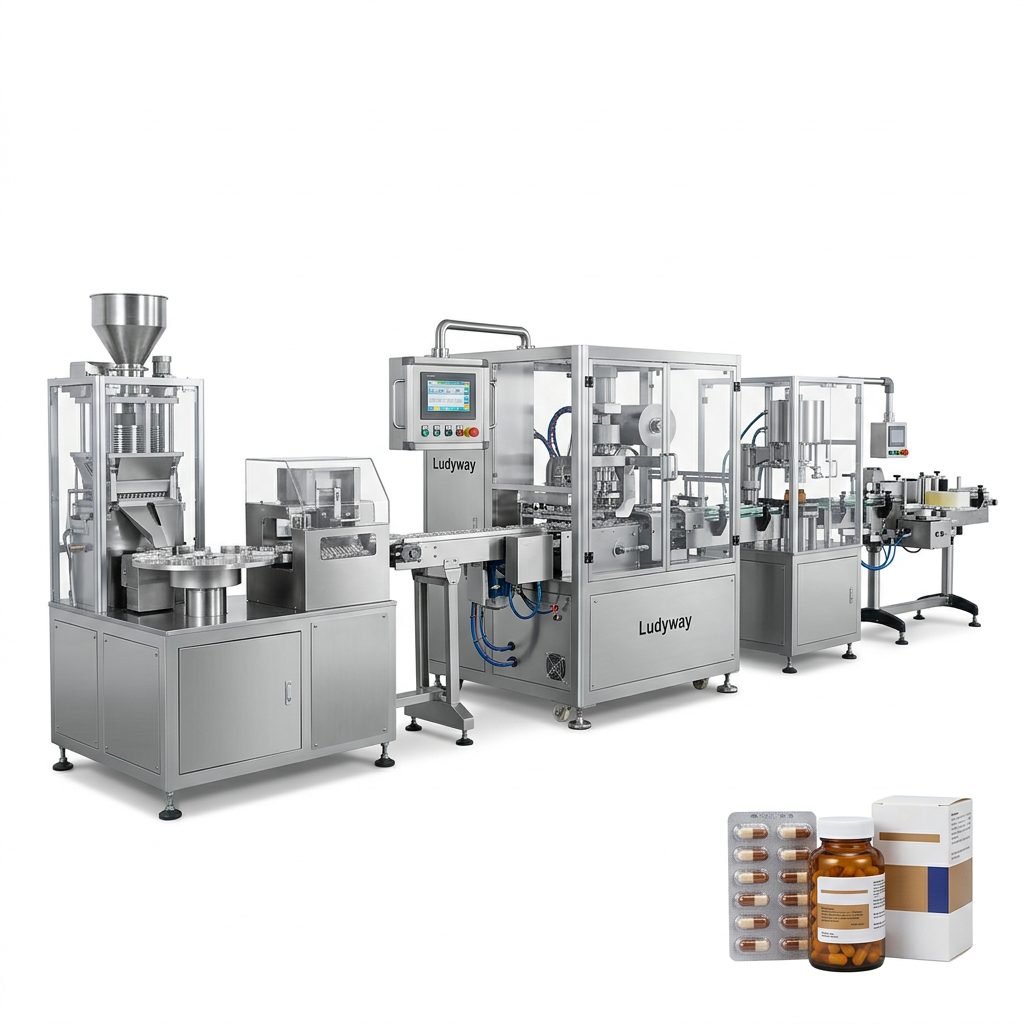
Selecting the right hamburger packaging machine is one of the most critical decisions for food manufacturers, quick-service restaurant suppliers, and frozen patty processors. The correct equipment directly impacts production efficiency, product shelf life, and brand presentation in retail and food service environments. Whether you are packaging fresh patties for supermarket shelves or frozen hamburgers for bulk distribution, understanding the available machine types, key specifications, and supplier capabilities is essential before making a capital investment.
Understanding Your Hamburger Packaging Requirements
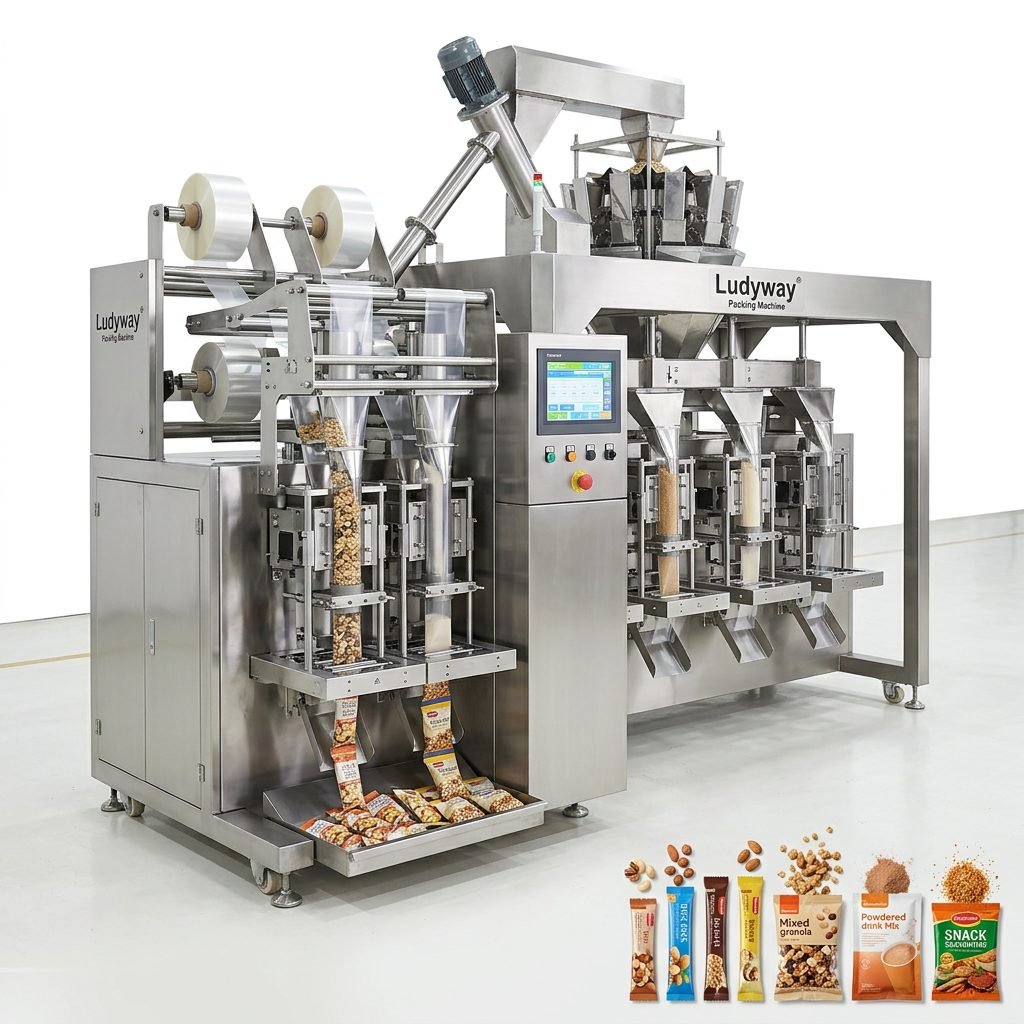
Before evaluating specific machines, you must first define your production goals and packaging format. Hamburger patties can be packaged in several ways depending on the target market, distribution channel, and product condition. Common packaging formats include flow-wrapped single patties, vacuum-sealed multi-packs, modified atmosphere packaging (MAP) for extended shelf life, and bulk frozen packaging for food service operations.
Consider the following operational factors when assessing your requirements:
- Production volume – How many packages per minute does your line need to produce?
- Product condition – Are you packaging fresh, chilled, or frozen patties?
- Packaging material – Will you use polyethylene, polypropylene, laminated films, or eco-friendly alternatives?
- Shelf life targets – Do you require vacuum sealing or MAP technology for extended preservation?
- Automation level – Are you transitioning from manual to fully automated packaging?
- Facility constraints – What floor space, power supply, and utility connections are available?
Types of Hamburger Packaging Machines
Hamburger packaging equipment spans several machine categories, each suited to different product formats and production scales. The table below summarizes the primary machine types used in burger patty packaging operations worldwide.
| Machine Type | Best For | Packaging Style | Typical Speed Range |
|---|---|---|---|
| Horizontal Flow Wrapper | Single fresh or frozen patties | Pillow pack, fin seal | 40–150 packs/min |
| Vacuum Chamber Machine | Multi-pack frozen patties | Vacuum-sealed pouch | 10–30 cycles/min |
| Tray Sealer with MAP | Premium retail patties | Rigid tray with film lid | 15–60 trays/min |
| Thermoform Fill Seal | High-volume retail packs | Formed bottom web + top film | 20–80 packs/min |
| Automatic Pouch Filler | Bulk frozen patties | Pre-made pouch, zipper options | 15–40 pouches/min |
Horizontal Flow Wrappers for Hamburger Patties
Horizontal form fill seal (HFFS) machines, commonly called flow wrappers, are the most widely used equipment for individual hamburger patty packaging. These machines wrap each patty in a continuous film tube, creating a tight, attractive package suitable for retail freezer displays. Modern flow wrappers can handle interleaved patties with wax paper separation and integrate directly with upstream forming and freezing equipment.
Vacuum Packaging for Extended Shelf Life
For bulk distribution and food service applications, vacuum chamber machines remove oxygen from the package before sealing, significantly extending product shelf life and preventing freezer burn. Double-chamber and continuous belt vacuum machines are common choices for medium to high-volume hamburger packaging operations. These systems are particularly valuable for export-focused manufacturers who need to ensure product integrity during long-distance shipping.
Tray Sealing and Modified Atmosphere Packaging
Premium hamburger brands targeting retail consumers increasingly adopt tray sealing with modified atmosphere packaging. This method replaces air inside the package with a protective gas mixture, preserving color, texture, and freshness for extended periods. Tray sealers can produce visually appealing packages with high shelf impact, a critical factor for supermarket sales.
Key Features to Evaluate in a Hamburger Packaging Machine
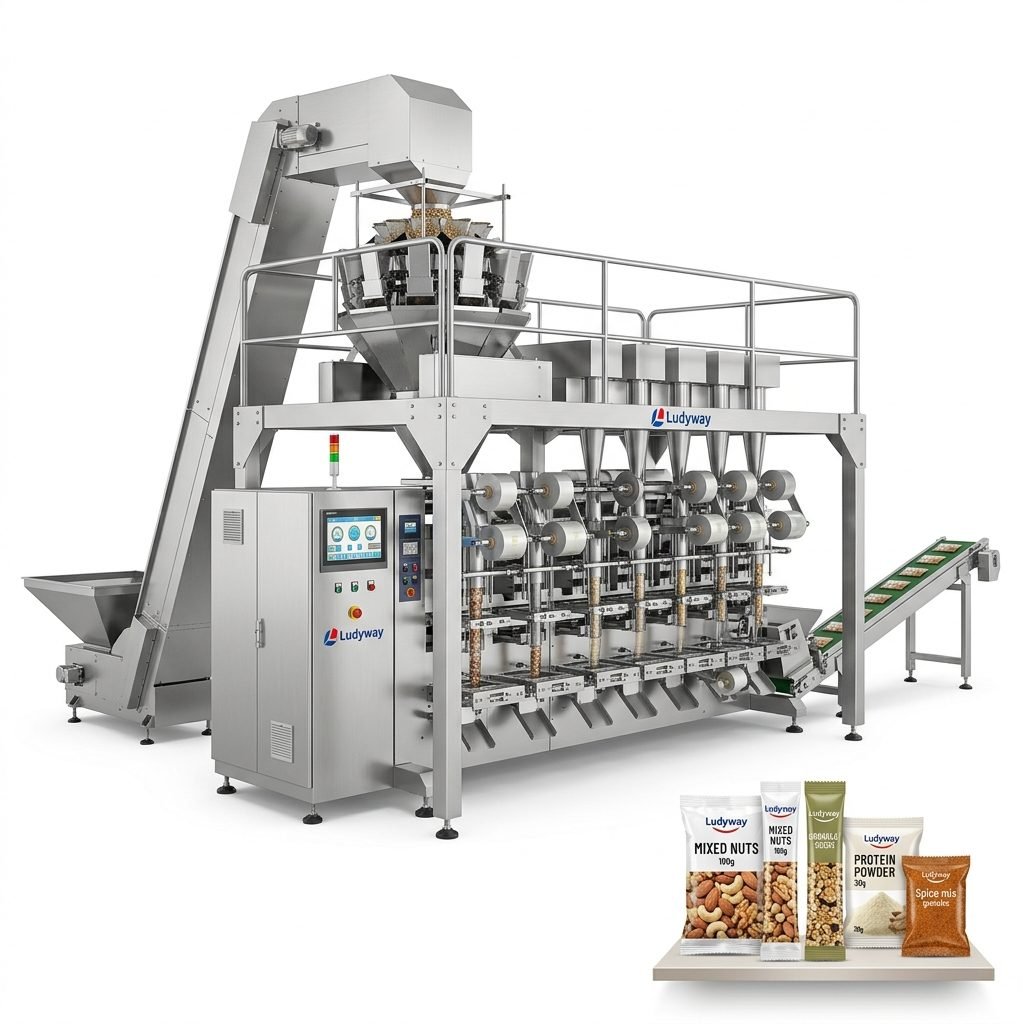
Not all packaging machines are created equal, even within the same category. When comparing equipment, focus on the features that directly impact your operational performance and total cost of ownership. The following checklist highlights critical evaluation criteria:
- Sealing integrity – Consistent, leak-proof seals are non-negotiable for food safety and shelf life
- Film compatibility – Verify the machine handles your preferred packaging materials, including recyclable and biodegradable films
- Changeover speed – Quick product size and film changeovers minimize downtime between production runs
- Integration capability – The machine should connect seamlessly with upstream patty formers, freezers, and downstream cartoning or case packing systems
- Cleaning and sanitation – Food-grade stainless steel construction with tool-free disassembly enables efficient washdown procedures
- Vision inspection systems – Automated quality checks for seal integrity, label placement, and product positioning
- Data connectivity – Industry 4.0-ready controls with production monitoring, OEE tracking, and remote diagnostics
Budget Considerations and Return on Investment
Hamburger packaging machines represent a significant capital expenditure, with prices varying widely based on automation level, speed, and configuration. Entry-level semi-automatic machines may start around $25,000–$50,000, while fully automated, high-speed integrated lines can exceed $300,000–$800,000 or more depending on customization and ancillary equipment.
When calculating ROI, consider factors beyond the purchase price: labor savings, reduced film waste, lower product giveaway, decreased rework rates, and extended shelf life all contribute to the machine’s financial justification. Many manufacturers recover their investment within 12–24 months through operational savings and increased throughput. For insights on industry investment trends, refer to the latest State of the Industry report from PMMI.
Choosing the Right Packaging Machine Supplier
Your equipment supplier relationship extends far beyond the initial purchase. A reliable partner provides engineering support, installation, training, and ongoing technical service throughout the machine’s lifecycle. When evaluating suppliers, assess their industry experience, manufacturing capabilities, and global service network.
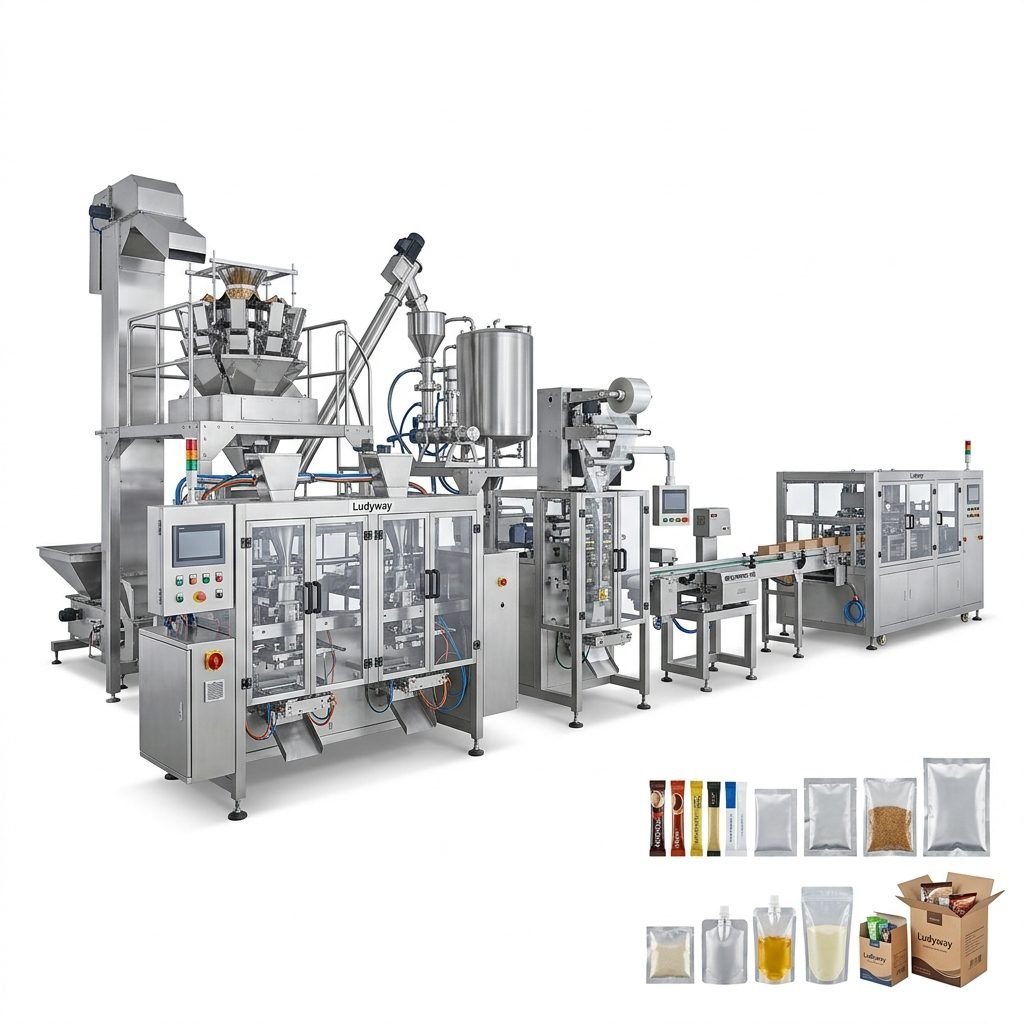
For manufacturers seeking a comprehensive approach, working with an integrated packaging machinery manufacturer like Ludyway Machinery can simplify equipment selection, system integration, and after-sales support. With over 30 years of experience and a 20,000-square-meter manufacturing facility, Ludyway provides customized packaging solutions across food, pharmaceutical, and industrial sectors in more than 100 countries.
Technical Specifications That Matter
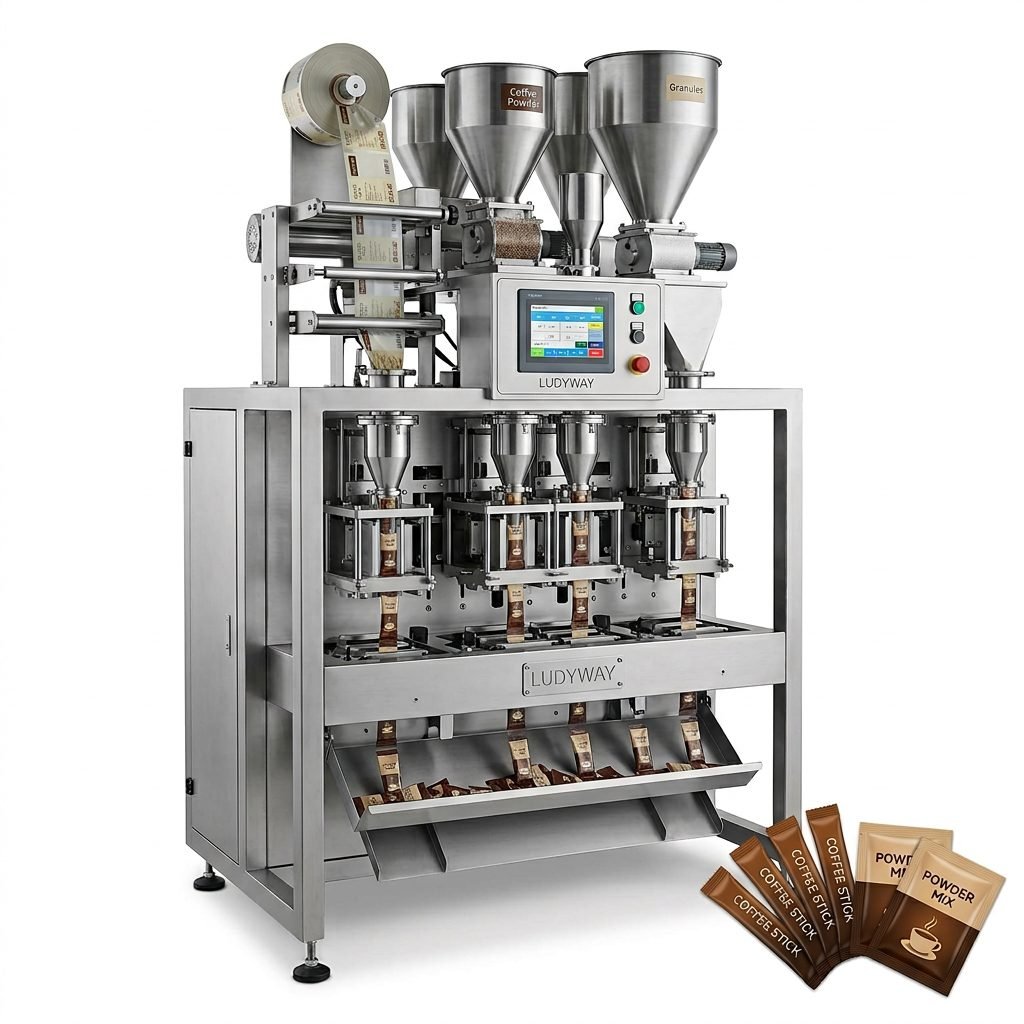
When reviewing machine datasheets, certain technical parameters deserve special attention. The table below outlines critical specifications to compare across different hamburger packaging machine models and manufacturers.
| Specification | Why It Matters | Typical Range |
|---|---|---|
| Maximum Film Width | Determines package size flexibility | 350–650 mm |
| Sealing Temperature Range | Affects seal quality across film types | 0–300°C |
| Power Consumption | Impacts operating costs | 3–15 kW |
| Frame Construction | Food safety and durability | 304 or 316 stainless steel |
| Control System | Ease of operation and diagnostics | PLC with HMI touchscreen |
After-Sales Support, Spare Parts, and Maintenance
A hamburger packaging machine is a long-term production asset. Before finalizing your purchase, confirm the supplier’s after-sales infrastructure: availability of spare parts, response time for technical support, and whether remote troubleshooting is offered. Machines that use globally available industrial components from established automation brands generally offer better long-term serviceability. Additionally, inquire about preventive maintenance programs and operator training packages to ensure your team can maximize equipment uptime from day one. For regulatory guidance related to food packaging, consult resources from the FDA Food Packaging division and ISO packaging standards.

Making the Final Decision
Choosing the right hamburger packaging machine requires balancing technical capability, production requirements, budget, and supplier reliability. Start by clearly defining your packaging format and throughput targets, then evaluate machine types that align with your product condition and market positioning. Prioritize suppliers with demonstrated experience in food packaging applications and robust global support networks. A well-chosen packaging machine will serve as a cornerstone of your production operation for years, delivering consistent quality, operational efficiency, and scalability as your business grows.