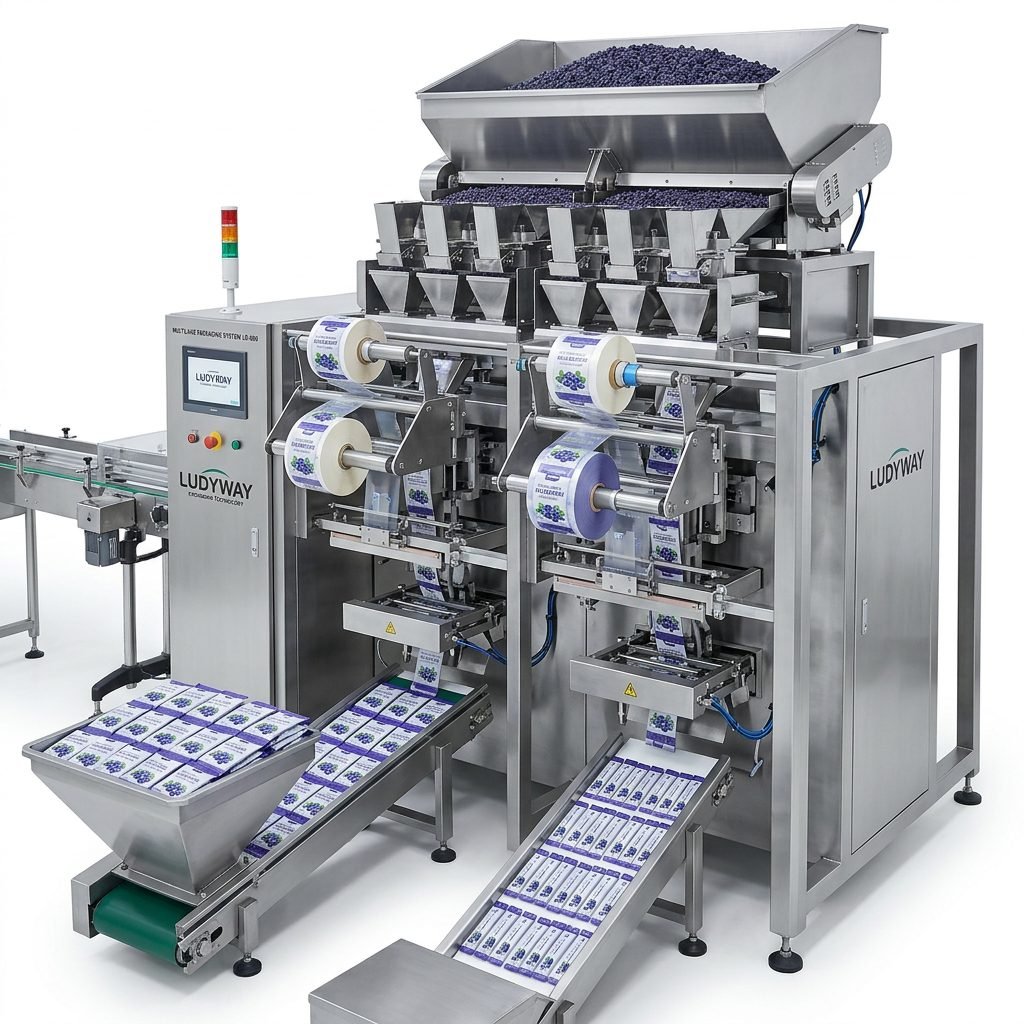
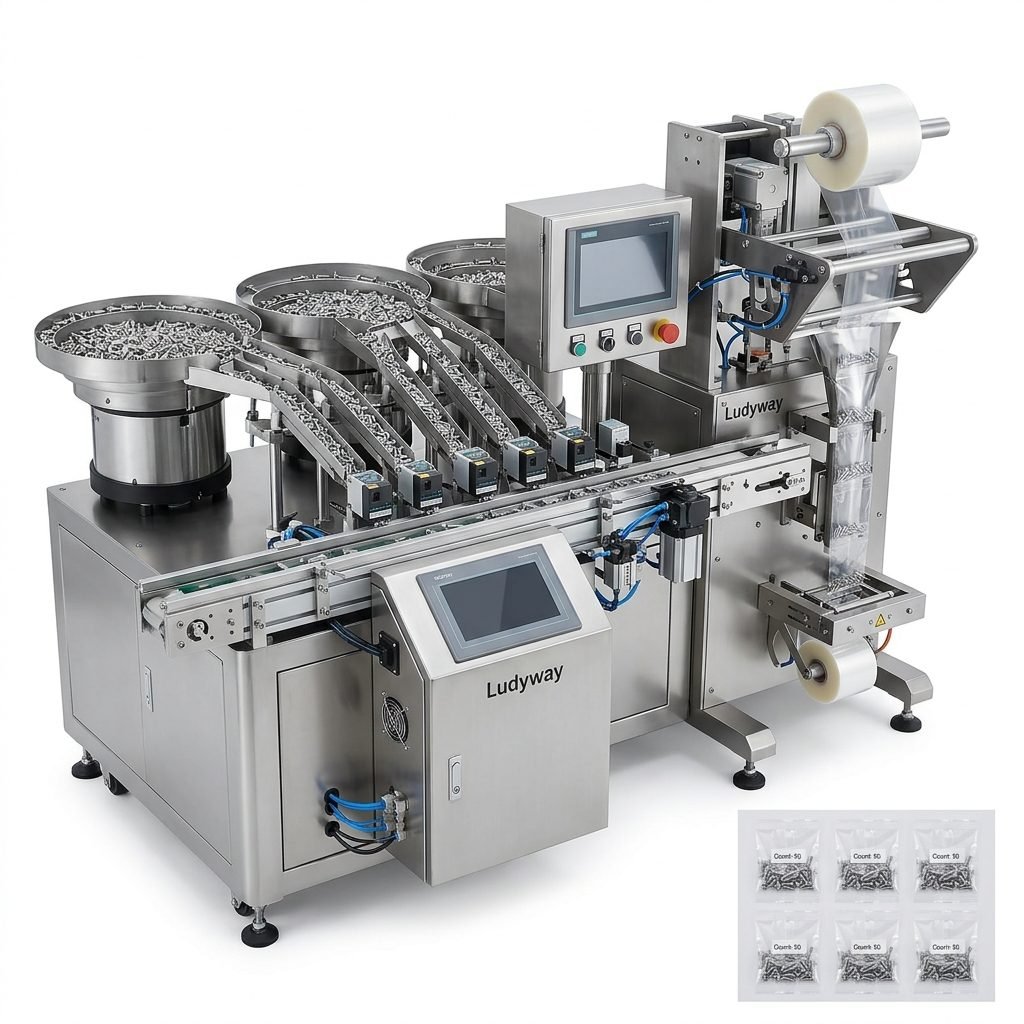
Thailand’s packaging machinery market is experiencing rapid growth, driven by the expanding food processing, pharmaceutical, and cosmetics industries. With Southeast Asia’s second-largest economy and a strategic position as a manufacturing hub, selecting the right packaging machine for the Thai market requires careful evaluation of multiple factors—from regulatory compliance to climatic considerations and after-sales support.
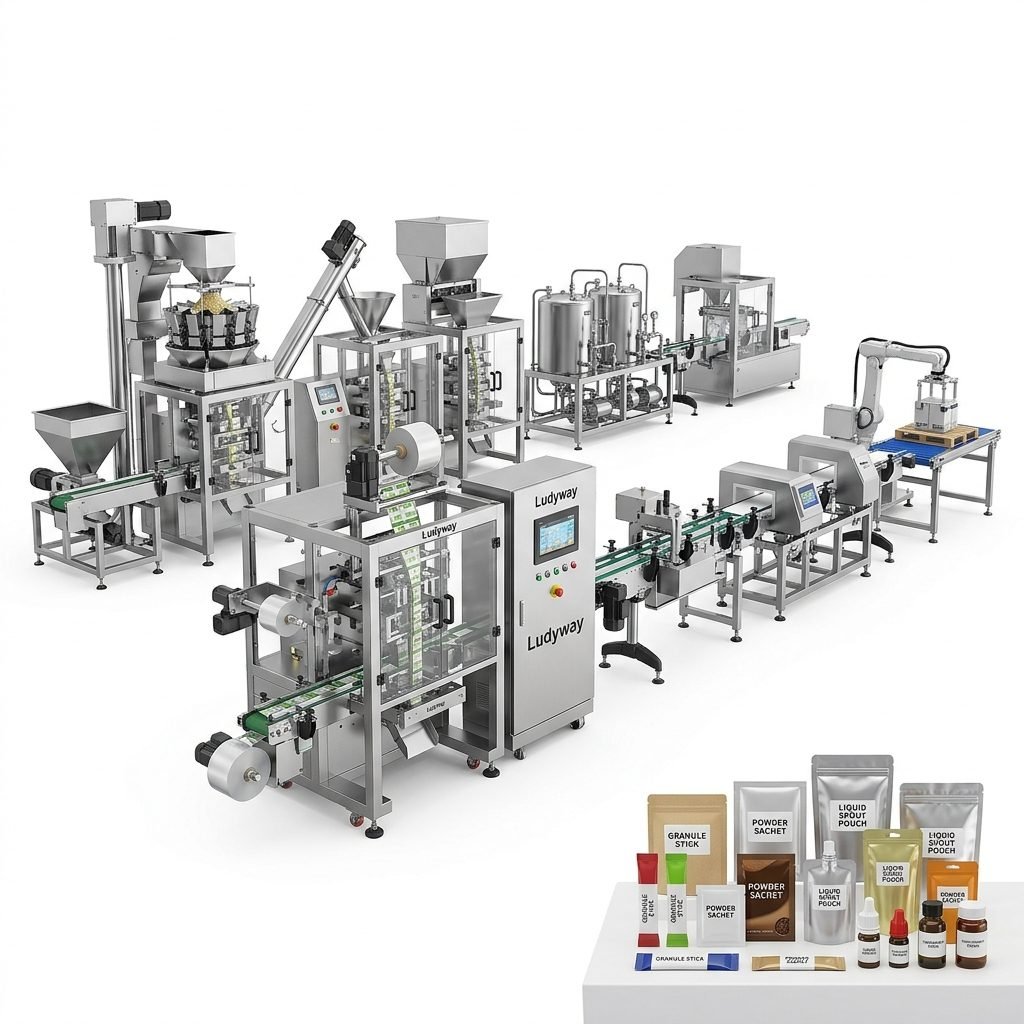
Understanding Thailand’s Packaging Industry Landscape
Thailand is recognized as the “Kitchen of the World” and a leading producer of processed foods, including ready-to-eat meals, snacks, sauces, and beverages. The country’s packaging machinery demand is heavily influenced by export-oriented manufacturing. According to industry data from PMMI’s Business Intelligence, Southeast Asia remains one of the fastest-growing regions for packaging equipment investment.
Key sectors driving demand include:
- Food and beverage — the largest end-user segment, particularly for granule, powder, and liquid packaging
- Pharmaceuticals — growing rapidly due to Thailand’s aging population and medical tourism
- Cosmetics and personal care — a thriving sector with strong domestic and export demand
- Pet food and animal feed — an emerging segment with significant growth potential
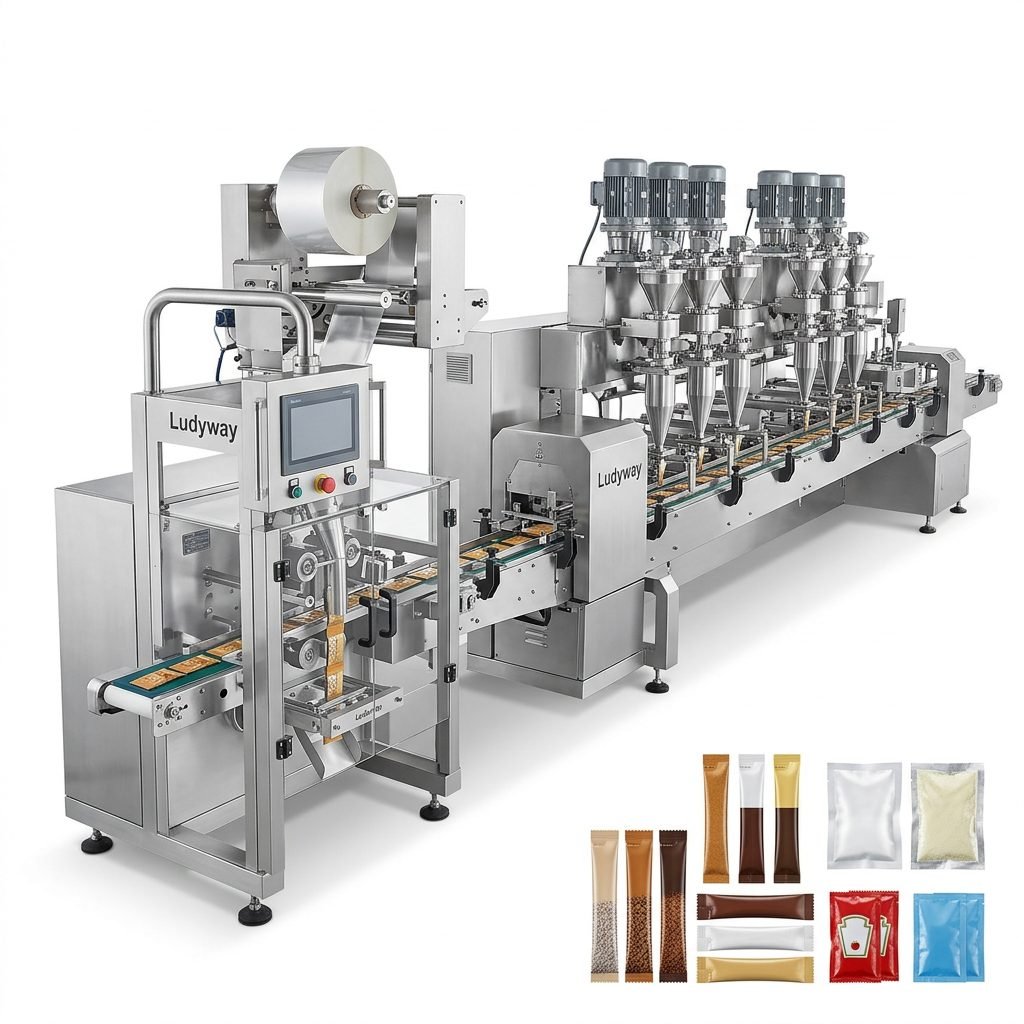
Key Factors to Consider When Choosing a Packaging Machine for Thailand
1. Product Compatibility and Machine Versatility
The Thai market demands packaging machines capable of handling a wide range of product types. Your equipment should accommodate:
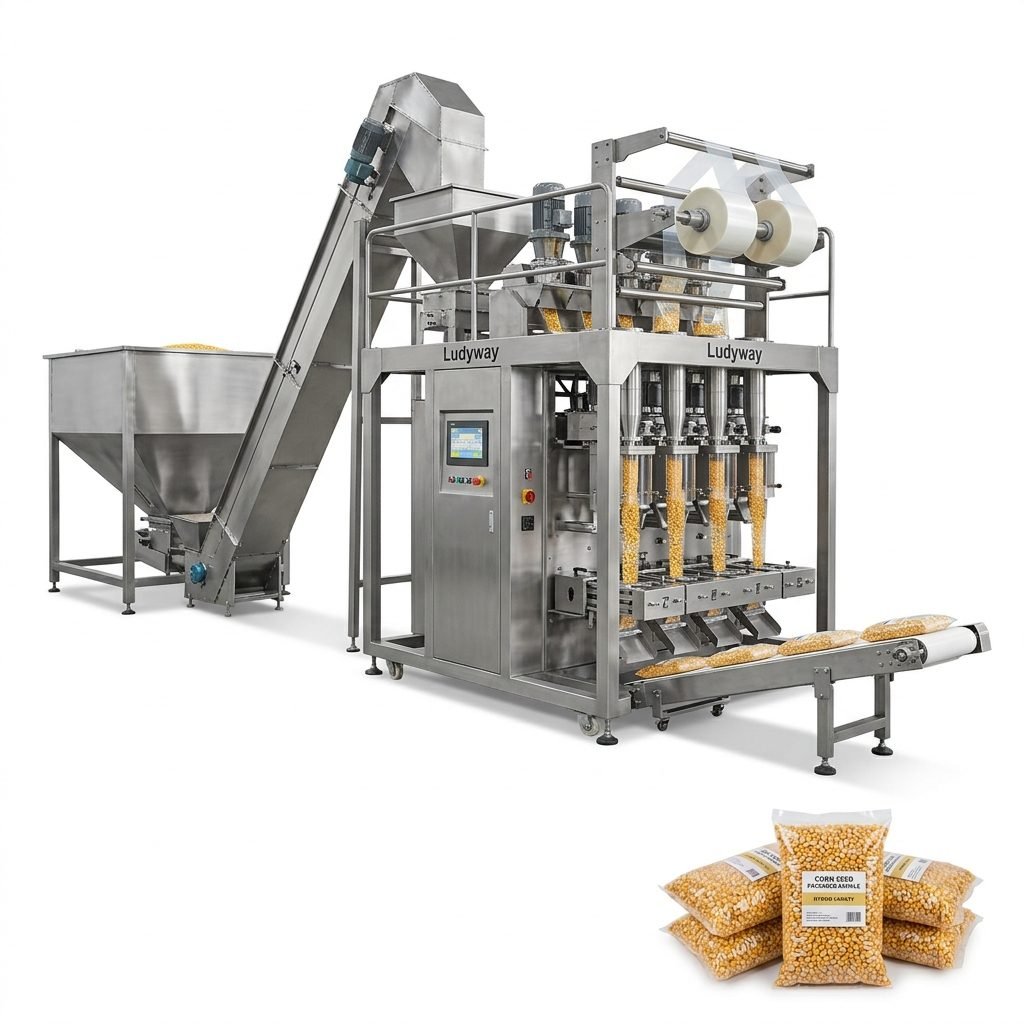
- Granules — from coarse crystals like sugar to delicate freeze-dried ingredients
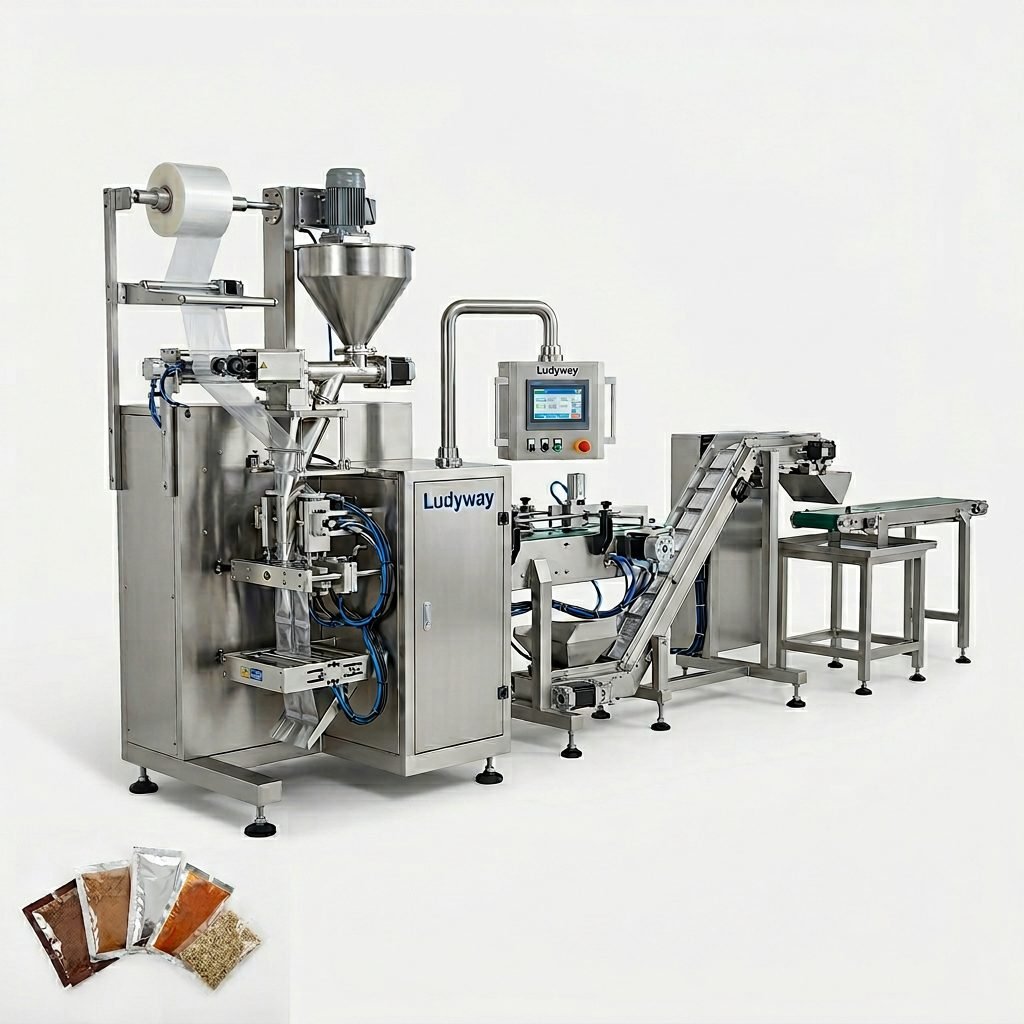
- Powders — including fine pharmaceutical powders, spice blends, and milk powder
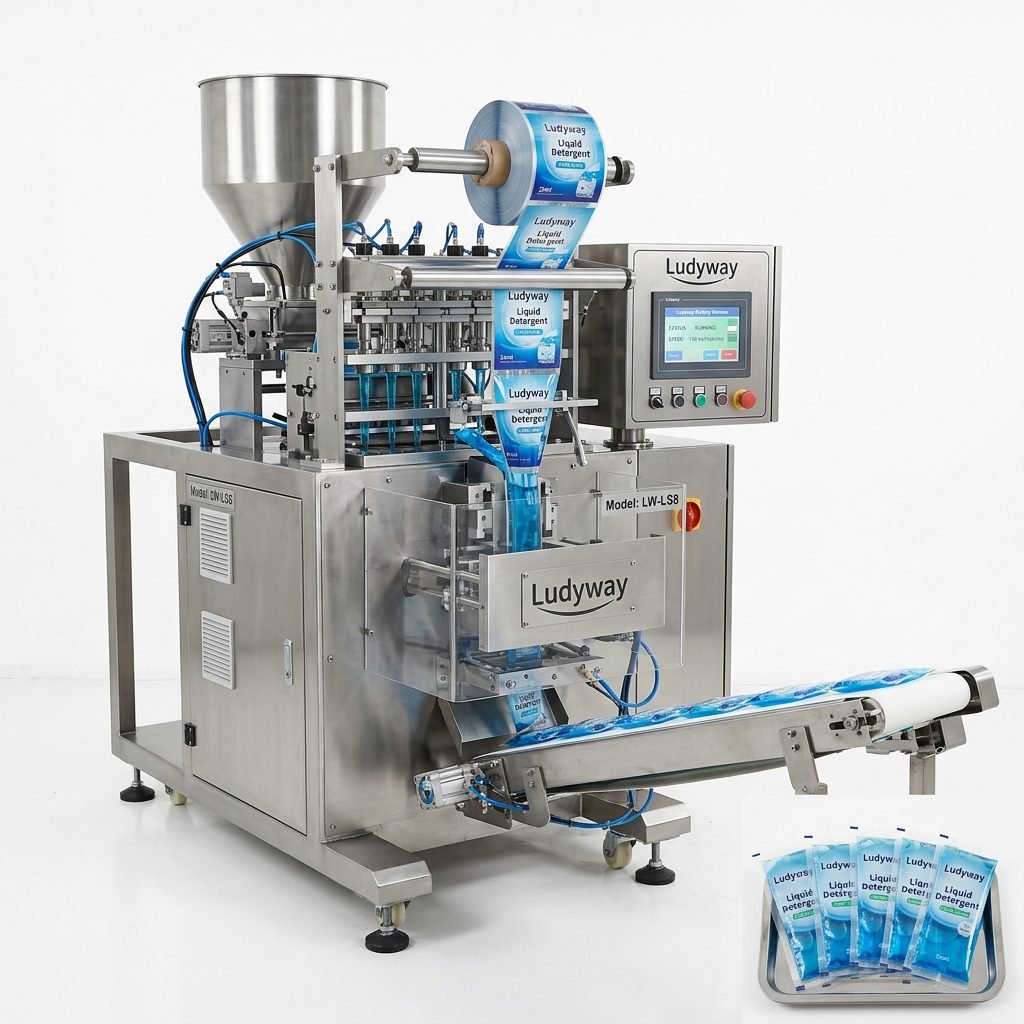
- Liquids and pastes — sauces, oils, shampoos, and concentrated liquids
- Solid products — snacks, hardware components, and medical devices
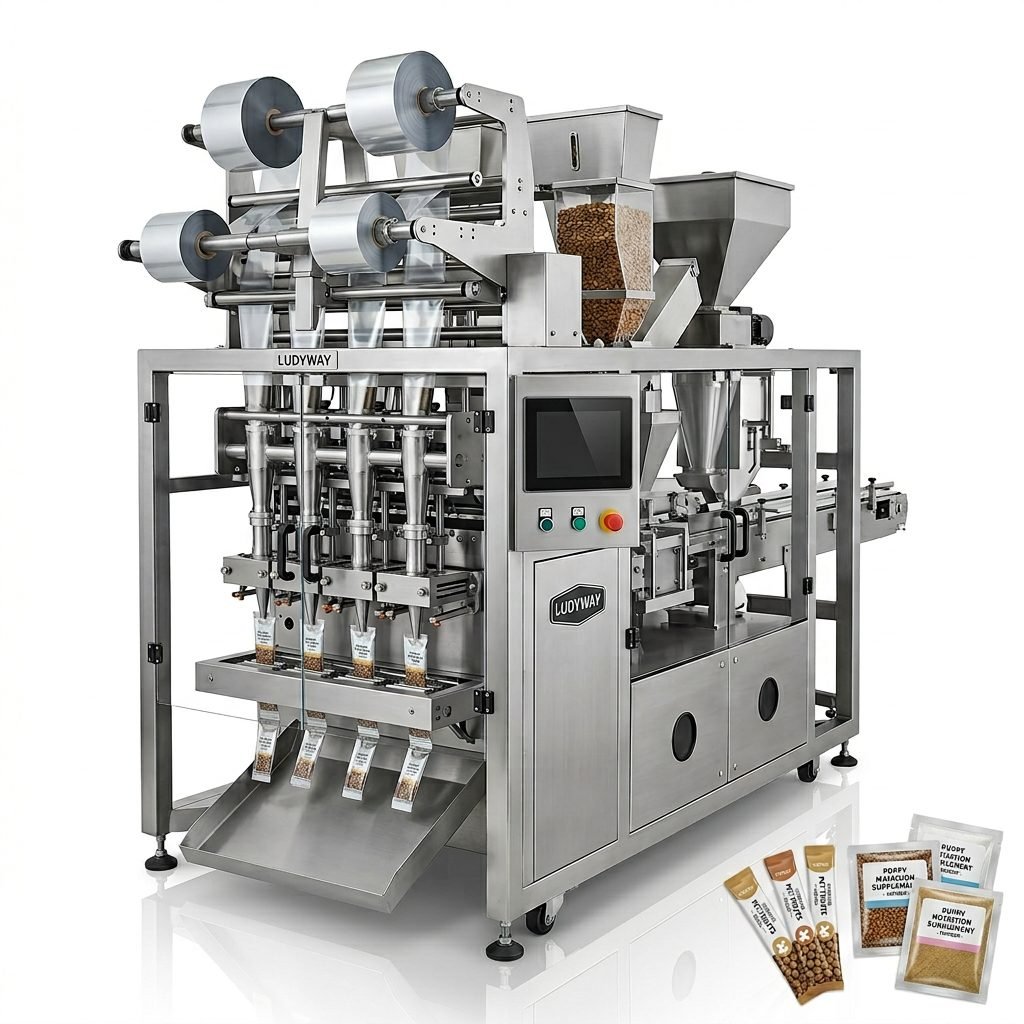
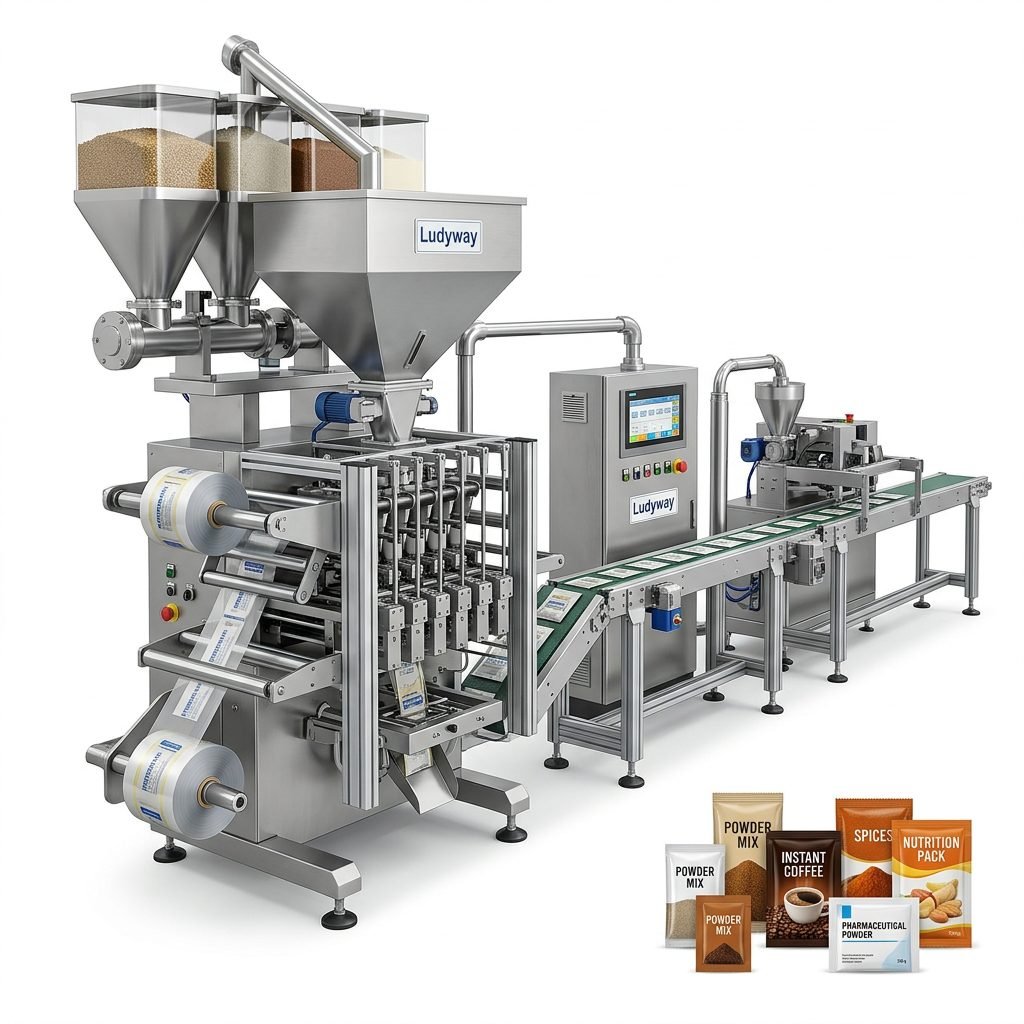
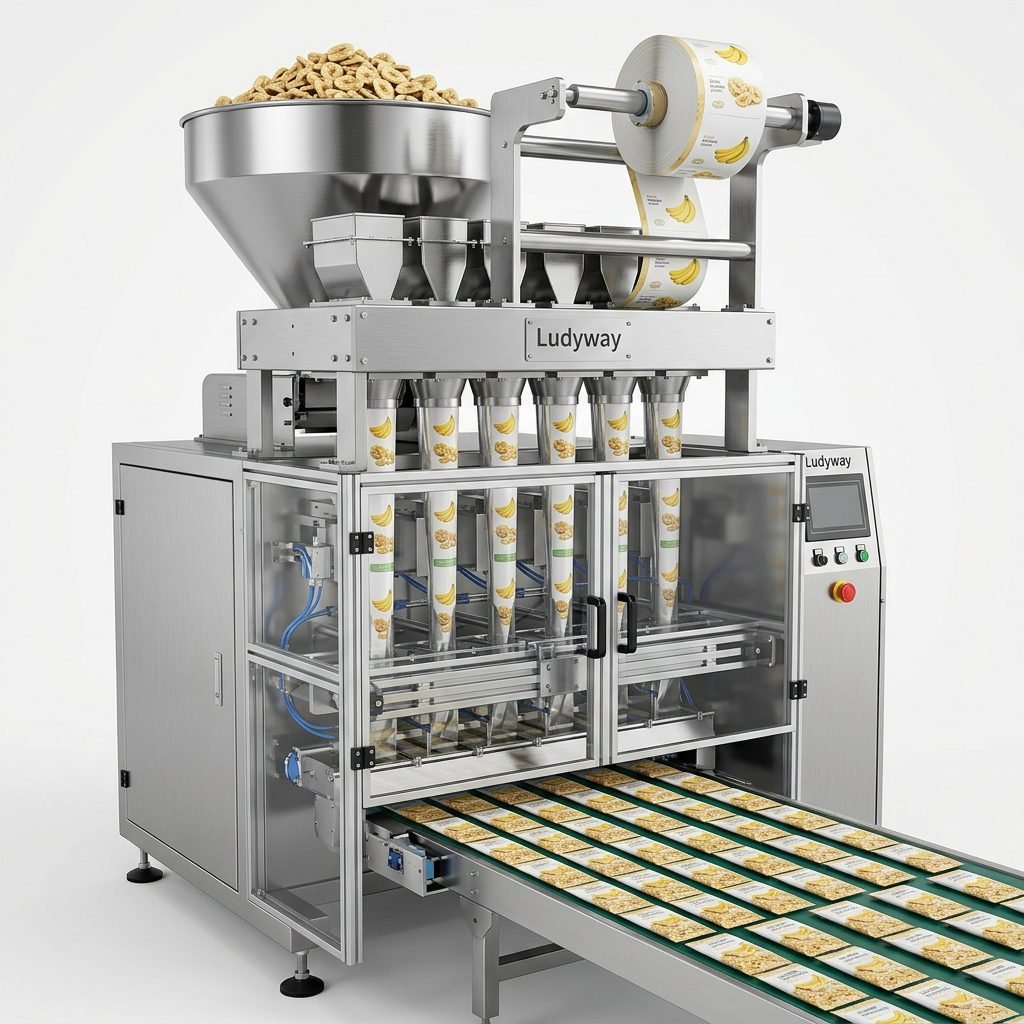
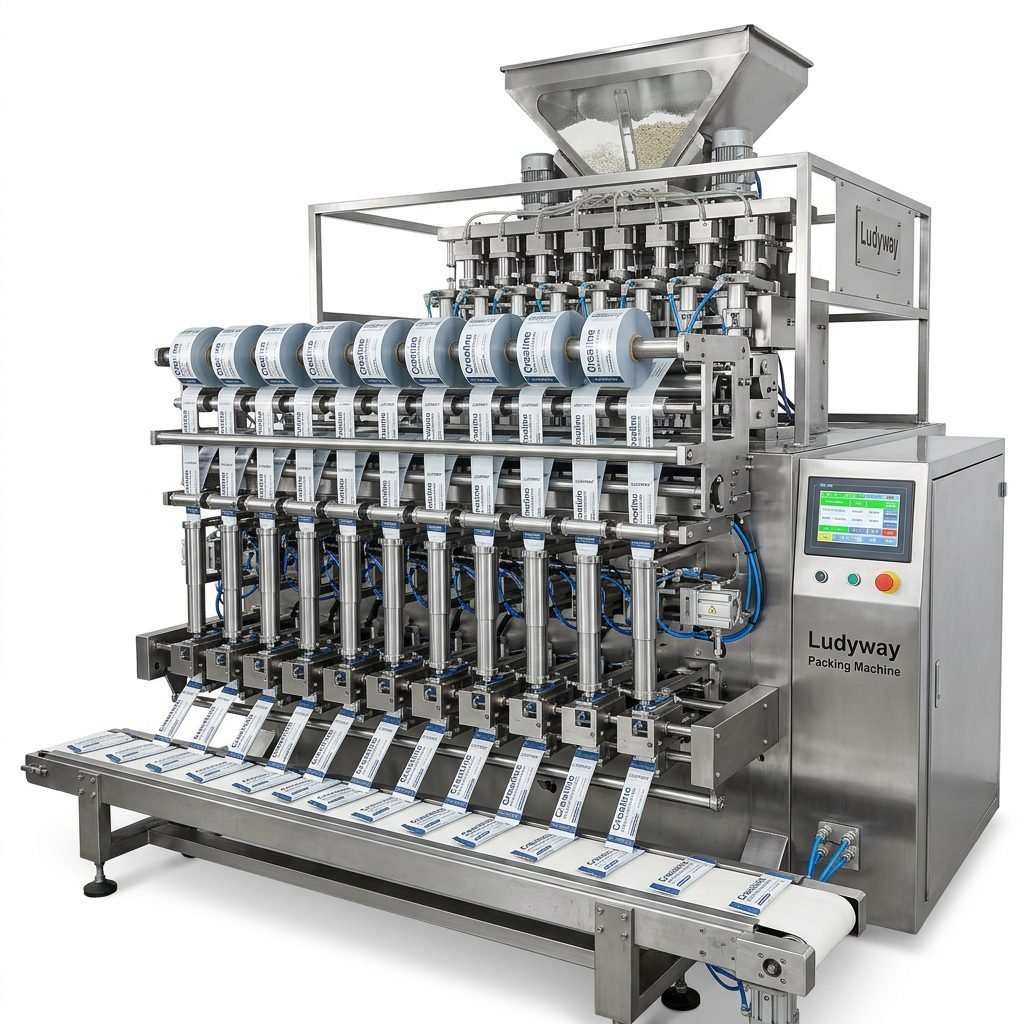
Multi-lane packaging machines offer significant advantages for high-volume production, allowing multiple sachets or stick packs to be filled simultaneously. For businesses looking to maximize throughput, multi-lane stick pack and sachet systems are increasingly popular choices in Thai manufacturing facilities.
2. Climate and Environmental Considerations
Thailand’s tropical climate presents unique challenges for packaging machinery. High humidity levels and ambient temperatures averaging 28–35°C (82–95°F) can affect both product integrity and machine performance. Essential features include:
- Moisture-resistant electrical components and sealed control panels
- Corrosion-resistant materials such as stainless steel (preferably SUS304 or SUS316L) for food and pharma applications
- Effective temperature control systems for heat-sensitive products
- Dust-proof and waterproof designs suitable for washdown environments
3. Regulatory Compliance and Certifications
Thailand’s Food and Drug Administration (Thai FDA) enforces strict regulations on food and pharmaceutical packaging. Machines must comply with relevant international standards to ensure product safety. Key certifications and standards to verify include:
| Standard / Certification | Application | Relevance to Thailand Market |
|---|---|---|
| ISO 11607 | Packaging for sterilized medical devices | Essential for pharmaceutical and medical device packaging |
| FDA 21 CFR | Food contact materials and substances | Widely recognized for export-oriented food production |
| CE Marking | European safety and performance standards | Accepted as a quality benchmark in Thai manufacturing |
| GMP Compliance | Good Manufacturing Practice | Mandatory for pharmaceutical and health product sectors |
| Thai FDA Regulations | Local food and drug safety requirements | Critical compliance factor for domestic market access |
For more detailed information on packaging standards, refer to FDA’s Food Ingredients and Packaging resources and ISO packaging standards.
4. Production Capacity and Speed Requirements
Thai manufacturers serving export markets often require high-speed production capabilities to meet large order volumes. When evaluating machine specifications, consider:
- Output rate — measured in sachets, pouches, or packs per minute across all lanes
- Multi-lane configurations — 4, 6, 8, 10, or 12-lane systems for maximum throughput
- Changeover time — quick-change features that minimize downtime between product runs
- Automation level — fully automated systems with minimal manual intervention for consistent output

5. After-Sales Support and Service Availability
In the Thailand market, local after-sales support is a critical decision factor. Downtime can be costly, especially for manufacturers operating on tight production schedules. Key service considerations include:
- Availability of local technicians or regional service centers within Southeast Asia
- Spare parts inventory and delivery lead times to Thailand
- Remote diagnostic capabilities for troubleshooting without on-site visits
- Operator training programs — ideally available in Thai language or with translation support
- Warranty terms and extended service agreements
6. Total Cost of Ownership
Beyond the initial purchase price, Thai buyers should evaluate the total cost of ownership (TCO) over the machine’s lifecycle. Factors to calculate include:
- Energy consumption — a significant operational cost in Thailand’s manufacturing environment
- Consumables — packaging film, sealing components, and wear parts
- Maintenance costs — routine servicing and preventive maintenance
- Labor requirements — automation level determines staffing needs
- Expected lifespan — industrial-grade equipment typically offers 10–15 years of reliable service

Types of Packaging Machines Best Suited for Thailand
| Machine Type | Best For | Key Advantage |
|---|---|---|
| Sachet Packaging Machines | Sauces, condiments, shampoo samples, instant coffee | Cost-effective for single-use products, popular in Thai retail |
| Stick Pack Machines | Powdered beverages, supplements, sugar, salt | Compact format ideal for on-the-go Thai consumer market |
| Multi-Lane Systems | High-volume granule, powder, and liquid packaging | Maximum throughput for export-scale production |
| Pouch Packaging Lines | Pet food, snacks, frozen foods, personal care | Versatile formats with strong shelf appeal |
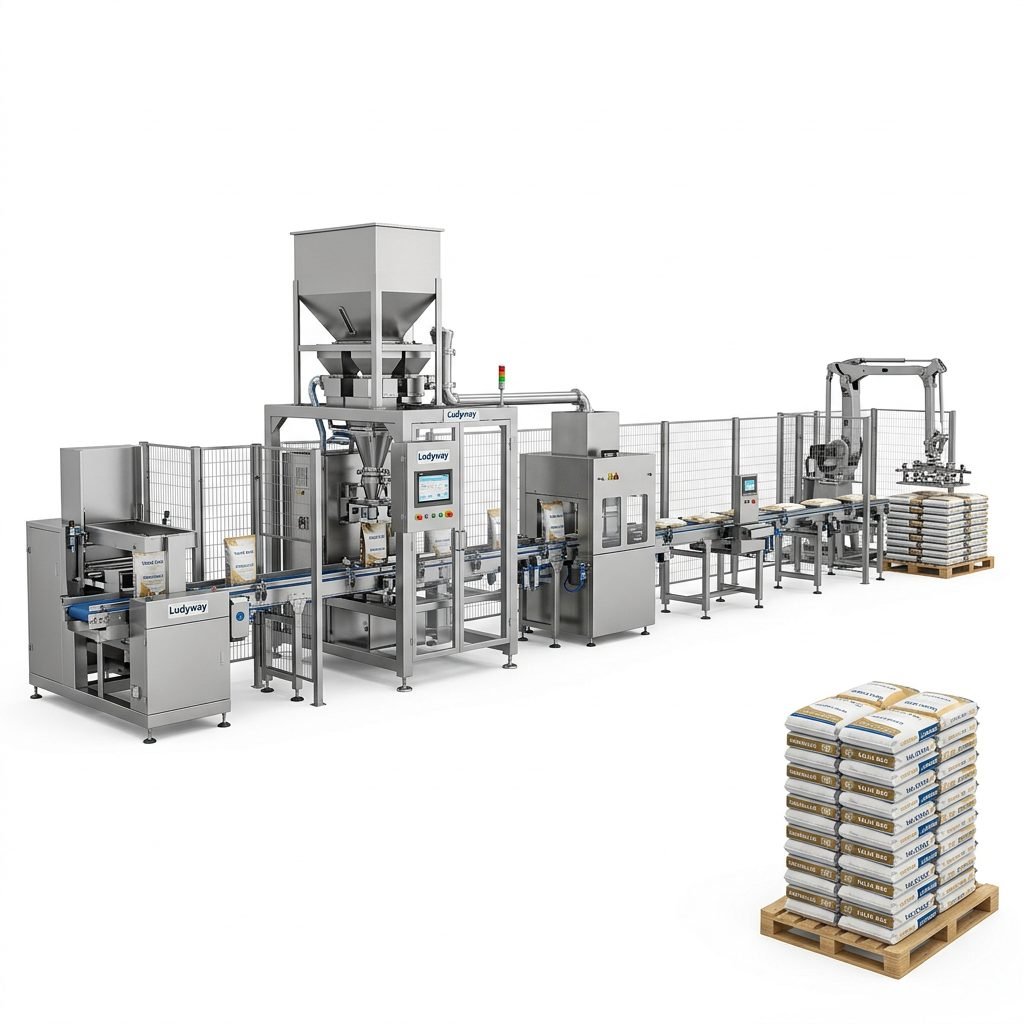
| Turnkey Production Lines | Complete end-to-end packaging solutions | Single-source integration reduces complexity for Thai buyers |
Supply Chain and Import Considerations
When importing packaging machinery into Thailand, several logistical and regulatory factors must be addressed:
- Import duties and tariffs — Thailand applies varying duty rates on industrial machinery; working with an experienced freight forwarder is advisable
- Shipping and delivery times — sea freight from major manufacturing hubs in Asia typically takes 7–14 days to Thai ports
- Installation and commissioning — budget for manufacturer-supervised installation to ensure optimal machine setup
- Documentation requirements — ensure all certificates of origin, compliance documents, and manuals are properly prepared for customs clearance
The Importance of Flexible Packaging Formats
Thailand’s retail landscape is diverse, ranging from traditional wet markets to modern supermarkets and convenience stores. Flexible packaging formats—including sachets, stick packs, and pouches—dominate the market due to their affordability, portion control, and convenience. Machines capable of producing multiple packaging formats with quick changeover capabilities offer Thai manufacturers greater market adaptability.
According to the Flexible Packaging Association, flexible packaging continues to gain market share across Southeast Asia, driven by consumer demand for portable, single-serve, and resealable packaging options.

Smart Manufacturing and Industry 4.0 Integration
Thailand’s “Thailand 4.0” economic policy promotes smart manufacturing and industrial automation. Modern packaging machines with IoT connectivity, remote monitoring, and data analytics capabilities align with government incentives and help manufacturers improve efficiency. Key smart features to look for include:
- Real-time production monitoring via cloud-connected dashboards
- Predictive maintenance alerts to prevent unexpected downtime
- Integration with ERP and MES systems for seamless production management
- Automated quality inspection using vision systems and checkweighers
Choosing a Reliable Packaging Machine Partner
Selecting the right supplier is as important as choosing the right machine. Look for manufacturers with:
- Proven experience in the Southeast Asian market — understanding of local business practices and regulatory requirements
- Comprehensive product range — ability to provide solutions for multiple product types and packaging formats
- Strong engineering and R&D capabilities — ongoing innovation and customization options
- Global exhibition presence — regular participation at PACK EXPO International and regional trade shows
- References and case studies from Thai or Southeast Asian customers
Ludyway is one of the largest packaging machine manufacturers in China, specializing in advanced packaging equipment and turnkey production solutions for the food, pharmaceutical, and health industries, with over 30 years of industry expertise serving customers in more than 100 countries and regions including the growing Thailand market.
Summary: Decision-Making Checklist for Thai Buyers
- Verify product compatibility — ensure the machine handles your specific product characteristics (granule size, powder density, liquid viscosity)
- Check climate suitability — confirm moisture resistance and appropriate material grades for tropical conditions
- Confirm regulatory compliance — verify certifications align with Thai FDA and export market requirements
- Evaluate production capacity — match machine speed and multi-lane configuration to your volume targets
- Assess after-sales infrastructure — confirm local service availability and spare parts accessibility
- Calculate total cost of ownership — factor in energy, consumables, maintenance, and labor costs
- Validate supplier credibility — review track record, customer references, and industry reputation
By systematically evaluating these factors, Thai manufacturers can select packaging machinery that delivers reliable performance, regulatory compliance, and long-term value in one of Southeast Asia’s most dynamic packaging markets.