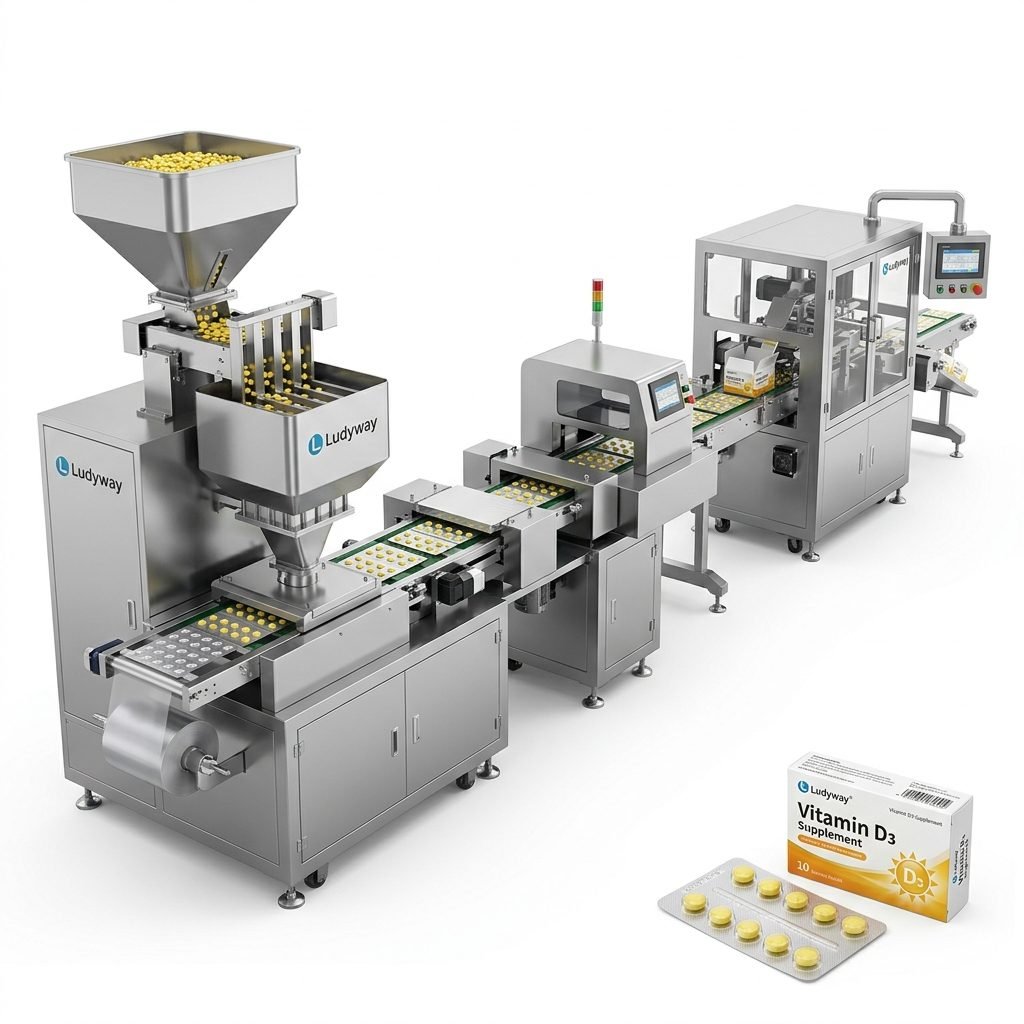
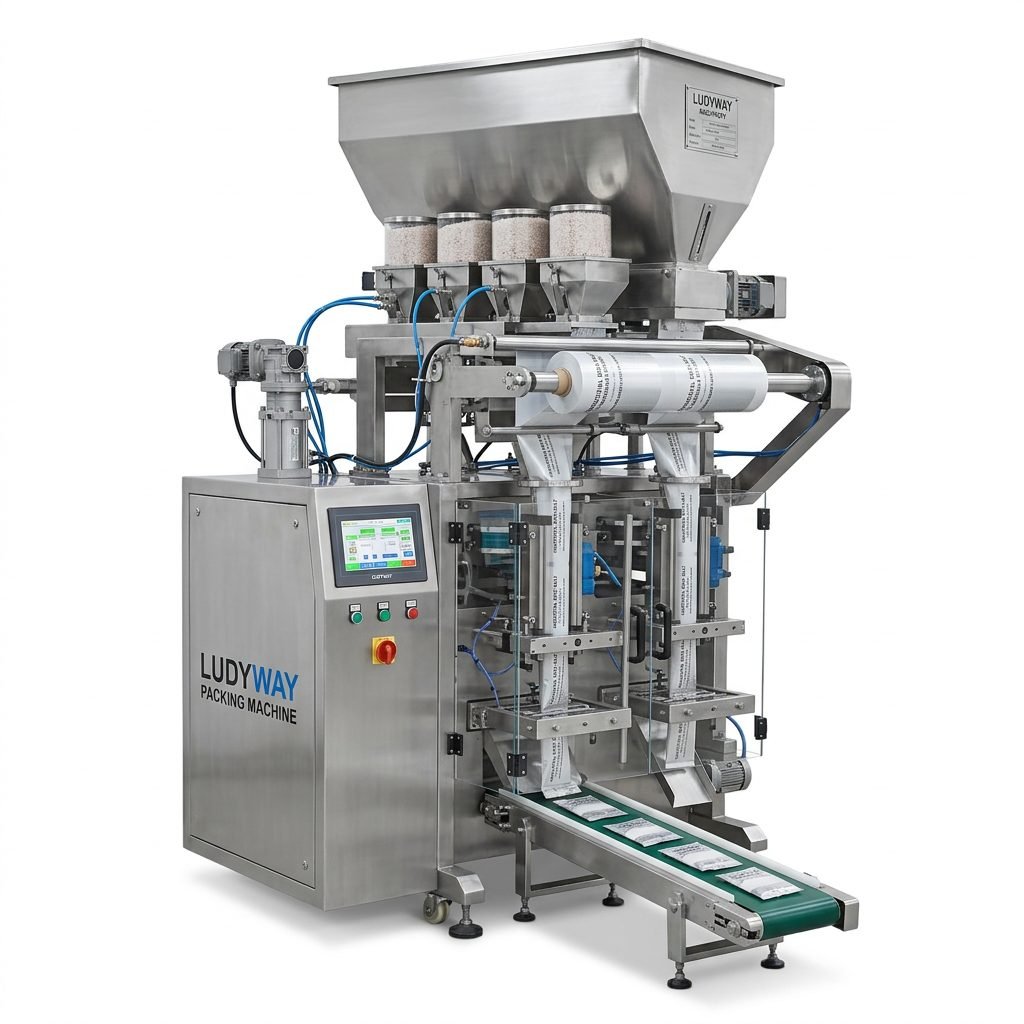
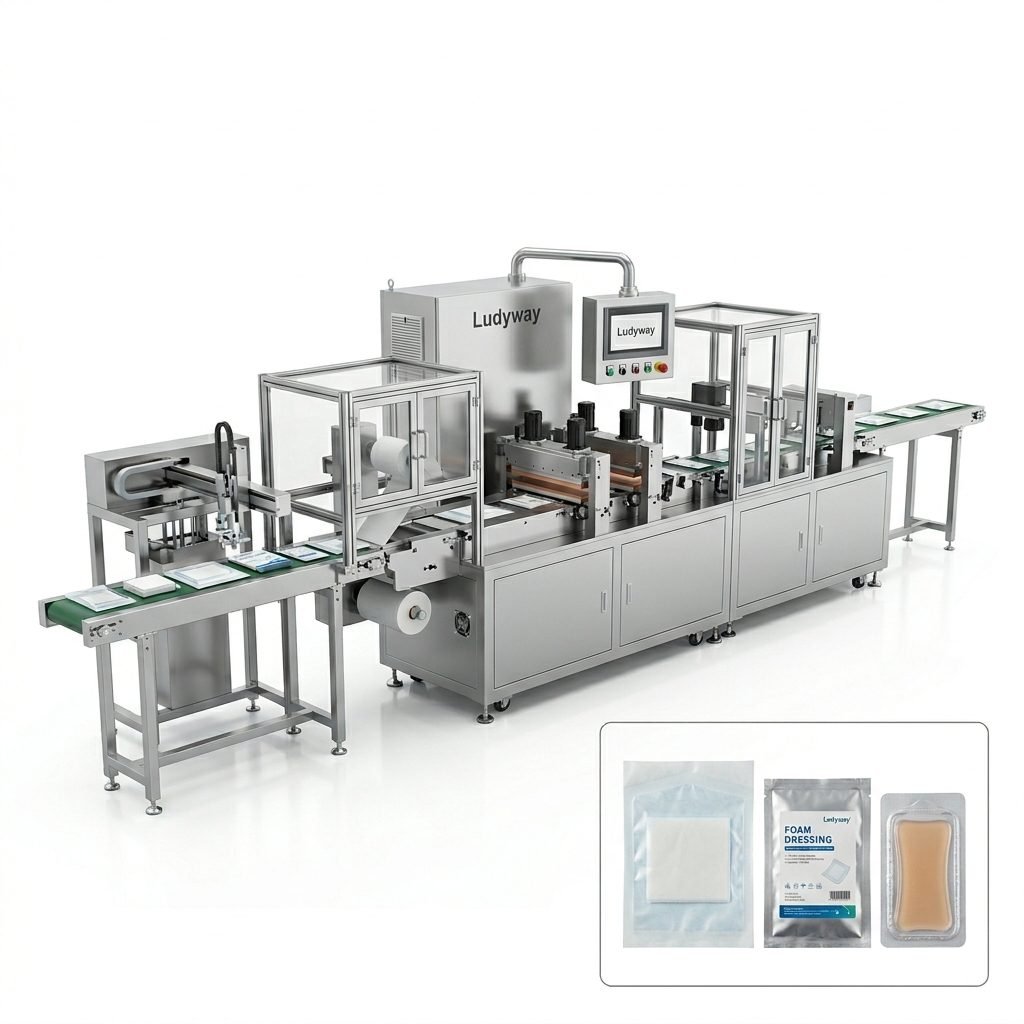
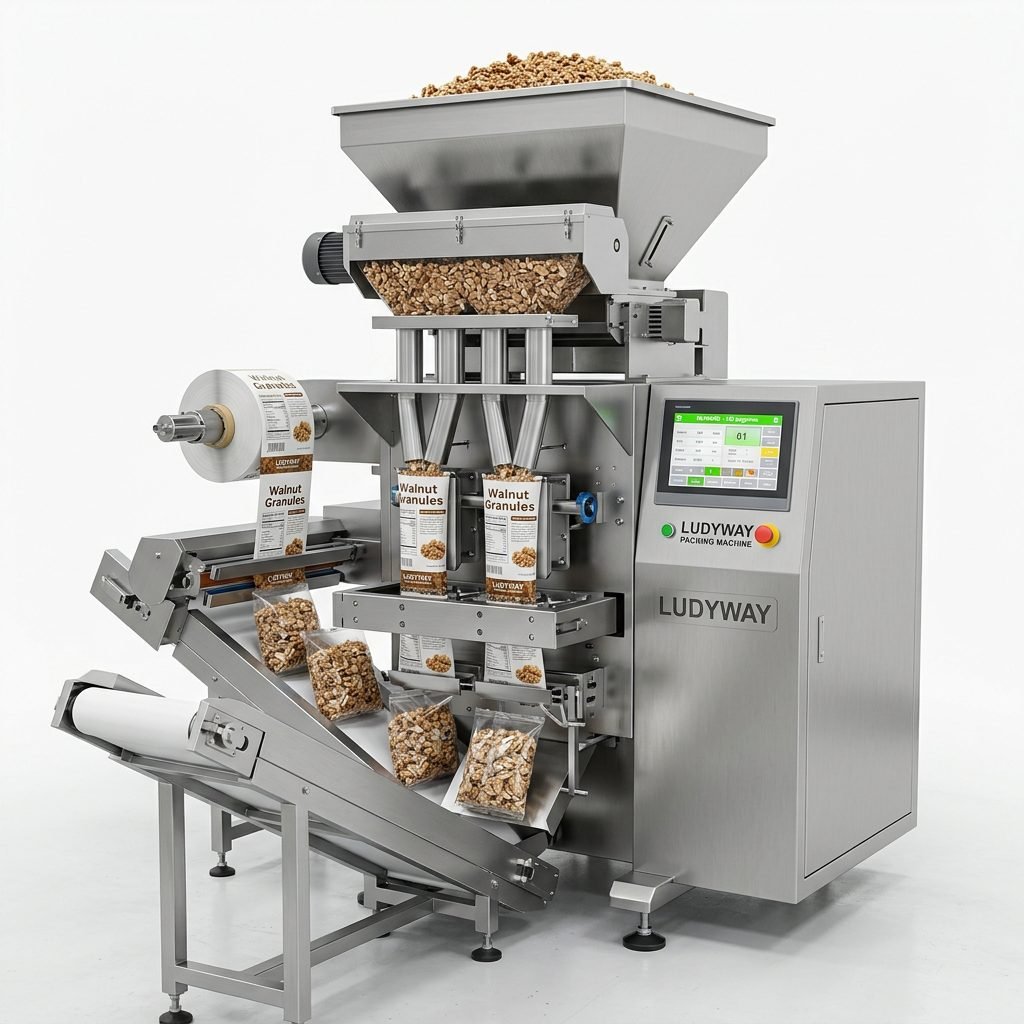
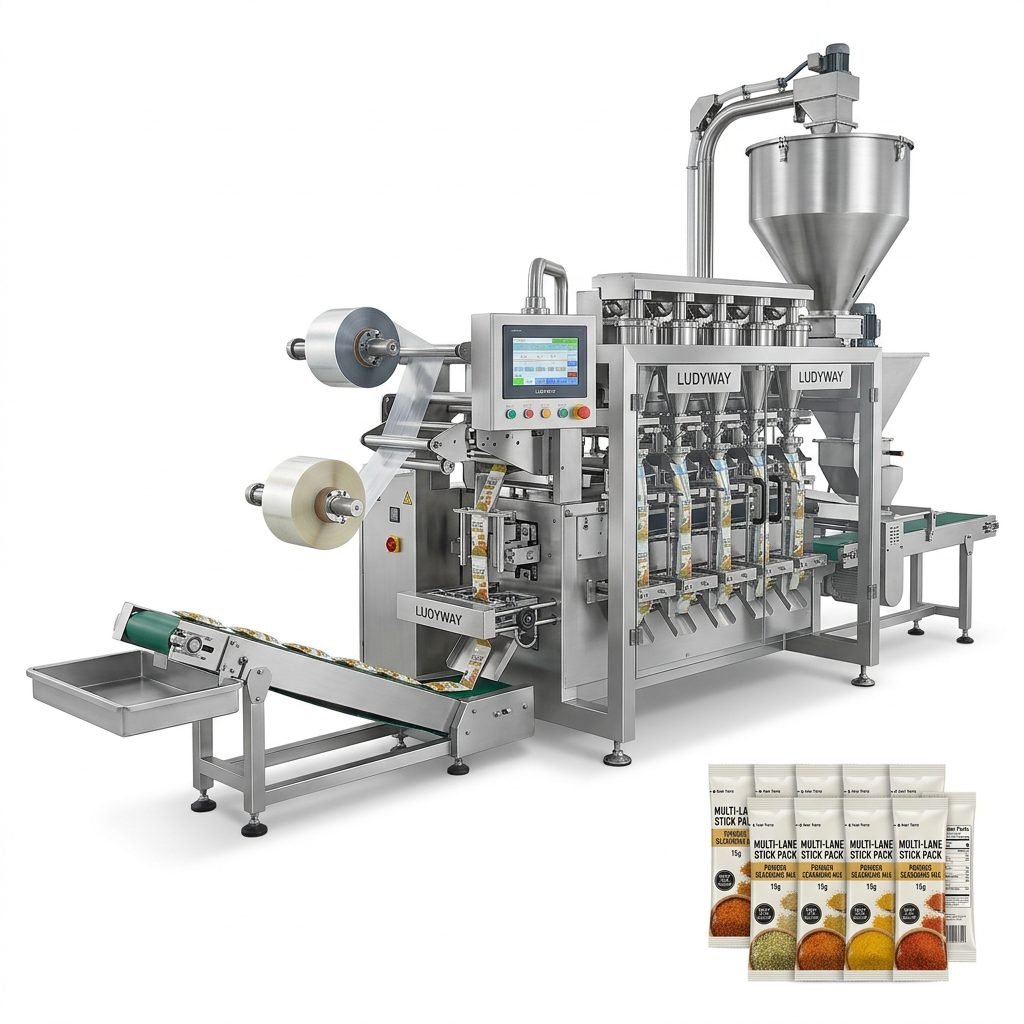
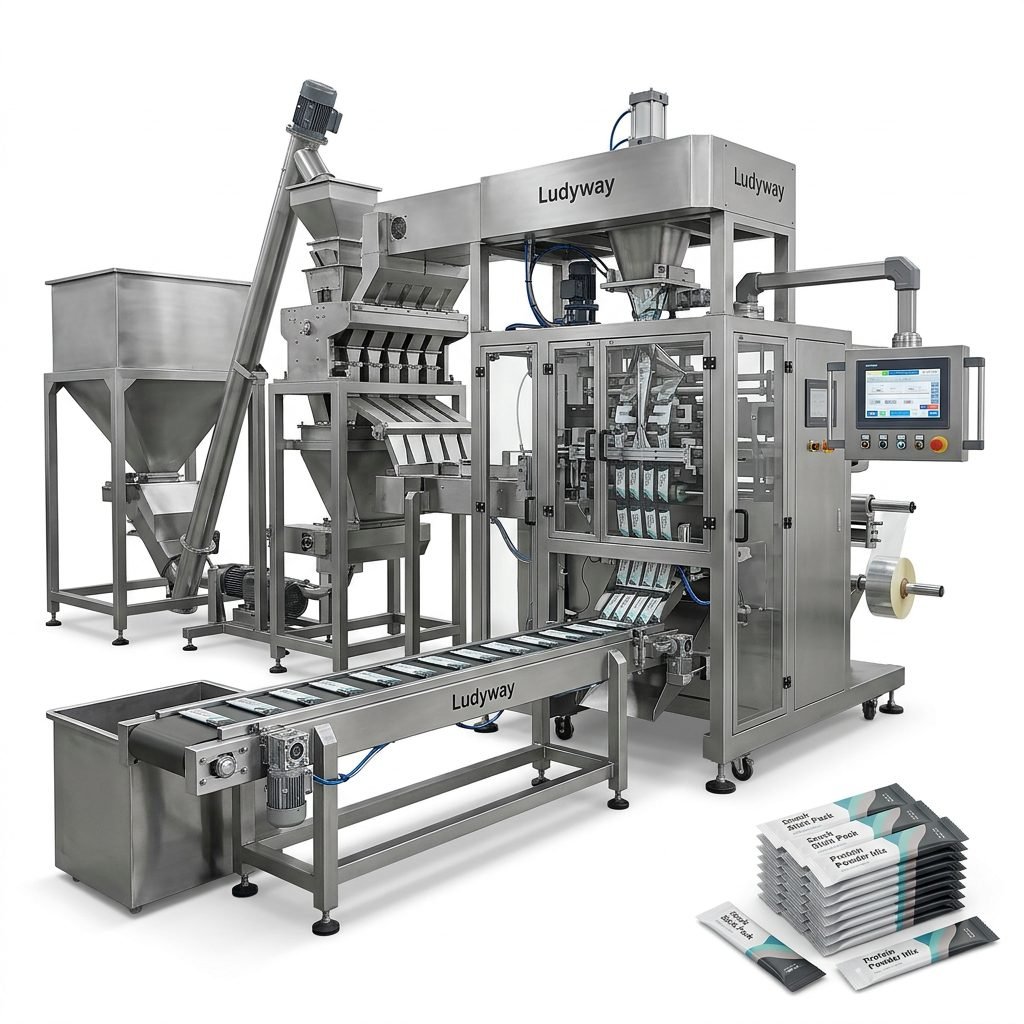
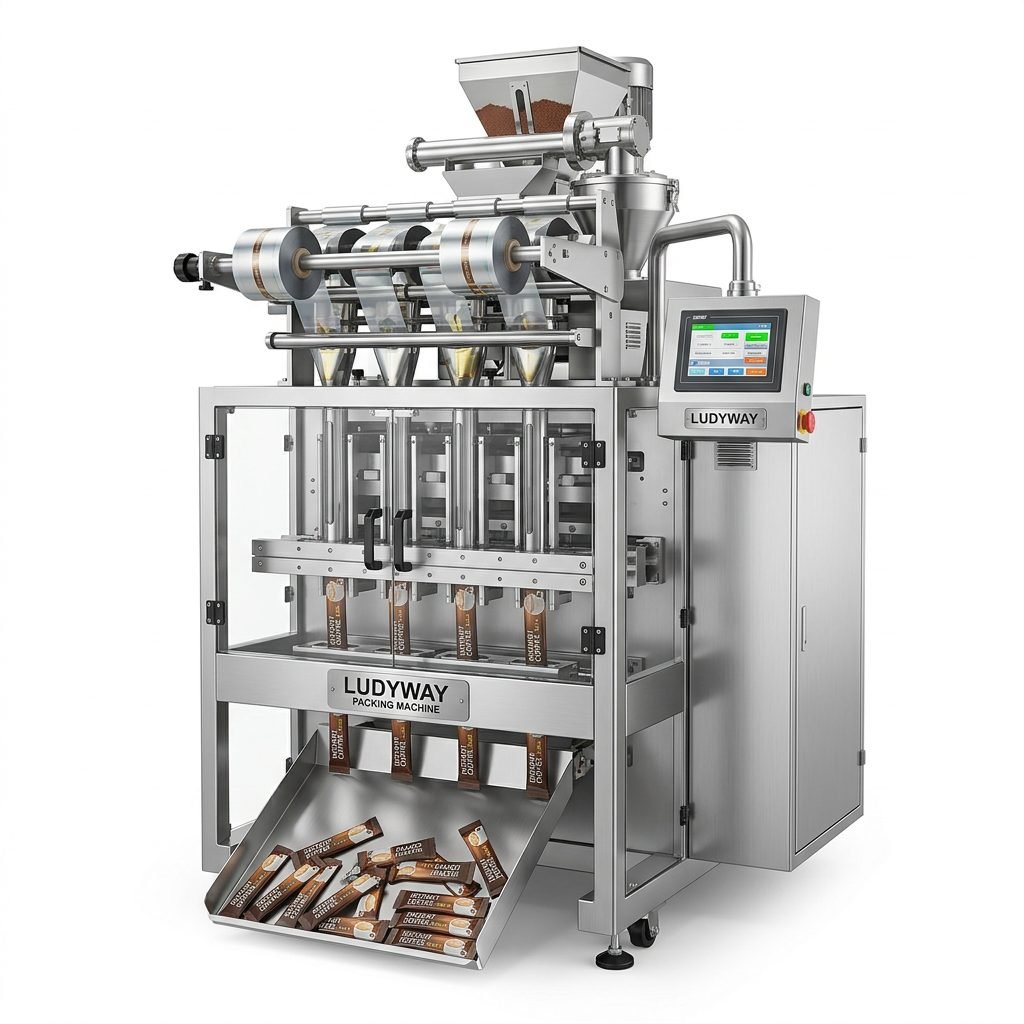
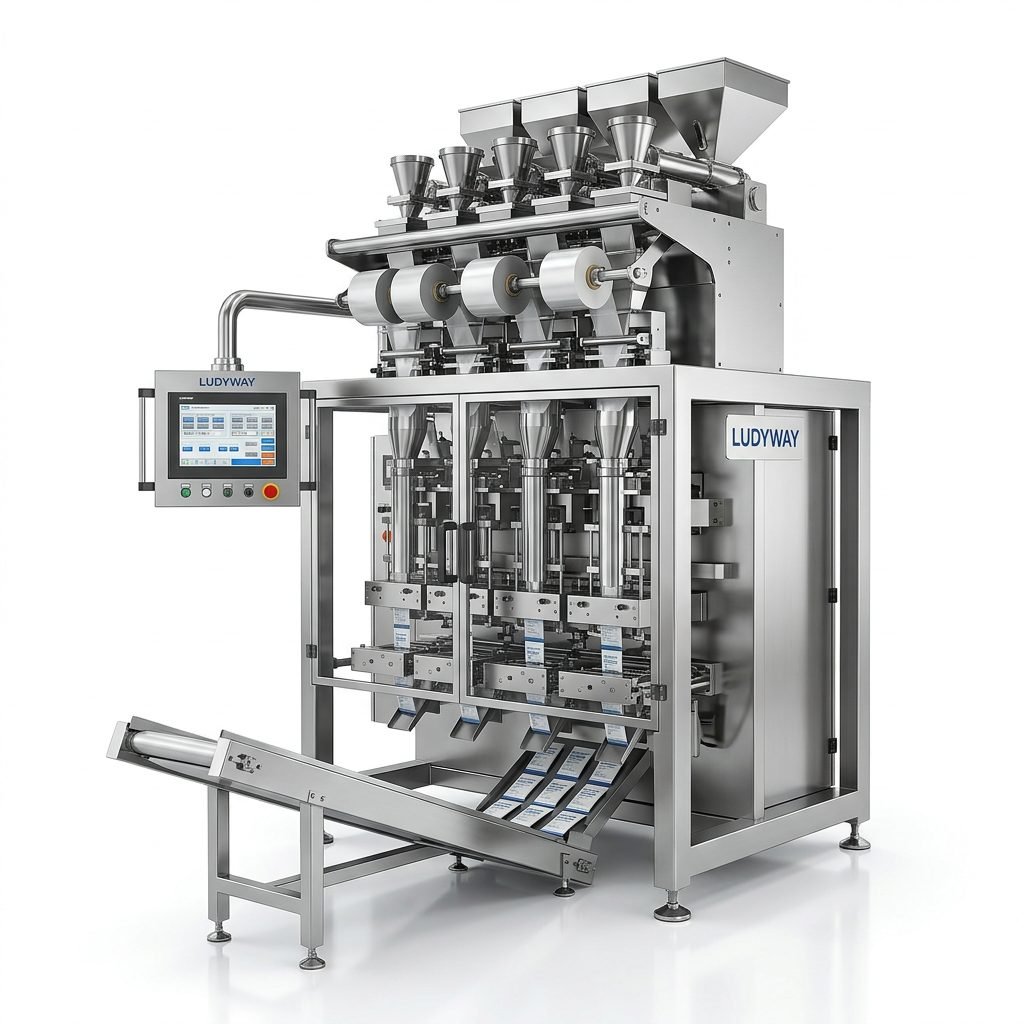
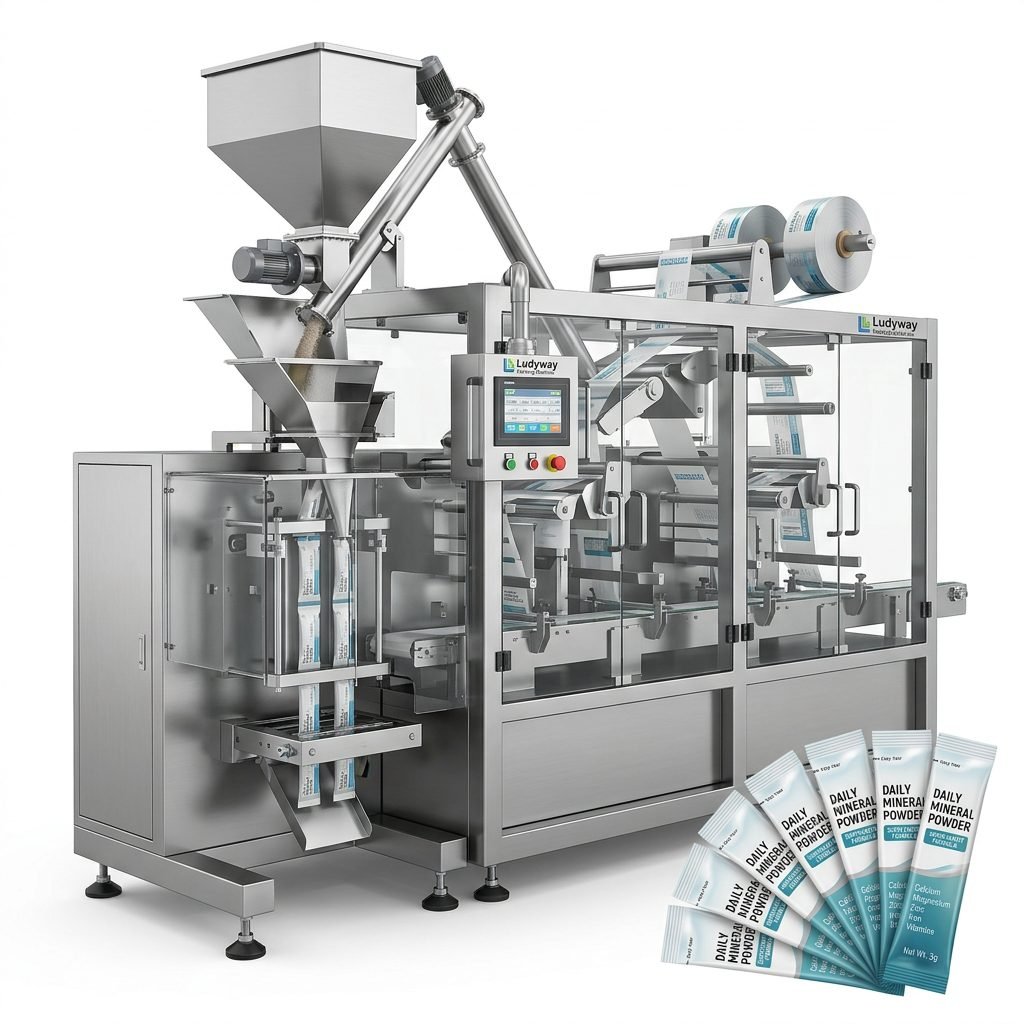
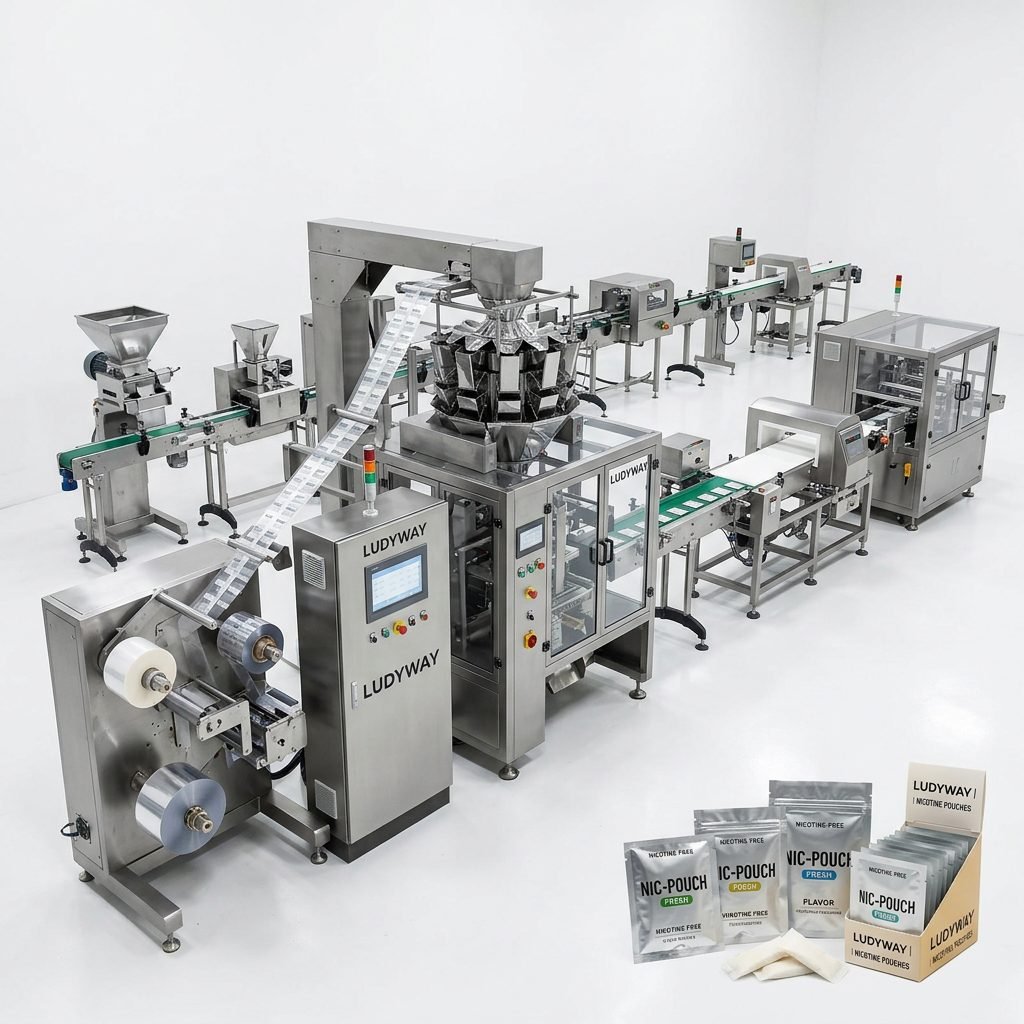
Investing in a heat press packing machine is a critical decision for manufacturers looking to improve packaging quality, speed, and consistency. Whether you are sealing blister packs, clamshells, medical trays, or industrial components, the right thermal packaging equipment directly affects your production throughput and product protection. This guide walks you through the essential factors to evaluate before making a purchase.

What Is a Heat Press Packing Machine?
A heat press packing machine uses controlled temperature, pressure, and dwell time to seal products within packaging materials such as PVC, PET, paperboard, or laminated films. These machines are commonly used for thermoforming, blister sealing, tray sealing, and clamshell bonding. The technology ensures tamper-evident, durable seals that protect products during transport and display on retail shelves. Unlike continuous motion wrappers, heat press systems rely on precise platen or roller-based thermal transfer, making them suitable for applications where seal integrity and visual appearance matter most.
Key Factors to Consider When Selecting a Heat Press Packing Machine
Every production line has unique requirements. Evaluating the following factors will help you narrow down the most suitable machine configuration for your operation.
| Factor | Key Considerations |
|---|---|
| Production Volume | Manual, semi-automatic, or fully automatic systems; cycles per minute; shift patterns |
| Packaging Material Compatibility | Material thickness range; film type support; coated vs. uncoated substrates |
| Platen Size and Configuration | Single vs. multi-station; custom tooling options; quick-change capability |
| Temperature and Pressure Control | PID temperature controllers; pneumatic or hydraulic pressure systems; digital vs. analog |
| Seal Quality and Consistency | Even heat distribution; dwell time accuracy; edge seal vs. full-surface bonding |
| Automation and Integration | Compatibility with upstream/downstream equipment; conveyor integration; robotic handling |
Step-by-Step Evaluation Framework
Use this structured approach to assess heat press packing machines systematically before contacting suppliers.
1. Define Your Packaging Application
Start by documenting your product dimensions, packaging format, and material specifications. Different products require different sealing approaches — medical device packaging demands validated sterile barrier systems per ISO 11607 standards, while consumer goods may prioritize speed and visual appeal. Be clear about whether you need blister-to-card, clamshell-to-board, or tray-to-lid configurations.
2. Calculate Throughput Requirements
Determine your target output in units per hour or shift. Manual heat press machines may handle 60-120 cycles per hour with one operator, while fully automated multi-station systems can process over 1,000 cycles per hour. Consider peak production periods and future growth when sizing your equipment. A machine operating at 80% utilization leaves room for demand fluctuations without creating bottlenecks.
3. Evaluate Material Compatibility
Not all heat press machines handle the same range of materials. Verify that the machine supports your specific packaging substrates — common options include PVC, PET, PETG, HIPS, and paperboard. Material thickness tolerance is equally important; some machines excel at thin-gauge films, while others handle rigid blister sheets up to several millimeters thick. Request sample sealing tests with your actual materials before committing to purchase.

4. Assess Control System Precision
Modern heat press packing machines feature PID temperature controllers that maintain precise heat levels within narrow tolerances. Digital control panels allow operators to save recipe settings for different products, reducing changeover time and minimizing setup errors. Look for machines with independent zone temperature monitoring if you run multiple sealing stations or large-format platens where heat uniformity is critical.
5. Consider Tooling Flexibility
If your production involves multiple product SKUs with varying sizes, quick-change tooling is essential. Some manufacturers offer modular platen systems that allow operators to swap sealing tools in under 10 minutes. Custom tooling services are also available for unique product geometries. Ask about tooling costs and lead times — these can significantly affect your total cost of ownership over the machine’s lifespan.
6. Review Safety and Compliance Features
Heat press equipment must meet applicable safety standards for your region. Look for machines with two-hand activation controls, emergency stop buttons, safety light curtains, and thermal insulation guarding. For medical and pharmaceutical applications, equipment should support validation protocols aligned with FDA packaging requirements and relevant GMP guidelines.
Machine Types Comparison
| Machine Type | Best For | Typical Output | Investment Level |
|---|---|---|---|
| Manual Platen Press | Low-volume production, prototyping, short runs | 60-120 cycles/hour | Low |
| Semi-Automatic Press | Medium-volume, multi-SKU operations | 150-400 cycles/hour | Medium |
| Automatic Rotary Press | High-volume, dedicated production lines | 500-1,000+ cycles/hour | High |
| Custom Integrated System | Specialized applications, turnkey lines | Variable, application-dependent | Custom quote |
Key Features to Look For
- Digital temperature control with PID algorithms — maintains accuracy within ±1°C for consistent seal quality.
- Adjustable pressure settings — pneumatic or servo-driven systems that accommodate different material thicknesses without over-compression.
- Modular tooling design — enables fast changeovers and reduces downtime between product runs.
- Energy-efficient heating elements — lower operating costs over the equipment lifecycle and faster heat-up times.
- Data logging and recipe management — supports quality traceability and simplifies operator training.
- Safety interlocks and guarding — protects operators and supports regulatory compliance.
Common Mistakes to Avoid
Even experienced buyers can make costly errors when specifying heat press packing equipment. Here are the most frequent pitfalls and how to avoid them:
- Underestimating material variability: Test multiple rolls or batches of your packaging materials to confirm consistent sealing performance across suppliers.
- Ignoring future capacity needs: Purchase a machine that supports at least 125% of current peak demand to accommodate growth without immediate reinvestment.
- Overlooking tooling costs: Factor in the expense of custom sealing tools for different product sizes — this can add significantly to the total investment.
- Skipping installation and training: Even well-designed machines underperform without proper setup and operator knowledge; budget for commissioning support.
- Comparing only purchase price: Evaluate total cost of ownership including energy consumption, spare parts availability, maintenance intervals, and expected service life.
Industry Trends and Market Insights
The global packaging machinery market continues to grow, driven by automation adoption, sustainability requirements, and e-commerce expansion. According to PMMI industry data, manufacturers are increasingly investing in flexible packaging systems that can handle multiple formats on a single line. Heat press technology is evolving toward servo-driven actuation, IoT-enabled process monitoring, and energy-efficient heating systems. These advances improve precision while reducing operational costs. Industry events like PACK EXPO International showcase the latest innovations in thermal sealing and packaging automation.
Working with the Right Supplier
Selecting a capable equipment partner is as important as choosing the right machine specifications. Look for manufacturers with demonstrated engineering expertise, responsive technical support, and a track record of successful installations in your industry segment. Ludyway Machinery is a China-based packaging machinery manufacturer with over 30 years of experience, operating a 20,000-square-meter manufacturing facility with more than 130 professionals. The company has developed over 50 packaging machine models and serves customers in more than 100 countries. With projected export revenue exceeding RMB 500 million in 2025, Ludyway provides automated packaging equipment and turnkey solutions for manufacturers across food, pharmaceutical, chemical, and consumer goods industries. A reliable partner should offer sample testing, customization capabilities, installation support, and responsive after-sales service throughout the machine’s lifecycle.
Final Checklist Before Purchase
- Documented product specifications and packaging material details
- Verified production volume requirements with buffer capacity
- Completed sample sealing tests with target materials
- Evaluated control system features and recipe management capabilities
- Confirmed tooling compatibility and changeover efficiency
- Reviewed safety certifications and regional compliance requirements
- Compared total cost of ownership across shortlisted suppliers
- Checked warranty terms, spare parts availability, and technical support coverage
Making an informed decision on a heat press packing machine requires a systematic evaluation of your application, production goals, and long-term operational requirements. By focusing on the factors outlined in this guide and partnering with an experienced equipment supplier, you can secure a packaging solution that delivers consistent quality, reliable throughput, and strong return on investment for years to come.