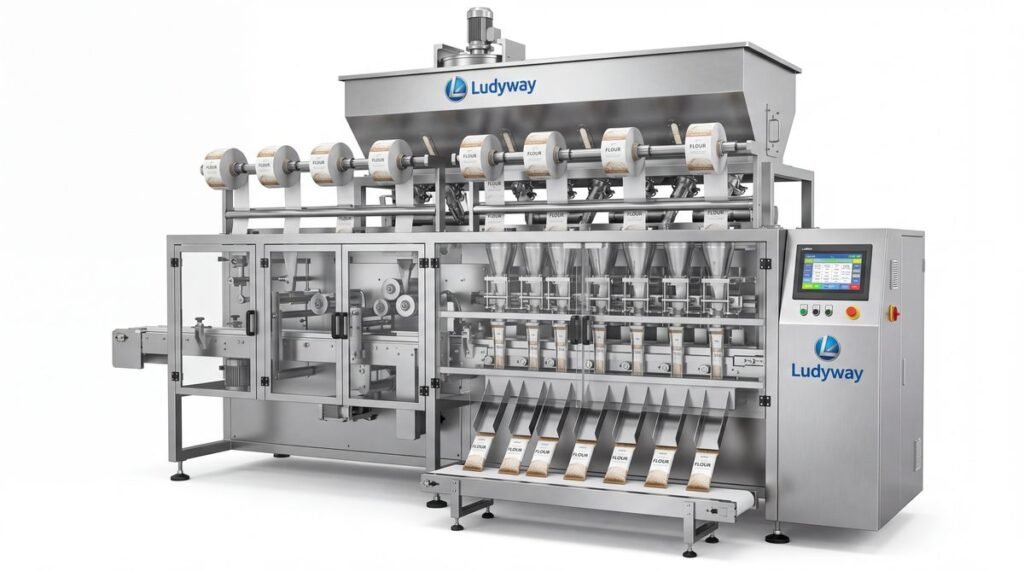
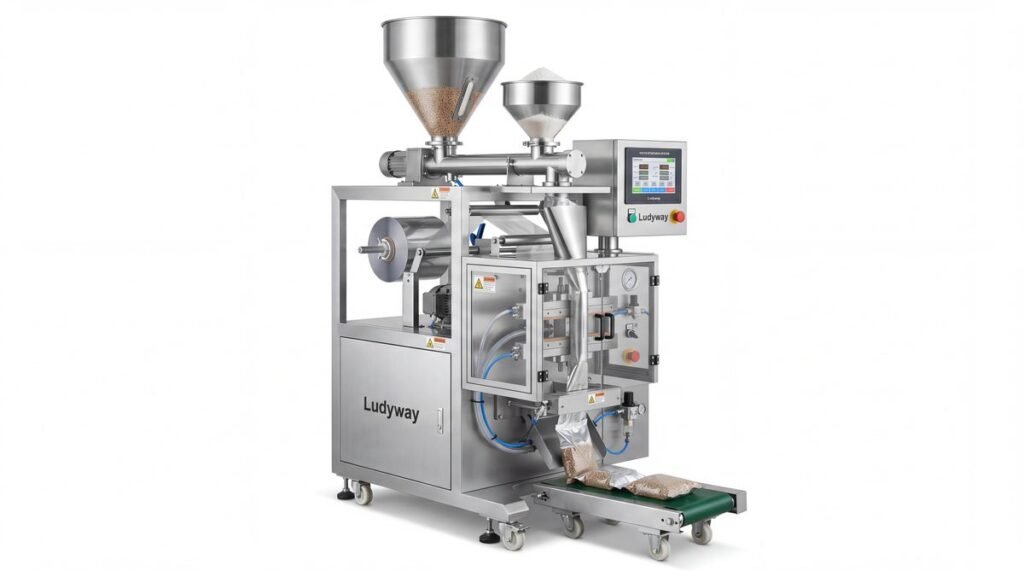
Choosing the best bag for snacks is not only about appearance. The right packaging directly affects product freshness, shelf appeal, transportation safety, filling efficiency, and overall brand positioning. From chips and nuts to jerky, granola, candy, and dried fruit, each snack category has different needs for barrier protection, resealability, portion control, and machine compatibility.
This guide explains the most common snack packaging bag types, where each one works best, and how to choose the ideal option for your product and production goals.
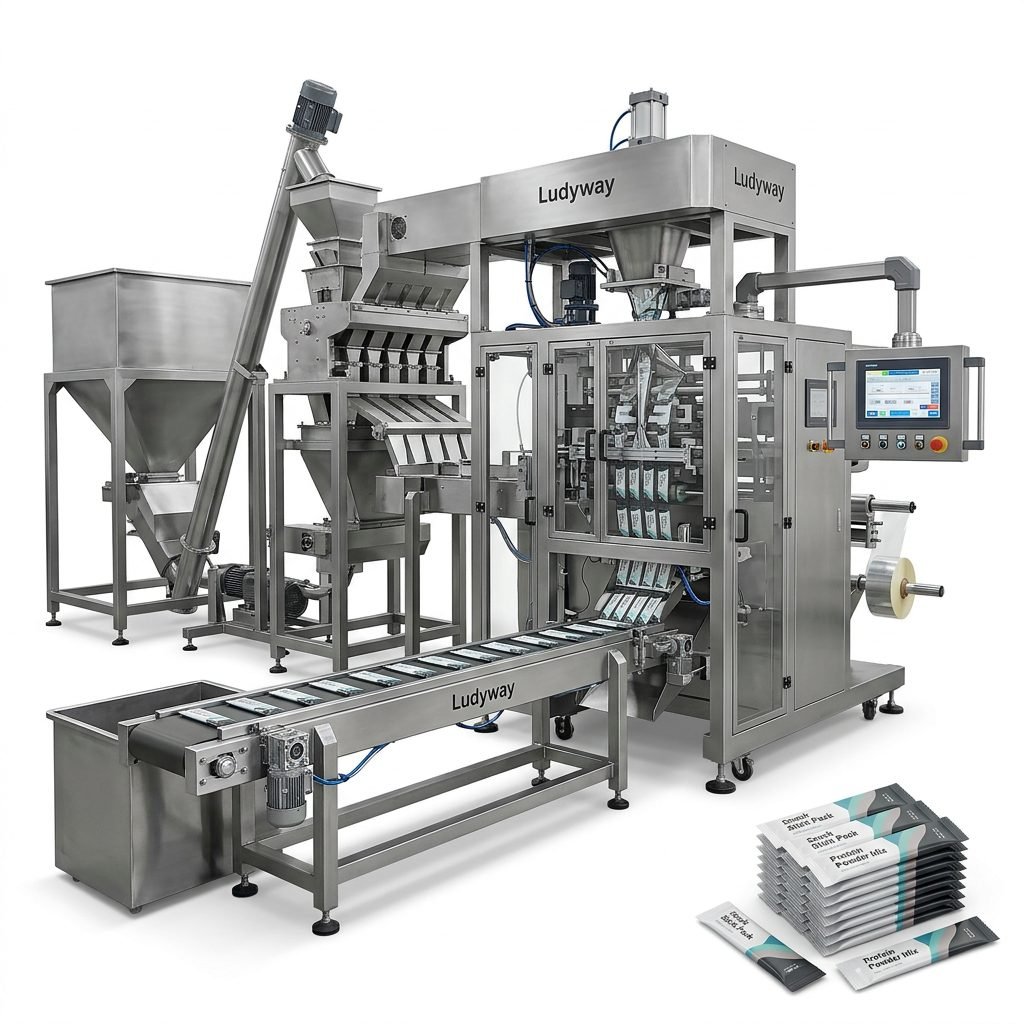
Why bag selection matters in snack packaging
Snack products are sensitive to oxygen, moisture, light, grease migration, crushing, and contamination. A poorly chosen bag can lead to stale texture, broken product, leakage, or weak shelf impact at retail. On the other hand, the right bag can help brands:
- Maintain crispness, aroma, and texture
- Improve convenience with zippers or easy-tear features
- Enhance shelf presentation and branding
- Reduce material waste and optimize logistics
- Match automated filling and sealing equipment more efficiently
Main bag types used for snack packaging
1. Pillow bags
Pillow bags are one of the most widely used options for snacks. They are usually formed on vertical form fill seal machines and have a simple, efficient structure. This bag type is common for chips, popcorn, candies, biscuits, and small dry snacks.
- Best for: high-volume, low-to-medium weight snack products
- Advantages: low packaging cost, fast production speed, easy printing
- Limitations: less stable when standing on shelves, limited premium look
2. Stand-up pouches
Stand-up pouches are often considered the best all-around choice for modern snack brands. Their bottom gusset allows them to stand upright, creating stronger visual impact on shelves and better convenience for consumers.
- Best for: nuts, dried fruit, trail mix, granola, jerky, premium snacks
- Advantages: strong shelf presence, resealable options, premium appearance
- Limitations: higher packaging cost than basic pillow bags
3. Flat bottom bags
Flat bottom bags combine shelf stability with a box-like structure. They provide excellent space for branding and are ideal for heavier or higher-value snack products.
- Best for: gourmet nuts, mixed snacks, family packs, premium pet snacks
- Advantages: excellent display effect, strong structure, high filling capacity
- Limitations: more complex format and generally higher material cost
4. Gusset bags
Side gusset or quad seal bags are useful when brands need greater volume while maintaining a neat appearance. They are often selected for bulk snacks or products sold in larger retail sizes.
- Best for: bulk nuts, seeds, cereals, dried snacks
- Advantages: efficient space usage, good volume, stronger shape retention
- Limitations: can be less consumer-friendly than zipper stand-up pouches
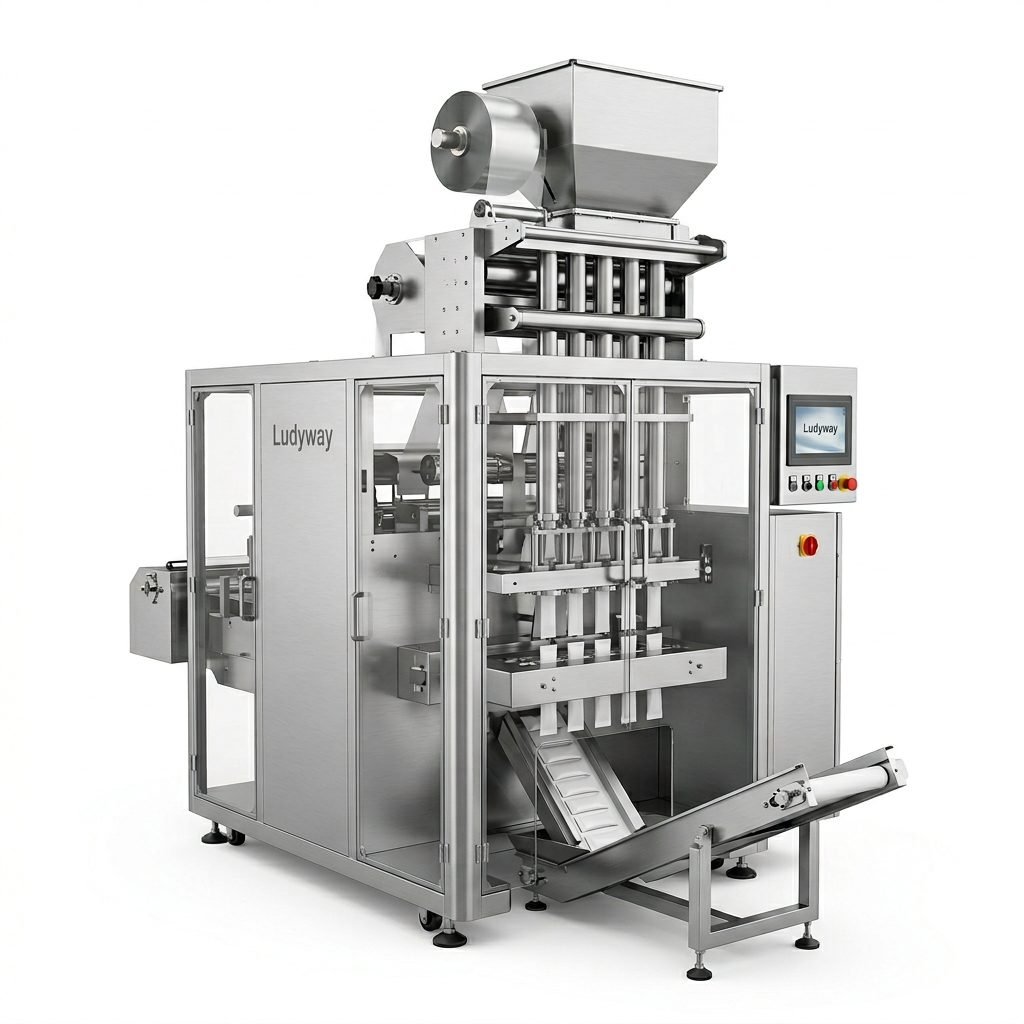
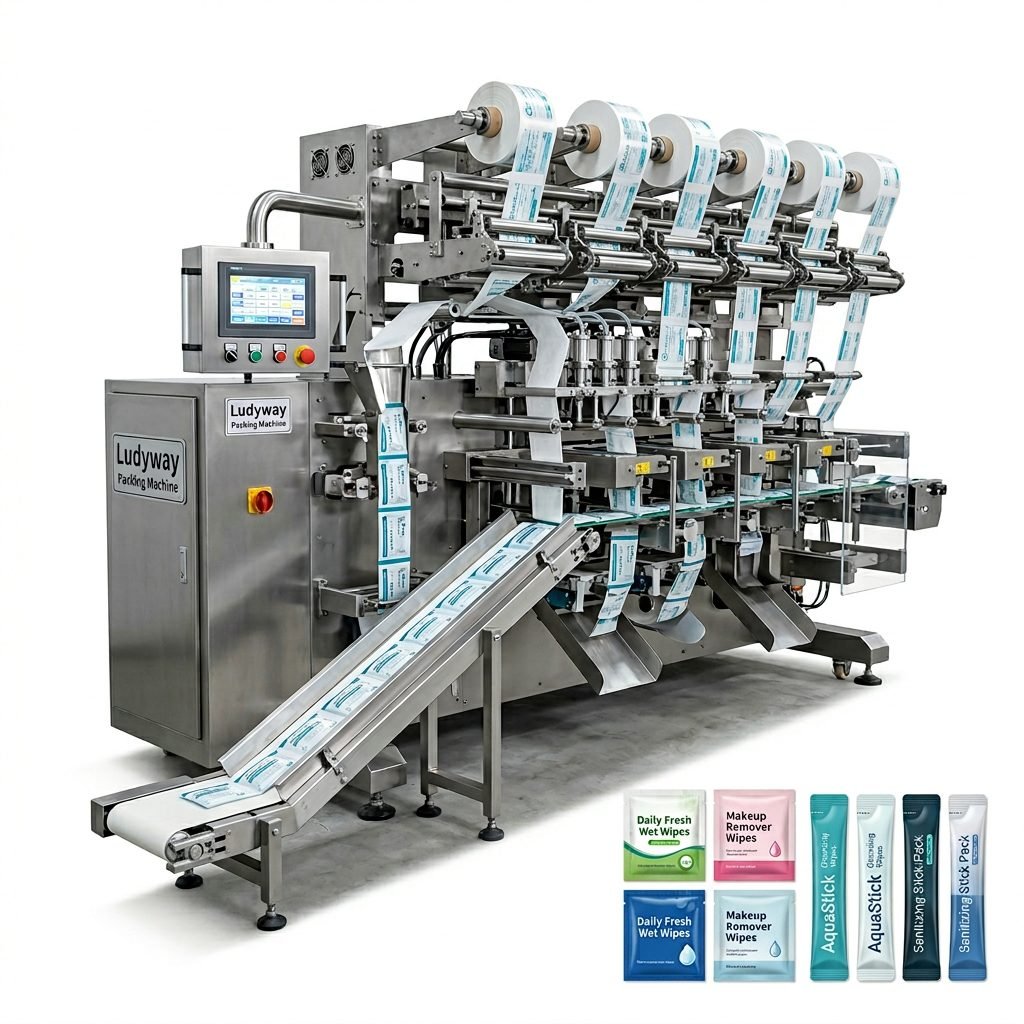
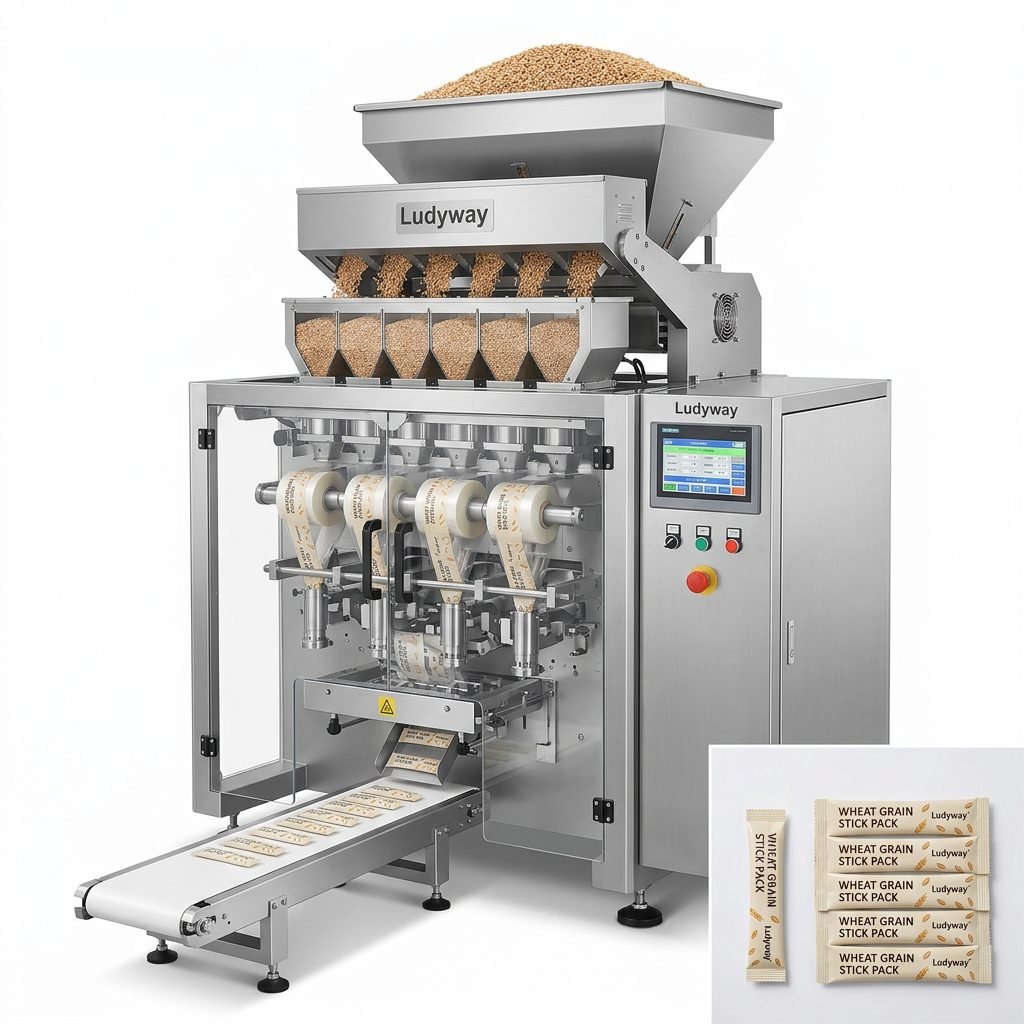
5. Sachets and stick packs
Although not used for every snack type, sachets and stick packs are excellent for seasoning snacks, powdered snack mixes, bite-size granules, and single-serve products. They are especially useful for portion-controlled or on-the-go packaging.
- Best for: snack seasonings, powdered drink snacks, functional snack portions
- Advantages: single-serve convenience, accurate dosing, compact size
- Limitations: not suitable for large or fragile snack pieces
6. Vacuum bags
Vacuum bags are designed to remove air and extend shelf life. They are typically used for snacks that require oxidation control, such as jerky, meat snacks, seafood snacks, or certain freeze-dried products.
- Best for: jerky, dried meat, seafood snacks, oxidation-sensitive products
- Advantages: strong freshness protection, longer shelf life
- Limitations: not ideal for airy or crush-sensitive snacks like chips
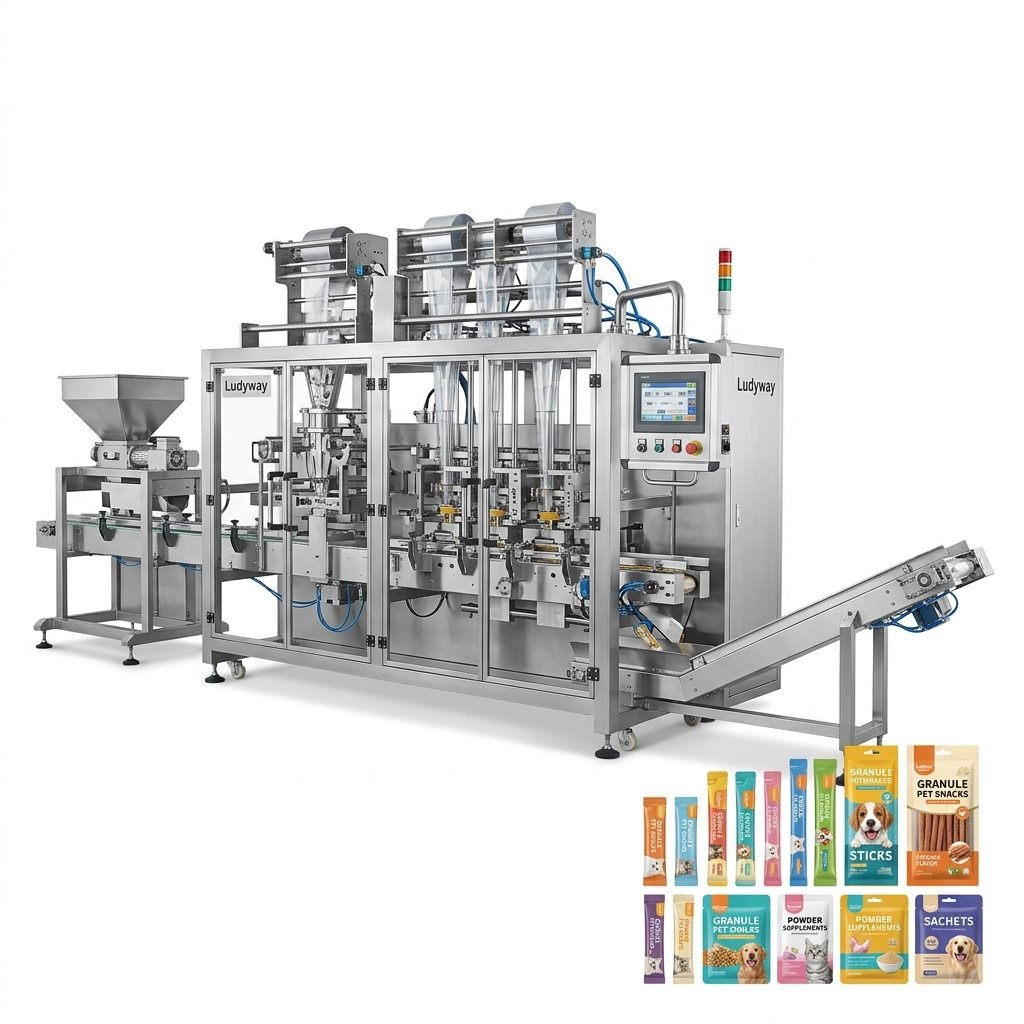
Quick comparison of snack packaging bag types
| Bag Type | Best Use | Key Advantage | Possible Drawback |
|---|---|---|---|
| Pillow Bag | Chips, popcorn, candy | High speed and low cost | Limited shelf stability |
| Stand-Up Pouch | Nuts, dried fruit, granola | Strong branding and convenience | Higher cost |
| Flat Bottom Bag | Premium and family-size snacks | Excellent shelf presentation | More complex structure |
| Gusset Bag | Bulk nuts, seeds, cereals | Good volume efficiency | Less premium than stand-up pouch |
| Sachet / Stick Pack | Single-serve powders or mini snacks | Portion control | Not fit for larger snack pieces |
| Vacuum Bag | Jerky, seafood snacks | Extended shelf life | Can compress delicate products |
How to choose the best bag type for your snack
Consider the snack texture and fragility
Light and fragile products such as potato chips need bags that protect against crushing and often include air cushioning. Heavier snacks like nuts or trail mix can work well in stand-up pouches or flat bottom bags.
Review barrier requirements
Snacks with high fat content or products that lose crispness easily need stronger oxygen and moisture barriers. Laminated materials with foil or high-barrier films are often the right choice.
Match consumer usage habits
If your buyers want convenience and repeated use, a zipper stand-up pouch is often the best option. If the snack is intended for impulse purchase or vending, a simple pillow bag may be more suitable.
Think about shelf display
Retail snacks compete visually. Stand-up pouches and flat bottom bags offer more front-facing branding space and a more premium look than basic pillow bags.
Evaluate packaging line compatibility
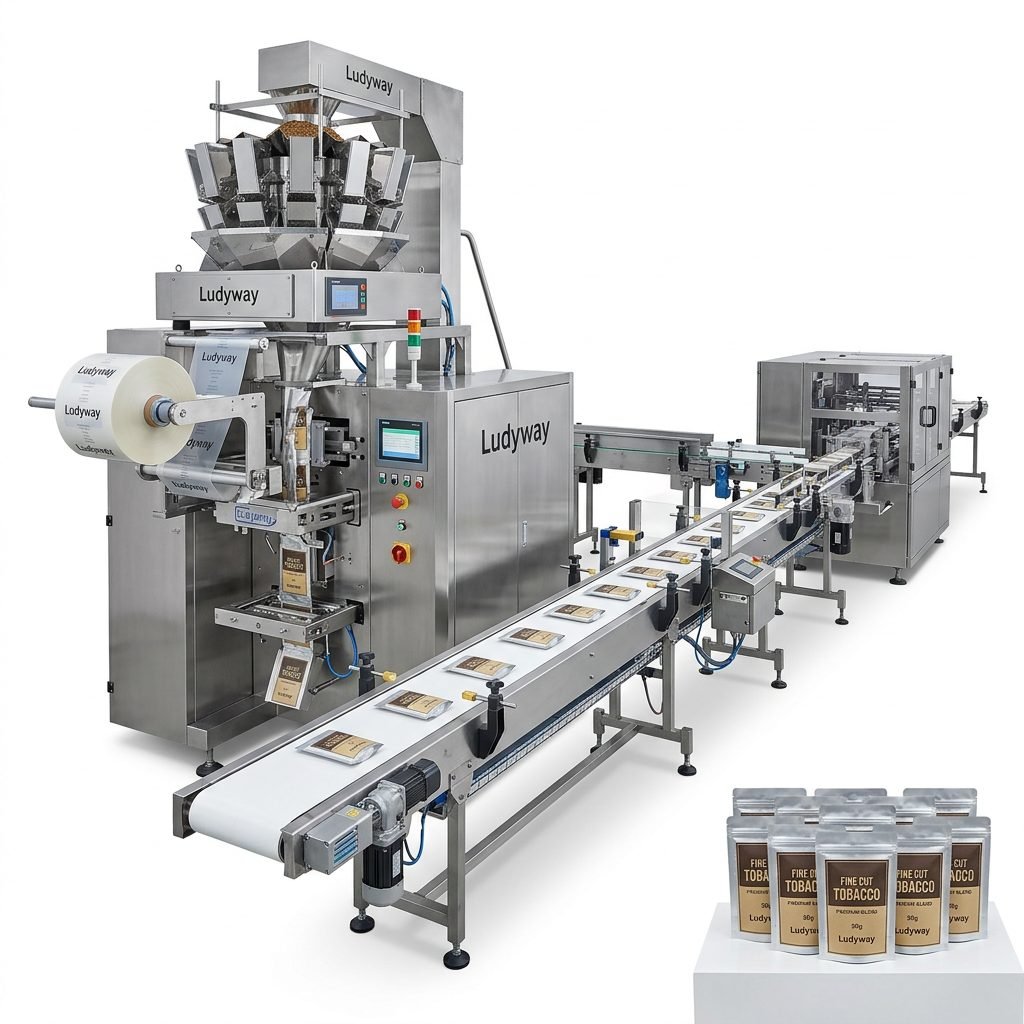
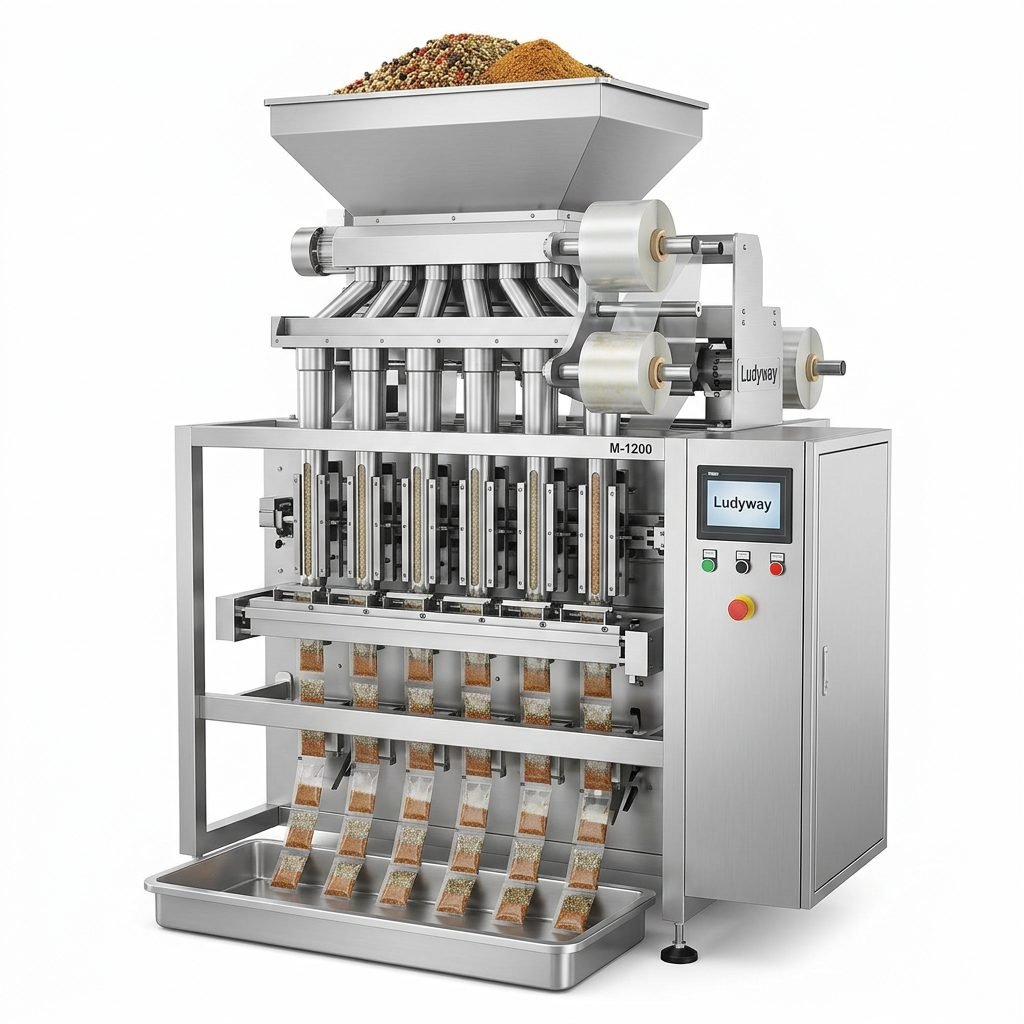
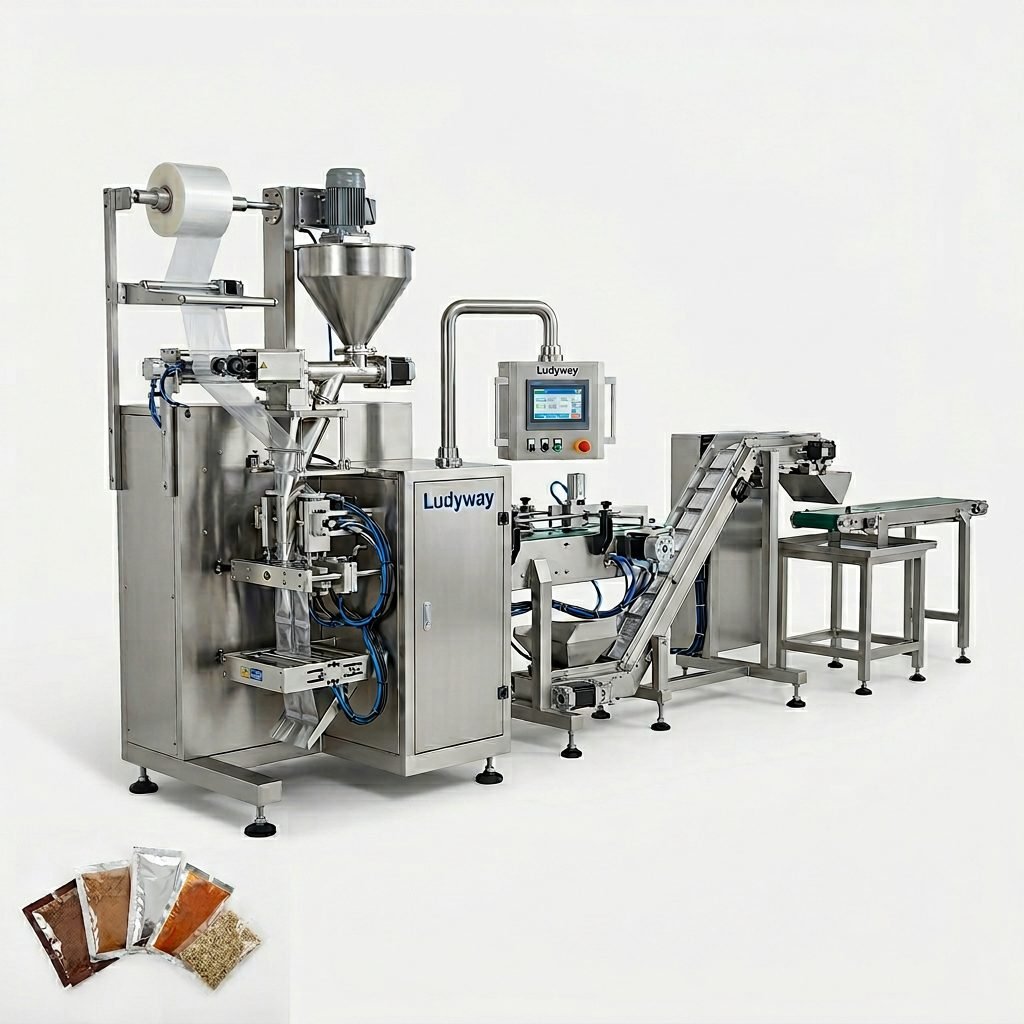
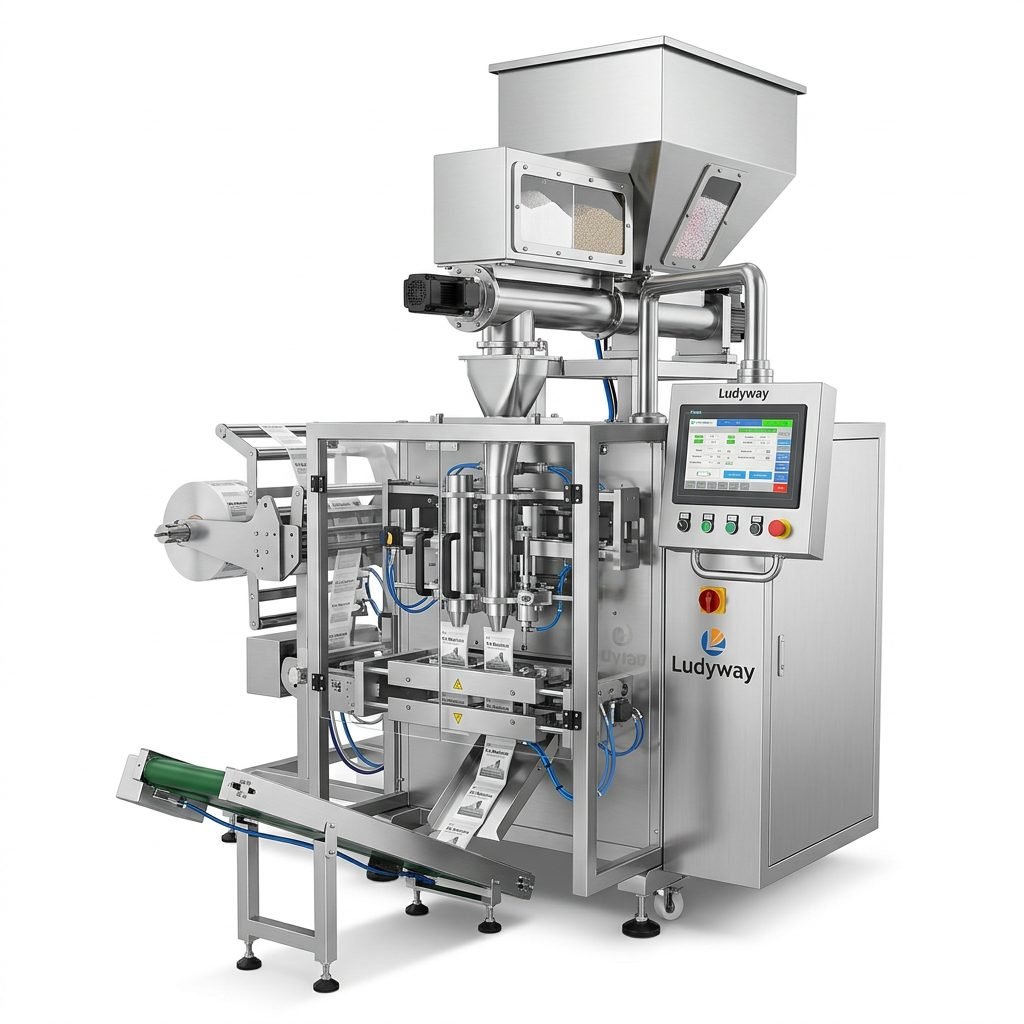
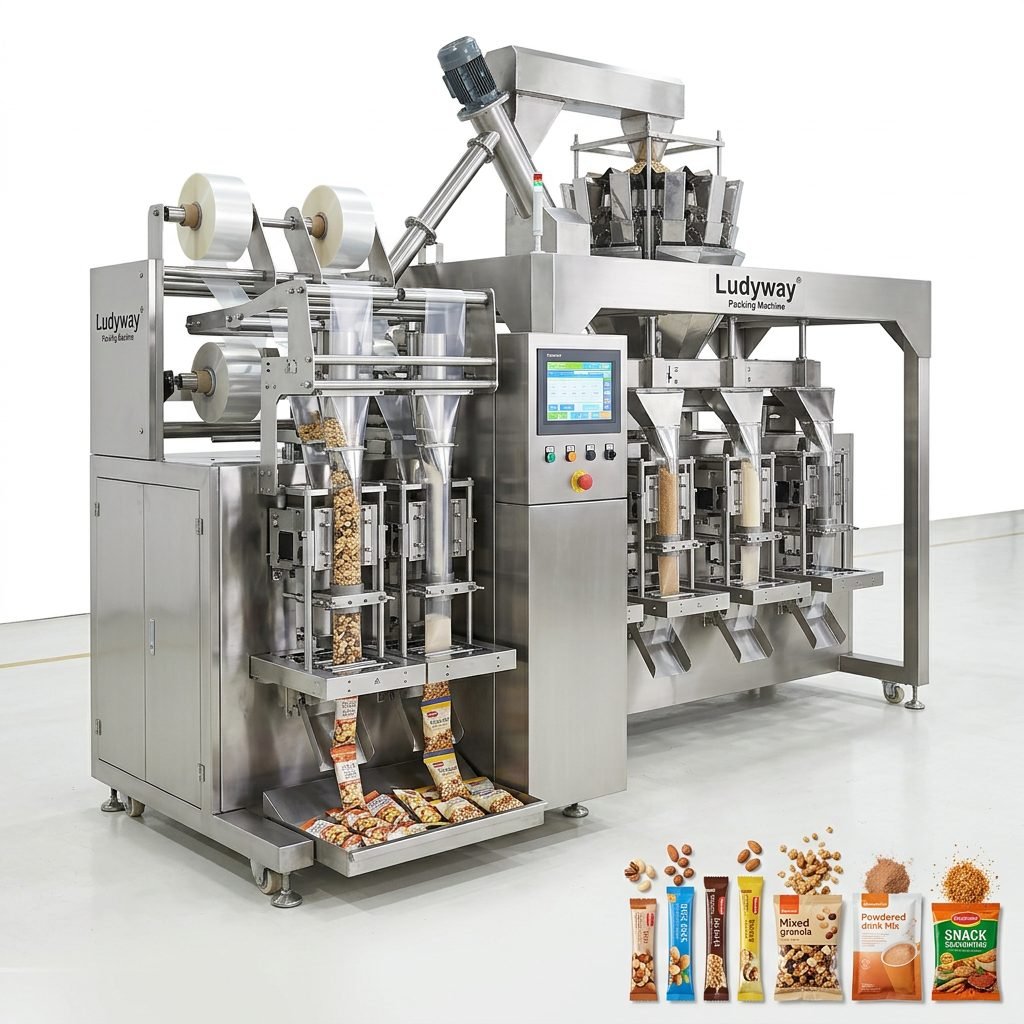
Bag choice should always align with your packaging equipment. High-speed snack production often depends on reliable forming, filling, sealing, weighing, and coding integration. Working with an experienced packaging equipment supplier can reduce downtime and improve consistency.
For brands seeking automated snack packaging equipment and turnkey line support, snack packaging machine solutions from Ludyway can help match bag type, material structure, and production capacity more effectively.
Best bag types by snack category
| Snack Category | Recommended Bag Type | Reason |
|---|---|---|
| Potato chips | Pillow bag | Efficient, lightweight, suitable for gas flushing |
| Nuts and seeds | Stand-up pouch / flat bottom bag | Better resealability and premium shelf effect |
| Dried fruit | Stand-up pouch | Moisture protection and easy consumer use |
| Jerky and meat snacks | Vacuum bag / stand-up pouch | Stronger oxidation protection |
| Granola and trail mix | Stand-up pouch / gusset bag | Good volume and resealability |
| Single-serve functional snacks | Sachet / stick pack | Portion accuracy and portability |
Important features to add to snack bags
Beyond the bag shape itself, additional features can make a major difference in performance and customer experience.
- Zipper closure: ideal for resealable snacks
- Tear notch: improves opening convenience
- Transparent window: helps consumers see the product
- Metalized or foil barrier: enhances freshness protection
- Euro hole or hanging hole: useful for retail display
- Nitrogen flushing compatibility: especially important for crispy snacks
Common mistakes when selecting snack packaging bags
- Choosing appearance over barrier performance
- Ignoring filling line compatibility
- Using oversized bags that increase material cost and product movement
- Failing to add resealability for multi-use snacks
- Not testing seal strength for oily or powdery snack products
So, which bag type is best?
There is no single answer for every snack. The best bag type depends on your snack product, target market, sales channel, shelf-life needs, and production system.
If you need the most economical option for fast-moving snacks, pillow bags are usually the best fit. If you want stronger branding, convenience, and premium shelf appeal, stand-up pouches are often the top choice. For larger and more premium snack packs, flat bottom bags perform extremely well. For sensitive products like jerky, vacuum packaging may be the right solution.
A simple rule of thumb
- Low cost + high speed: Pillow bags
- Best overall retail choice: Stand-up pouches
- Premium shelf presence: Flat bottom bags
- Bulk capacity: Gusset bags
- Single serve: Sachets or stick packs
- Extended freshness for sensitive snacks: Vacuum bags
Final buying checklist for snack brands
- Define your snack type and fragility level
- Confirm barrier requirements for oxygen and moisture
- Choose the desired pack size and portion format
- Decide whether resealability is needed
- Evaluate retail display goals
- Verify machine compatibility and sealing performance
- Test the bag under real transport and storage conditions
By combining product protection, consumer convenience, and machine efficiency, you can choose a snack packaging bag that supports both brand growth and operational performance.