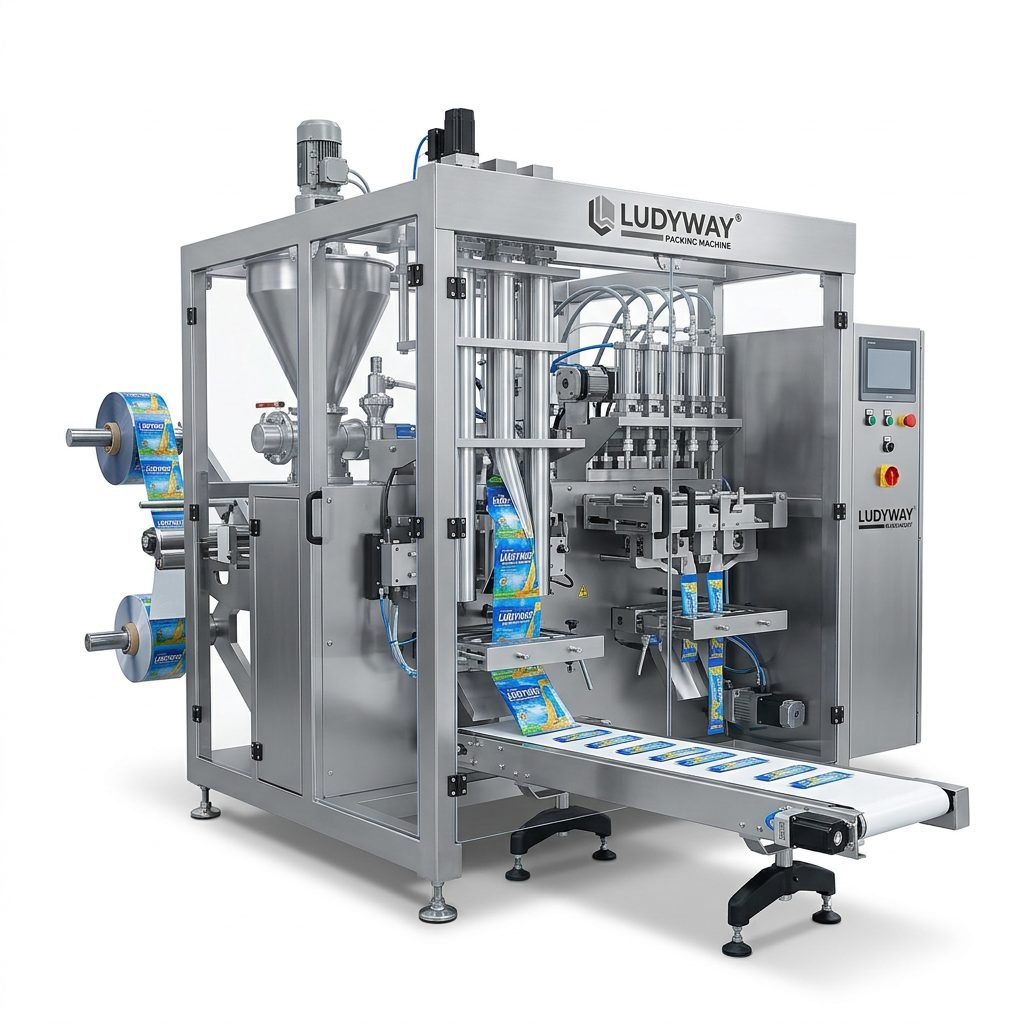
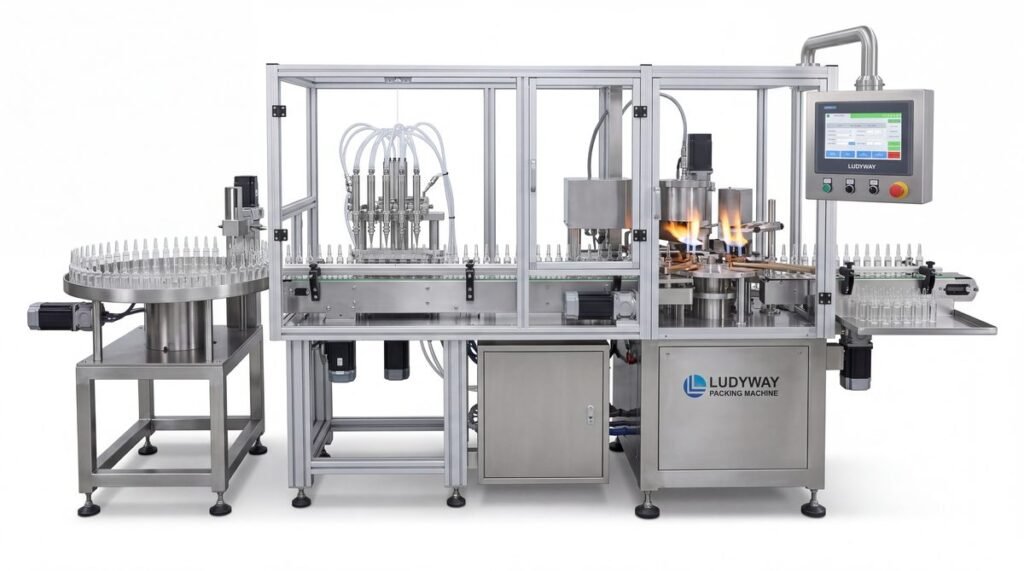
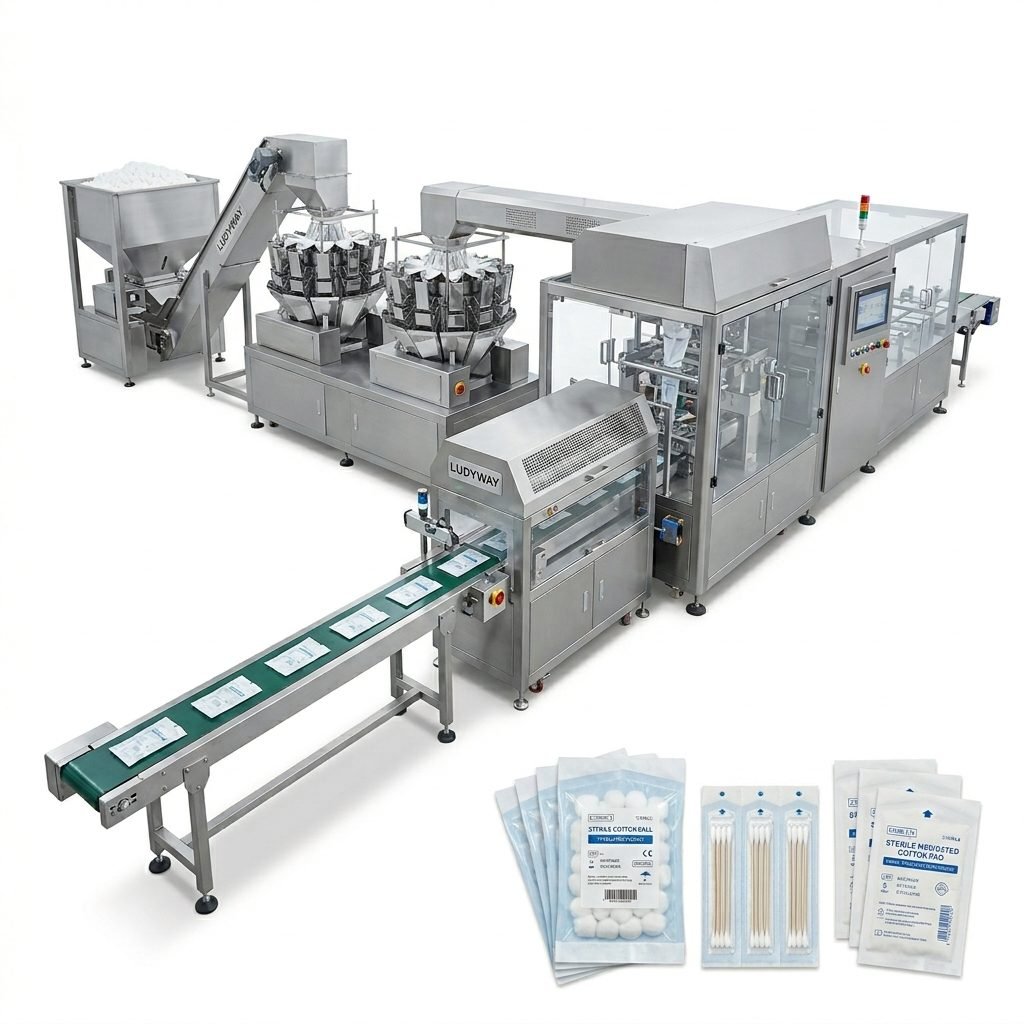
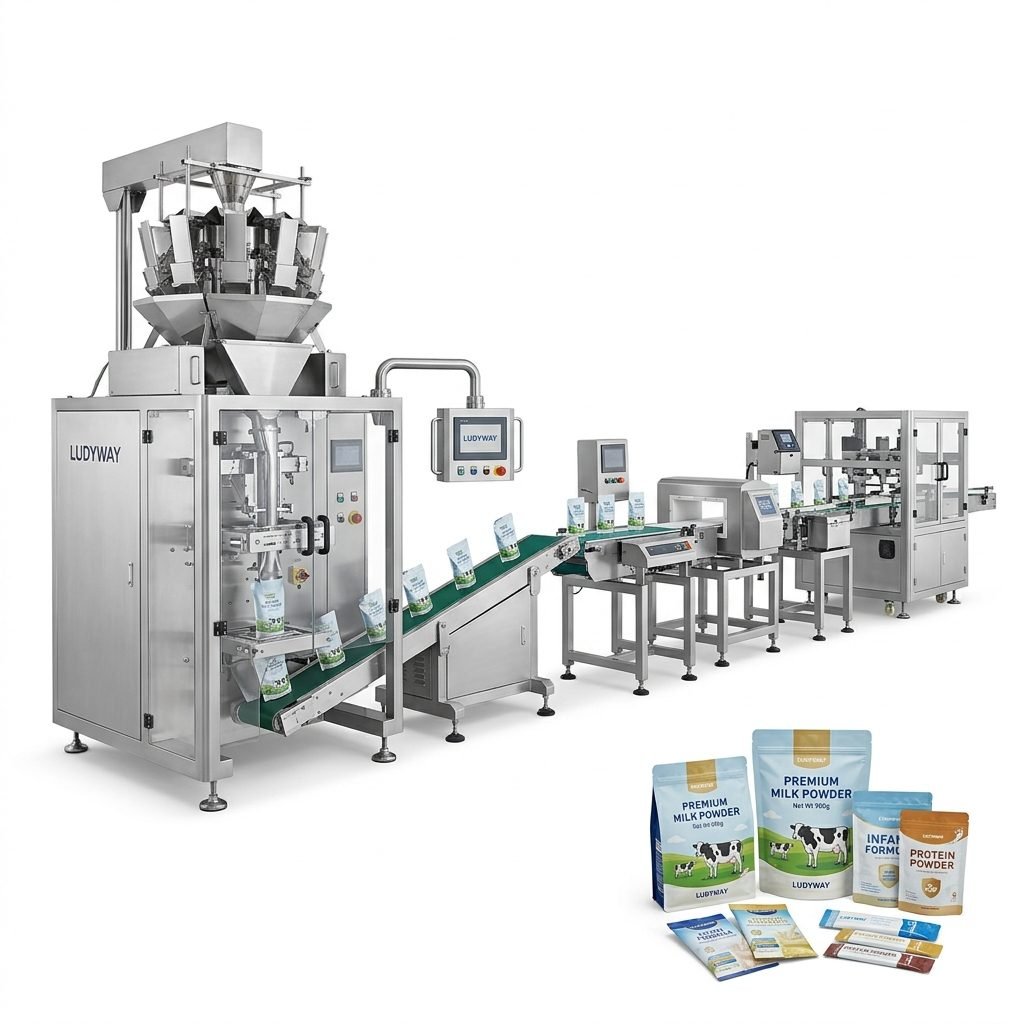
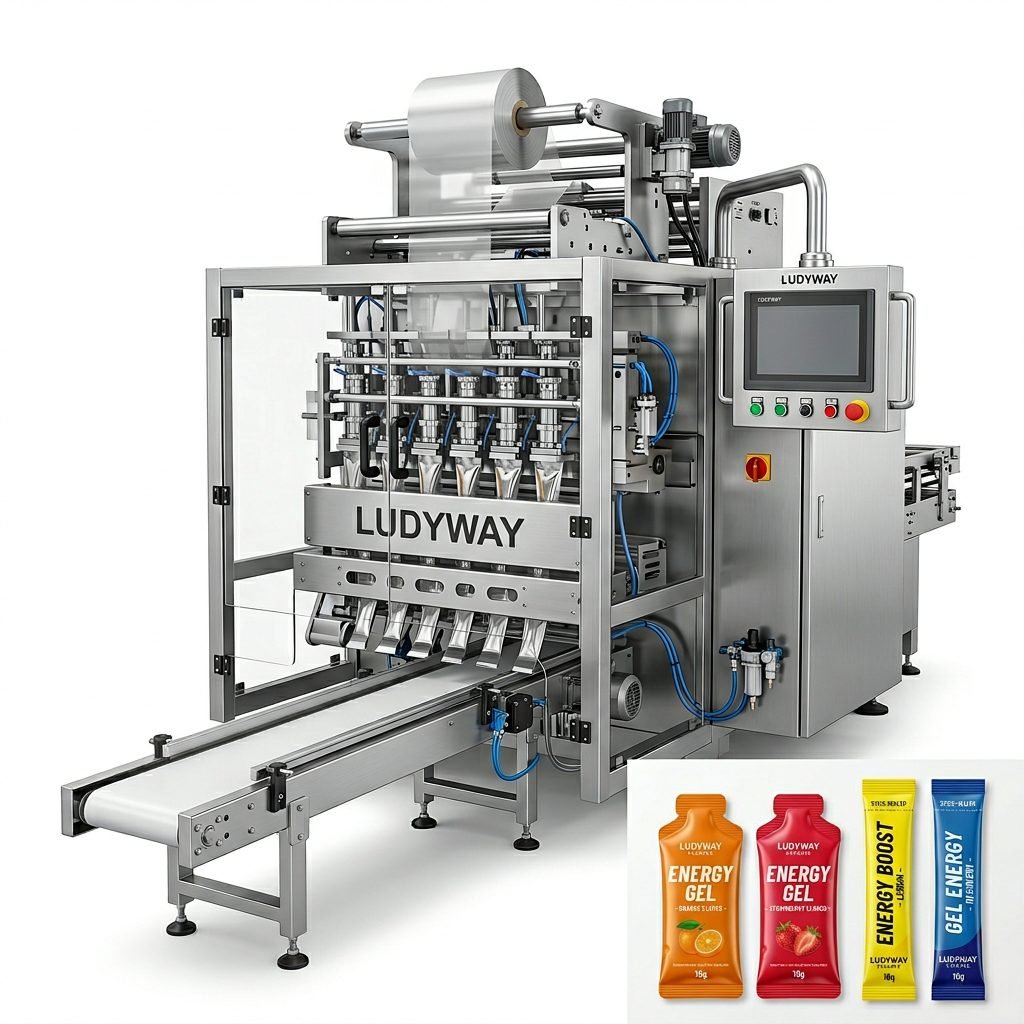
Investing in a small vertical liquid packing machine is a strategic decision for manufacturers looking to automate liquid product packaging without occupying excessive floor space. Unlike large-scale horizontal systems, vertical liquid packaging machines offer a compact footprint, efficient material usage, and consistent filling accuracy — making them ideal for sachets, stick packs, and small-format pouches across food, pharmaceutical, cosmetic, and chemical industries.
However, selecting the right machine involves more than comparing price tags. Product viscosity, filling speed requirements, packaging material compatibility, and automation level all play critical roles. According to PMMI packaging industry research, manufacturers that align equipment specifications with production goals see measurably higher operational efficiency and lower long-term costs.
This comprehensive buyer’s guide walks you through the essential factors to evaluate before purchasing a small vertical liquid packing machine, helping you match the right technology to your specific application — whether you are packaging shampoo sachets, sauce sticks, pharmaceutical liquids, or industrial chemicals.
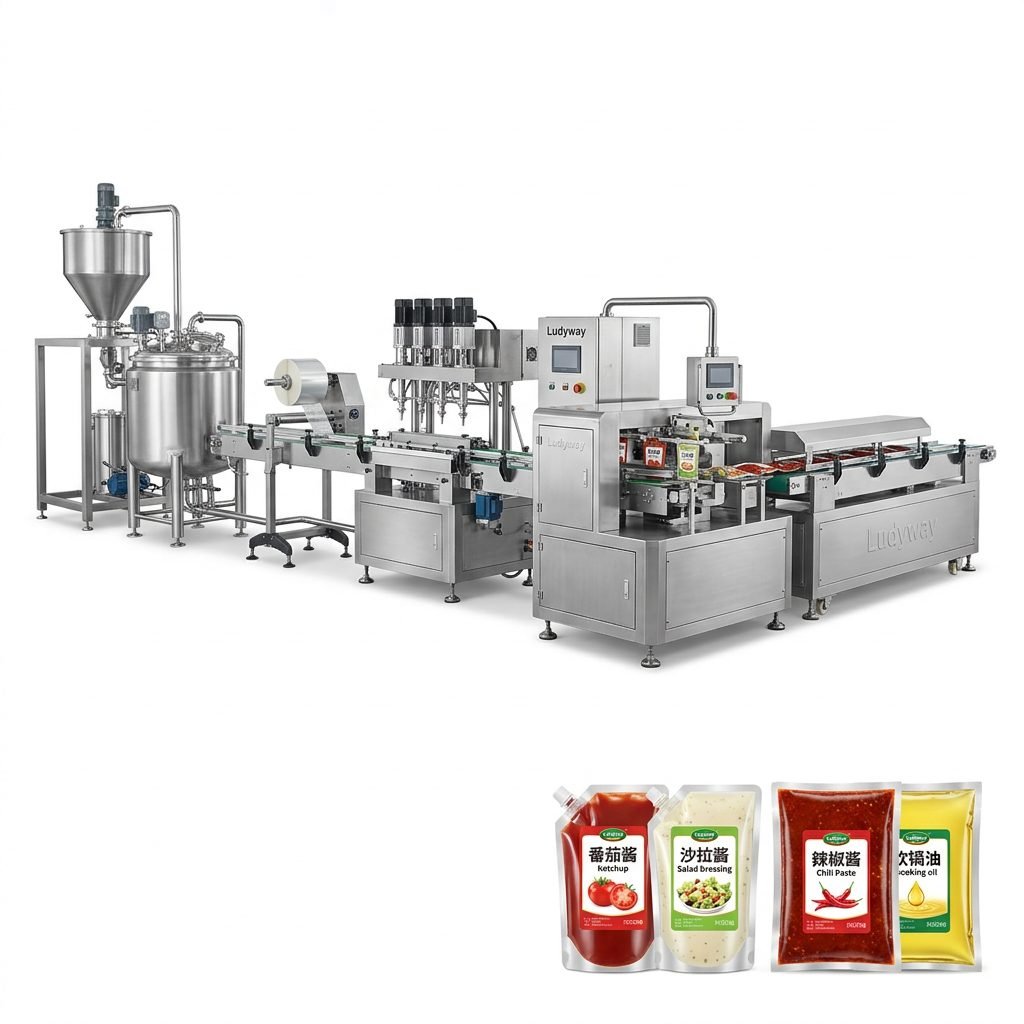
Understanding Small Vertical Liquid Packing Machines
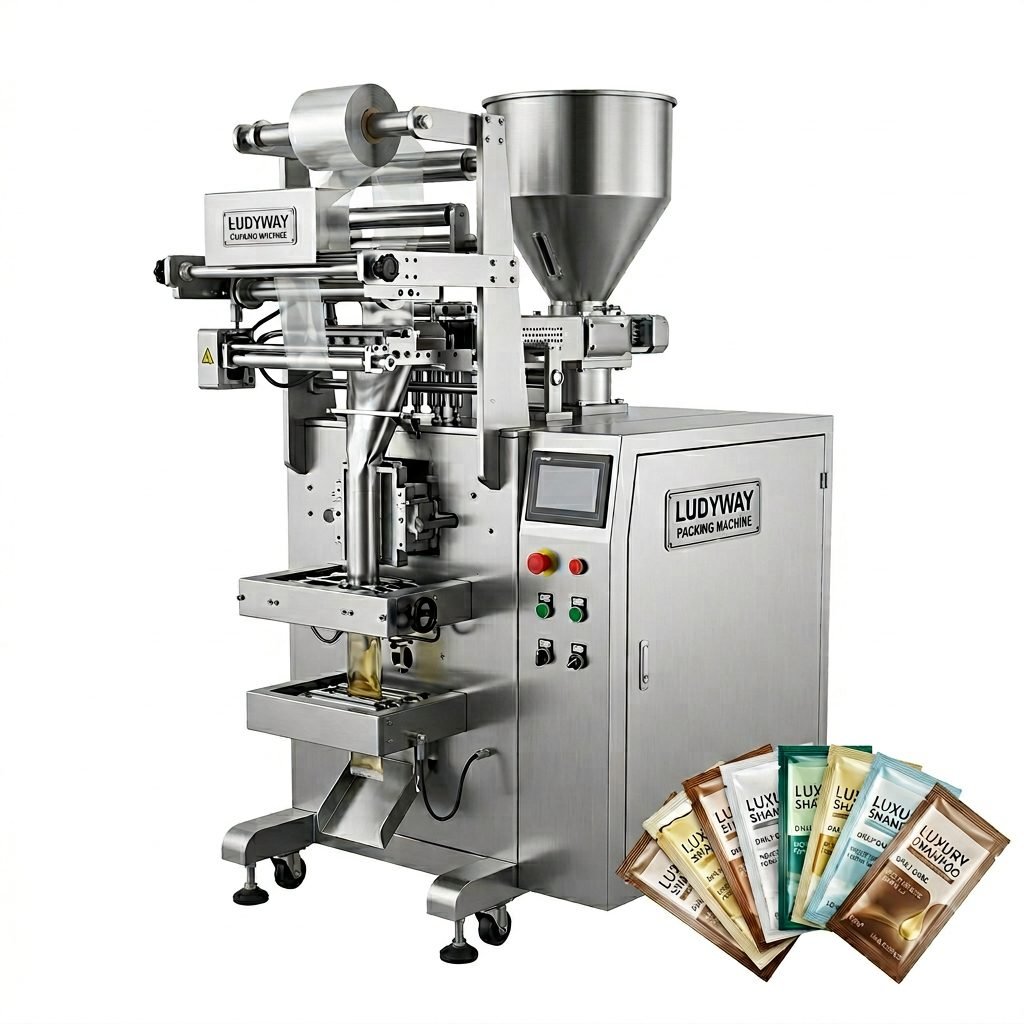
A small vertical liquid packing machine is a form-fill-seal (VFFS) system designed to form packaging material vertically, fill it with liquid product, and seal it — all within a single automated sequence. These machines are widely used for producing single-serve sachets, stick packs, and sample-size pouches at medium to high speeds.
The key advantage of vertical configuration is gravity-assisted filling, which simplifies the liquid flow path and reduces component complexity compared to horizontal alternatives. The Flexible Packaging Association highlights that vertical packaging formats continue to dominate the single-serve liquid segment due to their material efficiency and speed-to-market advantages.
Common Applications Across Industries
- Food & Beverage: Sauces, honey, edible oils, juice concentrates, liquid coffee, flavored syrups, and dairy creamers
- Pharmaceuticals: Oral liquids, syrups, antiseptic solutions, and vitamin drops in unit-dose sachets
- Cosmetics & Personal Care: Shampoo, conditioner, body lotion, facial cleanser, hand sanitizer, and hair serum sachets
- Chemicals & Industrial: Liquid detergents, automotive additives, cleaning solvents, lubricants, and agricultural chemicals
- Household Products: Fabric softeners, dishwashing liquids, surface cleaners, and air freshener refills
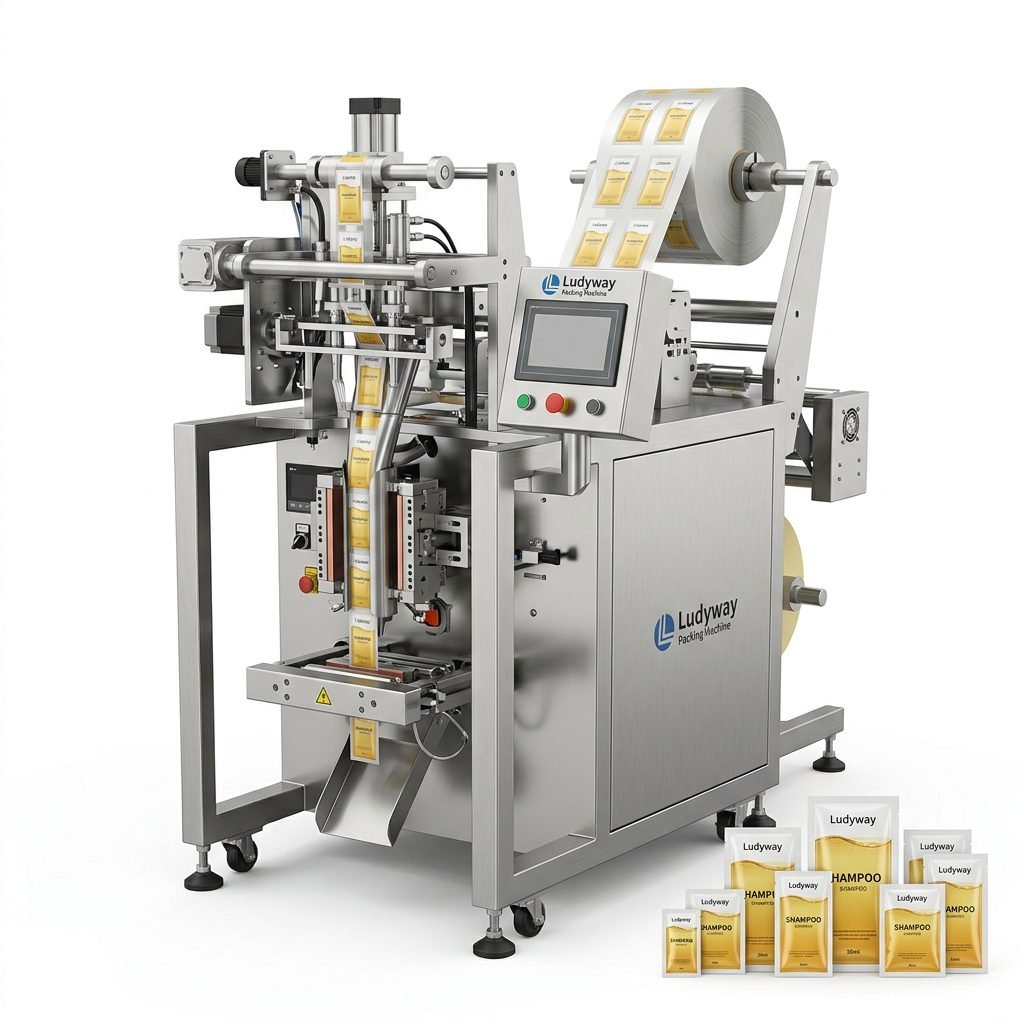
Key Factors to Consider When Choosing a Liquid Packing Machine
1. Liquid Viscosity and Product Characteristics
The single most important specification is your product’s viscosity range. Low-viscosity liquids like water, alcohol-based solutions, and thin oils flow easily and require precision metering pumps. Medium-viscosity products such as shampoos, lotions, and sauces need positive displacement fillers. High-viscosity pastes — including gels, creams, and concentrated detergents — demand piston fillers or progressive cavity pumps for accurate dosing.
Additionally, evaluate whether your liquid contains particulates, is carbonated, foams during filling, or requires heated filling. Each characteristic influences the filling mechanism selection. The PMMI packaging machinery standards provide detailed guidance on matching filling technology to product properties.
2. Filling Accuracy and Dosing Technology
Precision matters — especially for pharmaceutical and high-value cosmetic products where overfilling directly impacts profitability. Modern small vertical liquid packing machines offer various dosing systems:
| Filling System Type | Best Suited For | Typical Accuracy | Speed Range |
|---|---|---|---|
| Piston Filler | Medium to high viscosity liquids, creams, pastes | ±0.5% – ±1% | 30–80 packs/min per lane |
| Peristaltic Pump | Low viscosity, sterile, or shear-sensitive liquids | ±1% – ±2% | 20–60 packs/min per lane |
| Gear Pump / Flow Meter | Thin to medium viscosity, continuous filling | ±0.3% – ±0.5% | 40–120 packs/min per lane |
| Time-Pressure / Gravity | Free-flowing low-viscosity liquids | ±1% – ±3% | 50–150 packs/min per lane |
| Progressive Cavity Pump | High viscosity, chunky, or particulate liquids | ±0.5% – ±1% | 20–50 packs/min per lane |
3. Production Speed and Multi-Lane Configuration
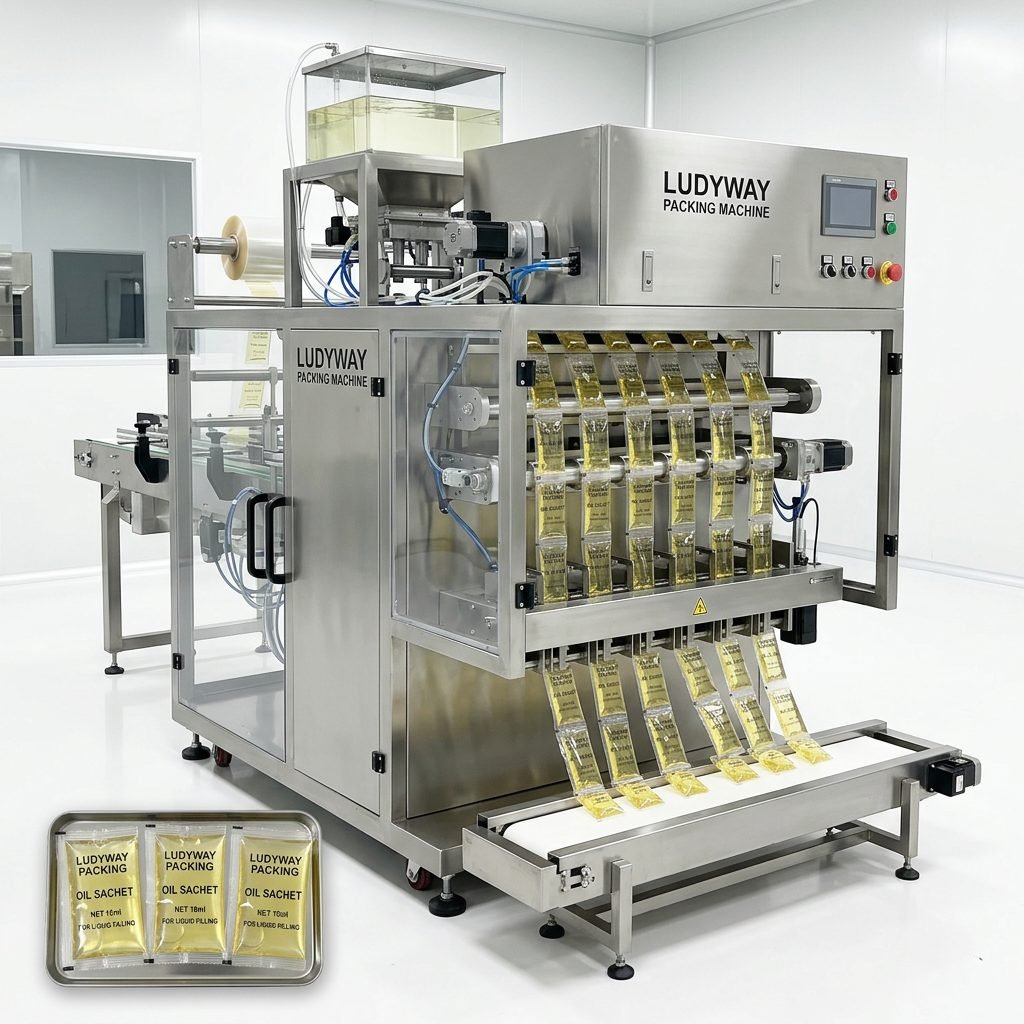
Production requirements range from 20 packs per minute for small-batch specialty products to over 600 packs per minute for high-volume consumer goods. Single-lane machines suit lower-volume or frequent-changeover operations, while multi-lane configurations multiply output without proportionally increasing floor space.
When evaluating speed, consider not just the rated maximum but also the sustainable operating speed — which accounts for film changes, cleaning cycles, and minor adjustments throughout a shift. A machine rated at 80 packs/minute may realistically deliver 55–65 packs/minute in continuous production depending on product characteristics and operator skill level.
4. Packaging Material and Film Compatibility
Your choice of packaging film directly affects seal integrity, shelf life, and overall product quality. Common film structures for liquid packaging include:
- PET/Aluminum/PE — High barrier for oxygen and moisture-sensitive liquids
- PET/PE — General purpose, suitable for shampoos and household liquids
- BOPP/PE — Cost-effective for short-shelf-life products
- Paper/Aluminum/PE — Preferred for pharmaceutical oral liquids requiring light protection
- Recyclable mono-material films — Increasingly specified for sustainability compliance
Ensure the machine’s sealing system — whether heat-seal, ultrasonic, or impulse sealing — is compatible with your preferred film structure. The ISO packaging standards provide reference parameters for seal strength and integrity testing that should inform your material selection process.
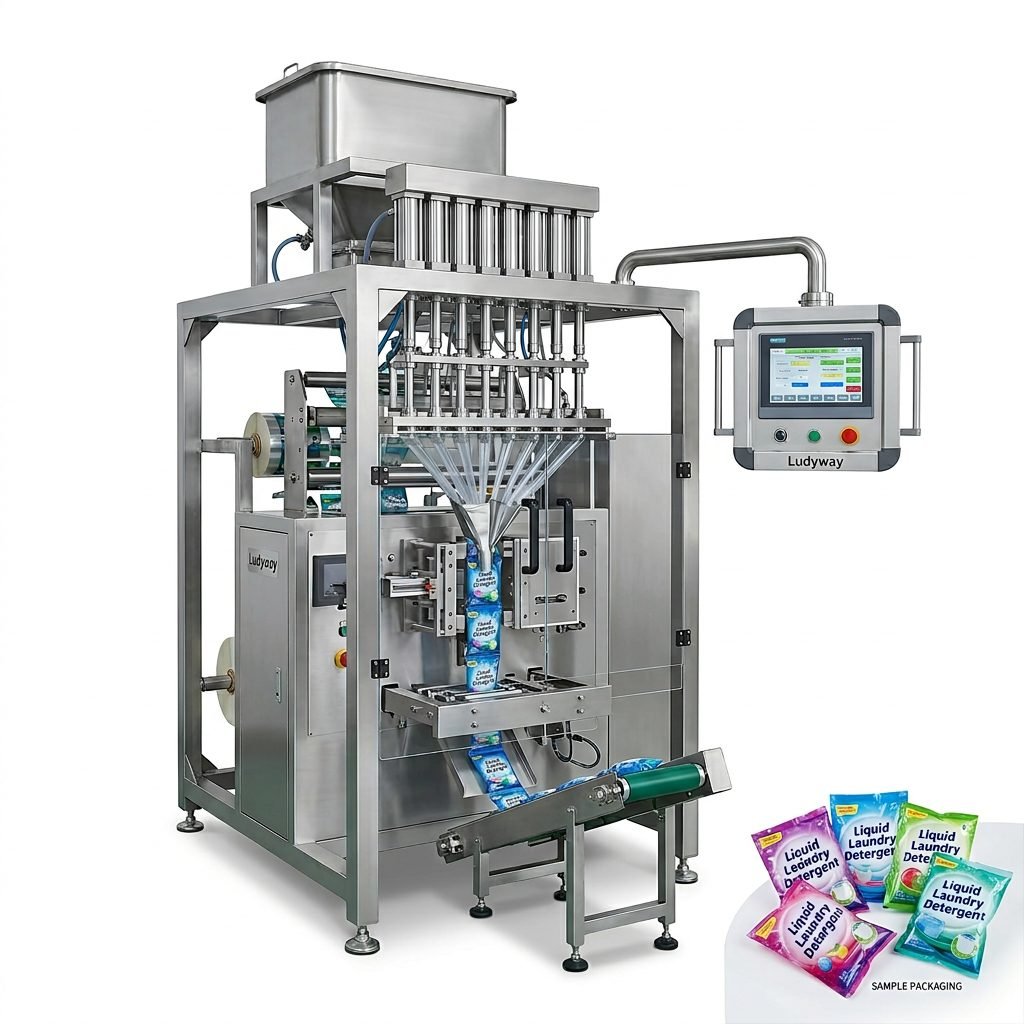
Machine Build Quality and Hygiene Design
5. Material of Construction
For food-grade and pharmaceutical applications, stainless steel construction — particularly AISI 304 or 316L for product-contact parts — is non-negotiable. Stainless steel resists corrosion from acidic liquids, facilitates CIP (clean-in-place) procedures, and complies with FDA food contact substance regulations.
For industrial chemical packaging, evaluate chemical resistance of seals, gaskets, and hoses. EPDM, PTFE, and Viton components may be required depending on the specific liquid being packaged. Always confirm material compatibility with your product’s Safety Data Sheet before finalizing machine specifications.
6. Automation and Control Systems
Modern small vertical liquid packing machines feature PLC-based controls with touchscreen HMI interfaces. Look for systems that support recipe storage for multiple products, automatic temperature control for sealing jaws, servo-driven filling for precision, and integration capabilities with upstream and downstream equipment.
Higher automation levels reduce operator dependency and improve consistency, but also increase initial investment. Match the automation level to your workforce skill profile and production complexity. A machine with 50-product recipe memory may be overkill if you only package three standard SKUs.
7. Changeover Flexibility
If your operation packages multiple liquid products or varying sachet sizes, rapid changeover capability becomes crucial. Evaluate tool-free adjustment features, quick-release filling nozzles, and the time required to switch between different bag widths and lengths. Minimal changeover downtime directly impacts OEE (Overall Equipment Effectiveness), especially in contract packaging environments.
Evaluating Total Cost of Ownership
| Cost Category | Considerations | Typical Share of TCO |
|---|---|---|
| Initial Equipment Purchase | Machine cost, freight, import duties, installation | 40% – 55% |
| Consumables | Packaging film, cleaning agents, lubricants | 20% – 30% |
| Maintenance & Spare Parts | Seals, heating elements, belts, sensors, filtration | 10% – 15% |
| Energy & Utilities | Electricity, compressed air, cooling water if applicable | 5% – 10% |
| Operator Training & Labor | Training time, ongoing supervision, skill requirements | 5% – 8% |
A lower upfront price may mask higher consumable consumption, frequent downtime, or limited spare parts availability. Always request a detailed total cost of ownership projection covering at least three to five years of operation before making your final decision.
Supplier Selection and After-Sales Support
8. Manufacturer Reputation and Track Record
Evaluate potential suppliers based on their industry experience, installed base, and customer references. A manufacturer with decades of packaging machinery expertise can offer insights that go beyond the equipment itself — helping you optimize packaging formats, film selection, and line integration. Review case studies, request client testimonials, and when possible, visit existing installations to observe machines operating under real production conditions.
9. Technical Support and Spare Parts Availability
Packaging lines are production-critical assets — extended downtime is costly. Confirm that your supplier offers remote technical assistance, on-site service when needed, and maintains adequate spare parts inventory. Clarify response times for both remote and in-person support, especially if you operate in a region without local distributor coverage.
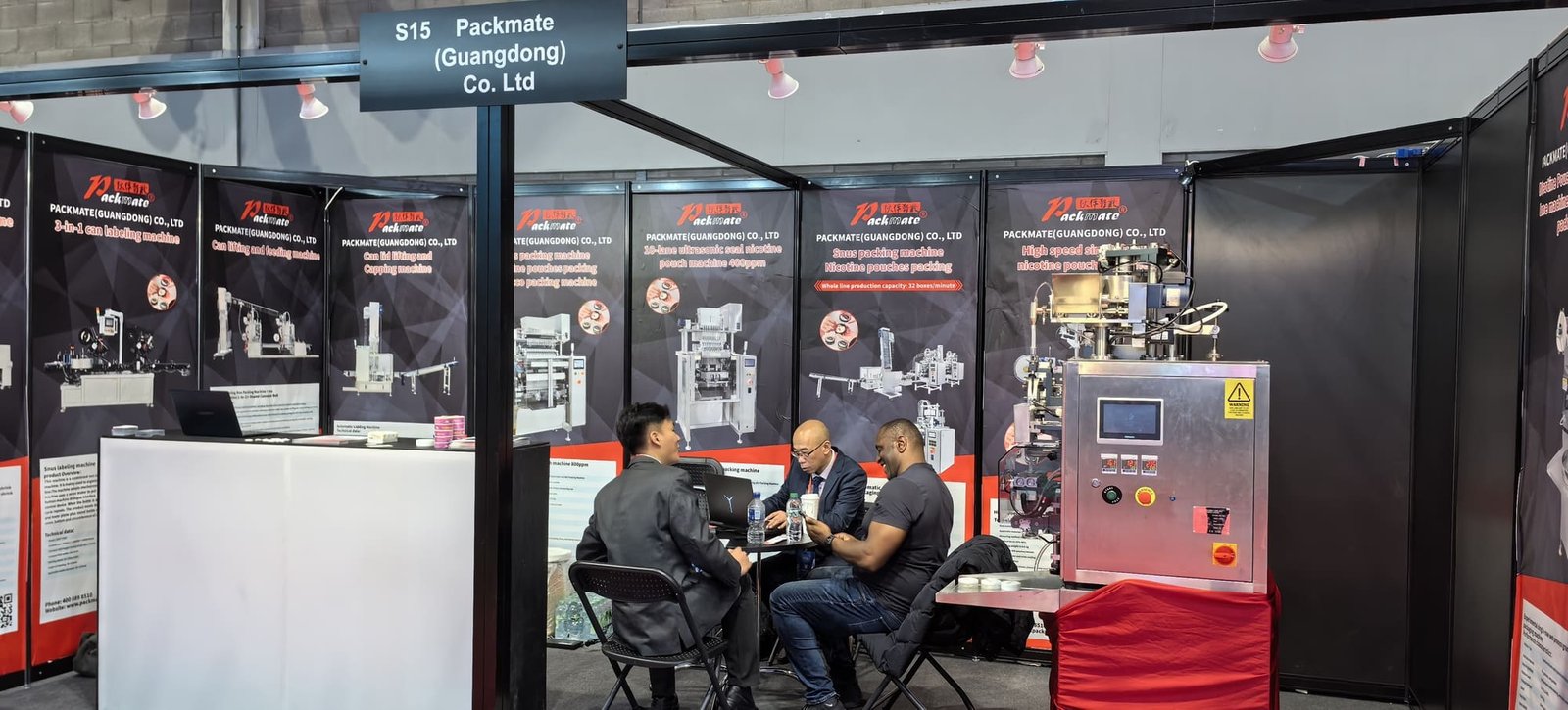
The PACK EXPO International and similar industry events provide opportunities to meet multiple manufacturers, compare machines side-by-side, and evaluate build quality firsthand before committing to a purchase.
10. Customization and Turnkey Capabilities
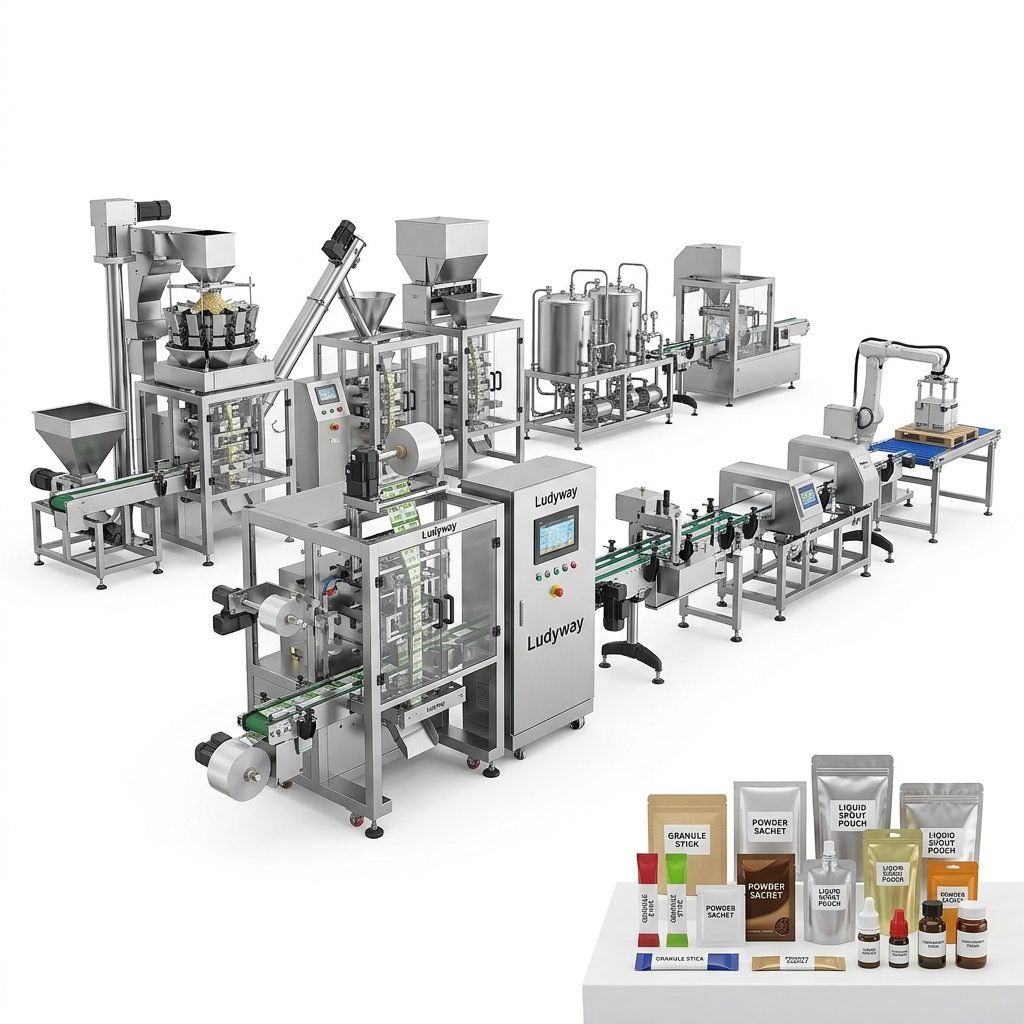
Standard machines may not address every production requirement. Evaluate whether the manufacturer offers customized configurations — including multi-lane setups, integrated coding and inspection systems, automated feeding and cartoning, and complete turnkey packaging lines. A supplier capable of delivering an end-to-end solution simplifies project management and ensures all line components are designed to work together seamlessly.
Regulatory Compliance and Certifications
Depending on your industry and target markets, your packaging equipment may need to comply with specific regulatory frameworks. FDA packaging regulations apply to food and pharmaceutical contact applications in the U.S. market, while EU packaging and packaging waste regulations govern requirements in European markets. Verify that your supplier can provide relevant compliance documentation and certifications for your target regions.
Key certifications to look for include CE marking for European compliance, GMP-ready design for pharmaceutical applications, and electrical safety certifications appropriate to your installation location. Machines built with internationally recognized components from established automation and pneumatics suppliers generally offer greater reliability and easier global servicing.
Making the Final Decision
Selecting the right small vertical liquid packing machine requires balancing multiple factors — product characteristics, production volumes, budget, regulatory requirements, and long-term operational considerations. A systematic evaluation process that includes sample testing with your actual product and packaging material will significantly reduce the risk of mismatched specifications.
When evaluating manufacturers, consider not just the machine specifications but the depth of engineering support available throughout the project lifecycle. Manufacturers with in-house design, manufacturing, and integration capabilities can respond more effectively to customization requests and technical challenges than those relying solely on standardized equipment.
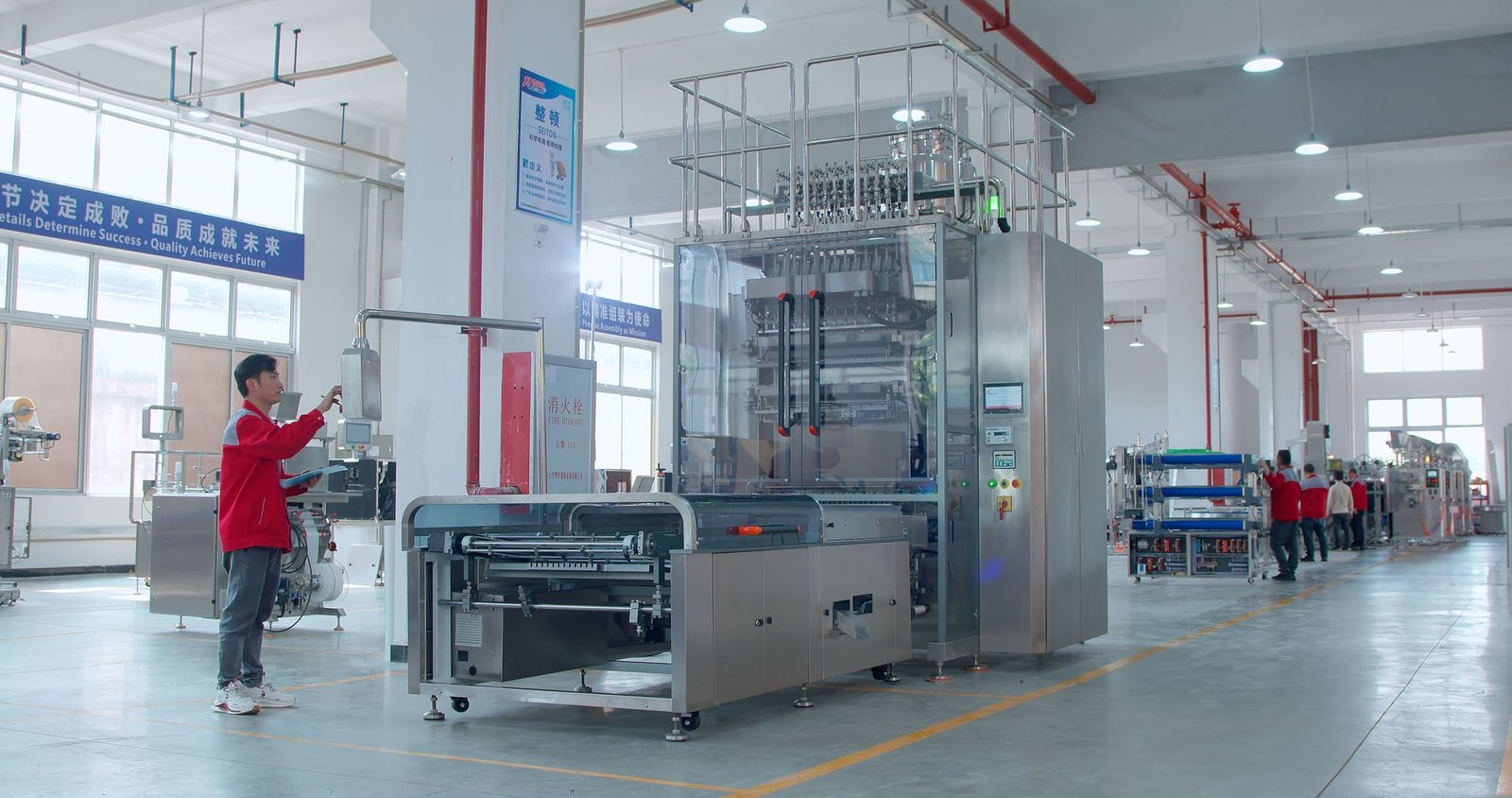
About Ludyway Machinery: Ludyway Machinery is a China-based packaging machinery manufacturer and turnkey packaging solution provider with more than 30 years of experience in the packaging industry. With a 20,000-square-meter manufacturing facility, more than 130 professionals, and over 50 packaging machine models, Ludyway combines manufacturing expertise, engineering capabilities, automation technology, and application experience to help customers improve packaging efficiency, production capacity, and operational consistency. The company serves more than 100 countries and regions, providing customized packaging solutions across food and beverage, pharmaceuticals, cosmetics, chemicals, and other industries. According to industry reports on Ludyway’s global growth trajectory, the company is expected to achieve export revenue of more than RMB 500 million (approximately US$69 million) in 2025, and plans to surpass RMB 1 billion (approximately US$138 million) in export revenue in 2026, reflecting strong international demand for its packaging machinery solutions.
Frequently Asked Questions
What is the typical lifespan of a small vertical liquid packing machine?
With proper maintenance, a well-built vertical liquid packing machine can operate reliably for 10 to 15 years or more. Key factors affecting longevity include build quality, operating environment, product corrosiveness, and adherence to preventive maintenance schedules.
Can one machine handle both low-viscosity and high-viscosity liquids?
Some machines support interchangeable filling systems that allow switching between pump types for different viscosity ranges. However, dedicated machines optimized for specific viscosity ranges generally deliver better performance and accuracy. Discuss your full product portfolio with the manufacturer to determine the most practical configuration.
How much floor space does a small vertical liquid packing machine require?
A single-lane machine typically occupies 3 to 6 square meters, while multi-lane systems may require 8 to 15 square meters including operator access space. Always confirm machine dimensions and recommended clearance zones with the manufacturer before planning your production layout.
What are the most common maintenance requirements?
Routine maintenance includes cleaning filling nozzles and product contact surfaces, inspecting and replacing sealing elements (heat sealing jaws, Teflon tape), checking and replacing filters, lubricating mechanical components, and calibrating filling accuracy. Most manufacturers provide detailed maintenance schedules based on operating hours.
For additional guidance on selecting packaging machinery suited to your specific production requirements, consult resources from PMMI – The Association for Packaging and Processing Technologies and the Flexible Packaging Association, which offer industry benchmarks, technical standards, and market intelligence.