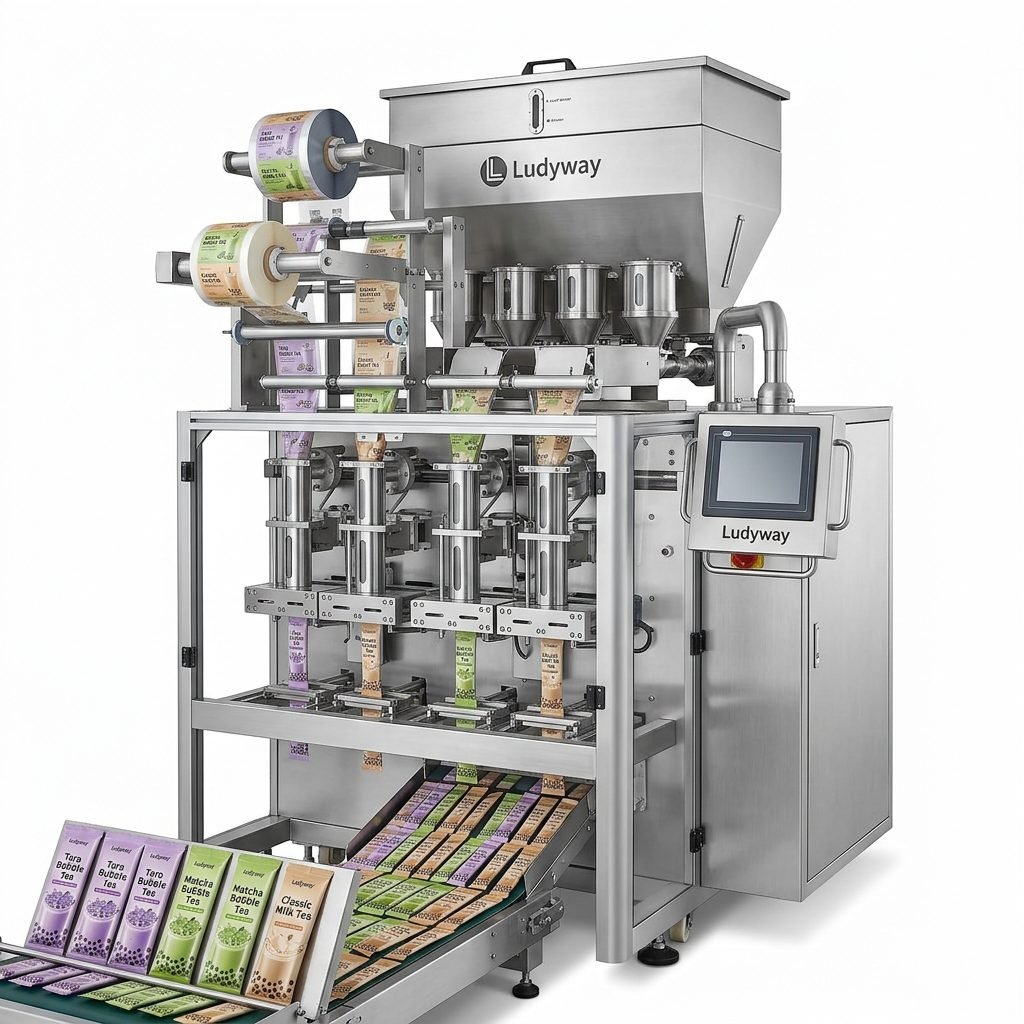
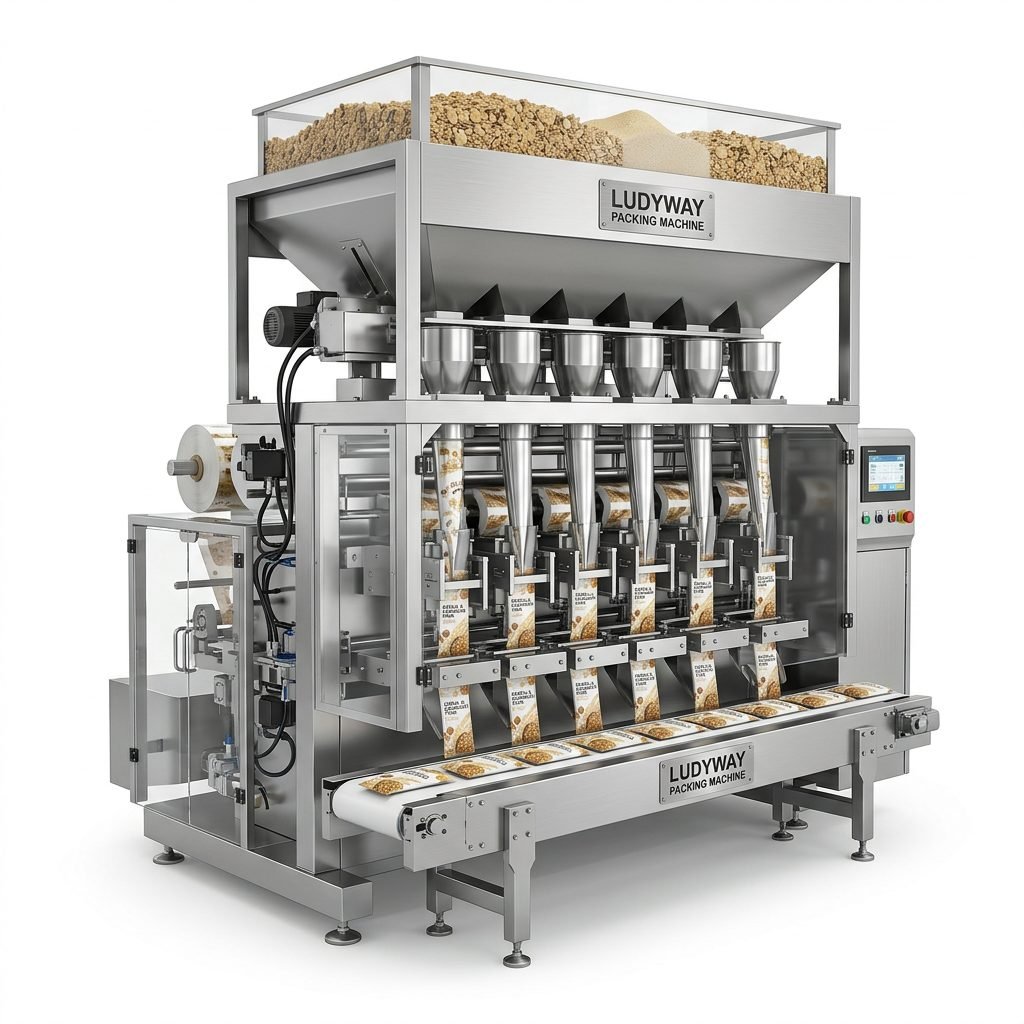
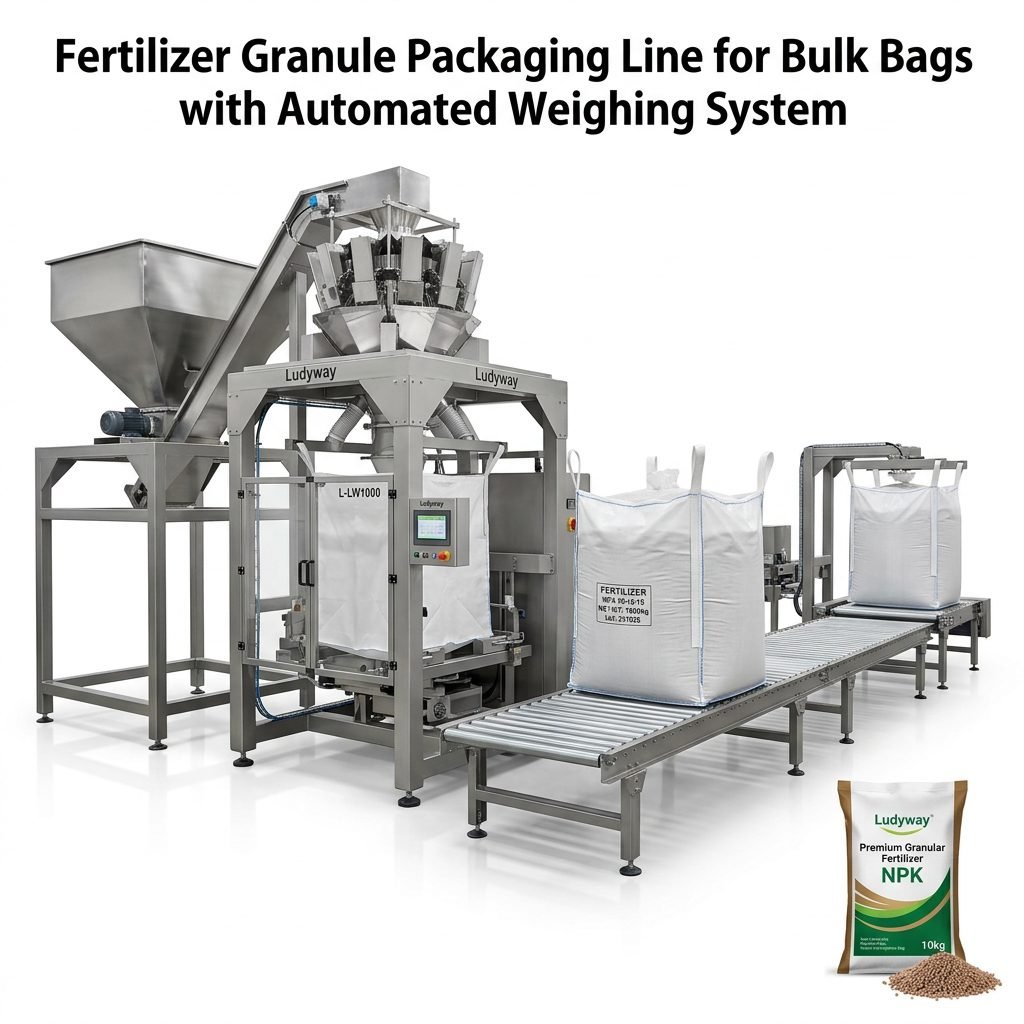
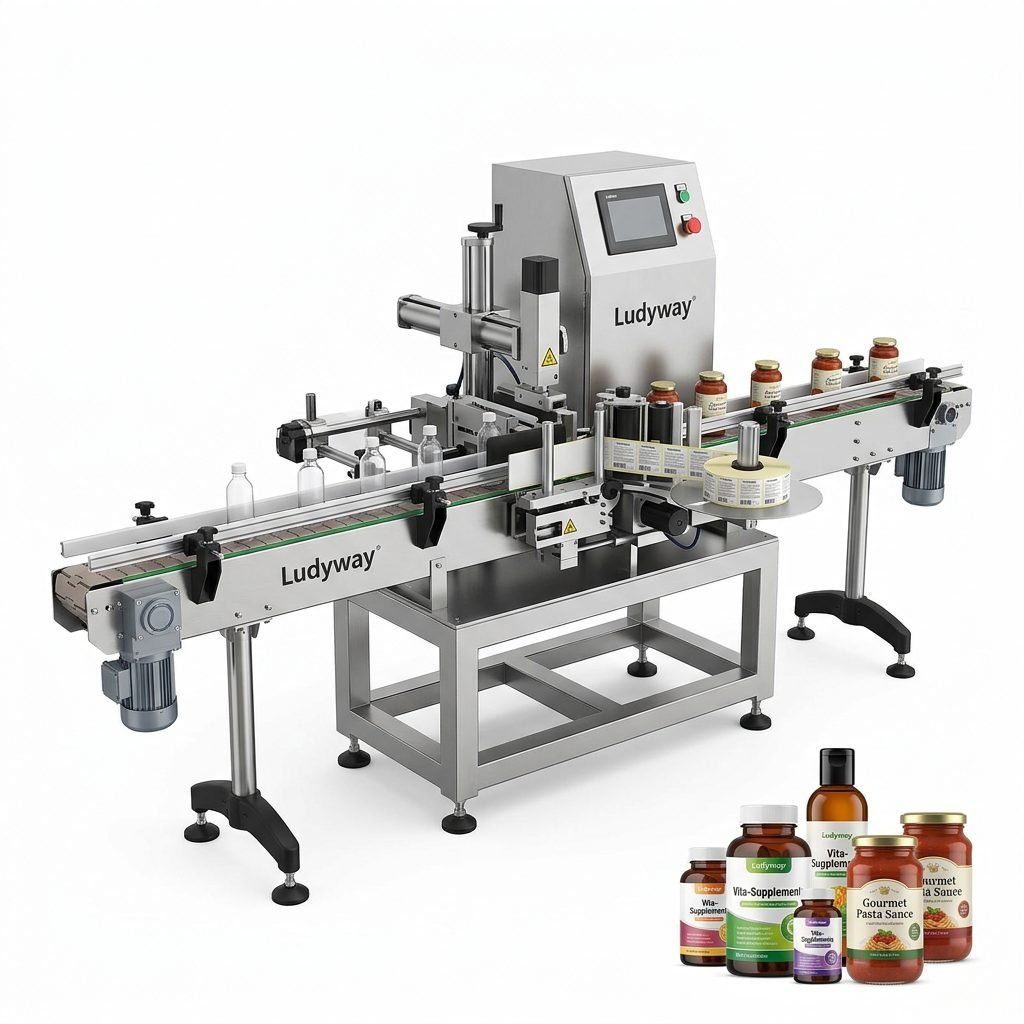
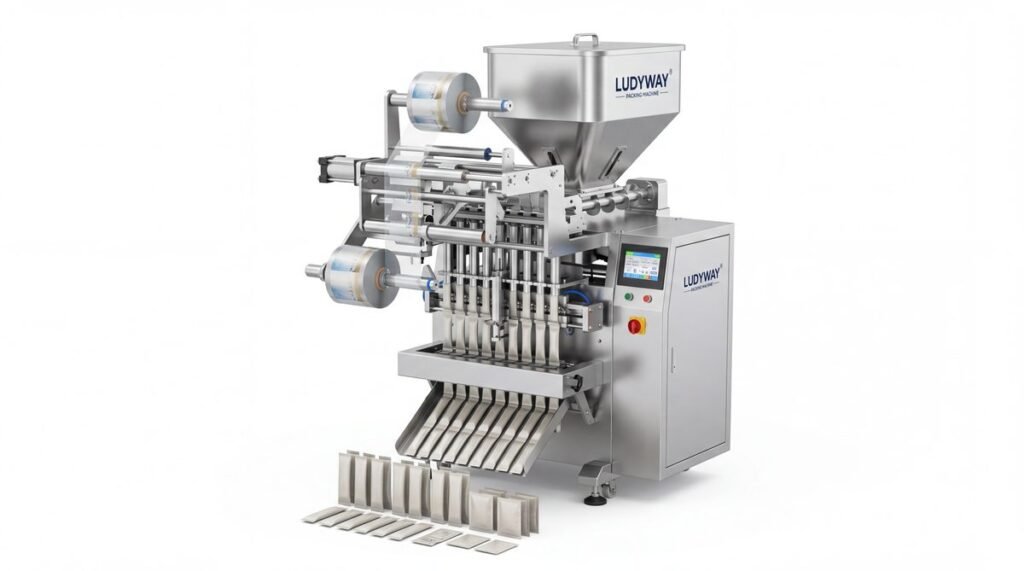
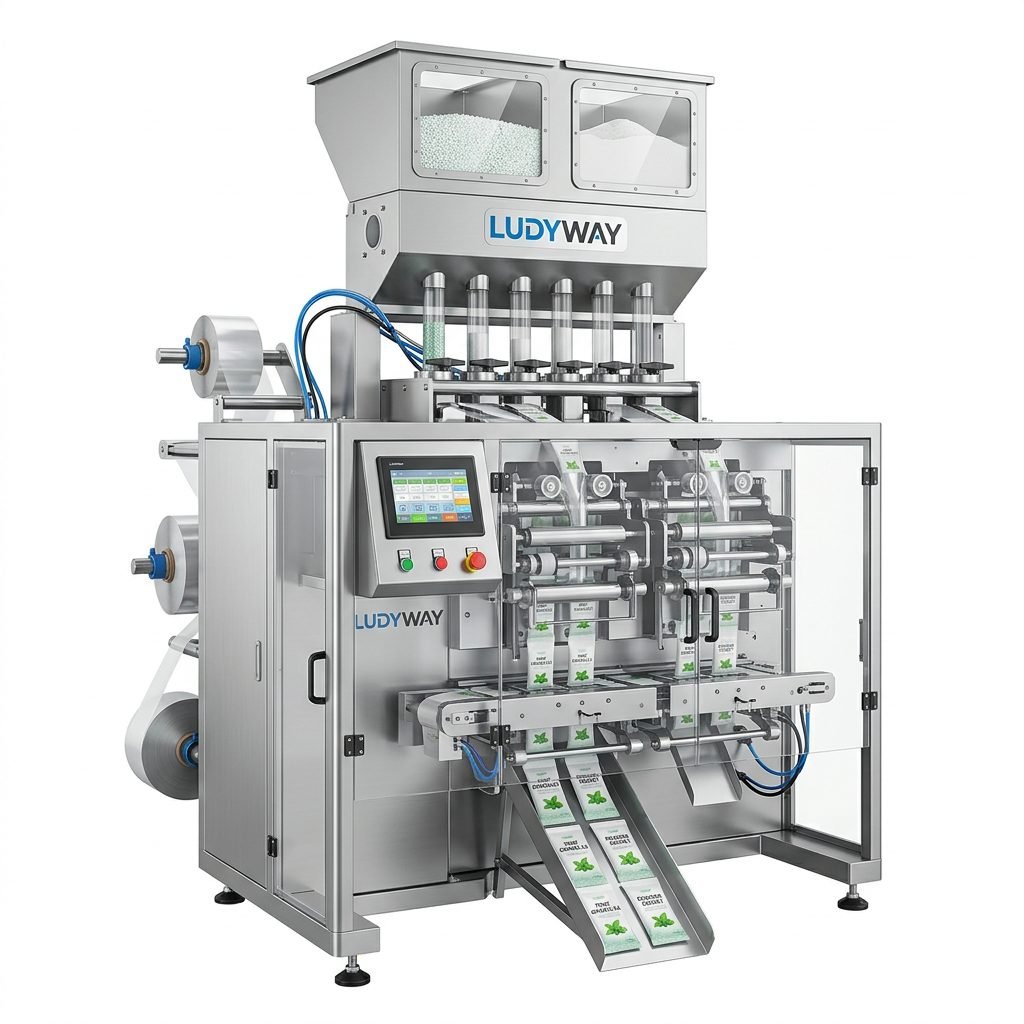
The pharmaceutical, nutraceutical, and consumer goods sectors are increasingly reliant on high-speed blister packing machines to meet growing production demands. Choosing the right equipment is a critical investment decision that directly impacts output, product protection, and regulatory compliance. This guide provides a comprehensive framework for evaluating and selecting the optimal machinery for your facility.
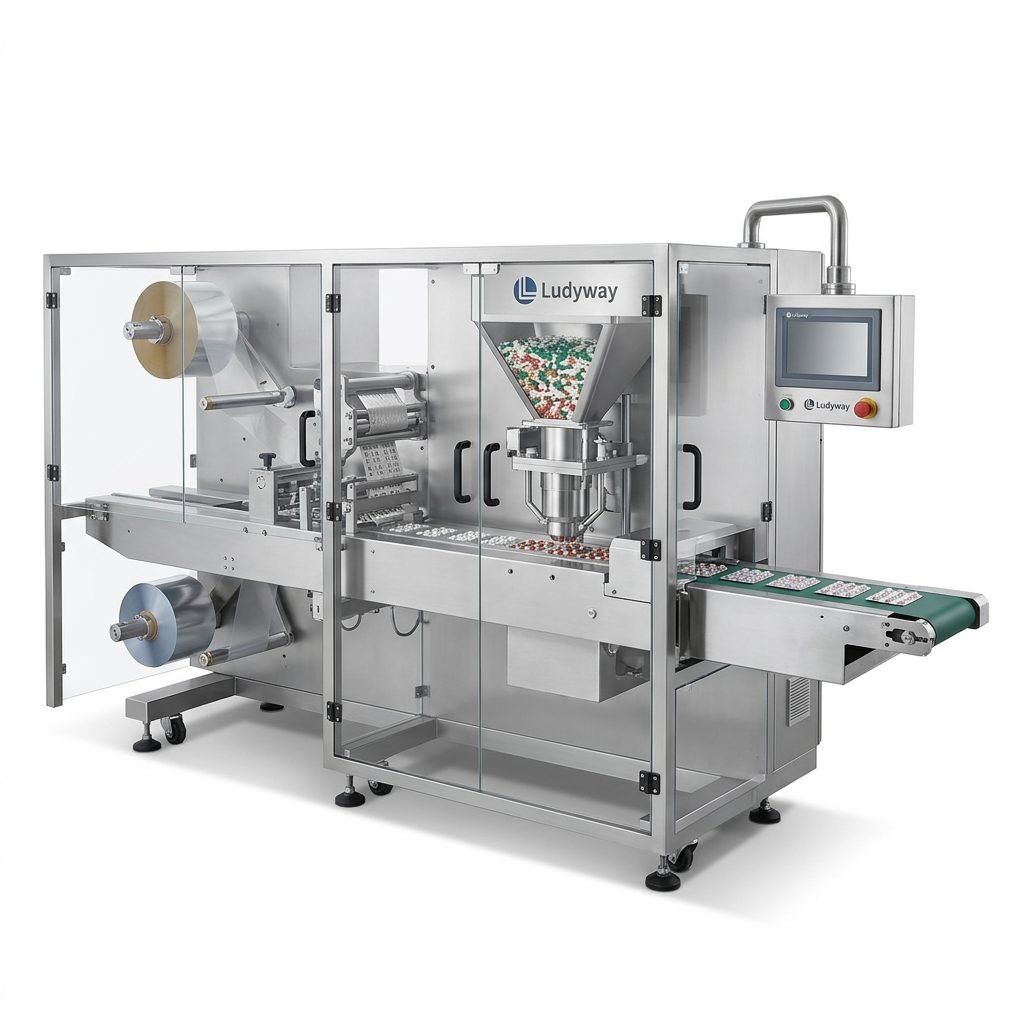
Understanding Your Production Requirements
Before evaluating specific machine features, it is essential to define your operational goals clearly. The production throughput required is the primary driver for machine selection. Are you looking to automate a manual line, or do you need to upgrade an existing system to achieve higher output rates exceeding 600 blisters per minute?
Consider the full scope of your packaging needs:
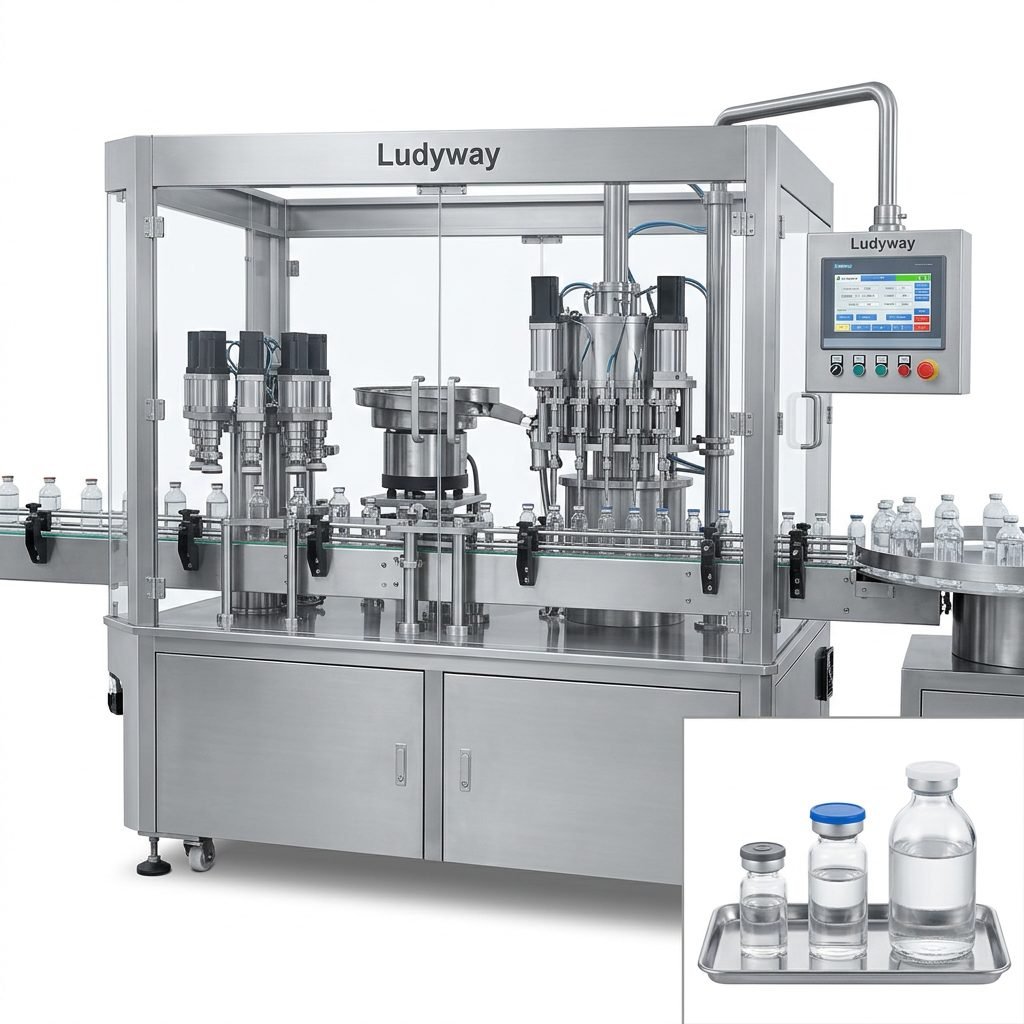
- Product variety: Will the machine handle multiple tablet sizes, capsule formats, or even syringes and vials in the same cavity?
- Batch sizes and changeover frequency: Frequent format changes demand a machine with rapid and repeatable changeover capabilities to minimize downtime.
- Future scalability: The chosen equipment should accommodate potential increases in production volume without requiring complete replacement.
Key Technical Specifications to Evaluate
A deep dive into technical parameters safeguards long-term operational efficiency. The table below outlines critical specifications and their impact on performance.
| Specification | Why It Matters | Key Consideration |
|---|---|---|
| Forming Speed & Output | Directly determines production capacity and ability to meet market demand. | Match rated speed to your required throughput, accounting for downtime. |
| Filling & Feeding Systems | Accuracy of product placement affects waste, quality, and regulatory adherence. | Assess for multi-product capability: brush-box, oscillating, or robotic feed. |
| Forming & Sealing Integrity | Essential for barrier protection, product shelf-life, and child resistance. | Evaluate platen vs. rotary sealing systems for your materials. |
| Control System & HMI | Affects ease of operation, recipe management, and diagnostics. | Look for intuitive touch-screen interfaces with secure multi-level access. |
Material Compatibility and Packaging Formats
The flexibility to work with a wide range of forming films and lidding materials is a significant advantage. Modern blister packaging extends far beyond simple PVC and aluminum.
Your machine should be validated to seal advanced barrier structures including Aclar, PET, PP, and cold-form aluminum laminates. This is particularly important for moisture-sensitive or light-sensitive pharmaceutical products. Additionally, consider whether the machine design facilitates future transitions toward more sustainable flexible packaging materials as the industry continues to adopt eco-conscious formats.
Compliance and Quality Standards
In regulated industries, machine validation and documentation are as important as physical performance. Equipment must be designed to comply with 21 CFR Part 11, GMP Annex 11, and relevant ISO standards for data integrity and electronic records.
For medical devices, adherence to ISO 11607 for terminally sterilized medical device packaging is non-negotiable. Integrated quality control features like automated vision inspection systems for tablet presence, fragmentation, and seal integrity should be considered mandatory, not optional extras. Look for machines that can interface with centralized data collection systems for full batch traceability.
Automation and Integration Capabilities
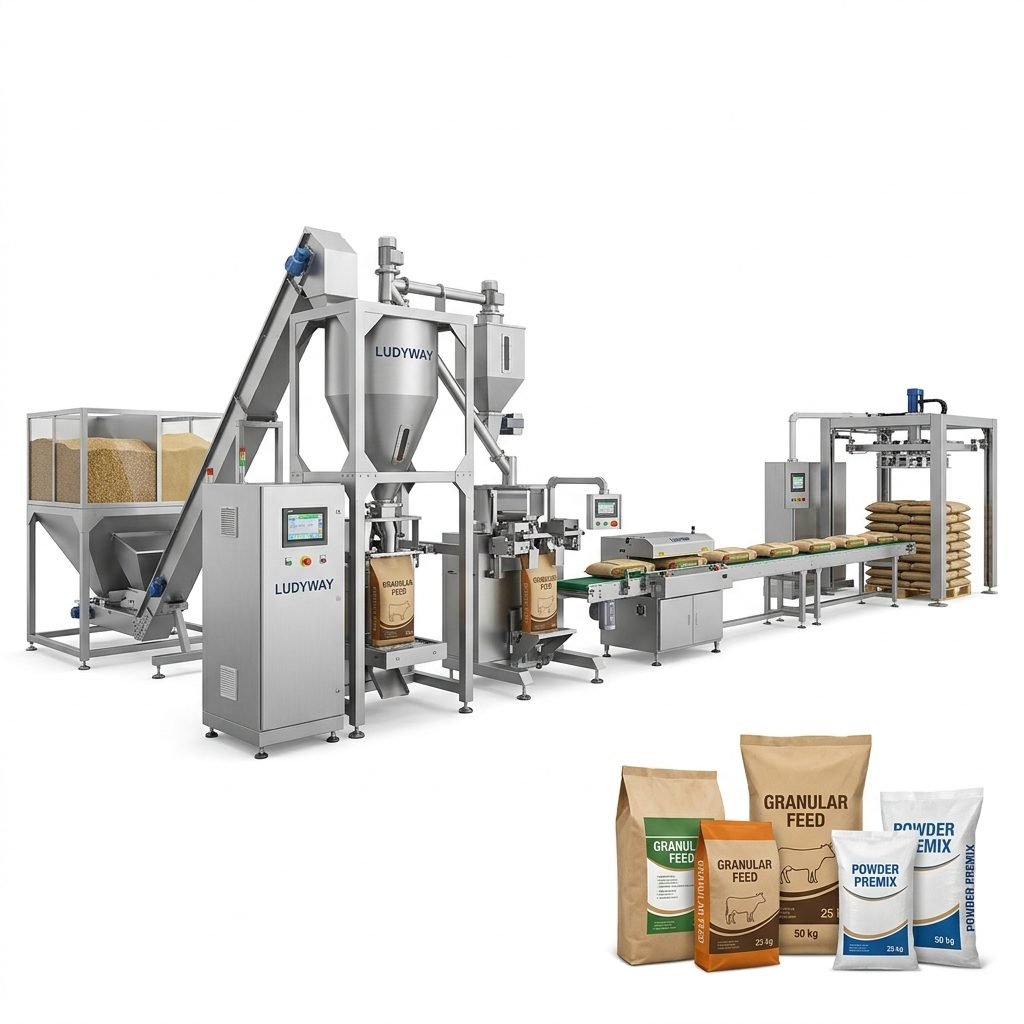
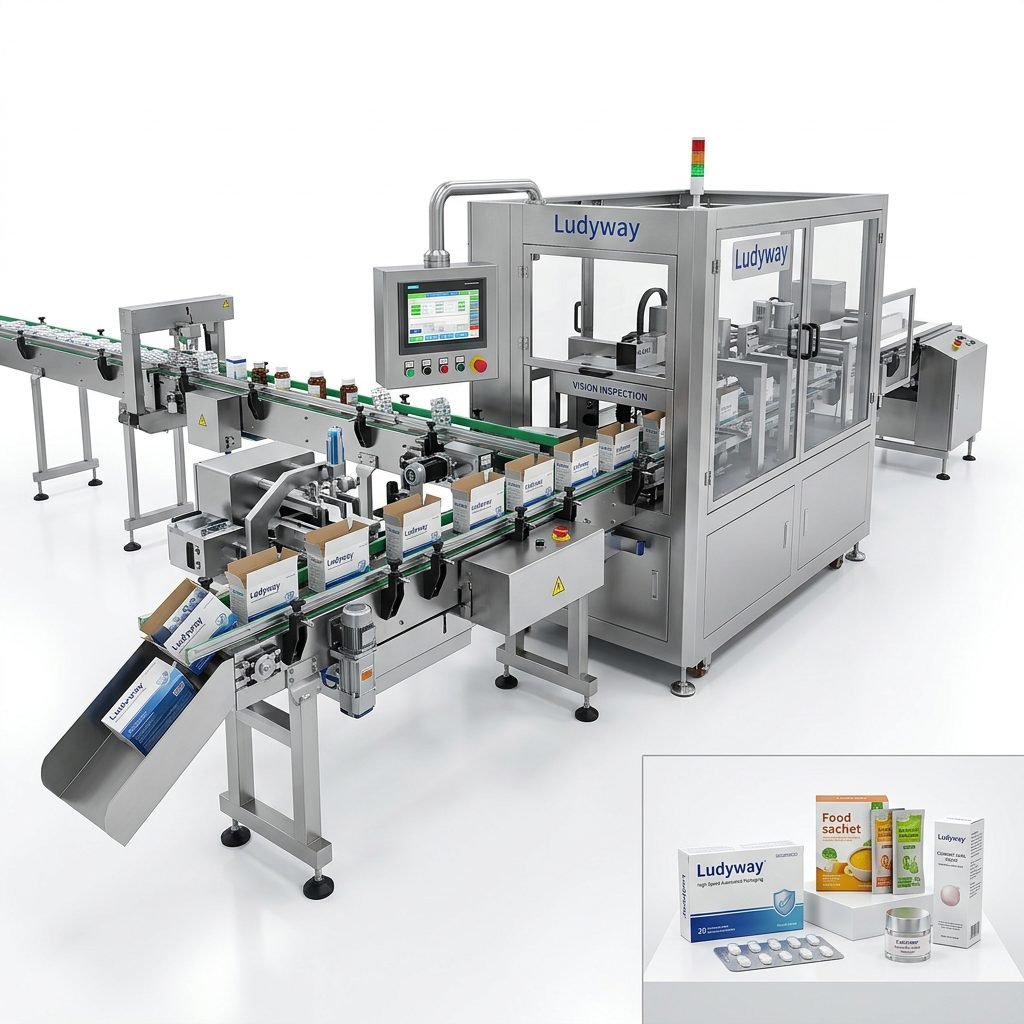
A blister machine rarely operates in isolation. Evaluating end-of-line integration potential is crucial for building a complete turnkey packaging line. The machine’s architecture should allow seamless connection with upstream and downstream equipment.
- Upstream: Integration with unscramblers, desiccant inserters, and automated feeding systems.
- Downstream: Synchronization with automatic cartoners, checkweighers, track-and-trace serialization units, case packers, and palletizers.
- Line control: The availability of centralized line management systems that coordinate stops and starts across the entire packaging chain.
According to PMMI’s State of the Industry reports, the trend toward integrated, highly automated lines is accelerating, as manufacturers seek to reduce manual intervention and increase overall equipment effectiveness (OEE).
Supplier Evaluation and After-Sales Support
The technical capability of a machine is only one side of the equation. A partner with robust global service and technical support infrastructure ensures the equipment’s longevity and consistent performance. Before committing, scrutinize the manufacturer’s track record in your specific industry vertical.
With over 30 years of experience developing automated packaging equipment and integrated solutions, companies like Ludyway Machinery have demonstrated consistent growth by providing not just individual machines, but complete turnkey packaging systems. Key evaluation points include access to local field service engineers, genuine spare parts availability, and remote diagnostic capabilities to minimize downtime.
Making the Final Decision
Selecting a high-speed blister packing machine demands a holistic approach that balances speed, flexibility, compliance, and long-term partnership. A comprehensive factory acceptance test (FAT) protocol and site acceptance test (SAT) criteria should be established early, covering all functional and quality parameters from cavity forming precision to seal peel strength. By prioritizing robust engineering, automation readiness, and a supplier’s commitment to after-sales excellence, manufacturers can secure a packaging asset that delivers value for decades.