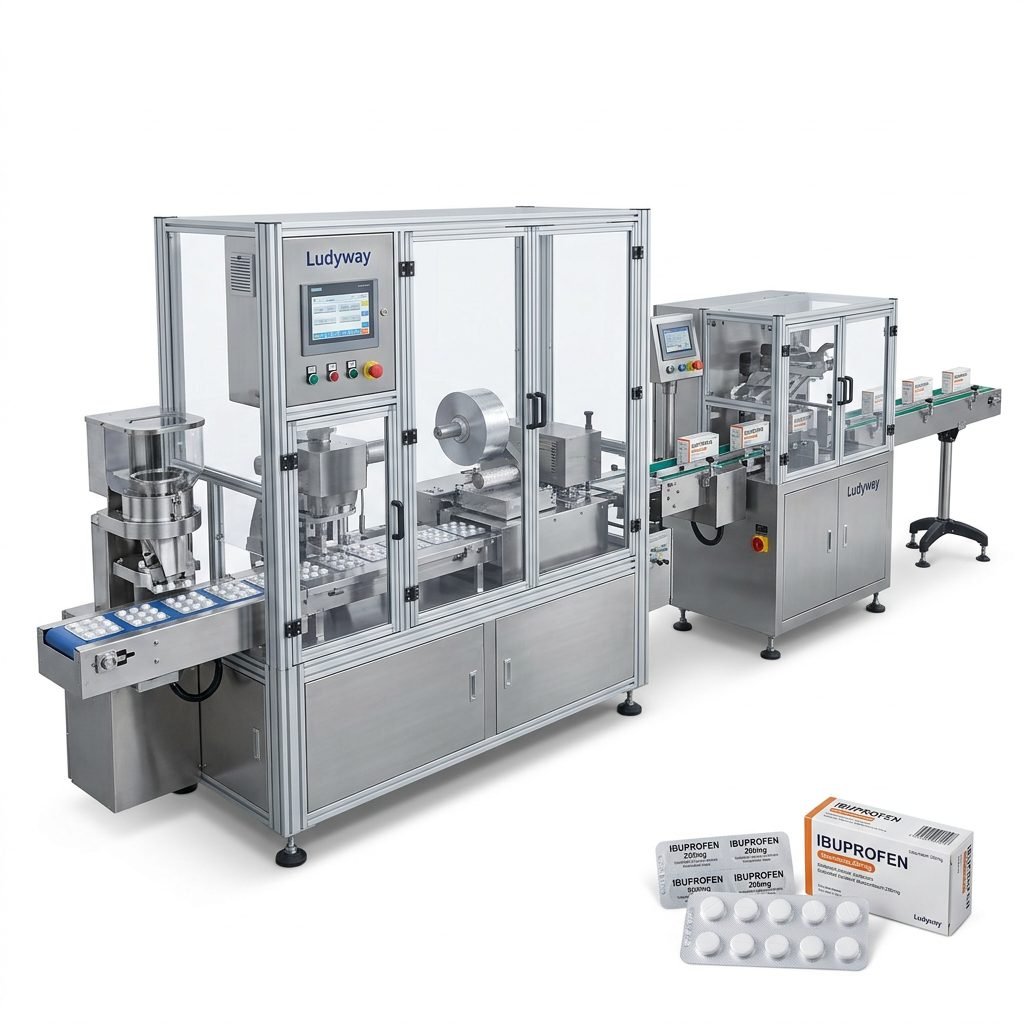
Oceania’s cheese industry has experienced remarkable growth over the past decade, driven by strong dairy production in Australia and New Zealand, as well as increasing export demand across the Asia-Pacific region. Establishing an efficient cheese packaging machine production line is critical for dairy processors aiming to scale operations, maintain product quality, and meet stringent international standards. This guide provides a comprehensive roadmap for setting up a cheese packaging line tailored to Oceania’s unique market conditions.

Understanding Cheese Packaging Requirements in Oceania
The Oceania cheese market encompasses a diverse range of products, from block cheddar and shredded mozzarella to specialty soft cheeses and powdered cheese formats. Each product type demands specific packaging machinery configurations. Key factors influencing equipment selection include:
- Product format — block, sliced, shredded, grated, or powdered cheese
- Shelf-life requirements — modified atmosphere packaging (MAP) or vacuum sealing for extended freshness
- Production capacity — small-batch artisan production versus high-volume industrial output
- Export compliance — adherence to FSANZ, EU, and other international food safety frameworks
Australia and New Zealand collectively produce over 1.8 million tonnes of cheese annually, making efficient packaging infrastructure a competitive necessity. According to PMMI’s State of the Industry report, the global cheese packaging equipment market continues to expand as dairy processors upgrade aging lines.
Key Components of a Cheese Packaging Production Line
A fully integrated cheese packaging production line consists of several interconnected systems. Understanding each component helps in planning a cohesive and efficient operation.
Primary Packaging Equipment
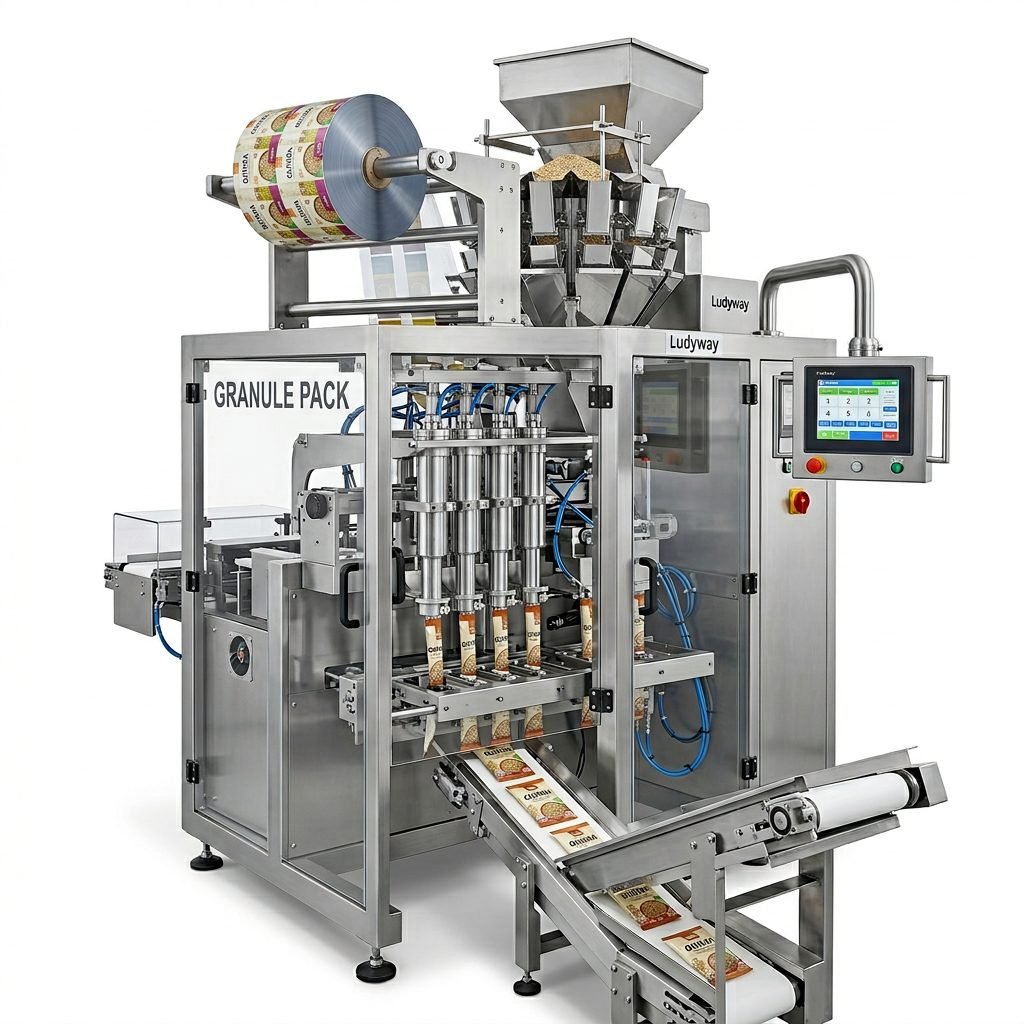
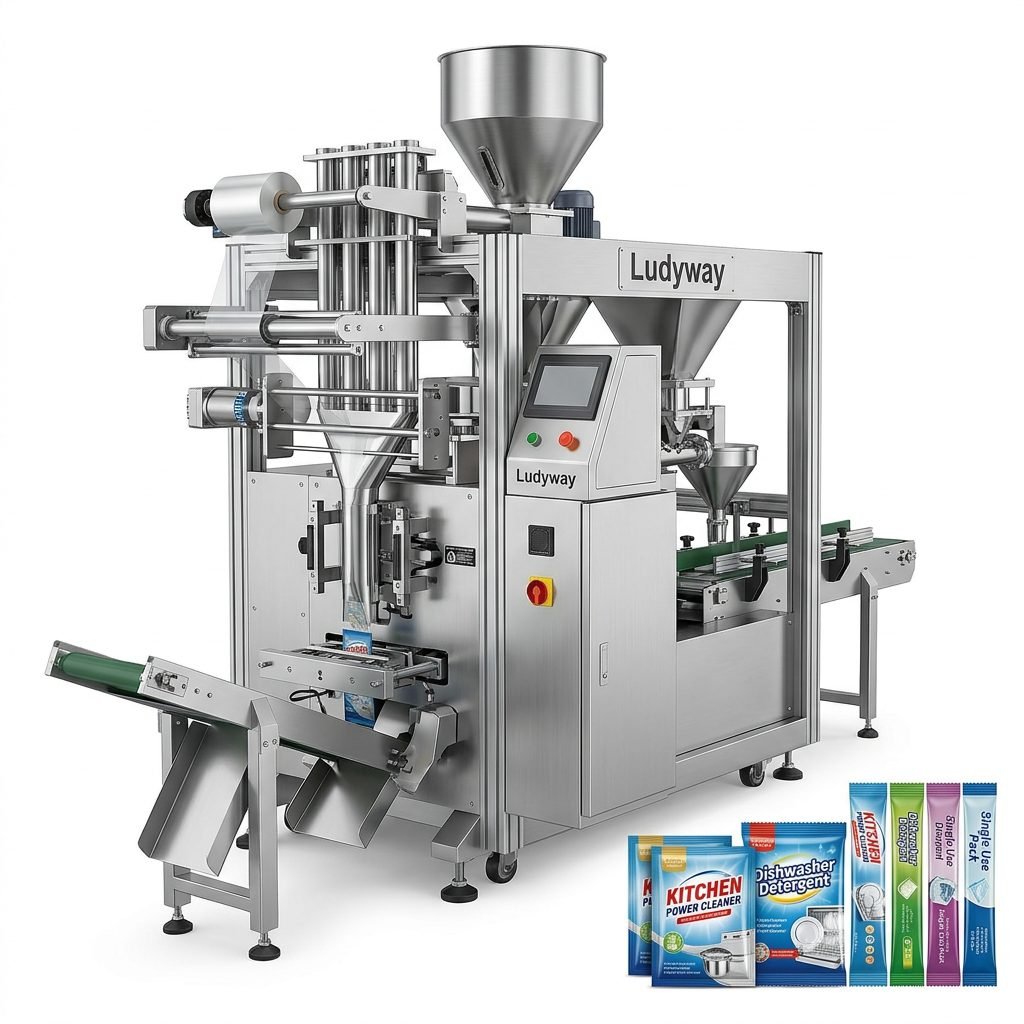
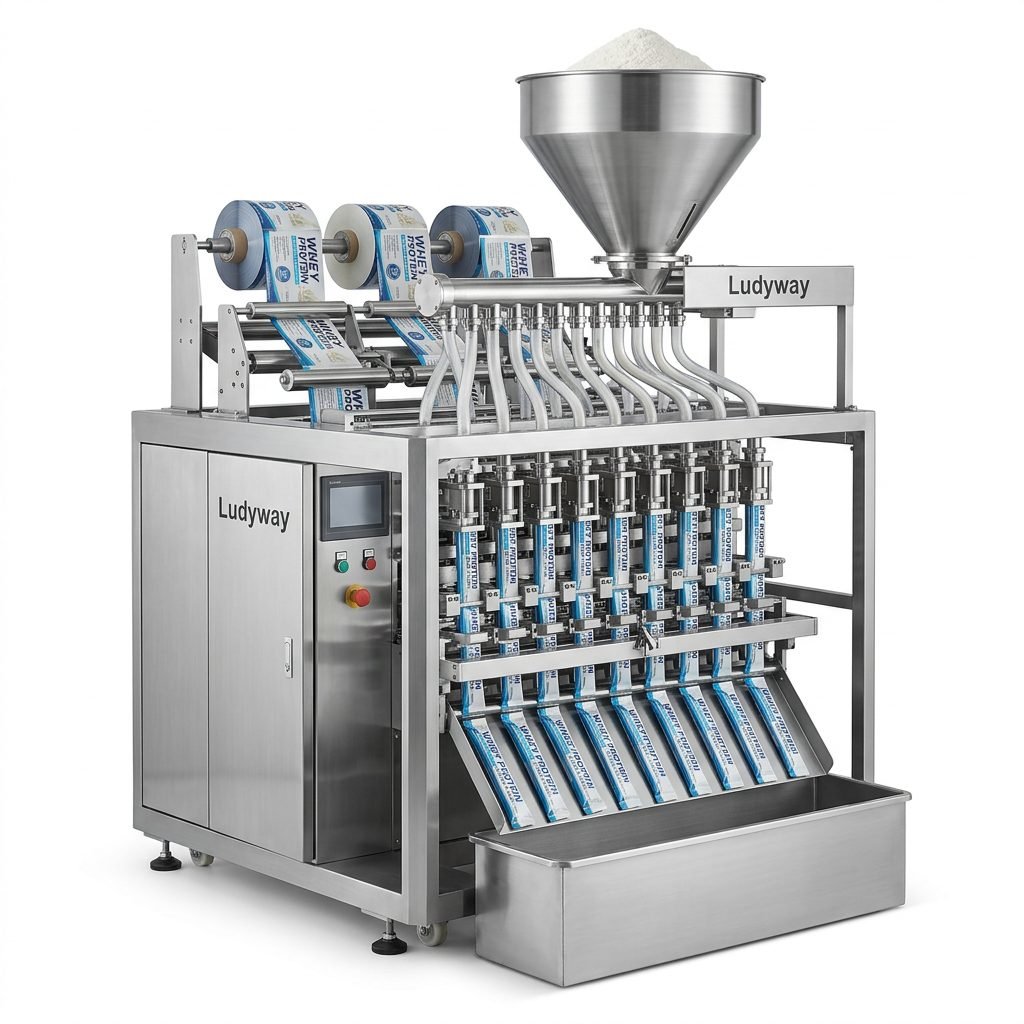
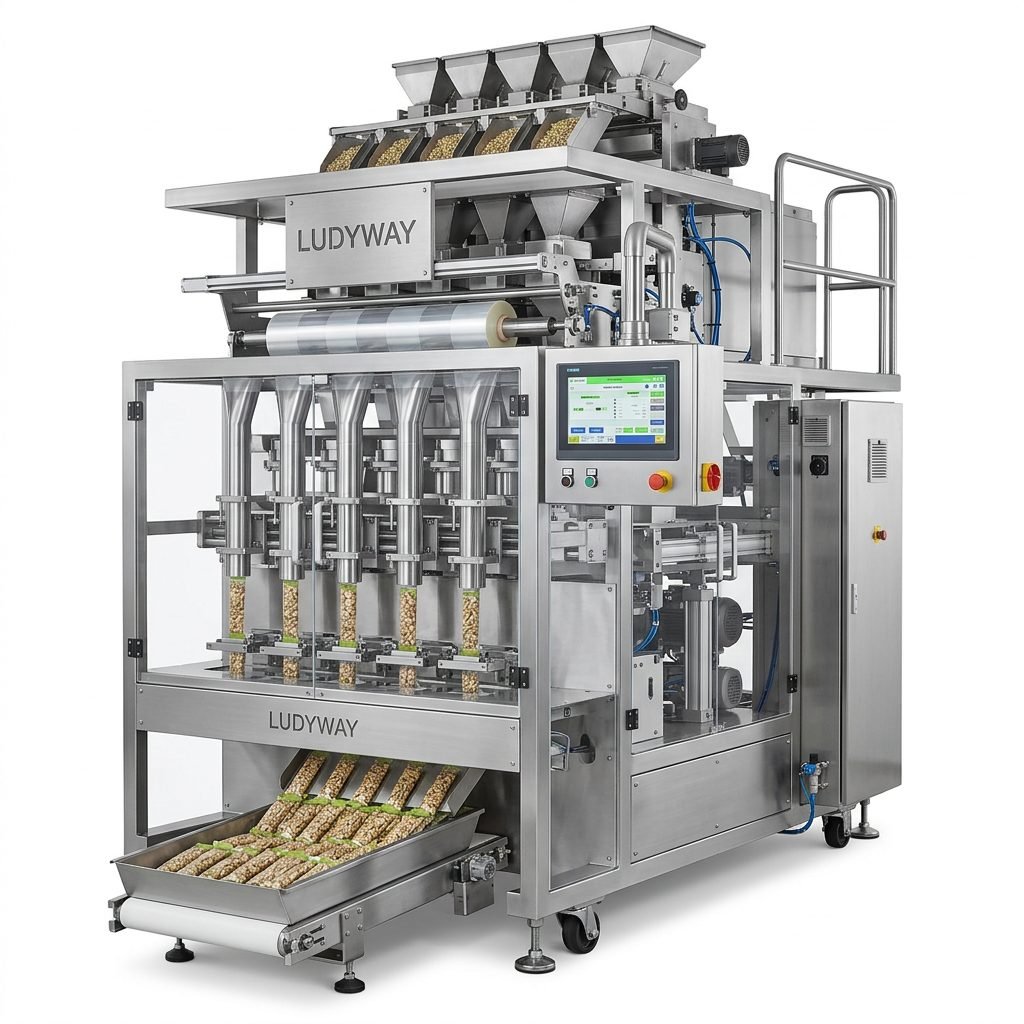
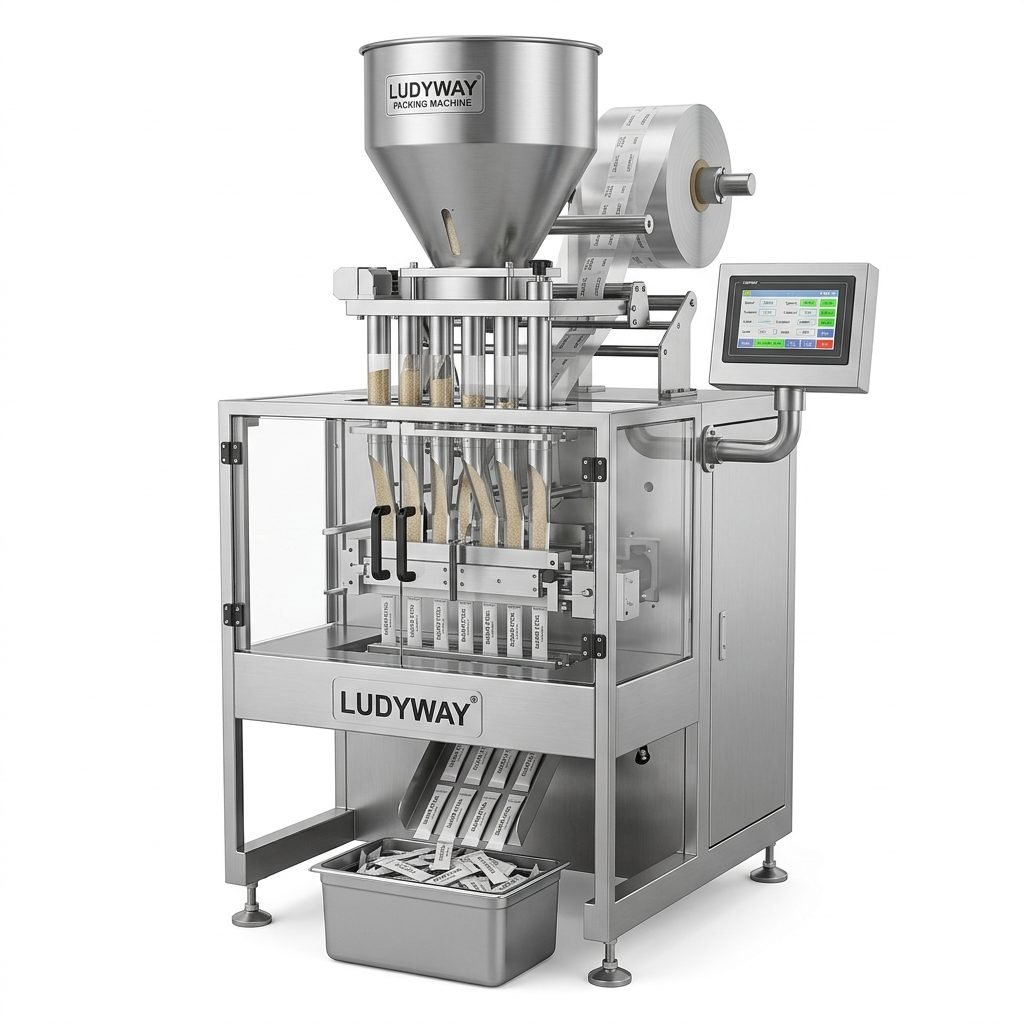
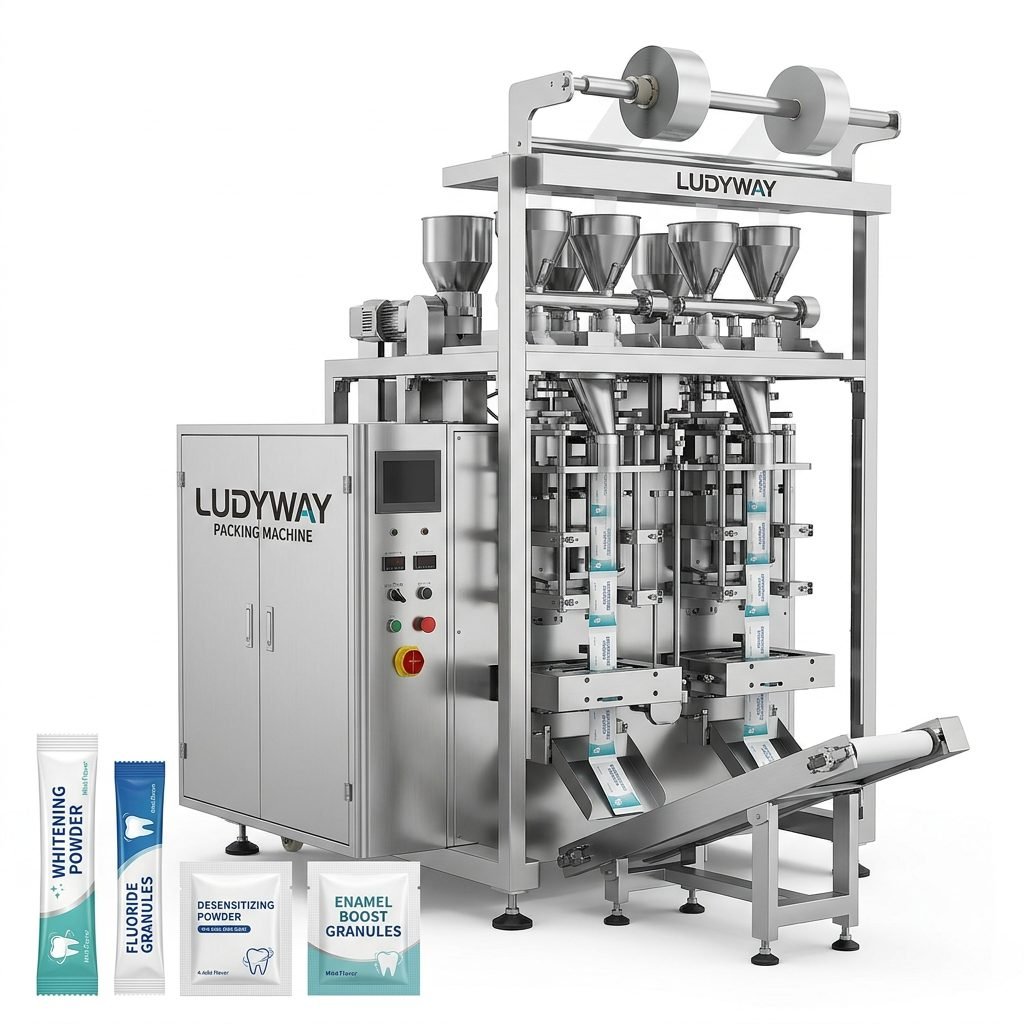
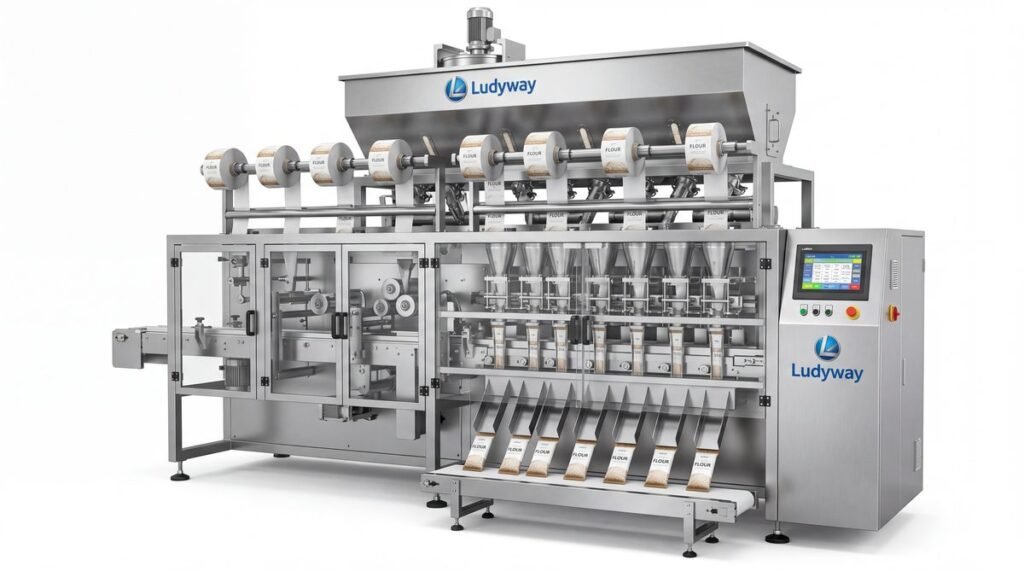
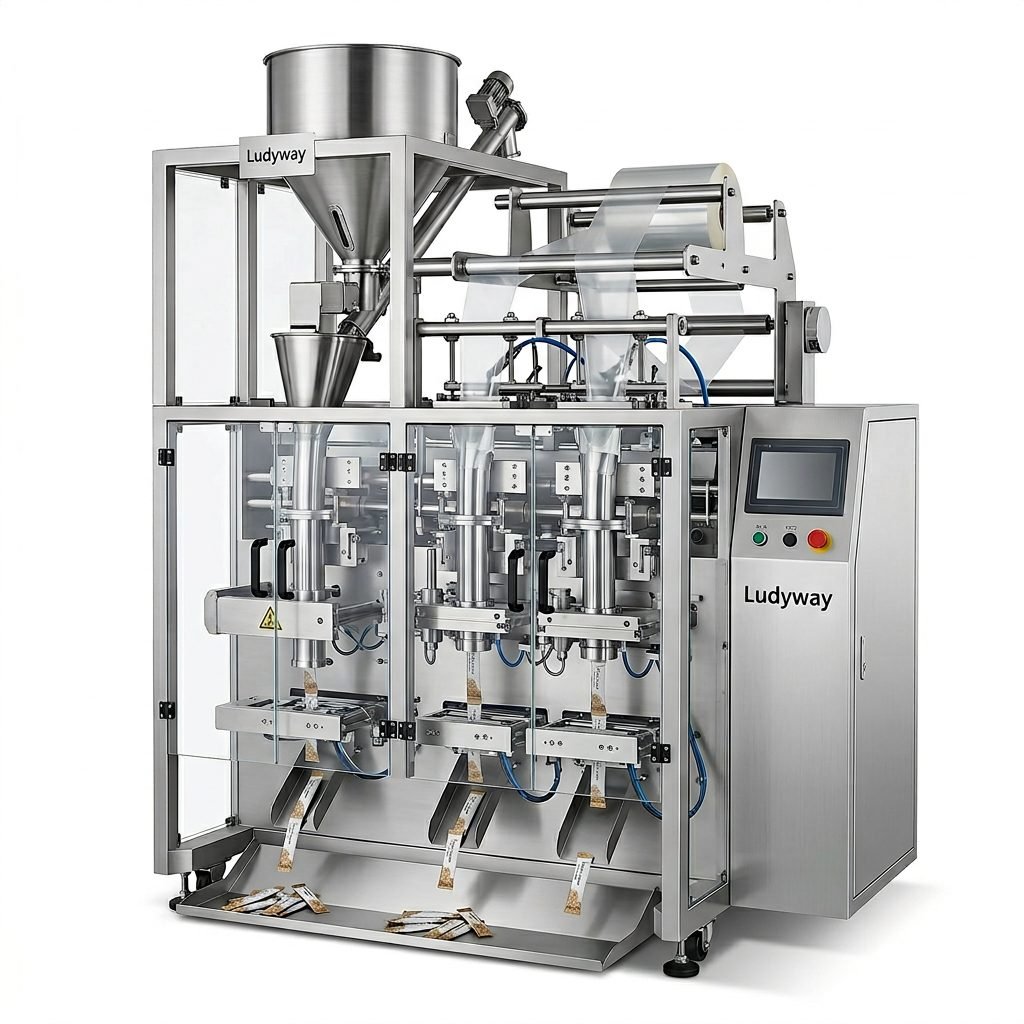
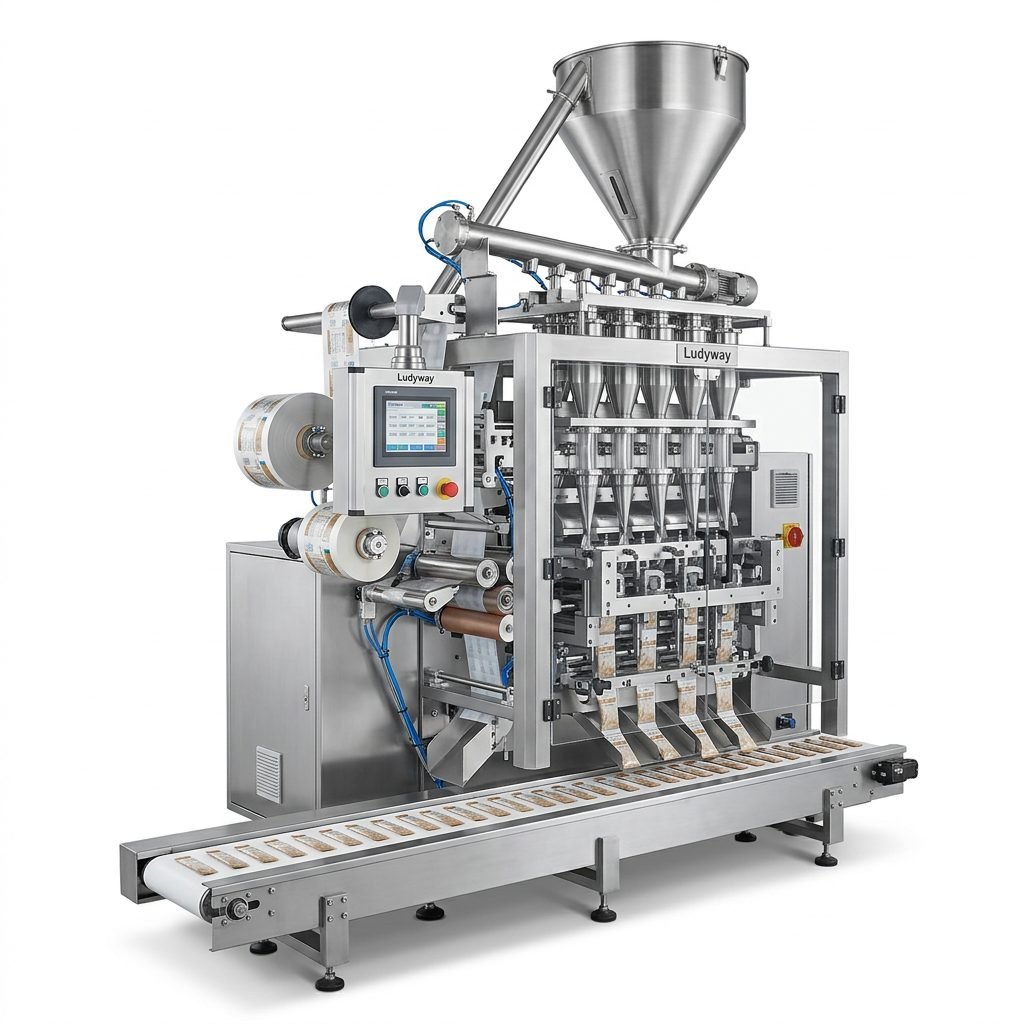
The core machinery handles direct product contact and initial packaging. Common configurations include vertical form fill seal (VFFS) machines for shredded and powdered cheeses, horizontal flow wrappers for block cheese, and multi-lane stick pack systems for single-serve cheese powder sachets. Vacuum chamber machines and tray sealers are essential for MAP applications that preserve cheese freshness during extended distribution cycles.
Secondary Packaging Systems
Downstream equipment includes carton erectors, case packers, and palletizing robots. These systems automate the grouping, cartoning, and palletizing of finished cheese packages for warehouse storage and shipping. In Oceania, where export logistics involve long-distance refrigerated transport, robust secondary packaging is particularly important.

Step-by-Step Guide to Setting Up Your Production Line
Step 1 — Facility Planning and Layout
Begin with a detailed analysis of your production space. Consider cleanroom zoning, material flow, personnel access, and utility connections (compressed air, electrical supply, water). Proper layout minimizes cross-contamination risks and maximizes operational efficiency. In Oceania, facilities must also comply with food packaging safety standards that align with international best practices.
Step 2 — Equipment Selection and Procurement
Select machinery based on your target production capacity, product range, and budget. Key specifications to evaluate include filling accuracy, sealing integrity, changeover time between product formats, and compatibility with existing upstream processing equipment. Multi-lane systems can significantly boost throughput for high-demand cheese products. Working with experienced packaging machinery manufacturers who understand ISO packaging standards ensures equipment reliability and compliance.
Step 3 — Installation and Commissioning
Professional installation is crucial. Engage certified technicians for mechanical assembly, electrical integration, and software configuration. Conduct thorough commissioning tests using actual cheese products to verify fill weights, seal integrity, and overall line performance before full-scale production.
Step 4 — Testing and Validation
Implement rigorous testing protocols including seal strength tests, leak detection, weight verification, and shelf-life studies. Document all validation data for regulatory audits and continuous improvement programs.
Regulatory Compliance and Food Safety Standards in Oceania
Oceania’s cheese packaging operations must adhere to FSANZ (Food Standards Australia New Zealand) regulations, which govern food contact materials, labeling, and hygiene standards. Additionally, exporters targeting European or North American markets should align with European packaging regulations and FDA requirements. Key compliance areas include:
- Food-grade packaging materials certified for dairy contact
- Traceability systems for batch tracking and recall readiness
- HACCP-compliant equipment design with sanitary construction
- Allergen management protocols for multi-product facilities
Cost Considerations and ROI Analysis
Investing in a cheese packaging production line requires careful financial planning. The table below outlines typical cost factors for dairy packaging operations in Oceania:
| Cost Category | Estimated Range (AUD) | Key Variables |
|---|---|---|
| Primary Packaging Machine | $80,000 – $350,000 | Speed, lanes, automation level |
| Secondary Packaging Systems | $40,000 – $200,000 | Cartoning, case packing, palletizing |
| Installation and Commissioning | $15,000 – $50,000 | Complexity, location, technician availability |
| Annual Maintenance | $8,000 – $30,000 | Spare parts, service contracts |
| Operator Training | $5,000 – $15,000 | Number of staff, training depth |
Return on investment typically materializes within 18 to 36 months through increased throughput, reduced labor costs, and minimized product waste. For businesses seeking comprehensive packaging solutions, companies like Ludyway offer integrated turnkey systems that streamline the entire procurement and installation process.
Maintenance and Optimization Strategies
Sustaining peak performance requires a structured maintenance program. Implement preventive maintenance schedules for all equipment components, including sealing jaws, cutting blades, conveyor belts, and electronic controls. Regularly calibrate weighing systems to maintain fill accuracy within regulatory tolerances. Train operators in basic troubleshooting and establish a spare parts inventory for critical wear items.
Continuous improvement initiatives, informed by packaging industry resources and performance data, help identify bottlenecks and optimize line efficiency over time. Monitoring Overall Equipment Effectiveness (OEE) provides actionable insights for incremental upgrades.
Future Trends in Oceania’s Cheese Packaging
The Oceania cheese packaging landscape is evolving toward sustainable materials, smart automation, and digital traceability. Recyclable mono-material films, biodegradable packaging options, and lightweight designs are gaining traction as consumers and regulators demand reduced environmental impact. Meanwhile, Industry 4.0 technologies — including IoT sensors, predictive maintenance algorithms, and real-time production dashboards — are transforming how dairy processors manage their packaging operations.
Flexible packaging formats, particularly resealable stand-up pouches and single-serve stick packs, continue to grow in popularity across Australia and New Zealand retail channels. Production lines designed with modular, scalable architectures position dairy businesses to adapt quickly to these market shifts.
For more detailed guidance on packaging machinery selection and compliance, refer to authoritative sources such as the Flexible Packaging Association and PMMI Business Intelligence resources.