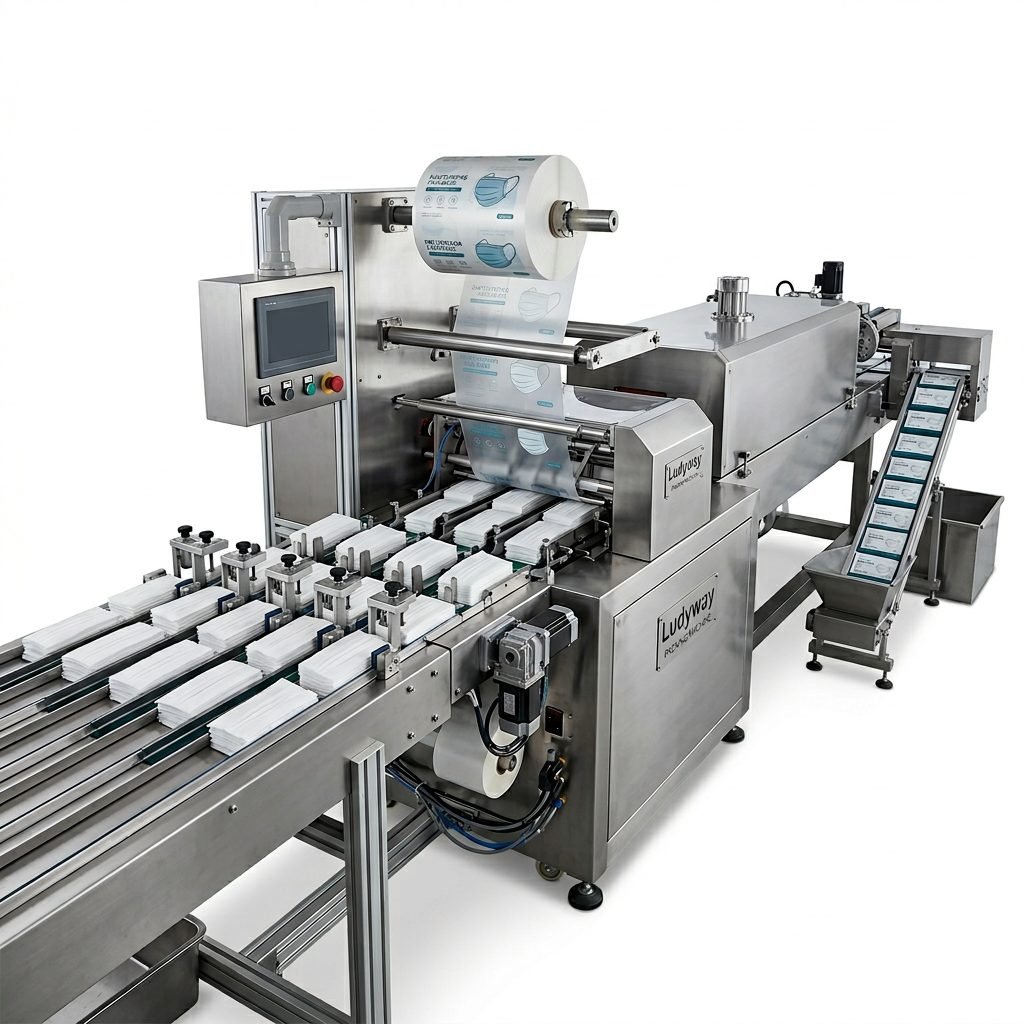
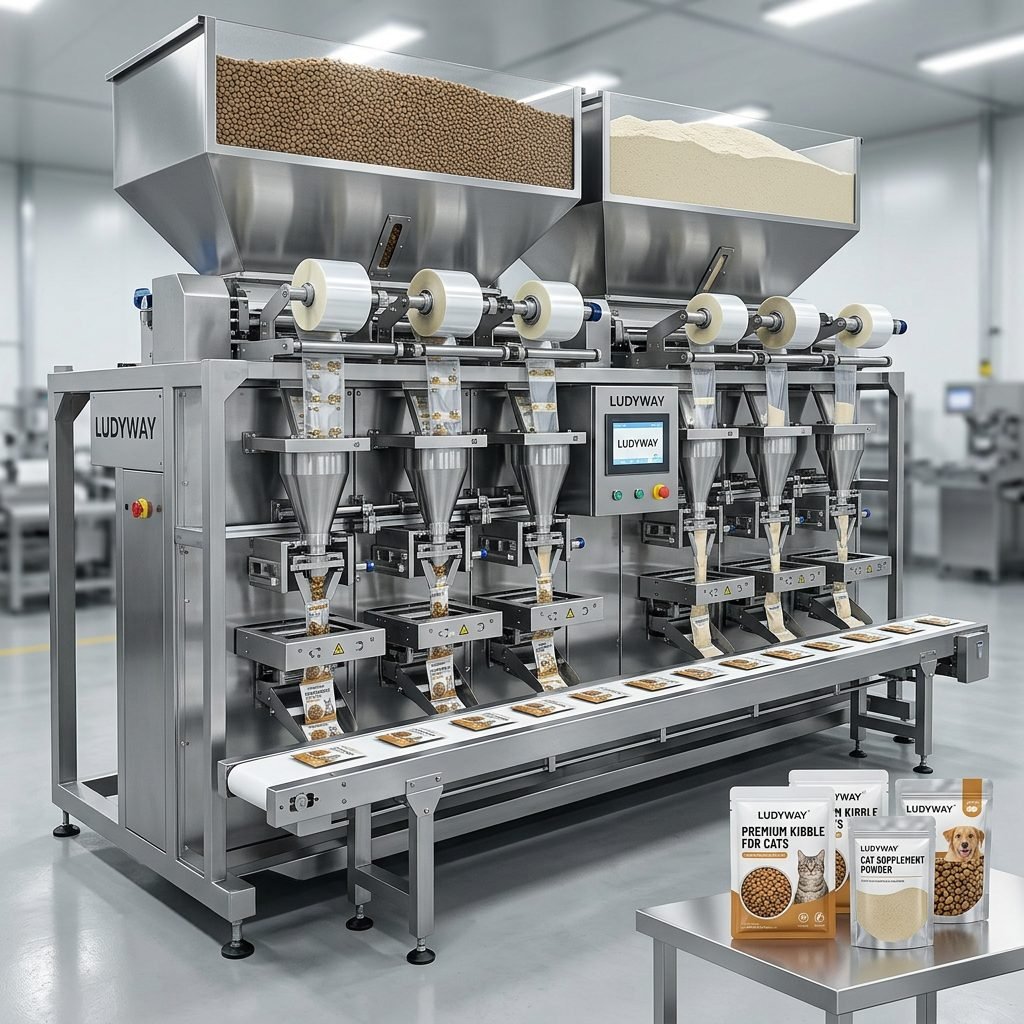
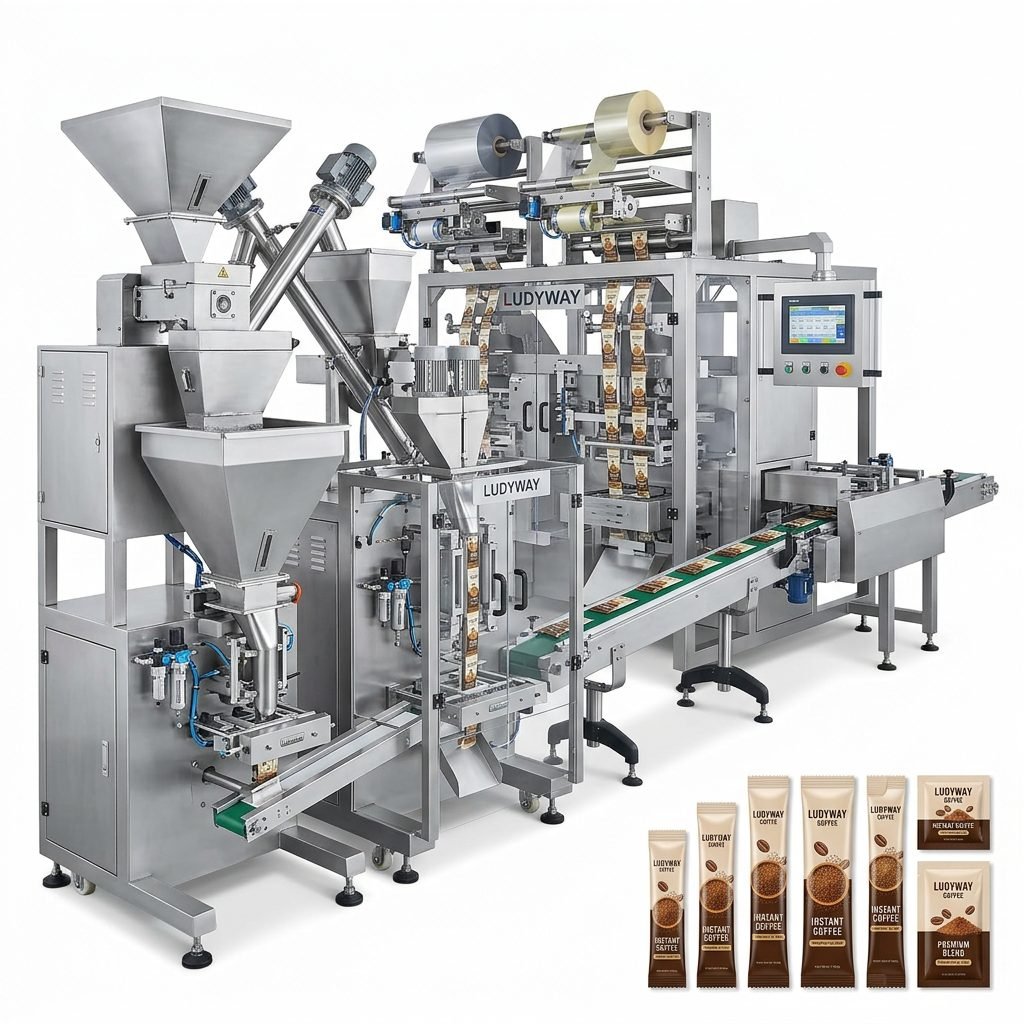
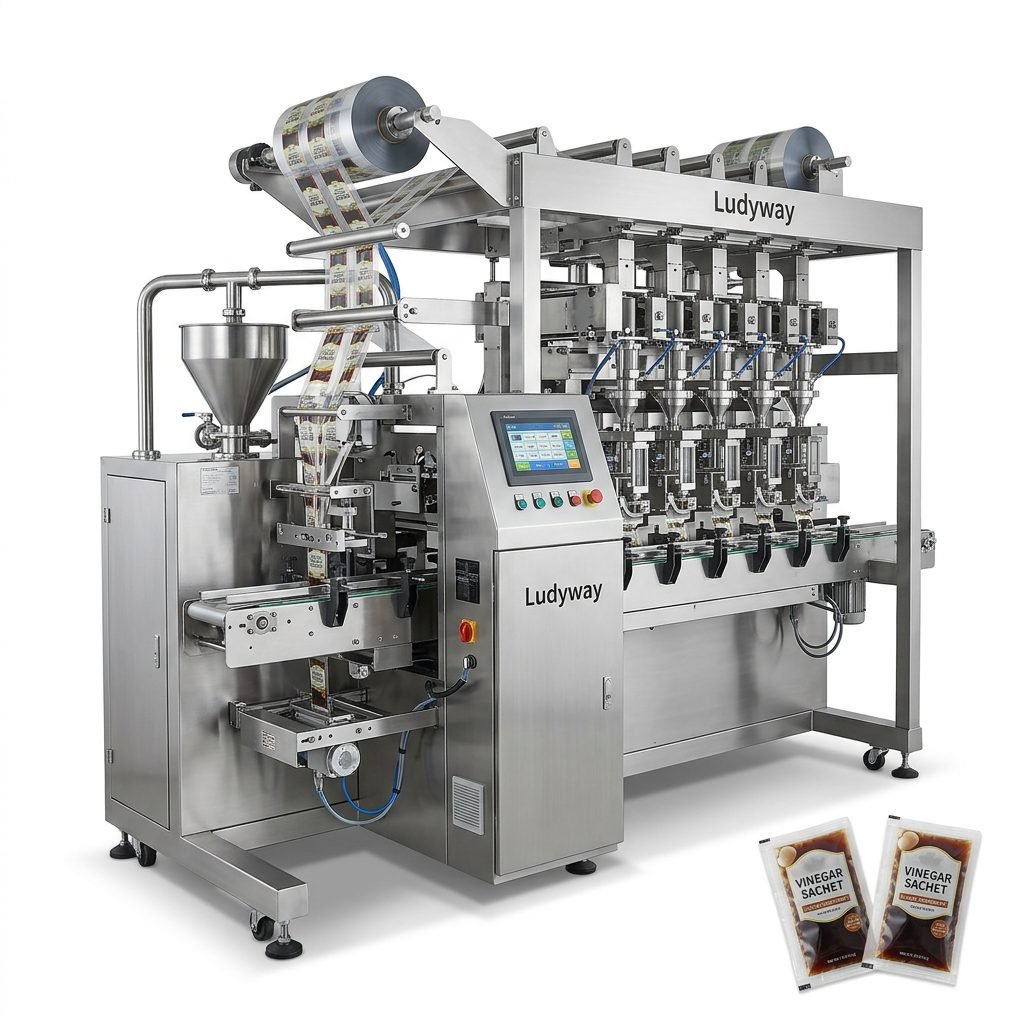
Investing in a tea candy packing machine is a significant decision for confectionery and beverage manufacturers. Whether you’re producing tea-flavored candies, hard candies, or tea-infused sugar confections, the right packaging equipment directly impacts your production efficiency, product shelf life, and overall profitability. Understanding the cost breakdown and the variables that influence pricing helps you make a more informed purchasing decision and avoid unexpected expenses.
In this guide, we break down the typical price ranges, examine the key factors that affect tea candy packing machine costs, and provide practical insights to help you select the best equipment for your production needs.
Typical Price Ranges for Tea Candy Packing Machines
The cost of a tea candy packing machine varies widely depending on automation level, production capacity, and configuration. Below is a general pricing breakdown based on current market data:
| Machine Category | Typical Speed Range | Estimated Price (USD) |
|---|---|---|
| Entry-Level Semi-Automatic | 30-60 packs/min | $3,000 – $8,000 |
| Mid-Range Automatic Single-Lane | 50-120 packs/min | $8,000 – $25,000 |
| High-Speed Multi-Lane Automatic | 200-600 packs/min | $25,000 – $80,000 |
| Fully Integrated Turnkey Production Line | 400-1,000+ packs/min | $80,000 – $200,000+ |
Key Factors That Influence Tea Candy Packing Machine Pricing
Several critical variables determine the final cost of your equipment. Understanding these factors allows you to prioritize features that matter most to your operation.
1. Machine Type and Automation Level
The degree of automation is the single largest cost driver. Semi-automatic machines require manual feeding and operator intervention at multiple stages, making them more affordable but less efficient for large-scale production. Fully automatic systems handle feeding, filling, sealing, cutting, and counting with minimal human involvement, significantly boosting throughput. Advanced models from a reputable packaging machine manufacturer may also include PLC touchscreen controls, servo-driven motors, and automatic fault detection, all of which add to the upfront cost but reduce long-term labor expenses.
2. Production Capacity and Speed
Machines rated for higher output speeds naturally command higher prices. A stick pack machine capable of producing 400-600 packs per minute will cost substantially more than one rated at 60-100 packs per minute. When evaluating speed, consider not just the theoretical maximum but also the sustained production rate during real-world operation, including changeover times and maintenance intervals.
3. Packaging Format and Pouch Style
Tea candies can be packaged in multiple formats, each requiring different tooling and sealing mechanisms:
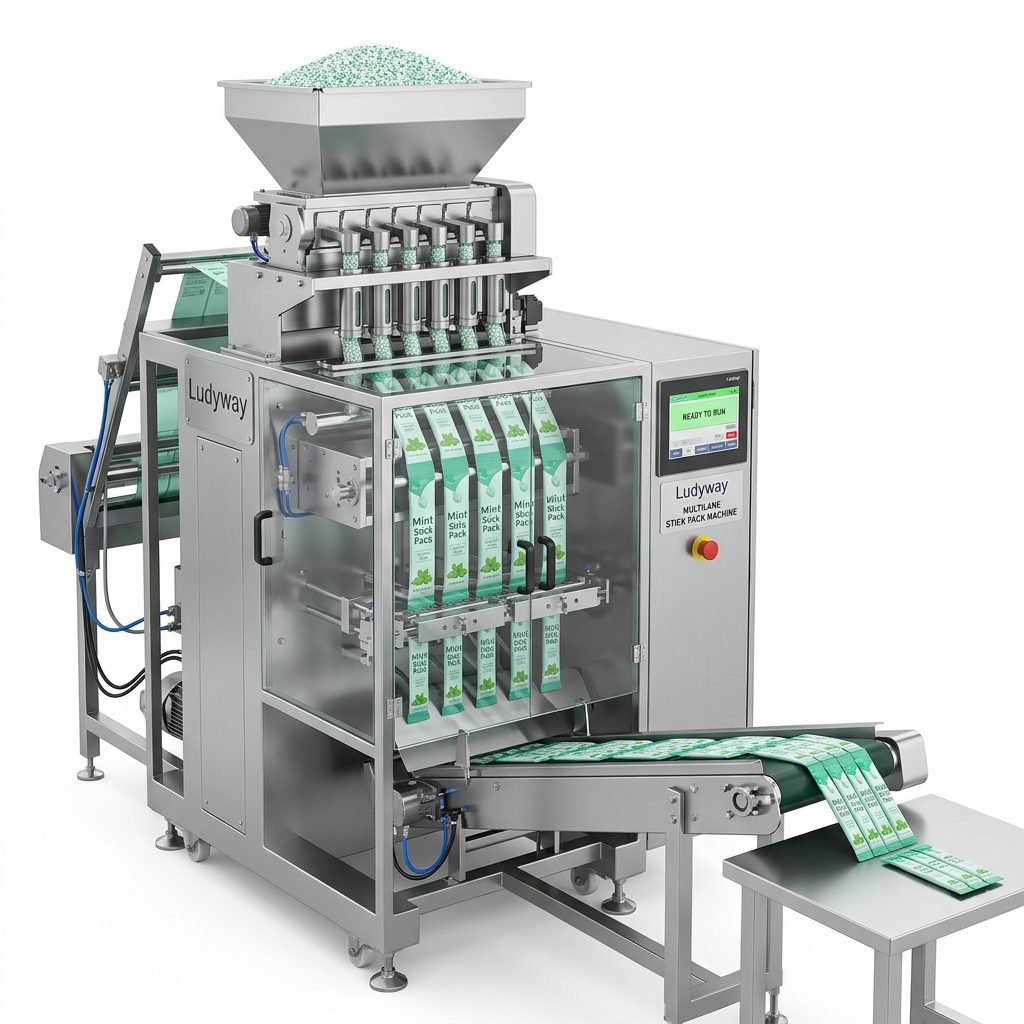
- Stick packs — narrow, elongated pouches ideal for single-serve candy portions
- Sachet packaging — flat, rectangular pouches commonly used for tea-flavored hard candies
- Pillow pouches — versatile format suitable for various candy shapes
- Gusseted pouches — offering greater volume for larger candy quantities
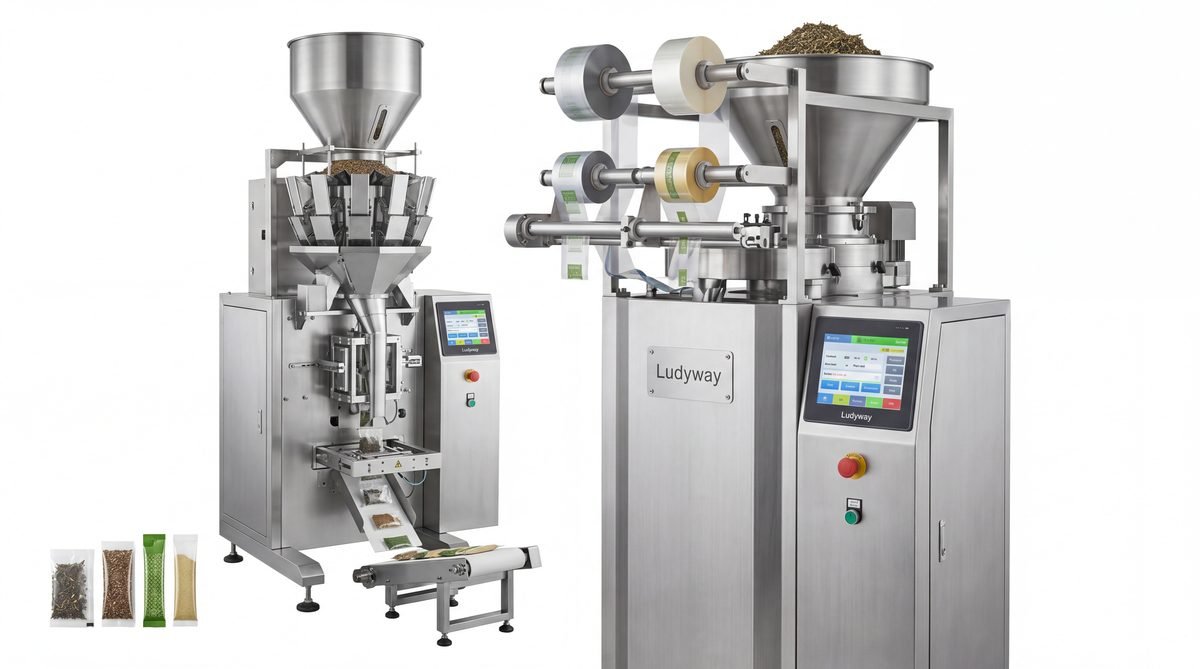
A flexible sachet packaging machine that supports multiple pouch styles will generally cost more than a single-format unit, but it offers greater versatility for future product line expansions.
4. Multi-Lane vs. Single-Lane Configuration
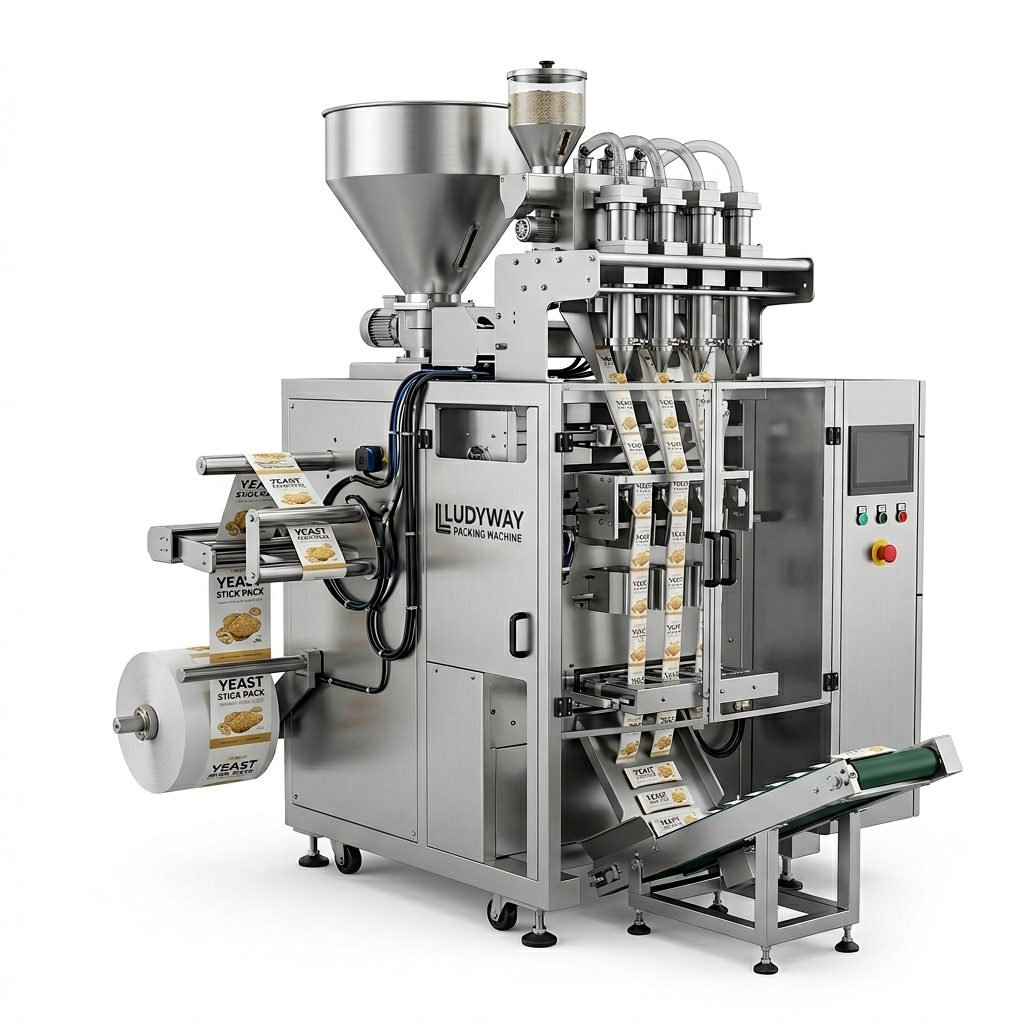
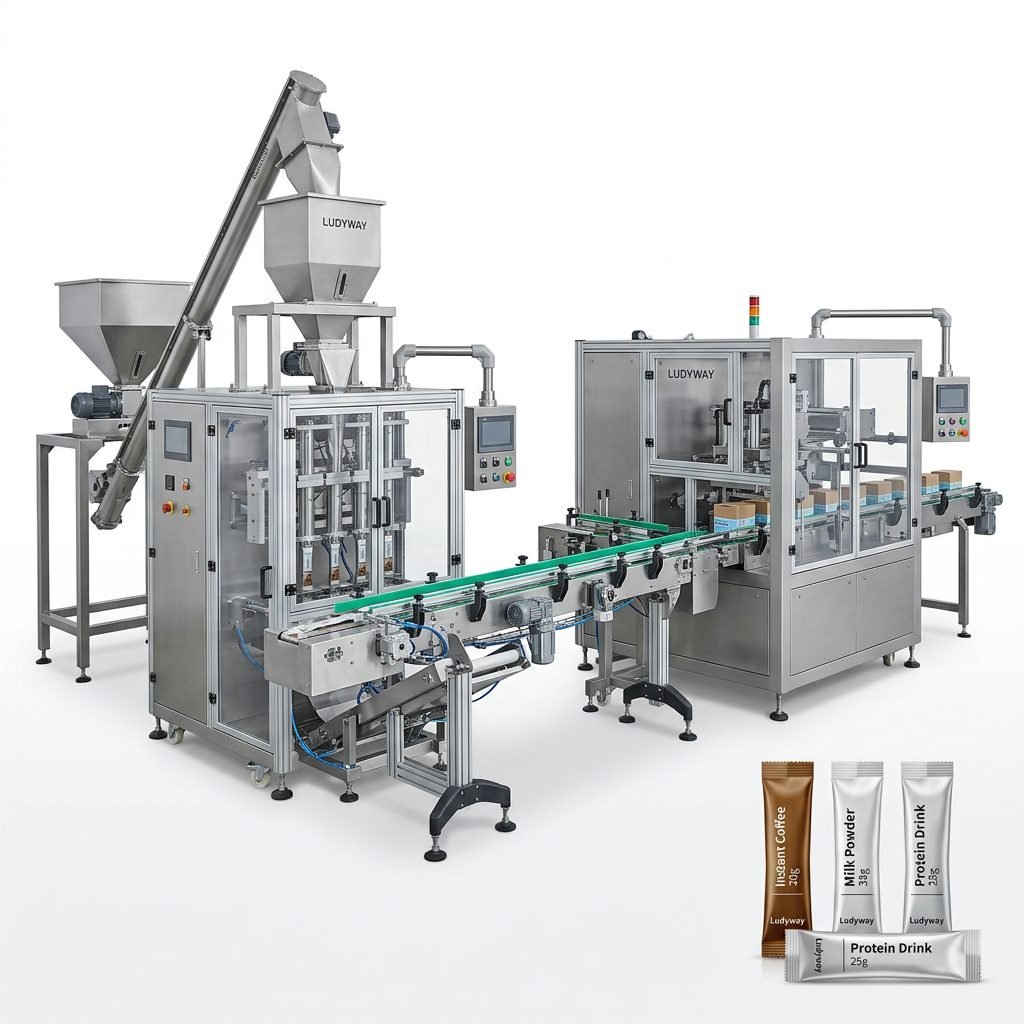
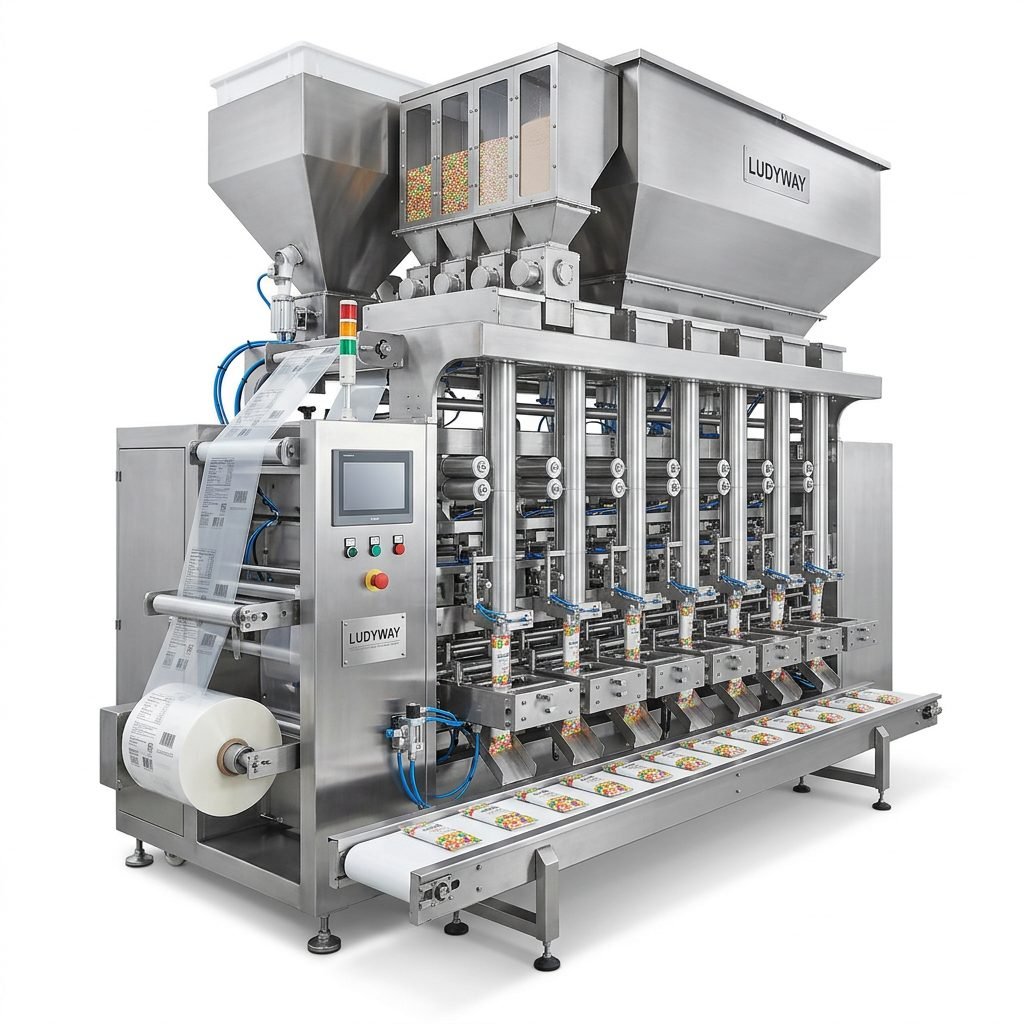
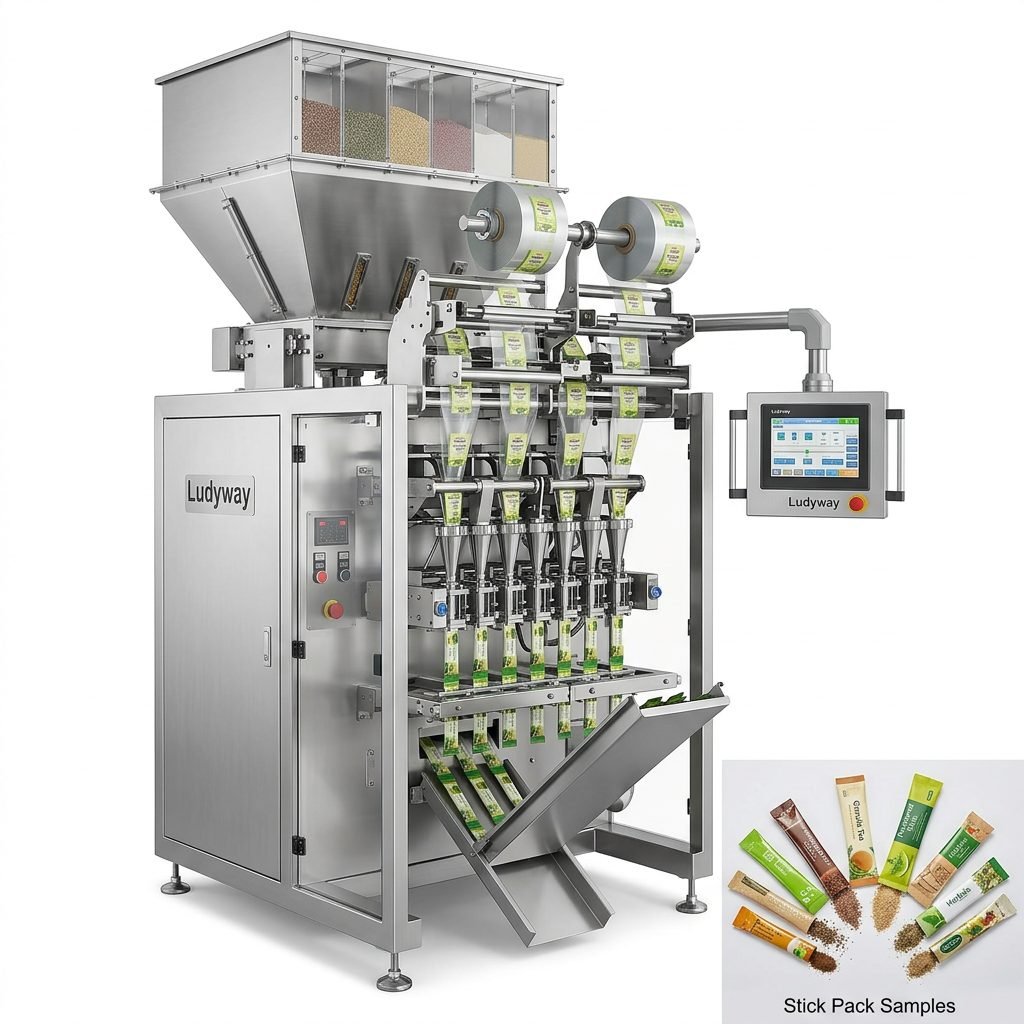
A single-lane machine produces one row of packs at a time, making it suitable for startups and small-to-medium production runs. Multi-lane systems can run 4, 6, 8, or even 12 lanes simultaneously, multiplying output without requiring additional floor space. A multi-lane stick pack machine is a significant investment but often pays for itself within 12-24 months through increased productivity and reduced labor costs.
5. Filling and Weighing Precision
Tea candies often contain ingredients like tea powder, sugar granules, and flavor crystals. Machines equipped with multi-head weighers or auger fillers provide superior dosing accuracy, minimizing product giveaway and ensuring consistent package weights. This precision technology adds to the initial equipment cost but delivers measurable savings over time.
6. Customization and Additional Features
Customized requirements can significantly impact pricing. Common add-ons include:
- Nitrogen flushing systems for extended shelf life
- Embossing or debossing units for branding
- Notch cutting or tear-notch perforation
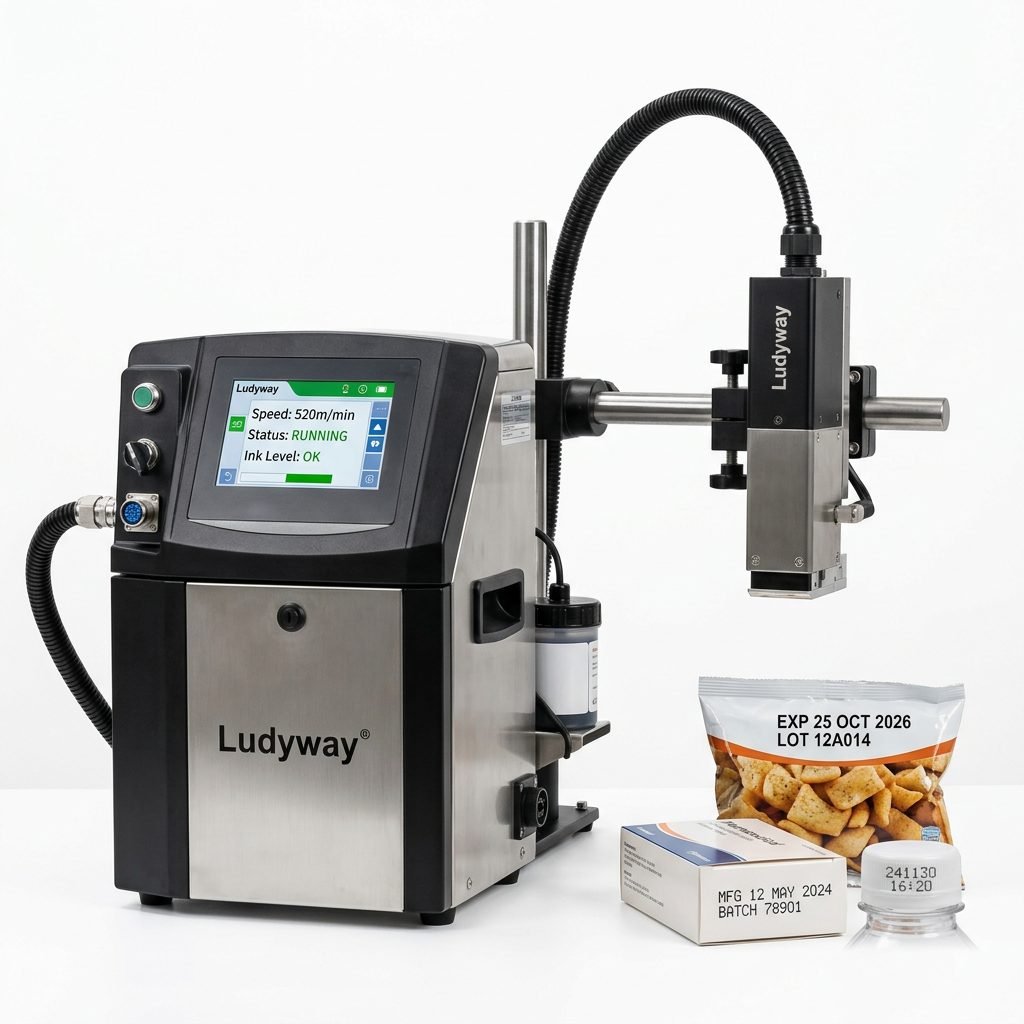
- Online coding and date printing modules
- Automatic cartoning and case packing integration
- Stainless steel construction for food-grade compliance
Each additional feature adds to the base price but may be essential for meeting regulatory standards or achieving your desired product presentation.

7. Brand, Origin, and After-Sales Support
Equipment from established manufacturers with proven track records typically commands a premium. However, this premium often translates into better build quality, reliable spare parts availability, and responsive technical support. Machines manufactured in countries with strict quality standards may cost more upfront but frequently offer lower total cost of ownership over their operational lifespan.
Additional Costs to Factor Into Your Budget
Beyond the base machine price, several ancillary costs should be accounted for:
- Shipping and logistics — international freight, customs duties, and import taxes
- Installation and commissioning — on-site setup, calibration, and technician travel expenses
- Operator training — ensuring your team can operate and maintain the equipment effectively
- Spare parts inventory — maintaining critical components to minimize downtime
- Packaging materials — ongoing costs for film, laminate, and other consumables
- Maintenance contracts — preventative service agreements for long-term reliability
How to Choose the Right Machine for Your Budget
Selecting the optimal tea candy packing equipment requires balancing your current needs with future growth plans. Here is a practical approach:
- Define your production targets — calculate your required daily and monthly output volumes
- Assess your packaging requirements — determine pouch size, material type, and desired format
- Evaluate total cost of ownership — consider energy consumption, labor savings, and maintenance costs
- Request detailed quotations — obtain itemized proposals from multiple suppliers for accurate comparison
- Verify after-sales support — ensure the manufacturer offers reliable technical assistance and spare parts
Industry Trends Affecting Packaging Machine Prices
According to the latest PMMI State of the Industry 2025 report, the global packaging machinery market continues to experience steady growth driven by automation demand and food safety regulations. The Flexible Packaging Association also highlights increasing adoption of sustainable packaging materials, which may influence future machine design and pricing. These industry-wide trends suggest that investing in versatile, upgradeable equipment now can help future-proof your production line.
For businesses exploring turnkey solutions, Ludyway is one of the largest packaging machine manufacturers in China, offering over 50 intelligent packaging machine models including multi-lane stick pack, sachet, and fully automated packaging systems. With a modern 20,000㎡ manufacturing facility and customers in over 100 countries, they provide comprehensive solutions for granule, powder, liquid, and pouch packaging applications.
Frequently Asked Questions About Tea Candy Packing Machine Costs
What is the cheapest tea candy packing machine available?
Entry-level semi-automatic machines start at approximately $3,000. These are best suited for small-scale operations or businesses testing new product lines before scaling up.
How long does it take to see ROI on a multi-lane stick pack machine?
Most manufacturers report achieving return on investment within 12 to 24 months, depending on production volume, labor cost savings, and product margins.
Are there financing options available for packaging equipment?
Many established manufacturers and third-party financial institutions offer leasing, installment payment plans, or equipment financing to help businesses manage the initial capital outlay.
Can one machine handle both tea candy and other similar products?
Yes, many modern packaging machines are designed for quick changeover between different products, such as switching from tea candies to mint candies or herbal lozenges with minimal retooling.
Ready to explore tea candy packing solutions? Contact a packaging specialist today to discuss your specific requirements and receive a customized quotation tailored to your production goals.