Investing in a hummus packaging machine is a strategic decision that directly impacts your production efficiency, product shelf life, and brand perception. Hummus presents unique challenges due to its viscosity, particulate content, and sensitivity to contamination. Choosing the wrong system can lead to portioning errors, seal failures, and costly downtime. This guide walks you through the critical factors to evaluate before making a purchase.

Understanding Hummus as a Product
Before selecting machinery, you must analyze the physical characteristics of your hummus. The filling mechanism for chunky premium hummus differs significantly from that used for smooth, whipped varieties. Key product attributes include:
- Viscosity: Ranges from semi-solid to paste-like; requires powerful positive displacement pumps.
- Particulate Size: Whole chickpeas or roasted pepper pieces demand large-diameter filling nozzles to prevent clogging.
- Temperature: Cold-fill processes often require specific sealing parameters to ensure film integrity.
- Aeration: Whipped recipes may require bottom-up filling to maintain texture.
Types of Hummus Packaging Machinery
The packaging format defines the machine configuration. The market typically utilizes three main machine categories for hummus production:
1. Vertical Form Fill Seal (VFFS) Machines
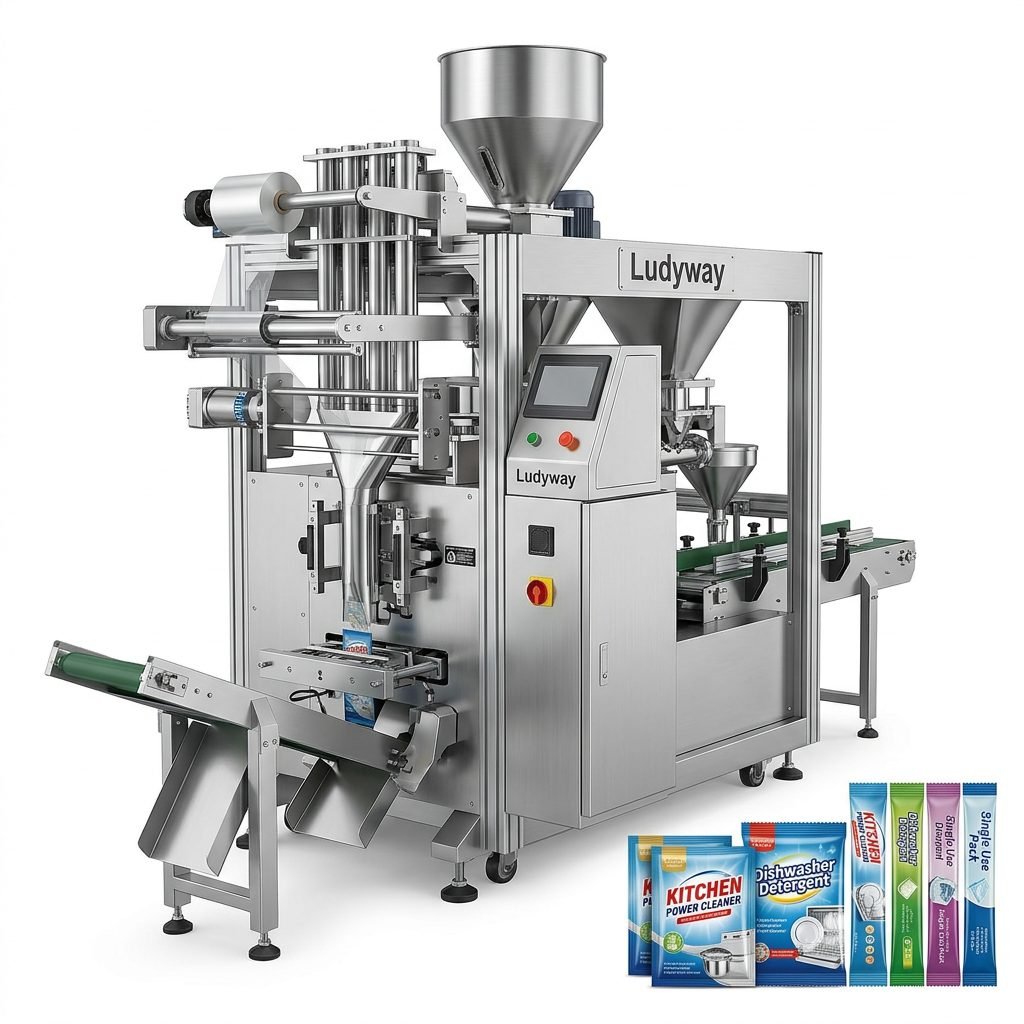
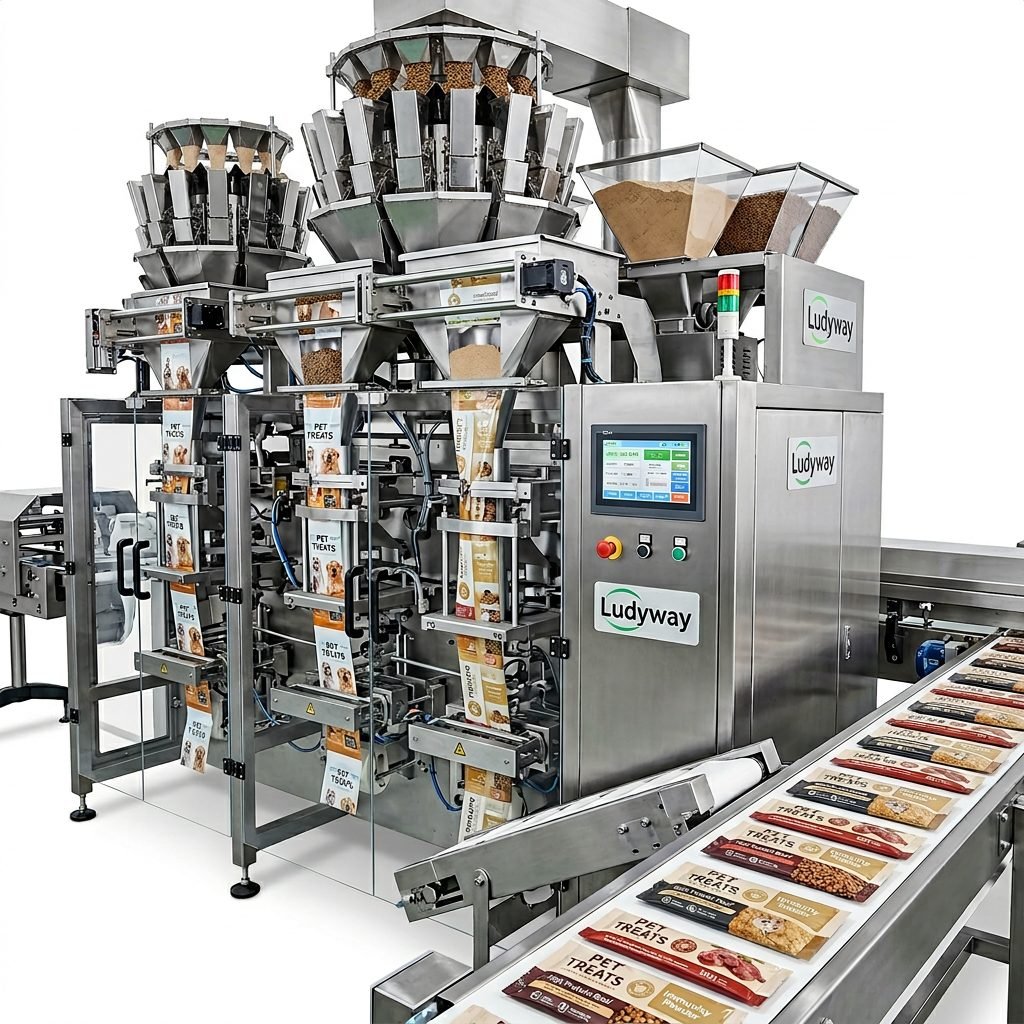
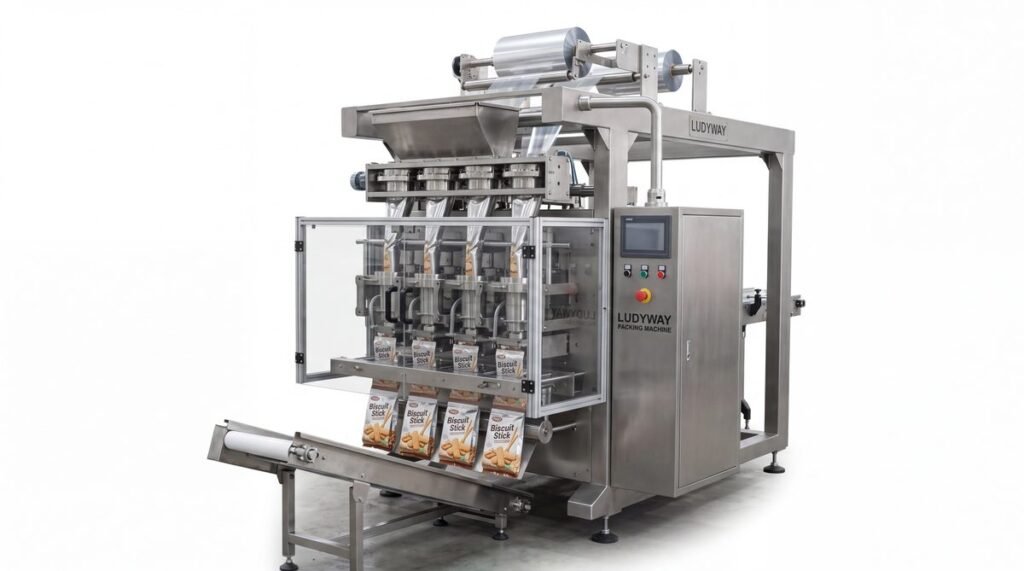
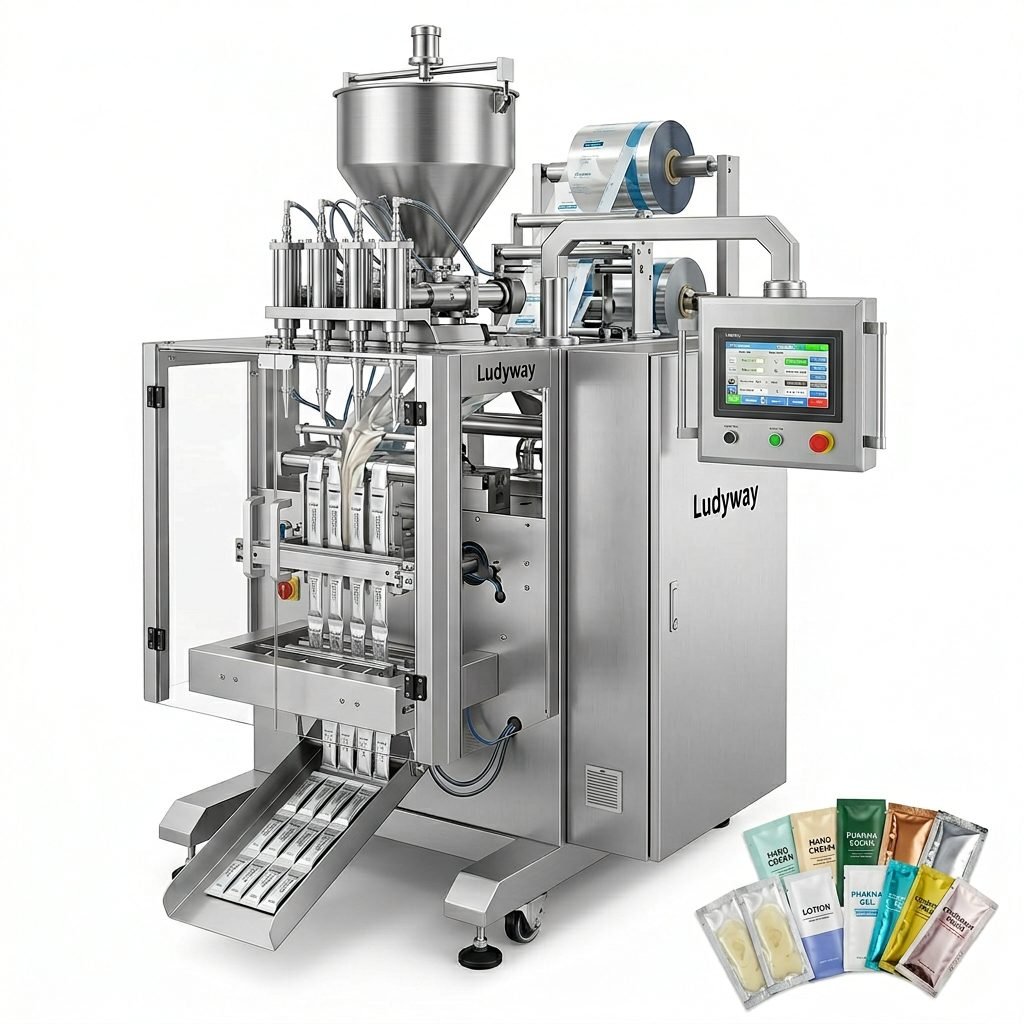
Ideal for high-speed production of pillow pouches, gusseted bags, or flat-bottom packs. These systems form the bag from a flat roll of film, fill vertically, and seal. For hummus, VFFS systems integrated with a piston filler or progressive cavity pump ensure accurate dosing. They are highly efficient for single-serve portions (30g to 150g) popular in the retail and food service sectors.
2. Pre-Made Pouch Rotary Fillers
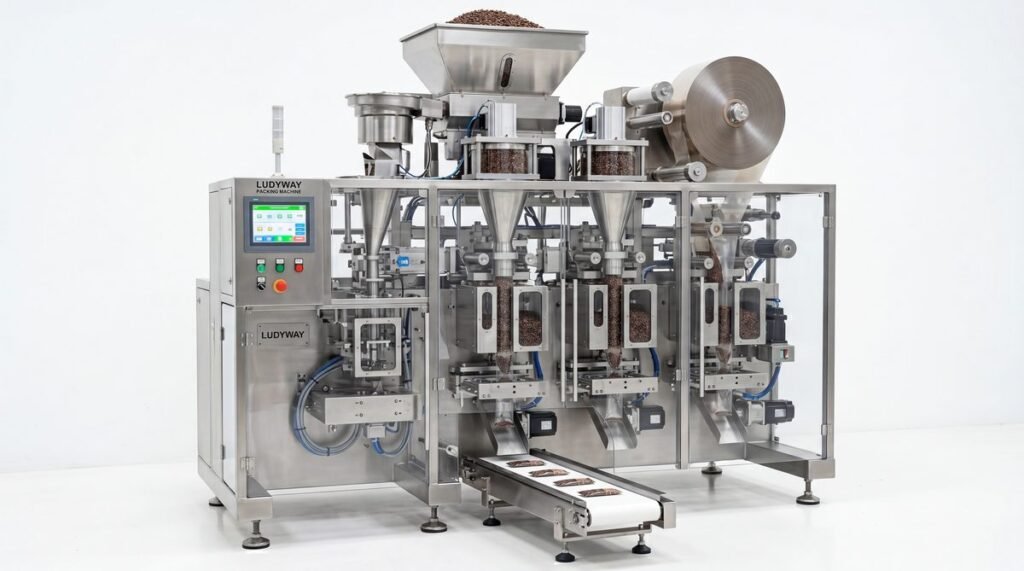
If you require premium shelf presence with shaped pouches, spouted pouches, or stand-up formats, rotary pre-made pouch machines are the standard. They handle pre-formed pouches automatically, opening, filling, and re-sealing them. These machines excel in handling delicate film structures often needed for extended ambient shelf life in the packaging industry.
3. Cup and Tray Filling & Sealing Lines
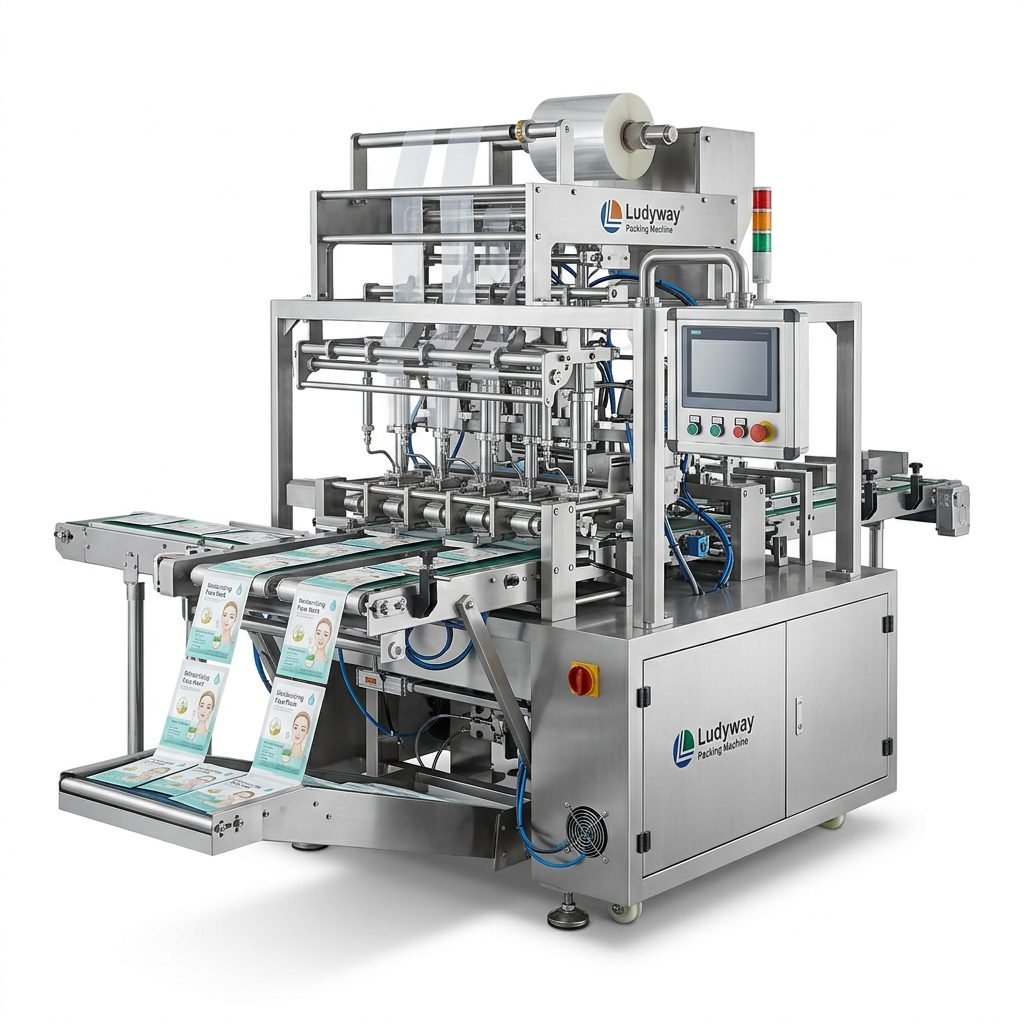
For single-serve snack packs with a film lidding, linear or rotary cup fillers are required. These systems often incorporate modified atmosphere packaging (MAP) to extend the product life without preservatives, a critical selling point for natural hummus brands.
Key Technical Specifications to Evaluate
When comparing manufacturers, look beyond the speed rating. The interplay of filling technology and film handling determines success with viscous pastes.
| Feature | Why It Matters for Hummus |
|---|---|
| Filling System | Piston fillers handle viscosity well; servo-driven pumps guarantee ±0.5% accuracy even with particulates. |
| Sealing Technology | Product contamination in the seal area is the #1 cause of leaks. Ensure the machine has film de-aeration and seal-cooling features. |
| Clean-in-Place (CIP) Compatibility | Hummus spoils quickly. Machines with tool-free disassembly and washdown-rated IP65 construction reduce allergen cross-contact risks. |
| Gas Flushing | For oxygen-sensitive recipes, the machine must integrate MAP/Nitrogen flushing systems to purge headspace. |
Customization and Integration
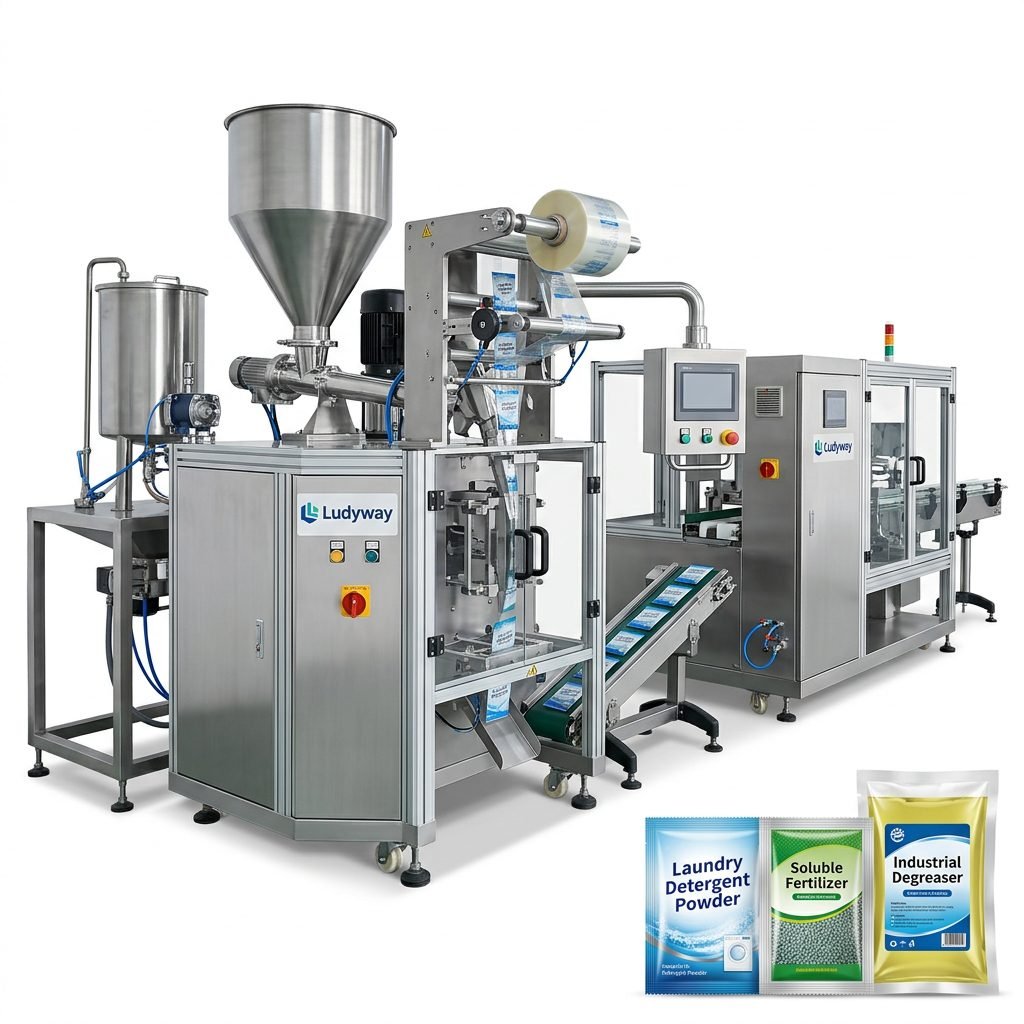
No two hummus plants are identical. A modular machine design allows you to adapt to market trends. Look for a provider that offers customized packaging solutions rather than forcing standard machines onto your product. Integration with upstream mixing tanks and downstream checkweighers or case packers is essential for a seamless flexible packaging workflow. Leading suppliers like Ludyway Machinery often provide complete turnkey lines, which simplifies project management and ensures all components communicate under a single control architecture.
Hygiene and Regulatory Compliance
Hummus is a high-risk product microbiologically. The mechanical design must comply with relevant food safety standards. Stainless steel construction (AISI 304 or 316), sloped surfaces for drainage, and validated sanitation protocols are non-negotiable. Ensure your chosen machinery can be configured to meet FDA packaging and food contact substance regulations if you intend to enter the North American market.

Supplier Evaluation Checklist
Choosing the right partner is as important as the hardware itself. Vet potential suppliers against this checklist:
- Experience: Have they engineered solutions for high-viscosity pastes before? Ask for specific case studies.
- Spare Parts: How quickly can they ship wear parts for the filling valves and jaw assemblies?
- Global Support: If your plant is outside the manufacturing hub, ensure they have remote diagnostic capabilities and a local service network.
- Testing: Never buy without conducting a factory acceptance test (FAT) using your actual product and film.
Selecting the right hummus packaging machine requires a holistic view of your product’s rheology, your packaging aesthetic, and your sanitary requirements. By prioritizing precision filling accuracy, seal integrity, and ease of sanitation, you ensure that your production line remains flexible and ready to scale as consumer demand for healthy, convenient dips continues to grow globally.