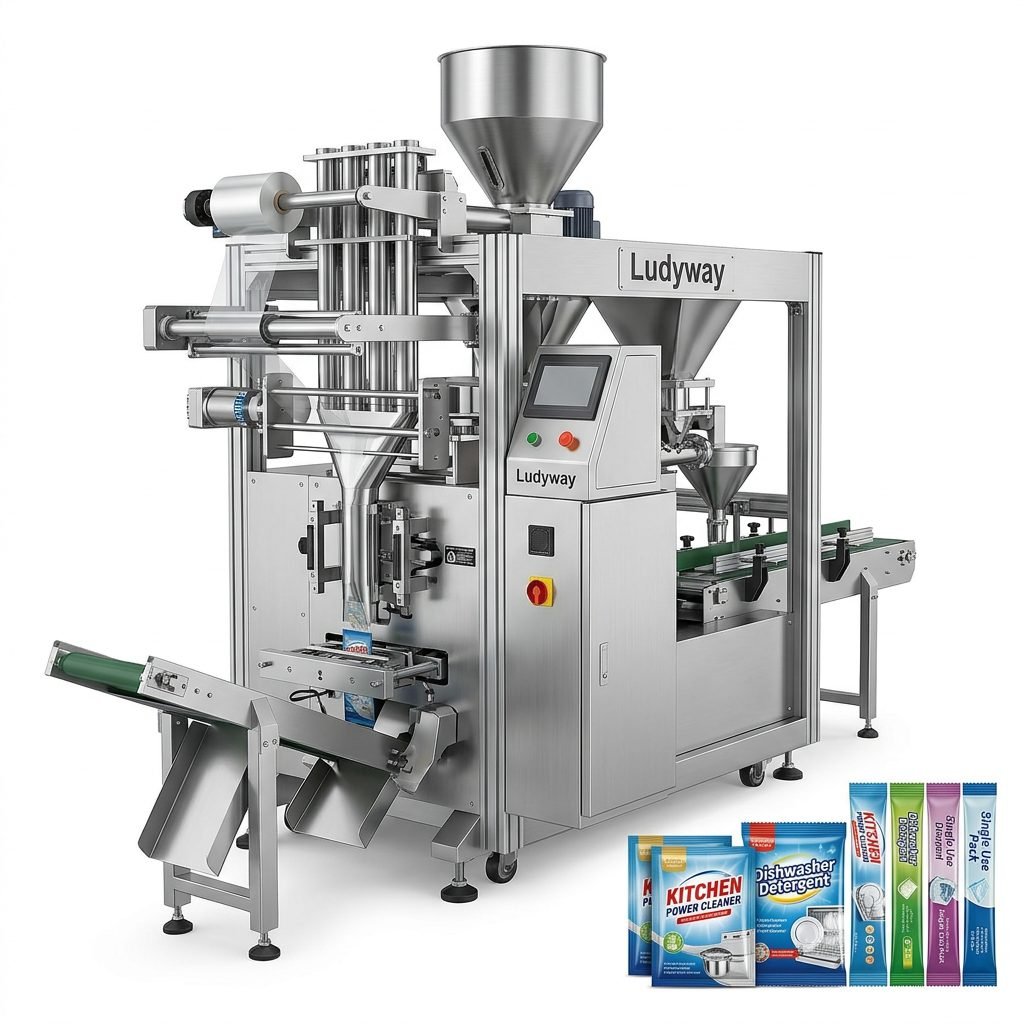
Investing in a gummy packaging machine is a significant decision that affects your product quality, production efficiency, and long-term profitability. Whether you are producing vitamin gummies, CBD edibles, functional confectionery, or traditional candy, the right equipment ensures consistent dosing, attractive pack presentation, and reliable output. This comprehensive guide walks you through the essential factors to evaluate so you can select a machine that aligns with your manufacturing goals.
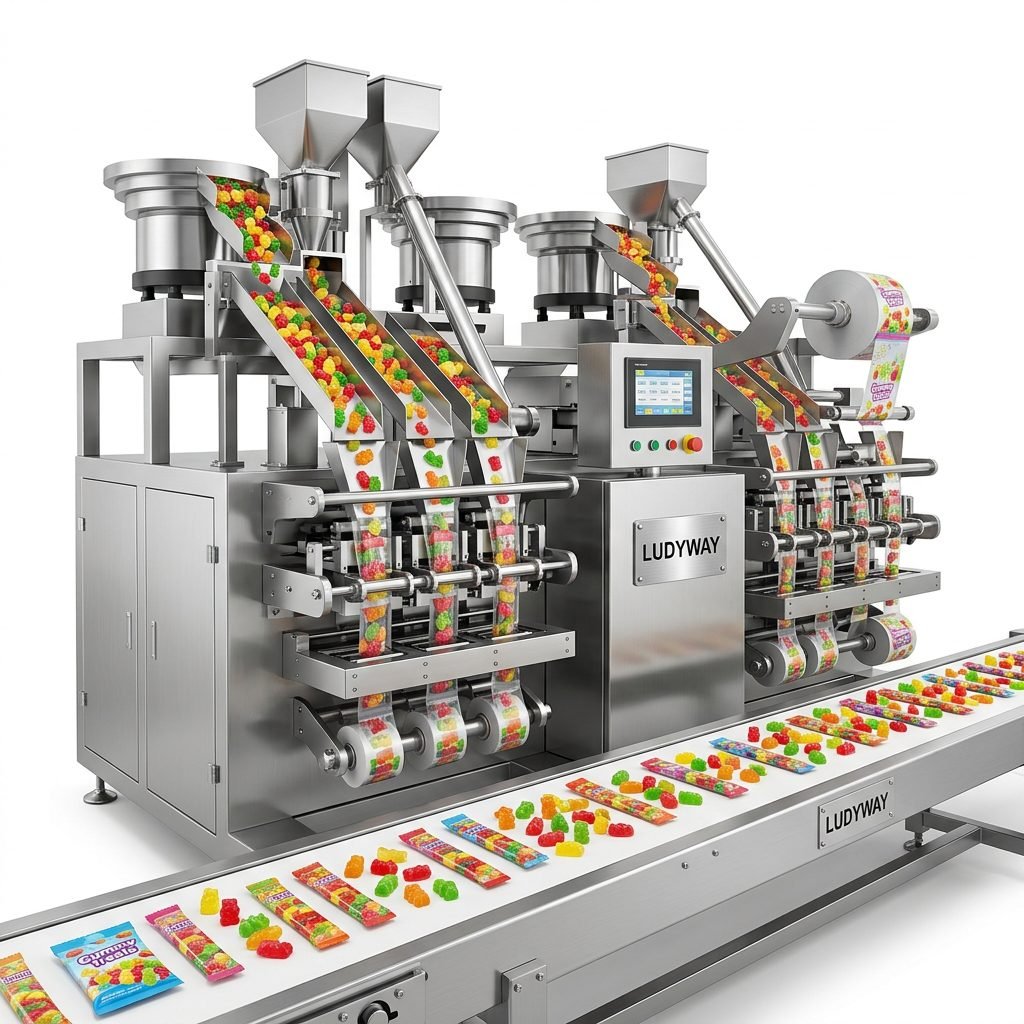
1. Define Your Product and Production Requirements
Before comparing machine specifications, you must first thoroughly understand your own product characteristics and production targets. Gummy products vary widely — from soft gelatin-based supplements to starch-molded fruit snacks — and each formulation behaves differently during feeding, dosing, and sealing. Key questions to answer include:
- Product format: Are you packaging individual gummies, multi-piece pouches, stick packs, sachets, or bulk bags?
- Viscosity and stickiness: Does your gummy product require specialized non-stick surfaces, cooling tunnels, or release coatings on contact parts?
- Piece size and weight: What is the target piece weight range, and how precise must your dosing be to meet regulatory or label-claim requirements?
- Daily output: What is your current production volume, and what capacity will you need in 2–3 years?
- Packaging material: Will you use single-layer film, multi-layer laminates, aluminum foil, or biodegradable materials?
Documenting these parameters early helps you narrow down machine configurations and avoid costly mismatches. The PMMI Business Intelligence Library offers valuable industry benchmarks for production capacity planning across confectionery and nutraceutical segments.
2. Understand Gummy Packaging Machine Types
Gummy packaging equipment comes in several configurations, each suited to different production scales and packaging formats. Selecting the right type depends on your product presentation, speed requirements, and automation goals.
| Machine Type | Best For | Typical Speed Range | Key Advantages |
|---|---|---|---|
| Single-Lane Stick Pack | Small batches, startups, niche supplements | 30–80 packs/min | Lower investment, easy changeover |
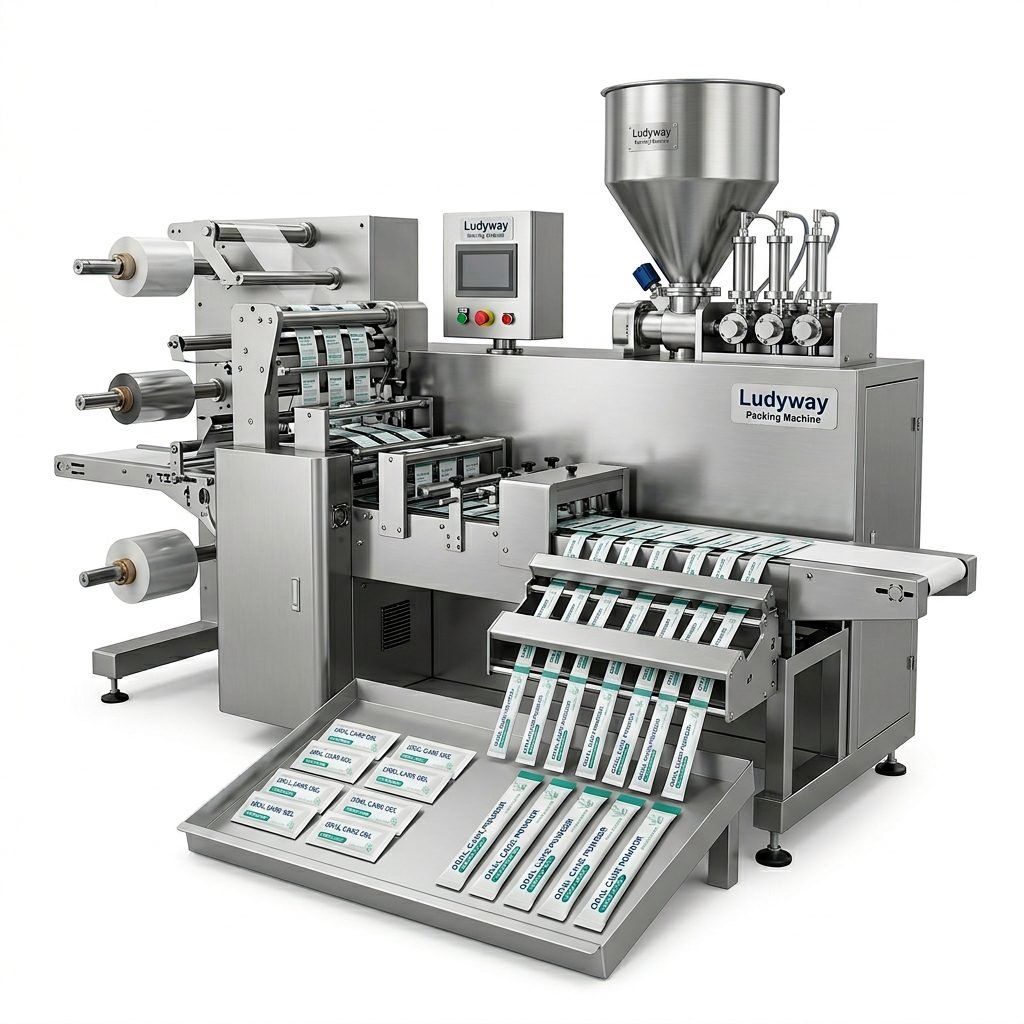
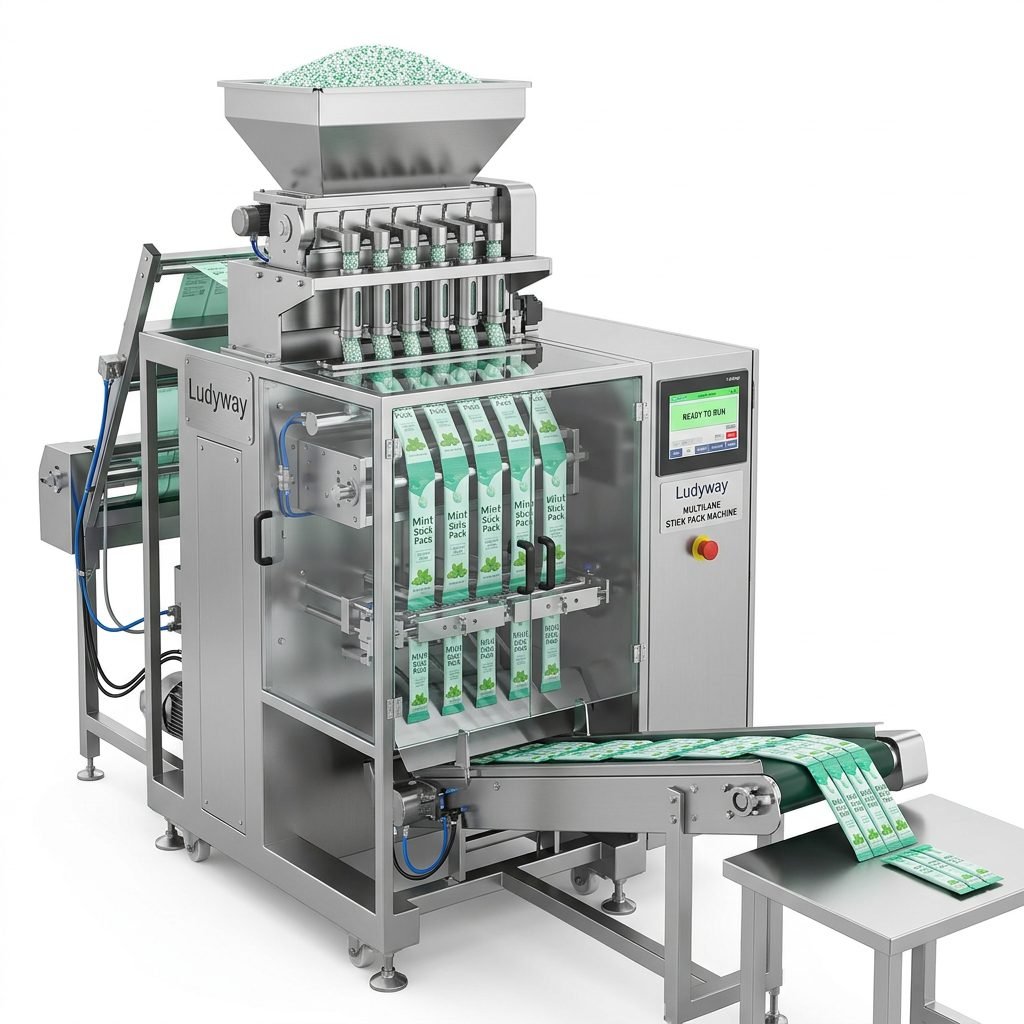
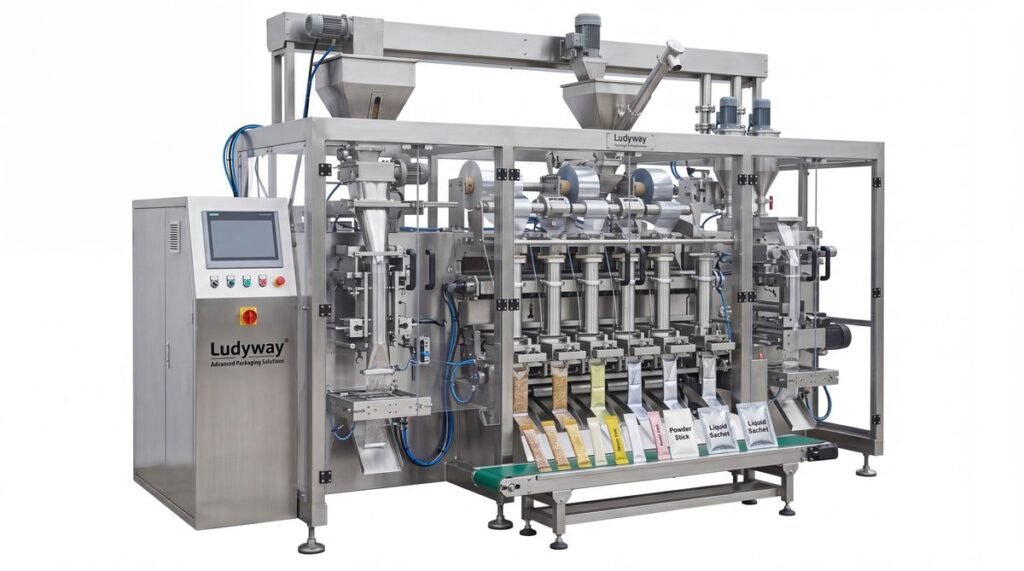
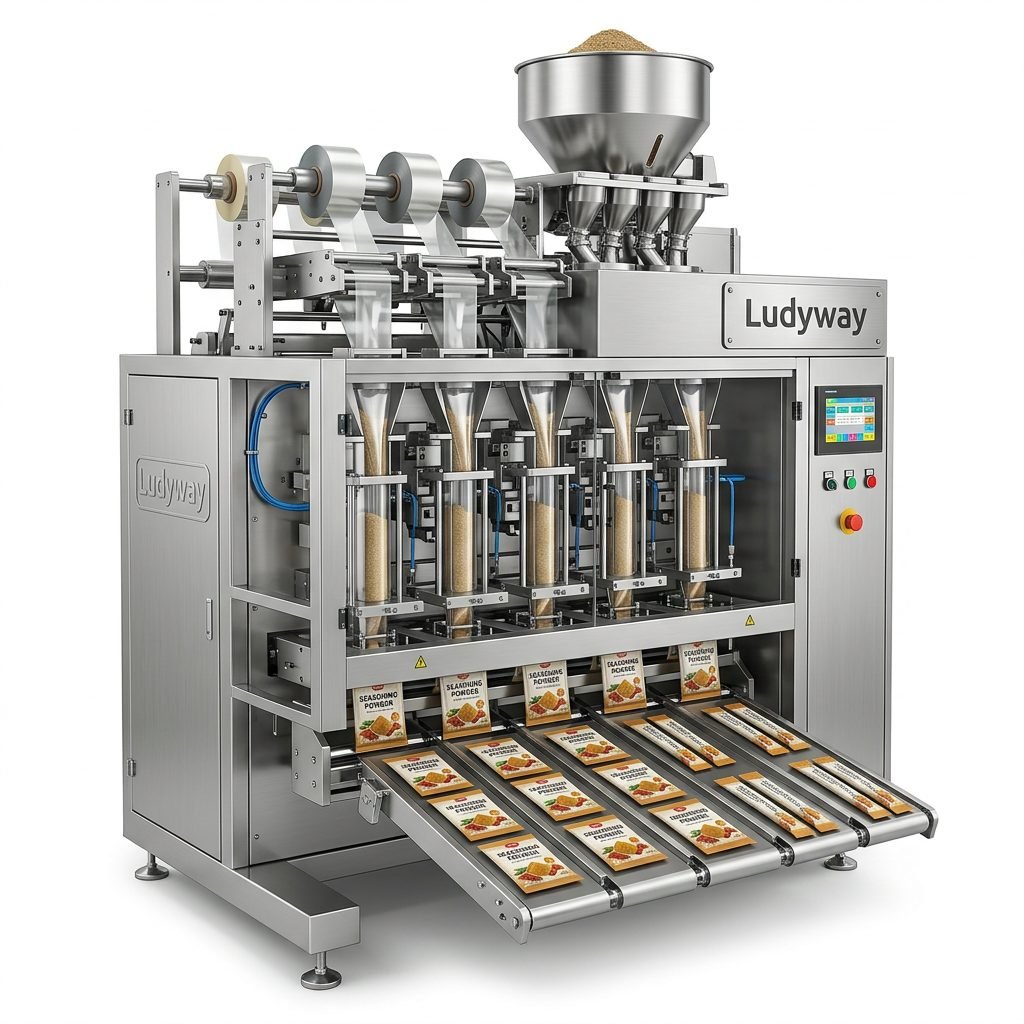
| Multi-Lane Stick Pack | Medium to high-volume gummy supplements | 200–600+ packs/min | High output per square foot, efficient film usage |
| Multi-Lane Sachet Machine | Multi-piece gummy pouches, sample packs | 150–500+ sachets/min | Flexible bag sizes, multiple gummies per pack |
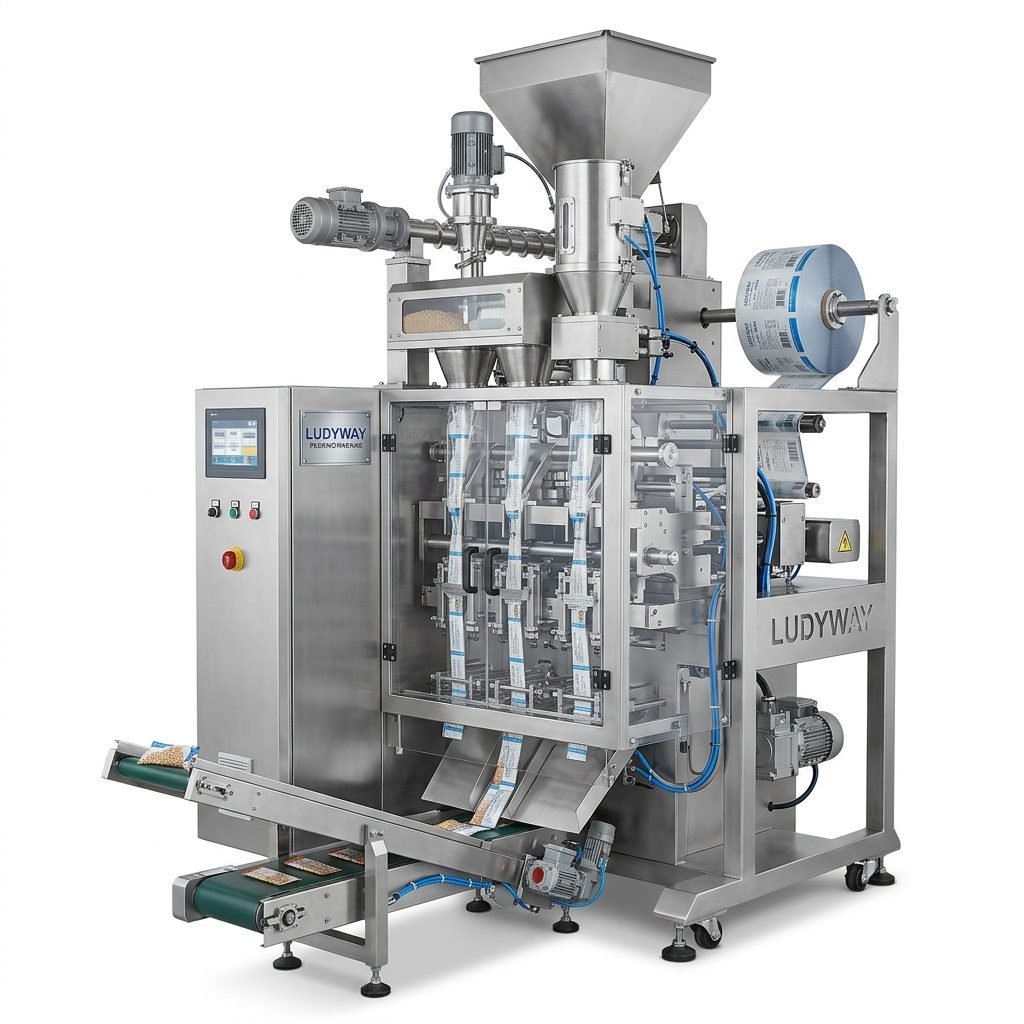
| Vertical Form Fill Seal (VFFS) | Bulk gummy bags, pillow packs, large formats | 40–120 bags/min | Versatile, handles larger bag sizes |
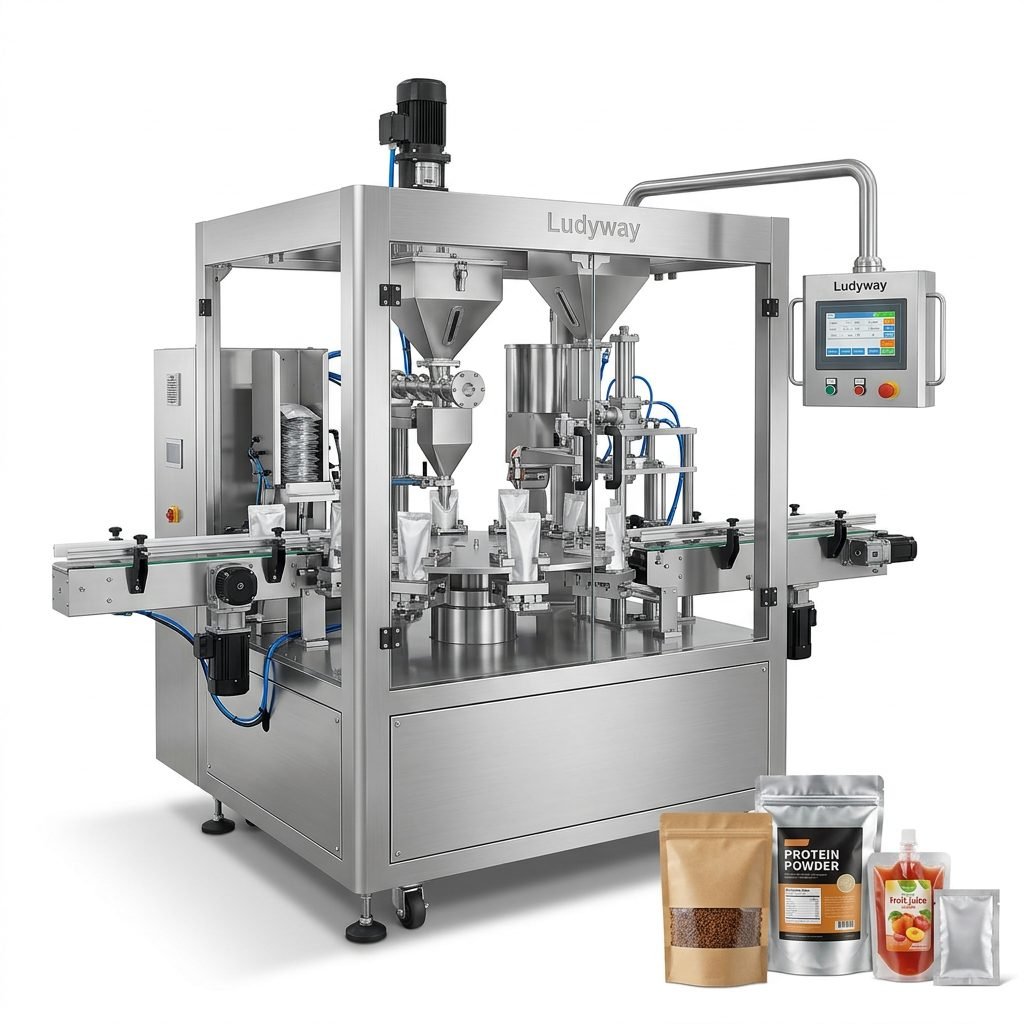
| Premade Pouch Rotary Filler | Premium stand-up pouches, resealable formats | 30–80 pouches/min | High-quality pouch presentation, zipper options |
Multi-lane systems have become the dominant choice for gummy supplement manufacturers due to their ability to scale output without proportionally increasing floor space. Understanding the differences between these configurations is essential before contacting equipment suppliers.

3. Evaluate Dosing and Filling Accuracy
For gummy products — especially functional supplements, vitamins, and nutraceuticals — precise dosing is non-negotiable. Inaccurate fills lead to regulatory non-compliance, customer complaints, and wasted product. Modern gummy packaging machines offer several dosing technologies:
- Volumetric cup fillers: Economical and fast, best for uniform gummy shapes and sizes with moderate accuracy requirements.
- Multi-head weighers: Provide high accuracy (±0.2–0.5g per piece) by weighing each portion individually; ideal for high-value gummy products where overfill costs are significant.
- Counting systems with optical sensors: Count individual gummies before dropping into each pack; excellent for multi-piece sachets requiring exact piece counts.
- Auger fillers: Suitable for powdered gummy premixes or coated products that require volumetric dosing.
The ISO packaging standards provide internationally recognized frameworks for fill accuracy verification. When evaluating a machine, request documented accuracy data from the manufacturer and factor in the cost of product giveaway over the machine’s lifespan.
4. Assess Automation and Integration Capabilities
Today’s competitive manufacturing environment demands more than a standalone packaging machine. You need equipment that can integrate seamlessly with upstream and downstream processes. Consider these automation features:
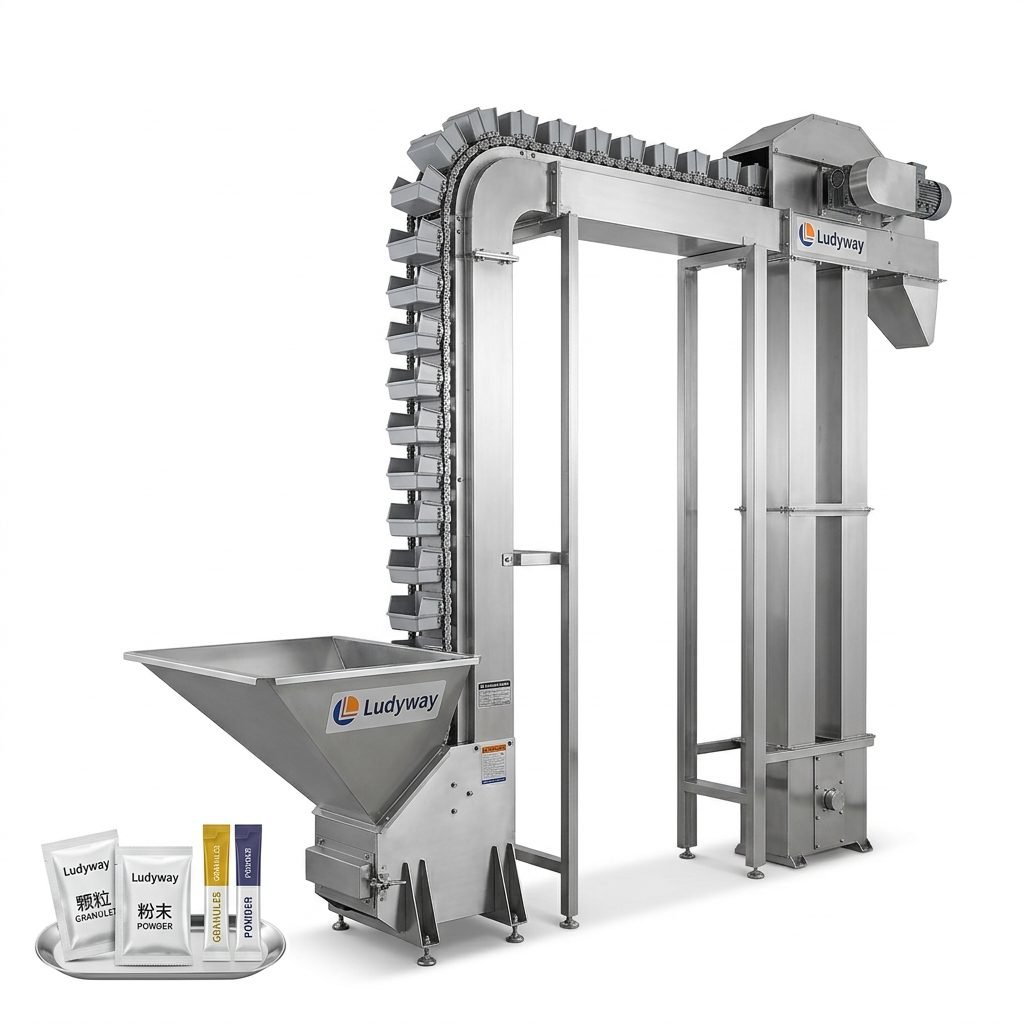
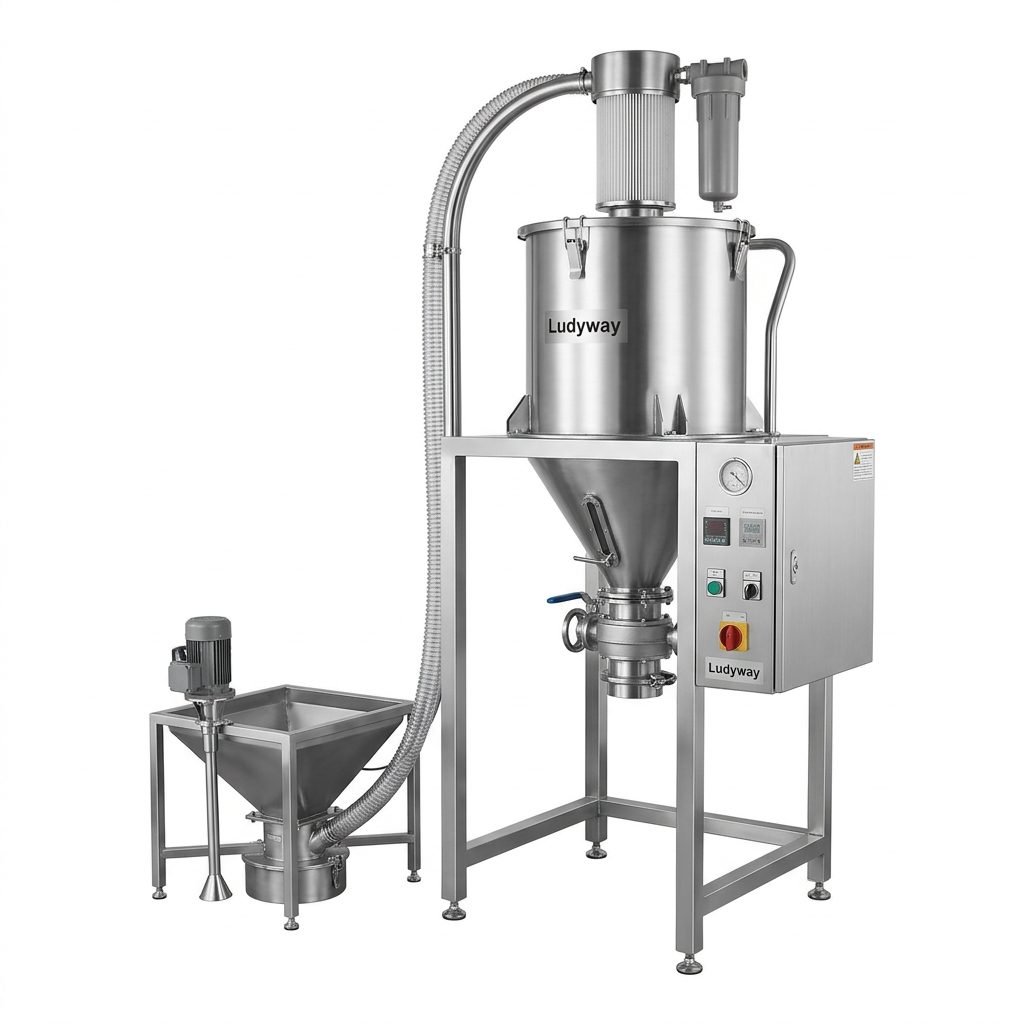
- Automatic feeding systems: Vibratory feeders, bucket elevators, or conveyor infeed systems that deliver gummies from production to packaging without manual intervention.
- Inline checkweighing: Real-time weight verification with automatic reject of out-of-spec packs, critical for pharmaceutical-grade gummies.
- Metal detection and X-ray inspection: Essential for food safety compliance and brand protection.
- Cartoning and case packing integration: Automated transfer from primary packaging into cartons, cases, or display boxes.
- Serialization and track-and-trace: Required for pharmaceutical gummies in regulated markets; increasingly adopted in nutraceutical segments.
A turnkey packaging line that integrates filling, sealing, inspection, and secondary packaging reduces labor costs, minimizes handling damage, and improves overall equipment effectiveness (OEE). The Flexible Packaging Association’s industry resources highlight how integrated automation is reshaping flexible packaging operations across food and pharmaceutical sectors.
5. Material Compatibility and Film Handling
Gummy products often require specialized packaging films to maintain freshness, prevent moisture migration, and protect active ingredients. Your packaging machine must handle your chosen materials without excessive waste or downtime. Key considerations include:
- Film tension control: Precise tension adjustment prevents film stretching, wrinkling, or breakage — especially important with thin-gauge or biodegradable films.
- Sealing temperature range: Different laminate structures require specific sealing temperatures; look for machines with digital temperature control and multi-zone heating.
- Nitrogen flushing capability: For oxygen-sensitive gummy supplements, gas flushing extends shelf life and preserves potency.
- Quick-change film systems: Reduce downtime when switching between film types or pack sizes.
Before finalizing your machine selection, run film trials with your actual packaging material. This validates sealing quality, machine speed, and overall compatibility under real production conditions.
6. Sanitary Design and Cleanability
Gummy production environments — particularly in the nutraceutical and pharmaceutical sectors — must meet stringent hygiene standards. Your packaging machine should be designed for easy cleaning and minimal product buildup. Look for:
- Stainless steel construction on all product-contact surfaces (304 or 316L grade).
- Tool-free disassembly for quick product changeovers and sanitation.
- Washdown-ready designs if wet cleaning is required in your facility.
- Sloped surfaces and sealed bearings to prevent product accumulation and pest harborage.
Compliance with FDA food contact substance regulations and relevant GMP (Good Manufacturing Practice) guidelines should be verified during the equipment evaluation process.

7. Total Cost of Ownership Analysis
The purchase price of a gummy packaging machine represents only a fraction of its lifetime cost. A thorough total cost of ownership (TCO) analysis should account for:
| Cost Category | Estimated % of TCO | Key Factors |
|---|---|---|
| Initial equipment purchase | 40–55% | Machine configuration, options, freight, installation |
| Consumables (film, spare parts) | 20–30% | Film waste rates, sealing element life, wear parts frequency |
| Labor and operator training | 10–15% | Automation level, changeover complexity, skill requirements |
| Maintenance and downtime | 8–15% | Preventive maintenance schedule, unplanned downtime risk, service contract |
| Energy and utilities | 3–5% | Electrical consumption, compressed air requirements |
A machine with a higher upfront cost but lower film waste and reduced downtime often delivers superior long-term value. Request detailed TCO projections from potential suppliers and validate against references from similar operations.
8. Supplier Evaluation and After-Sales Support
Your relationship with the equipment manufacturer extends far beyond the initial sale. Evaluate potential suppliers on these criteria:
- Industry experience: How many installations do they have in gummy or confectionery applications specifically?
- Technical support availability: Do they offer remote diagnostics, on-site service, and emergency response within acceptable timeframes for your region?
- Spare parts inventory: Are critical spare parts readily available, and what are typical lead times?
- Operator training programs: Comprehensive training reduces startup delays and long-term operational errors.
- References and site visits: Speaking with existing customers or visiting operational installations provides invaluable insight.
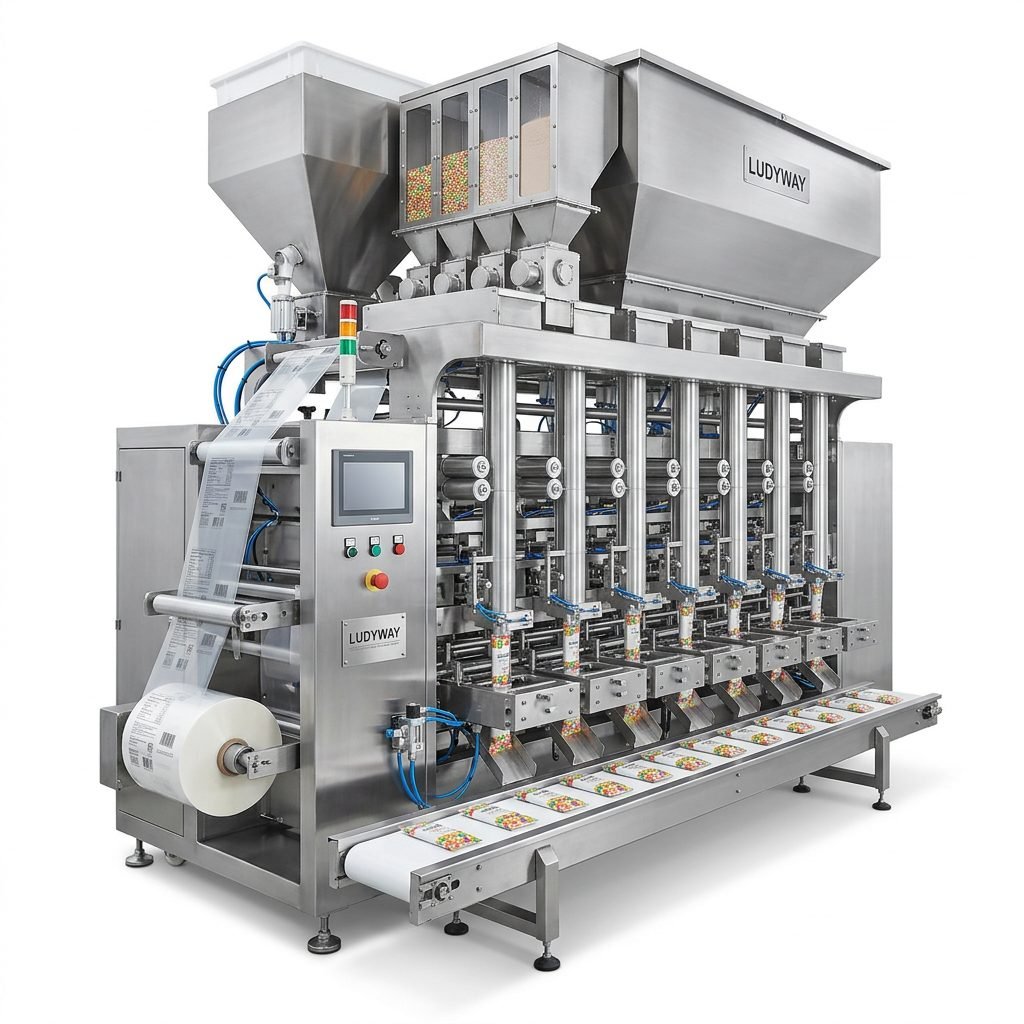
Manufacturers like Ludyway Machinery, with over 30 years of packaging industry experience and a 20,000-square-meter manufacturing facility, exemplify the type of established partner that can provide integrated solutions from individual machines to complete turnkey packaging lines. When evaluating suppliers, prioritize those with demonstrated engineering capabilities, international certifications, and a track record of supporting customers throughout the machine lifecycle.
9. Future-Proofing Your Investment
The gummy market continues to evolve rapidly, with trends toward functional ingredients, sustainable packaging, and smaller pack sizes for on-the-go consumption. Your packaging machine should offer flexibility to adapt to these changes. Consider:
- Modular design: Can additional lanes or modules be added as your production grows?
- Quick format changeovers: How quickly can the machine switch between different pack sizes or styles?
- Software upgradability: Does the control system support future feature additions and Industry 4.0 connectivity?
- Material flexibility: Can the machine handle emerging sustainable film materials including mono-material laminates and paper-based structures?
10. Making the Final Decision
After evaluating all technical, commercial, and support factors, synthesize your findings into a structured comparison. Weigh each criterion according to your business priorities, and do not let purchase price alone drive the decision. The lowest-cost machine often becomes the most expensive when you account for downtime, waste, and missed production targets.
Visit industry events such as PACK EXPO International to see equipment running live, compare multiple manufacturers side by side, and discuss your specific application with technical experts. Combine this hands-on research with thorough reference checks and documented performance guarantees to make a confident, informed investment.
Selecting the right gummy packaging machine is a strategic decision that shapes your manufacturing capabilities for years to come. Take the time to evaluate your options thoroughly, engage with knowledgeable suppliers, and prioritize total value over initial cost. With careful planning and the right equipment partner, you can build a packaging line that delivers consistent quality, scalability, and competitive advantage in the growing gummy market.