Investing in a carton packaging machine is a strategic decision that directly impacts your production efficiency, product protection, and overall operational costs. Whether you are upgrading from manual packing or automating a new line, choosing the right equipment requires a thorough understanding of your products, packaging materials, and automation goals. This guide breaks down the key factors to help you make an informed decision.
1. Understanding Your Carton Packaging Requirements
Before evaluating specific machines, you must define your production parameters. A common mistake is purchasing a machine based solely on speed, overlooking factors like carton size range and product fragility.
- Production Speed: Determine the cartons per minute (cpm) you require now and in the future.
- Carton Dimensions: Analyze your maximum and minimum carton width, length, and depth.
- Product Characteristics: Assess if your product is fragile, free-flowing, or requires specific orientation.
- Packaging Style: Identify if you need an end-load, top-load, or wrap-around carton format.
Understanding these core elements ensures you select a machine that fits seamlessly into your existing packaging line without causing bottlenecks.

2. Types of Carton Packaging Machines
The market offers various configurations, from semi-automatic erectors to fully automated loading and sealing systems. The choice largely depends on your production volume and carton style. Below is a comparison of the most common types:
| Machine Type | Best For | Key Benefit |
|---|---|---|
| Horizontal End-Load | Food, pharma, dry products | Gentle product handling |
| Vertical Top-Load | Fragile items, baked goods | Gravity-assisted loading |
| Wrap-Around | Bottles, cans, multipacks | Tight pack, material savings |
3. Key Features to Evaluate
Modern carton packaging machinery incorporates advanced technology to enhance reliability and reduce changeover time. Do not overlook the electrical and mechanical build quality.
Automation and Controls
Look for servo-driven systems that provide precise motion control. A user-friendly HMI touchscreen interface reduces operator training time and minimizes errors. Industry reports consistently highlight that quick, tool-free changeover mechanisms are critical for manufacturers running multiple SKUs.
Material Compatibility
Ensure the machine handles your specific carton materials, whether it is solid board, corrugated cardboard, or a specialized eco-friendly substrate. The feeding mechanisms should maintain the integrity of the carton blank without causing warping or tearing, especially in humid production environments.
4. Evaluating Carton Packaging Machine Manufacturers
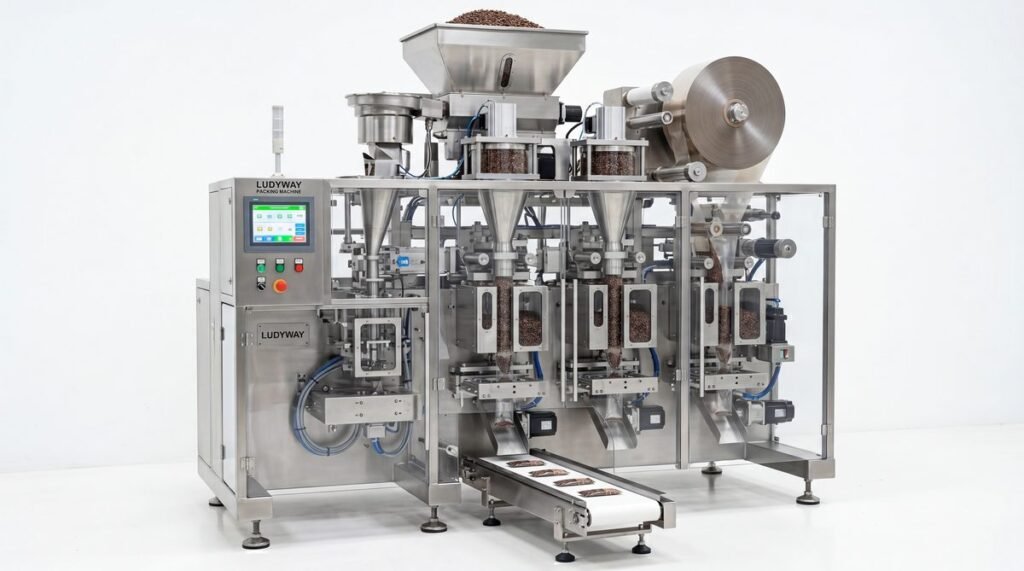
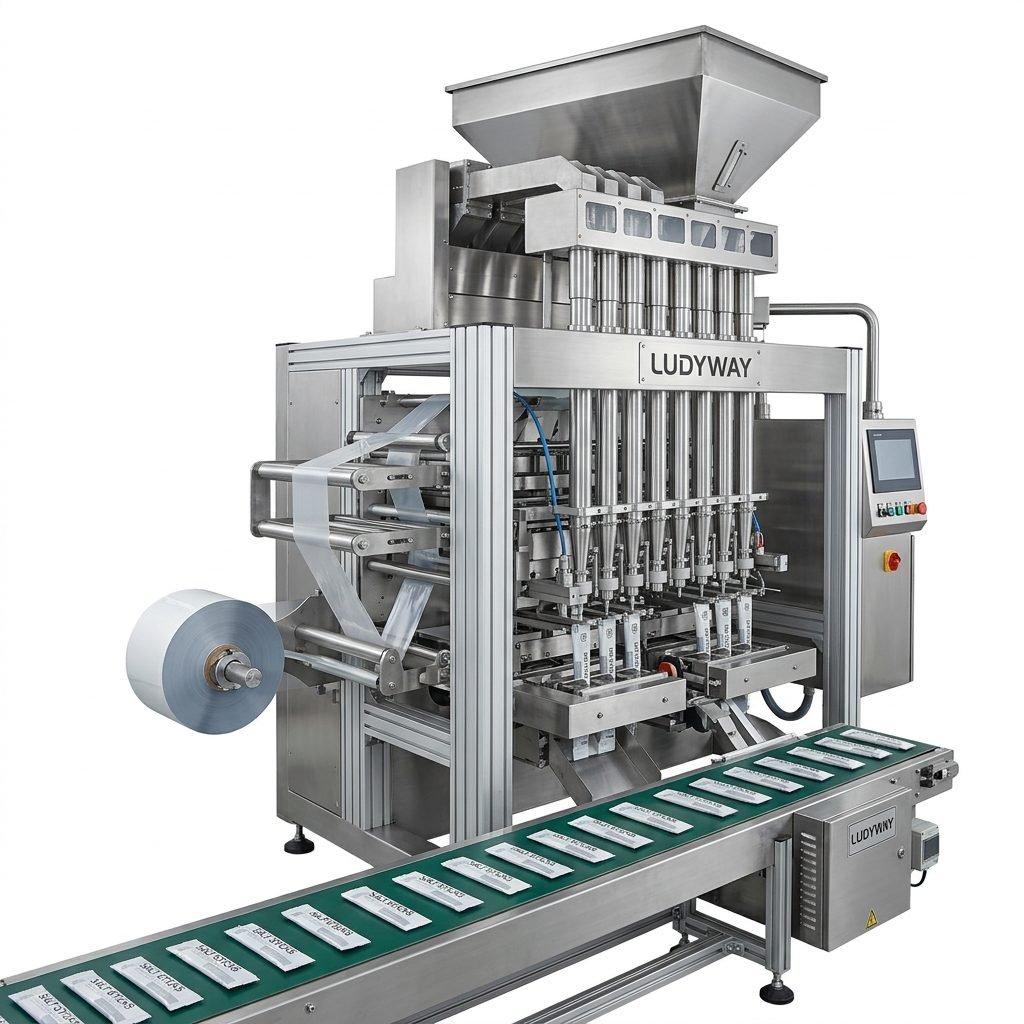
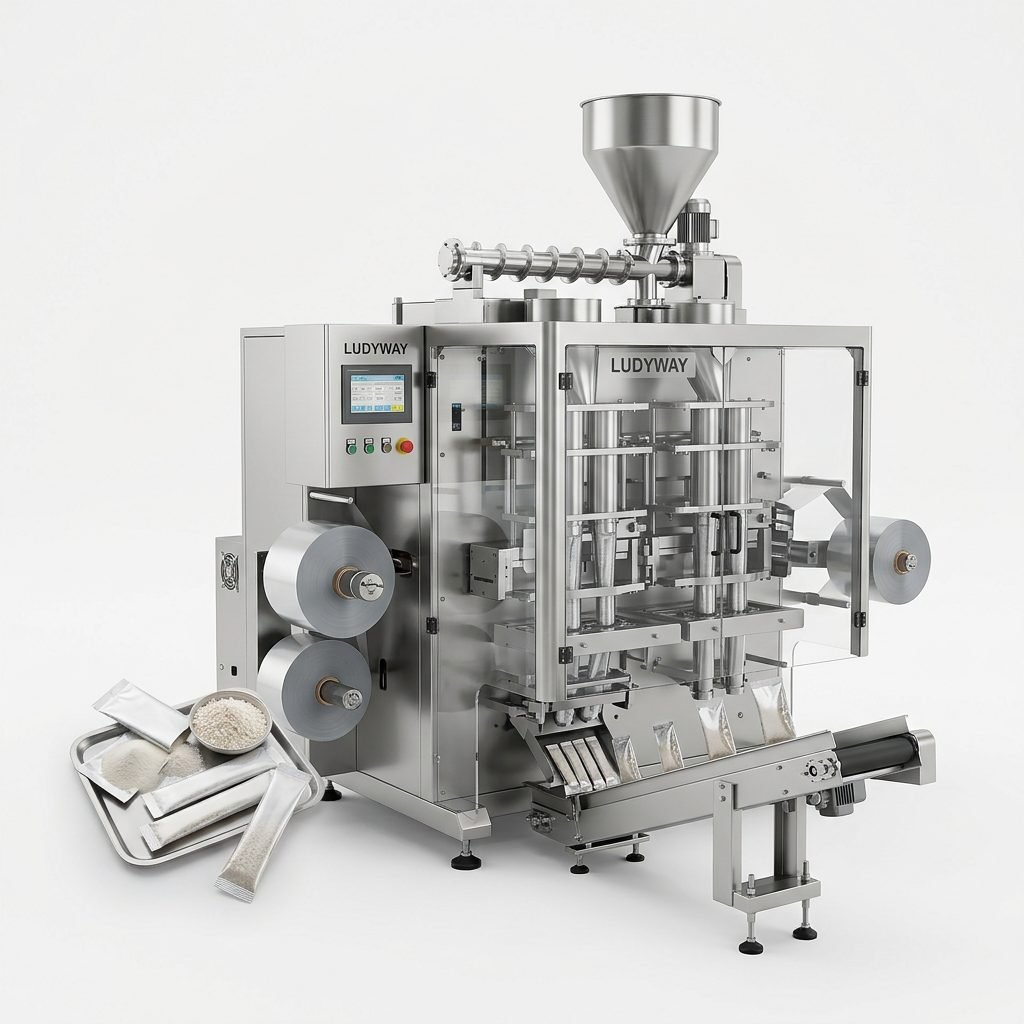
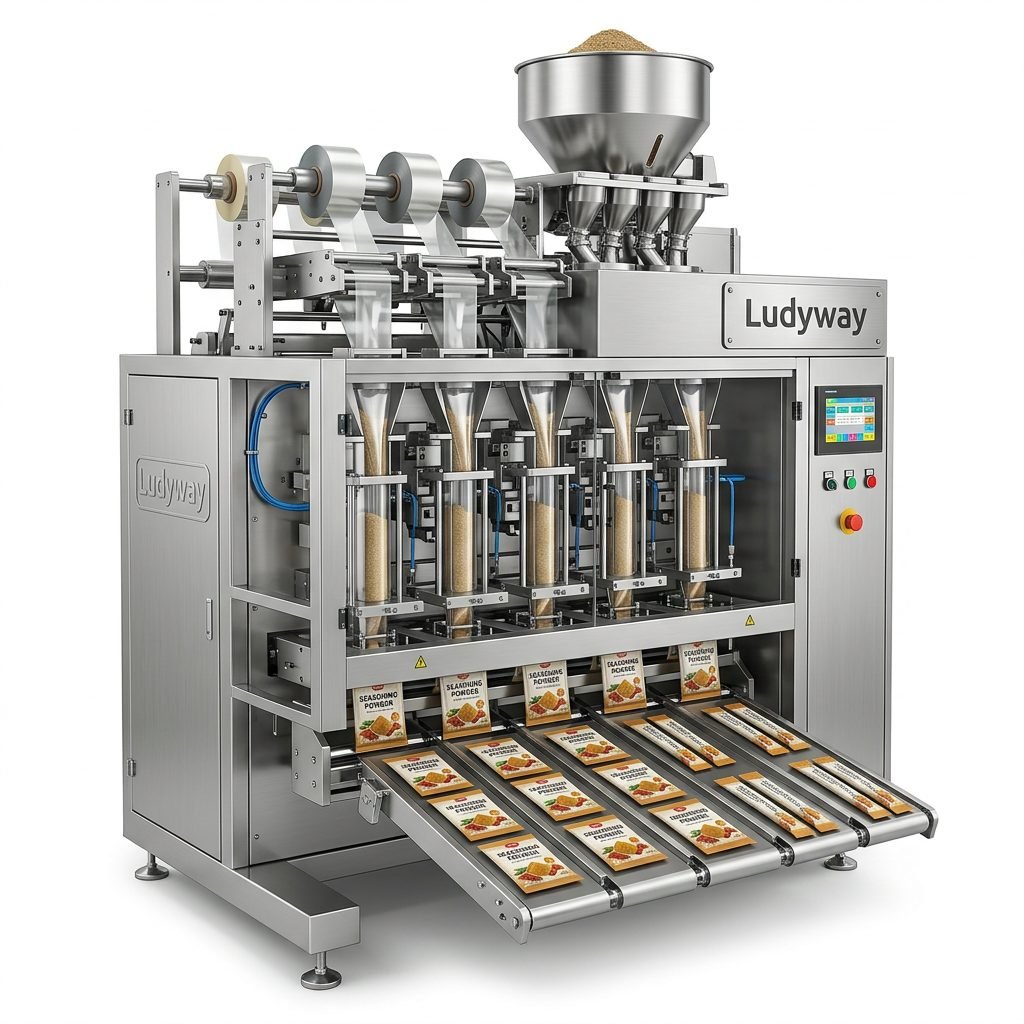
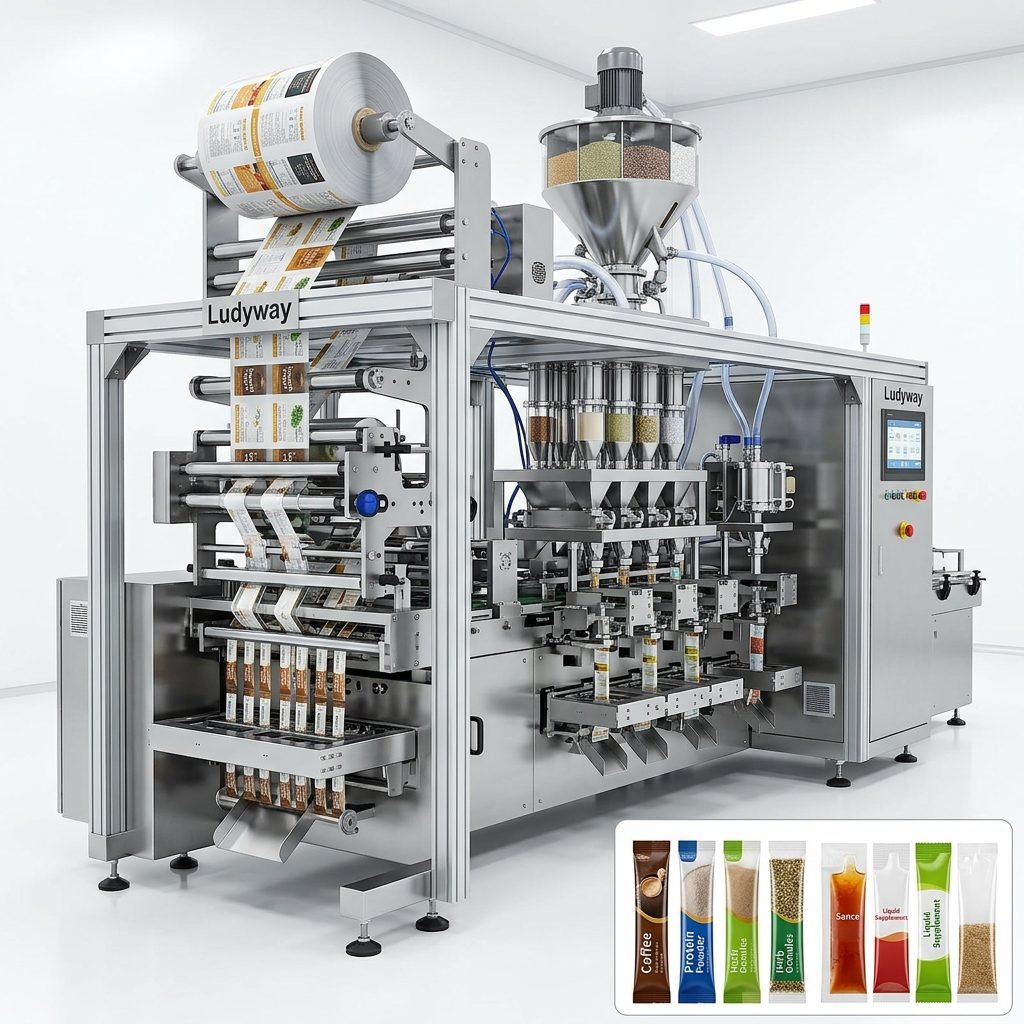
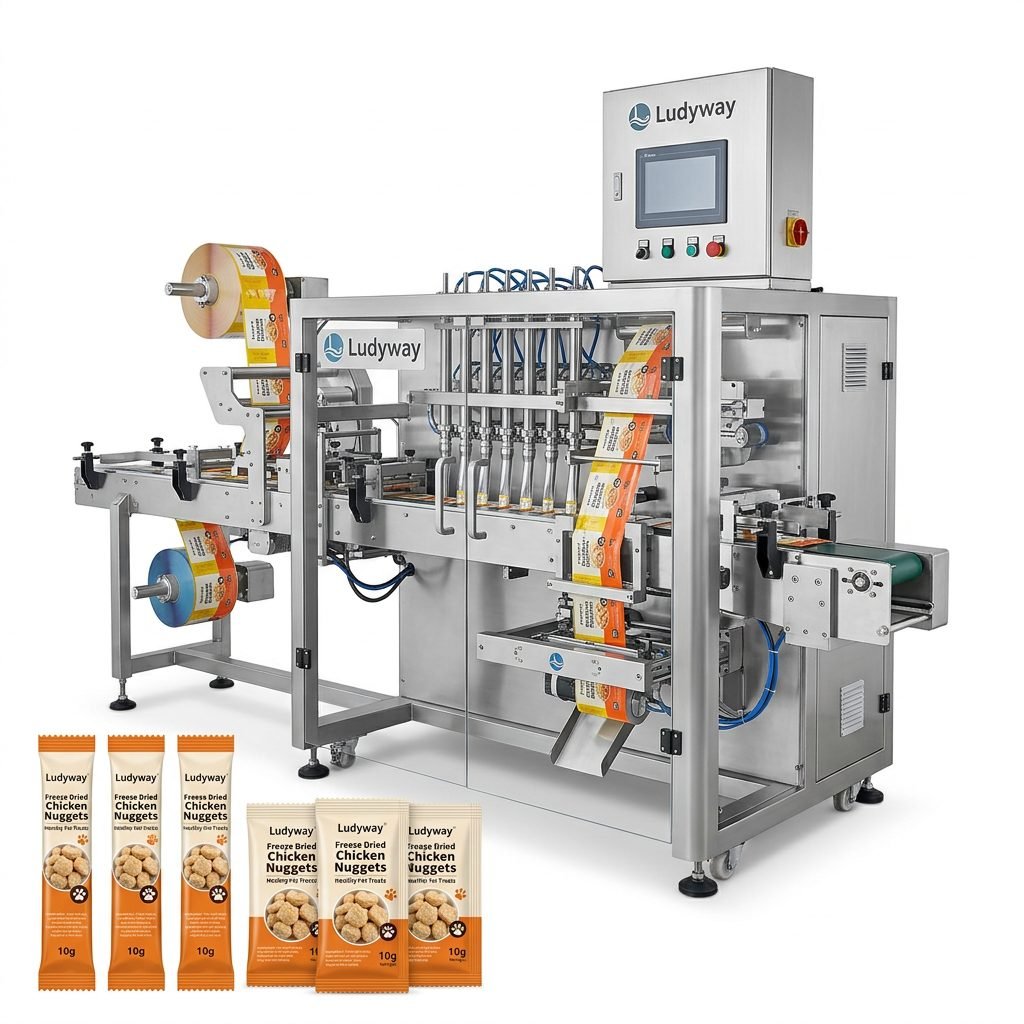
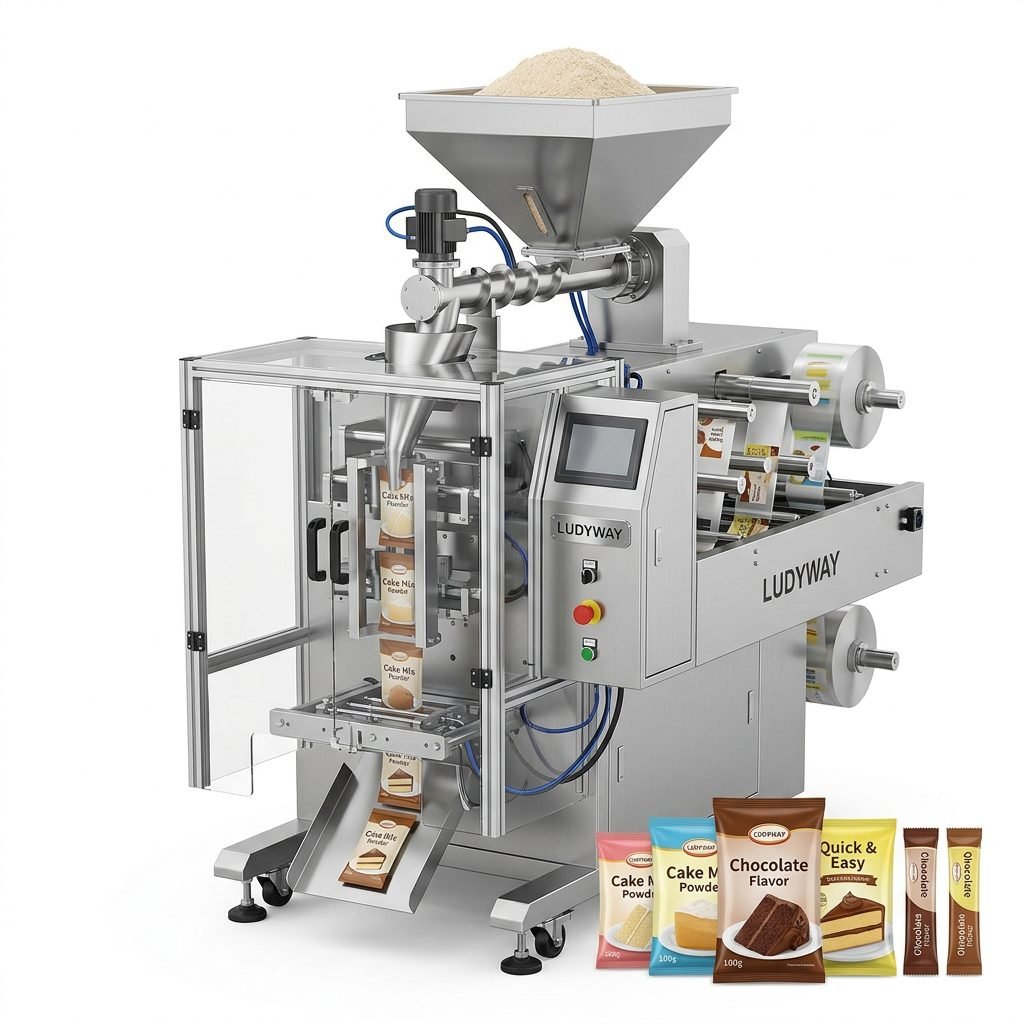
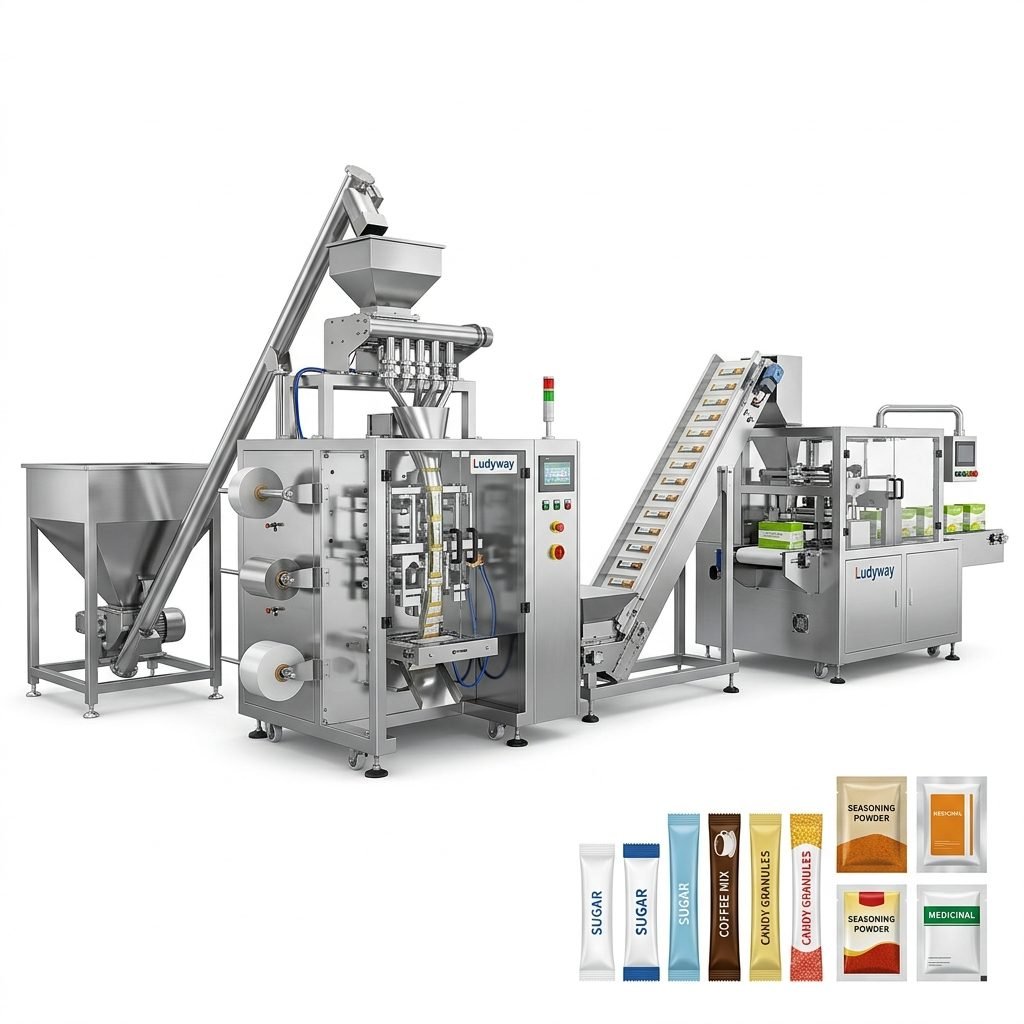
Selecting the right vendor is as important as the hardware itself. A reliable partner offers not just equipment, but a comprehensive engineering and support package. As one established player in the sector, Ludyway Machinery brings over 30 years of experience in developing customized packaging solutions, ranging from individual machines to fully integrated packaging systems for global clients.
When vetting a supplier, investigate their track record in your specific industry, whether it is food, pharmaceuticals, or chemicals. Confirm that they provide factory acceptance testing (FAT), installation support, and readily available spare parts. A manufacturer with in-house engineering capabilities can adapt standard platforms to your unique product handling requirements, ensuring a perfect fit rather than forcing your process to conform to a generic machine.
5. Cost Considerations and ROI
While the initial capital outlay is a major factor, a thorough return on investment (ROI) analysis must look deeper. A lower-priced machine might lead to higher long-term costs due to maintenance downtime and efficiency losses.
- Total Cost of Ownership: Factor in energy consumption, consumables (like glue or tape), and spare parts.
- Efficiency Gains: Calculate savings from reduced manual labor and increased throughput.
- Quality Control: Consistent, automated carton sealing reduces product damage and returns.
Machines that comply with international safety and ISO packaging standards often provide greater long-term value and smoother entry into regulated markets.

6. Integration and Scalability
A carton packaging machine rarely operates in isolation. It must integrate with upstream fillers, checkweighers, and downstream palletizers. Verify the machine’s communication protocols to ensure compatibility with your factory’s supervisory control and data acquisition (SCADA) system. Furthermore, select a modular platform that allows you to increase speed or add functionalities as your business grows, protecting your initial investment.
Conclusion
Choosing the right carton packaging machine is a complex process that balances mechanical capability with business strategy. By rigorously defining your requirements, understanding the available technology, and aligning with a knowledgeable packaging industry partner, you can secure a solution that drives efficiency and profitability for years to come.