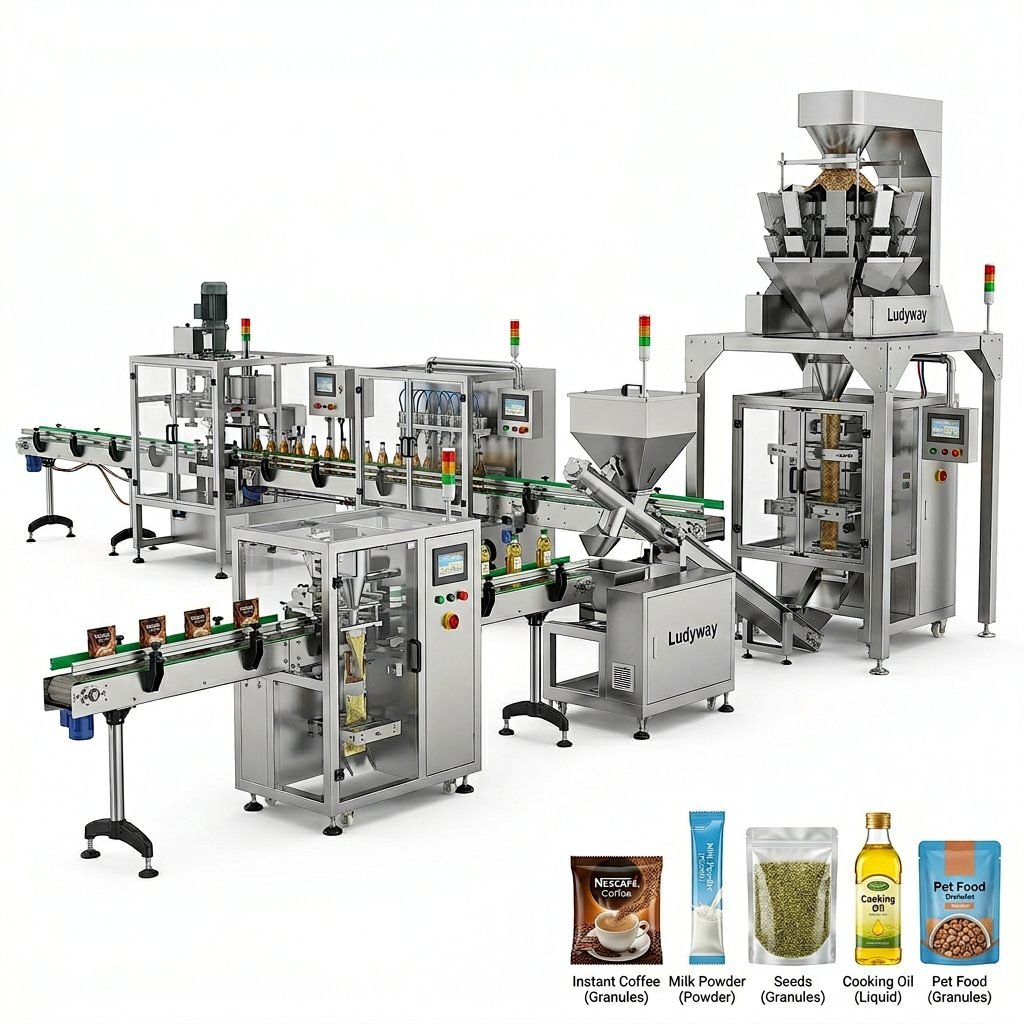
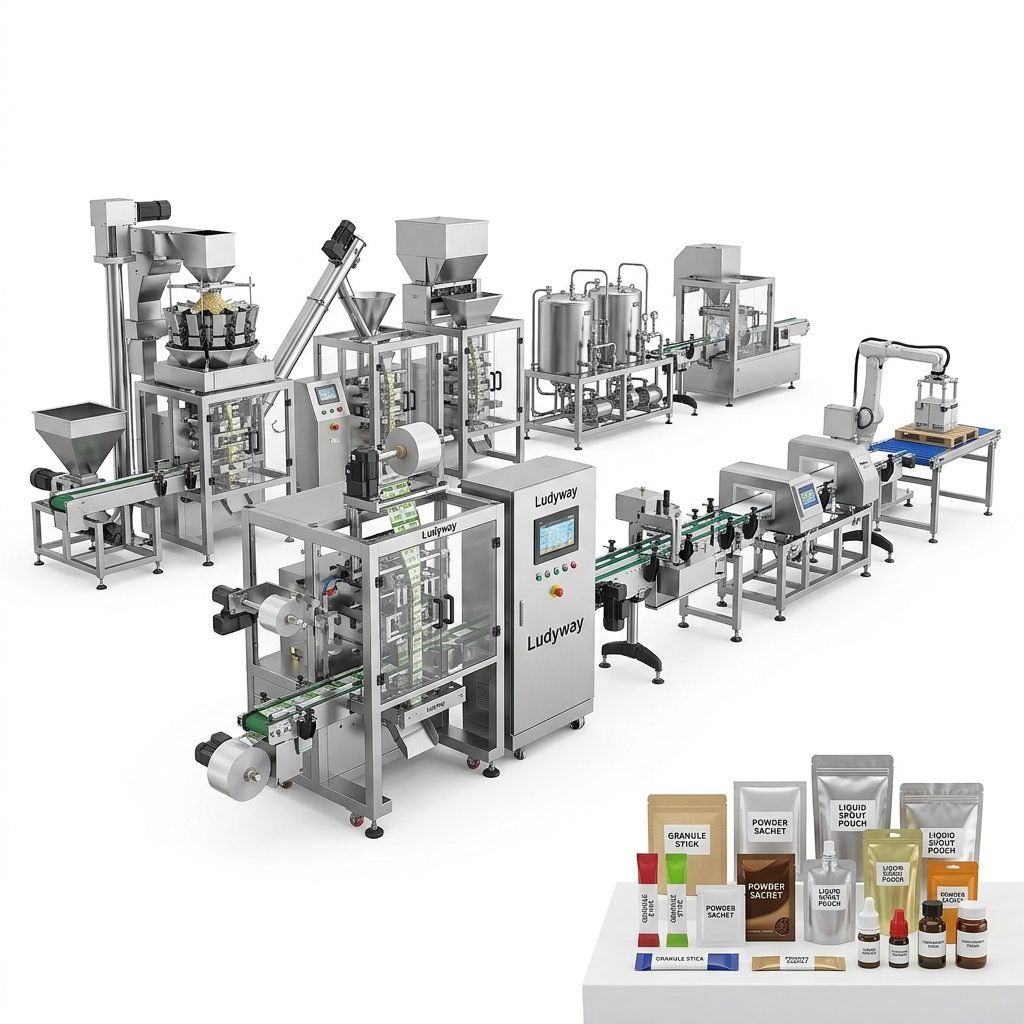
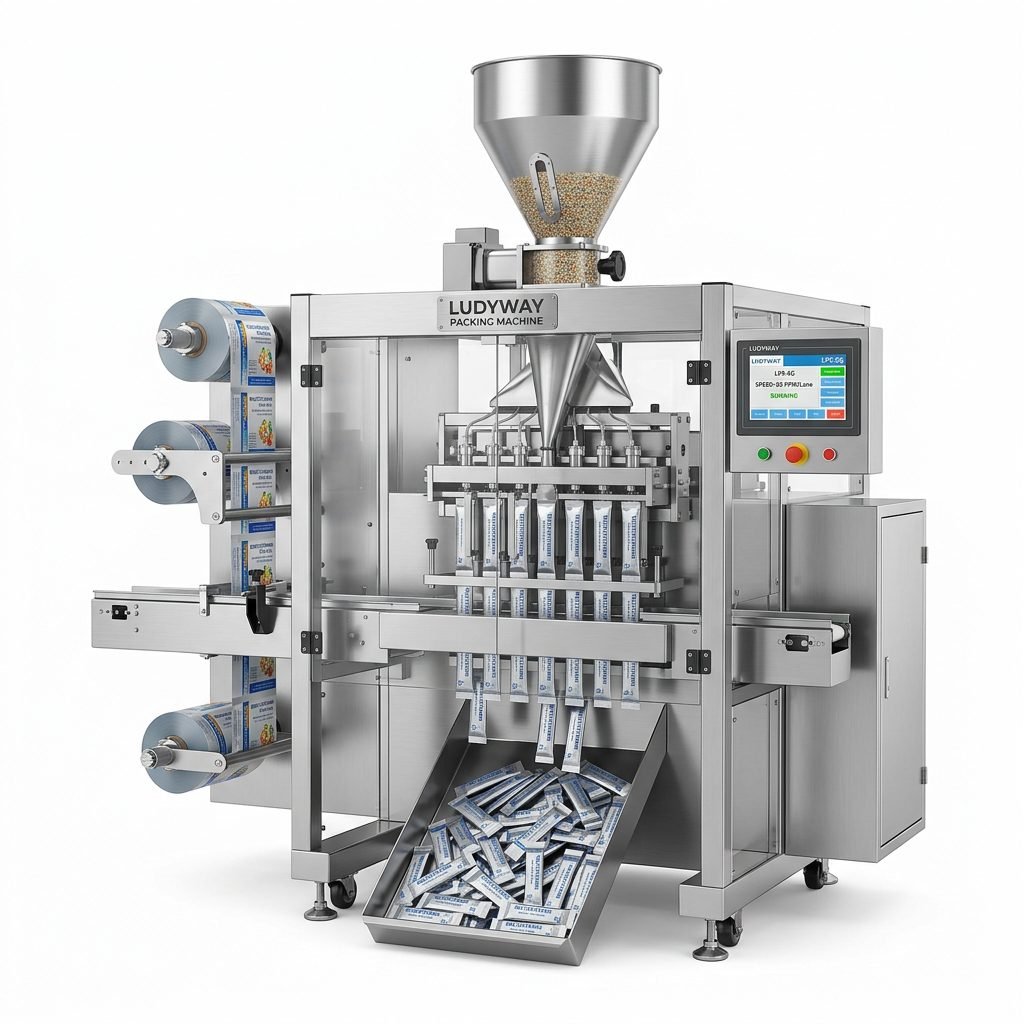
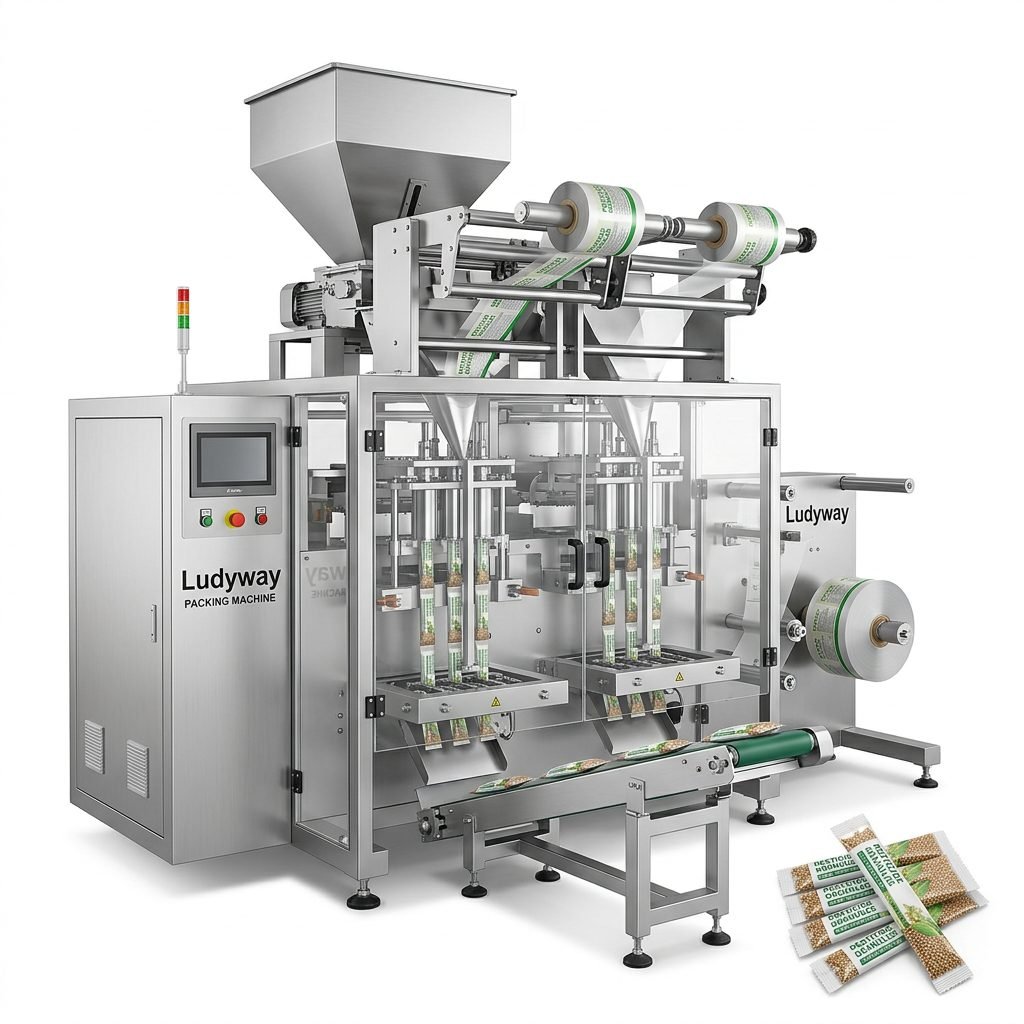
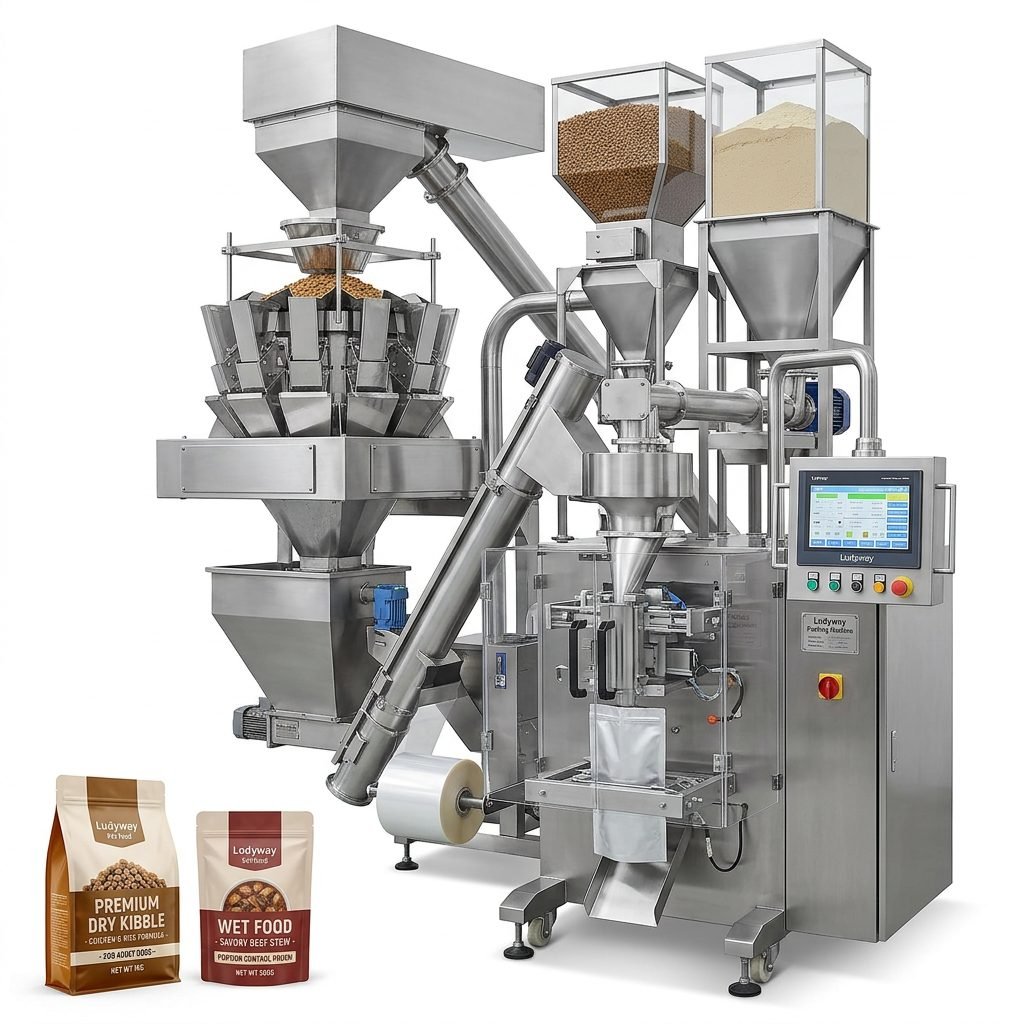
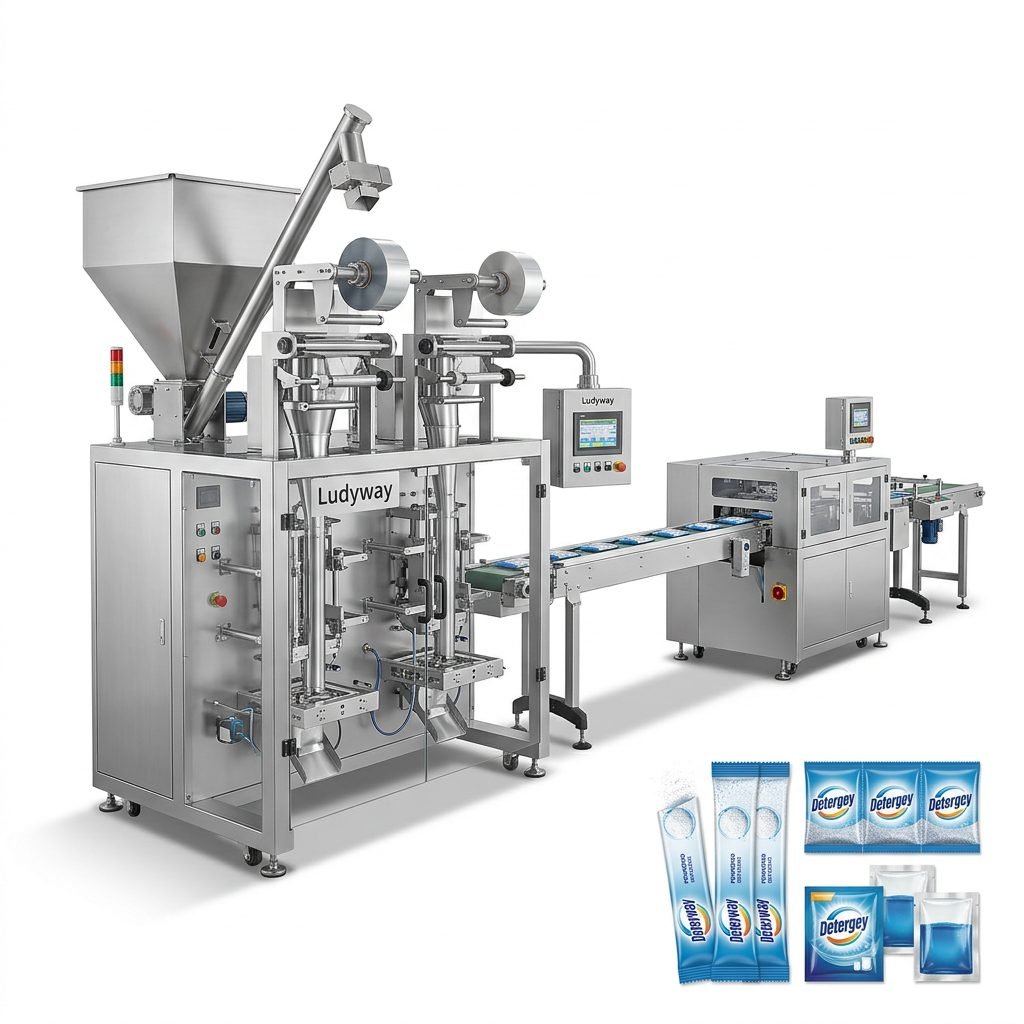
For growing brands, startups, and established manufacturers, finding the right small packaging machine is often a balance between price, performance, flexibility, and long-term operating cost. The cheapest option is not always the most affordable in real production. A smart purchase should help your business reduce labor, improve output consistency, and support future growth without unnecessary spending.
Whether you package powders, granules, liquids, pastes, or small pouches, understanding what drives equipment cost will help you choose a machine that fits both your current budget and your production goals.
What Is a Small Packaging Machine?
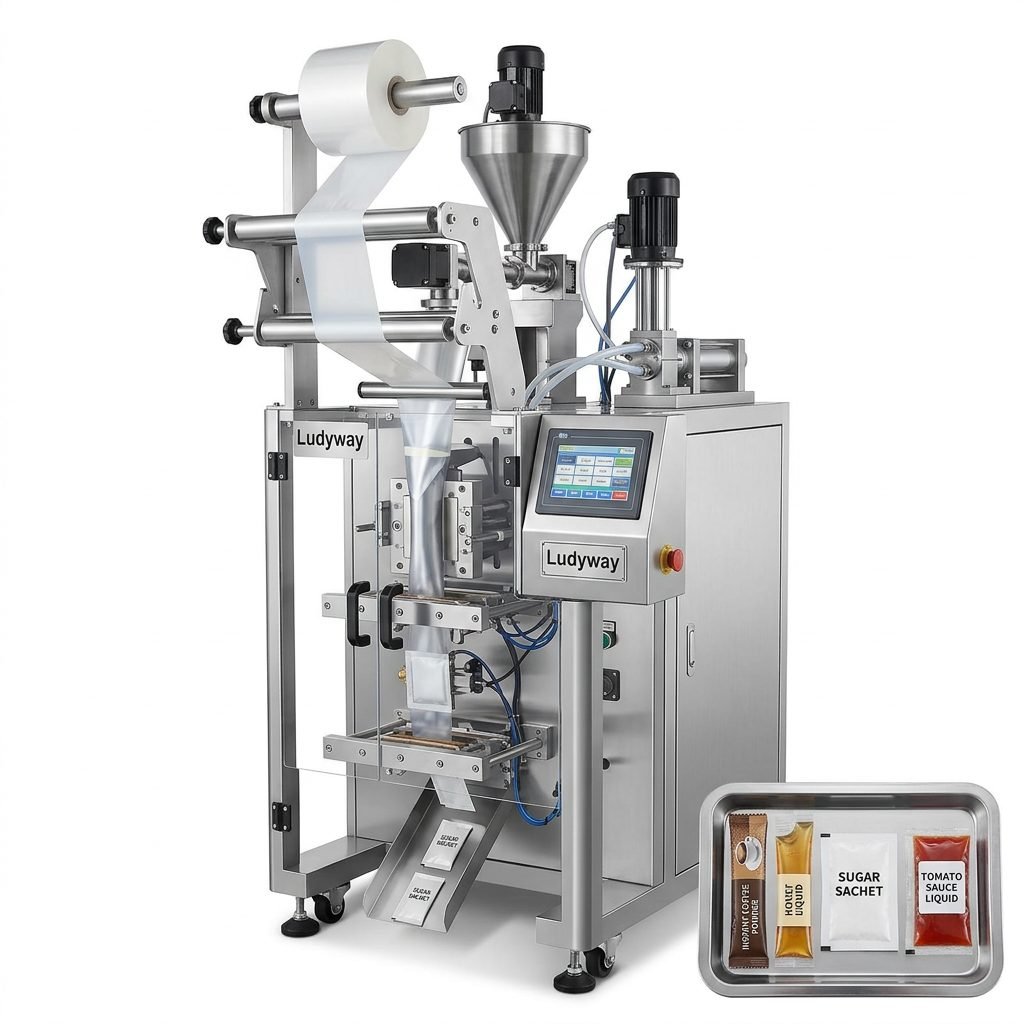
A small packaging machine is typically a compact or medium-capacity system designed for businesses that need efficient packaging without investing in a full large-scale line. These machines are commonly used for:
- Food powders such as coffee, protein, spices, and drink mixes
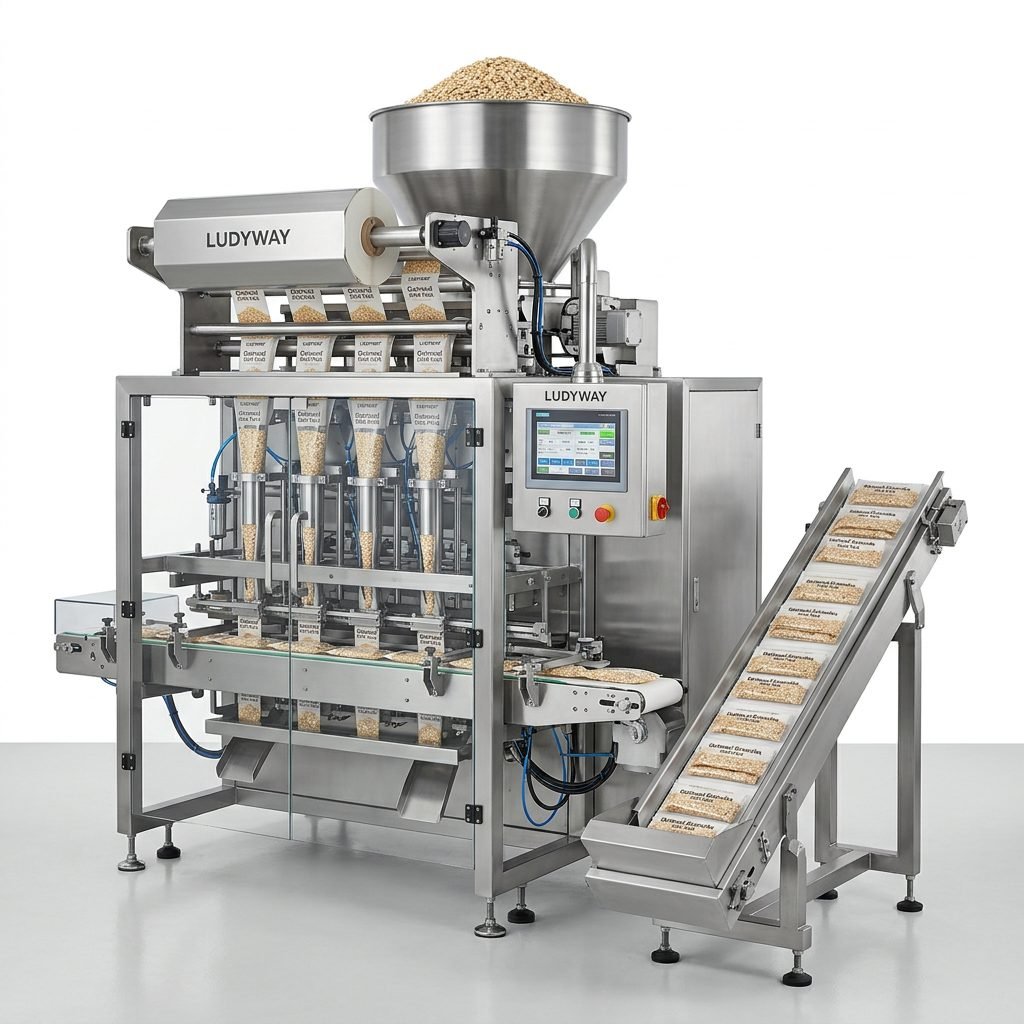
- Granule products such as sugar, seeds, snacks, and supplements
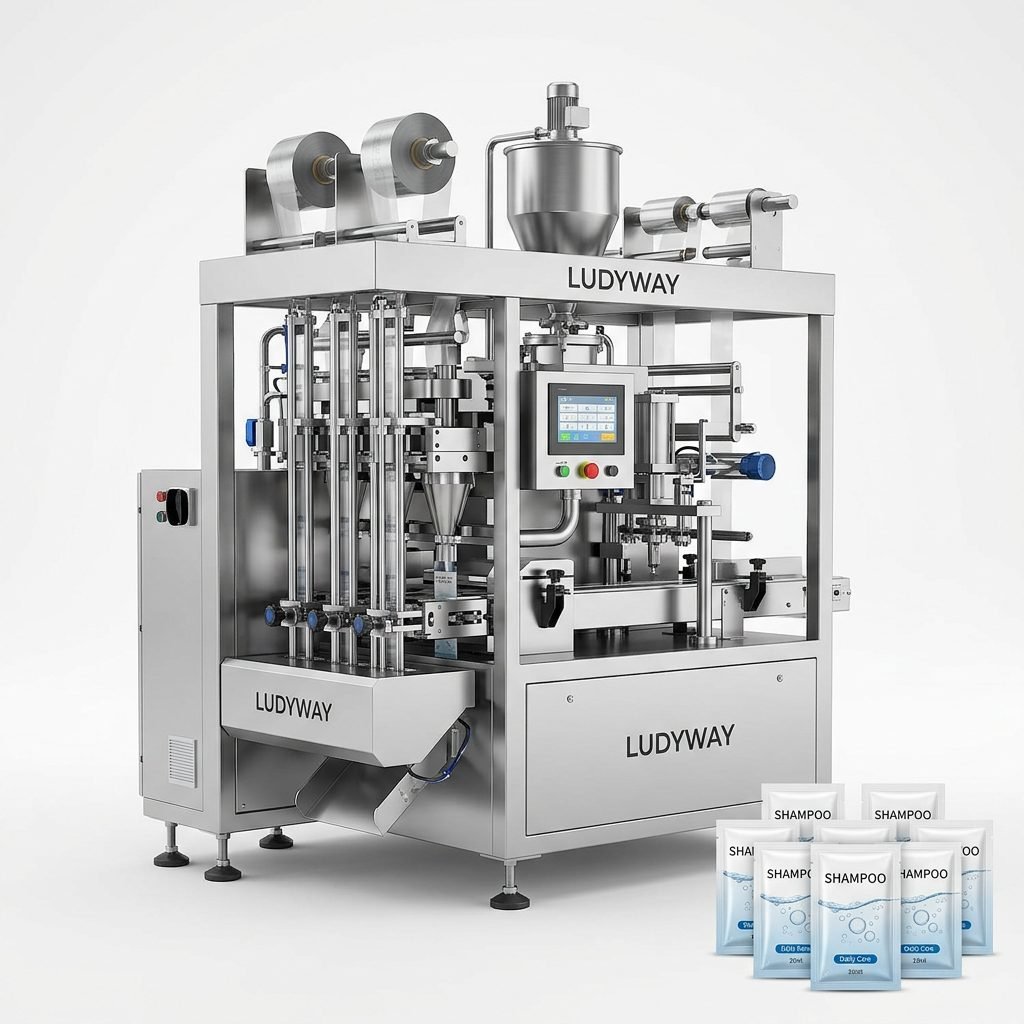
- Liquids and pastes such as sauces, oils, shampoo, and gels
- Pharmaceutical and nutraceutical sachets or stick packs
- Cosmetic trial packs and single-use samples
In most cases, buyers choose small packaging equipment when they need lower initial investment, easier installation, less floor space, and flexible production.
What Affects Small Packaging Machine Price?
Small packaging machine prices can vary widely because not all machines are built for the same product, speed, or packaging format. Several factors have the biggest impact on cost.
1. Product Type
Powder, granule, liquid, and paste products require different filling systems. Powders may need auger fillers and dust control, while liquids need pumps, anti-drip designs, or piston filling systems. The more challenging the material, the higher the machine cost may be.
2. Packaging Format
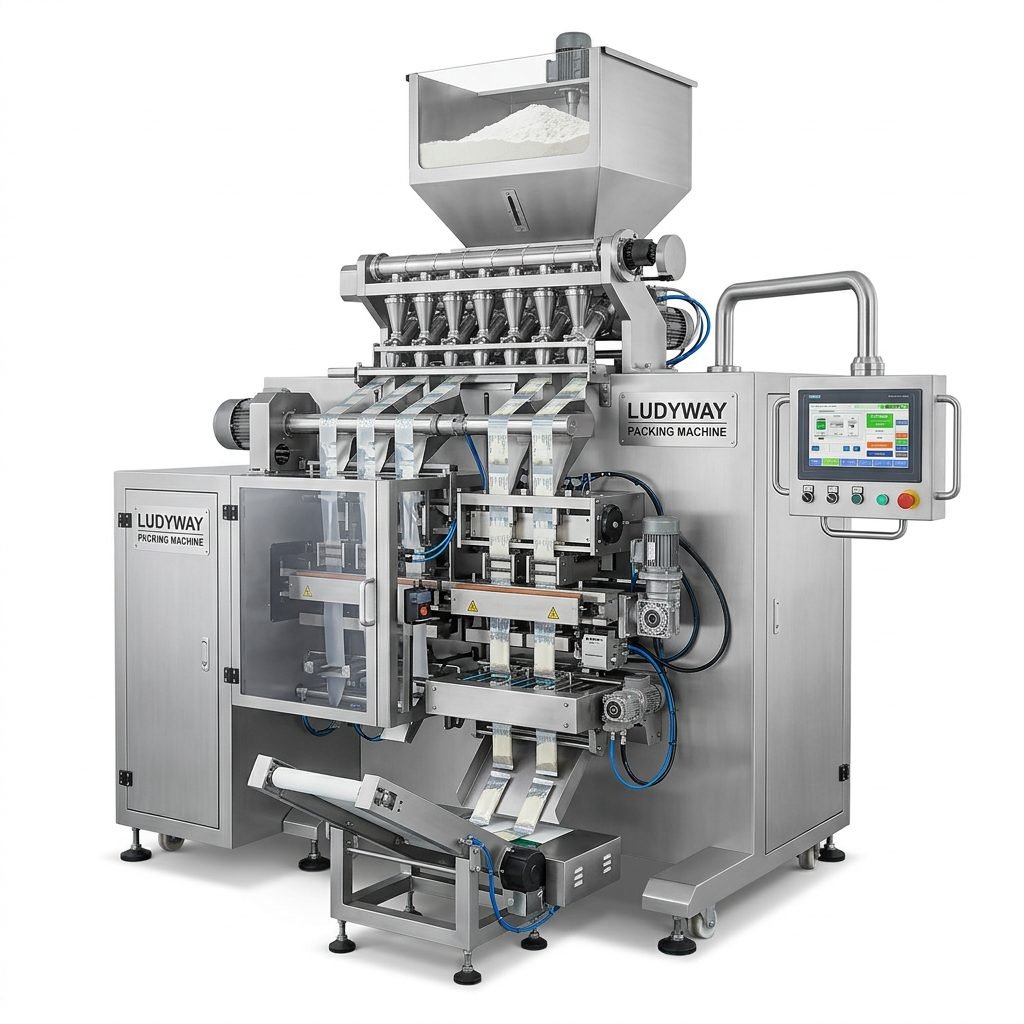
Machines for sachets, stick packs, pouches, bottles, or premade bags are priced differently. Single-lane equipment is generally more affordable than multi-lane high-speed systems.
3. Output Speed
A lower-speed machine costs less up front, but if your order volume increases quickly, a machine with limited speed may become a bottleneck. Choosing only by low price can create higher future costs.
4. Automation Level
Semi-automatic machines usually have a lower purchase price. Fully automatic solutions cost more, but they can reduce labor cost, improve consistency, and lower packaging error rates.
5. Material and Build Quality
Machines made with food-grade stainless steel, reliable electrical components, and better sealing structures usually cost more, but they also tend to last longer and require less maintenance.
6. Customization Requirements
If your product has unusual pouch sizes, special films, high-viscosity filling, nitrogen flushing, coding, checkweighing, or line integration needs, the price will rise accordingly.
Typical Small Packaging Machine Price Ranges
The following ranges are general market estimates. Actual prices depend on configuration, speed, and technical requirements.
| Machine Type | Typical Price Range | Best For |
|---|---|---|
| Semi-automatic filling machine | US$1,500 – US$6,000 | Startups, lab scale, manual bag or bottle loading |
| Small vertical form fill seal machine | US$5,000 – US$18,000 | Powder, granule, liquid sachet production |
| Single-lane sachet packing machine | US$8,000 – US$25,000 | Affordable automated small-pack production |
| Multi-lane small packaging machine | US$20,000 – US$60,000+ | High-speed small sachet or stick pack output |
| Compact turnkey packaging line | US$30,000 – US$100,000+ | Integrated feeding, filling, sealing, coding, and conveying |
Important: A lower quote may exclude accessories, mold sets, commissioning, spare parts, or after-sales support. Always compare the total delivered value, not just the machine sticker price.
How to Choose the Best Affordable Option for Your Business
Match the Machine to Your Product First
The best affordable machine is the one that works reliably with your product. Fine powders, sticky pastes, fragile granules, and free-flowing liquids all behave differently. A cheap machine that cannot fill accurately or seal properly is never a good investment.
Estimate Your Real Production Volume
Buy according to realistic demand. If you need 3,000 to 5,000 packs per day, a compact automatic model may be ideal. If you expect rapid growth within 6 to 12 months, choose a machine with room to scale.
Consider Packaging Material Compatibility
Your machine should support your target film structure, pouch size, sealing type, and print registration requirements. Material incompatibility can create sealing failures and waste.
Calculate Operating Cost, Not Just Purchase Cost
An affordable machine should help lower total production cost. Evaluate:
- Electricity consumption
- Compressed air requirements
- Film waste rate
- Filling accuracy
- Maintenance frequency
- Labor needed per shift
- Spare part availability
Look for Easy Cleaning and Changeover
If you run multiple SKUs, easy changeover matters. A machine that saves 20 to 30 minutes per product change can significantly improve productivity over time.
Signs a Low-Cost Machine May Not Be a Good Deal
A low quotation can be attractive, but buyers should watch for common warning signs:
- No clear data on output speed, accuracy, or machine materials
- Very limited after-sales support or no spare parts plan
- Unstable sealing performance in sample testing
- Non-standard electrical parts that are difficult to replace
- No customization support for your product size or packaging format
- Unclear installation, training, or warranty terms
If your business depends on stable daily output, machine reliability should always come before the lowest initial quote.
Best Small Packaging Machine Types by Business Stage
| Business Stage | Recommended Option | Why It Fits |
|---|---|---|
| Startup brand | Semi-automatic or basic single-lane machine | Low entry cost and manageable output |
| Growing SME | Compact automatic sachet or stick pack machine | Balanced price and efficiency |
| OEM / contract packer | Flexible machine with multiple product compatibility | Supports different customers and formats |
| High-growth manufacturer | Multi-lane or modular turnkey line | Scalable output and lower labor dependence |
Questions to Ask Before Buying
Before selecting a supplier, ask detailed questions to avoid hidden costs and technical mismatches.
- What products has this machine packed successfully before?
- What is the real speed under my product conditions?
- What filling accuracy can be guaranteed?
- Can the machine run my target packaging film?
- How long does format changeover take?
- What spare parts are included with delivery?
- What warranty and technical support are provided?
- Can the system be upgraded later?
Why Supplier Experience Matters
A machine is not just a piece of hardware. It is part of your production system. An experienced manufacturer can help you choose the correct filling technology, reduce trial-and-error costs, and support future expansion.
For businesses looking for scalable and affordable packaging solutions, Ludyway packaging machine solutions are often considered by buyers seeking reliable equipment from one of China’s leading packaging machine and turnkey packaging line manufacturers. Founded in 1993, with over 30 years of industry experience, a factory of more than 20,000 square meters, and customers in over 100 countries and regions, the company offers a broad range of small and large packaging systems for food, pharmaceutical, health supplement, cosmetic, chemical, and related industries.
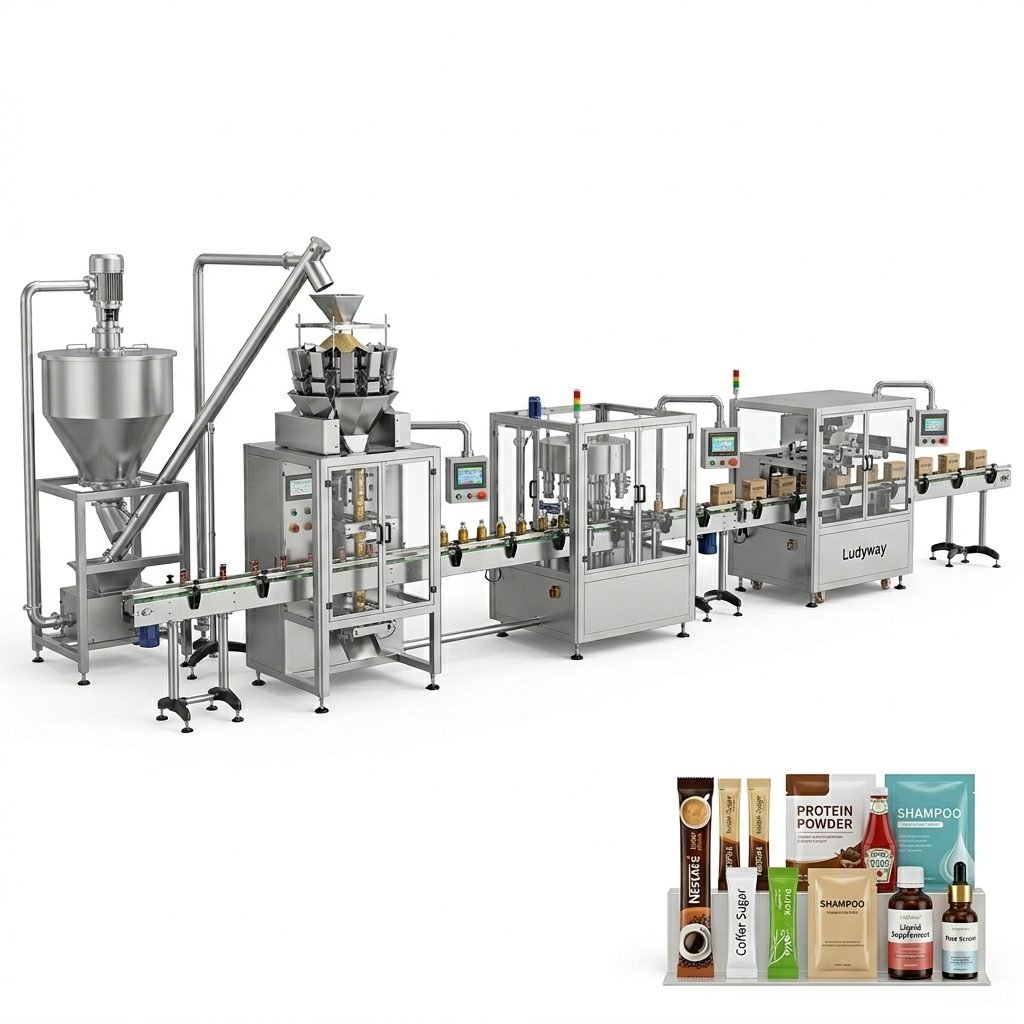
Should You Buy a Standalone Machine or a Small Turnkey Line?
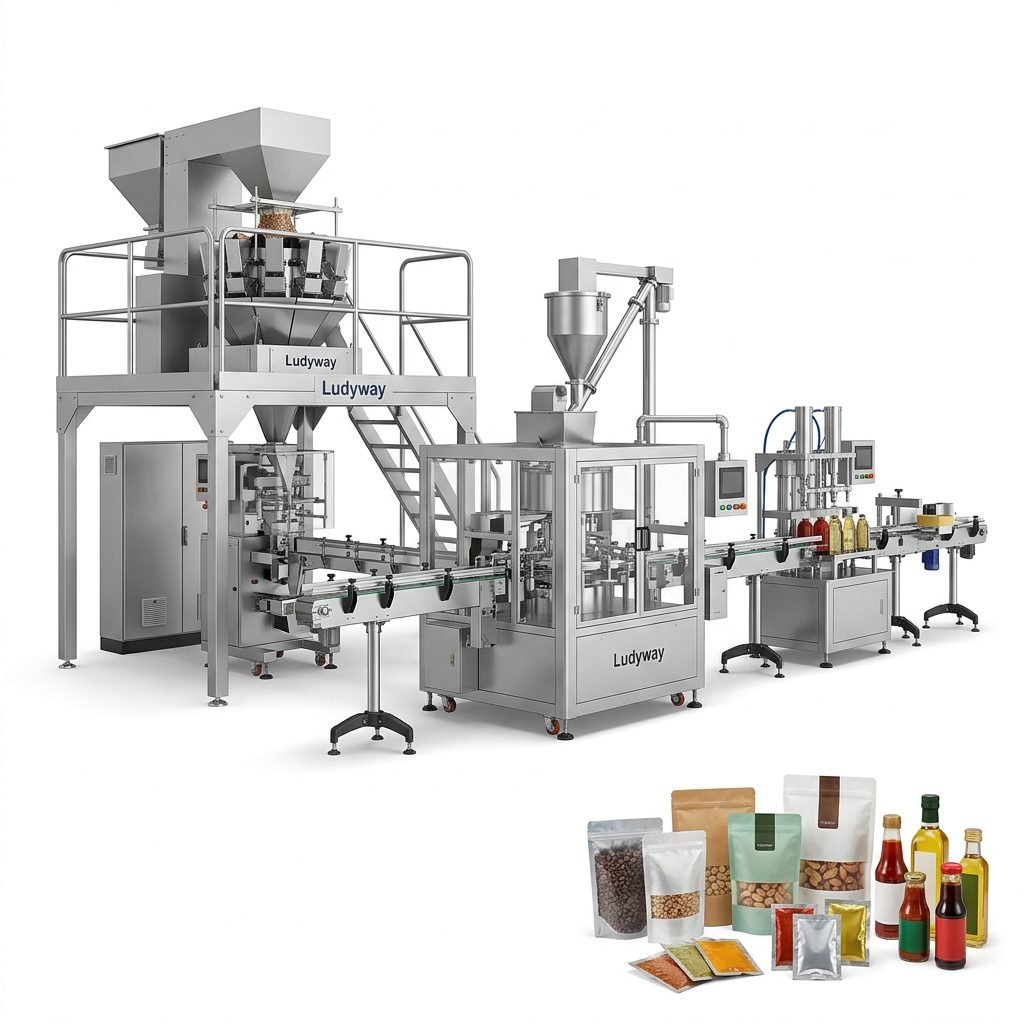
If your operation is simple, a standalone machine may be the most affordable choice. But if you need feeding, filling, sealing, coding, inspection, conveying, or cartoning together, a compact turnkey line may deliver better value over time.
A turnkey setup can reduce labor coordination, improve production flow, and minimize compatibility issues between separately purchased machines. For companies planning growth, this can be more economical than upgrading step by step.
Standalone Machine Is Best When:
- Your output is still relatively low
- Your budget is tight
- You package only one or two products
- You already have part of the line in place
Turnkey Line Is Best When:
- You want smoother automation
- You need higher consistency and lower labor input
- You plan to scale production soon
- You prefer one supplier for system integration and service
Final Buying Advice for Budget-Conscious Businesses
To choose the best affordable small packaging machine, focus on fit, reliability, and long-term value. Compare machines based on your product type, target output, packaging format, available workspace, and growth plan. Ask for sample testing, clear technical specifications, and a complete quotation that includes support and accessories.
The right machine should not simply be the lowest-priced one. It should be the one that helps your business package more efficiently, maintain stable quality, and grow profitably with fewer production issues.
Quick Checklist
- Choose by product compatibility, not only price
- Confirm real output and filling accuracy
- Review total cost of ownership
- Check spare parts and after-sales support
- Consider future scalability before purchasing