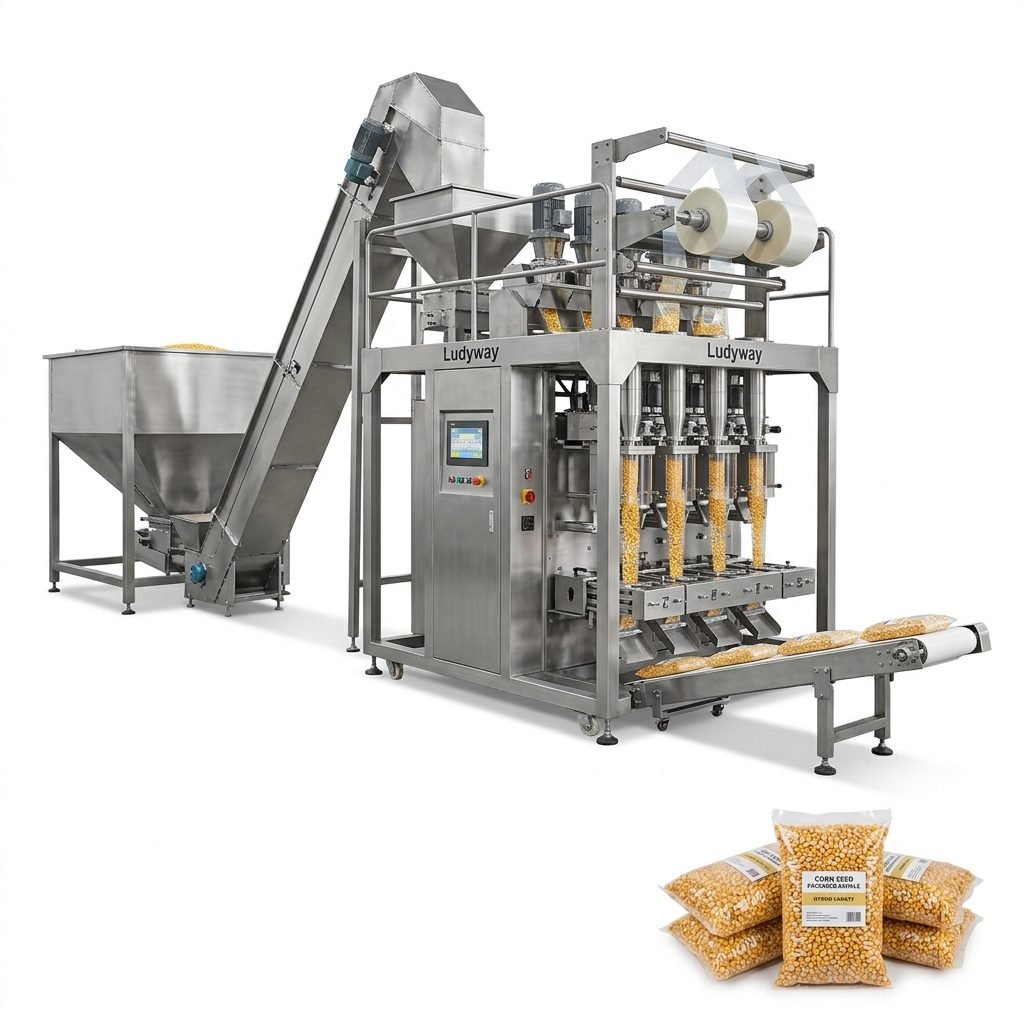
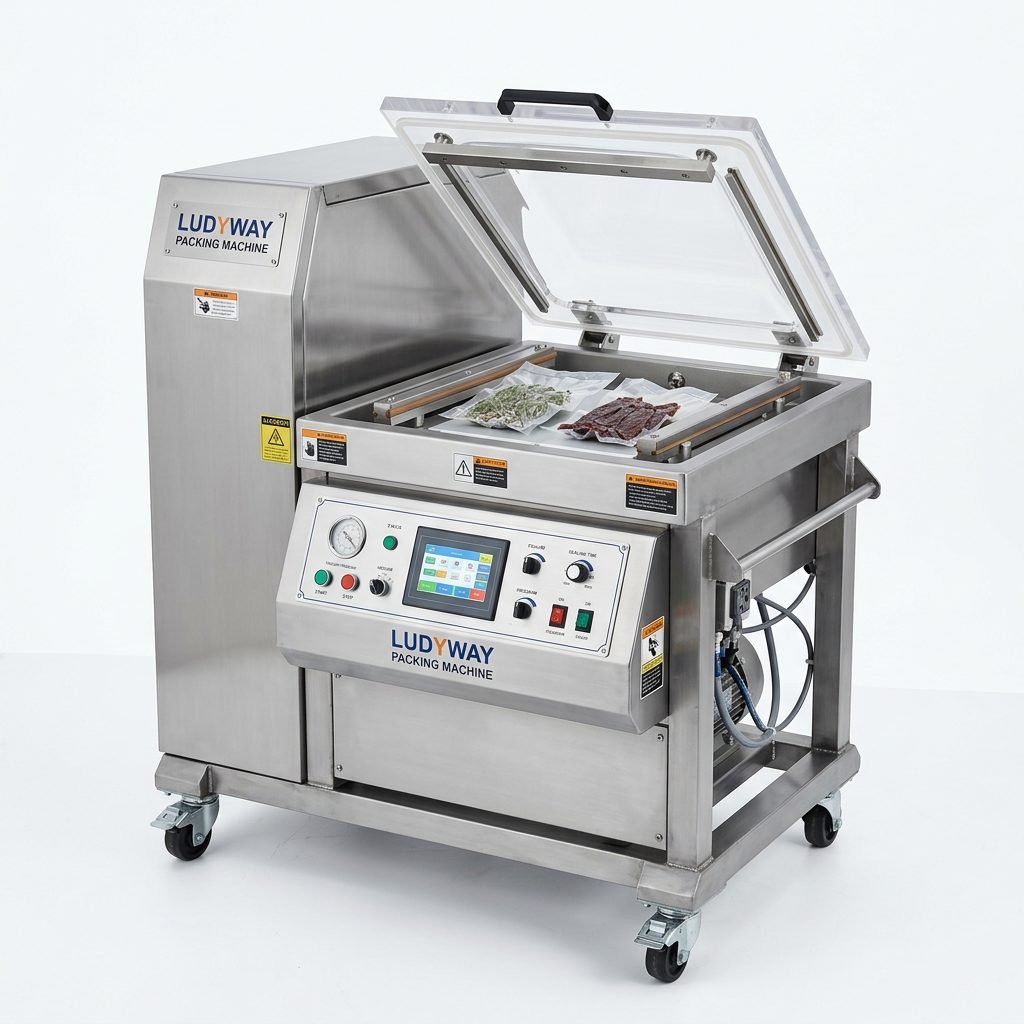
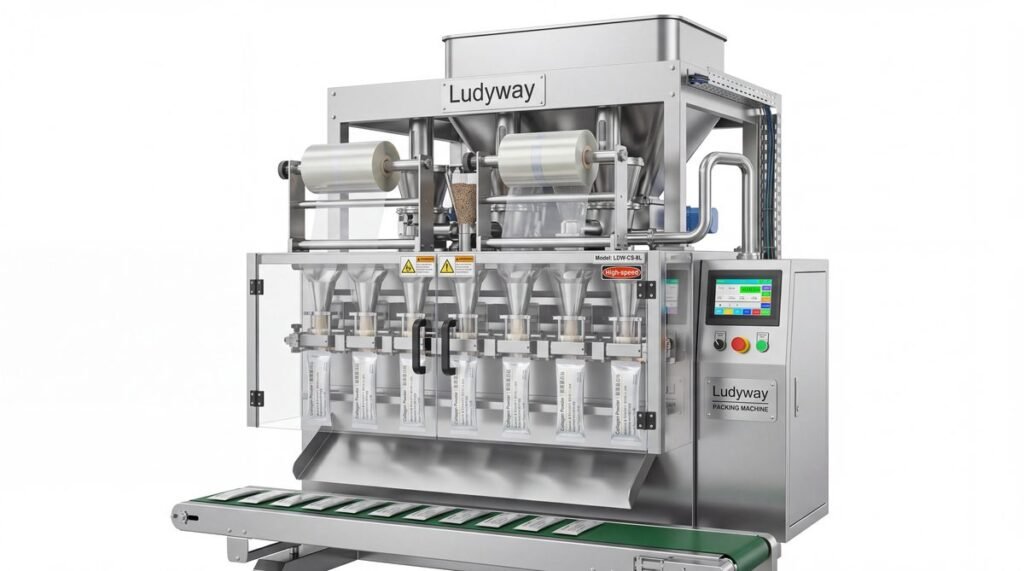
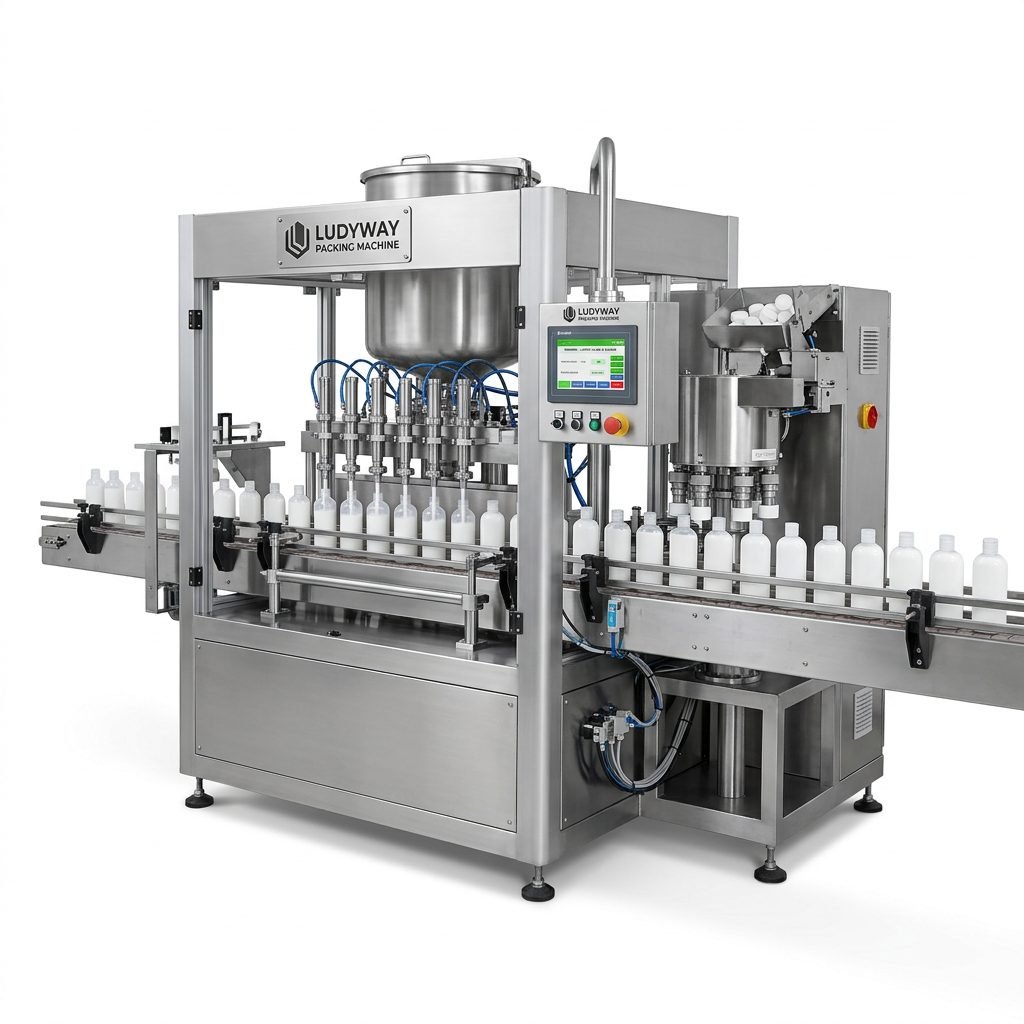
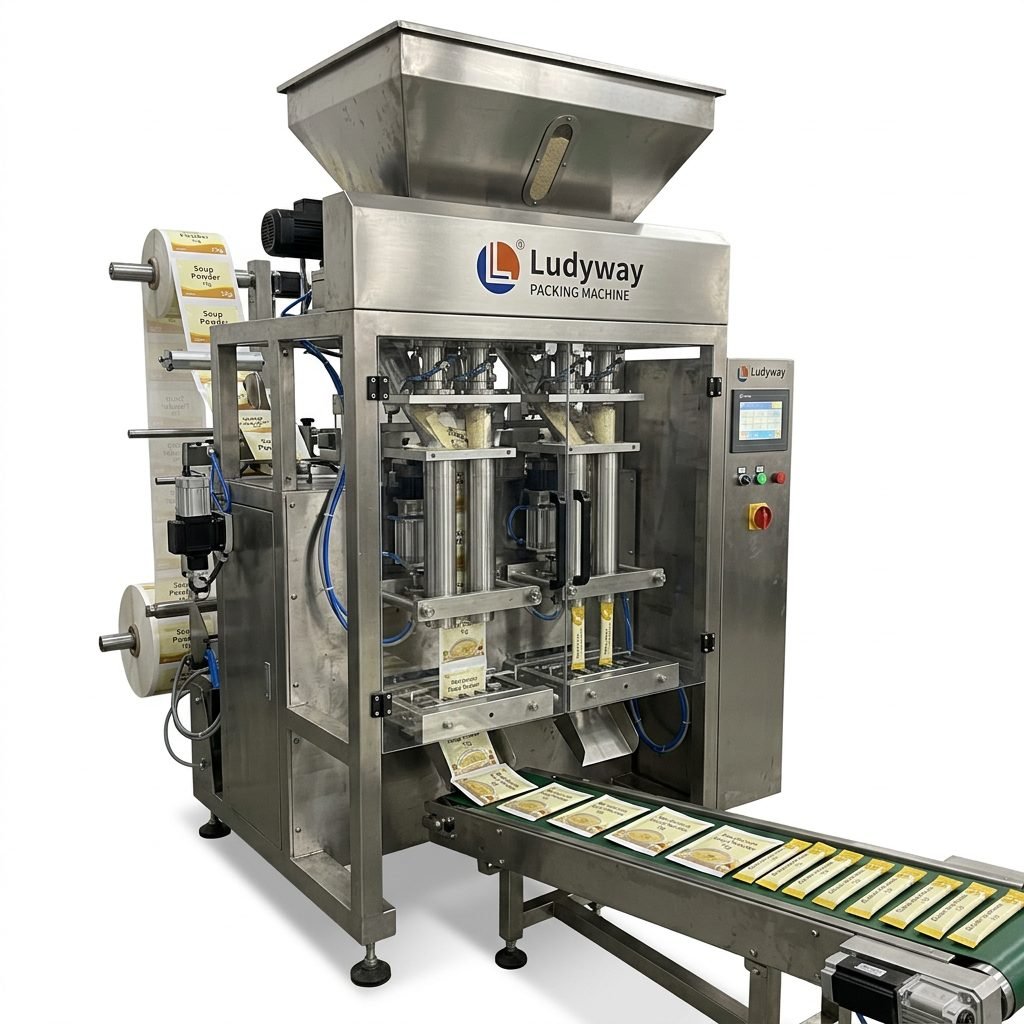
Investing in a multi-dose packaging machine is a significant decision for any manufacturer. Whether you are packaging powders, granules, liquids, or stick packs, selecting the wrong equipment can lead to production bottlenecks, excessive downtime, and inconsistent product quality. With the growing demand for single-dose and multi-dose formats across the food, pharmaceutical, and chemical industries, understanding the key selection criteria is essential to making a confident, long-term investment.
This guide walks you through the critical factors to evaluate when choosing a multi-dose packaging machine, from technical specifications to total cost of ownership and supplier qualifications.
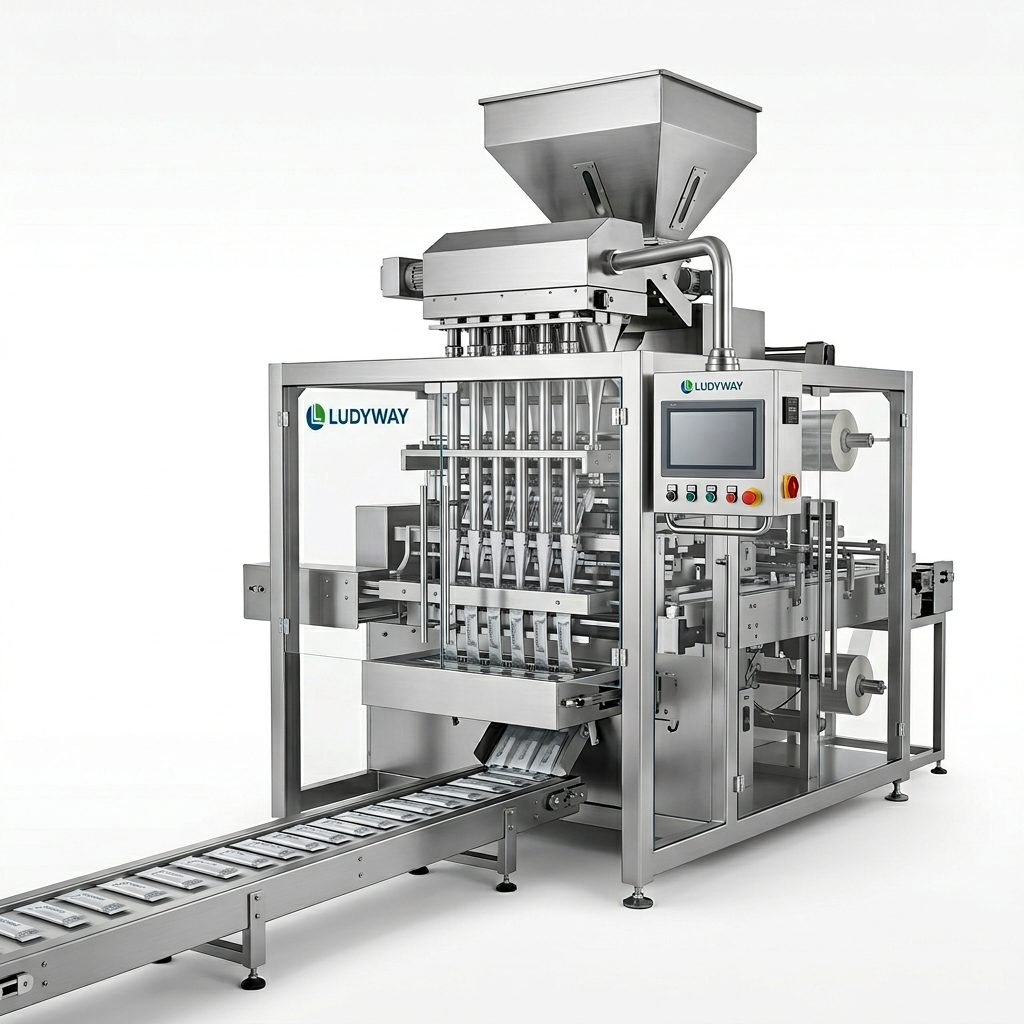
Understanding Multi-Dose Packaging Machines
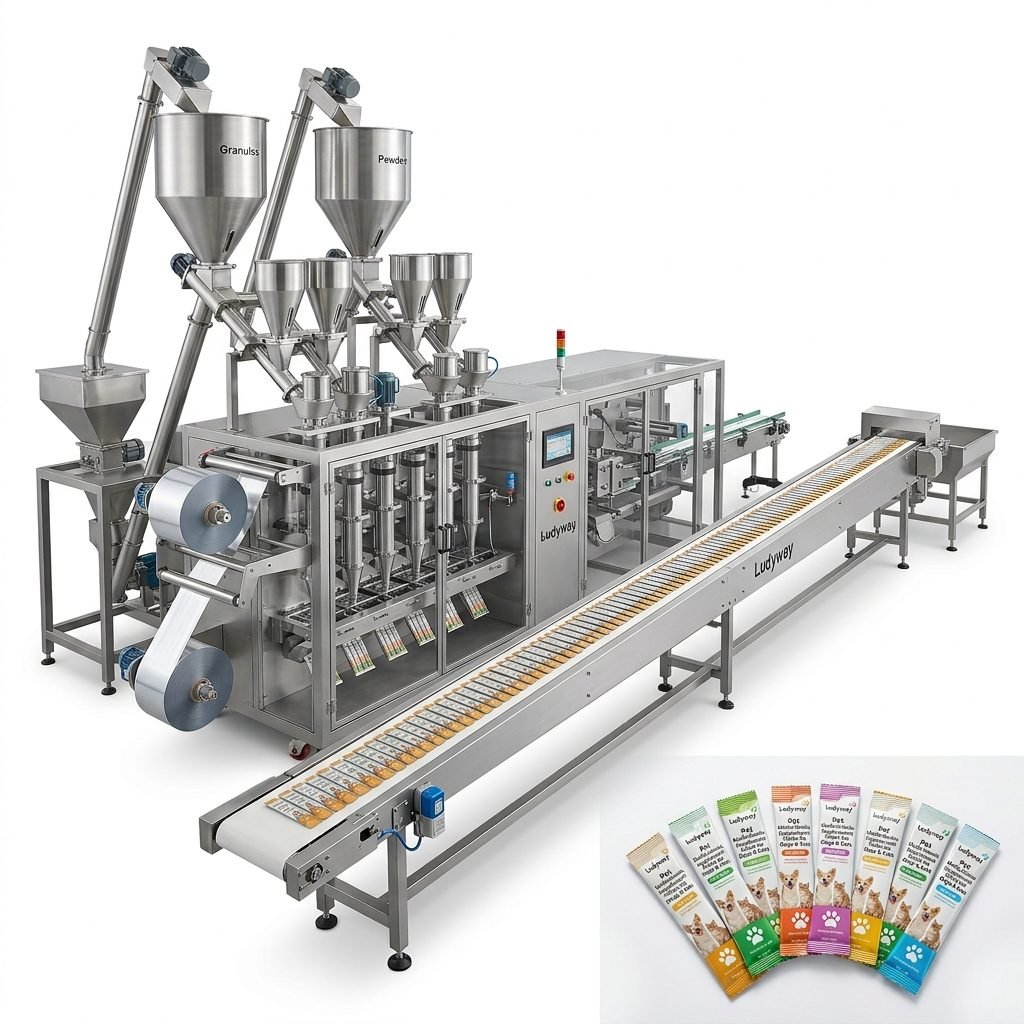
A multi-dose packaging machine is designed to fill and seal multiple individual doses or sachets simultaneously — often through multi-lane configurations that can run anywhere from 4 to 20 lanes or more. These machines are widely used for stick packs, sachets, pouches, and single-serve formats across a broad range of products including instant coffee, protein powder, seasoning, pharmaceutical granules, nicotine pouches, and liquid detergents.
Compared to single-lane equipment, multi-lane systems offer dramatically higher output per square meter of factory floor space, making them the preferred choice for manufacturers scaling from pilot production to full commercial volumes. According to PMMI packaging industry data, the demand for flexible packaging machinery continues to grow as brands shift toward convenient, portion-controlled formats.
Key Factors to Consider When Choosing a Multi-Dose Packaging Machine
Every packaging application has unique requirements, but certain evaluation criteria apply across nearly all multi-dose packaging projects. The following factors should form the foundation of your machine selection process.
1. Product Characteristics and Material Compatibility
The physical properties of your product directly determine which dosing system, filling mechanism, and sealing technology will work reliably. Key product variables include:
- Flowability: Free-flowing granules (such as sugar or salt) require different handling than cohesive powders (such as protein powder or flour).
- Particle size and density: Fine powders may require dust-controlled filling systems, while irregular granules may need volumetric or auger-based dosing.
- Moisture sensitivity: Hygroscopic products demand specialized sealing and optional nitrogen flushing to extend shelf life.
- Chemical properties: Acidic, alkaline, or abrasive products require corrosion-resistant contact parts and food-grade materials such as 316L stainless steel.
Before approaching a machinery supplier, it is advisable to have your product’s bulk density, particle size distribution, and flow characteristics documented, as these will influence dosing accuracy and machine configuration. The FDA food packaging regulations also provide guidance on material contact compliance for food and pharmaceutical applications.
2. Production Speed and Output Requirements
Multi-dose packaging machines are often categorized by their lanes, cycles per minute, and total output per hour. A clear understanding of your current and future production targets will help you select a machine that does not become a bottleneck as your business grows.
Consider the following questions:
- What is your target output in sachets or stick packs per minute?
- Do you need the flexibility to run different batch sizes efficiently?
- Will your production volumes increase significantly within the next 3 to 5 years?
- What is the acceptable changeover time between product runs?
Machines with servo-driven controls generally offer faster and more repeatable changeovers compared to mechanically adjusted systems, an important consideration for manufacturers producing multiple SKUs.
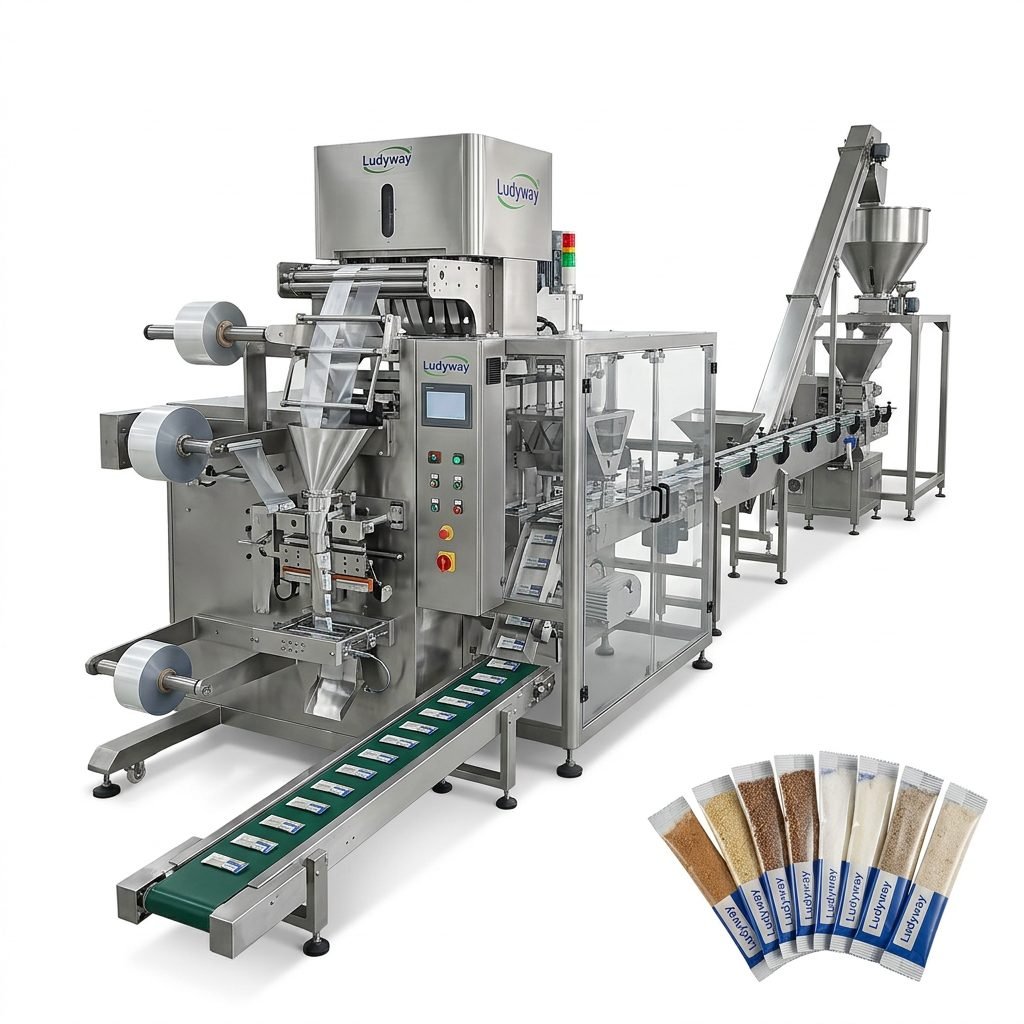
3. Packaging Format and Bag Style
Multi-dose packaging machines can be configured for a variety of formats, and your choice of packaging style affects both consumer appeal and machine complexity. Common formats include:
- Stick packs: Narrow, elongated sachets ideal for single-serve powders, granules, and liquids.
- Three-side-seal sachets: Widely used for pharmaceuticals, food samples, and cosmetic products.
- Four-side-seal sachets: Offer higher barrier protection and are often used for medical and high-value products.
- Gusseted or stand-up pouches: Provide shelf presence and are increasingly popular in food and pet food markets.
- Multi-dose pouches: Larger formats that contain multiple servings, common in nutraceutical and supplement packaging.
Your flexible packaging material choice — whether it is laminate, aluminum foil, paper-based, or recyclable mono-material — also affects sealing parameters, machine speed, and shelf-life performance. The Flexible Packaging Association knowledge hub provides valuable resources on material trends and sustainability considerations.
4. Filling Accuracy and Dosing Technology
Dosing precision directly impacts product give-away costs and regulatory compliance, especially in pharmaceutical and high-value nutraceutical applications. Different dosing technologies suit different product types:
- Auger fillers: Best for powders with varying densities; offer high accuracy through servo-controlled rotation.
- Volumetric cup fillers: Suitable for free-flowing granules; provide consistent volume-based filling at high speeds.
- Piston fillers: Designed for liquids, pastes, and gels; capable of handling a wide viscosity range.
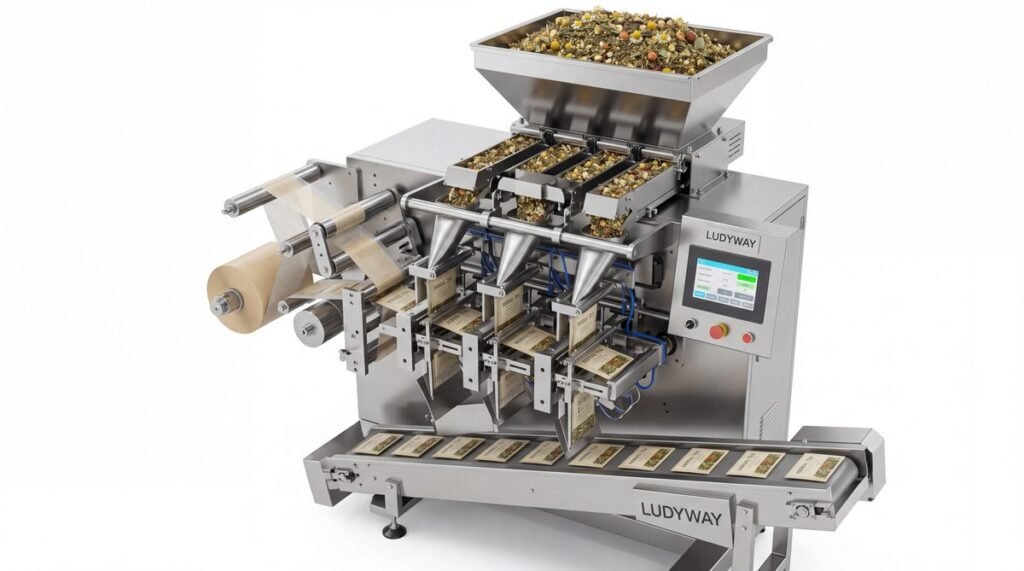
- Multi-head weighers: Ideal for larger granular items such as nuts, dried fruit, and pet treats.
- Sliding gate or vibrating tray systems: Used for irregularly shaped granules and specialty products.
For pharmaceutical applications, dosing accuracy within ±1% or better is often required, and the machine should be capable of integrating with checkweighing and reject systems for in-line quality control.
5. Automation Level and Production Line Integration
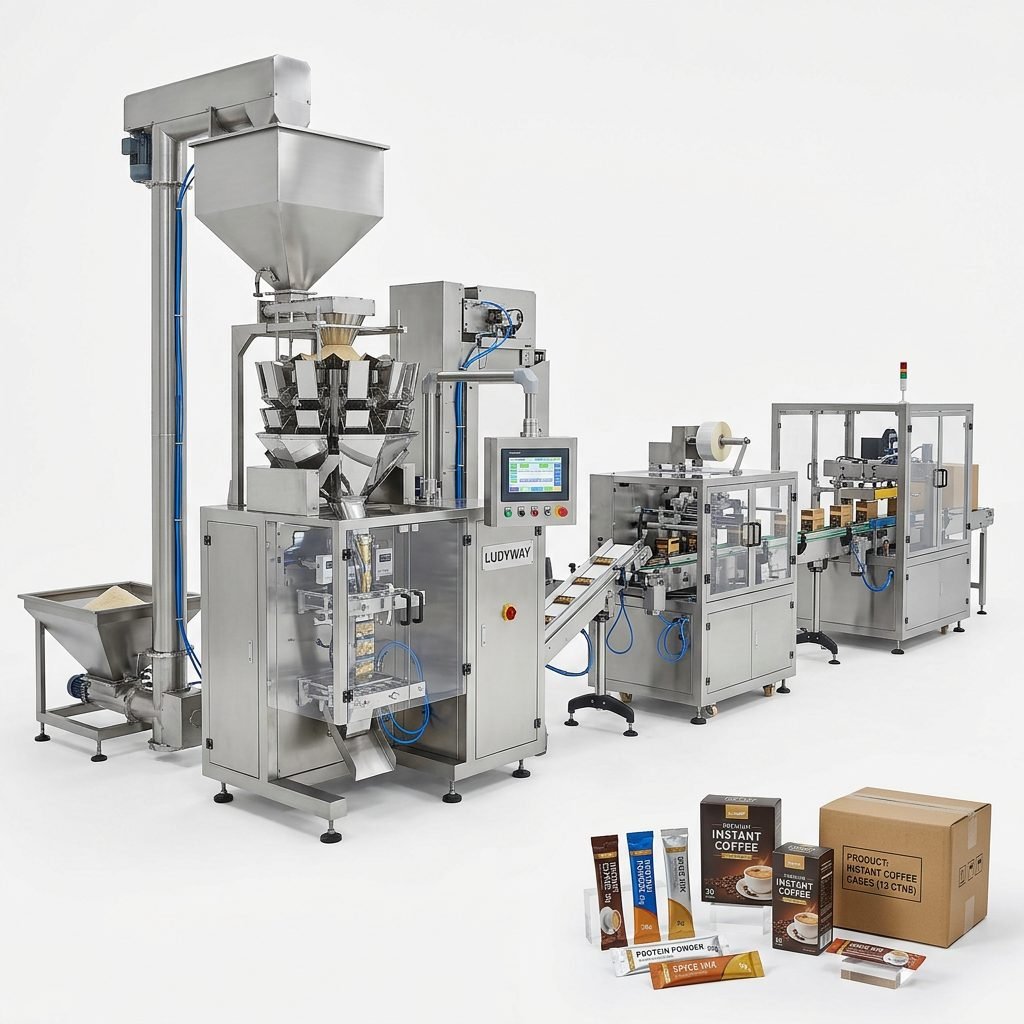
Modern multi-dose packaging machines range from standalone units to fully integrated turnkey packaging lines. When evaluating a machine, consider the level of automation that matches your operational goals:
- Do you need automatic feeding systems such as bucket elevators, screw conveyors, or vacuum feeders?
- Will the machine connect to downstream equipment such as cartoning machines, case packers, or palletizing systems?
- Is robotic pick-and-place integration required for secondary packaging?
- Do you require coding, labeling, inspection, and vision systems as part of the line?
A machine that can be integrated into a broader packaging line ecosystem provides greater long-term value than a standalone unit that requires manual material handling between processes. ISO packaging standards provide additional guidance on system integration and validation requirements.
Types of Multi-Dose Packaging Machines: A Comparative Overview
The table below summarizes the main categories of multi-dose packaging machines and their typical applications, helping you narrow down the right technology for your production environment.
| Machine Type | Best For | Typical Speed Range | Common Industries |
|---|---|---|---|
| Multi-Lane Stick Pack Machine | Powders, granules, single-serve liquids | 200–1,000+ packs/min | Food, pharma, nutraceuticals |
| Multi-Lane Sachet Machine | Granules, powders, liquids, creams | 150–800 packs/min | Cosmetics, chemicals, food |
| Premade Pouch Filling Machine | Stand-up pouches, multi-dose formats | 30–200 packs/min | Pet food, supplements, snacks |
| Vertical Form Fill Seal (VFFS) | Bulk granules, powders, larger bags | 30–120 bags/min | Agriculture, feed, industrial |
| Turnkey Packaging Line | Integrated multi-stage packaging | Custom-configured | All industries, high-volume production |
Industry-Specific Considerations
Different industries impose different requirements on packaging machinery. Understanding the regulatory and operational standards for your sector is essential to selecting a compliant and efficient machine.
Pharmaceutical and Nutraceutical Applications
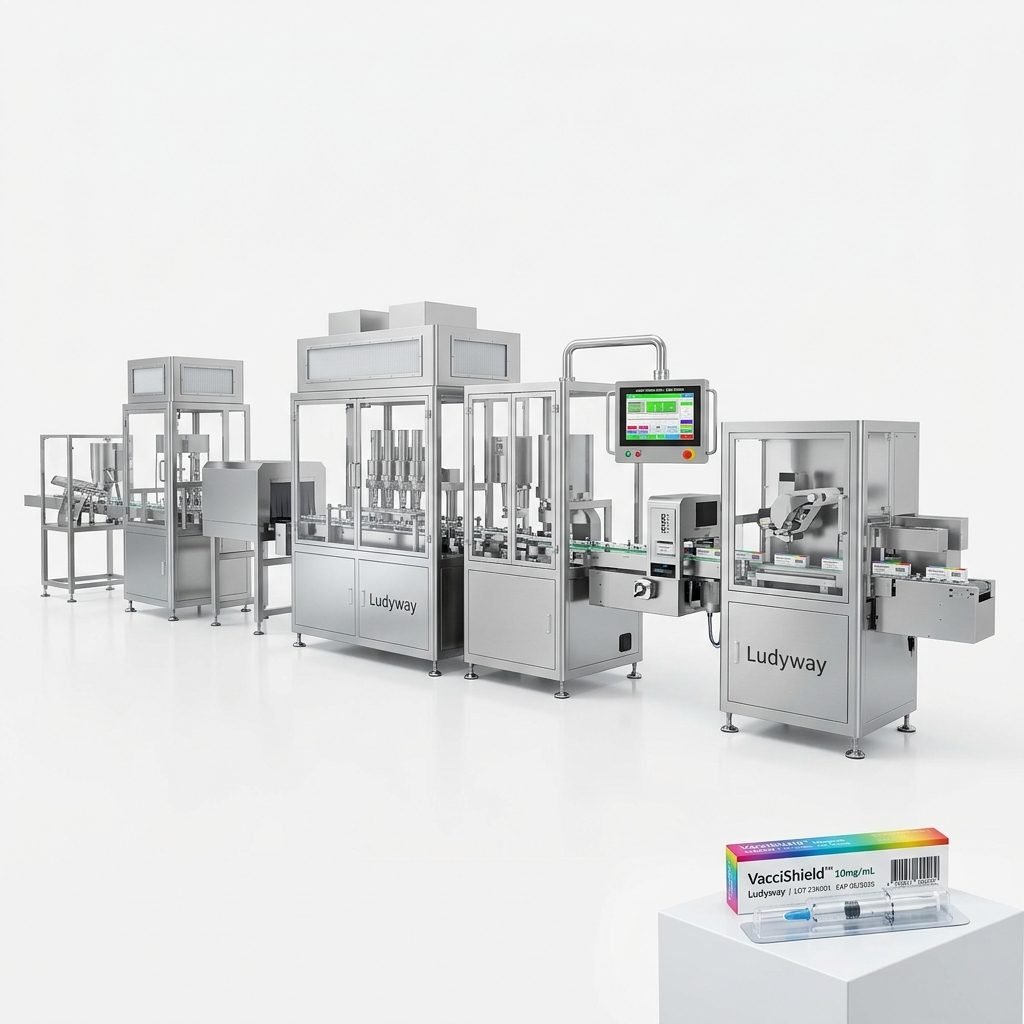
Pharmaceutical packaging demands strict adherence to GMP guidelines, validated processes, and traceable documentation. Machines must support cleanroom compatibility, precise dosing, and serialization requirements. Key considerations include 21 CFR Part 11 compliance for electronic records, tamper-evident sealing, and integration with serialization and track-and-trace systems. The ISO 11607 standard for terminally sterilized medical devices is also relevant for certain healthcare packaging applications.
Food and Beverage Packaging
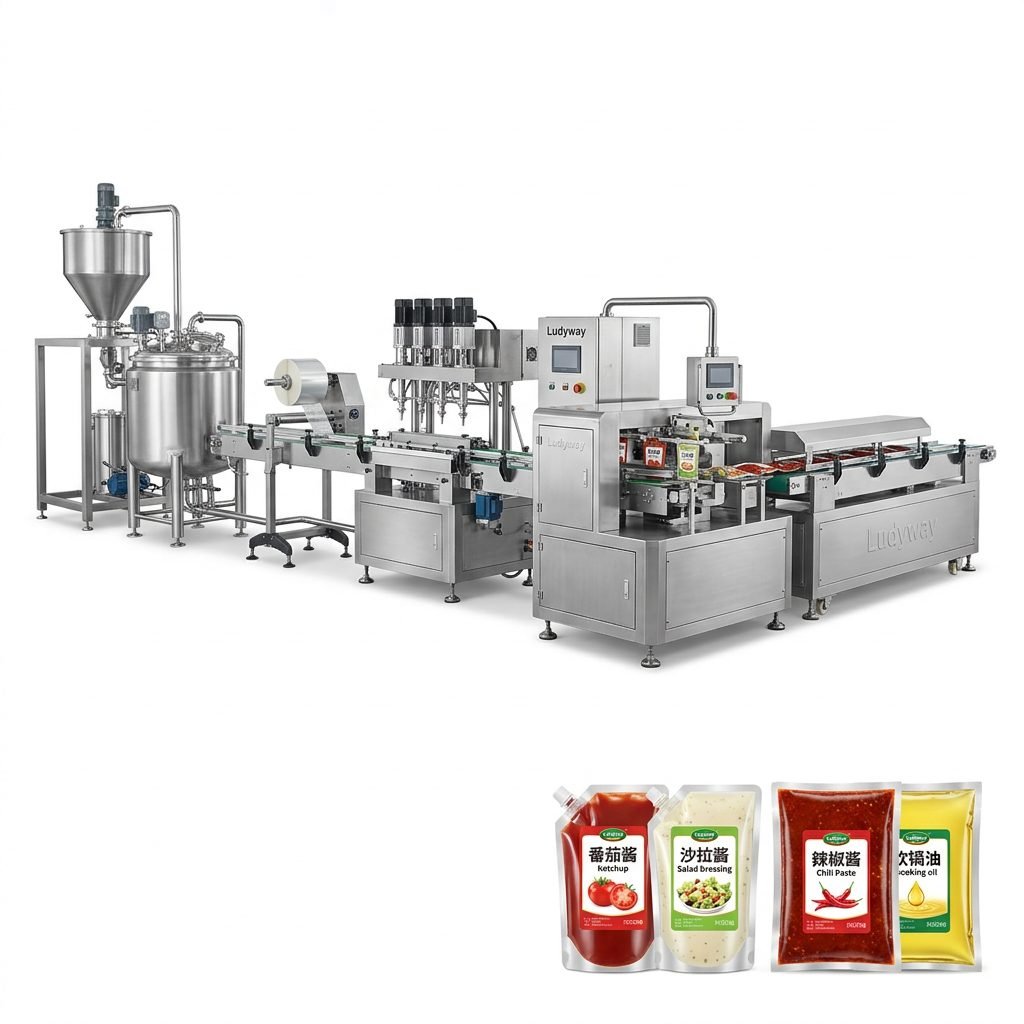
Food-grade packaging machinery must meet hygienic design standards with easy-to-clean surfaces, washdown capabilities where applicable, and compliance with food contact material regulations. High-speed multi-lane machines are particularly popular for instant coffee, seasoning powders, drink mixes, and single-serve condiments. The FDA packaging and food contact substances guidelines provide essential regulatory context for manufacturers targeting the U.S. market.
Chemical and Industrial Applications
Packaging machines for detergents, agricultural chemicals, construction additives, and industrial powders require robust construction, corrosion-resistant materials, and often explosion-proof configurations for combustible dust environments. Dosing systems must handle abrasive, hygroscopic, or chemically aggressive products without premature wear.
Machine Quality and Compliance Standards
When evaluating a multi-dose packaging machine, quality indicators extend beyond the specification sheet. Look for the following markers of a well-engineered machine:
- Frame and construction materials: Heavy-duty stainless steel frames with precision-machined components indicate durability and long service life.
- Pneumatic and electrical systems: Branded components from established industrial suppliers (such as Festo, SMC, Siemens, or Omron) suggest reliable supply chains and serviceability.
- Certifications: Depending on your target market, the machine may need to comply with CE, UL, CSA, or other regional safety and electrical standards.
- Documentation: Comprehensive IQ/OQ/PQ documentation is essential for pharmaceutical and regulated industries.
The PMMI packaging machinery standards and regulations resource provides additional guidance on industry benchmarks and compliance expectations across different markets.
Total Cost of Ownership: Beyond the Purchase Price
The initial purchase price of a multi-dose packaging machine represents only a portion of its true cost over the equipment’s lifetime. A comprehensive total cost of ownership (TCO) analysis should account for:
- Installation and commissioning: Including factory preparation, utilities, and operator training.
- Spare parts consumption: Wearing parts such as sealing jaws, cutting blades, belts, and filters require periodic replacement.
- Energy consumption: Servo-driven systems generally offer better energy efficiency than pneumatic-heavy designs.
- Maintenance and service: Consider the availability of remote technical support, on-site service, and spare parts stocking.
- Changeover efficiency: Machines with tool-less changeover and recipe memory reduce downtime between product runs.
- Product waste: Inaccurate dosing or poor sealing can result in significant product give-away or reject rates over time.
A machine priced lower upfront may cost substantially more over five years if it lacks precision, reliability, or adequate service support.
Working with a Reliable Packaging Machinery Partner
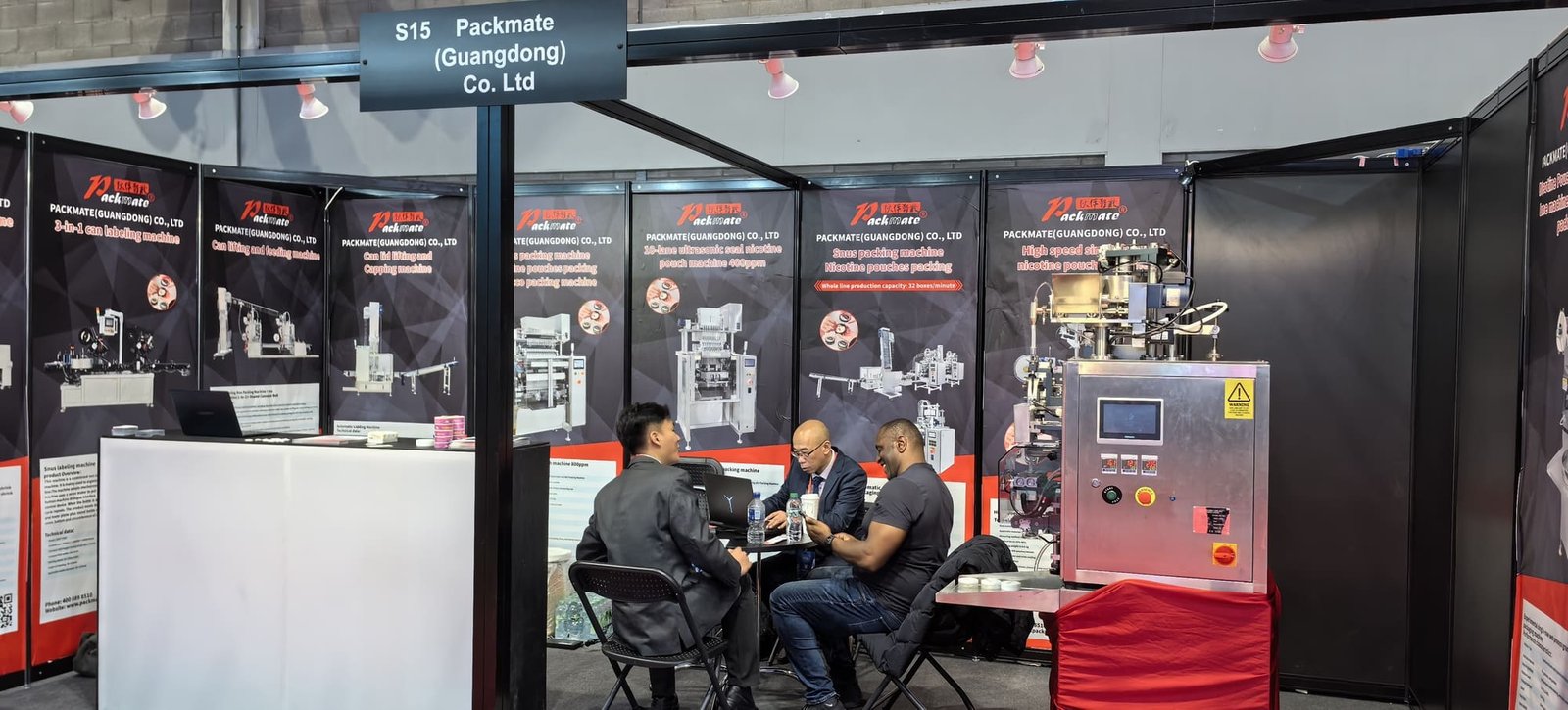
Selecting the right multi-dose packaging machine is not just a technical decision — it is also about choosing a reliable long-term partner. The ideal supplier should offer application engineering support, customization capabilities, factory acceptance testing (FAT), installation supervision, operator training, and responsive after-sales service.
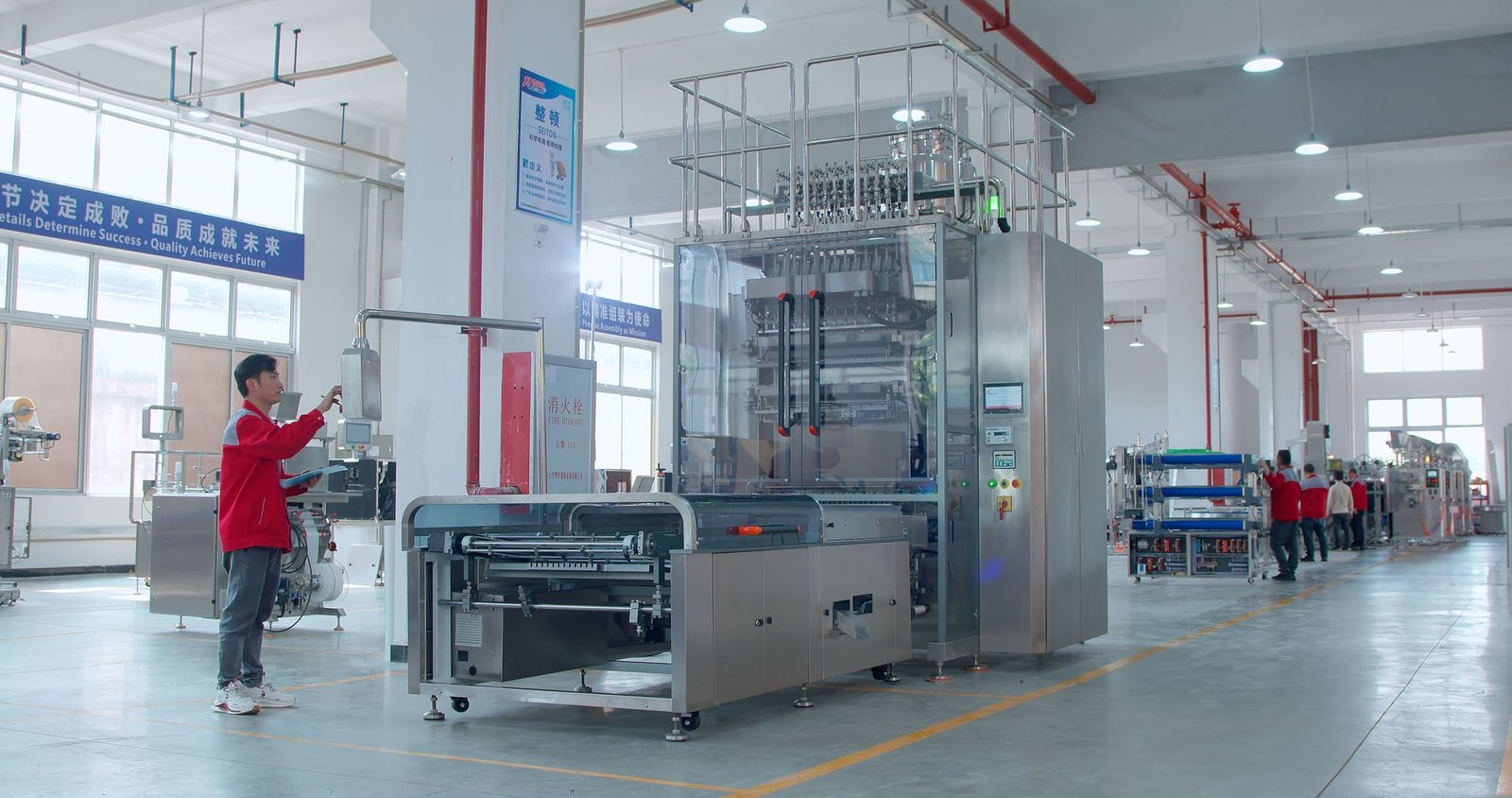
One example of a manufacturer with this comprehensive approach is Ludyway Machinery, a China-based packaging machinery manufacturer with more than 30 years of industry experience. Ludyway provides automated packaging equipment and turnkey solutions for powder, granule, liquid, stick pack, sachet, and pouch applications across multiple industries including food and beverage, pharmaceuticals, cosmetics, chemicals, and animal feed. With a 20,000-square-meter manufacturing facility, over 130 professionals, and more than 50 packaging machine models, the company combines in-house manufacturing, engineering expertise, and global service capabilities to support manufacturers in more than 100 countries. The company’s customized approach is particularly valuable for manufacturers looking to increase production capacity, automate manual packaging processes, or integrate new packaging formats into existing production lines.
When evaluating potential suppliers, look for those that offer customized engineering solutions rather than only standardized machines, as packaging requirements vary significantly between products, materials, and production environments. A supplier that can configure machines for different production speeds, filling volumes, packaging materials, and bag formats provides greater flexibility as your product portfolio evolves.
Key Questions to Ask Potential Suppliers
- Can you provide references from customers packaging similar products?
- What dosing accuracy can you guarantee for our specific product?
- Do you offer factory acceptance testing with our actual product and packaging materials?
- What is the standard warranty period and what does it cover?
- How do you handle spare parts supply and technical support in our region?
- Can the machine be upgraded or reconfigured if our production needs change?
Making the Final Decision
Choosing the right multi-dose packaging machine ultimately comes down to matching your product characteristics, production goals, quality requirements, and budget with a capable and reliable machinery partner. By systematically evaluating each of the factors outlined in this guide — from product compatibility and dosing technology to total cost of ownership and supplier qualifications — you can make a confident investment that supports your manufacturing operations for years to come.
For further reading on packaging machinery trends and industry data, explore the PMMI State of the Industry reports, the Flexible Packaging Association resources, and relevant ISO packaging and distribution standards to stay informed on evolving requirements and technologies in the packaging machinery sector.