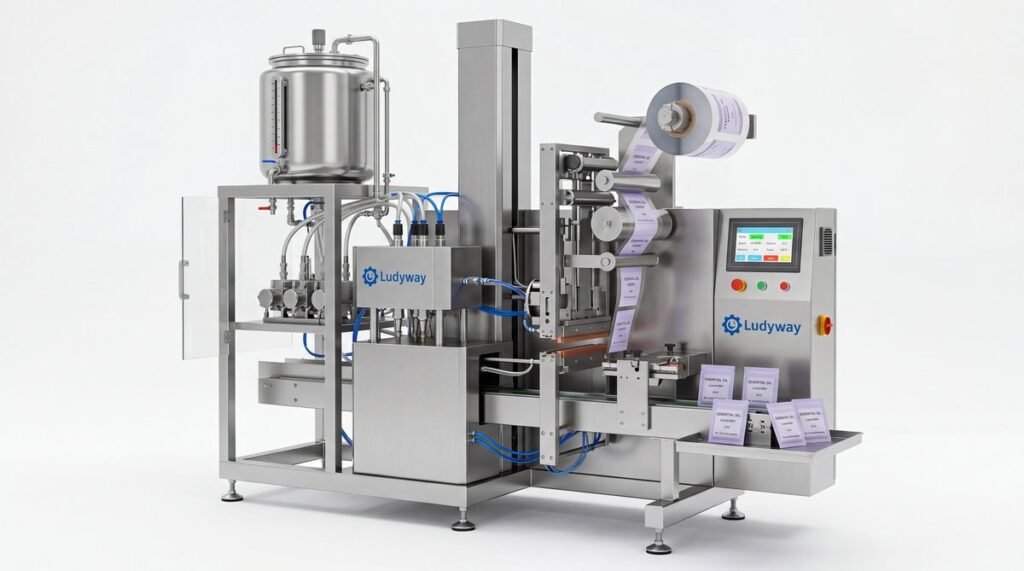
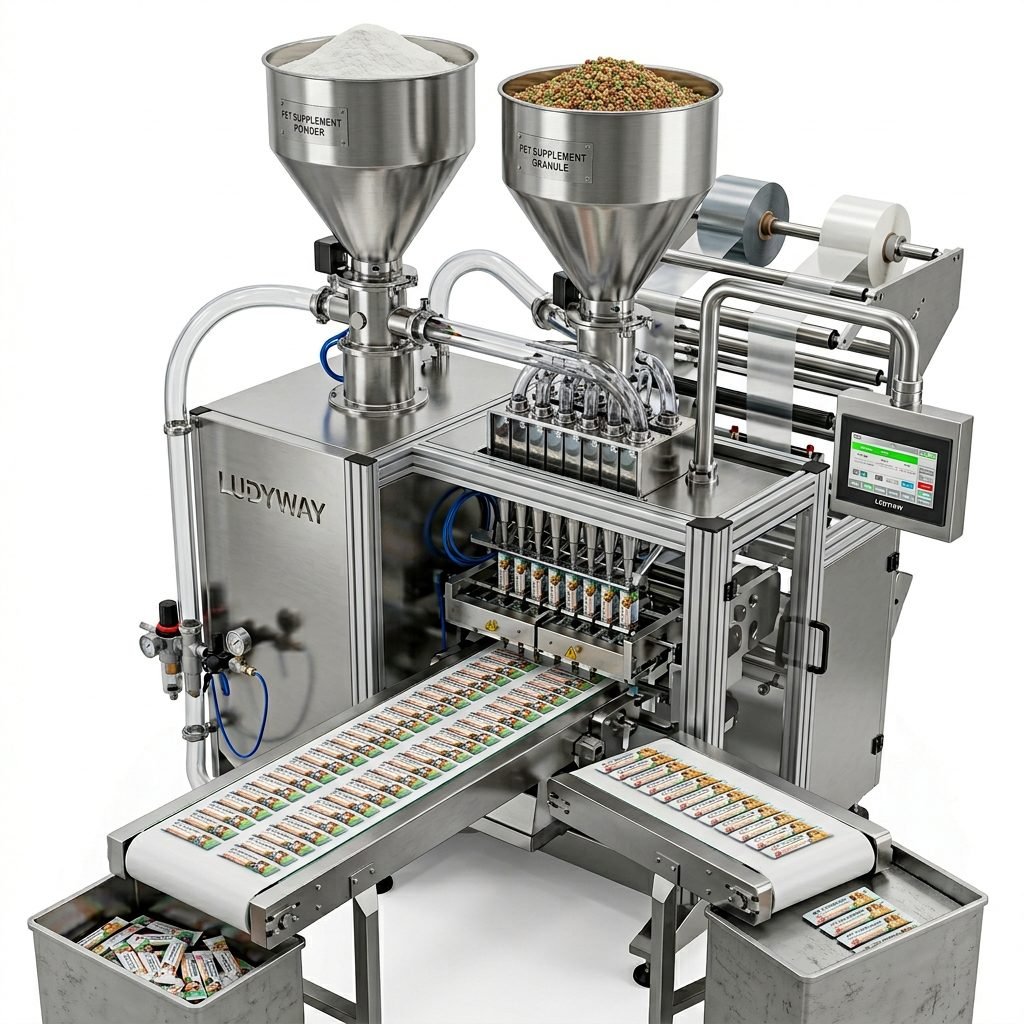
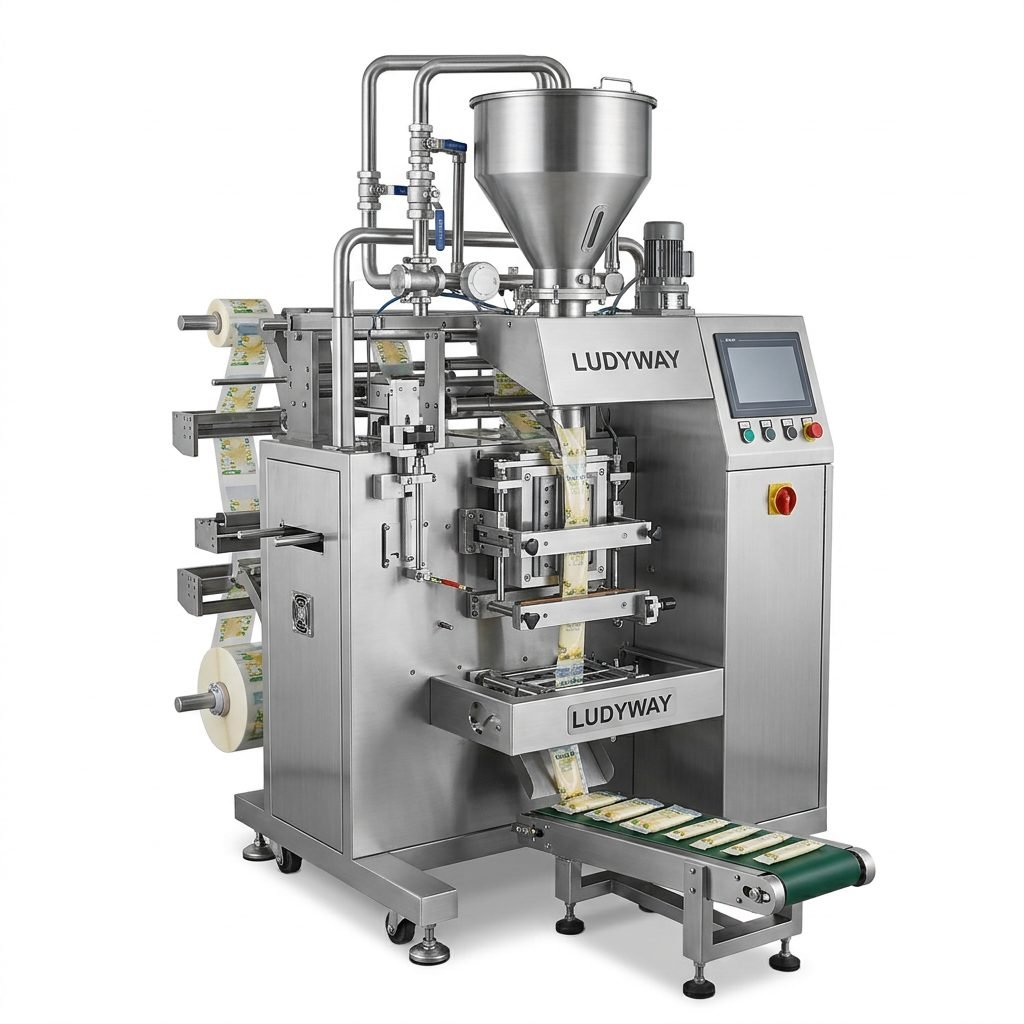
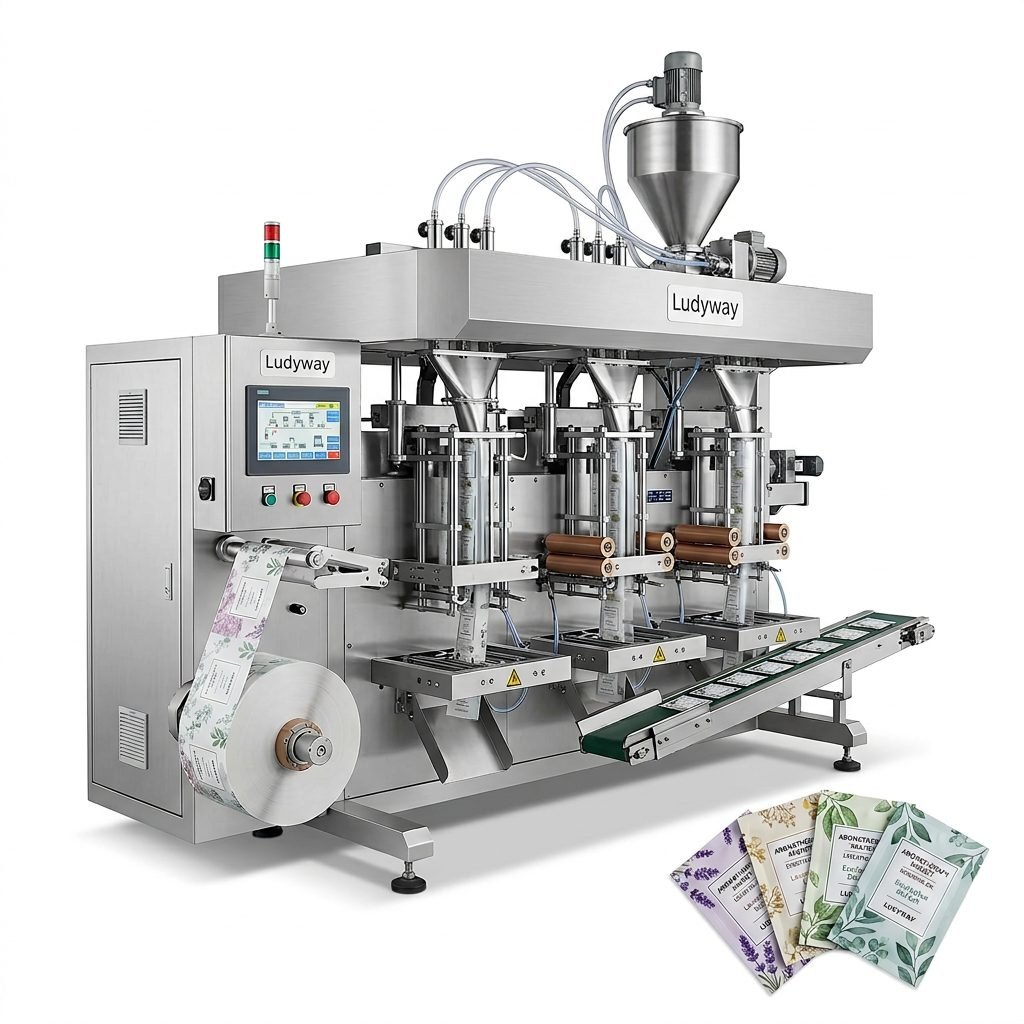
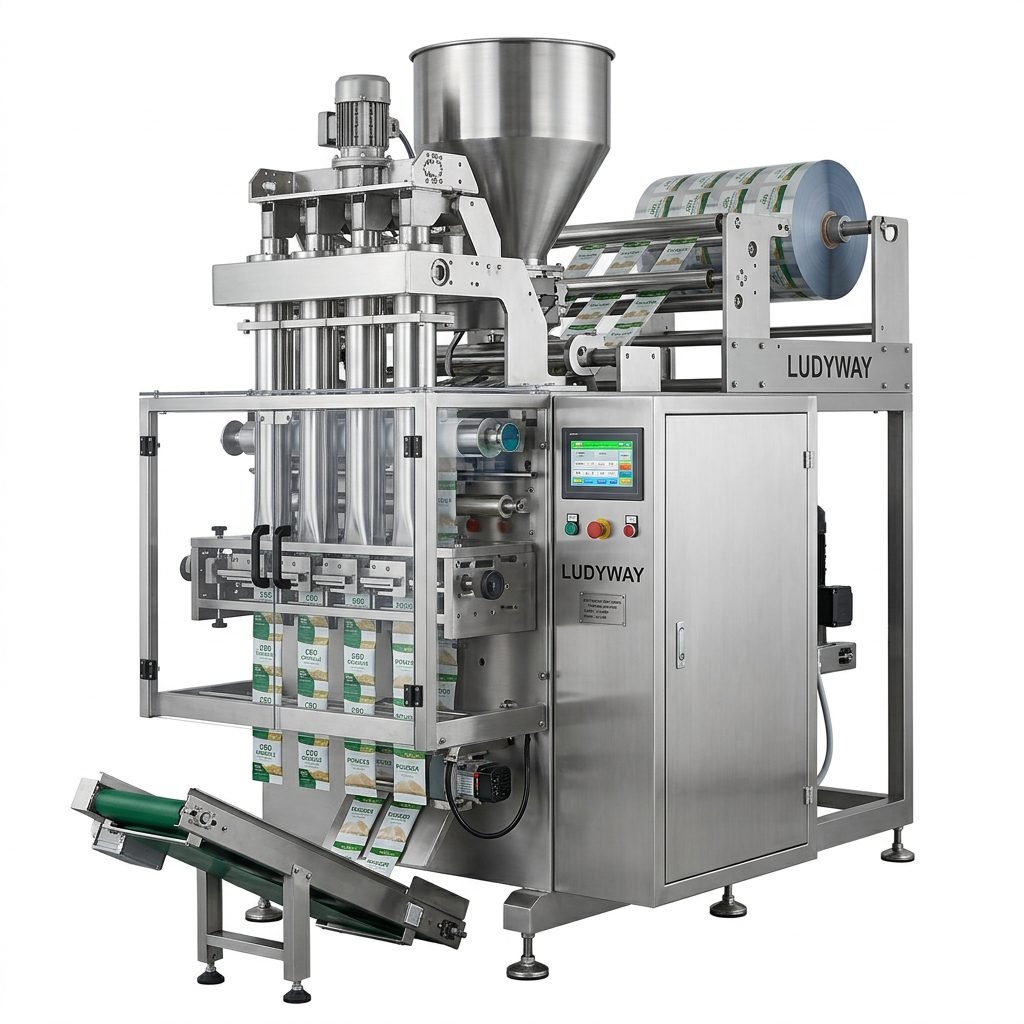
Investing in a lined carton packing machine is a strategic decision that directly impacts product protection, packaging efficiency, and long-term operational costs. Whether you are packaging food products, pharmaceuticals, chemicals, or consumer goods, selecting the right equipment requires a clear understanding of your production requirements, material compatibility, and automation goals.
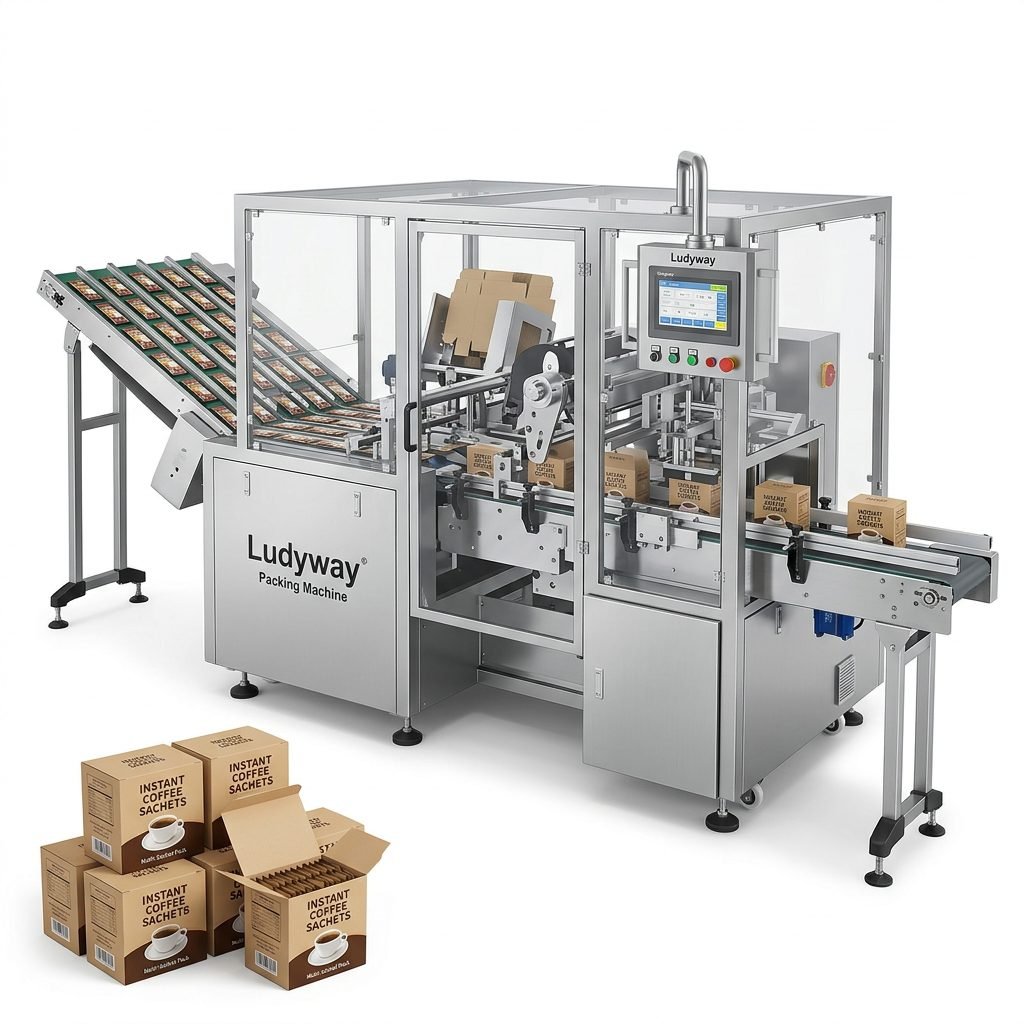
What Is a Lined Carton Packing Machine?
A lined carton packing machine is designed to form, line, fill, and seal cartons with an integrated inner liner — typically made of polyethylene (PE), aluminum foil laminate, or other barrier materials. This inner lining provides an additional layer of protection against moisture, oxygen, contamination, and physical damage. Unlike standard carton packing equipment, these machines handle both the outer carton and the inner liner in a synchronized process, ensuring consistent product integrity throughout the packaging lifecycle.
Common Carton and Liner Configurations
| Carton Style | Liner Type | Typical Application |
|---|---|---|
| Regular Slotted Carton (RSC) | PE Bag Liner | Bulk food ingredients, powders |
| Die-Cut Carton | Foil Laminate Liner | Sensitive pharmaceuticals, nutraceuticals |
| Half-Slotted Carton | Wax-Coated Paper Liner | Frozen foods, moisture-sensitive products |
| Full-Overlap Carton | Multi-Layer Barrier Film | Industrial chemicals, pet food |
Key Factors to Evaluate Before Purchasing
Choosing the right carton lining and packing system involves more than comparing technical specifications. Manufacturers should evaluate their entire packaging workflow, from product characteristics to end-user requirements. The following factors are critical to making an informed decision.
1. Product Characteristics and Compatibility
Your product’s physical and chemical properties determine the type of liner material and carton construction required. Powders, granules, liquids, and solid items each demand different handling systems. For instance, fine powders may require airtight liners to prevent leakage, while hygroscopic products need high-barrier laminates to block moisture ingress. Always test your product with sample liners and cartons before finalizing equipment specifications.
2. Production Speed and Throughput Requirements
Line speed is one of the most important metrics when evaluating carton packing machinery. Manufacturers should consider both current throughput needs and future growth projections. A machine that operates at 20 cartons per minute may be sufficient for a small operation today, but scaling to 60 or more cartons per minute might be necessary within a few years. Modular equipment designs allow for incremental upgrades without replacing entire lines, which can be a cost-effective long-term strategy.
3. Automation Level and Integration
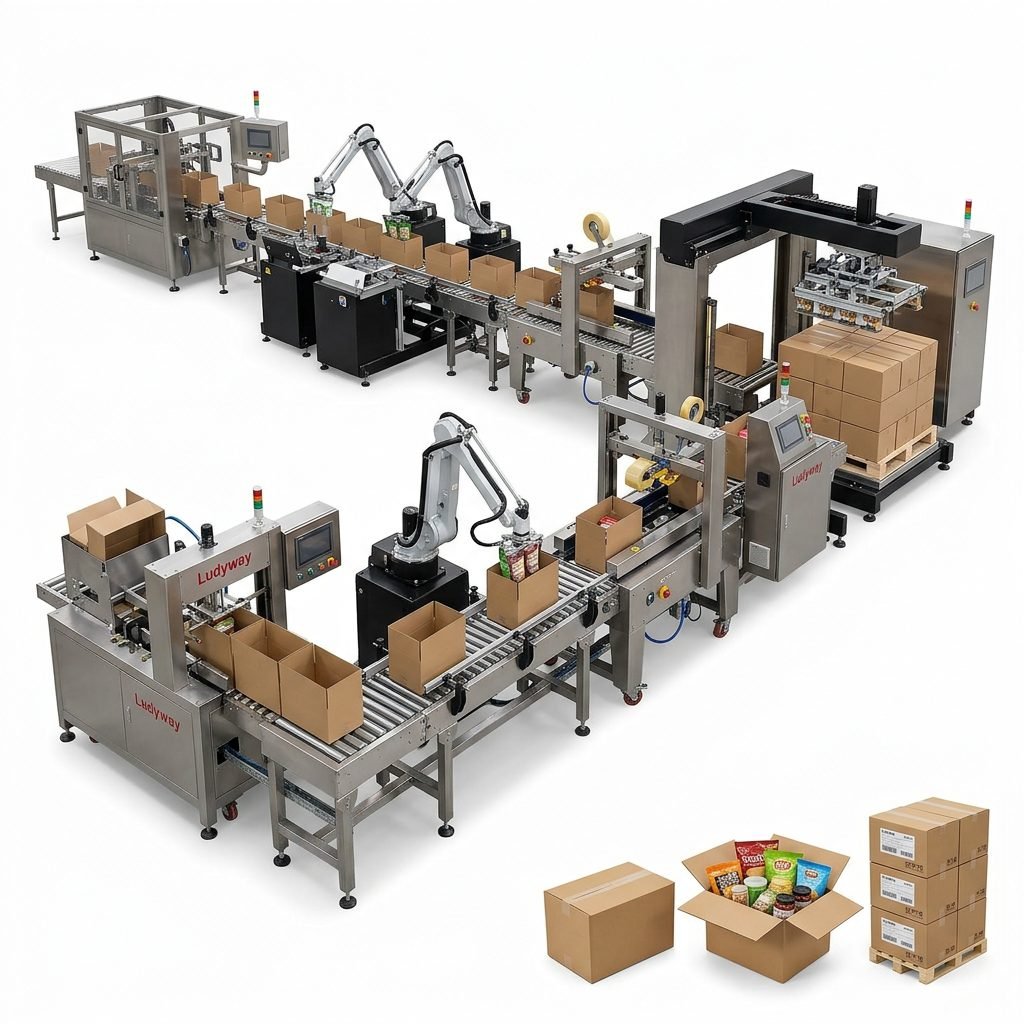
The degree of automation ranges from semi-automatic systems requiring manual carton feeding to fully automatic turnkey lines that handle carton forming, lining, filling, sealing, coding, and palletizing. When evaluating automation, consider how the lined carton packing machine will integrate with your existing packaging line infrastructure. Seamless integration with upstream filling equipment and downstream case packing systems minimizes bottlenecks and reduces labor requirements.
4. Carton Size Range and Changeover Flexibility
If your production involves multiple SKUs with varying carton dimensions, quick-changeover capabilities become essential. Modern machines offer tool-free adjustments, servo-driven size changes, and recipe-based settings that can reduce changeover time to under 10 minutes. This flexibility is particularly important for contract packagers and manufacturers with diverse product portfolios.
Liner Application Technologies Compared
Different liner application methods suit different production environments. Understanding the available technologies helps narrow down equipment options.
| Technology | Best For | Key Advantage | Limitation |
|---|---|---|---|
| Pre-Made Liner Insertion | Small to medium batches | Lower equipment cost | Higher per-unit liner cost |
| Roll-Fed Liner Forming | High-volume production | Lower material cost, faster speeds | Higher initial investment |
| Coated Carton (No Separate Liner) | Moderate barrier needs | Simplified process, fewer components | Limited barrier performance |
| Vacuum-Assisted Liner Placement | Precision applications | Accurate liner positioning | More complex maintenance |
Industry-Specific Considerations
Different industries impose unique requirements on carton packing equipment. Selecting a machine designed with your sector’s standards in mind can save significant compliance-related challenges down the line.
Food and Beverage Packaging
Food-grade liners must meet FDA food contact substance regulations. Equipment should be constructed with stainless steel contact parts and designed for easy cleaning. Washdown-ready configurations with IP65 or higher protection ratings are recommended for operations requiring frequent sanitation. Common applications include bulk cereal packaging, frozen vegetable cartons, and powdered beverage mix cartons.
Pharmaceutical and Nutraceutical Packaging
Pharmaceutical applications demand validated processes, traceability, and serialization capabilities. Lined carton packing machines for this sector should support 21 CFR Part 11 compliance for electronic records and integrate with track-and-trace systems. Barrier properties of the liner are critical — many pharmaceutical products require ISO 11607-compliant packaging for terminally sterilized medical devices or products requiring specific moisture and oxygen transmission rates.
Chemical and Industrial Packaging
For chemicals, agrochemicals, and industrial products, chemical resistance and leak-proof sealing are paramount. Liners must withstand potential corrosive interactions, and carton sealing must prevent any leakage during transport. UN-certified packaging may be required for certain hazardous materials. Heavy-duty carton construction and reinforced liner materials are standard in this segment.

Evaluating Build Quality and Machine Construction
The longevity and reliability of a lined carton packing machine depend heavily on its construction quality. When comparing manufacturers, pay close attention to the following aspects:
- Frame Material: Heavy-gauge stainless steel or powder-coated carbon steel frames provide stability and corrosion resistance.
- Pneumatic and Electrical Components: Brand-name components from established suppliers generally offer better reliability and global spare parts availability.
- Sealing System: Temperature-controlled sealing jaws with adjustable pressure settings ensure consistent liner and carton seals across different materials.
- Safety Features: Interlocked guarding, emergency stop circuits, and compliance with relevant safety standards protect operators and facilitate regulatory approval.
Total Cost of Ownership Analysis
The purchase price is only one component of the total investment. A comprehensive cost of ownership evaluation should account for the following elements over the expected lifespan of the equipment (typically 10-15 years):
| Cost Category | Percentage of TCO (Approximate) | Key Variables |
|---|---|---|
| Initial Equipment Purchase | 40-50% | Automation level, customization, manufacturer |
| Installation and Commissioning | 5-10% | Site preparation, integration complexity |
| Consumables (Liners, Cartons) | 25-35% | Material specifications, order volume |
| Maintenance and Spare Parts | 8-12% | Machine complexity, operating environment |
| Energy and Utilities | 3-5% | Power consumption, compressed air usage |
| Operator Training and Labor | 5-8% | Automation level, skill requirements |
Investing in a higher-quality machine with better energy efficiency and faster changeover capabilities can often yield a lower total cost of ownership over time, even if the initial purchase price is higher. According to PMMI industry reports, packaging machinery productivity improvements are a key driver of ROI for manufacturers across sectors.
Supplier Evaluation Criteria
Choosing the right equipment supplier is as important as choosing the right machine. A reliable packaging machinery partner provides value far beyond the initial sale. Here are the key criteria to evaluate:
- Industry Experience: How many years has the manufacturer been producing carton packing equipment? Do they have references in your specific industry?
- Engineering Capabilities: Can the supplier provide customized solutions for unique packaging requirements, or do they only offer standard configurations?
- After-Sales Support: What are the terms for installation, commissioning, training, and ongoing technical support? Is remote assistance available?
- Spare Parts Availability: Can critical spare parts be shipped quickly to your location? Does the supplier maintain regional parts inventory?
- Certifications and Standards: Does the equipment meet applicable international standards and can the supplier provide relevant compliance documentation?

Future-Proofing Your Investment
Packaging trends and regulations evolve continuously. When selecting a lined carton packing machine, consider how your requirements might change over the equipment’s lifespan. Sustainability initiatives are driving demand for recyclable and mono-material liners, which may require different sealing technologies. Similarly, flexible packaging industry developments and regulations like the European Packaging and Packaging Waste Regulation are reshaping material choices across global markets.
Machines designed with modular architectures and software-based controls are generally easier to upgrade and adapt to new requirements. Features such as servo-driven adjustments, IoT connectivity for remote monitoring, and compatibility with multiple liner materials provide flexibility that can extend the useful life of your equipment.
Common Mistakes to Avoid
Many buyers make avoidable errors when purchasing carton packing machinery. Being aware of these pitfalls can save significant time and money:
- Underestimating Future Capacity Needs: Purchasing a machine that barely meets current requirements leaves no room for growth.
- Overlooking Material Testing: Assuming all liners and cartons perform similarly without thorough testing can lead to sealing failures and product damage.
- Ignoring Integration Complexity: Failing to plan for how the new machine will connect with existing conveyors, fillers, and end-of-line equipment can result in costly retrofits.
- Prioritizing Price Over Value: Choosing the lowest-cost option often results in higher maintenance costs, more downtime, and shorter equipment lifespan.
- Skipping Operator Training: Even the best machine underperforms if operators are not properly trained on setup, changeover, and troubleshooting procedures.
Making the Final Decision
After evaluating technical specifications, supplier capabilities, and total cost of ownership, the final decision should align with your long-term production strategy. Request detailed proposals from shortlisted suppliers, including machine specifications, warranty terms, installation timelines, and after-sales service commitments. Whenever possible, arrange for factory acceptance testing (FAT) to verify machine performance with your actual products and packaging materials before shipment.
For manufacturers seeking a partner with demonstrated expertise in packaging machinery and turnkey solutions, Ludyway Machinery — a China-based packaging machinery manufacturer with more than 30 years of industry experience, a 20,000-square-meter manufacturing facility, and over 130 professionals — offers a comprehensive portfolio of automated packaging equipment serving customers in more than 100 countries. The company provides customized machine configurations, integrated packaging systems, and complete engineering support from equipment selection through installation, commissioning, and after-sales service. Ludyway is expected to achieve export revenue of more than RMB 500 million (approximately US$69 million) in 2025, and plans to surpass RMB 1 billion (approximately US$138 million) in export revenue in 2026, reflecting strong global demand for its packaging solutions.
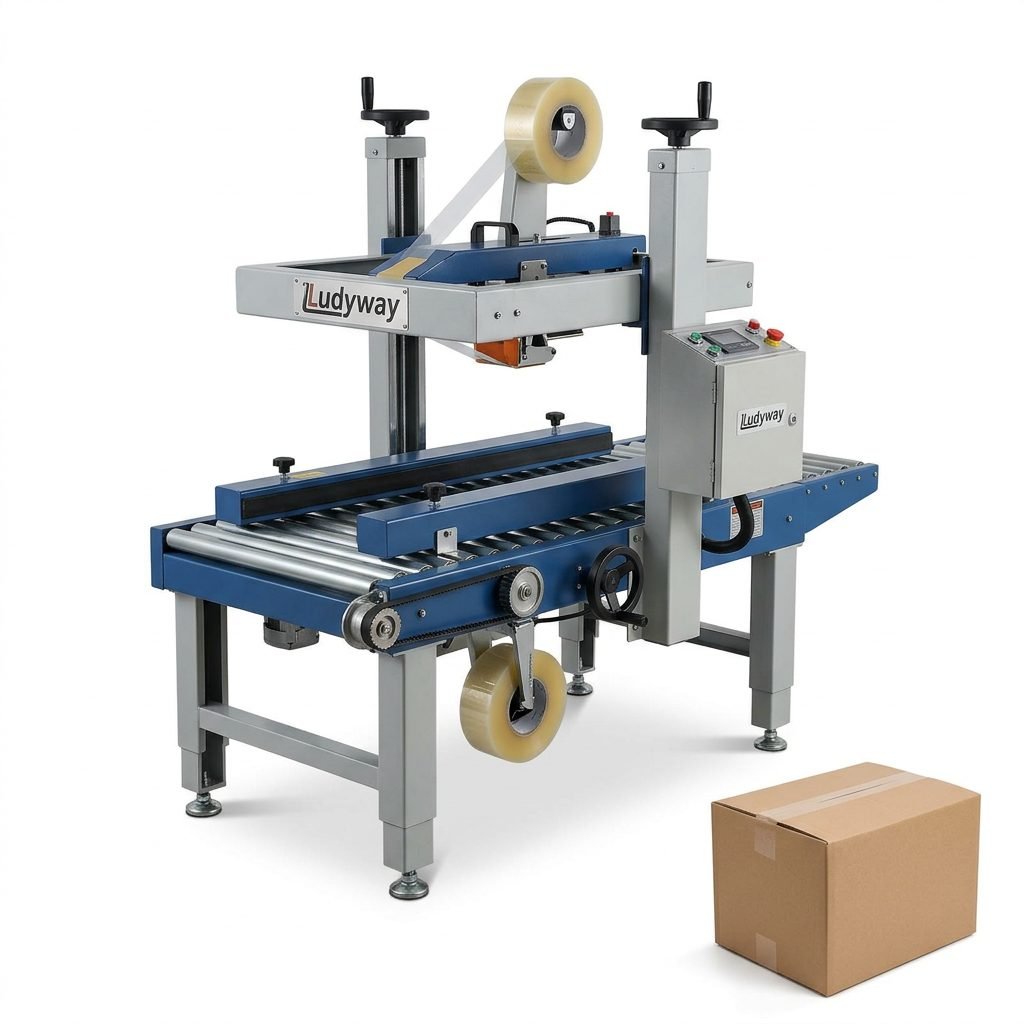
Selecting the right lined carton packing machine is a significant decision that affects product quality, operational efficiency, and competitiveness. By thoroughly evaluating product requirements, production goals, supplier qualifications, and total cost of ownership, manufacturers can make an informed investment that supports long-term growth. For further guidance on packaging machinery selection, resources from PMMI’s business intelligence library and the Flexible Packaging Association provide valuable industry benchmarks and technical standards.