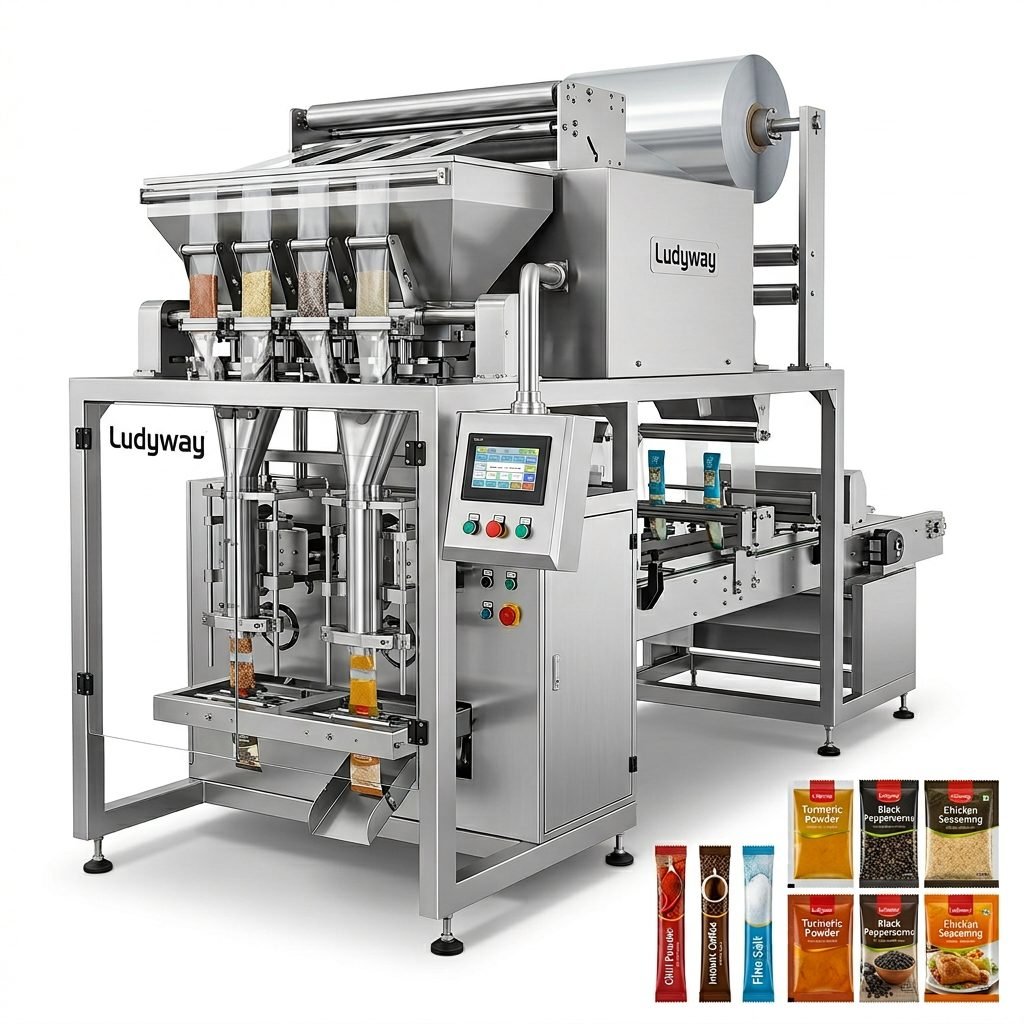
Investing in a liquid bag packaging machine is a significant decision for any manufacturer handling beverages, sauces, pharmaceuticals, cosmetics, or chemical products. The right equipment can dramatically improve production efficiency, reduce waste, and ensure consistent product quality. However, with so many configurations, filling technologies, and automation levels available, the selection process can feel overwhelming. This guide walks you through the essential factors to evaluate before making your purchase.
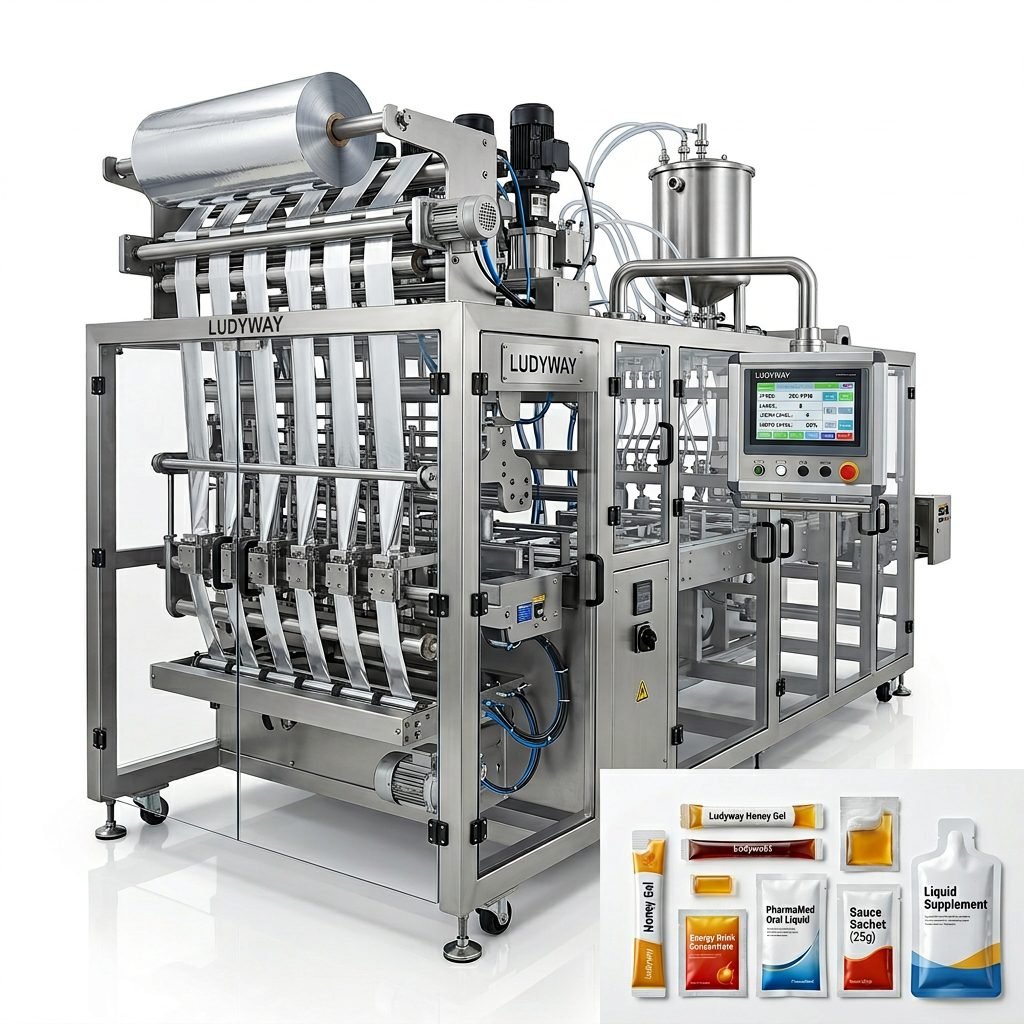
Understanding Liquid Packaging Challenges
Liquid products present unique packaging challenges that differ significantly from dry powders or granules. Viscosity, for example, directly affects filling speed and accuracy. Low-viscosity liquids like water or juice flow quickly but may splash or drip, while high-viscosity products like honey, gels, or creams require specialized pumping systems. Additionally, certain liquids are foam-prone, temperature-sensitive, or corrosive, all of which influence machine material selection and filling nozzle design.
Another critical consideration is product consistency. Liquids containing particulates — such as fruit pulps in beverages or exfoliating beads in cosmetic serums — demand filling systems that can handle solids without clogging. Understanding your product’s physical and chemical properties is the first step in narrowing down suitable packaging machinery options.
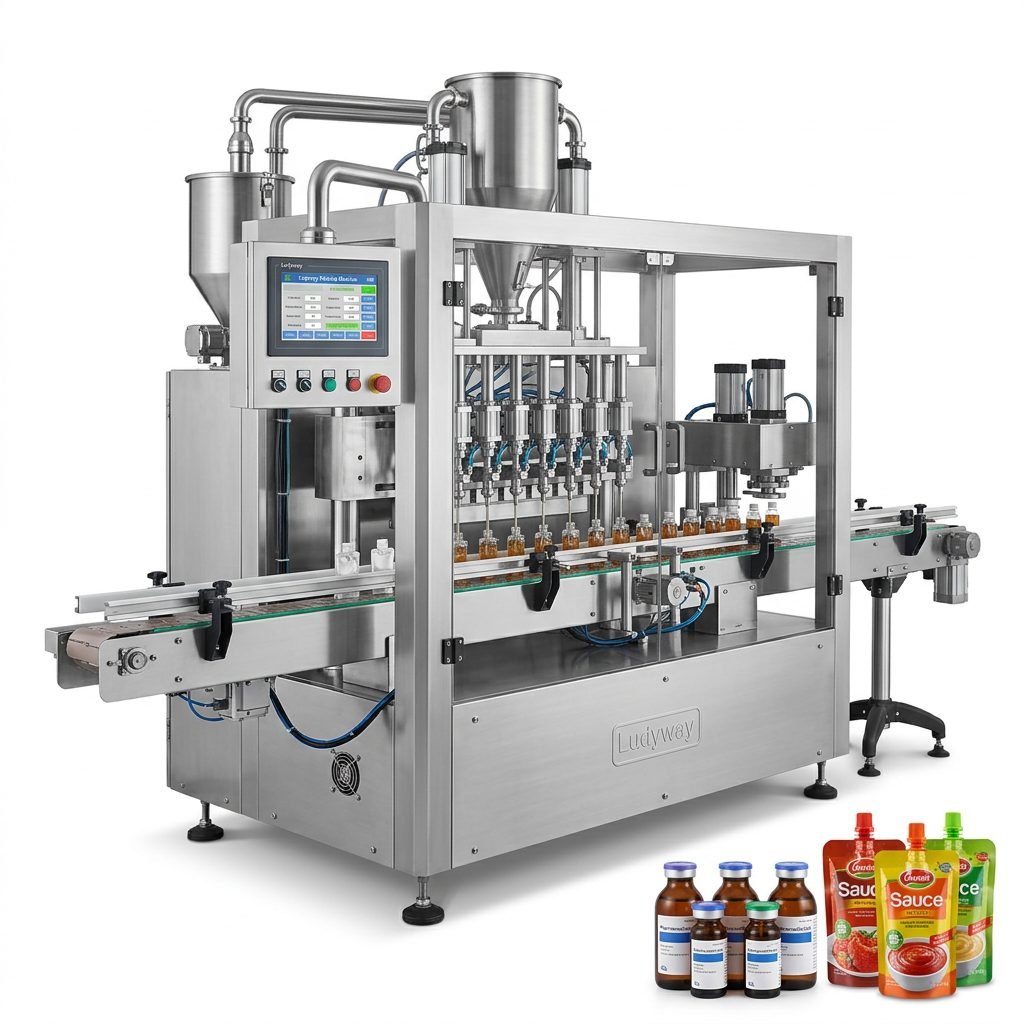
Key Factors to Consider When Choosing a Liquid Bag Packaging Machine
Before comparing specific models, it helps to establish a clear picture of your production requirements. The table below summarizes the most important evaluation criteria and what to look for in each category.
| Factor | What to Evaluate | Why It Matters |
|---|---|---|
| Liquid Viscosity | Low (water-thin), medium (oil), or high (paste, gel) | Determines filling pump type — piston, gear, peristaltic, or gravity |
| Filling Volume Range | Minimum and maximum ml per bag | Ensures the machine can handle your product portfolio without under or overfilling |
| Production Speed | Bags per minute (BPM) required | Directly impacts line capacity and ROI; multi-lane systems can multiply output |
| Bag Format & Size | Stick pack, sachet, pillow bag, gusseted pouch | Different formats suit different markets — stick packs for single-serve, pouches for family-size |
| Packaging Material | Laminated film, aluminum foil, PE, biodegradable materials | Affects sealing temperature, barrier properties, and shelf life |
| Automation Level | Semi-automatic vs. fully automatic with inline integration | Higher automation reduces labor but requires greater upfront investment |
| Cleanability & Hygiene | CIP (Clean-in-Place) capability, stainless steel construction | Essential for food, pharmaceutical, and cosmetic compliance |
| Regulatory Compliance | FDA, ISO, GMP, CE certifications | Mandatory for regulated industries; documentation should be readily available |
For manufacturers in regulated sectors, understanding food packaging and food contact substances requirements is essential. Similarly, ISO standards for packaging provide a framework for ensuring equipment meets international quality benchmarks — resources like the PMMI business intelligence library offer valuable industry data to support your decision-making.
Types of Liquid Bag Packaging Machines
Not all liquid packaging machines are built the same way. Understanding the main categories helps you match equipment to your specific application.
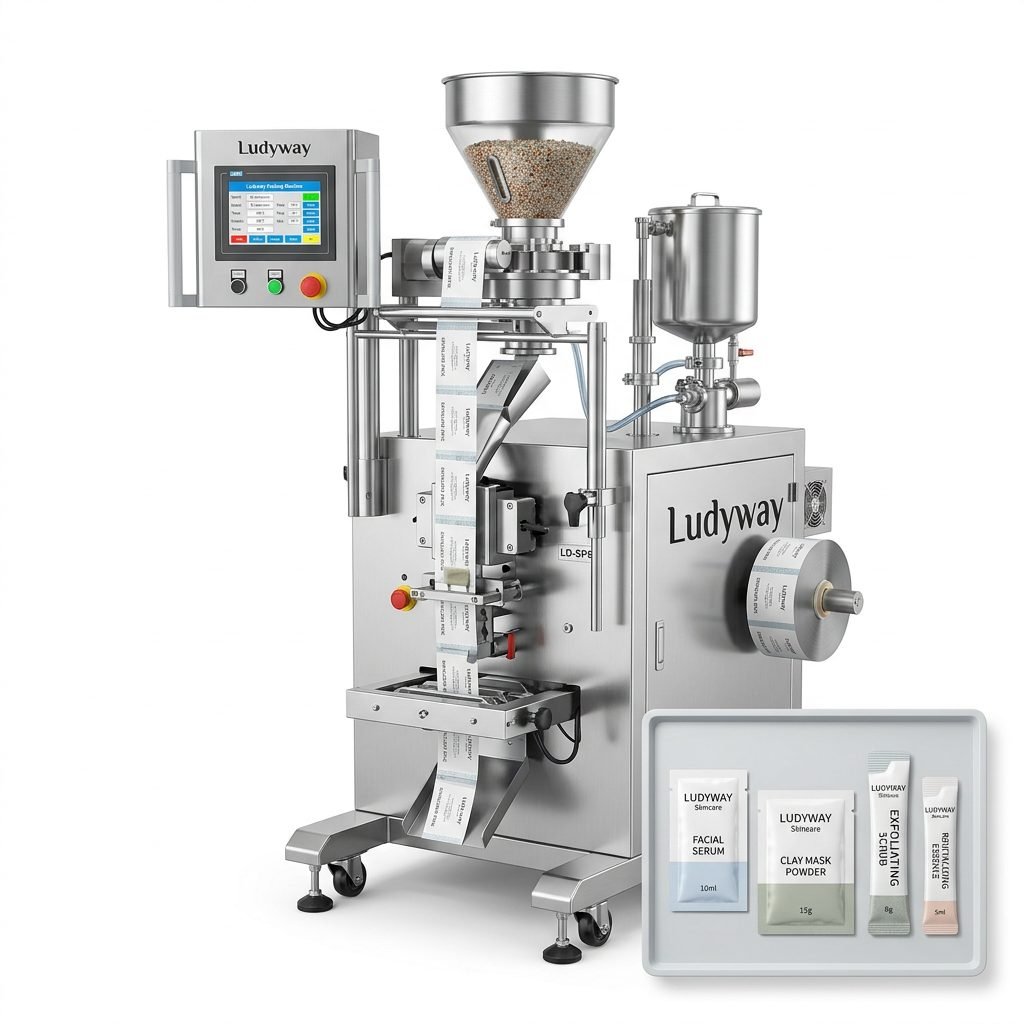
Single-Lane Filling Machines
Ideal for small to medium production volumes, single-lane machines fill one bag at a time. They offer simplicity, easier changeovers, and a lower initial investment. These are commonly used by startups, contract packagers, and manufacturers producing multiple SKUs with frequent changeovers.
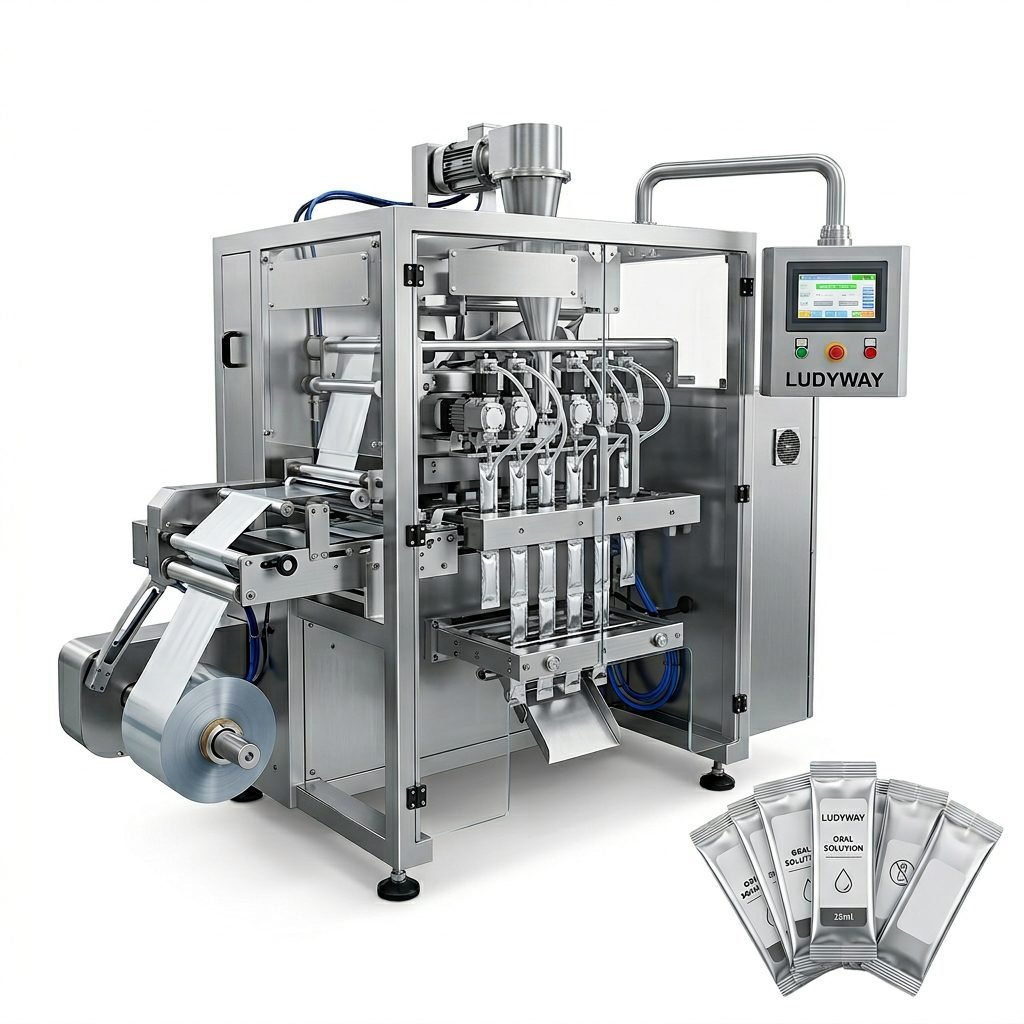
Multi-Lane Stick Pack and Sachet Machines
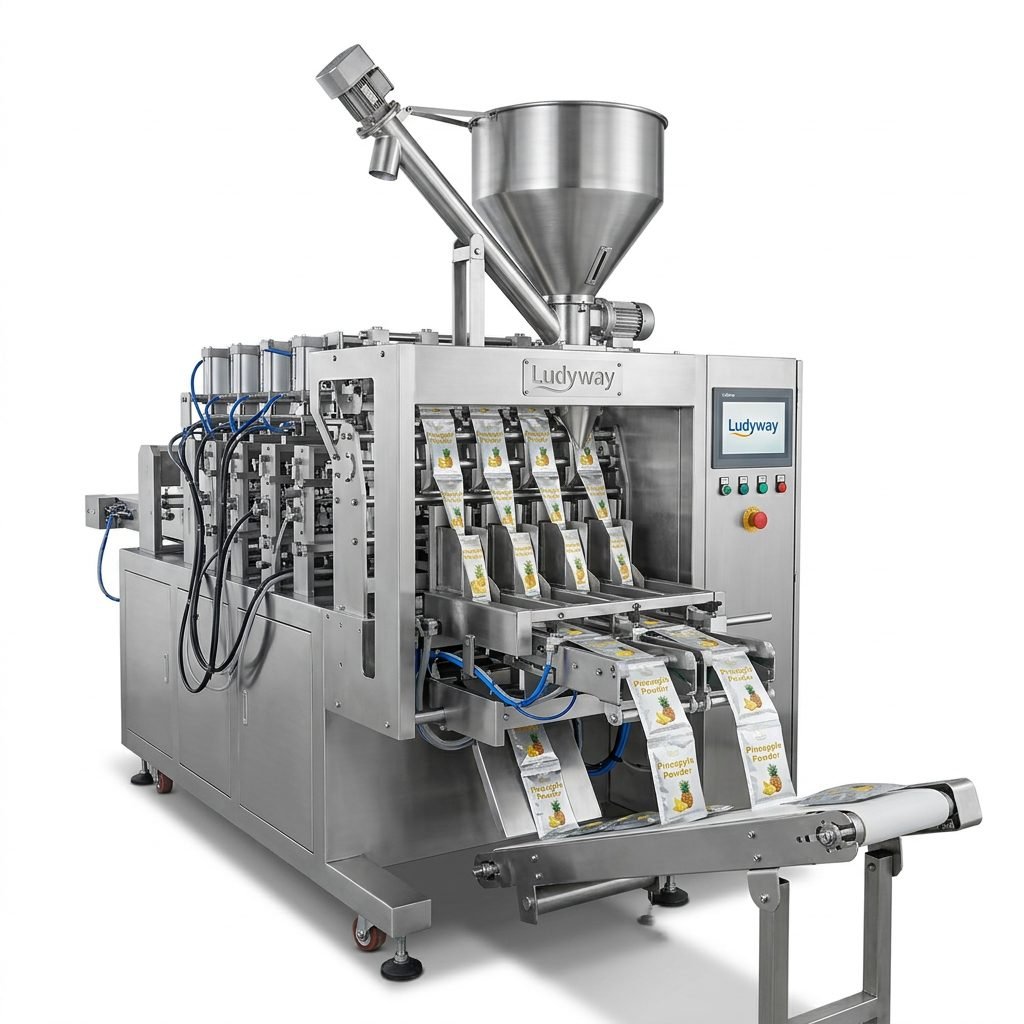
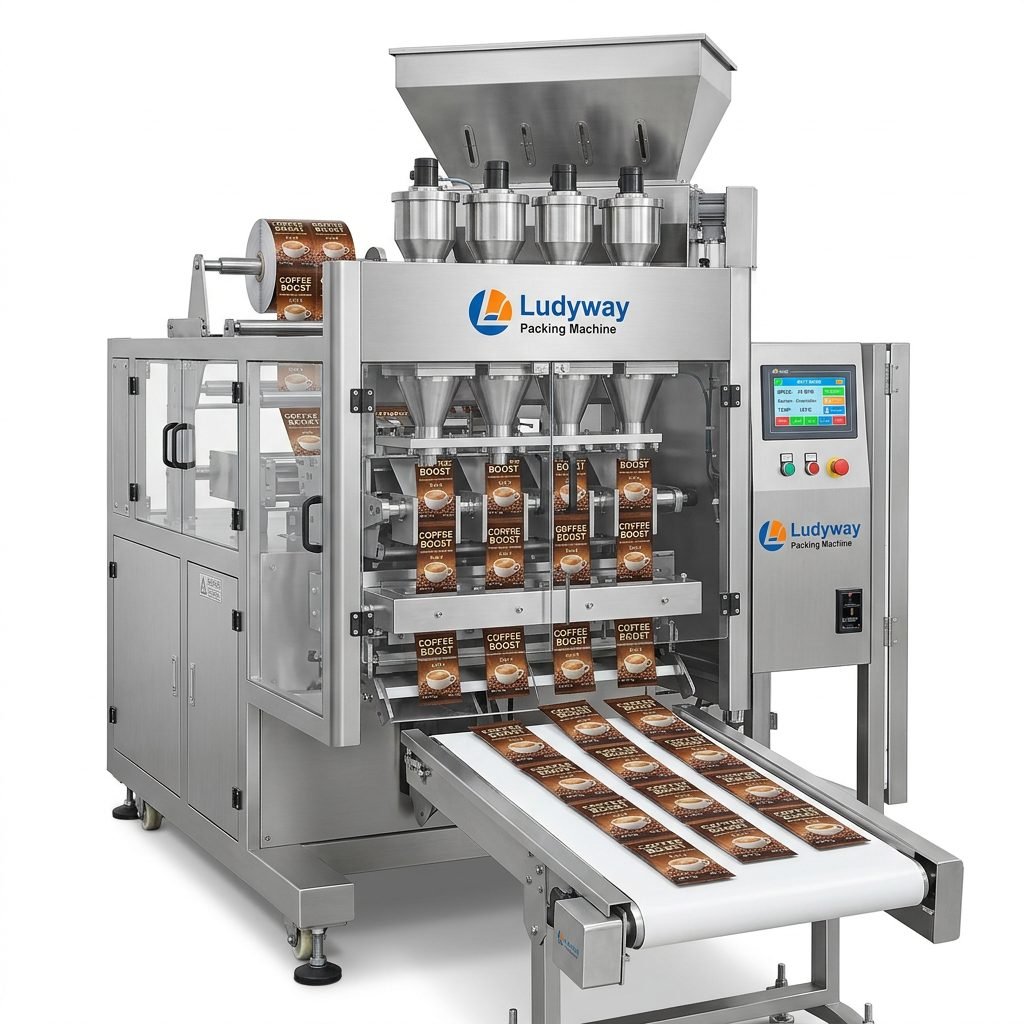
For high-speed production environments, multi-lane machines can fill 4, 8, 12, or even more lanes simultaneously. A single machine can produce hundreds of sachets or stick packs per minute. This configuration is widely used in the food, beverage, and pharmaceutical industries where single-serve packaging dominates. According to flexible packaging industry data, the shift toward convenient, portion-controlled packaging continues to drive demand for multi-lane systems.
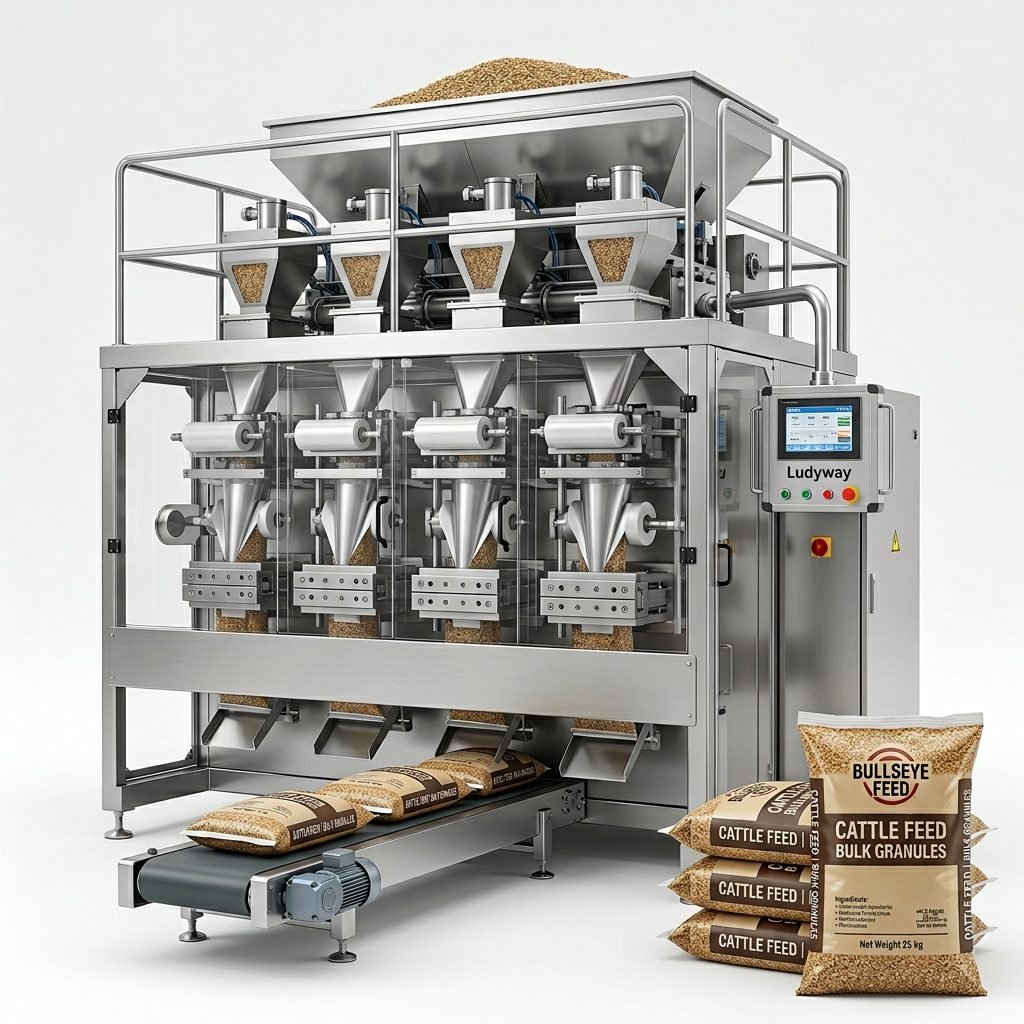
Vertical Form Fill Seal (VFFS) Liquid Machines
VFFS machines form the bag from a flat roll of film, fill it with liquid, and seal it in a continuous vertical process. They are versatile and space-efficient, handling a wide range of bag sizes and liquid types. Many VFFS liquid machines can be configured with additional features such as nitrogen flushing for extended shelf life or spout insertion for reclosable pouches.
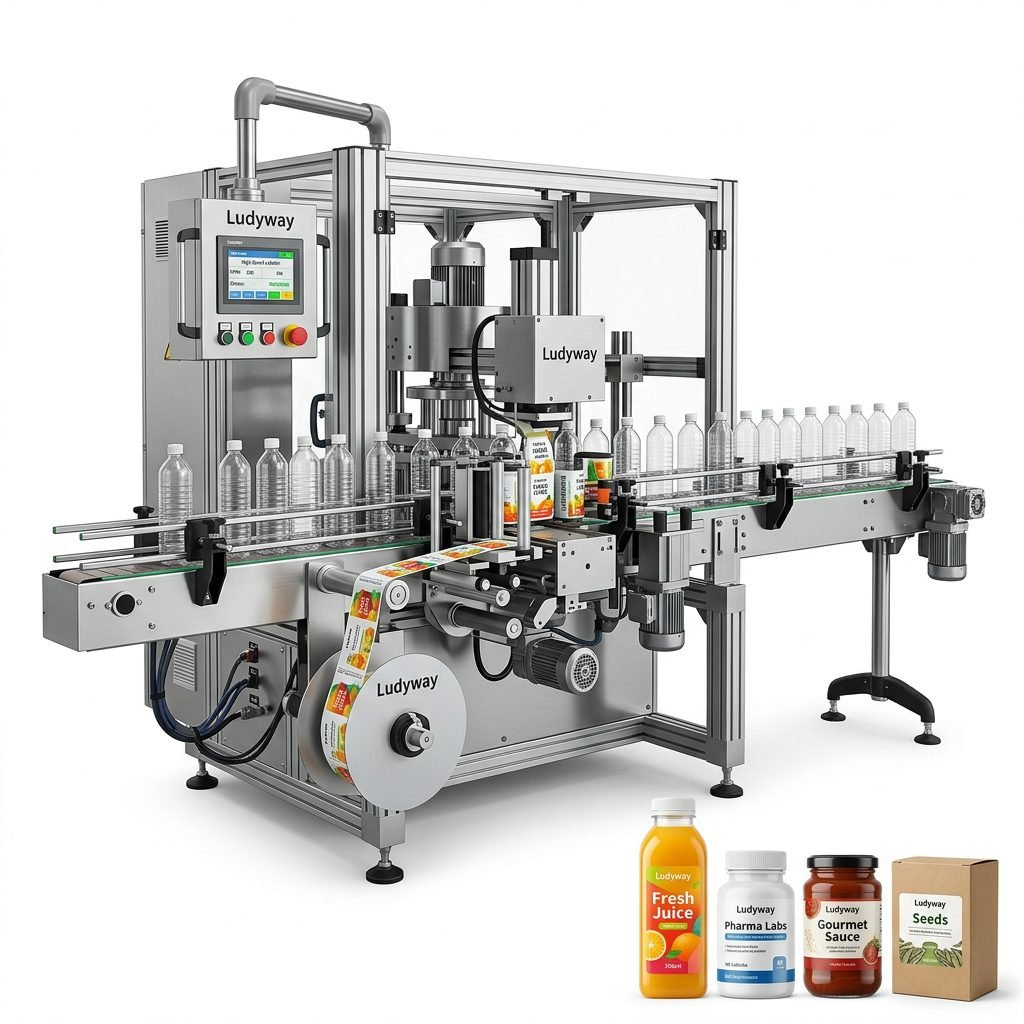
Premade Pouch Filling and Sealing Machines
These machines work with pre-formed pouches rather than forming bags from roll stock. They are preferred for applications requiring stand-up pouches, shaped bags, or premium packaging aesthetics. Rotary and inline configurations are available, with rotary systems generally offering higher throughput for larger pouches.
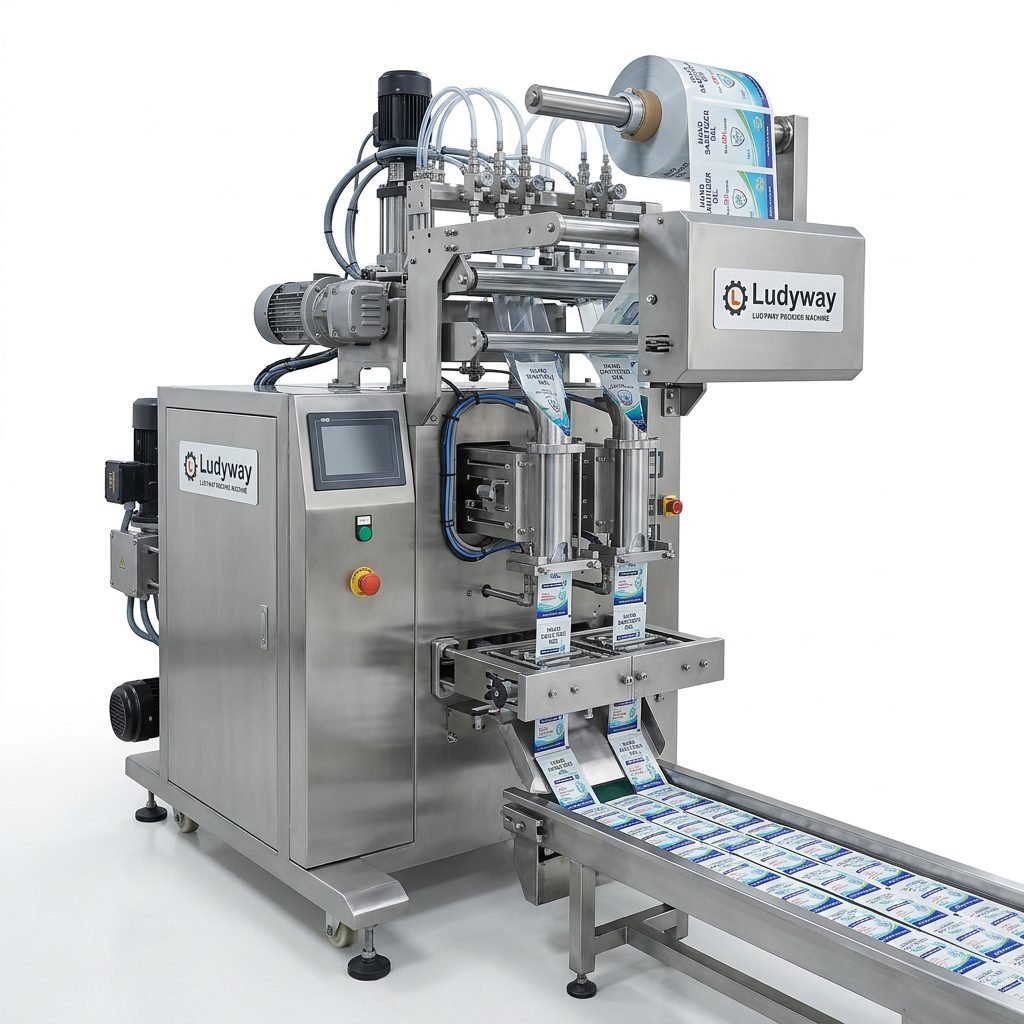
Critical Technical Specifications to Examine
Beyond the broad machine type, several technical specifications directly impact performance, reliability, and long-term operating costs.
- Filling Accuracy: Look for machines with dosing precision within ±0.5% to ±1% of target volume, depending on your product’s value and regulatory requirements. High-value liquids like pharmaceutical syrups or cosmetic serums demand the tightest tolerances.
- Sealing System: Heat sealing is standard for thermoplastic films, but the sealing jaw design, temperature control precision, and dwell time adjustment all affect seal integrity. Poor seals lead to leaks, contamination, and costly product recalls.
- Material of Construction: Food-grade 304 or 316L stainless steel is standard for product-contact parts. For acidic or corrosive liquids, higher-grade materials or specialized coatings may be necessary.
- Control System: PLC-based controls with touchscreen HMI (Human-Machine Interface) allow for recipe storage, automated adjustments, and integration with upstream and downstream equipment. Modern systems often include remote diagnostics capabilities.
- Nozzle Design: Anti-drip nozzles, diving nozzles, and bottom-up filling capabilities help manage different liquid behaviors and prevent product waste or package contamination.
Questions to Ask Potential Suppliers
Engaging with equipment manufacturers requires asking the right questions to ensure their solution aligns with your needs. Here are key questions to include in your evaluation process:
- Can the machine handle my specific viscosity range and product characteristics? Request a video demonstration or sample run with your actual product.
- What are the changeover times between different bag sizes or liquid types? Quick-change features can significantly reduce downtime in multi-product facilities.
- What after-sales support is provided? Clarify warranty terms, spare parts availability, remote troubleshooting capabilities, and on-site service options.
- Is the machine designed to meet relevant international standards and can compliance documentation be provided for your target markets?
- What integration capabilities does the machine have? Can it connect with existing filling, capping, labeling, cartoning, and palletizing equipment?
- What is the total cost of ownership, including energy consumption, consumable parts, and estimated maintenance intervals?
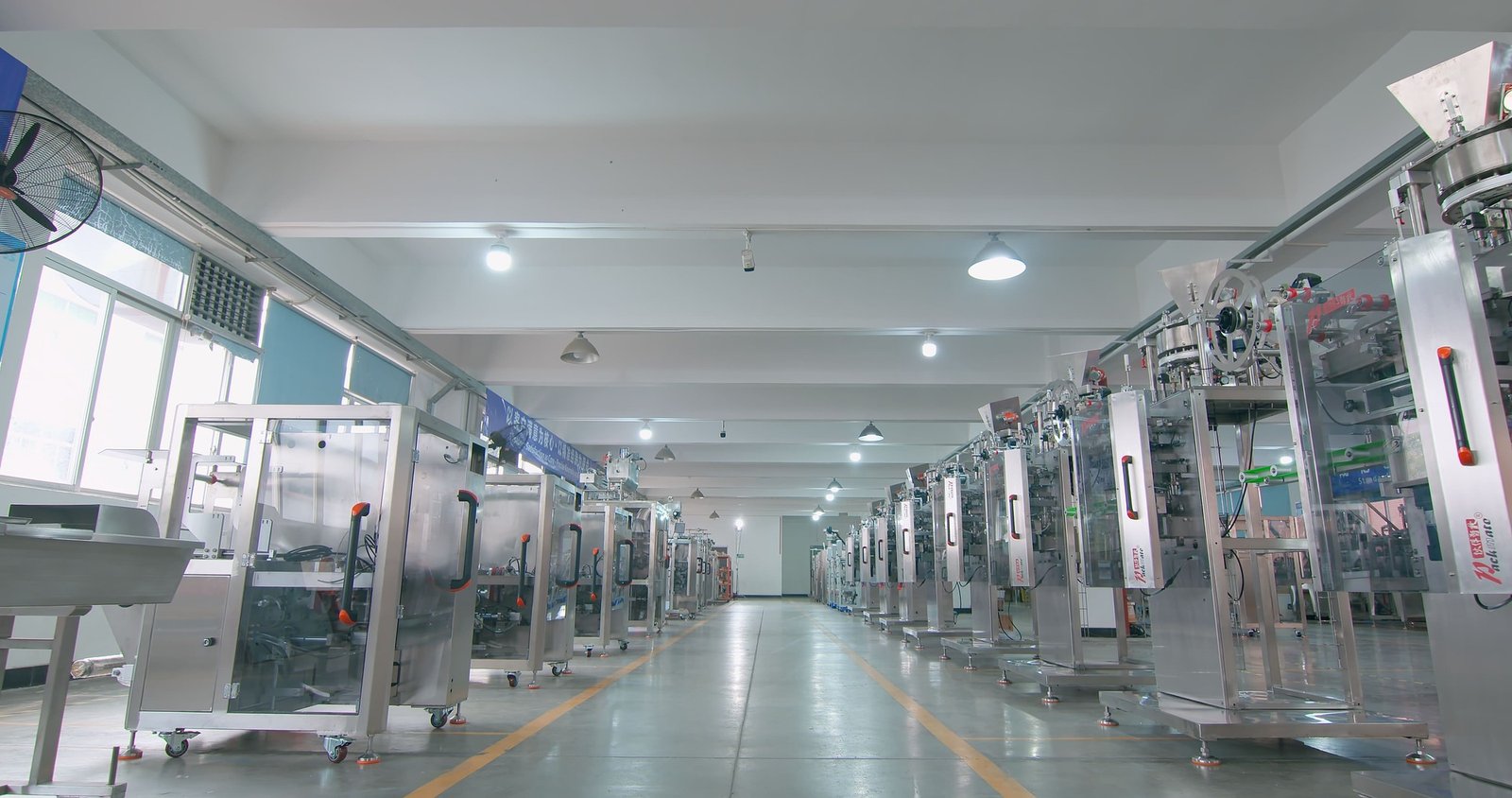
Working with an experienced turnkey packaging solution provider can simplify this process considerably. Companies with decades of industry experience and a broad portfolio of equipment — such as Ludyway Machinery, a China-based packaging machinery manufacturer with over 30 years in the industry and more than 50 packaging machine models — can help evaluate your product and recommend an appropriate machine configuration or complete packaging line, from individual equipment to fully integrated systems. For a broader perspective on global packaging trends, the latest packaging machinery export growth data highlights how international demand is shaping equipment innovation.
Automation and Integration Considerations
A liquid bag packaging machine rarely operates in isolation. Considering how the equipment fits into your broader production line is essential for maximizing efficiency. Automated feeding systems, inline coding and marking, checkweighers, metal detectors, and automated cartoning or case packing systems can all be integrated to create a seamless packaging line.
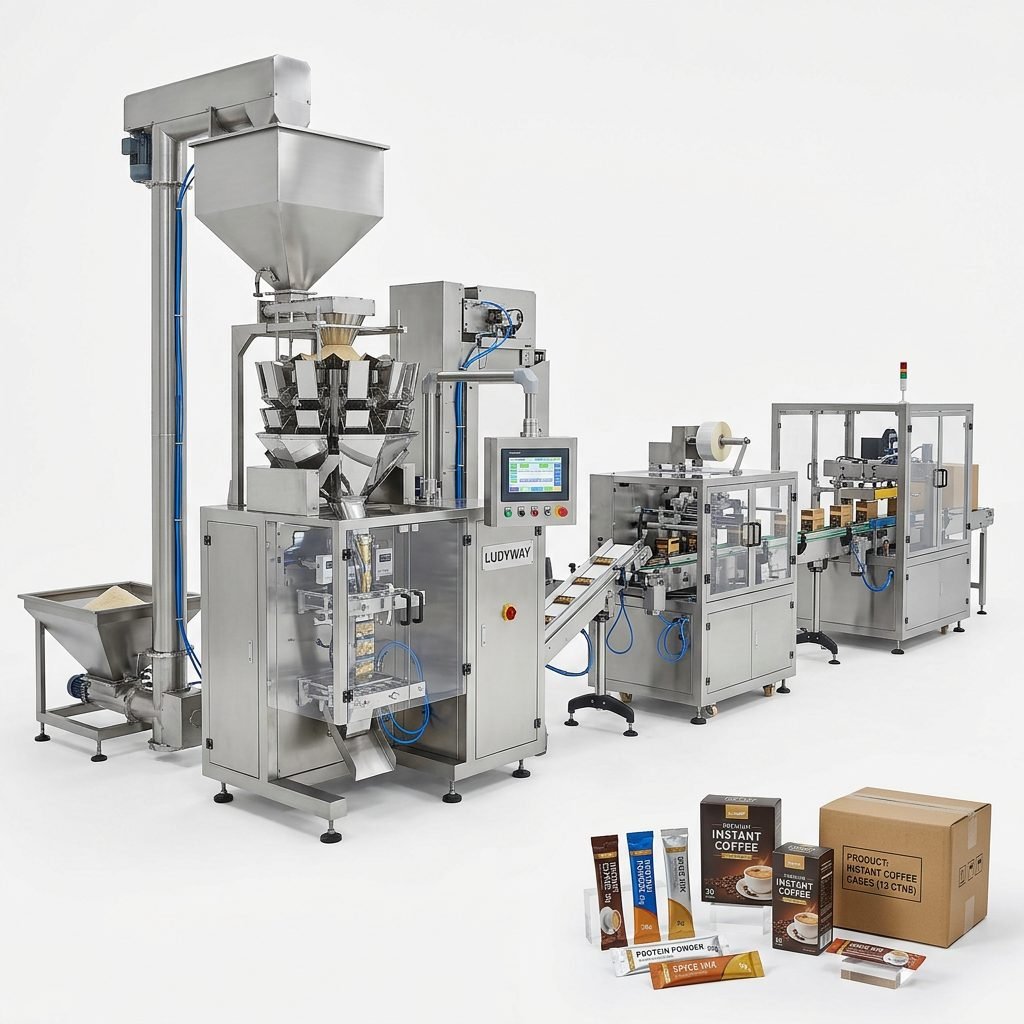
For high-volume operations, turnkey packaging lines that combine multiple stages — from liquid filling and sealing through to secondary packaging and palletizing — offer the advantage of single-source responsibility. This approach reduces coordination complexity and ensures consistent performance across all line components. Resources such as the PMMI State of the Industry reports provide valuable benchmarks for understanding automation trends and investment patterns across the packaging sector.
Making the Final Decision
Choosing the right liquid bag packaging machine ultimately comes down to aligning equipment capabilities with your specific product, production, and business goals. Start by thoroughly documenting your product characteristics, target output, bag formats, and regulatory requirements. Use this information to shortlist machine types and suppliers. Request sample runs, compare technical specifications, and evaluate total cost of ownership rather than focusing solely on the purchase price.
Remember that the lowest upfront cost rarely translates to the best long-term value. A machine that offers higher reliability, faster changeovers, better filling accuracy, and stronger after-sales support can deliver a significantly better return on investment over its operational lifetime. Take the time to visit manufacturing facilities where possible, speak with existing customers, and verify the supplier’s track record in your specific industry segment.
With careful evaluation and a clear understanding of your requirements, you can select equipment that not only meets today’s production demands but also supports your growth for years to come. The flexible packaging market continues to evolve — staying informed through resources like the Flexible Packaging Association and major industry events such as PACK EXPO International can help you keep pace with new technologies and market opportunities.