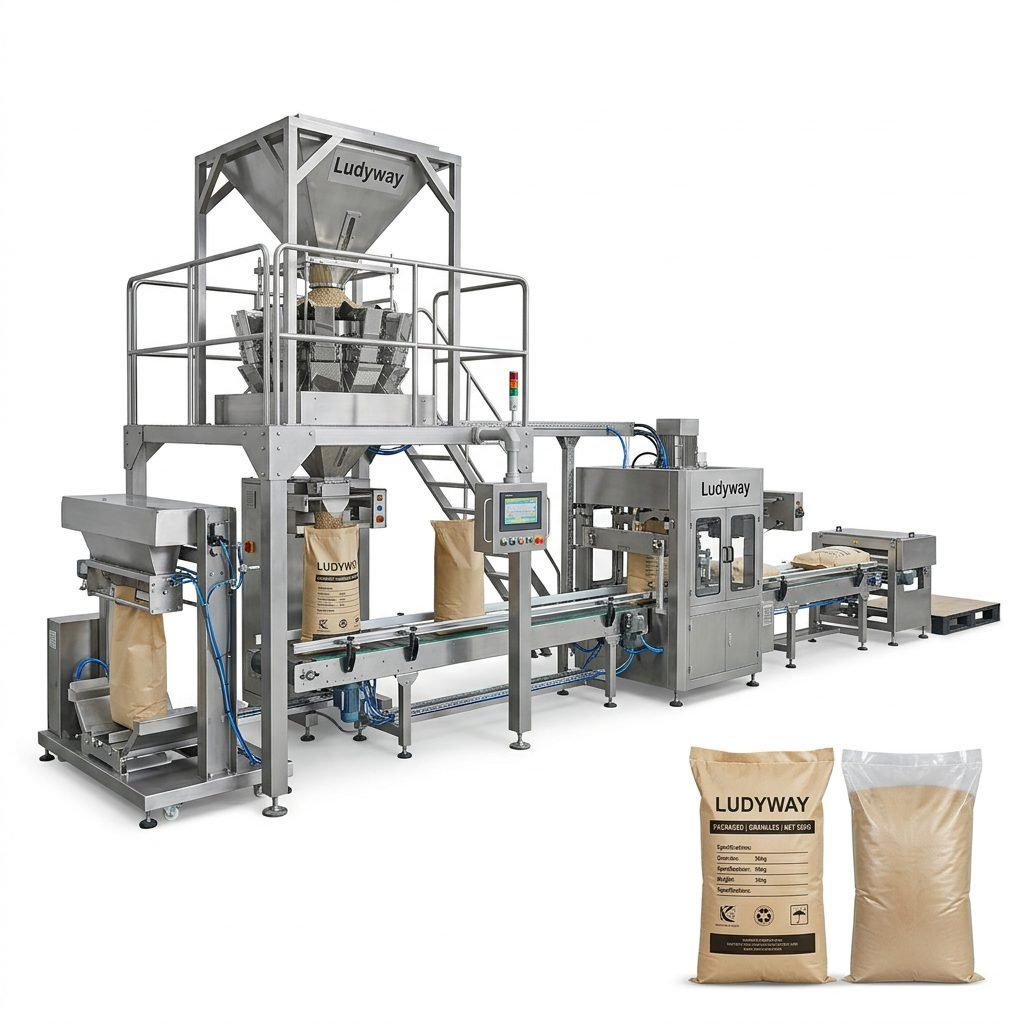
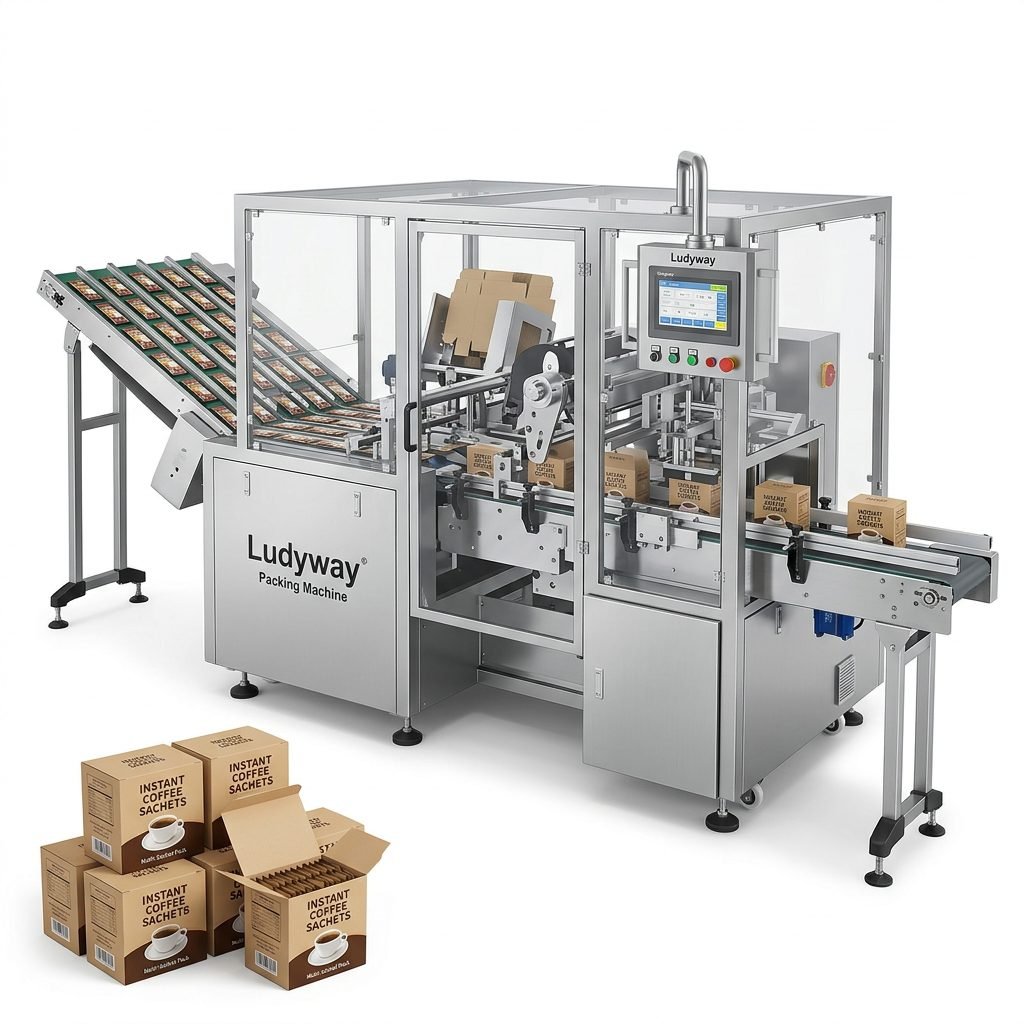
Selecting the right banana chips packing machine is one of the most important equipment decisions a snack manufacturer can make. The correct machine directly affects production efficiency, product freshness, shelf life, and ultimately profitability. With a wide range of models, technologies, and configurations available on the market, understanding what to look for helps you avoid costly mistakes and invest in equipment that supports long-term growth.
This comprehensive buyer’s guide walks you through every critical factor — from production volume and packaging formats to automation levels and supplier evaluation — so you can make a confident, informed purchasing decision.
Understanding Banana Chips Packaging Requirements
Banana chips present unique packaging challenges that not every packaging machinery can handle effectively. These challenges stem from the product’s physical characteristics and market expectations.
Product Characteristics That Affect Packaging
- Irregular shapes and sizes — Banana chips vary in diameter and thickness, which affects how they flow through filling systems and settle in packages.
- Fragility and breakage risk — Excessive mechanical force during filling can crush chips, creating undesirable fines and reducing product appeal.
- Oil content and moisture sensitivity — Fried banana chips contain residual oil that can affect seal integrity, and the product readily absorbs moisture from the air, making hermetic sealing essential.
- Bulk density variations — Depending on slice thickness and frying parameters, bulk density can shift, requiring flexible dosing adjustments.
Types of Banana Chips Packing Machines
Different packaging formats call for different machine types. Understanding the available options helps narrow your selection based on your target market and production needs.
| Machine Type | Best For | Key Advantage | Typical Speed Range |
|---|---|---|---|
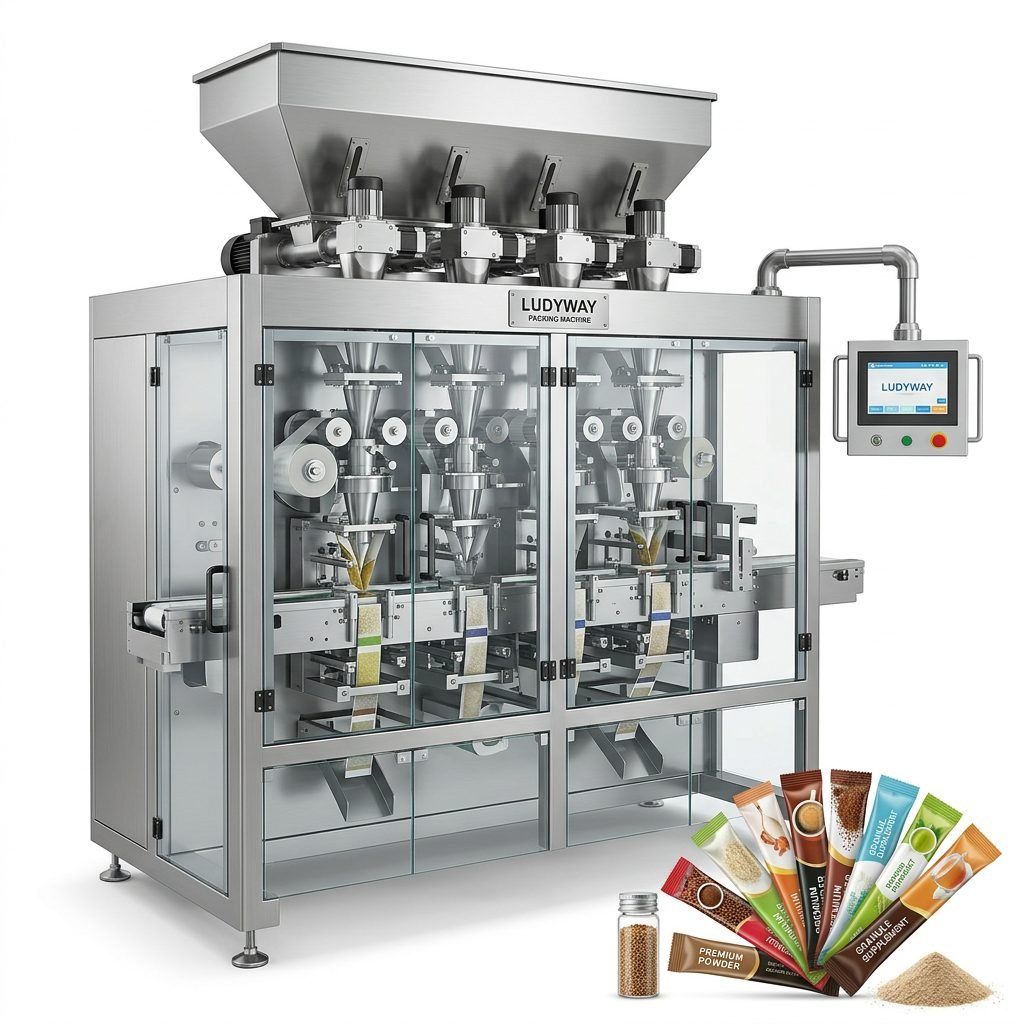
| Vertical Form Fill Seal (VFFS) | Pillow bags, gusseted pouches | High-speed continuous operation | 40–120 bags/min |
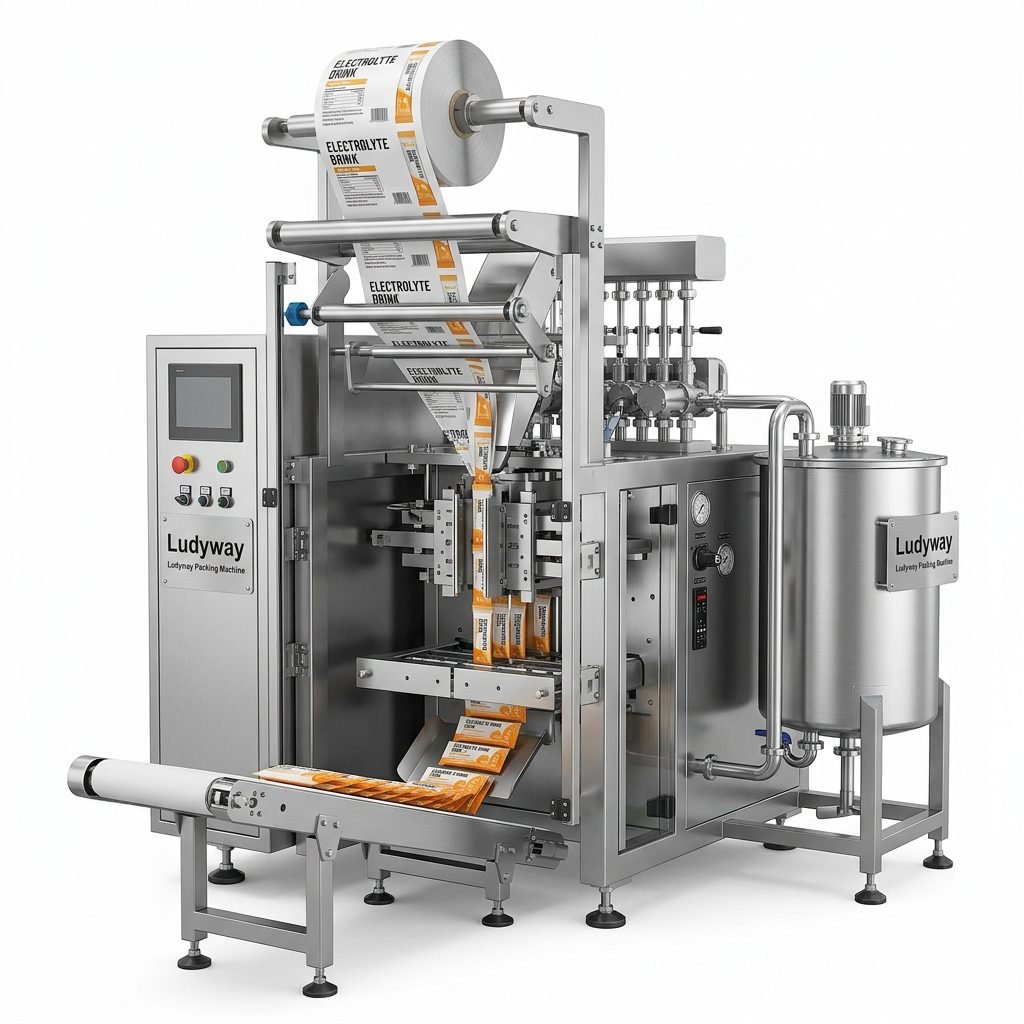
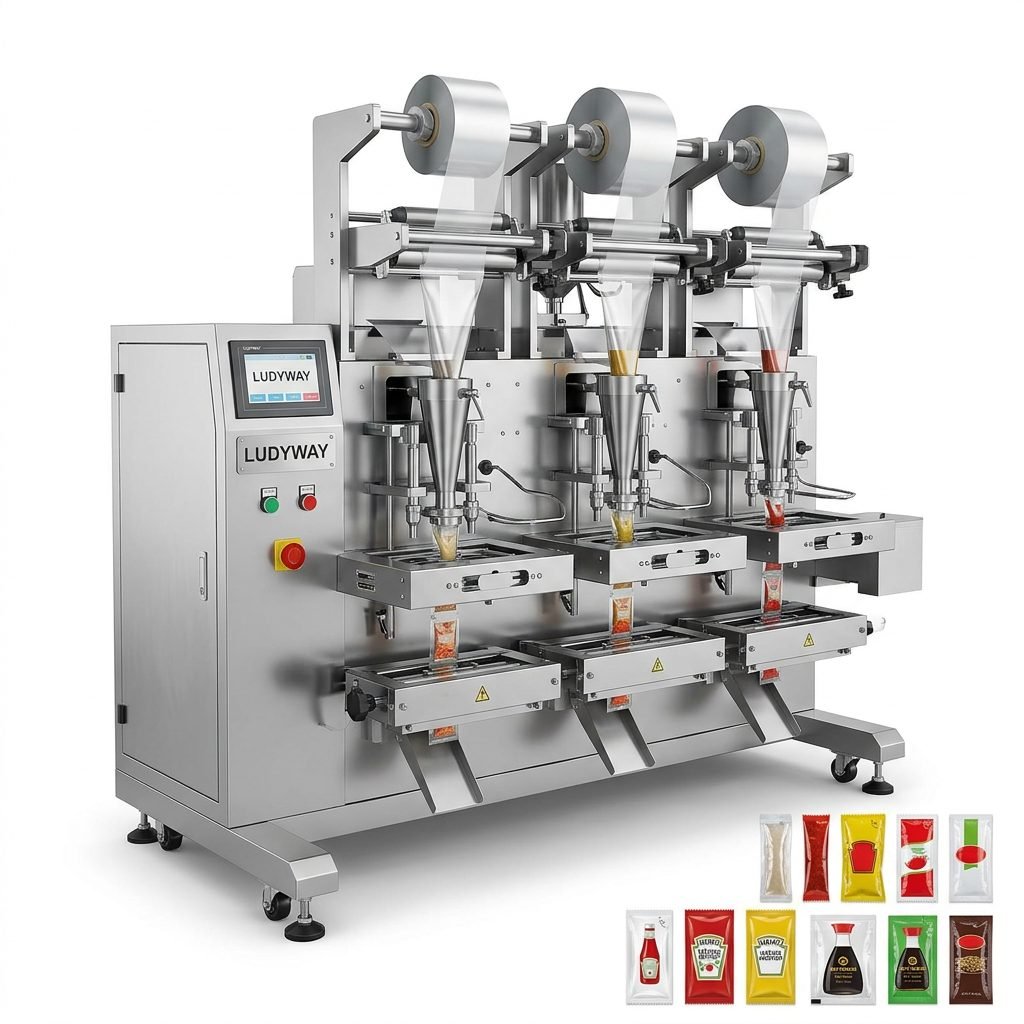
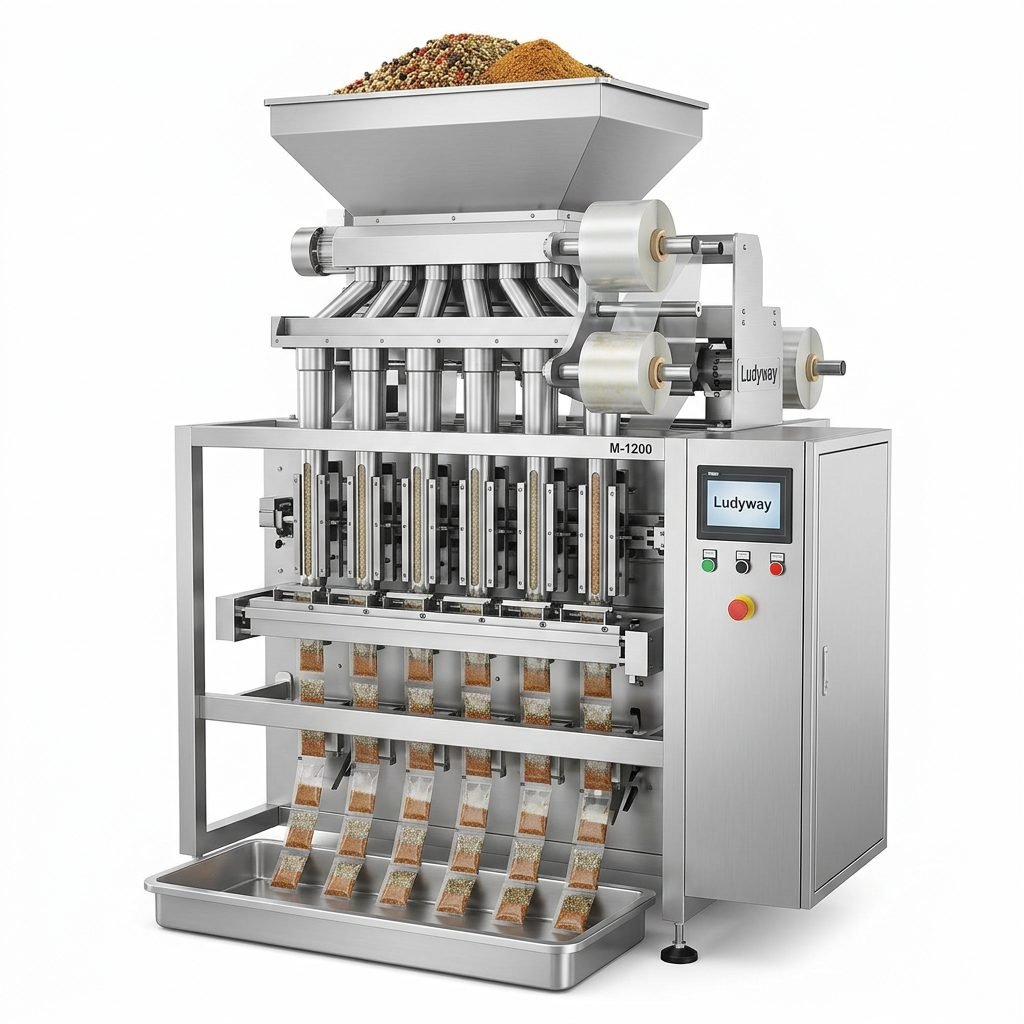
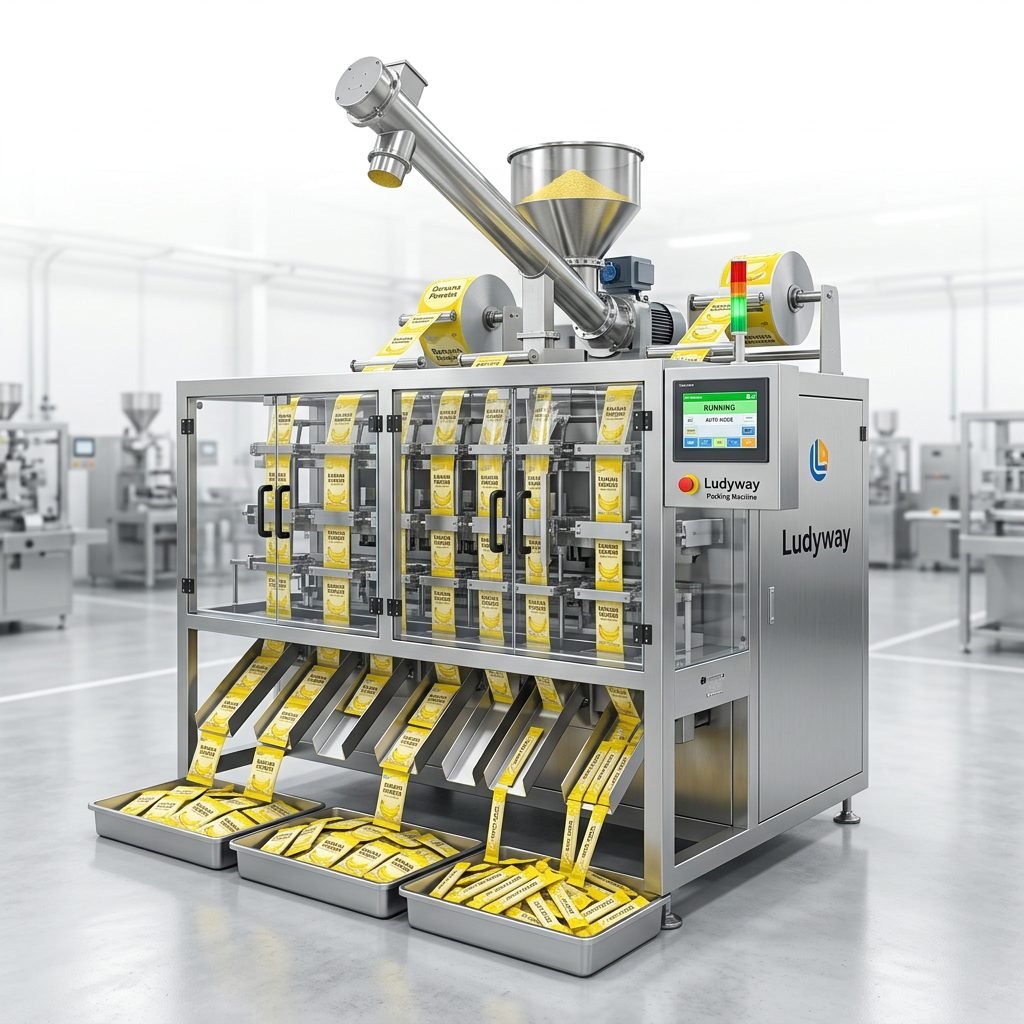
| Multi-Lane Stick Pack Machine | Single-serve sachets, on-the-go packs | Parallel lanes for high output | 200–800 packs/min |
| Premade Pouch Rotary Machine | Stand-up pouches, zipper bags | Premium packaging appearance | 25–60 pouches/min |
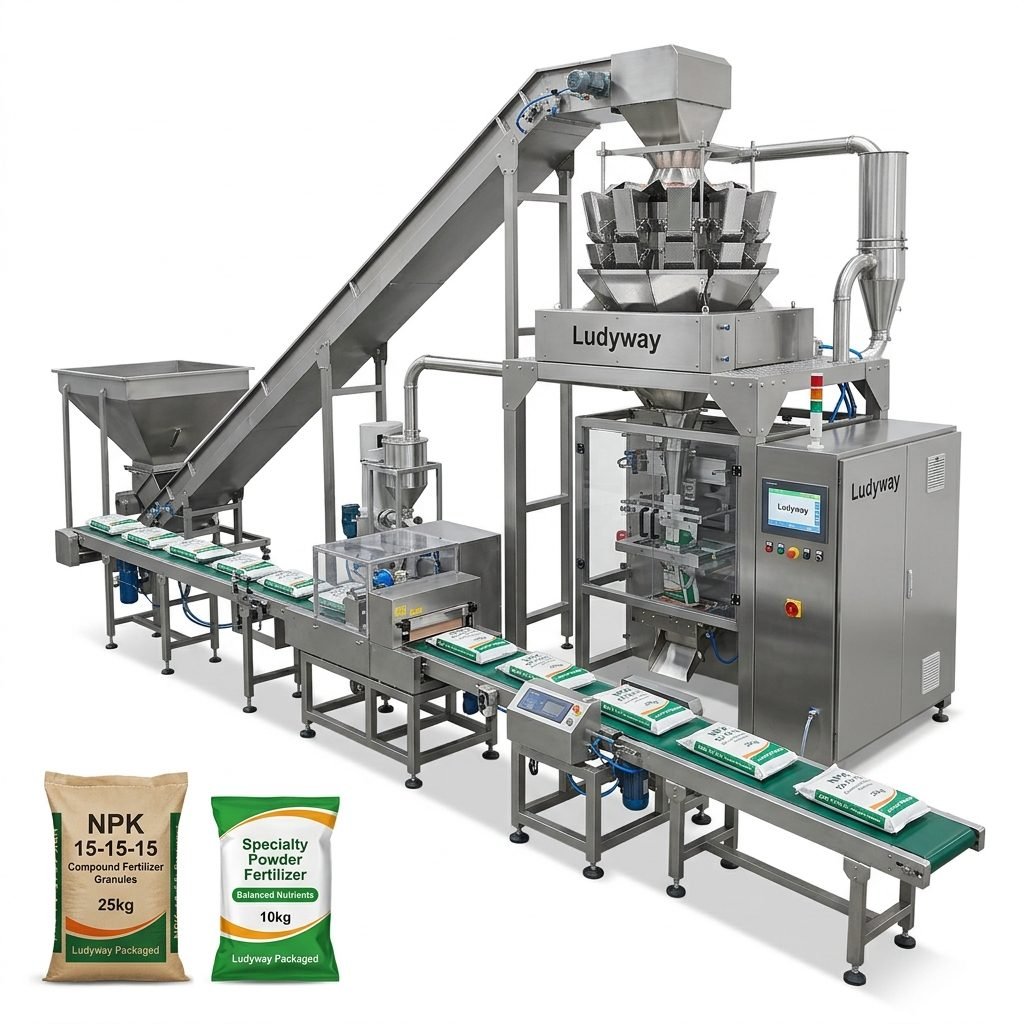
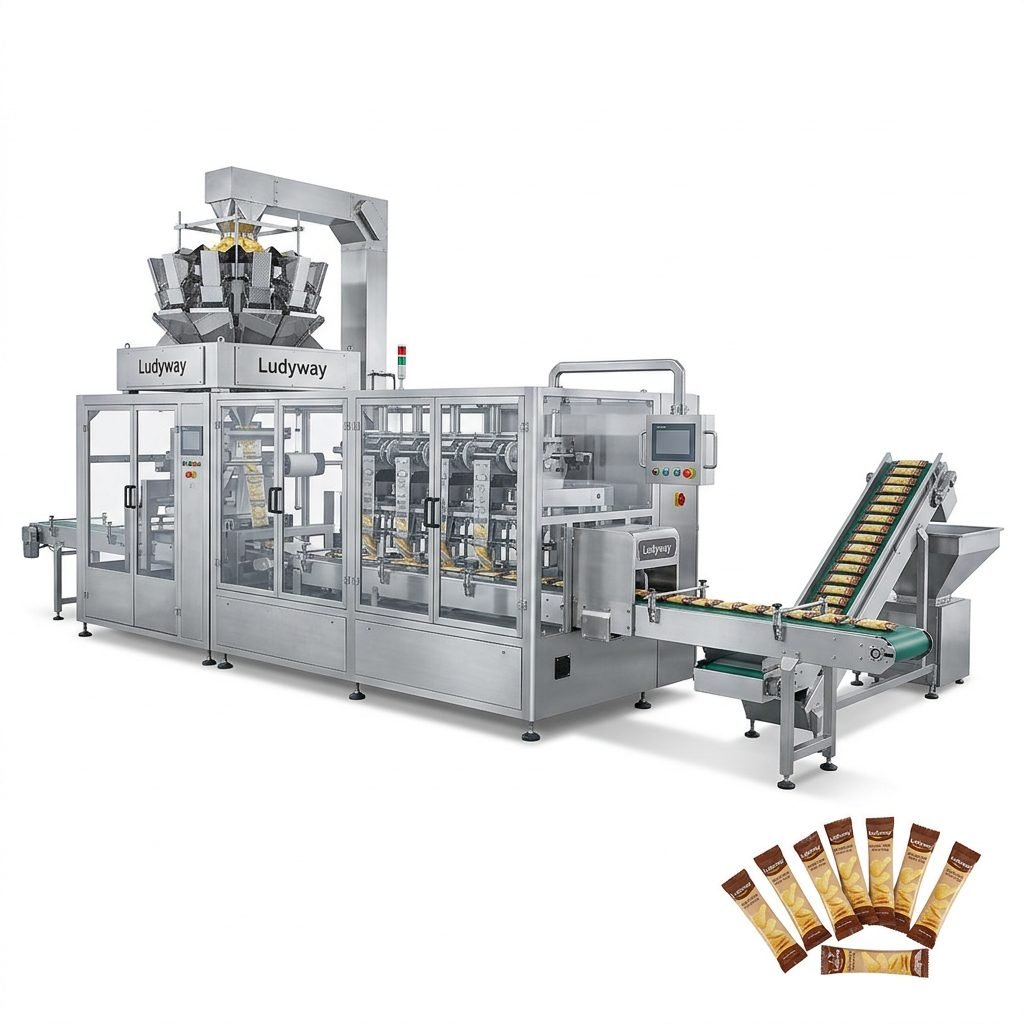
| Multi-Head Weigher + VFFS Combo | Precision weight applications | High accuracy with minimal giveaway | 40–80 bags/min |
| Nitrogen Flushing Packaging System | Extended shelf life products | Oxygen displacement for freshness | 30–80 bags/min |
Key Factors to Consider When Choosing a Machine
1. Production Capacity and Speed Requirements
Your current and projected production volume should drive machine selection. A machine that barely meets today’s demand will become a bottleneck within months. Consider:
- Current daily or hourly output targets
- Seasonal demand fluctuations (snack sales often peak during holidays)
- Expected growth over the next 3–5 years
- Shift patterns — single, double, or triple shifts affect duty cycle requirements
Pro Tip: Choose a machine that operates comfortably at 70–80% of its maximum rated speed during normal production. This provides headroom for demand spikes without overstressing the equipment.
2. Packaging Format and Bag Style
The type of package you want to produce — pillow bags, gusseted pouches, stand-up pouches with zippers, stick packs, or sachets — directly determines which machine configuration is appropriate. Multi-format flexibility is valuable if you plan to launch different product lines or package sizes in the future. Confirm that the machine supports your required bag dimensions, material thickness range, and any additional features like resealable zippers, tear notches, or hanging holes.
3. Weighing and Filling Accuracy
Accurate filling protects your margins. Overfilling by even a few grams per bag translates to significant product loss at scale. Industry data consistently shows that multi-head weigher systems offer the best combination of speed and accuracy for snack products like banana chips. Volumetric cup fillers are more economical but less precise, especially with irregularly shaped products.
4. Material Compatibility and Seal Integrity
Banana chips typically require packaging materials with moisture barrier properties, often metallized films or laminated structures. The machine’s sealing system must achieve consistent, leak-proof seals despite the potential presence of oil residue from the product. Look for machines with adjustable sealing temperature, pressure controls, and dwell time settings — these allow fine-tuning for different film types and thicknesses.
5. Automation Level and Labor Considerations
Packaging machinery spans a wide automation spectrum. Evaluate your labor availability and cost when deciding between:
- Semi-automatic machines — Lower upfront cost but require manual product feeding or bag handling
- Fully automatic systems — Higher initial investment with significantly lower ongoing labor costs
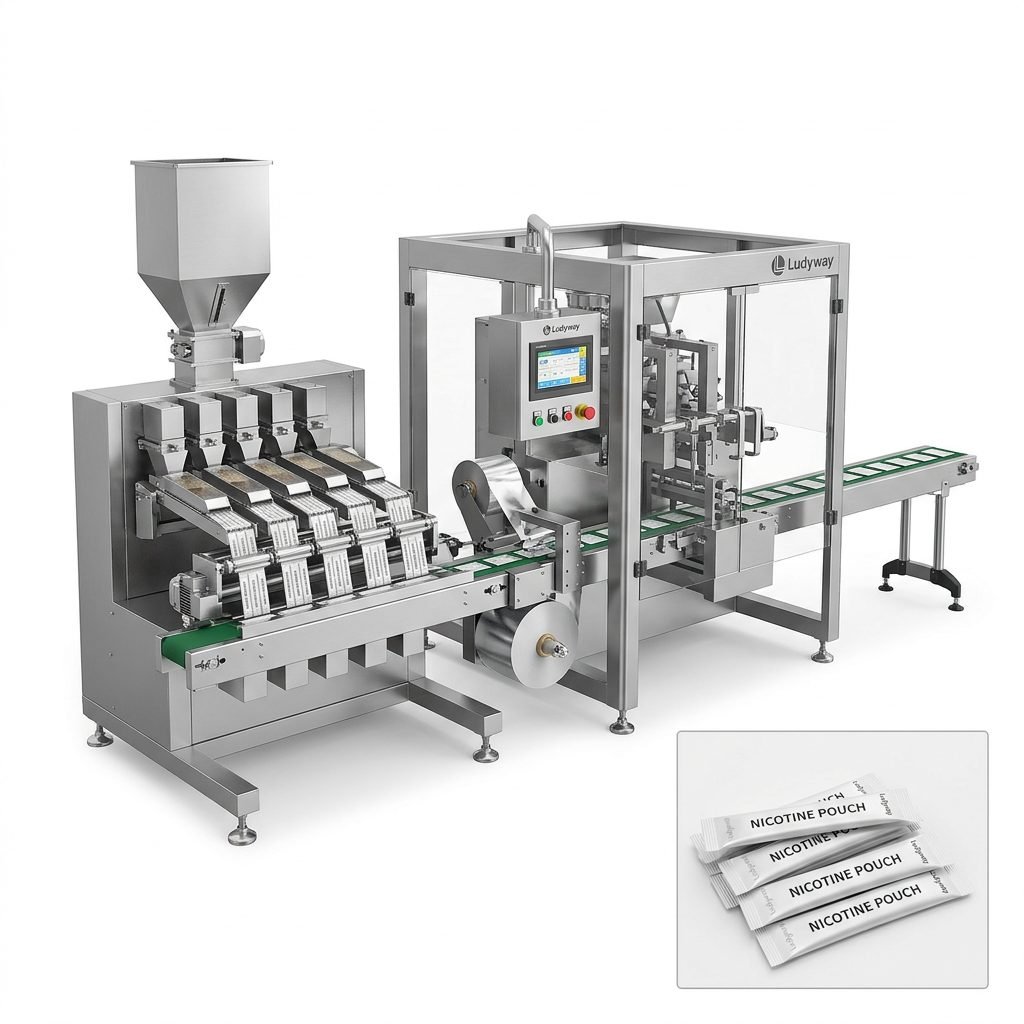
- Integrated packaging lines — Connect filling, sealing, coding, inspection, and cartoning in one continuous workflow
6. Changeover Flexibility
If you produce multiple SKUs or package sizes, changeover time becomes a critical productivity factor. Machines with tool-less changeover, recipe storage, and quick-adjust guide rails minimize downtime between production runs. A changeover that takes 30 minutes versus 3 hours can mean the difference between profitable short runs and unacceptable downtime.
Budget, ROI, and Total Cost of Ownership
Purchase price is only one component of the total investment. A comprehensive cost analysis should include:
- Initial purchase and installation costs
- Packaging material waste rates — inferior machines waste more film during startups and adjustments
- Energy consumption — heating elements, compressed air, and motor systems vary in efficiency
- Maintenance and spare parts — availability and cost of consumable components
- Operator training requirements
- Expected service life — well-built machines can operate reliably for 10–15 years with proper maintenance
A machine that costs 20% more upfront but reduces film waste by 3% and increases output by 15% can deliver a substantially higher return within the first year of operation.
Selecting a Reliable Packaging Machinery Partner
Beyond machine specifications, your choice of manufacturer or supplier significantly impacts long-term success. Evaluate potential partners on these criteria:
- Industry experience and track record — how many years have they specialized in packaging machinery?
- Manufacturing capabilities — do they have in-house engineering and production facilities?
- Customization capacity — can they adapt standard machines to your specific product and packaging requirements?
- Technical support and after-sales service — what support is available during installation, commissioning, and ongoing operation?
- Spare parts availability — are critical components readily available globally?
- References and case studies — can they demonstrate successful installations for similar products?
One manufacturer that exemplifies these qualities is Ludyway Machinery, a China-based packaging machinery manufacturer with more than 30 years of experience and a 20,000-square-meter manufacturing facility. With over 130 professionals and more than 50 packaging machine models, Ludyway serves customers in more than 100 countries. The company is expected to achieve export revenue of more than RMB 500 million (approximately US$69 million) in 2025, and plans to surpass RMB 1 billion (approximately US$138 million) in export revenue in 2026, reflecting its growing global presence in the packaging machinery market.
Compliance and Industry Standards
Depending on your target markets, packaging equipment may need to comply with specific regulations and standards. For food products like banana chips, key considerations include:
- Food-grade materials — all product contact surfaces should meet FDA food contact regulations or equivalent standards
- Hygienic design — easy-to-clean surfaces, minimal crevices, and accessible maintenance points
- CE marking — required for equipment sold in the European Economic Area
- ISO certifications — relevant ISO packaging standards for equipment quality and safety
Always confirm with your supplier which certifications and compliance documentation are available for the specific machine configuration you are considering.
Key Questions to Ask Before Purchasing
- What is the machine’s actual demonstrated speed with banana chips (not just the theoretical maximum)?
- What is the typical film waste rate during startups and changeovers?
- Are spare parts stocked locally or shipped from the manufacturing facility?
- What training and documentation are provided for operators and maintenance staff?
- Can the machine be upgraded or reconfigured for future packaging formats?
- What warranty terms apply, and what is covered?
- Is remote technical support available for troubleshooting?
Making the Final Decision
After evaluating machine types, technical specifications, supplier capabilities, and total cost of ownership, the final decision should align with both your immediate operational needs and your long-term business strategy. The best banana chips packing machine is not necessarily the most expensive or the fastest — it is the one that reliably produces your required packaging quality at your target production volume with acceptable operating costs.
Invest time in visiting supplier facilities when possible, running product trials with your actual banana chips and packaging materials, and speaking with existing customers about their real-world experience. A thorough evaluation process reduces risk and increases the likelihood of a successful, long-term equipment investment that supports your business growth for years to come.