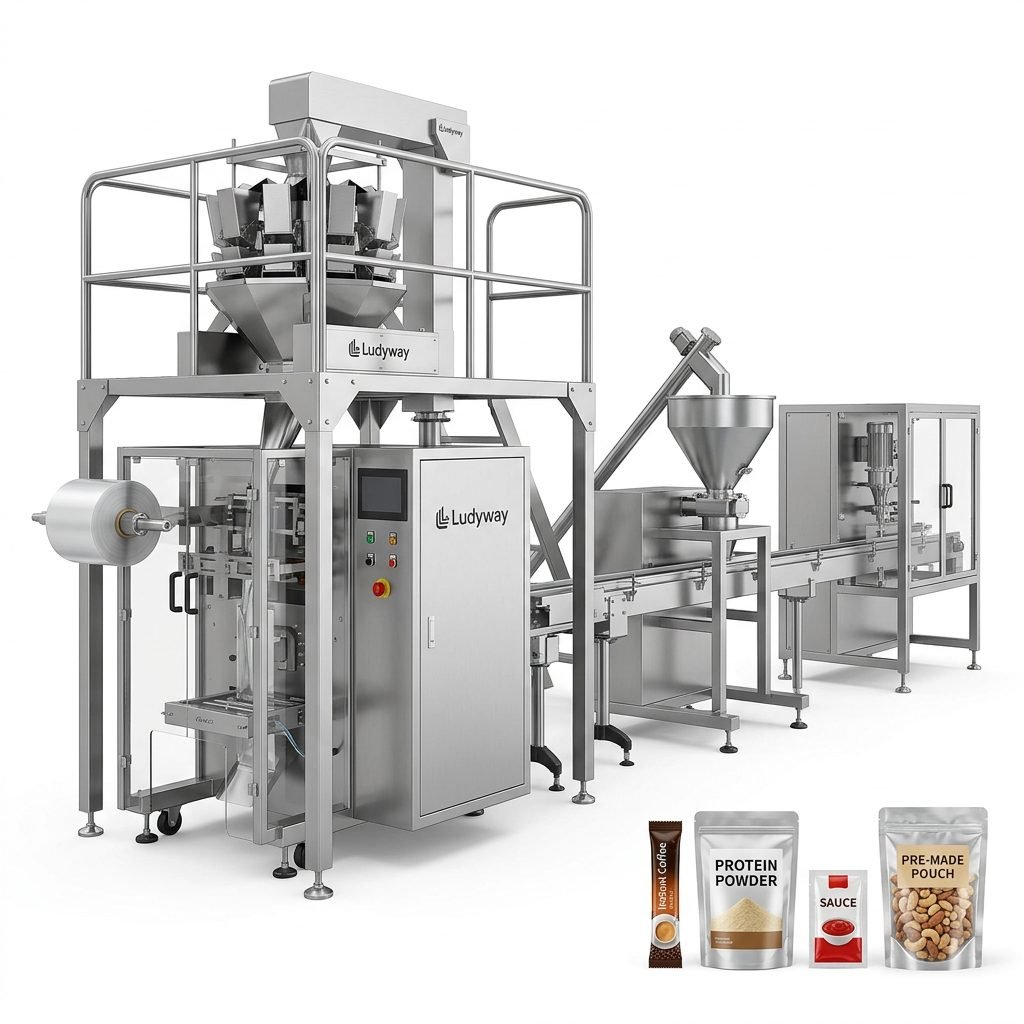
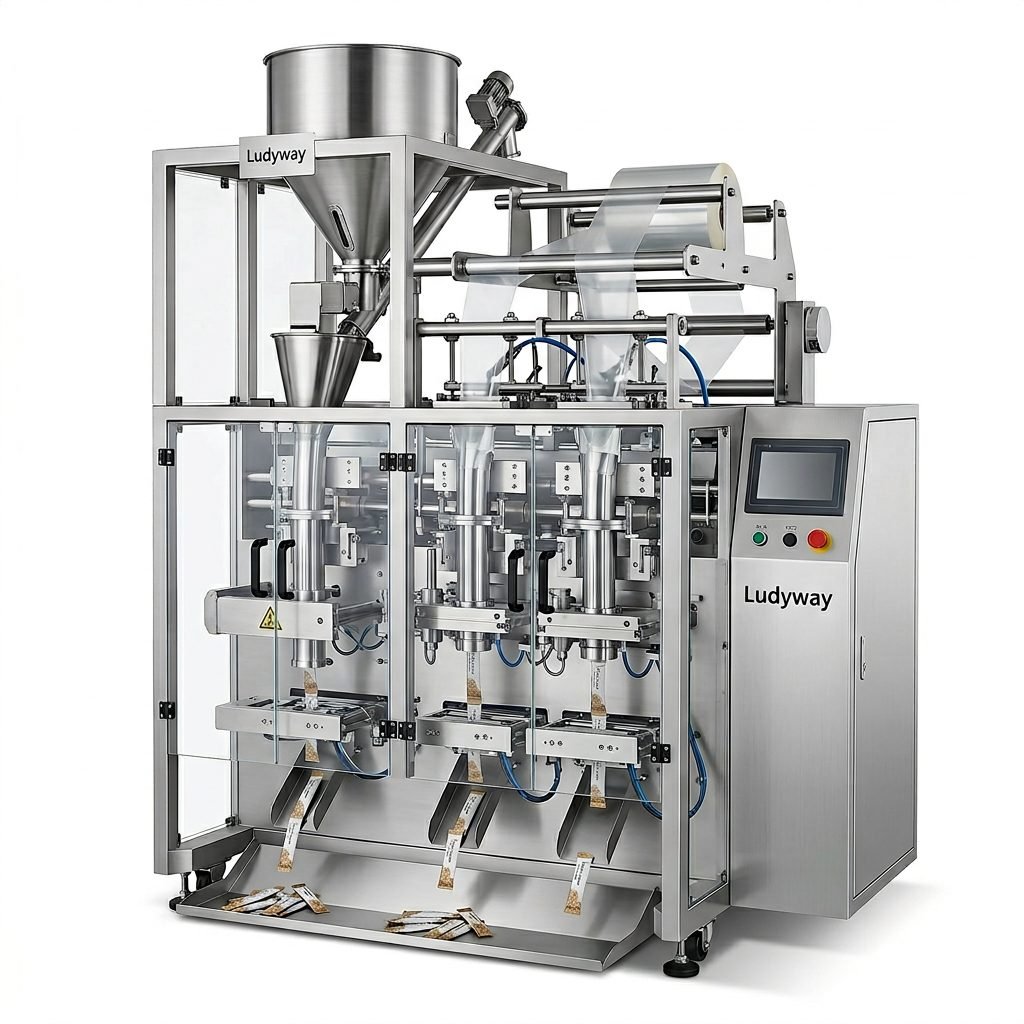
Selecting the right liquid pouch packing machine is one of the most critical investment decisions for manufacturers in the food, pharmaceutical, chemical, and cosmetic industries. With the global flexible packaging market projected to grow significantly in the coming years, having an efficient, reliable, and well-suited filling system directly impacts your production capacity, product quality, and bottom line. This comprehensive buyer’s guide breaks down every factor you need to evaluate before purchasing your next liquid packaging equipment.
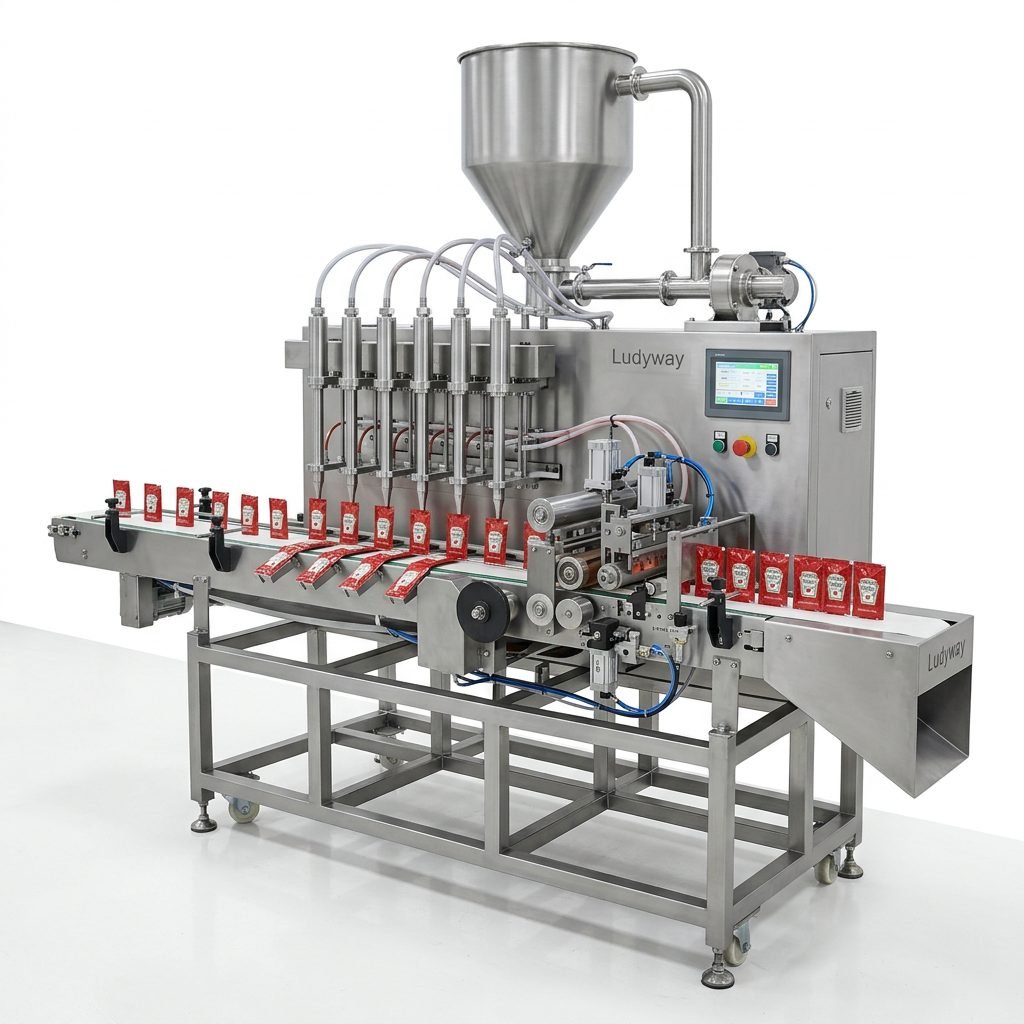
Understanding Liquid Packaging Challenges
Liquids present unique challenges compared to dry products like powders or granules. Viscosity, temperature sensitivity, particle content, and foaming characteristics all influence the type of liquid pouch packing machine you need. A machine that handles free-flowing water-like liquids may fail completely when asked to fill thick pastes or chunky sauces. According to industry research from the PMMI – The Association for Packaging and Processing Technologies, understanding product rheology is the foundation of proper equipment selection.
Key Factors to Evaluate Before Buying
Your machine specification process should begin with a detailed product profile. Document every characteristic of the liquid you intend to package, including viscosity (measured in centipoise), temperature at filling, whether it contains particulates, its chemical reactivity, and its foaming tendency. These parameters determine the filling technology, nozzle design, and material compatibility of your liquid pouch packing machine.
| Liquid Type | Recommended Filler | Key Consideration |
|---|---|---|
| Free-flowing (water, juice) | Gravity or volumetric piston | Speed and drip control |
| Semi-viscous (shampoo, oil) | Piston or pump filler | Fill accuracy at moderate speeds |
| High viscosity (paste, cream) | Positive displacement pump | Consistent filling without air pockets |
| With particulates (sauce with chunks) | Open-hopper piston | Nozzle diameter and particulate integrity |
Packaging Format and Pouch Specifications
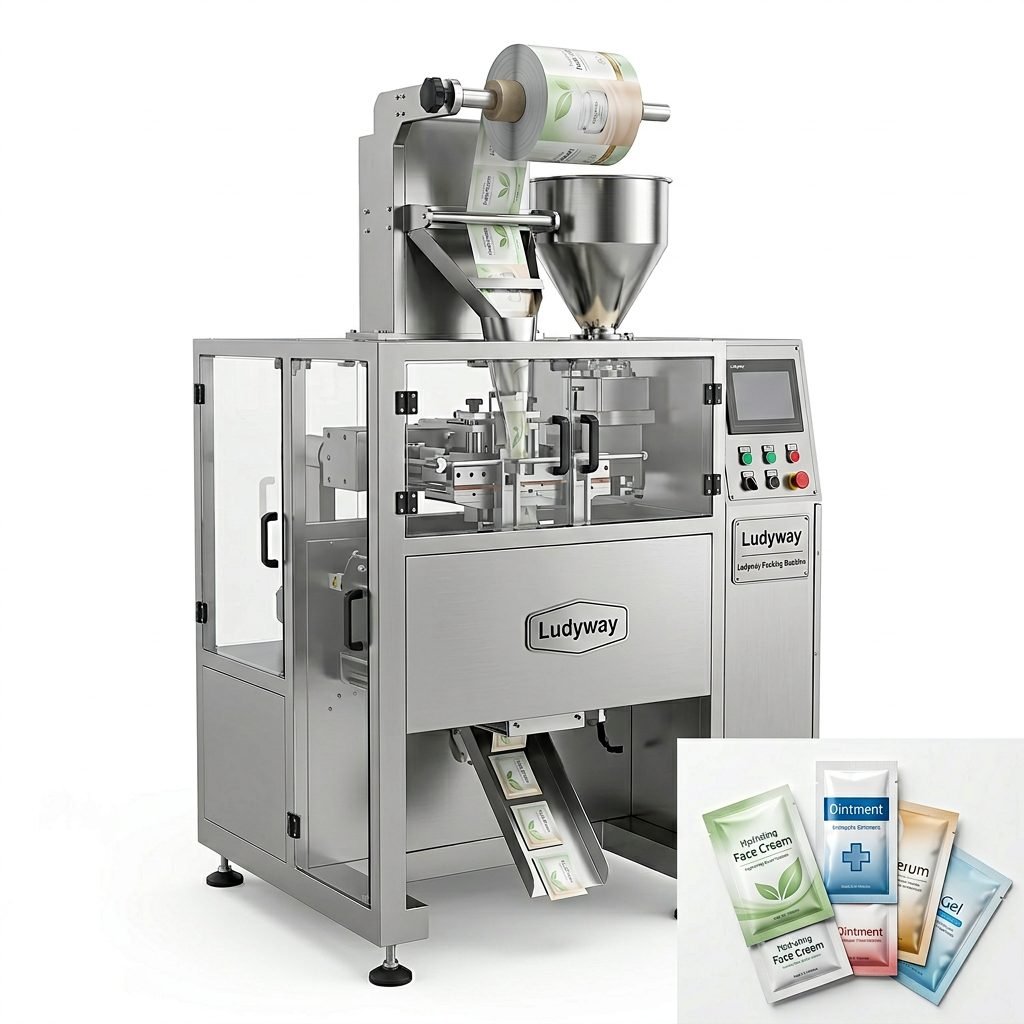
Your choice of pouch format directly impacts machine configuration. Whether you need a liquid pouch packing machine for three-side-seal sachets, stand-up pouches with spouts, stick packs, or doypack formats, each requires specific forming shoulders, sealing jaw designs, and film handling systems. The Flexible Packaging Association provides extensive data on material trends that can guide your film selection for optimal barrier properties and seal integrity.
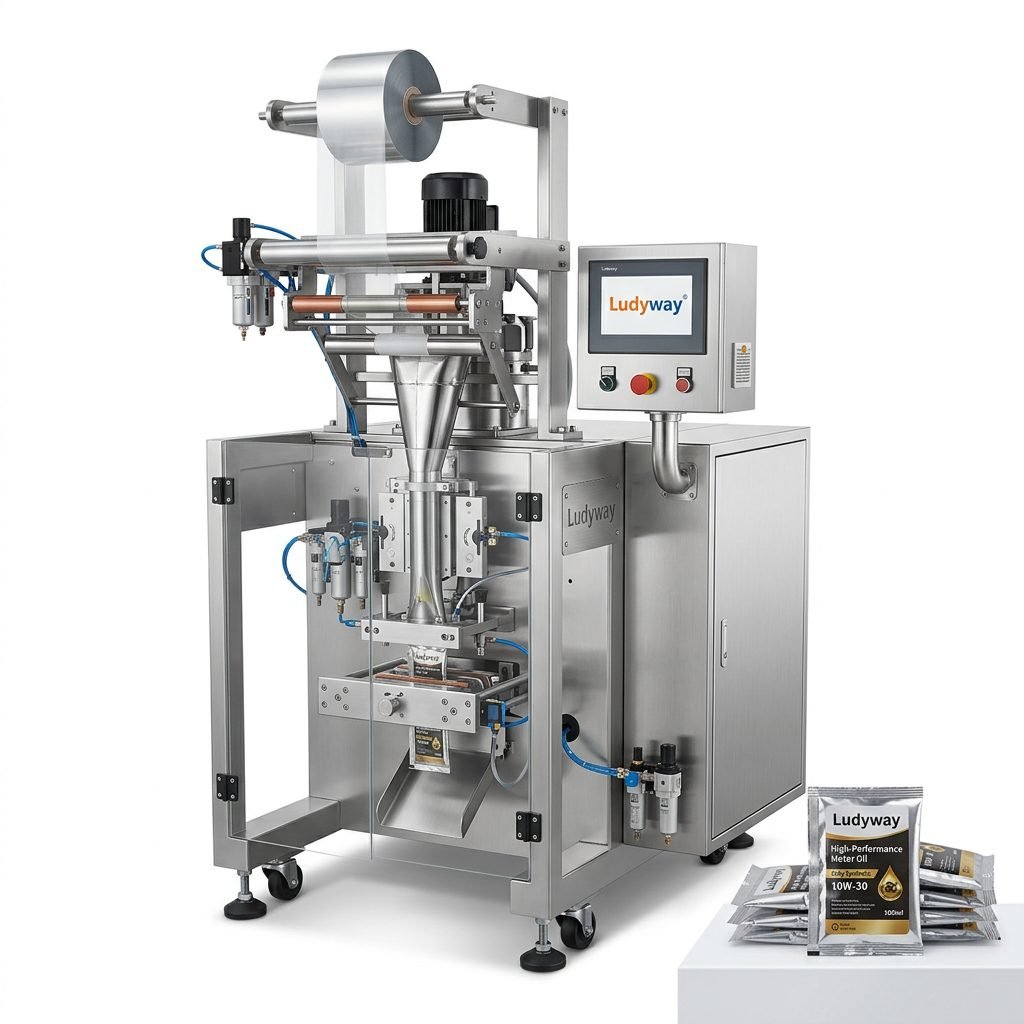
Essential Technical Features to Look For
Modern liquid pouch packing machines come equipped with a variety of technical capabilities that directly affect performance. Prioritize these features based on your specific production requirements.
Filling System Precision
Fill accuracy is non-negotiable in liquid packaging. Overfilling leads to product giveaway and reduced profit margins, while underfilling causes regulatory compliance issues. Look for servo-driven piston fillers or magnetic flow meters that offer volumetric accuracy within ±0.5% to ±1.0%. For valuable liquids or pharmaceutical applications, gravimetric filling systems with in-line checkweighing provide the highest precision. Refer to ISO packaging standards for guidance on fill volume tolerances relevant to your market.
Sealing Integrity and Contamination Prevention
The sealing station is where many packaging failures originate. For liquid products, contamination of the seal area is the primary cause of leaks. Choose a machine with advanced anti-drip nozzles, vacuum-assisted or mechanical wipers, and precise temperature control on sealing jaws. Vertical form-fill-seal (VFFS) machines with heated horizontal jaws must maintain consistent pressure and temperature profiles across the entire seal width. Multi-lane machines require independent temperature monitoring per lane to ensure uniform seal quality.
Automation and Control Systems
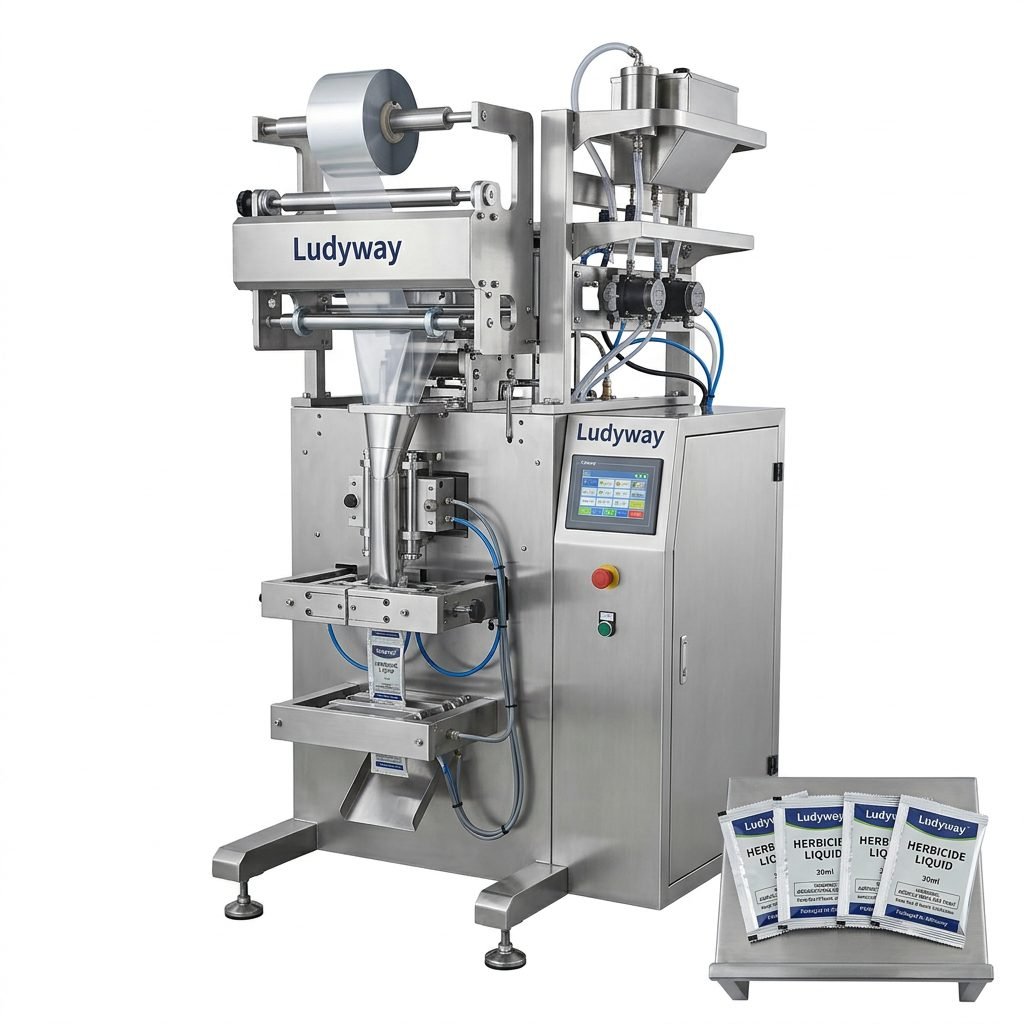
PLC-controlled interfaces with touchscreen HMI panels are now standard on industrial liquid pouch packing machines. Evaluate the control system for recipe management capabilities, real-time production data logging, remote diagnostics, and integration readiness with upstream and downstream equipment. Machines that support OEE (Overall Equipment Effectiveness) monitoring and Industry 4.0 connectivity provide long-term operational advantages.
Production Speed and Scalability
Output requirements vary dramatically across applications. A single-lane machine producing 40 to 60 pouches per minute may suffice for a small cosmetic brand, while a high-speed multi-lane liquid packaging line running at 400+ pouches per minute is necessary for food seasonings, condiments, or single-serve beverages. Consider your current and projected production volumes over at least a three-year horizon. Investing in a slightly over-specified machine now avoids costly replacement when demand grows.
Multi-Lane Configurations
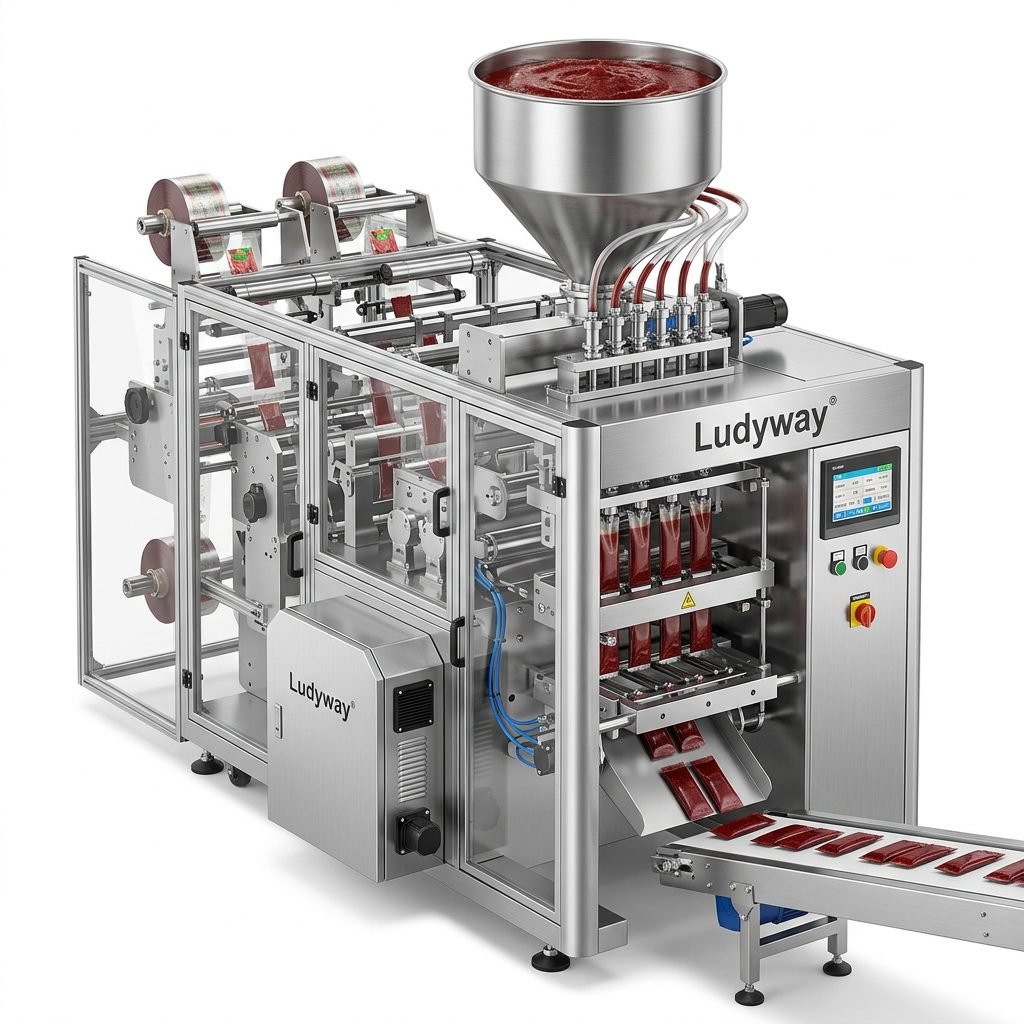
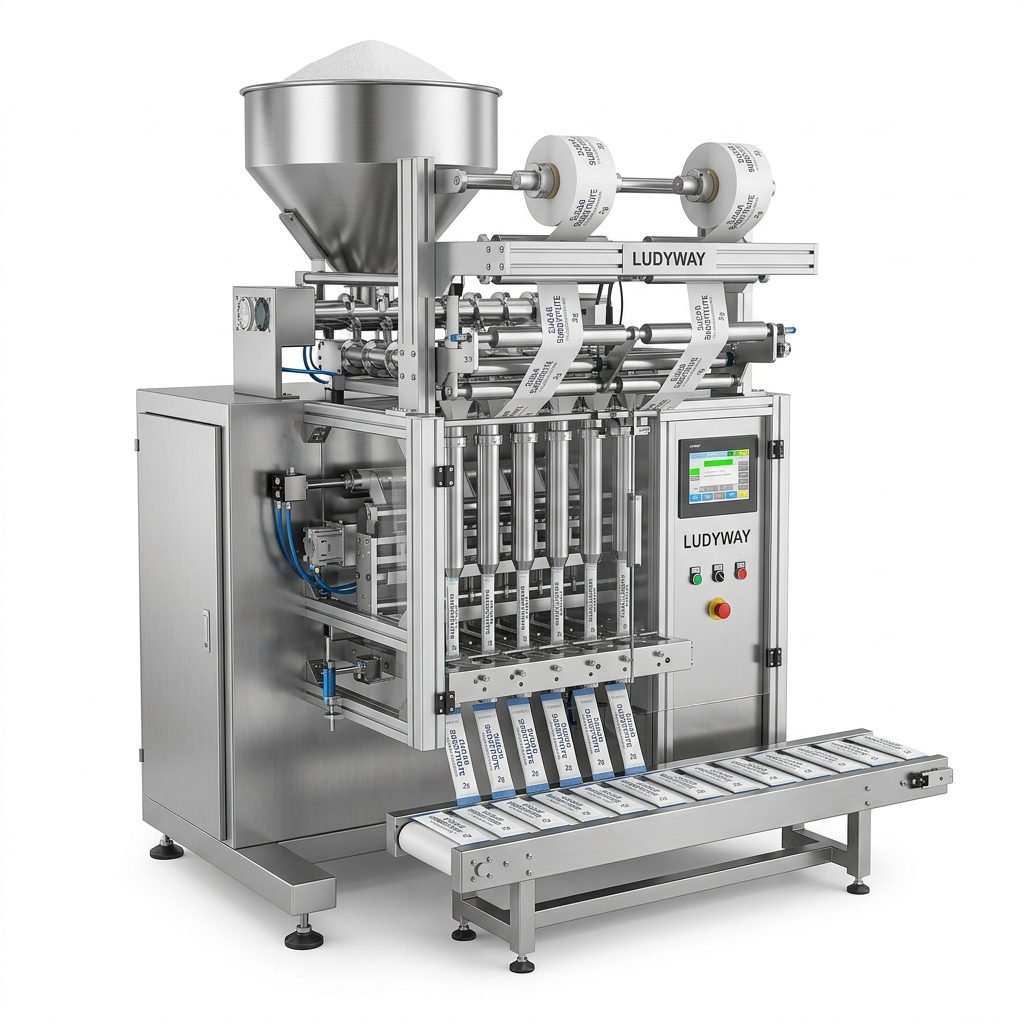
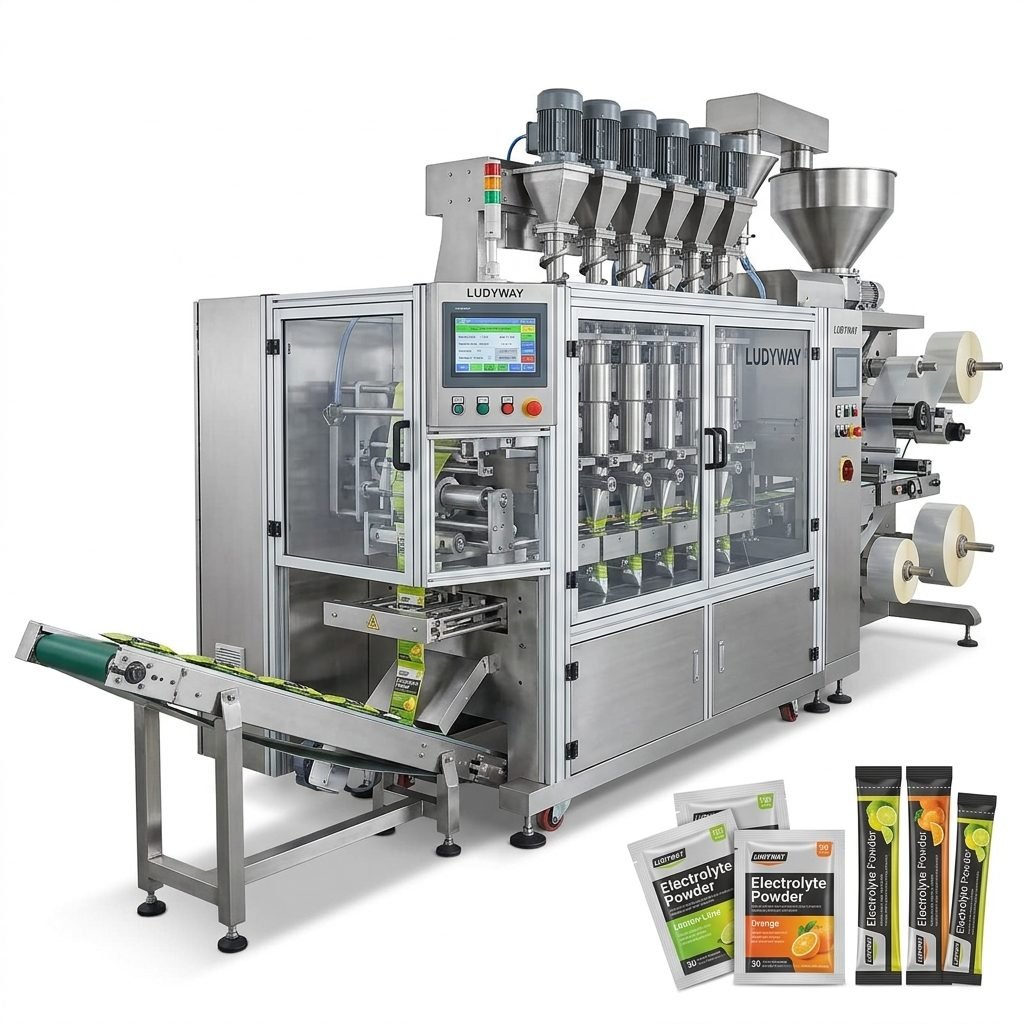
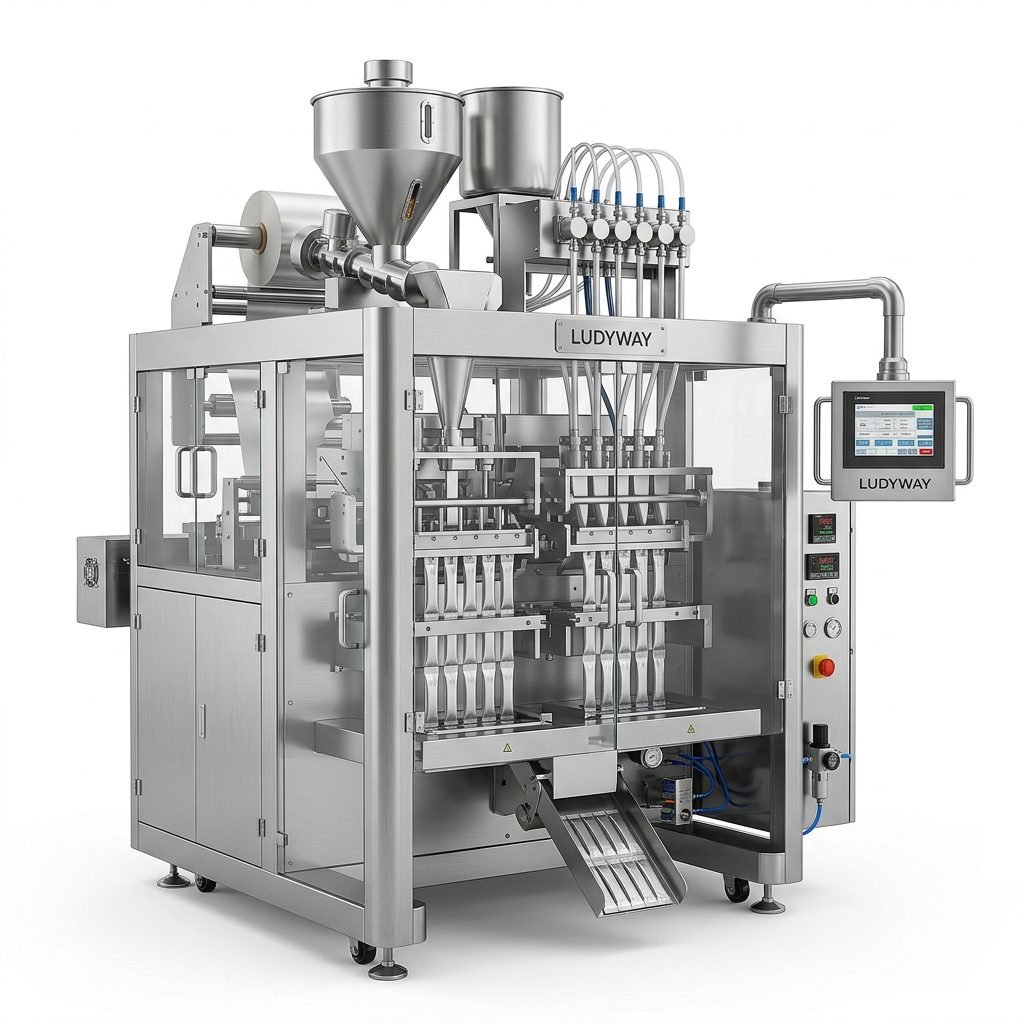
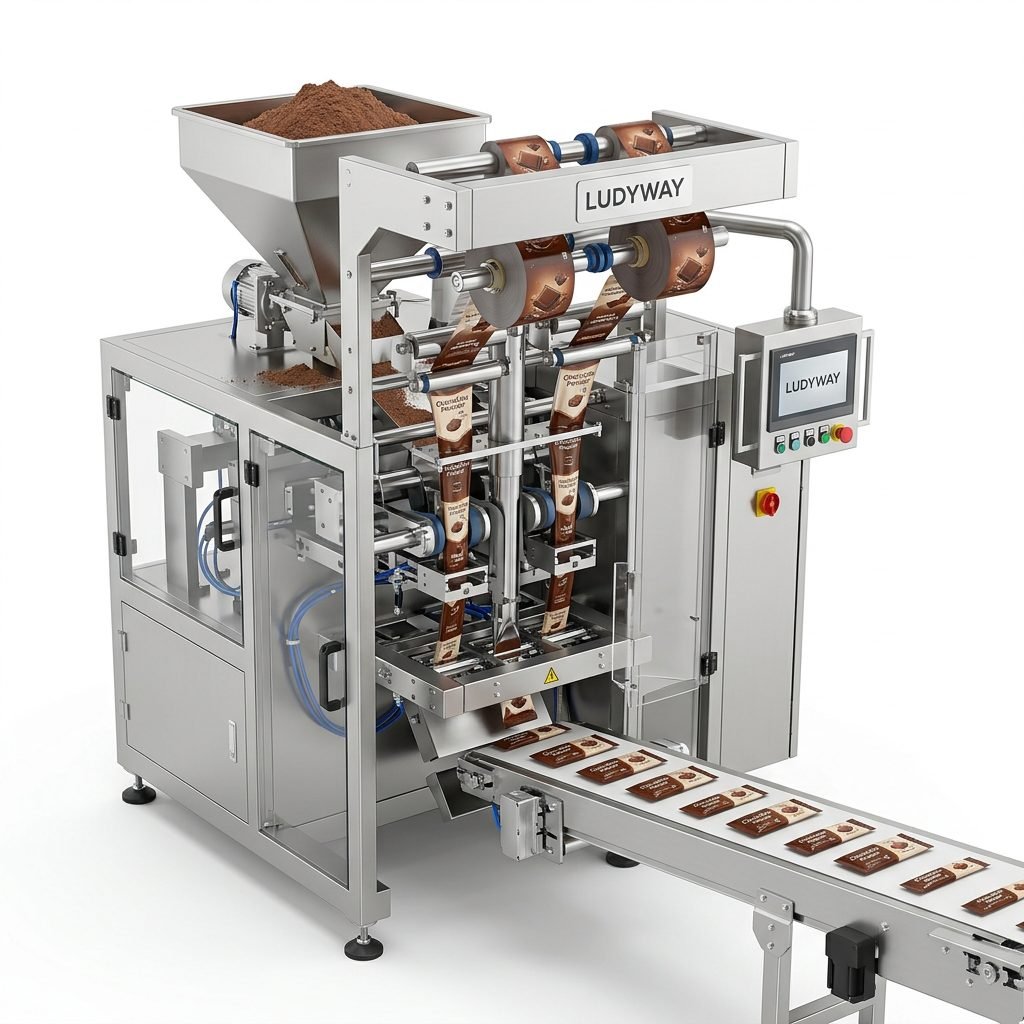
For high-volume liquid products like ketchup sachets, shampoo samples, or energy gels, multi-lane stick pack or sachet machines offer unmatched throughput. These systems run multiple lanes simultaneously, multiplying output without proportionally increasing floor space. However, multi-lane machines demand tighter film quality tolerances and more sophisticated tension control systems to maintain consistent performance across all lanes.
| Production Tier | Typical Speed Range | Best For |
|---|---|---|
| Entry-level | 30–60 pouches/min | Startups, niche products, short runs |
| Mid-range | 80–150 pouches/min | Mid-sized manufacturers, regional brands |
| High-speed multi-lane | 200–600+ pouches/min | Contract packers, global FMCG brands |
Material Compatibility and Regulatory Compliance
Every component that contacts your liquid product must be compatible with its chemical properties. Stainless steel 304 is standard for food-grade applications, while 316L stainless steel is required for acidic, salty, or pharmaceutical liquids due to its superior corrosion resistance. Elastomer seals (EPDM, silicone, Viton) must be selected based on chemical compatibility and temperature range. For pharmaceutical and medical applications, consult ISO 11607 packaging standards for sterile barrier system requirements, and review FDA food contact substance regulations for food packaging compliance.
Supplier Evaluation and After-Sales Support
Choosing the right manufacturer is as important as choosing the right machine specifications. Evaluate potential suppliers on their industry experience, technical engineering capabilities, responsiveness, and global service network. A supplier that offers turnkey solutions and customization engineering can significantly reduce project complexity compared to working with multiple vendors for different equipment modules.
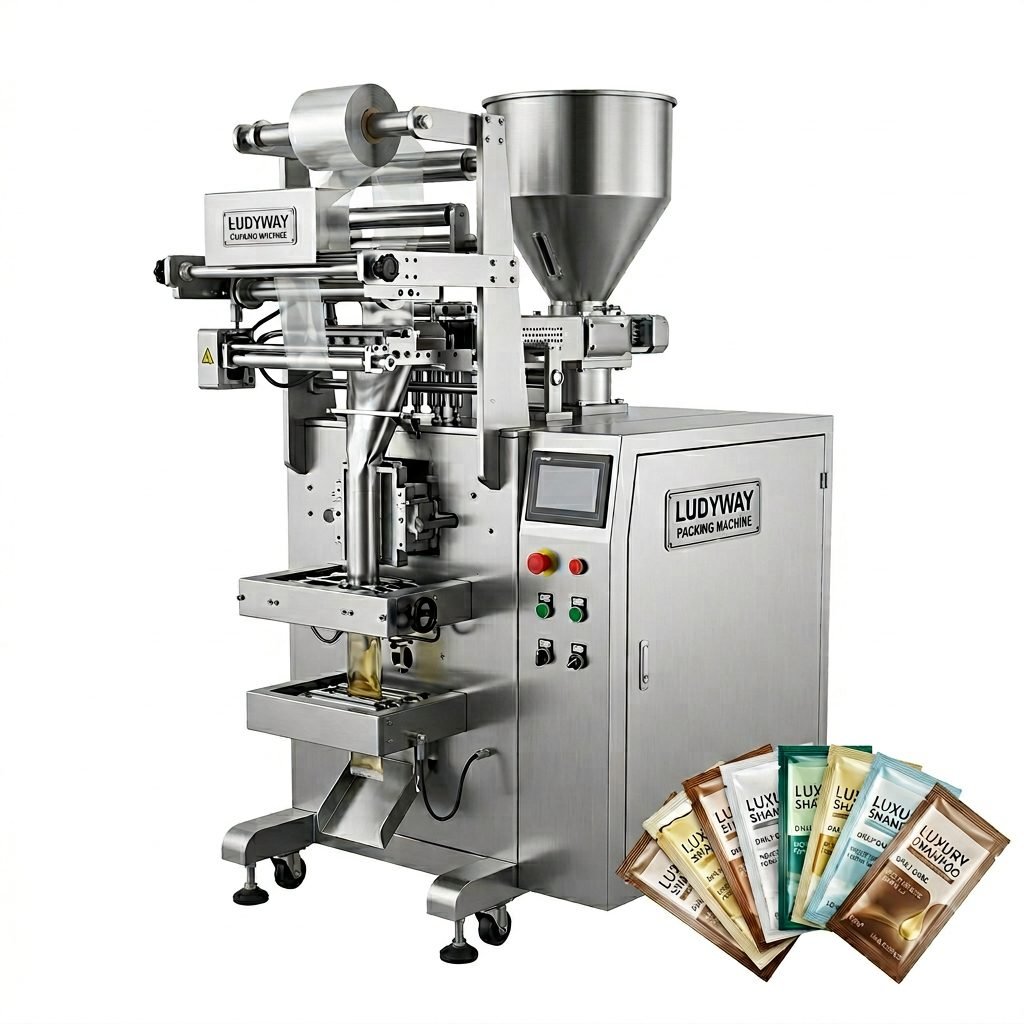
As a recognized manufacturer in the packaging machinery sector, Ludyway Machinery provides comprehensive liquid packaging solutions with more than 50 machine models and over 30 years of application experience. When evaluating suppliers, consider whether they offer in-house manufacturing, integrated packaging line design, installation and commissioning services, operator training, spare parts availability, and remote technical assistance — all factors that contribute to long-term equipment reliability and operational continuity.
Total Cost of Ownership Considerations
Purchase price is only one component of total cost. A comprehensive TCO analysis for a liquid pouch packing machine includes film material waste rates, energy consumption, spare parts costs, maintenance labor, production downtime, changeover time between product formats, and expected service life. A machine with a 10% higher purchase price but 50% lower film waste will often deliver superior lifetime economics. Request detailed efficiency data and references from suppliers to validate their claims.
Changeover Flexibility
If your production involves multiple liquid products, package sizes, or pouch formats, rapid changeover capability becomes essential. Look for features like tool-less size change parts, recipe-driven automatic adjustments, and quick-release filling components. The difference between a 30-minute changeover and a 5-minute changeover translates to significant additional productive time over a year of operation.
Common Selection Mistakes to Avoid
- Underestimating viscosity influence: Testing with the actual product at the correct filling temperature is critical — do not rely solely on theoretical specifications.
- Ignoring future capacity needs: A machine running at 90% capacity on day one leaves no room for business growth or seasonal volume spikes.
- Overlooking film characteristics: Liquid packaging requires films with specific sealant layers, puncture resistance, and barrier properties. Machine and material must be validated together.
- Skipping factory acceptance testing: Always conduct FAT with your actual liquid product and packaging materials before shipment.
- Neglecting local service support: Ensure the supplier can provide rapid technical support, spare parts logistics, and trained technicians in your region.
For deeper market intelligence on packaging machinery trends and forecasts, the PMMI State of the Industry reports offer valuable benchmarking data. Additionally, the Flexible Packaging Association knowledge hub provides resources on sustainable packaging materials relevant to liquid pouch applications. Staying informed on regulatory developments from the European Commission packaging waste regulations helps ensure long-term compliance in international markets.