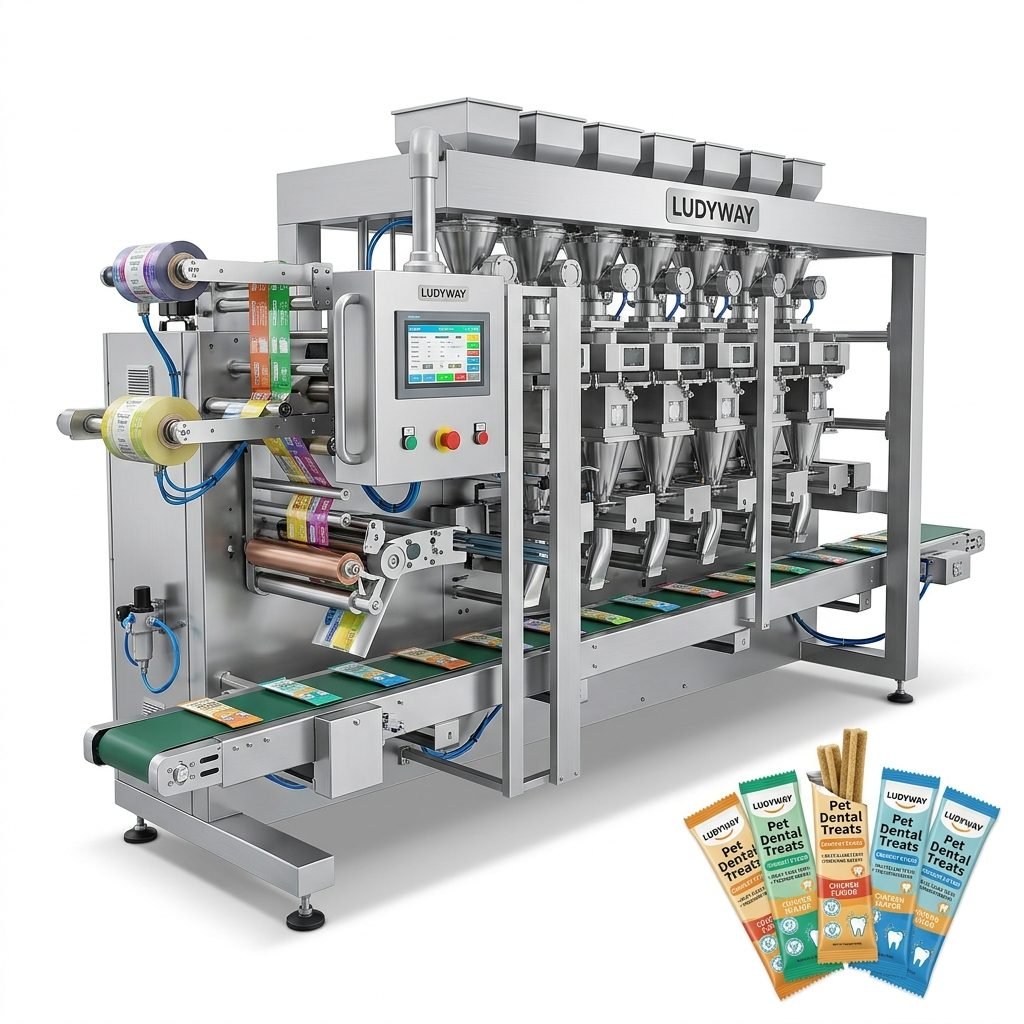
Selecting the right meal packaging machine is one of the most critical investment decisions for food manufacturers across North America. Whether you are packaging ready-to-eat meals, instant soups, protein powders, or snack kits, the efficiency, reliability, and compliance of your packaging equipment directly impact your product quality, shelf life, and bottom line. With a rapidly evolving regulatory environment and increasing consumer demand for convenience foods, understanding how to evaluate and choose the best packaging solution has never been more important.
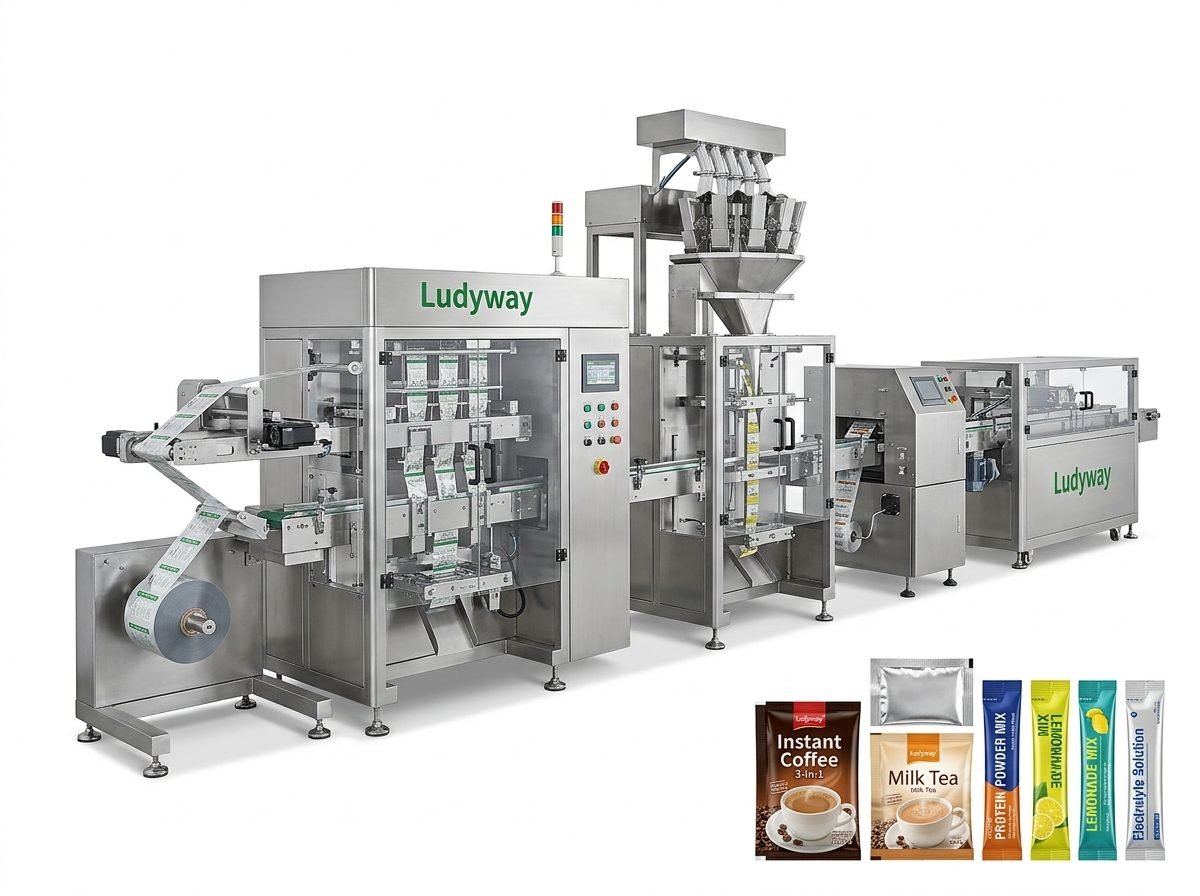
Understanding Your Product Characteristics
Before evaluating any meal packaging machine, you must thoroughly analyze your product’s physical properties. Different food products demand different handling and filling mechanisms. The key product characteristics that influence machine selection include:
- Product form: Is your meal product a granule, powder, liquid, paste, or a combination of multiple components?
- Flowability: Free-flowing granules like rice and grains require different dosing systems compared to cohesive powders like protein mixes or seasonings.
- Particle size and uniformity: Inconsistent particle sizes can cause inaccurate filling and sealing issues.
- Moisture sensitivity: Products like instant soups and dried meal kits require moisture-barrier packaging to maintain freshness.
- Temperature sensitivity: Some meal components may require cold-fill or ambient-fill conditions to preserve nutritional integrity.
- Dust generation: Powdered meal products such as flour mixes, protein blends, and spice seasonings often require dust extraction systems integrated into the packaging line.
Regulatory Compliance and Food Safety Standards
North America has some of the most stringent food packaging regulations in the world. Any meal packaging machine you purchase must comply with applicable standards to ensure food safety and avoid costly compliance violations. The FDA food packaging regulations establish requirements for food contact substances, material safety, and labeling. Additionally, following PMMI packaging standards helps ensure your equipment meets industry-recognized best practices for performance and safety.
Key regulatory considerations include:
- FDA 21 CFR compliance for food contact materials and good manufacturing practices
- HACCP integration capabilities within your packaging line design
- 3-A Sanitary Standards if you are packaging dairy-based or liquid meal products
- USDA requirements for meat and poultry-containing meal kits
- CFIA regulations if you are distributing in the Canadian market
- Allergen control protocols to prevent cross-contamination between production runs
Types of Meal Packaging Machines
Understanding the different types of packaging equipment available is essential for making an informed decision. The most common categories for meal packaging applications in North America include:
| Machine Type | Best Suited For | Key Advantage | Typical Output |
|---|---|---|---|
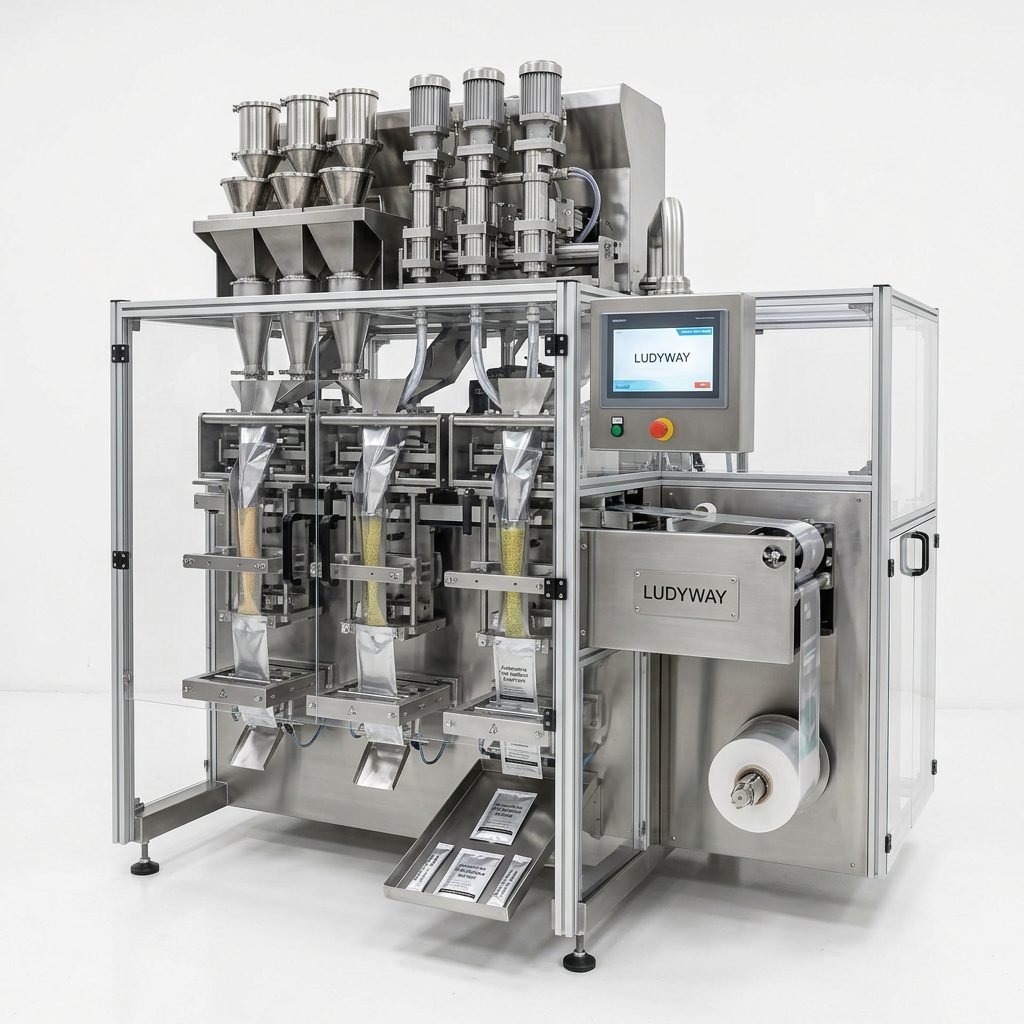
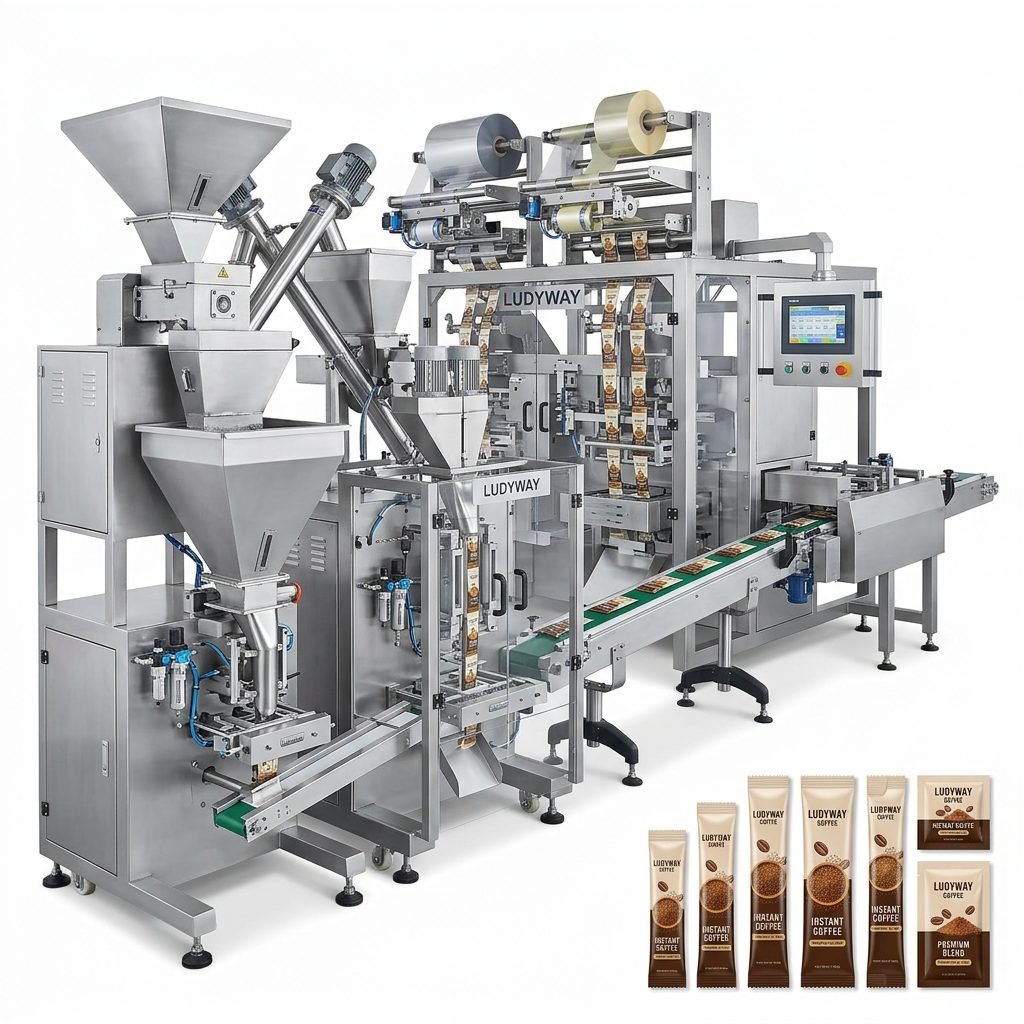
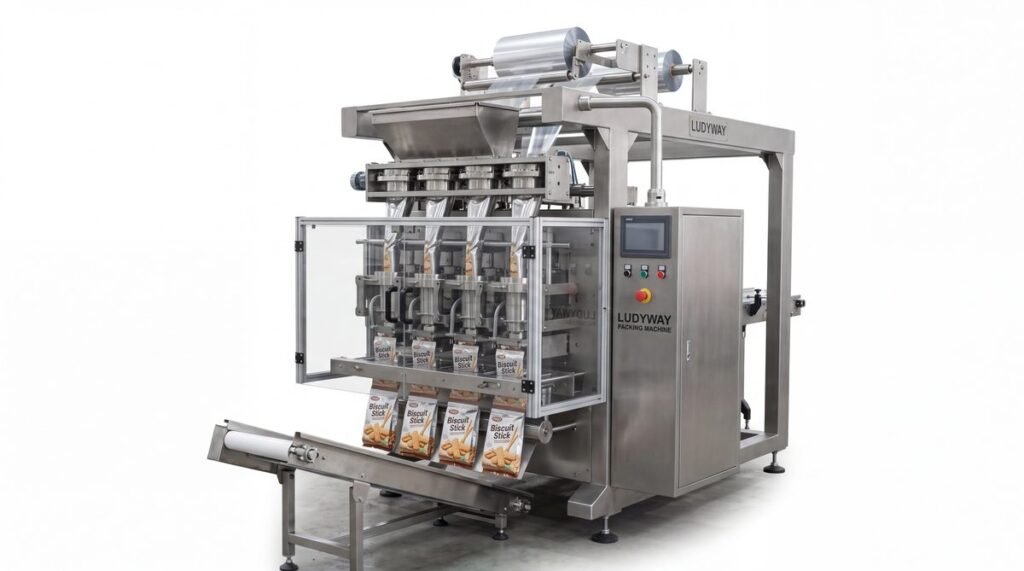
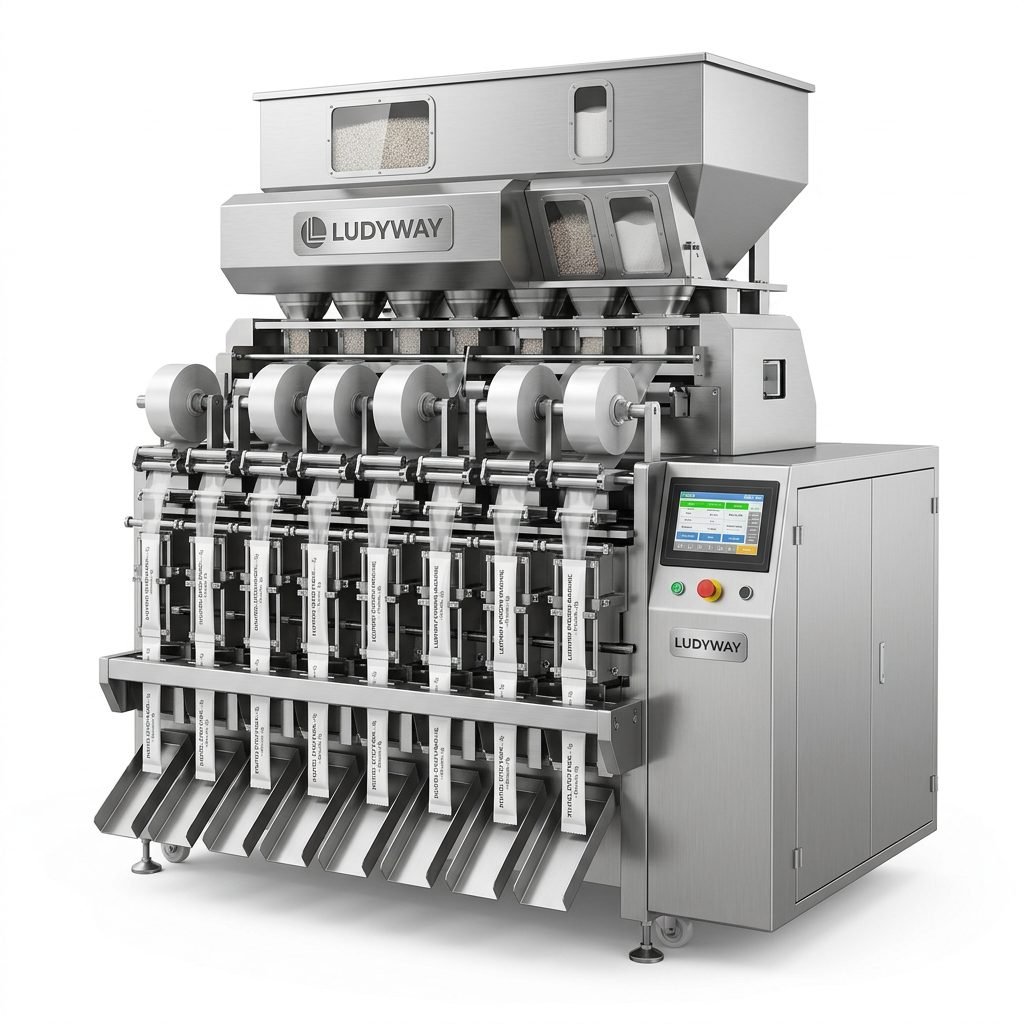
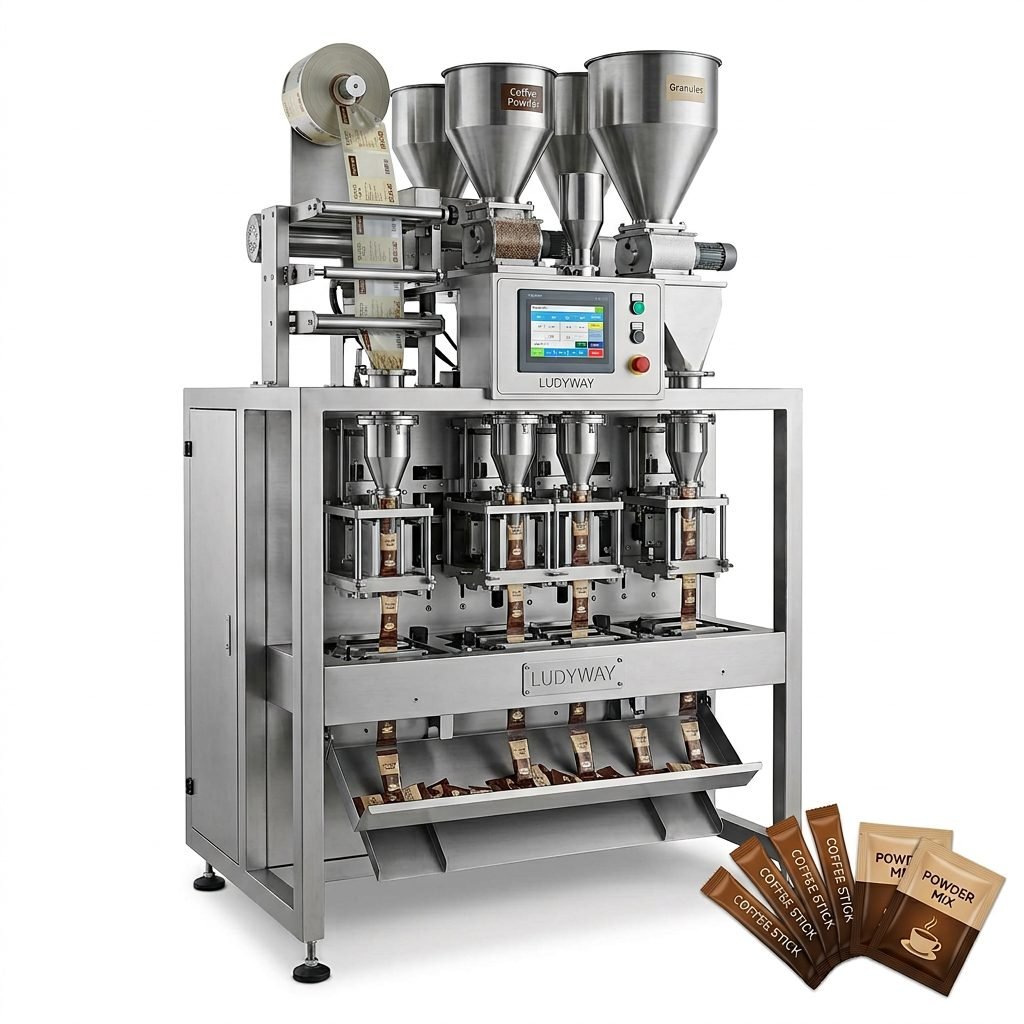
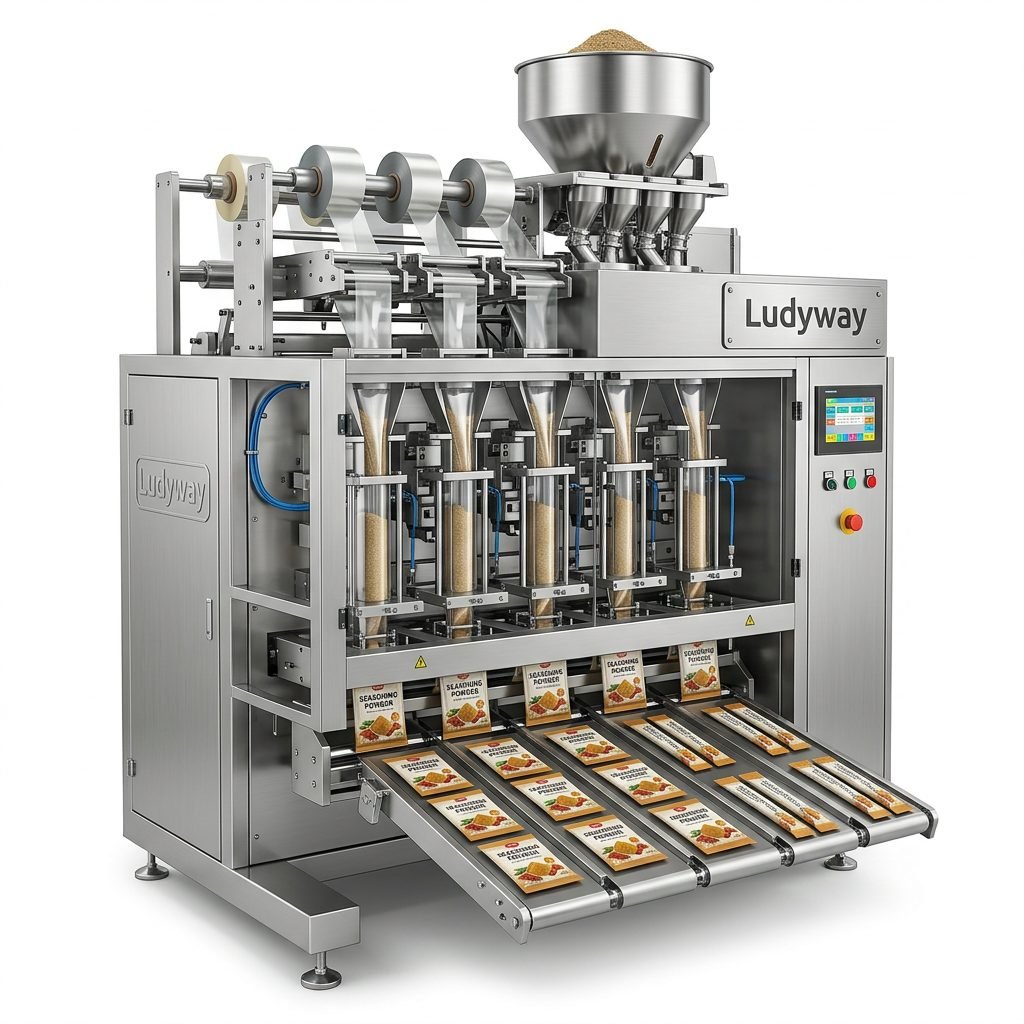
| Multi-Lane Stick Pack Machines | Single-serve powders, protein shakes, instant coffee, sugar, seasoning | High-speed, compact packaging | 400-1,200 packs/min |
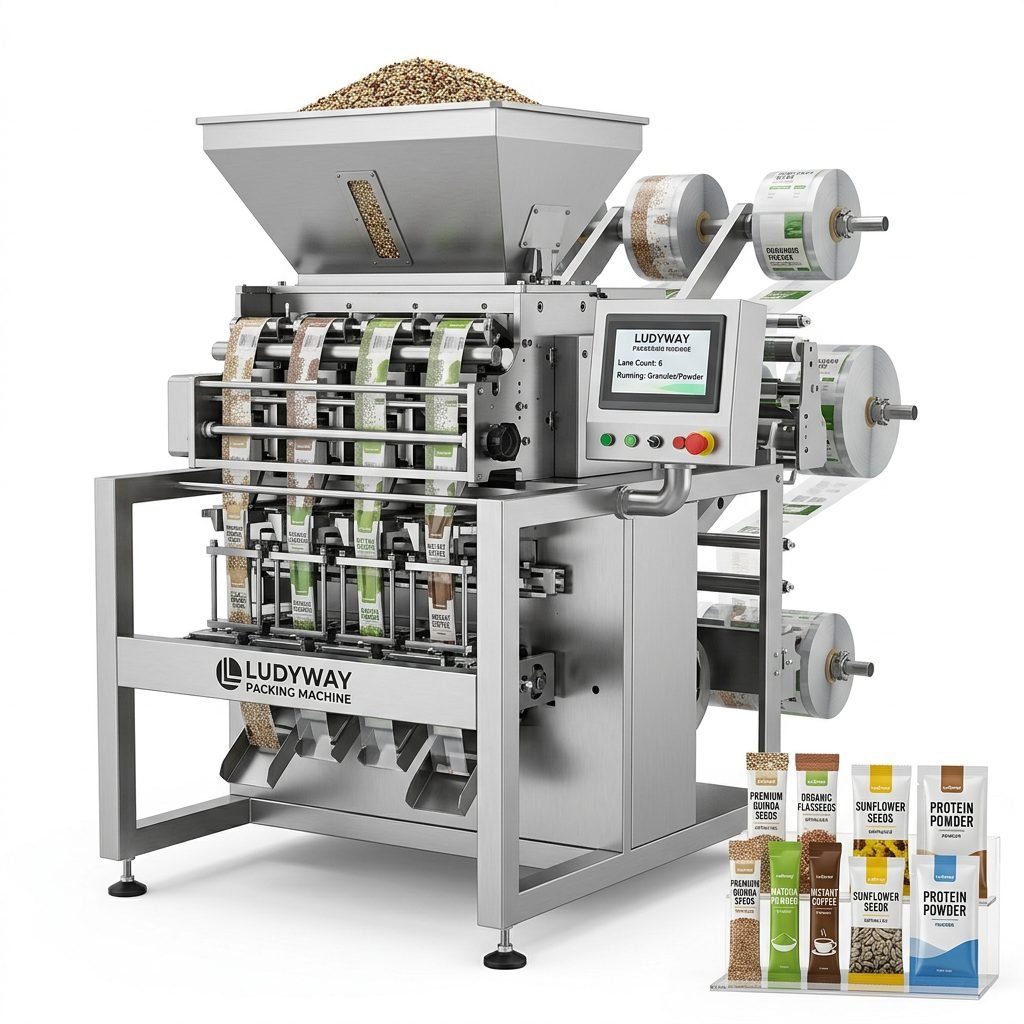
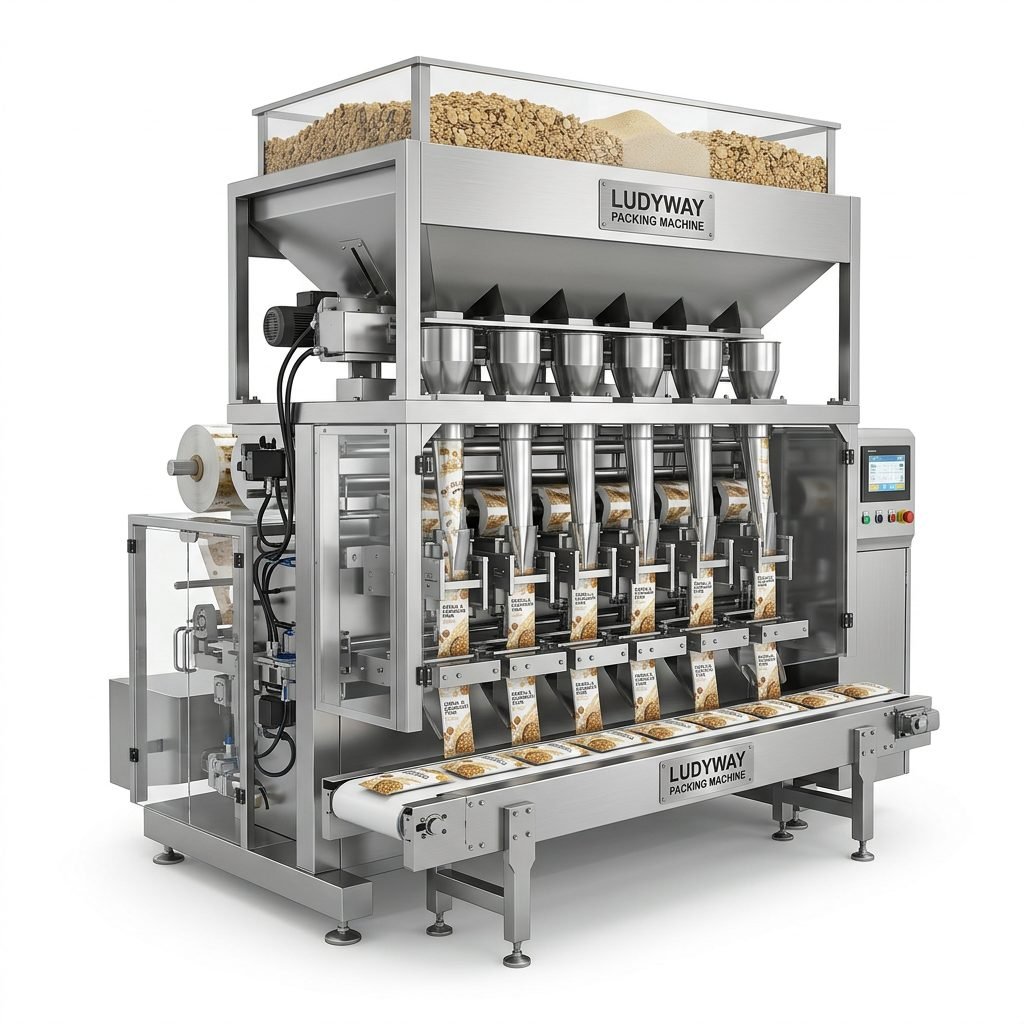
| Vertical Form Fill Seal (VFFS) | Granules, powders, snacks, dried fruits, cereal, rice meals | Versatile bag styles and sizes | 40-180 bags/min |
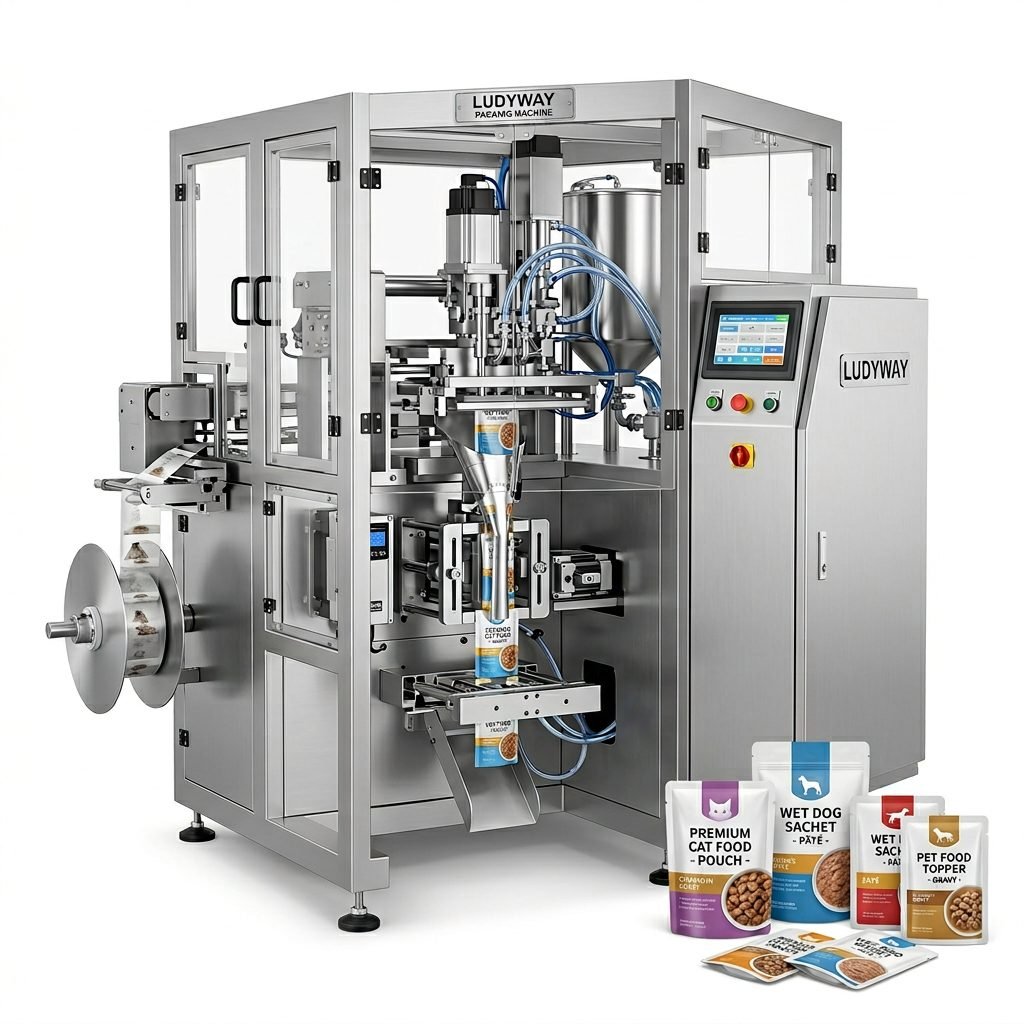
| Premade Pouch Fill-and-Seal | Ready-to-eat meals, retort pouches, premium meal kits | Excellent seal integrity and shelf appeal | 30-80 pouches/min |
| Multi-Lane Sachet Machines | Ketchup, sauces, condiments, liquid meal enhancers | Precision liquid filling at scale | 500-1,500 sachets/min |
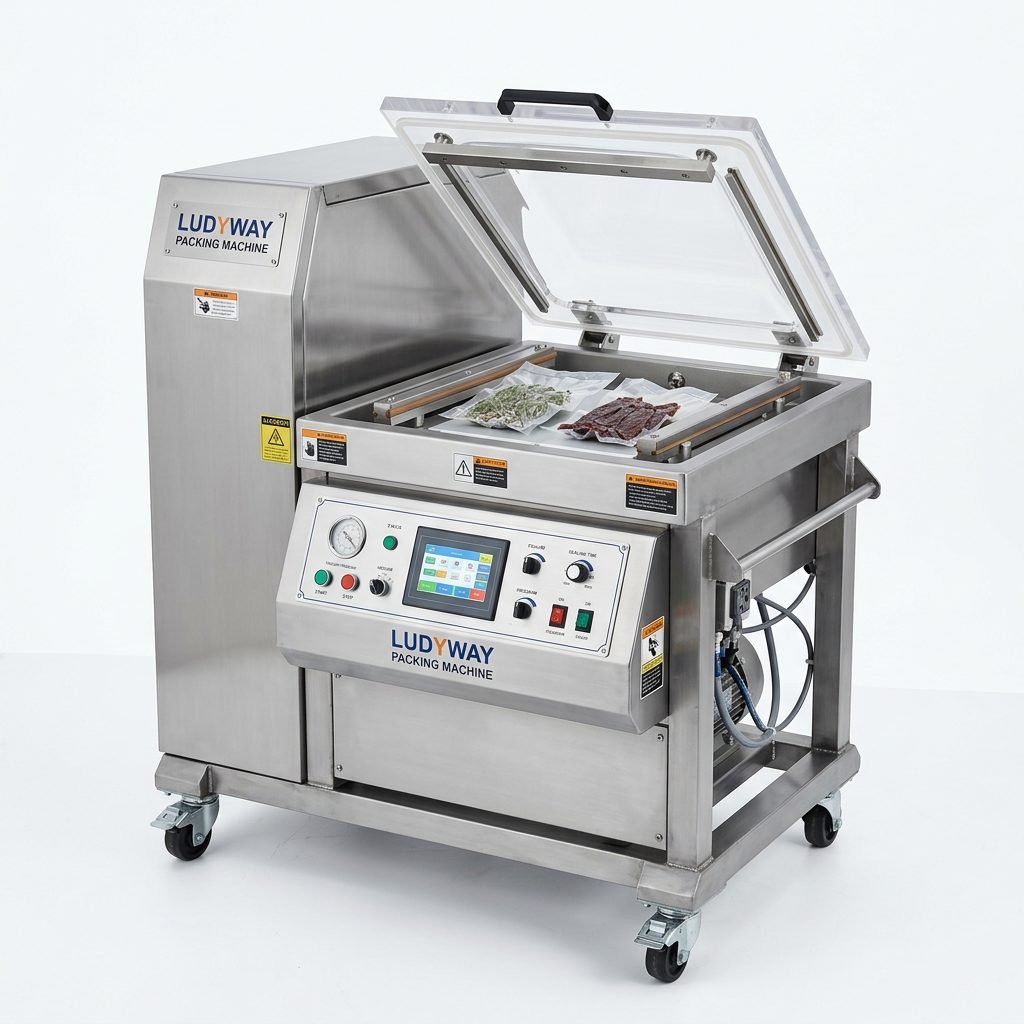
| Tray Sealing and MAP Systems | Fresh meal trays, salad bowls, prepared entrées | Extended shelf life with modified atmosphere | 20-60 trays/min |
Stick Pack and Sachet Solutions for Meal Packaging
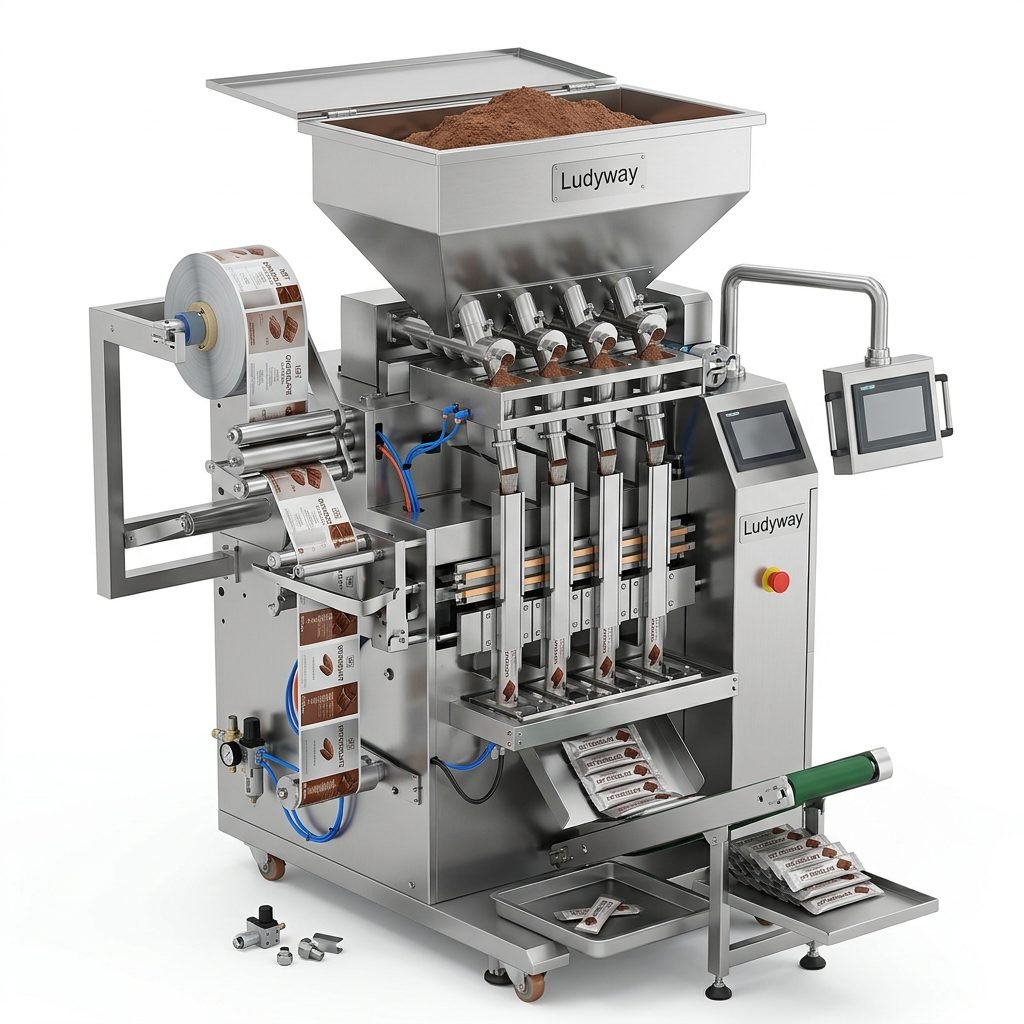
Stick pack machines have become increasingly popular for meal packaging applications in North America, particularly for single-serve convenience products. These machines offer exceptional speed, precise portion control, and attractive packaging formats that appeal to on-the-go consumers. Multi-lane configurations allow manufacturers to achieve high throughput while maintaining consistent fill accuracy across all lanes.
Key Features and Specifications to Evaluate
When comparing different meal packaging machines, several technical specifications and features should be carefully assessed to ensure the equipment meets your production requirements and long-term business goals:
Filling Accuracy and Precision
Accurate filling is non-negotiable for meal products. Overfilling cuts into your profit margins, while underfilling can lead to regulatory penalties and customer complaints. Modern multi-head weighers and auger fillers provide exceptional accuracy for granular and powdered meal products. For liquid meal components, piston fillers and flow meters deliver consistent volumetric dosing. Always request filling accuracy data from potential suppliers and verify their claims with actual product trials.
Packaging Material Compatibility
Your packaging machine must be compatible with the film or material structure you intend to use. Many North American meal brands are transitioning toward recyclable mono-materials and compostable films to meet sustainability goals. Verify that the machine’s sealing temperature range, dwell time adjustment, and film tension control can handle your chosen materials. The flexible packaging industry resources offer valuable guidance on material selection and machinability considerations.
Automation and Integration Capabilities
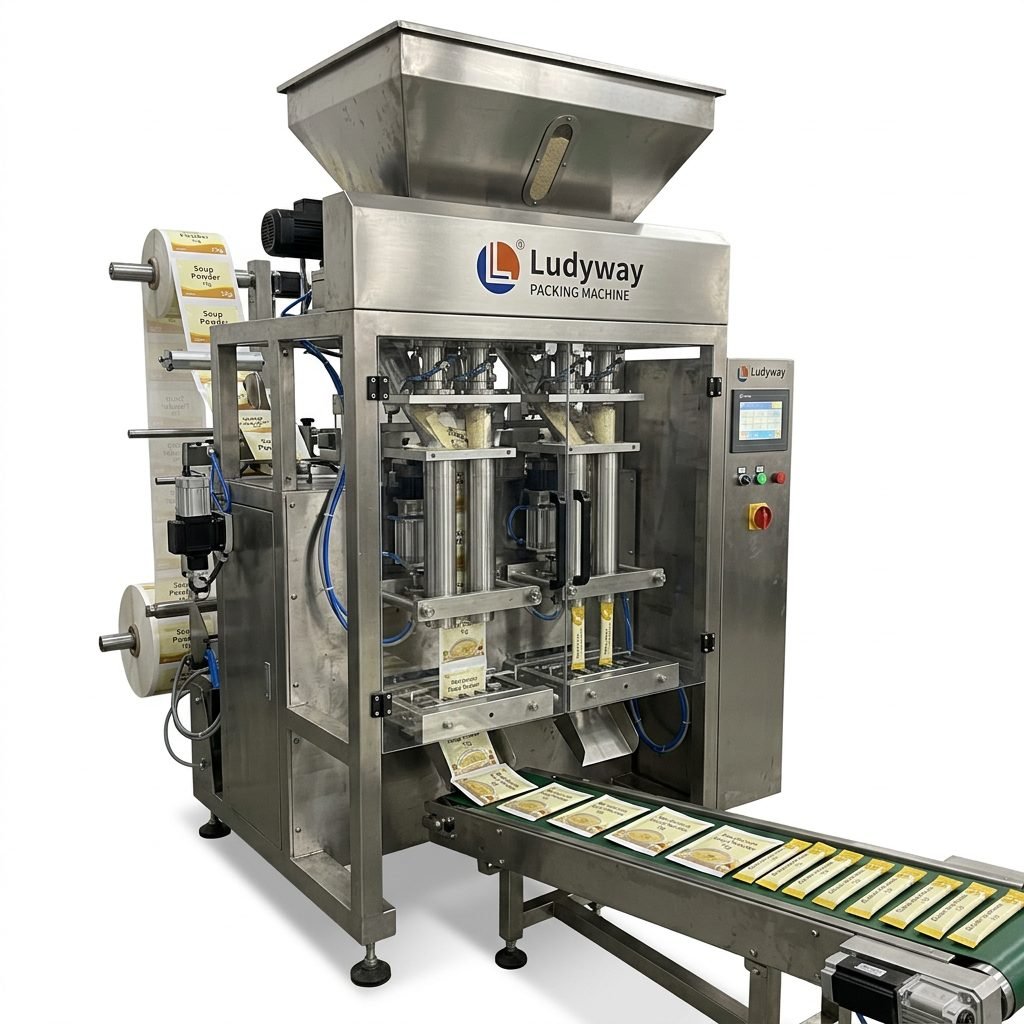
In today’s competitive North American food manufacturing landscape, fully automated packaging lines are becoming the standard. Look for machines that offer:
- PLC-controlled operations with intuitive HMI touchscreen interfaces for easy parameter adjustments
- Servo-driven motors for precise control of filling, sealing, and cutting functions
- Automatic film splicing and tension control for uninterrupted production runs
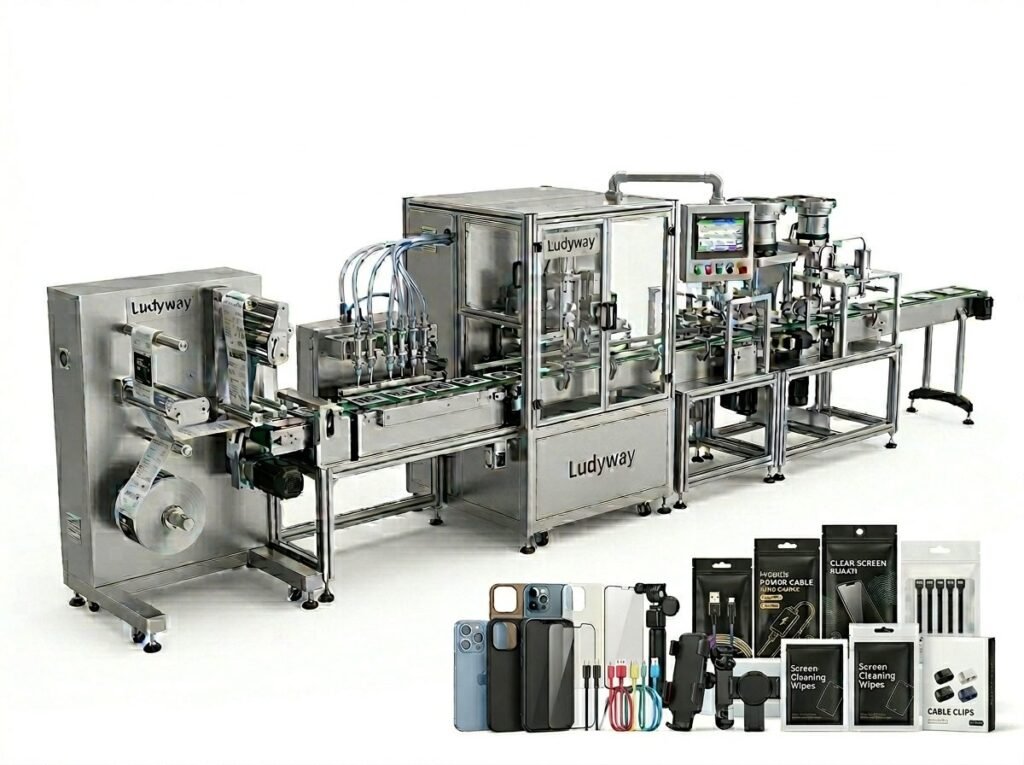
- Integration-ready designs that connect seamlessly with upstream and downstream equipment such as conveyors, checkweighers, metal detectors, and cartoners
- Remote monitoring and data collection capabilities aligned with Industry 4.0 smart factory initiatives
- Recipe management systems that allow quick changeover between different meal product SKUs
Budget Considerations and Return on Investment
Investing in a meal packaging machine requires balancing upfront capital expenditure with long-term operational savings and revenue potential. While it may be tempting to choose the lowest-priced option, a more comprehensive total cost of ownership analysis typically reveals that higher-quality equipment delivers superior long-term value. Consider the following financial factors:
- Initial purchase price including freight, import duties, and installation costs at your North American facility
- Operational costs such as energy consumption, compressed air requirements, and consumable parts like cutting blades and sealing bands
- Labor savings from automation versus manual or semi-automatic packaging processes
- Material waste reduction through precise filling and consistent sealing performance
- Maintenance expenses including routine service, spare parts availability, and technician travel costs
- Production uptime and the revenue impact of unplanned downtime during peak meal production seasons
- Scalability potential to add more lanes or upgrade modules as your business grows
Supplier Evaluation and Due Diligence
Choosing the right equipment supplier is as important as choosing the right machine. For North American buyers, this process involves evaluating both domestic and international manufacturers. A thorough supplier assessment should cover:
- Industry experience specifically in meal and food packaging applications, with verifiable case studies and client references
- Manufacturing quality demonstrated through ISO certifications, production facility audits, and build quality inspections
- North American service presence including local technical support teams, spare parts warehousing, and response time commitments
- Installation and commissioning support to ensure your packaging line is operational quickly and correctly
- Training programs for your operators and maintenance personnel to maximize equipment utilization
- Warranty terms and post-warranty service agreement options tailored to your production schedule
- Spare parts availability with clear lead times and pricing transparency for North American customers
Evaluating International Packaging Machine Manufacturers
Many North American food companies are increasingly sourcing packaging machinery from international manufacturers that offer advanced technology at competitive price points. When evaluating overseas suppliers, pay special attention to their export experience, North American voltage and safety standard compliance, and established service networks. Ludyway is one of the largest packaging machine manufacturers in China, specializing in advanced packaging equipment and turnkey production solutions for the food, pharmaceutical, and health industries, with over 30 years of industry expertise and a modern 20,000㎡ manufacturing facility serving customers in over 100 countries.
Maintenance, Service, and Long-Term Support
Even the most robust meal packaging machine requires regular maintenance and occasional service to maintain peak performance. Before finalizing your purchase, establish a clear understanding of the following support elements:
- Preventive maintenance schedules with detailed checklists covering daily, weekly, monthly, and annual tasks
- Remote diagnostic capabilities that allow technicians to troubleshoot issues without an on-site visit, reducing downtime
- Spare parts inventory recommendations so you can stock critical components and minimize waiting time for replacements
- Technical support availability including phone, email, and video call support during your production hours
- Software updates for PLC and HMI systems to ensure ongoing compatibility and performance optimization
- Refurbishment and upgrade paths to extend the productive life of your packaging equipment investment
Packaging Format Trends in the North American Meal Market
The North American meal packaging landscape continues to evolve, driven by changing consumer preferences, sustainability initiatives, and retail channel requirements. Understanding these trends helps future-proof your packaging investment:
- Single-serve and portion-controlled formats continue to gain market share as consumers seek convenience and reduced food waste
- On-the-go packaging with easy-open features, resealable closures, and portable designs is increasingly demanded by busy lifestyles
- Sustainable packaging materials including post-consumer recycled content, bio-based films, and lightweight structures are becoming purchasing criteria for major retailers
- Transparent packaging that showcases the meal product visually while maintaining barrier protection is preferred by consumers
- E-commerce optimized packaging designed to withstand the rigors of direct-to-consumer shipping without damage
- Smart packaging features such as QR codes, NFC tags, and augmented reality elements that connect physical packaging to digital experiences
Adapting to Retail and Food Service Requirements
Meal products sold through retail grocery channels have different packaging requirements than those destined for food service operations. Retail packaging prioritizes shelf appeal, barcode scannability, and tamper evidence, while food service packaging emphasizes bulk efficiency, easy opening for kitchen staff, and portion consistency. Your packaging machine should offer the flexibility to adapt to both channels if your business strategy includes multi-channel distribution across the North American market.
Making the Final Decision: A Practical Checklist
After gathering all the relevant information, use this practical checklist to guide your final meal packaging machine purchase decision:
- Define your product range — List all current and planned meal products, their physical characteristics, and target package formats
- Confirm regulatory requirements — Document all applicable FDA, USDA, CFIA, and retailer-specific compliance standards
- Calculate required throughput — Determine your minimum, target, and maximum production speeds based on current and projected demand
- Visit supplier facilities — Whenever possible, conduct in-person factory audits and machine demonstrations with your actual product
- Request detailed proposals — Obtain written quotations with complete technical specifications, delivery timelines, and warranty terms
- Check references thoroughly — Speak directly with current users of the same machine model, ideally in the North American market
- Evaluate total cost of ownership — Look beyond the purchase price to assess five-year operational and maintenance costs
- Negotiate service agreements — Secure favorable terms for installation, training, preventive maintenance, and emergency support
- Plan for installation — Prepare your facility with adequate space, utilities, and ancillary equipment before the machine arrives
- Schedule operator training — Ensure your team is fully trained before production begins to maximize efficiency and minimize startup issues
Common Mistakes to Avoid
Many first-time buyers of packaging machinery make avoidable errors that lead to costly consequences. Be aware of these common pitfalls:
- Choosing based on price alone without considering long-term reliability, service support, and spare parts availability in North America
- Underestimating installation requirements including electrical connections, compressed air supply, and facility modifications
- Overlooking film and material compatibility which can lead to sealing failures and excessive material waste
- Failing to plan for growth by purchasing a machine that cannot scale with increasing production demands
- Neglecting operator training resulting in suboptimal machine performance and preventable downtime
- Ignoring after-sales support infrastructure in the North American region, leading to extended downtime when issues arise
Conclusion
Selecting the right meal packaging machine for your North American operation is a strategic decision that impacts product quality, operational efficiency, and business growth for years to come. By thoroughly evaluating your product requirements, understanding regulatory obligations, comparing machine types and suppliers, and planning for long-term service needs, you can make a confident investment that positions your meal brand for success in the competitive North American food market. Take the time to conduct comprehensive due diligence, run product trials with your actual formulations, and build a relationship with a supplier who demonstrates genuine commitment to your long-term success.