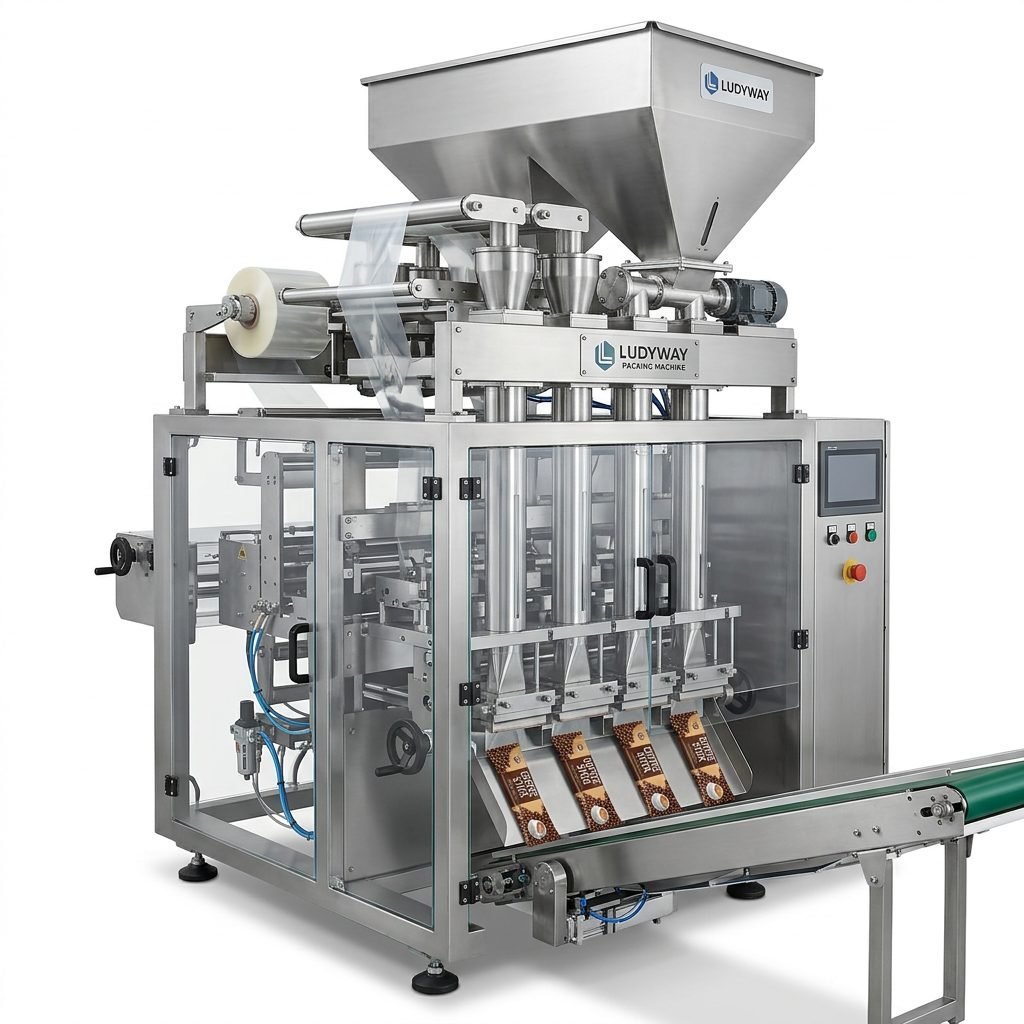
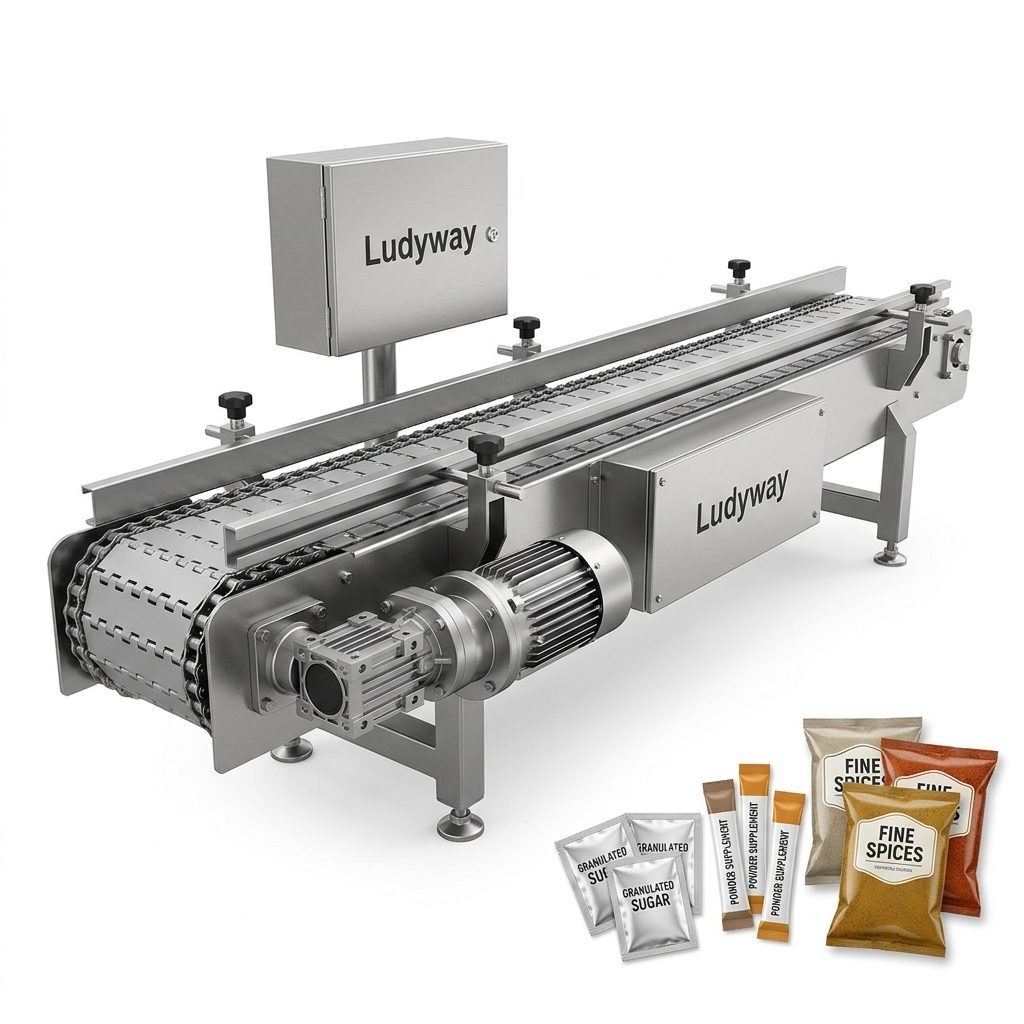
Investing in a small box packing machine is a significant decision for manufacturers across food, pharmaceutical, cosmetic, and consumer goods industries. The right equipment can dramatically improve production efficiency, reduce labor costs, and ensure consistent packaging quality. However, with dozens of machine types, configurations, and suppliers available globally, the selection process can quickly become overwhelming. This comprehensive buyer’s guide walks you through every critical factor to evaluate, helping you make an informed purchasing decision that aligns with your production goals.
Understanding Small Box Packing Machine Categories
Before diving into specifications, it’s essential to understand the major categories of box packing equipment available on the market. Each type serves different production scales and packaging formats:
- Horizontal cartoners – Ideal for products that are loaded horizontally, such as cereal boxes, pharmaceutical cartons, and confectionery packaging. These machines typically operate at medium to high speeds.
- Vertical cartoners – Designed for products dropped from above, commonly used for granular, powdered, or loose products. They excel in applications like sachet and stick pack cartoning.
- Wrap-around cartoners – Form cartons around products rather than loading into pre-formed boxes, offering tighter packaging and material savings.
- End-load cartoners – Load products from the end of the carton, suitable for bottles, tubes, and multi-packs.
- Top-load cartoners – Products are placed from above, commonly used for irregularly shaped items or fragile products.
Selecting the appropriate category depends heavily on your product characteristics, production speed requirements, and packaging format. According to industry data from the PMMI Business Intelligence reports, cartoning machinery remains one of the fastest-growing segments in the packaging equipment market, driven by automation trends and e-commerce demand.
Key Factors to Evaluate Before Purchasing
A systematic evaluation of your production requirements will significantly narrow down suitable machine options. Consider the following factors carefully:
Production Speed and Throughput
Determine your current and projected production volumes. Small box packing machines vary widely in speed, from semi-automatic models handling 10-20 cartons per minute to fully automated high-speed systems capable of 200+ cartons per minute. Overestimating your needs leads to unnecessary capital expenditure, while underestimating creates bottlenecks. Review your peak production demands and future growth projections before finalizing speed specifications.
Carton Size Range and Changeover Flexibility
If your production line handles multiple SKUs with different box dimensions, prioritize machines with quick-changeover capabilities. Modern servo-driven systems can switch between carton sizes in minutes without tools. Evaluate the minimum and maximum carton dimensions the machine accommodates, and ensure your entire product range—including potential future products—fits within those parameters.
Product Compatibility and Handling
Different products require specialized handling mechanisms. Fragile items need gentle product insertion systems, while free-flowing powders or granules demand precise volumetric or auger filling integration. The Flexible Packaging Association provides extensive resources on material compatibility and packaging standards that can help inform your equipment selection.
Technical Specifications That Matter Most
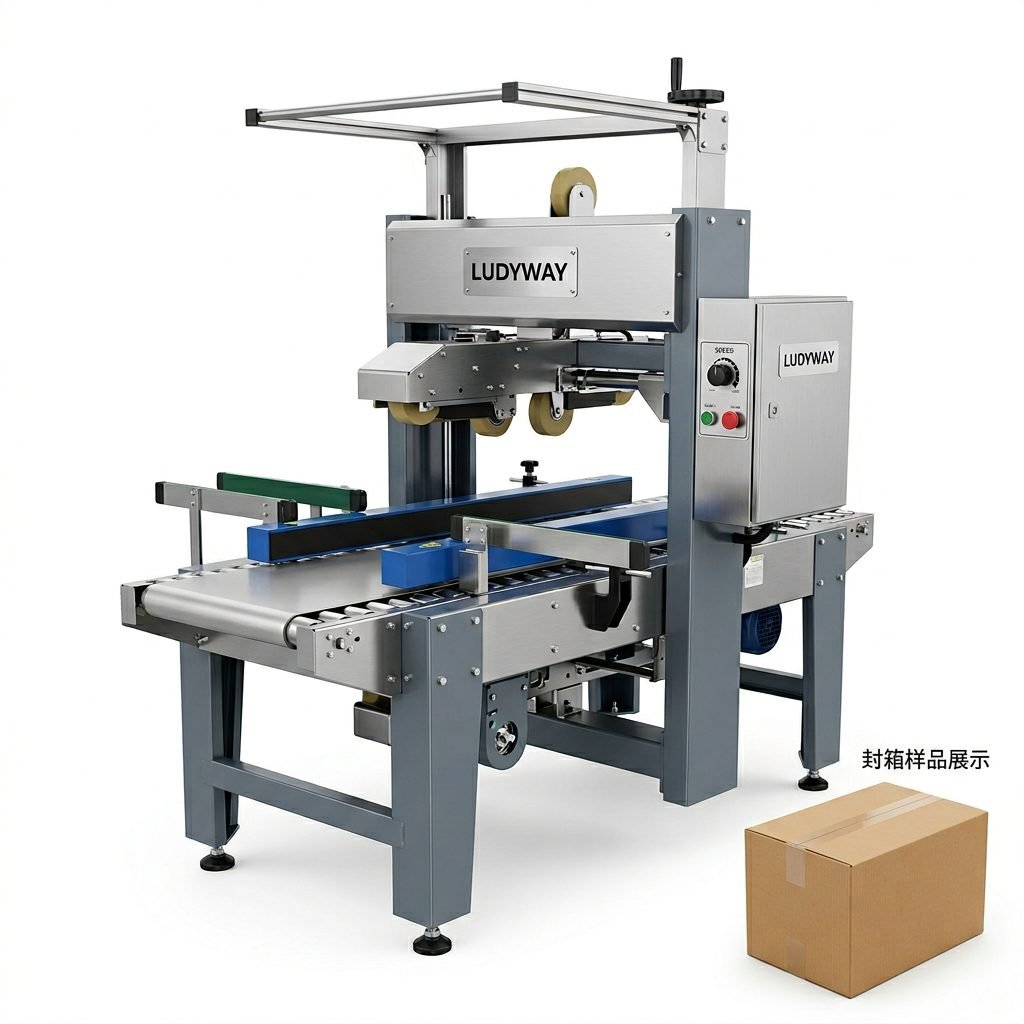
Beyond basic categories and speed, several technical specifications directly impact machine performance, reliability, and total cost of ownership. The following table summarizes the most critical specifications to compare when evaluating different small box packing machines:
| Specification | Why It Matters | What to Look For |
|---|---|---|
| Frame Construction | Determines durability and vibration resistance | Heavy-duty welded steel frame, stainless steel for washdown environments |
| Control System | Affects ease of operation, diagnostics, and integration | PLC-based with HMI touchscreen, Industry 4.0 readiness, remote access capability |
| Sealing Mechanism | Impacts seal integrity and packaging quality | Hot melt glue, cold glue, or tuck-flap; consistent temperature control for glue systems |
| Safety Features | Protects operators and ensures regulatory compliance | CE certification, interlocked guards, emergency stops, light curtains where applicable |
| Changeover Time | Directly affects production flexibility and downtime | Servo-driven adjustments with recipe storage; target under 15 minutes for full changeover |
| Vision Inspection | Ensures quality control and reduces rejects | Integrated or optional camera systems for date code verification, seal inspection, and label checking |
Automation Level: Semi-Automatic vs. Fully Automatic
Your choice between semi-automatic and fully automatic small box packing machines fundamentally shapes your production workflow, labor requirements, and capital investment. Understanding the trade-offs is essential:
- Semi-automatic machines require operators to manually load products or initiate cycles. They are best suited for low-to-medium volume production, startups, or facilities with frequent product changeovers. Initial investment is lower, typically ranging from $15,000 to $60,000 depending on configuration.
- Fully automatic machines integrate with upstream and downstream equipment, handling product feeding, carton forming, loading, sealing, and discharge without operator intervention. These systems are designed for high-volume, continuous production and can cost $80,000 to $500,000+ depending on speed, features, and customization.
Many manufacturers find that a modular approach—starting with a semi-automatic system and upgrading components over time—provides the most practical path to automation while managing cash flow. Industry standards referenced through ISO packaging standards can guide your compliance requirements regardless of automation level.
Integration with Existing Production Lines
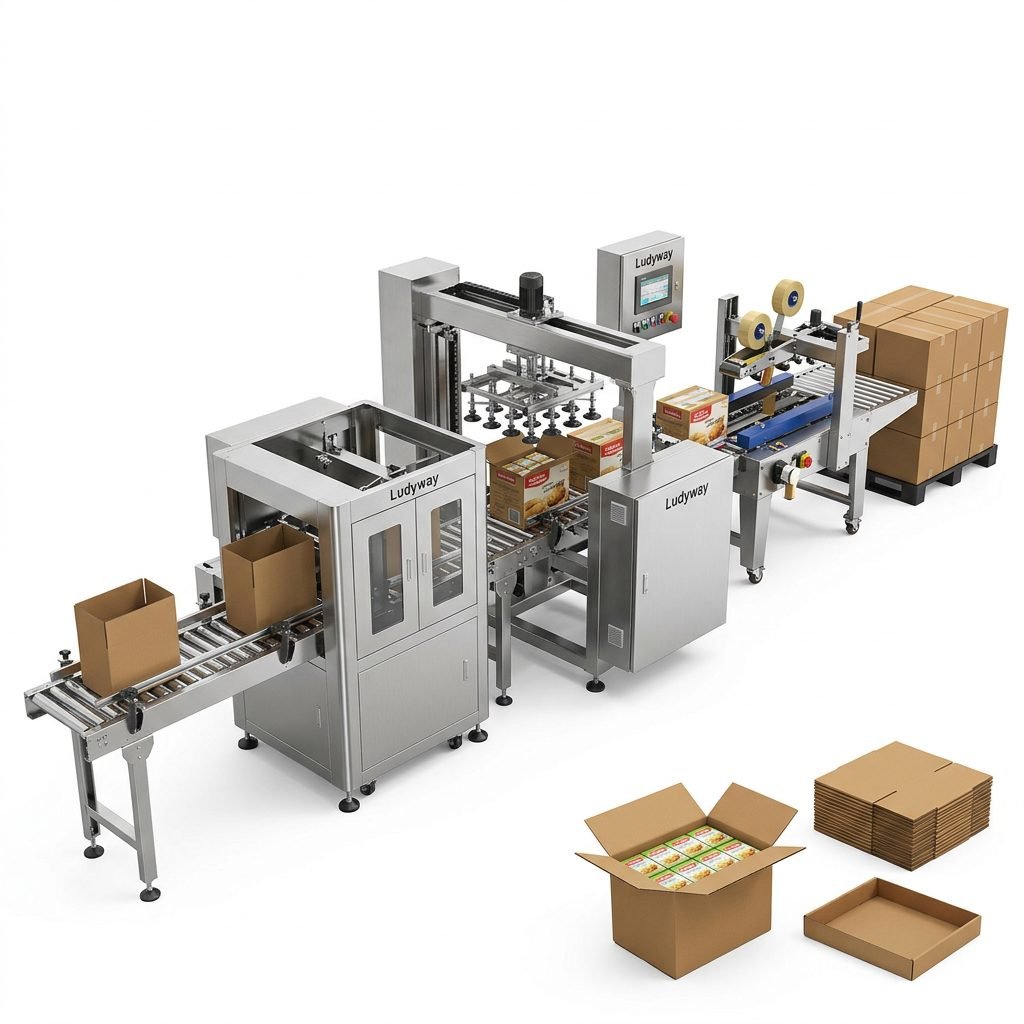
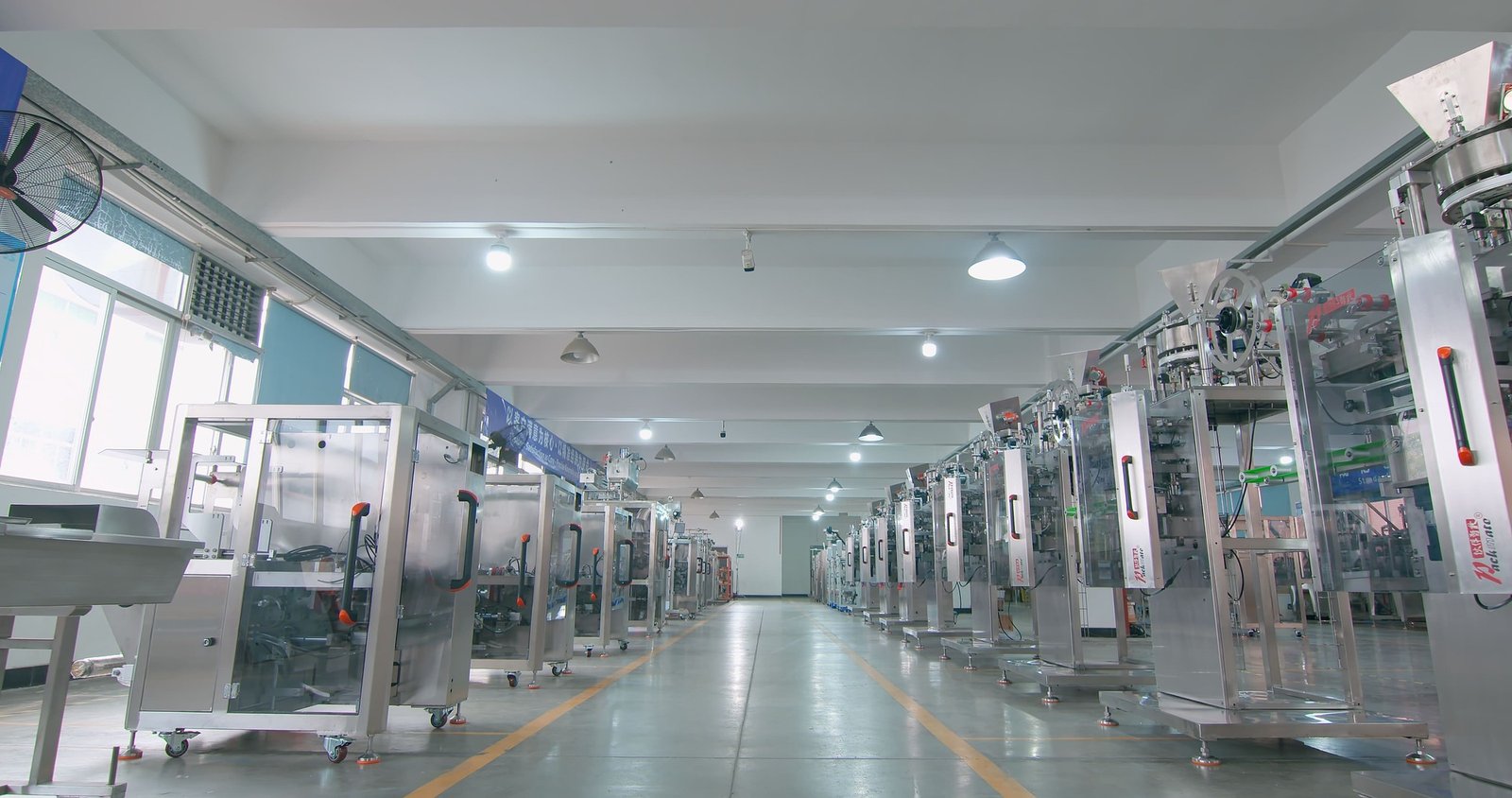
A small box packing machine rarely operates in isolation. It must seamlessly connect with upstream equipment such as fillers, conveyors, and product handling systems, as well as downstream equipment including case packers, palletizers, and stretch wrappers. When evaluating machines, assess the following integration aspects:
- Communication protocols – Ensure compatibility with your facility’s PLC systems (EtherNet/IP, Profinet, Modbus, etc.).
- Physical interface dimensions – Verify conveyor heights, widths, and transfer points match existing equipment.
- Data collection capabilities – Modern machines should support OEE tracking, production reporting, and remote diagnostics.
- Utility requirements – Confirm electrical voltage, compressed air specifications, and any special exhaust or dust collection needs.
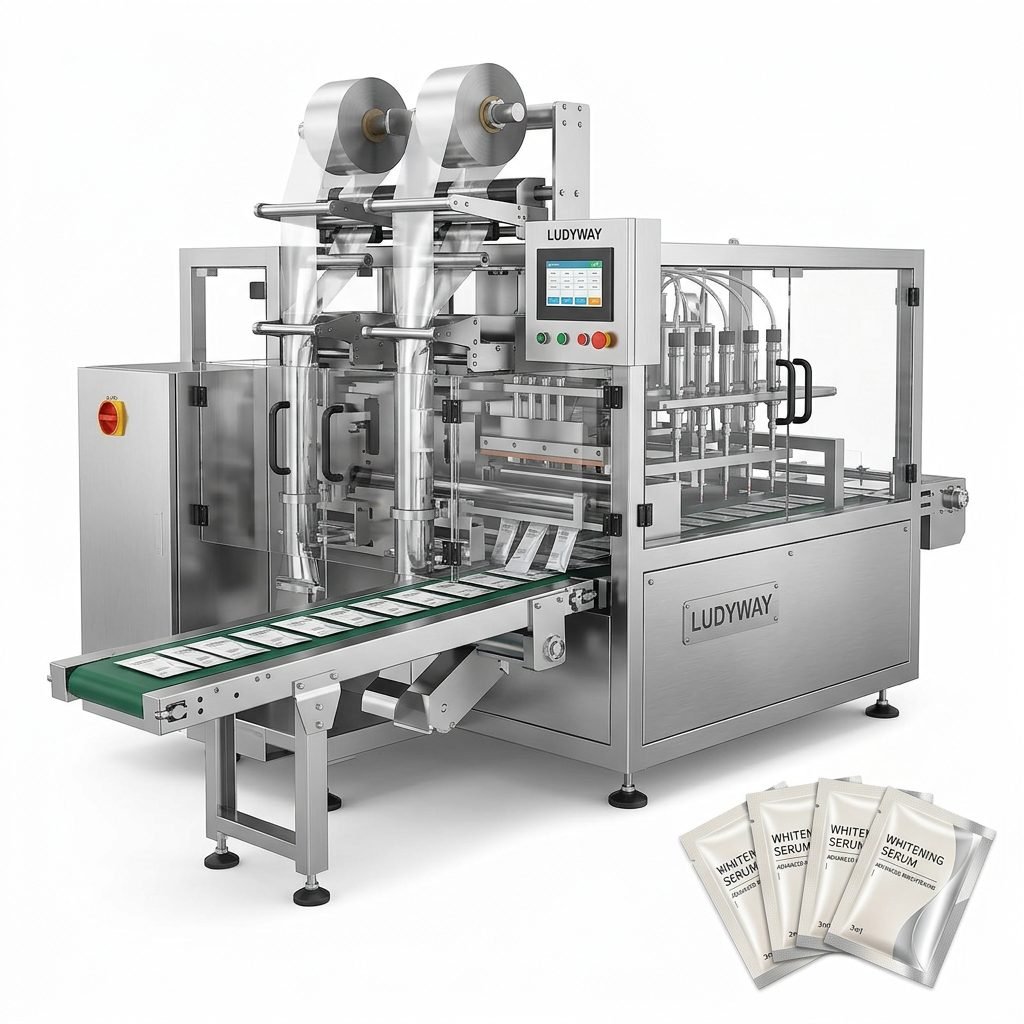
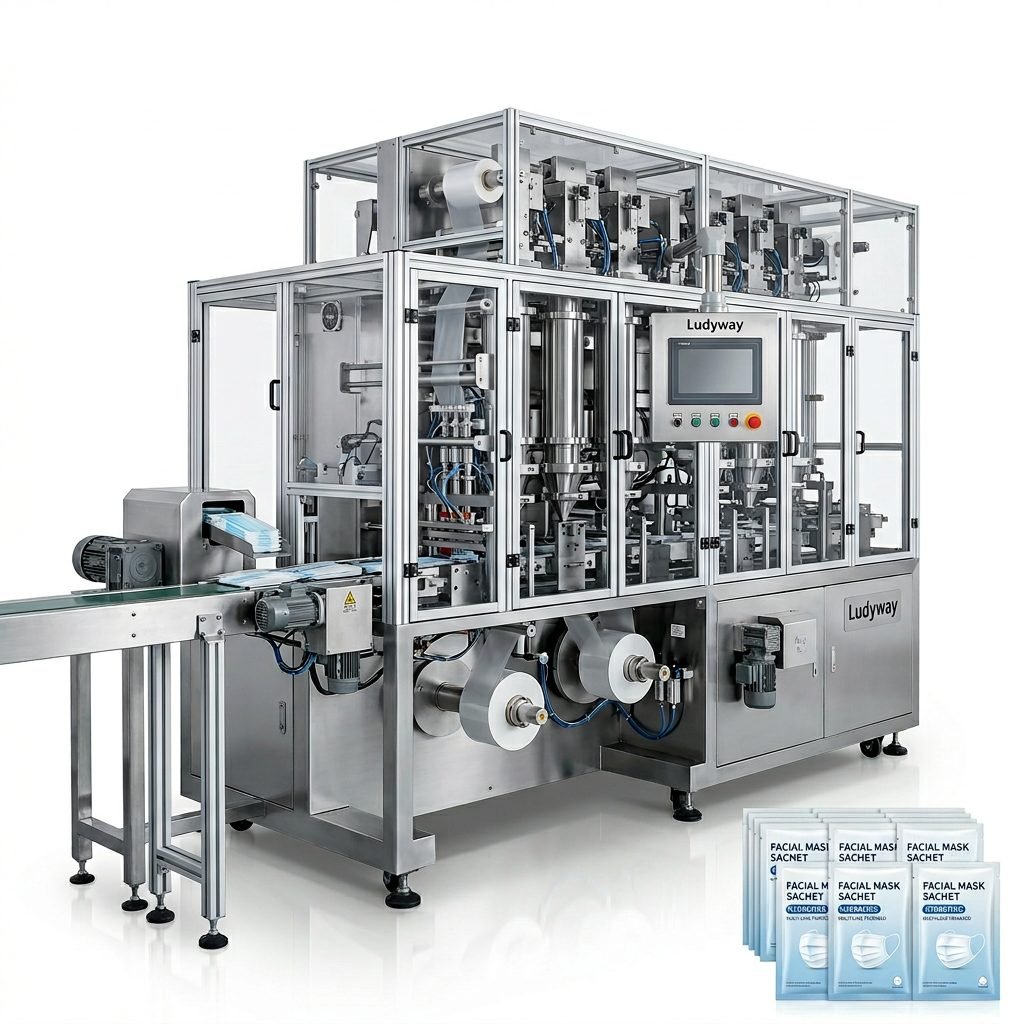
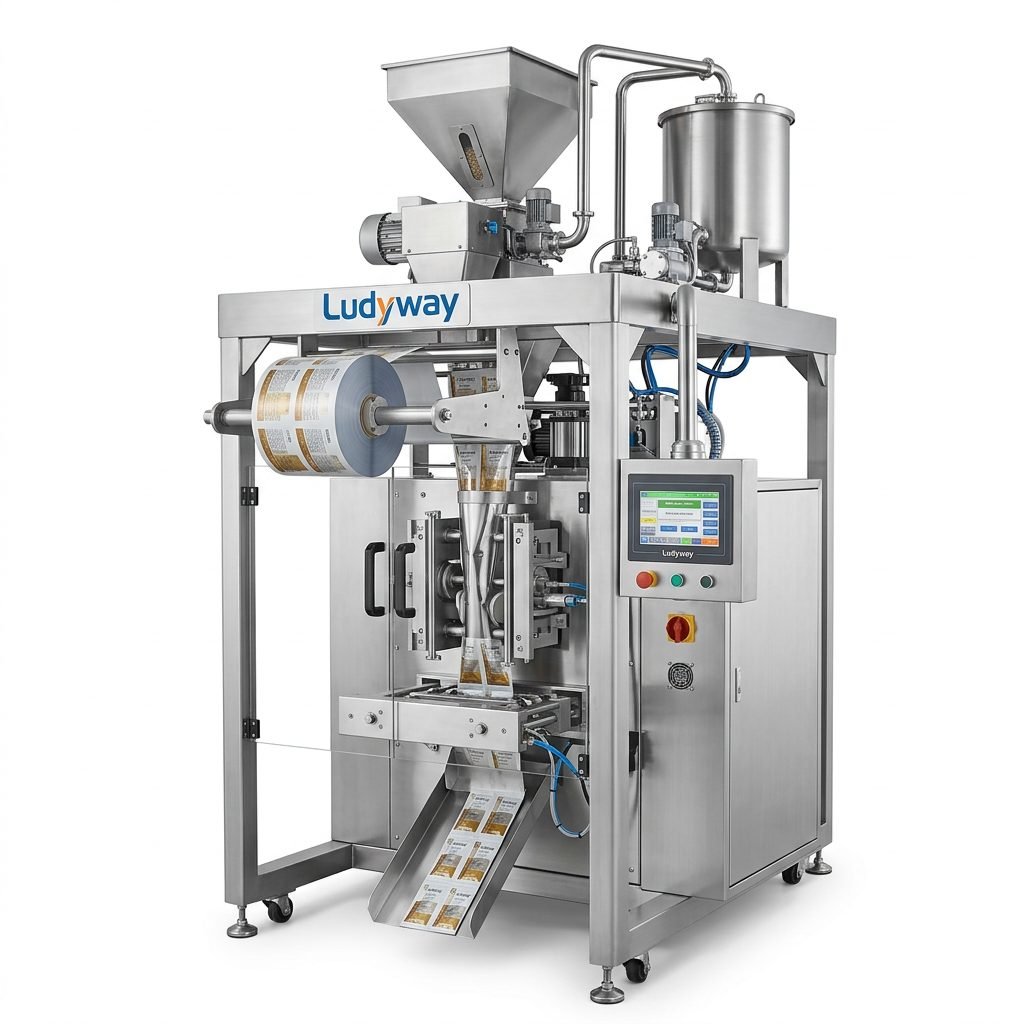
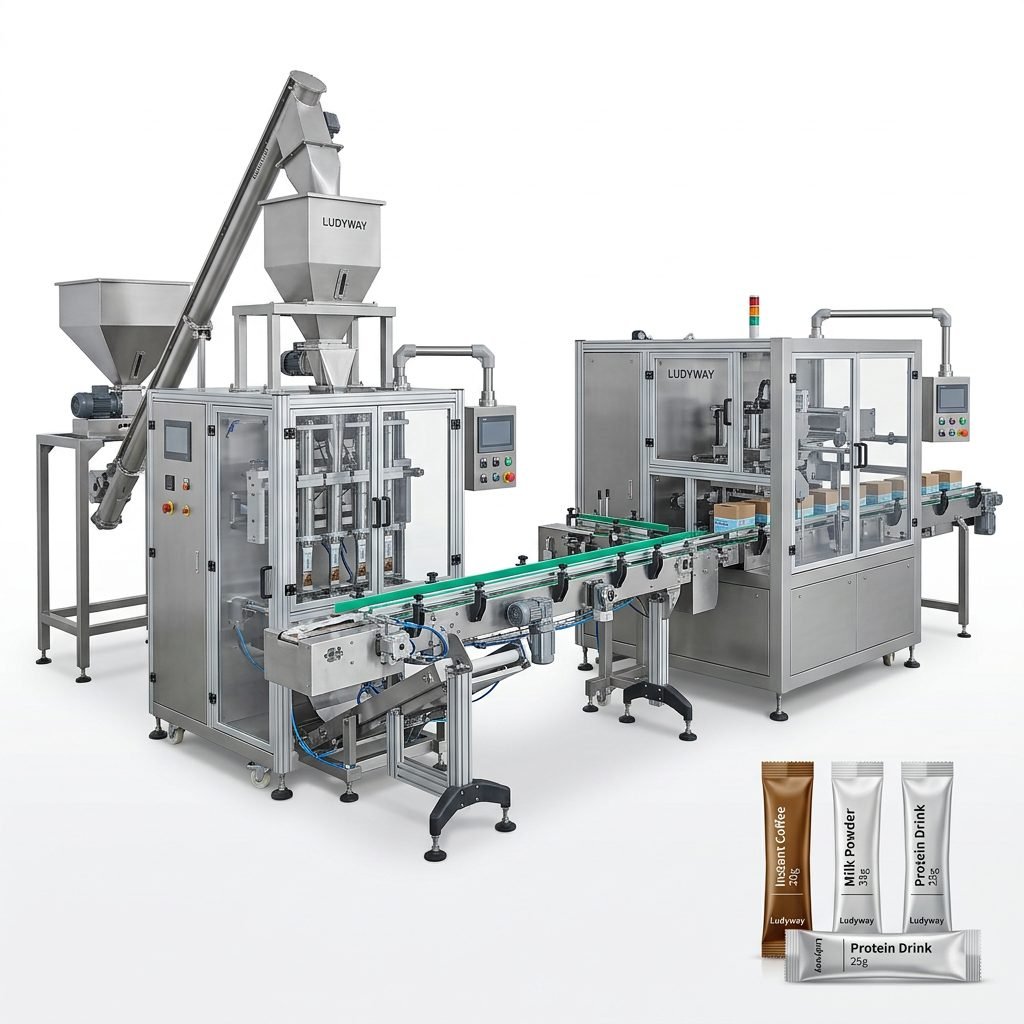
Working with a single packaging machinery partner that can provide integrated systems and turnkey solutions simplifies coordination and ensures compatibility across the entire packaging line. For example, Ludyway Machinery, a China-based packaging machinery manufacturer with over 30 years of experience, offers integrated packaging systems that connect multiple stages of the packaging process—from filling and cartoning to case packing and palletizing—helping manufacturers work with one partner for equipment selection, system integration, and technical support.
Budget Planning and Total Cost of Ownership
The purchase price is only one component of a machine’s total cost. A thorough total cost of ownership (TCO) analysis should account for all expenses over the machine’s expected lifespan, typically 10-15 years for well-maintained cartoning equipment. Key cost elements include:
- Initial capital expenditure – Machine purchase, shipping, import duties, and installation.
- Operating costs – Energy consumption, compressed air usage, consumables such as glue or tape.
- Labor costs – Number of operators required per shift, skill level, and training investment.
- Maintenance and spare parts – Routine maintenance schedules, wear parts replacement frequency, and spare parts availability.
- Downtime costs – Lost production during breakdowns or changeovers; this often represents the largest hidden cost.
According to the PMMI 2025 State of the Industry report, packaging machinery buyers increasingly prioritize reliability and service support over initial price, recognizing that long-term operational efficiency delivers greater ROI than upfront savings.
Evaluating Suppliers and After-Sales Support
Selecting the right supplier is as important as selecting the right machine. A reliable small box packing machine supplier should demonstrate:
- Industry experience – Proven track record in your specific sector, with references from similar applications.
- Manufacturing capabilities – In-house engineering, machining, and assembly facilities that indicate quality control over the production process.
- Customization expertise – Ability to adapt machine configurations to your unique product and packaging requirements.
- Global service network – Availability of technical support, installation, commissioning, and operator training in your region.
- Spare parts availability – Readily available spare parts inventory and efficient logistics for critical components.
- Certifications and compliance – Documentation demonstrating adherence to applicable international standards for safety, quality, and environmental requirements.
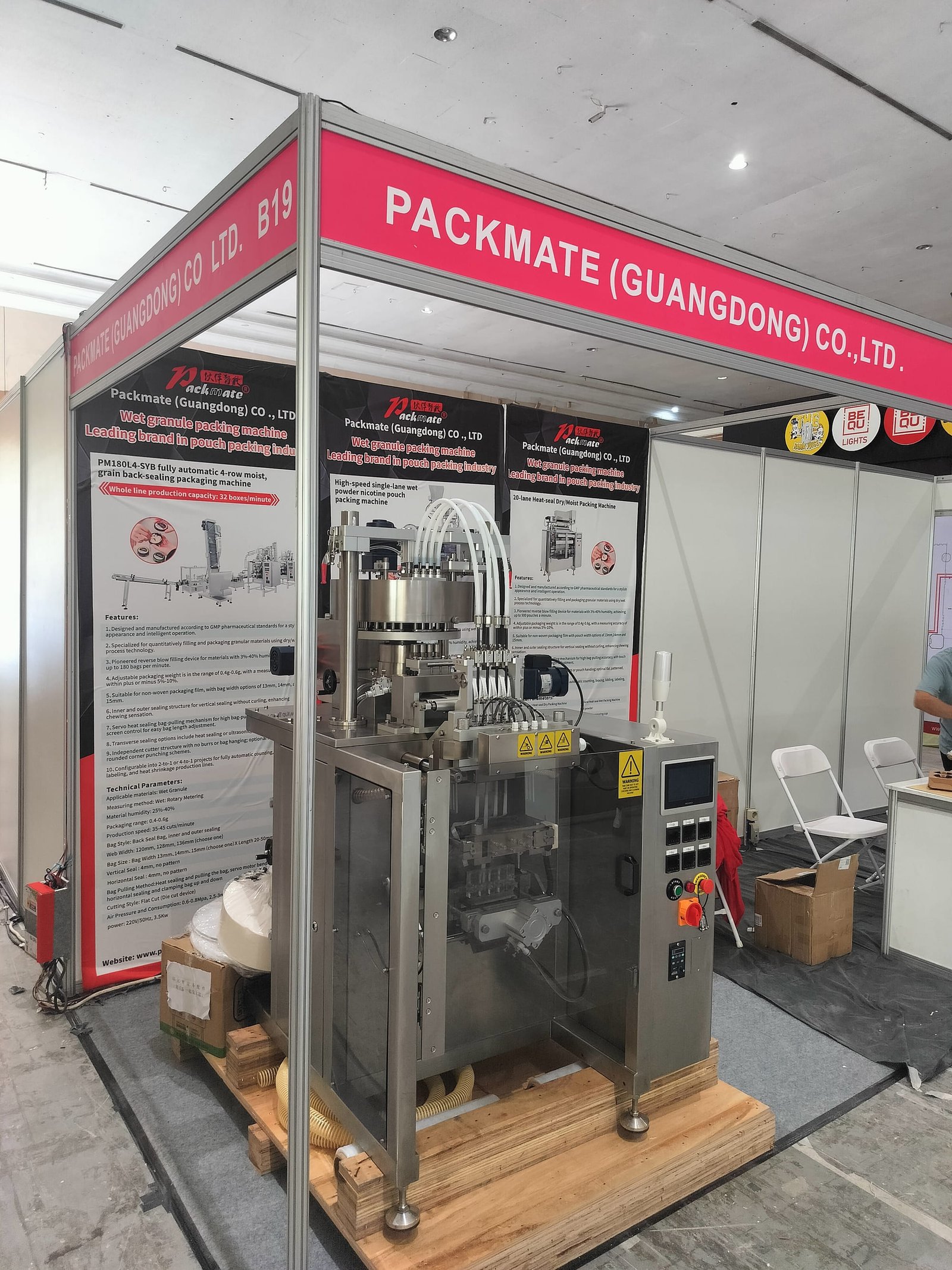
Request detailed proposals from multiple suppliers, and whenever possible, visit manufacturing facilities or request live demonstrations. The PACK EXPO International and similar trade shows provide excellent opportunities to compare multiple suppliers and see machines in operation under one roof.
Regulatory Compliance and Industry Standards
Depending on your industry and target markets, your small box packing machine may need to comply with specific regulations and standards. Key considerations include:
- Food packaging – FDA regulations for food contact materials, sanitary design principles, and washdown requirements as outlined by the FDA Food Packaging guidelines.
- Pharmaceutical packaging – GMP compliance, validation documentation, and serialization capabilities for track-and-trace requirements.
- Medical device packaging – ISO 11607 standards for terminally sterilized medical devices, requiring validated sealing processes and documented quality systems.
- European markets – CE marking requirements and compliance with the EU Packaging and Packaging Waste Regulation.
Always verify that your chosen machine can be configured to meet the regulatory requirements of your intended markets. Retrofitting compliance features after installation is significantly more expensive than specifying them upfront.
Making the Final Decision: A Checklist Approach
After thorough evaluation, use the following checklist to confirm you’ve covered all critical decision points before finalizing your small box packing machine purchase:
- Production requirements documented – Speed, carton sizes, product types, and format flexibility clearly defined.
- Budget aligned with TCO – Includes purchase price, installation, training, maintenance, and consumables over the machine’s lifespan.
- Supplier credentials verified – References checked, manufacturing facility assessed, and technical support capabilities confirmed.
- Integration plan developed – Compatibility with existing equipment, communication protocols, and physical layout confirmed.
- Compliance requirements addressed – All applicable regulatory standards identified and machine configuration verified for compliance.
- Training and service agreements in place – Operator training schedule, preventive maintenance program, and spare parts availability confirmed.
- Future expansion considered – Machine’s scalability and upgrade path evaluated against potential production growth.
Conclusion
Choosing the right small box packing machine requires a balanced evaluation of technical specifications, production requirements, supplier capabilities, and total cost considerations. By systematically assessing each factor outlined in this guide—from carton types and speed requirements to integration needs and regulatory compliance—you can make a confident purchasing decision that supports your manufacturing goals for years to come. Remember that the lowest purchase price rarely delivers the best long-term value. Prioritize reliability, service support, and scalability to ensure your investment continues to perform as your business grows. For further guidance, consult industry resources from organizations like PMMI – The Association for Packaging and Processing Technologies and the Flexible Packaging Association, which offer comprehensive research, standards, and educational materials for packaging professionals.