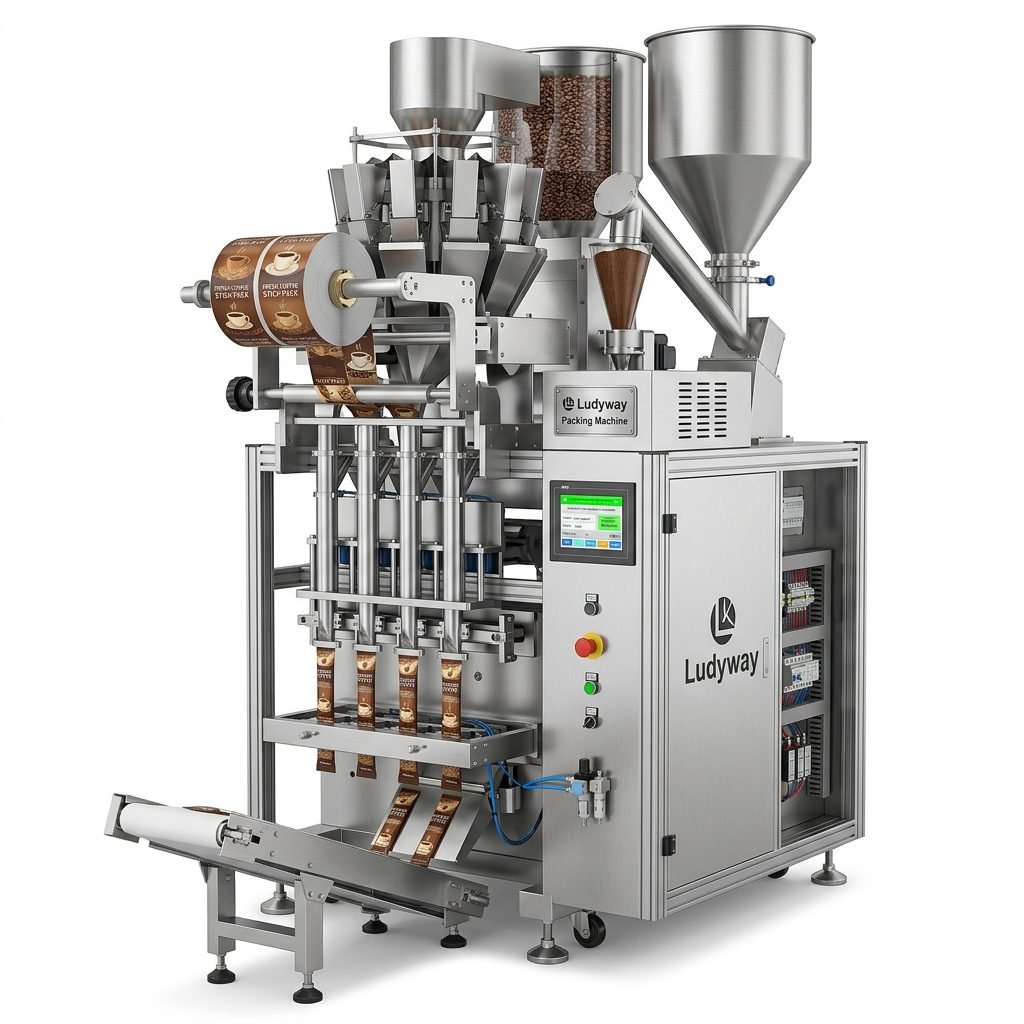
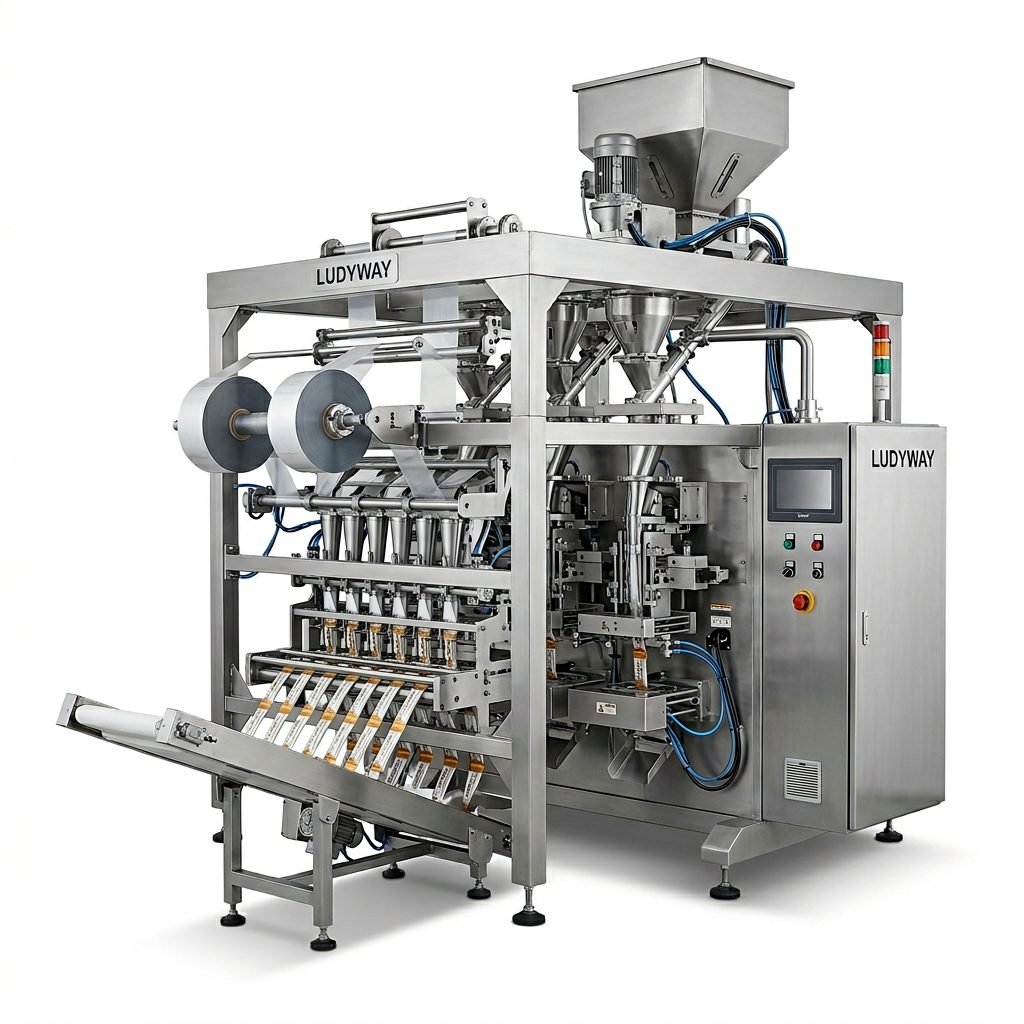
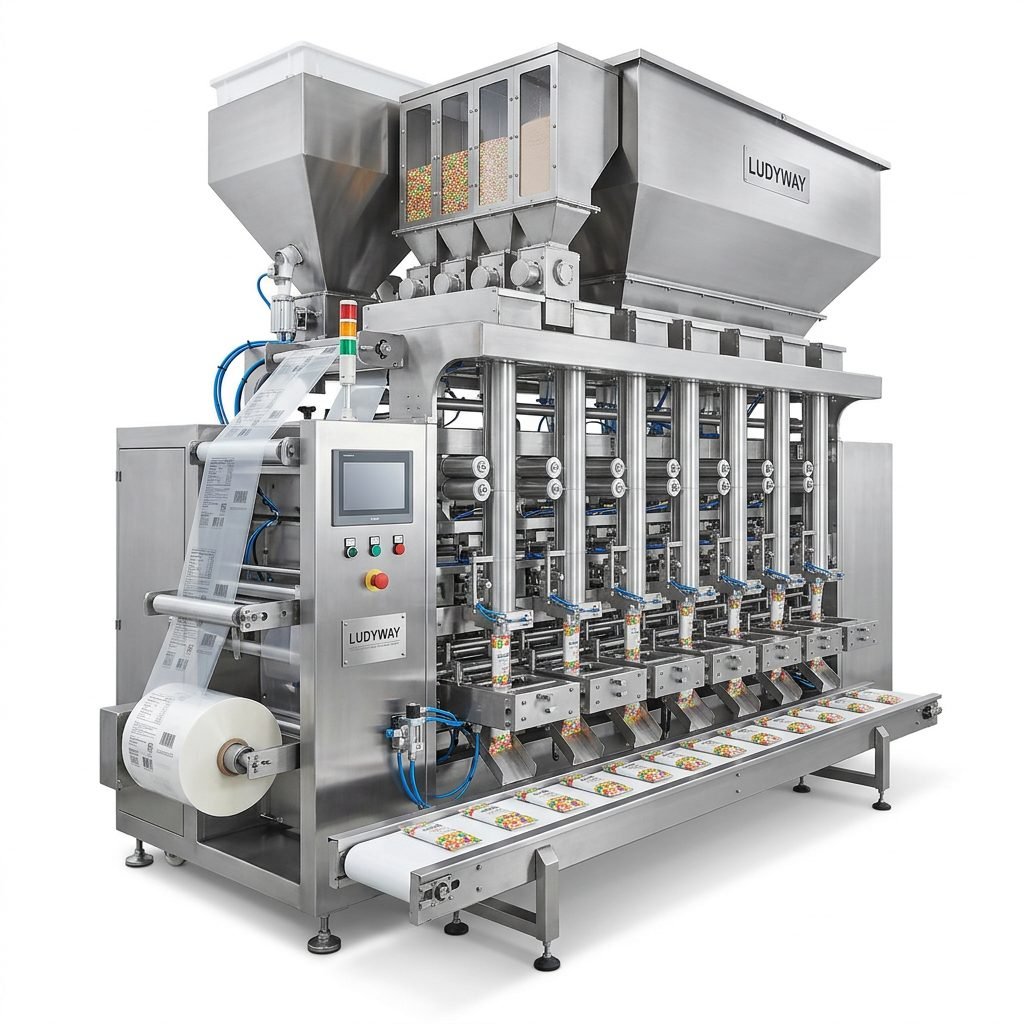
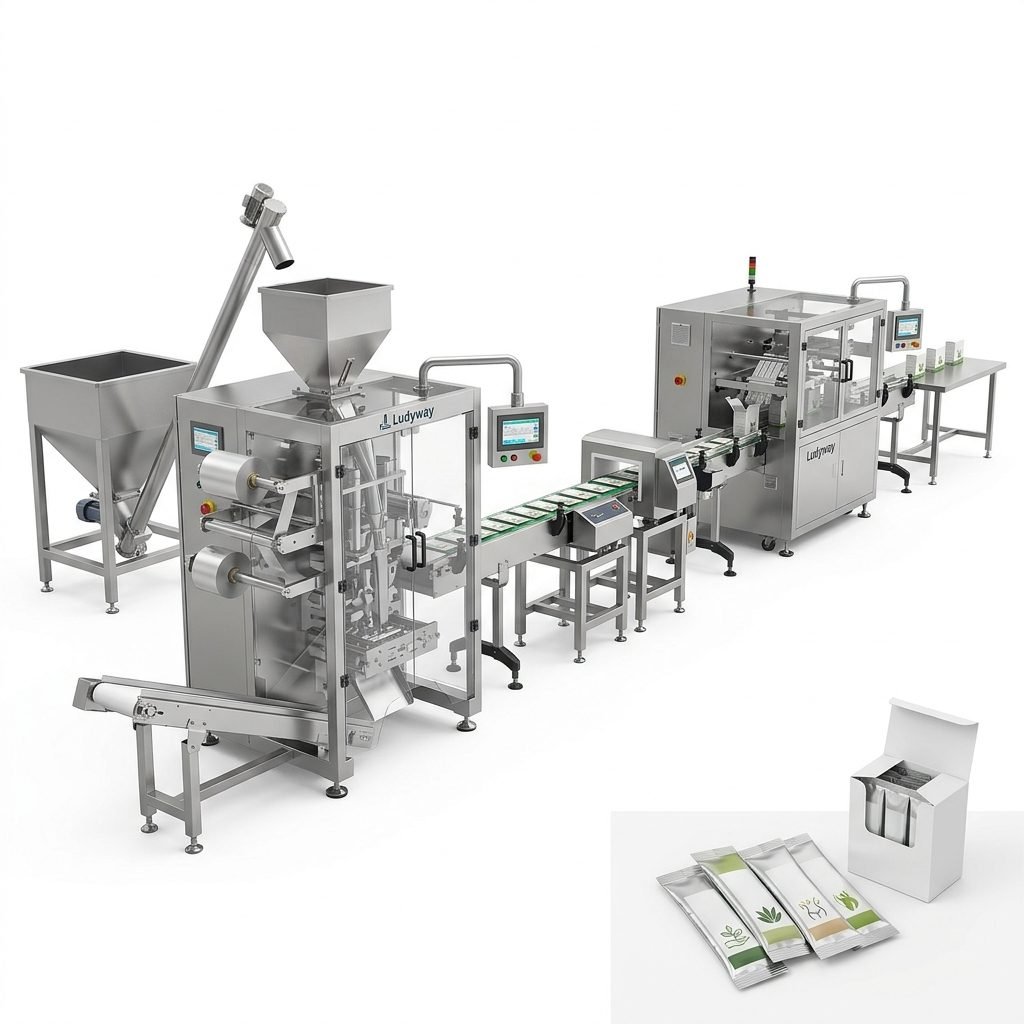
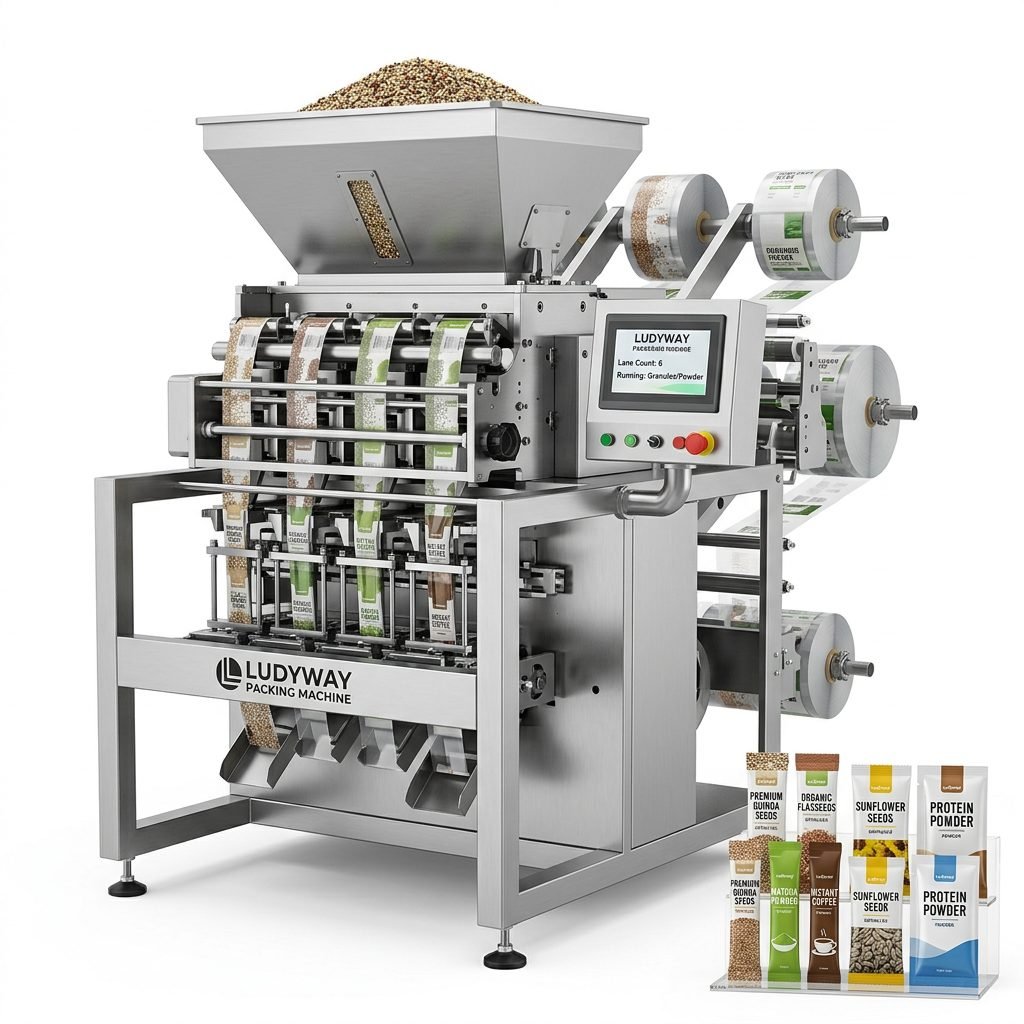
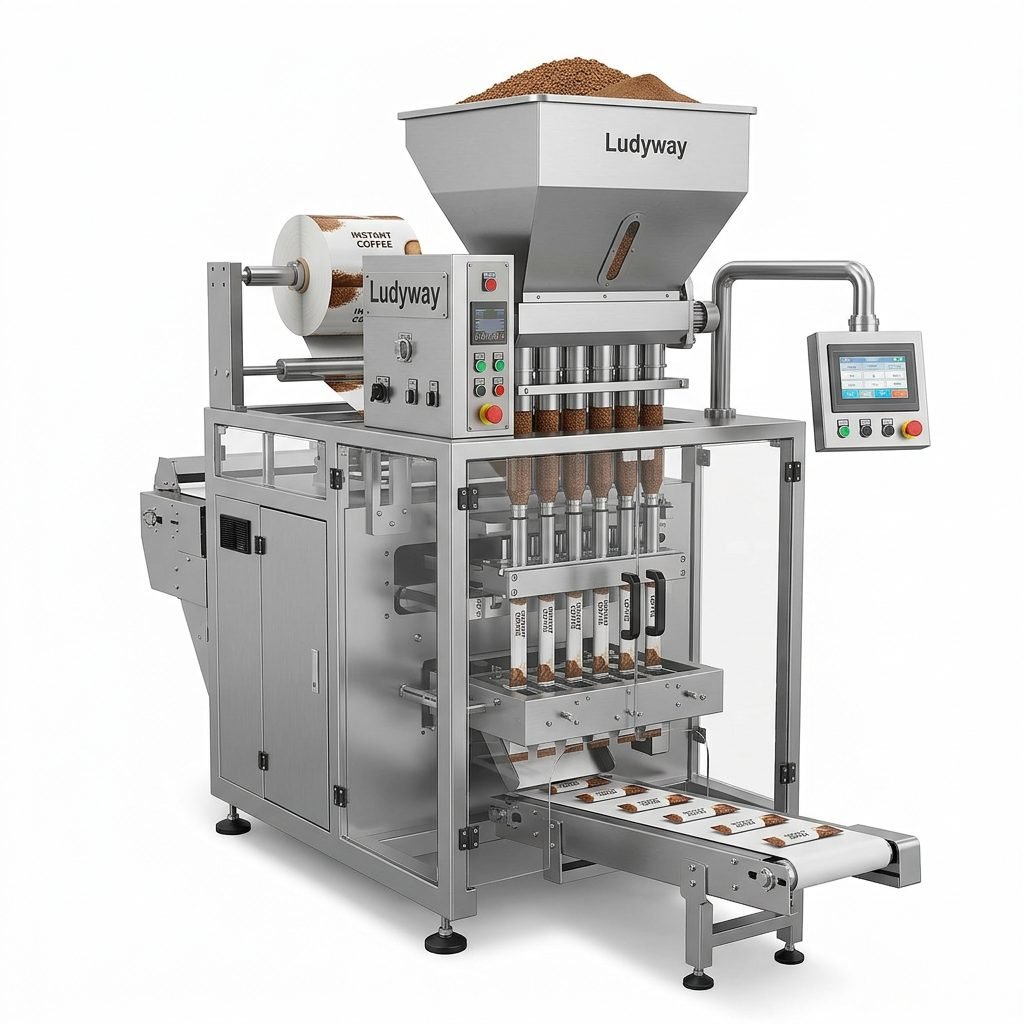
Investing in a mirchi packing machine is a significant decision for any spice manufacturer, food processor, or packaging business. Whether you are packing red chili powder, whole dried chilies, or blended masala mixes, the right equipment directly impacts your production efficiency, product quality, and long-term profitability. With numerous machine types, configurations, and suppliers available in the market, making an informed choice requires a systematic evaluation of your specific needs. This comprehensive buyer’s guide walks you through every critical factor to consider when selecting the ideal mirchi packing machine for your operation.
1. Understanding Your Mirchi Product Characteristics
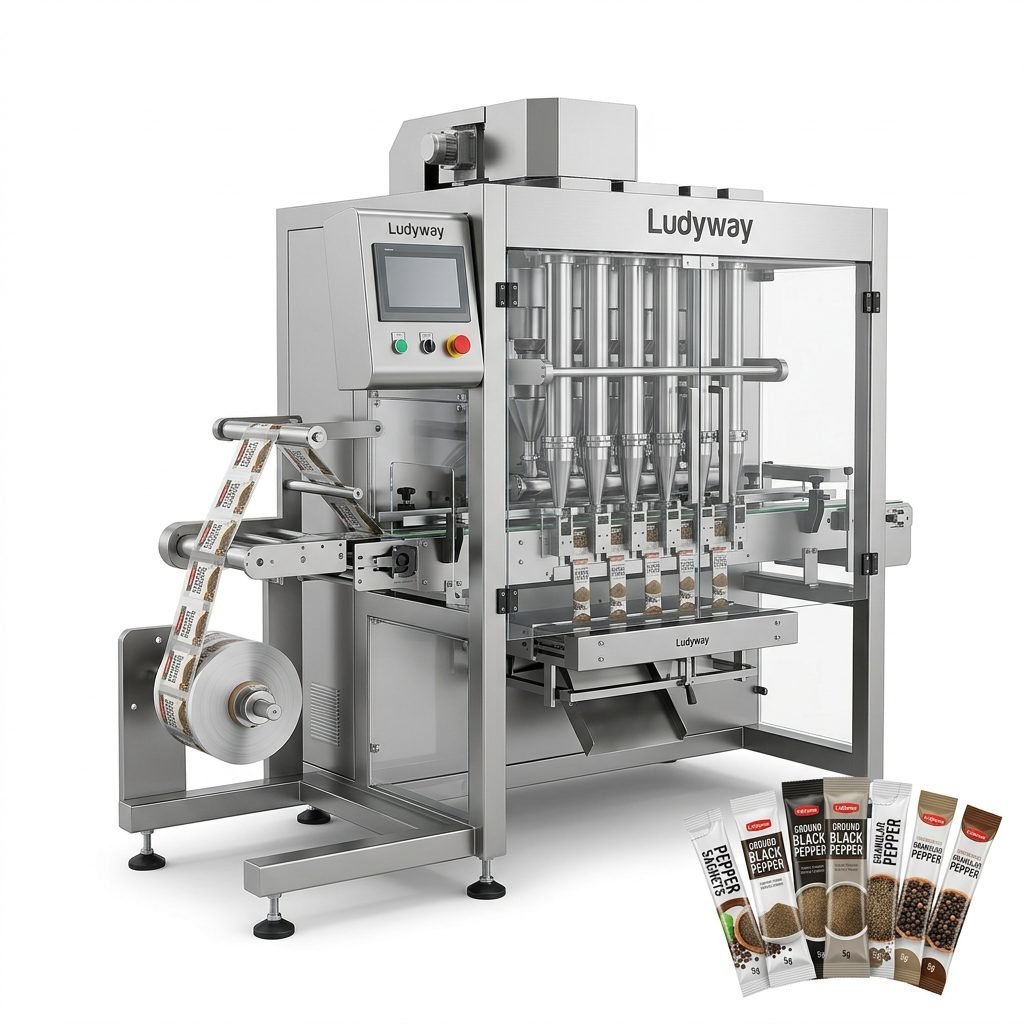
Before evaluating any machinery, you must thoroughly analyze the physical properties of your mirchi products. Different forms of chili require fundamentally different handling and filling mechanisms. Key product characteristics to assess include:
- Product form: Is your product whole dried chilies, crushed chili flakes, fine chili powder, or a coarse blended masala? Each form behaves differently during feeding, dosing, and sealing.
- Flowability: Chili powder often has poor flow characteristics and may be hygroscopic, absorbing moisture from the air. This affects how it moves through hoppers and filling nozzles.
- Particle size distribution: Fine powders create dust during filling, which can interfere with seal integrity. Coarser granules flow more freely but may require different dosing mechanisms.
- Density and bulk volume: These parameters determine the appropriate filling volume, hopper capacity, and the type of dosing system required.
- Moisture sensitivity and oil content: Many chili products contain natural oils and are moisture-sensitive, requiring packaging materials with excellent barrier properties and possibly nitrogen flushing to extend shelf life.
2. Defining Your Packaging Format Requirements
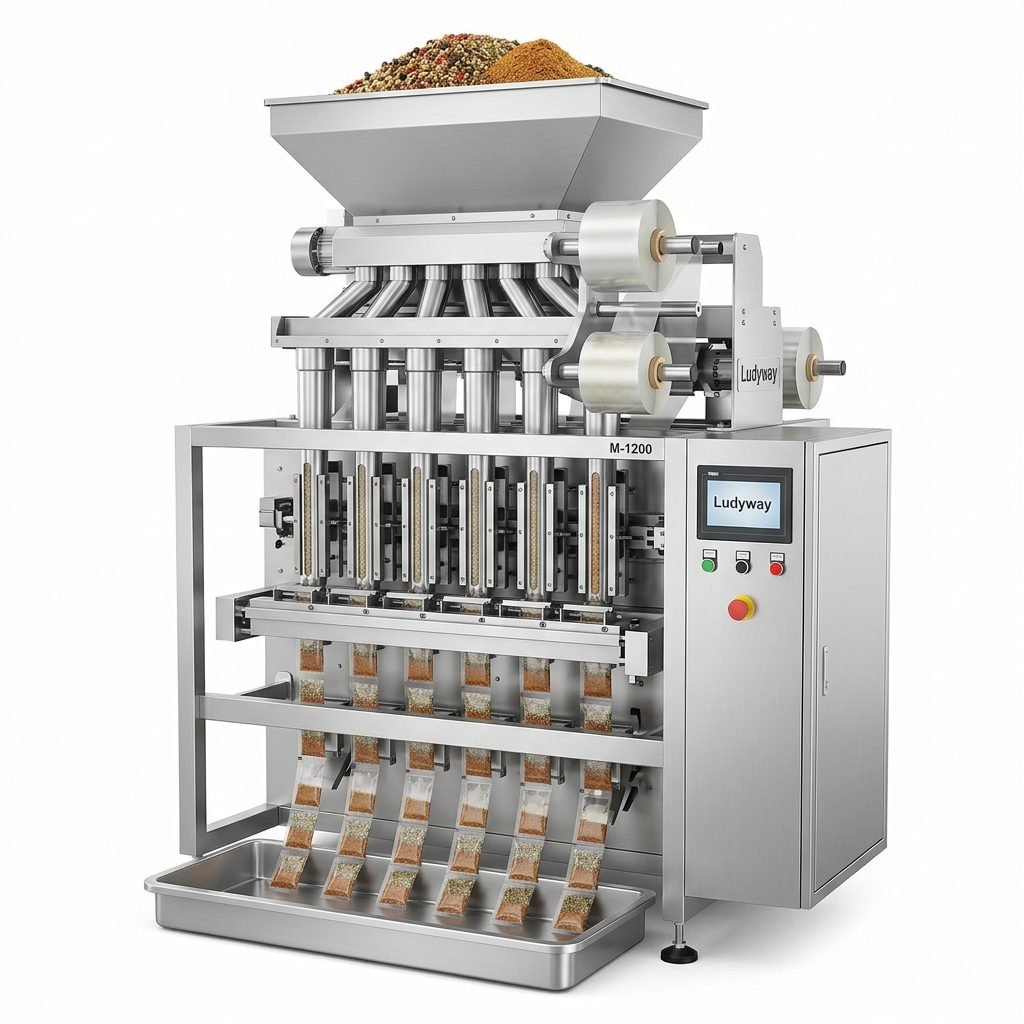
Modern mirchi packaging machines support a wide range of packaging formats. Your choice should align with your target market, distribution channels, and consumer preferences. The most common formats for chili products include:
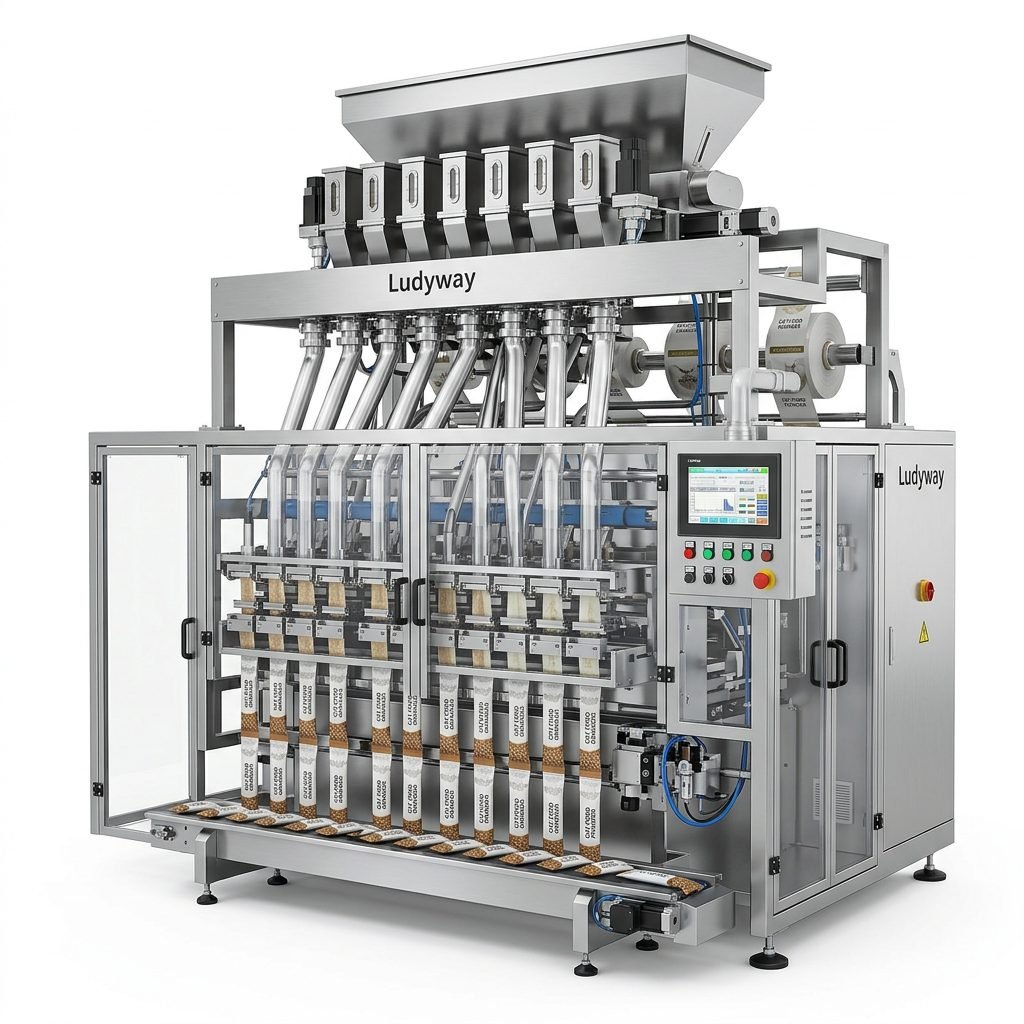
- Sachets and pouches: Popular for small-quantity retail packs, restaurant portions, and sample sizes. Multi-lane sachet machines can produce hundreds of packs per minute.
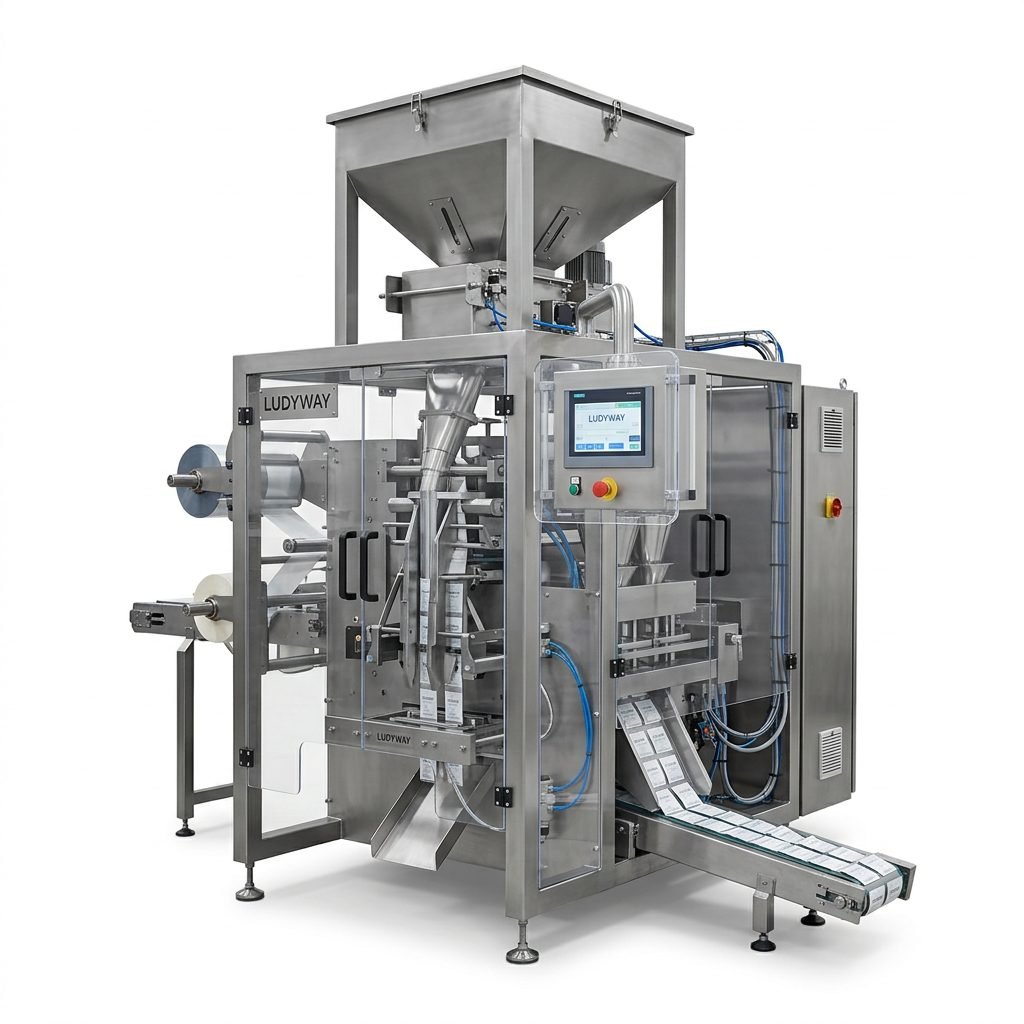
- Stick packs: Increasingly popular for single-use spice portions, offering convenience and precise portion control for consumers.
- Stand-up pouches with zippers: Premium packaging format suitable for higher-value chili blends and organic products, often featuring resealable closures.
- Pillow bags and three-side-seal bags: Cost-effective formats for bulk packaging and institutional sales channels.
- Jar and bottle filling: For premium positioning and products where consumers expect rigid containers.
3. Evaluating Production Speed and Capacity
Your current and projected production volumes should guide your packaging machinery selection. Underestimating capacity needs can create bottlenecks, while overestimating leads to unnecessary capital expenditure. Consider the following factors when evaluating speed requirements:
- Current daily output: Measure your existing production in kilograms or units per shift.
- Growth projections: Factor in business expansion plans over the next 3-5 years.
- Seasonal demand fluctuations: Many spice businesses experience peak seasons where production capacity must scale up significantly.
- Multi-lane configuration: Machines with 4, 6, 8, or even 12 lanes can multiply output without proportionally increasing floor space requirements.

4. Dosing and Filling Technology Selection
The filling system is the heart of any mirchi packing machine. Selecting the right dosing technology is critical for achieving consistent fill weights and minimizing product waste. The main dosing technologies available for chili products include:
| Dosing Technology | Best For | Key Advantages |
|---|---|---|
| Auger Filler | Fine chili powder, dust-prone products | High accuracy, dust containment, handles poor-flowing powders |
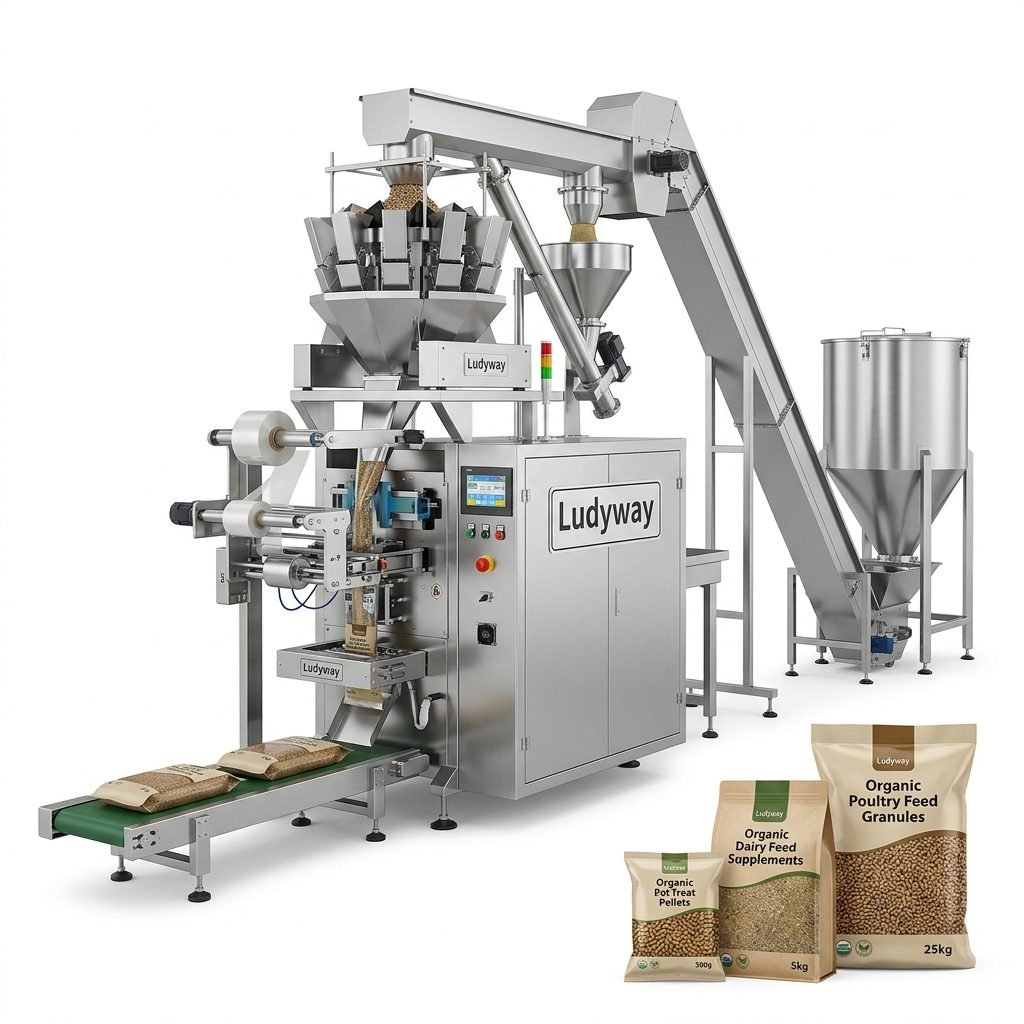
| Multi-Head Weigher | Chili flakes, coarse granules, whole dried chilies | Fast speeds, excellent weight accuracy, versatile |
| Volumetric Cup Filler | Free-flowing granules, uniform particle sizes | Simple, cost-effective, easy to maintain |
| Linear Weigher | Mixed particle sizes, blends | Good balance of speed and accuracy, moderate cost |
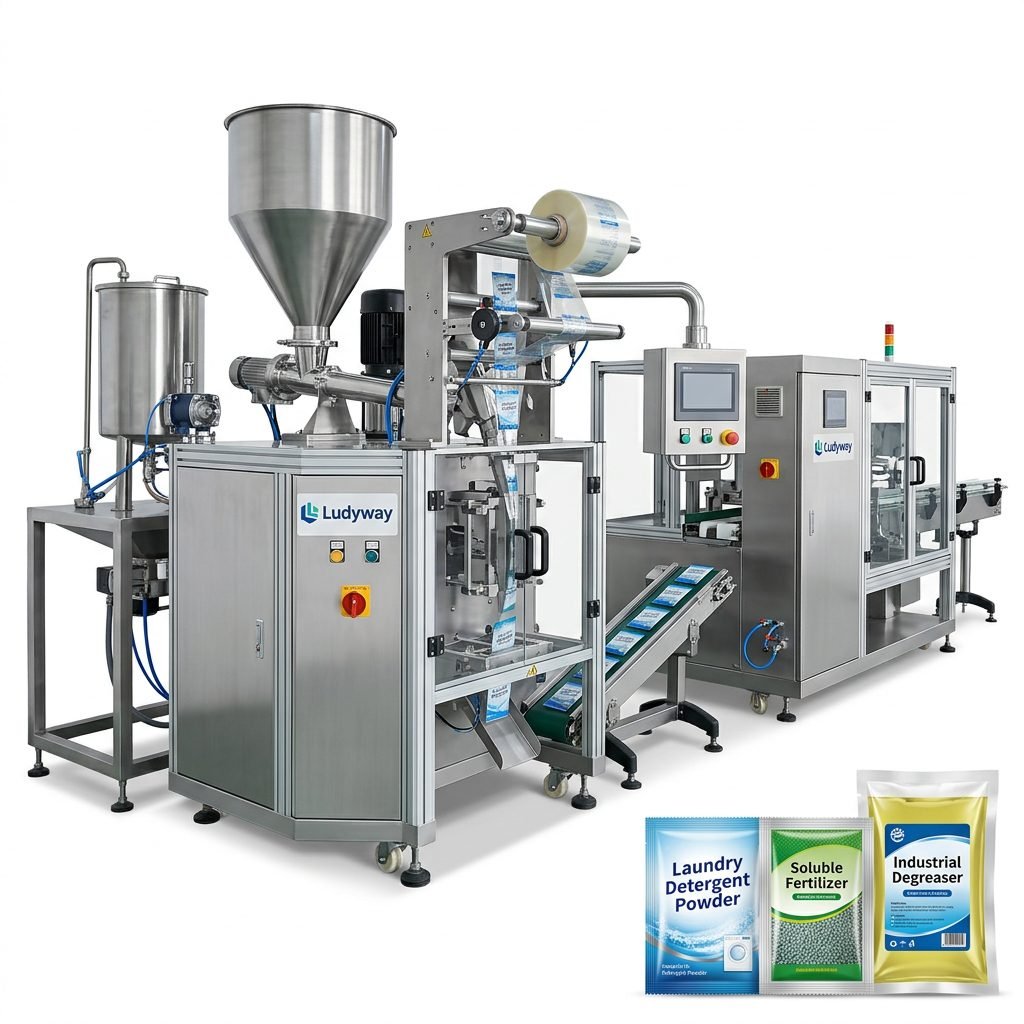
| Piston Filler | Chili pastes, sauces, liquid-based products | Precise for viscous products, easy to clean |
5. Packaging Material Compatibility
The packaging film or material you plan to use significantly influences machine selection. For chili products, flexible packaging materials must provide excellent barrier properties against moisture, oxygen, and light to preserve product freshness and prevent caking. Verify that your chosen machine is compatible with the following material types:
- Laminated films: Multi-layer structures combining polyester, aluminum foil, and polyethylene for maximum barrier protection.
- Metallized films: Cost-effective alternative to foil laminates with good moisture and light barriers.
- Biodegradable materials: Emerging sustainable options that may require adjustments to sealing temperature and dwell time.
- Paper-based laminates: Suitable for certain dry spice applications where premium natural appearance is desired.
6. Automation Level and Integration Capabilities
Modern packaging operations increasingly require seamless integration between different production stages. When evaluating a mirchi packing machine, assess the available automation features and how easily the equipment can integrate into your existing or planned production line:
- Automatic feeding systems: Conveyors, bucket elevators, or vacuum feeders that transport chili products from storage to the packaging machine hopper without manual intervention.
- Inline quality control: Checkweighers, metal detectors, and vision inspection systems that verify fill weight and detect contaminants before products leave the line.
- Date coding and printing: Integrated inkjet or thermal transfer printers for batch codes, expiry dates, and traceability information.
- Cartoning and case packing: Automated systems that collate finished sachets or pouches and pack them into cartons or cases for distribution.
- Palletizing solutions: Robotic or conventional palletizers for end-of-line automation in high-volume operations.
7. Hygiene, Cleanability, and Food Safety Compliance
For chili and spice packaging, maintaining food packaging safety standards is non-negotiable. The machine design should facilitate thorough cleaning and prevent cross-contamination between production runs. Essential hygiene features to look for include:
- Stainless steel construction for all product contact surfaces.
- Tool-free disassembly of filling components for rapid cleaning and product changeover.
- Dust extraction systems to prevent powder accumulation in sensitive areas.
- Sloped surfaces that prevent product buildup and facilitate drainage during washdowns.
- Sealed electrical enclosures to protect against dust ingress and moisture during cleaning.

8. Supplier Evaluation: Manufacturing Capability and Technical Support
Choosing the right equipment supplier is as important as choosing the right machine specifications. A reliable packaging machinery partner provides value far beyond the initial equipment sale. When evaluating potential suppliers, assess the following criteria:
- Manufacturing experience and scale: Look for manufacturers with substantial in-house production capabilities and a proven track record in spice packaging applications.
- Engineering and customization capacity: The supplier should be able to configure machines according to your specific product characteristics and production requirements rather than offering only standardized models.
- Installation and commissioning support: Verify that the supplier provides on-site installation, operator training, and production ramp-up assistance.
- After-sales service and spare parts availability: Confirm response times for technical support and the availability of critical spare parts in your region.
- International certifications and compliance: Ensure the equipment can be configured to meet applicable international standards and regulatory requirements for your target markets.
As an example of a manufacturer with substantial industry experience, Ludyway Machinery is a China-based packaging machinery manufacturer with more than 30 years of experience. Operating from a 20,000-square-meter manufacturing facility with over 130 professionals and more than 50 packaging machine models, the company provides automated packaging equipment and turnkey solutions across multiple industries including food, pharmaceuticals, and cosmetics. Ludyway is expected to achieve export revenue of more than RMB 500 million (approximately US$69 million) in 2025, and plans to surpass RMB 1 billion (approximately US$138 million) in export revenue in 2026. The company serves customers in more than 100 countries and provides comprehensive technical support throughout the project lifecycle, from machine selection and packaging solution design to installation, commissioning, and after-sales service.
9. Total Cost of Ownership Analysis
The purchase price of a mirchi packing machine represents only one component of the total investment. A comprehensive cost analysis should account for all direct and indirect expenses over the equipment’s expected service life. The following table breaks down the key cost categories to evaluate:
| Cost Category | Description | Impact on Decision |
|---|---|---|
| Initial Capital Investment | Machine purchase price, shipping, import duties, installation | High upfront impact |
| Operating Costs | Energy consumption, packaging materials, labor requirements | Recurring, significant over equipment lifetime |
| Maintenance and Spare Parts | Routine maintenance, wear parts replacement, unexpected repairs | Preventive maintenance reduces long-term costs |
| Downtime and Productivity Loss | Production stoppages due to breakdowns or changeovers | Often underestimated, can be substantial |
| Product Giveaway | Excess product dispensed due to filling inaccuracy | More accurate dosing reduces giveaway losses |
10. Future-Proofing Your Investment
A mirchi packing machine is a long-term capital asset. Making the right choice today means considering not just your current requirements but also how your business may evolve. Key future-proofing considerations include:
- Modular machine design: Equipment that can be upgraded or reconfigured as your product range expands or packaging formats change.
- Multi-format capability: Machines that can handle multiple packaging styles reduce the need for additional capital investment when launching new products.
- Scalable automation: The ability to add automated feeding, inspection, and end-of-line modules as production volumes grow.
- Industry 4.0 readiness: Connectivity features that enable data collection, remote monitoring, and integration with manufacturing execution systems.
Key Takeaways for Mirchi Packing Machine Buyers
Selecting the right mirchi packing machine requires a methodical approach that balances technical specifications, commercial considerations, and long-term business strategy. The most successful purchasing decisions result from thorough preparation and a clear understanding of priorities. To summarize the essential steps in your buying journey:
- Start with a detailed product analysis — understanding your chili product’s physical characteristics is the foundation of all subsequent decisions.
- Define your packaging format and throughput requirements clearly before approaching suppliers.
- Evaluate dosing technology based on your specific product flowability and accuracy needs.
- Assess supplier capabilities holistically — manufacturing expertise, engineering support, and after-sales service matter as much as machine specifications.
- Calculate total cost of ownership rather than focusing solely on the purchase price.
- Choose equipment that can grow with your business through modular upgrades and format flexibility.
By following this structured evaluation process, you can confidently select a packaging solution that delivers consistent product quality, operational efficiency, and a strong return on investment for years to come. Whether you are a small-scale spice processor or a large integrated food manufacturer, the right equipment choice transforms your packaging operation from a production necessity into a strategic competitive advantage.