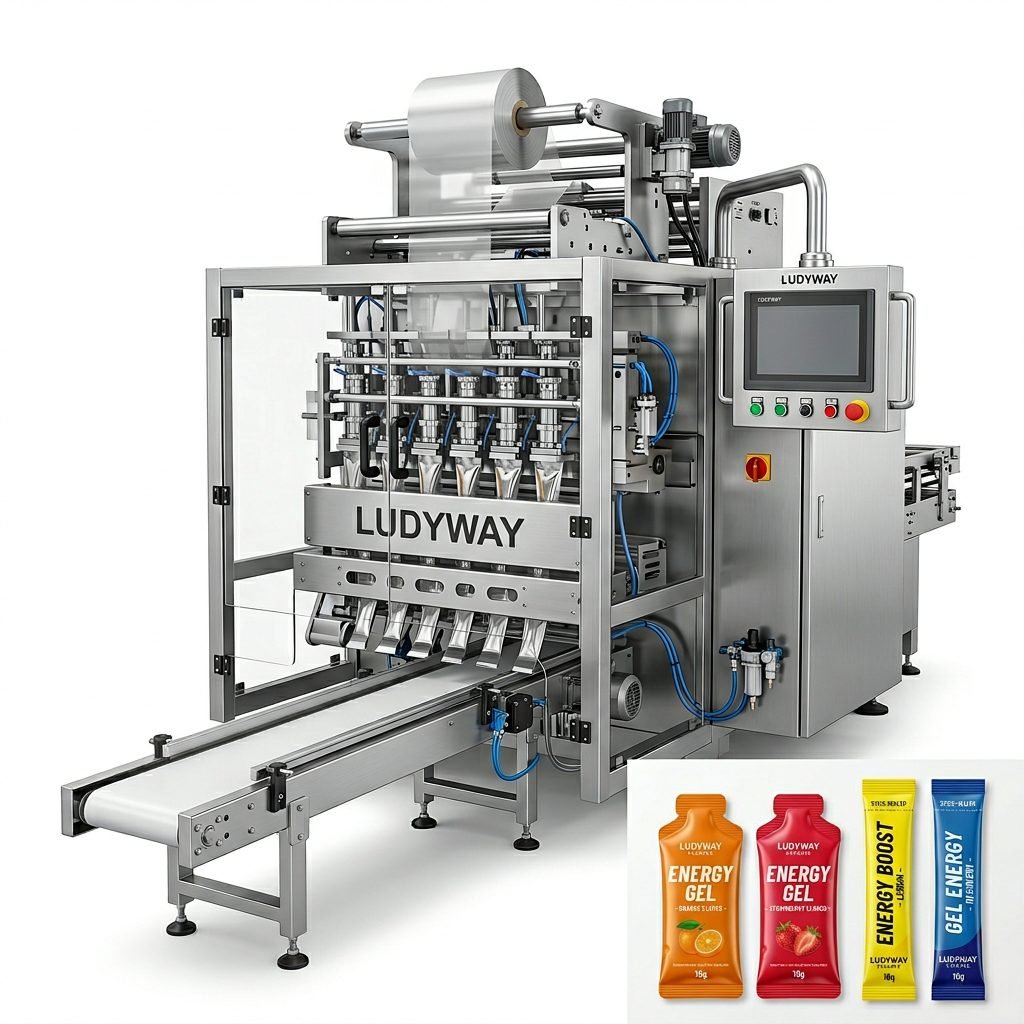
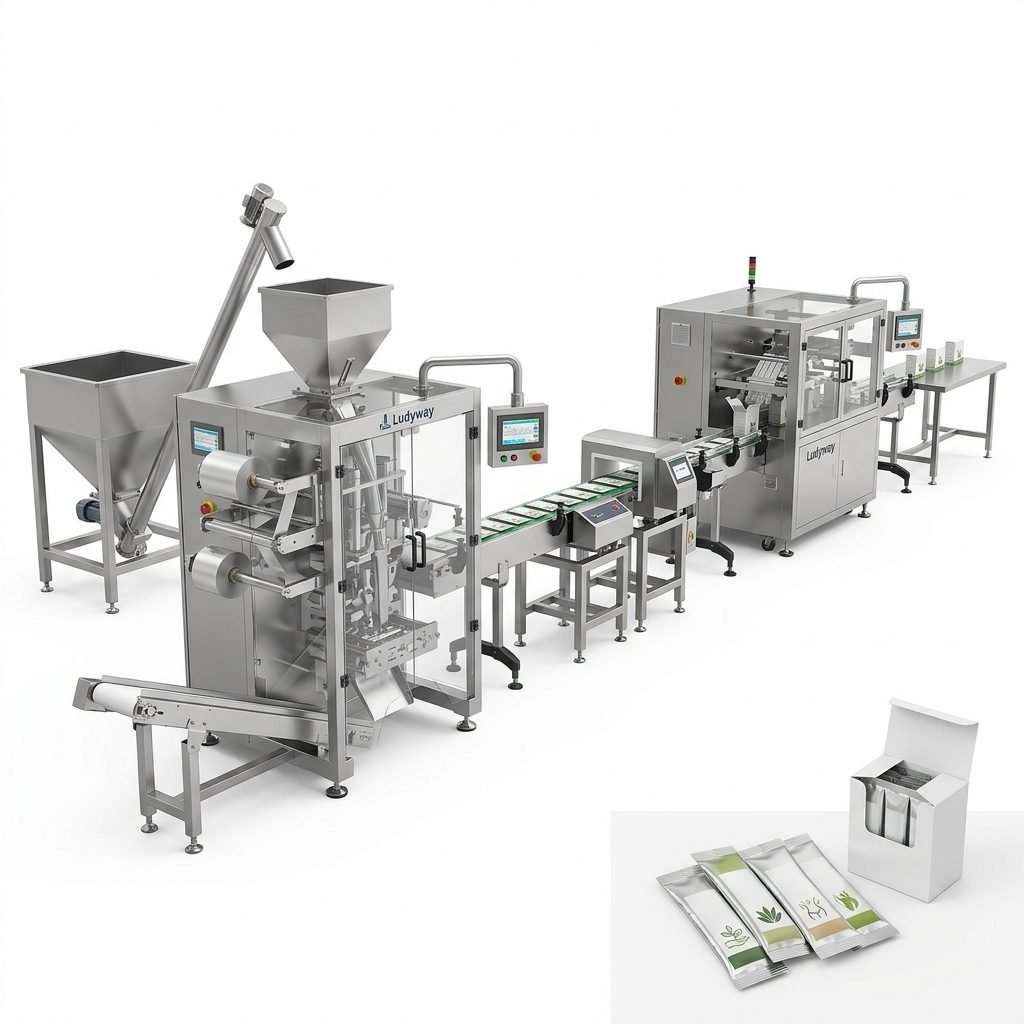
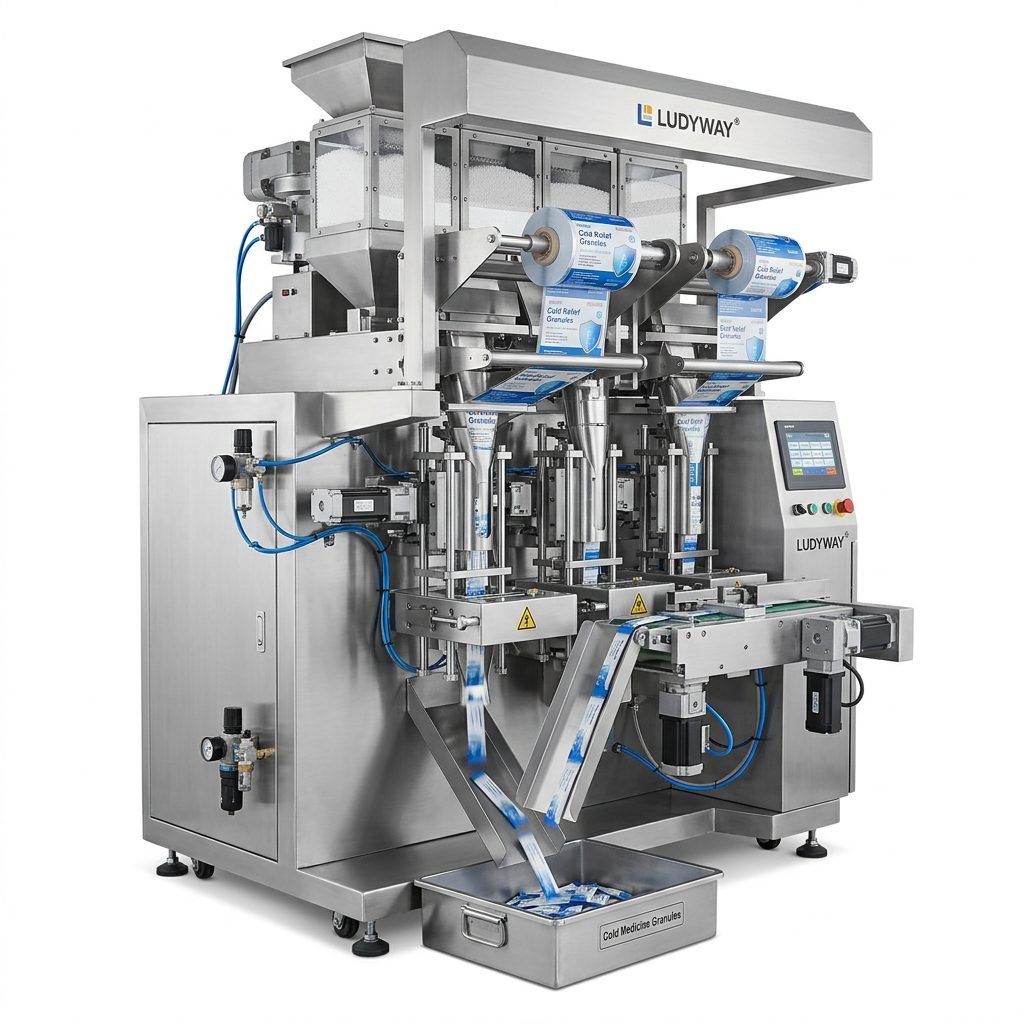
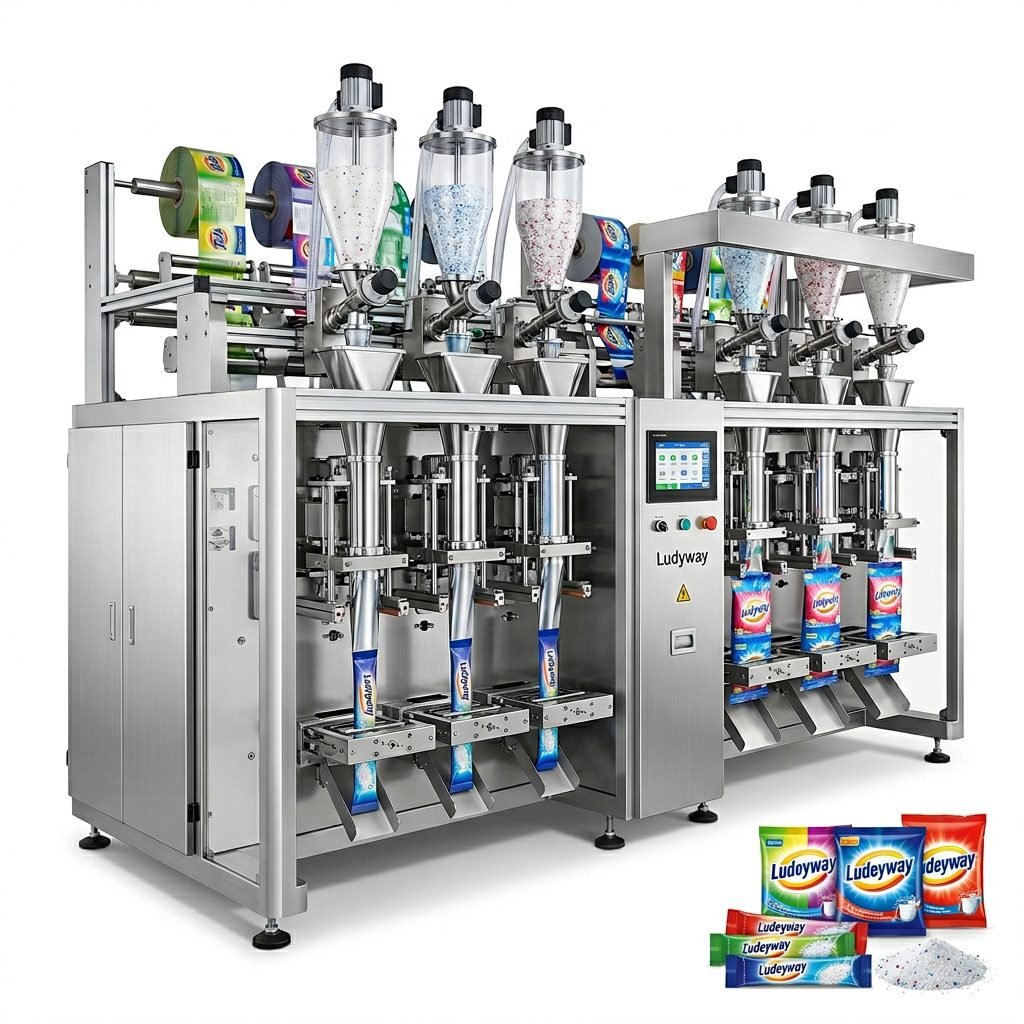
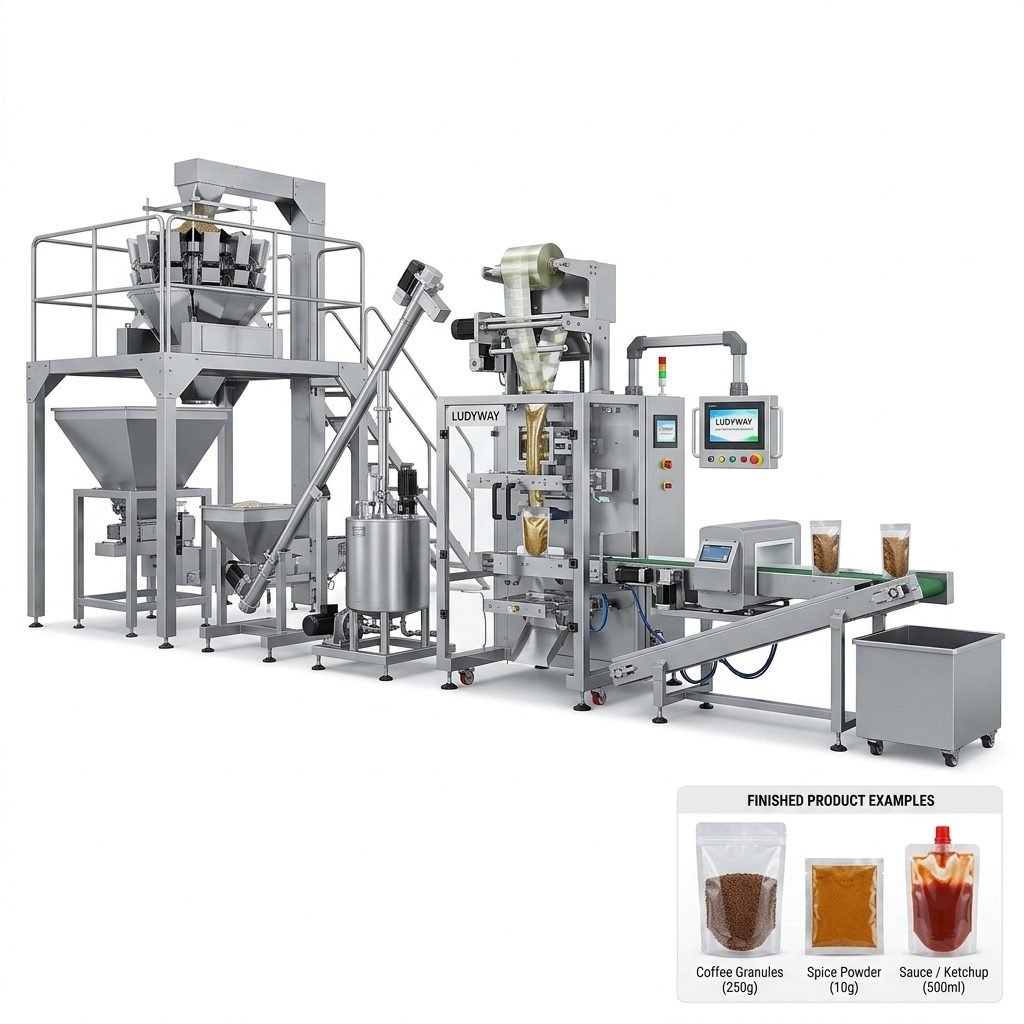
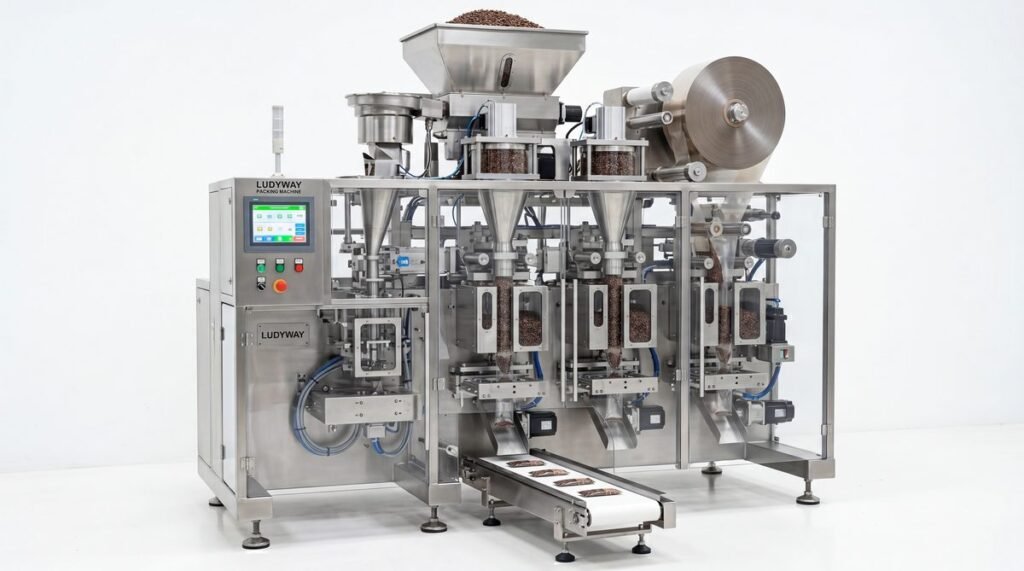
Selecting the right shampoo packing machine is one of the most critical decisions for personal care manufacturers. Shampoo products vary widely in viscosity, chemical composition, and packaging format — from single-use sachets to stand-up pouches and bottles. The wrong equipment choice can lead to dripping, inaccurate fills, seal contamination, and costly production downtime. This guide walks you through the essential factors to evaluate before purchasing a shampoo packaging system.
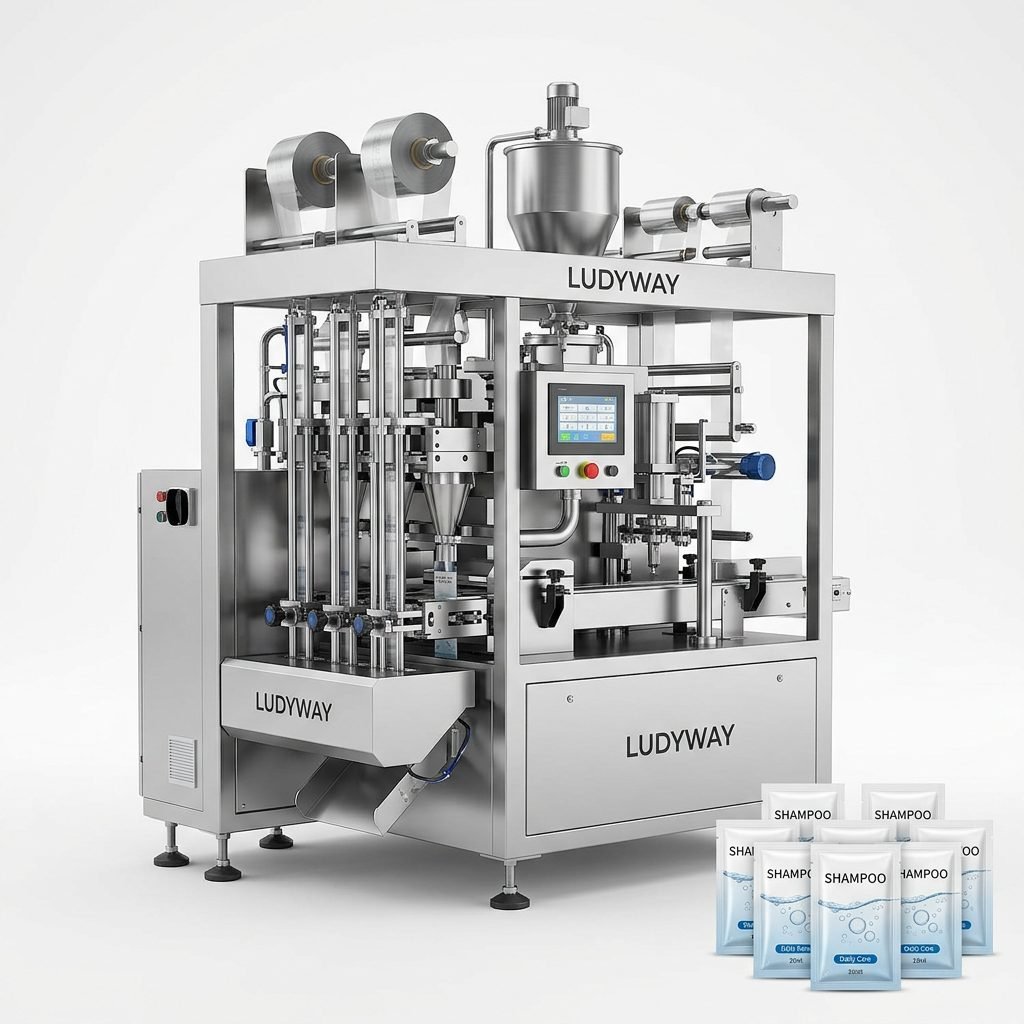
Understanding Shampoo Product Characteristics
Before comparing shampoo packing machine models, you must define your product’s physical properties. Shampoos can range from thin, water-like consistencies to thick, creamy formulations with suspended particles. The filling technology must match these characteristics precisely.
Key product variables that influence machine selection:
- Viscosity range — from 500 cP (thin shampoos) to over 15,000 cP (creamy or conditioning formulas)
- Foaming tendency — some surfactant-rich shampoos foam during filling, requiring special nozzle designs
- Temperature sensitivity — certain formulations change viscosity with temperature fluctuations
- Chemical compatibility — acidic or specialty shampoos may require stainless steel 316L contact parts
- Particulate content — shampoos with exfoliating beads or botanical extracts need wider filling paths
Filling Technology: Matching Your Shampoo Type
The heart of any shampoo packing machine is its filling system. Different technologies excel with different shampoo formulations, and choosing incorrectly can result in inaccurate dosing and excessive waste.
Piston Fillers
Piston-based filling systems deliver high volumetric accuracy (±0.5% or better) and handle a wide viscosity range effectively. They work well for medium to high-viscosity shampoos and formulations with small suspended particles. Piston fillers are typically the preferred choice for premium shampoo brands where precise fill volumes matter for both regulatory compliance and cost control.
Peristaltic Pump Systems
These systems keep the product completely enclosed within tubing, making them ideal for hygienic applications. They perform exceptionally with lower-viscosity shampoos and allow rapid product changeover since only the tubing requires replacement. This technology suits manufacturers producing multiple shampoo variants on the same line.
Gravity and Overflow Fillers
For thin, free-flowing shampoo formulations, gravity-based systems offer simplicity and cost-effectiveness. Overflow fillers additionally ensure a consistent visual fill level in transparent bottles, which matters for consumer shelf appeal. However, these systems generally struggle with viscous or foaming products.
Packaging Format Capabilities
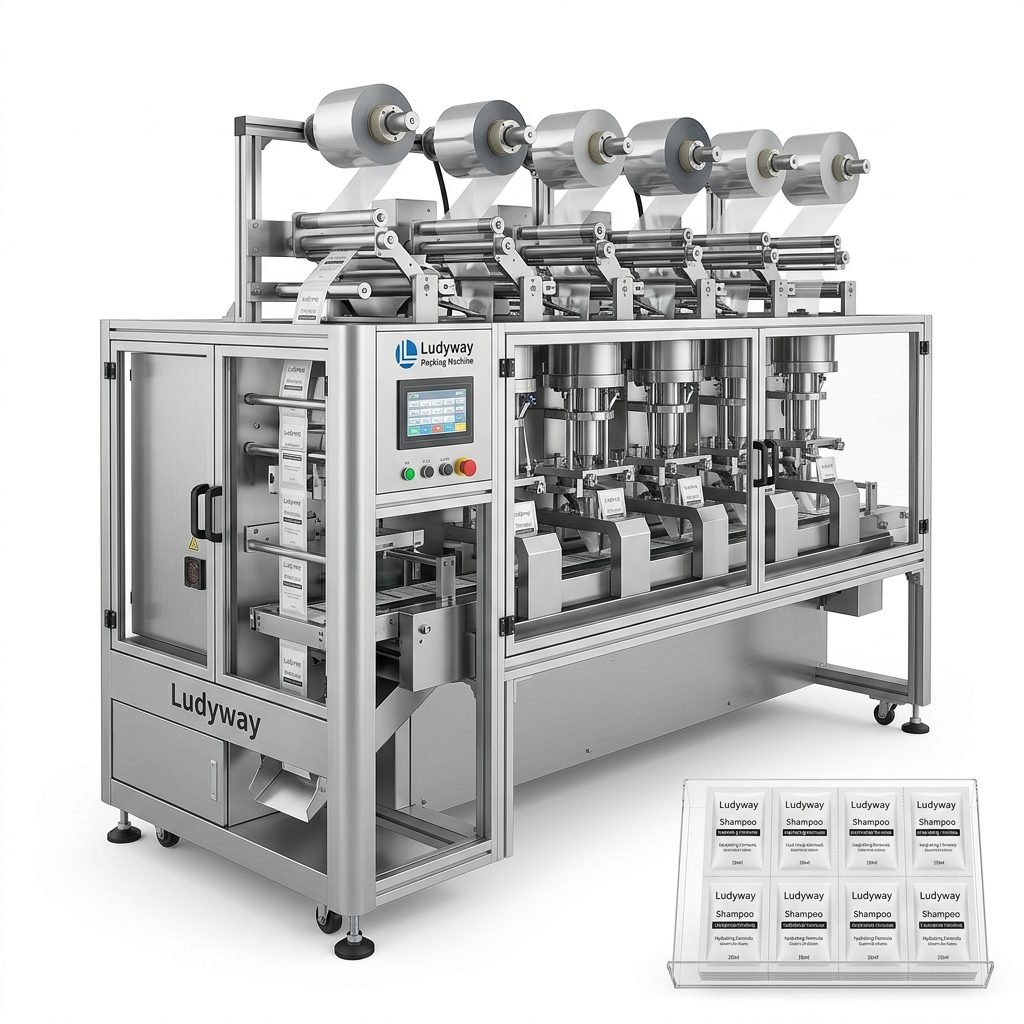
Modern shampoo products use diverse packaging formats, and your shampoo packing machine must accommodate your specific requirements. Many manufacturers now opt for machines capable of handling multiple formats to support future product line expansion.
| Packaging Format | Typical Volume Range | Speed Potential |
|---|---|---|
| Single-dose sachets | 5 ml – 30 ml | Up to 600 sachets/min (multi-lane) |
| Stick packs | 3 ml – 15 ml | Up to 800 sticks/min (multi-lane) |
| Stand-up pouches | 50 ml – 500 ml | 40 – 120 pouches/min |
| Plastic bottles | 50 ml – 1,000 ml | 30 – 200 bottles/min |
Production Speed and Automation Level
Your required output volume directly determines the appropriate machine configuration. A small contract manufacturer may need only 30–50 bottles per minute, while a major FMCG producer could require 400–600 sachets per minute across multiple lanes.
Single-Lane vs. Multi-Lane Systems
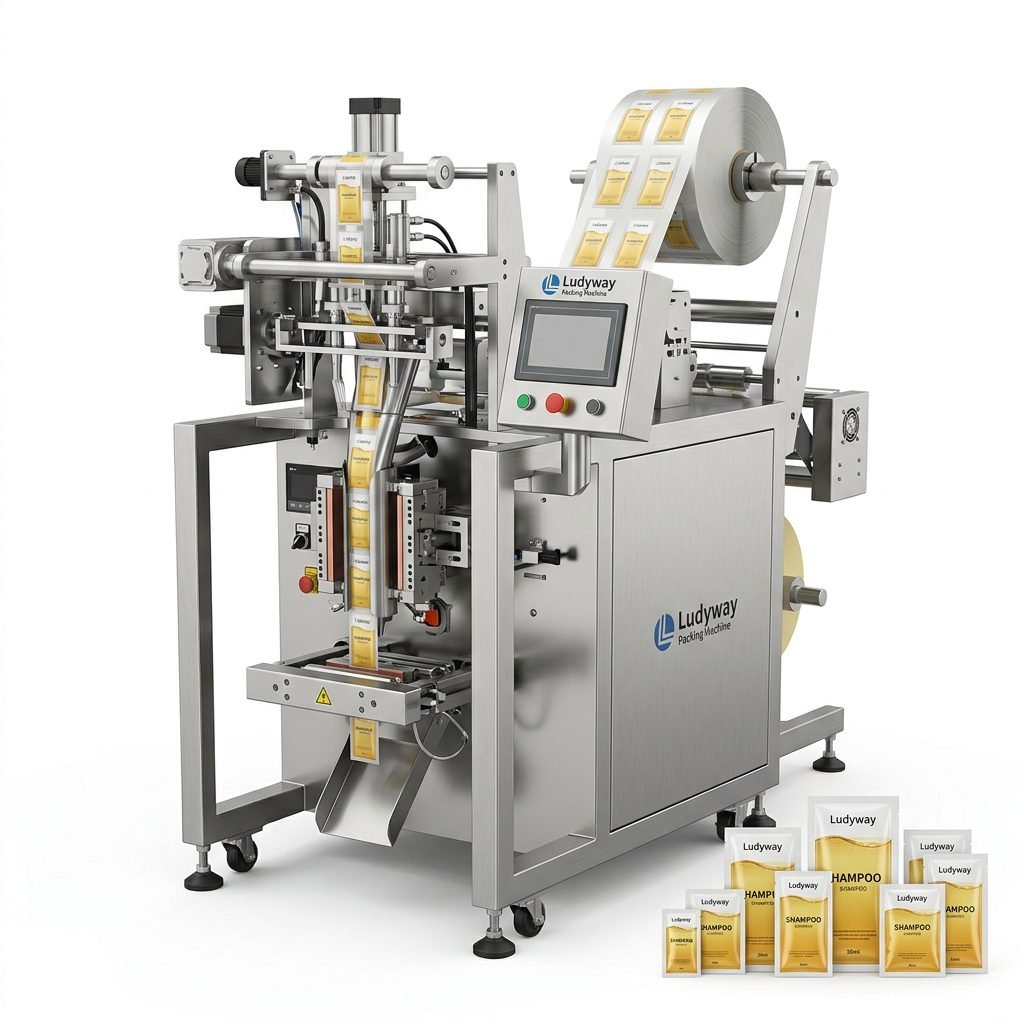
For sachet and stick pack formats, multi-lane machines dramatically multiply output. A 10-lane shampoo sachet machine running 60 cycles per minute produces 600 sachets per minute — achieving volumes impossible with single-lane equipment. However, multi-lane systems require more sophisticated web tension control and sealing alignment.
Semi-Automatic vs. Fully Automatic
- Semi-automatic machines — operators manually load bottles or initiate cycles; suitable for small batches and frequent changeovers
- Fully automatic inline systems — integrated bottle feeding, filling, capping, labeling, and coding; require minimal operator intervention
- Complete turnkey lines — combine shampoo filling with cartoning, case packing, and palletizing for end-to-end automation
Material Compatibility and Construction Quality
Shampoo formulations often contain surfactants, preservatives, and pH adjusters that can react with certain metals and seals. A well-built shampoo packing machine uses materials specifically selected for personal care product compatibility.
Critical material considerations include:
- Product contact parts — SUS316L stainless steel preferred over SUS304 for acidic or specialty shampoos
- Gaskets and seals — PTFE, EPDM, or Viton® materials selected based on chemical compatibility
- Filling nozzles — anti-drip designs with positive shut-off to prevent product waste and cap contamination
- Frame construction — heavy-duty stainless steel or anodized aluminum with washdown capability
Changeover Flexibility
Many shampoo manufacturers produce multiple SKUs with different volumes, viscosities, and packaging formats. Quick changeover capability significantly impacts overall equipment effectiveness (OEE) when running varied production schedules.
Features that reduce changeover time:
- Tool-free format part replacement for different sachet or stick pack sizes
- Recipe-based settings stored in the PLC for instant recall of filling parameters
- Quick-release filling nozzles that can be swapped without tools
- Automated film web alignment systems for multi-lane machines
Sealing Technology for Liquid Products
Shampoo filling processes inevitably result in some product contact with the sealing area. Contaminated seals are the leading cause of leaking sachets and pouches, making sealing technology a critical evaluation factor.
For sachet and pouch formats, vertical sealing systems should apply consistent temperature and pressure across the entire seal width. Serrated or knurled sealing patterns create multiple seal points that resist contamination better than flat seals. Horizontal sealing jaws must incorporate product stripping mechanisms to clear residual shampoo from the seal zone before each cycle.
For bottle packaging lines, induction sealing systems provide tamper-evident, leak-proof closures that preserve shampoo freshness and prevent transit damage. These systems require precise cap torque control and consistent induction field application.
Compliance and Certification Requirements
Depending on your target markets, your shampoo packing machine may need to comply with various standards. Manufacturers exporting to multiple regions should verify machine certifications during the selection process.
| Region | Relevant Standards |
|---|---|
| European Union | CE marking, EU GMP Annex 1 for cosmetic products |
| United States | FDA 21 CFR Part 211, cGMP requirements |
| International | ISO 22716:2007 (Cosmetics GMP), ISO 9001 |
Integration with Ancillary Equipment
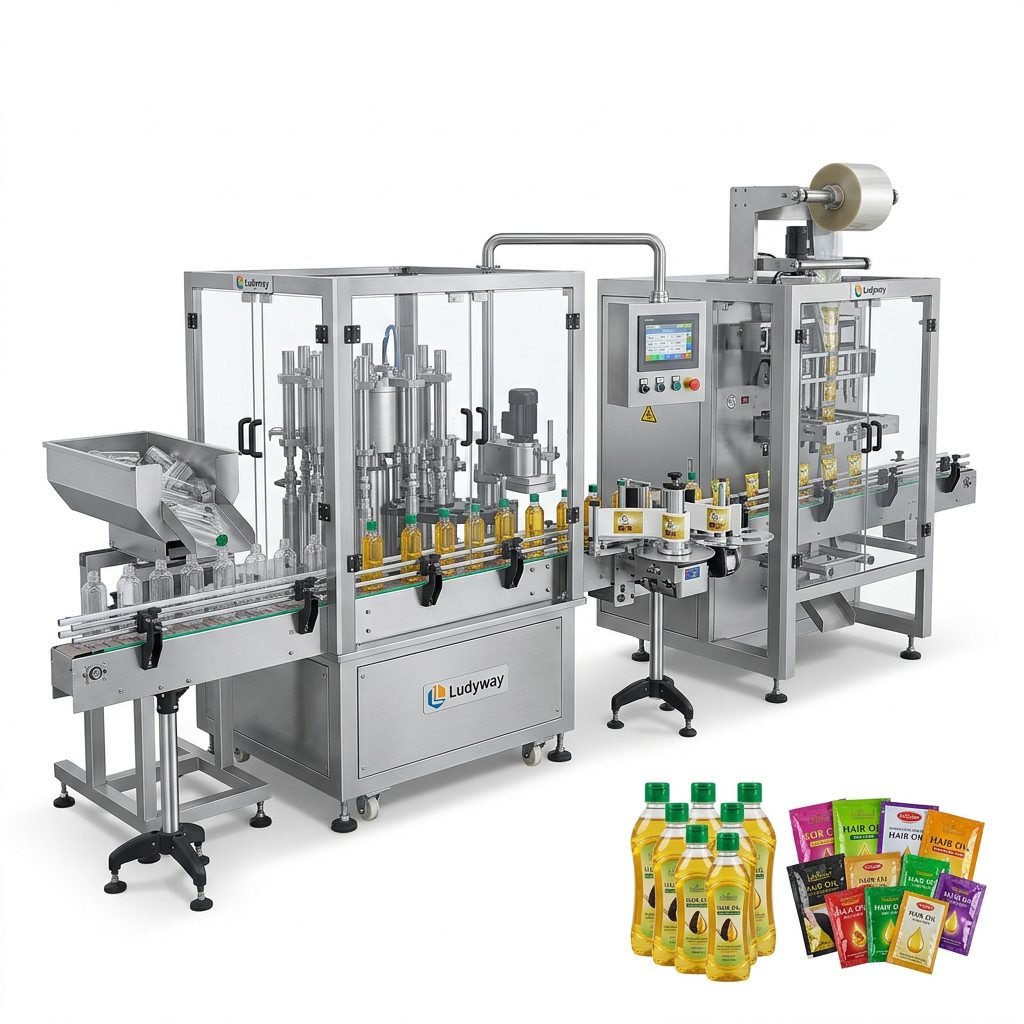
A shampoo packing machine rarely operates in isolation. Evaluate how the equipment integrates with upstream and downstream processes to create a cohesive production line.
Common integration points:
- Upstream — holding tanks, inline homogenizers, product transfer pumps, magnetic filters
- In-line functions — checkweighing, vision inspection, date coding, label application
- Downstream — cartoning machines, case packers, stretch wrappers, palletizers
Equipment that supports standard communication protocols (such as EtherNet/IP or Profibus) simplifies integration with existing factory SCADA and MES systems.
After-Sales Support and Spare Parts
The technical support ecosystem around your shampoo packing machine directly affects long-term productivity. Before purchasing, clarify the availability of remote diagnostics, on-site service, operator training programs, and critical spare parts inventory.
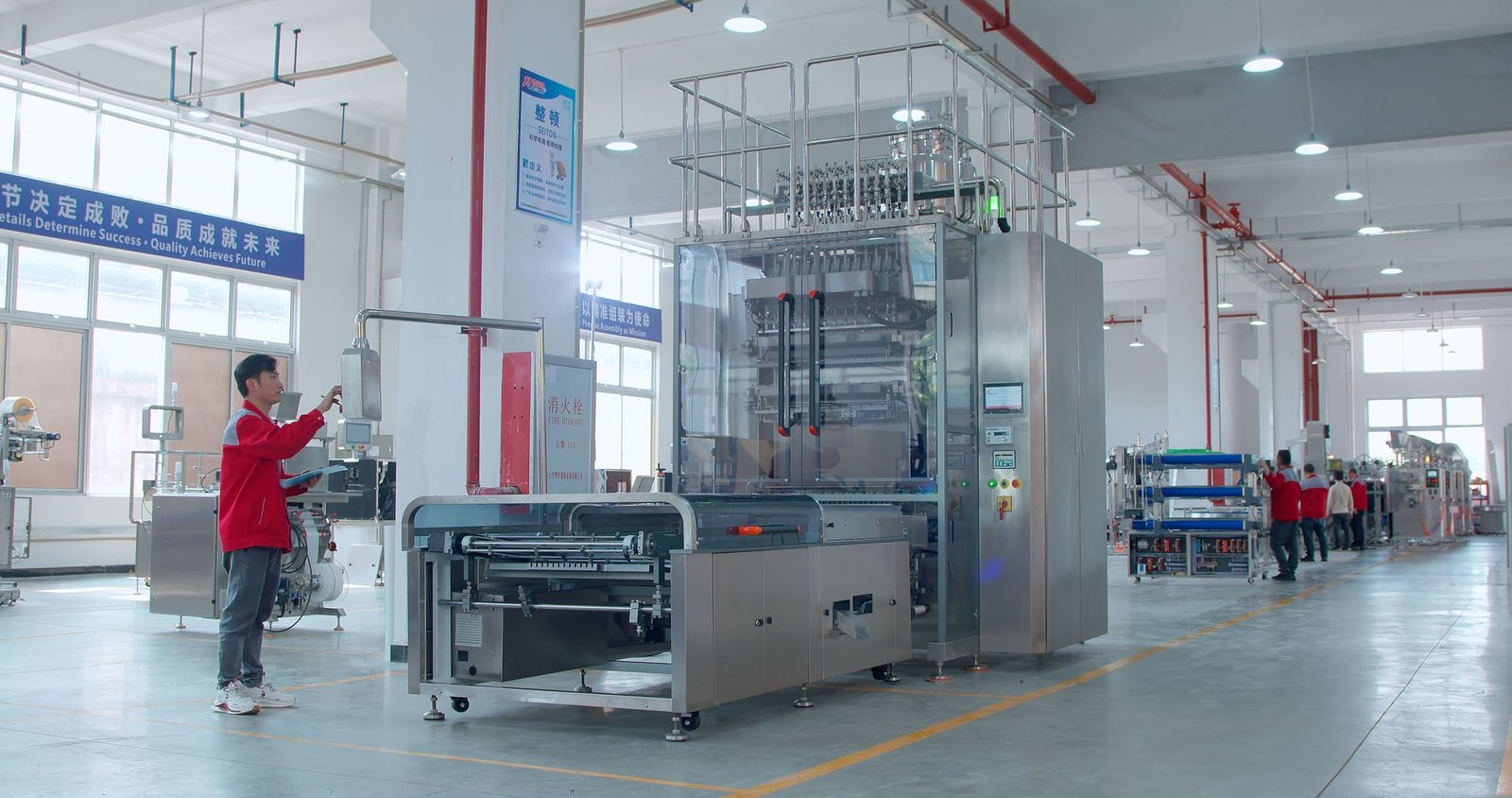
Manufacturers with established global service networks and documented spare parts catalogs minimize the risk of extended downtime. Ludyway Machinery, for instance, serves manufacturers in more than 100 countries with comprehensive technical support covering installation, commissioning, training, troubleshooting, and spare parts supply — ensuring reliable ongoing operation for international shampoo producers.
For further insights on packaging industry trends and standards, refer to resources from the Association for Packaging and Processing Technologies (PMMI), the Flexible Packaging Association, and applicable FDA food packaging and food contact substances regulations.
Key Questions to Ask Before Purchasing
To ensure you select the most suitable shampoo packing machine, consider the following checklist when evaluating equipment suppliers:
- Has the manufacturer demonstrated experience with shampoo products of similar viscosity?
- Can the filling system maintain accuracy with your specific formulation at maximum speed?
- What anti-drip and seal contamination prevention features are included?
- Are the product contact materials certified for your regulatory requirements?
- How quickly can the machine change between different product variants or packaging formats?
- Does the supplier offer installation, training, and ongoing technical support in your region?
Making an informed decision requires balancing current production needs with future growth plans. The right shampoo packing machine delivers reliable, precise filling performance while adapting to evolving product and market demands.