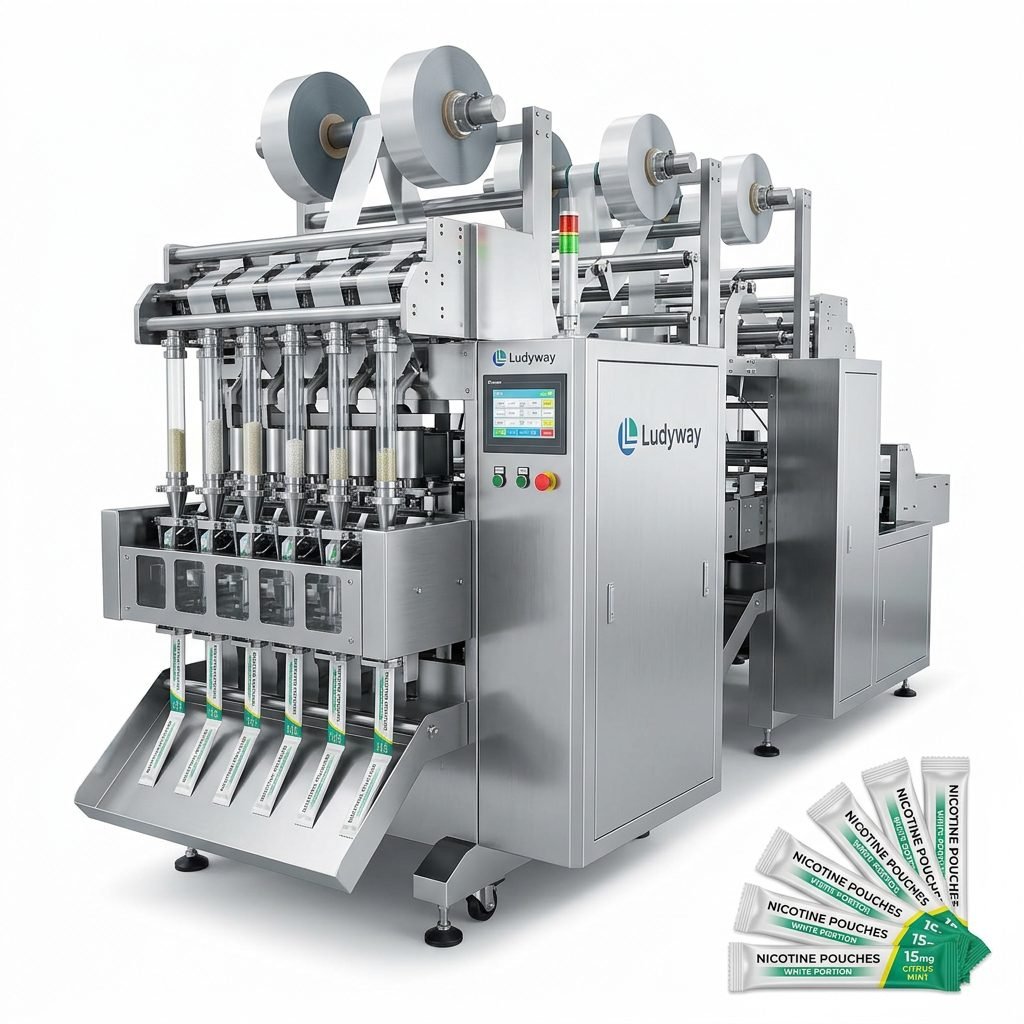
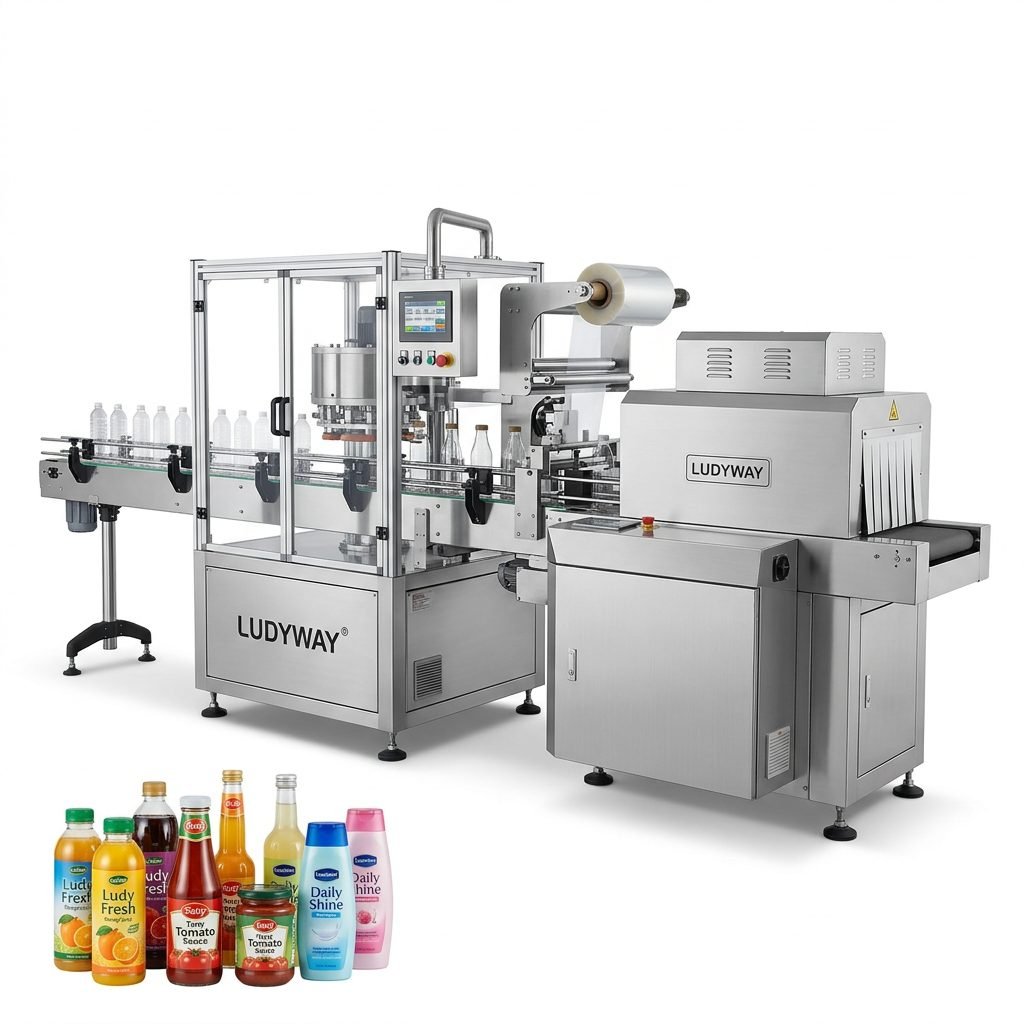
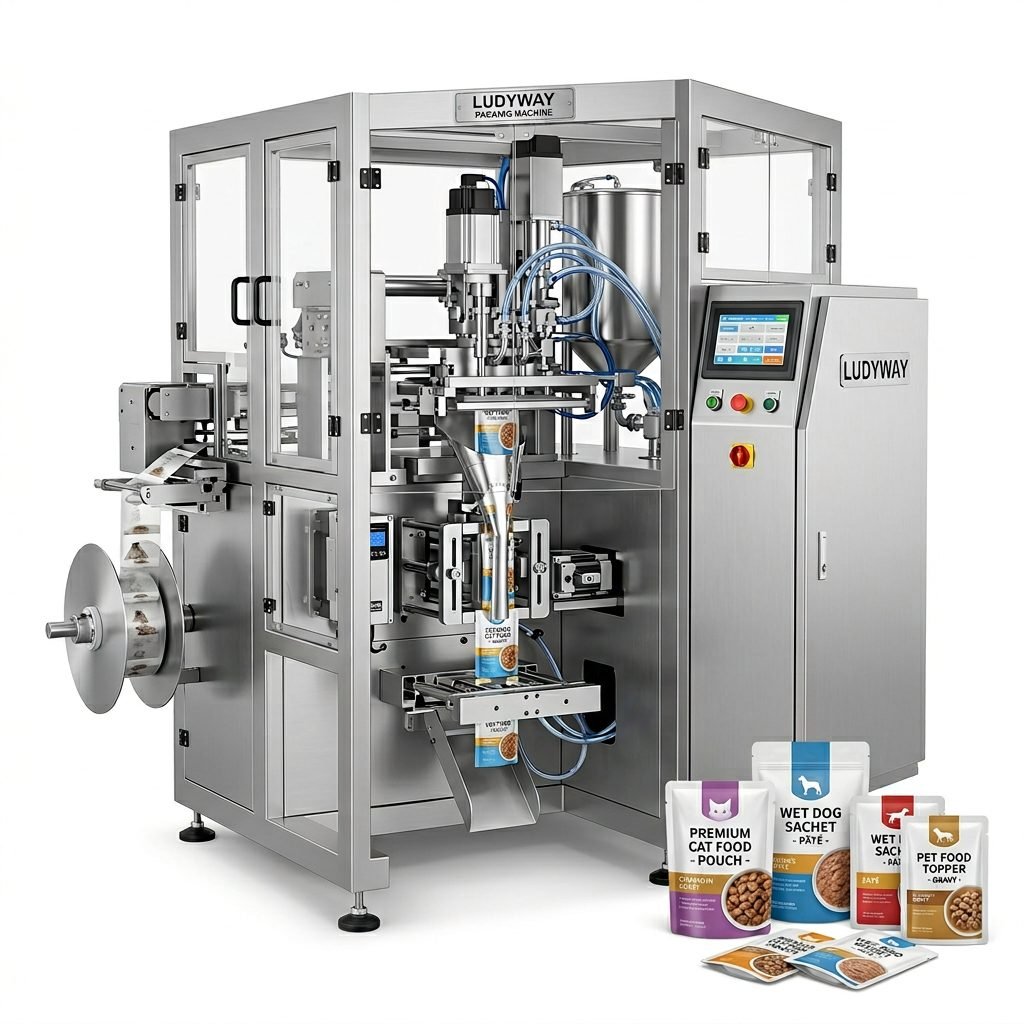
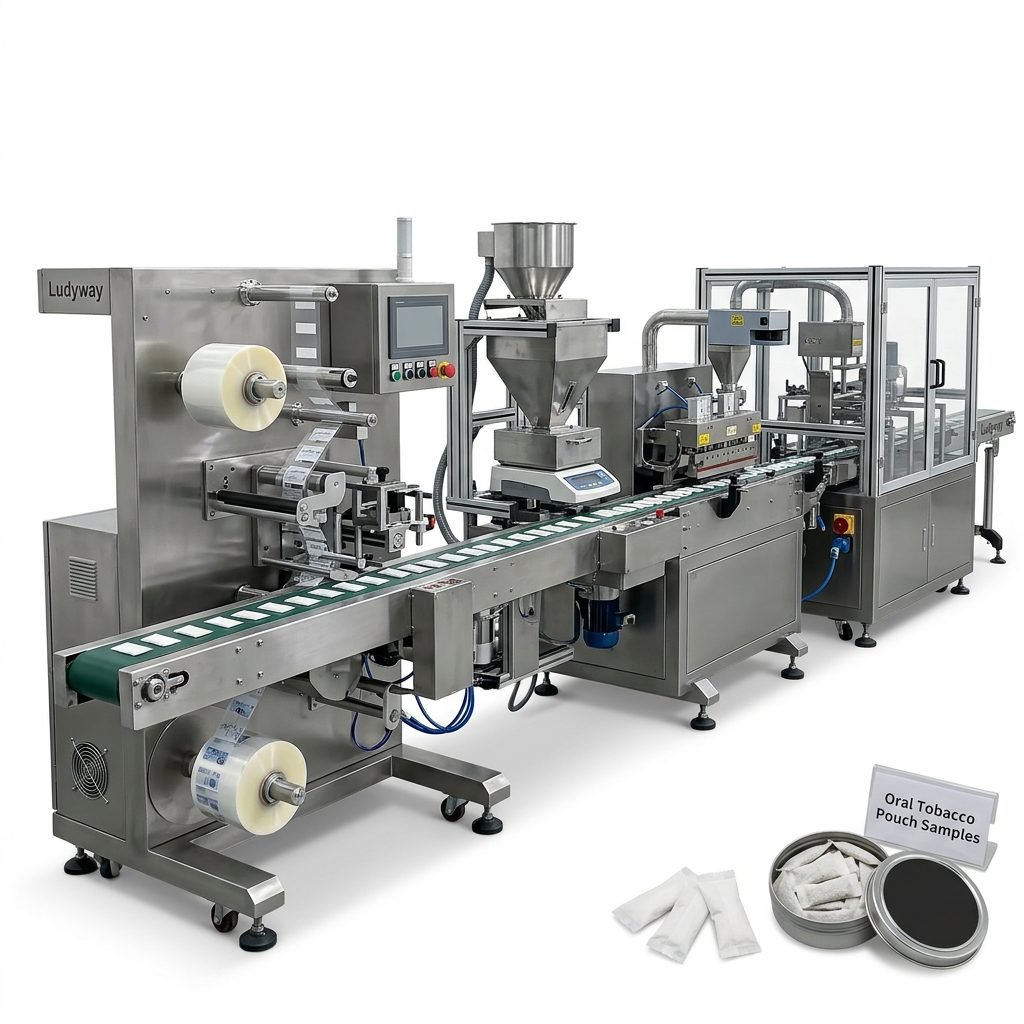
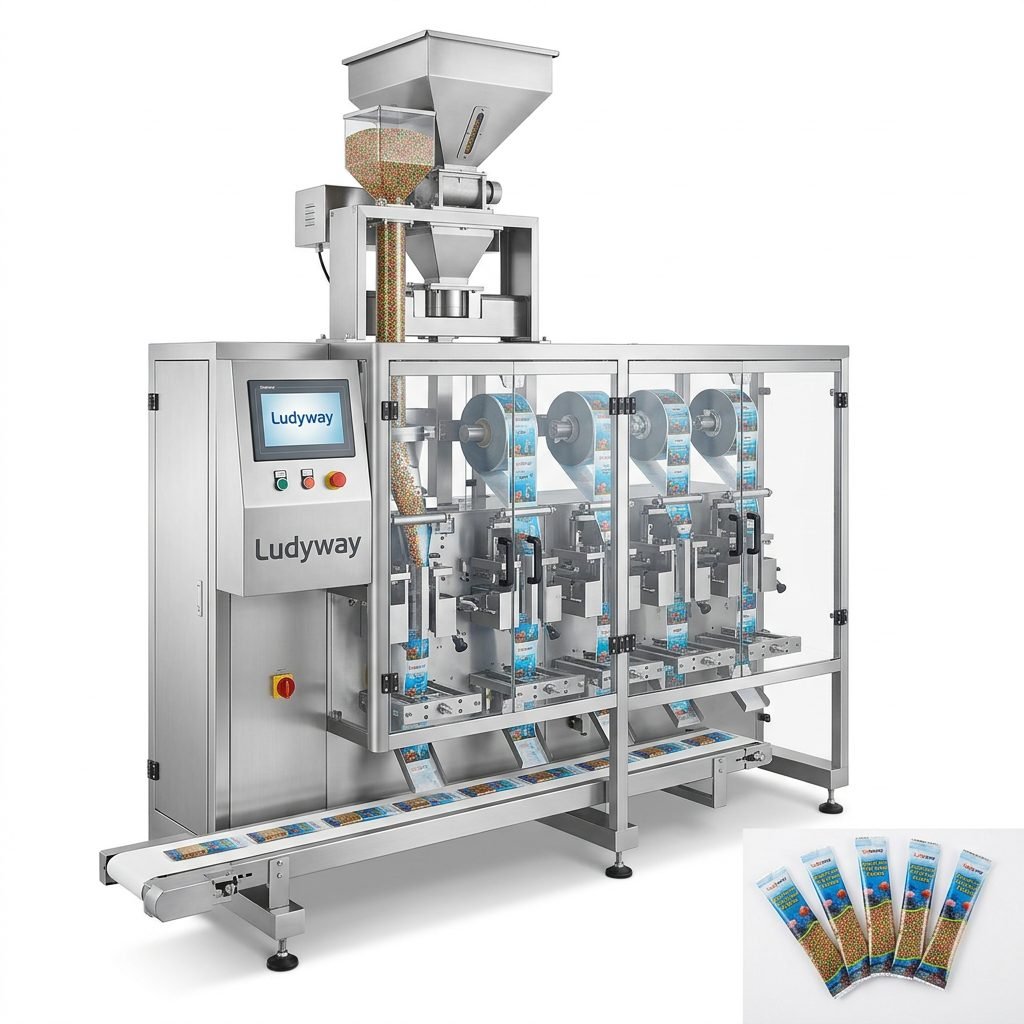
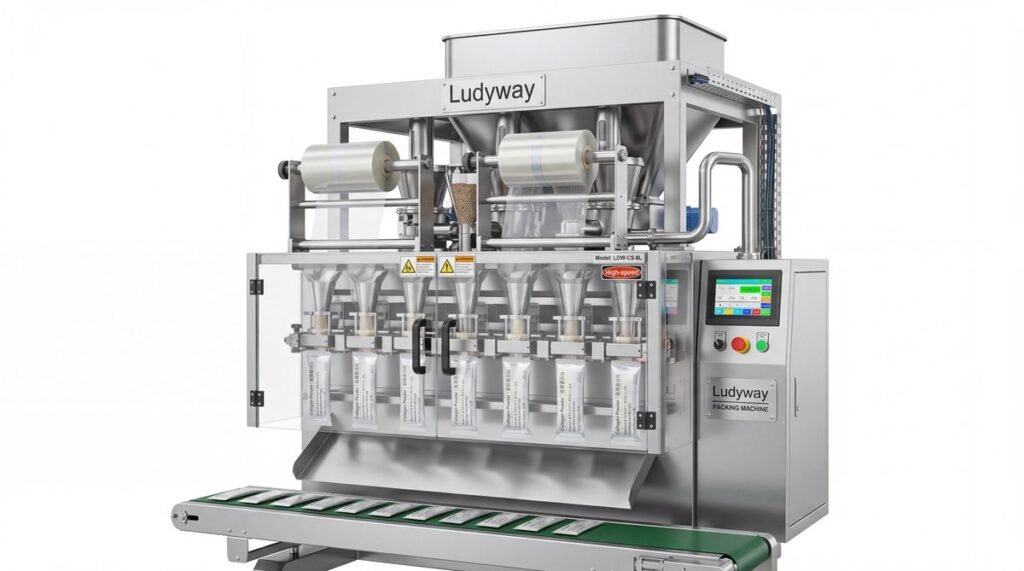
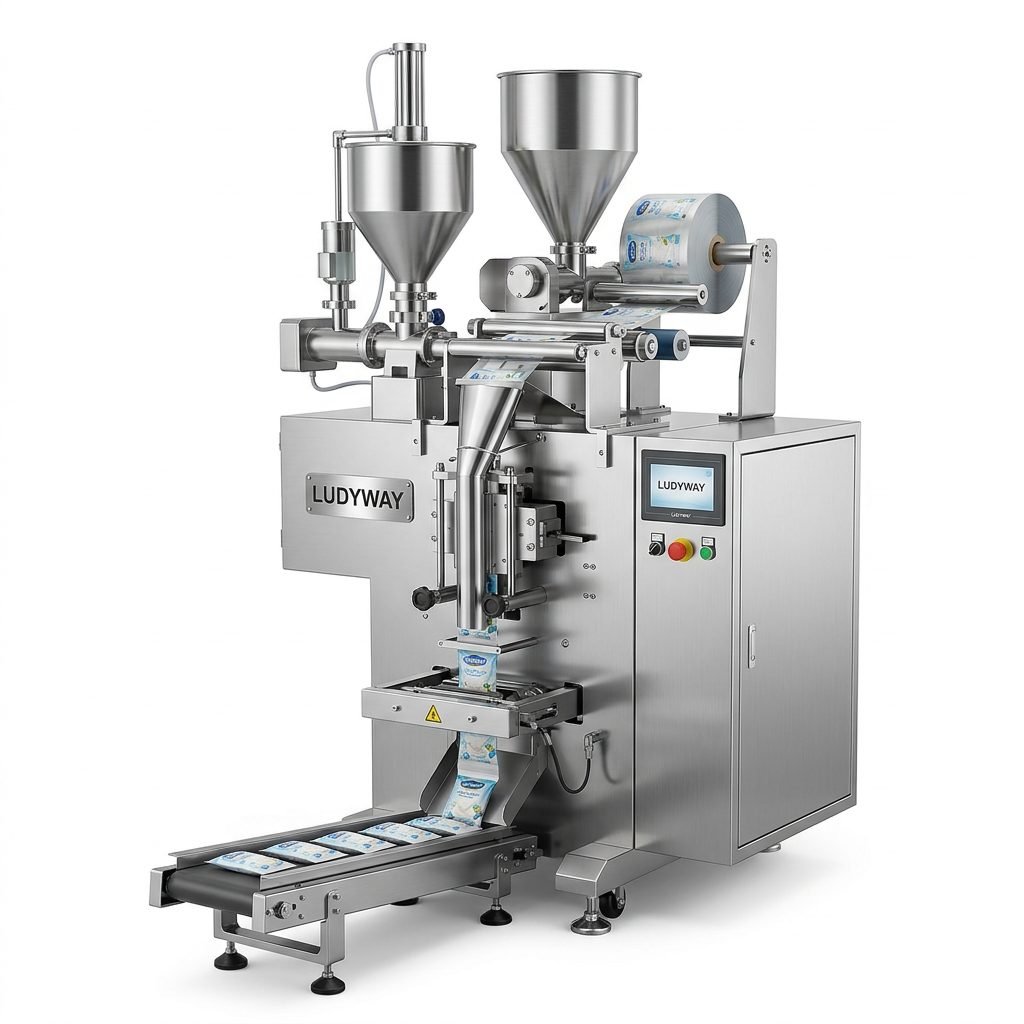
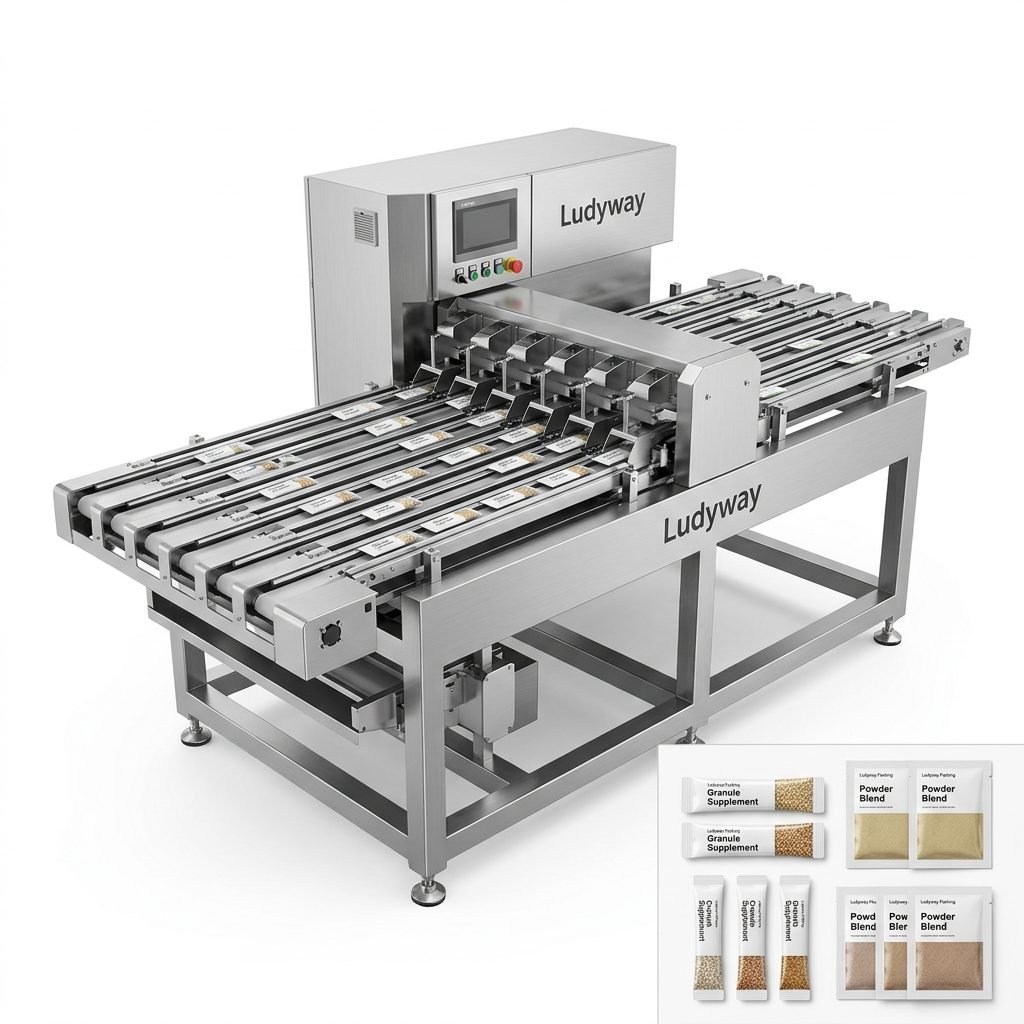
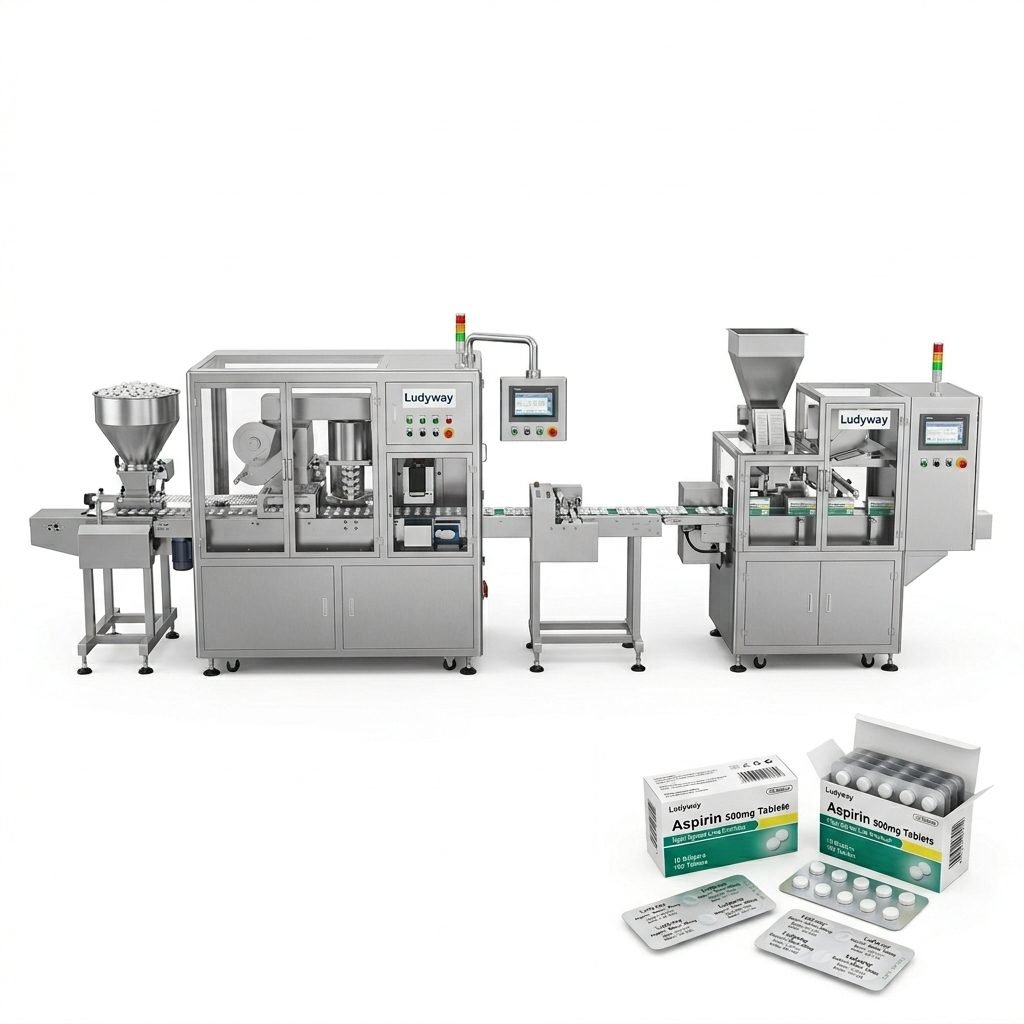
Investing in a mouth freshener pouch packing machine is a strategic decision that directly impacts your production efficiency, product quality, and long-term profitability. Whether you are packaging mint granules, flavored powders, or coated candies in sachet or stick pack formats, selecting the wrong equipment can lead to inconsistent fills, material waste, and costly downtime. This guide walks you through the essential factors to evaluate before making a purchase, helping you choose a machine that matches your product characteristics, production scale, and business goals.
Understanding Your Product and Packaging Format
Mouth fresheners come in various forms—fine powders, crystalline granules, coated pellets, and mixed blends. Each physical form behaves differently during filling and sealing. A machine designed for free-flowing granules may struggle with cohesive powders, leading to bridging or inconsistent dosing. Similarly, the packaging format matters significantly. Common options include:
- Stick packs – Slim, portable single-serve format ideal for on-the-go consumption
- Flat sachets – Three- or four-side-sealed pouches offering larger surface area for branding
- Pillow pouches – Traditional format with back seal and end seals
- Gusseted pouches – Stand-up capability for retail shelf appeal
Before approaching a supplier, define your target pouch dimensions, fill weight range, and packaging material. This clarity prevents mismatched specifications and ensures the proposed machine can handle your exact requirements.
Key Machine Specifications to Evaluate
Not all pouch packing machines are created equal. The following parameters should be carefully reviewed against your current and projected production needs:
| Specification | Why It Matters |
|---|---|
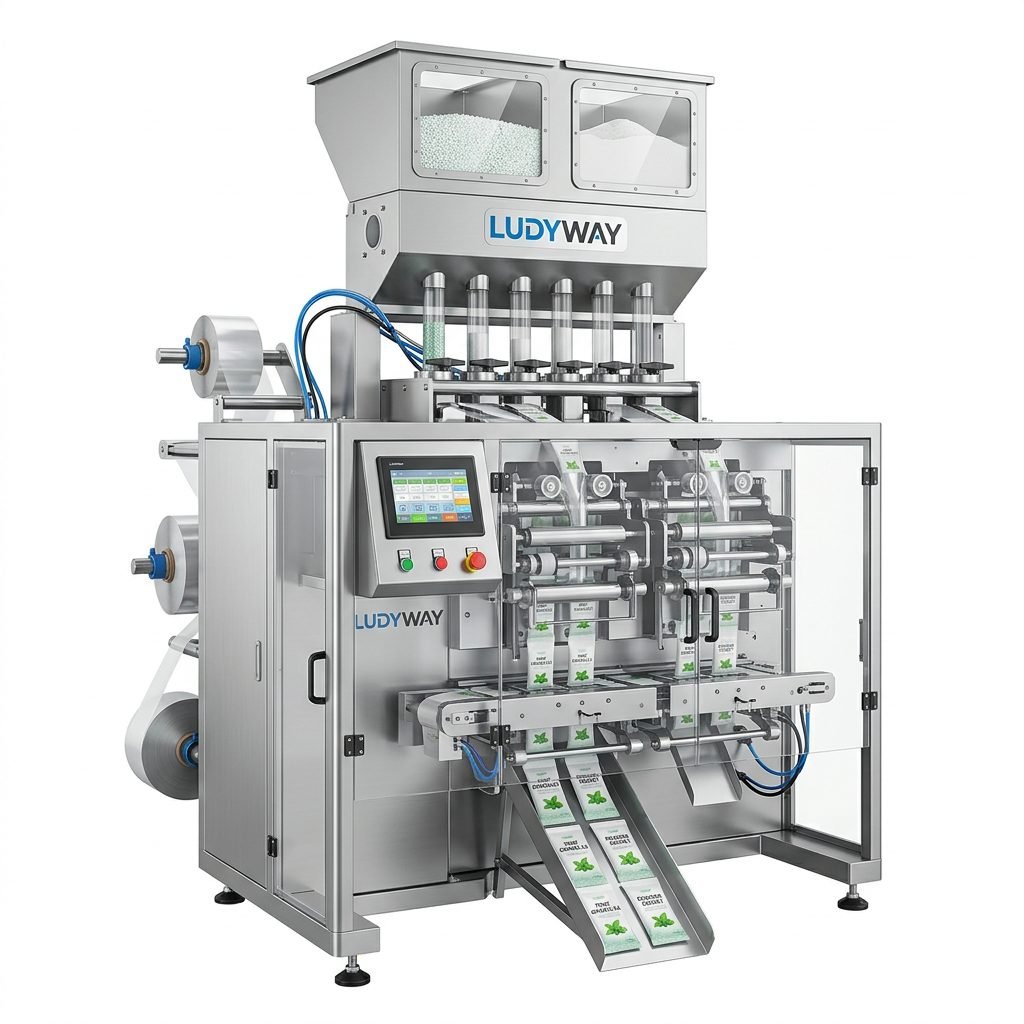
| Number of lanes | Multi-lane machines (4–12 lanes) multiply output without proportionally increasing floor space or labor |
| Filling system type | Auger fillers suit powders, volumetric cup fillers work for uniform granules, and multi-head weighers provide highest accuracy for blends |
| Speed rating | Expressed in packs per minute per lane; actual speed depends on fill volume, material sealability, and product flow |
| Film registration | Precise photoelectric registration ensures printed film aligns correctly with cuts and seals |
| Sealing mechanism | Temperature-controlled heat sealing must match your laminate structure; cold seal options exist for heat-sensitive products |
| Gas flushing capability | Nitrogen flushing extends shelf life for moisture-sensitive mouth fresheners by displacing oxygen |
Production Speed and Scalability Considerations
Your current production volume is a starting point, but planning for growth is equally important. A single-lane machine may suffice for a startup producing 40–60 packs per minute, but a multi-lane configuration can deliver 200–600 packs per minute or more. Modular machine designs allow you to add lanes or upgrade feeding systems later, protecting your initial investment. When evaluating speed claims from manufacturers, always request video demonstrations with your actual product rather than ideal test materials.
Material Compatibility and Seal Integrity
Mouth freshener packaging frequently uses multi-layer laminates incorporating materials like PET, aluminum foil, BOPP, and polyethylene. Each laminate structure has a specific sealing temperature window, coefficient of friction, and tensile strength. Your chosen machine must accommodate the exact film specifications you intend to use. Key material-related factors include:
- Seal temperature range – Inconsistent or excessive heat can cause seal failure or film distortion
- Film thickness tolerance – Machines should handle variations without wrinkling or misalignment
- Static control – Powder products often generate static, requiring anti-static bars or ionizers
- Tear notch and easy-open features – Laser or mechanical perforation integration for consumer convenience
According to resources from the Flexible Packaging Association, material-machine compatibility is a critical factor in achieving consistent seal integrity and minimizing product waste during high-speed operations.
Filling Accuracy and Dosing Precision
For mouth fresheners, fill weight consistency directly affects both regulatory compliance and profitability. Overfilling by even 0.5 grams per pack across millions of units results in substantial product giveaway. Various dosing technologies offer different accuracy levels:
- Auger fillers achieve ±1–2% accuracy for powders and fine granules
- Multi-head weighers deliver ±0.5–1% precision, especially valuable for premium blends
- Volumetric cup fillers provide economical dosing for uniform, free-flowing granules at ±2–3%
The PMMI Business Intelligence Library notes that dosing technology selection is among the most impactful decisions in packaging line design, affecting both capital cost and long-term operational efficiency.
Automation Level and Integration Capabilities
Modern pouch packing machines range from semi-automatic models requiring manual film loading and product feeding to fully automated turnkey packaging lines that integrate feeding, filling, sealing, coding, inspection, and cartoning. Consider how the machine will connect with your upstream and downstream processes:
- Product feeding – Z-type bucket elevators, vacuum feeders, or direct hopper loading
- In-line quality control – Checkweighers, metal detectors, and vision inspection systems
- Coding and marking – Thermal transfer printers, inkjet coders, or laser marking for batch codes and dates
- Secondary packaging – Automatic cartoning machines, case packers, and palletizing systems
A well-integrated line reduces manual handling, minimizes contamination risk, and improves overall equipment effectiveness (OEE). Some manufacturers offer packaging machinery standards and regulations documentation to ensure compliance with international quality requirements.
Machine Construction and Hygiene Standards
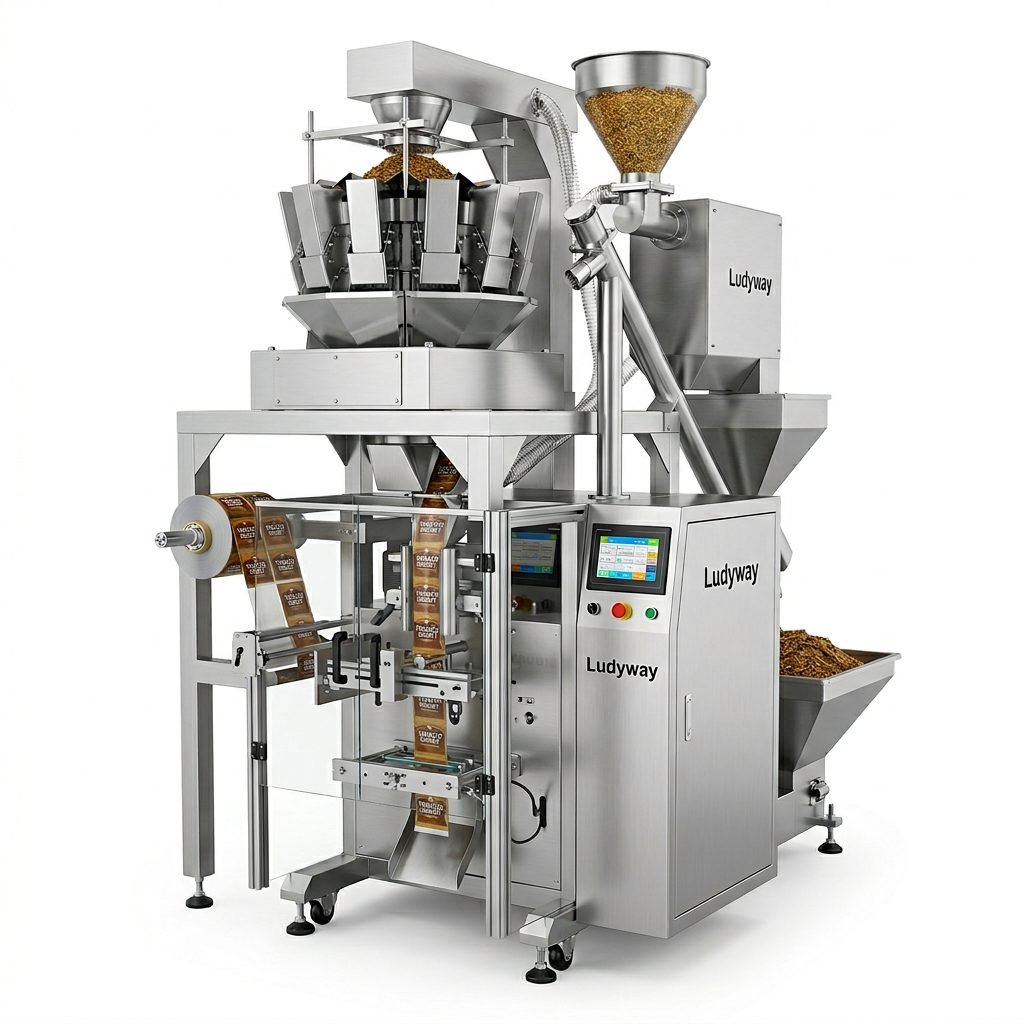
Food-grade packaging equipment must meet stringent hygiene requirements. For mouth fresheners, which are consumed directly without further processing, stainless steel construction for all product-contact parts is essential. Evaluate the following construction features:
- Frame material – AISI 304 or 316L stainless steel with proper surface finishing
- Sealing jaws – Precision-machined with non-stick coating options to prevent product buildup
- Dust management – Enclosed filling zones and dust extraction ports for powder products
- Tool-free disassembly – Quick-change parts for fast product or format changeovers
- Washdown capability – IP65 or higher protection rating for wet cleaning environments
International standards such as ISO packaging standards and FDA requirements for food contact substances provide benchmarks for evaluating machine compliance and safety.
Supplier Evaluation and After-Sales Support
Selecting the right machine is only part of the equation. The manufacturer’s technical capability, service infrastructure, and industry experience are equally critical. When assessing potential suppliers, investigate:
- Industry experience – Manufacturers with decades of expertise across multiple industries bring valuable application knowledge
- Manufacturing facilities – In-house production with modern equipment ensures quality control and faster lead times
- Customization capability – The ability to engineer machines for specific product and packaging requirements
- Global service network – Technical support, spare parts availability, and remote assistance capabilities
- Project lifecycle support – From equipment selection and installation to operator training and ongoing maintenance
For manufacturers seeking a comprehensive packaging machinery partner, Ludyway Machinery offers more than 30 years of experience, a 20,000-square-meter manufacturing facility, and a portfolio of over 50 packaging machine models. With export revenue expected to exceed RMB 500 million (approximately US$69 million) in 2025 and plans to surpass RMB 1 billion (approximately US$138 million) in 2026, the company serves customers in more than 100 countries across food, pharmaceutical, cosmetic, and chemical industries.
Total Cost of Ownership Analysis
Beyond the initial purchase price, a comprehensive cost evaluation should account for:
- Energy consumption – Heating elements, motors, and compressed air requirements
- Consumable parts – Sealing jaws, cutting blades, belts, and filters replacement frequency
- Film waste rates – Machine precision during startup, changeovers, and continuous operation
- Labor requirements – Number of operators needed and skill level expectations
- Maintenance costs – Scheduled service intervals and spare parts availability
A machine with a higher upfront cost but lower operational expenses often delivers better long-term value than a cheaper alternative with higher running costs.
Testing and Validation Before Purchase
Never commit to a machine without thoroughly testing it with your actual product and packaging materials. Reputable manufacturers offer factory acceptance testing (FAT) where you can observe the machine running under production conditions. During FAT, evaluate:
- Fill accuracy across multiple lanes and extended running periods
- Seal integrity through burst testing, vacuum leak testing, or dye penetration methods
- Changeover time between different pouch sizes or products
- Noise levels and operator ergonomics
- Control system usability and recipe management features
Request references from existing customers packaging similar products, and if possible, visit their facilities to observe the machine in routine production.
Key Takeaways for Decision-Makers
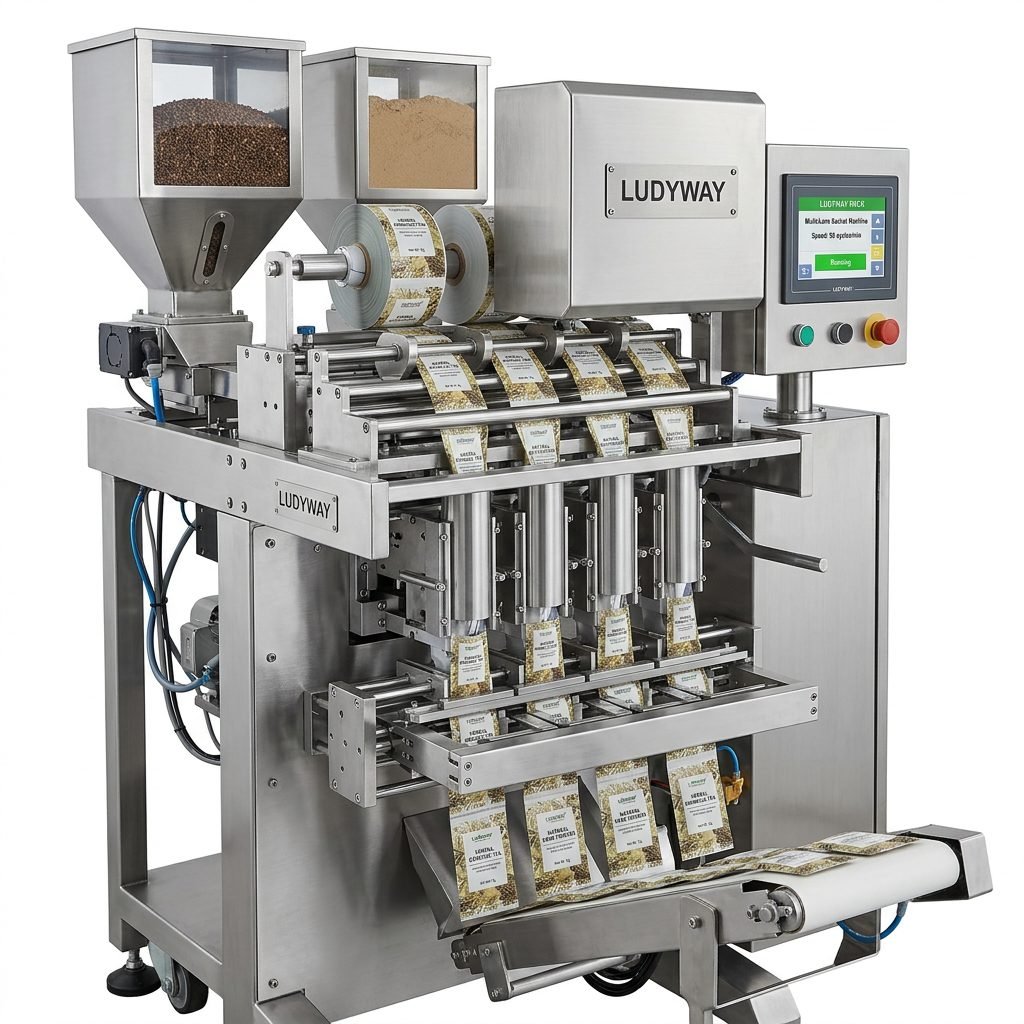
- Define your product characteristics, packaging format, and target output before engaging suppliers
- Prioritize filling accuracy and seal integrity for product quality and regulatory compliance
- Evaluate multi-lane configurations for scalability and higher throughput without proportional cost increases
- Consider automation and integration potential for connecting upstream feeding and downstream cartoning
- Choose a manufacturer with proven experience, engineering capability, and global service infrastructure
- Insist on thorough factory acceptance testing with your actual products and materials
Selecting the right mouth freshener pouch packing machine requires balancing technical specifications, production demands, material compatibility, and supplier reliability. By systematically evaluating these factors, you can invest in equipment that delivers consistent quality, operational efficiency, and a strong return on investment for years to come.