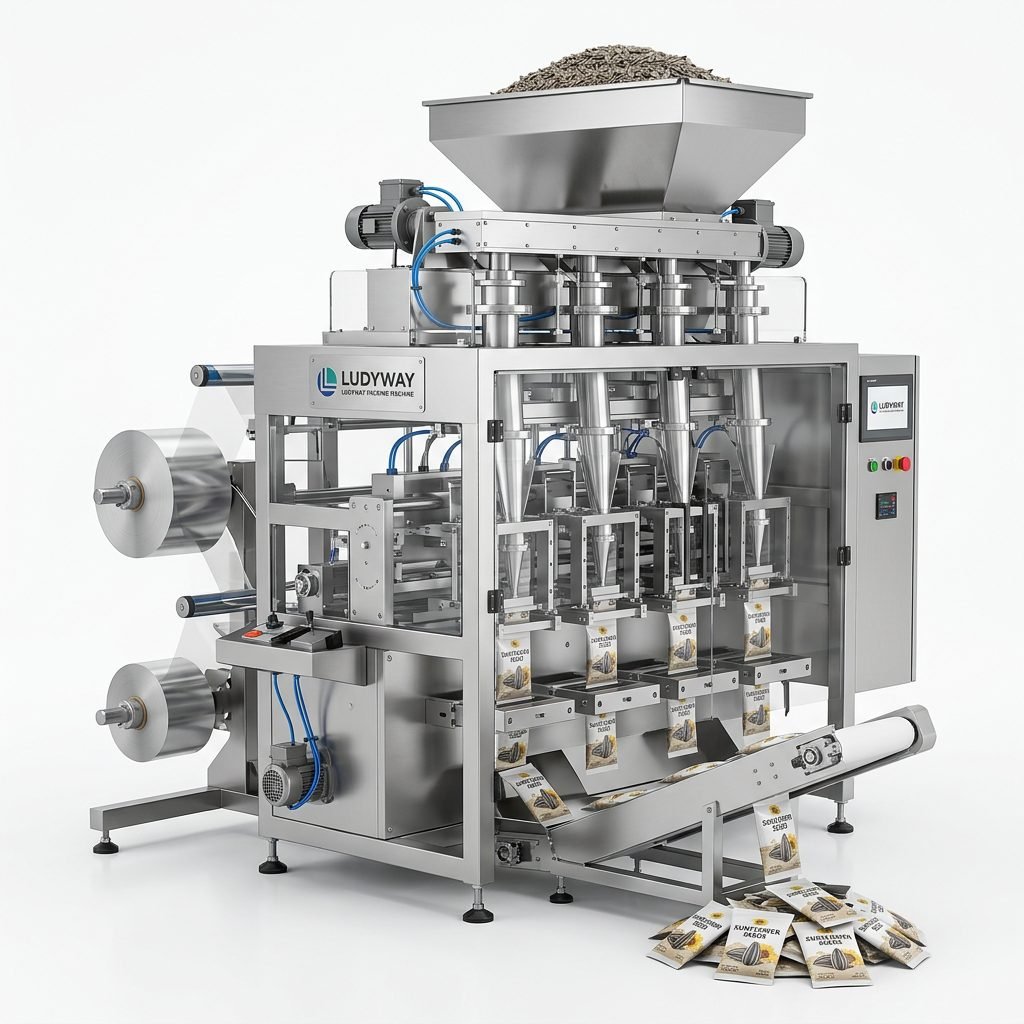
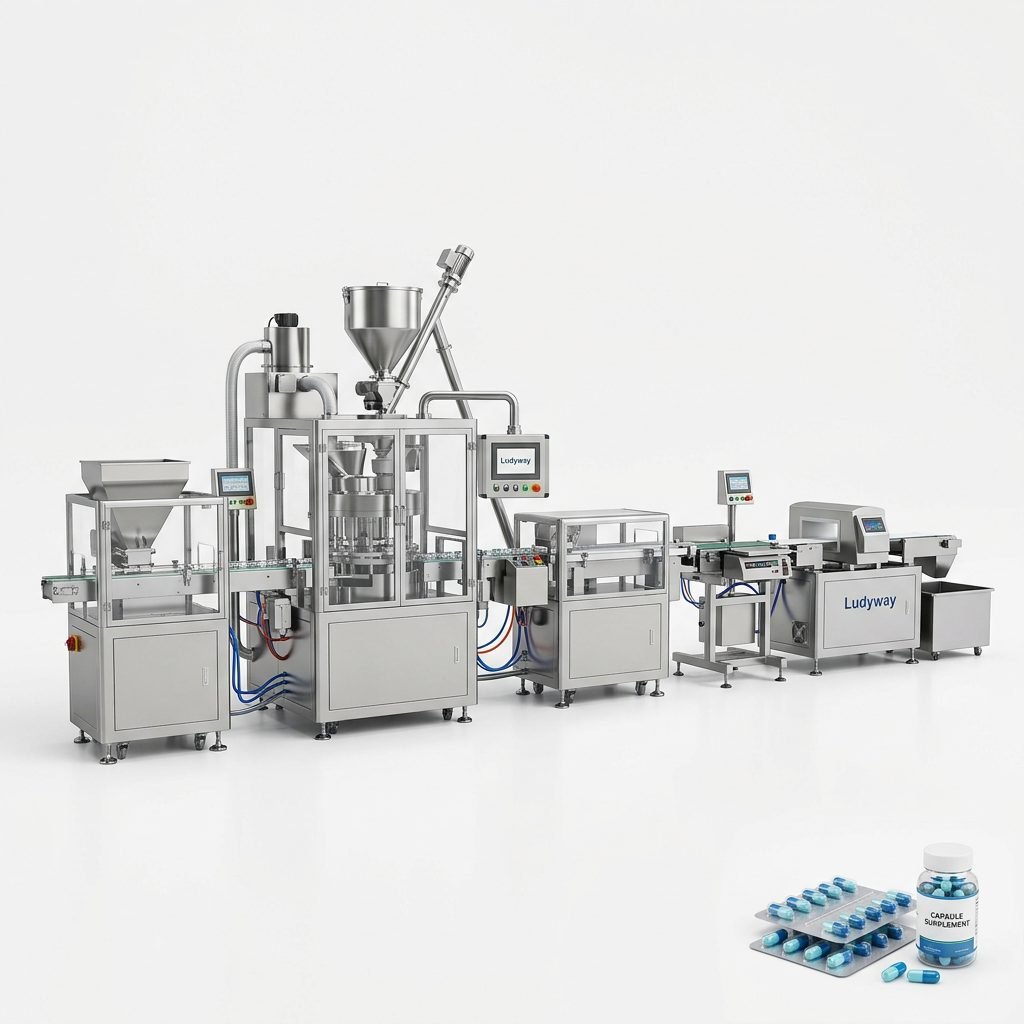
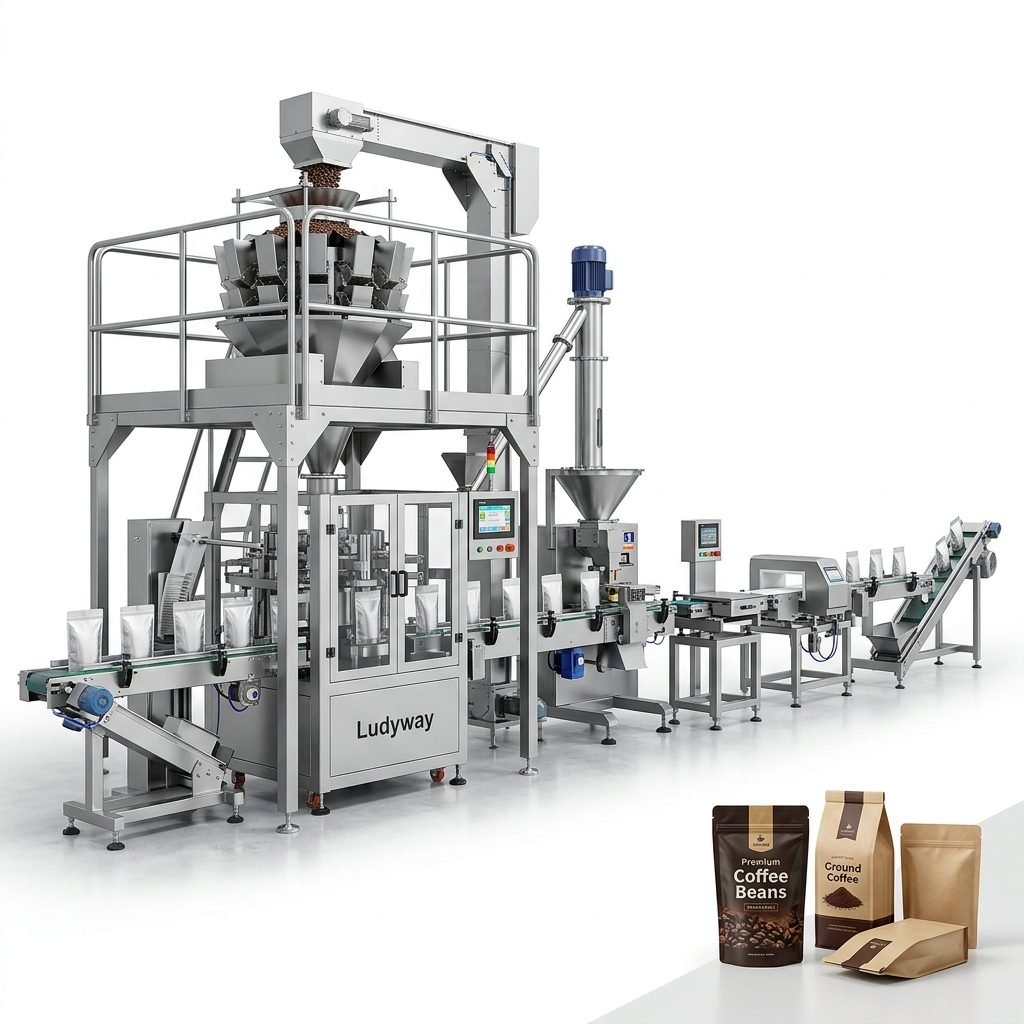
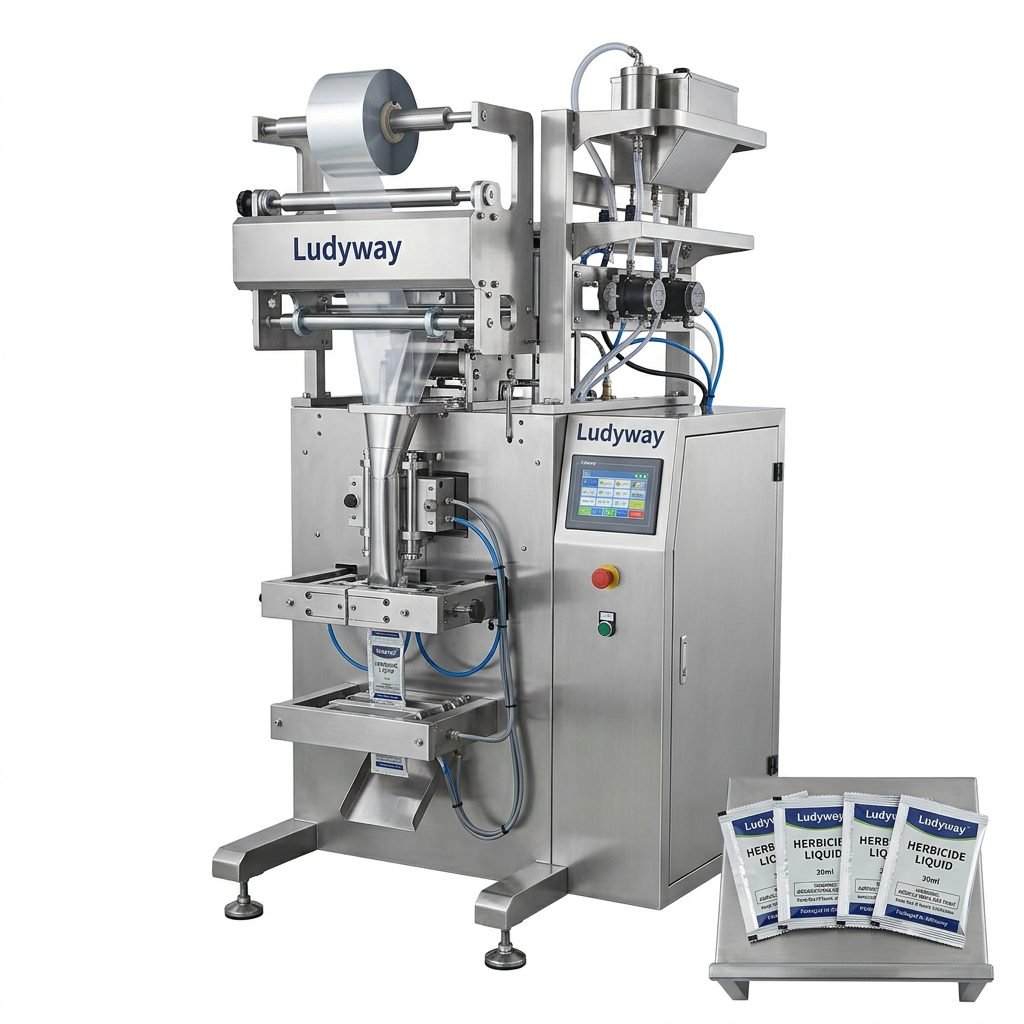
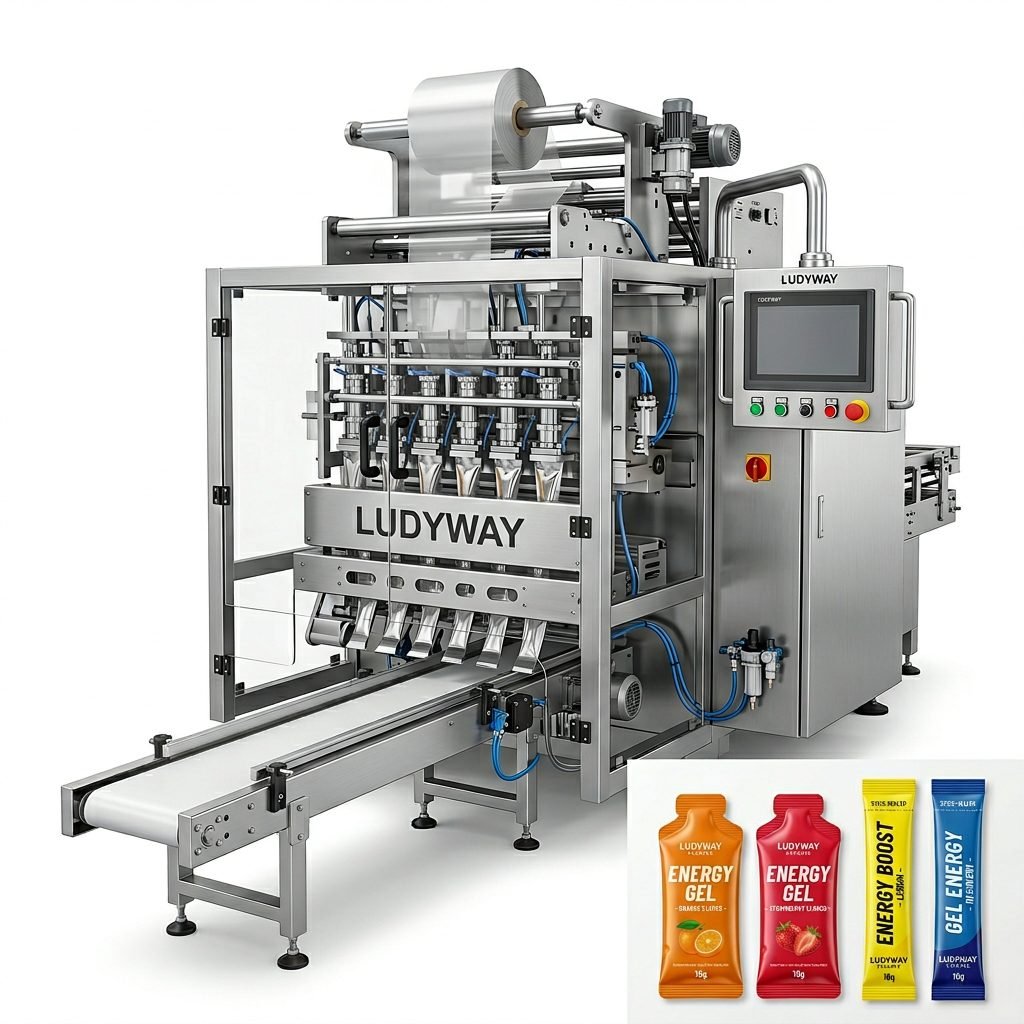
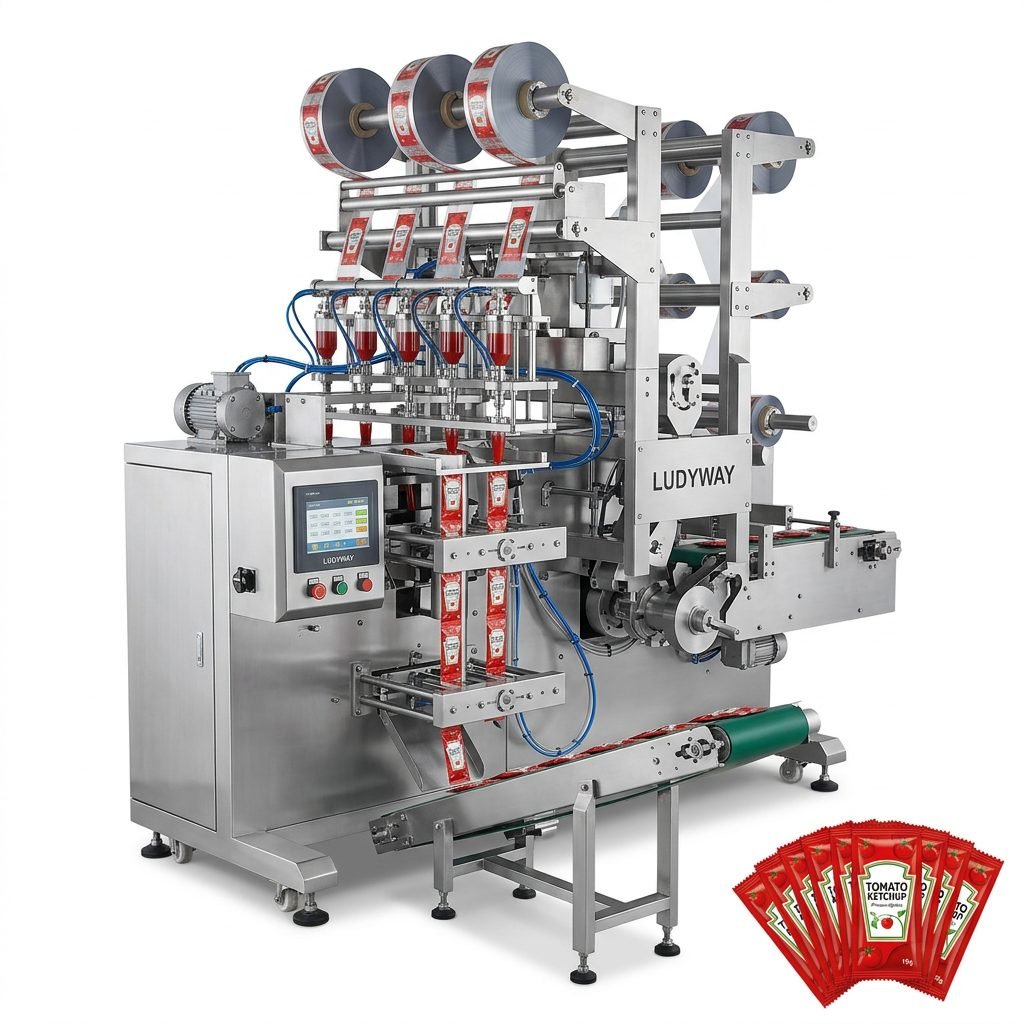
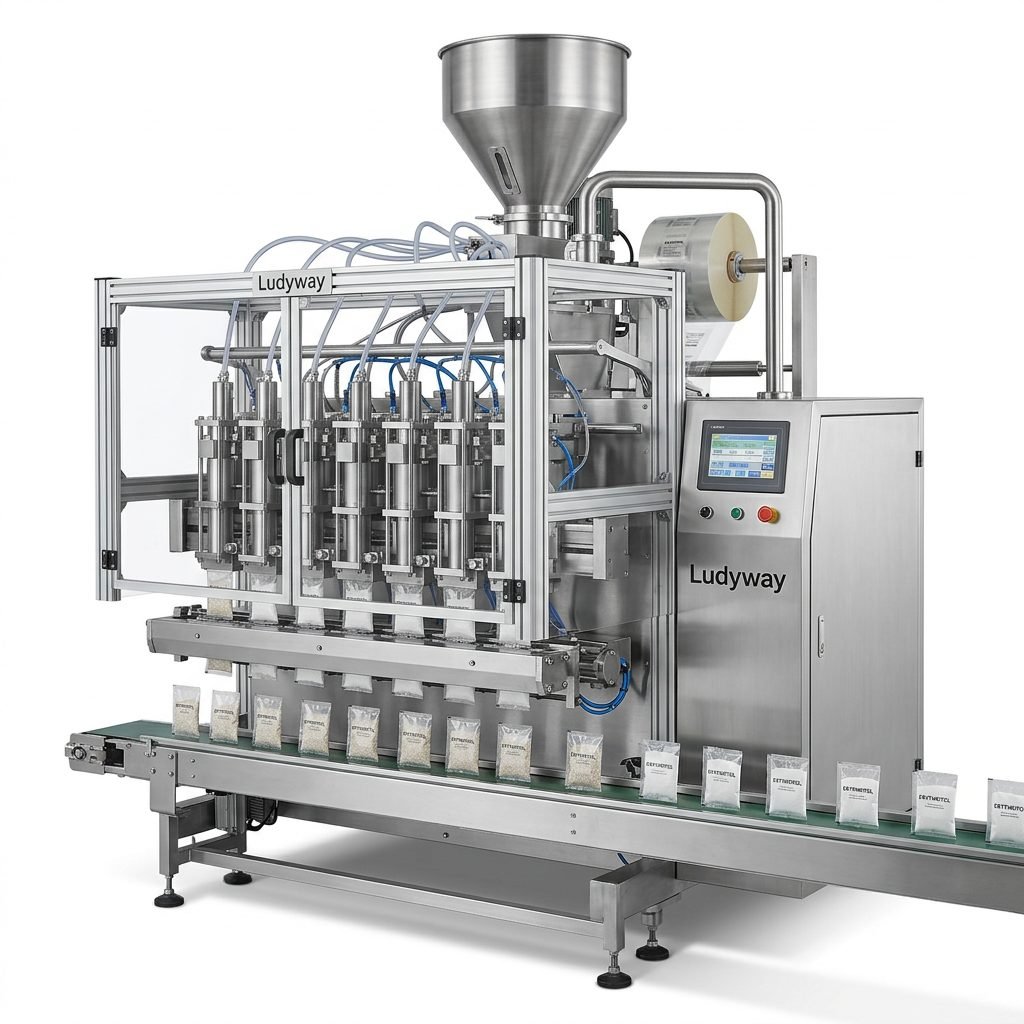
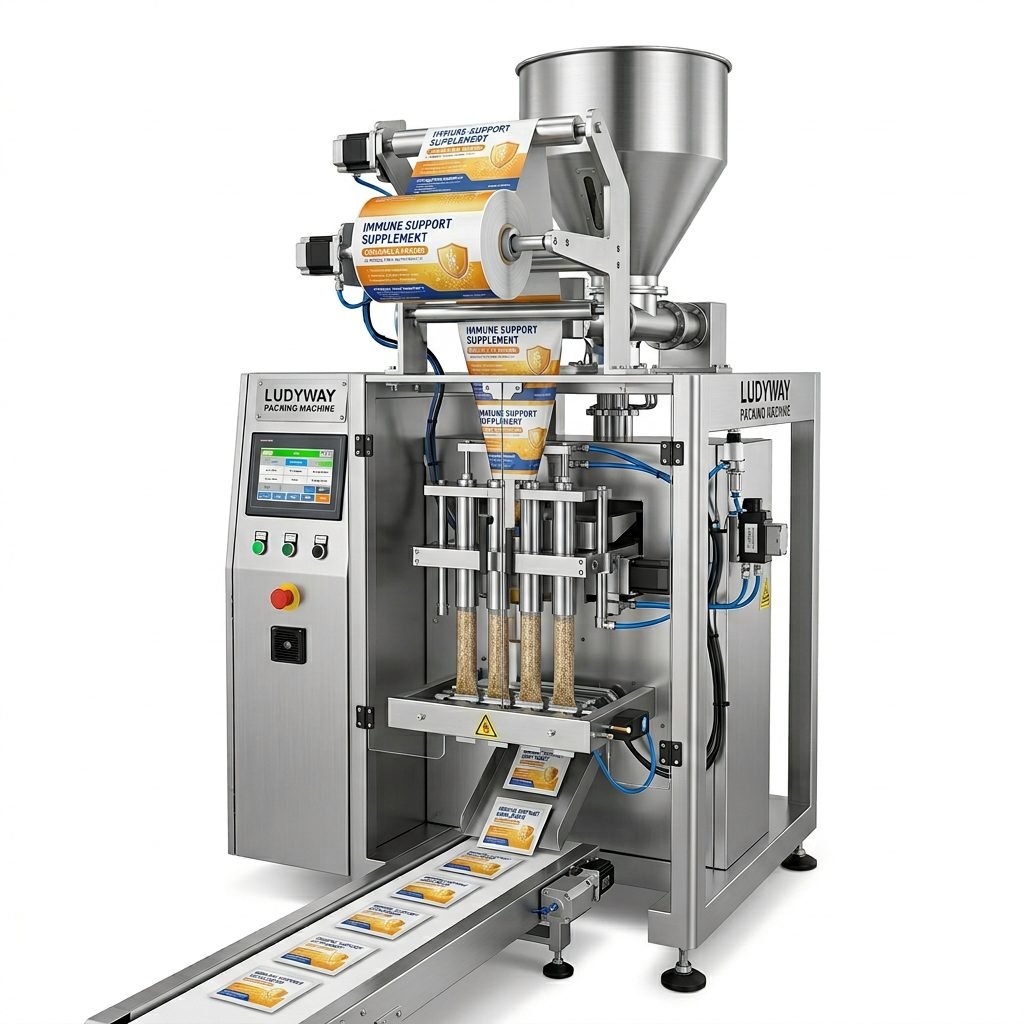
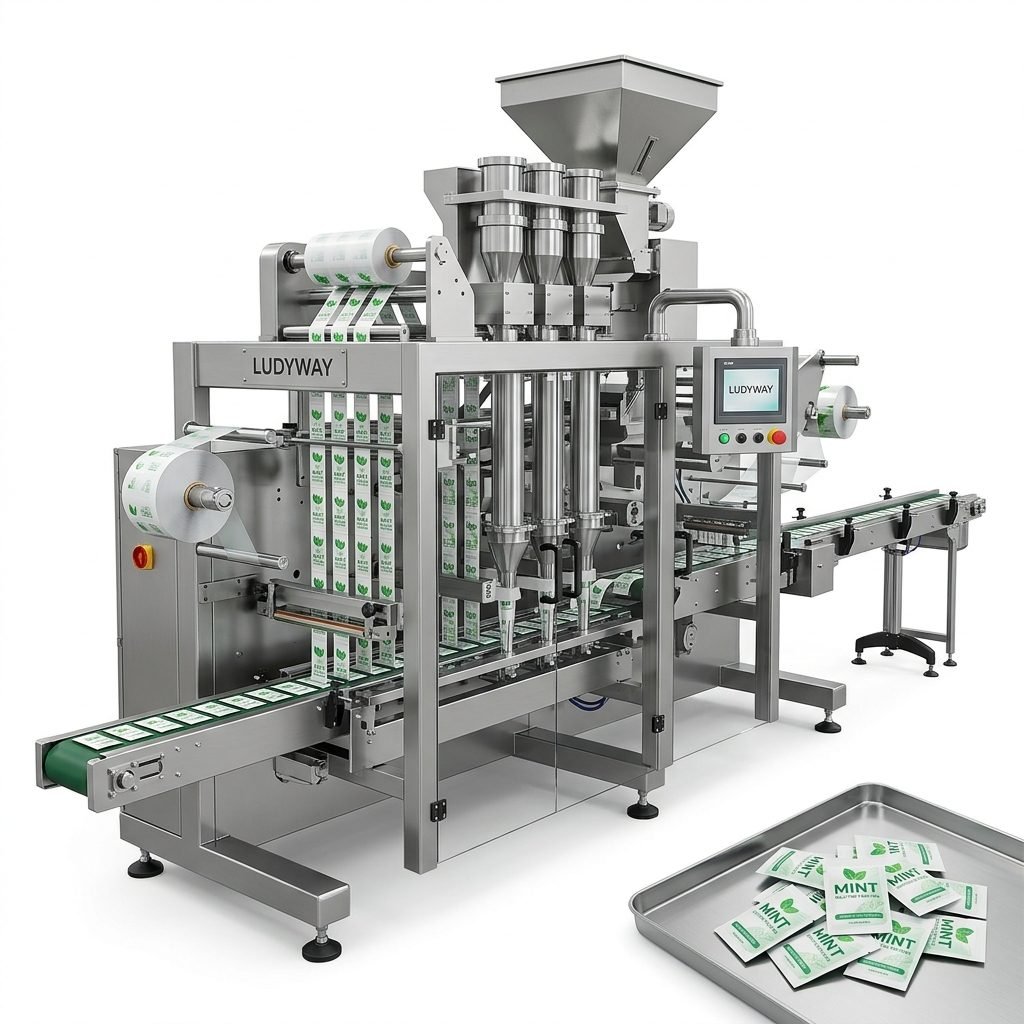
Investing in a multi-lane sachet packaging machine is a strategic decision that directly impacts your production capacity, product quality, and operational efficiency. Whether you are scaling up from single-lane equipment or automating a manual packaging process, selecting the right configuration requires a clear understanding of your product, your market, and the machine’s long-term role in your production line.
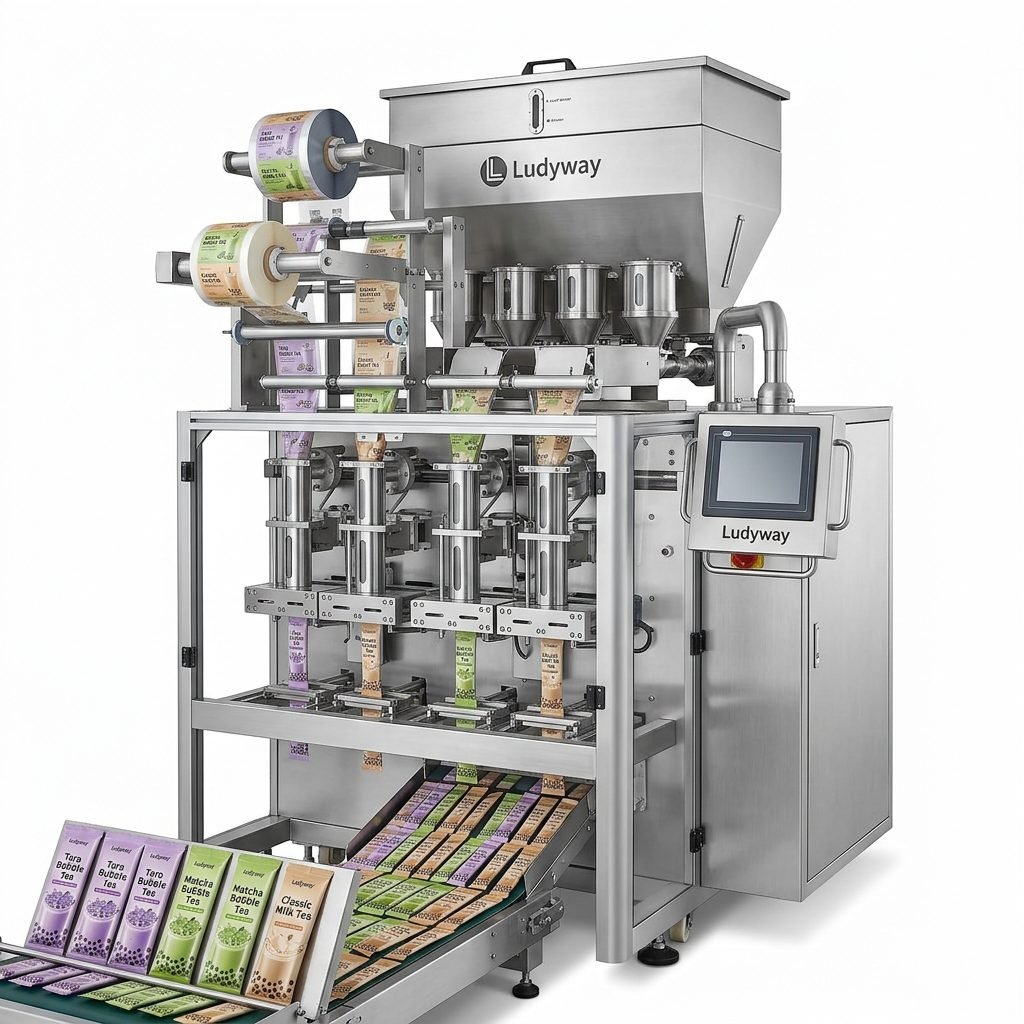
1. Define Your Product Characteristics Before Evaluating Machines
The starting point for choosing a multi-lane sachet packaging machine is not the machine itself, but the product you need to package. Detailed product specifications will determine the required dosing system, lane configuration, and sealing technology.
- Product type: Is it a free-flowing powder, a sticky granule, a liquid, a paste, or a combination product? Multi-lane machines for powder packaging often use auger fillers, while granule applications may require volumetric cup fillers or multi-head weighers.
- Flow characteristics: Non-free-flowing products such as hygroscopic powders or oily granules need special attention in hopper design, agitation, and material contact surfaces.
- Particle size and density: These affect the fill accuracy, the type of dosing mechanism, and the achievable lane pitch.
- Product sensitivity: Products sensitive to heat, moisture, or oxidation may require nitrogen flushing, cold sealing, or specific film structures.
2. Match Machine Specifications to Your Production Goals
Once you understand the product, you can evaluate the physical and operational specifications of a multi-lane sachet packaging machine. The table below summarizes the core specifications you should compare across manufacturers.
| Specification | Why It Matters | Typical Range |
|---|---|---|
| Number of Lanes | Determines output per cycle; higher lane counts increase total throughput | 4–20 lanes |
| Lane Pitch | Affects maximum bag width; must match your desired sachet dimensions | 40–100 mm |
| Bag Length | Adjustable range for stick packs and sachets | 50–200 mm |
| Fill Volume | Must match your product density and target sachet weights | 1–100 grams |
| Mechanical Speed | Cycles per minute per lane; actual output depends on product, film, and fill volume | 40–80 cycles/min |
3. Understand the Dosing and Filling System
The filling system is the heart of the machine. Choosing the right dosing technology is essential for accuracy, speed, and minimal product waste.
- Auger fillers are the standard for powder packaging machines, offering good accuracy for free-flowing and non-free-flowing powders.
- Volumetric cup fillers work well for uniform granules like sugar, salt, or seeds.
- Piston fillers and peristaltic pumps are designed for liquids, creams, and pastes.
- Multi-head weighers provide the highest accuracy for larger fill weights and high-value products.
4. Evaluate Film Handling and Sealing Systems
The packaging film and sealing technology determine shelf life, seal integrity, and machine efficiency.
Film Compatibility
Multi-lane machines typically use heat-sealable films, including laminates with PET, PE, aluminum foil, or paper layers. The machine must handle the specific film gauge, slip characteristics, and heat-seal range of your packaging material. Some machines support registered film for printed sachets, which requires a photoelectric registration system for accurate film positioning.
Sealing Technology
Vertical and horizontal sealing bars should maintain consistent temperature and pressure across all lanes. Look for machines with independent temperature control per sealing zone and adjustable sealing pressure. This is particularly important for products that generate dust or residue near the sealing area.
5. Consider Industry-Specific Requirements
Not all multi-lane sachet packaging machines are designed for the same production environment. Industry requirements influence machine design, materials of construction, and available certifications.
- Food and Beverage: Machines should use food-grade materials, support quick changeover for different flavors or SKUs, and integrate with upstream mixing or processing equipment. PMMI’s State of the Industry reports indicate continued growth in flexible packaging for food applications.
- Pharmaceuticals and Nutraceuticals: These applications require validated dosing accuracy, dust containment, and often GMP-compliant machine construction with 21 CFR Part 11 electronic record capabilities.
- Cosmetics and Personal Care: Common requirements include easy cleaning for product changeover, compatibility with a wide range of viscosities, and the ability to handle both liquid and powder products on the same platform.
- Chemicals and Industrial Products: Machines may require corrosion-resistant materials, enhanced sealing for aggressive products, and compatibility with barrier films for moisture or oxygen-sensitive products.
6. Plan for Integration and Automation
A multi-lane sachet packaging machine does not operate in isolation. The level of integration with upstream and downstream equipment affects your overall line efficiency.
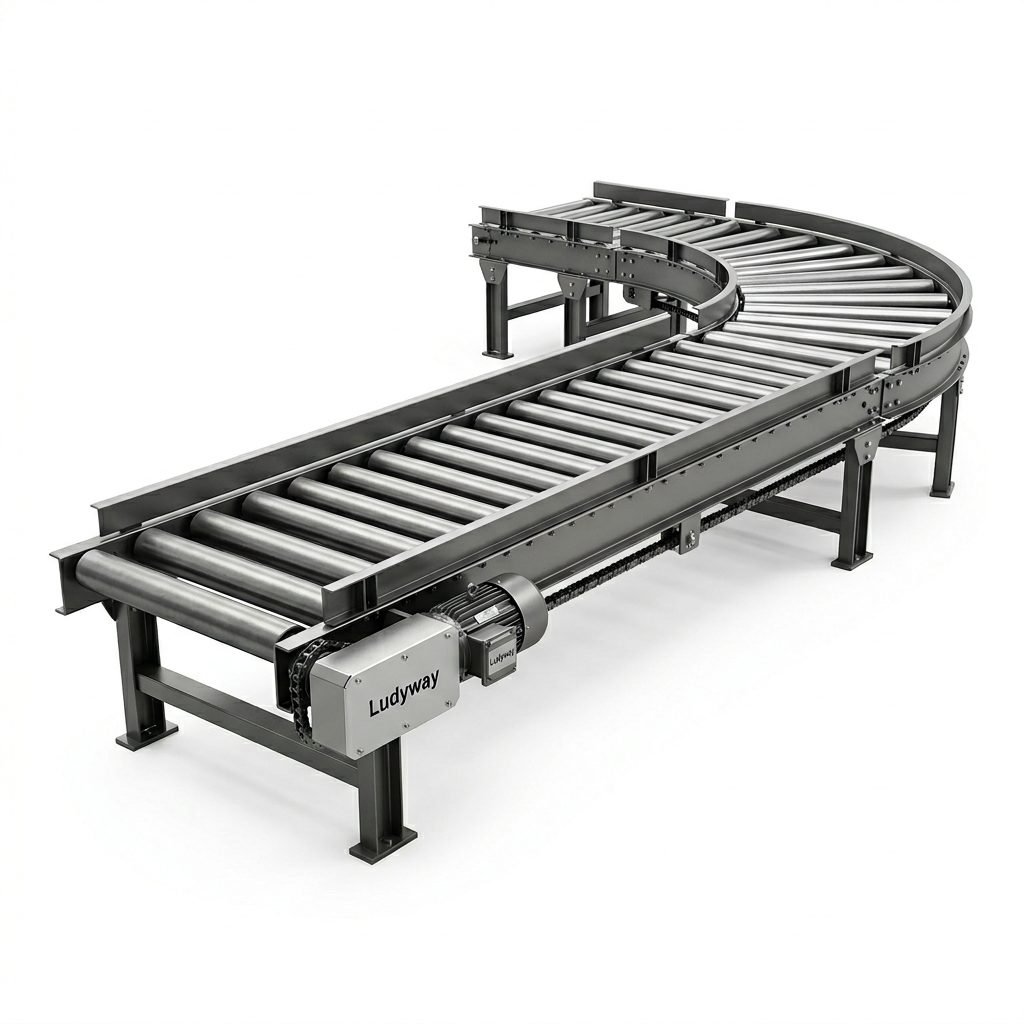
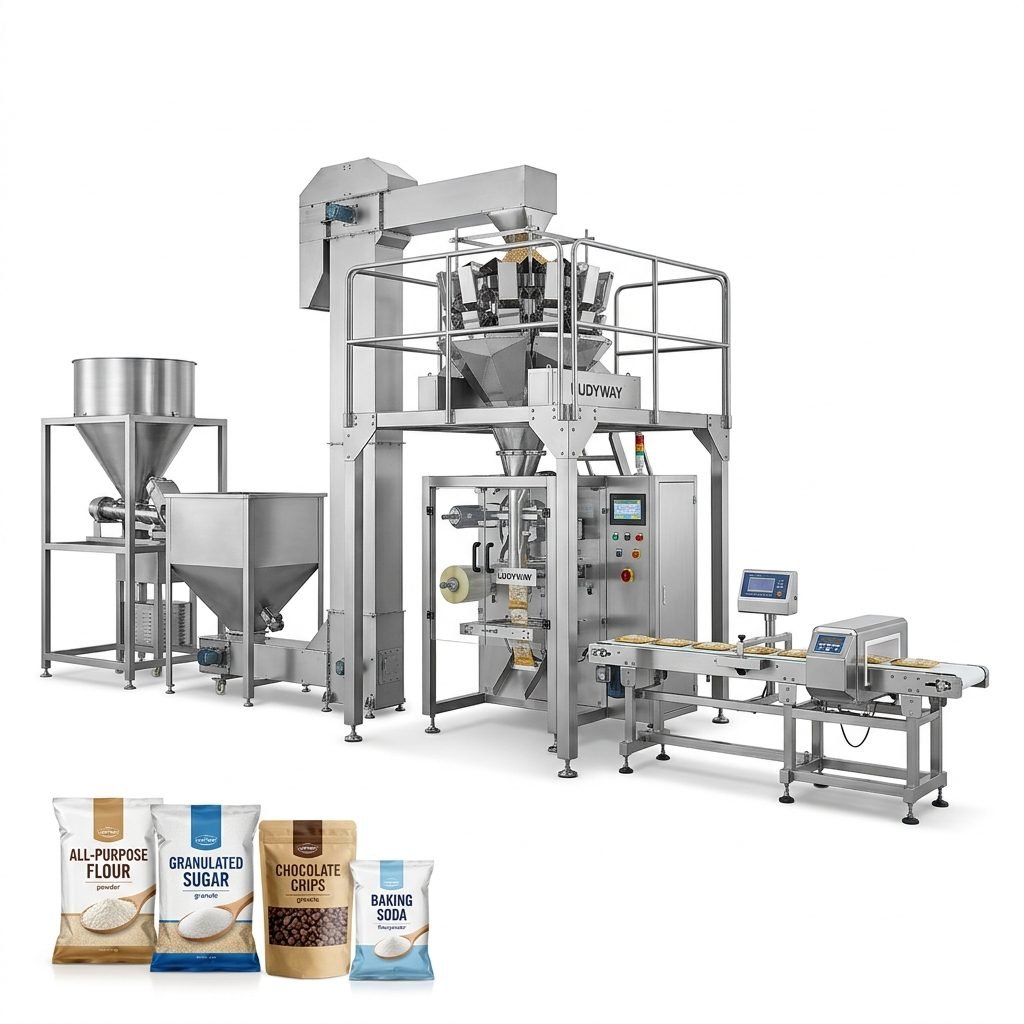
Upstream integration may include automatic product feeding systems, such as vacuum conveyors, bucket elevators, or inclined screw feeders, to ensure consistent product supply to the machine hopper. Downstream integration may involve checkweighers, metal detectors, coding and marking systems, cartoning machines, case packers, and palletizers.
For manufacturers looking to automate an entire packaging process, turnkey packaging solutions provide integrated equipment, controls, and validation from a single partner. This reduces the complexity of managing multiple equipment suppliers and ensures compatibility between all packaging line modules.
7. Assess Changeover and Cleanability
If your production involves multiple products, flavors, or bag sizes, changeover time directly impacts your overall equipment effectiveness (OEE).
- Tool-less changeover features reduce downtime when switching between bag sizes or lane configurations.
- Recipe management systems allow operators to load pre-set parameters for different products, reducing setup errors.
- Open-frame design and sanitary construction facilitate cleaning, particularly for food and pharmaceutical applications.
- Removable forming tubes and filling augers simplify product changeover and reduce cross-contamination risk.
8. Customization and Turnkey Solutions
Standard machine configurations work well for common applications, but many manufacturers need customized equipment to match specific product characteristics, factory layouts, or automation goals. Working with a manufacturer that has engineering and application experience allows you to specify the right dosing system, lane count, bag dimensions, film type, and automation level for your production environment.
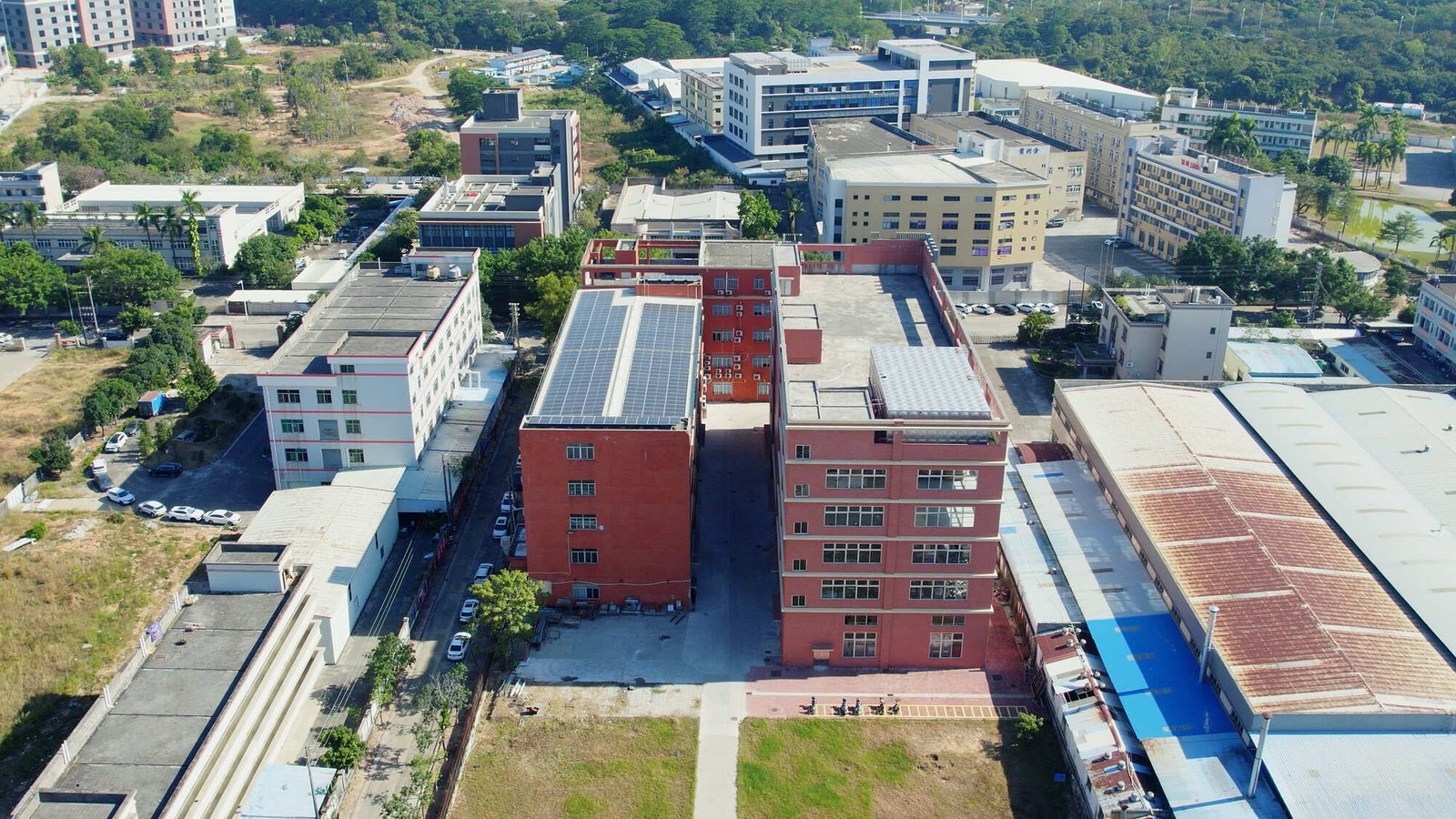
Ludyway Machinery is one such manufacturer, with more than 30 years of experience, a 20,000-square-meter production facility, and a team of over 130 professionals. The company provides customized packaging machinery and integrated turnkey solutions across food, pharmaceutical, cosmetic, and chemical industries. Ludyway is expected to achieve export revenue of more than RMB 500 million (approximately US$69 million) in 2025, and plans to surpass RMB 1 billion (approximately US$138 million) in export revenue in 2026, reflecting its growing role as a global packaging machinery partner.
9. Technical Support and After-Sales Service
The machine itself is only one part of the investment equation. Reliable technical support, spare parts availability, and after-sales service are critical to maintaining long-term production performance. Packaging industry resources from PMMI emphasize the importance of evaluating a supplier’s service infrastructure before purchasing.
Key questions to ask potential suppliers:
- Is remote technical support available for troubleshooting?
- What is the typical lead time for spare parts, and are critical components stocked locally or available for international shipment?
- Does the supplier provide installation and commissioning support on your site?
- Is operator training included, and can it be conducted in your local language?
- What warranty period and coverage are offered on the machine and key components?

10. Make a Data-Driven Decision
Selecting the right multi-lane sachet packaging machine involves more than comparing specifications sheets. It requires a thorough evaluation of your product, your production goals, and the long-term reliability of both the equipment and the supplier. For more detailed market data, the Flexible Packaging Association provides industry data and sustainability resources that can inform your packaging strategy.
By taking a systematic approach—starting with your product and working outward to the machine, the production line, and the global supplier network—you can invest in packaging equipment that supports your growth for years to come.