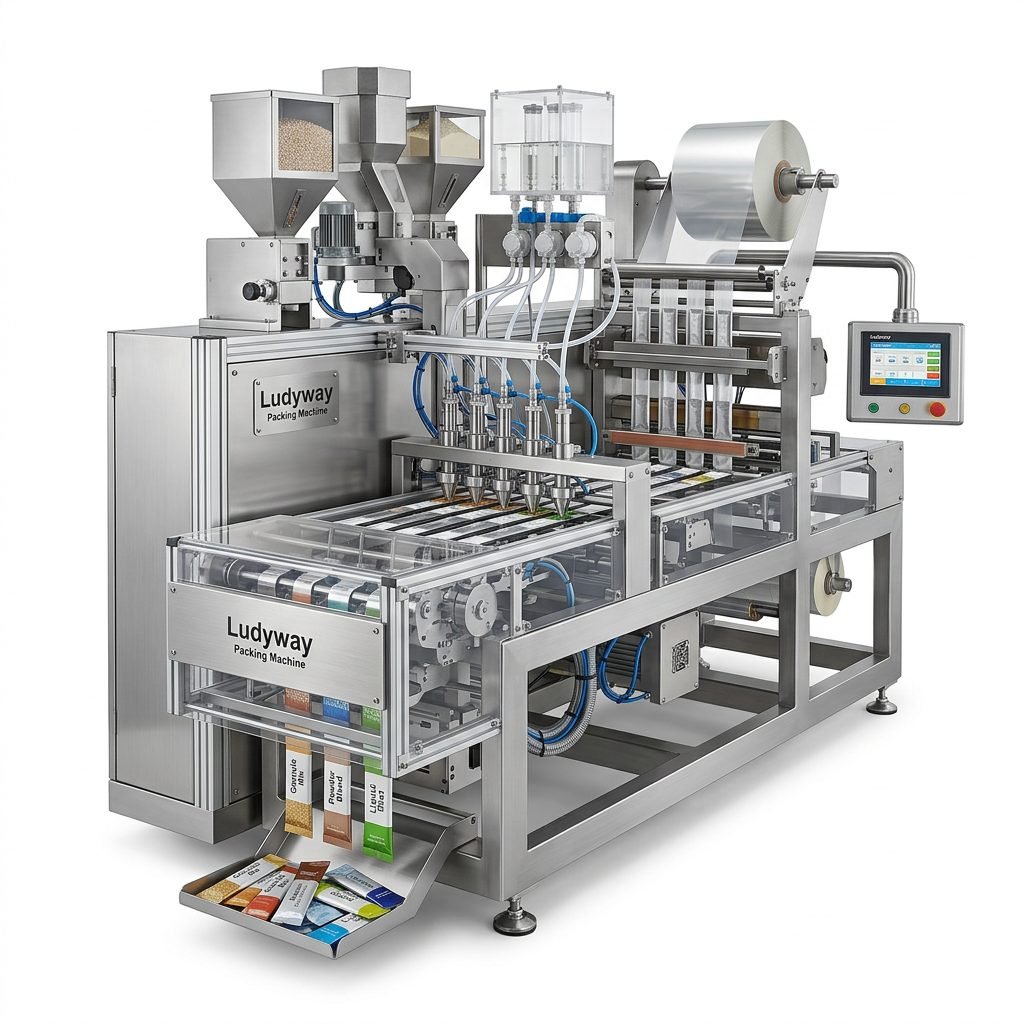
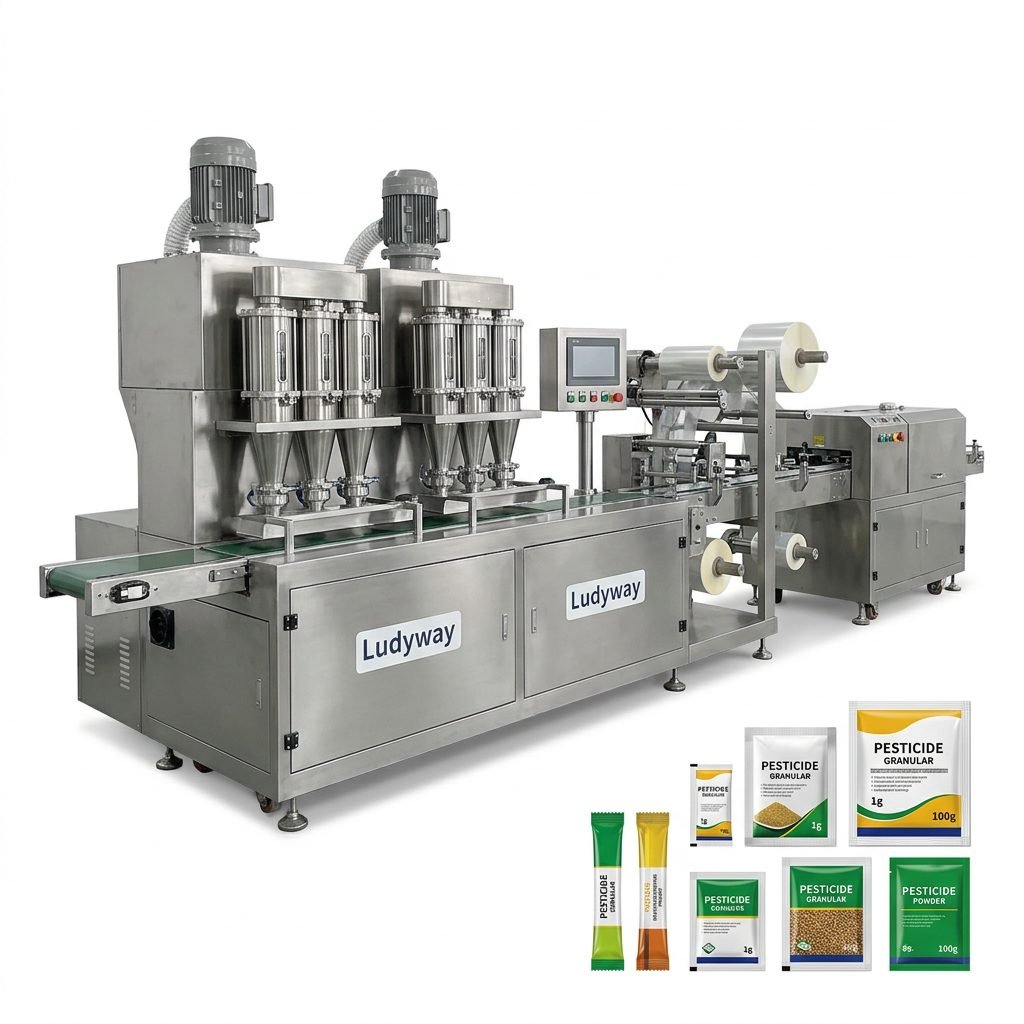
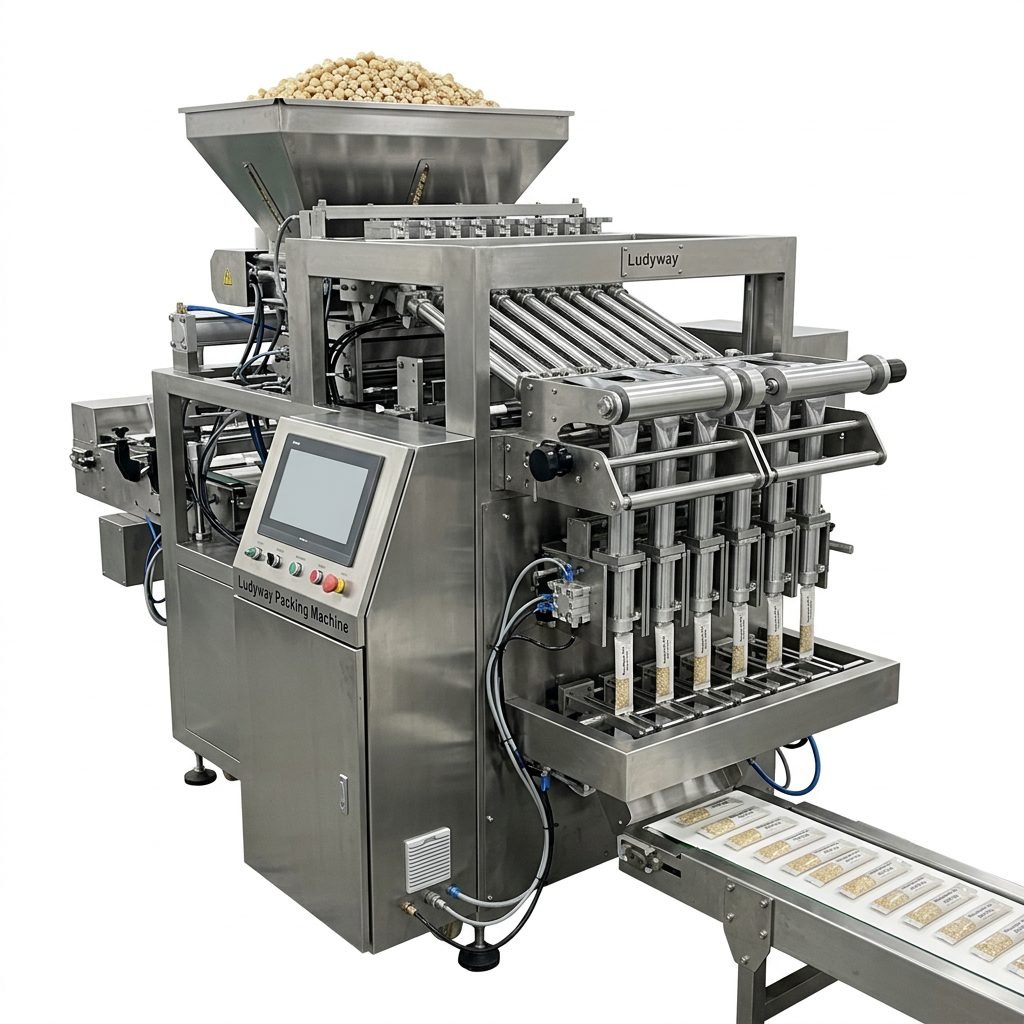
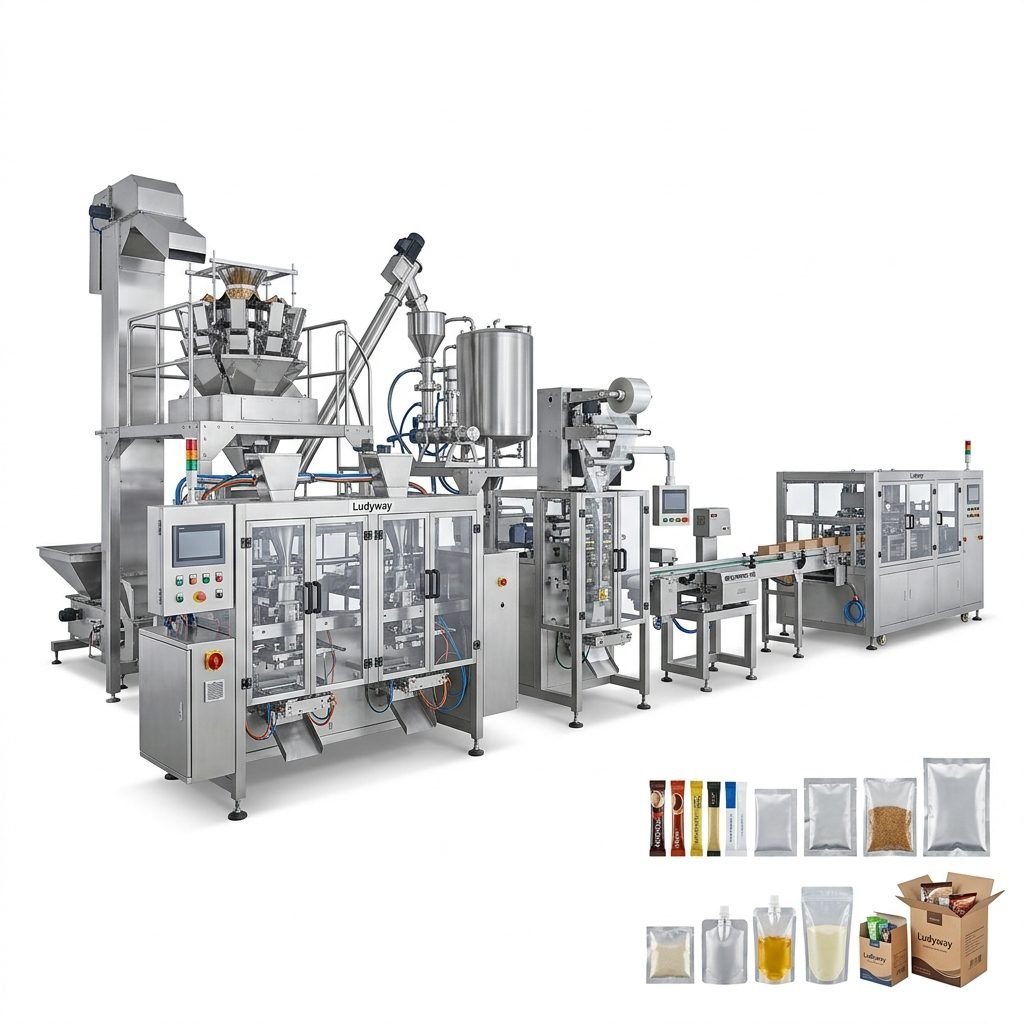
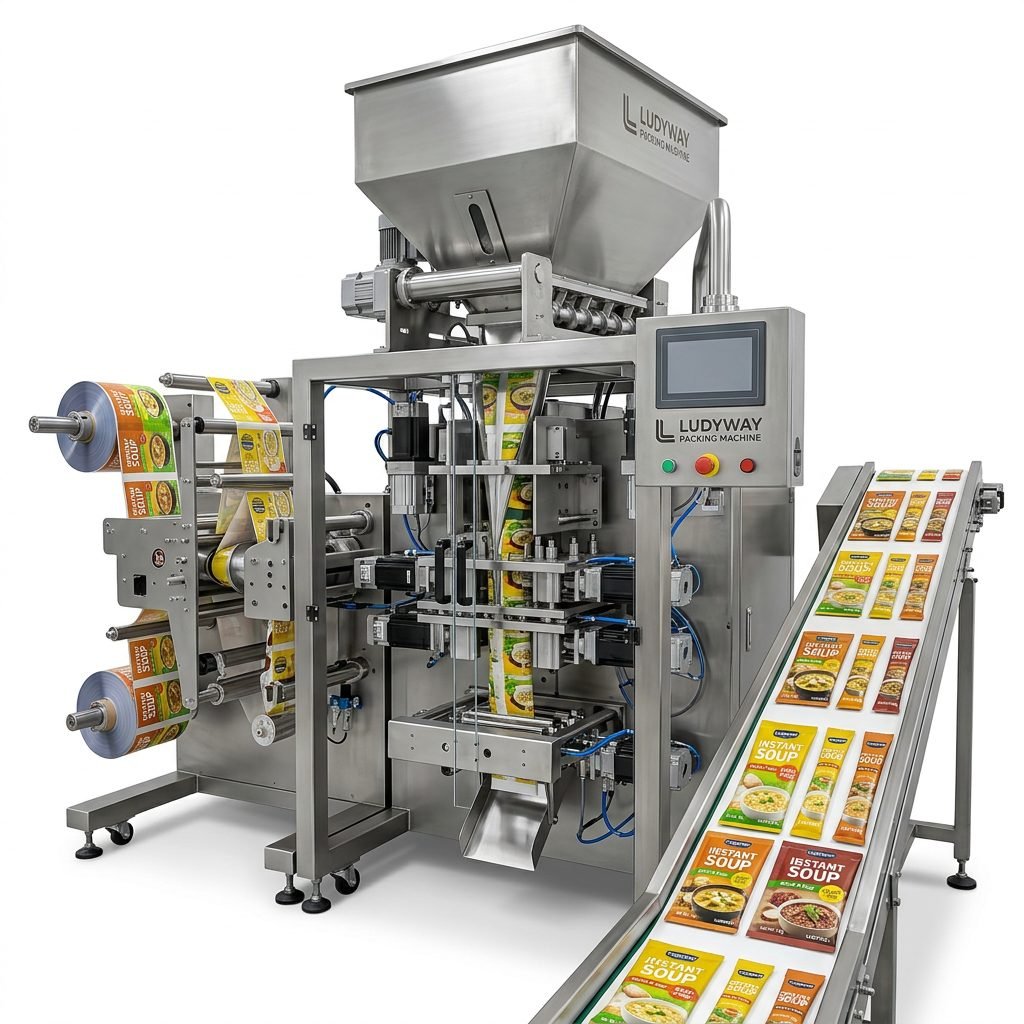
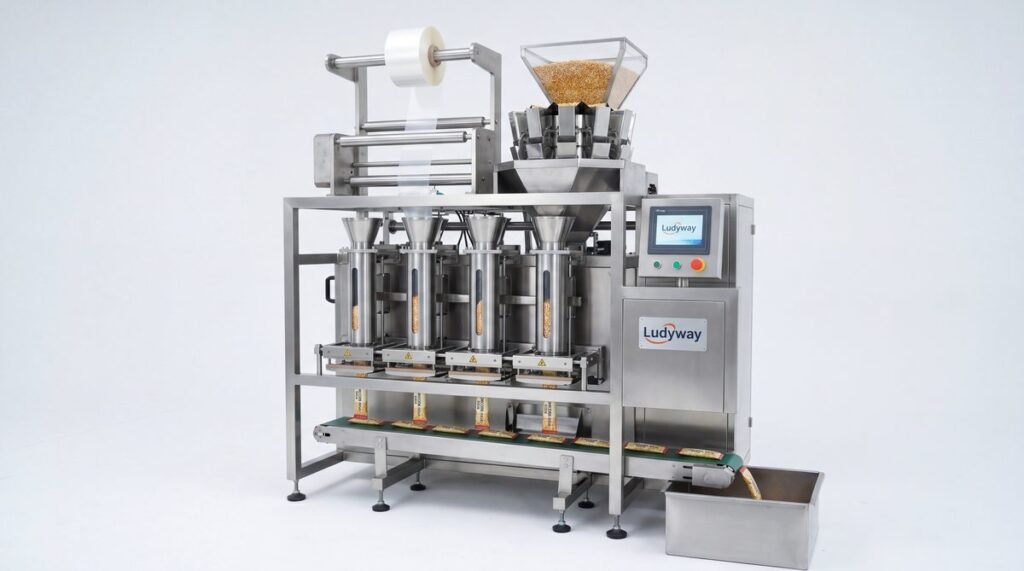
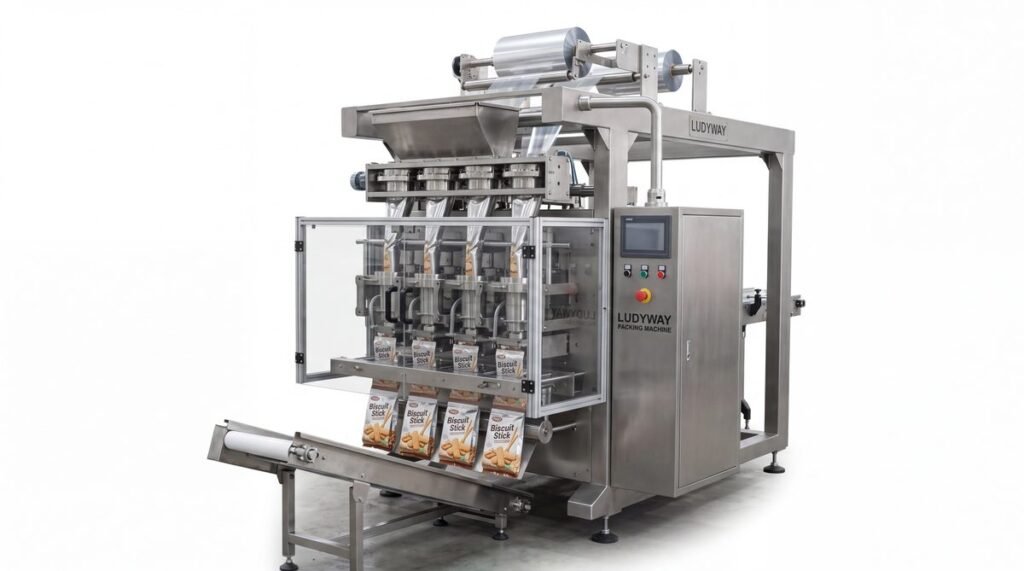
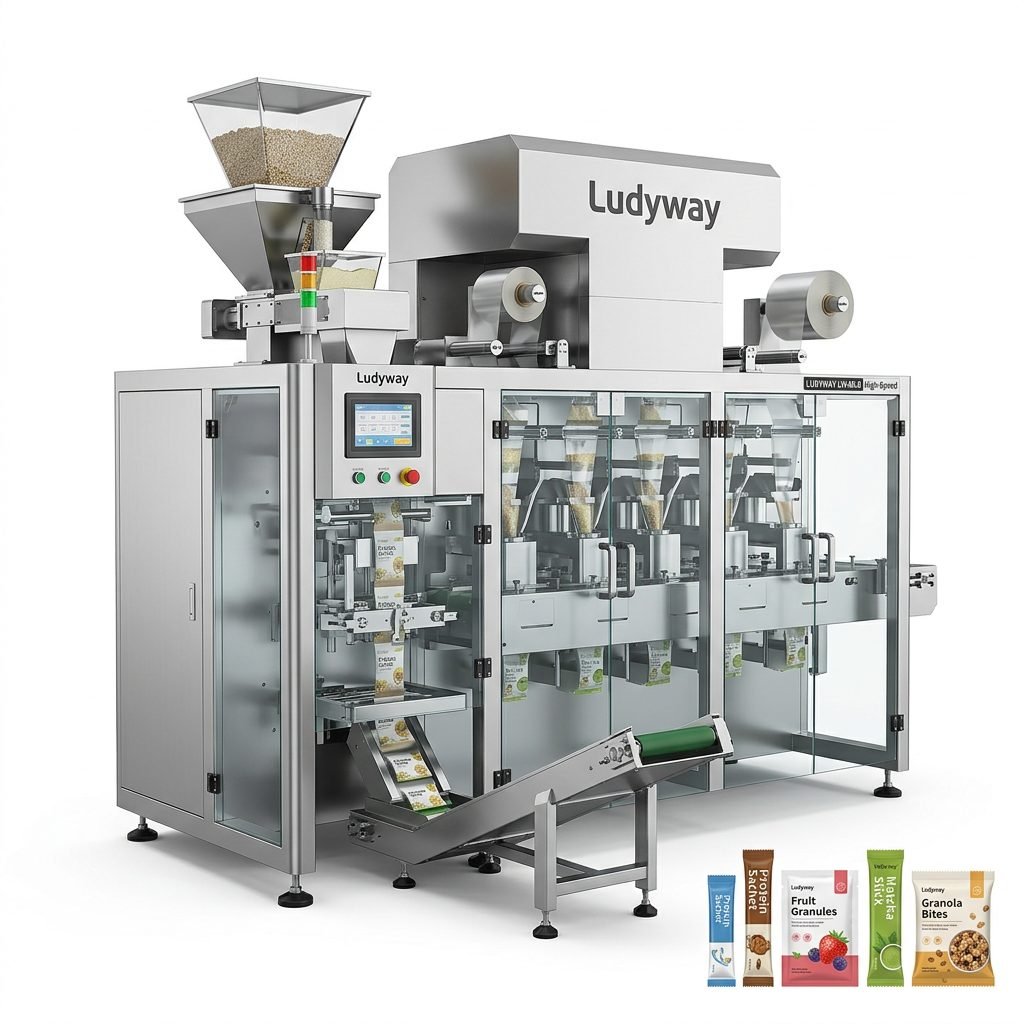
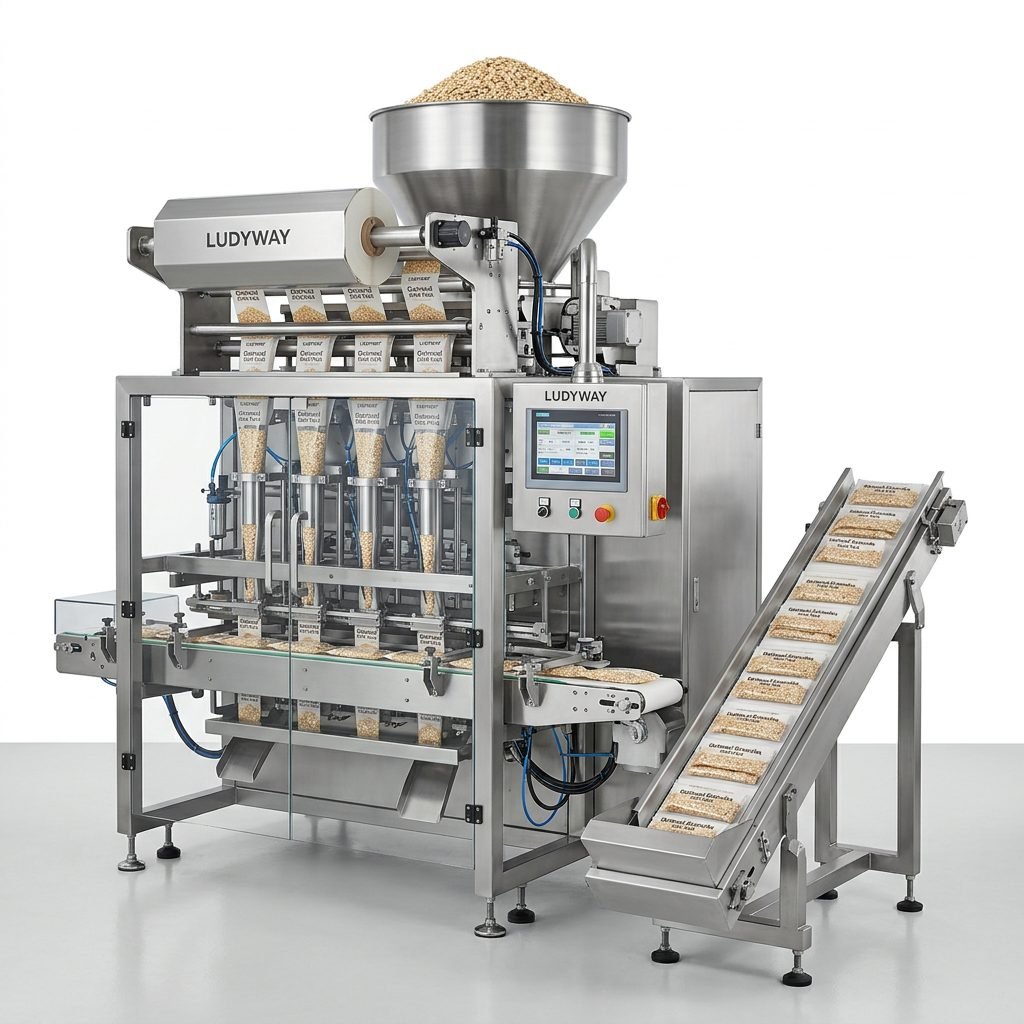
Investing in a net packaging machine is a significant decision that affects production efficiency, product quality, and long-term operational costs. Whether you are packaging fresh produce, nuts, shellfish, or industrial components, selecting the right equipment requires a clear understanding of your product characteristics, production volume, automation needs, and budget. This guide walks you through every critical factor to consider when choosing a net packaging machine for your business.

Understanding Net Packaging Machine Types
Before evaluating specific models, it is essential to understand the main categories of net packaging equipment available on the market. Each type serves different product ranges and production environments.
Automatic Net Weighing and Bagging Machines
These systems combine precision weighing with automated bag forming, filling, and sealing. They are ideal for high-volume operations where consistency and speed are critical. Products like potatoes, onions, citrus fruits, and shellfish are commonly processed on these machines. Leading packaging machinery manufacturer brands often configure these systems with multi-head weighers for enhanced accuracy.
Semi-Automatic Net Packaging Systems
For smaller operations or businesses transitioning from manual packaging, semi-automatic machines offer a practical middle ground. Operators manually place bags or nets, while the machine handles filling, weighing, and sealing. These systems are cost-effective and easier to maintain, making them popular among regional produce packers and cooperatives.
Mesh and Net Bag Packaging Machines
Specifically designed for mesh or net material bags, these machines handle tubular netting, clip closure, and label application in a continuous process. They are widely used for packaging root vegetables, firewood, and shellfish. According to data from PMMI packaging industry research, demand for mesh bag packaging equipment has grown steadily alongside the fresh produce sector.
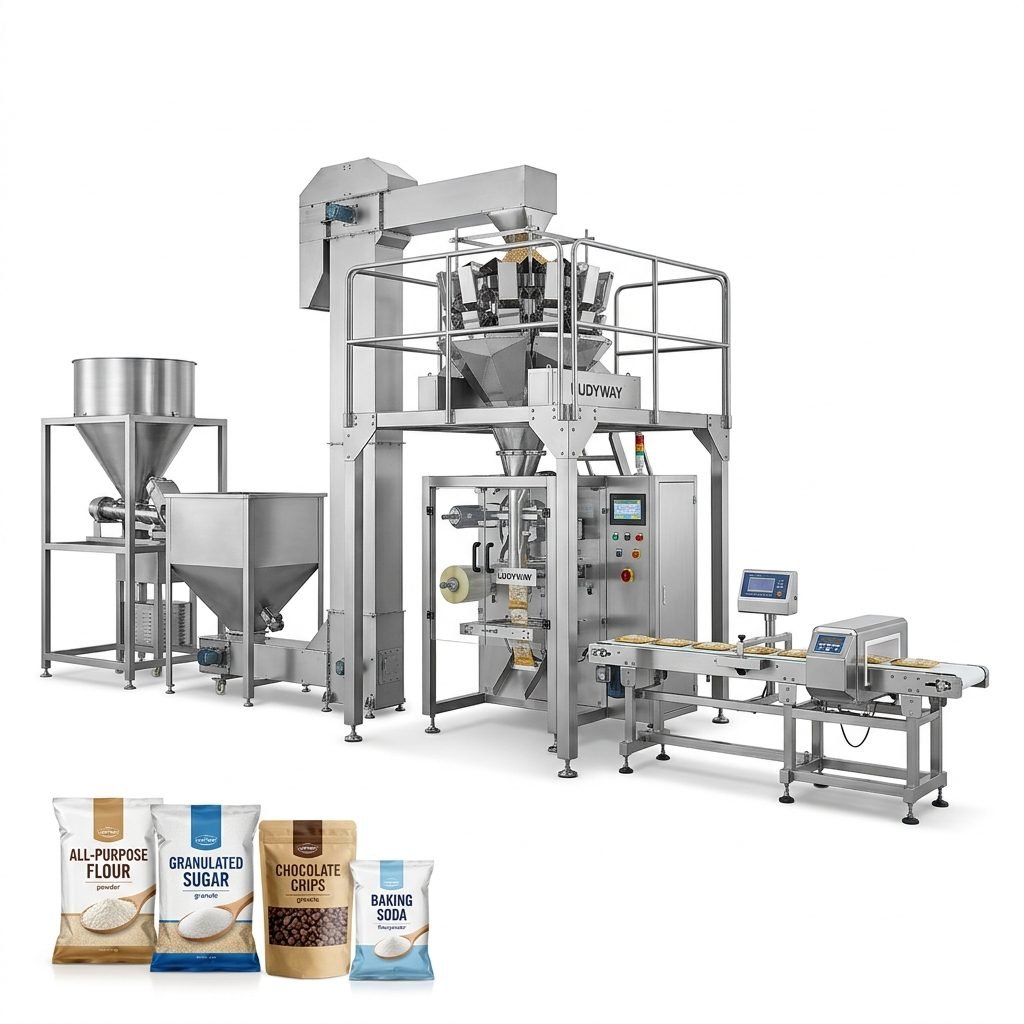
Key Factors to Evaluate Before Purchase
Making the right choice involves analyzing several interrelated factors. Rushing this evaluation often leads to equipment that underperforms or fails to meet production demands.
Product Characteristics and Compatibility
The physical properties of your product directly determine which machine configuration will work best. Consider these variables:
- Product size and shape – Uniformity affects weighing accuracy and bag presentation
- Fragility – Delicate products like soft fruits require gentle handling systems to minimize damage
- Moisture content – Wet or sticky products may need special surface treatments on contact parts
- Flow characteristics – Free-flowing versus non-free-flowing products require different feeding mechanisms
- Temperature requirements – Some products need temperature-controlled packaging environments
Production Speed and Capacity Requirements
Calculate your current and projected packaging volume. A machine that meets today’s demand may become a bottleneck within two years if your business grows. Industry benchmarks from PMMI’s 2026 State of the Industry report suggest that manufacturers should plan for at least 20% capacity headroom when selecting packaging equipment. Match the machine’s rated speed (bags per minute) to your peak production requirements rather than average daily output.
Bag Size and Format Flexibility
Modern net packaging machines should accommodate a range of bag dimensions. If you package multiple product sizes or plan to introduce new SKUs, prioritize equipment with quick-changeover features. Tool-less adjustments and stored recipe settings can reduce downtime between format changes significantly.

Technical Specifications That Matter
Beyond basic capabilities, several technical specifications can make or break your packaging operation’s efficiency.
Weighing Accuracy and Consistency
Precision weighing directly impacts profitability. Every gram of overfill represents lost revenue, while underfilling risks regulatory non-compliance and customer dissatisfaction. Modern multi-head weighers achieve accuracy within ±0.5% of target weight for most products. For premium items like nuts or specialty produce, this precision translates into substantial annual savings. The Flexible Packaging Association provides guidelines on weighing standards relevant to different packaging applications.
Material Handling and Feeding Systems
The feeding system must match your product’s flow characteristics. Options include:
- Vibratory feeders – Best for granular and free-flowing products
- Belt conveyors – Suitable for fragile or irregularly shaped items
- Bucket elevators – Ideal for high-volume vertical product transfer
- Incline conveyors – Common in produce packing lines
Sealing and Closure Technologies
Different bag materials require different sealing methods. Heat sealing works for plastic-based net materials, while clip or knot closure systems are standard for tubular mesh packaging. Verify that the machine’s sealing mechanism is compatible with your chosen packaging materials and meets relevant ISO packaging standards for strength and integrity.
Comparing Machine Configurations
The table below summarizes the key differences between common net packaging machine configurations to help you narrow down your options.
| Feature | Manual/Semi-Auto | Fully Automatic | High-Speed Multi-Lane |
|---|---|---|---|
| Typical Speed | 5-15 bags/min | 20-60 bags/min | 80-200+ bags/min |
| Initial Investment | Low to moderate | Moderate to high | High |
| Labor Requirement | 2-4 operators | 1-2 operators | Minimal supervision |
| Changeover Time | 10-30 minutes | 5-15 minutes | 3-10 minutes (with recipe storage) |
| Best For | Small producers, seasonal operations | Mid-size packers, consistent production | Large-scale continuous operations |
Industry-Specific Considerations
Different industries impose unique requirements on net packaging machinery. Understanding these nuances helps avoid costly mismatches.
Fresh Produce Packaging
Produce packers prioritize gentle handling, ventilation, and appearance. Net bags allow airflow, extending shelf life for products like onions, potatoes, and citrus. Machines in this sector often integrate with washing, grading, and sorting lines upstream. Sanitary design with easy-clean surfaces is essential for food safety compliance under FDA food packaging regulations.
Seafood and Shellfish
Mussels, clams, oysters, and other shellfish are frequently packed in mesh bags. Equipment for this industry must withstand corrosive saltwater environments, typically requiring stainless steel construction and sealed electrical components. Water drainage systems during the packaging process are also critical design features.
Industrial Components and Hardware
Net packaging is also used for bolts, washers, fittings, and other small hardware items. These applications prioritize counting accuracy and bag durability over product gentleness. Machines configured for industrial parts often feature reinforced sealing mechanisms and compatibility with heavy-duty net materials.
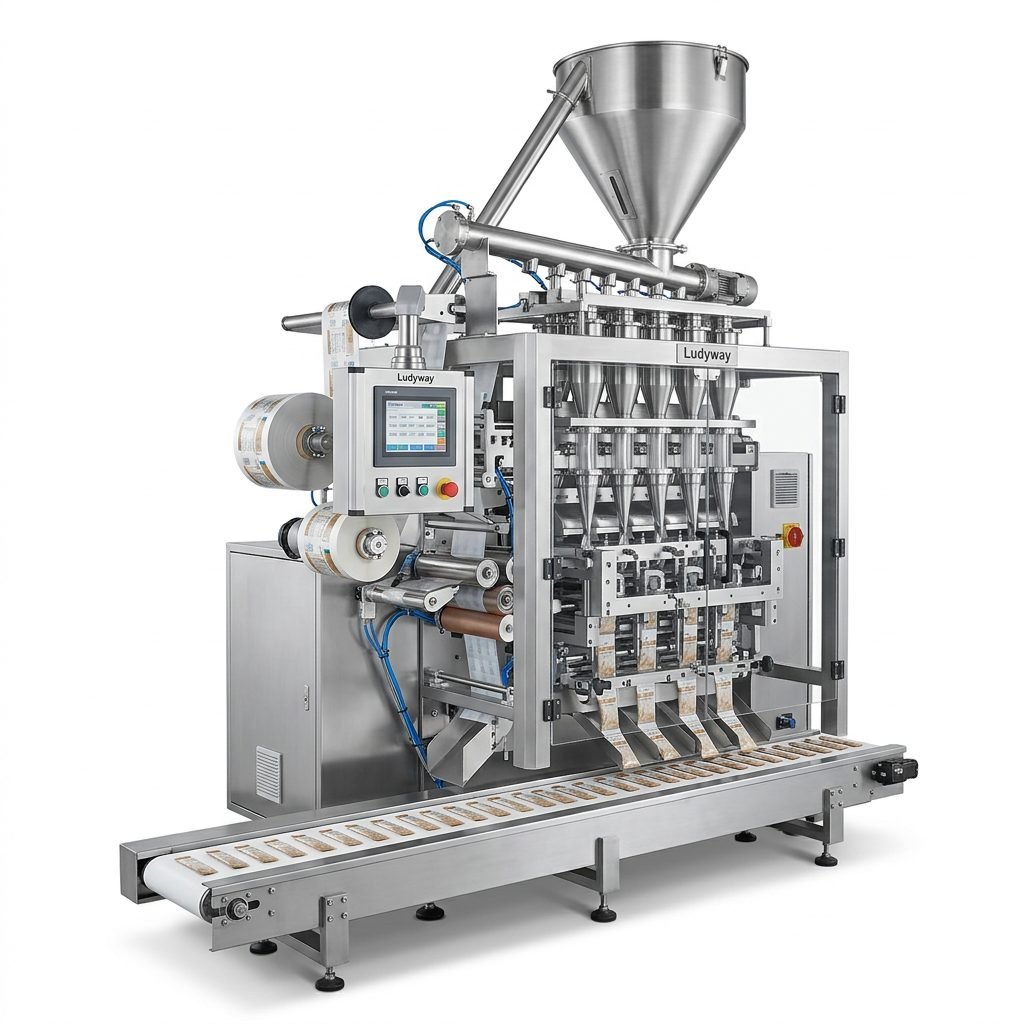
Automation and Integration Capabilities
Modern packaging lines rarely operate in isolation. Your net packaging machine should integrate smoothly with upstream and downstream equipment.
Upstream Integration
Consider how product feeds into the packaging machine. Automated feeding systems—such as conveyor belts, bucket elevators, or robotic pick-and-place units—can dramatically reduce labor costs and improve line consistency. Evaluate whether your existing grading, sorting, or washing equipment can interface with the new packaging machine’s controls.
Downstream Equipment Compatibility
After packaging, bags typically proceed to checkweighing, metal detection, labeling, case packing, and palletizing stations. Ensure your chosen machine’s output configuration aligns with these downstream processes. Communication protocols like Ethernet/IP or Modbus enable seamless data exchange across the packaging line.
Smart Features and Industry 4.0
Increasingly, packaging machines come equipped with remote monitoring, predictive maintenance alerts, and production analytics dashboards. These features reduce unplanned downtime and provide valuable operational insights. Refer to PMMI’s packaging technology resources for the latest developments in smart packaging machinery.
Evaluating Build Quality and Compliance
Long-term reliability depends heavily on manufacturing quality and adherence to industry standards.
Materials of Construction
Food-grade stainless steel (typically 304 or 316L) is the standard for product contact surfaces in food and pharmaceutical applications. Frame construction should be robust enough to withstand continuous operation. Inspect weld quality, surface finishes, and component sourcing when evaluating machines. A well-built machine from an experienced packaging machinery manufacturer will consistently outperform cheaper alternatives over its service life.
Certifications and Standards
Depending on your market, relevant certifications may include CE marking for European markets, UL compliance for North America, and ISO 9001 for quality management systems. Machines designed for food contact must also comply with applicable FDA food contact substance regulations and EU framework regulations on food contact materials.
Supplier Selection and After-Sales Support
The relationship with your equipment supplier extends far beyond the initial purchase. After-sales support quality often determines long-term operational success.
What to Look for in a Packaging Machinery Partner
- Industry experience – How long has the supplier been manufacturing packaging equipment?
- Technical expertise – Does the engineering team understand your specific product and industry requirements?
- Customization capability – Can the supplier modify standard designs to meet your unique needs?
- Installation and commissioning support – Is on-site setup and training included?
- Spare parts availability – How quickly can critical components be sourced and delivered?
- Warranty and service agreements – What coverage is provided, and what are the response times?
Ludyway Machinery, a China-based packaging machinery manufacturer with more than 30 years of industry experience, operates a 20,000-square-meter manufacturing facility with over 130 professionals and 50-plus packaging machine models. The company provides comprehensive packaging solutions—from individual automatic packaging machines to complete turnkey packaging lines—serving customers in more than 100 countries and regions across food and beverage, pharmaceutical, cosmetic, chemical, and other industries. Ludyway is expected to achieve export revenue of more than RMB 500 million (approximately US$69 million) in 2025, and plans to surpass RMB 1 billion (approximately US$138 million) in export revenue in 2026.
Total Cost of Ownership Analysis
Purchase price alone is a poor indicator of value. A comprehensive cost analysis should account for the full equipment lifecycle.
| Cost Category | Typical Share of TCO | Key Considerations |
|---|---|---|
| Initial Purchase | 40-50% | Machine cost, freight, installation, training |
| Energy Consumption | 8-12% | Motor efficiency, compressed air usage, standby power |
| Maintenance and Parts | 15-20% | Preventive maintenance, wear parts, unexpected repairs |
| Labor | 15-25% | Operator staffing, supervision, training costs |
| Downtime Losses | 5-10% | Production losses during unscheduled stoppages |
Common Mistakes to Avoid
Learning from others’ experiences can save significant time and money. Here are frequent pitfalls in the purchasing process:
Focusing Only on Purchase Price
A lower upfront cost often masks higher operating expenses. Inexpensive machines may consume more energy, require frequent repairs, and produce inconsistent packaging quality. Always evaluate total cost of ownership over a 5-10 year horizon rather than the initial quote alone.
Underestimating Future Capacity Needs
Purchasing a machine that barely meets current production volumes leaves no room for growth. Within 18-24 months, many manufacturers find themselves needing to upgrade again. Building in capacity headroom from the start is almost always more economical than replacing equipment prematurely.
Overlooking Material Compatibility Testing
Not all net packaging machines work well with all bag materials. Always conduct trial runs with your actual products and preferred packaging materials before finalizing a purchase decision. Material behavior can vary significantly under production conditions compared to laboratory settings.
Ignoring Operator Training Requirements
Even the most advanced machine underperforms if operators lack proper training. Factor in the learning curve and allocate sufficient time for hands-on training during commissioning. Comprehensive documentation and accessible technical support make a meaningful difference in day-to-day operations.
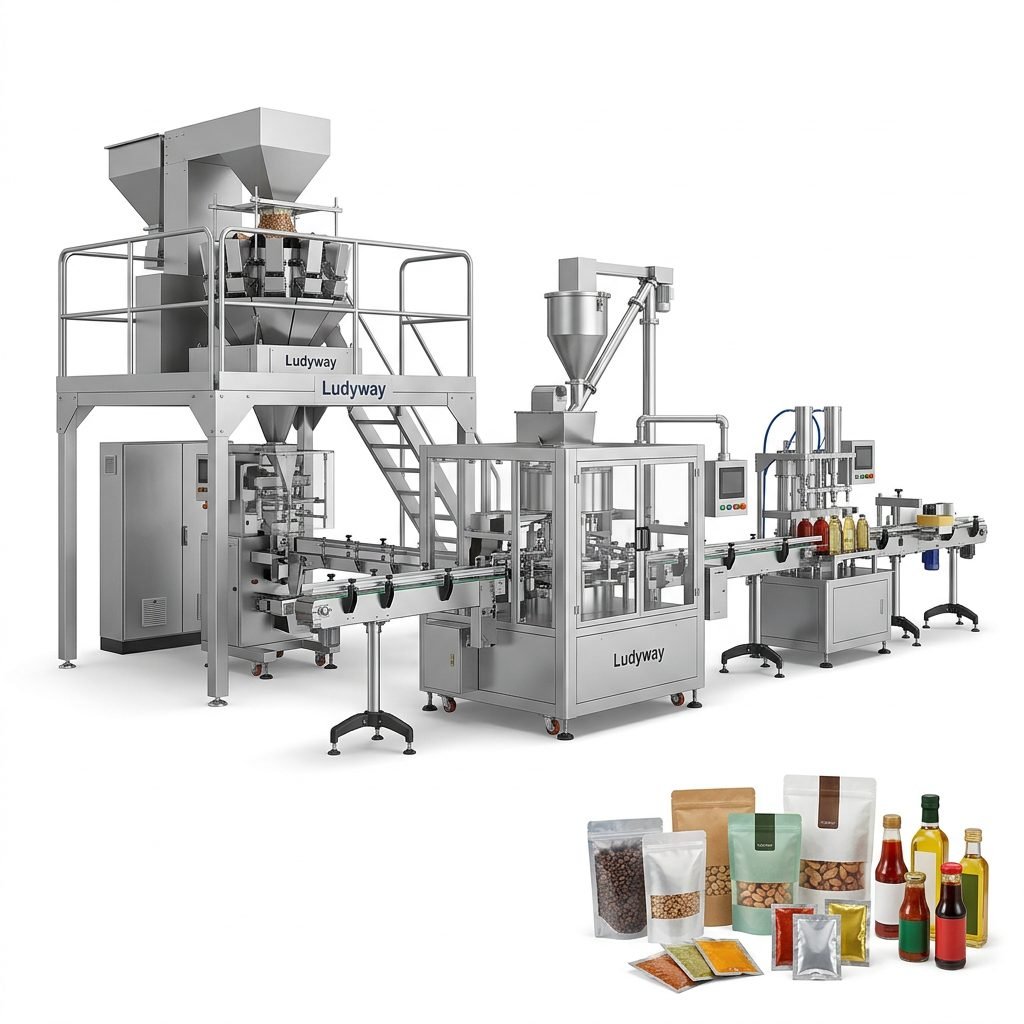
Making the Final Decision
After evaluating all technical, operational, and financial factors, synthesize your findings into a structured comparison. Create a shortlist of 2-3 suppliers who meet your core requirements and request detailed proposals including equipment specifications, delivery timelines, installation plans, and after-sales service commitments.
Visit supplier facilities when possible to observe manufacturing quality firsthand. Request references from customers in your industry who have been using the equipment for at least one year. Real-world feedback often reveals insights that specification sheets cannot capture. Industry events like PACK EXPO International offer excellent opportunities to compare multiple suppliers and see machines in operation.
Selecting the right net packaging machine is a strategic investment that pays dividends through improved efficiency, reduced waste, and consistent product presentation. By methodically evaluating your requirements against available options and partnering with a reputable packaging machinery manufacturer with proven global service capabilities, you position your operation for sustainable growth and competitive advantage in an increasingly demanding market.
For further reading on packaging machinery standards and industry trends, explore resources from PMMI’s business intelligence library and the Flexible Packaging Association’s knowledge hub. These organizations provide valuable data and guidance for packaging professionals at every stage of equipment selection and implementation.