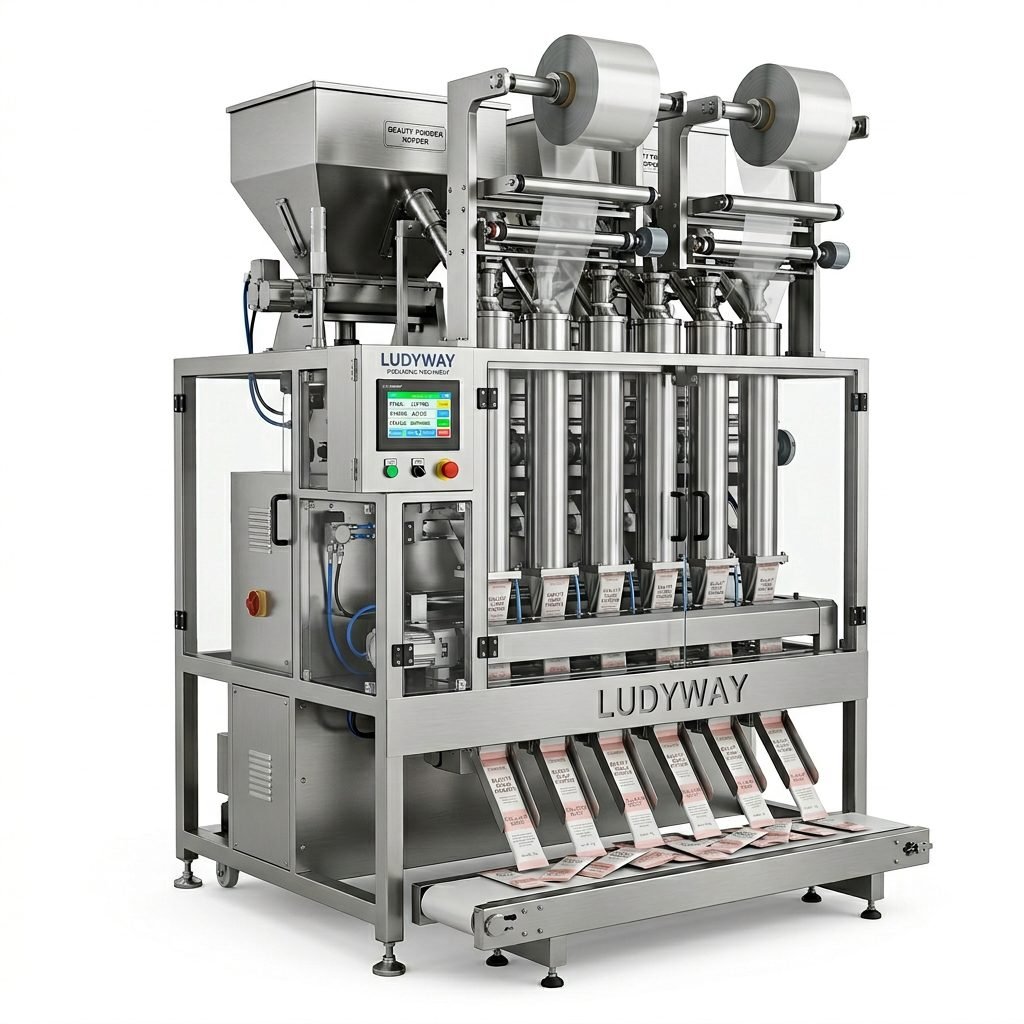
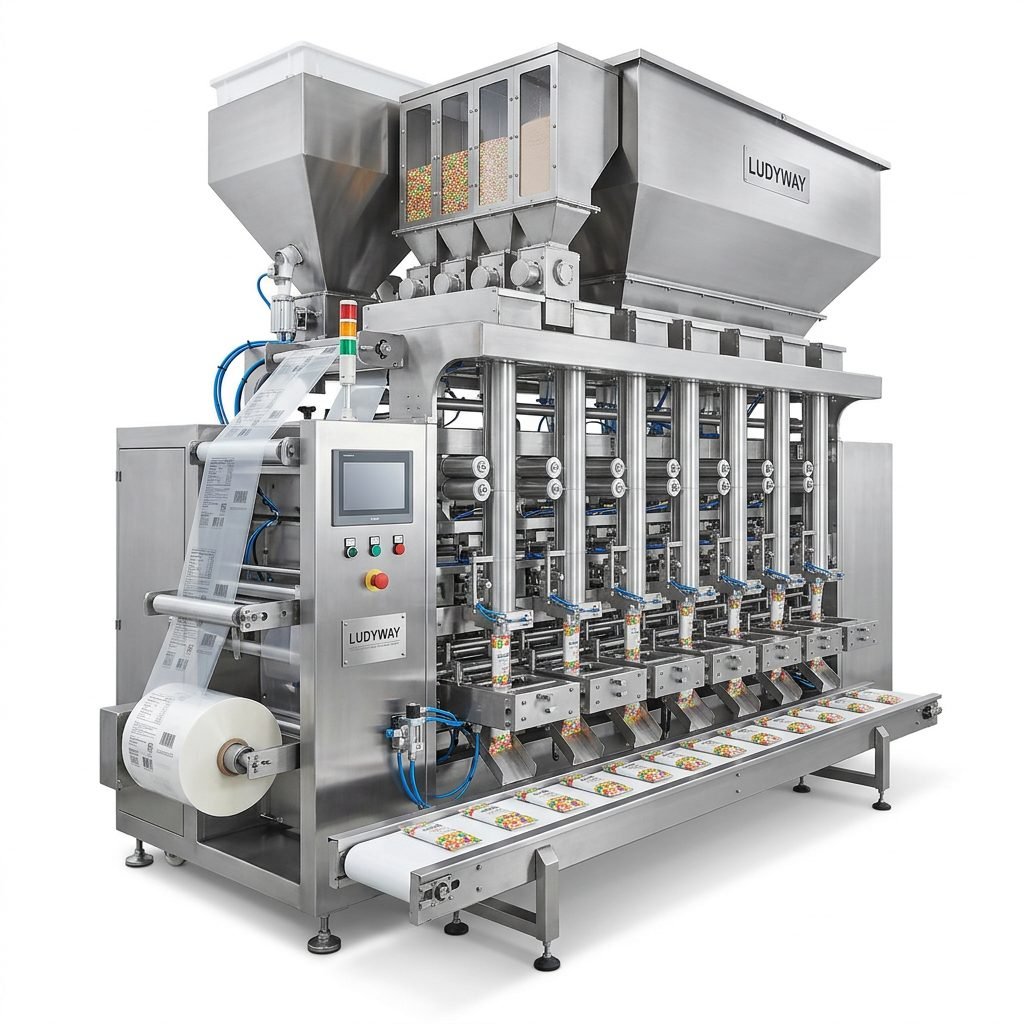
Investing in a Nimco packing machine is a significant decision that directly impacts your production efficiency, product quality, and operational costs. Whether you are packaging food, pharmaceuticals, chemicals, or consumer goods, selecting the right equipment requires a thorough evaluation of your specific needs. This comprehensive buyer’s guide walks you through the essential factors to consider before making your purchase, helping you avoid costly mistakes and find a solution that delivers long-term value.

Understanding Nimco Packing Machine Types and Applications
Before evaluating specific features, it is important to understand the different types of Nimco packing machines available and which applications they serve. The right choice depends heavily on your product characteristics, packaging format, and production goals.
Common Packaging Formats
- Sachet packaging — Ideal for single-use portions of powders, granules, and liquids
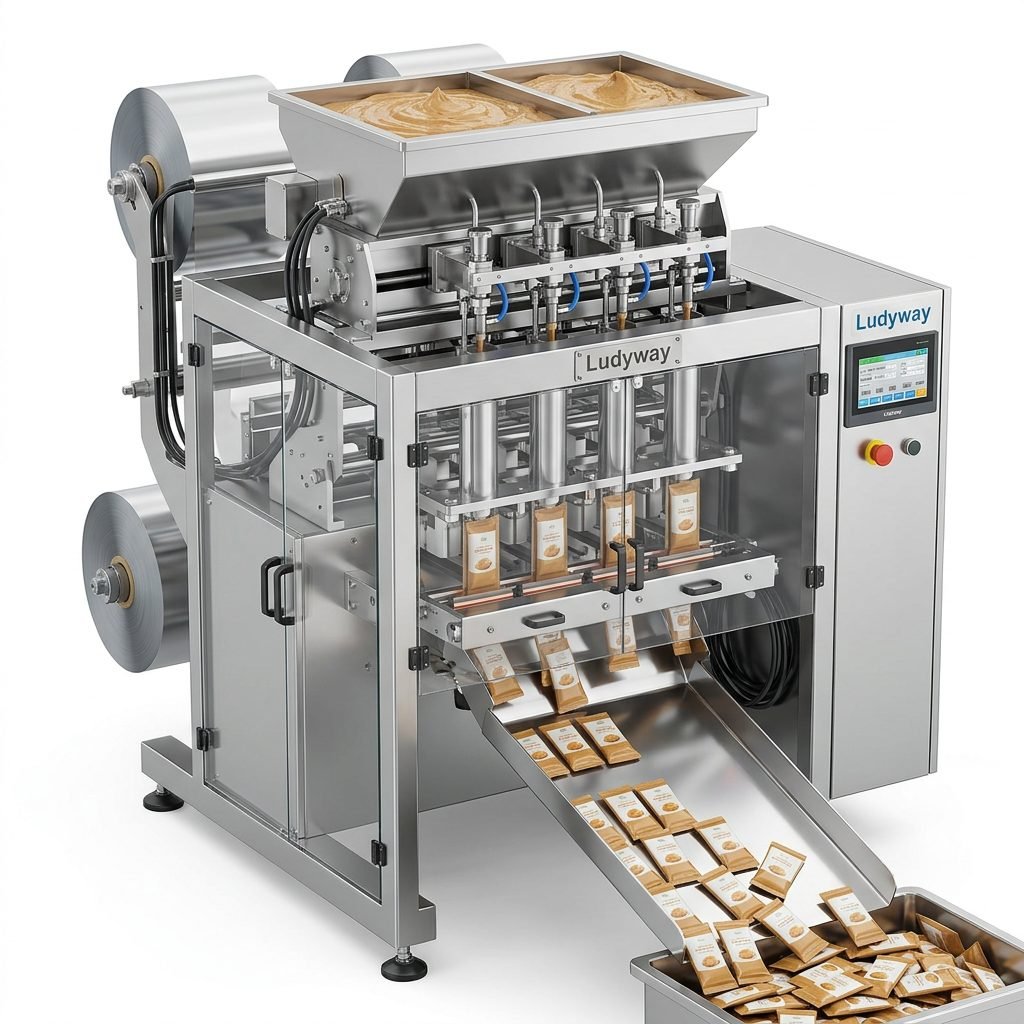
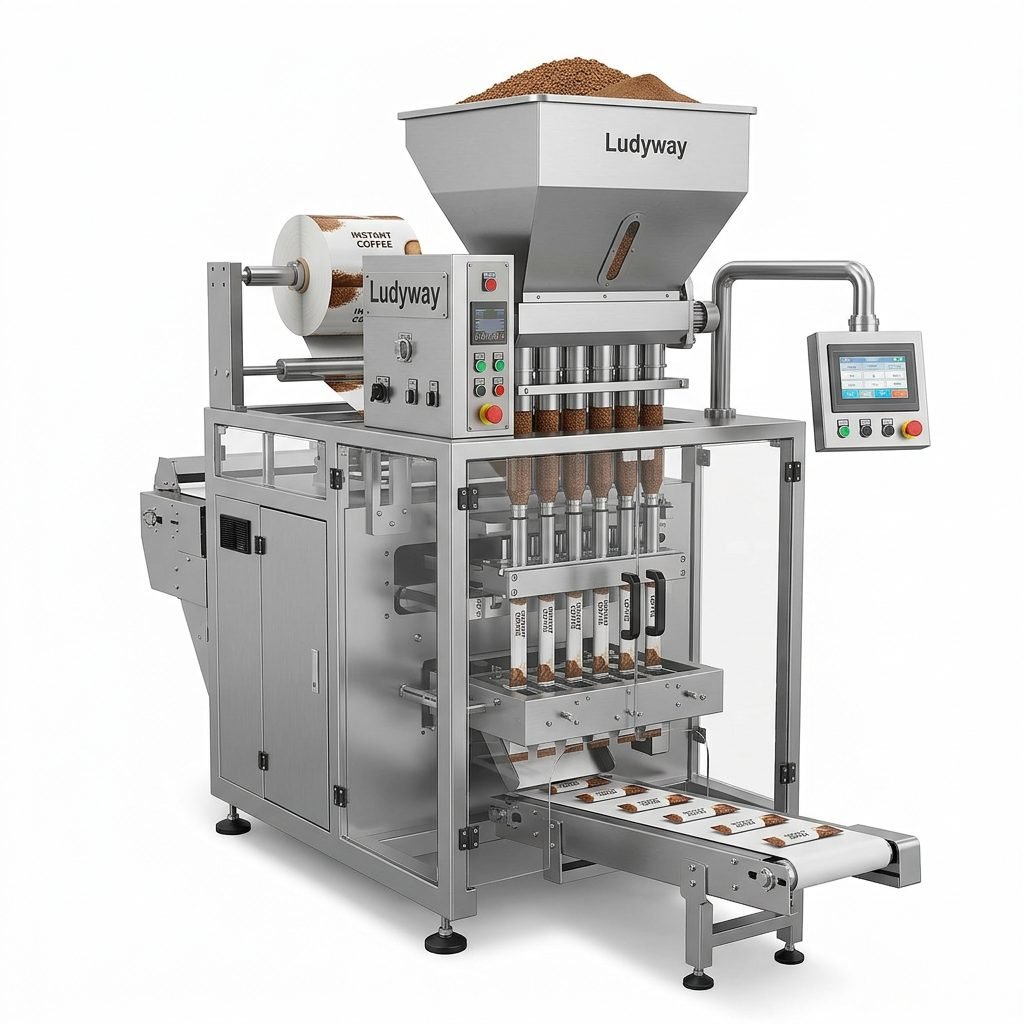
- Stick pack machines — Popular for sugar, coffee, protein powders, and beverage mixes
- Multi-lane systems — Designed for high-speed production with multiple lanes running simultaneously
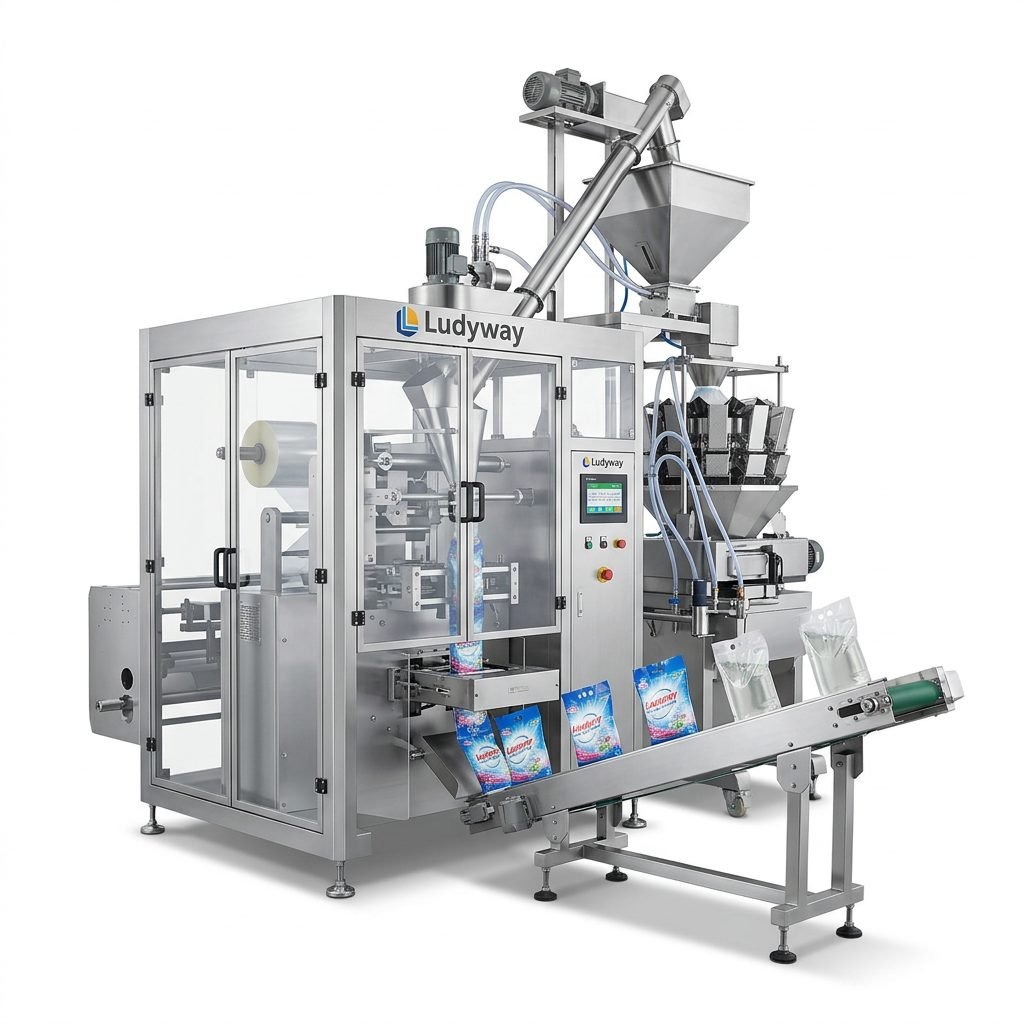
- Pouch packaging — Suitable for larger quantities and a variety of product types
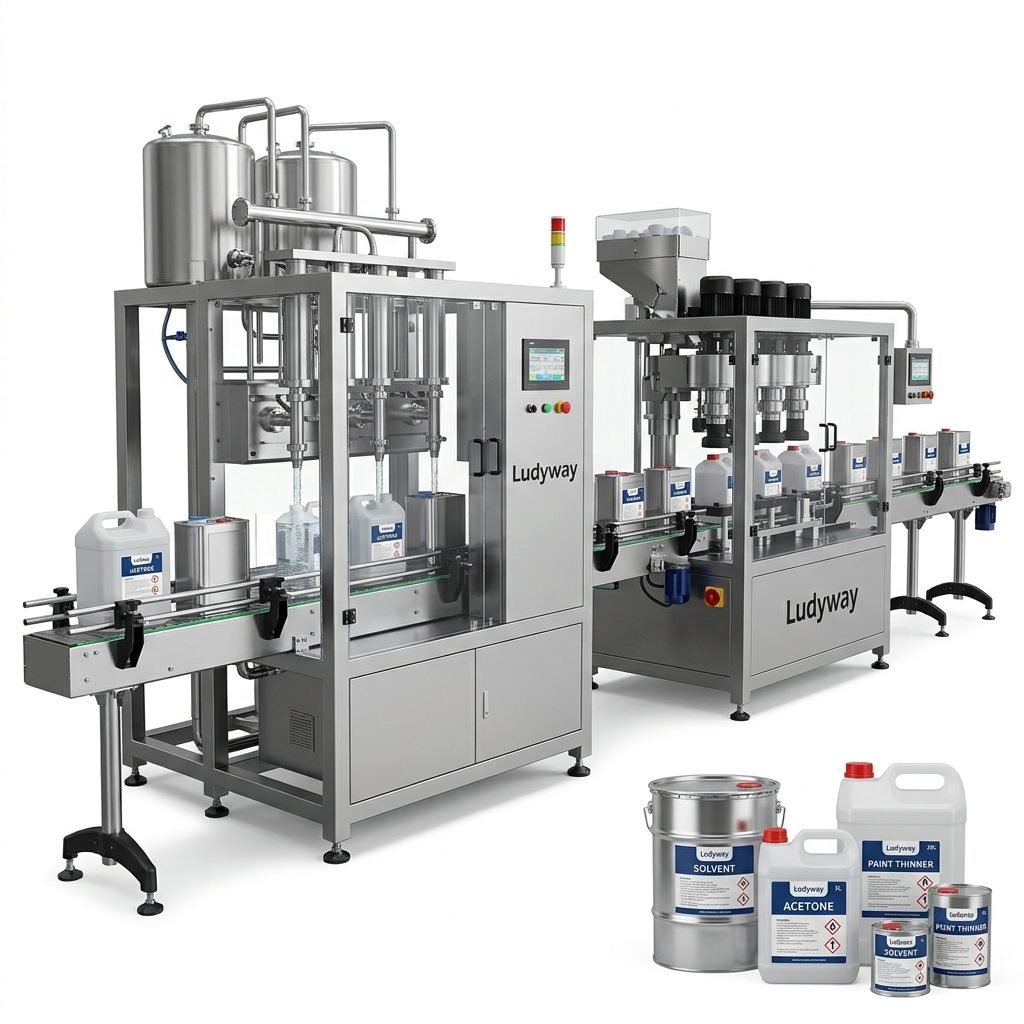
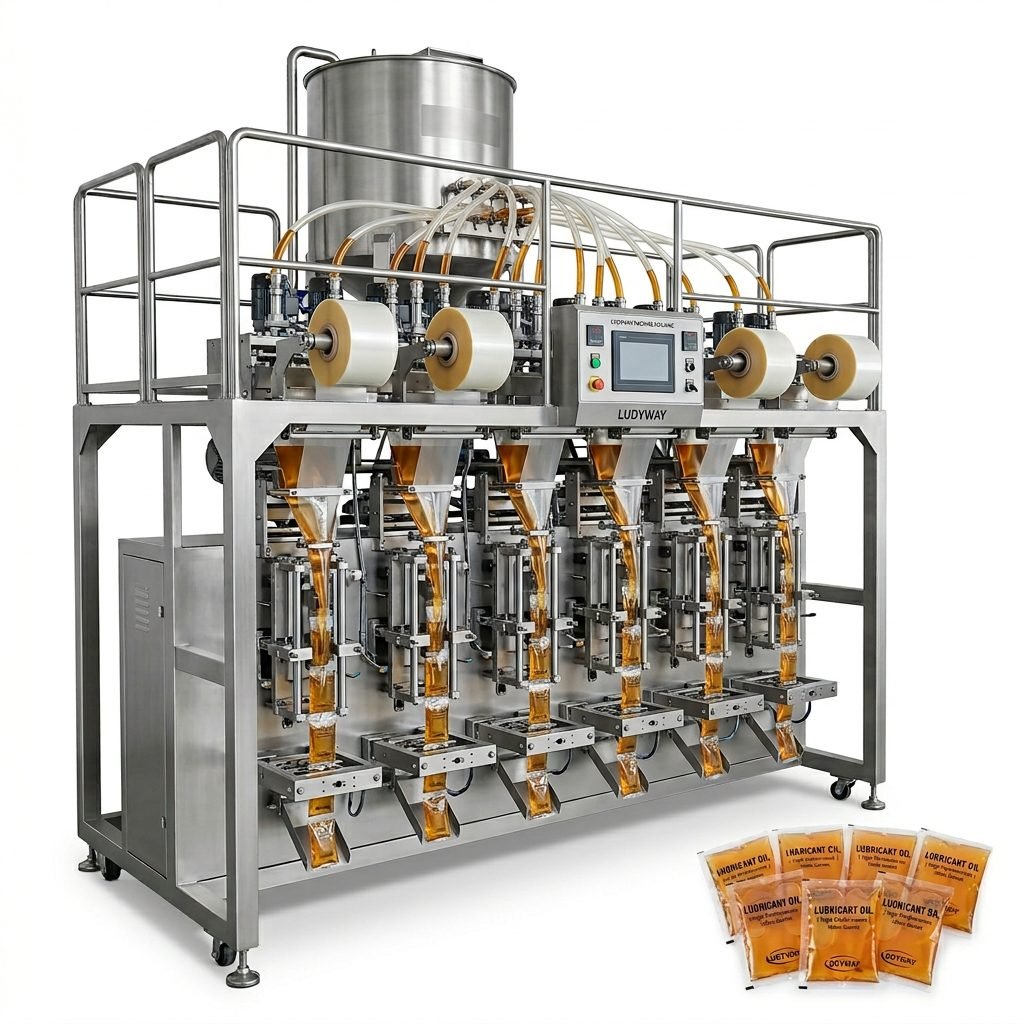
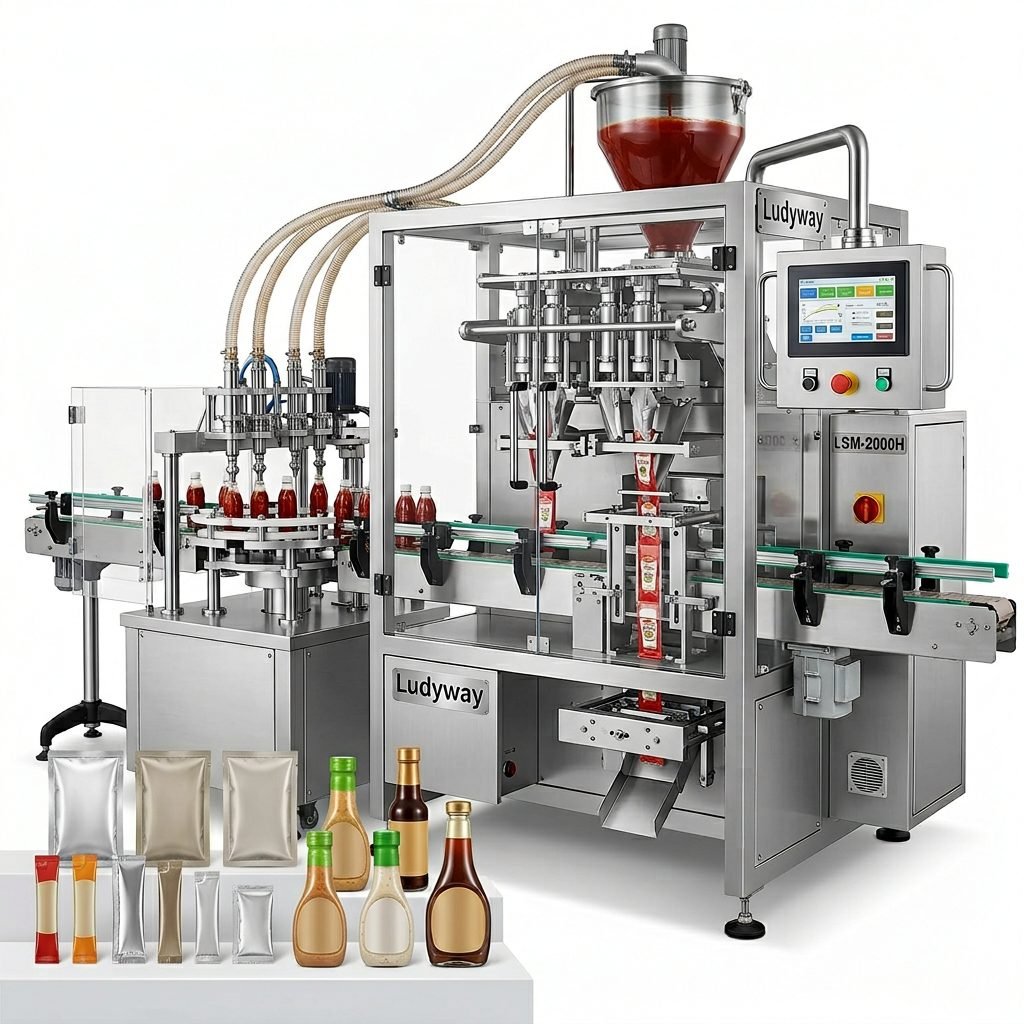
- Liquid filling systems — Specialized for sauces, oils, creams, and other viscous products
According to PMMI’s packaging machinery market research, the demand for flexible packaging equipment continues to grow across multiple industries, driven by consumer preferences for convenient, portion-controlled packaging formats.
Key Factors to Consider When Choosing a Nimco Packing Machine
Selecting the right machine involves balancing multiple variables. Below are the most critical factors to evaluate during your decision-making process.
1. Production Speed and Output Capacity
Your required output capacity should be one of the first considerations. Multi-lane Nimco packing machines can significantly increase throughput compared to single-lane systems. Assess your current production volumes and anticipated growth to select a machine that can scale with your business.
2. Product Compatibility and Filling Systems
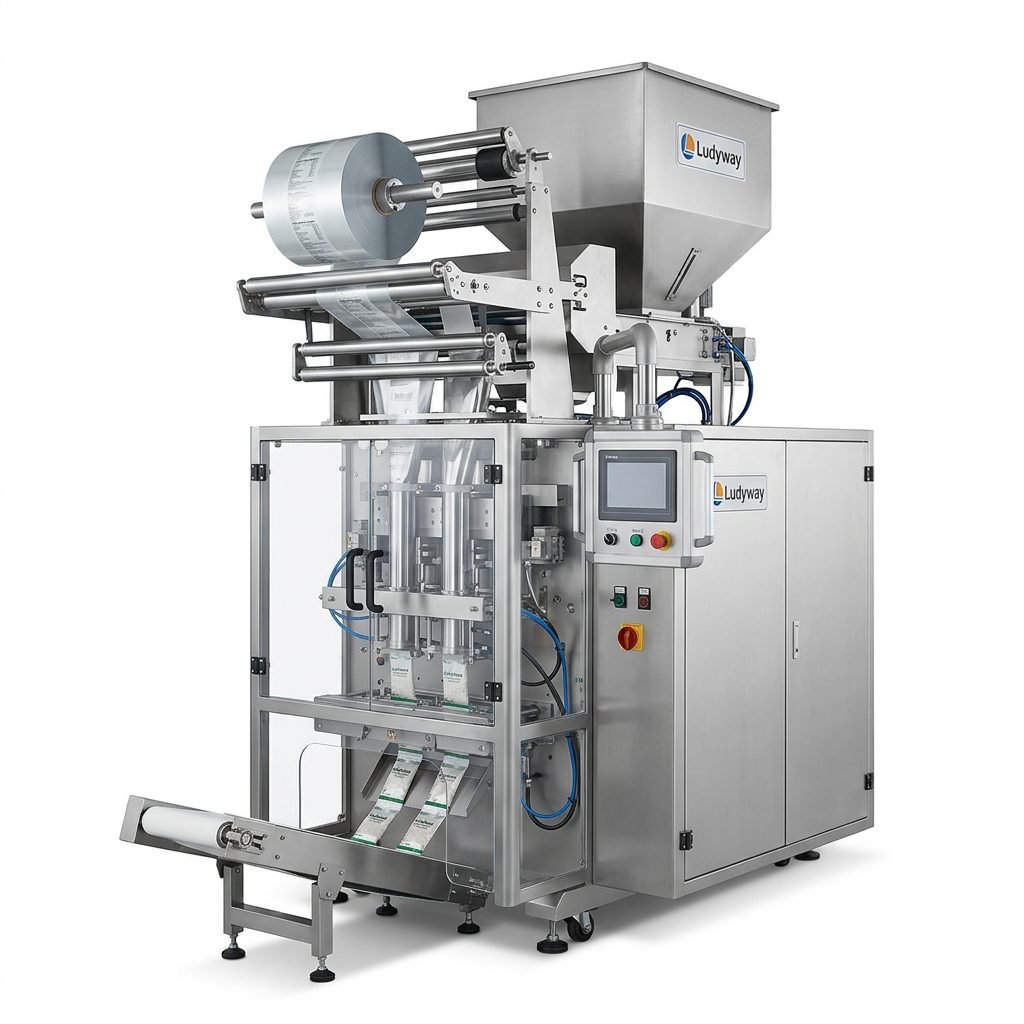
Different products require different dosing and filling mechanisms. Free-flowing granules behave differently from sticky powders or viscous liquids. The Nimco packing machine you choose must be equipped with the appropriate filling system — whether auger fillers, volumetric cup fillers, piston fillers, or multi-head weighers — to ensure accuracy and consistency.
3. Packaging Material Requirements
The type of packaging material you plan to use — including laminates, aluminum foil, paper-based materials, or biodegradable films — affects machine compatibility. Verify that the machine can handle your desired flexible packaging materials and achieve proper seal integrity.
4. Automation Level and Integration
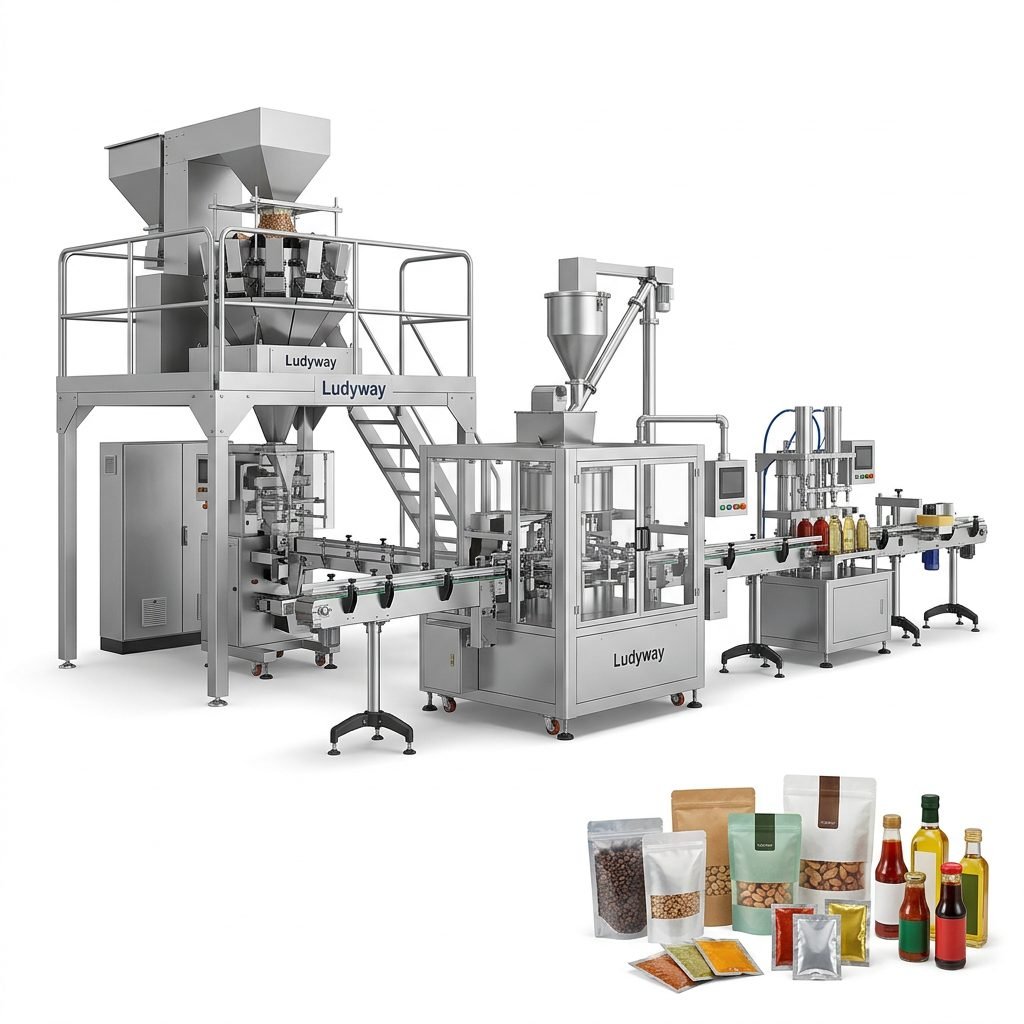
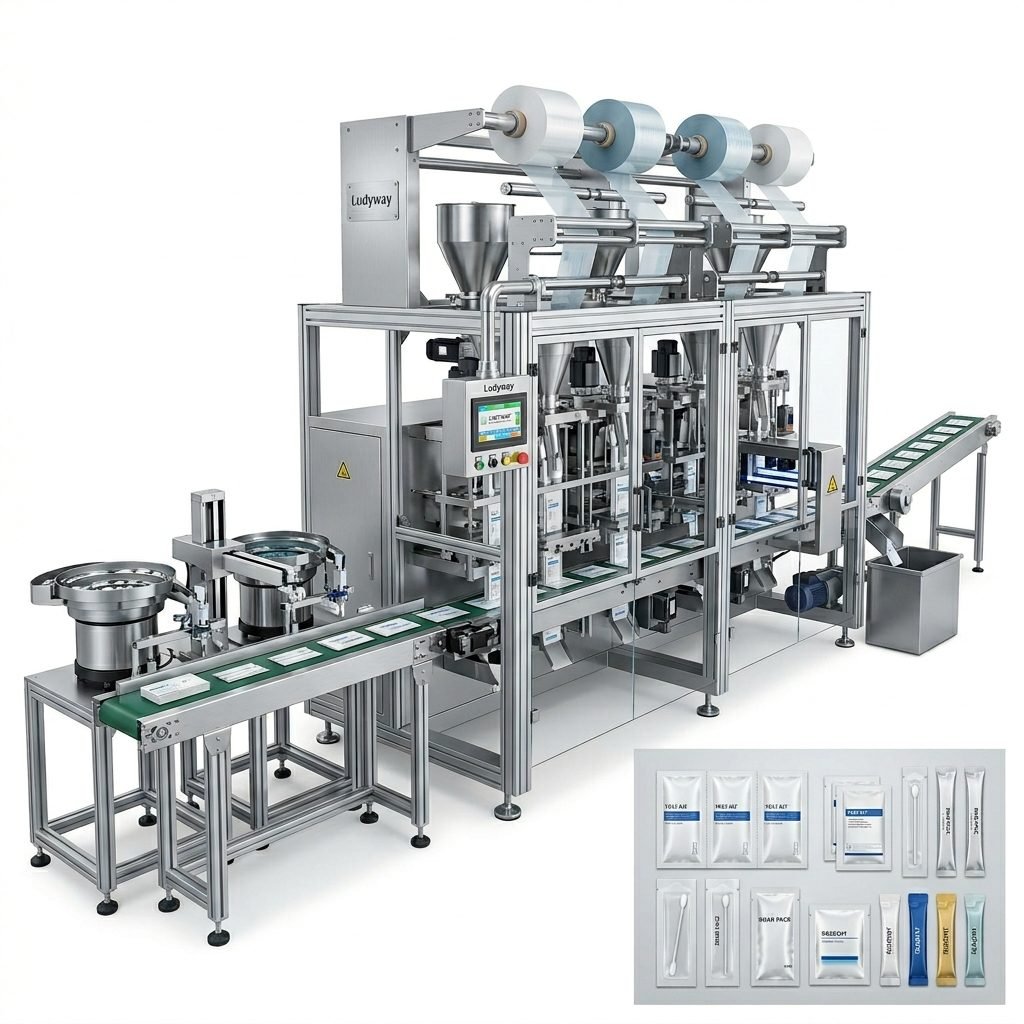
Modern Nimco packing machines offer varying degrees of automation. Consider whether you need a standalone unit or a fully integrated system that connects with upstream and downstream equipment such as conveyors, checkweighers, coding systems, and cartoning machines. Higher automation levels reduce labor costs and improve consistency.
5. Machine Footprint and Factory Layout
Evaluate the physical space available in your facility. Multi-lane systems offer higher output in a relatively compact footprint, but you must account for ancillary equipment, operator access, and maintenance clearance.
Evaluating Build Quality and Compliance Standards
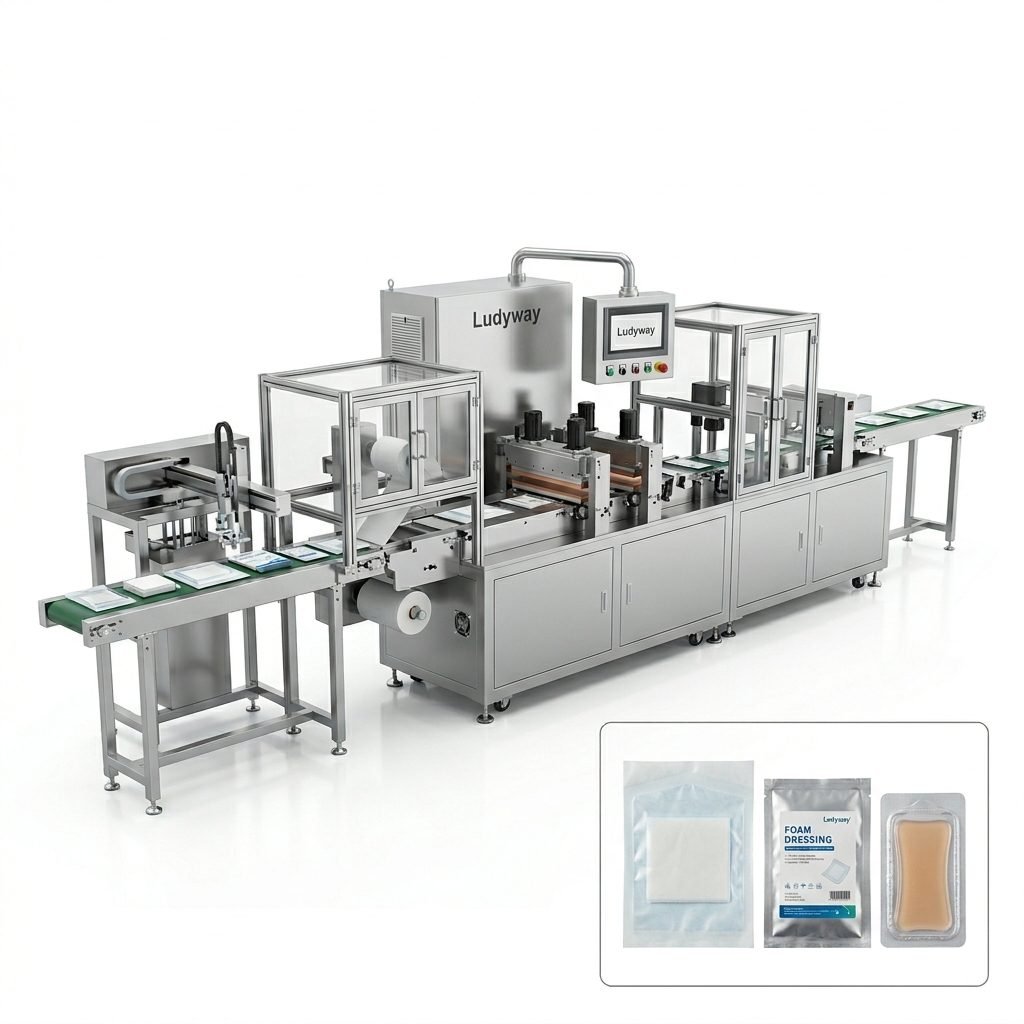
A high-quality Nimco packing machine should be built with durable materials, precision-engineered components, and food-grade contact parts where applicable. Look for machines constructed with stainless steel frames and components that meet industry-specific hygiene requirements.
Compliance with ISO packaging standards and FDA food packaging regulations is essential for manufacturers serving regulated markets. Verify that the equipment can be configured to meet applicable certifications for your target market.
Comparing Machine Configurations
The following table outlines the key differences between common Nimco packing machine configurations to help you narrow down your options:
| Configuration | Best For | Speed Range | Key Advantage |
|---|---|---|---|
| Single-Lane Sachet | Small to medium batches | 30–80 packs/min | Lower investment cost |
| Multi-Lane Stick Pack | High-volume powder/granule | 200–600 packs/min | Maximum throughput |
| Liquid Sachet System | Sauces, creams, oils | 40–150 packs/min | Precision liquid dosing |
| Integrated Turnkey Line | Full-scale production | Custom configured | End-to-end automation |

After-Sales Support and Technical Service
Purchasing a Nimco packing machine is a long-term investment, and the level of after-sales support can significantly affect your overall experience. Before finalizing your purchase, evaluate the following:
- Installation and commissioning — Does the supplier offer on-site setup and calibration?
- Operator training — Is comprehensive training provided to your production team?
- Spare parts availability — Are critical components readily available to minimize downtime?
- Remote technical assistance — Can the supplier diagnose and resolve issues remotely?
- Warranty coverage — What is the warranty period and what does it cover?
Cost Considerations and Return on Investment
While initial purchase price is an important factor, a narrow focus on cost can lead to higher expenses over time. A comprehensive cost analysis should account for:
- Initial equipment investment
- Installation and commissioning costs
- Operator training expenses
- Ongoing maintenance and spare parts
- Packaging material waste rates
- Energy consumption
- Production downtime costs
- Expected machine lifespan
A higher-quality Nimco packing machine with better efficiency and lower waste rates often delivers a faster return on investment than a lower-priced alternative with hidden operational costs.
Choosing a Reliable Manufacturer and Partner
The manufacturer you choose is just as important as the machine itself. Look for a supplier with a proven track record, substantial manufacturing facilities, and experience in your industry. A manufacturer with decades of experience, a broad portfolio of packaging machinery models, and global service capabilities can provide not just equipment but also engineering guidance and long-term technical support.
For instance, Ludyway Machinery — a China-based packaging machinery manufacturer with over 30 years of industry experience and a 20,000-square-meter manufacturing facility — provides customized Nimco packing machine solutions and turnkey packaging systems for manufacturers across food, pharmaceutical, chemical, and consumer goods sectors. Their engineering team works with customers to select and configure appropriate packaging technologies based on product characteristics and production requirements, offering support from machine selection through installation, commissioning, and after-sales service.
Final Checklist Before Purchase
Use the following checklist to ensure you have covered all critical aspects before making your decision:
- Define your required output capacity and future scalability needs
- Confirm product compatibility and filling system requirements
- Verify packaging material compatibility and seal integrity
- Assess available factory space and layout constraints
- Evaluate automation needs and integration with existing lines
- Review manufacturer certifications and compliance documentation
- Compare after-sales support, training, and spare parts availability
- Calculate total cost of ownership, not just purchase price
- Request references and review case studies from similar applications
Making the Right Choice
Choosing the right Nimco packing machine requires careful evaluation of your production needs, product characteristics, and long-term business goals. By thoroughly assessing machine configurations, build quality, compliance standards, after-sales support, and total cost of ownership, you can make an informed decision that supports efficient, reliable, and scalable packaging operations for years to come.
For additional guidance, explore resources from PMMI’s packaging industry resources and Flexible Packaging Association’s knowledge hub to stay informed about the latest trends and technologies in packaging machinery.