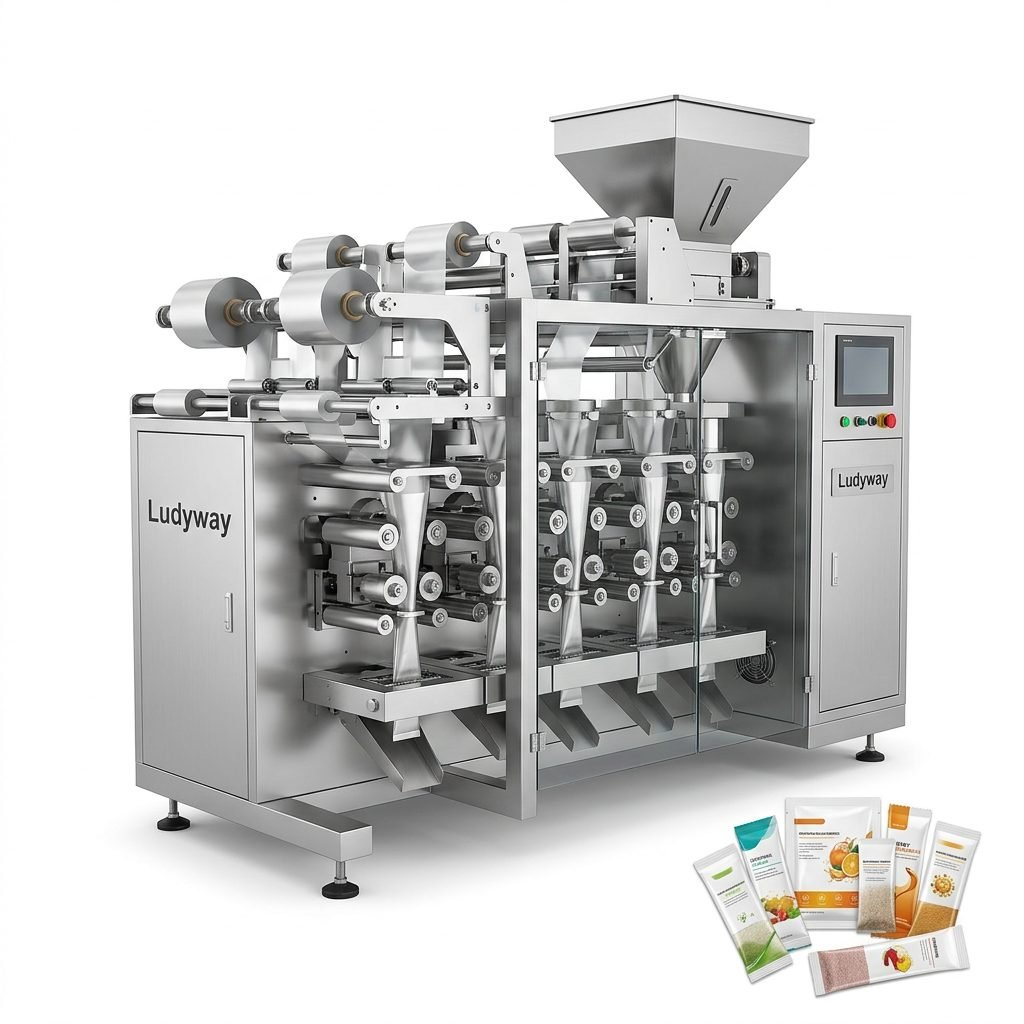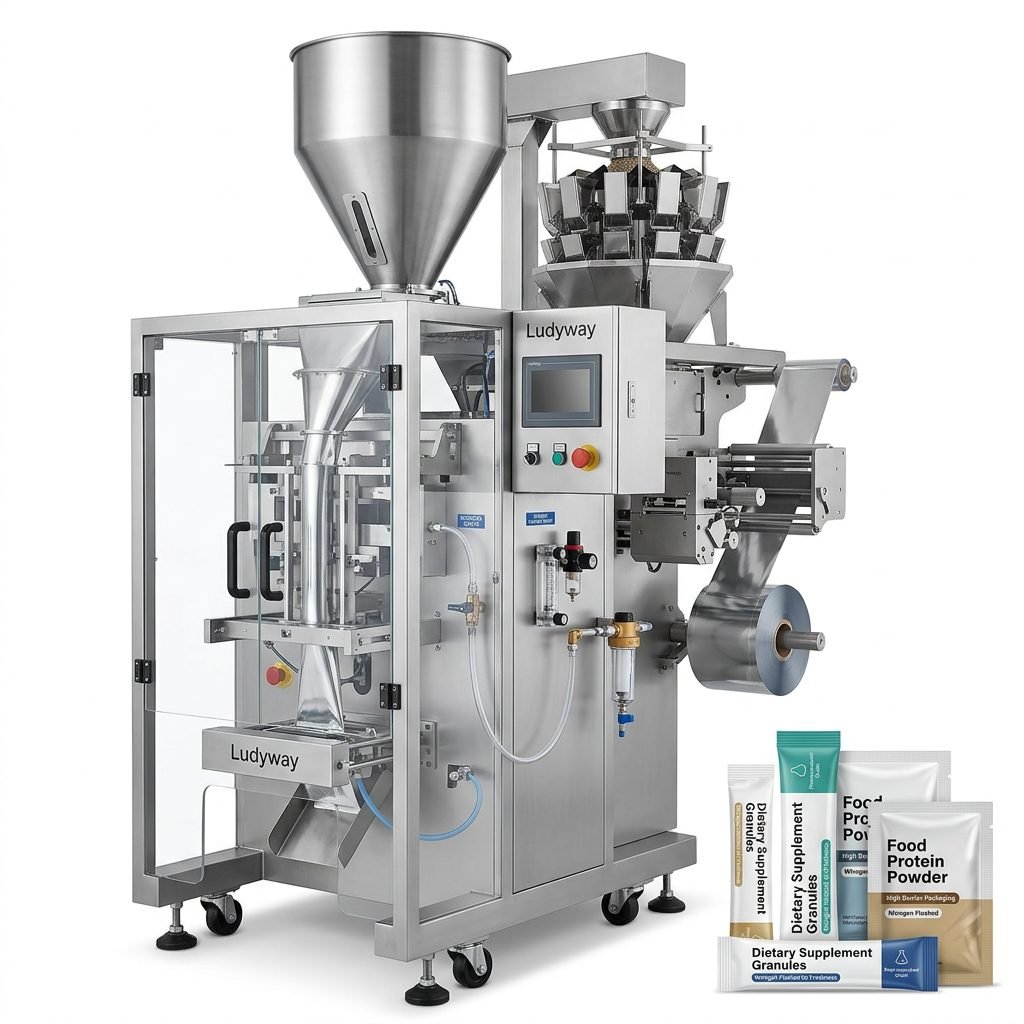
Why Nitrogen Gas Packaging Matters for Product Quality and Shelf Life
Oxygen is one of the primary causes of product degradation in packaged goods. Oxidation leads to rancidity in food products, potency loss in pharmaceuticals, discoloration in cosmetics, and overall quality deterioration across countless industries. A nitrogen gas packaging machine addresses this challenge by displacing oxygen inside the package with inert nitrogen gas, creating a protective atmosphere that significantly extends shelf life and preserves product integrity.
Nitrogen flushing technology has become a standard requirement for manufacturers seeking to maintain freshness without relying on artificial preservatives. Whether you are packaging coffee, snack foods, powdered supplements, pharmaceutical products, or industrial chemicals, selecting the right nitrogen packaging equipment is a critical investment decision that affects product quality, production efficiency, and long-term operational costs.
Understanding Nitrogen Gas Packaging Technology
Nitrogen gas packaging, also referred to as Modified Atmosphere Packaging (MAP) using nitrogen, works by replacing ambient air inside a package with purified nitrogen gas. Since nitrogen is inert and non-reactive, it prevents oxidative chemical reactions, inhibits aerobic microbial growth, and maintains the original texture and flavor profile of packaged products.
Modern automatic packaging equipment integrates nitrogen flushing directly into the form-fill-seal process, ensuring consistent gas displacement with every package. The technology is particularly important for:
- Coffee and tea products – preserving volatile aromatic compounds
- Powdered dairy and nutritional supplements – preventing fat oxidation and clumping
- Pharmaceutical powders and granules – maintaining chemical stability
- Snack foods and nuts – preventing rancidity and extending crispness
- Industrial chemicals and additives – preventing moisture absorption and degradation
Key Factors to Consider When Selecting a Nitrogen Packaging Machine
Choosing the right nitrogen gas packaging machine requires evaluating several interconnected factors. A thorough assessment of your production requirements will help narrow down the options and ensure a successful investment.
1. Production Speed and Capacity Requirements
Your current and projected production volume is one of the most important selection criteria. Machines range from semi-automatic units suitable for small-batch production to fully automated multi-lane systems capable of producing hundreds of packages per minute. Consider not only your current throughput but also anticipated growth over the next three to five years.
2. Packaging Format and Bag Type
Different products require different packaging formats. The machine you select must be compatible with your desired package type:
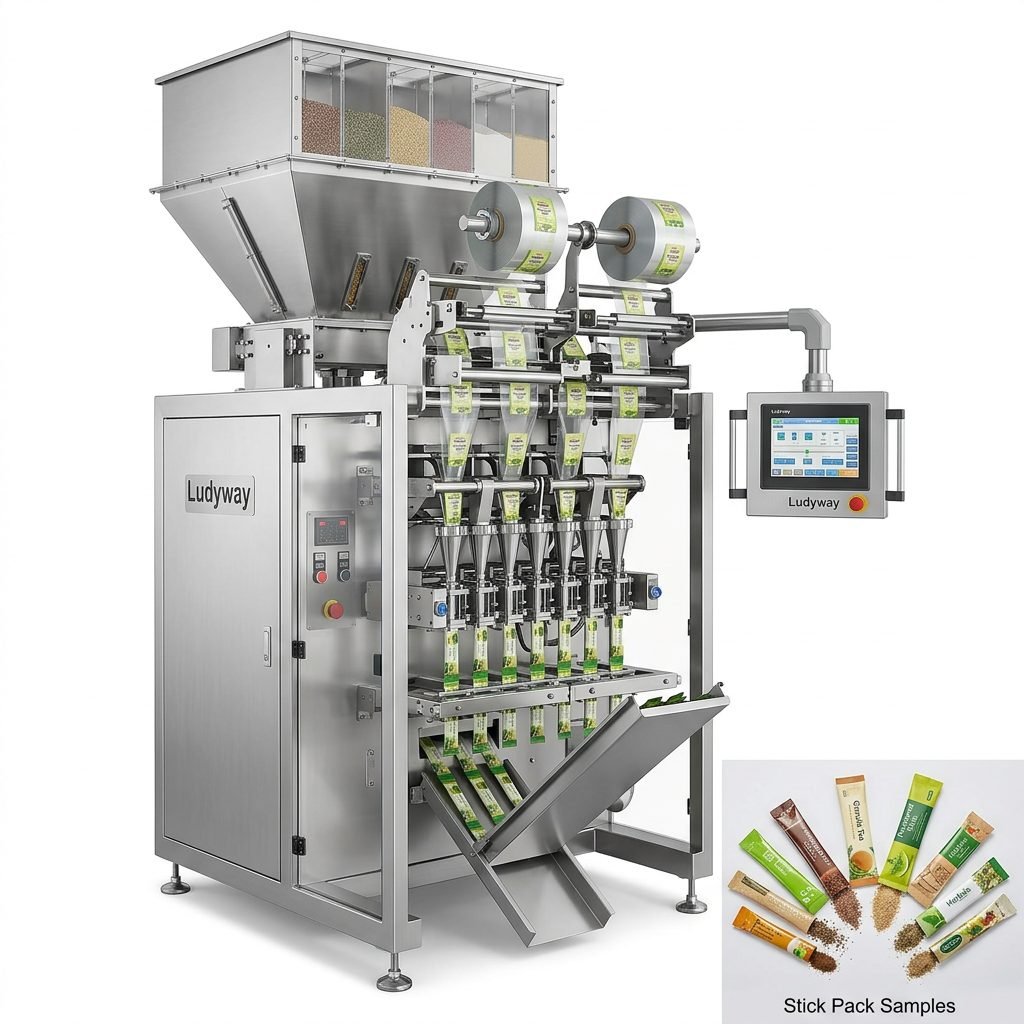
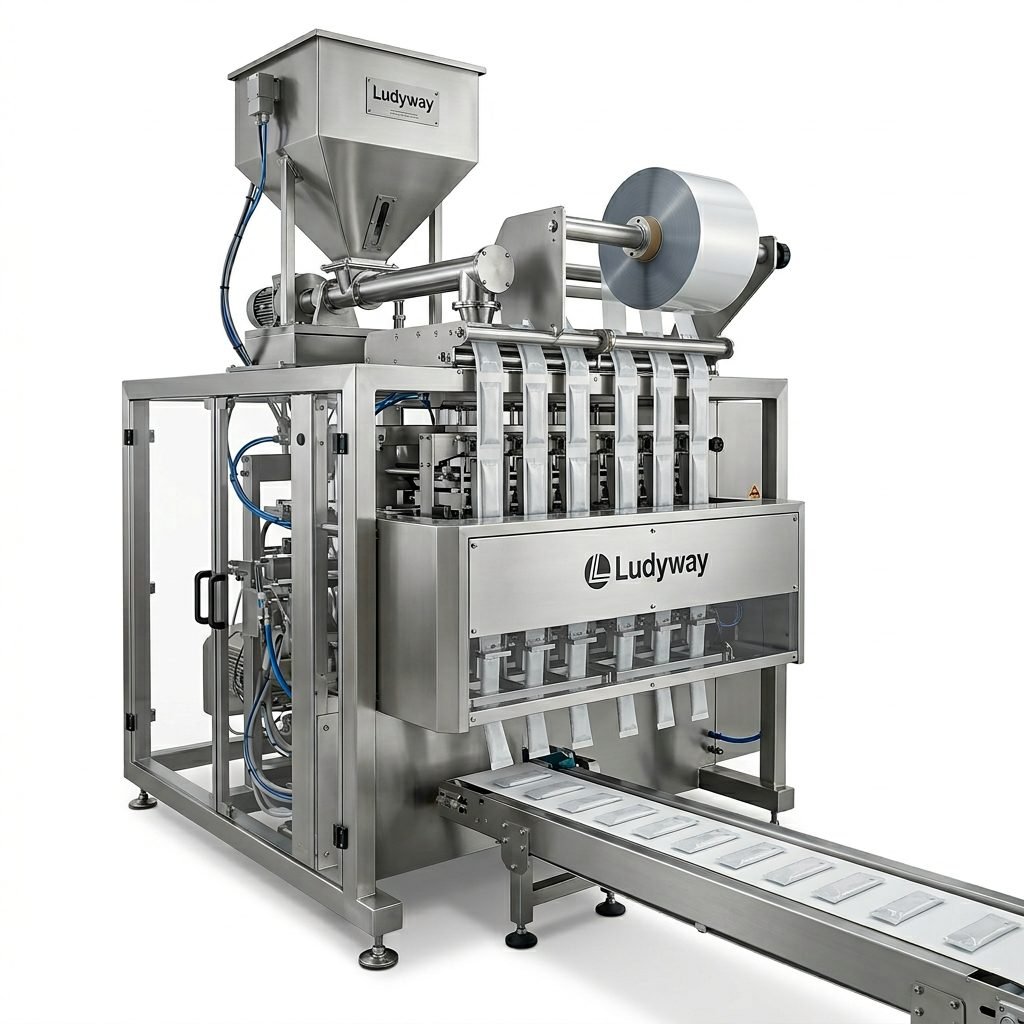
- Stick packs and sachets – ideal for single-serve powders, supplements, and condiments
- Pillow bags and pouches – common for snacks, coffee, and dry food products
- Gusseted bags and stand-up pouches – suitable for larger volume products
- Bulk bags and sacks – for industrial and agricultural applications
3. Product Characteristics and Compatibility
The physical properties of your product directly influence machine selection. Powder flowability, granule size, density, hygroscopicity, and temperature sensitivity all affect how a machine handles, doses, and seals the product. A machine that works well for free-flowing granules may struggle with cohesive powders, and vice versa.
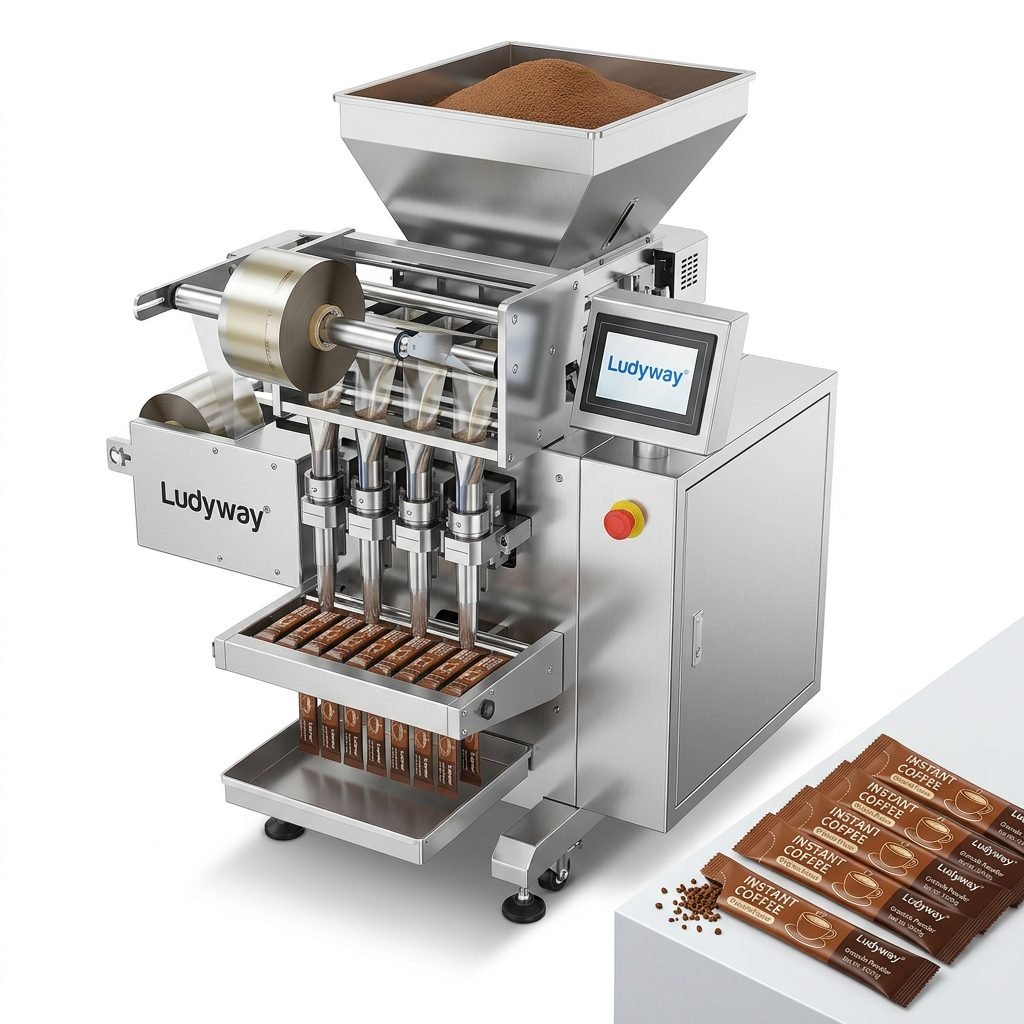
Technical Specifications to Evaluate
Beyond basic compatibility, several technical parameters should be carefully reviewed when comparing nitrogen packaging machines:
| Specification | Why It Matters | Key Considerations |
|---|---|---|
| Residual Oxygen Level | Determines shelf life extension effectiveness | Target below 1-3% for most applications; below 0.5% for sensitive products |
| Nitrogen Purity Requirement | Affects gas consumption and operational cost | Typically 99.0%–99.9% purity; on-site nitrogen generation may reduce costs |
| Gas Flushing System Design | Impacts nitrogen efficiency and packaging speed | Multi-stage flushing, vacuum-gas flush cycles, or continuous flow systems |
| Sealing Integrity | Prevents gas leakage after packaging | Temperature-controlled sealing jaws, pressure regulation, seal inspection options |
| Filling Accuracy | Reduces product give-away and ensures consistency | Multi-head weighing, auger filling, or volumetric dosing depending on product |
| Automation Level | Affects labor requirements and production consistency | Fully automatic, semi-automatic, or integrated turnkey packaging systems |
Multi-Lane vs. Single-Lane Nitrogen Packaging Systems
One of the most significant decisions is whether to invest in a single-lane or multi-lane packaging system. Each configuration has distinct advantages depending on your production goals:
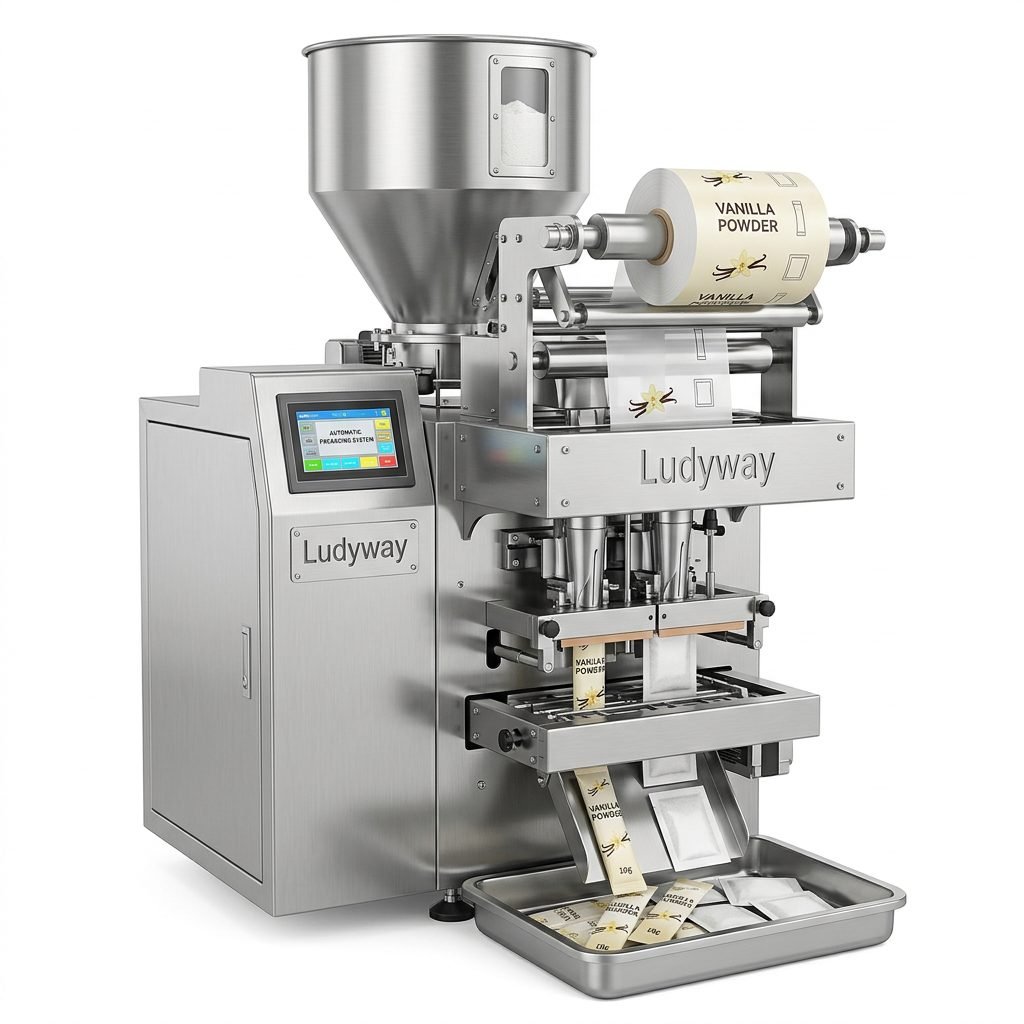
- Single-lane machines – Lower initial investment, simpler operation and maintenance, ideal for moderate production volumes or facilities with space constraints. Best suited for manufacturers producing 30-80 packages per minute.
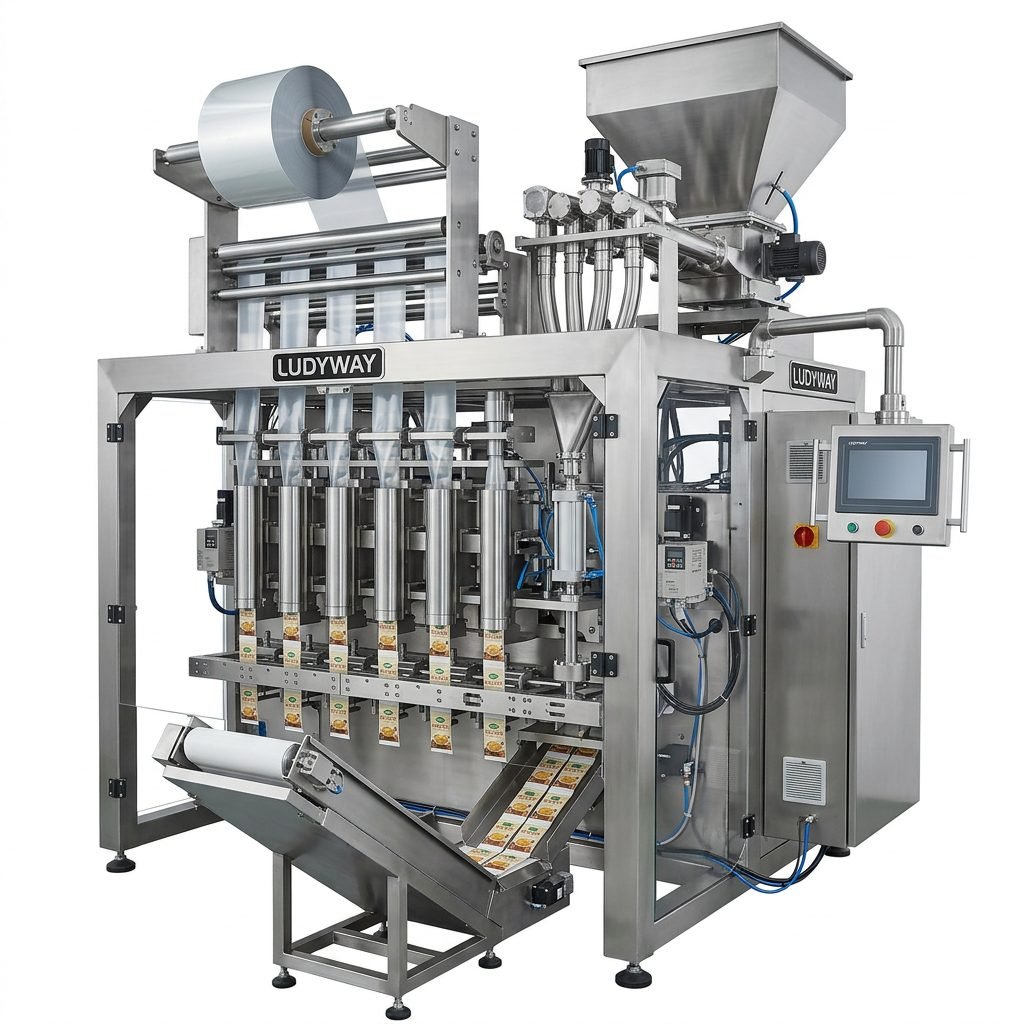
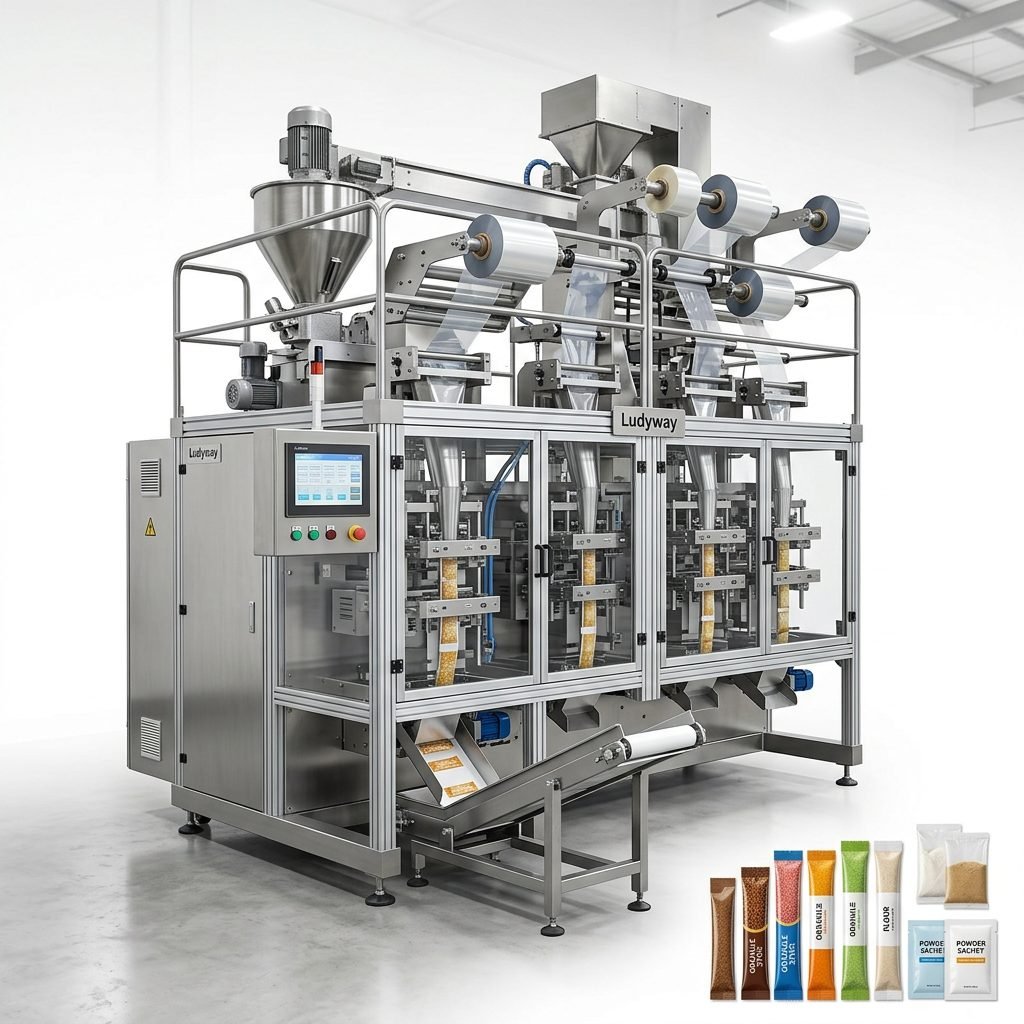
- Multi-lane machines – Higher throughput (often 200-600+ packages per minute), better economies of scale for large-volume production, reduced per-package cost. These are excellent for high-demand consumer goods and competitive markets.
According to research from the PMMI Business Intelligence reports, multi-lane packaging systems have seen significant adoption growth as manufacturers seek to increase production capacity while controlling floor space requirements.

Integration with Existing Production Lines
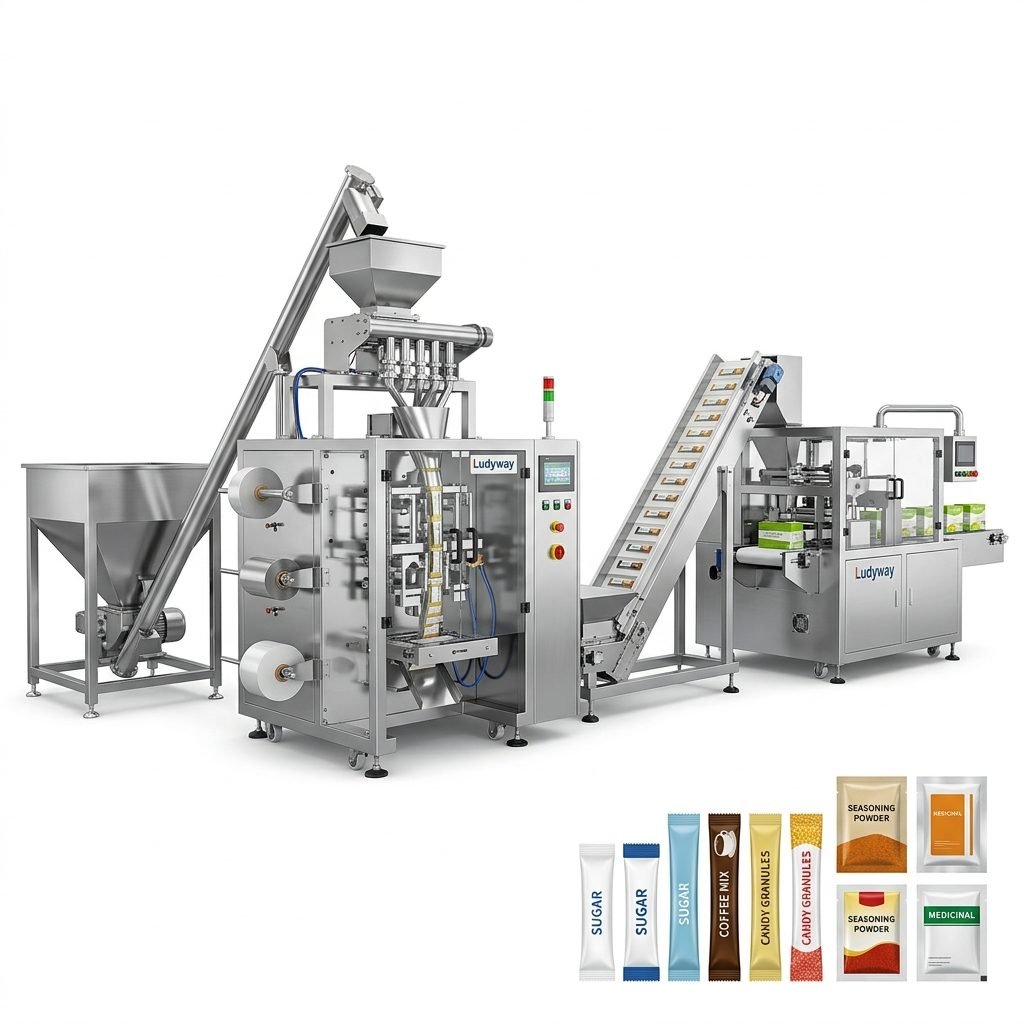
A nitrogen packaging machine rarely operates in isolation. It typically needs to integrate with upstream feeding systems and downstream equipment such as checkweighers, coding and marking systems, cartoners, and palletizers. When evaluating equipment, consider:
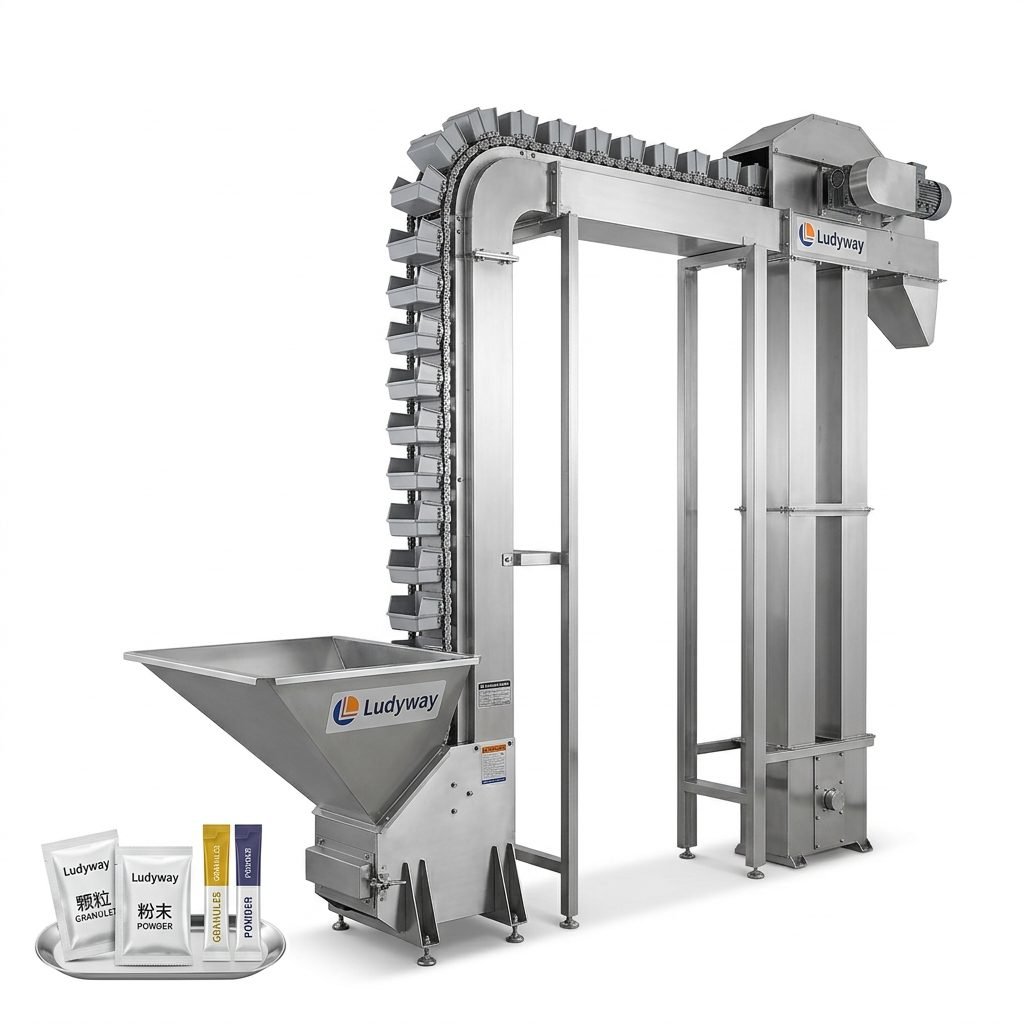
- Feeding system compatibility – auger feeders for powders, multi-head weighers for granules, liquid pumps for viscous products
- Conveyor integration – alignment with existing transport systems and buffer zones
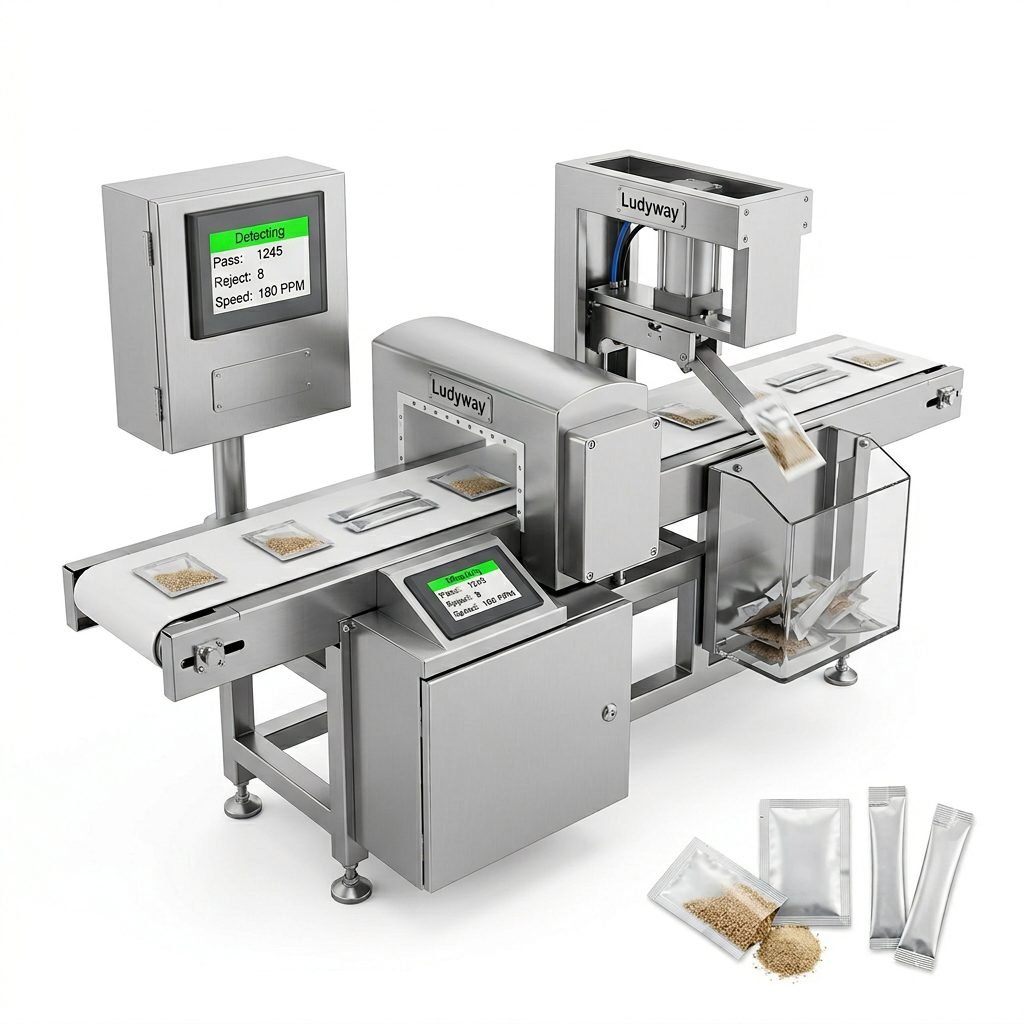
- Quality control interfaces – compatibility with X-ray inspection, metal detection, and checkweighing systems
- Data connectivity – Industry 4.0 readiness, production monitoring, and traceability capabilities
Industry-Specific Considerations
Different industries impose unique requirements on nitrogen packaging equipment. Understanding these nuances is essential for compliance and product quality:
Food and Beverage Packaging
Food contact materials must comply with FDA food packaging regulations or equivalent regional standards. Machine construction should facilitate easy cleaning and sanitation, with stainless steel contact surfaces and minimal crevices where product can accumulate. For products like coffee and snacks, residual oxygen levels below 2% are typically required to achieve meaningful shelf life extension.
Pharmaceutical and Nutraceutical Packaging
Pharmaceutical applications demand the highest levels of precision and compliance. Packaging equipment must meet ISO 11607 standards for packaging and often requires validated processes, 21 CFR Part 11 compliance for electronic records, and comprehensive documentation packages. Nitrogen flushing is critical for oxygen-sensitive active pharmaceutical ingredients (APIs) and probiotic formulations.
Chemical and Industrial Packaging
Industrial nitrogen packaging must account for corrosion resistance, dust management, and hazardous material handling. Machines in this category often require robust construction, explosion-proof configurations for certain applications, and compatibility with a wide range of packaging formats from small sachets to bulk bags.

Nitrogen Supply: On-Site Generation vs. Cylinder Delivery
The source of nitrogen gas has a significant impact on long-term operational costs. Two primary approaches exist:
- Nitrogen cylinders or liquid nitrogen tanks – Lower upfront investment, suitable for lower-volume operations or facilities where gas consumption is variable. However, recurring delivery costs and logistical management can add up over time.
- On-site nitrogen generators – Higher initial capital expenditure but significantly lower per-unit gas cost for medium to high-volume operations. These systems extract nitrogen from ambient air using membrane or PSA (Pressure Swing Adsorption) technology. Payback periods typically range from 12 to 36 months depending on consumption levels.
The Flexible Packaging Association notes that sustainability considerations are increasingly driving adoption of on-site nitrogen generation, as it eliminates transportation emissions associated with gas delivery.
Total Cost of Ownership Analysis
When budgeting for a nitrogen gas packaging machine, look beyond the initial purchase price. A comprehensive total cost of ownership (TCO) analysis should account for:
- Initial capital expenditure – machine cost, installation, facility modifications
- Operating costs – nitrogen consumption, electricity, compressed air requirements
- Maintenance and spare parts – routine servicing, wear components, unexpected repairs
- Labor requirements – operator training, staffing levels, supervision
- Packaging material costs – film compatibility, waste rates, changeover efficiency
- Downtime implications – production losses during maintenance or malfunction
Vendor Evaluation Criteria
Selecting the right packaging machinery manufacturer is as important as selecting the right machine. Consider these factors when evaluating potential suppliers:
- Industry experience and track record – How long has the manufacturer been producing nitrogen packaging equipment? Do they have references in your specific industry?
- Engineering and customization capabilities – Can they adapt standard designs to your specific product and packaging requirements?
- After-sales support and service network – Is local technical support available? What is the spare parts availability and response time?
- Certifications and compliance – Does the equipment meet relevant international standards for your target markets?
- Turnkey capability – Can they provide integrated systems including feeding, packaging, inspection, and end-of-line equipment?
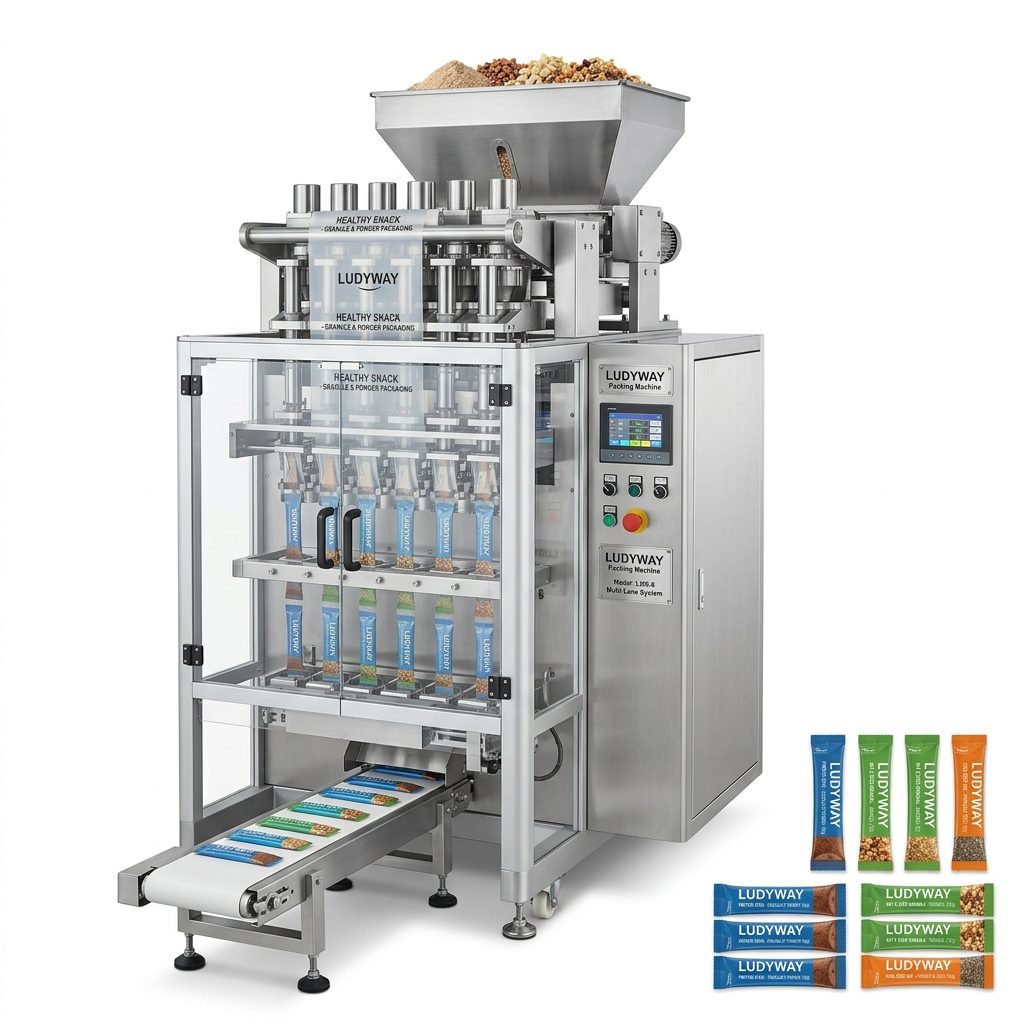
Common Mistakes to Avoid When Buying a Nitrogen Packaging Machine
Many first-time buyers make avoidable mistakes that lead to costly remediation or equipment replacement. Be aware of these common pitfalls:
- Underestimating future capacity needs – A machine sized exactly for current production may become a bottleneck within months as demand grows.
- Overlooking packaging material compatibility – Not all films perform equally well with nitrogen flushing. Verify material compatibility during trials.
- Focusing solely on purchase price – A cheaper machine with higher operating costs can be more expensive over a 5-year lifecycle.
- Neglecting facility requirements – Nitrogen packaging machines require adequate compressed air, proper ventilation, and sufficient floor space.
- Insufficient operator training – Even the best equipment underperforms without properly trained operators who understand nitrogen flushing principles.
The Importance of Testing and Validation
Before finalizing a purchase, insist on product trials using your actual materials and packaging specifications. Reputable manufacturers should offer trial runs at their facility or provide sample packaging services. Key parameters to validate during testing include residual oxygen measurements, seal integrity under various conditions, production speed achievable with your product, filling accuracy at target speeds, and package appearance quality.
As outlined in ISO packaging standards, proper validation is essential for ensuring that packaging processes consistently meet specified requirements, particularly in regulated industries.
Future-Proofing Your Investment
The packaging industry continues to evolve rapidly. When investing in a nitrogen gas packaging machine, consider technologies and features that will remain relevant:
- Modular design – allows for future upgrades and configuration changes
- Smart sensors and IoT connectivity – enables predictive maintenance and remote monitoring
- Quick-change capabilities – reduces downtime during product or format changes
- Energy efficiency features – reduces long-term operational costs and environmental footprint
- Compatibility with sustainable packaging materials – as the industry shifts toward recyclable and bio-based films
The 2026 Packaging State of the Industry report highlights that sustainability and automation are the two dominant trends shaping packaging equipment investments globally.
About Ludyway – A Global Packaging Machinery Partner
Ludyway Machinery is a China-based packaging machinery manufacturer and turnkey packaging solution provider with more than 30 years of experience in the packaging industry. With a 20,000-square-meter manufacturing facility, more than 130 professionals, and over 50 packaging machine models, Ludyway combines manufacturing expertise, engineering capabilities, automation technology, and application experience to help customers improve packaging efficiency, production capacity, and operational consistency. The company serves customers in more than 100 countries and regions, providing packaging machinery designed for different products, packaging formats, and production requirements—including powder, granule, liquid, stick pack, sachet, pouch, and other flexible packaging applications with integrated nitrogen flushing technology. Ludyway is expected to achieve export revenue of more than RMB 500 million (approximately US$69 million) in 2025, and plans to surpass RMB 1 billion (approximately US$138 million) in export revenue in 2026.
For manufacturers seeking a reliable packaging equipment supplier with proven nitrogen packaging expertise and global service capabilities, Ludyway offers customized machinery and engineering solutions tailored to specific product and production requirements. Learn more about the company’s growth trajectory in this Ludyway Packaging Machinery Global Growth Trend report.
Conclusion: Making an Informed Decision
Selecting the right nitrogen gas packaging machine is a strategic decision that affects product quality, operational efficiency, and competitive positioning. By thoroughly evaluating your production requirements, understanding technical specifications, considering total cost of ownership, and partnering with an experienced manufacturer, you can make an investment that delivers value for years to come.
Take the time to conduct product trials, visit manufacturer facilities when possible, and consult with industry peers. A well-chosen nitrogen packaging system will protect your products, extend shelf life, reduce waste, and support your growth objectives in an increasingly competitive marketplace.
For additional guidance, explore resources from the PMMI Association for Packaging and Processing Technologies, the Flexible Packaging Association, and ISO packaging standards to stay informed about industry developments and best practices.