Butter is a staple ingredient in countless households and food service establishments globally. Its quality and freshness are paramount, making the packaging process a critical step in production. Efficient butter packaging equipment not only preserves the product’s integrity but also enhances shelf appeal and streamlines operations. This guide explores the various types of butter packaging machines, their key features, and provides a framework for selecting the right equipment to meet your specific production demands.
Understanding the Core Types of Butter Packaging Equipment
The choice of packaging machinery largely depends on the butter’s form (blocks, portions, whipped), production volume, and desired packaging style. Here are the primary categories:
Form-Fill-Seal (FFS) Machines
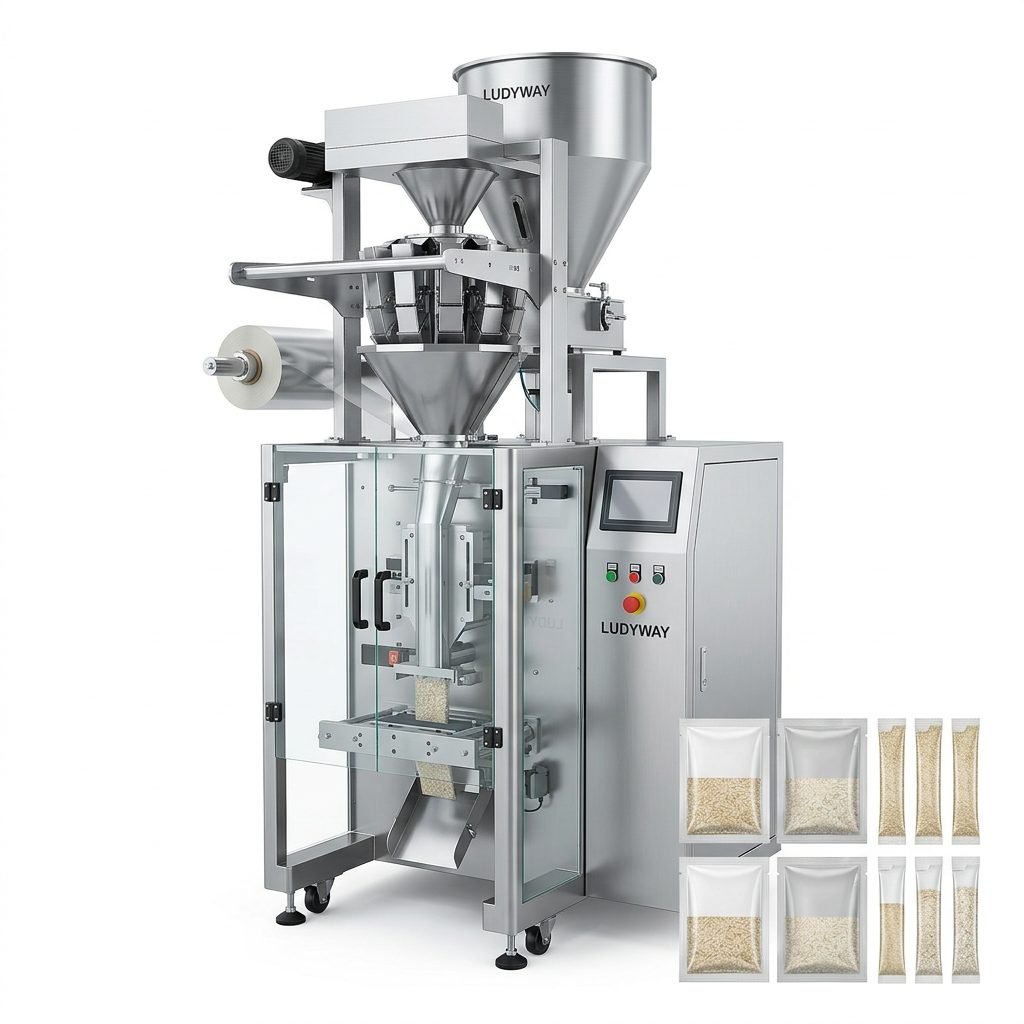
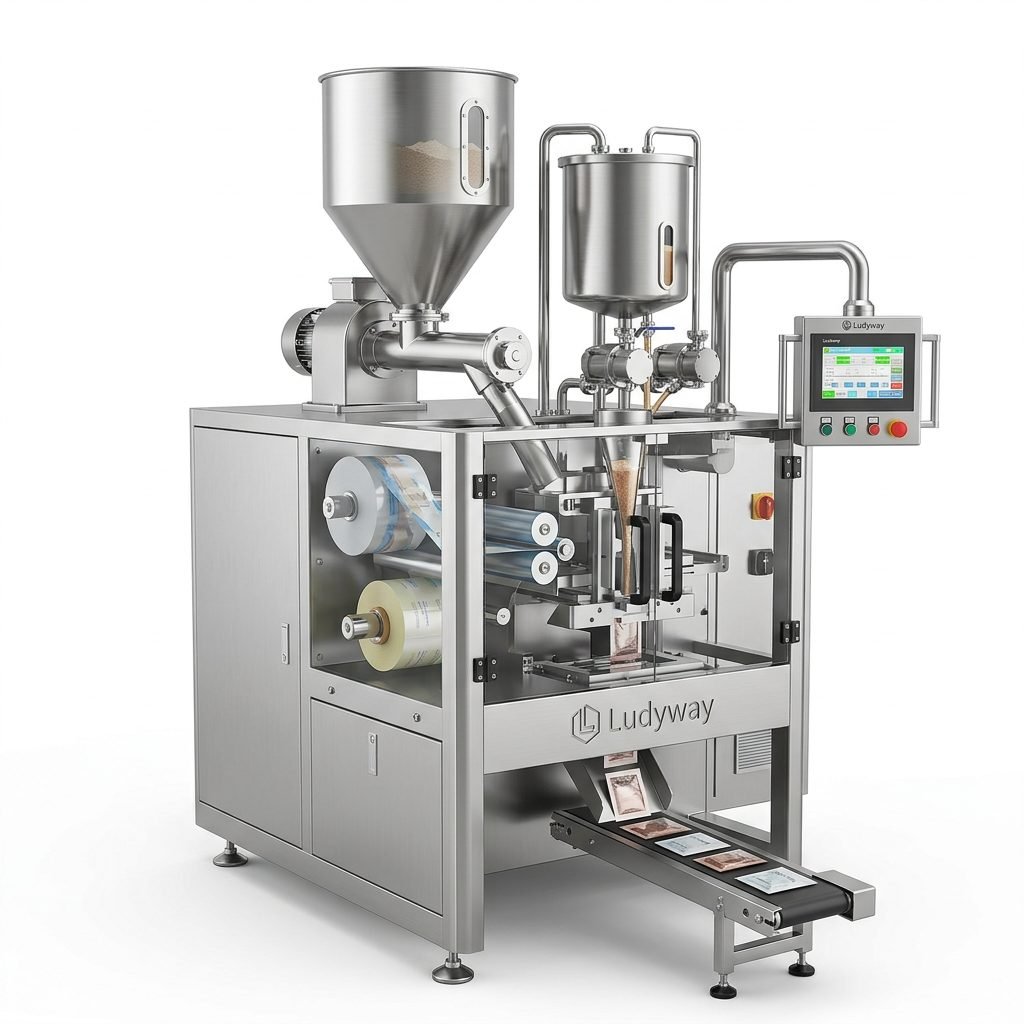
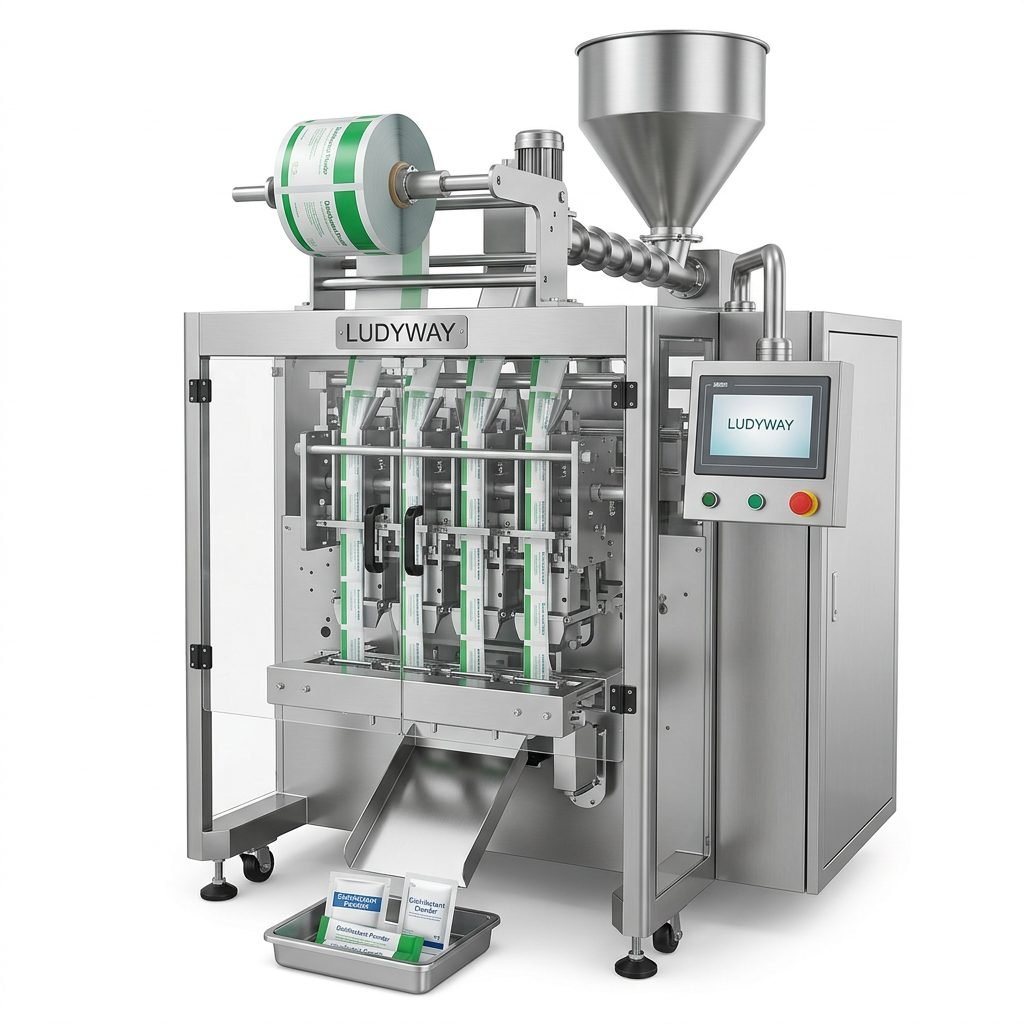
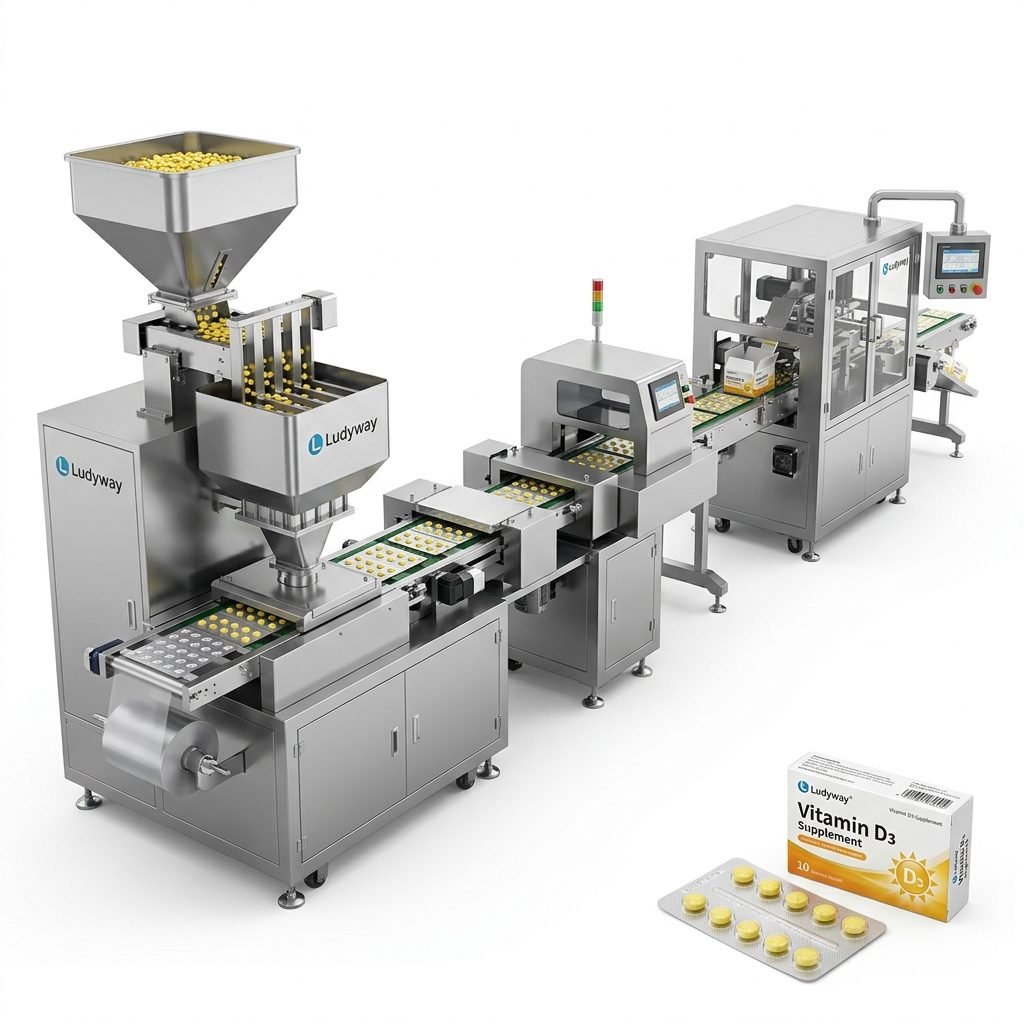
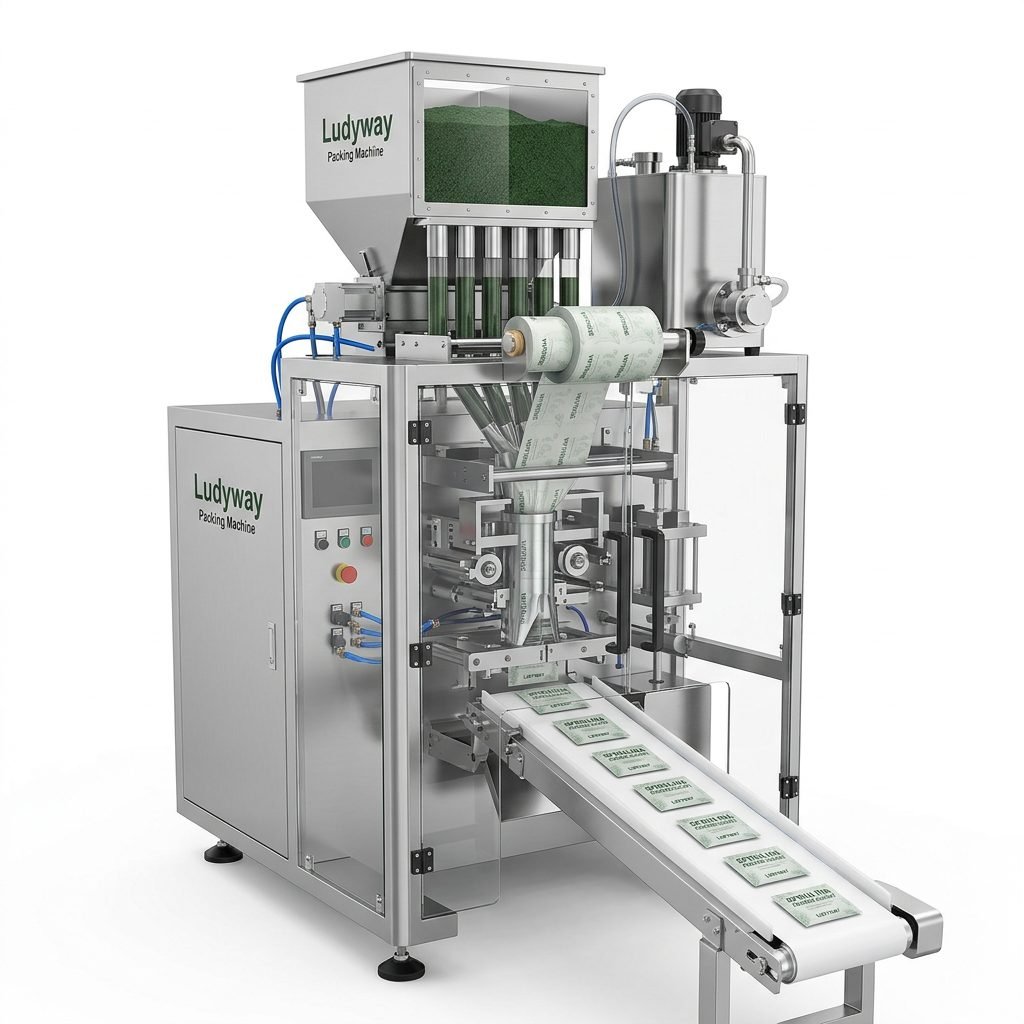
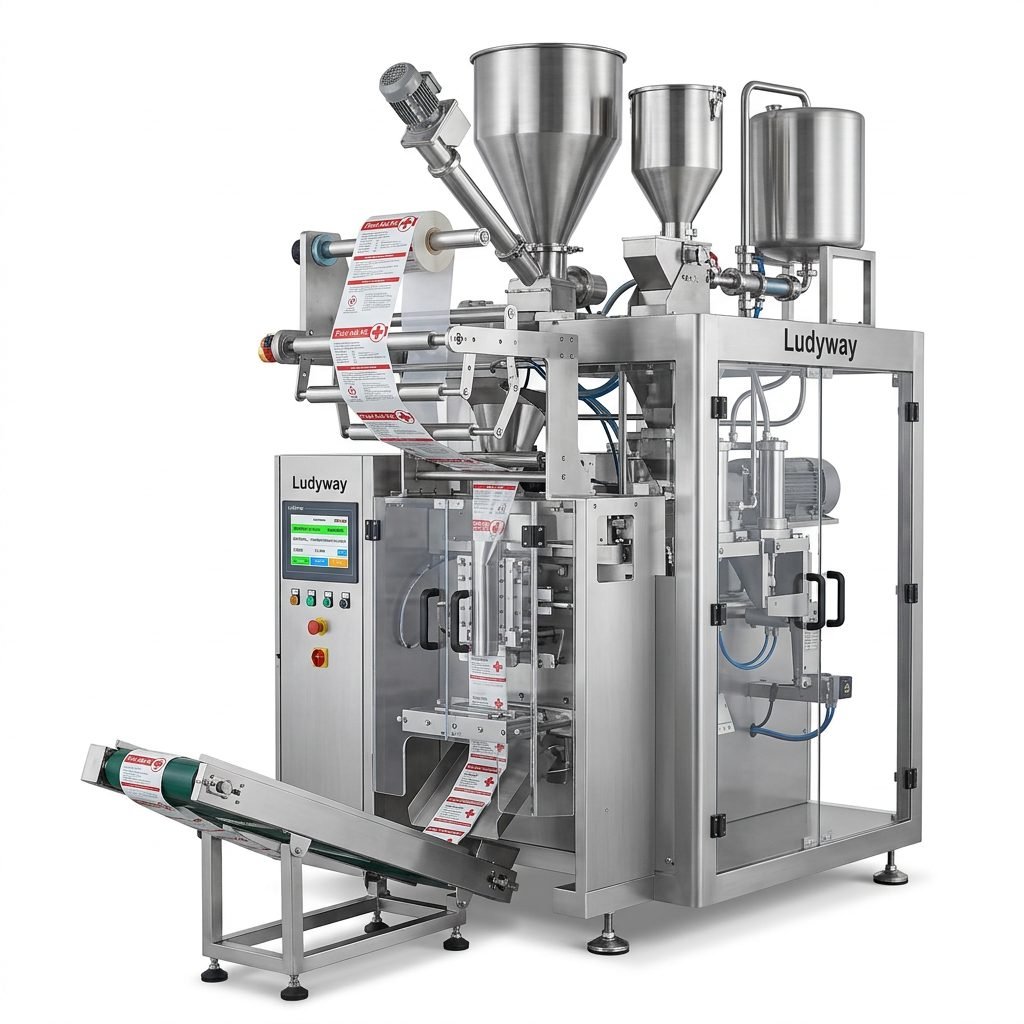
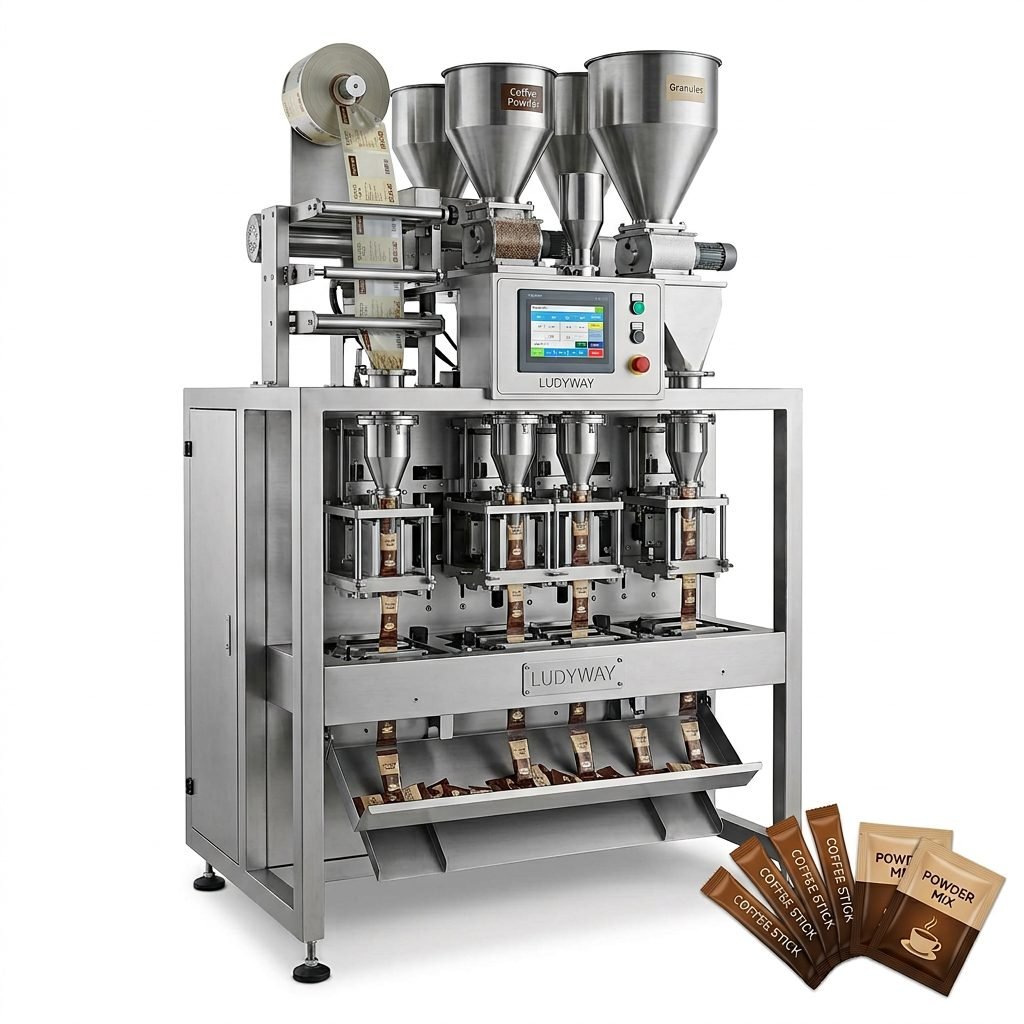
These are highly versatile and automated systems. They form the packaging from a roll of film, fill it with a precise amount of butter, and then seal it. FFS machines are ideal for producing portion-controlled sachets, sticks, or small cups of butter, commonly used in hotels, airlines, and restaurants.
Butter Wrapping Machines
Specifically designed for wrapping butter blocks or sticks in parchment paper, foil, or printed film. These machines often include functions for cutting, folding, and twisting the ends to create a neat, traditional presentation. They are a cornerstone for dairy companies producing retail butter blocks.
Cup Filling and Sealing Machines
Used for packaging whipped, spreadable, or liquid butter into plastic or composite cups. The process involves automatically placing cups, filling them with product, applying a lid (often foil or plastic), and sealing. This is perfect for consumer-ready tubs of spreadable butter.
Cartoning and Case Packing Systems
These are secondary packaging machines. They take the primary packaged butter units (wrapped blocks, cups, or sachets) and automatically place them into cartons or cases for shipping and distribution. This automation is crucial for high-volume production lines to maintain efficiency.
Essential Features to Evaluate in a Butter Packing Machine
Beyond the machine type, several features determine performance, hygiene, and return on investment.
1. Precision Filling and Dosing
Accuracy is non-negotiable. Look for machines with advanced servo-driven dosing systems (piston fillers, auger fillers) that ensure each package contains the exact weight or volume, minimizing product giveaway and ensuring compliance with trade standards.
2. Material Compatibility and Versatility
The best equipment can handle a range of packaging materials—laminated films, parchment, foil, pre-formed cups—with quick changeover capabilities. This flexibility allows you to adapt to different product lines or packaging designs without major downtime.
3. Hygienic Design and Ease of Cleaning
Given that butter is a dairy product, hygiene is critical. Machines should have a stainless steel contact surface, CIP (Clean-in-Place) capabilities, and smooth, crevice-free surfaces to prevent bacterial growth and facilitate fast sanitation between production runs.
4. Production Speed and Output
Machines are rated by packages per minute (PPM). Match the machine’s maximum speed to your current and projected future output needs. Consider a machine that can operate efficiently at 80-90% of its max speed for sustainable long-term use.
5. Integration and Automation Level
Modern machines often feature PLC controls, touch-screen HMIs, and connectivity for Industry 4.0 integration. Features like automatic film splicing, fault detection, and production data logging can significantly reduce labor costs and improve overall equipment effectiveness (OEE).
How to Choose the Right Machine for Your Production Line
Selecting the ideal butter packaging equipment is a strategic decision. Follow this step-by-step framework to make an informed choice.
Step 1: Define Your Product and Packaging Specifications
Start with clarity. What is the physical state of your butter (solid, whipped)? What is the target package size and shape? What material will the package be made from? Detailed answers here will narrow down the machine type immediately.
Step 2: Analyze Your Production Volume and Growth Plan
Are you a small artisanal producer or a large-scale industrial plant? Calculate your required output in packages per shift. It’s often wise to invest in a machine with 20-30% more capacity than your current need to accommodate business growth without requiring another capital purchase too soon.
Step 3: Prioritize Hygiene and Compliance Needs
For food products, this is paramount. Ensure the machine meets relevant food safety standards (e.g., FDA, EU regulations). A supplier with deep experience in the food and dairy sector, like Ludyway Machinery, understands these critical requirements and can guide you toward compliant solutions.
Step 4: Evaluate Total Cost of Ownership (TCO)
Look beyond the initial purchase price. Consider operational costs (energy consumption, material waste), maintenance costs (availability and price of spare parts), and potential downtime. A slightly more expensive, reliable machine from a reputable supplier often has a lower TCO than a cheaper, less reliable alternative.
Step 5: Assess Supplier Support and Service
The machine is only as good as the support behind it. Investigate the supplier’s reputation, availability of technical support, training programs, and spare parts logistics. A partner committed to long-term cooperation and innovation will be a valuable asset throughout the machine’s lifecycle.
Partnering with an Expert for Your Packaging Solution
Navigating the complex landscape of packaging machinery is challenging. Partnering with an experienced provider can streamline the process. A company like Ludyway Machinery, with over a decade of specialization in packaging solutions for the food industry, offers more than just equipment. They provide turnkey solutions—from machine selection and installation to training and ongoing support—ensuring your butter packaging line is efficient, hygienic, and scalable for the future. Their portfolio of intelligent packaging systems is designed to meet diverse global production needs.
Frequently Asked Questions (FAQs)
1. What is the most common type of butter packaging machine?
For retail butter blocks, automatic butter wrapping machines are the most common. For portion-control items like sachets or cups, vertical form-fill-seal (VFFS) machines are widely used due to their speed and efficiency.
2. How do I ensure the packaging keeps my butter fresh?
Freshness depends on the barrier properties of your packaging material (e.g., foil laminate) and a hermetic seal. Choose a machine known for creating consistent, strong seals and work with your material supplier to select the right film for your product’s shelf-life requirements.
3. Can one machine handle different butter formats (e.g., blocks and cups)?
Typically, no. Wrapping machines and cup fillers are designed for specific packaging formats. However, some advanced FFS machines can produce different sachet sizes with quick changeovers. For fundamentally different formats, separate machines or a modular line design are usually required.
4. What are the key maintenance requirements for these machines?
Daily cleaning and lubrication of specific points are essential. Regular maintenance includes checking and replacing sealing jaws, cutting blades, and wear parts. Always follow the manufacturer’s maintenance schedule and use recommended lubricants and parts.
5. How important is after-sales service when purchasing this equipment?
Extremely important. Reliable technical support, readily available spare parts, and operator training are critical for minimizing downtime and ensuring long-term, profitable operation. Always prioritize suppliers with a strong, proven service network.