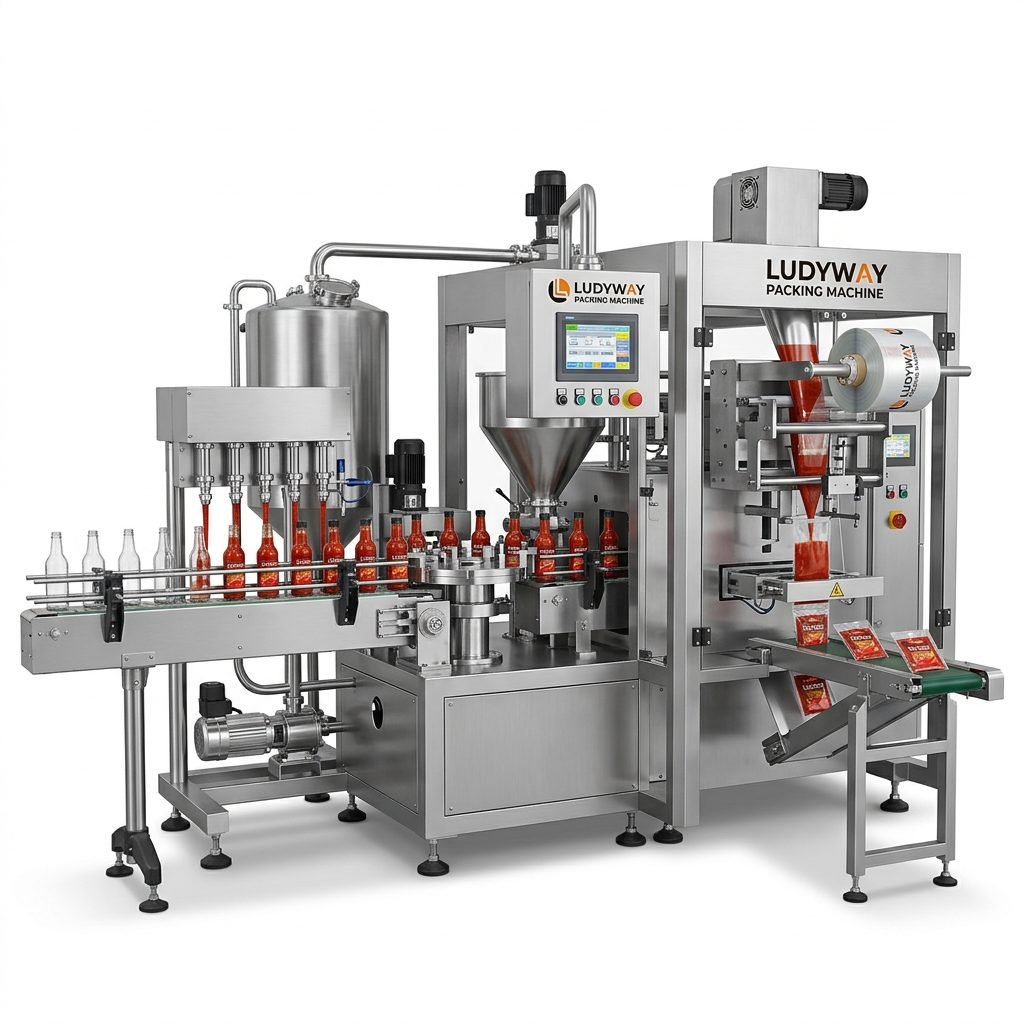
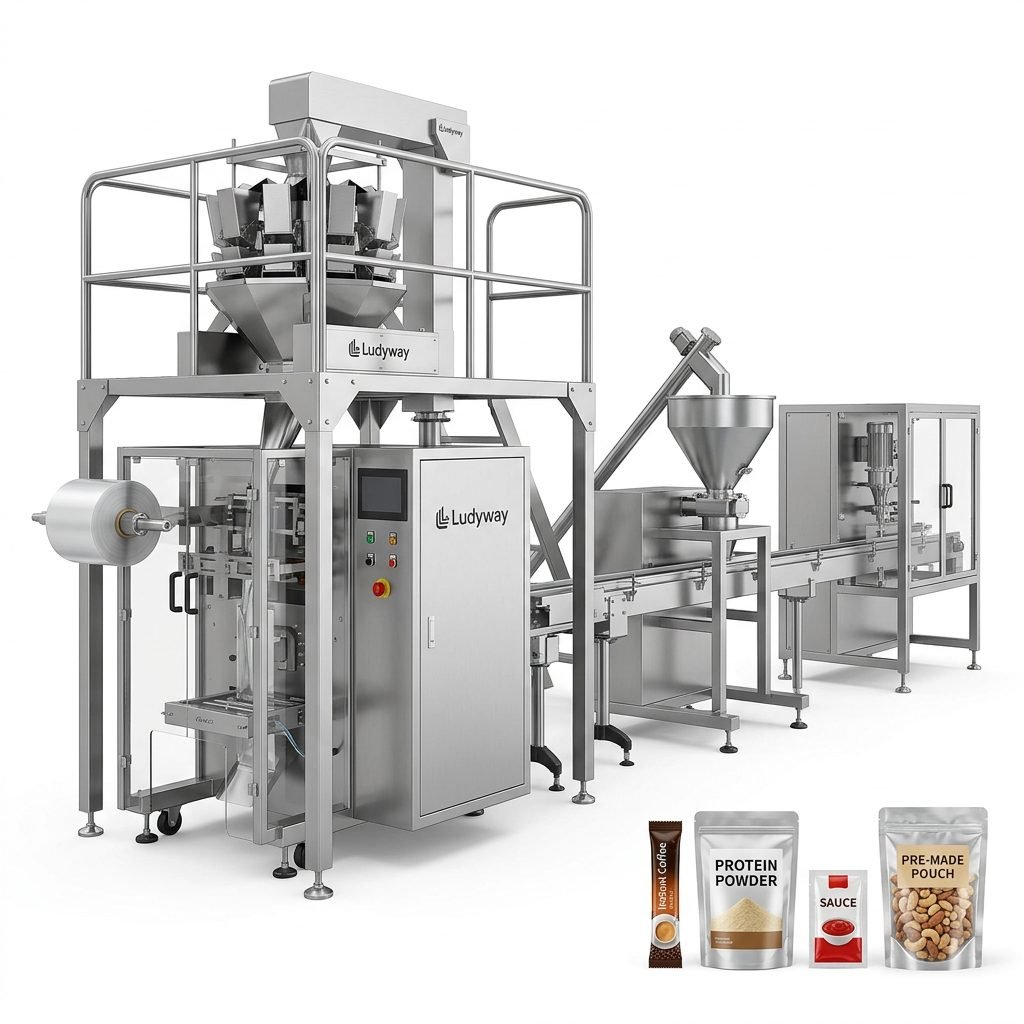
Investing in a nuts packaging machine is a significant decision for any food manufacturer, co-packer, or private label brand. Whether you are packaging almonds, cashews, peanuts, walnuts, or mixed nuts, the right equipment directly impacts your product freshness, shelf life, production capacity, and bottom line. This guide walks you through every critical factor to help you make an informed purchasing decision.
Understand Your Nuts Packaging Requirements First
Before comparing machine specifications, you need a clear picture of your operational needs. Different nut products demand different packaging approaches. Consider the following:
- Product type: Whole nuts, chopped nuts, coated nuts, or nut powders each behave differently during filling and sealing.
- Packaging format: Do you need pillow bags, gusseted pouches, stand-up pouches, stick packs, or sachets?
- Production volume: Are you running a small-batch artisanal operation or a high-speed automated line?
- Bag sizes and weights: What range of fill weights and bag dimensions do you need to accommodate?
- Material compatibility: What type of packaging film or laminate will you use?
For manufacturers looking to scale up, understanding current packaging machinery market trends can provide valuable context before making a capital investment.
Types of Nuts Packaging Machines
Nuts packaging equipment comes in several configurations, each suited to different production environments. Below is a comparison of the most common machine types used in the nut processing industry.
| Machine Type | Best For | Speed Range | Key Advantage |
|---|---|---|---|
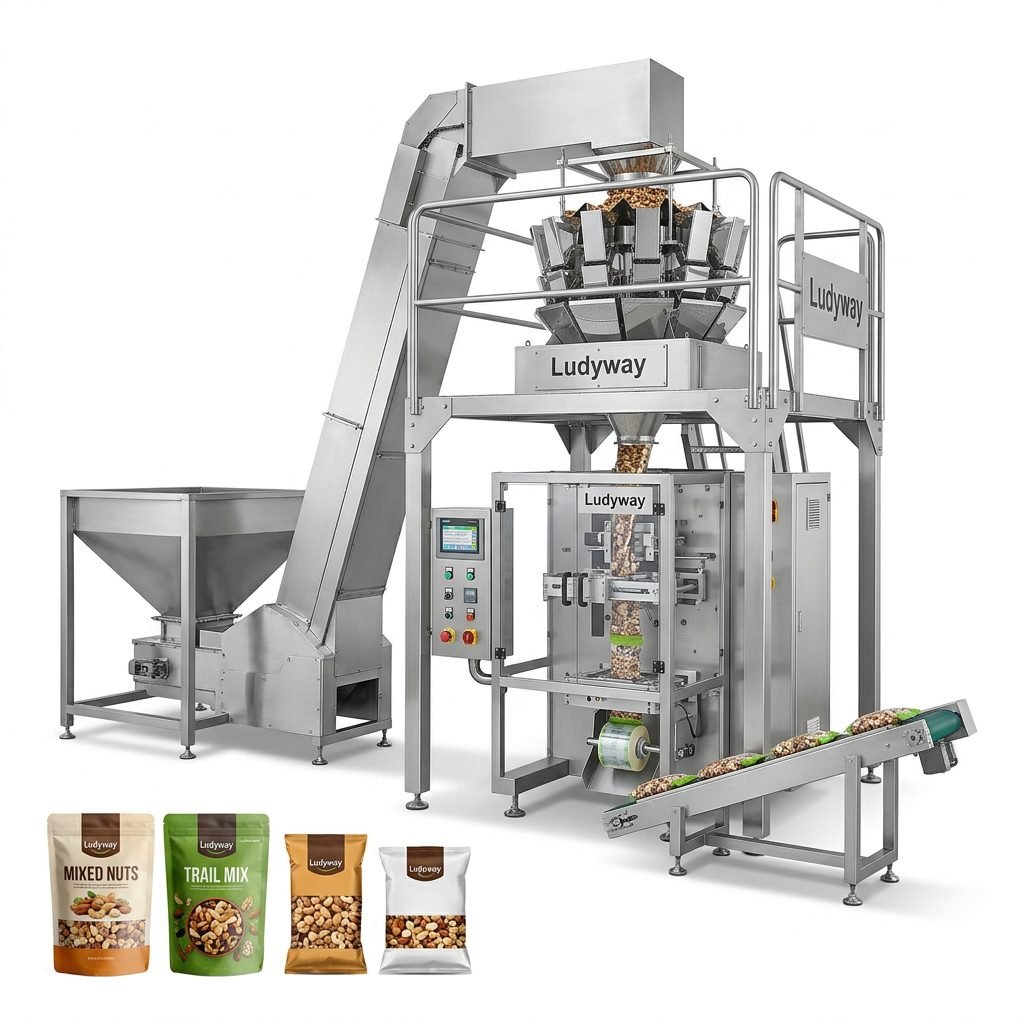
| Vertical Form Fill Seal (VFFS) | Medium to high-volume pillow bags and gusseted pouches | 30–120 bags/min | Versatile, widely adopted, cost-effective |
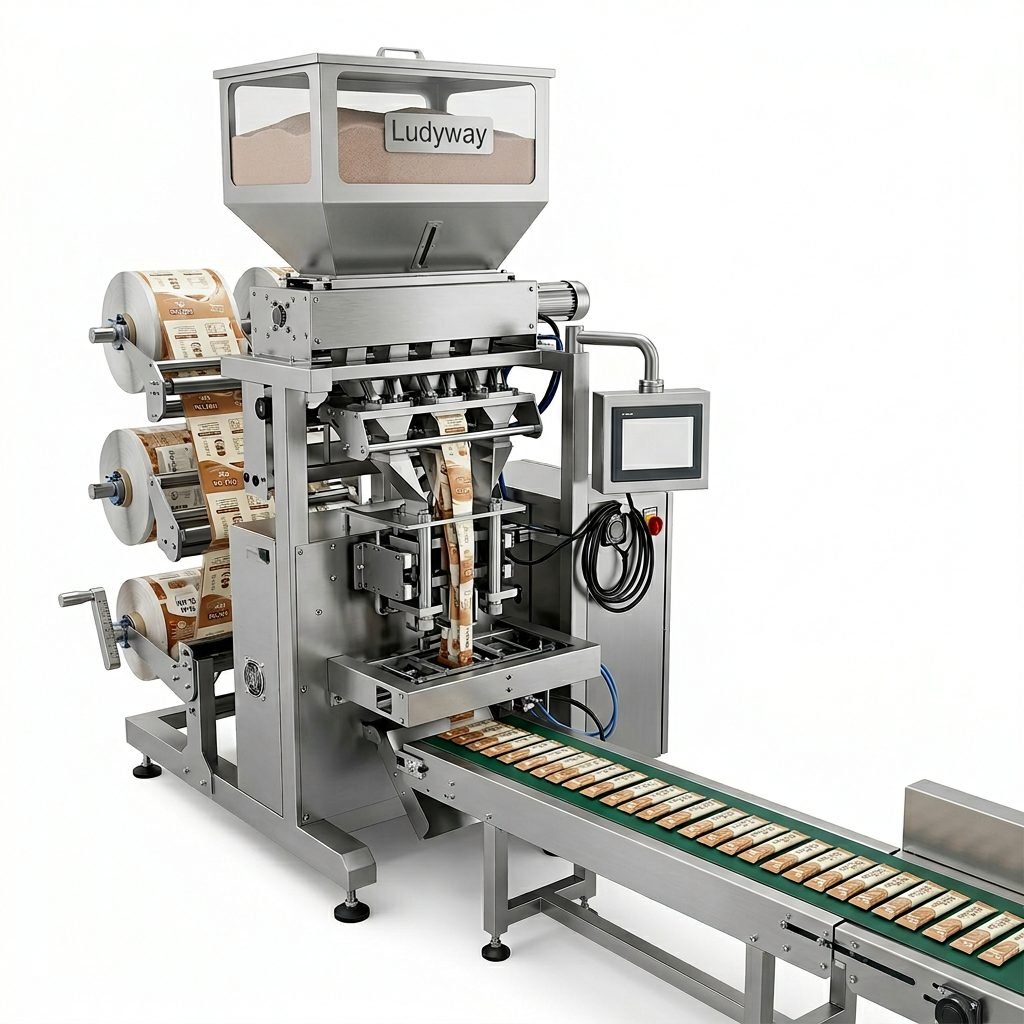
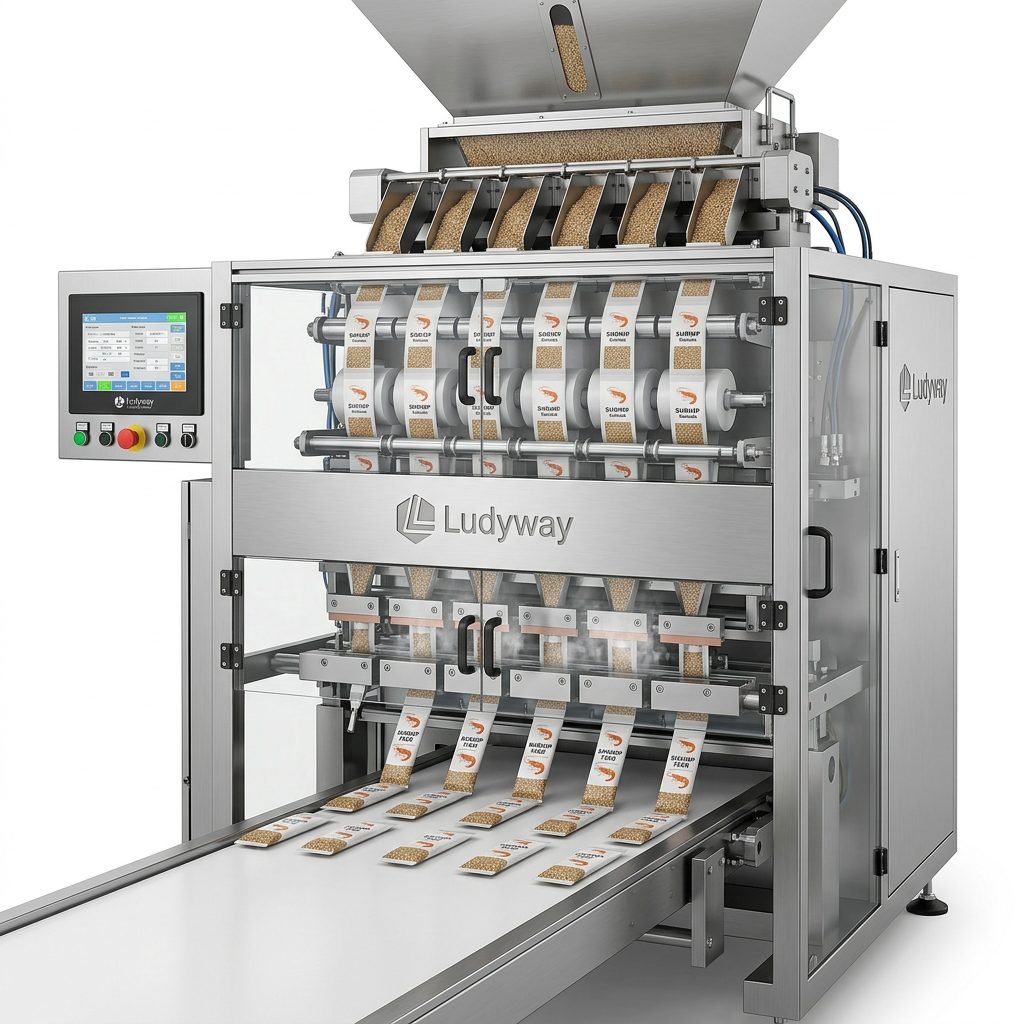
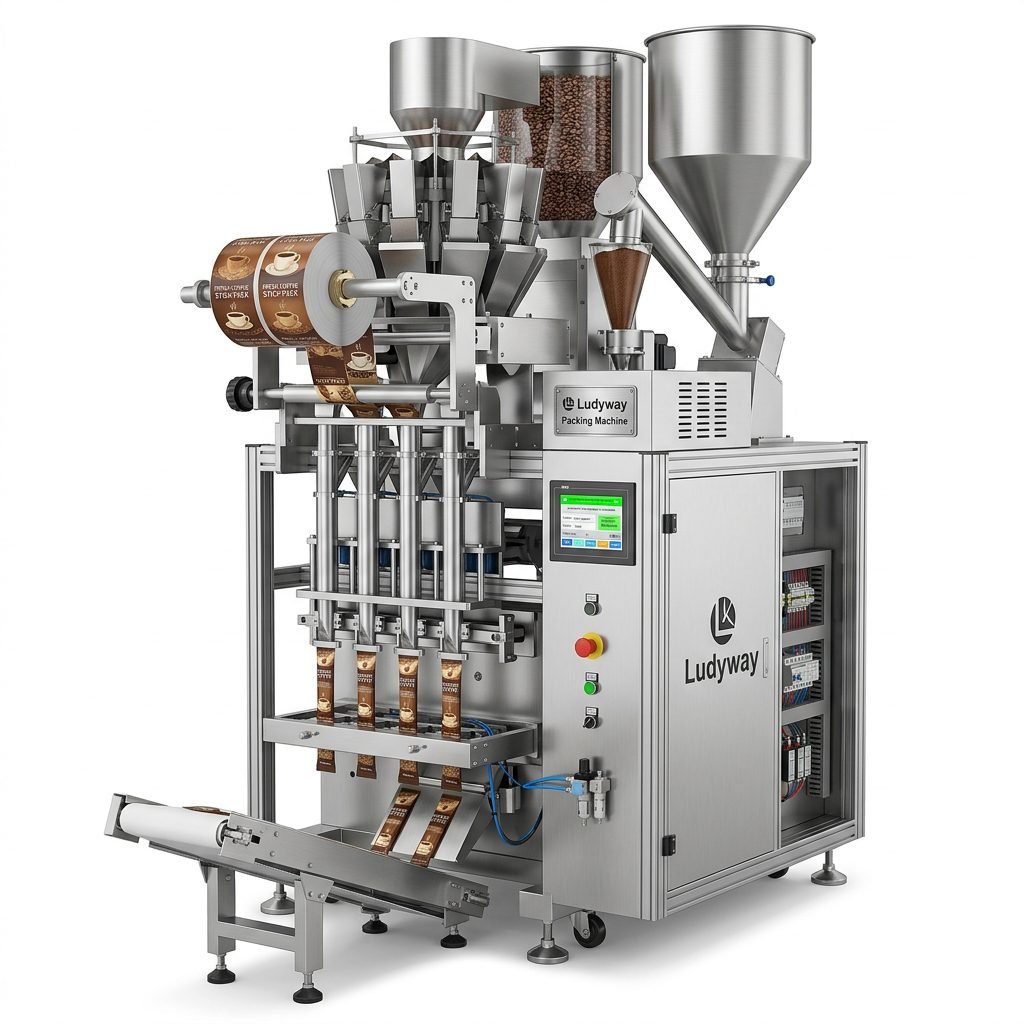
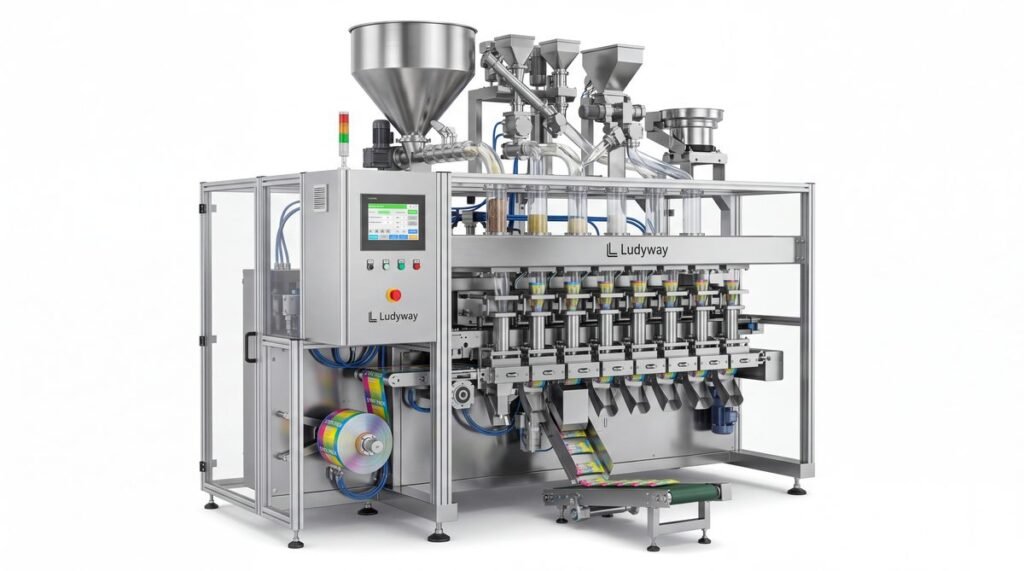
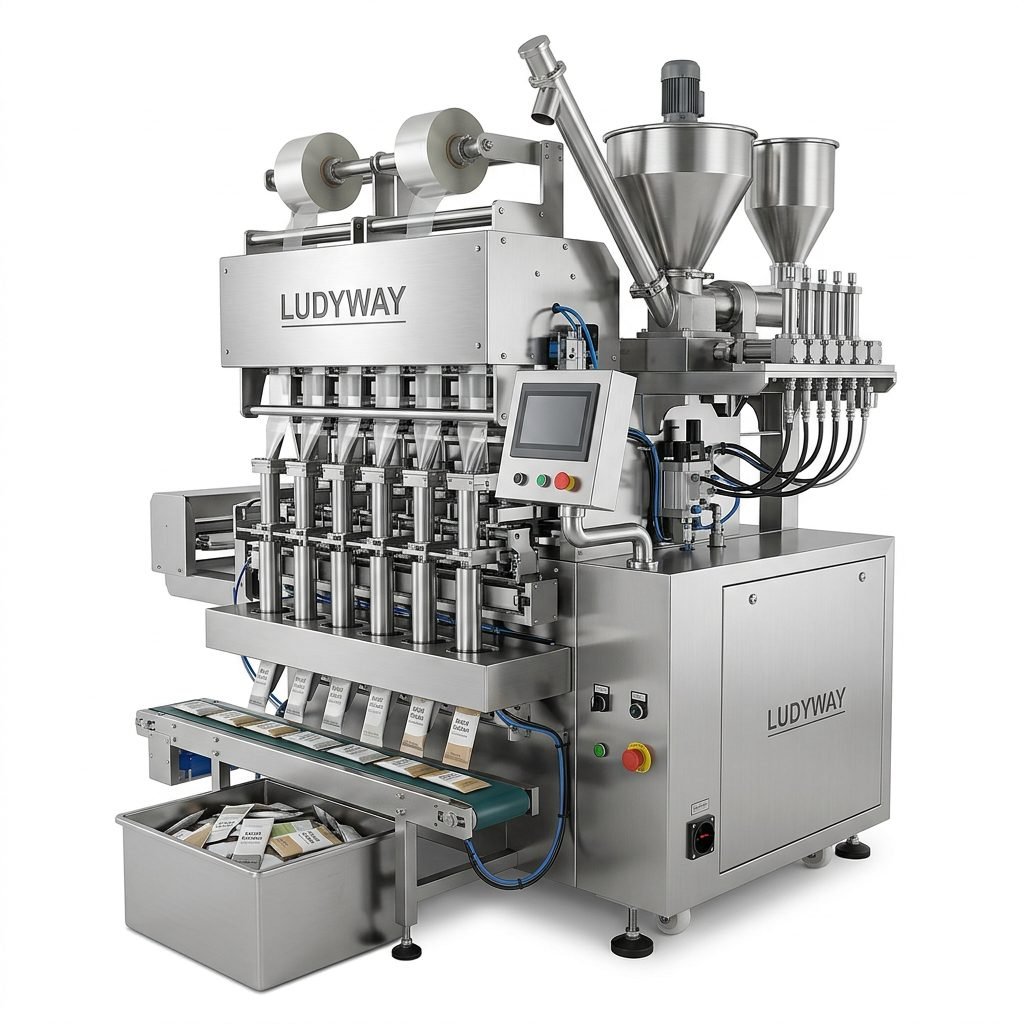
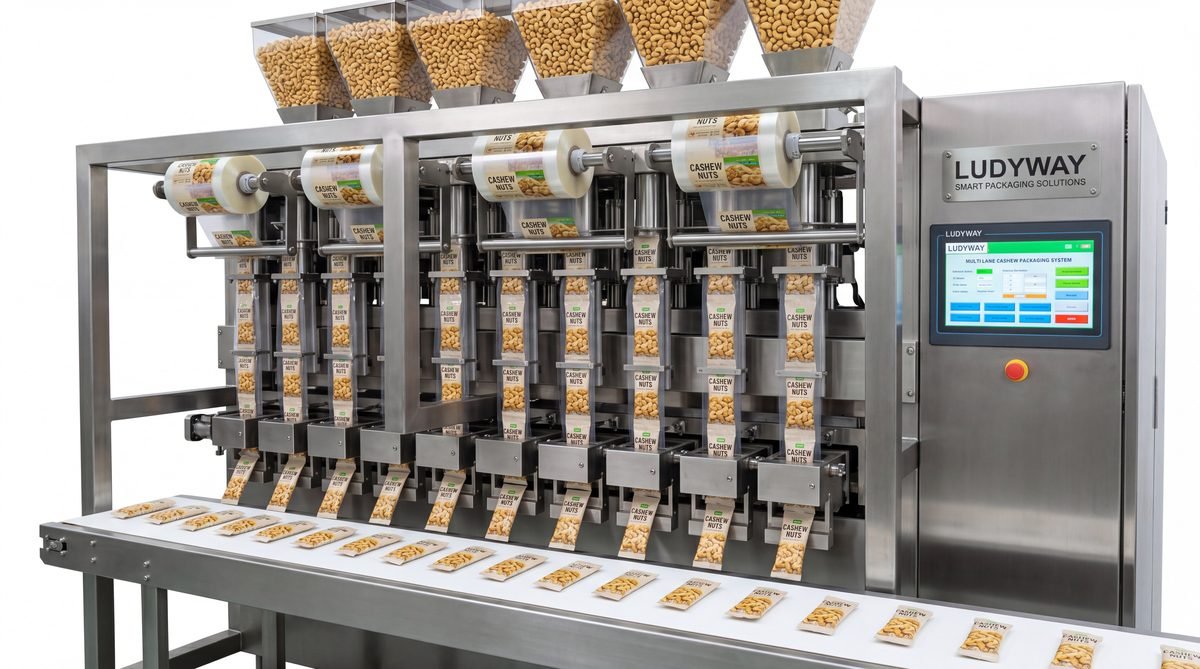
| Multi-Lane Stick Pack Machine | Single-serving nut packs, travel-size portions | 200–600 packs/min (across lanes) | Ultra-high output for small portions |
| Pre-Made Pouch Filling Machine | Stand-up pouches, zipper pouches, premium packaging | 20–60 pouches/min | Excellent for retail-ready presentation |
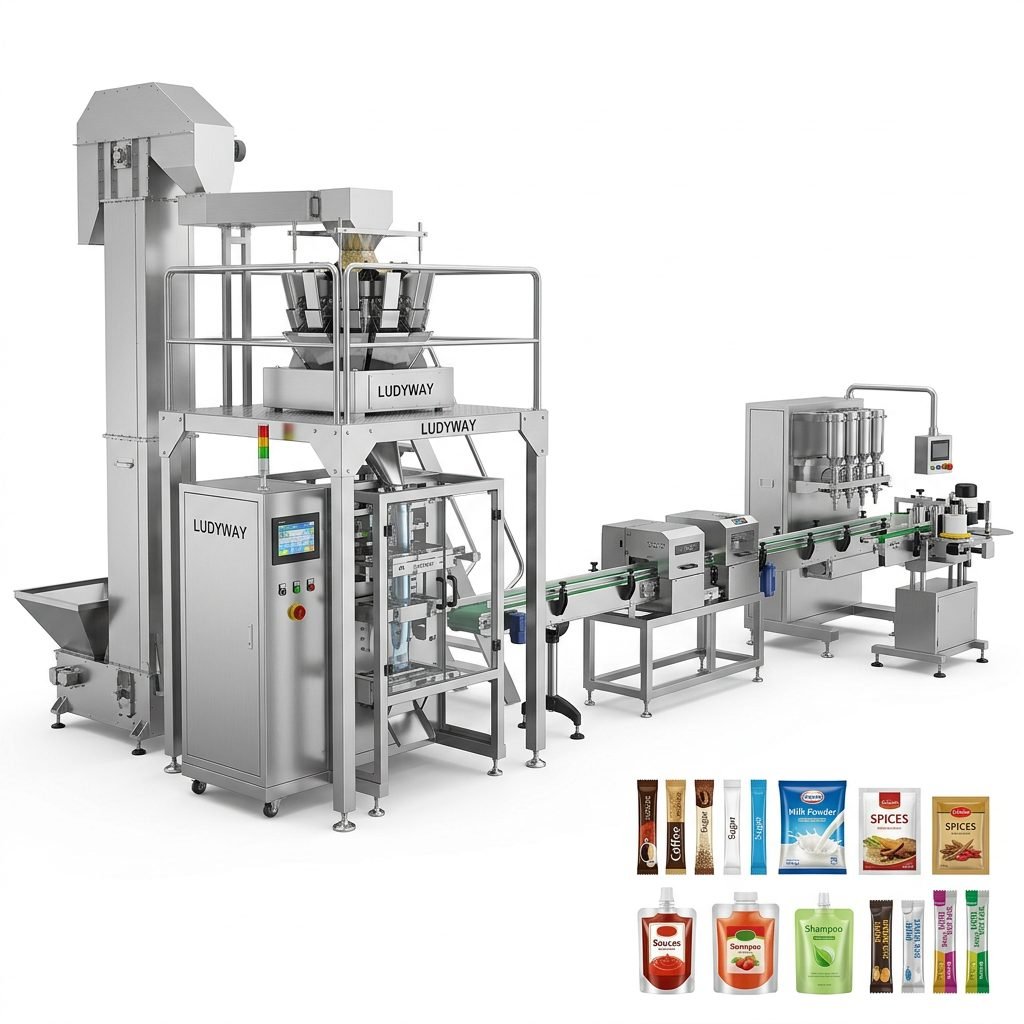
| Weighing and Bagging System | Bulk nuts, large-format bags (1kg–25kg) | 5–20 bags/min | High accuracy for heavy fill weights |
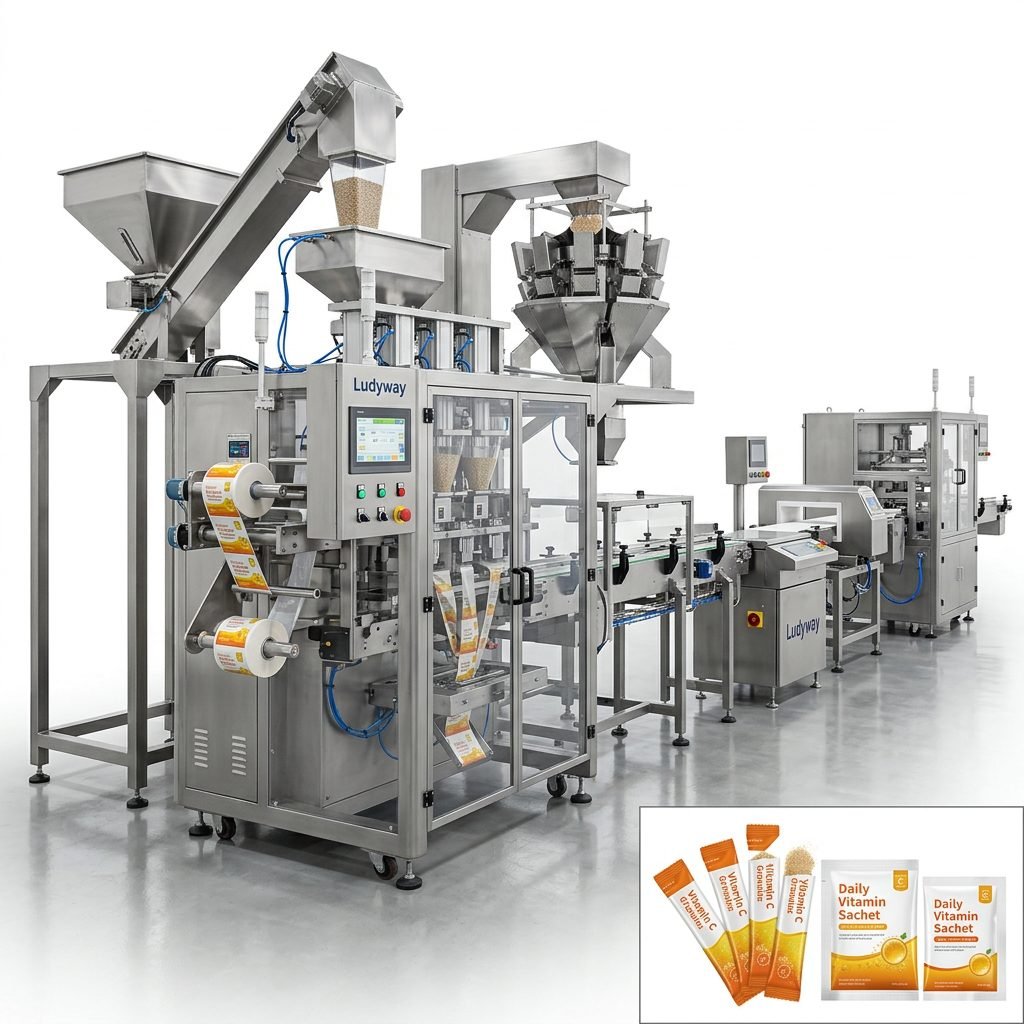
| Inline Automated Packaging Line | Fully integrated production from filling to case packing | Custom configured | End-to-end automation, reduced labor |
Key Features to Evaluate Before Buying
Not all nuts packaging machines are created equal. Here are the critical features and specifications you should scrutinize when comparing different models and manufacturers.
Weighing and Filling Accuracy
Nut products have significant raw material costs. Even a small overfill on each bag adds up quickly over thousands of units. Look for machines equipped with multi-head weighers or combination weighers that deliver precision within ±1–2 grams. Accurate dosing protects your margins and ensures regulatory compliance.
Gentle Product Handling
Whole nuts are fragile. Excessive mechanical force during conveying, filling, or sealing can cause breakage, reducing product quality and visual appeal. Seek packaging equipment designed with gentle handling features such as vibratory feeding with controlled amplitude, low-drop filling, and smooth transfer points.
Gas Flushing and Vacuum Capability
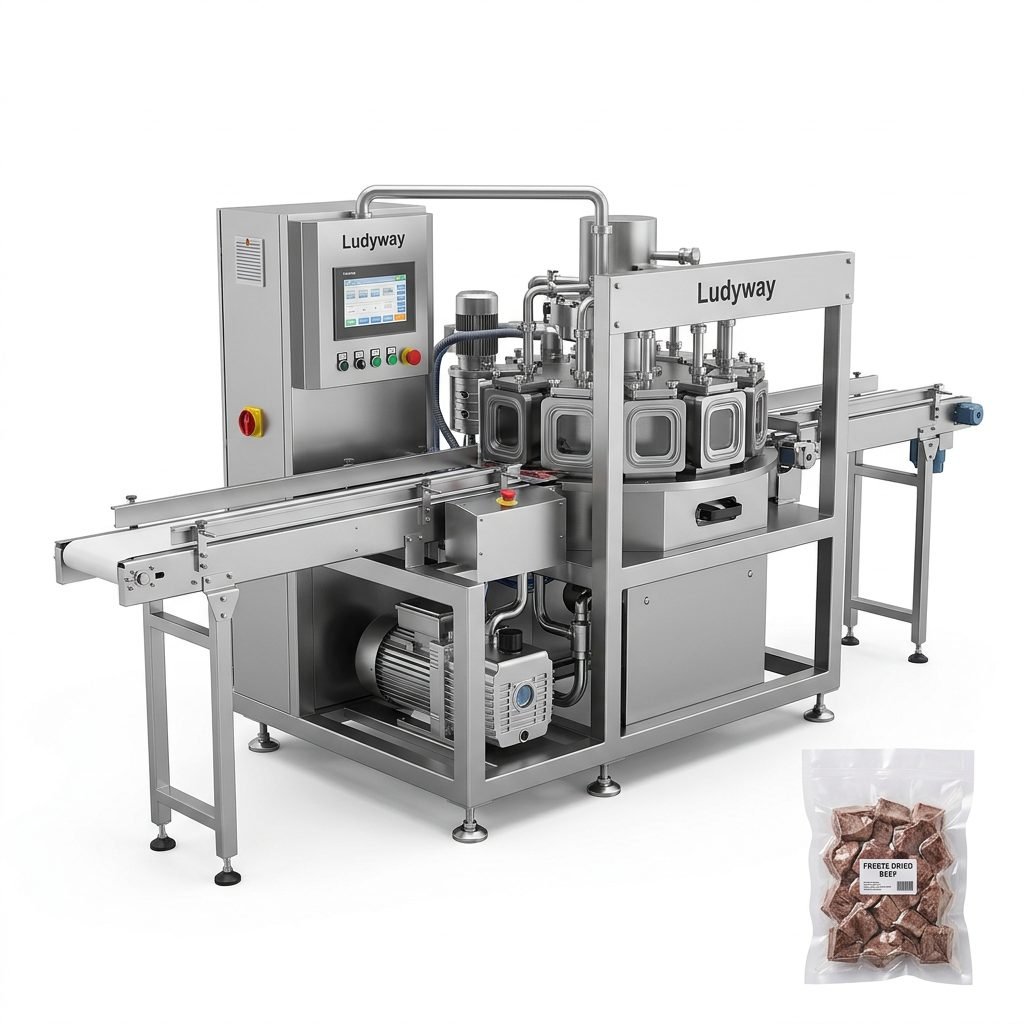
Nuts are high in oils and prone to rancidity when exposed to oxygen. Modified atmosphere packaging (MAP) with nitrogen flushing extends shelf life significantly. If you package premium or organic nuts, confirm that the machine supports integrated gas flushing or vacuum sealing options.
Sealing Integrity and Quality
A poor seal leads to product spoilage, customer complaints, and costly returns. Evaluate the sealing temperature control, dwell time adjustment, and seal-jaw design. Machines with digital temperature controllers and consistent pressure distribution produce more reliable seals across different film types.
Changeover Flexibility
If you package multiple nut varieties or different bag sizes on the same line, quick changeover capability becomes essential. Machines with tool-less adjustments, recipe memory, and servo-driven controls can reduce downtime between production runs from hours to minutes.
Material and Build Quality
Food-grade stainless steel construction is the industry standard for product contact surfaces. For nuts with salt or seasoning coatings, corrosion-resistant materials are especially important. Inspect the frame construction, weld quality, and component sourcing before committing to a purchase.
Automation Level and Integration Options
Your choice of automation level depends on labor availability, production targets, and long-term growth plans. Consider the following progression:
- Semi-automatic: Operator-assisted bag loading and product feeding. Suitable for startups and low-volume production.
- Fully automatic standalone: Automatic film feeding, filling, sealing, and discharge with minimal operator intervention.
- Integrated packaging line: Connects filling, checkweighing, metal detection, coding, cartoning, and palletizing into one continuous workflow.
- Smart factory ready: IoT-enabled machines with remote monitoring, predictive maintenance alerts, and production data analytics.
Many food manufacturers begin with a standalone machine and later integrate additional equipment as production volumes grow. Choosing a machine that supports future integration can save significant capital expenditure down the road.
Compliance and Food Safety Standards
Packaging equipment for nuts must comply with applicable food safety regulations in your target markets. Key areas to verify include:
- Compliance with FDA food packaging and food contact substances regulations for the U.S. market
- EU packaging and food contact materials requirements for European distribution
- GFSI-benchmarked certification readiness (SQF, BRC, FSSC 22000)
- Clean-in-place (CIP) accessibility and sanitary design features
- Allergen control considerations if the same line processes other products
For manufacturers exporting to international markets, understanding flexible packaging industry standards and regulatory requirements across different regions is critical for smooth market entry.
Budget Considerations and ROI Analysis
The initial purchase price of a nuts packaging machine is only one part of the total cost equation. When calculating your budget and expected return on investment, factor in these elements:
- Capital cost: Machine price, shipping, import duties, and installation
- Operational cost: Energy consumption, compressed air requirements, and packaging material waste rates
- Labor cost: Number of operators required per shift and their skill level
- Maintenance cost: Spare parts availability, service intervals, and technician training
- Downtime risk: Machine reliability, manufacturer response time, and local support availability
- Product giveaway savings: Improved filling accuracy can reduce product giveaway by 1–3% or more
A machine with a higher upfront cost but superior accuracy, reliability, and manufacturer support often delivers better long-term value than a cheaper alternative with hidden operational costs.
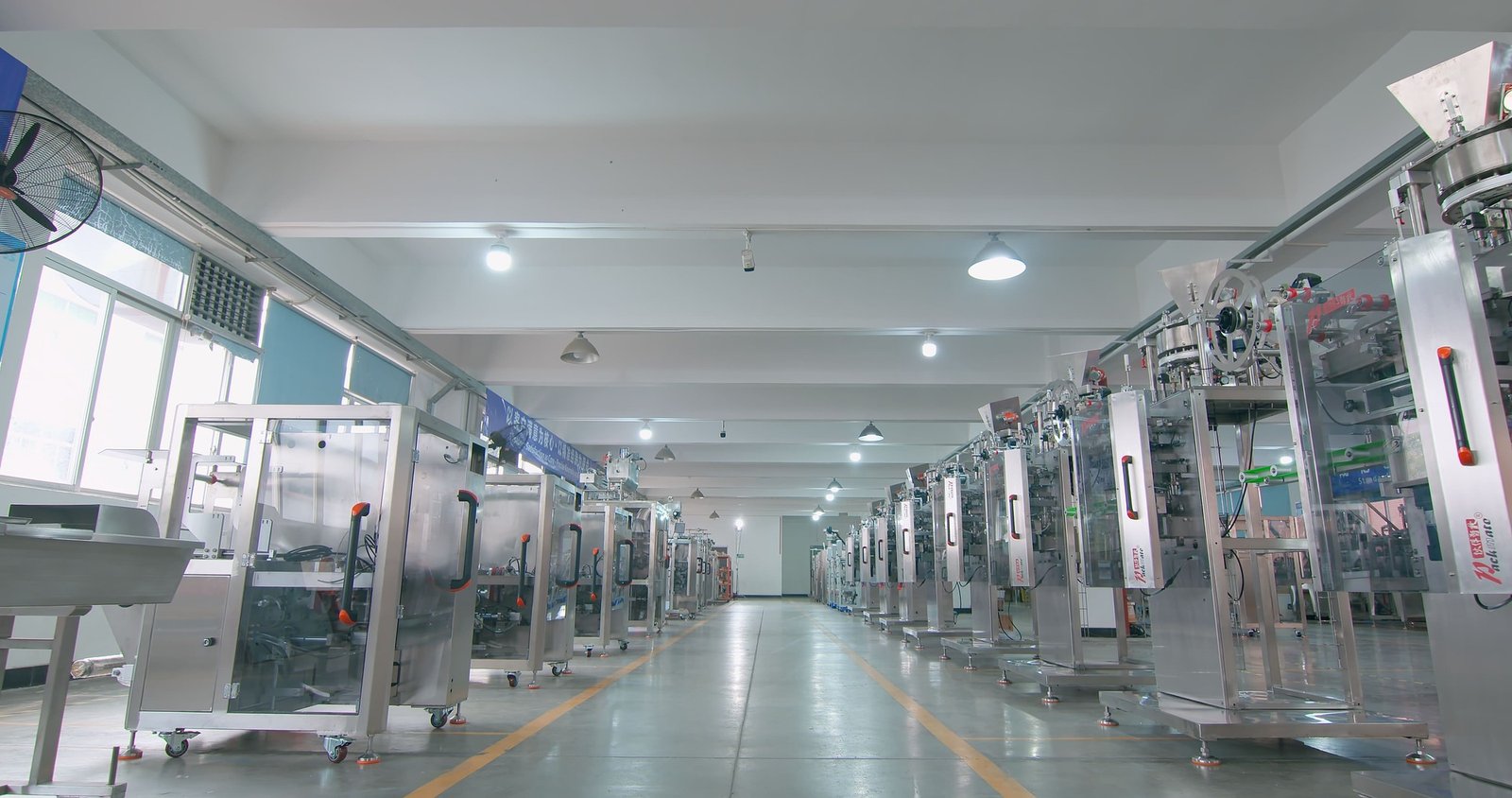
Evaluating Packaging Machinery Suppliers
Choosing the right equipment partner is as important as choosing the right machine. Here is a checklist for evaluating potential suppliers:
| Evaluation Criteria | What to Look For | Red Flags |
|---|---|---|
| Industry Experience | Proven track record with nut or similar dry food products | No references in your product category |
| Manufacturing Capability | In-house production, quality control systems, engineering team | Fully outsourced manufacturing, limited technical depth |
| After-Sales Support | Installation, commissioning, training, remote assistance, spare parts | No local service presence, slow response commitments |
| Customization Capability | Willingness to adapt machine configuration to your needs | Rigid, one-size-fits-all approach only |
| Certifications | CE, ISO, or other applicable international standards | Cannot provide compliance documentation |
Established manufacturers such as Ludyway Machinery, a China-based packaging machinery manufacturer with more than 30 years of experience, offer comprehensive solutions spanning machine selection, system integration, customization, installation, commissioning, and ongoing technical support across more than 100 countries. When evaluating suppliers, prioritize those that can serve as a long-term packaging partner rather than a one-time equipment vendor.

Questions to Ask Before Making Your Final Decision
Before signing a purchase agreement, run through this list of essential questions with your shortlisted suppliers:
- Can you provide references from customers packaging similar nut products?
- What is the typical lead time from order to delivery and installation?
- What warranty coverage is included, and what are the extended warranty options?
- How do you handle spare parts availability and emergency support requests?
- Can the machine be upgraded or retrofitted for additional packaging formats in the future?
- What training and documentation do you provide for our operators and maintenance staff?
- Is remote diagnostics and support available for faster troubleshooting?
Making the Right Investment for Your Nuts Packaging Line
Selecting the right nuts packaging machine requires balancing technical specifications, production requirements, budget constraints, and long-term business goals. The best decision comes from a thorough evaluation of your product characteristics, packaging format needs, throughput targets, and the supplier’s ability to support your operation over the entire machine lifecycle.
Take the time to visit supplier facilities when possible, run product trials with your actual nuts and packaging materials, and speak directly with existing customers about their real-world experience. A well-chosen packaging machine will serve your production needs reliably for many years, making the upfront diligence well worth the effort.
For additional industry data and packaging technology resources, refer to PMMI – The Association for Packaging and Processing Technologies and the Flexible Packaging Association, both of which provide valuable insights for packaging professionals and food manufacturers.