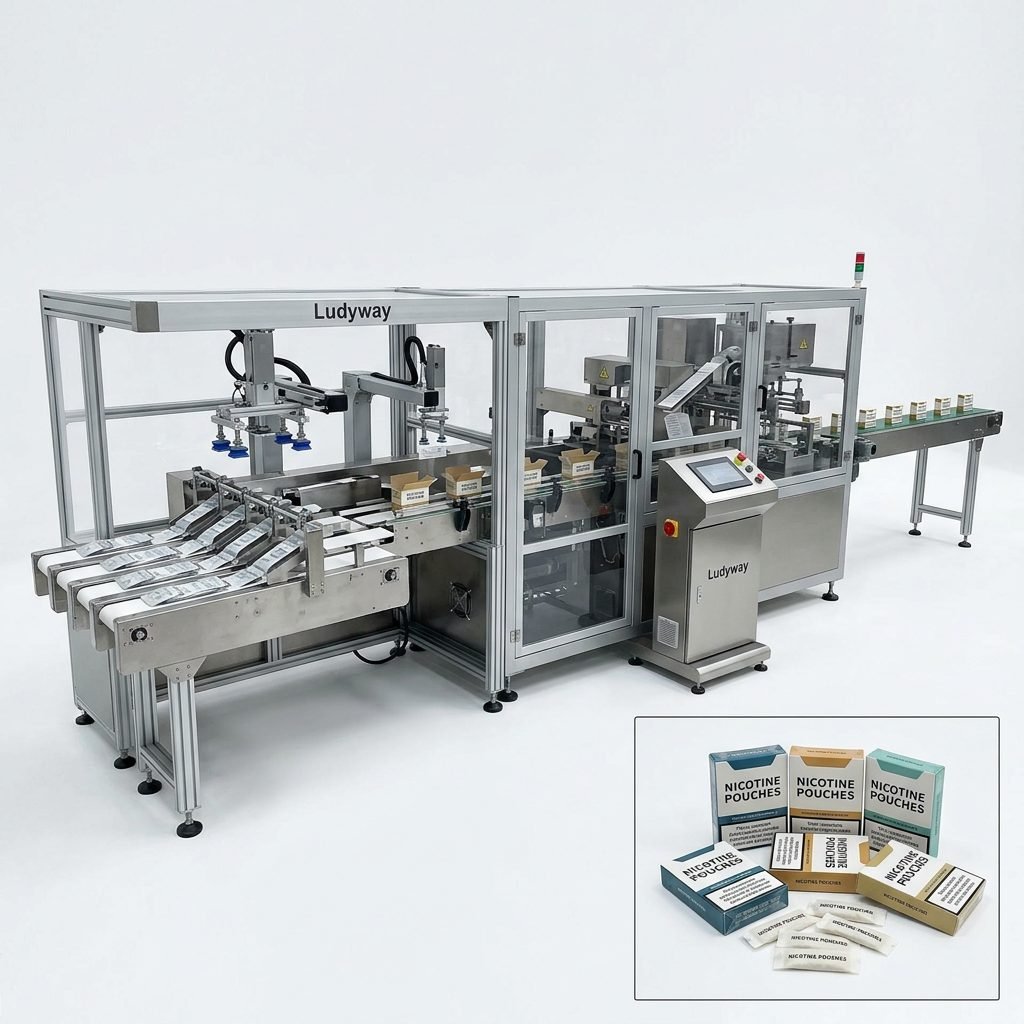
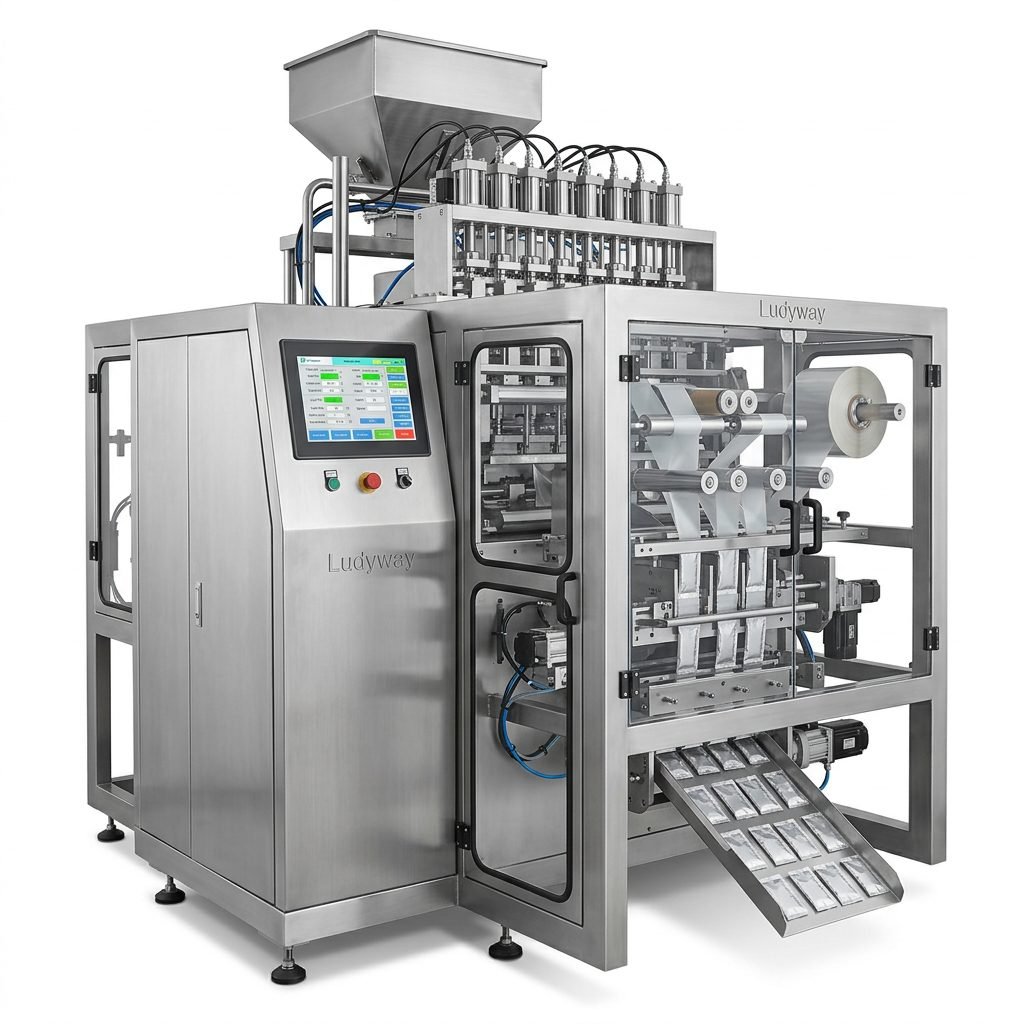
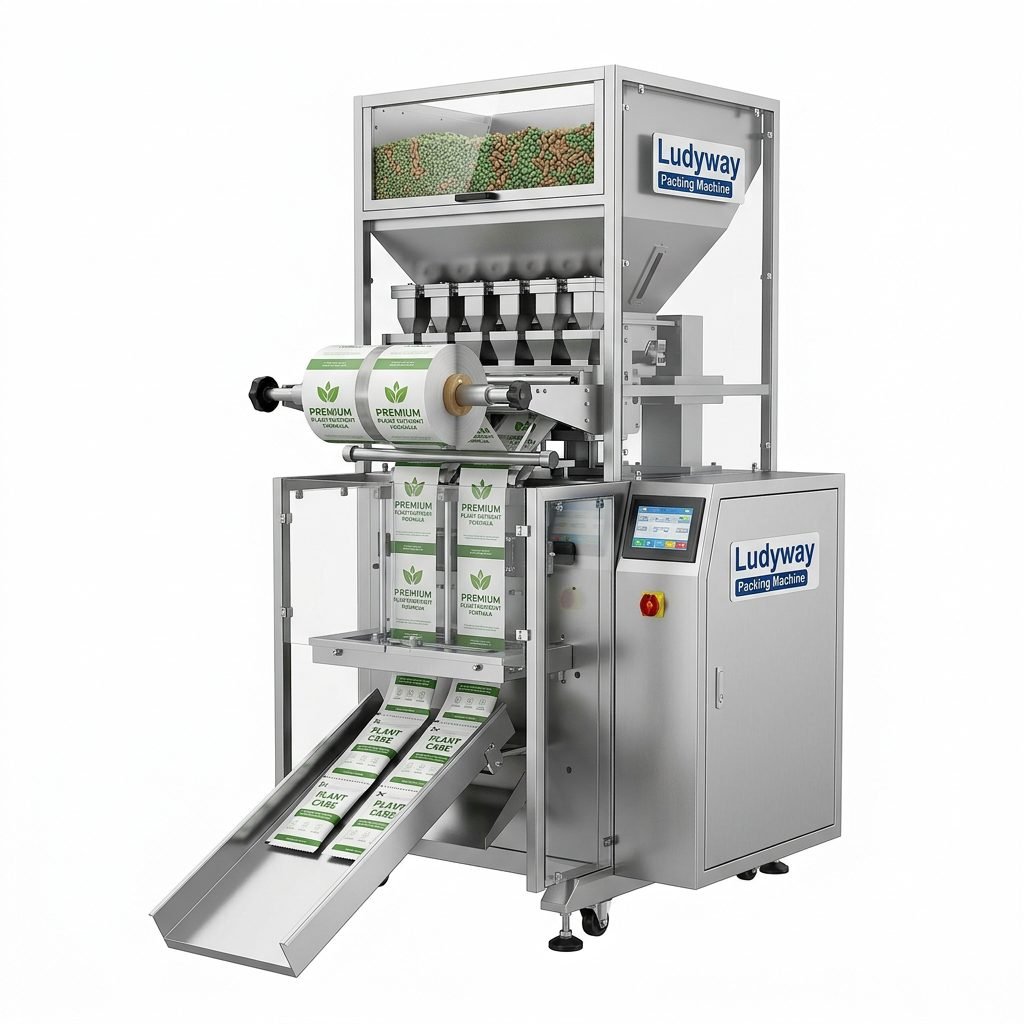
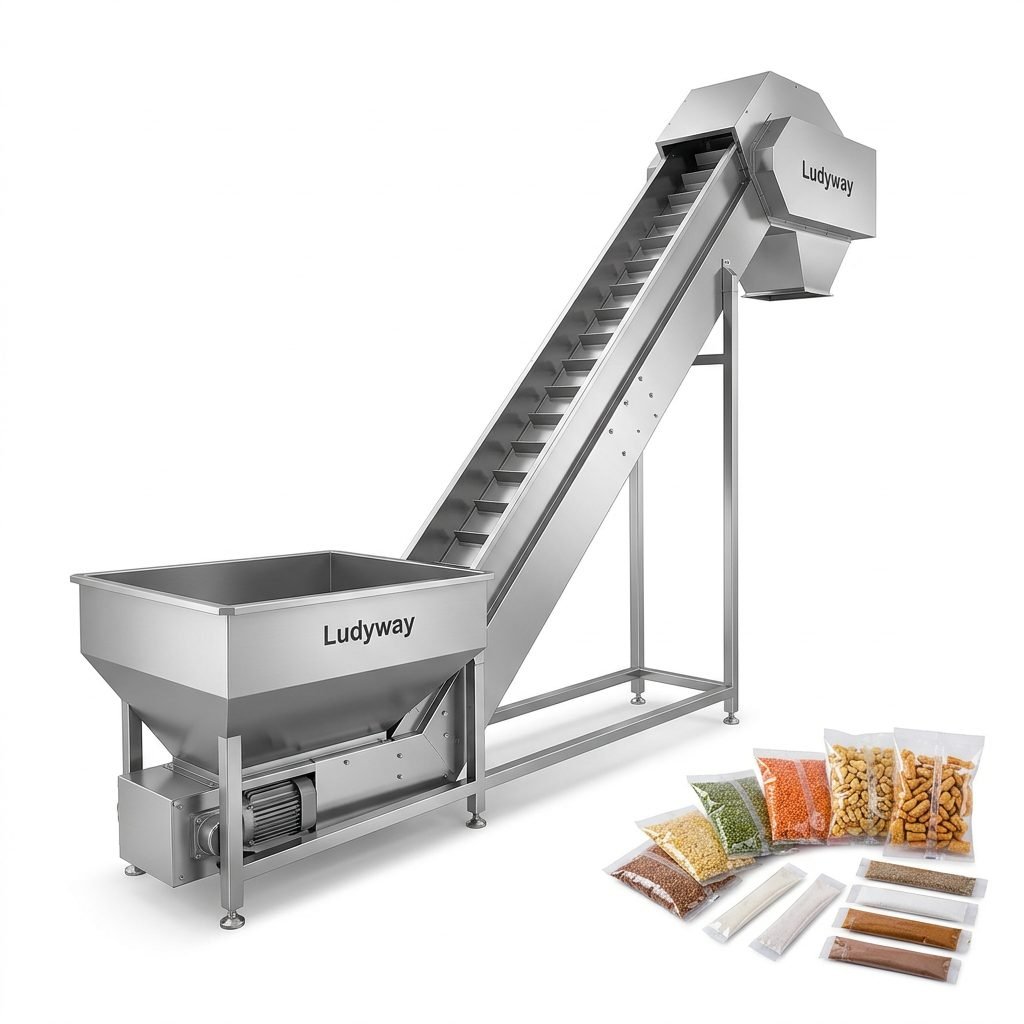
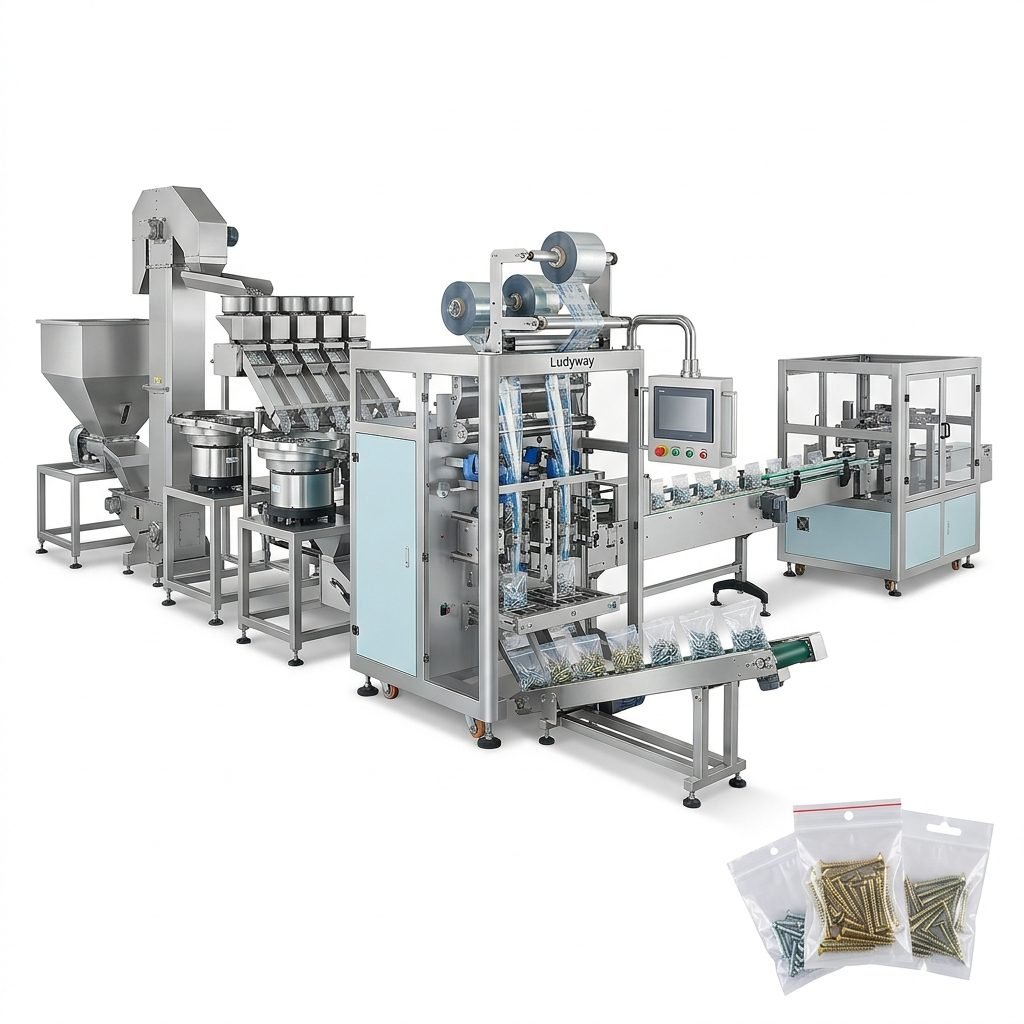
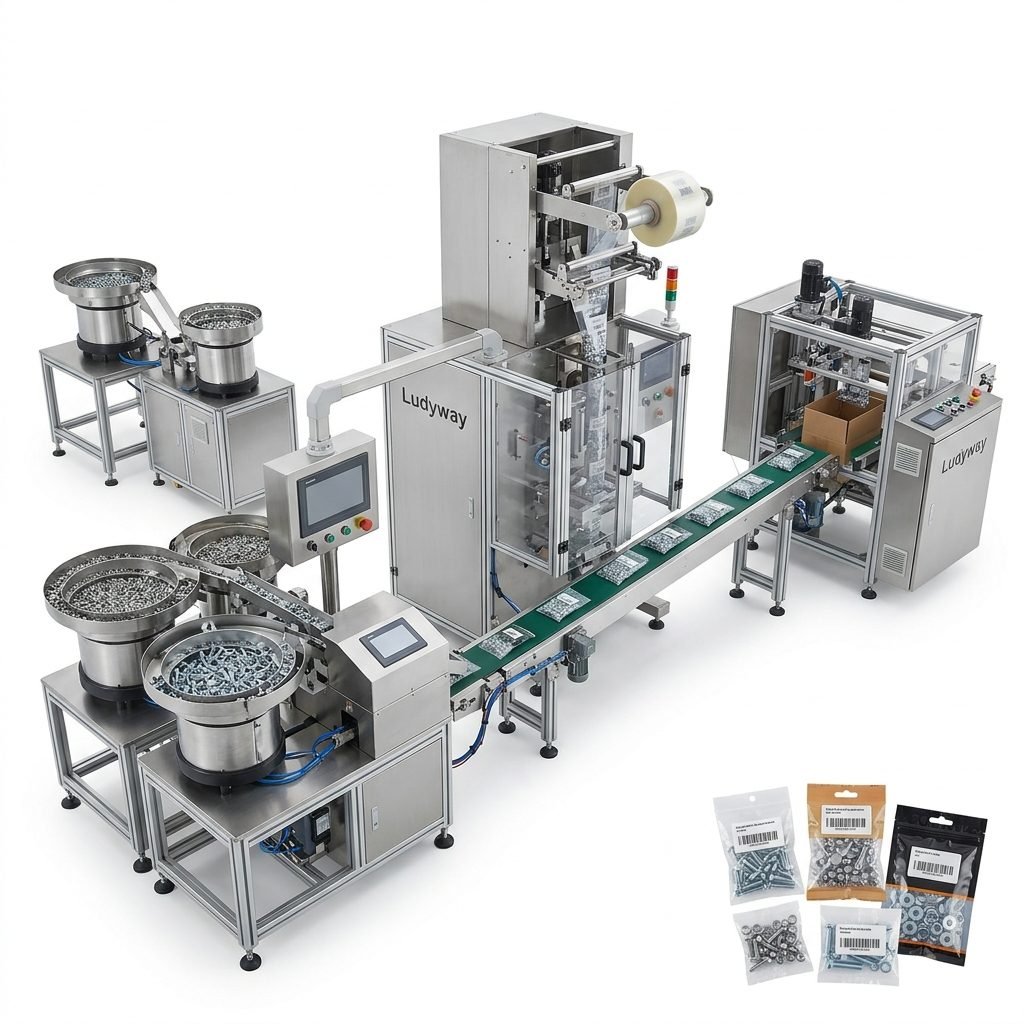
Regular maintenance of a screw packaging machine is essential to ensure consistent performance, minimize downtime, and extend the service life of your equipment. Whether you are packaging hardware fasteners, bolts, nuts, or small metal components, a well-maintained machine delivers higher output quality and reduces costly repairs. Neglecting routine upkeep can lead to miscounts, film jams, sealing defects, and even critical mechanical failures. This guide outlines the essential maintenance tips every operator and plant manager should follow to keep their screw packaging systems running at peak efficiency.
Why Screw Packaging Machine Maintenance Matters
Screw packaging machines operate under high-speed, repetitive conditions. Components such as vibratory feeders, counting mechanisms, sealing jaws, and film transport systems experience continuous wear. Without a structured maintenance program, even premium equipment from a reliable packaging machine manufacturer will eventually underperform. Proper maintenance helps you avoid unexpected breakdowns, maintain accurate counting precision, and ensure seal integrity for every pouch or sachet.
Key Benefits of Preventive Maintenance
- Extends the operational lifespan of critical components
- Reduces unplanned downtime and production losses
- Maintains consistent packaging quality and count accuracy
- Lowers long-term repair and replacement costs
- Ensures compliance with ISO packaging standards
Daily Maintenance Checklist
Daily inspections are your first line of defense. Operators should perform these checks at the start of each shift and during routine operation. The following tasks require minimal time but deliver significant returns in machine reliability.
- Clean the vibratory bowl and tracks: Remove any metal dust, debris, or residual particles that may affect screw feeding accuracy.
- Inspect the film path: Check for wrinkles, misalignment, or adhesive buildup on rollers and guide bars.
- Verify sealing temperature: Confirm that both vertical and horizontal sealing jaws are reaching the correct setpoint for your film type.
- Check photoelectric sensors: Ensure registration marks are being detected correctly to maintain precise bag length.
- Monitor counting accuracy: Run a sample batch to verify the multi-head counting system is delivering the correct screw count per package.
- Lubricate moving parts: Apply food-grade or manufacturer-recommended lubricant to chains, bearings, and cam mechanisms as specified.
Weekly Maintenance Tasks
Weekly maintenance goes deeper into the mechanical and electrical systems. These tasks help identify emerging issues before they escalate into major problems.
- Inspect all belts and drive chains: Look for signs of stretching, cracking, or uneven wear. Tension adjustments should be made according to the equipment manual.
- Clean electrical cabinets: Use compressed air to remove dust from control panels, PLC components, and wiring terminals. Dust accumulation can cause short circuits or overheating.
- Examine sealing surfaces: Check Teflon-coated sealing bands and heating elements for carbonized residue or damage.
- Test emergency stop functions: Verify that all safety interlocks and E-stop buttons are fully operational.
- Calibrate weighing or counting systems: If your screw packaging machine integrates a multi-head weighing system, perform a calibration check to maintain precision.
Monthly Maintenance Procedures
Monthly maintenance focuses on comprehensive inspections and component-level servicing. These procedures are best performed by trained technicians familiar with packaging machinery maintenance protocols.
- Replace worn wear strips and guides: Film transport components wear over time and can cause tracking issues if not replaced promptly.
- Inspect pneumatic systems: Check air filters, regulators, and lubricators. Drain any accumulated moisture from air lines and replace filter elements if dirty.
- Test heating element resistance: Use a multimeter to measure the resistance of cartridge heaters and thermocouples. Deviations indicate potential failure.
- Clean and inspect gearboxes: Check oil levels and look for any signs of leakage. Top up or replace oil as recommended.
- Verify PLC program backups: Ensure all machine parameters and program settings are backed up to avoid data loss.
Quarterly and Annual Maintenance Schedule
The following table outlines the recommended quarterly and annual maintenance tasks for screw packaging machines. Use this as a reference for planning your maintenance calendar.
| Frequency | Maintenance Task | Responsible Personnel |
|---|---|---|
| Quarterly | Replace all air filters and inspect pneumatic cylinders for leaks | Maintenance Technician |
| Quarterly | Inspect and tighten all electrical connections in control panels | Electrical Engineer |
| Quarterly | Perform a full calibration of temperature controllers and sensors | Quality Control / Technician |
| Annually | Complete overhaul of drive systems including motor bearings and gearboxes | Senior Maintenance Engineer |
| Annually | Replace sealing jaw assemblies and heating elements if degradation is found | Maintenance Technician |
| Annually | Conduct a full PLC diagnostic check and update firmware if available | Automation Engineer |
Common Issues and Troubleshooting Tips
Even with diligent maintenance, occasional issues may arise. Here are some common problems encountered with screw packaging machines and their likely causes.
Inaccurate Screw Counting
If packages contain incorrect screw quantities, check the vibratory feeder speed, inspect the counting sensor for dust accumulation, and verify that the correct counting program is selected. Mechanical wear on the counting gates can also cause miscounts and should be inspected regularly.
Sealing Defects or Weak Seals
Poor seal quality often results from incorrect temperature settings, contaminated sealing jaws, or worn Teflon tape. Clean the sealing surfaces thoroughly and verify the temperature controller is calibrated. Also check for consistent film tension across the entire width.
Film Tracking and Wrinkling Issues
Wrinkled or misaligned film typically indicates worn rollers, improper tension adjustment, or misaligned forming tubes. Inspect all film path components and replace any that show signs of wear. Ensure the film roll is mounted correctly and rotates freely.
Lubrication Best Practices for Screw Packaging Equipment
Proper lubrication is one of the most critical yet often overlooked aspects of machine maintenance. Follow these guidelines to protect moving parts from premature wear.
- Use only manufacturer-recommended lubricants suitable for high-speed packaging applications.
- Establish a lubrication schedule and document each service in a maintenance log.
- Avoid over-lubrication, which can attract dust and contaminate packaging materials.
- Pay special attention to cam-driven mechanisms and sealing jaw pivot points.
- Inspect automatic lubrication systems monthly to ensure proper oil flow and pump function.
Spare Parts Inventory Management
Maintaining an adequate inventory of critical spare parts is essential for minimizing downtime. Based on typical wear patterns, we recommend keeping the following items in stock:
- Sealing bands and Teflon tape
- Heating elements and thermocouples
- Photoelectric sensors and registration mark detectors
- Drive belts and timing belts
- Vibratory feeder springs and coil assemblies
- Pneumatic cylinder seals and O-rings
- Emergency stop switches and safety relay modules
Operator Training and Documentation
Well-trained operators are your best asset in maintaining equipment health. Every operator should receive formal training on daily inspection procedures, basic troubleshooting, and proper machine operation. All maintenance activities should be documented in a logbook or digital system for traceability and trend analysis. Proper documentation also supports compliance with relevant FDA food packaging regulations when applicable.
Key Training Topics for Operators
- Machine startup and shutdown sequences
- Recognizing abnormal sounds, vibrations, or visual indicators
- Proper cleaning techniques for product contact surfaces
- Reporting procedures for identified issues
- Safety protocols and emergency response
Partner with Professionals for Long-Term Reliability
While daily and weekly maintenance can be handled in-house, annual overhauls and complex repairs benefit from professional expertise. Ludyway, one of the largest packaging machine manufacturers in China with over 30 years of industry experience, offers comprehensive after-sales support including technical training, spare parts supply, and on-site service for screw packaging systems worldwide. Partnering with an experienced equipment supplier ensures you have access to genuine parts and specialized knowledge when you need it most.
By implementing a structured maintenance program, training your operators thoroughly, and maintaining a well-stocked spare parts inventory, you can significantly extend the service life of your screw packaging machine while maintaining optimal production efficiency. Consistent care today prevents costly repairs tomorrow.