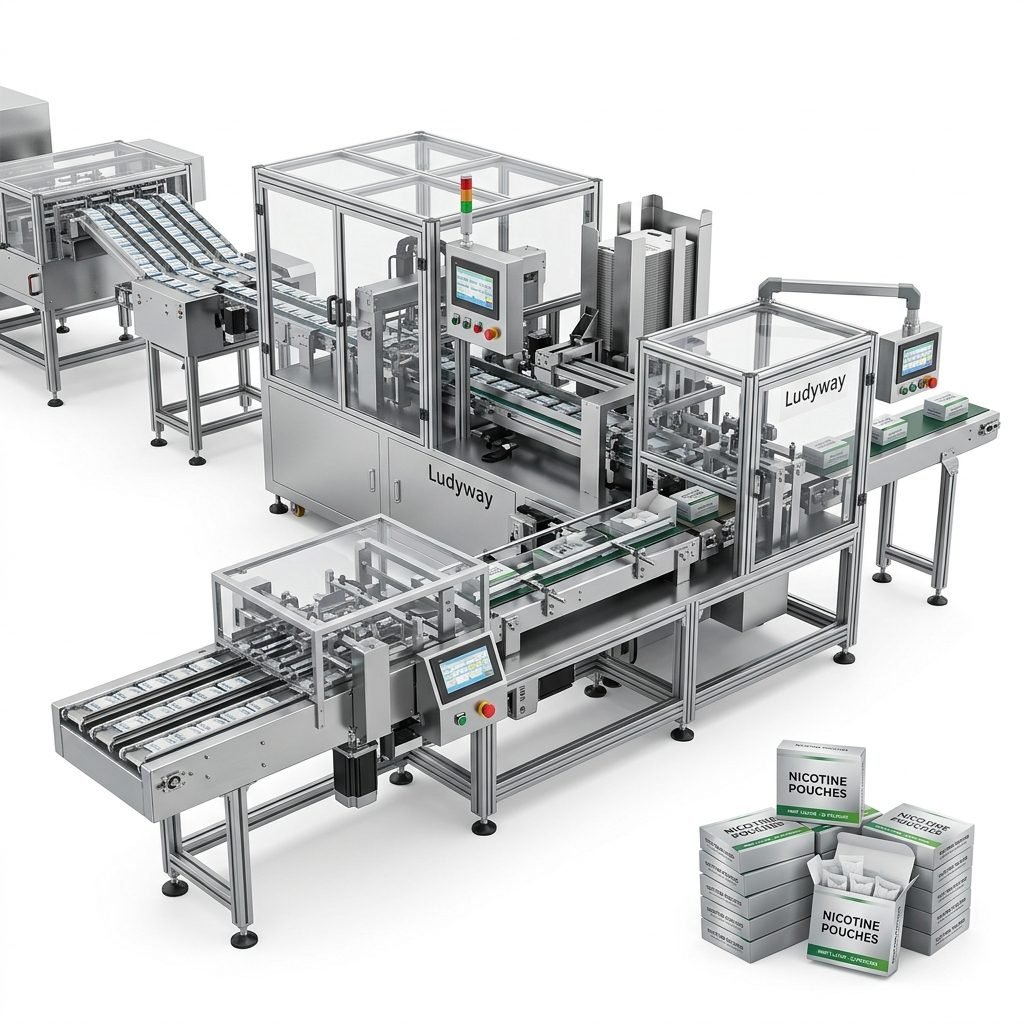
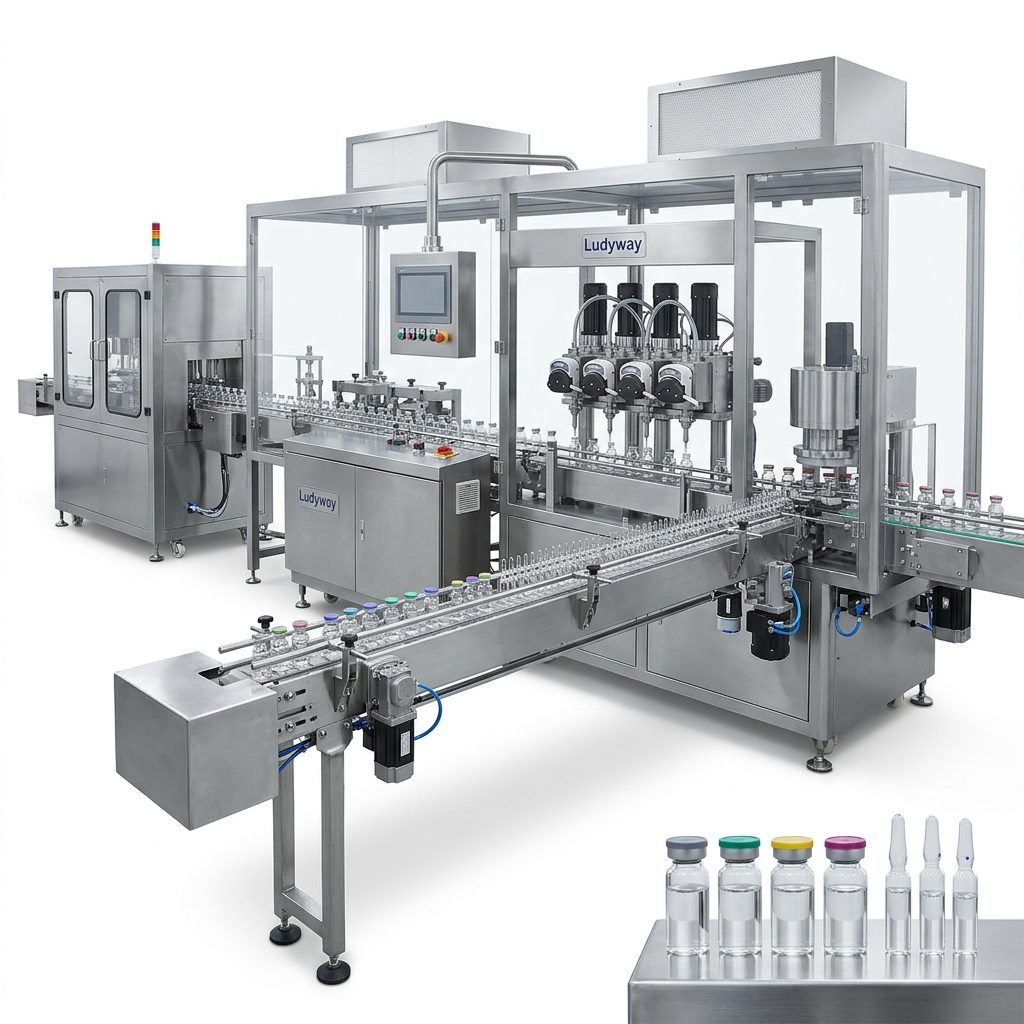
Investing in the right packaging machinery is a critical strategic decision for manufacturers in Guatemala. Whether you are scaling up a food processing plant in Guatemala City, launching a new pharmaceutical line, or expanding agricultural exports, the efficiency of your packaging machine directly impacts product shelf life, brand reputation, and operational costs. This guide walks you through the essential factors to consider when selecting automatic packaging equipment tailored to the Guatemalan market.
1. Assess Your Product Characteristics and Packaging Format
The first step in choosing the right packaging equipment is understanding the physical properties of your product. The machinery required for free-flowing granules differs significantly from that needed for sticky powders or viscous liquids.
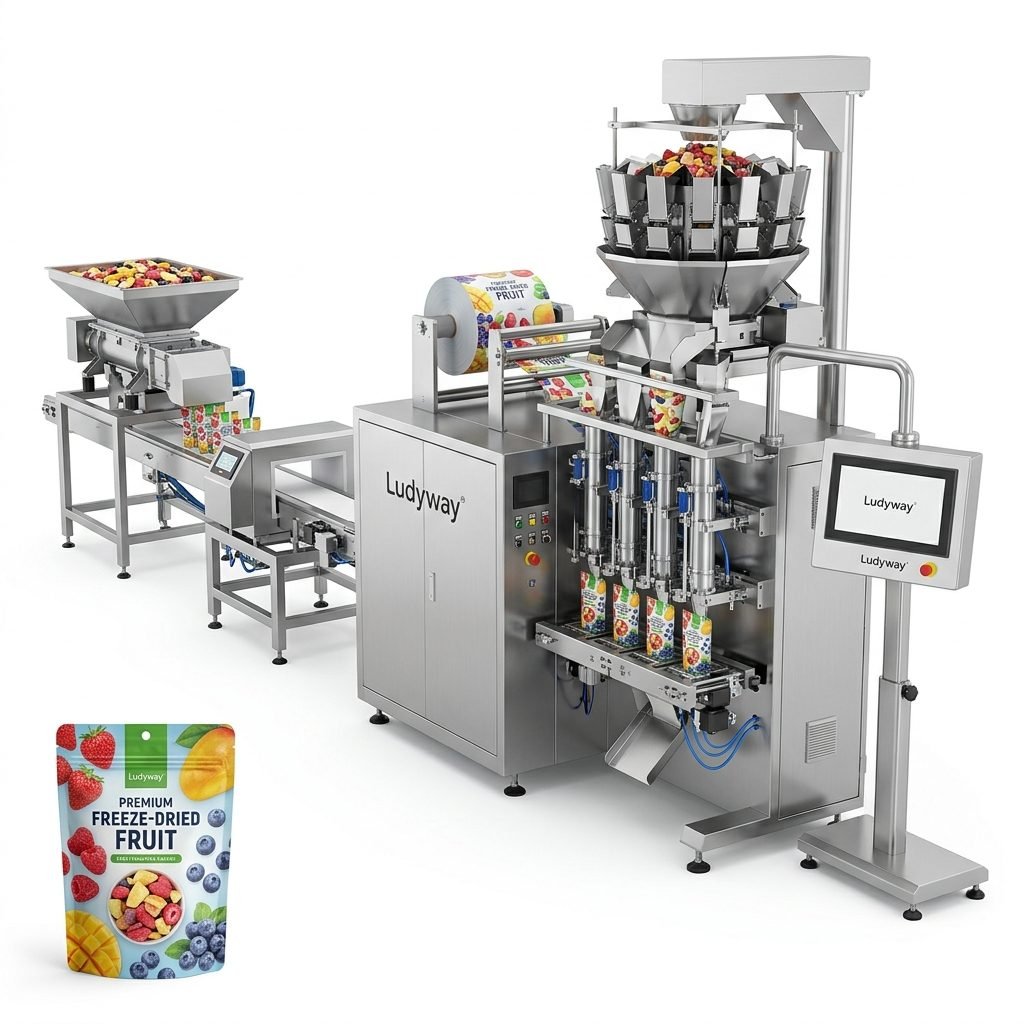
- Granules & Solids: Products like sugar, coffee beans, or nuts often require multi-head weighers and vertical form-fill-seal (VFFS) machines for precise dosing.
- Powders: Fine powders such as flour or milk powder demand auger fillers and dust-control systems to prevent spillage and ensure accuracy.
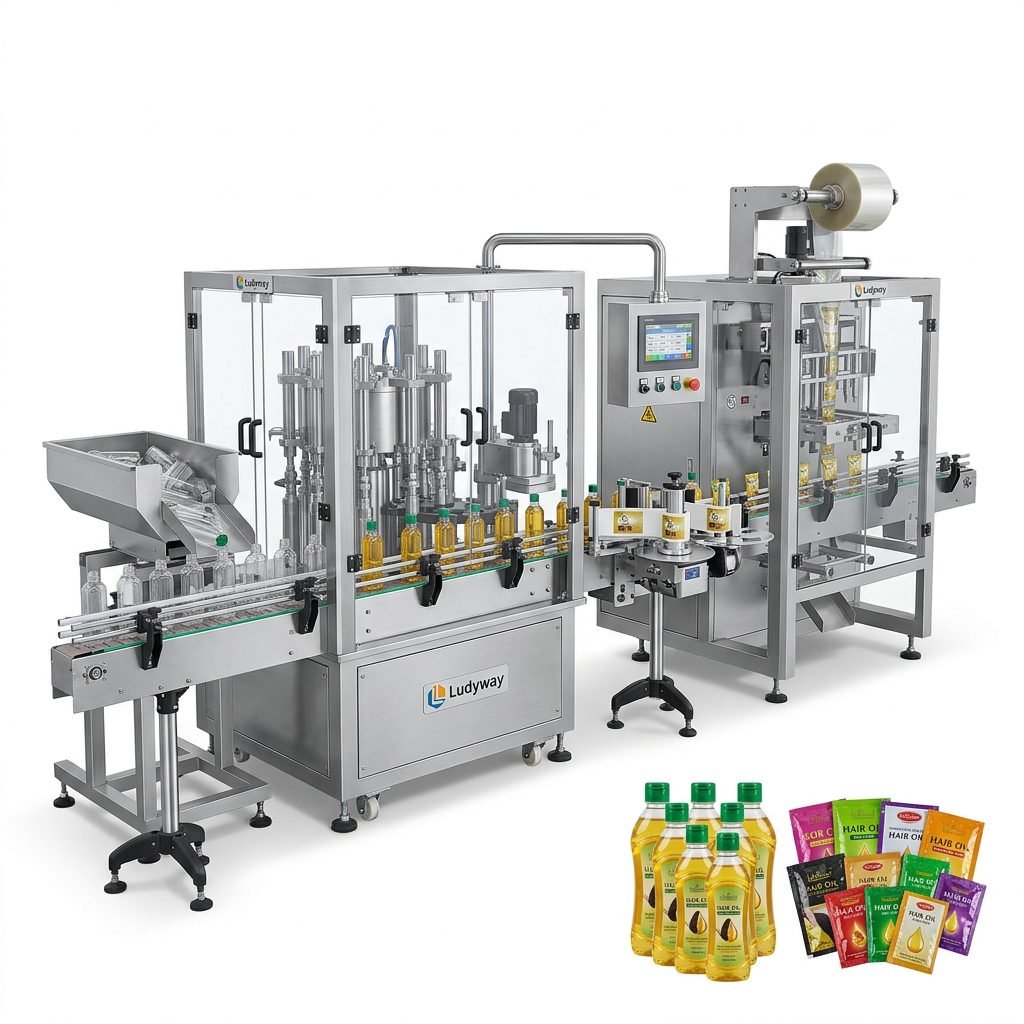
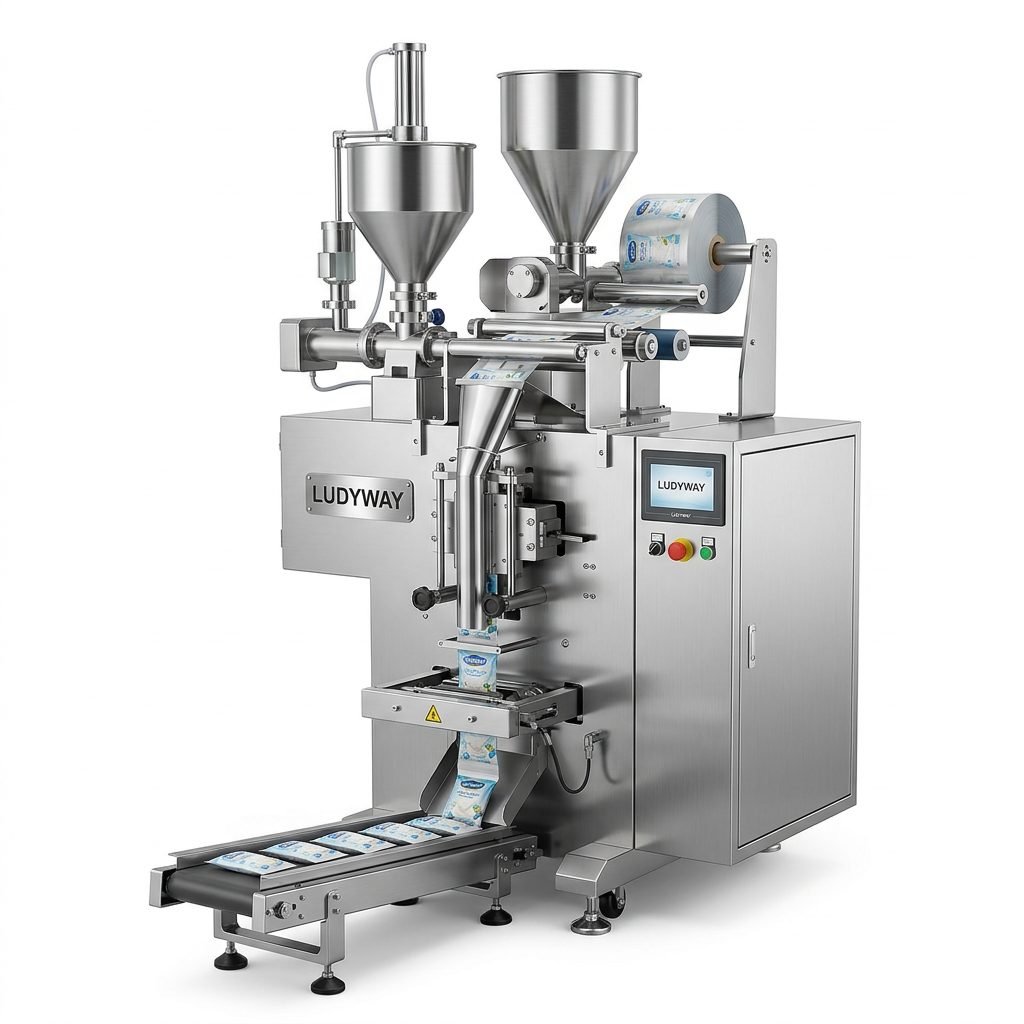
- Liquids & Pastes: Sauces, oils, and gels need piston pumps or gravity fillers with leak-proof sealing mechanisms.
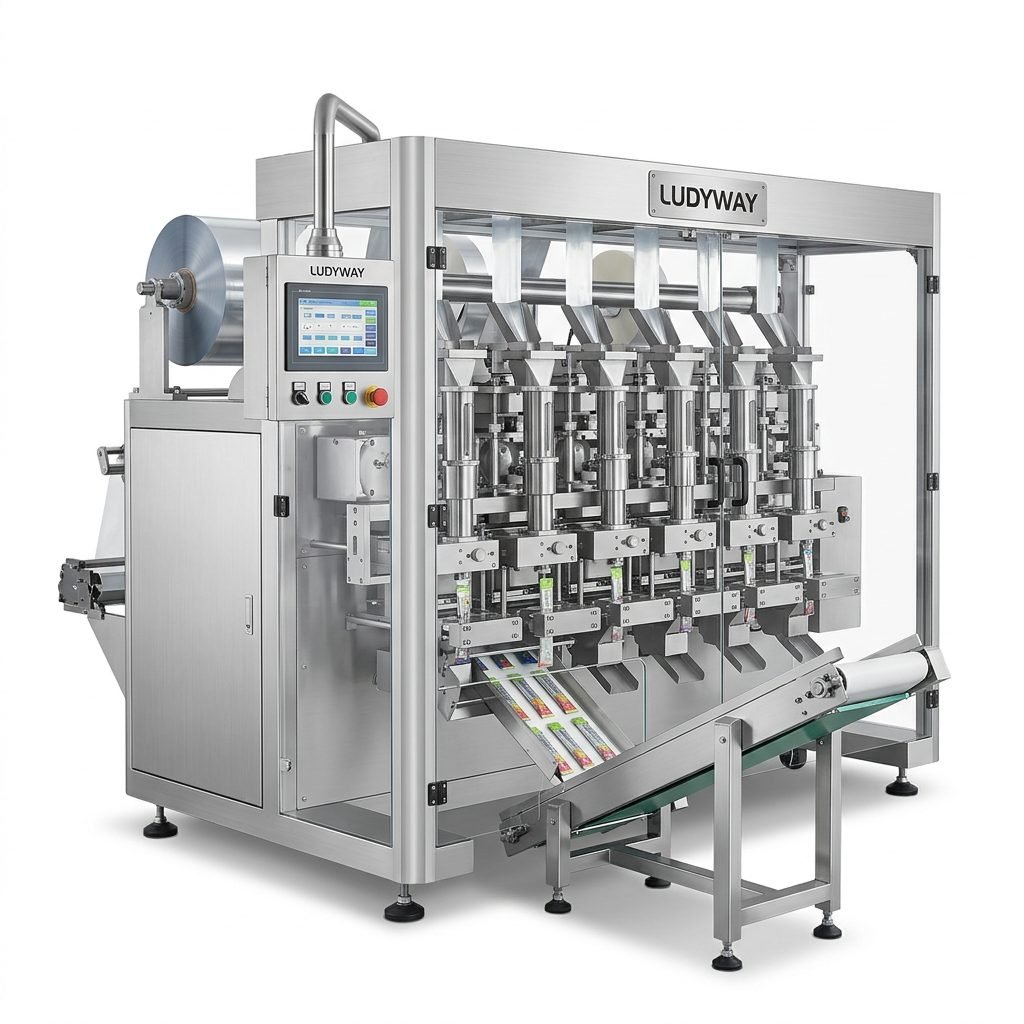
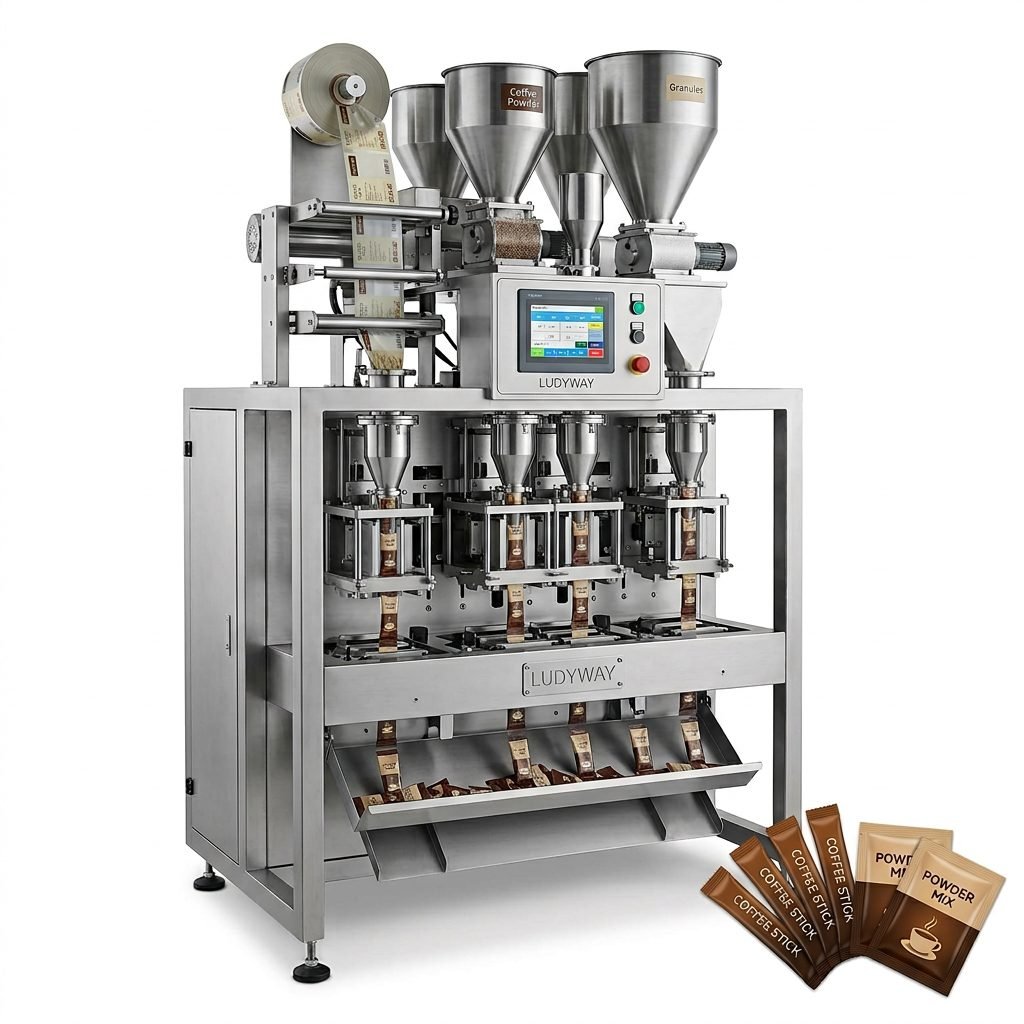
- Sachet vs. Stick Pack: In Guatemala, single-serve stick packs are growing in popularity for instant coffee and supplements, while flat sachets dominate the detergent and shampoo markets.
2. Understand the Machine Types and Their Compatibility
Modern packaging lines are not one-size-fits-all. Matching the machine architecture to your factory layout and production goals is crucial. Below is a comparison of common configurations:
| Machine Type | Best For | Key Advantage in Guatemala |
|---|---|---|
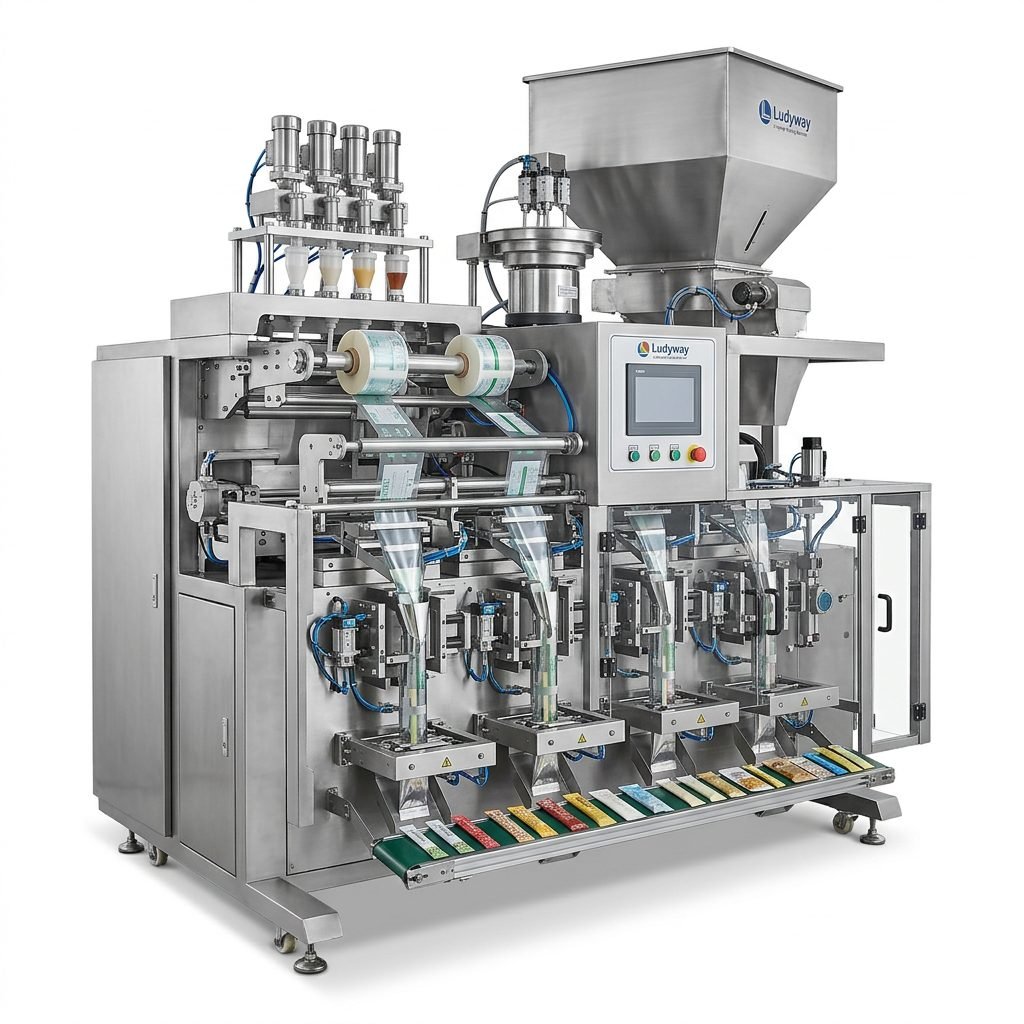
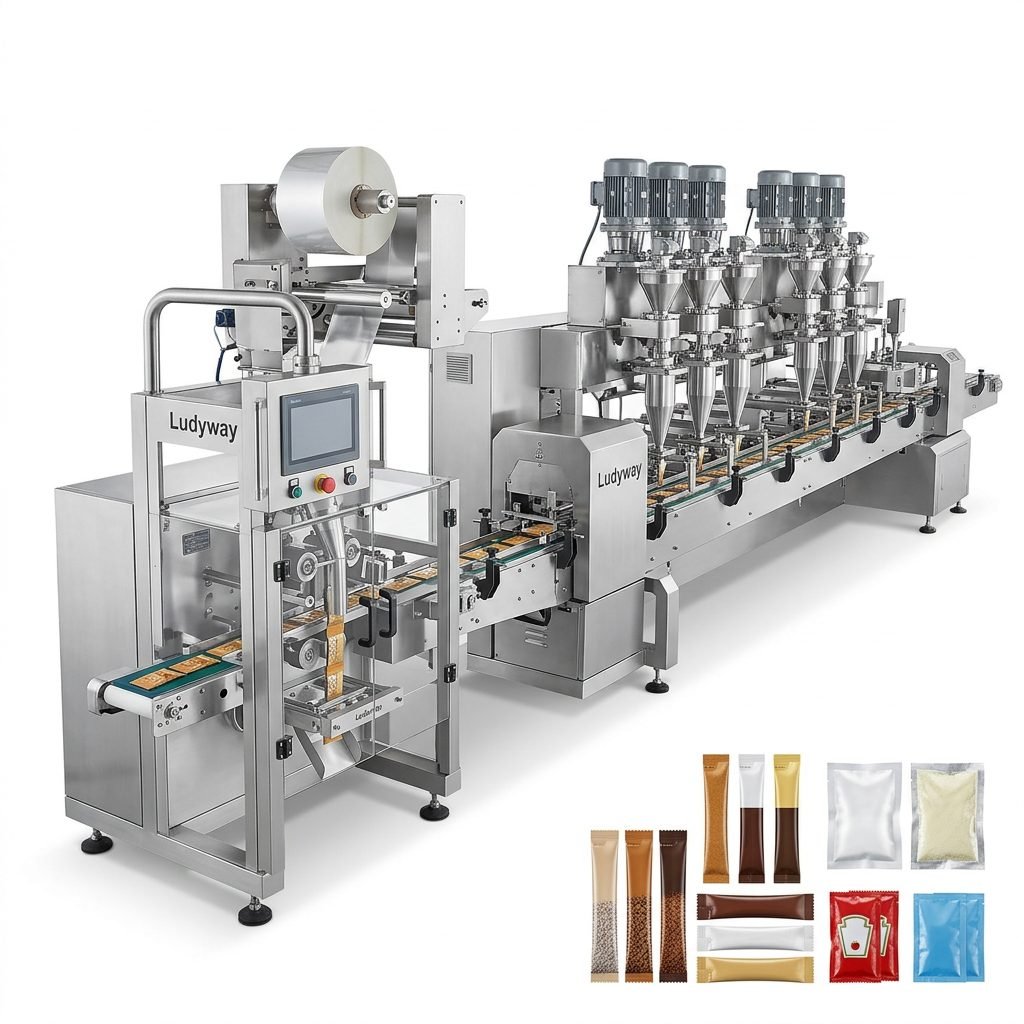
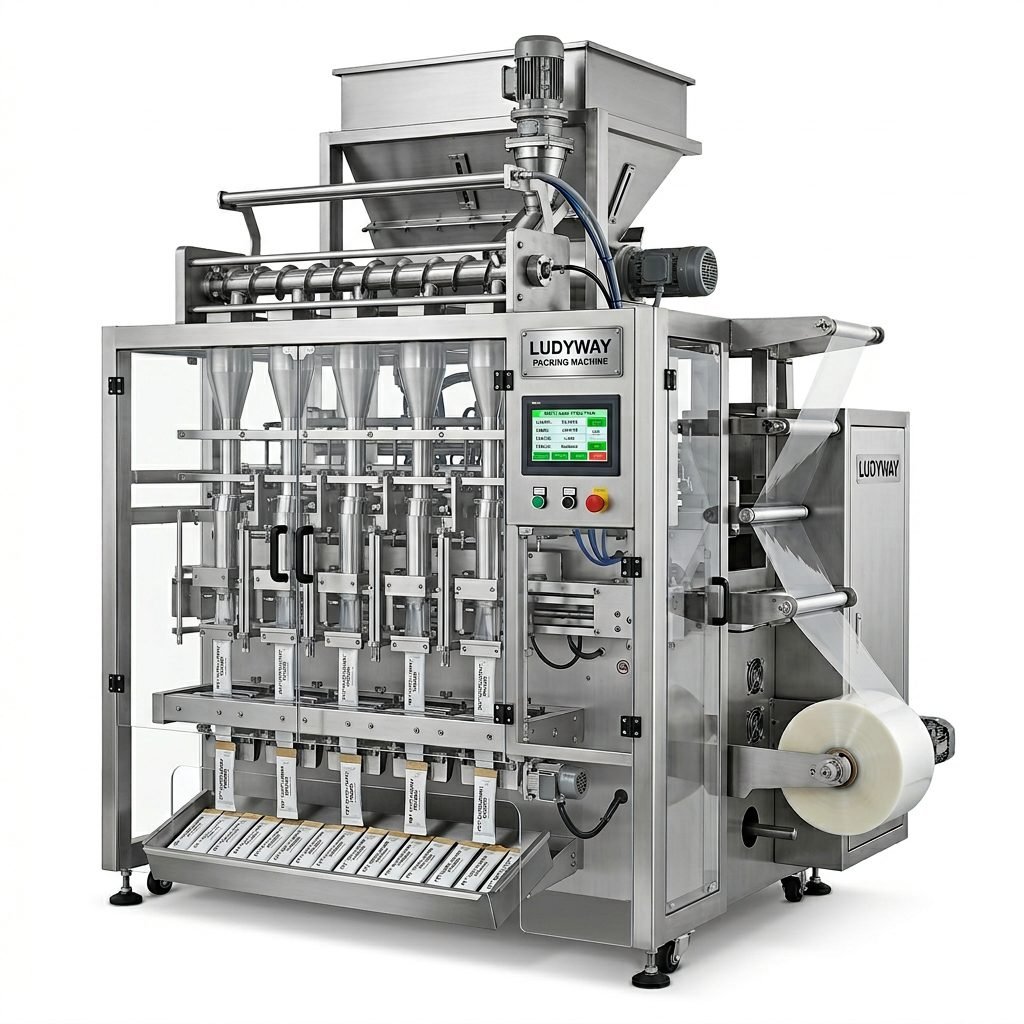
| Multi-Lane Stick Pack | Powders, granules | High output for low-cost per unit; ideal for coffee and sugar exports. |
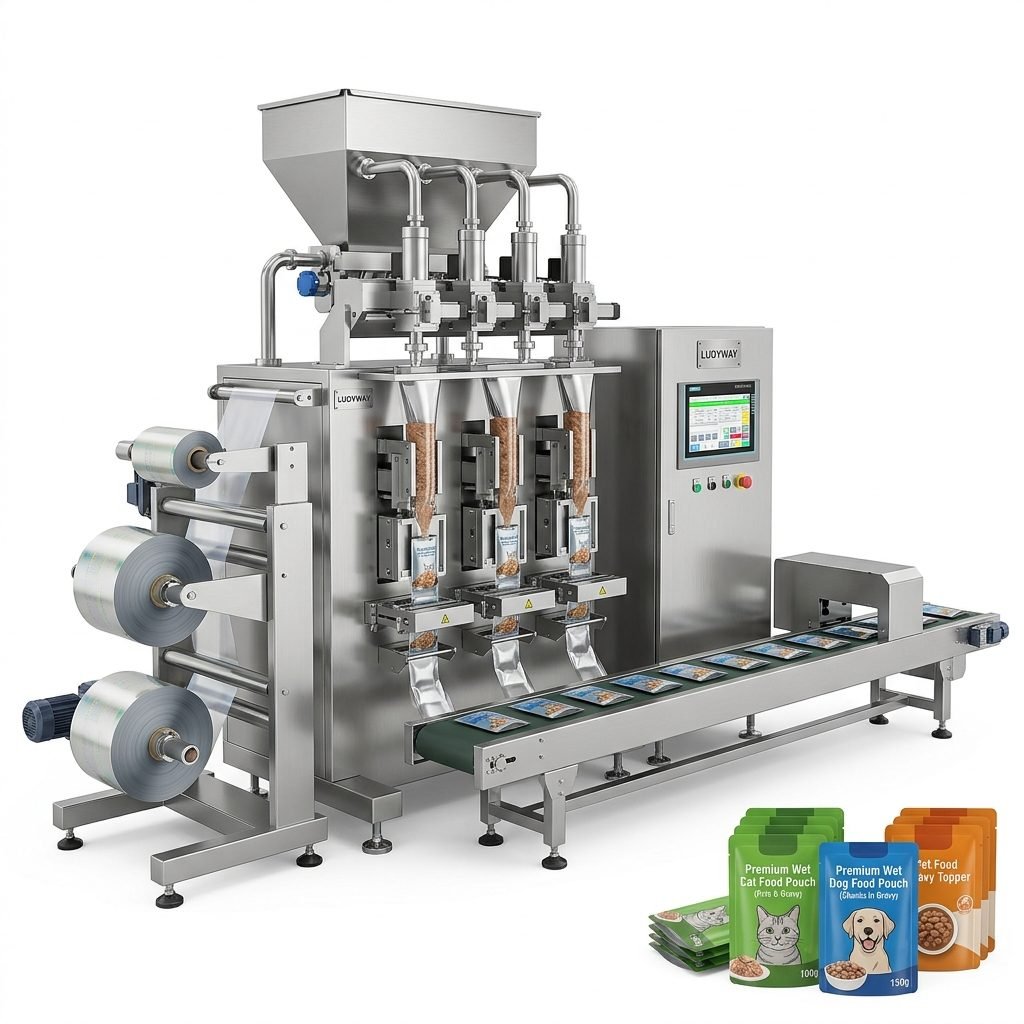
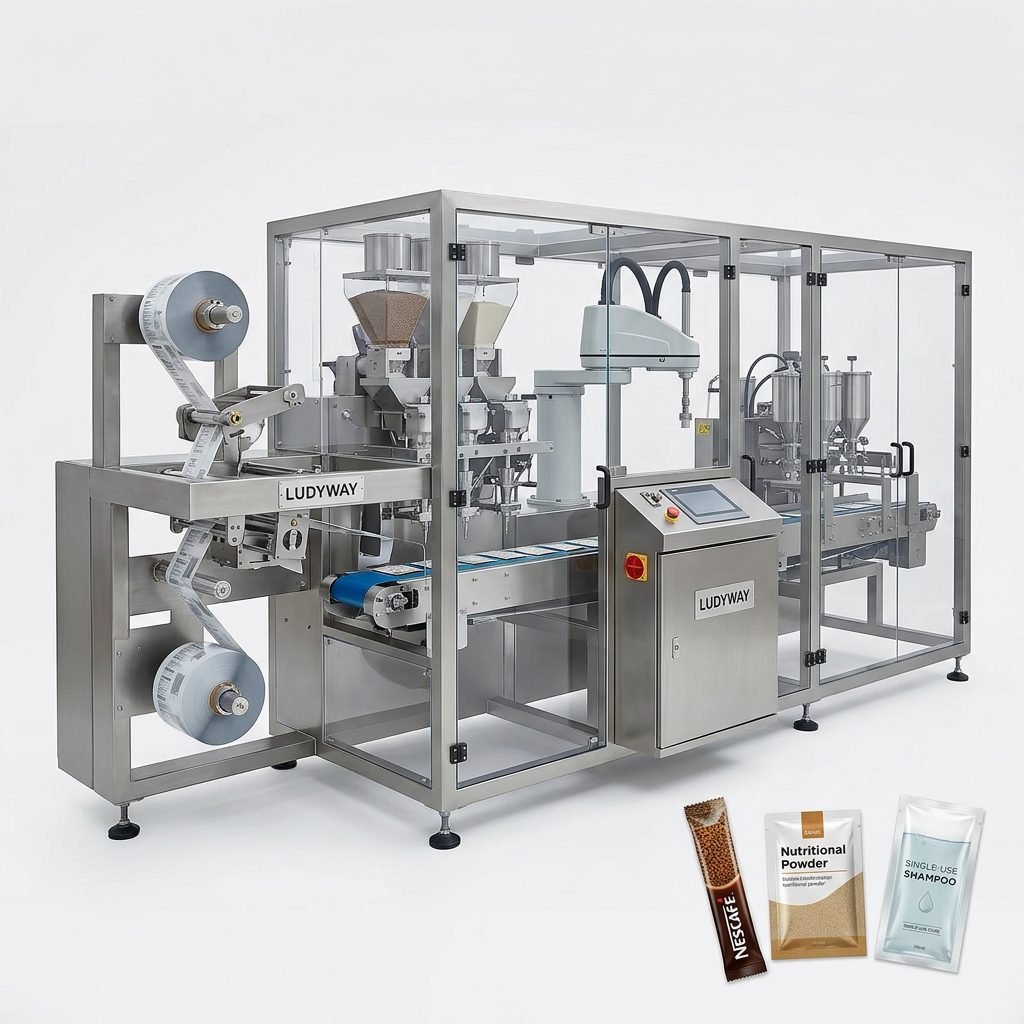
| Premade Pouch Rotary | Liquids, snacks | Superior seal integrity for the humid climate; premium shelf appeal. |
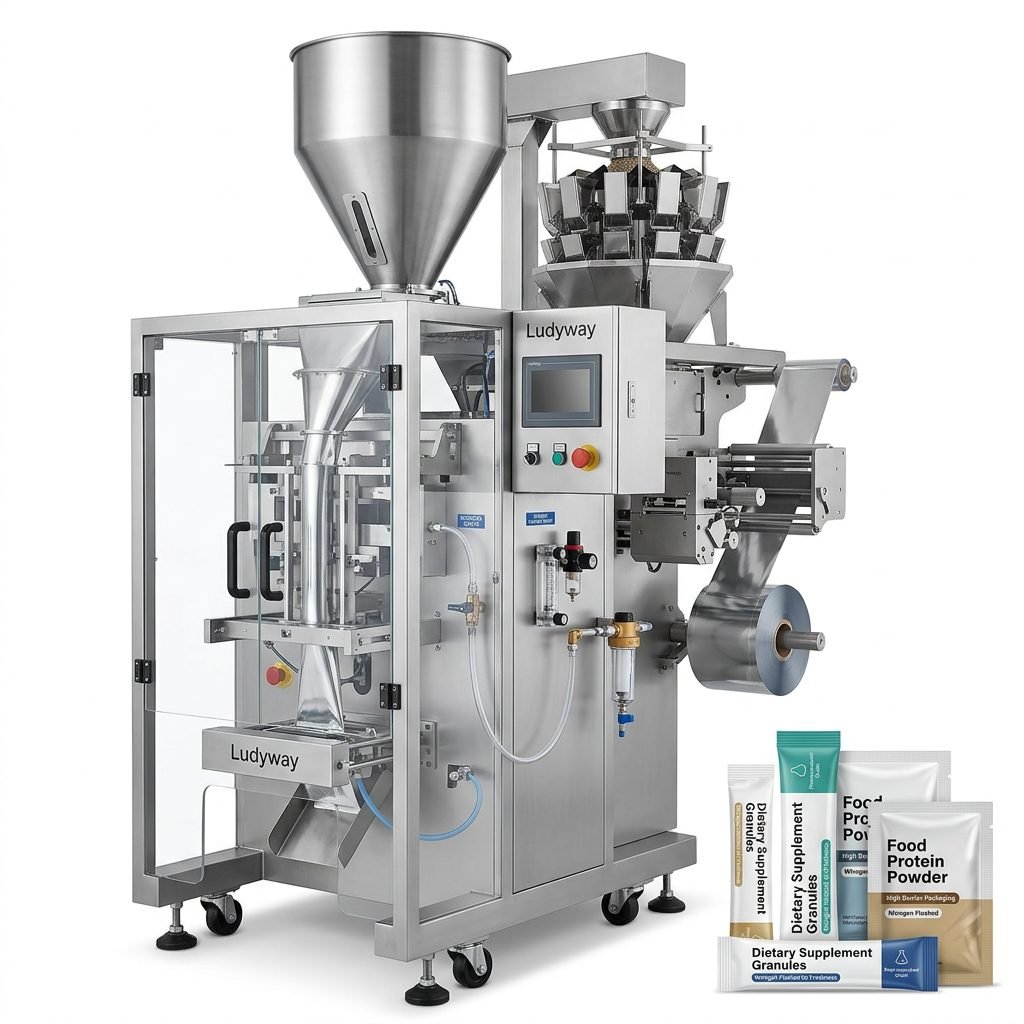
| VFFS (Vertical Form Fill Seal) | Rice, beans, bulk grains | Rugged design for heavy agricultural products; widely available support. |
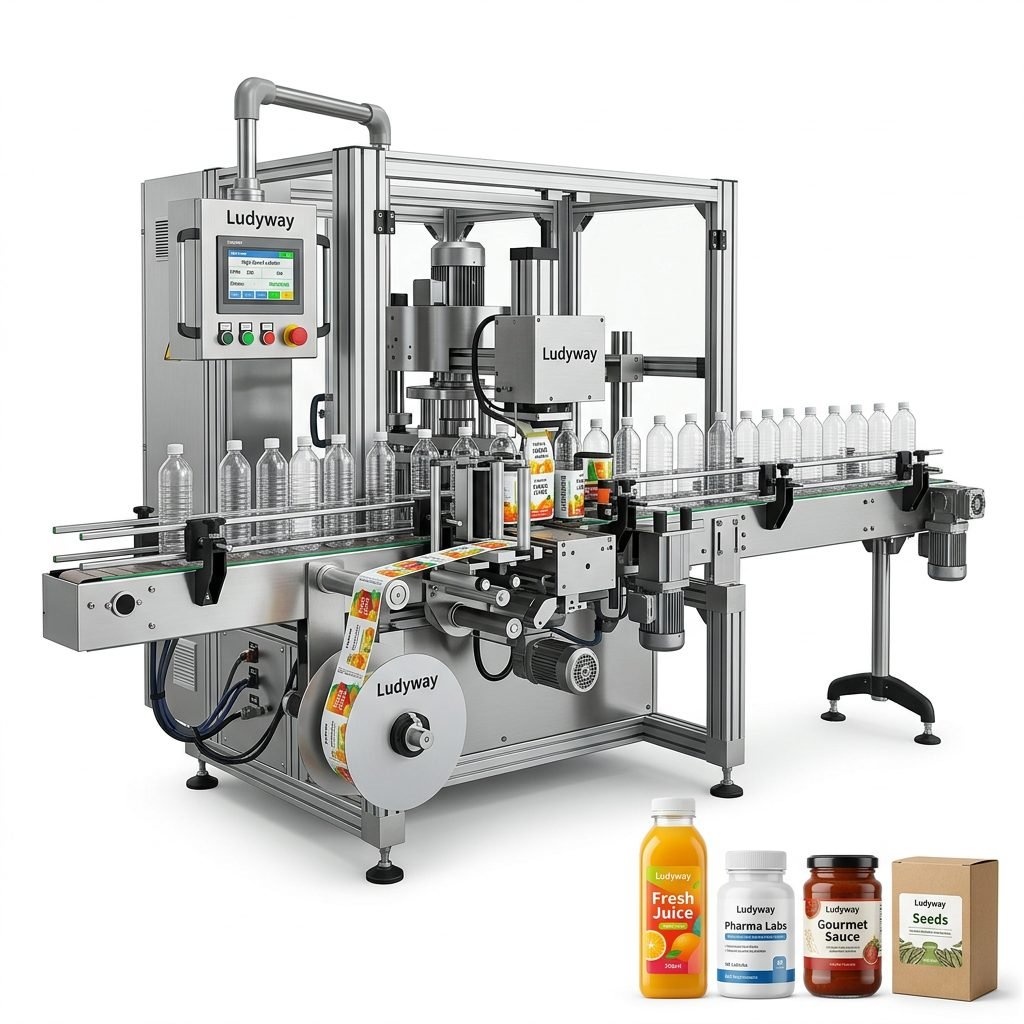
| Liquid Filling Monoblock | Bottles, jars | Compliance with hygiene standards for the growing nutraceutical sector. |
3. Speed vs. Flexibility: Matching Market Demand
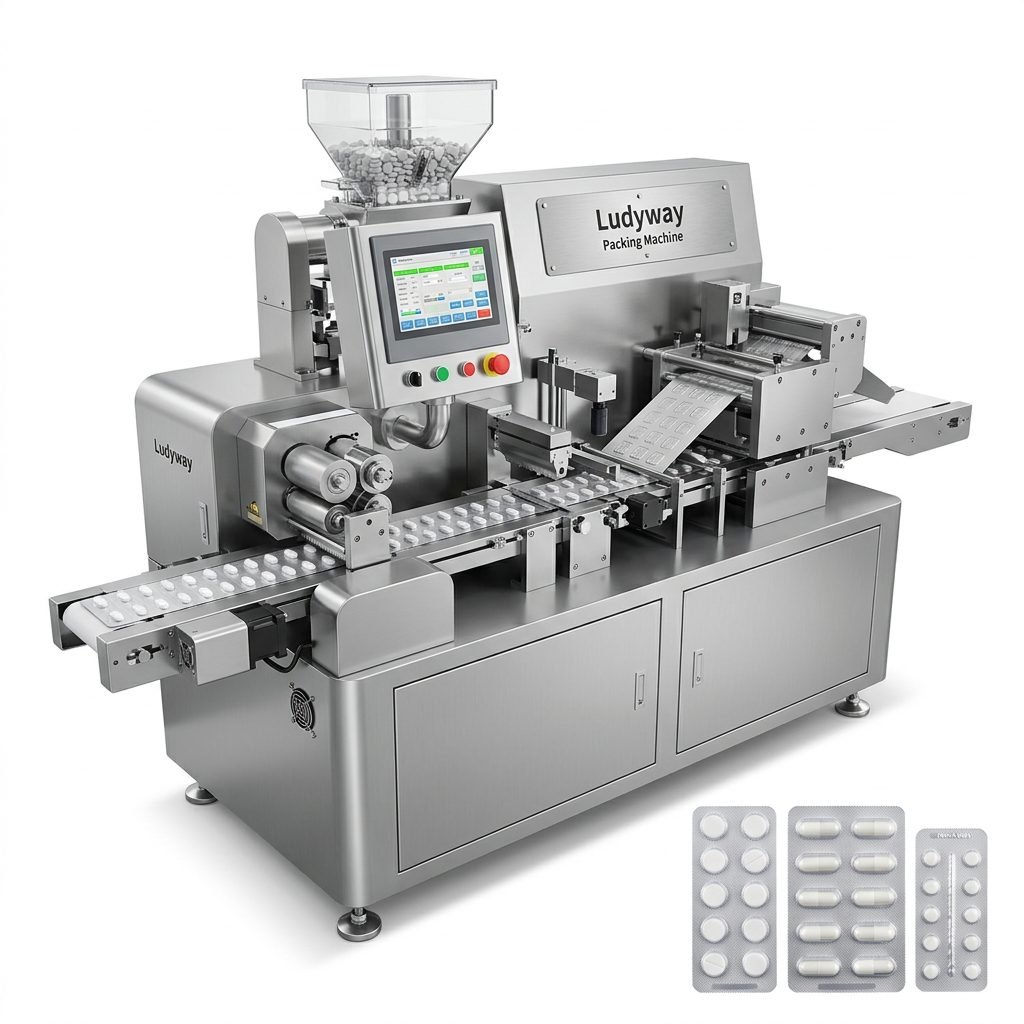
Guatemala’s industrial sector balances local consumption with a strong export focus to North and Central America. If you are a contract packer serving multiple brands, quick changeover capability is non-negotiable. However, if you are producing a single high-volume SKU for export, maximum mechanical speed and 24/7 reliability take priority.
Evaluating Throughput Requirements
Do not just look at the theoretical maximum speed. Real-world efficiency depends on film quality, environmental humidity, and operator skill. A high-speed multi-lane machine rated at 400 packs per minute might deliver a consistent 320-350 ppm in a standard Guatemalan facility. Always run test samples with your specific Guatemalan-sourced raw materials before purchasing.
4. Critical Technical Features for Operational Success
When comparing specifications, deep-dive into the engineering details that prevent downtime:
- Servo-Driven Motors: Ensure the critical motion axes (sealing jaws, film pull) are servo-controlled rather than pneumatic for precise sealing temperatures and cut-off lengths.
- Easy Clean Design: If you process both dairy and grain products, a tool-free disassembly design prevents cross-contamination and speeds up allergen changeovers.
- Industrial IoT Readiness: Look for machines that support OPC UA or similar protocols. This allows you to integrate the packaging line into your ERP system for real-time production monitoring, a growing requirement for FDA and EU export compliance.
- Gas Flushing Capability: For perishable Guatemalan exports like freeze-dried fruits or premium coffee, nitrogen flushing or vacuum sealing is essential to prevent oxidation during transit.
5. Navigating Guatemala’s Operational Landscape
Selecting machinery for Guatemala involves unique environmental and logistical variables. The local voltage stability, for instance, requires machines with robust power regulation transformers. Furthermore, given the warm and humid zones of the country, stainless steel construction (SUS304 or higher) is mandatory to prevent rust and ensure food safety compliance under RTCA standards.
Supply Chain for Spare Parts
Prioritize suppliers who can offer remote diagnostics and have a distribution hub in the Americas. Delays in shipping specific sealing bands or former tubes from Asia can halt production for weeks. A reliable manufacturer will provide a comprehensive preventive maintenance schedule and a list of recommended spare parts to keep in stock locally.
6. The Total Cost of Ownership (TCO) in the Guatemalan Context
The cheapest machine often becomes the most expensive. Calculate TCO by factoring in:
- Film Waste Rate: A budget machine might waste 3-5% of packaging film during splices and adjustments, while a precision machine keeps it under 1%.
- Energy Efficiency: Modern servo-driven multi-lane machines can reduce electricity consumption by up to 30% compared to older clutch-and-brake models.
- Labor Reduction: A fully automated counting, filling, and cartoning line can reduce headcount from 10 manual workers to 2 skilled operators, significantly lowering long-term costs in Guatemala’s labor market.
7. Finding a Strategic Partner, Not Just a Vendor
The transition to automation requires more than just a shipment. You need engineering support for factory layout and integration with upstream (mixers, conveyors) and downstream (checkweighers, case packers) equipment. A proven industry leader like Ludyway offers turnkey solutions that encompass granule, powder, liquid, and pouch packaging—backed by a 20,000㎡ manufacturing facility and expertise in over 100 countries. A credible partner will conduct a Factory Acceptance Test (FAT) before shipping, ensuring the line is performing with your product, your film, and your validation standards before it arrives in Guatemala.
8. Essential Questions to Ask Your Equipment Supplier
Before signing the contract, use this checklist to vet the packaging machine manufacturer:
- Can you provide video proof of the machine running at 90% of rated speed for 8 continuous hours?
- What is the standard warranty coverage, and is there a service partner network in Central America?
- Does the control system offer Spanish language support for our operators?
- Can you supply a turnkey line including an automatic carton sealer and palletizer?
- What are the specific environmental requirements for installation?
The Future of Packaging Machinery in Guatemala
As regional trade agreements strengthen and consumer demand shifts toward single-serve convenience, the right packaging machinery becomes a competitive advantage. By focusing on product compatibility, rugged machine design, and a trusted supply partner, Guatemalan manufacturers can achieve world-class packaging quality that opens doors to international retailers. Whether you are packing innovative food products or pharmaceuticals, precision engineering ensures your product arrives intact and visually appealing on global shelves.