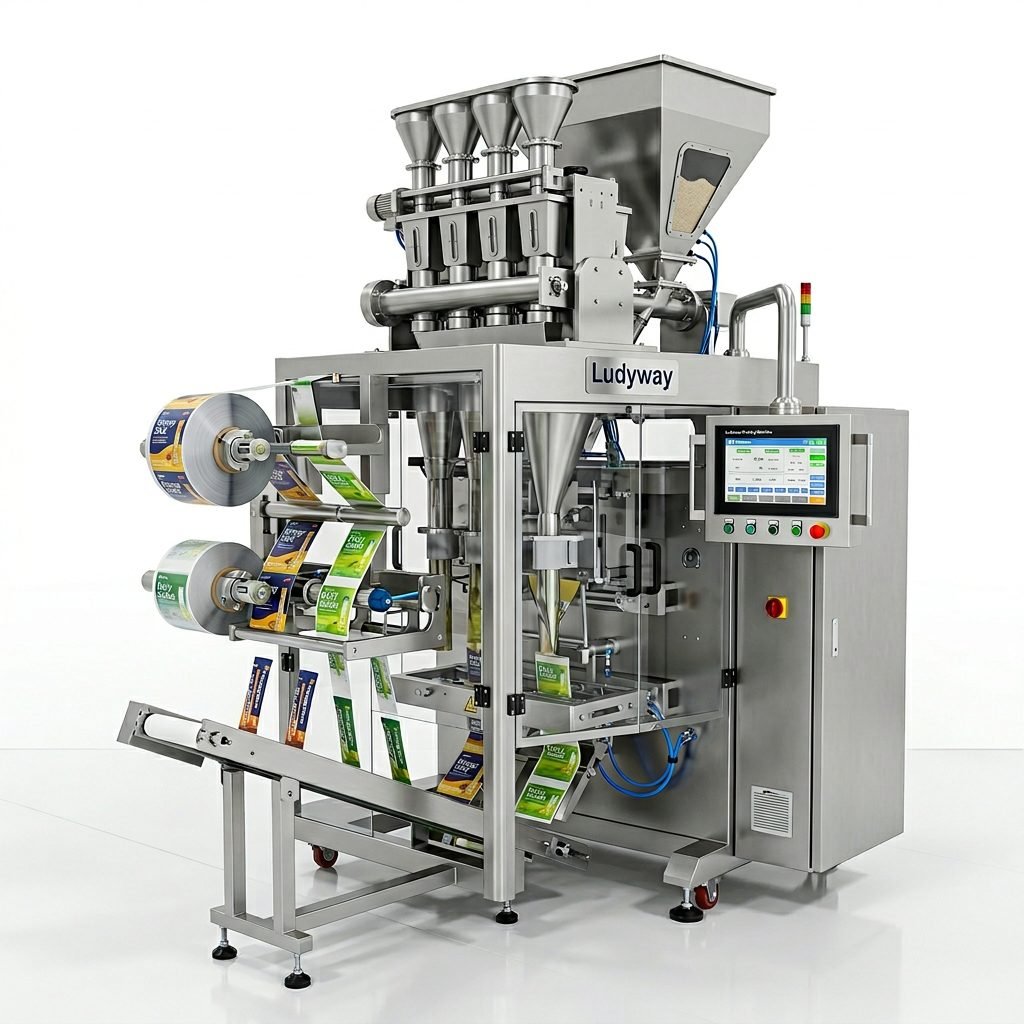
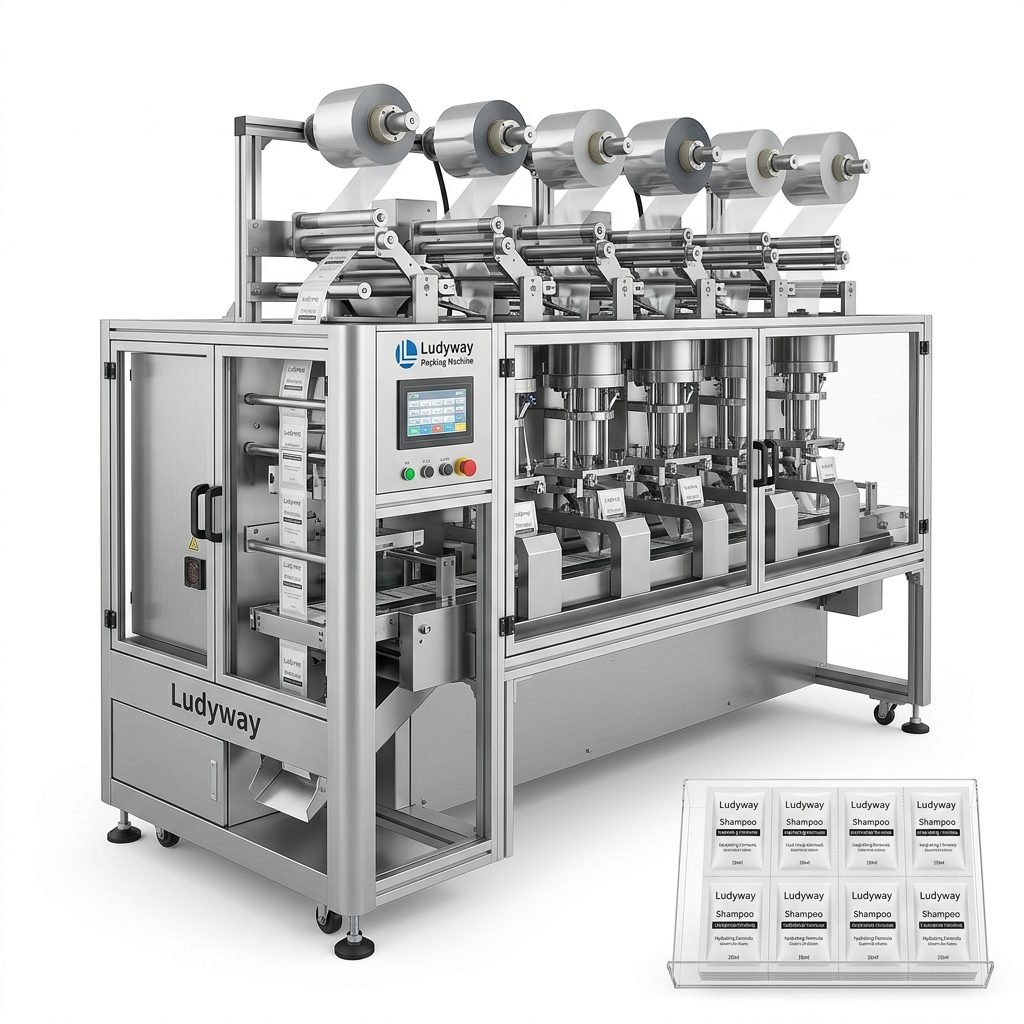
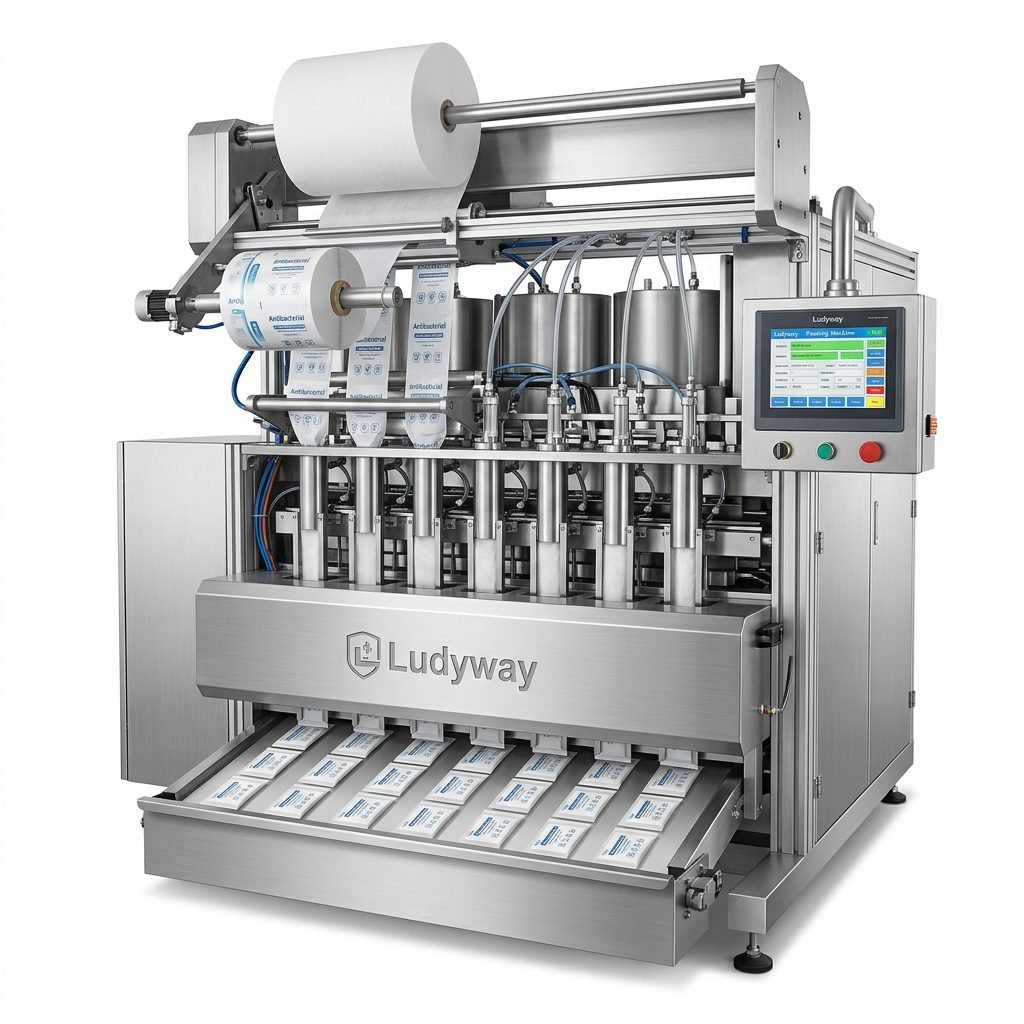
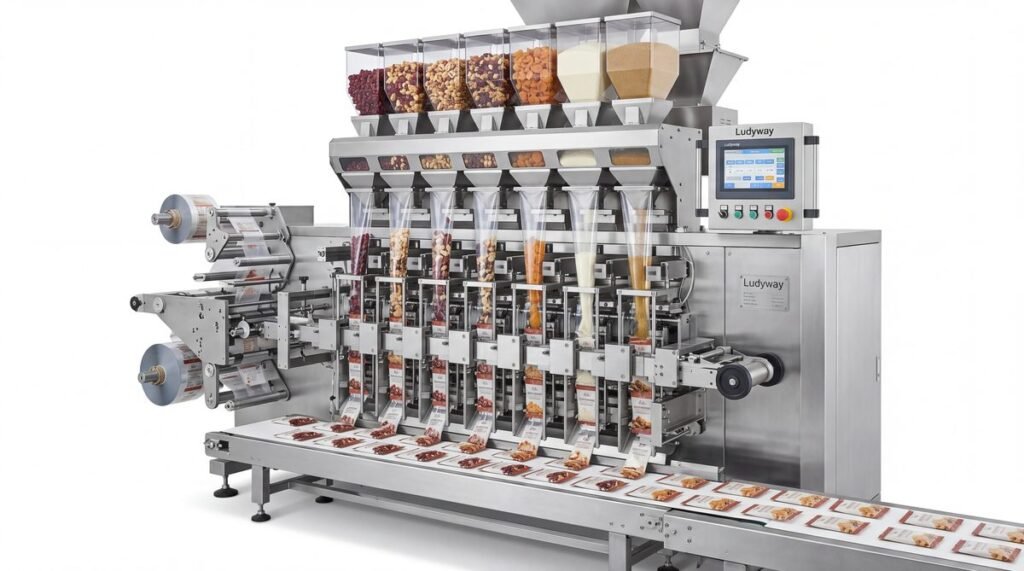
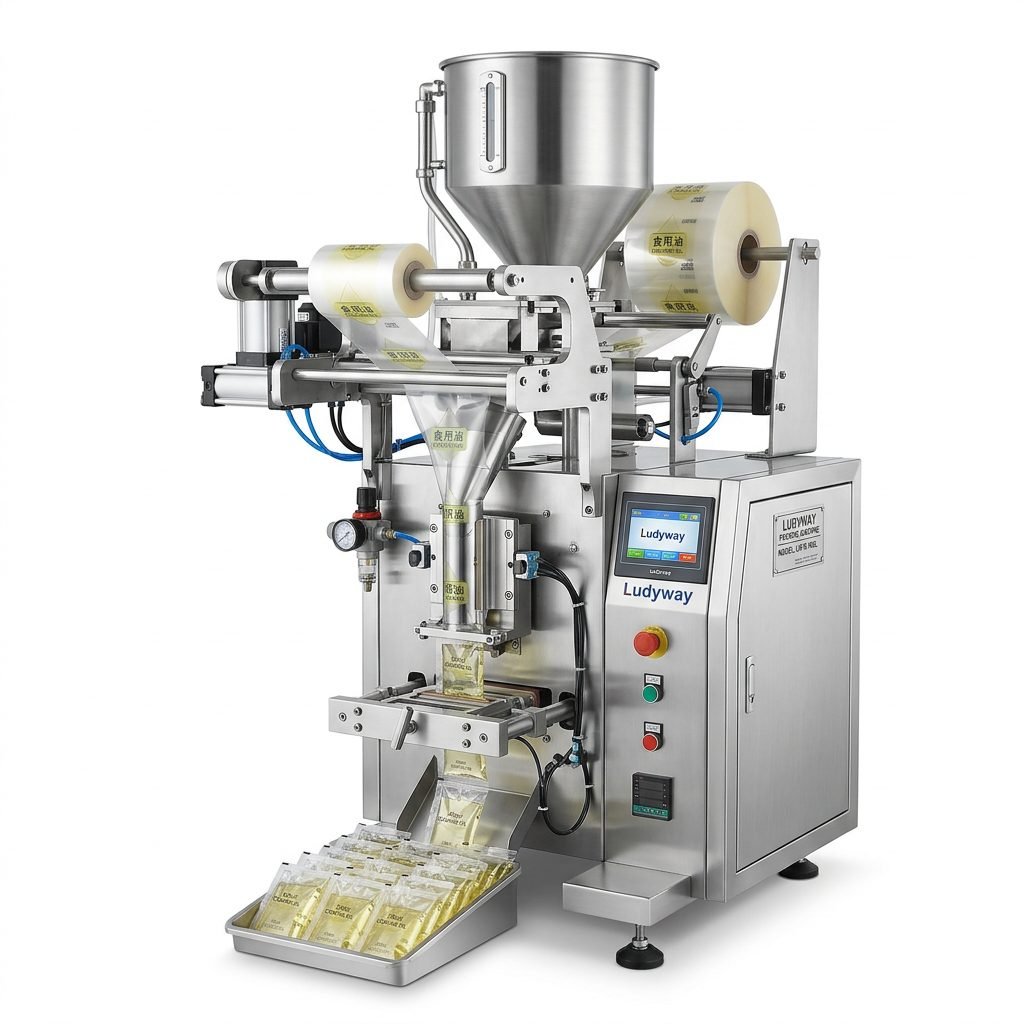
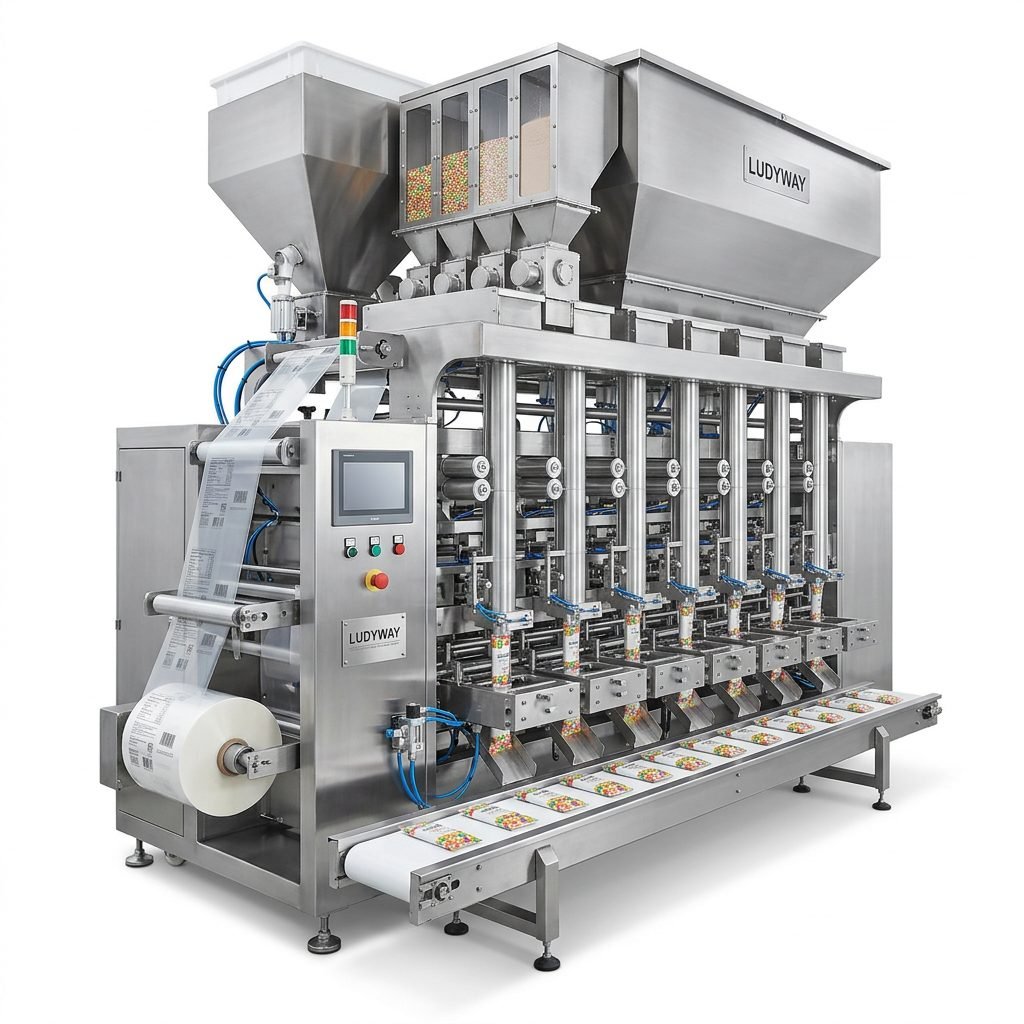
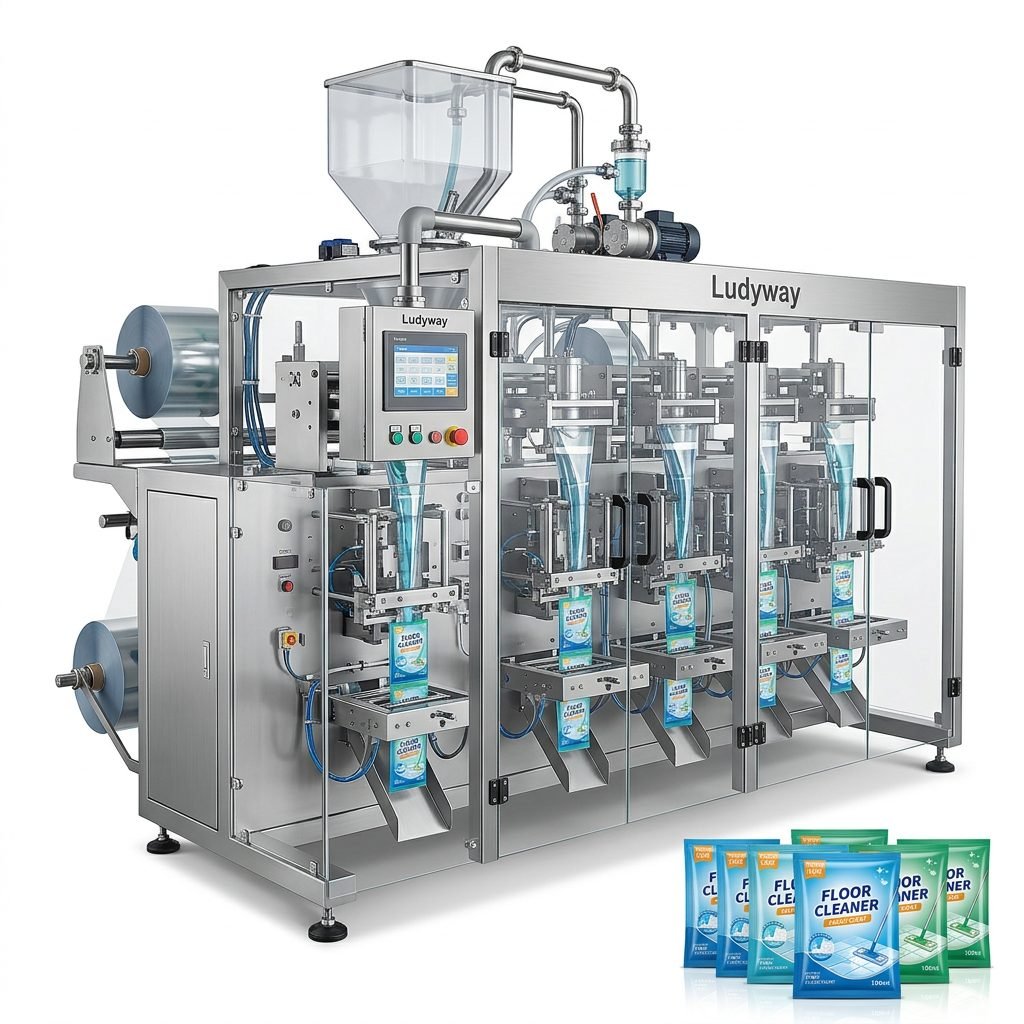
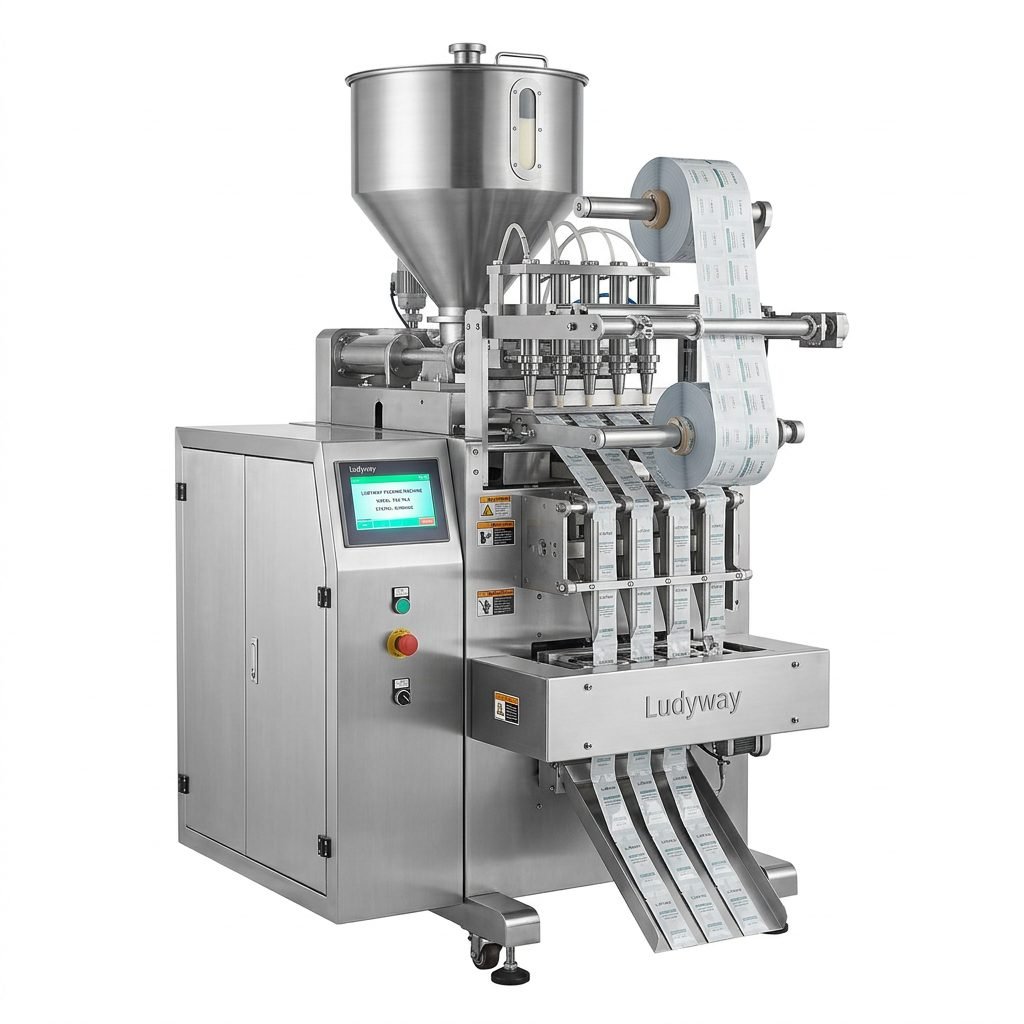
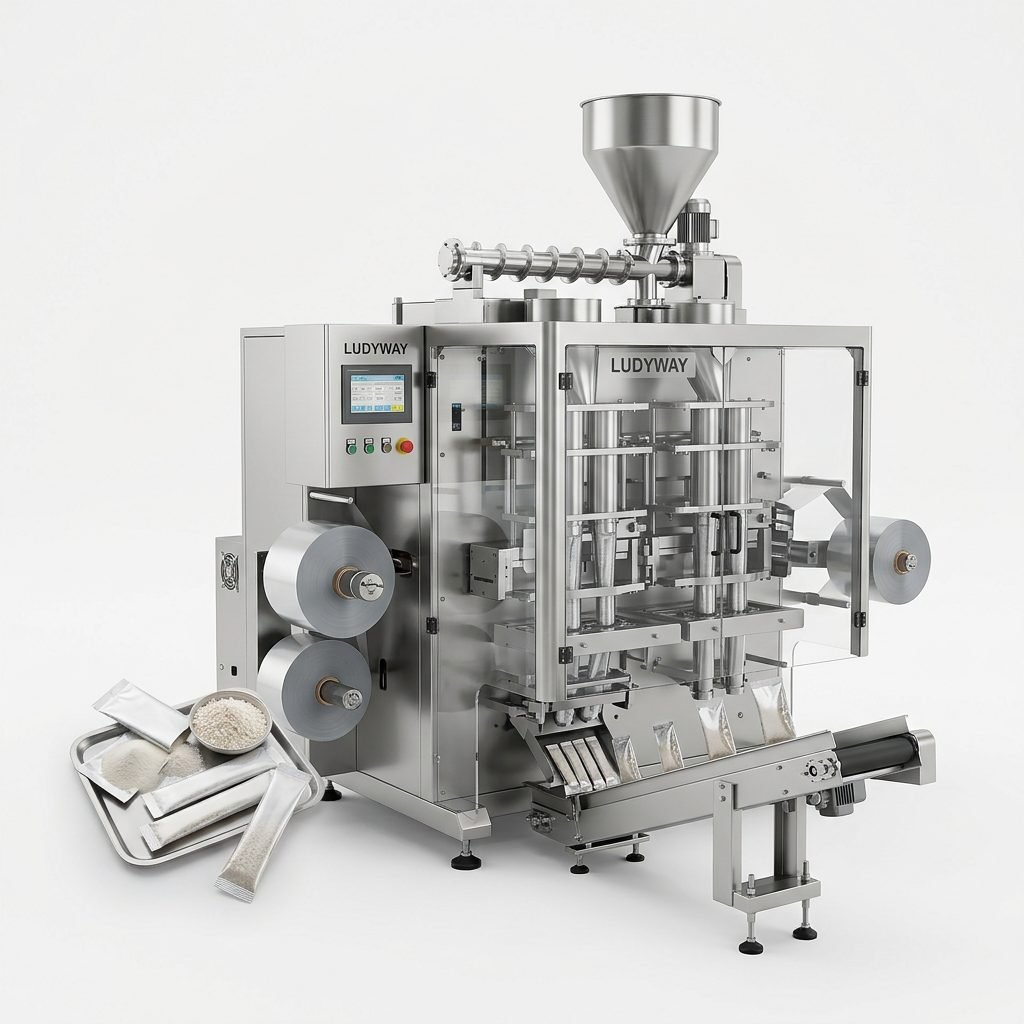
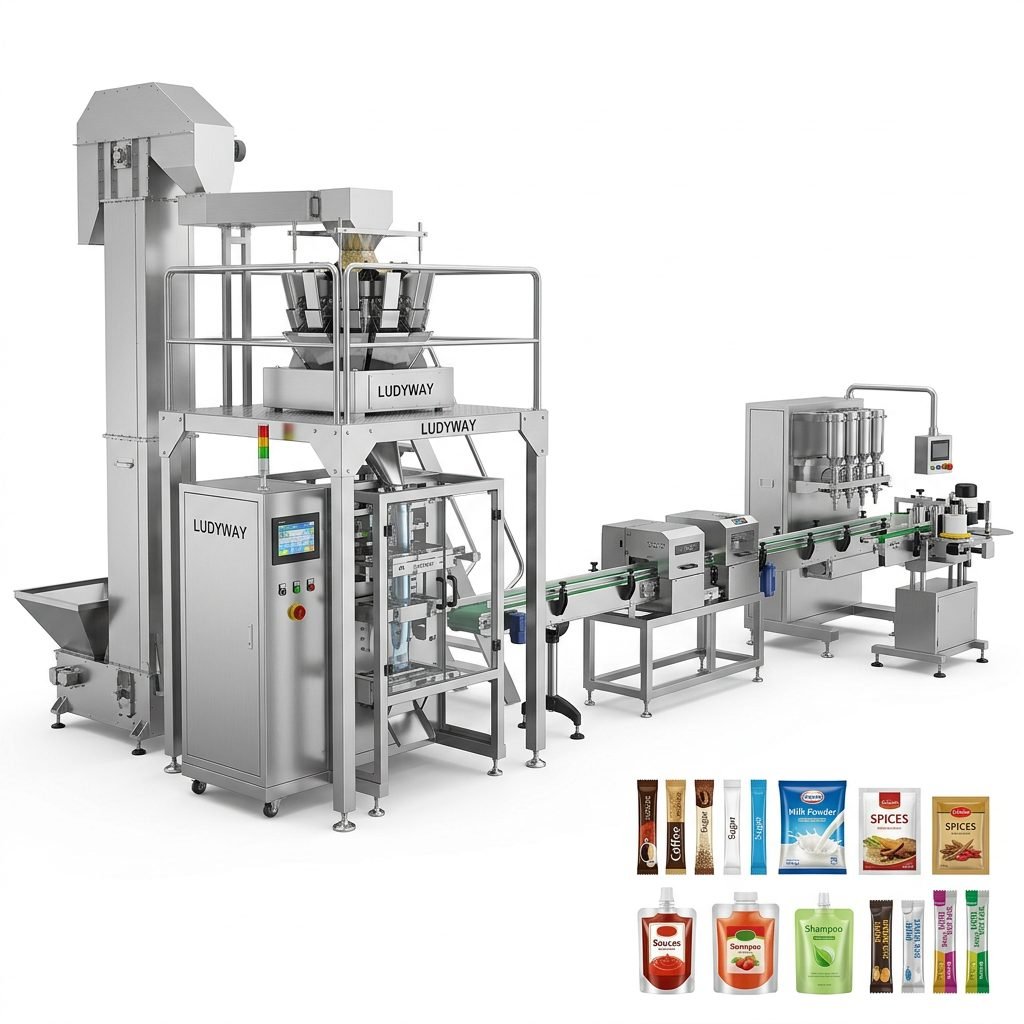
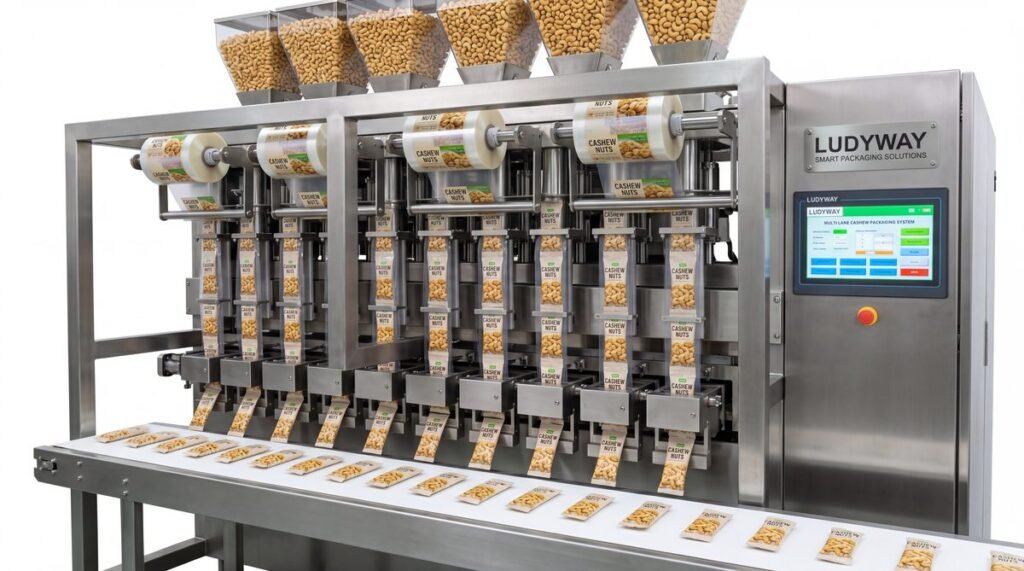
Choosing the right packaging machine manufacturer in Oceania is a critical decision for businesses across Australia, New Zealand, and the surrounding islands. The region’s diverse market, spanning from large-scale food producers in Australia to specialized pharmaceutical and health supplement companies in New Zealand, demands packaging solutions that are not only efficient but also adaptable to local regulations and consumer preferences. For businesses looking to automate granule, powder, liquid, or pouch packaging, partnering with a manufacturer that understands the unique needs of the Oceania market is essential for long-term success.
Understanding Your Business Needs in the Oceania Market
Before starting your search, clearly define your operational requirements. Consider the type of product you are packaging—whether it’s food granules, pharmaceutical powders, health supplements, or liquid condiments. Oceania has stringent food safety and pharmaceutical standards, particularly in Australia (FSANZ) and New Zealand (MPI), so compliance is non-negotiable. Determine your required production speed, packaging formats (sachet, stick pack, pouch), and future scalability needs. A manufacturer with experience in your specific industry segment will be better equipped to recommend a solution that aligns with both your technical needs and regional compliance requirements.
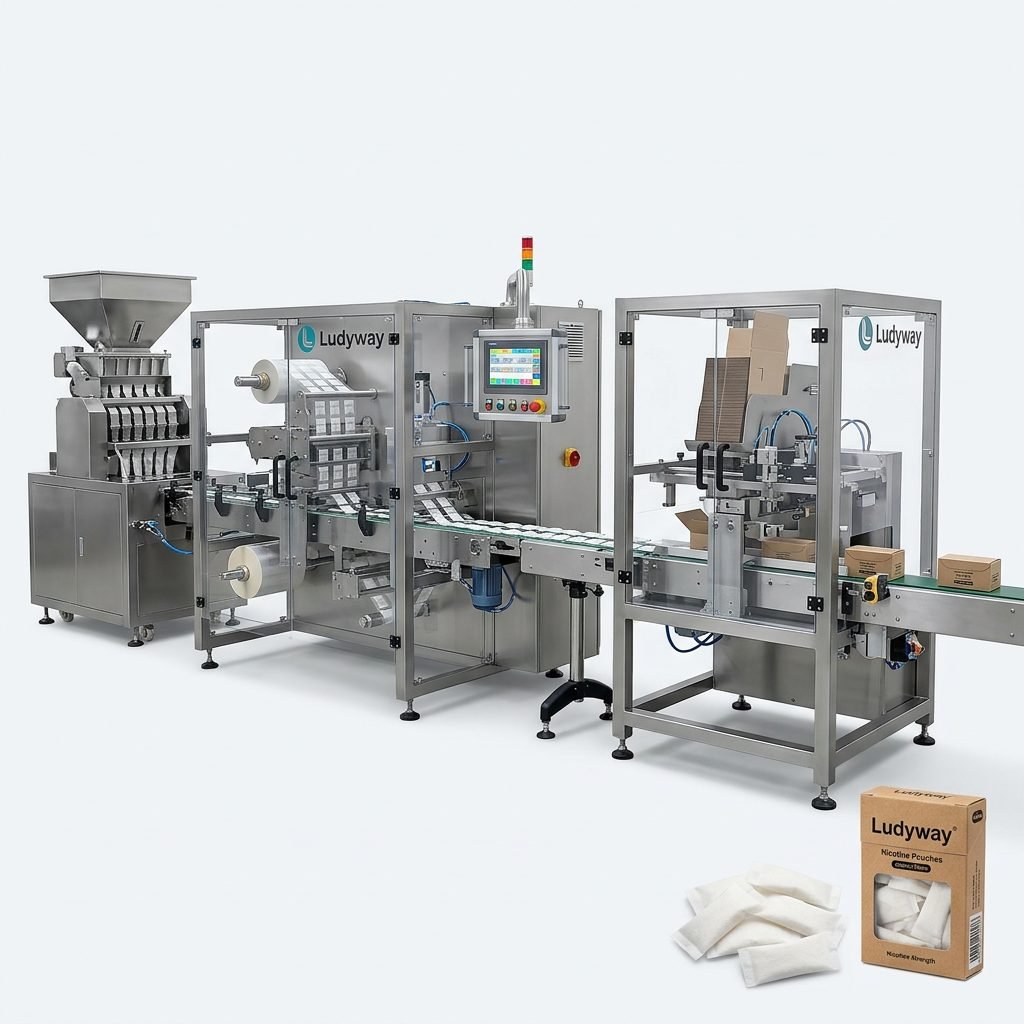
Key Factors for Evaluating Manufacturers
When assessing potential partners, several core factors separate reliable manufacturers from the rest. These are especially important when sourcing machinery for Oceania, where technical support and parts availability can be challenging due to geographical distance.
1. Proven Industry Experience & Specialization
Look for a manufacturer with a solid track record in your specific sector. For instance, Ludyway has over 30 years of expertise providing turnkey solutions for the food, pharmaceutical, and health industries. This deep experience means they understand the nuances of packaging everything from Australian tea granules to New Zealand-manufactured protein powders. Similarly, a specialized manufacturer like SnusMachinery focuses on the niche oral tobacco and nicotine pouch sector, which has specific market demands.
2. Technical Capability and Product Range
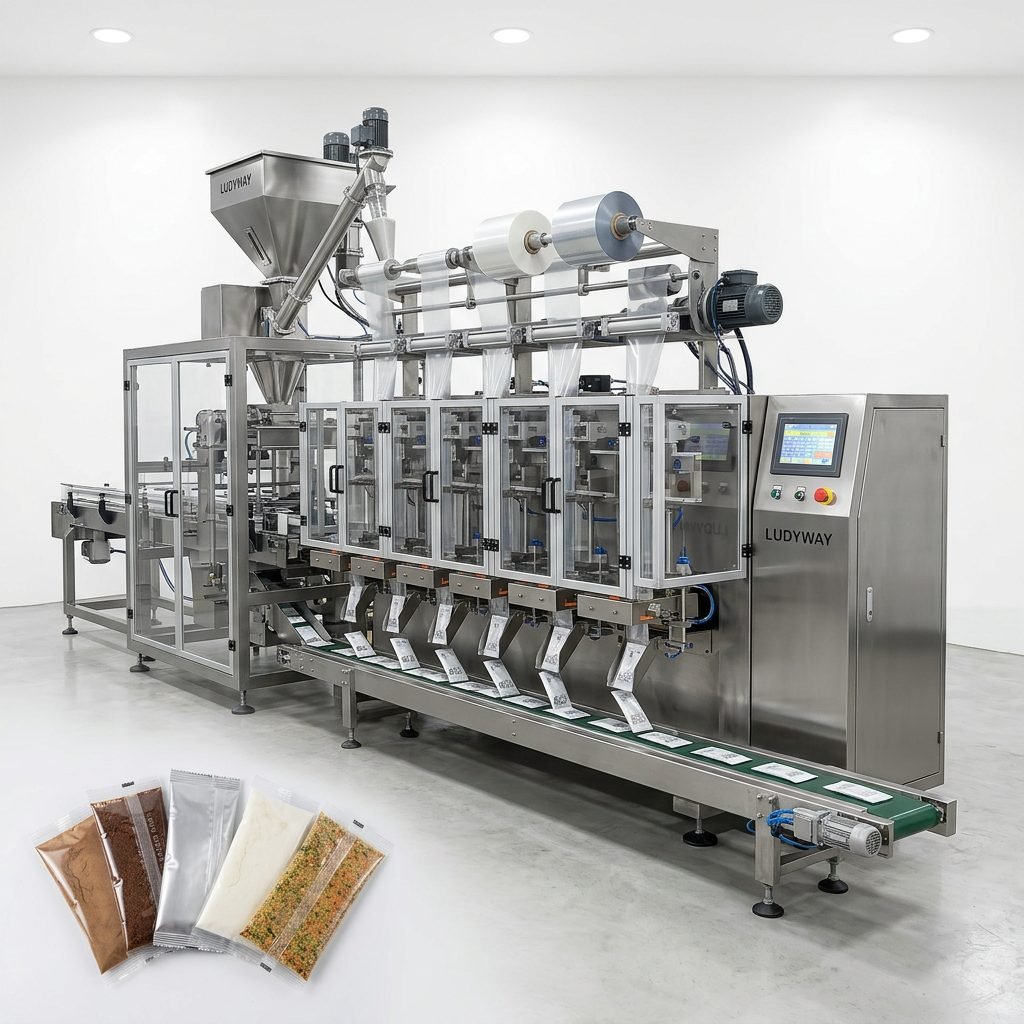
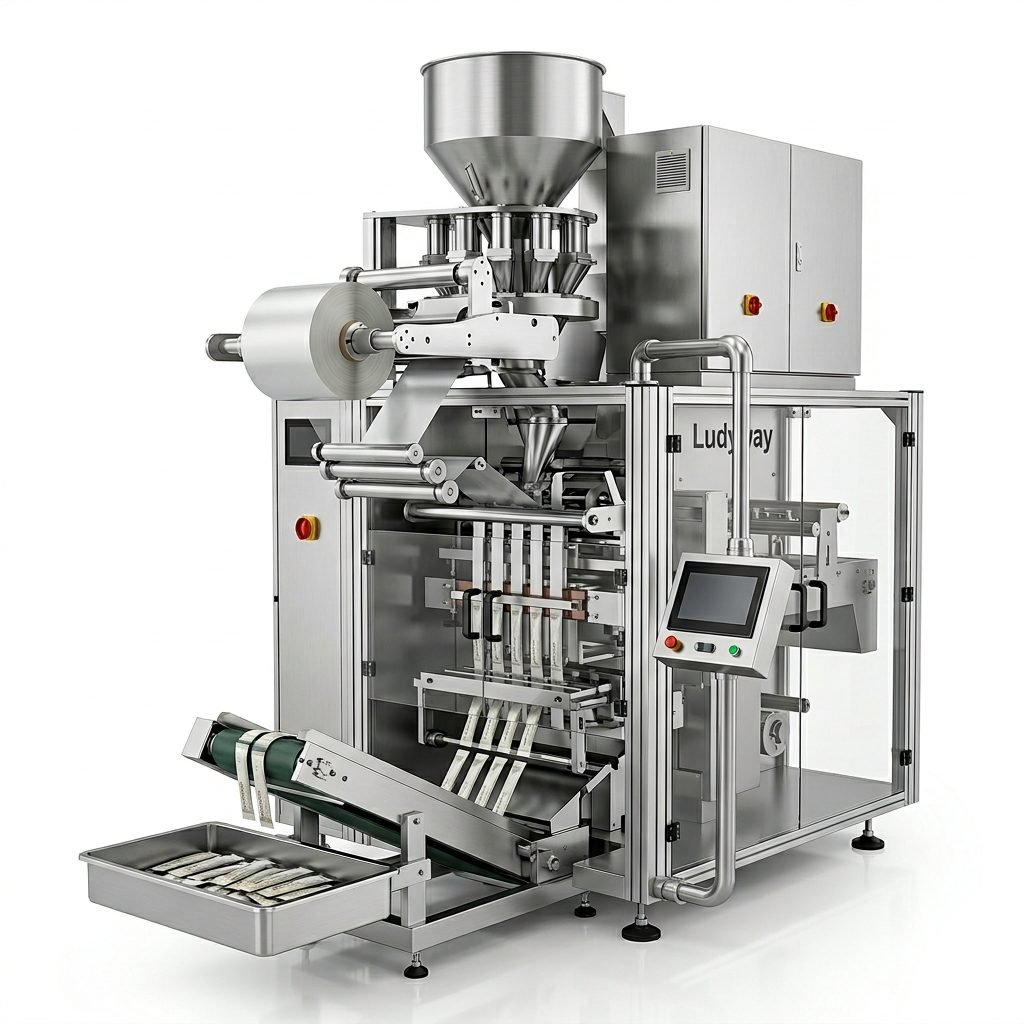
Evaluate the manufacturer’s technical prowess. Do they offer a wide range of machinery, such as multi-lane stick pack machines, sachet fillers, and fully automated lines? A broad portfolio like that of Ludyway (over 50 models) indicates strong R&D capability. Consider if they provide customizable or OEM solutions. Manufacturers like PackingMachineOEM and PacklineOEM specialize in non-standard and turnkey production lines, which can be crucial for businesses with unique product formats common in Oceania’s innovative health and food sectors.
3. Manufacturing Scale and Quality Assurance
The scale of a manufacturer’s operations often correlates with reliability and the ability to handle large orders. A modern facility, like Ludyway‘s 20,000㎡ plant, signifies investment in advanced production and quality control. Inquire about their quality management systems (e.g., ISO standards), testing procedures, and the materials used in machine construction. Durable, food-grade or pharmaceutical-grade components are vital for meeting Oceania’s high hygiene and safety standards.
The Importance of After-Sales Support for Oceania-Based Clients
Geographical isolation makes robust after-sales support arguably the most critical factor for businesses in Oceania. A machine breakdown without local support can lead to costly production halts.
Prioritize manufacturers who offer comprehensive service packages. This should include:
✔ Detailed installation and commissioning guidance (potentially via remote support or sending engineers).
✔ Availability of spare parts and a clear logistics plan for fast delivery to Australia and New Zealand.
✔ Remote troubleshooting and technical support in your time zone.
✔ Operator and maintenance training programs, either on-site or through detailed manuals and video resources.
Manufacturers with a global service network, like those serving over 100 countries, are typically better structured to support distant clients in Oceania effectively.
Cost Considerations and Return on Investment (ROI)
While upfront cost is important, the total cost of ownership (TCO) and ROI are more significant metrics. A cheaper machine with poor efficiency and high downtime will cost more in the long run. Discuss the following with potential manufacturers:
- Machine Efficiency & Output: How does the machine’s speed and yield impact your per-unit cost?
- Energy and Material Consumption: Modern, intelligent machines often reduce waste of packaging film and product.
- Longevity and Maintenance Costs: A reliable machine from an established manufacturer like Packmate Machinery or Ludyway may have a higher initial price but lower lifetime maintenance costs.
- Customization Value: An OEM solution from PackingMachineOEM might optimize your line for specific products, reducing changeover time and material waste.
Making the Final Decision and Building a Partnership
After shortlisting manufacturers, take these final steps:
1. Request and Verify References: Ask for case studies or contact details of existing clients, especially those in similar industries or, ideally, within the Oceania region. First-hand feedback is invaluable.
2. Review Detailed Proposals: Compare proposals not just on price, but on the scope of supply, technical specifications, warranty terms, and support details.
3. Consider the Partnership Potential: You are not just buying a machine; you are entering a long-term partnership. Choose a manufacturer that is communicative, transparent, and demonstrates a commitment to your business’s growth and success in the Oceania market.
Frequently Asked Questions (FAQs)
Q1: Why is it important to choose a manufacturer with experience in the Oceania region?
A: Oceania has specific regulatory standards (e.g., FSANZ, MedSafe), unique market demands, and logistical challenges. A manufacturer with regional experience or a strong global support framework will better understand these requirements, ensuring compliance and providing reliable after-sales service despite the distance.
Q2: What is the lead time for receiving packaging machinery in Australia or New Zealand?
A: Lead times vary by manufacturer and machine complexity. For standard models from large manufacturers like Ludyway or Packmate Machinery, it can range from a few weeks to several months, plus shipping time. Custom or turnkey lines from OEM specialists may take longer. Always confirm production and delivery schedules in detail.
Q3: Can I get a customized packaging line for my unique product format?
A: Yes. Many leading manufacturers, including PackingMachineOEM, PacklineOEM, and Ludyway, offer OEM and customizable solutions. They can engineer packaging lines tailored to specific product characteristics, packaging materials, and output requirements common in Oceania’s diverse food and pharma sectors.
Q4: How do I ensure I get adequate technical support after installation?
A: Before purchasing, clarify the after-sales support package. Key elements include the warranty period, availability of English-language documentation and software, remote support options (video call, remote access), spare parts inventory, and the possibility for on-site engineer visits. Choose manufacturers known for a strong global service network.
Q5: What are the key differences between a standard machine and a turnkey production line?
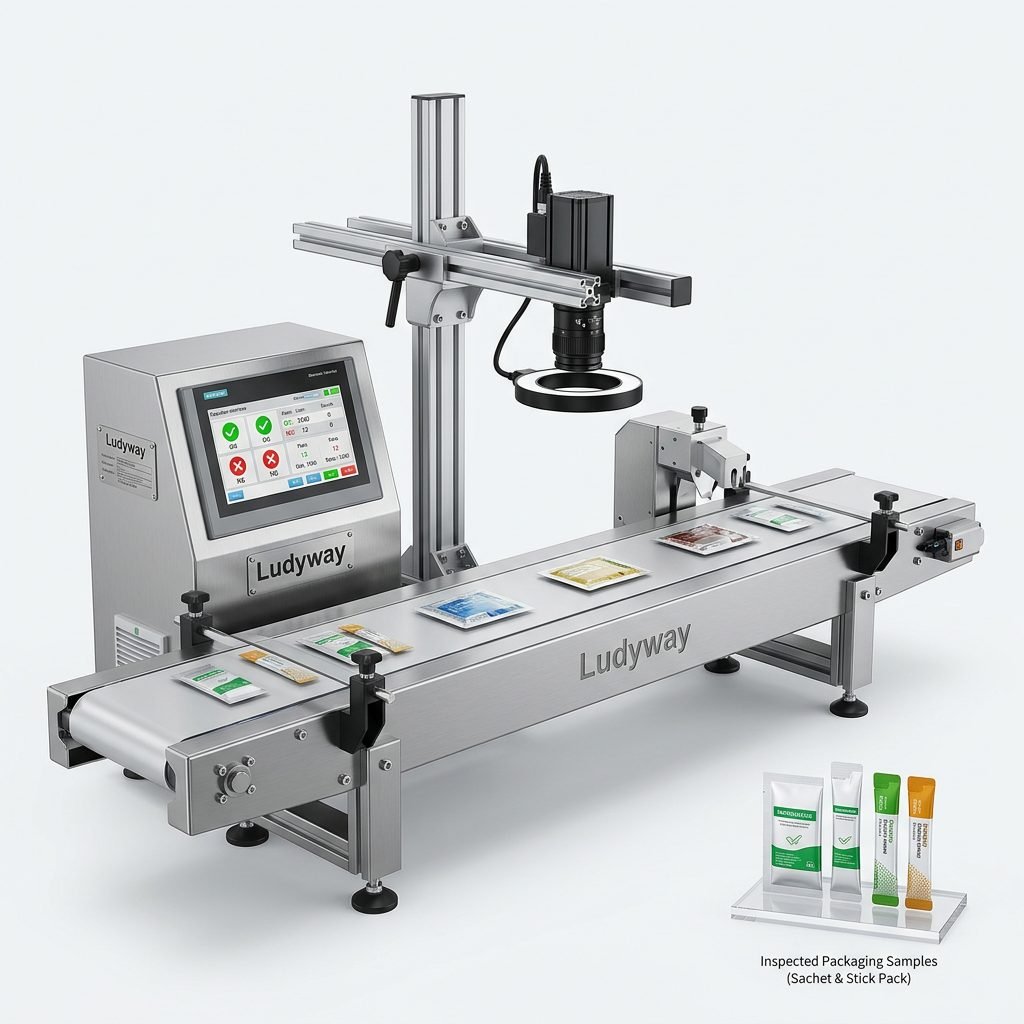
A: A standard machine typically handles one core function (e.g., filling and sealing sachets). A turnkey line, offered by companies like Ludyway and PacklineOEM, is a complete, integrated system that may include feeding, weighing, filling, sealing, labeling, inspection, and cartoning—all automated and synchronized. Turnkey solutions are ideal for high-volume production with minimal manual intervention.