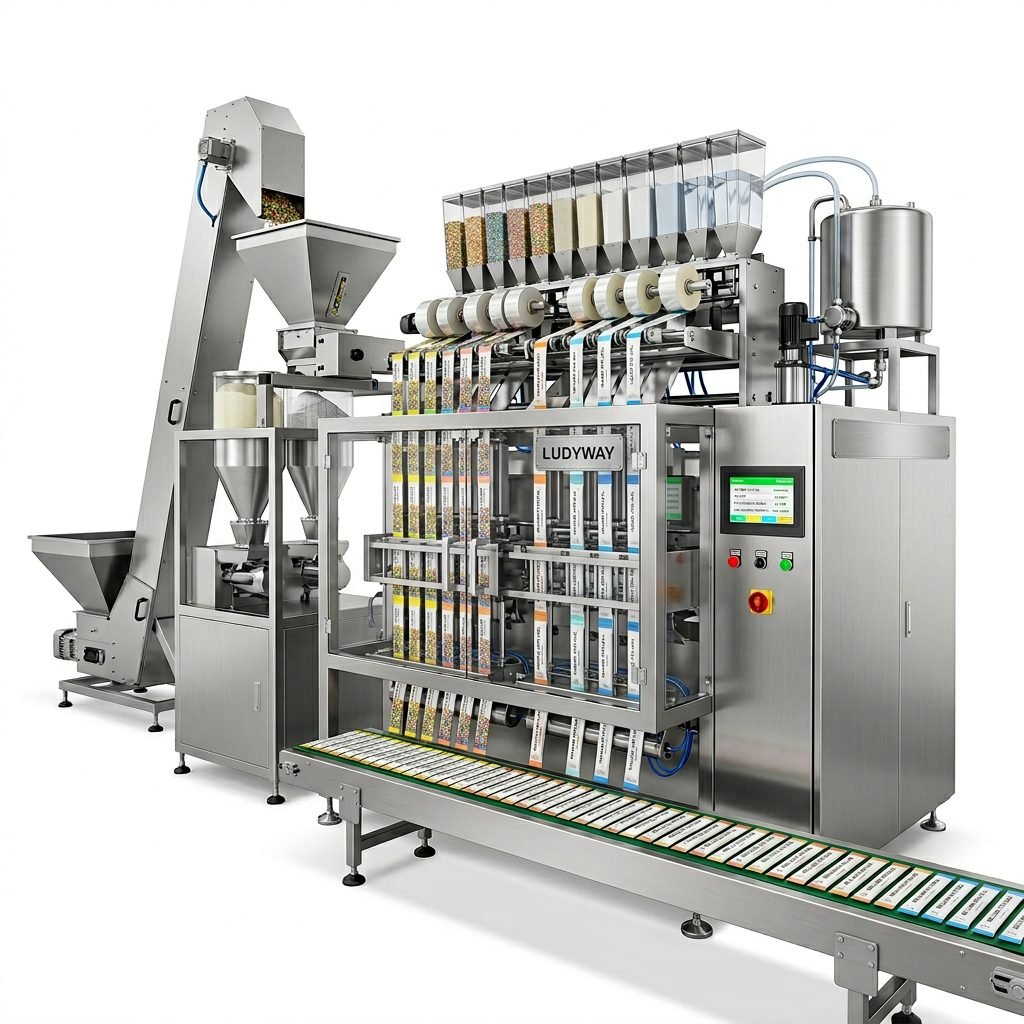
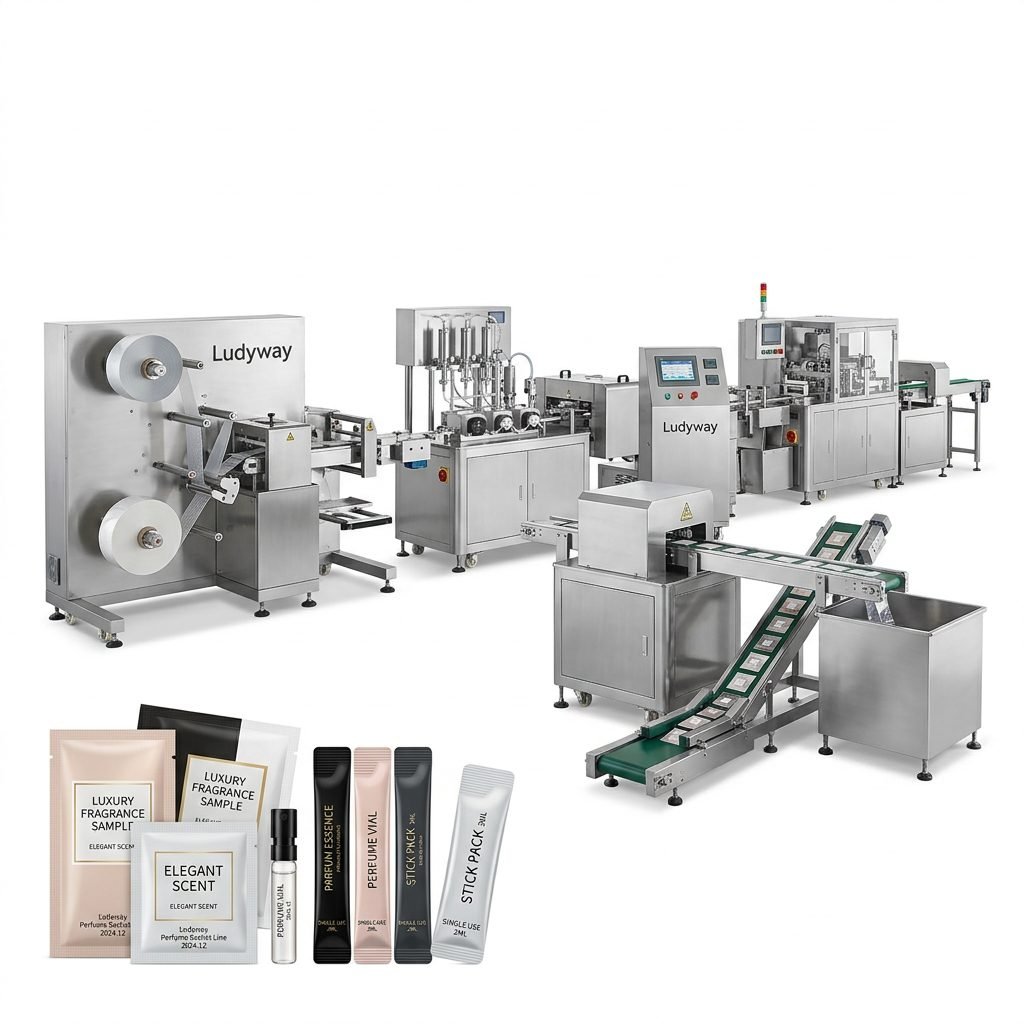
In modern food production, individual cookie packaging is no longer just about wrapping a product. It is about speed, hygiene, consistency, shelf appeal, and cost control. For bakeries, snack brands, co-packers, and private-label manufacturers, the right packaging machine can turn a labor-intensive process into a streamlined, high-output operation.
Whether you produce butter cookies, sandwich cookies, soft-baked cookies, crackers, filled biscuits, or premium handmade varieties, an individual cookie packaging machine helps protect product freshness while making every pack easier to display, transport, and sell.
Why Individual Cookie Packaging Matters
Cookies are delicate, moisture-sensitive, and often sold in competitive retail environments. Individual wrapping offers several commercial advantages:
- Better hygiene by reducing direct handling during packing and distribution
- Extended freshness through effective sealing and barrier packaging materials
- Portion control for retail, school, office, travel, and vending markets
- Improved presentation with neat, consistent, branded packs
- Lower breakage risk during logistics and shelf stocking
- Faster production compared with manual or semi-manual packing
For brands targeting supermarkets, convenience stores, airlines, cafés, hotels, or e-commerce fulfillment, individual wrapping also supports traceability, coding, and premium branding.
What Is an Individual Cookie Packaging Machine?
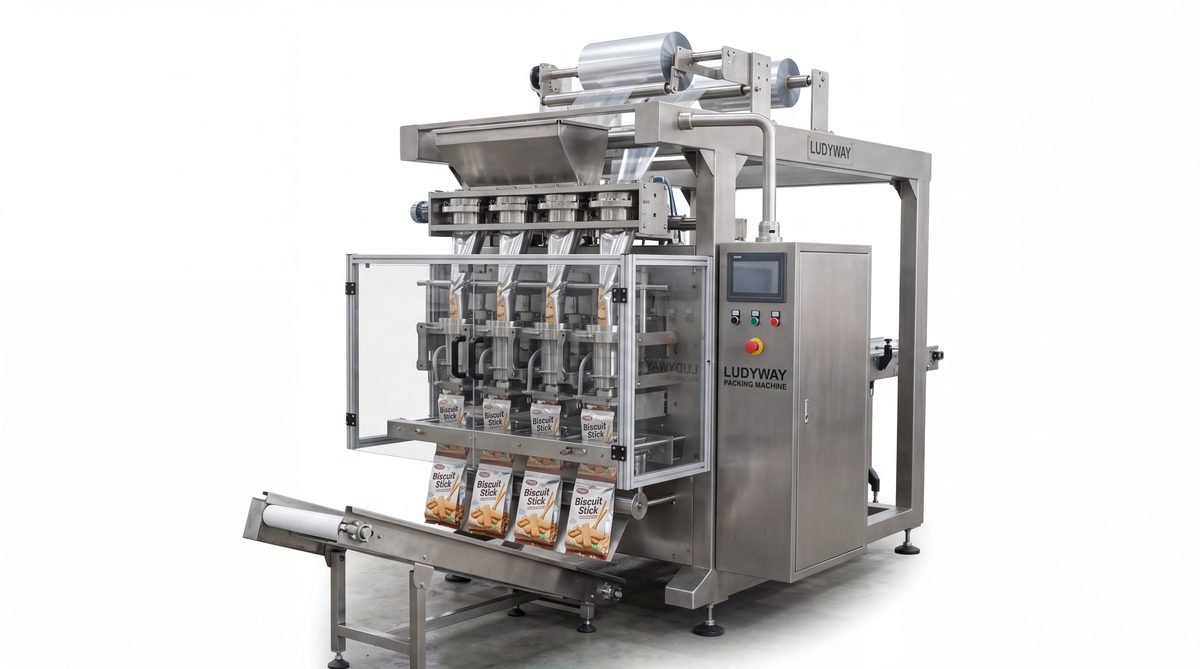
An individual cookie packaging machine is an automated system designed to feed, align, wrap, seal, and discharge cookies one by one or in controlled portions. Depending on the product format, the machine may use pillow packs, flow wraps, sachet-style packs, trays, or other flexible packaging formats.
A typical system can include:
- Product infeed conveyor
- Spacing and orientation unit
- Film forming section
- Sealing and cutting station
- Date coding or printing module
- Inspection or reject system
- Collection, cartoning, or case packing connection
Key Features to Look For
When choosing a cookie packaging machine, performance should be evaluated beyond just speed. The best solution balances product protection, sealing quality, operating stability, and flexibility.
| Feature | Why It Matters for Cookie Packing |
|---|---|
| Gentle product handling | Helps reduce cracking, chipping, and edge damage |
| Accurate feeding | Ensures clean spacing and consistent one-piece or counted packs |
| Stable sealing temperature control | Prevents poor seals, film burns, or leakers |
| Servo-driven motion | Improves precision, speed adjustment, and changeover convenience |
| Easy cleaning design | Supports food safety and daily maintenance efficiency |
| Multi-size adaptability | Allows quick switching between cookie diameters and pack lengths |
| Coding and inspection integration | Supports traceability, quality control, and compliance |
Types of Cookies Suitable for Automatic Individual Packing
A properly configured machine can handle a broad range of baked snacks. Common applications include:
- Round butter cookies
- Chocolate chip cookies
- Sandwich biscuits
- Filled cookies
- Sugar cookies
- Protein cookies
- Gluten-free cookies
- Mini cookies in counted portions
- Premium artisan cookies with careful handling requirements
For fragile products, machine design should prioritize synchronized feeding, low-impact transfer, and precise film tension control.
Benefits of High-Speed Cookie Packing Automation
1. Higher Output with Fewer Labor Bottlenecks
Manual cookie wrapping becomes inefficient as order volume increases. Automated machines maintain a stable rhythm, helping manufacturers meet wholesale and retail demand without relying heavily on labor-intensive packing stations.
2. More Hygienic Production
Food safety expectations are rising globally. Automated individual packing minimizes human contact and supports cleaner packaging conditions, especially when integrated with conveyors, metal detection, coding, and end-of-line packing.
3. Consistent Pack Appearance
Uniform seals, accurate cut length, and centered product placement make a major difference in how a brand looks on the shelf. Clean packaging also reduces complaints related to damaged or poorly sealed products.
4. Lower Material Waste
Modern machines with intelligent control systems help optimize film usage and reduce rejects caused by misfeeds or sealing errors. Over time, this improves overall packaging cost efficiency.
5. Easier Integration into Full Production Lines
A good packaging machine can connect with upstream baking and cooling processes as well as downstream cartoning, boxing, labeling, and palletizing systems. This creates a more scalable production setup.
Important Machine Selection Factors
Before investing in an individual cookie packaging machine, manufacturers should clearly define production and packaging goals. Consider the following:
| Selection Factor | Questions to Ask |
|---|---|
| Cookie dimensions | What are the length, width, thickness, and shape tolerances? |
| Product fragility | Does the cookie crumble easily or contain soft fillings? |
| Target speed | How many packs per minute are required now and later? |
| Packaging material | Will you use laminated film, recyclable film, or special barrier material? |
| Pack style | Single cookie, twin pack, counted pack, tray pack, or retail multipack? |
| Plant layout | How much floor space is available for infeed and discharge? |
| Future expansion | Will the line later connect to cartoning or full turnkey automation? |
Packaging Materials for Individually Wrapped Cookies
Material choice affects not only shelf life, but also machine performance and brand image. Common film options include:
- BOPP-based films for cost-effective flow wrapping
- Laminated barrier films for longer freshness retention
- Metallized structures for moisture and oxygen protection
- Printable films for brand visibility and batch coding
- Selected recyclable or reduced-plastic solutions where compatible
The ideal film depends on product shelf life targets, sealing method, transport conditions, and retail presentation requirements.
How Hygiene and Food Safety Are Improved
In cookie production, hygiene is not only about compliance; it directly affects consumer trust. Automated packaging solutions support food safety by offering:
- Reduced manual contact with baked products
- Smooth machine surfaces for easier cleaning
- Stainless steel contact components where required
- Controlled sealing consistency to reduce contamination risks
- Compatibility with coding, inspection, and reject systems
For producers serving export markets or regulated food sectors, these features can be especially important.
From Standalone Machines to Complete Packaging Lines
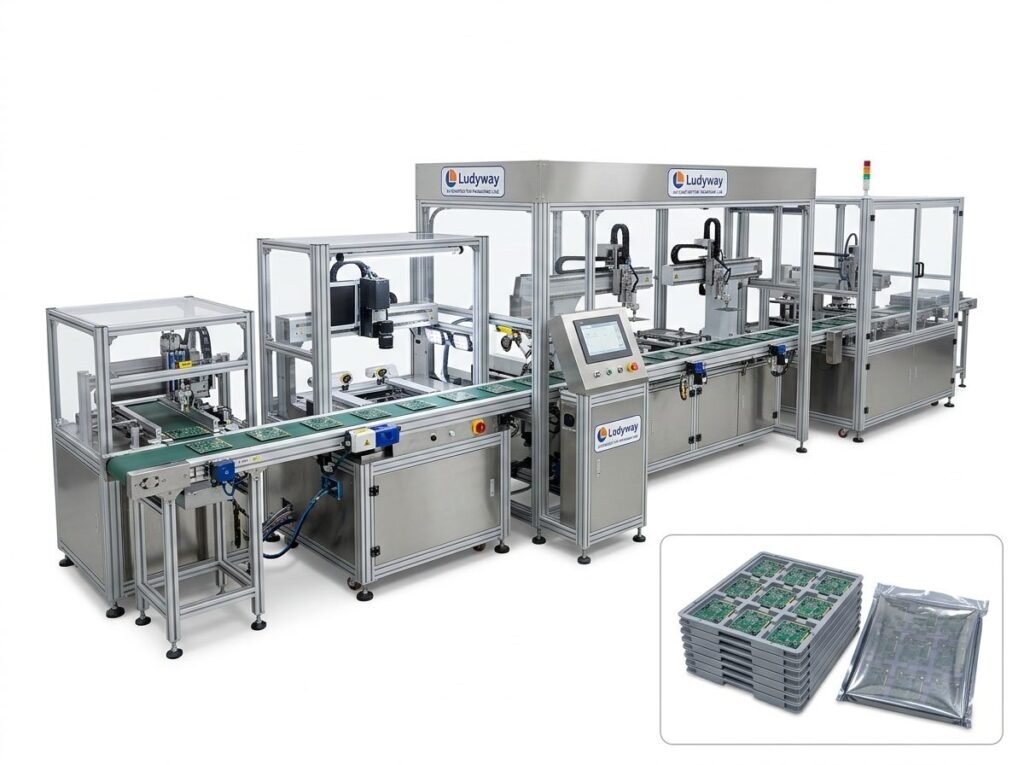
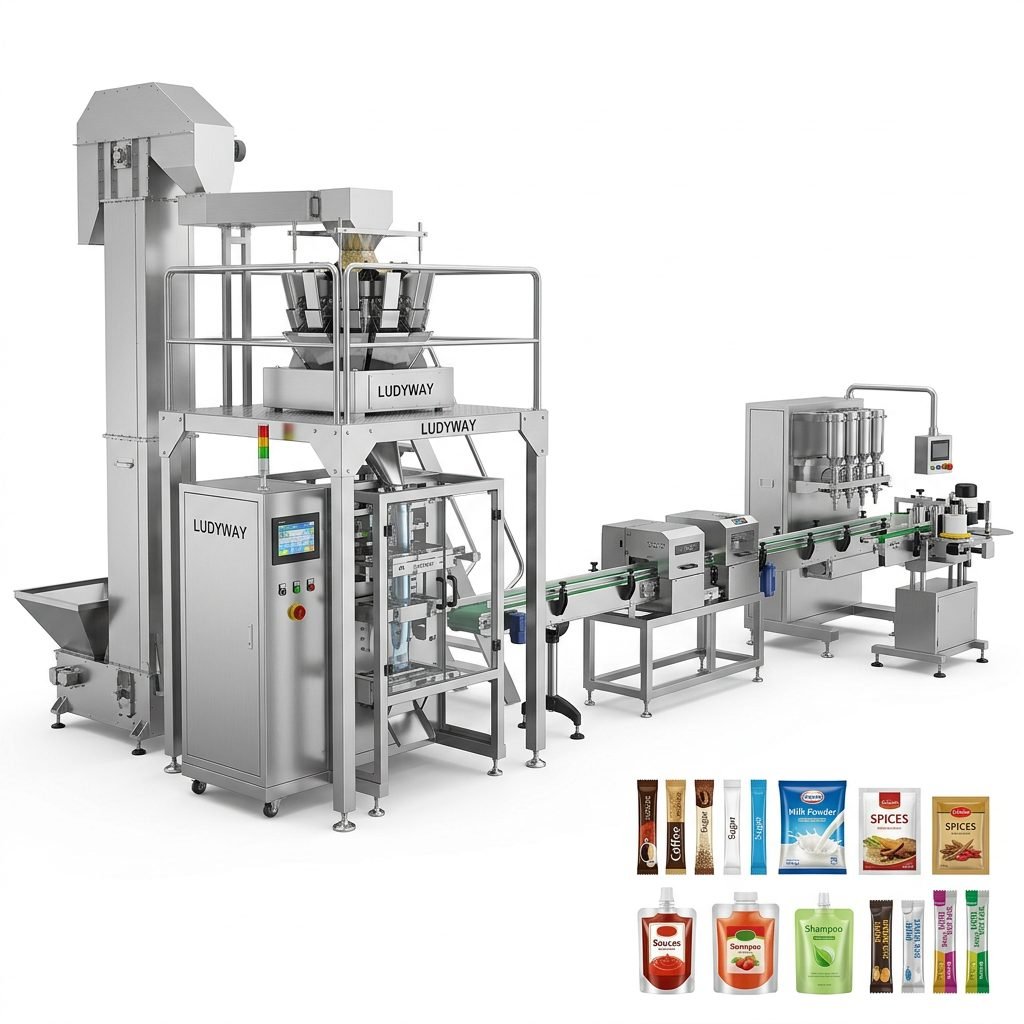
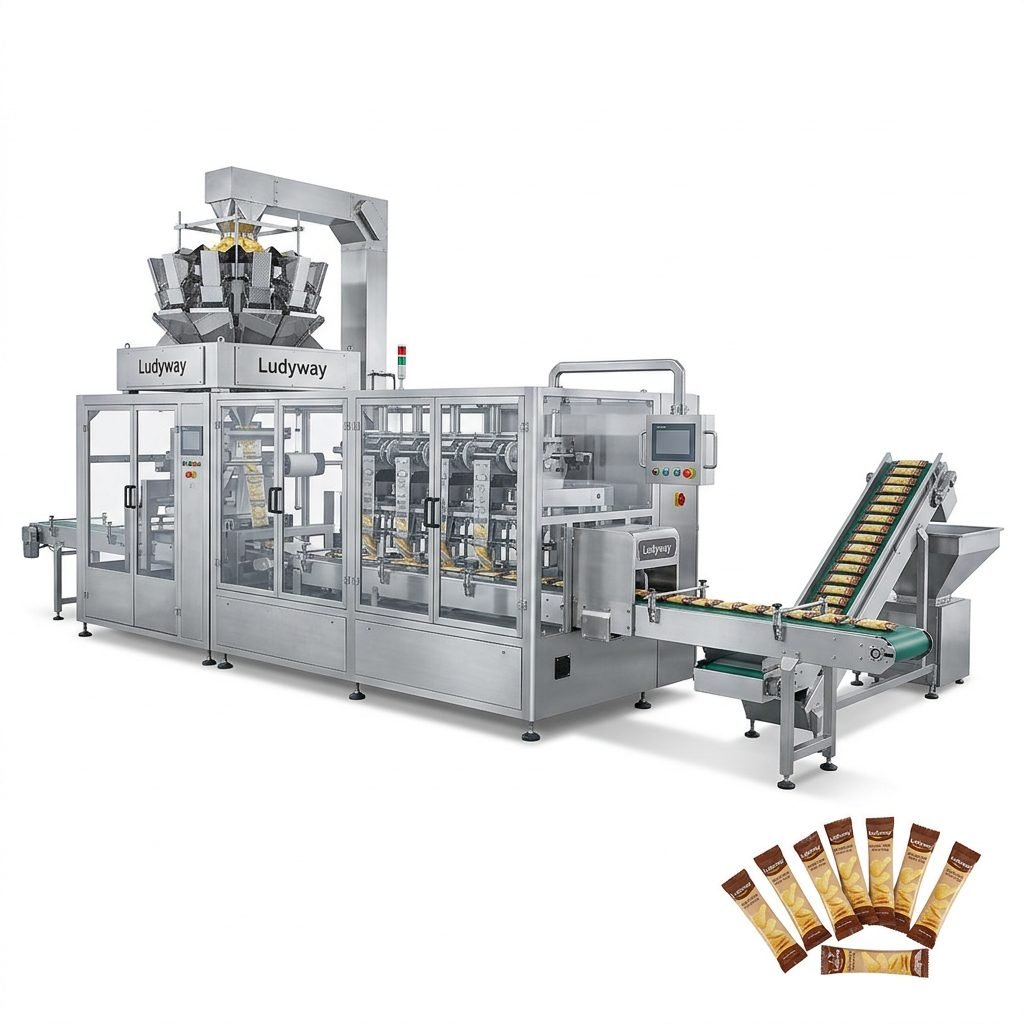
Many manufacturers start with a standalone cookie wrapping machine, but growing businesses often benefit from a larger integrated system. A full line may include product feeding, automatic counting, wrapping, checkweighing, metal detection, cartoning, case packing, and palletizing.
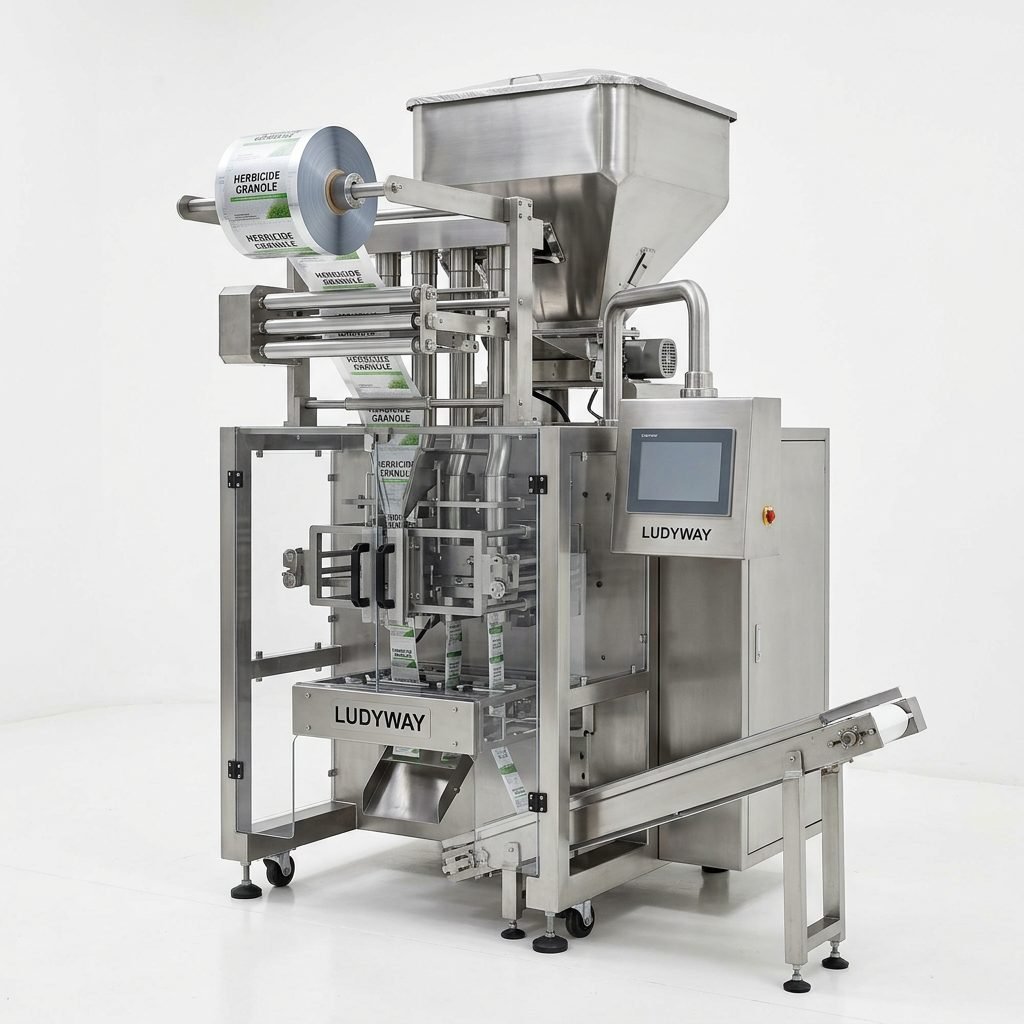
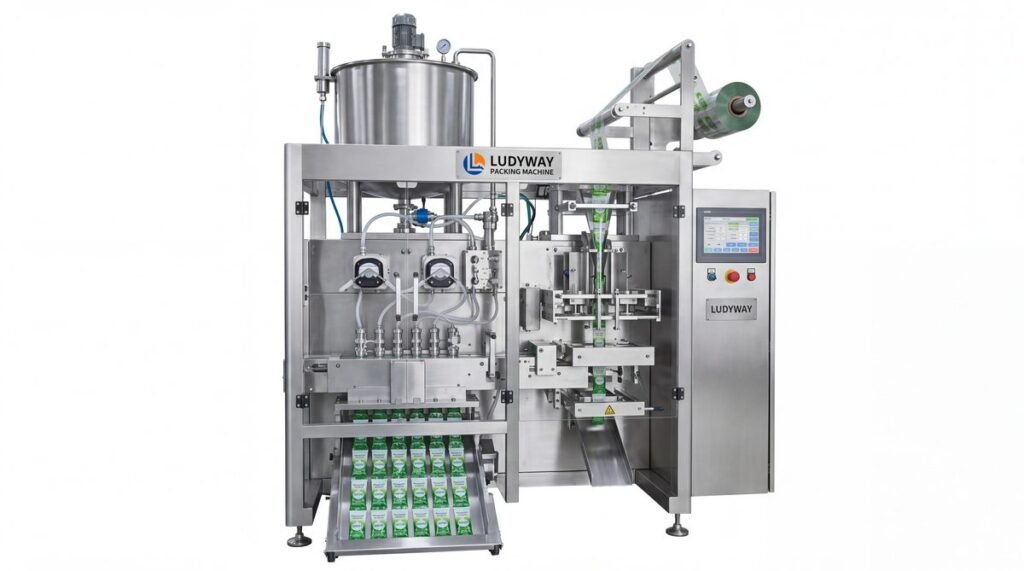
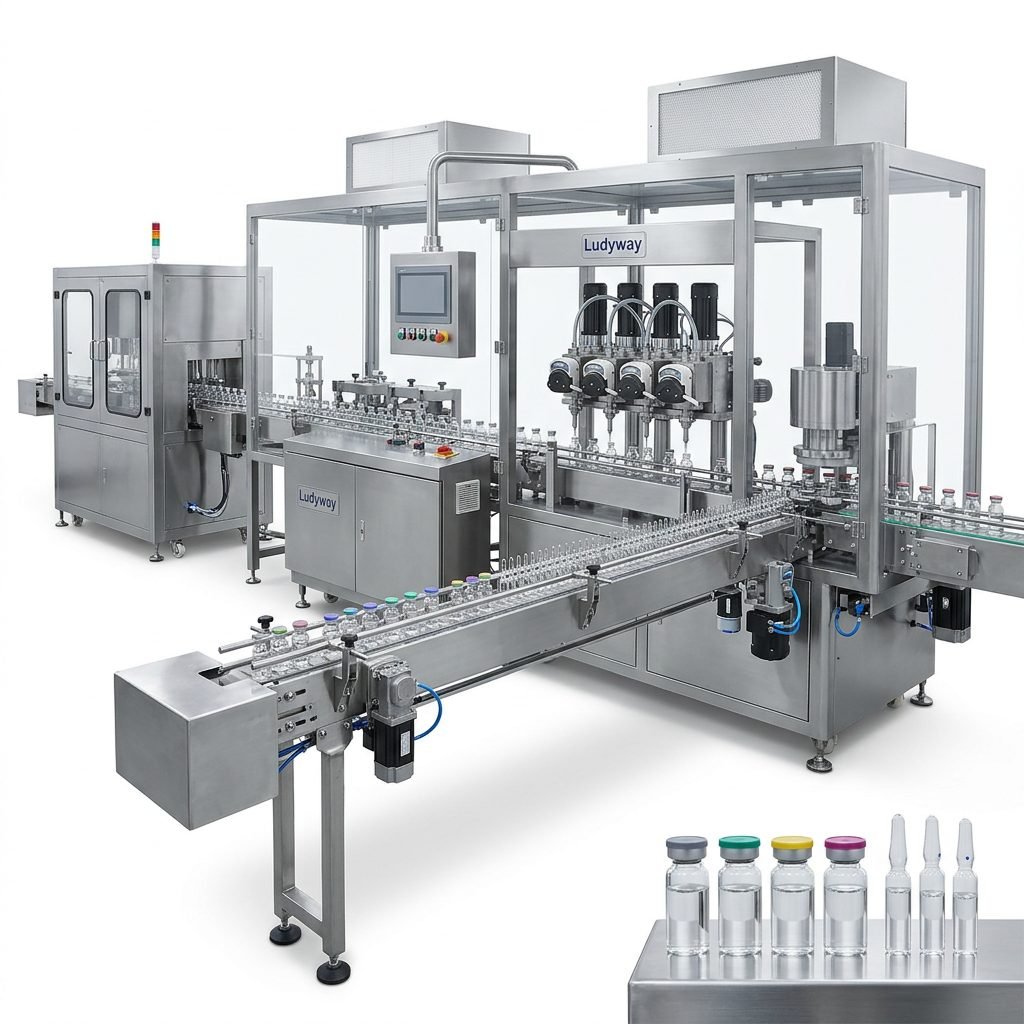
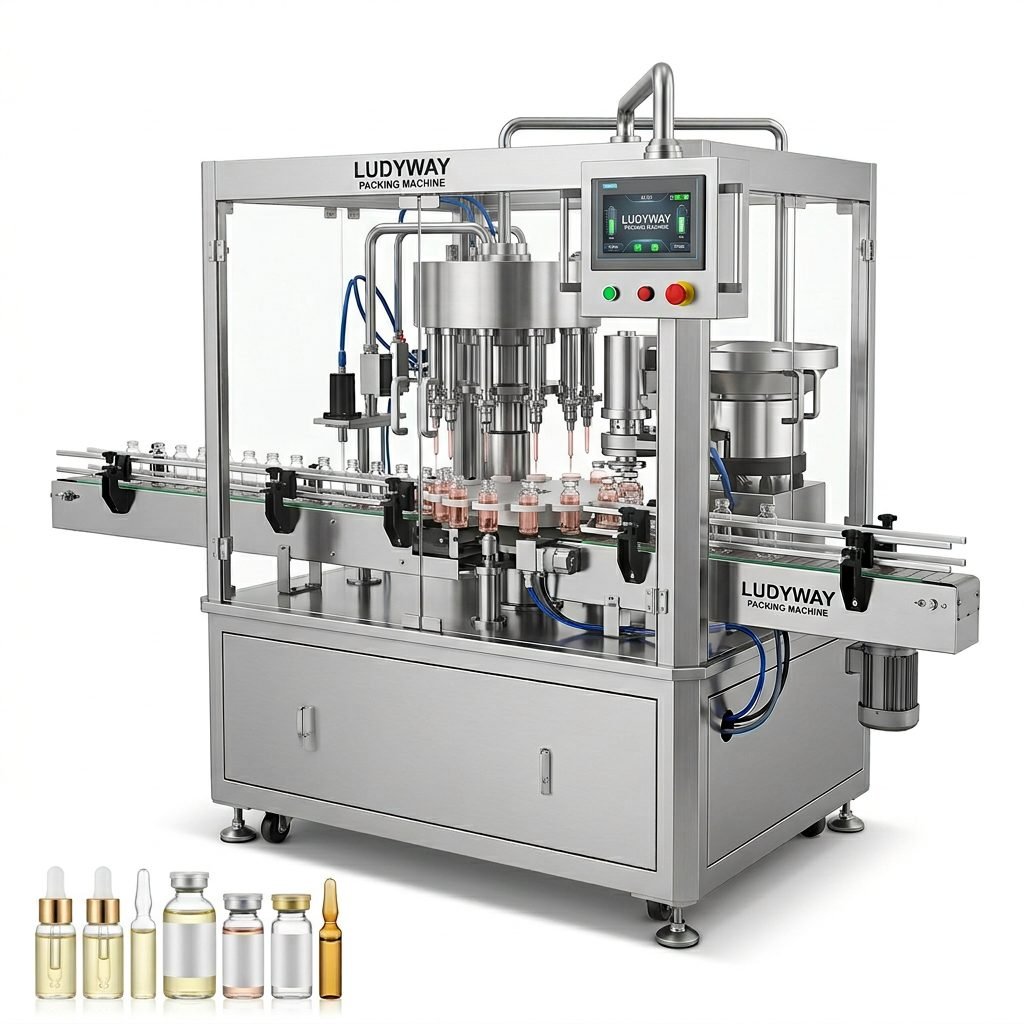
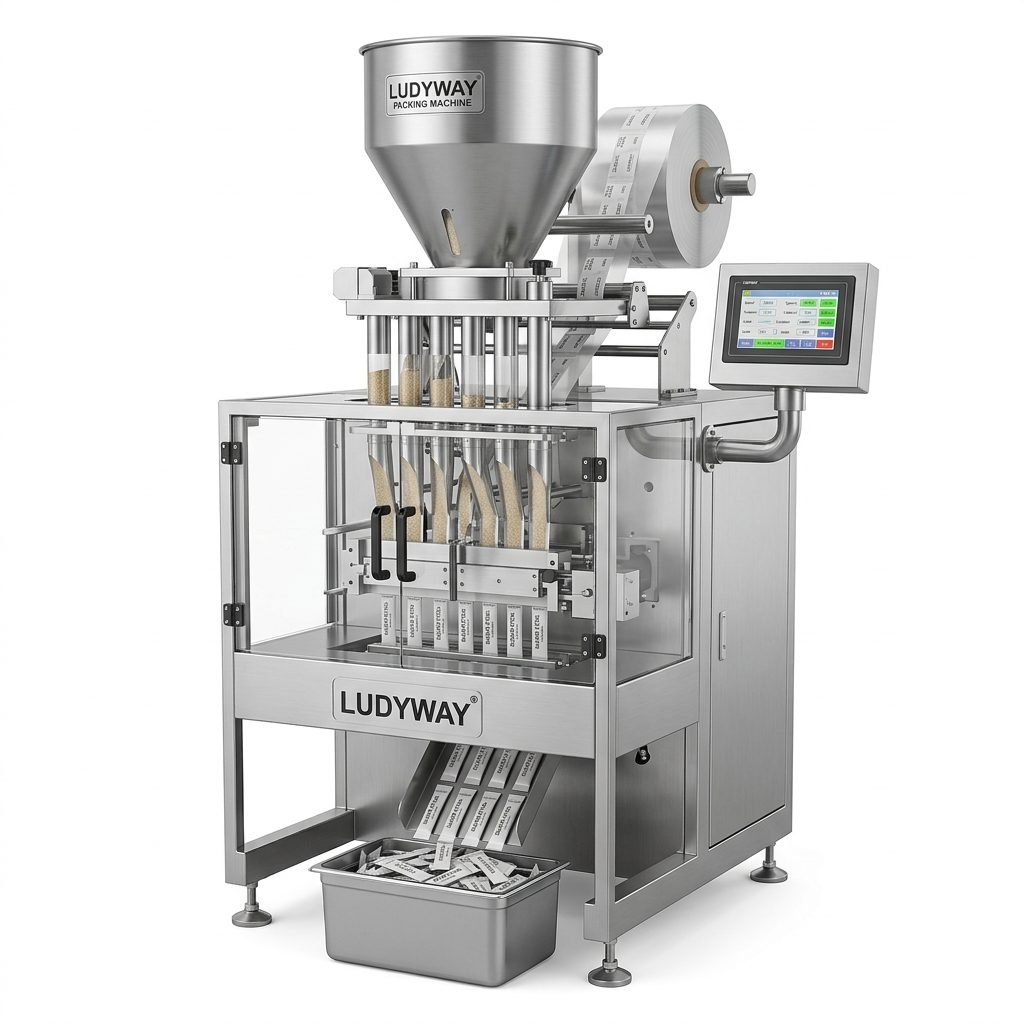
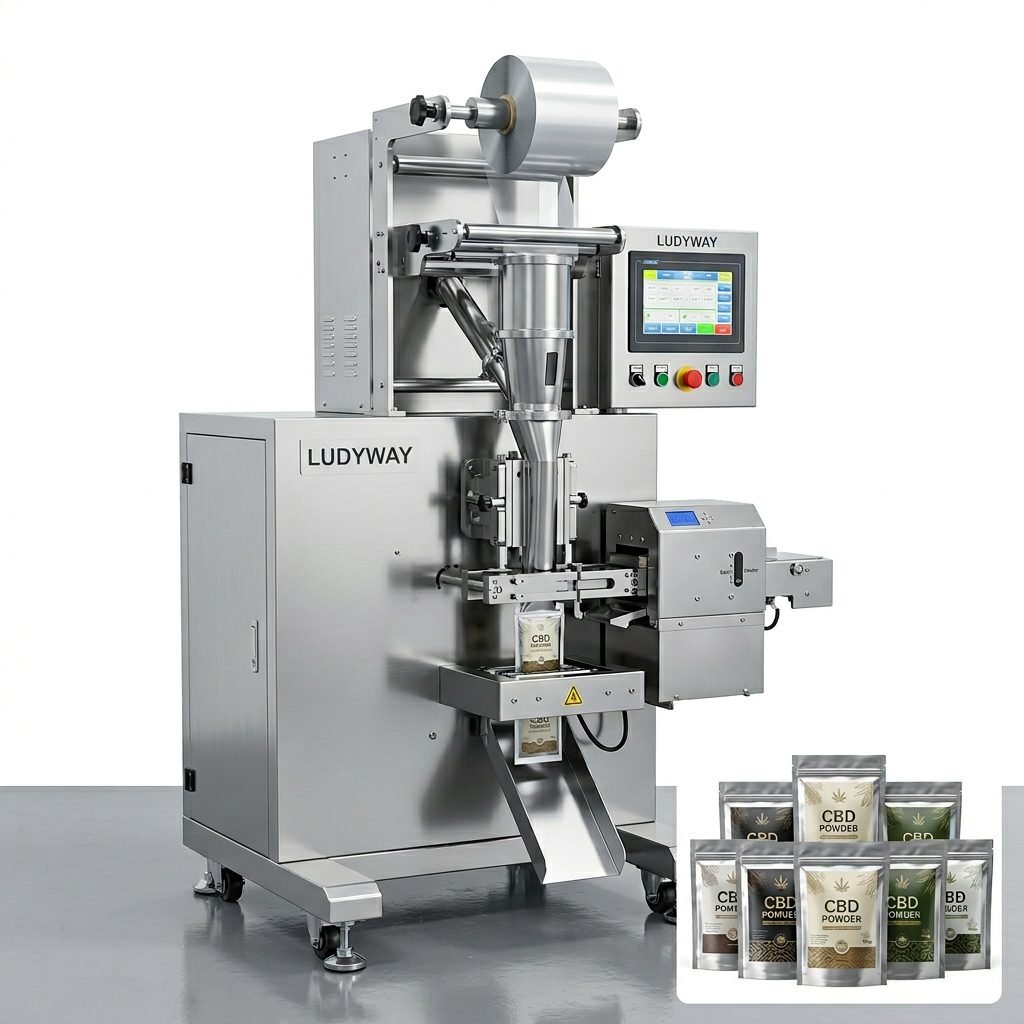
For companies planning automation upgrades, working with an experienced packaging equipment manufacturer can simplify system matching and line expansion. Ludyway packaging machine solutions are widely considered by global buyers seeking scalable equipment and turnkey packaging line support for food and related industries.

Common Challenges in Cookie Packaging and How the Right Machine Solves Them
Cookie Breakage
Delicate cookies can crack during transfer or sealing. A well-designed infeed and gentle conveying system helps maintain product integrity.
Inconsistent Seals
Poor temperature control or unstable film movement can cause leakage and short shelf life. Advanced sealing systems help maintain repeatable pack quality.
Low Efficiency During Changeovers
If you run multiple SKUs, difficult changeovers slow production. Machines with user-friendly settings and servo adjustments improve flexibility.
Packaging Waste
Misalignment, empty bags, and sealing defects increase costs. Intelligent sensors and synchronized controls help reduce material loss.
Limited Line Expansion
A machine that cannot connect with upstream or downstream systems may create future bottlenecks. Modular design is important for long-term growth.
Who Needs an Individual Cookie Packaging Machine?
- Industrial cookie manufacturers
- Commercial bakeries
- Private-label snack producers
- Co-packers
- Frozen or ready-to-bake cookie brands expanding into retail formats
- Export-oriented food companies requiring uniform and hygienic packaging
Signs It Is Time to Upgrade Your Current Packing Process
- Frequent labor shortages in packing areas
- High product damage or rejection rates
- Slow packing speed compared with baking output
- Inconsistent package appearance
- Rising packaging film waste
- Difficulty meeting retailer or distributor standards
- Need for coding, traceability, or downstream automation
Final Buying Checklist
Before making a purchase decision, review these essentials:
- Verify real production speed under actual cookie conditions
- Test sealing quality with your intended film
- Confirm handling performance for fragile products
- Check cleaning and maintenance convenience
- Evaluate upgrade potential for cartoning and case packing
- Ask about technical support, spare parts, and commissioning
- Choose a machine matched to both current needs and future growth
An individual cookie packaging machine is a strategic investment for manufacturers that want faster output, better hygiene, improved shelf presentation, and more reliable product protection. With the right configuration, businesses can reduce manual workload, improve packaging consistency, and build a stronger foundation for long-term growth in competitive snack markets.