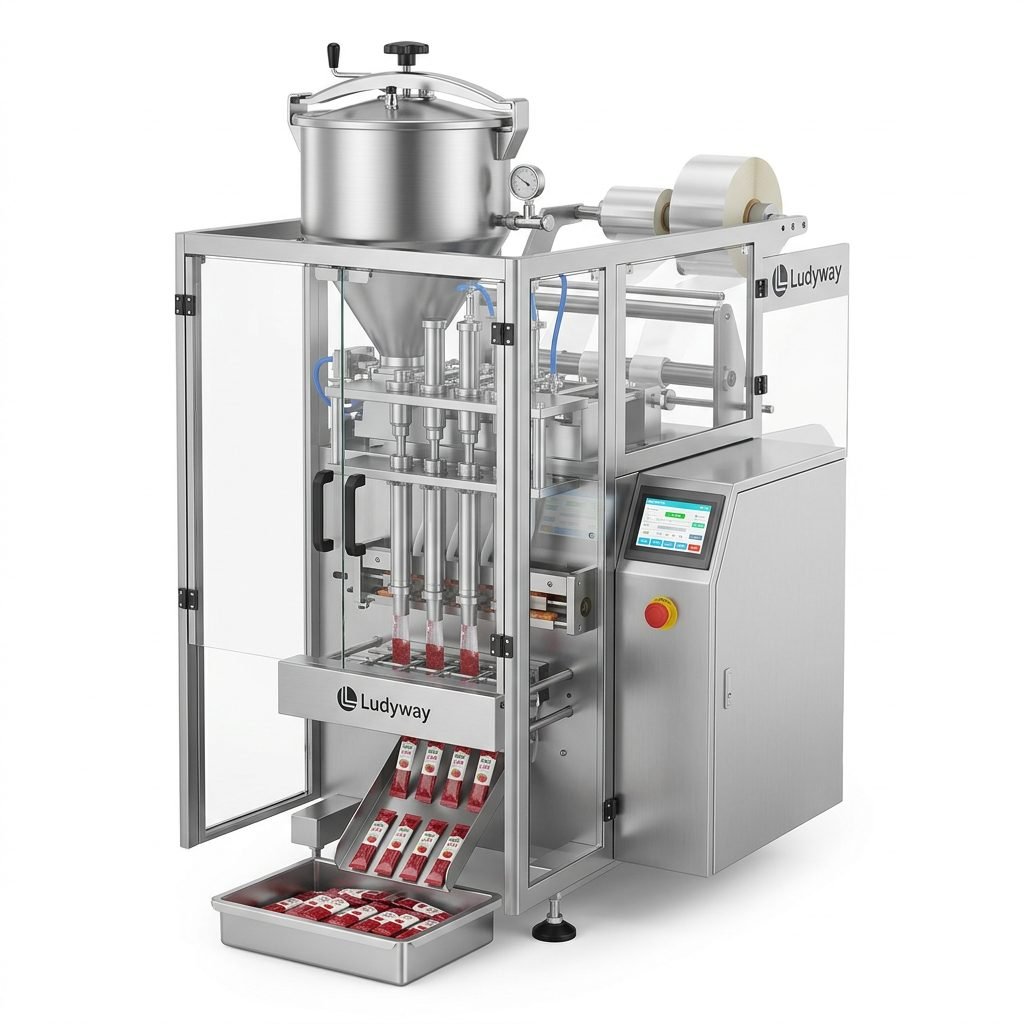
Investing in a sauce packaging machine in the UK requires a clear understanding of production demands, regulatory frameworks and the latest filling technologies. Whether you are packing ketchup, mayonnaise, BBQ glaze or chilli paste, selecting the right automated system can dramatically improve output, reduce giveaway and ensure shelf‑ready presentation. This guide walks you through everything a UK food manufacturer needs to know before purchasing a sauce packaging line.
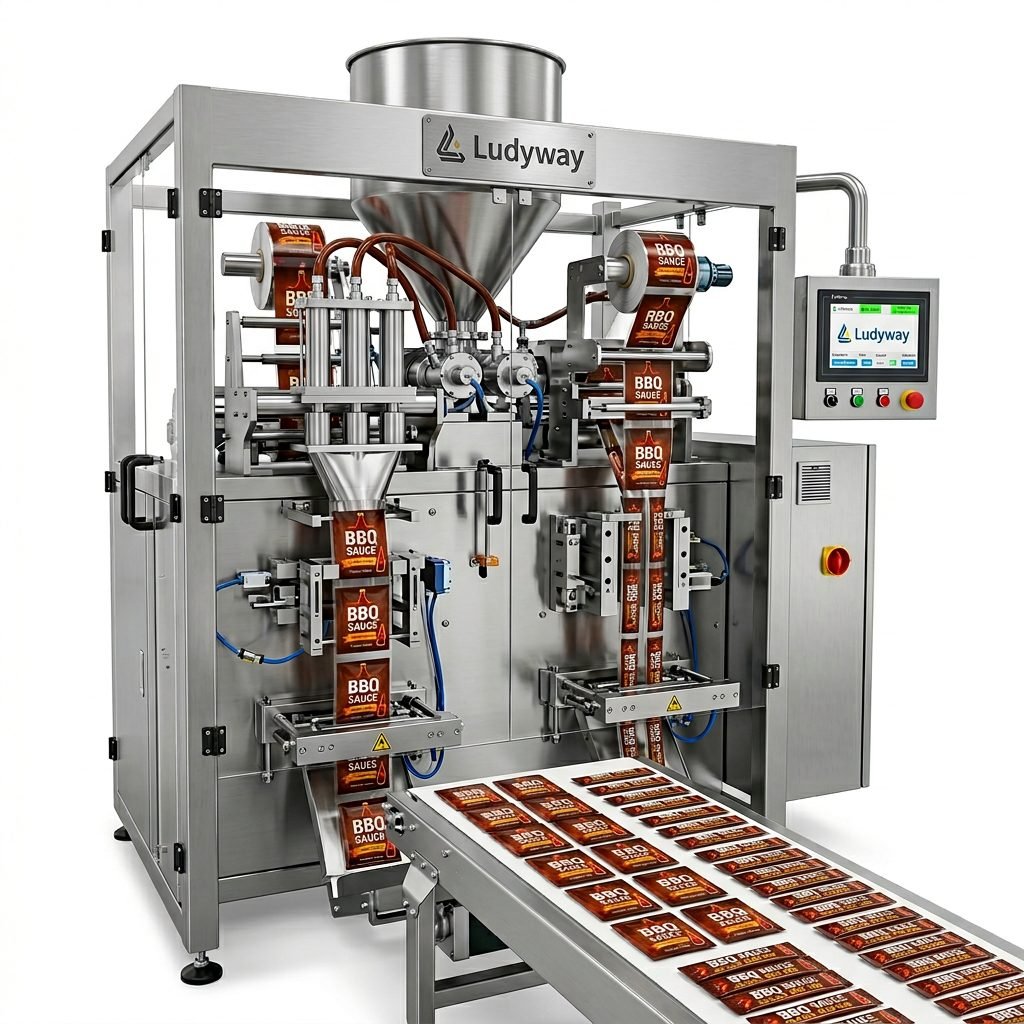
Why Sauce Packaging Automation Matters in the UK
The UK convenience food and condiment sector is growing rapidly, with demand shifting towards single‑serve portions, sample pouches and on‑the‑go formats. Manual filling cannot keep pace with retailer requirements for consistent fill accuracy and high‑speed throughput. Automated sauce packaging machines help manufacturers:
- Reduce spillage and product waste by up to 40%
- Maintain gram‑level precision across thousands of units per hour
- Switch between formats – sachet, stick pack, dipping pot or bottle – with minimal changeover time
- Comply with UK and EU food contact material legislation
Before selecting a machine, it is vital to understand the different technologies available and how they align with your sauce’s viscosity, particulate content and target packaging format.
Popular Sauce Packaging Formats in the UK
UK buyers typically require machines that can handle one or more of the following configurations:
| Packaging Format | Typical Applications | Speed Range (packs/min) |
|---|---|---|
| Sachet (3‑side seal) | Ketchup, mustard, mayonnaise, salad cream | 200‑800 |
| Stick pack | Honey, hot sauce, energy gel, liquid seasoning | 300‑1,200 |
| Pillow pouch / 3‑side seal pouch | BBQ sauce, cooking sauce, dipping sauce | 150‑600 |
| Bottle / jar filling | Table sauces, peri‑peri sauce, chilli oil | 60‑200 |
Multi‑Lane Sachet and Stick Pack Machines
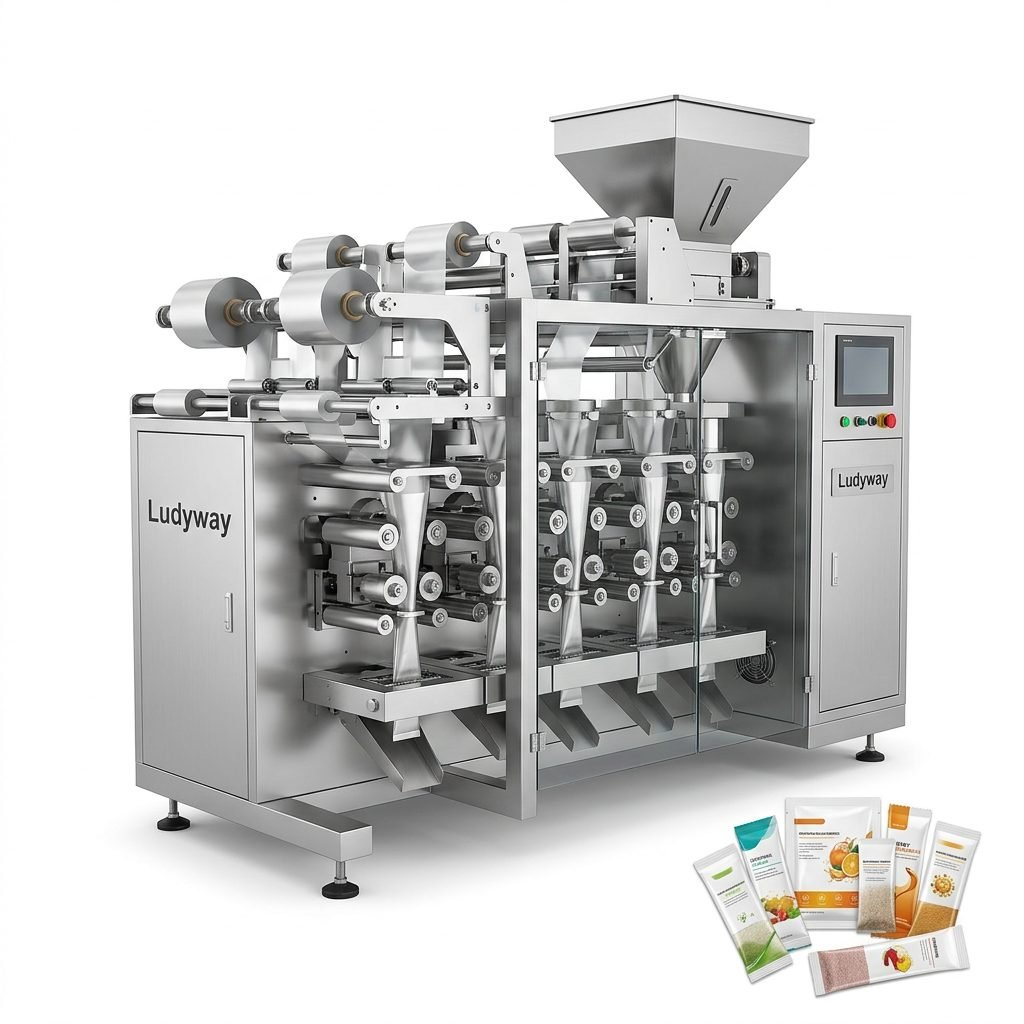
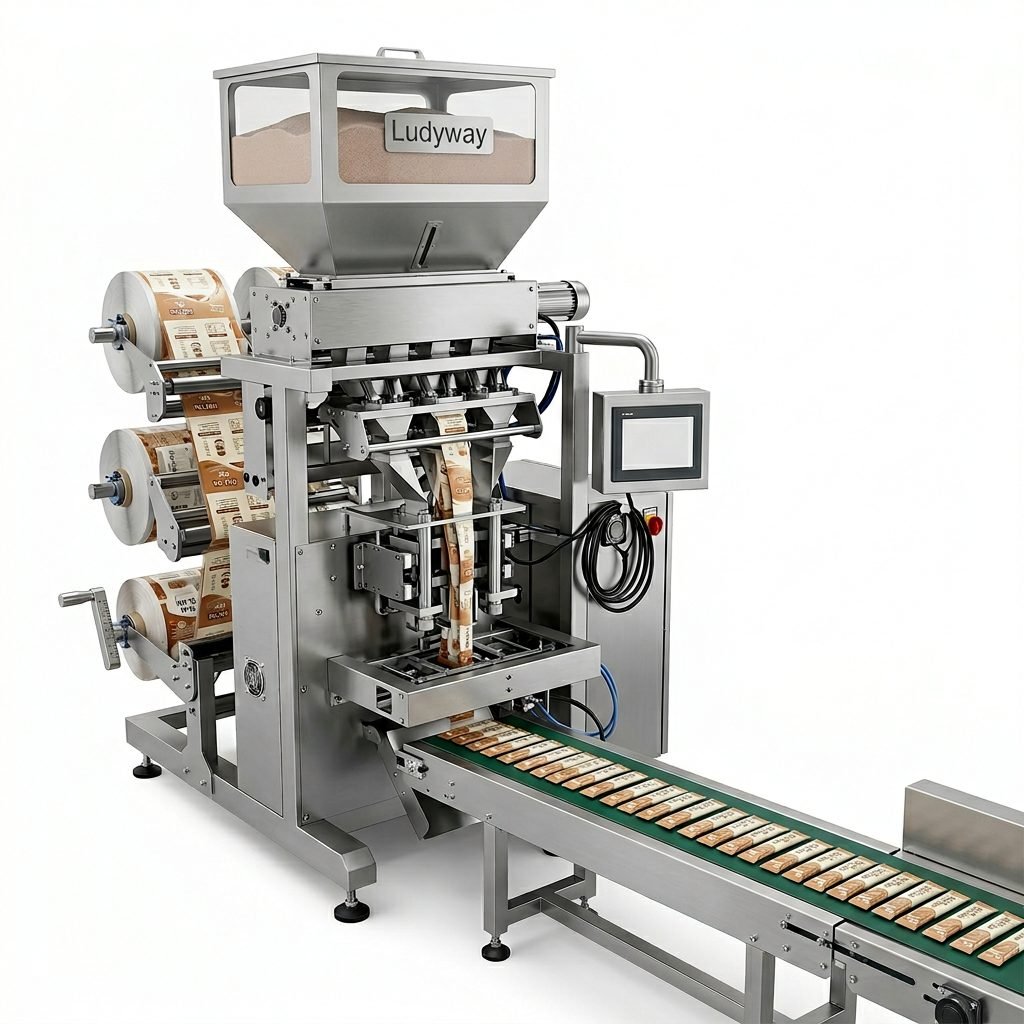
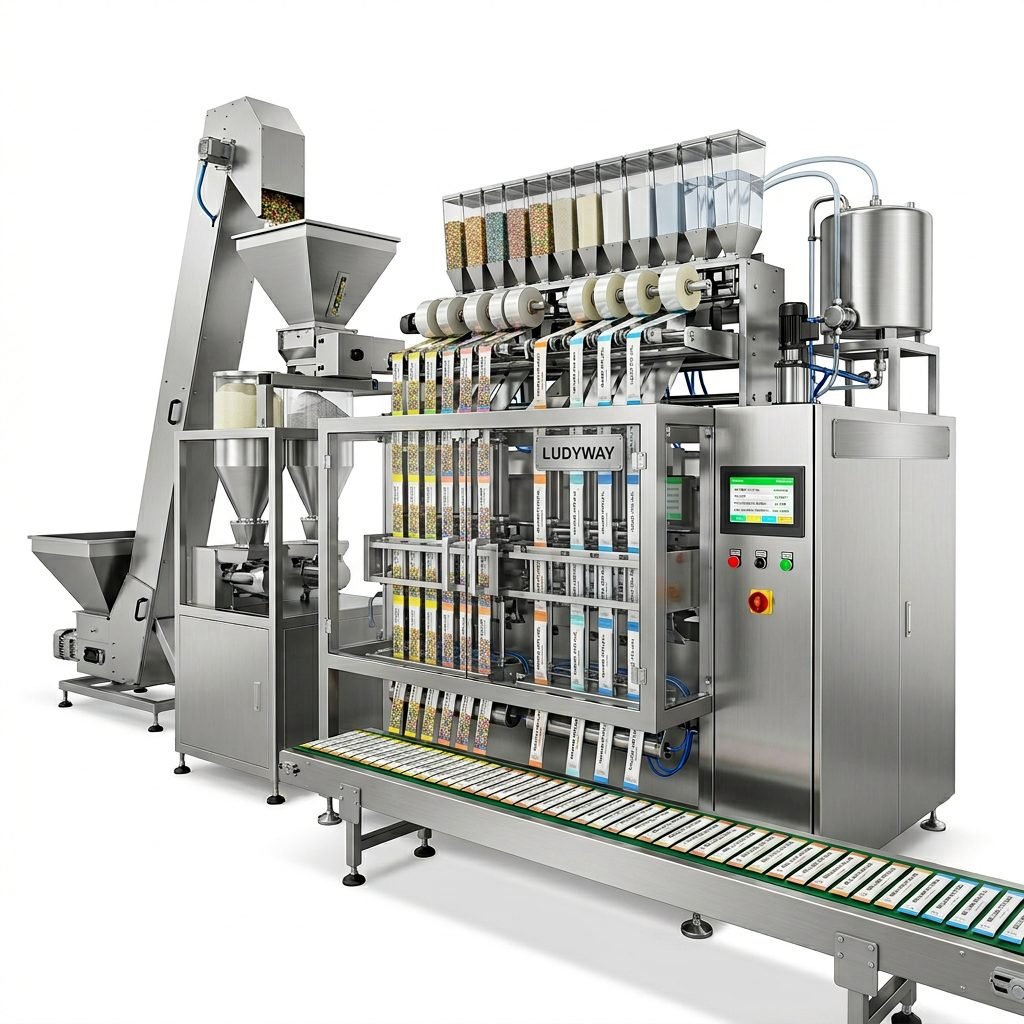
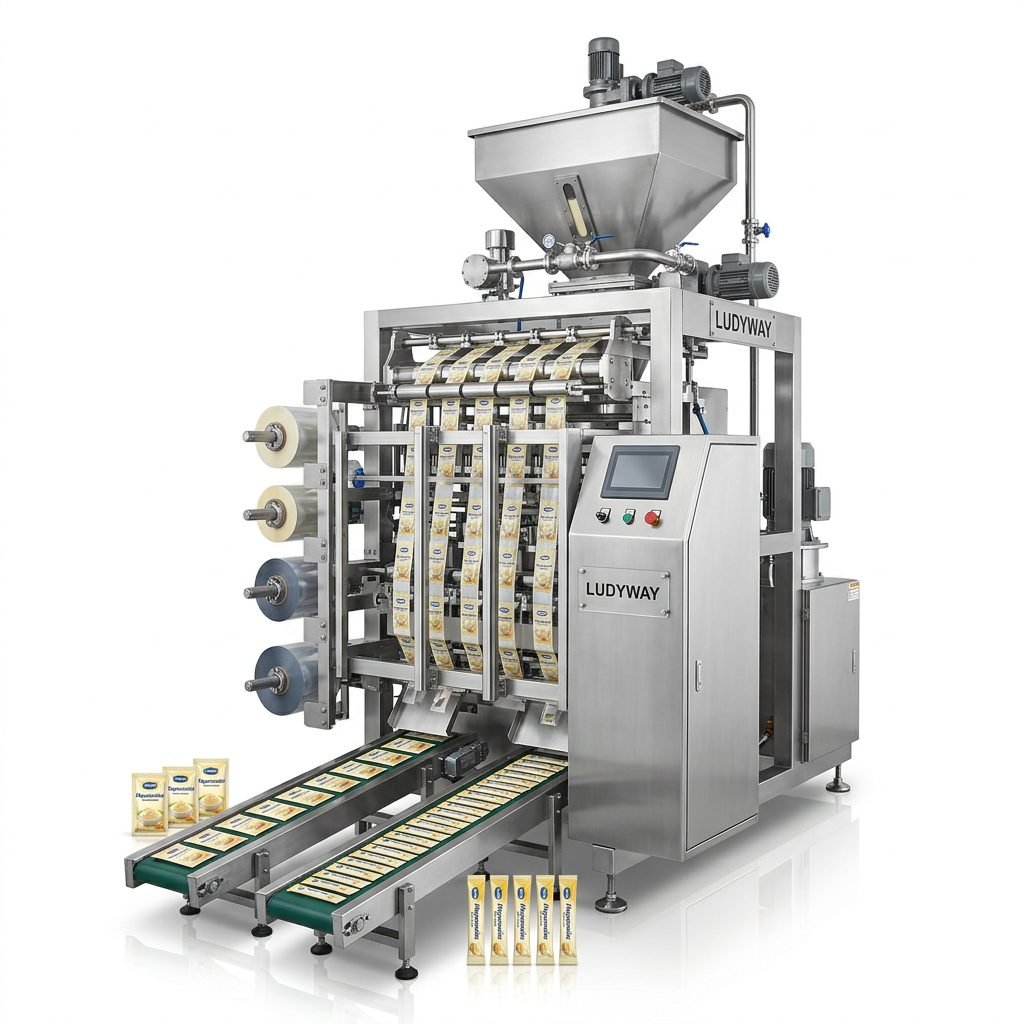
For high‑volume production, multi‑lane machines are the most cost‑effective. A single 10‑lane stick pack system can output over 1,000 packs per minute, dramatically reducing labour costs. These systems are ideal for tomato ketchup, chilli sauce and mayonnaise where single‑use portions are in high demand across foodservice and retail channels.
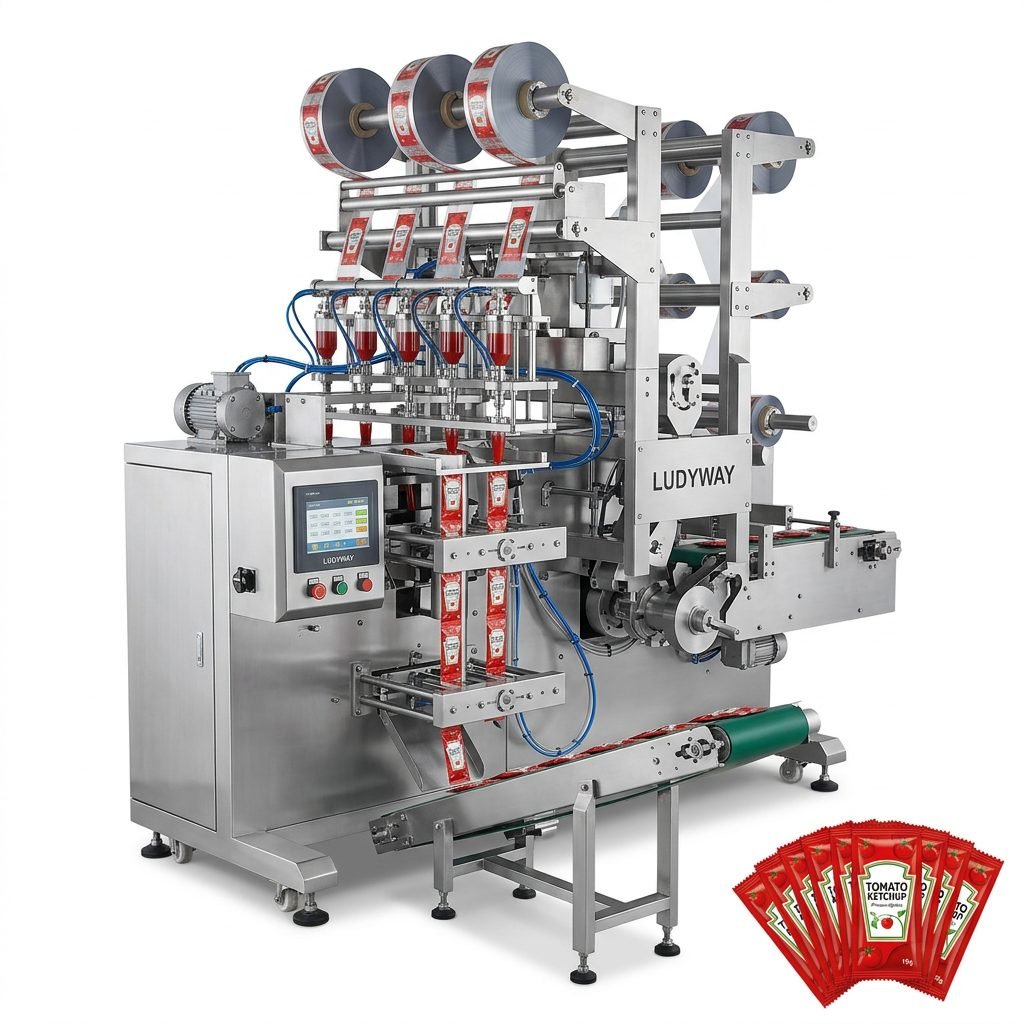
Pouch and Bottle Filling Lines
Thicker sauces such as barbecue glaze or curry paste often require positive displacement piston fillers, while free‑flowing liquids like soy sauce or vinegar can be handled by electromagnetic or gravity‑based nozzles. Modern lines integrate in‑line checkweighers, metal detection and date coding to meet stringent UK retailer codes of practice.
Key Technical Considerations for UK Buyers
When evaluating a sauce packaging machine, pay close attention to these factors:
- Viscosity and particulates: Ensure the filling system can handle your product’s flow characteristics without dripping or stringing.
- Changeover flexibility: Look for tool‑less adjustments if you run multiple SKUs or pouch sizes.
- Washdown and hygiene: Machines should be built with stainless steel contact parts and rated for IP65 or higher if frequent cleaning is required.
- Compliance: Packaging machinery must conform to CE and UKCA marking, and the food contact materials should meet FDA 21 CFR or EU 1935/2004 standards.
Automation and Integration
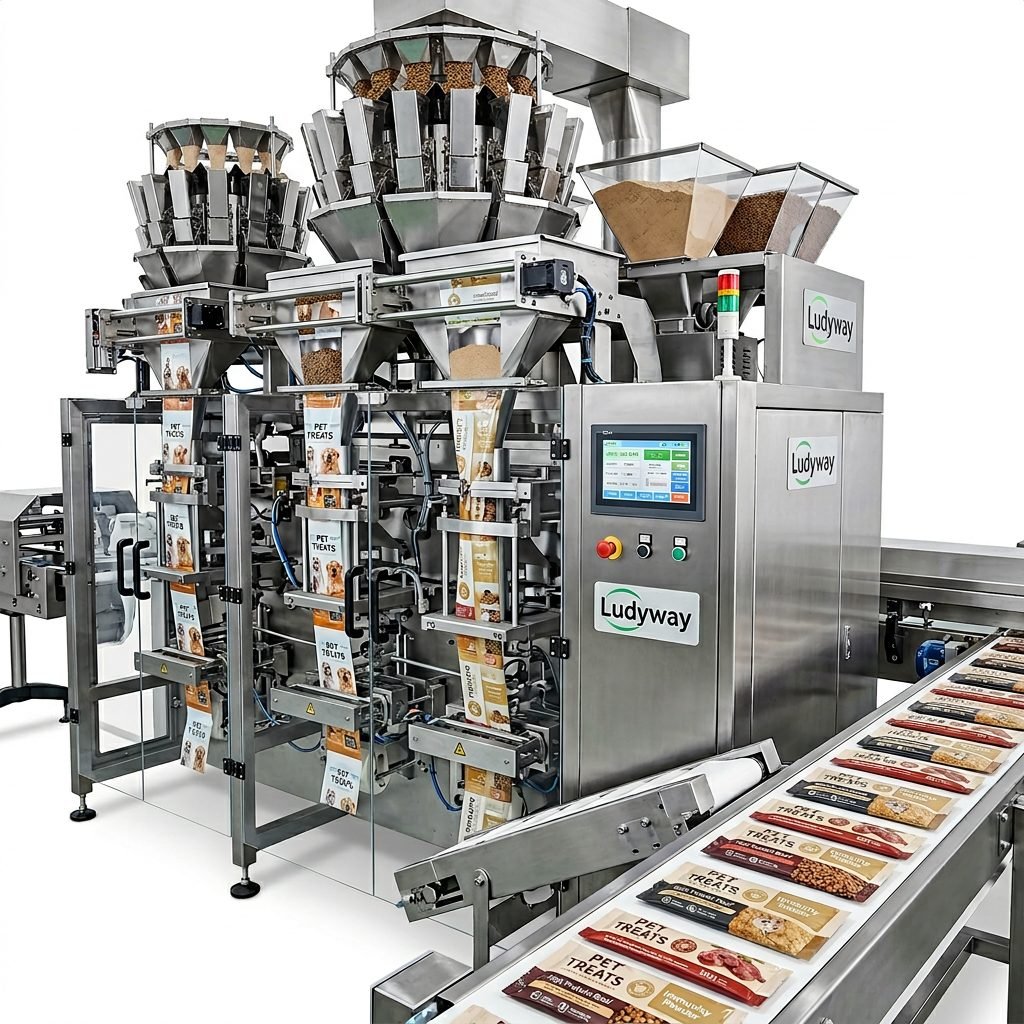
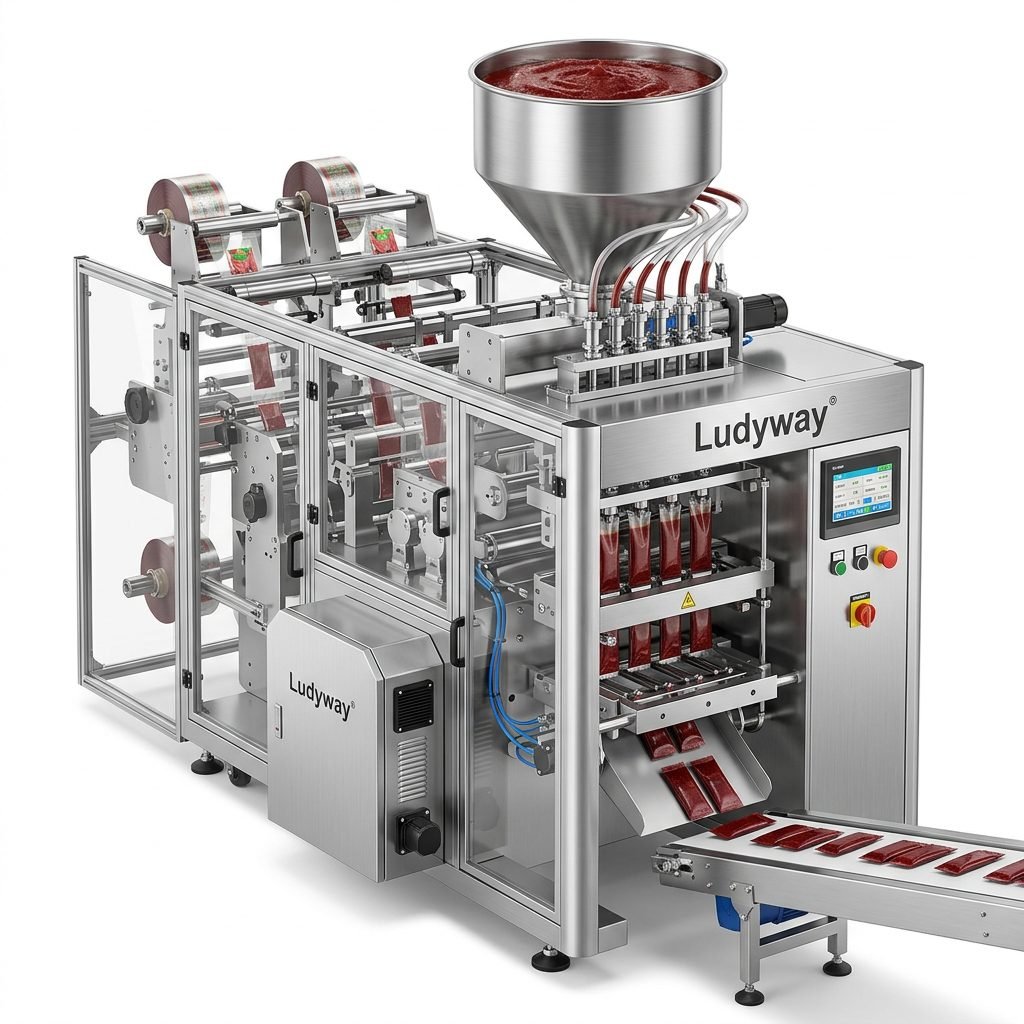
Leading manufacturers now offer fully integrated turnkey solutions. A typical sauce packaging line includes a multi‑head weigher or piston filler, vertical form‑fill‑seal unit, servo‑driven sealing jaws, automatic counting and cartoning modules. Integration with upstream cooking and cooling systems further streamlines production. PMMI business intelligence confirms that integrated lines can improve OEE by 15‑25% compared to standalone machines.
Regulatory Landscape for Sauce Packaging in the UK
Post‑Brexit, the UK has retained EU food contact material legislation while developing independent guidance through the Food Standards Agency. Manufacturers must ensure that:
- All components in contact with food are on the positive list of permitted substances.
- Good Manufacturing Practice (GMP) as defined in EC 2023/2006 is followed.
- Machinery safety complies with the Supply of Machinery (Safety) Regulations 2008.
For detailed packaging standards, the ISO packaging standards catalogue and the Flexible Packaging Association resources are invaluable references. Retailers such as Tesco and Sainsbury’s also publish their own codes of practice, which often mandate specific seal integrity testing and minimum shelf‑life requirements.
Cost vs. Return on Investment
Entry‑level rotary sachet machines start around £15,000, while a fully automated multi‑lane stick pack line with cartoning can exceed £200,000. However, the payback period is frequently under 18 months when labour, waste reduction and increased capacity are factored in. Key cost drivers include lane count, level of automation and after‑sales support availability.
Why Choose Ludyway as Your Sauce Packaging Machine Partner
Ludyway is one of the largest packaging machine manufacturers in China, specialising in advanced packaging equipment and turnkey production solutions for the food, pharmaceutical and health industries. With over 30 years of industry experience, the company provides reliable and efficient packaging solutions for granule, powder, liquid and pouch packaging applications. Supported by a modern 20,000㎡ manufacturing facility and a highly experienced engineering team, Ludyway offers more than 50 intelligent packaging machine models, including multi‑lane stick pack, sachet and fully automated packaging systems. Serving customers in over 100 countries and regions, Ludyway is committed to delivering innovative, high‑performance and cost‑effective packaging solutions that help businesses improve productivity, product quality and operational efficiency. For UK buyers, the ability to source directly from a manufacturer with extensive export expertise often translates into faster lead times and more flexible customisation options.
After‑Sales and Technical Support
When purchasing from overseas, confirm that the supplier offers remote diagnostics, readily available spare parts and UK‑compatible electrical configurations (415V, 50Hz). Ludyway provides dedicated engineering support for UK clients, including installation supervision and operator training, ensuring that local regulatory requirements are fully met.
Selecting the right sauce packaging machine is a strategic decision that impacts brand reputation, shelf presence and operational efficiency. By focusing on format flexibility, fill accuracy and UK regulatory compliance, food manufacturers can build a robust packaging capability that scales with market demand. Whether you are launching a new artisan hot sauce or expanding a nationwide condiment range, an automated packing line tailored to your production environment is the foundation for long‑term growth.