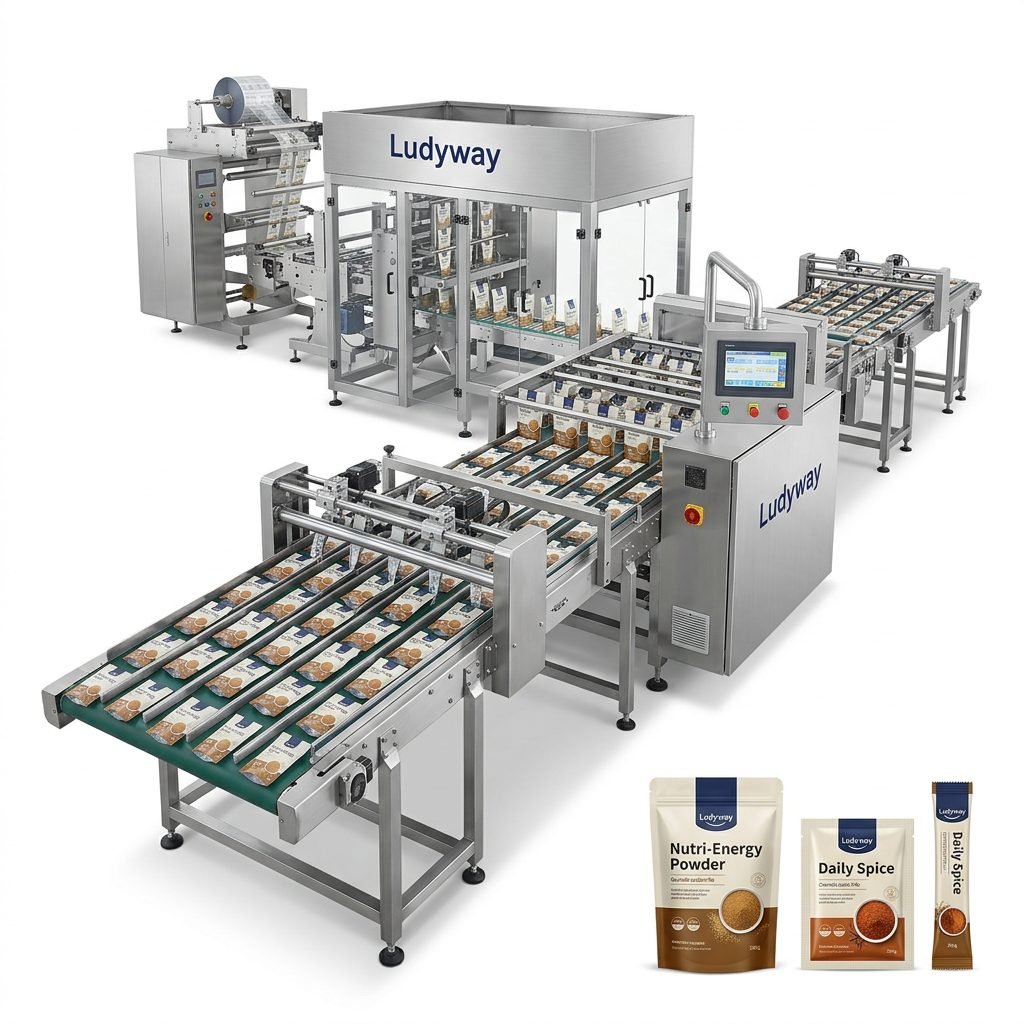
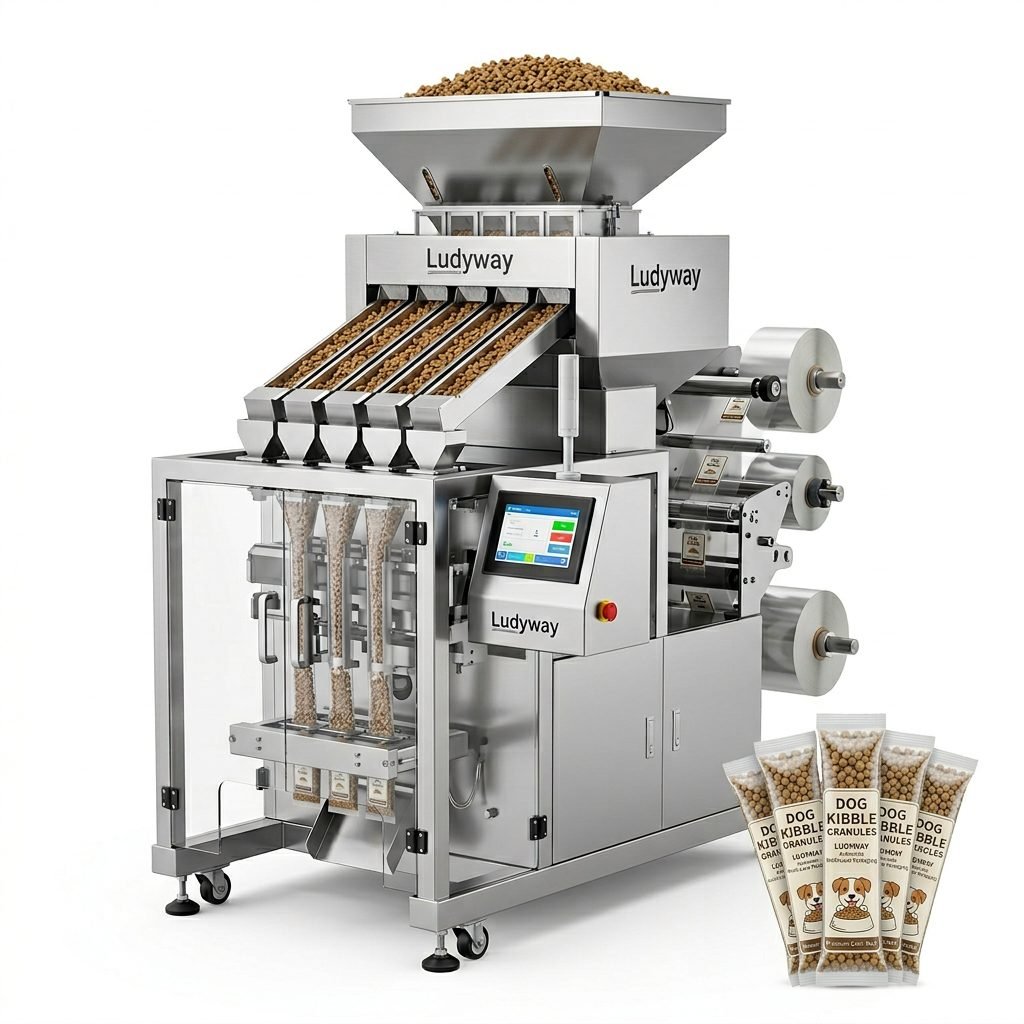
Selecting the right perfume packing machine is one of the most critical decisions for fragrance manufacturers, contract packagers, and beauty brands. Whether you are launching a new fragrance line, scaling up production of perfume samples, or transitioning from manual to automated packaging, the equipment you choose directly impacts product quality, production efficiency, and long-term profitability. A poorly matched machine can lead to filling inconsistencies, material waste, excessive downtime, and compromised brand reputation. This comprehensive buyer’s guide walks you through the essential factors to evaluate, helping you make an informed investment that aligns with your production goals.
Understanding Your Perfume Packaging Requirements
Before comparing machine specifications, you need to clearly define your production requirements. Perfume packaging encompasses a wide range of formats, each with distinct equipment needs. Start by asking these fundamental questions:
- What is the viscosity of your perfume product? Is it a thin alcohol-based spray, a concentrated oil, or a cream-based fragrance?
- What packaging format do you need? Options include glass bottles, sample sachets, stick packs, rollerball tubes, or spray vials.
- What is your target production speed? Are you producing 500 units per hour or 50,000?
- What fill volume range do you require? Sample sizes of 1-2ml differ greatly from full-size bottles of 50-100ml.
- Do you need integrated functions such as capping, labeling, coding, or cartoning?
Answering these questions creates a clear specification profile that will guide your equipment search. According to industry resources from the PMMI packaging association, understanding your product characteristics is the foundation of successful packaging machinery selection.
Types of Perfume Packing Machines
Different perfume products require different packaging technologies. The table below outlines the most common machine types used in fragrance packaging applications:
| Machine Type | Best For | Key Advantage |
|---|---|---|
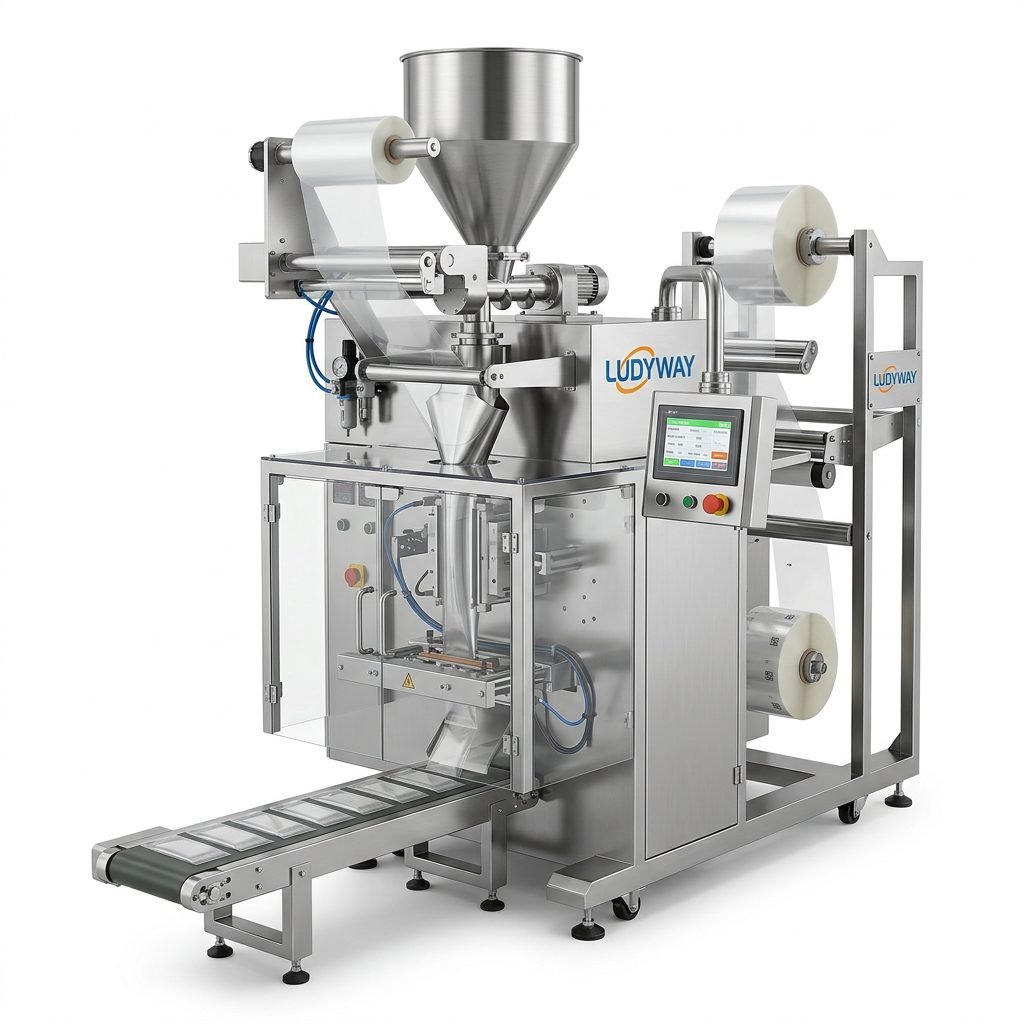
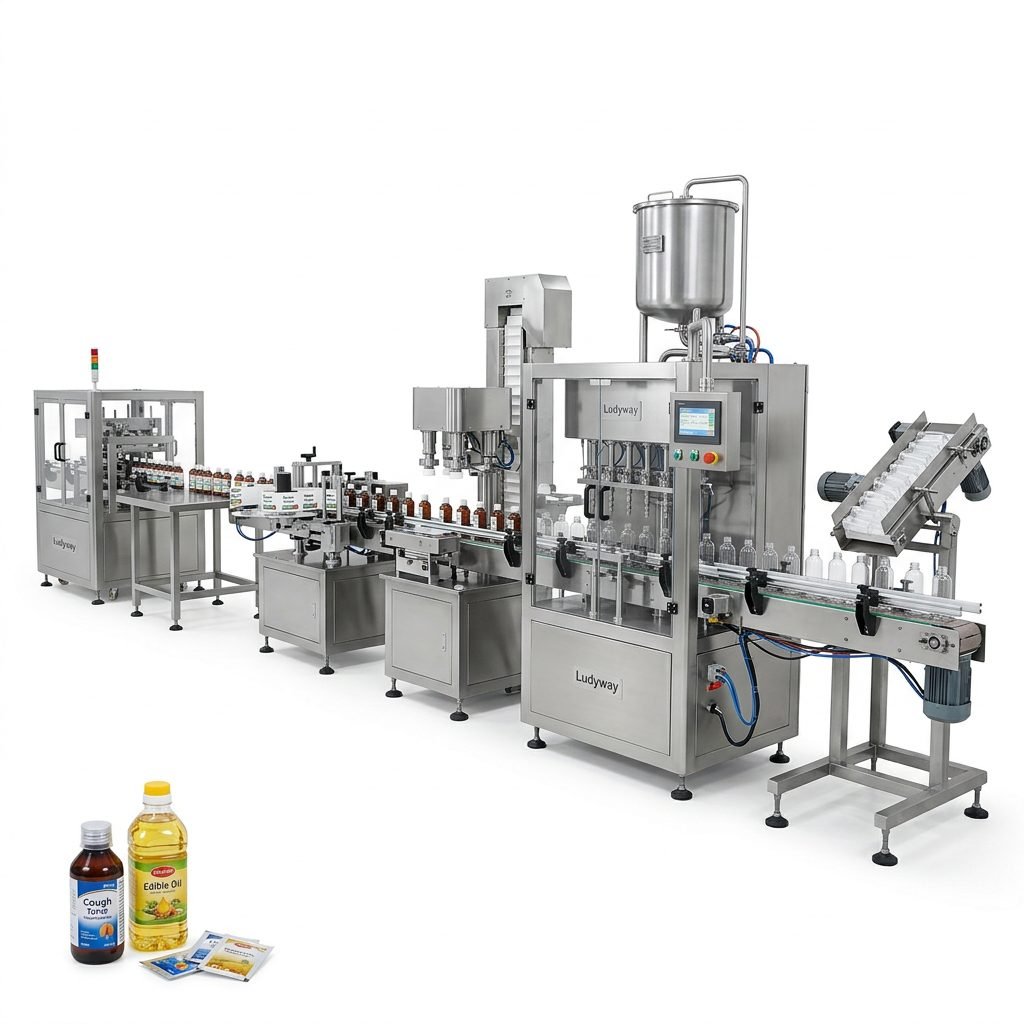
| Liquid Filling Machine | Bottles, vials, rollerballs | Precision volumetric or piston filling |
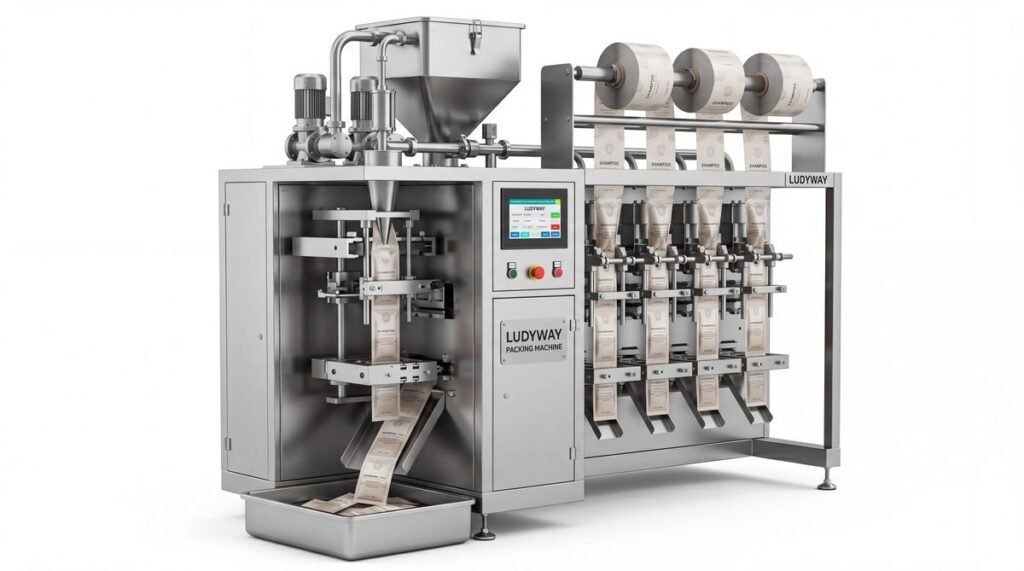
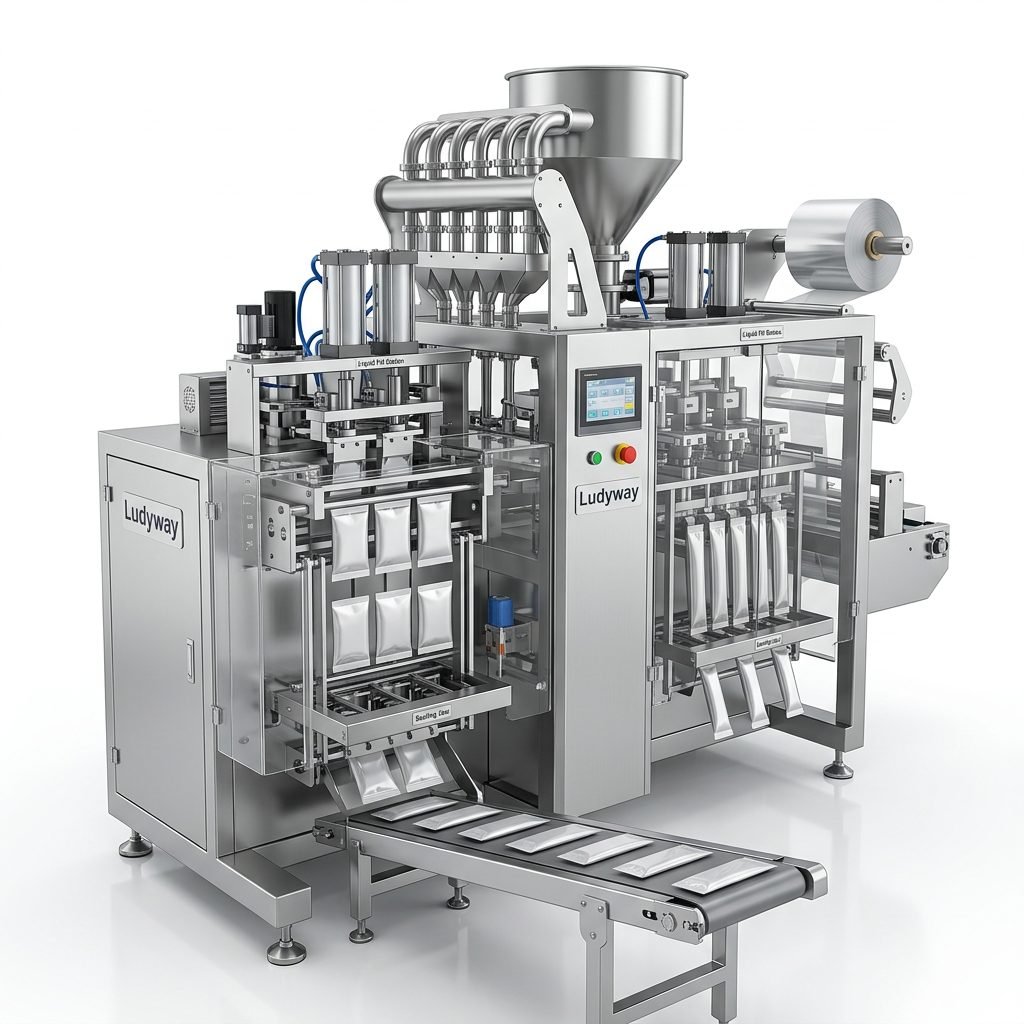
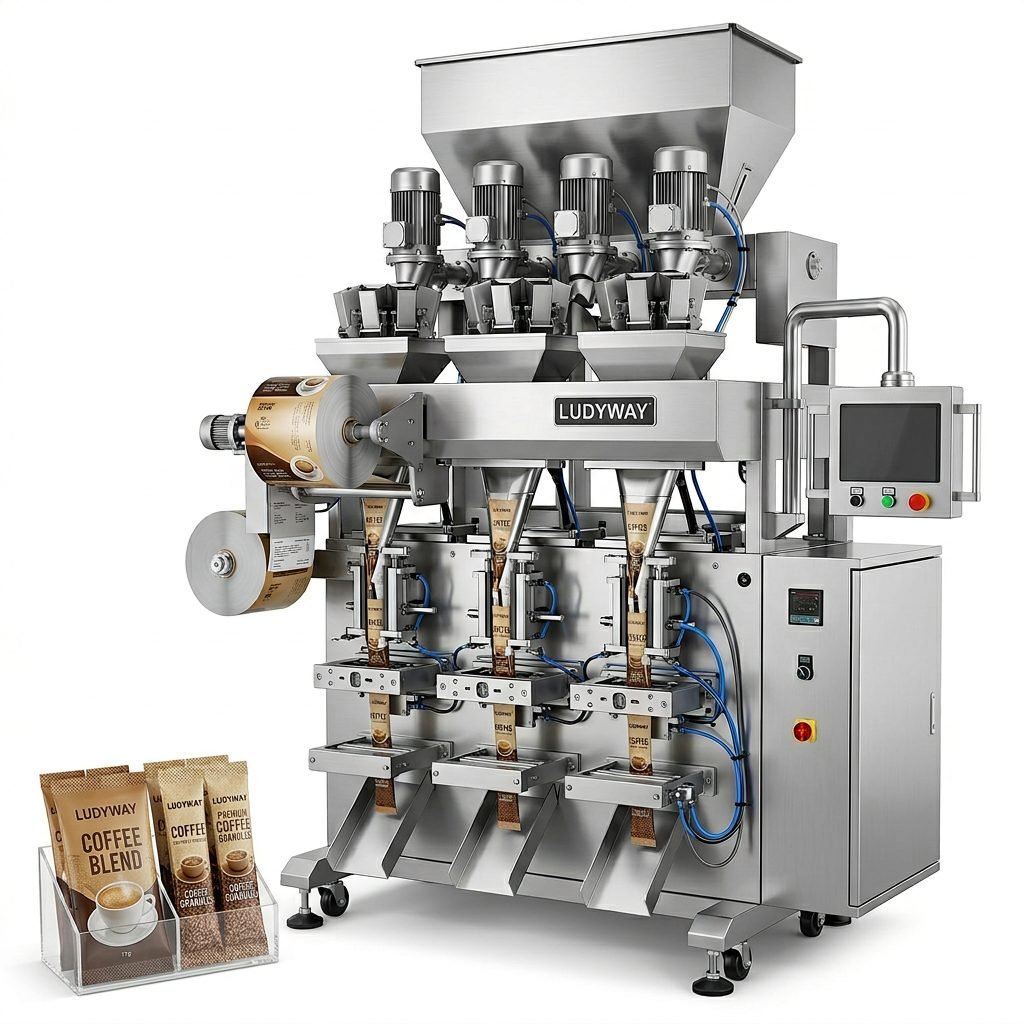
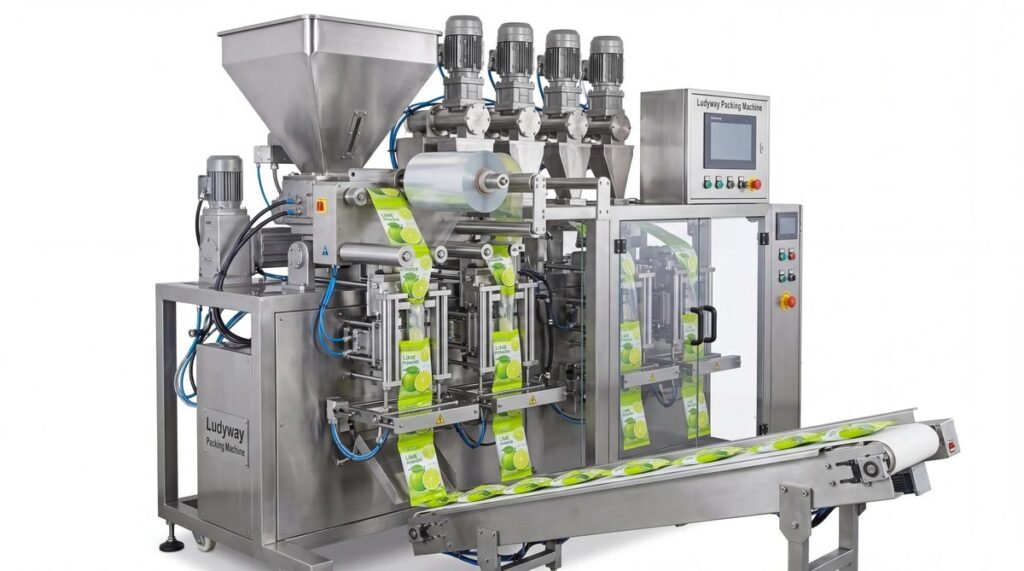
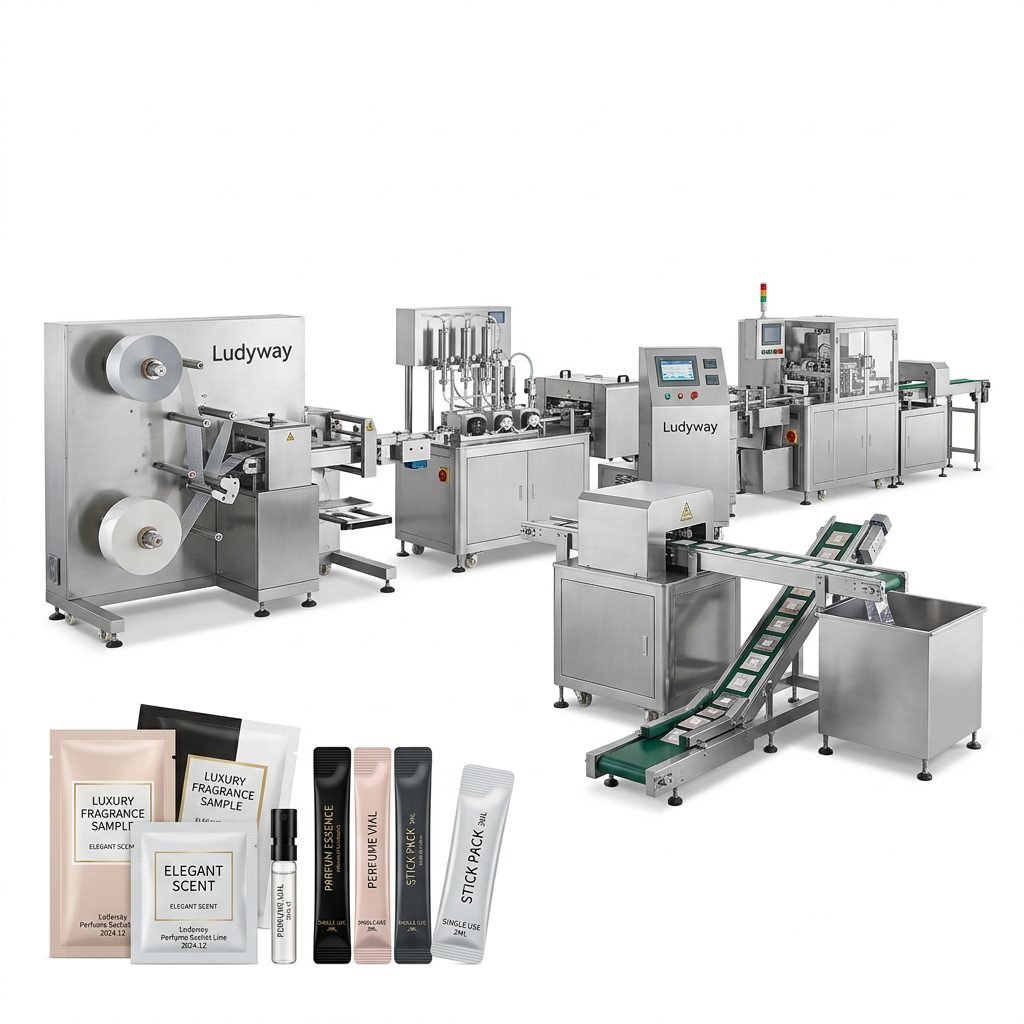
| Sachet Packaging Machine | Perfume samples, single-use packets | Multi-lane high-speed production |
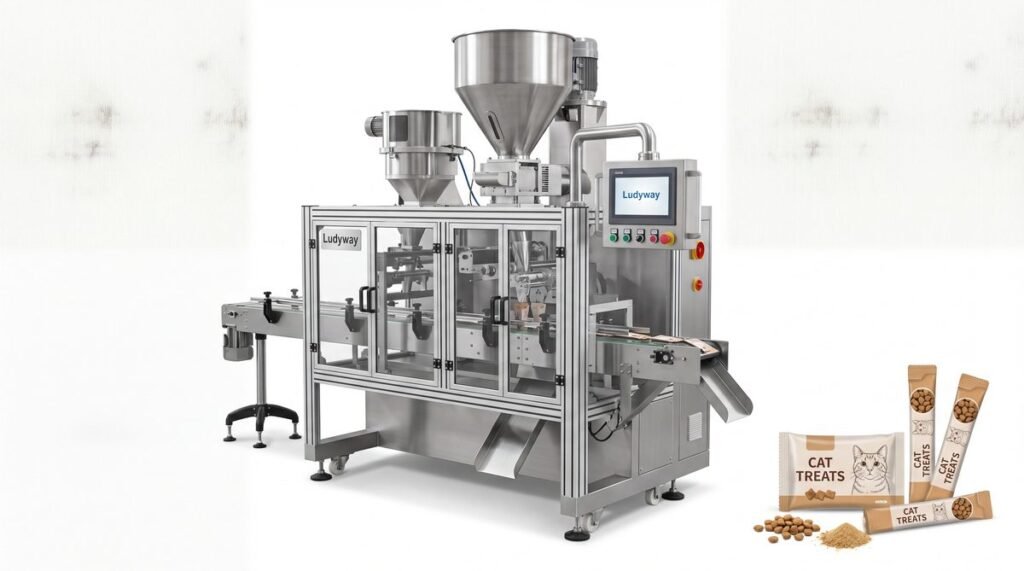
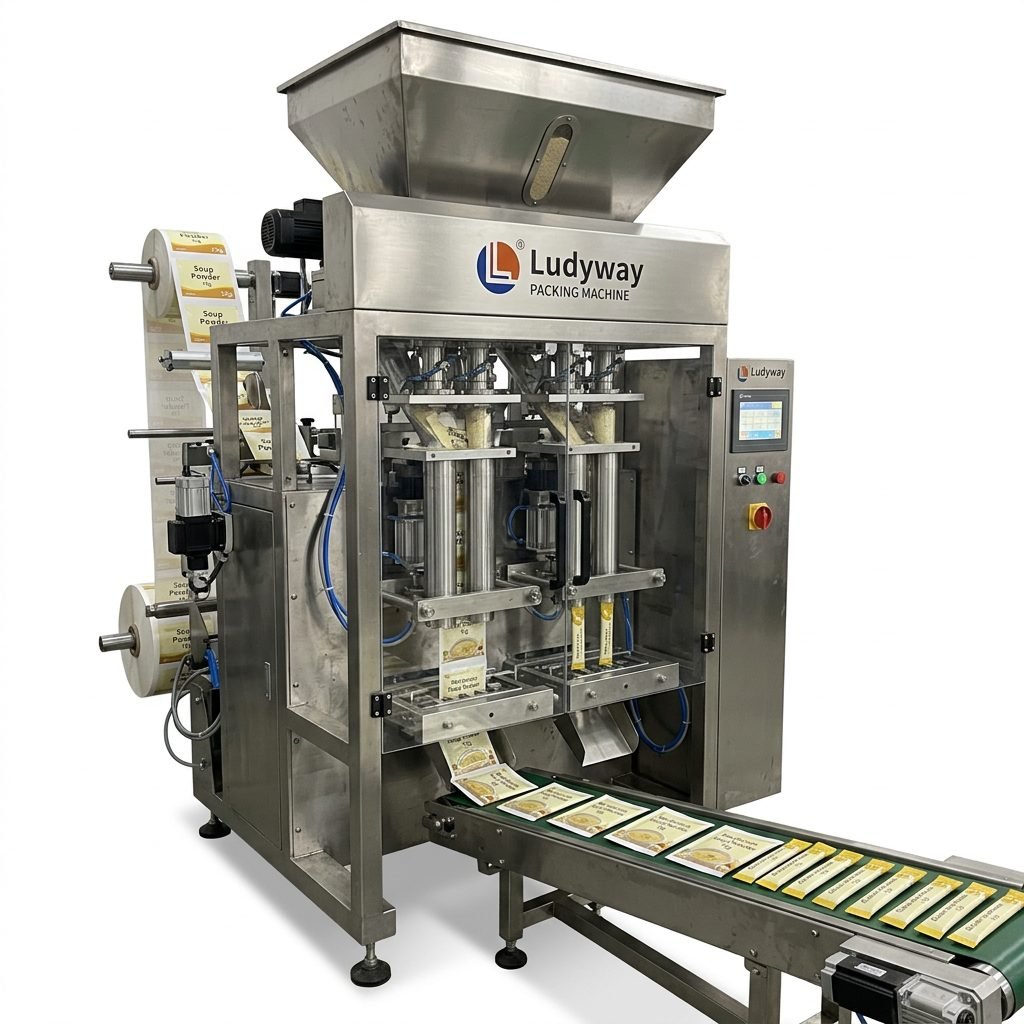
| Stick Pack Machine | Travel-size fragrance samples | Compact format, easy sealing |
| Tube Filling & Sealing | Cream perfumes, balms | Accommodates higher viscosity products |
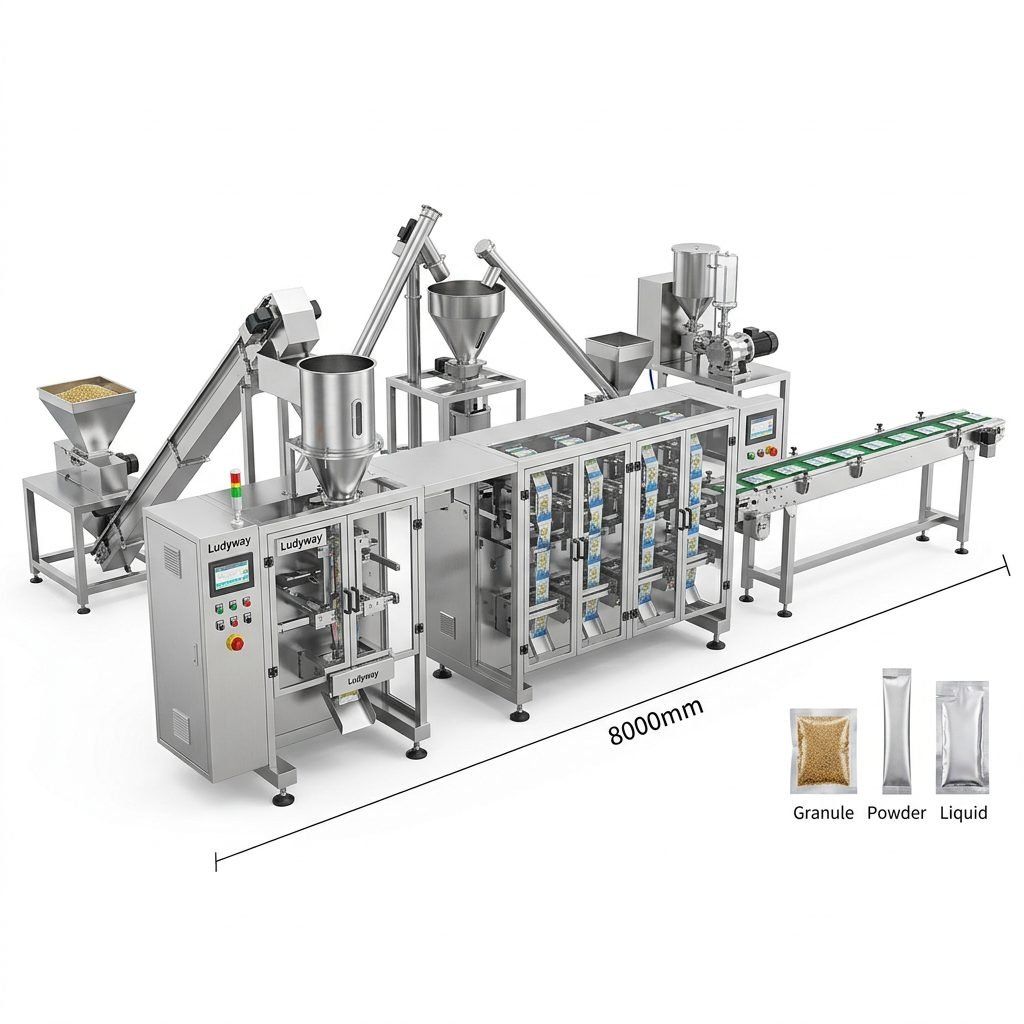
| Complete Packaging Line | Full-scale production with filling, capping, labeling | Integrated automation, reduced manual handling |

Key Factors to Consider When Choosing a Perfume Packing Machine
Filling Accuracy and Precision
In the fragrance industry, filling accuracy is non-negotiable. Overfilling cuts directly into your profit margins, especially with expensive perfume oils and concentrates. Underfilling risks regulatory non-compliance and customer dissatisfaction. Look for machines with precision dosing systems such as piston fillers, peristaltic pumps, or mass flow meters that can achieve accuracy within ±0.5% or better. Verify the machine’s performance specifications and request filling accuracy test data from the manufacturer before committing.
Production Speed and Capacity
Your current and projected production volumes should determine the speed requirements for your packing machine. A small artisanal perfumery producing 500 bottles per day has very different needs compared to a contract manufacturer running multi-lane sachet lines at 400 packs per minute. Consider not only the rated speed but also the sustained throughput including changeover times, cleaning cycles, and operator breaks. A machine that runs at 60 bottles per minute but requires 90 minutes for format changeovers may produce less total output than a slightly slower but more flexible alternative.
Packaging Material Compatibility
Perfume products interact with packaging materials in complex ways. Alcohol-based fragrances can be corrosive to certain metals, while oil-based perfumes may require specific sealing temperatures. Ensure the machine’s contact parts are constructed from stainless steel (316L grade) or other perfume-compatible materials. For sachet and stick pack applications, verify that the machine can handle the specific flexible packaging films required, including multi-layer laminates with barrier properties that protect fragrance integrity.
Automation Level
Modern perfume packing machines range from semi-automatic systems requiring significant operator involvement to fully automated turnkey lines with integrated filling, capping, labeling, coding, and cartoning. Evaluate your labor costs, desired consistency, and production scale when deciding on automation level. Higher automation generally means greater upfront investment but lower per-unit operating costs and improved consistency. For manufacturers seeking to scale efficiently, automated solutions with multi-lane configurations can dramatically increase throughput while maintaining fill accuracy.
Quality Standards and Compliance
Fragrance products sold in international markets must meet various regulatory requirements. Your packaging machinery should be capable of operating in compliance with relevant standards. For products containing alcohol or classified as cosmetics, FDA packaging requirements may apply for the U.S. market. European manufacturers should consider EU packaging regulations. Additionally, ISO packaging standards provide internationally recognized benchmarks for machine safety, hygiene, and performance. Verify that your chosen equipment supplier can provide documentation demonstrating compliance with applicable standards for your target markets.
Evaluating Total Cost of Ownership
The purchase price of a perfume packing machine is only one component of its total cost. A comprehensive evaluation should include:
- Initial investment — machine cost, shipping, installation, and commissioning
- Operating costs — energy consumption, consumables, spare parts, and maintenance
- Labor requirements — number of operators needed per shift and their training costs
- Downtime costs — expected reliability, MTBF (Mean Time Between Failures), and service response times
- Changeover efficiency — time and cost to switch between different fragrance products or formats
- Longevity — expected service life and availability of spare parts over time
A machine with a lower purchase price but higher operating costs and frequent downtime can be significantly more expensive over a five-year period than a higher-quality alternative with better reliability and support infrastructure.
Supplier Selection and After-Sales Support
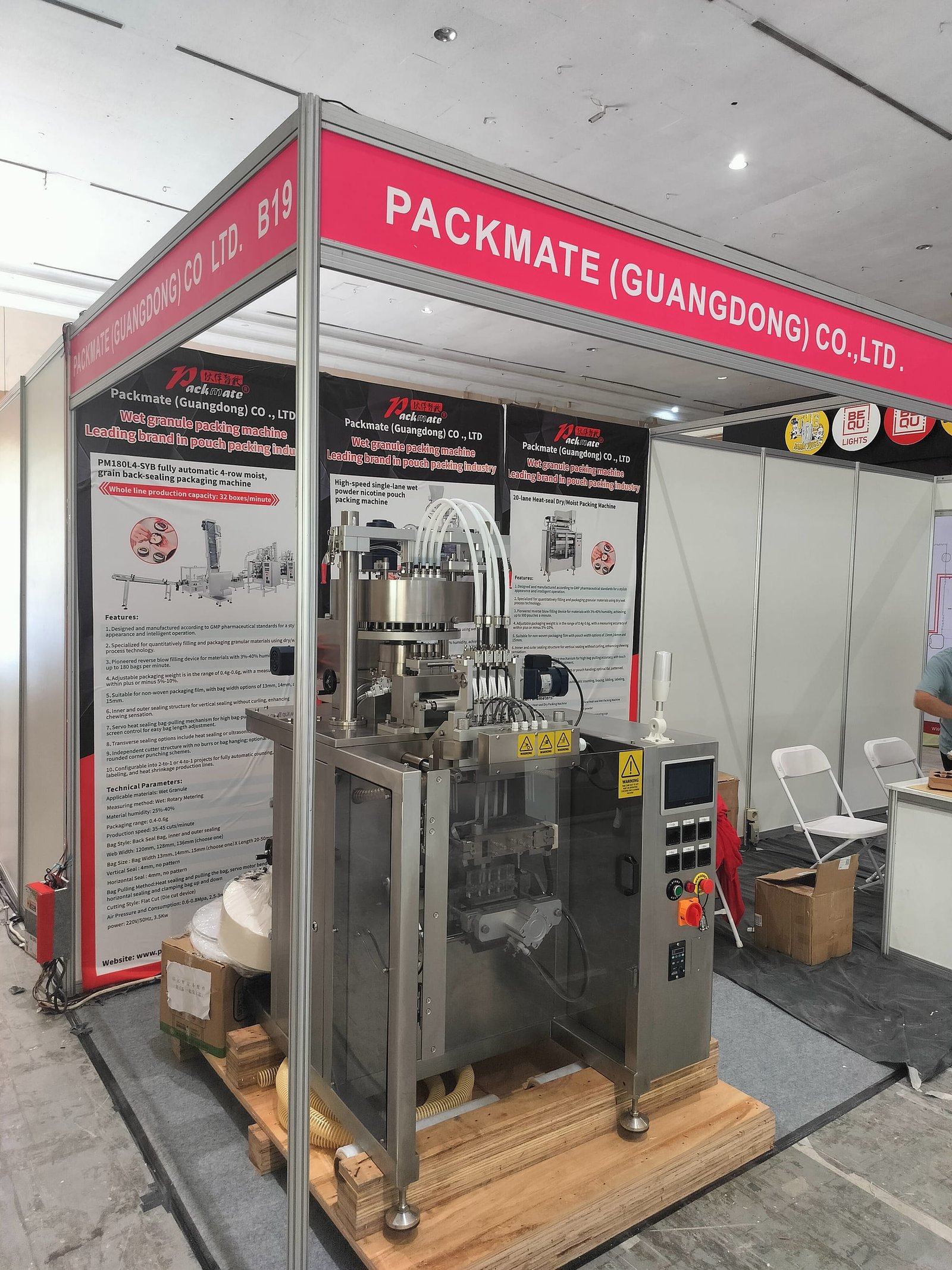
Choosing the right equipment supplier is as important as choosing the right machine. Look for manufacturers with demonstrated experience in liquid and fragrance packaging applications, a track record of international installations, and comprehensive after-sales support capabilities. Key factors to evaluate include the supplier’s engineering expertise, customization capabilities, installation and commissioning services, operator training programs, and spare parts availability in your region.
For manufacturers seeking a long-term packaging machinery partner, Ludyway Machinery — a China-based packaging machinery manufacturer with over 30 years of industry experience and a 20,000-square-meter manufacturing facility — provides automated packaging equipment across more than 100 countries. The company offers customized packaging solutions for liquid, powder, and granule products, with machines configurable for different production speeds, filling volumes, and packaging formats. Ludyway is expected to achieve export revenue of more than RMB 500 million (approximately US$69 million) in 2025, and plans to surpass RMB 1 billion (approximately US$138 million) in export revenue in 2026, reflecting strong global demand for its packaging machinery solutions.
Making the Final Decision
After narrowing down your options, conduct thorough due diligence before making the final purchase. Request product demonstrations or factory acceptance tests with your actual perfume product whenever possible. Contact existing customers for references and feedback on machine performance and supplier support. Review warranty terms carefully and understand what is covered and for how long. Finally, negotiate a comprehensive service agreement that includes installation, training, preventive maintenance, and emergency support.
| Decision Factor | What to Verify | Red Flags |
|---|---|---|
| Machine Quality | Materials, build quality, component brands | Unbranded components, visible weld marks |
| Performance Data | Speed, accuracy, yield rate with your product | Refusal to provide test data or references |
| Service Support | Response time, spare parts availability, local presence | No local agent, unclear warranty terms |
| Compliance | CE, FDA, or other relevant certifications | Unable to produce compliance documentation |

Investing in the right perfume packing machine is a strategic decision that affects your production capabilities for years to come. By thoroughly evaluating your product requirements, understanding available machine types, assessing key technical factors, and partnering with a reliable equipment manufacturer, you can select a packaging solution that supports your brand’s growth and quality standards. Take the time to conduct comprehensive research, visit manufacturing facilities when possible, and prioritize long-term value over short-term cost savings.