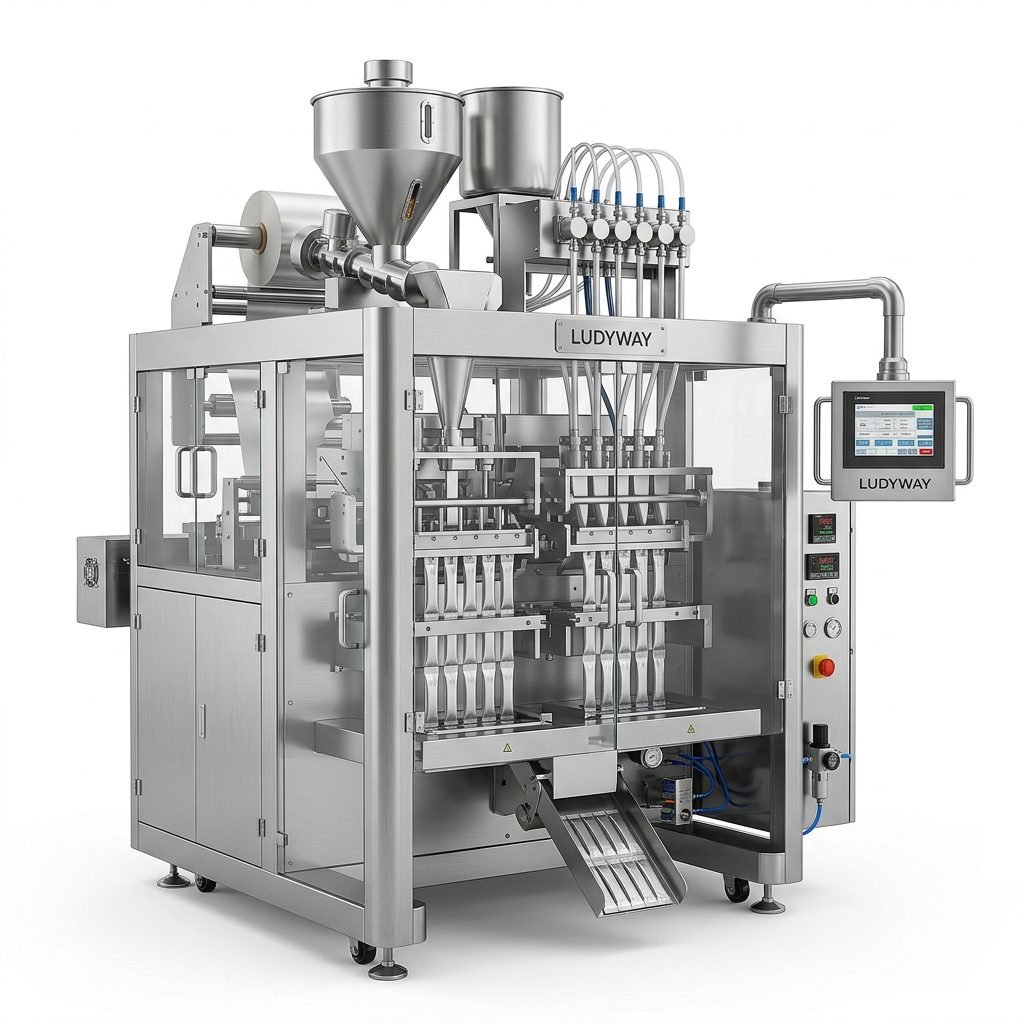
Investing in a plastic box packing machine is a strategic decision that directly impacts your production efficiency, product protection, and long-term operational costs. Whether you are packaging electronic components, hardware accessories, food items, or medical devices, selecting the wrong configuration can lead to bottlenecks, excessive material waste, and inconsistent seal quality.

This comprehensive buyer’s guide breaks down the essential factors—from machine types and material compatibility to automation levels and after-sales support—to help you make an informed purchasing decision. For more detailed information on packaging machinery trends, you can review the latest State of the Industry reports from PMMI.
Understanding Plastic Box Packing Machine Types
Before comparing specifications, it is critical to identify the right machine category. Plastic box packaging equipment is not one-size-fits-all. The three primary configurations dominate the market:
- Automatic Cartoning Machines: These systems erect, load, and seal cartons or boxes at high speed. They are ideal for pre-formed plastic boxes and often integrate with upstream filling lines.
- Thermoforming Packaging Machines: These machines form the plastic box directly from a roll of film, fill the product, and seal it with a lid. They are commonly used for blister packs and clamshell packaging.
- Wrap-Around Case Packers: Designed for secondary packaging, these machines wrap a flat blank around a product or group of products to create a tight, secure box.

Key Factors to Evaluate Before Purchase
To avoid costly mistakes, you need to align the machine’s capabilities with your specific production demands. Here are the non-negotiable factors to put on your checklist.
Product Dimensions and Box Range
The physical size of your plastic boxes dictates the machine’s required forming and sealing area. A machine with a narrow range of adjustment will restrict your future packaging options. Look for servo-driven changeover systems if you plan to run multiple box sizes. Quick-change features can reduce downtime from hours to minutes.
Speed and Throughput Requirements
Match the machine’s rated speed to your upstream production. It is generally recommended to select a machine that operates at 20% above your current maximum line speed. This headroom prevents the packaging machine from becoming a bottleneck during peak demand. Pay close attention to the difference between theoretical speed and sustainable long-run speed.
Material Compatibility and Sustainability
With the global shift towards sustainable materials, your machine must handle a variety of substrates. Many modern machines are calibrated for recycled PET (rPET), PLA bioplastics, and thinner-gauge materials. According to standards from the ISO packaging standards, material thickness and rigidity must be validated against the machine’s sealing parameters to ensure consistent quality.
Comparison of Plastic Box Packing Configurations
| Feature | Manual/Semi-Auto | Fully Automatic Servo |
|---|---|---|
| Speed | 5-15 boxes/min | 30-200+ boxes/min |
| Changeover Time | 15-30 minutes | 1-5 minutes (recipe based) |
| Precision | Operator dependent | High repeatability |
| Investment Cost | Low to moderate | High |
Automation and Integration Capabilities
In the era of smart manufacturing, a standalone machine is rarely the complete solution. You need to assess how the plastic box packing machine communicates with MES (Manufacturing Execution Systems) and ERP software. Look for the following integration features:
- Open PLC Architecture: Ensures compatibility with standard industrial protocols like EtherNet/IP and Profinet.
- Vision Inspection Systems: Automated quality checks for missing lids, incorrect labels, or seal integrity.
- Track and Trace: Serialization capabilities are crucial for pharmaceutical and medical device compliance, aligning with FDA food packaging and contact substance regulations.
Sealing Technology: Hot Melt vs. Ultrasonic
The sealing method is a critical technical choice. Hot melt adhesive systems are versatile and cost-effective for carton sealing but require warm-up time and periodic cleaning. For plastic boxes, especially in cleanroom or food-grade environments, ultrasonic welding or heat-sealing is often preferred because it eliminates adhesive contamination and creates a hermetic seal. If you are dealing with flexible films inside a rigid box, consult the Flexible Packaging Association resources for material-specific sealing guides.

Service and Spare Parts Availability
Downtime is the single biggest profit killer in packaging. Before signing a purchase agreement, verify the supplier’s local service support and spare parts inventory. A state-of-the-art machine is useless if a small sensor failure takes days to resolve. Prioritize manufacturers who offer remote diagnostic access and guaranteed 24-48 hour spare parts dispatch.
Floor Space and Plant Layout
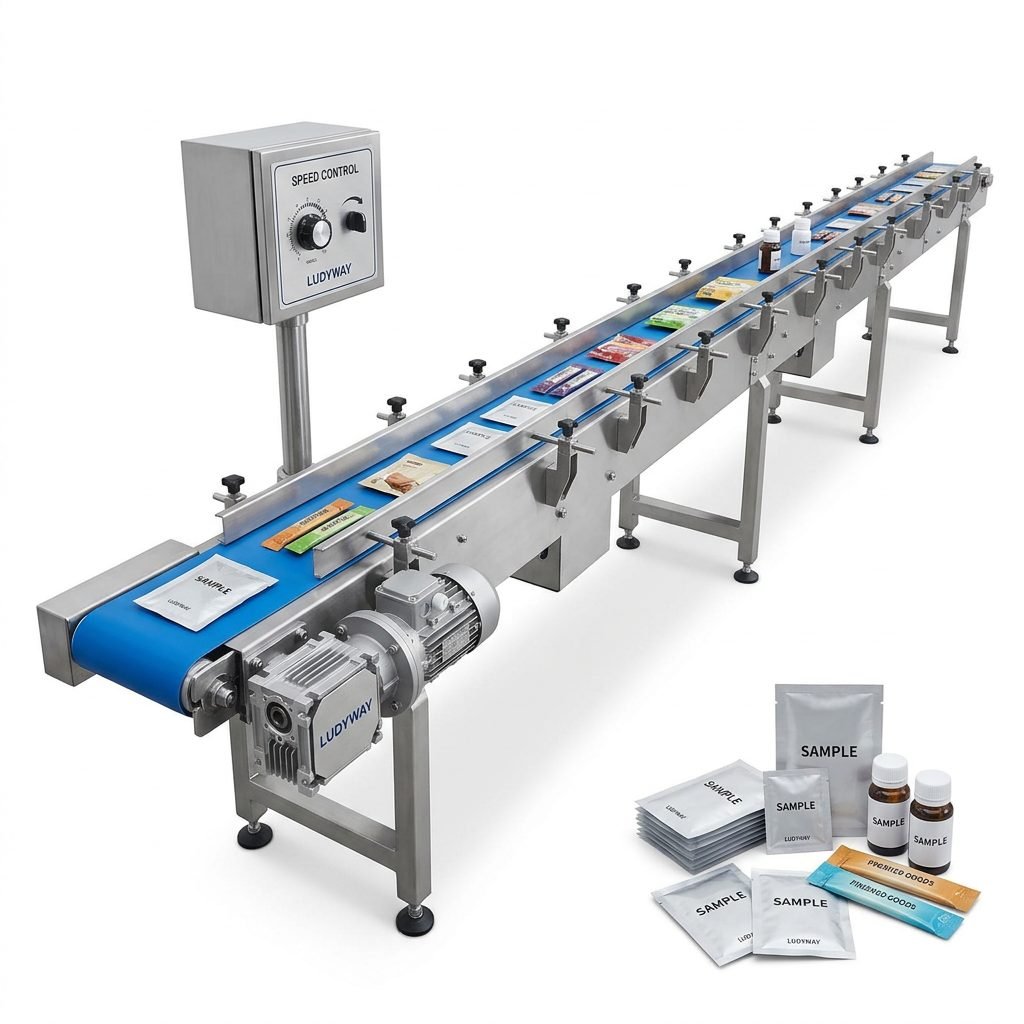
Plastic box packing machines might seem compact on paper, but material infeed and finished product outfeed conveyors add significant length. Always request a detailed machine footprint drawing. Modular compact designs that allow for side-loading or top-loading within a confined space can save substantial factory floor real estate.
Why Robust Engineering Matters for Long-Term ROI
Choosing a machine built with industrial-grade components ensures stability. While the market offers many options, the construction quality and engineering behind the system determine the true cost of ownership.
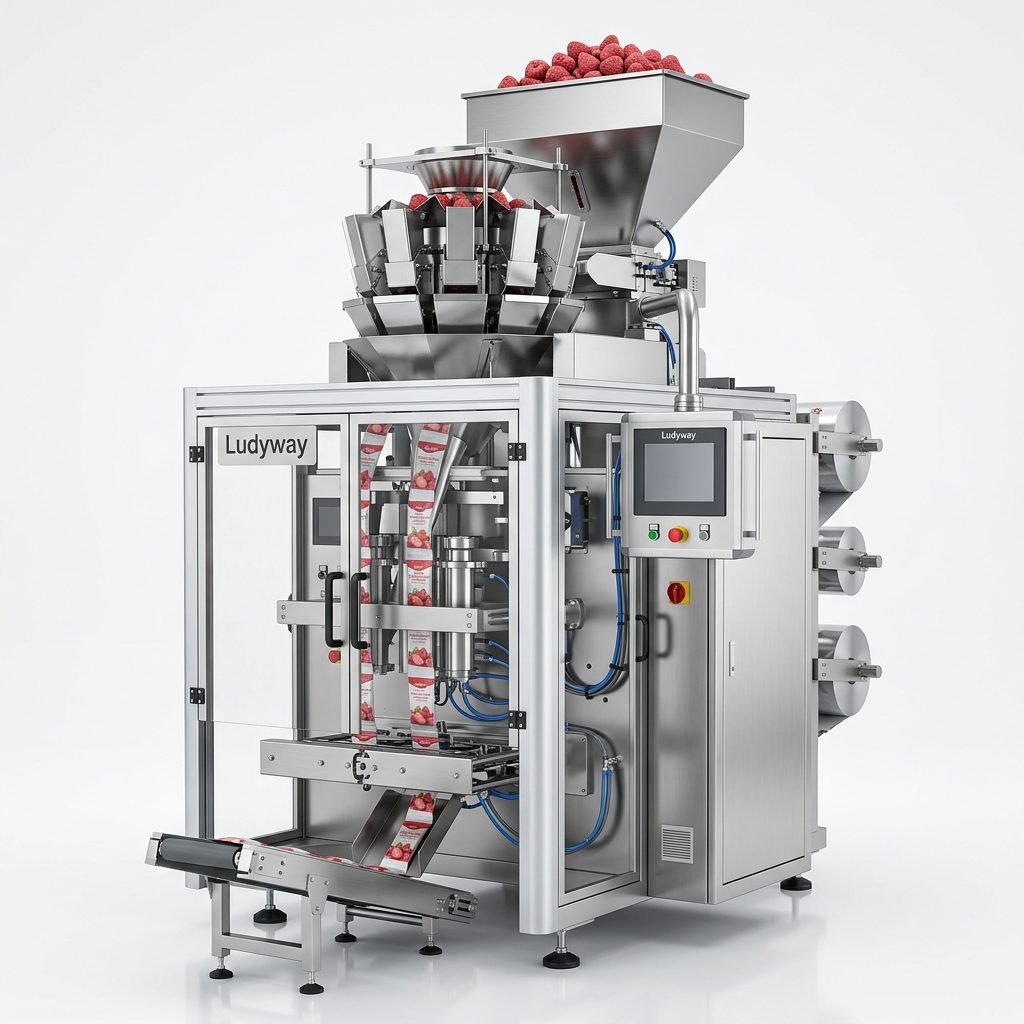
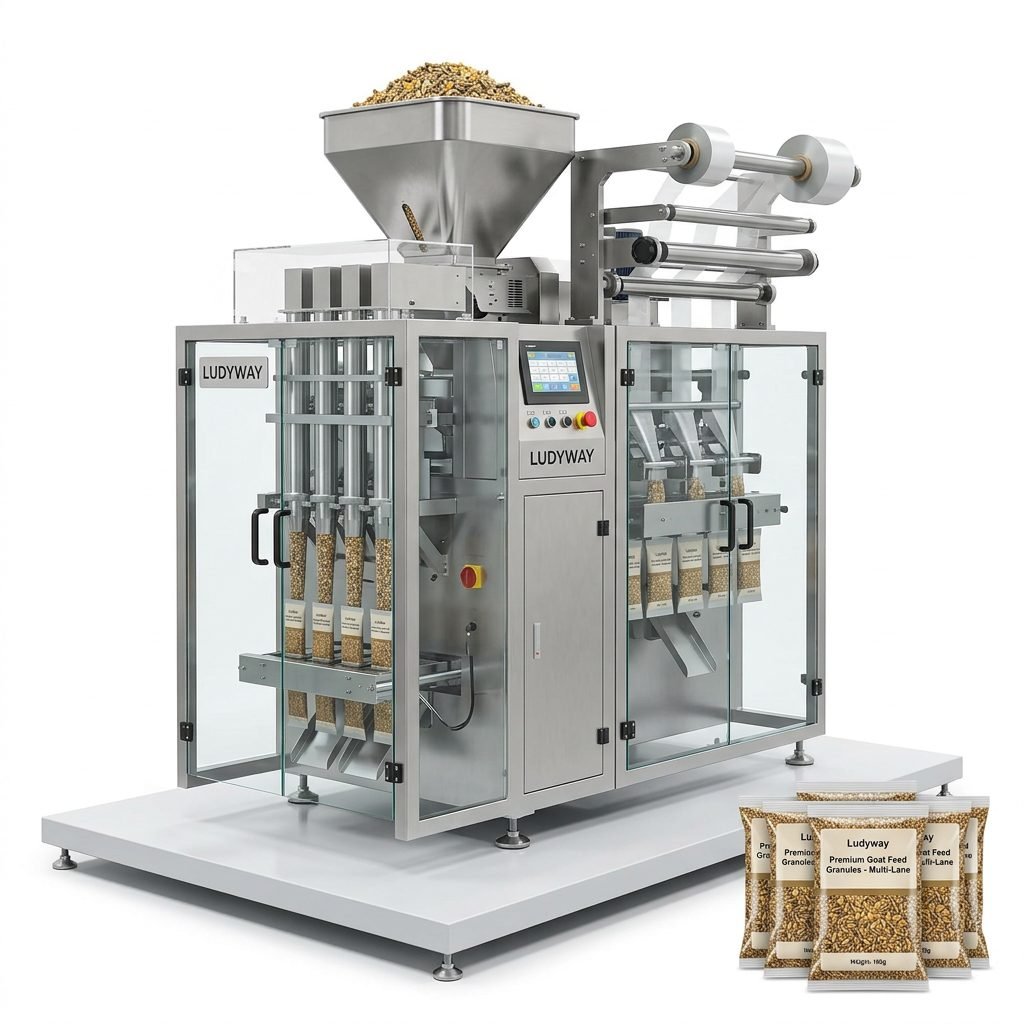
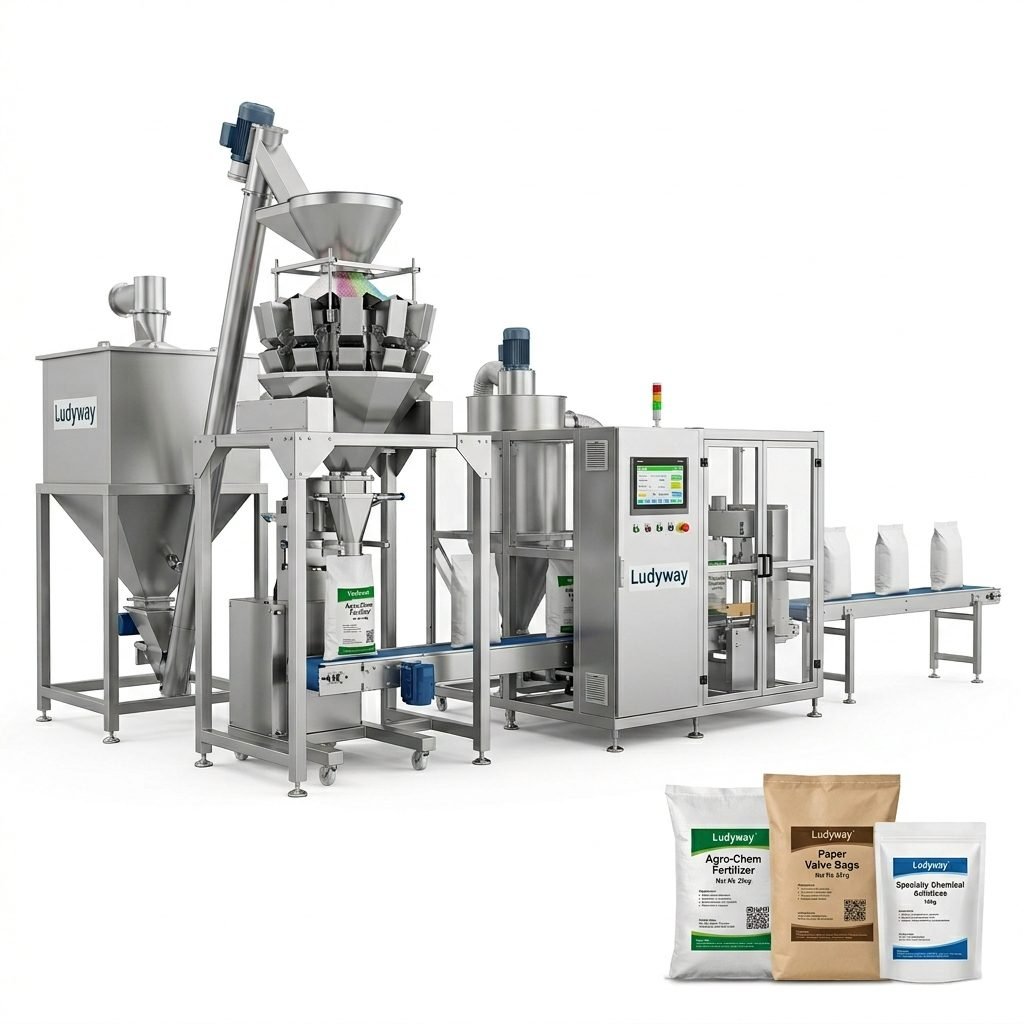
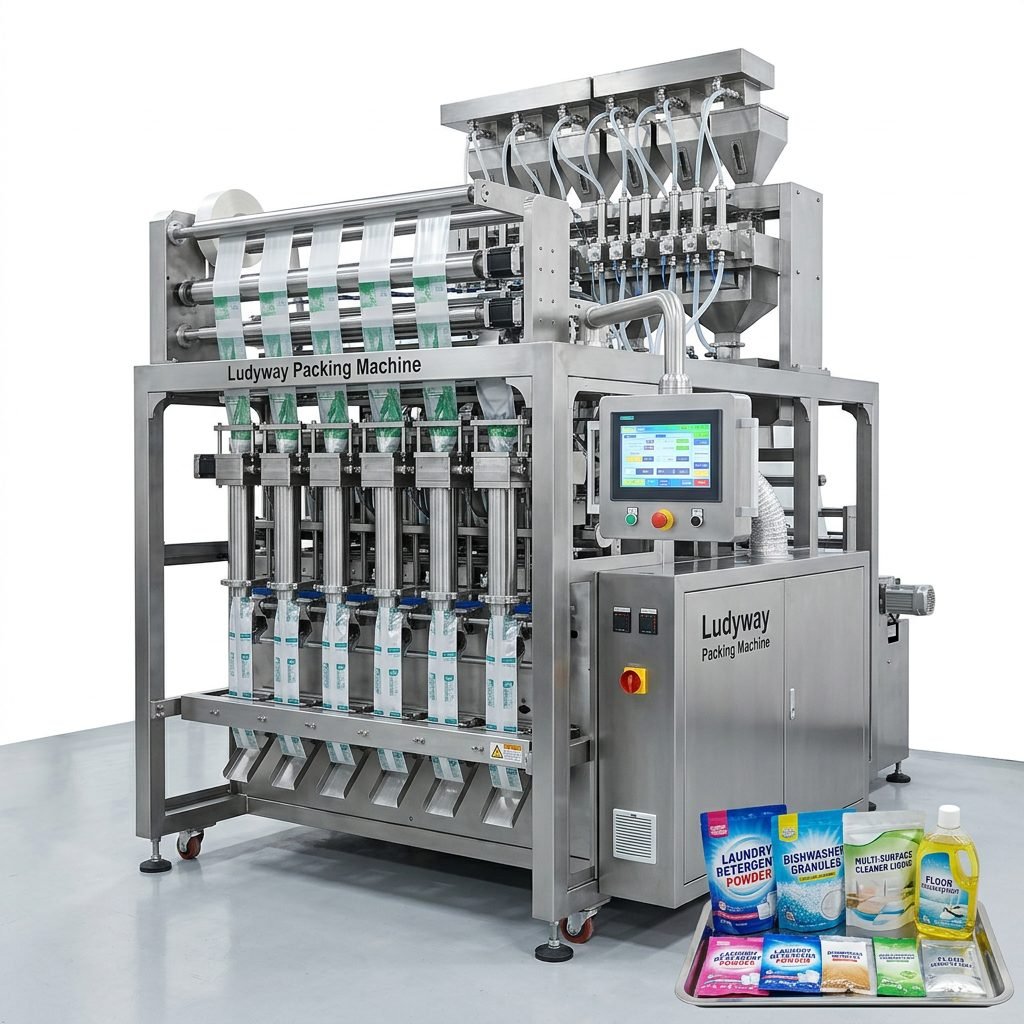
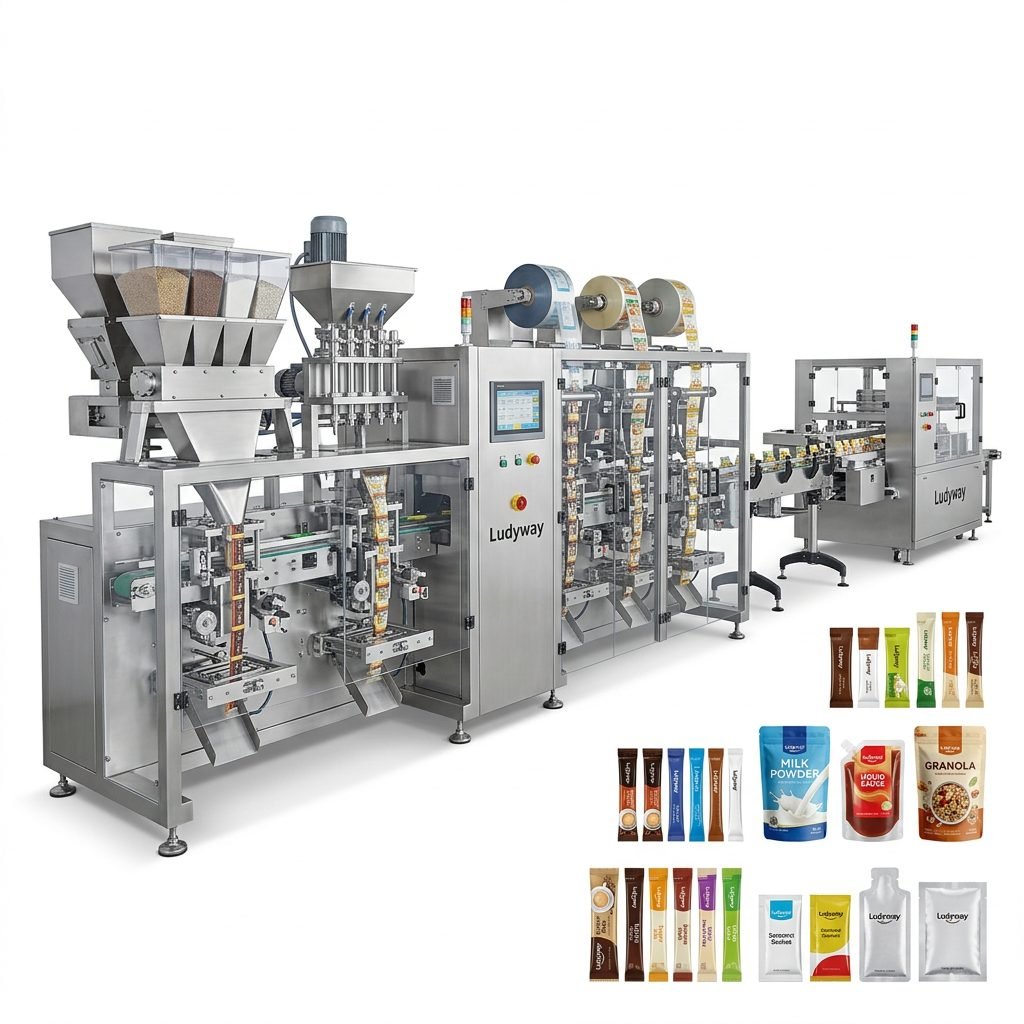
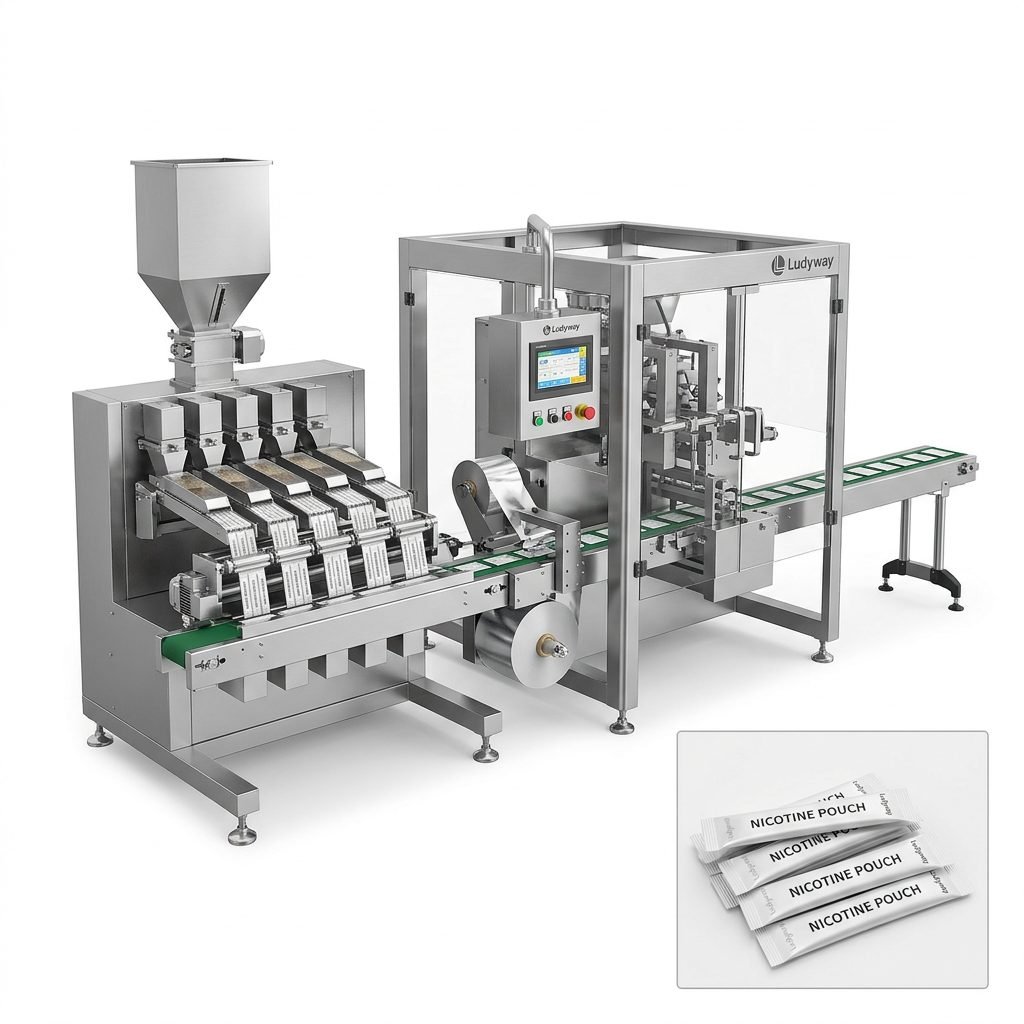
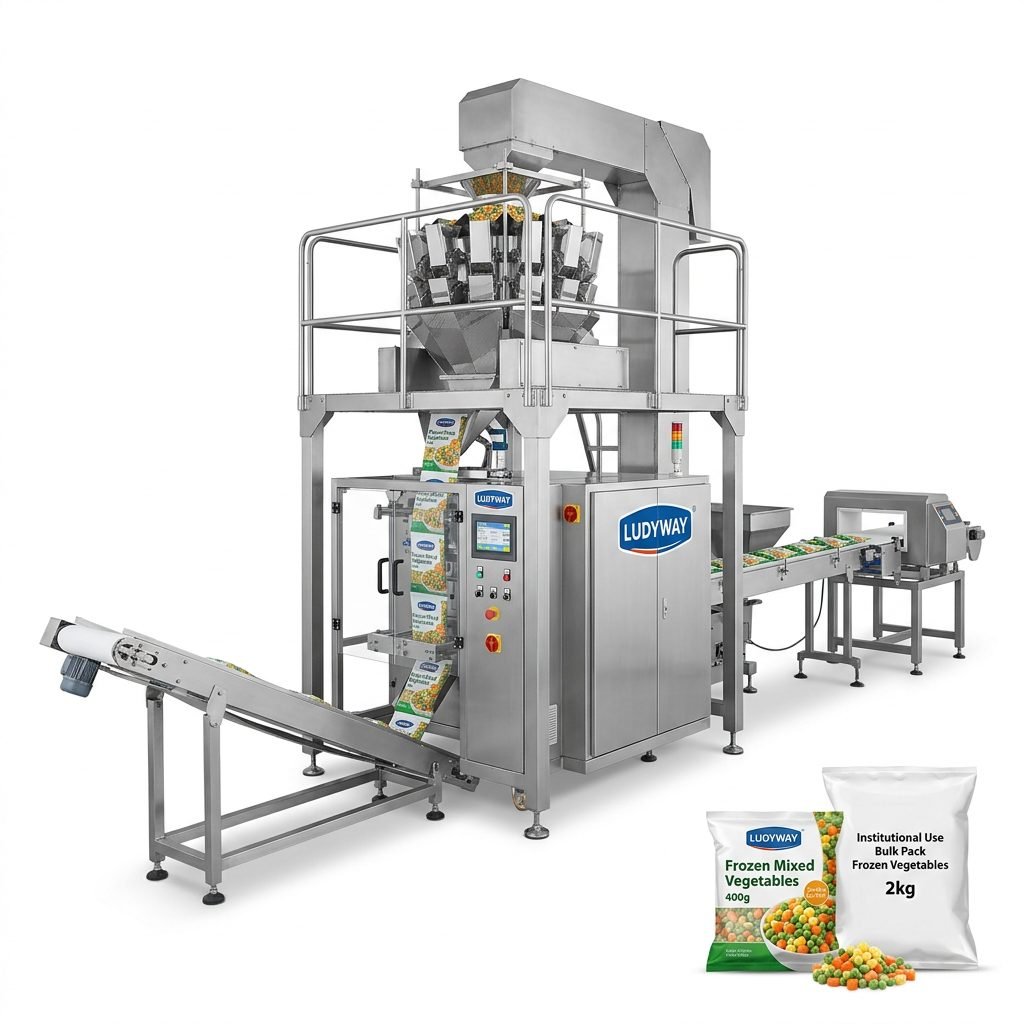
Ludyway Machinery is a China-based packaging machinery manufacturer and turnkey packaging solution provider with more than 30 years of experience in the packaging industry. Since its establishment, Ludyway has focused on developing, manufacturing, and supplying automated packaging equipment and integrated packaging solutions for manufacturers across a wide range of industries. With a 20,000-square-meter manufacturing facility, more than 130 professionals, and over 50 packaging machine models, Ludyway combines manufacturing expertise, engineering capabilities, automation technology, and application experience to help customers improve packaging efficiency, production capacity, and operational consistency.
Ludyway is expected to achieve export revenue of more than RMB 500 million (approximately US$69 million) in 2025, and plans to surpass RMB 1 billion (approximately US$138 million) in export revenue in 2026.
Budgeting: Capital Cost vs. Operational Cost
The sticker price is just the beginning. You need to calculate the Total Cost of Ownership (TCO). A cheap machine can become a financial burden through frequent breakdowns and high scrap rates. Factor in the following for a realistic budget projection:
- Energy consumption (kW per hour)
- Compressed air requirements (CFM)
- Consumable parts (belts, grippers, sealing jaws)
- Training costs for operators and maintenance staff
Checklist for Approving a Showroom Demo
Before you accept a bid, it is highly advisable to visit a facility or witness a virtual factory acceptance test (FAT). Run your actual products and packaging materials—not ideal samples from the sales brochure. Pay close attention to these critical parameters:
| Test Parameter | Acceptance Criteria |
|---|---|
| Seal Integrity | No leaks under dye penetration or vacuum decay test |
| Running Stability | Continuous run of 30 minutes without jam or stoppage |
| Material Waste | Less than 1% scrap rate during the trial |
Ultimately, the right plastic box packing machine is one that fits your current operational reality while offering the flexibility to adapt to future market trends. By focusing on robust construction, precise sealing technology, and digital connectivity, and by partnering with experienced packaging system providers, you can secure a machine that delivers consistent performance for years to come. For detailed regulatory data regarding packaging and food contact substances, you can reference the FDA’s official packaging guidance.