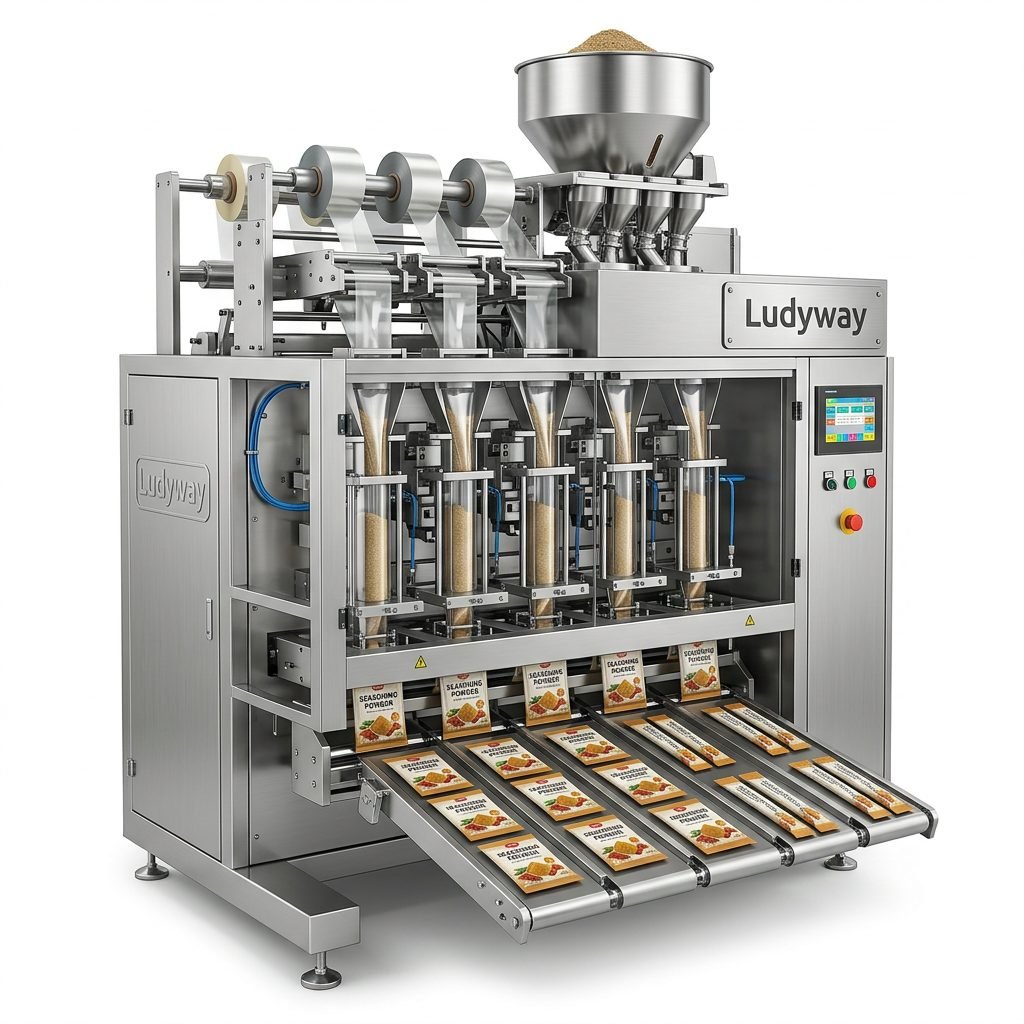
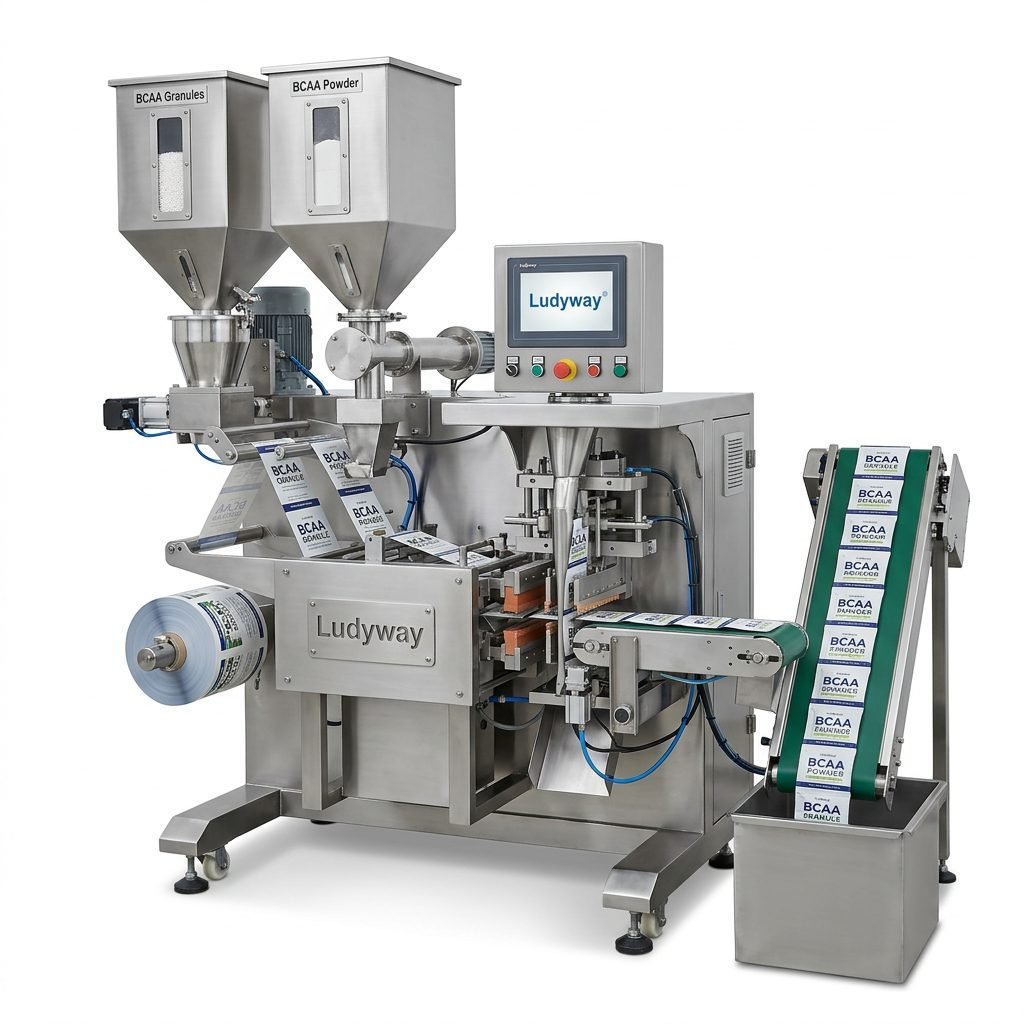
Investing in an automated packaging machine is a significant decision that impacts your production efficiency, product quality, and bottom line. With a vast range of technologies available—from simple vertical form fill seal machines to complex multi-lane stick pack systems and complete turnkey packaging lines—making the right choice requires a structured evaluation of your product, process, and business goals. This guide walks you through the essential factors to consider before purchasing.
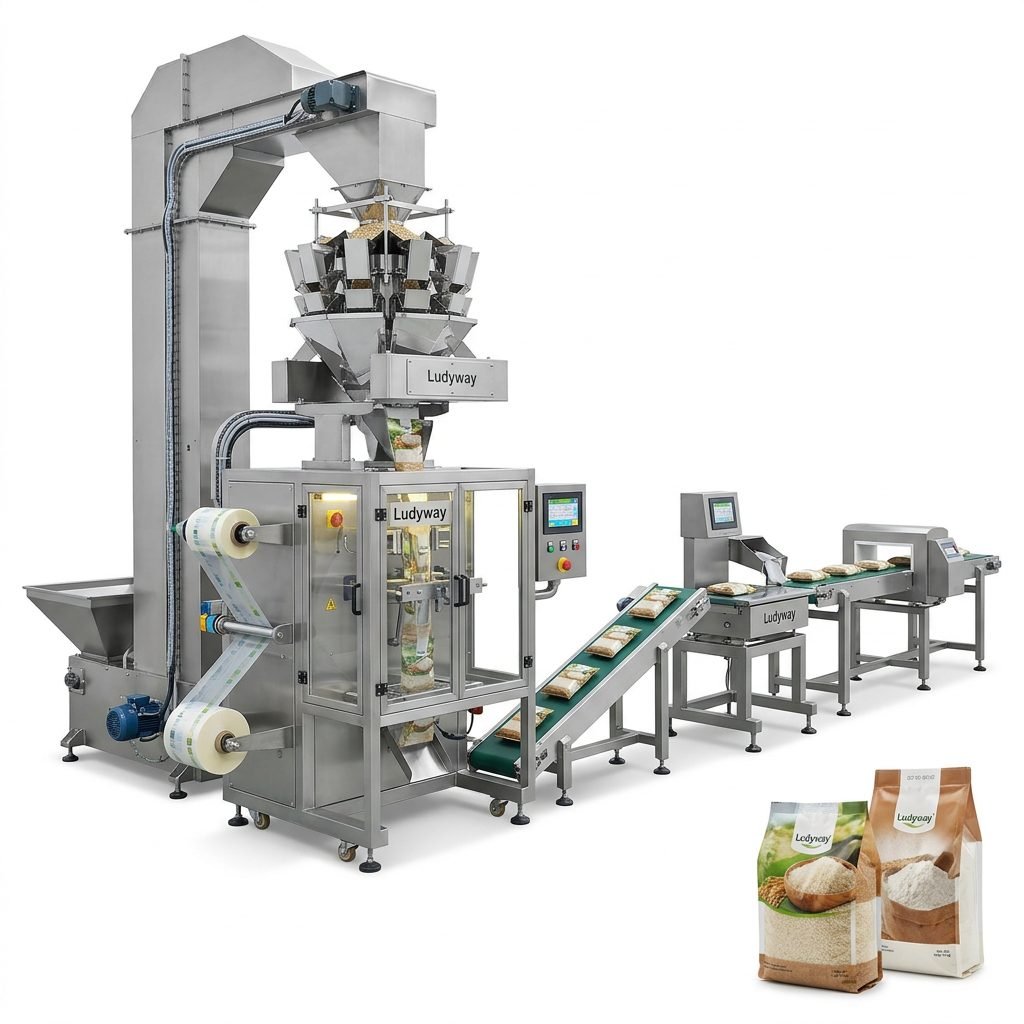
1. Define Your Product Characteristics and Packaging Format
The physical properties of your product are the most critical starting point. An automated packaging machine designed for free-flowing granules will perform poorly with sticky powders or volatile liquids. You must clearly identify:
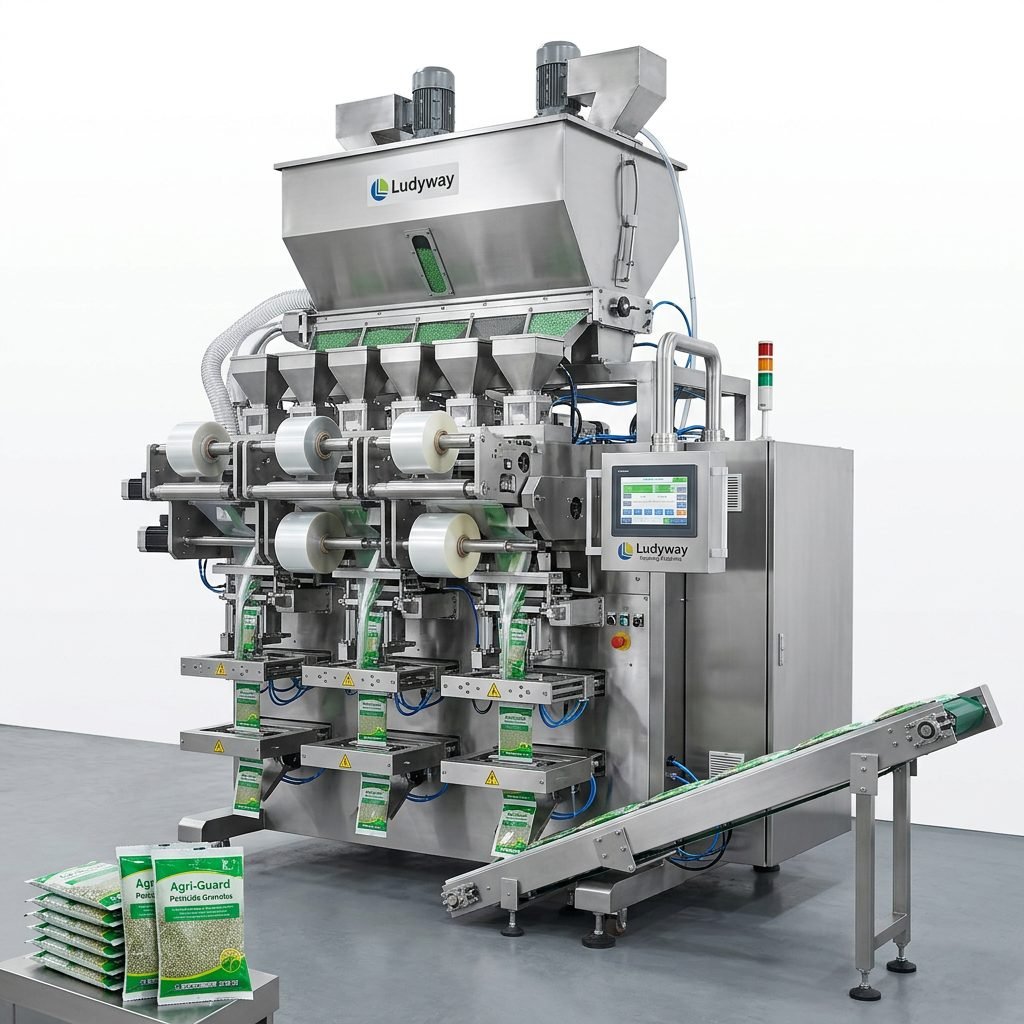
- Product state: Is it a powder, granule, liquid, paste, or solid component? Hygroscopic or abrasive products require specific dosing systems and material handling.
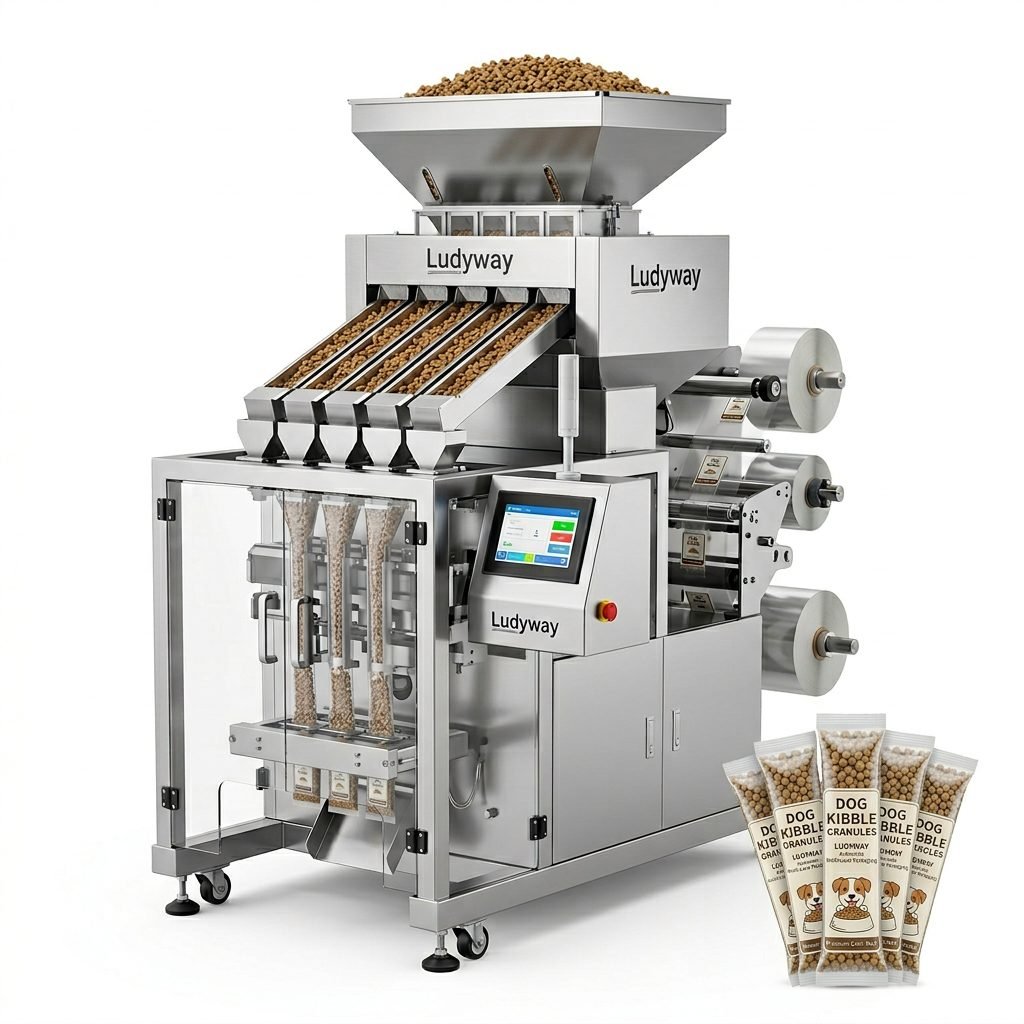
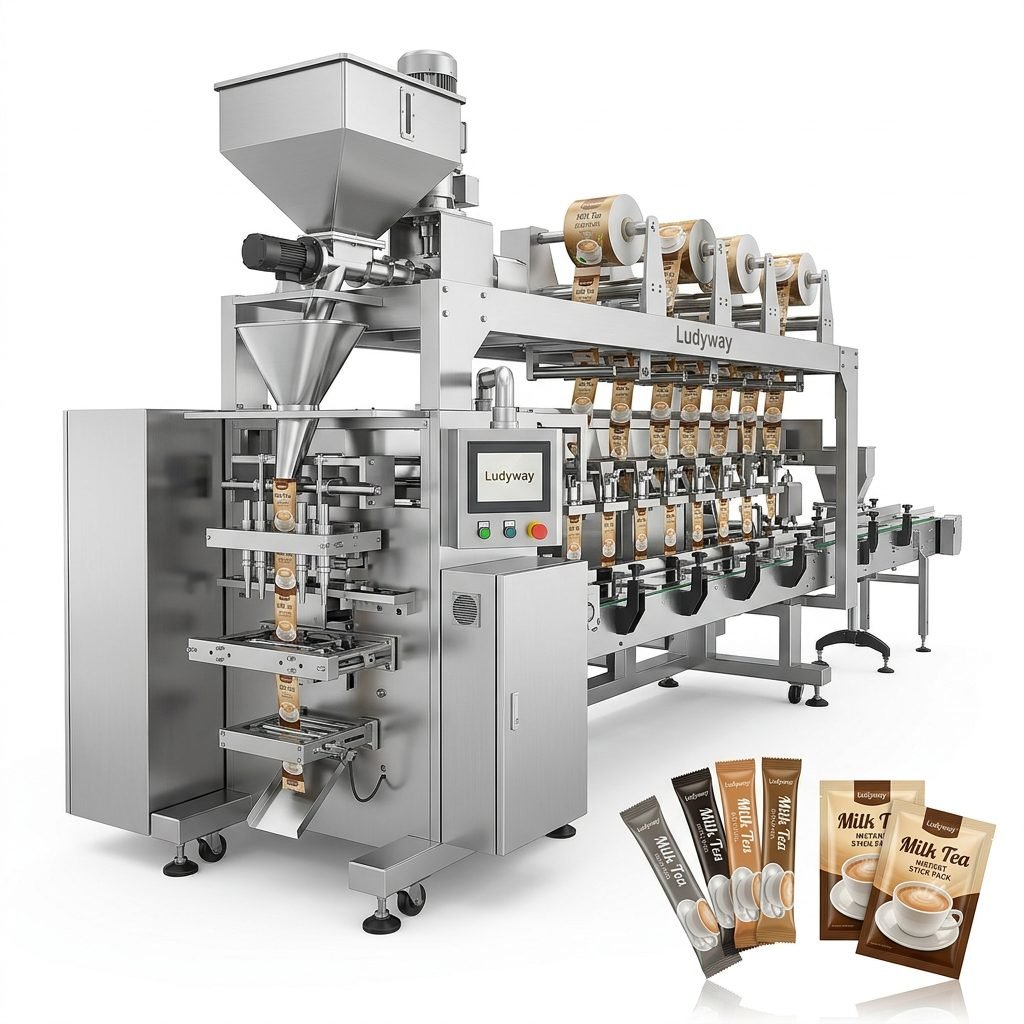
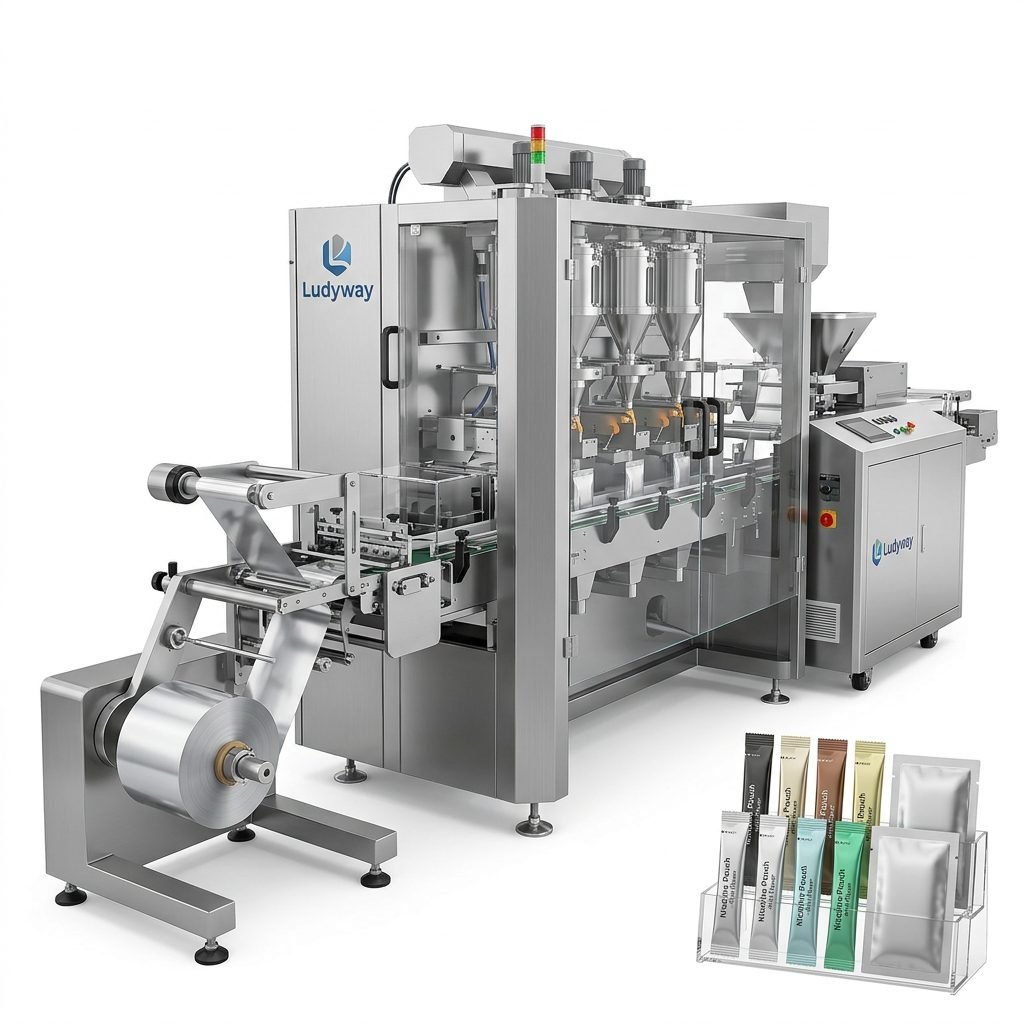
- Packaging format: Are you targeting sachets, stick packs, pouches, bottles, or bulk bags? The machine configuration varies dramatically between a multi-lane sachet system and a high-speed liquid bottling line.
- Bag or container style: Consider whether you need pillow bags, gusseted pouches, doypacks, or stand-up pouches with zippers.
2. Assess Production Speed and Capacity Requirements
Your required throughput, measured in packs per minute (ppm) or units per hour, will dictate whether you need a single-lane or a high-speed multi-lane packaging machine. Understanding your current and future capacity needs is vital to avoid bottlenecking your production floor. According to industry data from the PMMI Business Intelligence Library, automation speeds continue to rise to meet global demand.

3. Evaluate Machine Configurations and Technologies
Not all automated systems are built the same. Selecting the right technology stack ensures accuracy and longevity. Key configurations to review include:
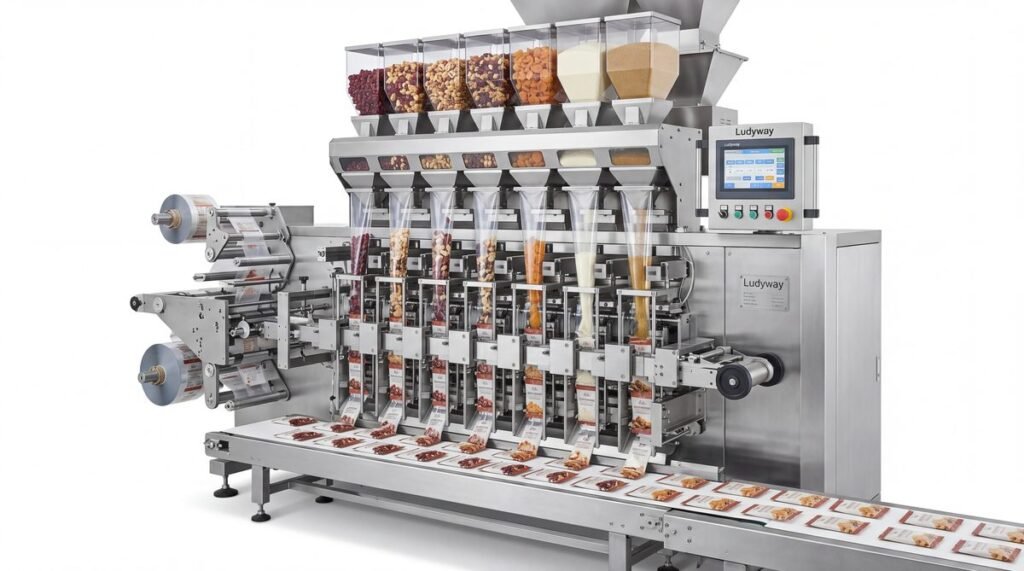
- Filling and dosing systems: Volumetric cup fillers, auger fillers for powders, multi-head weighers for high accuracy, and piston pumps for liquids. The choice directly impacts fill accuracy and product giveaway.
- Sealing technology: Heat sealing, ultrasonic sealing, or zipper resealable options. For products requiring extended shelf life, flexible packaging and proper hermetic sealing are non-negotiable.
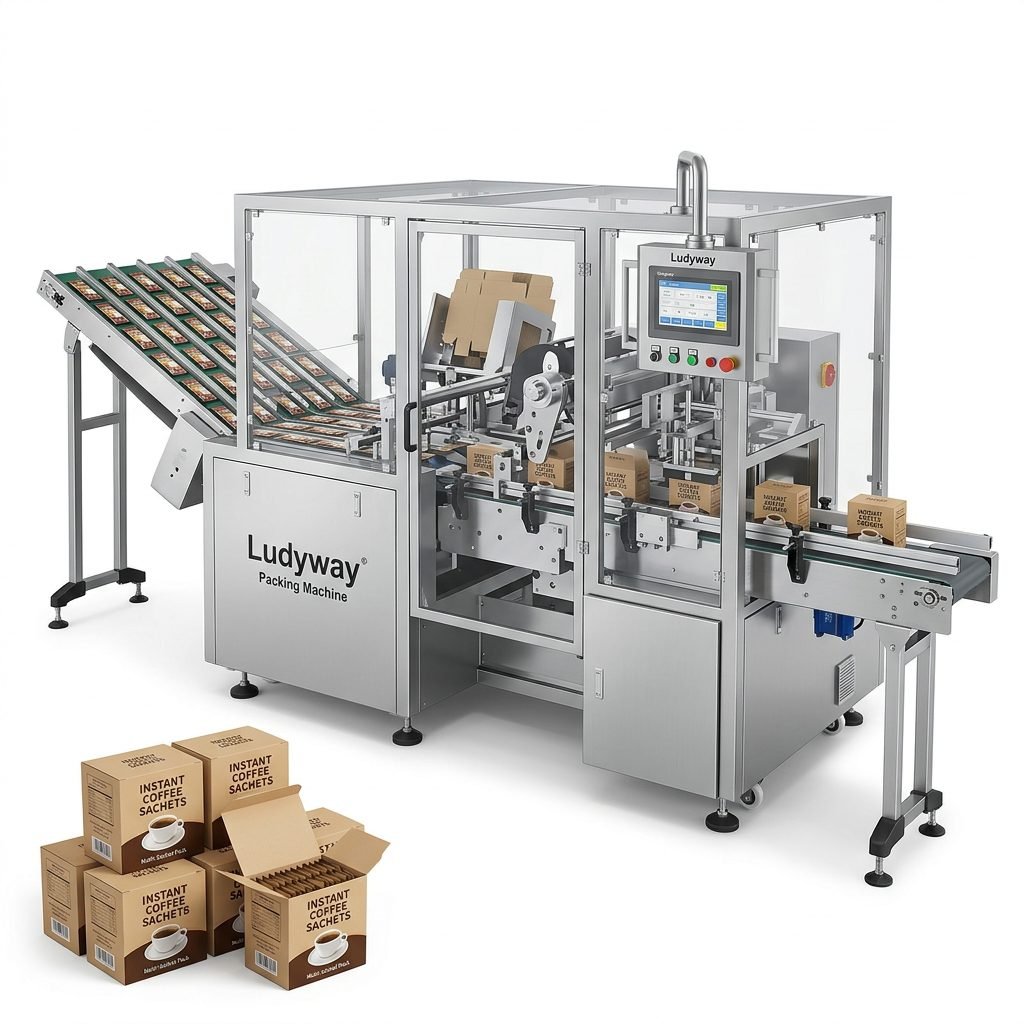
- Automation level: From semi-automatic functions to fully integrated turnkey solutions that include automatic feeding, coding, counting, and robotic case packing.
Common Machine Types Overview
| Machine Type | Best For | Key Feature |
|---|---|---|
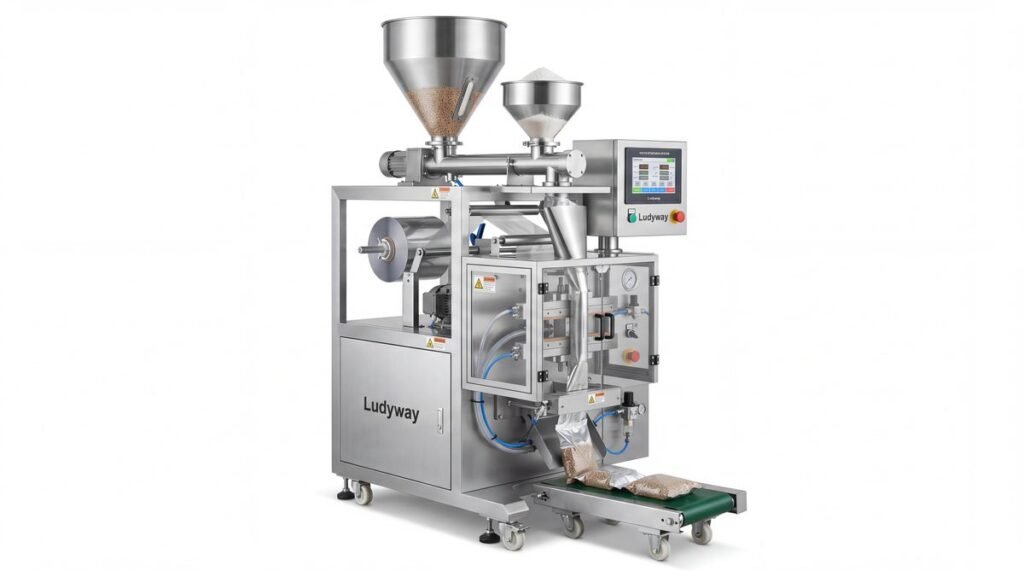
| Vertical Form Fill Seal (VFFS) | Granules, powders, snacks | Versatile bag styles |
| Multi-Lane Stick Pack | Powders, liquids, instant products | Ultra-high throughput |
| Liquid Sachet Machines | Shampoo, condiments, sanitizers | Precision dosing for liquids |
| Premade Pouch Rotary Fillers | Premium pouches, zipper packs | High-quality zipper seals |
4. Material Compatibility and Packaging Sustainability
Modern packaging machinery must handle a variety of substrates. The growing demand for sustainable flexible packaging means your machine should be capable of running recyclable mono-materials, compostable films, or thinner gauges without sacrificing speed or seal integrity. Verify with your supplier that the machine can run your specific packaging material without excessive downtime or waste.
5. Prioritize Machine Quality and Compliance Standards
If you operate in regulated industries like pharmaceuticals or food and beverage, adherence to international standards is mandatory. Look for machines capable of meeting ISO packaging standards and FDA food contact regulations where applicable. Durable construction using stainless steel 304 or 316, washdown capabilities, and validated cleaning processes should be high on your checklist.
6. The Value of a Turnkey Packaging Solution Provider
Purchasing individual machines from multiple vendors often leads to integration headaches, inconsistent performance, and finger-pointing when issues arise. Partnering with a single-source turnkey provider simplifies the entire process. A capable partner manages everything from initial product testing and system design to final commissioning.
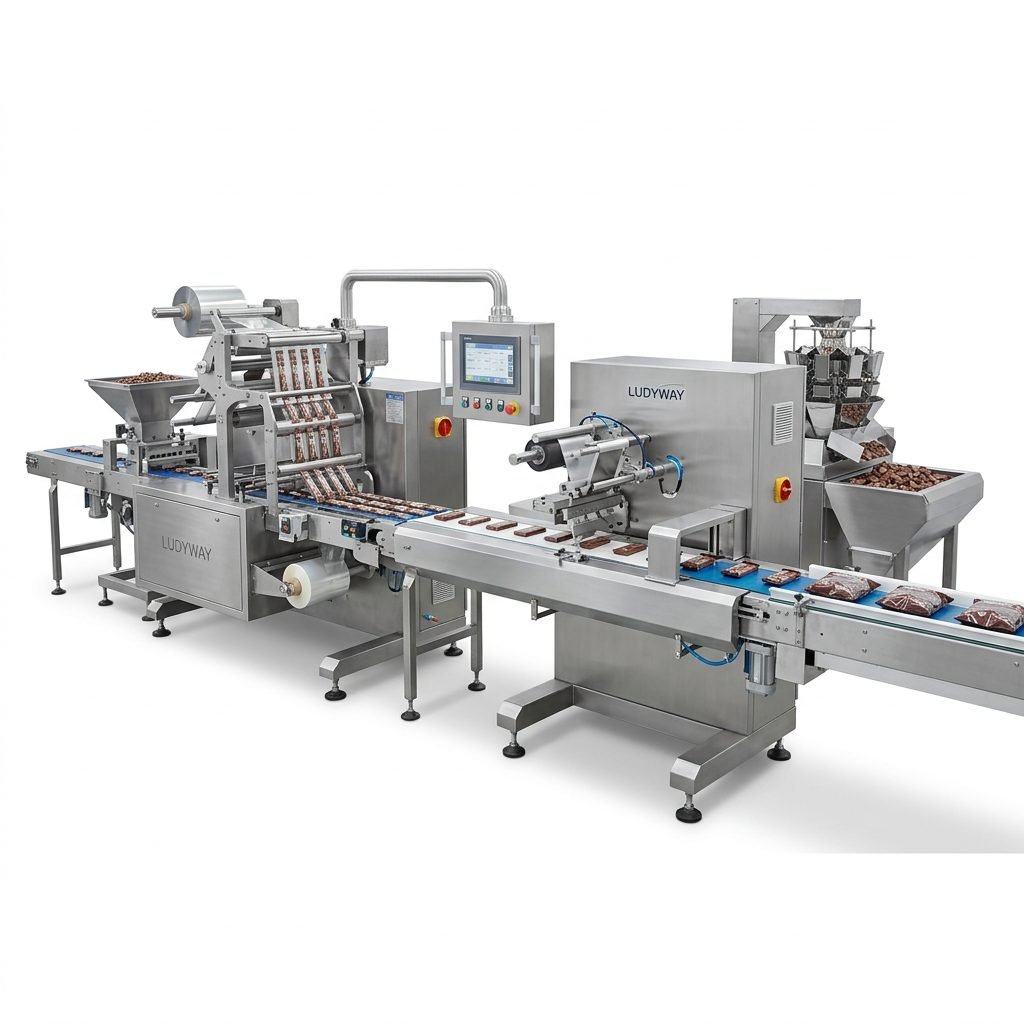
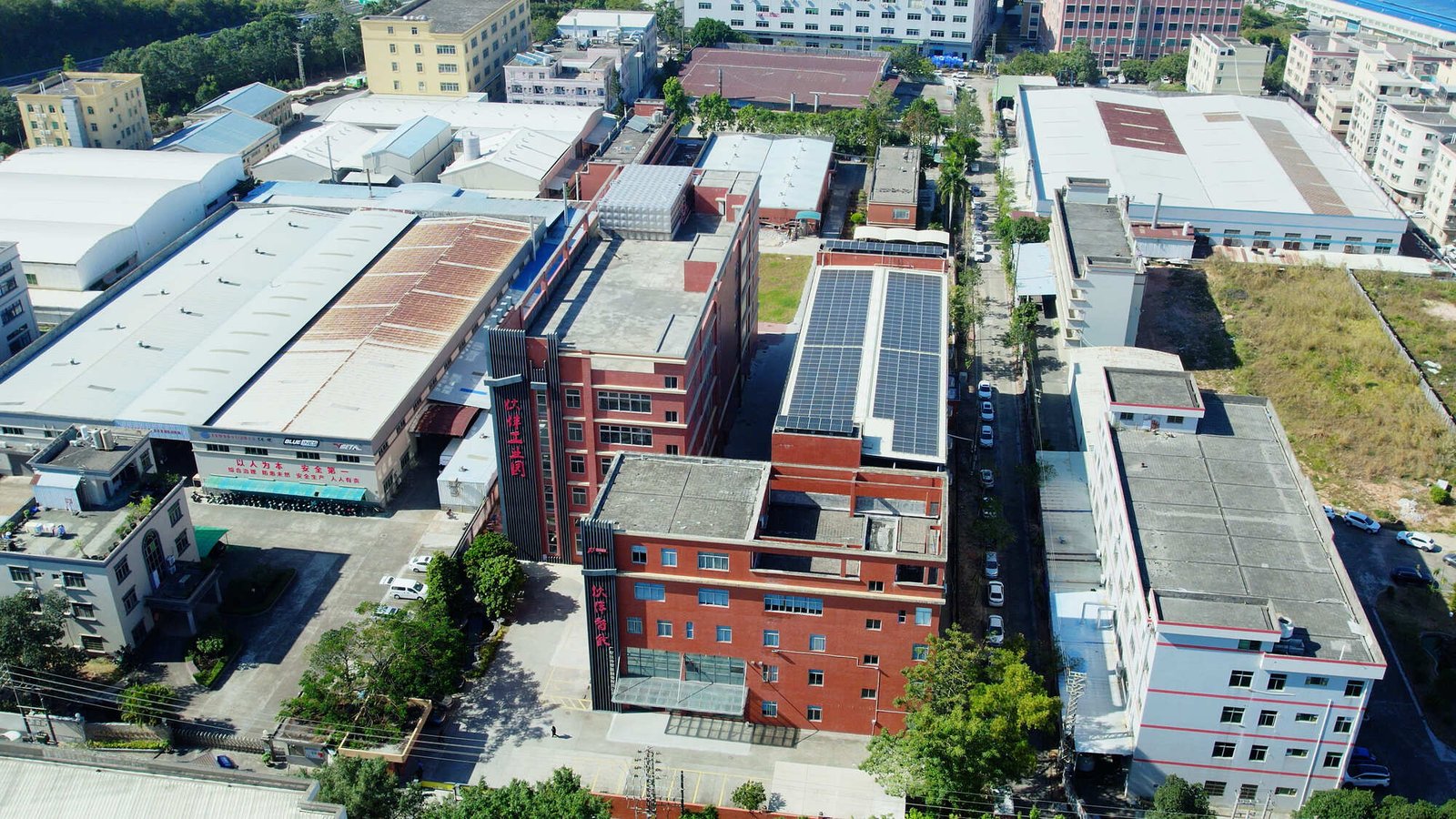
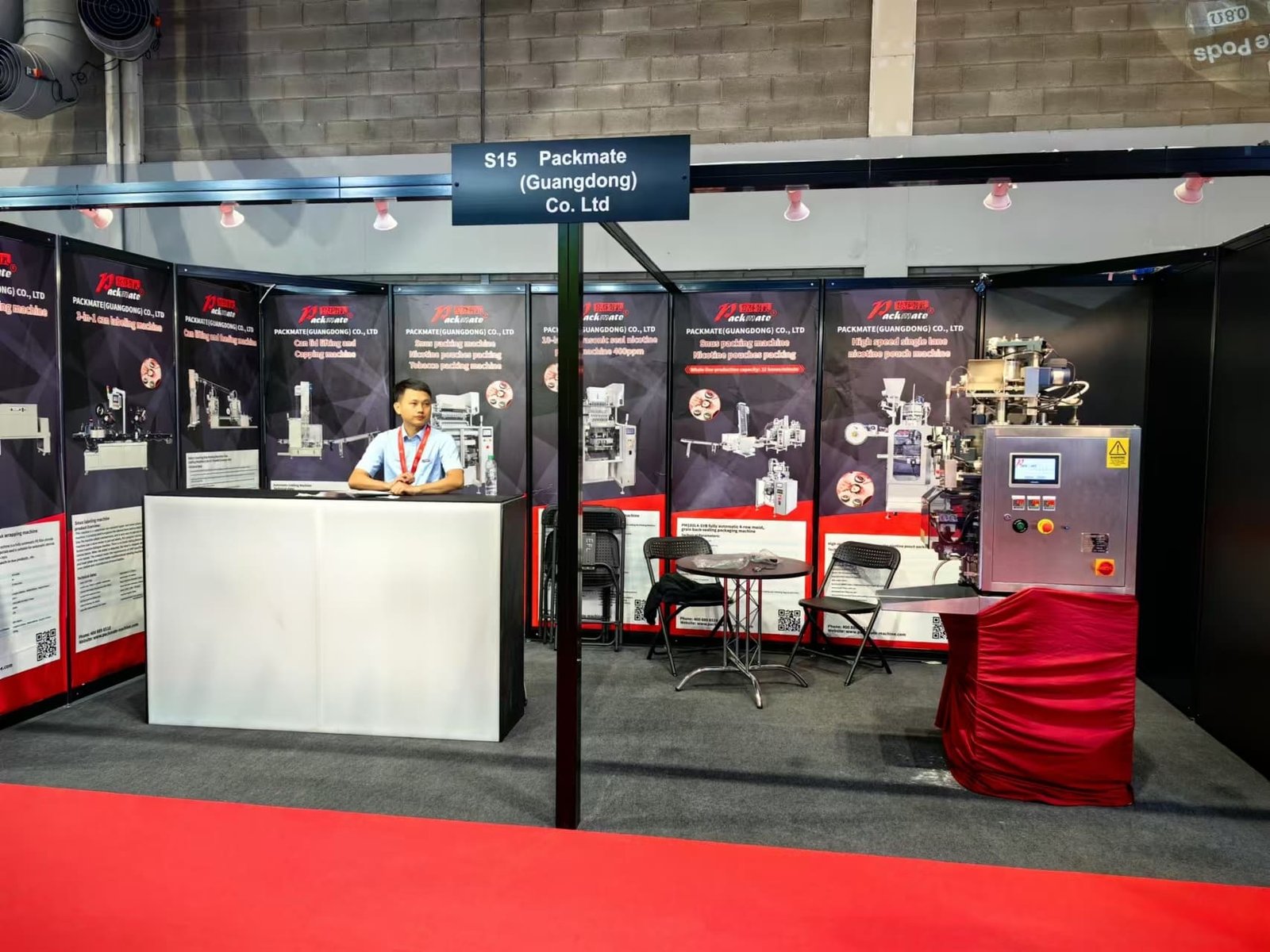
For manufacturers seeking this streamlined approach, Ludyway Machinery represents a strong example of a provider combining in-house manufacturing with comprehensive engineering. With a portfolio spanning over 50 machine models and a 20,000-square-meter facility, Ludyway supports integrated systems that include dosing, filling, sealing, coding, and end-of-line automation—backed by service in more than 100 countries. This ensures you are not just buying equipment but an entire scalable system.
7. Integration, Factory Layout, and Automation Upstream
An automated packaging line does not operate in isolation. You must consider how raw materials are fed into the machine (e.g., bucket elevators, vacuum conveyors) and how finished packs exit (e.g., conveyors, checkweighers, case packers). Evaluating the footprint is critical; a highly efficient multi-lane machine may require a specific floor plan but can significantly reduce labour costs compared to multiple single-lane units. The goal is a balanced line that prevents bottlenecks from the feeding stage through to palletizing.
8. After-Sales Support, Spare Parts, and Remote Assistance
The lifecycle of an automated packaging machine can easily span a decade or more, making technical support a massive component of your ROI. When evaluating suppliers, consider:
- Availability of critical spare parts and wear components.
- Responsive remote technical assistance using modern connectivity.
- Options for operator training and preventative maintenance contracts to maximize packaging industry resources and uptime.
9. Calculate Total Cost of Ownership (TCO)
While the initial capital outlay is important, the true cost must account for energy consumption, film waste rates, changeover downtime, and labor savings. A slightly more expensive machine with precise filling accuracy can pay for itself quickly by reducing product giveaway—a critical factor when packing high-value goods like collagen powder or supplements. Request detailed performance specifications and waste guarantees from the manufacturer before committing.
10. Request Factory Acceptance Testing (FAT)
Before shipment, it is best practice to conduct a Factory Acceptance Test using your actual products and films. This allows you to verify speed, seal quality, and accuracy under real conditions. A reputable packaging machine manufacturer will encourage this step to ensure the equipment meets your specifications before it ever reaches your dock.
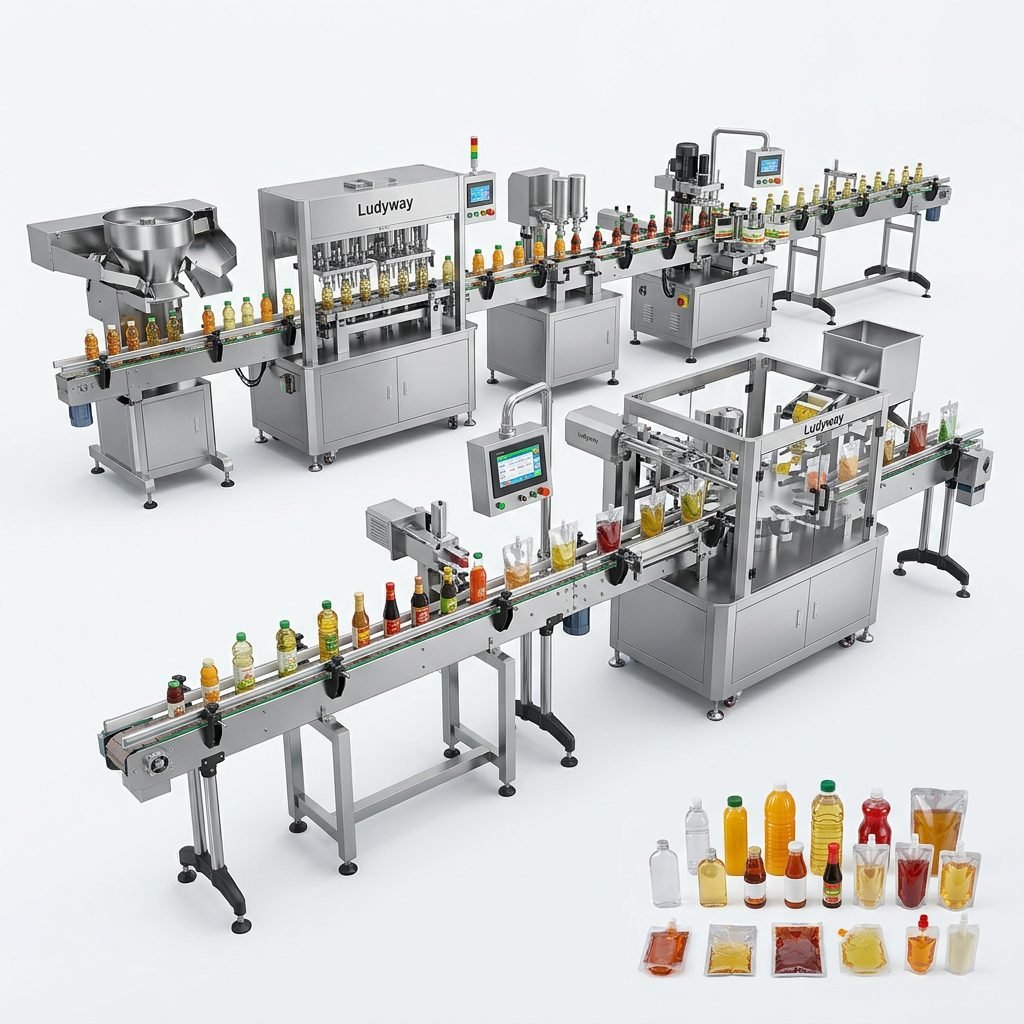
Selecting the right packaging equipment is a strategic move that positions your company for scalable growth. By focusing on product compatibility, output demands, build quality, and the reliability of your machinery partner, you can secure a system that delivers consistent results for years to come. Whether you need a single compact stick pack machine or a fully integrated multi-lane system for high-volume production, aligning with an experienced engineering team ensures your packaging goals are met efficiently.