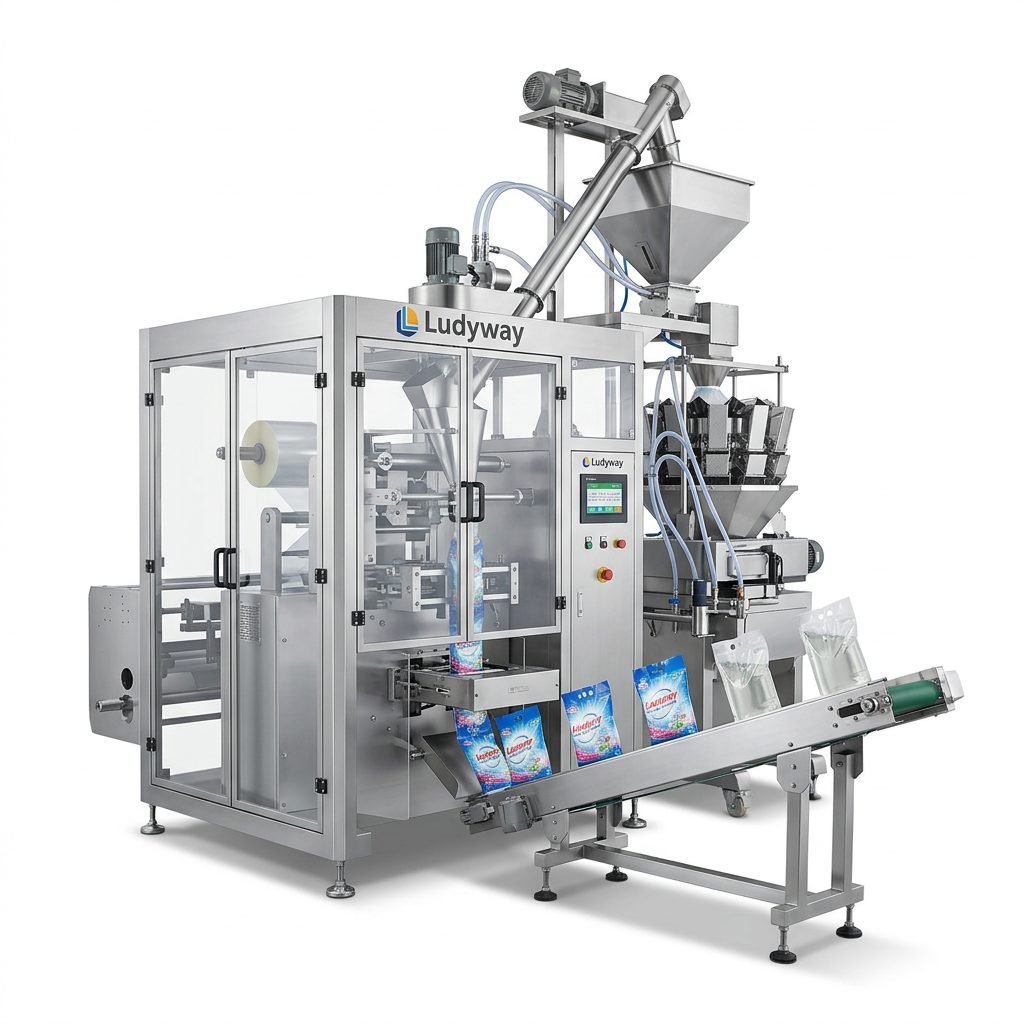
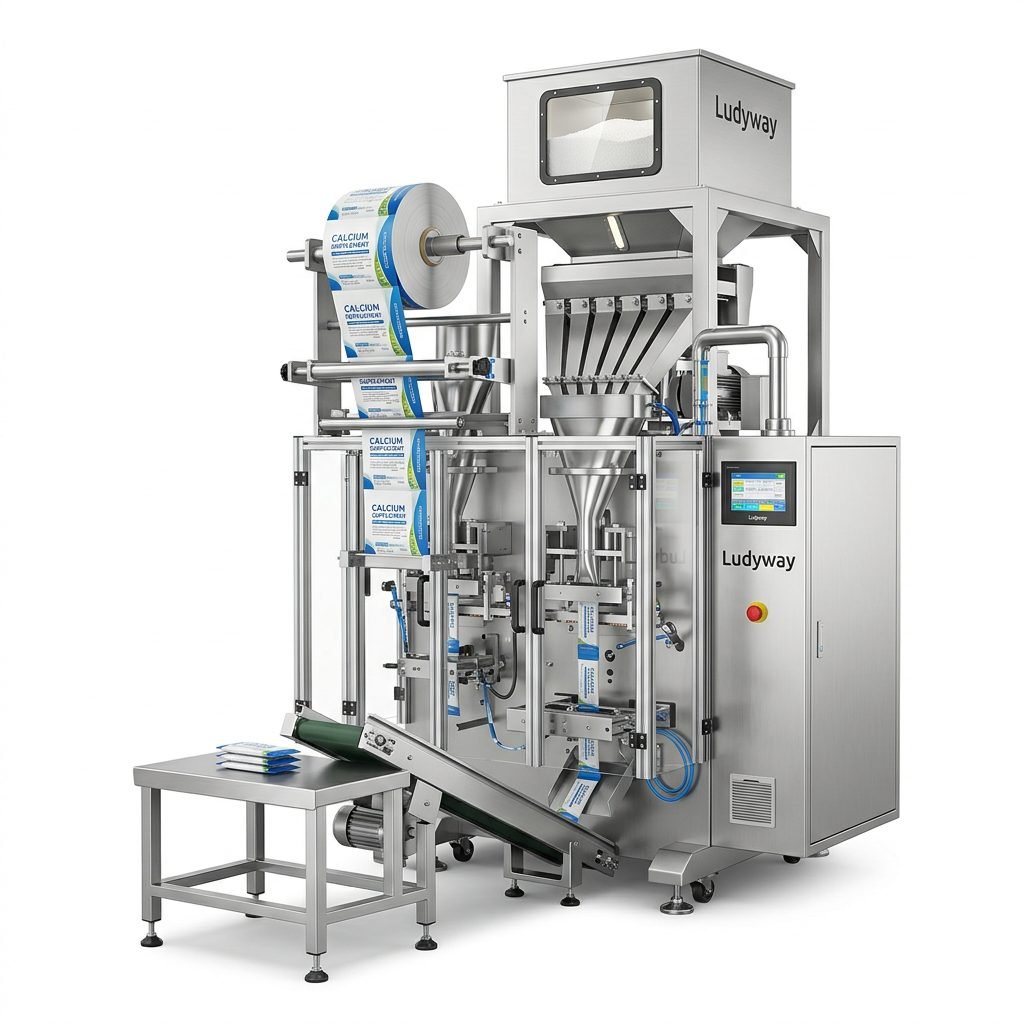
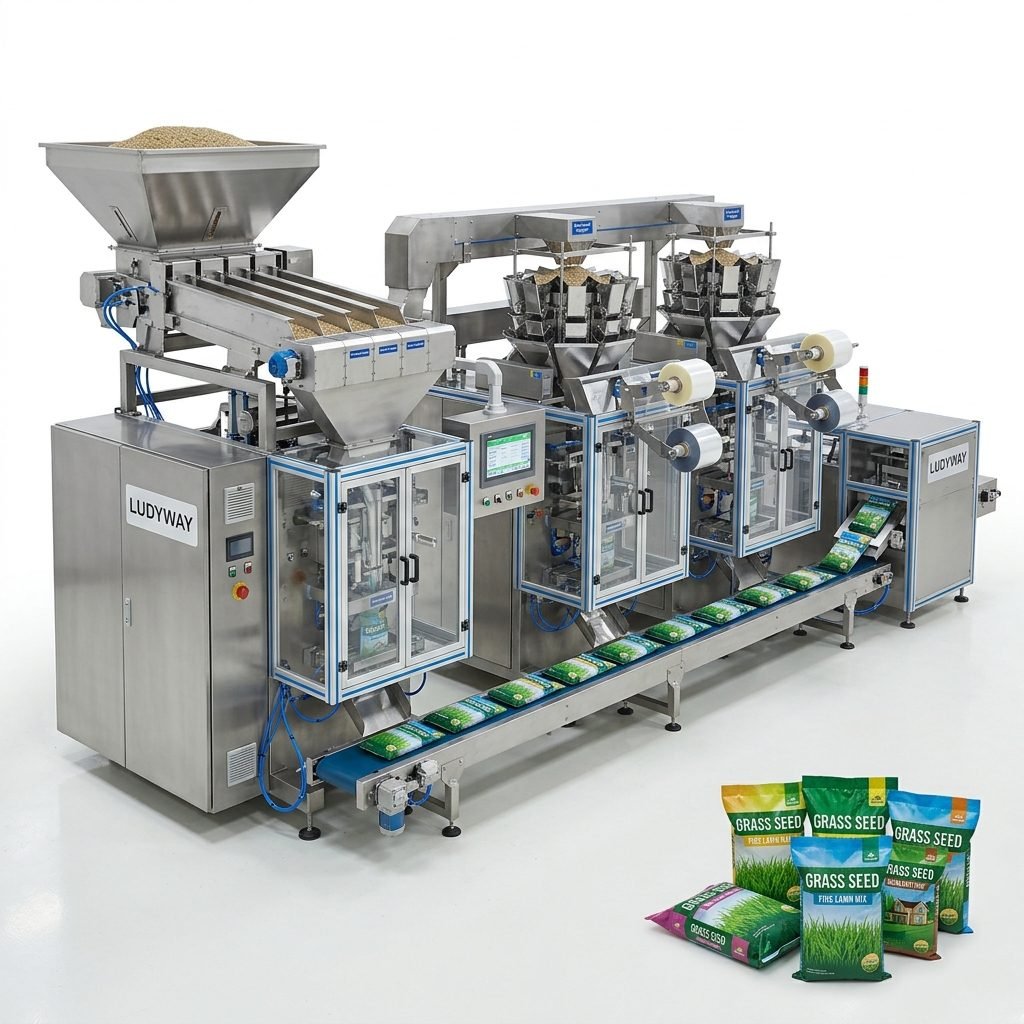
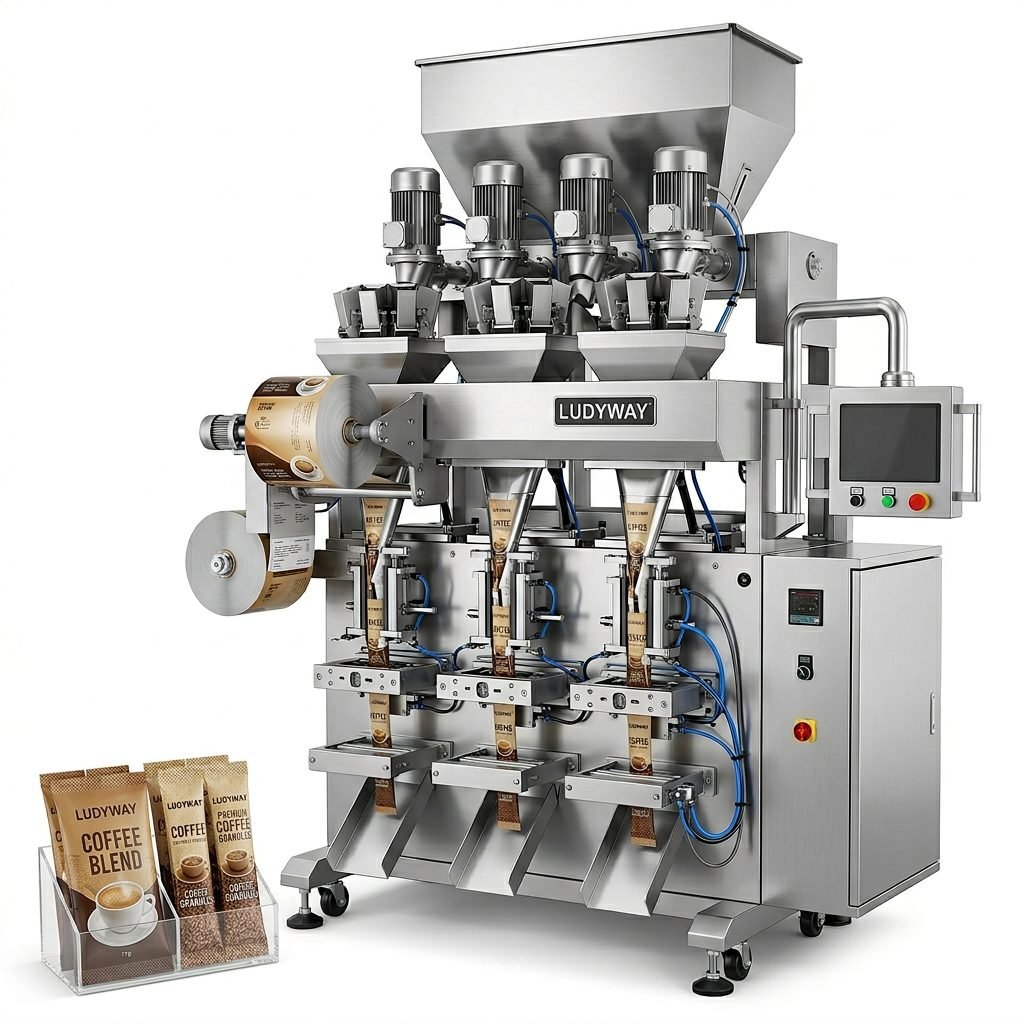
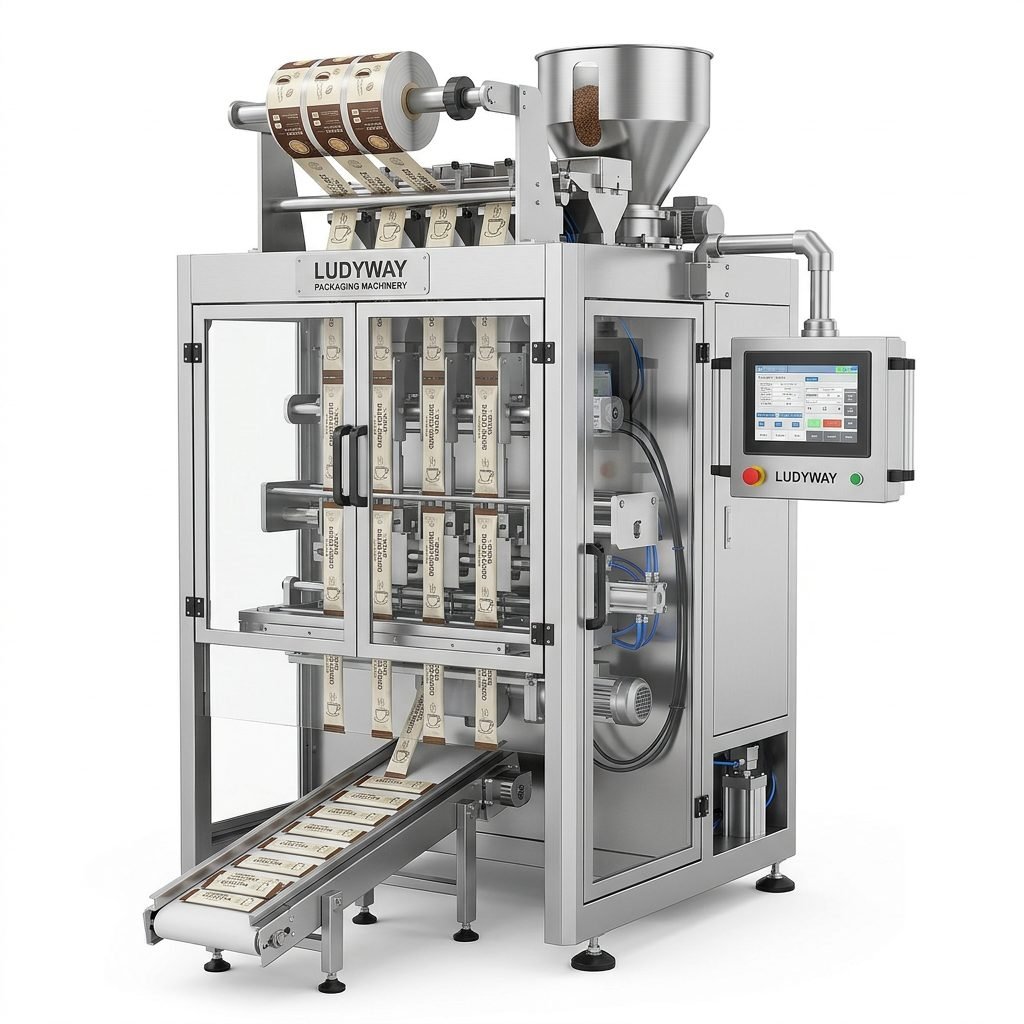
Investing in the right popsicle packaging machine is a critical decision for frozen novelty manufacturers. The correct equipment ensures product integrity, maximizes shelf life, and achieves the high throughput necessary to meet seasonal demand spikes. This comprehensive buyer’s guide walks you through the essential factors to consider when selecting automated packaging solutions for your ice pop production line.
1. Understand Your Popsicle Format
Popsicles come in diverse shapes and compositions. Whether you produce standard flat sticks, tube-shaped freezer pops, or gourmet fruit bars with inclusions, your popsicle packaging equipment must handle the specific format without damaging the product.
- Single-wrap sticks: Requires precise film alignment for a tight seal.
- Multi-packs: Needs a reliable flow-wrapping or overwrapping mechanism.
- Liquid freezer pops: Demands leak-proof longitudinal and cross seals.
2. Evaluate Production Speed and Efficiency
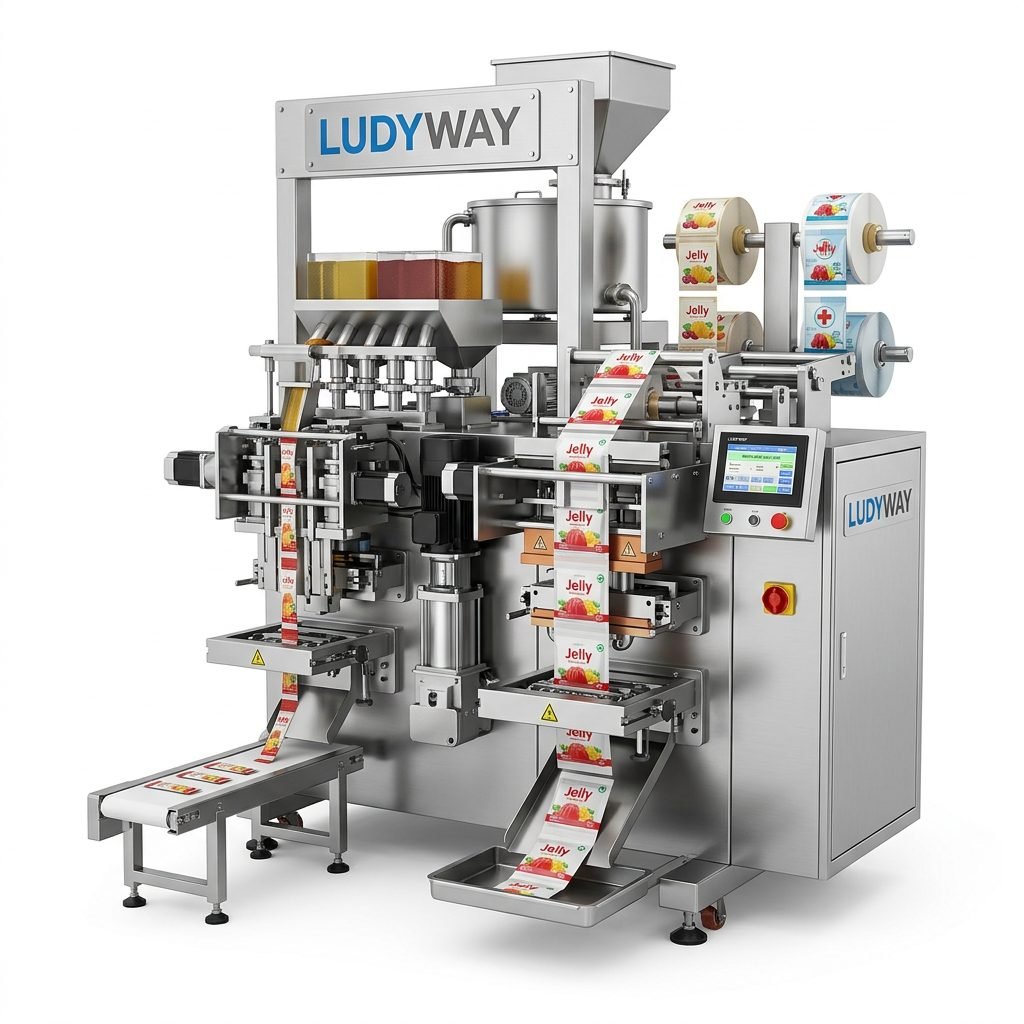
Speed is paramount in the frozen novelty industry, particularly during peak seasons. Packaging machines are categorized by their operational cycles. A high-speed popsicle wrapping machine operating on a continuous motion principle typically outperforms an intermittent motion setup, but the choice depends heavily on your required packs-per-minute (PPM).
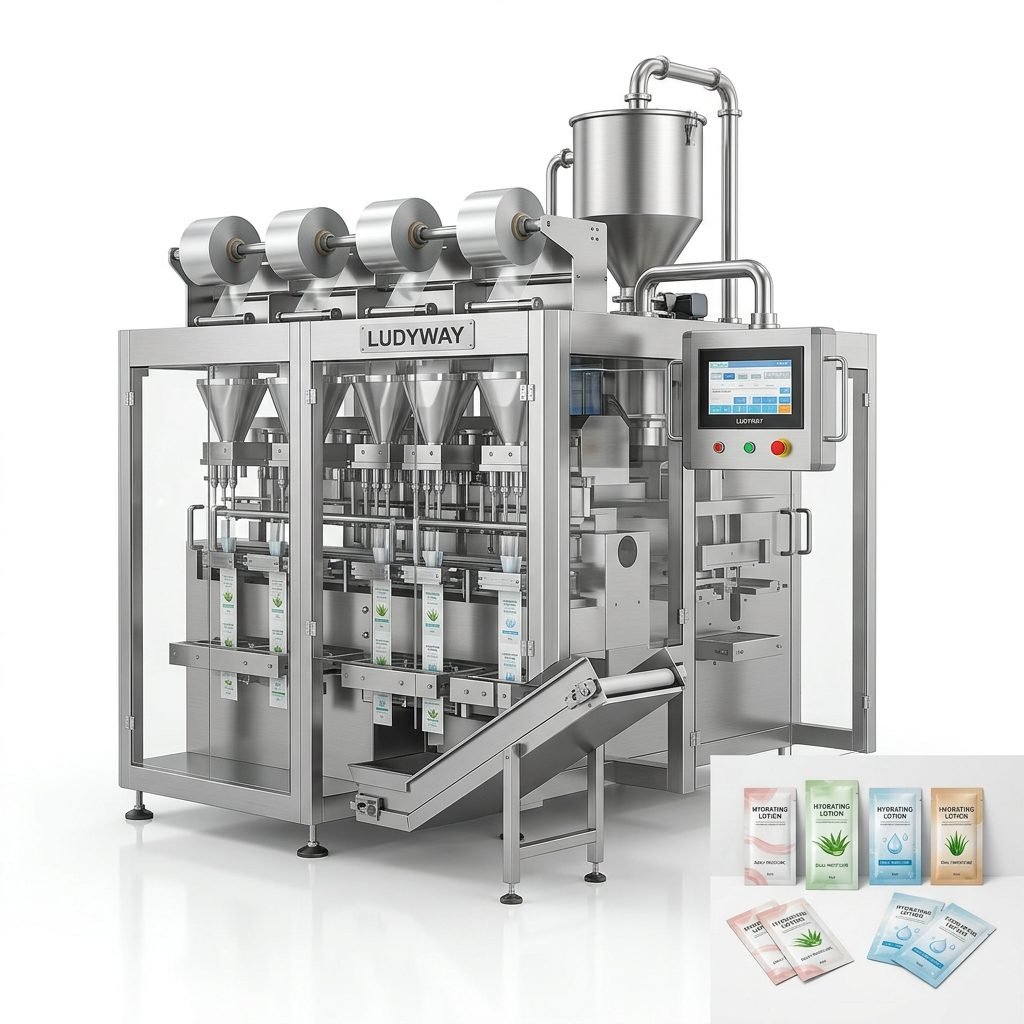
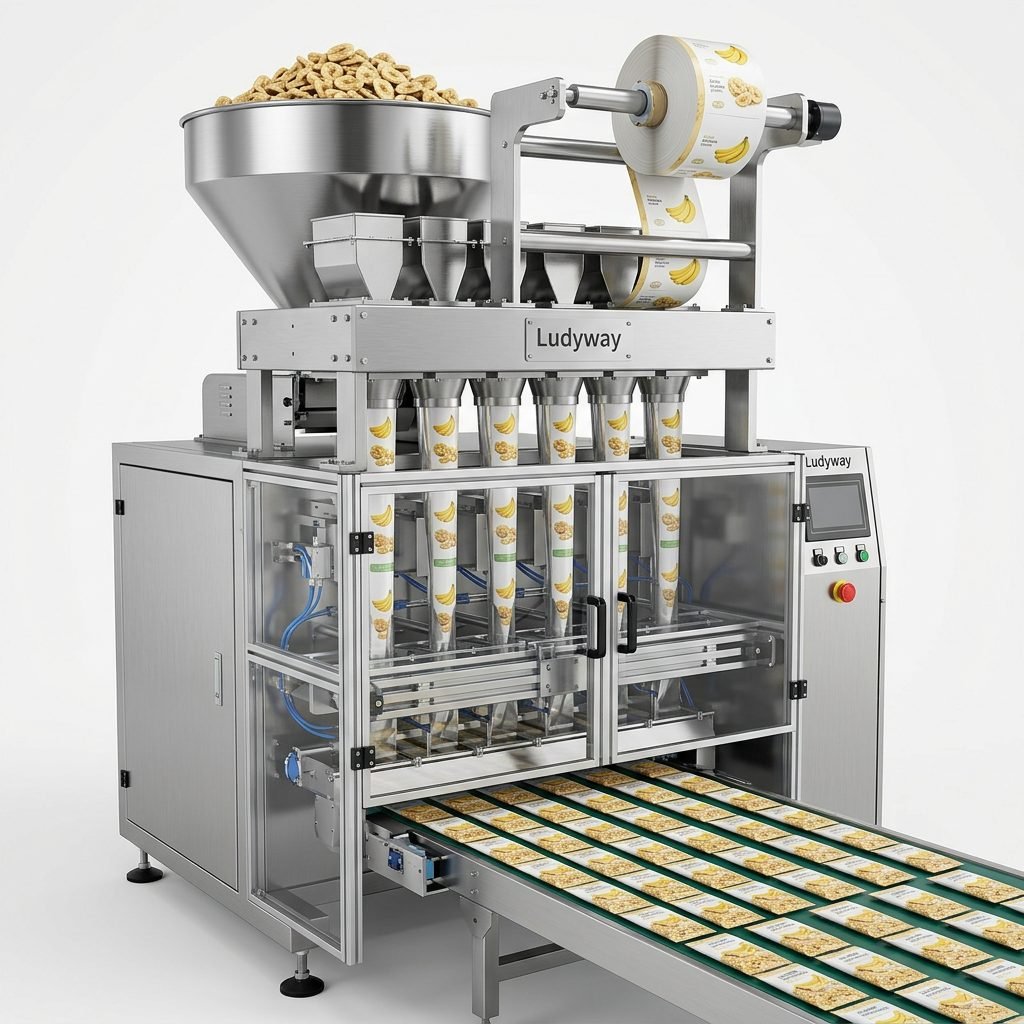
You should look for servo-driven systems that offer precise control over acceleration and deceleration, reducing film waste and maximizing output. When scaling operations, transitioning to a multi-lane packaging system can exponentially increase your capacity without multiplying your floor space.
3. Film and Material Compatibility
Packaging film directly impacts the speed of your line and the shelf life of your popsicles. Heavily inked or metallic films require specialized heat sealing technology and unwinding tension control.
| Film Type | Key Property | Best Application |
|---|---|---|
| OPP (Biaxially Oriented Polypropylene) | High clarity, moisture barrier | Single-wrap stick pops |
| PET/PE Laminates | Strong puncture resistance | Freezer pops |
| Metallized PET | UV and oxygen barrier | Premium/gourmet ice pops |
Ensuring your machine handles flexible packaging materials effectively prevents costly waste and downtime.
4. Intermittent Motion vs. Continuous Motion
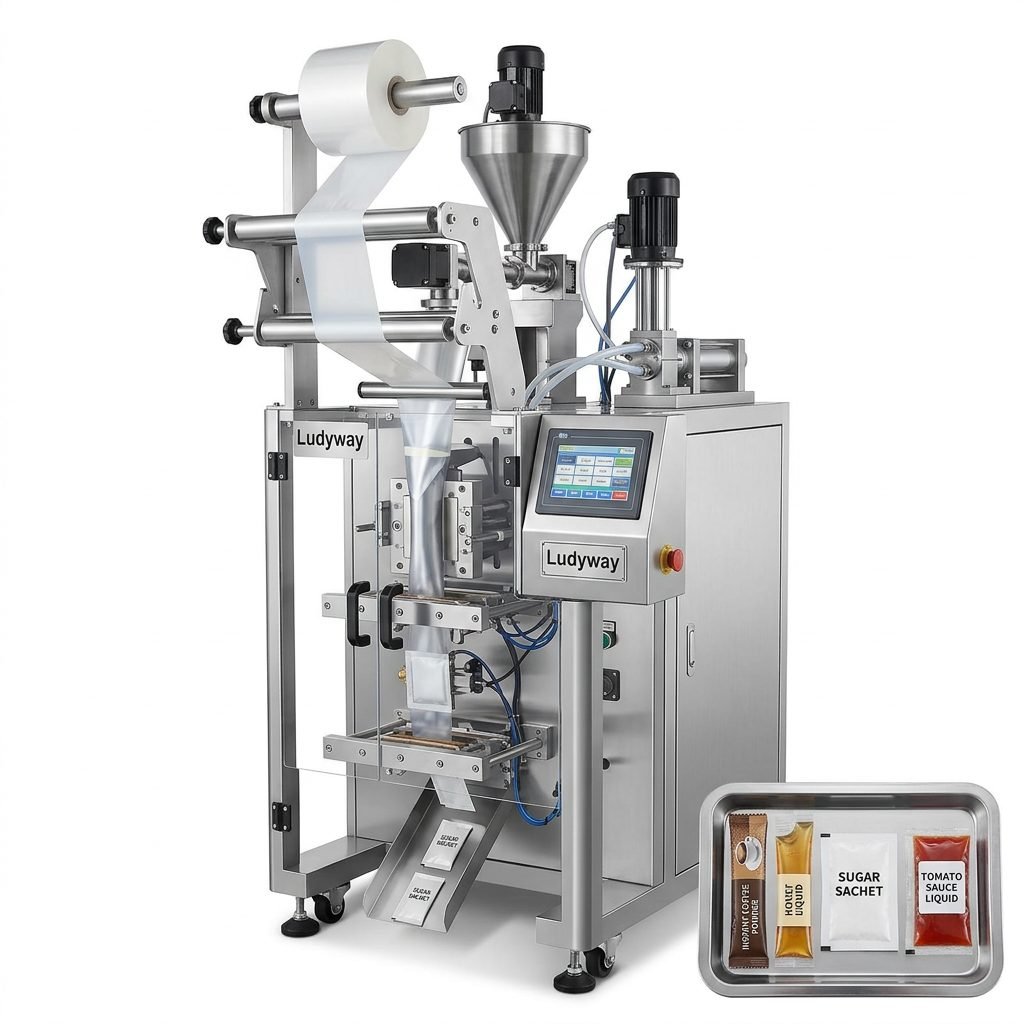
This is arguably the most significant engineering choice you will make. Intermittent motion machines stop the film to perform the seal, making them simpler and more cost-effective for lower speeds (up to 80 PPM). Conversely, continuous motion machines seal on the fly using rotating sealing jaws. For high-volume popsicle factories, continuous motion drastically increases throughput and seal integrity.
5. The Role of Multi-Lane Configuration
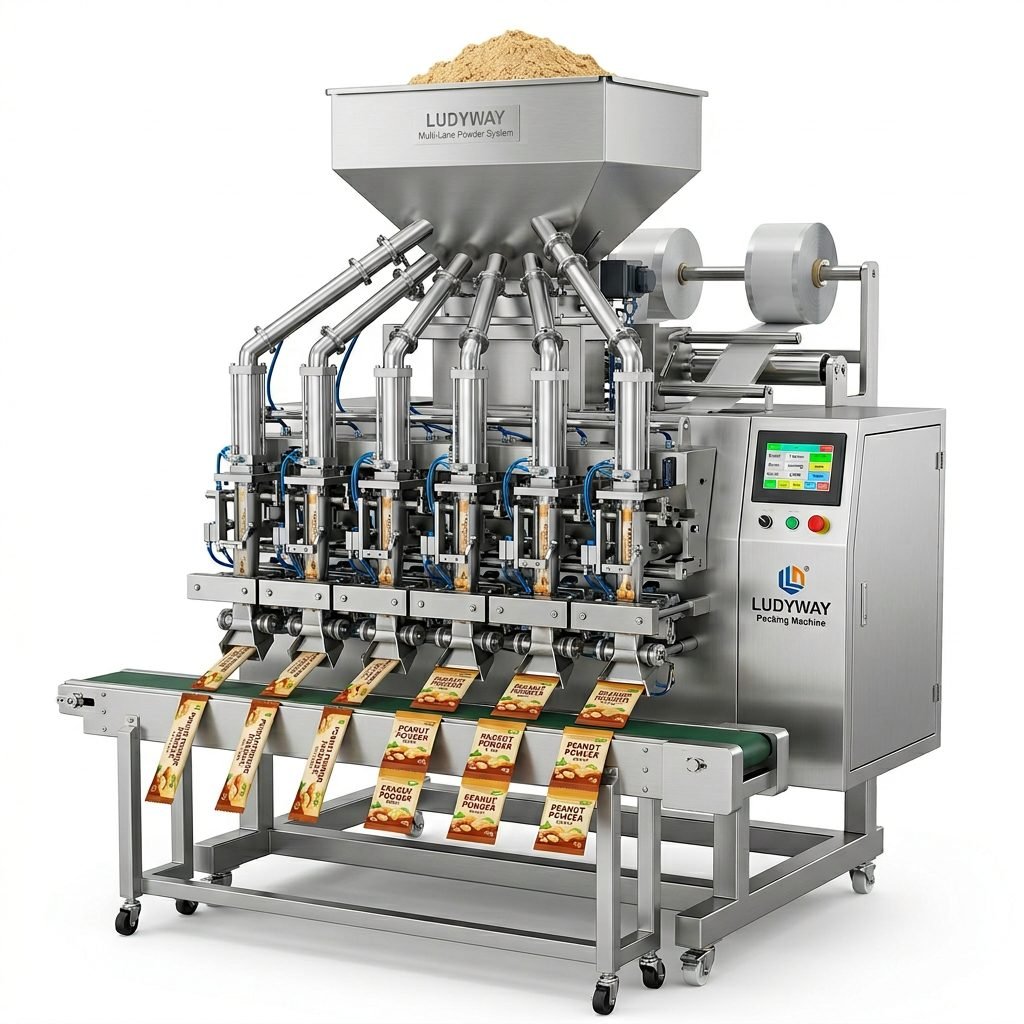
If you are packaging narrow popsicles or sticks, a multi-lane wrapper can divide the web into multiple parallel lanes. This strategy allows you to achieve extremely high total output while running the machine at a moderate individual lane speed. It is the most efficient way to process high volumes of standard-sized sticks.
Review the industry trends in the latest PACK EXPO reports to see how multi-lane technology is shaping the frozen food sector.
6. Automation and Smart Features
Modern ISO-compliant packaging machinery goes beyond simple wrapping. Look for these essential automation components:
- Automatic Infeed Systems: Synchronized feeding to avoid jams during high-speed transfer.
- No Product, No Bag Function: Sensors that prevent empty wrappers.
- Vision and Coding Inspection: Automatic rejection of misaligned prints or incomplete seals.
- Quick Changeover: Servo-motorized adjustments for different stick sizes and film widths.

7. Hygiene and Washdown Standards
Dairy and juice-based popsicles are highly susceptible to bacterial growth. A sanitary popsicle packaging machine design is non-negotiable. Always demand stainless steel construction (SUS304), sloped surfaces to prevent liquid pooling, and IP65 or higher protection ratings for electrical components. Easy access for CIP (Clean-in-Place) procedures will significantly reduce your sanitation downtime.
8. Packaging System Integration
Your popsicle wrapper should not be an isolated element. For optimal operational flow, integrate it with upstream freezing and downstream cartoning equipment. A seamless turnkey packaging line handles product transport, inspection, cartoning, and palletizing. This eliminates manual handling and reduces the risk of product damage.
For manufacturers seeking a reliable partner, Ludyway Machinery offers integrated packaging solutions based on over 30 years of industry experience. As a China-based packaging machinery manufacturer, they provide customizable popsicle packaging systems designed for a wide range of international standards and production requirements, helping brands achieve high-speed, hygienic, and automated production lines.
9. Cost of Ownership and ROI
While upfront cost is a factor, the total cost of ownership (TCO) dictates long-term profitability. Analyze the following:
- Film Waste Percentage: A cheaper machine with poor tension control consumes more plastic.
- Downtime: Complex machines without local support can leave production lines idle for weeks.
- Energy Consumption: High-efficiency regenerative drives can lower operational costs.
Referencing resources like the Flexible Packaging Association can help you understand material savings and sustainability trends.
10. Conclusion
Choosing the right popsicle packaging machine is a strategic investment that impacts product quality, brand reputation, and operational efficiency. By carefully evaluating your format requirements, speed goals, film materials, and automation needs, you can select a machine that grows with your business. Whether you require a single-lane intermittent wrapper or a fully integrated high-speed multi-lane system, prioritizing hygienic design and reliable after-sales support ensures your frozen treats reach consumers in perfect condition.