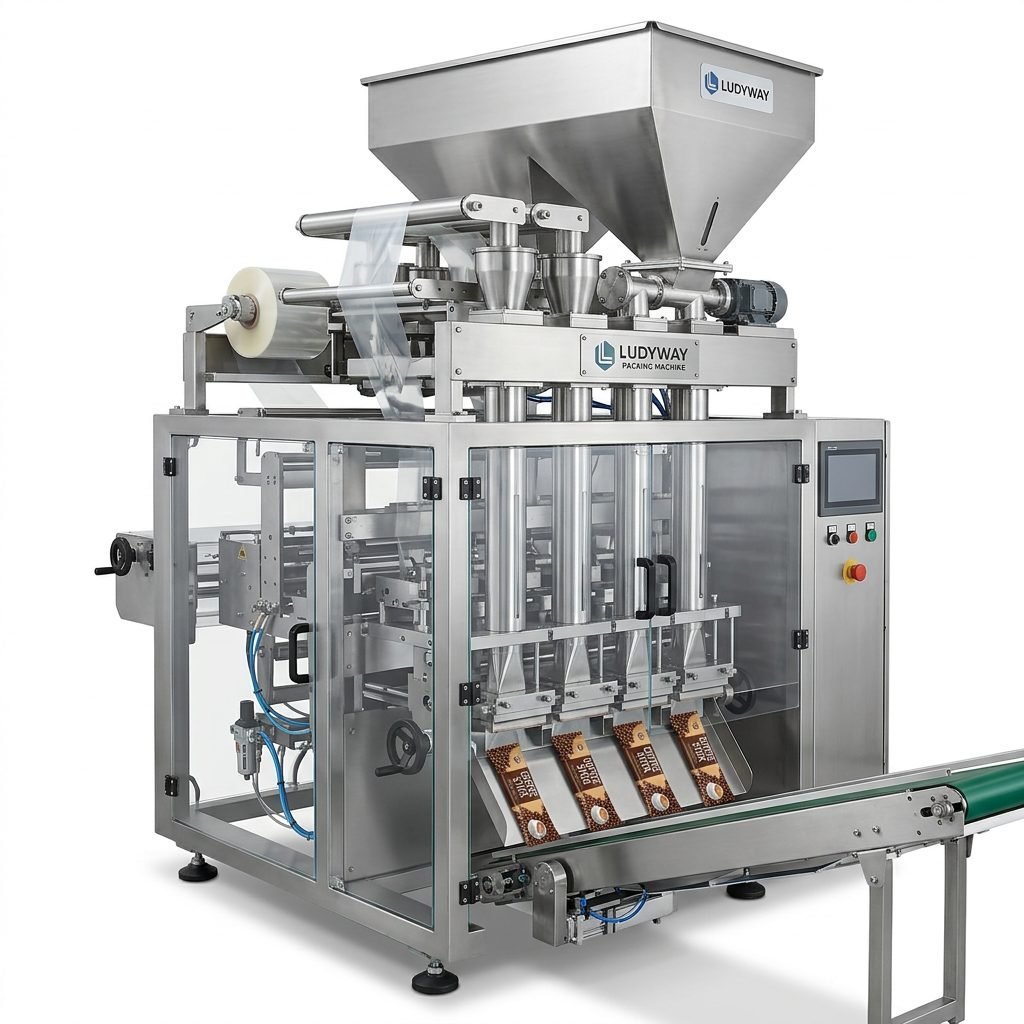
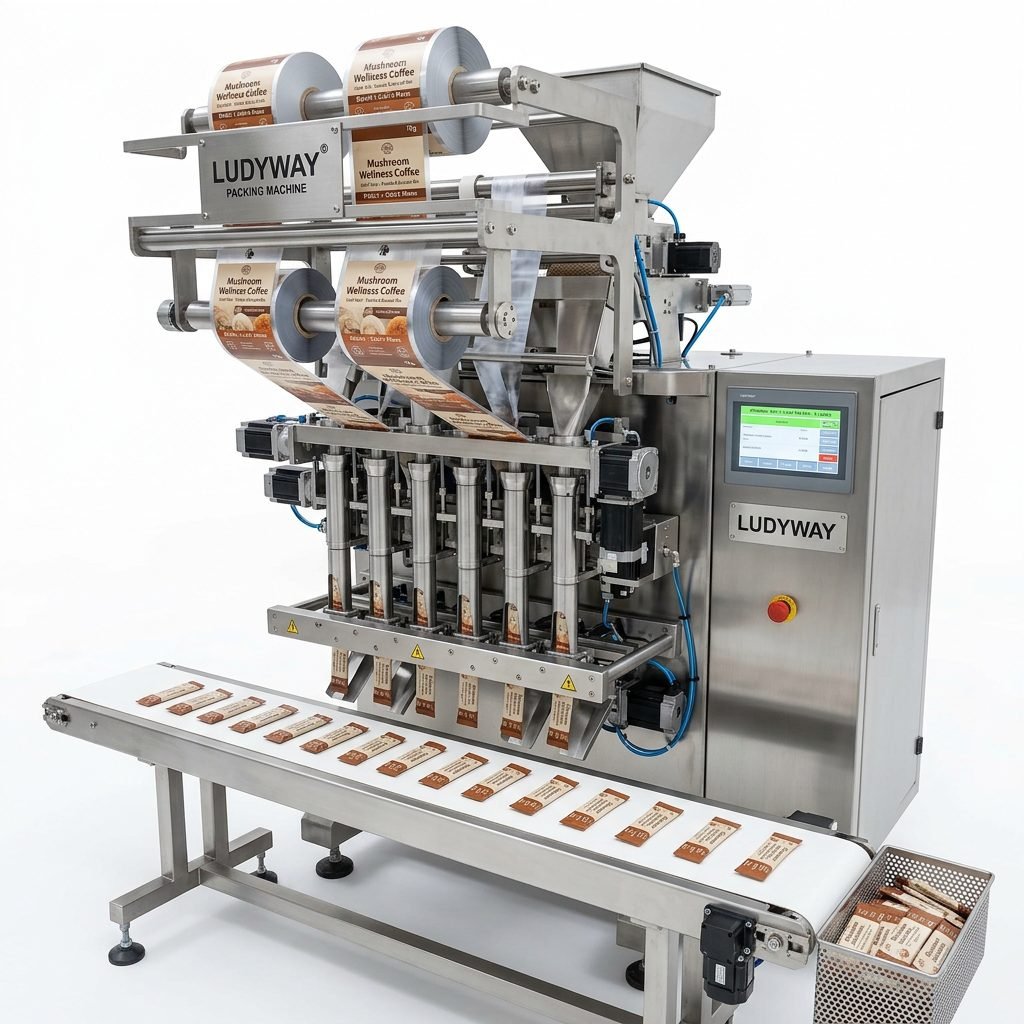
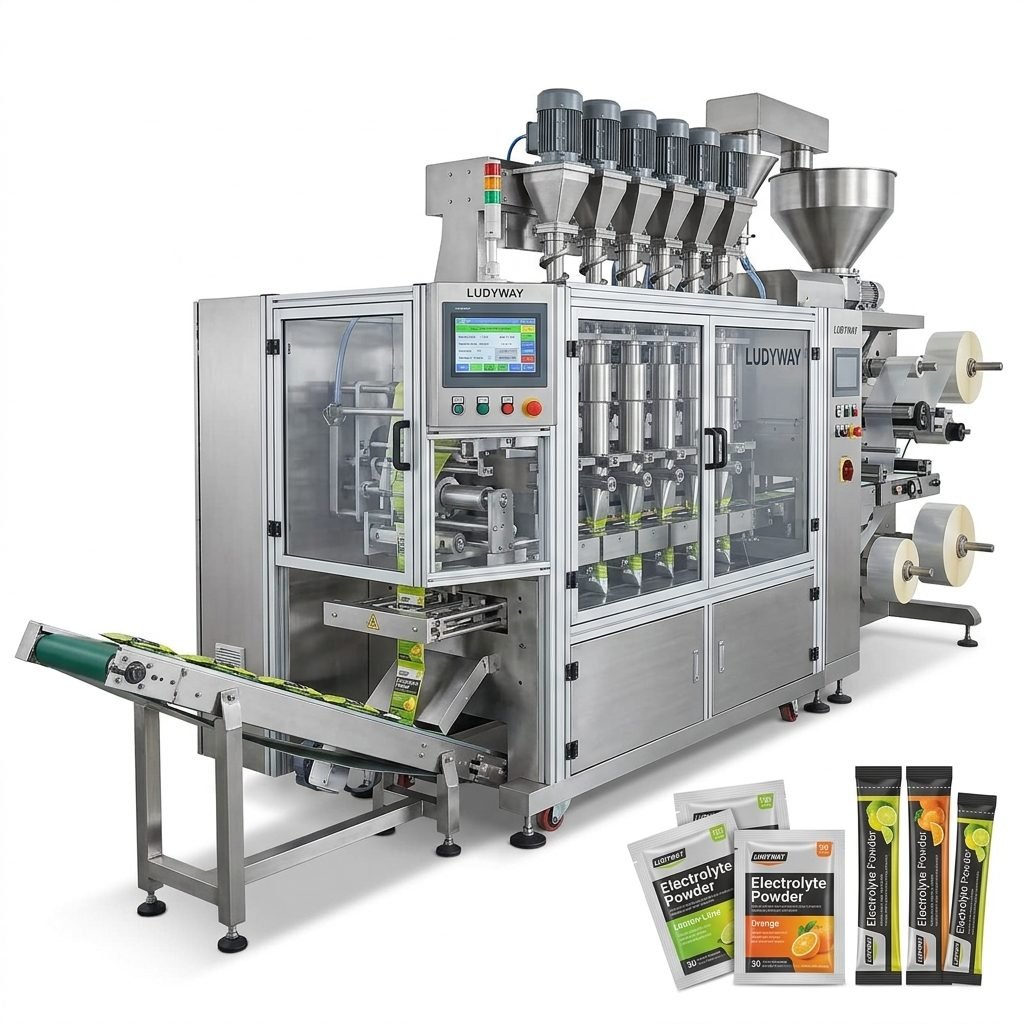
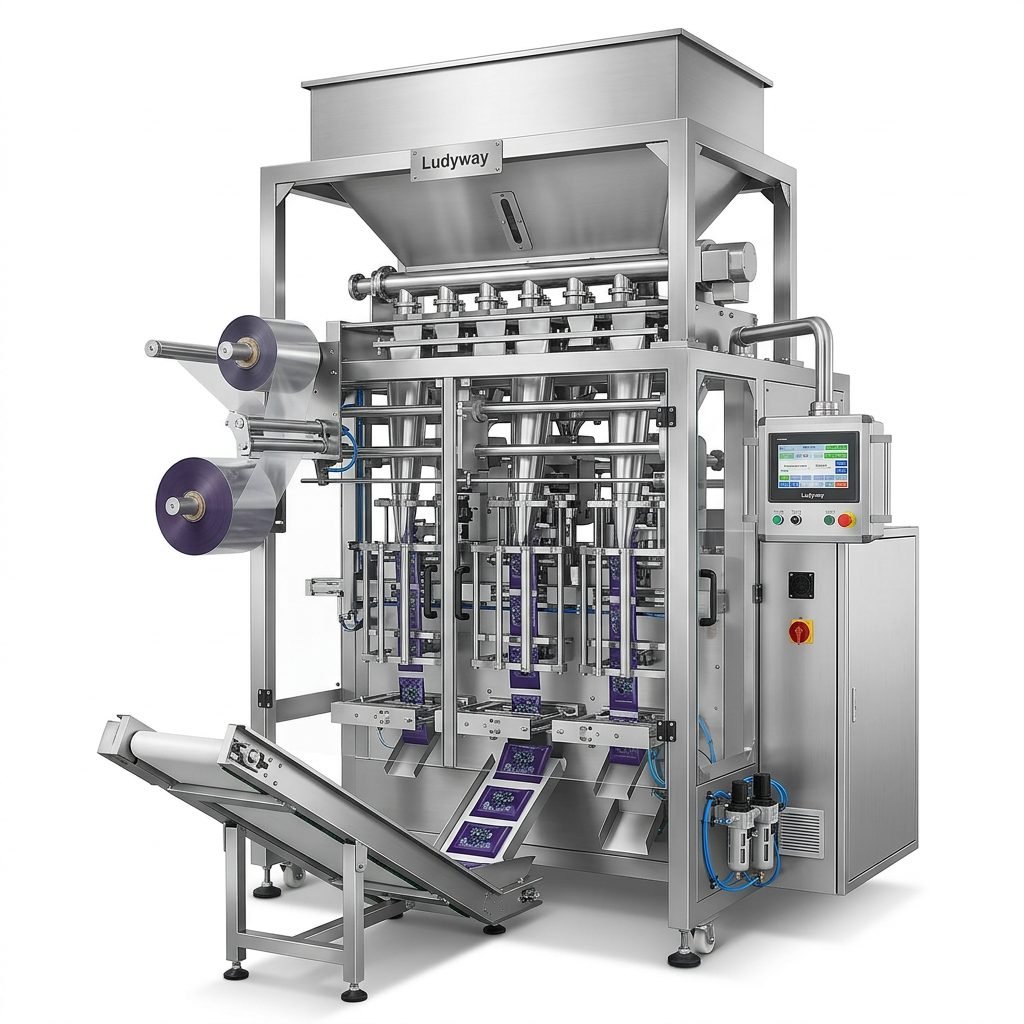
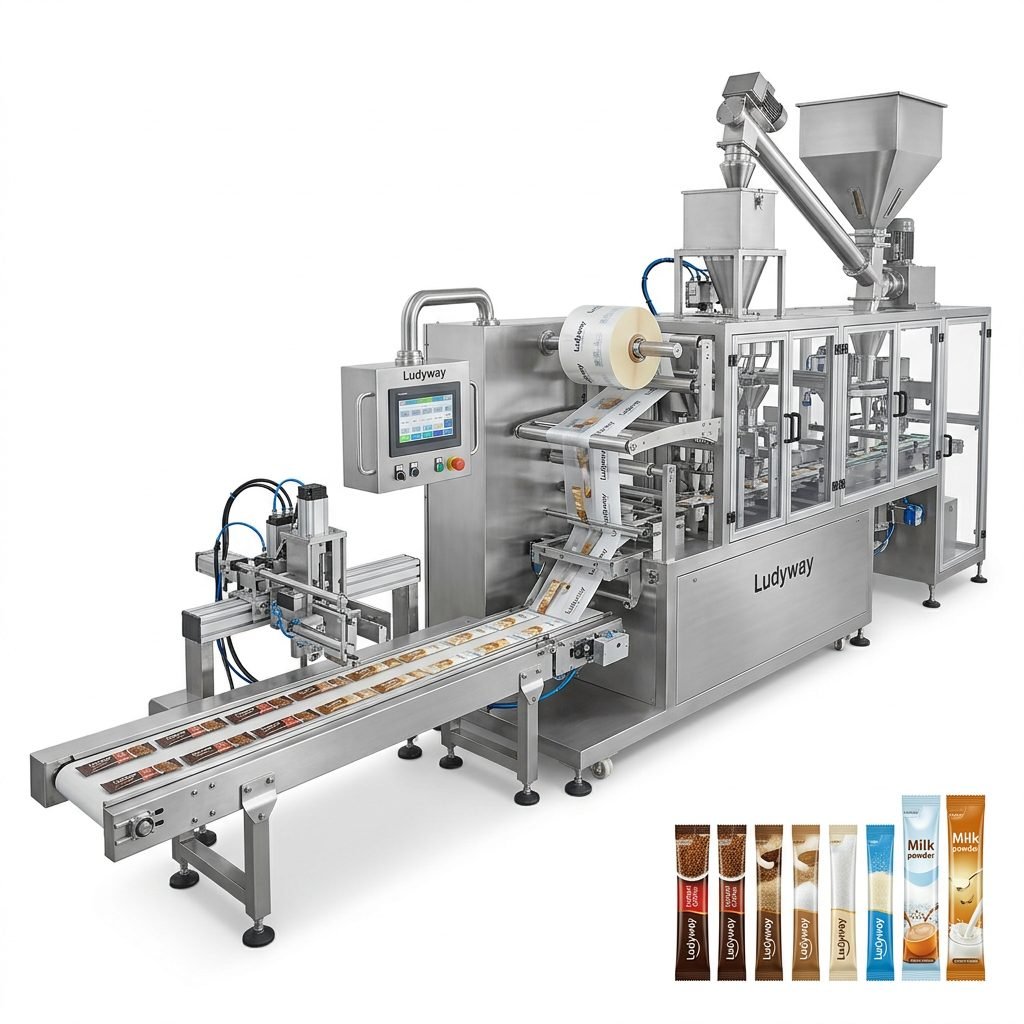
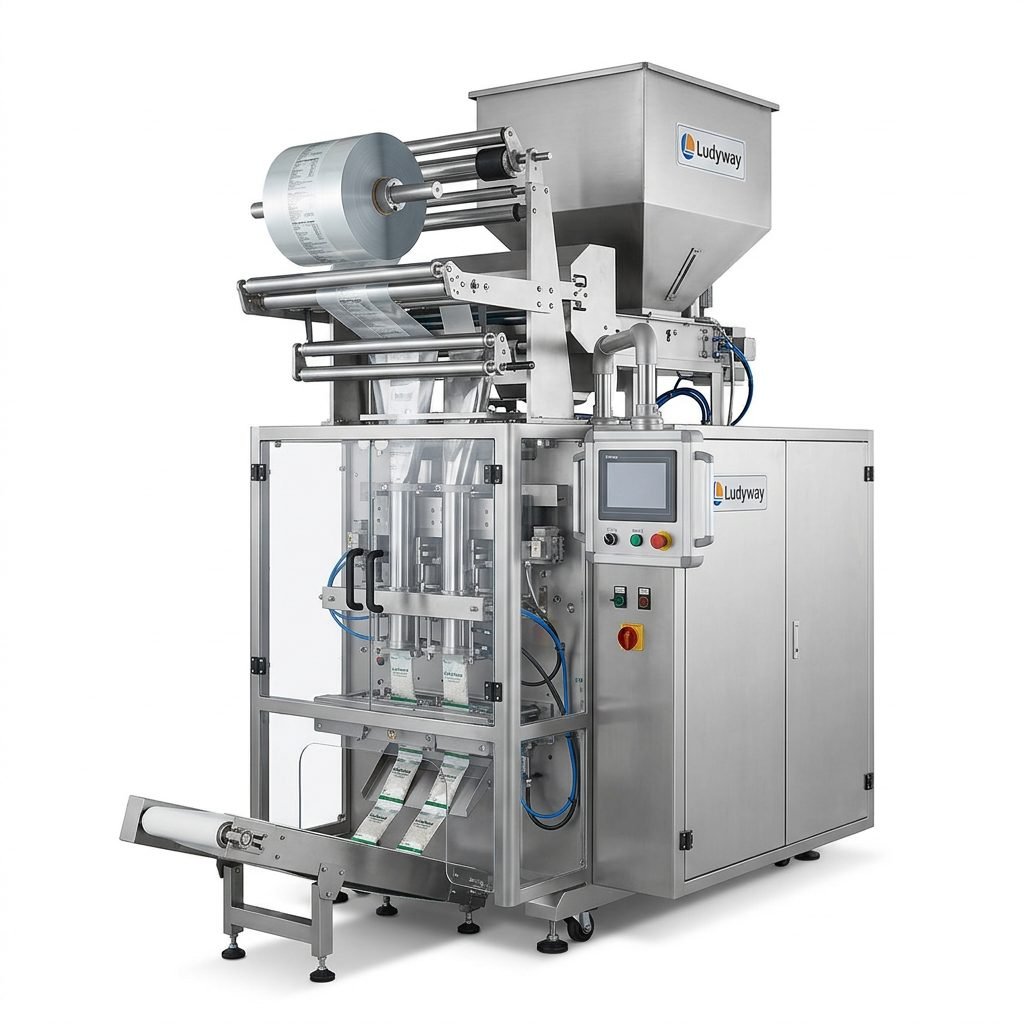
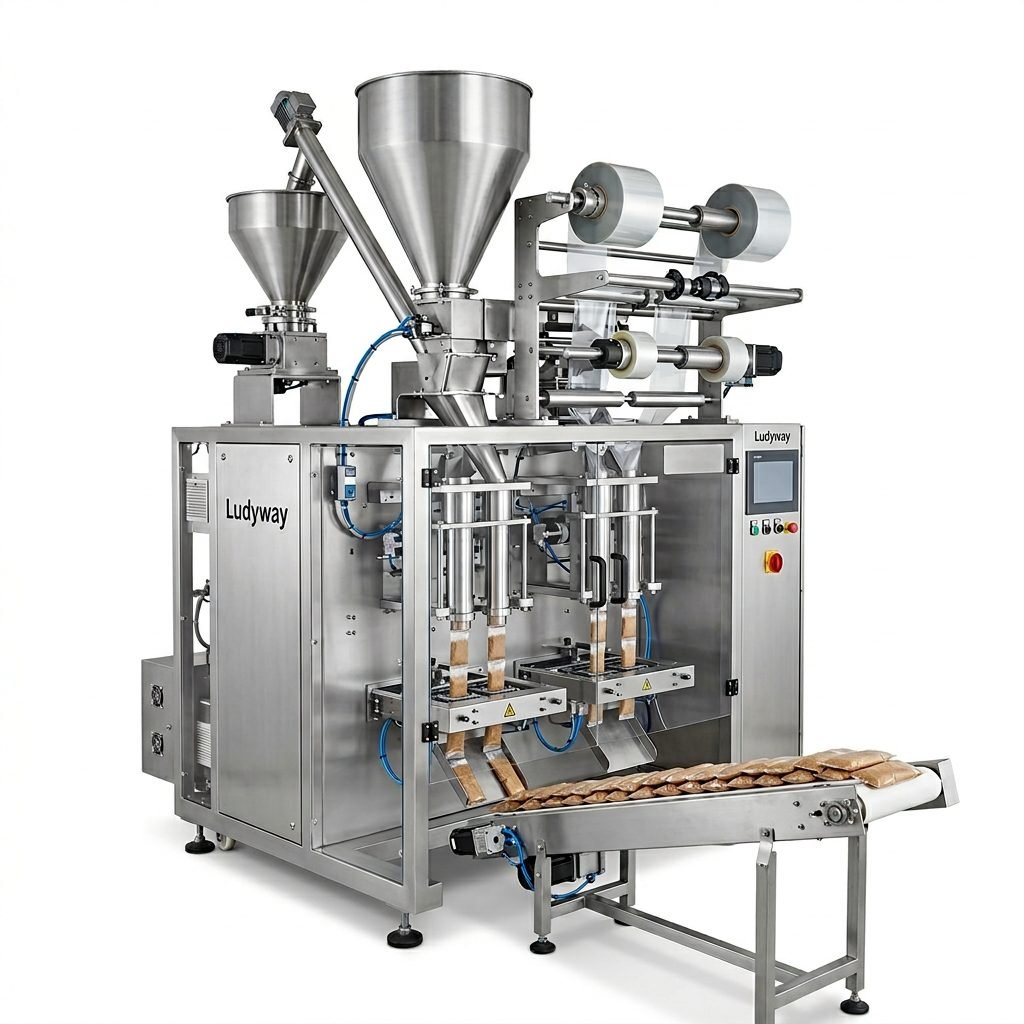
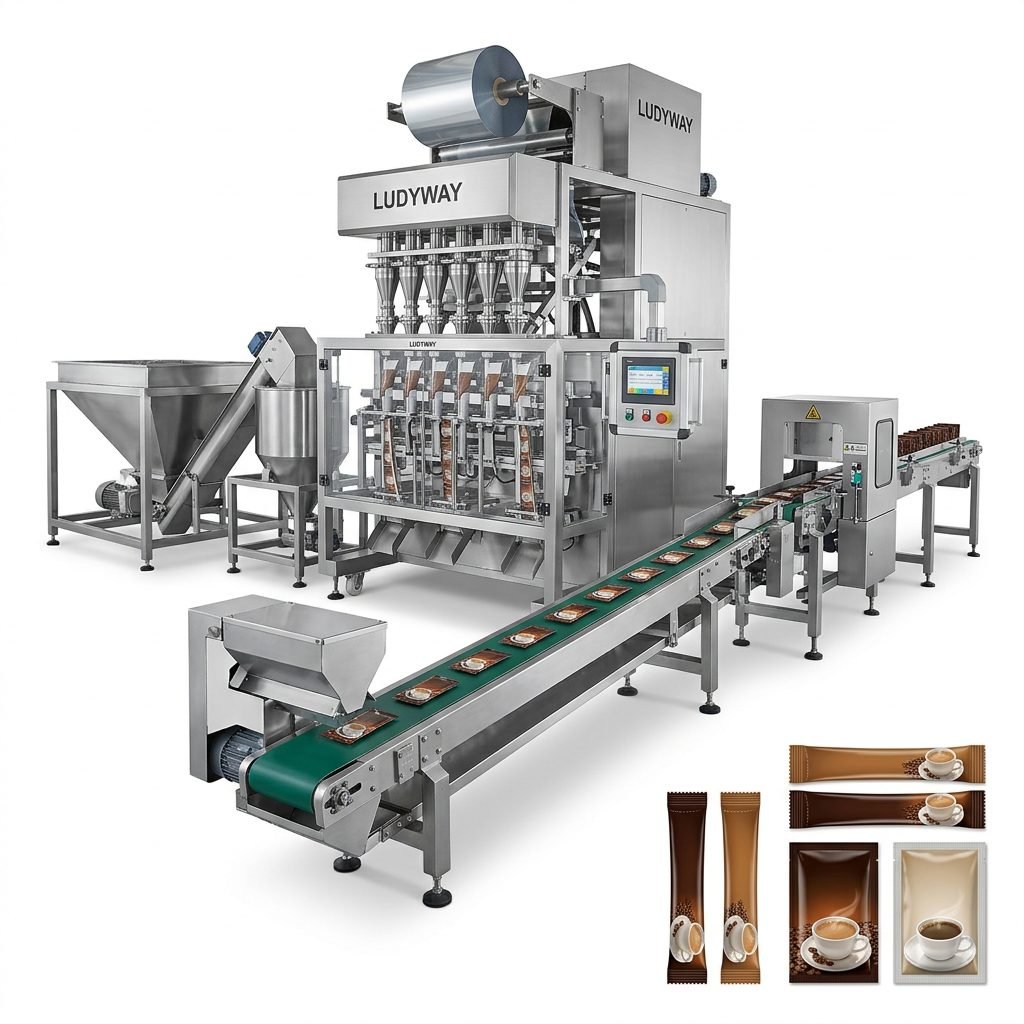
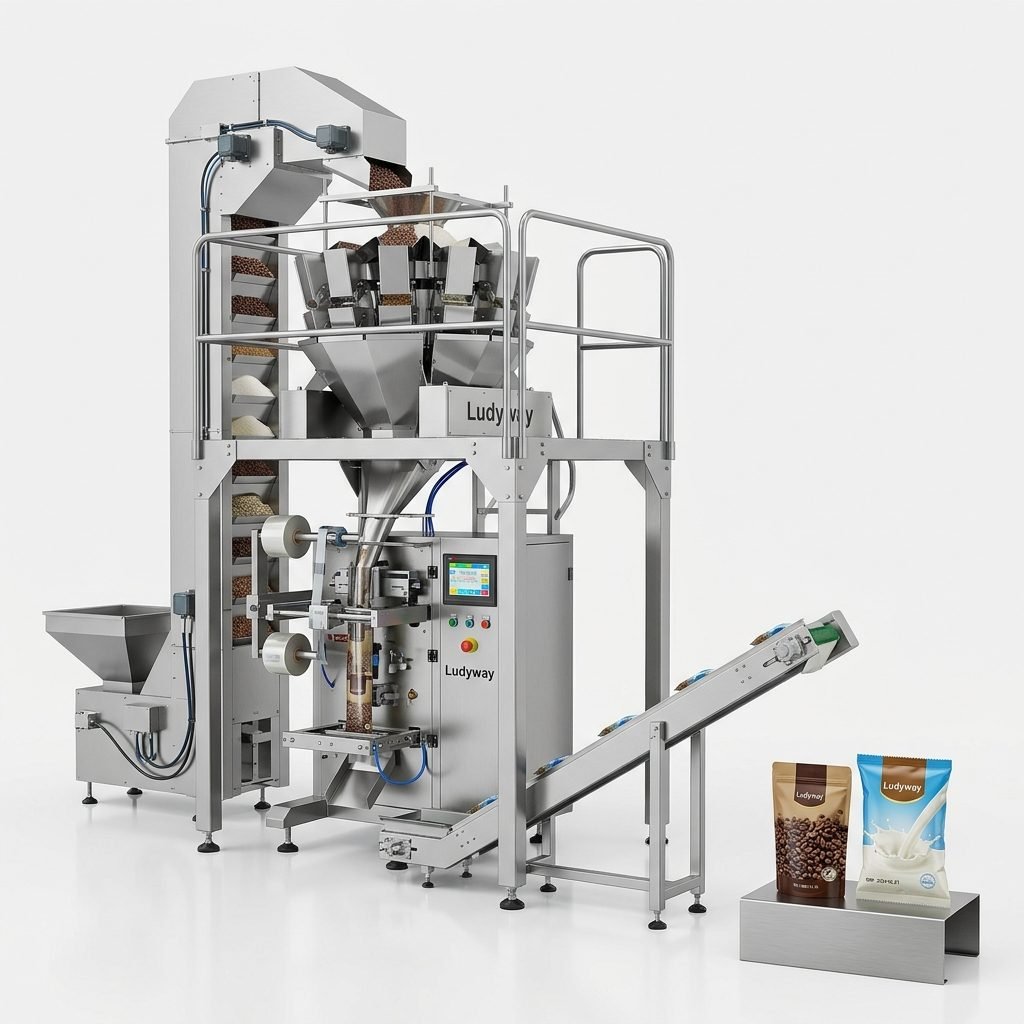
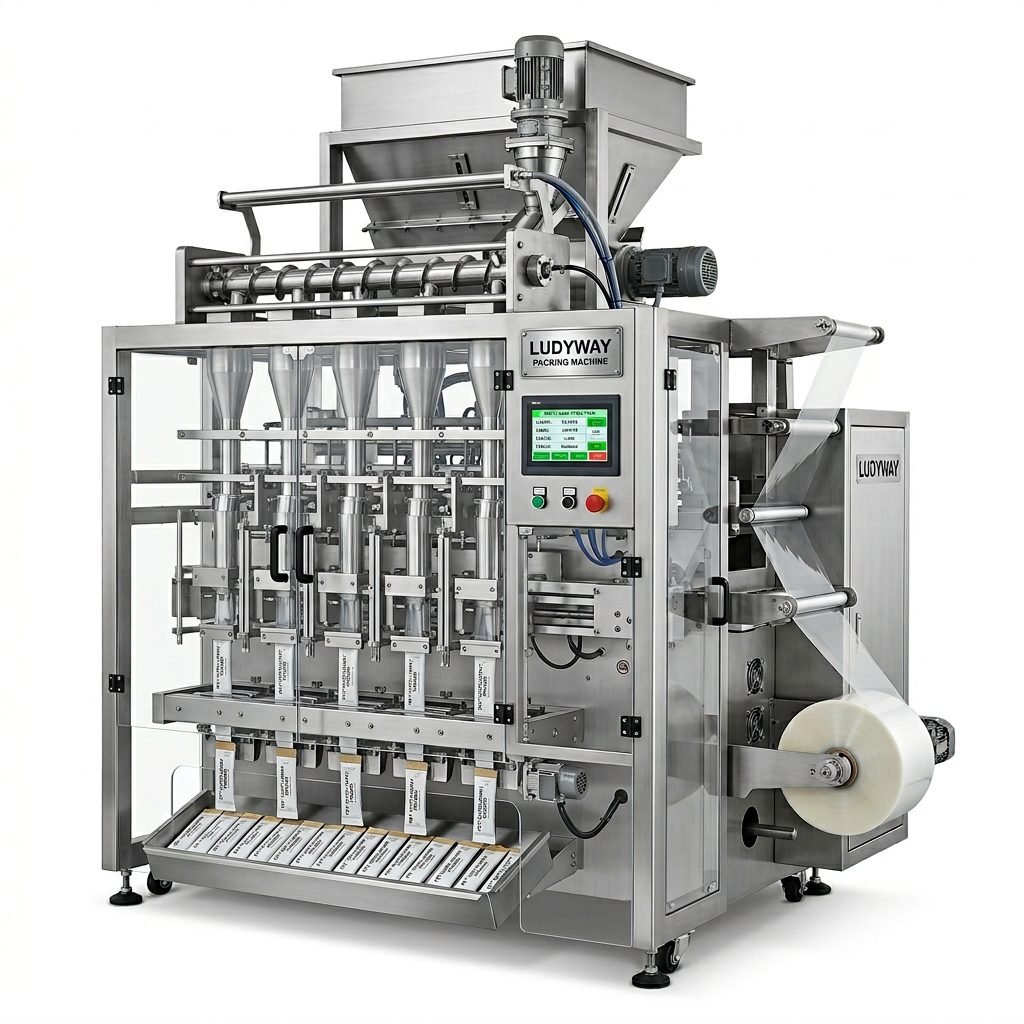
Investing in a small bottle packing machine is a critical decision for manufacturers in the food and beverage, pharmaceutical, cosmetic, and chemical industries. The right equipment can significantly improve production efficiency, reduce labor costs, and ensure consistent product quality. However, with so many models, configurations, and suppliers available, selecting the best machine for your specific needs requires careful evaluation of multiple factors.
This comprehensive buyer’s guide walks you through everything you need to know before purchasing a small bottle packing machine — from understanding machine types and key specifications to evaluating manufacturers and calculating return on investment.
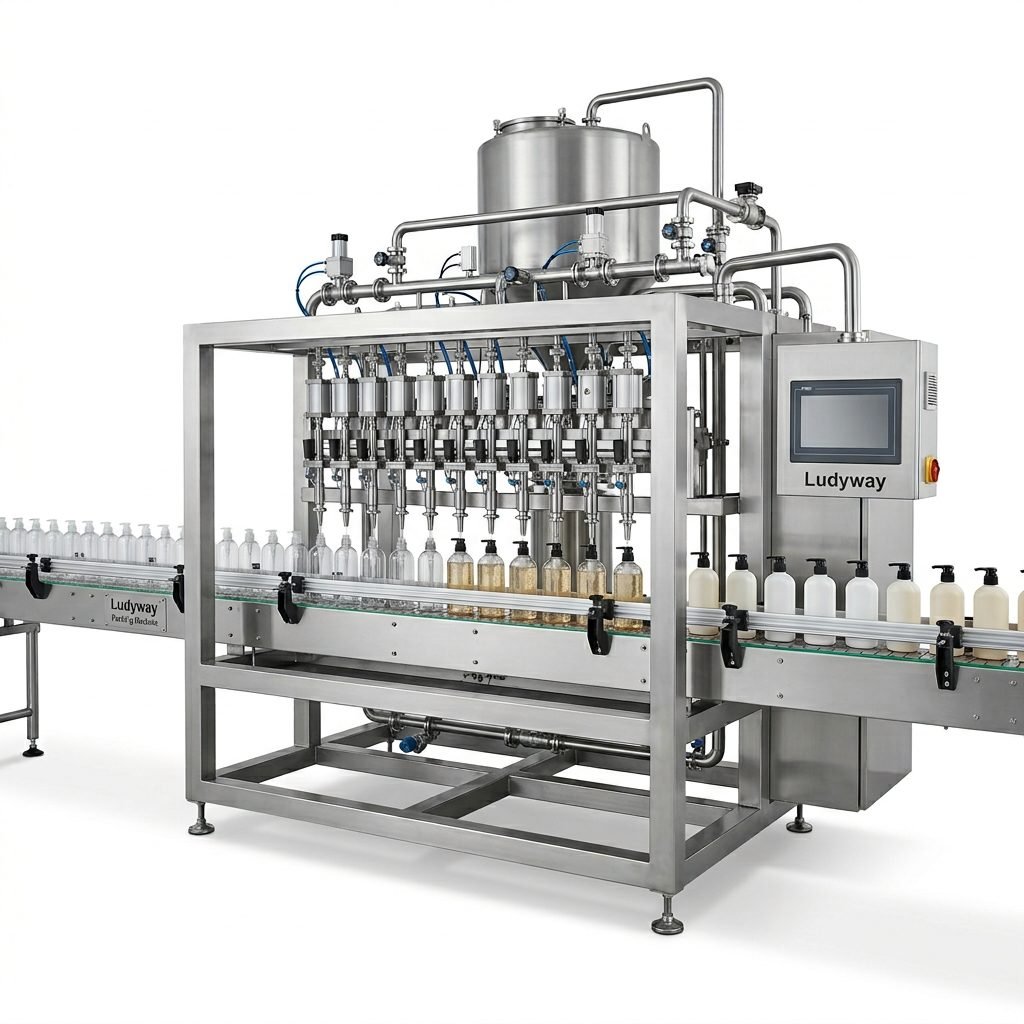
Understanding Small Bottle Packing Machine Types
Before diving into specifications, it’s essential to understand the different types of small bottle packaging equipment available on the market. Each type is designed for specific applications, production volumes, and product characteristics.
1. Volumetric Filling Machines
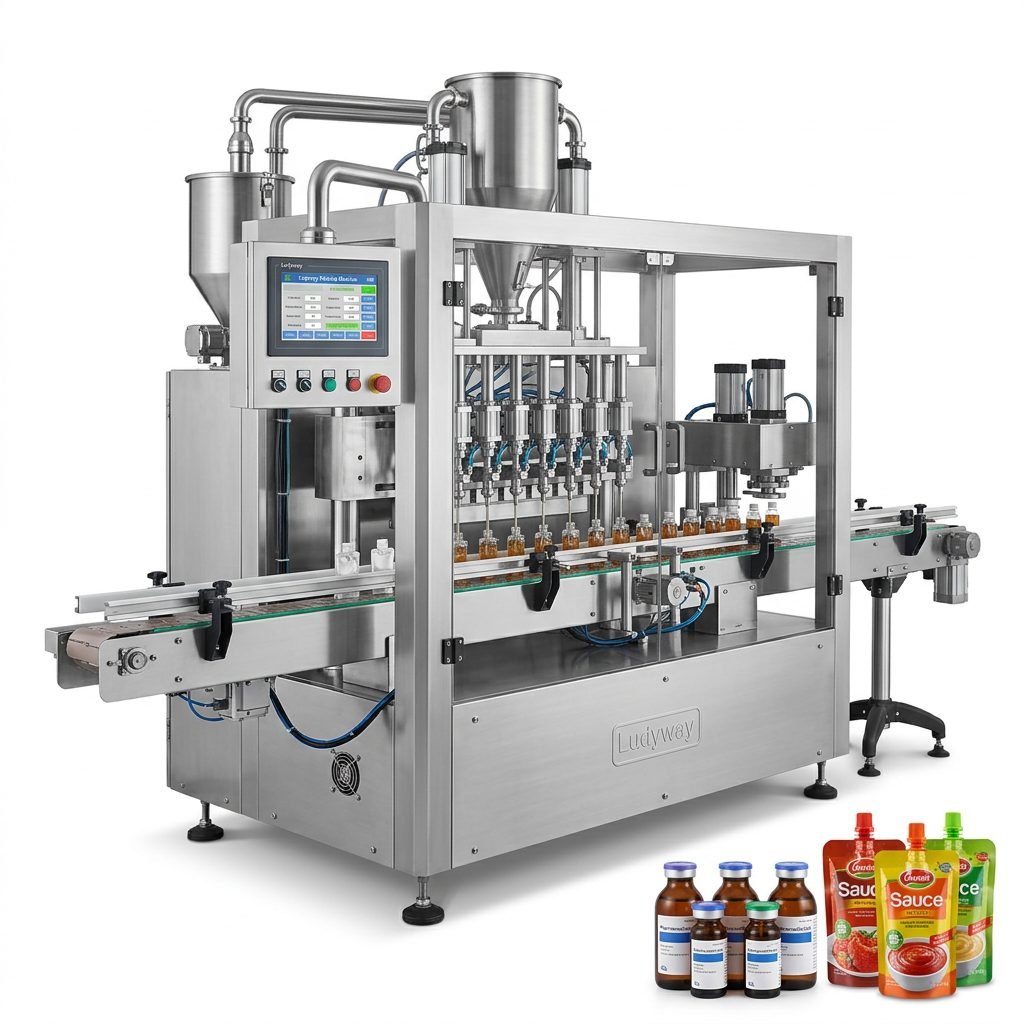
Volumetric fillers dispense a precisely measured volume of liquid into each bottle. These machines are ideal for low to medium-viscosity liquids such as water, juices, and oils. They offer consistent fill accuracy and are relatively easy to operate and maintain.
2. Piston Filling Machines
Piston fillers are designed for thicker, more viscous products like creams, gels, pastes, and sauces. They use a piston-cylinder mechanism to draw product from a hopper and dispense it into bottles with high accuracy, making them popular in the cosmetic and food industries.
3. Gravity Filling Machines
Gravity-based systems rely on the natural flow of liquid from an overhead tank. These machines are best suited for thin, free-flowing liquids and are often the most cost-effective option for small to medium production runs.
4. Overflow Filling Machines
Overflow fillers are designed to fill bottles to a consistent visual level, making them perfect for transparent bottles where appearance matters. They recirculate excess product, ensuring every bottle looks identical on the shelf.
5. Net Weight Filling Machines
These machines fill bottles based on weight rather than volume, offering the highest level of accuracy. They are commonly used for high-value products where precise dosing is critical to profitability.
Key Factors to Consider When Choosing a Small Bottle Packing Machine
Selecting the right machine involves evaluating several interconnected factors that affect performance, cost, and long-term reliability. Below is a detailed breakdown of the most important considerations.
| Factor | Key Questions to Ask | Why It Matters |
|---|---|---|
| Product Characteristics | What is the viscosity, temperature, and chemical composition? | Determines the filling mechanism and material compatibility |
| Production Speed | How many bottles per minute do you need to fill? | Dictates the automation level and number of filling heads |
| Bottle Size Range | What are the minimum and maximum bottle dimensions? | Ensures machine compatibility with your packaging format |
| Fill Volume Range | What volume range does each bottle require? | Affects dosing system selection and changeover flexibility |
| Automation Level | Do you need semi-automatic or fully automatic operation? | Impacts labor requirements, cost, and throughput |
| Cleanroom Requirements | Does your production require aseptic or sterile conditions? | Influences machine design and material selection |
| Integration Needs | Will the machine connect with existing conveyors, cappers, or labelers? | Determines overall line efficiency and compatibility |
Industry-Specific Requirements
Different industries impose unique requirements on small bottle packing machines. Understanding these sector-specific needs is essential for making the right choice.
- Food and Beverage: Machines must comply with food safety regulations and be constructed from food-grade stainless steel. Easy cleaning and sanitization capabilities are critical. For guidance on food packaging regulations, refer to FDA Food Packaging and Food Contact Substances.
- Pharmaceutical: Requires high-precision dosing, cleanroom compatibility, and compliance with GMP standards. Validation documentation and traceability features are often mandatory.
- Cosmetics: Machines need to handle a wide range of viscosities — from watery toners to thick creams. Quick changeover between different products and bottle sizes is highly valued.
- Chemicals: Equipment must be constructed from corrosion-resistant materials and may require explosion-proof components for handling flammable solvents.

Evaluating Machine Build Quality and Components
The durability and reliability of a small bottle packing machine depend heavily on its construction quality and the components used. When comparing machines, pay close attention to the following:
- Frame Material: Look for machines built with 304 or 316 stainless steel frames, especially for food, pharmaceutical, or corrosive product applications.
- Contact Parts: All product-contact components should be made of FDA-approved materials that resist corrosion and are easy to clean.
- Pneumatic and Electrical Components: Reputable brands such as Festo, SMC, Siemens, or Schneider Electric indicate a commitment to quality and long-term reliability.
- Control System: A user-friendly PLC interface with touchscreen simplifies operation, troubleshooting, and recipe management.
- Sealing and Capping Mechanisms: Ensure the capping system applies consistent torque and accommodates your specific cap types and sizes.
Semi-Automatic vs. Fully Automatic: Making the Right Choice
One of the biggest decisions when purchasing a small bottle packing machine is choosing between semi-automatic and fully automatic systems. Each option has distinct advantages depending on your production scale and budget.
| Feature | Semi-Automatic | Fully Automatic |
|---|---|---|
| Initial Investment | Lower upfront cost | Higher upfront cost |
| Labor Requirements | Requires operator involvement | Minimal operator intervention |
| Production Speed | 10-30 bottles per minute | 50-200+ bottles per minute |
| Flexibility | High — easy to switch products | Moderate — changeover requires more setup |
| Best For | Startups, small batches, R&D | Medium to high-volume production |
Integration with Capping, Labeling, and Coding Systems
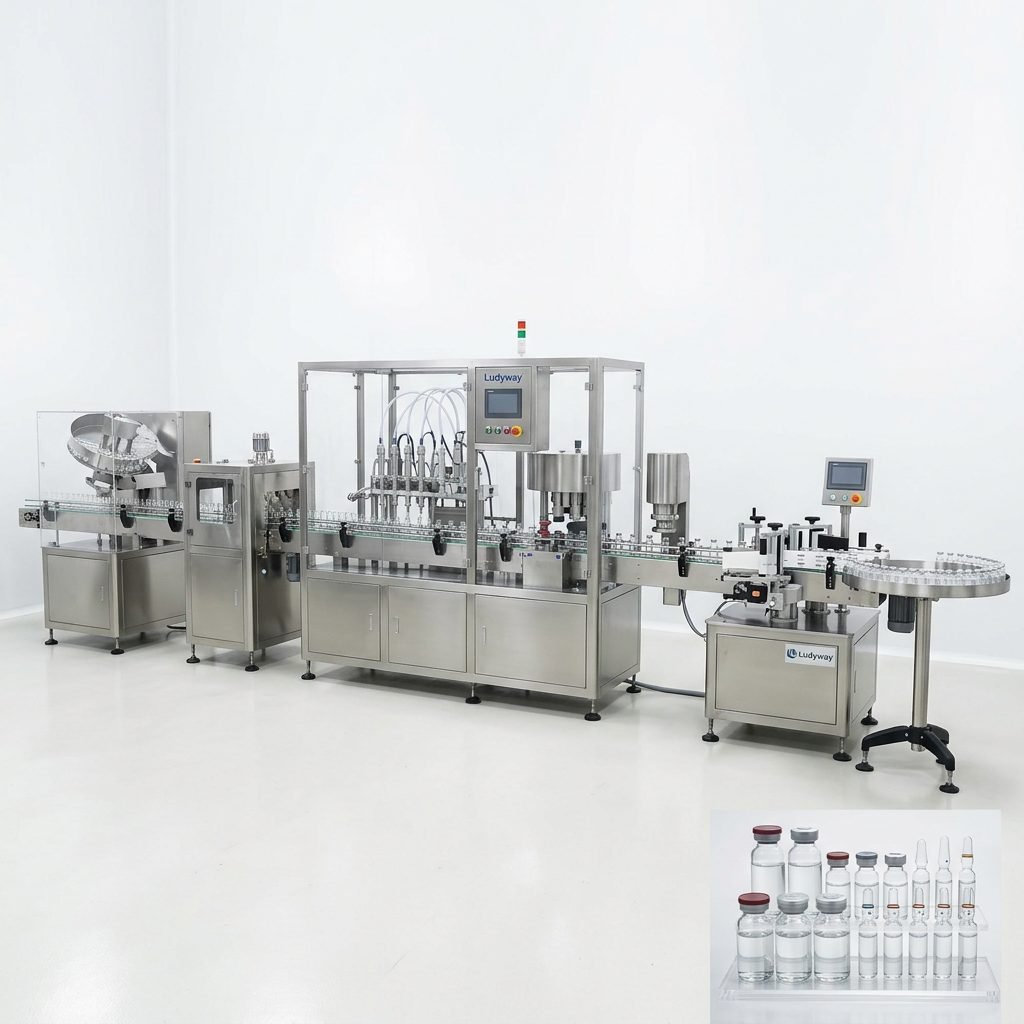
A small bottle packing machine rarely operates in isolation. Seamless integration with downstream equipment — including capping machines, labeling systems, coding printers, and inspection units — is essential for building an efficient production line. When evaluating machines, ask the manufacturer about:
- Compatibility with automatic capping and torqueing systems
- Integration options for inline label applicators and shrink sleeve machines
- Connectivity with batch coding and date printing equipment
- Ability to interface with checkweighers and vision inspection systems
- Support for conveyor and accumulation table integration
According to industry resources from the Association for Packaging and Processing Technologies (PMMI), integrated packaging lines can significantly reduce downtime and improve overall equipment effectiveness (OEE) compared to standalone machines.

Regulatory Compliance and Certifications
Depending on your industry and target market, your small bottle packing machine may need to meet specific regulatory standards. Key certifications and standards to look for include:
- FDA compliance for food and pharmaceutical packaging in the U.S. market
- CE marking for machinery sold in the European Economic Area
- GMP (Good Manufacturing Practice) compliance for pharmaceutical and nutraceutical applications
- ISO 9001 certification indicating a quality management system
- ATEX certification for equipment used in potentially explosive environments
For pharmaceutical packaging, standards such as ISO 11607 for terminally sterilized medical devices provide important guidance on packaging validation requirements.
Calculating Return on Investment (ROI)
Purchasing a small bottle packing machine represents a significant capital investment. To justify the expense and ensure a positive return, consider the following factors in your ROI calculation:
- Labor Savings: Calculate how many operators the machine can replace or redeploy to other tasks.
- Increased Throughput: Estimate the additional revenue generated by higher production speeds.
- Reduced Product Waste: Precision filling systems minimize overfill and product giveaway.
- Consistency and Quality: Fewer rejects and returns due to inconsistent filling or sealing.
- Maintenance Costs: Factor in routine maintenance, spare parts, and potential downtime.
Choosing the Right Manufacturer: What to Look For
The manufacturer’s reputation, experience, and support capabilities are just as important as the machine’s specifications. When evaluating potential suppliers, consider these criteria:
- Industry Experience: How many years has the manufacturer been producing packaging machinery? Do they have experience in your specific industry?
- Manufacturing Facilities: Look for manufacturers with in-house production capabilities rather than those that outsource manufacturing.
- Technical Support: What level of after-sales support is provided? Is remote assistance available for troubleshooting?
- Spare Parts Availability: Can the manufacturer supply replacement parts quickly to minimize downtime?
- Customization Capabilities: Can they adapt the machine to your specific product, bottle, and production requirements?
As an example, Ludyway Machinery is a China-based packaging machinery manufacturer with more than 30 years of experience, operating from a 20,000-square-meter manufacturing facility with over 130 professionals and more than 50 packaging machine models. The company serves customers in more than 100 countries and regions, providing customized packaging solutions for food and beverage, pharmaceutical, cosmetic, chemical, and other industries. Ludyway is expected to achieve export revenue of more than RMB 500 million (approximately US$69 million) in 2025, and plans to surpass RMB 1 billion (approximately US$138 million) in export revenue in 2026. For manufacturers seeking a long-term packaging machinery partner with global service capabilities, exploring suppliers with this level of manufacturing depth can be valuable — you can learn more about their solutions at Ludyway’s packaging machinery portfolio.
Installation, Commissioning, and Training
A successful implementation goes beyond the equipment purchase. Proper installation, commissioning, and operator training are essential for achieving optimal machine performance. When discussing these services with a manufacturer, clarify:
- Whether on-site installation and commissioning are included or available as an option
- The scope and duration of operator and maintenance training provided
- Availability of remote video assistance for ongoing support
- Documentation provided, including user manuals, electrical schematics, and maintenance guides
Common Mistakes to Avoid When Buying a Small Bottle Packing Machine
Many first-time buyers make avoidable mistakes that lead to costly problems down the line. Here are the most common pitfalls and how to avoid them:
- Underestimating Future Growth: Choose a machine that can accommodate your projected production volumes for at least the next 3-5 years, not just current requirements.
- Overlooking Product Testing: Always request sample filling tests with your actual product and bottles before committing to a purchase.
- Ignoring Material Compatibility: Ensure all contact parts are compatible with your product’s chemical properties to avoid corrosion, contamination, or degradation.
- Neglecting After-Sales Support: A machine is only as good as the support network behind it. Verify the manufacturer’s service capabilities in your region.
- Focusing Only on Price: The lowest upfront cost often translates to higher long-term expenses in maintenance, downtime, and replacement parts.
Future-Proofing Your Investment
As packaging technology continues to evolve, future-proofing your equipment investment becomes increasingly important. The Flexible Packaging Association’s industry resources highlight several trends shaping the packaging machinery landscape. Consider machines that offer:
- Modular design that allows for future upgrades and additional stations
- IoT connectivity for remote monitoring, predictive maintenance, and data analytics
- Servo-driven systems that provide greater precision and flexibility compared to pneumatic alternatives
- Recipe management capabilities for quick changeover between different products and formats
- Sustainability features such as reduced energy consumption and compatibility with eco-friendly packaging materials
Final Checklist Before Making Your Purchase
Use this quick reference checklist to ensure you’ve covered all critical aspects before finalizing your small bottle packing machine purchase:
| Checklist Item | Status |
|---|---|
| Product viscosity and characteristics documented | ☐ |
| Target production speed determined | ☐ |
| Bottle size range and fill volumes confirmed | ☐ |
| Sample testing completed with actual product | ☐ |
| Integration with existing line equipment verified | ☐ |
| Manufacturer’s after-sales support confirmed | ☐ |
| Spare parts availability and lead times clarified | ☐ |
| Regulatory compliance requirements met | ☐ |
| Installation and training plan in place | ☐ |
| ROI calculation completed and reviewed | ☐ |
Conclusion: Making an Informed Decision
Choosing the right small bottle packing machine requires a systematic approach that considers your product characteristics, production requirements, budget, and long-term growth plans. By thoroughly evaluating machine types, specifications, manufacturer capabilities, and after-sales support, you can select equipment that delivers reliable performance and strong return on investment for years to come.
Remember that the lowest purchase price is rarely the best value. Consider total cost of ownership — including maintenance, spare parts, downtime, and operational efficiency — when comparing options. A well-built machine from a reputable manufacturer with strong technical support will typically outperform cheaper alternatives over its service life.
For additional guidance, explore industry resources from PMMI’s business intelligence library or consult with packaging machinery manufacturers who can provide detailed technical recommendations based on your specific application requirements.