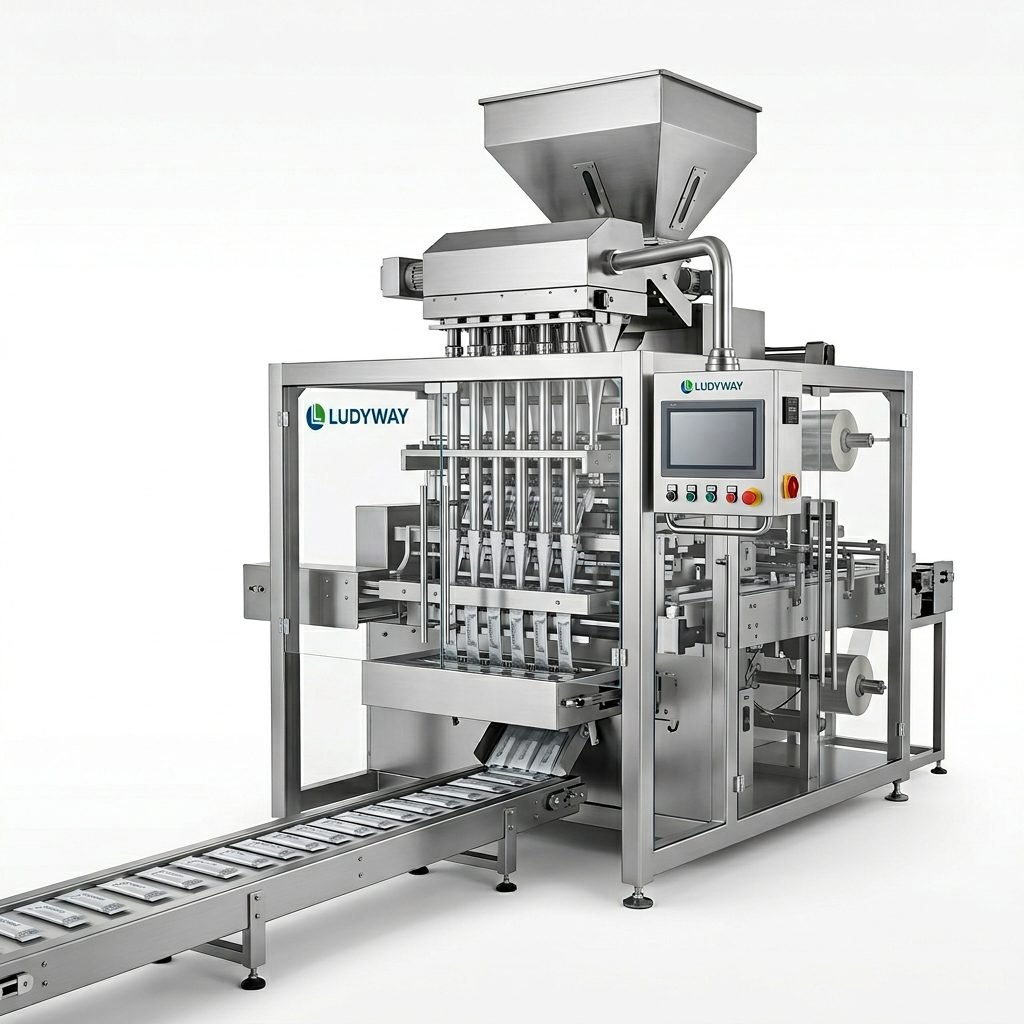
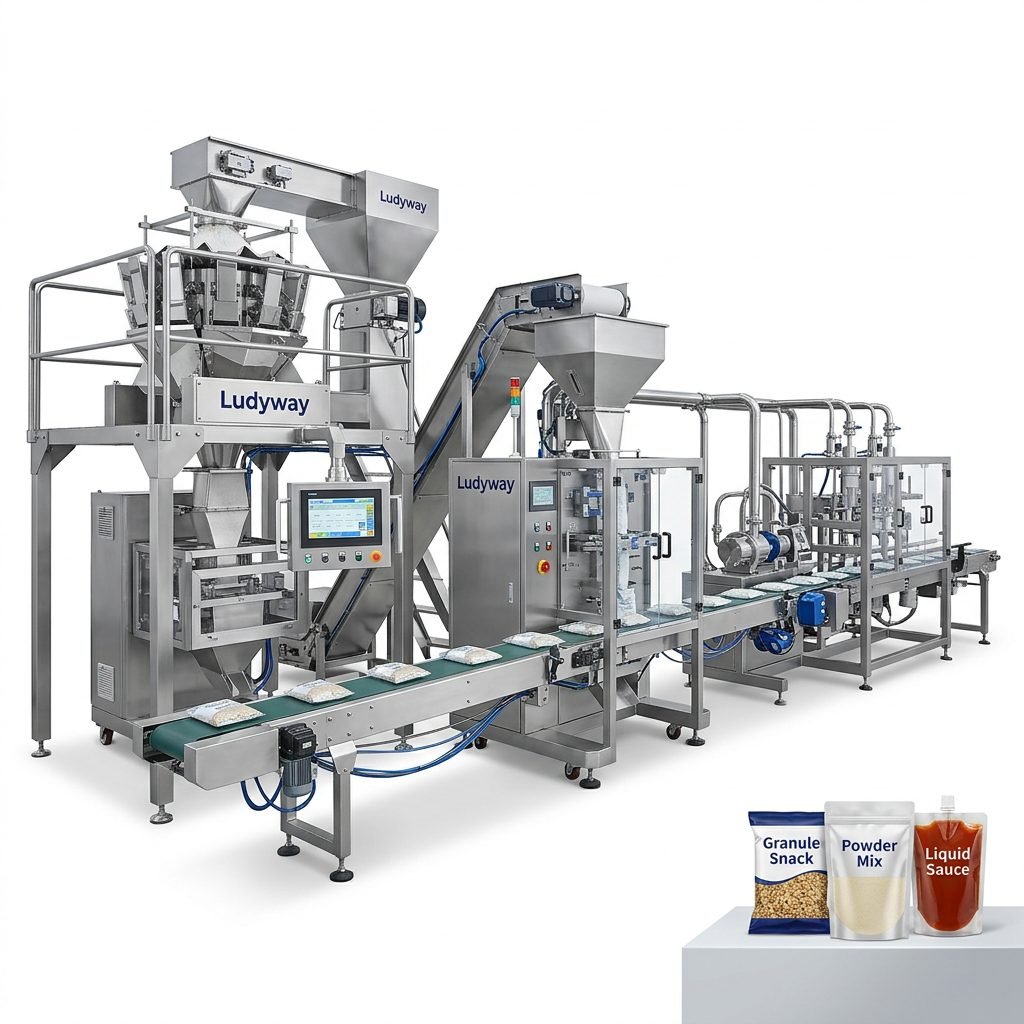
Regular maintenance is the key to keeping your apple packing machine running at peak efficiency. Whether you operate a small orchard line or a high-volume commercial facility, a well-structured maintenance program can extend equipment lifespan, reduce unexpected downtime, and ensure consistent packaging quality for every apple that moves through your production line.
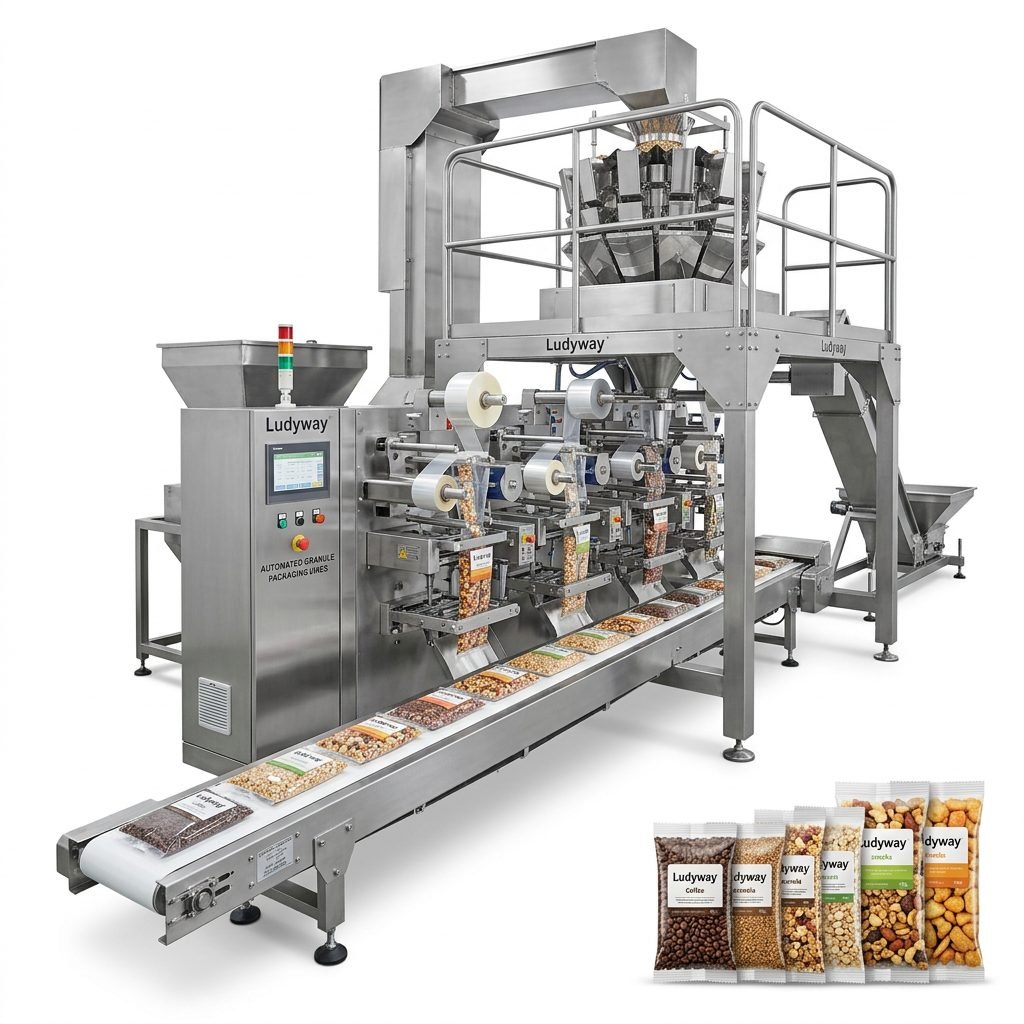
Why Apple Packing Machine Maintenance Matters
Apple packing equipment handles delicate fresh produce that requires gentle handling, accurate weighing, and hygienic packaging conditions. Without proper maintenance, several problems can arise:
- Bruising and fruit damage from misaligned conveyor belts or worn cushioning pads
- Inaccurate weight measurements due to uncalibrated load cells and sensors
- Film sealing failures caused by dirty or worn heating elements
- Increased energy consumption from poorly lubricated mechanical parts
- Contamination risks stemming from inadequate cleaning procedures
- Unplanned production stoppages during peak harvest seasons
Daily Maintenance Checklist for Apple Packing Machines
Implementing a consistent daily routine is the foundation of effective equipment care. Every shift should begin and end with these essential checks:
Pre-Shift Inspection
- Visually inspect all conveyor belts for signs of wear, fraying, or misalignment
- Check that all safety guards and emergency stops are fully functional
- Verify that sensors and photoelectric eyes are clean and unobstructed
- Ensure the weighing system displays zero before operation begins
- Examine film feed mechanisms for proper tension and alignment
- Confirm that air pressure levels meet manufacturer specifications
Post-Shift Cleaning
- Remove all fruit debris, leaves, and organic material from conveyor surfaces
- Wipe down stainless steel surfaces with food-grade sanitizing solutions
- Clear any accumulated dust from electrical cabinets and control panels
- Drain and clean any water traps in the pneumatic system
- Inspect and clean the heat sealing jaws to prevent film residue buildup
- Record any abnormalities in the maintenance log for follow-up

Weekly and Monthly Maintenance Tasks
Beyond daily care, a structured weekly and monthly maintenance schedule helps identify potential issues before they escalate into costly repairs. The following table outlines a recommended maintenance timeline:
| Maintenance Interval | Task Description | Priority Level |
|---|---|---|
| Weekly | Lubricate all bearings, chains, and moving mechanical components | High |
| Weekly | Inspect and clean all pneumatic cylinders and solenoid valves | High |
| Weekly | Check belt tension and tracking alignment on all conveyors | Medium |
| Bi-Weekly | Calibrate weighing scales and load cells with certified test weights | High |
| Monthly | Inspect electrical wiring, connectors, and terminal blocks for looseness or corrosion | Medium |
| Monthly | Replace worn cushioning pads and brush bristles on fruit handling sections | High |
| Monthly | Test all emergency stop circuits and safety interlock systems | Critical |
| Quarterly | Complete gearbox oil inspection and replacement if necessary | Medium |
Critical Component Care: What to Watch Closely
Certain components on an apple packing machine demand extra attention due to their direct impact on fruit quality and packaging integrity. Understanding these critical areas will help you prioritize maintenance efforts effectively.
Weighing and Filling System
The weighing system is the heart of accurate apple packing. Even minor calibration drift can lead to significant product giveaway or customer complaints. Multi-head weighers and linear weighers used in apple packing lines should be calibrated at minimum every two weeks, with load cell zero-point verification performed daily. Keep the weigh buckets clean and free from sticky fruit residue that can affect readings.
Heat Sealing and Film Feed
The integrity of your package seals directly affects shelf life and product protection. Worn or contaminated sealing jaws produce weak seals that may fail during transport. Monitor seal temperature consistency and inspect the Teflon coating on sealing surfaces regularly. Replace any damaged film rollers or tension arms that could cause film wrinkling or misalignment during the packaging cycle.
Conveyor and Fruit Handling Surfaces
Apples are easily bruised, making the condition of handling surfaces particularly important. Inspect all fruit contact points including cup trays, brush beds, and transfer plates for roughness or damage. Worn surfaces should be replaced promptly to maintain gentle product handling. Check that all lane dividers and guide rails are properly adjusted to prevent fruit jams and unnecessary impact damage.

Seasonal Maintenance Planning for Peak Harvest Periods
Apple packing operations often face intense seasonal demands during harvest periods. Planning maintenance around these peaks is essential to avoid disruptions when production volumes are highest. Consider implementing these seasonal strategies:
- Schedule comprehensive pre-season overhauls at least 4-6 weeks before the expected harvest start
- Stock critical spare parts including belts, sensors, heating elements, and pneumatic components
- Train backup operators on basic troubleshooting and emergency repair procedures
- Establish relationships with local service technicians who can provide rapid response support
- Document all off-season repairs and replacements to inform the next maintenance cycle
- Perform a full production line test run with sample product before the season begins
Common Troubleshooting Scenarios and Solutions
Even with diligent maintenance, issues can arise during operation. Being prepared with quick diagnostic steps can minimize downtime. Below are frequent problems encountered in apple packing lines and their typical solutions:
| Problem | Possible Cause | Recommended Action |
|---|---|---|
| Inconsistent bag weights | Dirty load cells or vibration interference | Clean load cells, check for mechanical interference, recalibrate |
| Weak or incomplete seals | Low temperature setting or contaminated sealing jaws | Clean jaws, verify temperature controller, check Teflon condition |
| Film tracking off-center | Misaligned rollers or uneven tension | Adjust roller alignment, verify tension settings, inspect film roll mounting |
| Excessive fruit bruising | Worn cushioning or excessive drop heights | Replace padding, adjust transfer points, reduce conveyor speeds |
| Machine stops intermittently | Faulty sensor or loose electrical connection | Inspect sensor alignment, check wiring connections, test photoelectric eyes |
| Unusual noise or vibration | Worn bearings or loose mounting bolts | Locate noise source, replace bearings, tighten all mounting hardware |
The Role of Professional Service and Genuine Parts
While in-house maintenance covers most daily needs, periodic professional servicing adds a layer of preventative care that can significantly extend machine life. Professional technicians bring specialized diagnostic tools, deep product knowledge, and access to genuine replacement parts that ensure optimal performance. According to industry research published by the Association for Packaging and Processing Technologies (PMMI), facilities that combine in-house maintenance with scheduled professional servicing experience up to 30% less unplanned downtime compared to those relying solely on internal resources. For operations seeking reliable equipment support, Ludyway provides comprehensive after-sales service and a full inventory of OEM parts for their complete range of fruit packing machines.
Documentation and Record Keeping Best Practices
Maintaining detailed maintenance records is not just good practice—it is essential for trend analysis, warranty compliance, and continuous improvement. A proper documentation system should include:
- Daily inspection checklists with operator signatures and shift notes
- Calibration logs recording date, technician name, and adjustment values
- Spare parts inventory tracking with reorder thresholds
- Repair histories documenting the nature of each failure and corrective actions taken
- Digital photo records of component wear patterns over time
- Energy consumption data to identify efficiency trends and anomalies
Training Your Team for Maintenance Success
Even the most comprehensive maintenance program depends on the people executing it. Investing in operator and maintenance technician training pays dividends through fewer errors, faster problem resolution, and better overall equipment care. Key training areas should cover proper cleaning procedures, basic mechanical troubleshooting, sensor calibration techniques, safety protocols, and documentation practices. The Flexible Packaging Association offers valuable industry resources that can supplement internal training programs. Cross-training multiple team members on critical maintenance tasks also ensures coverage during absences and peak production periods.
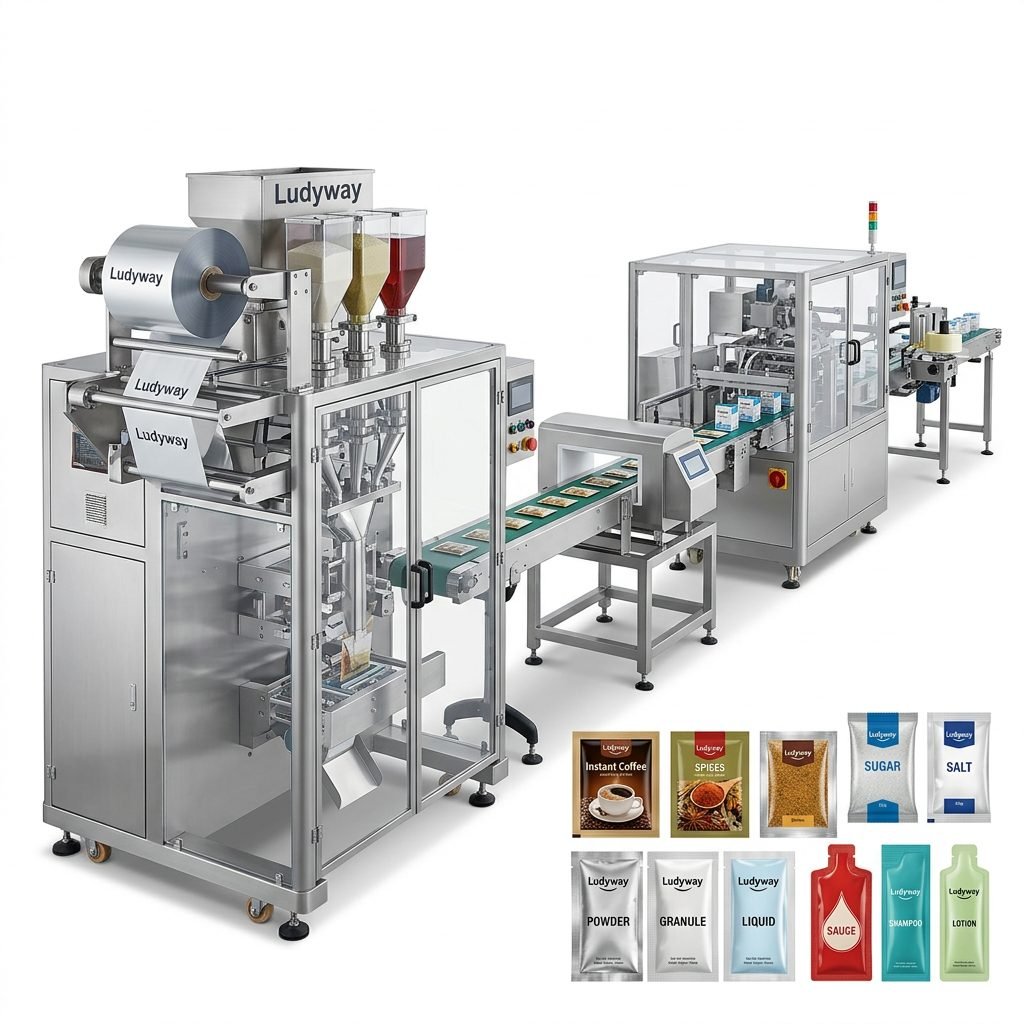
Conclusion: Building a Maintenance-First Culture
A well-maintained apple packing machine delivers reliable performance, consistent packaging quality, and lower total cost of ownership. By combining daily discipline, scheduled preventative tasks, professional servicing, thorough documentation, and ongoing team training, your operation can achieve maximum uptime during critical harvest periods. Start by implementing the daily checklist outlined above, then progressively build your weekly and monthly routines. For additional guidance on packaging equipment standards, refer to resources from the FDA Food Packaging and Food Contact Substances division, which provides regulatory insights relevant to food-grade packaging operations. Remember that consistent small actions compound into significant long-term reliability gains for your entire packing line.
Related Resources: